

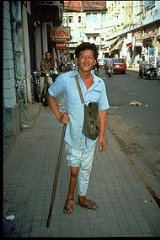
Poliomyelitis

Encyclopedia
Poliomyelitis, often called polio or infantile paralysis, is an acute viral infectious disease
spread from person to person, primarily via the fecal-oral route
. The term derives from the Greek
, meaning "grey", , referring to the "spinal cord
", and the suffix -itis, which denotes inflammation
.
Although approximately 90% of polio infections cause no symptoms at all
, affected individuals can exhibit a range of symptoms if the virus enters the blood stream
. In about 1% of cases the virus enters the central nervous system
, preferentially infecting and destroying motor neuron
s, leading to muscle weakness
and acute flaccid paralysis
. Different types of paralysis may occur, depending on the nerves involved. Spinal polio is the most common form, characterized by asymmetric paralysis that most often involves the legs. Bulbar polio leads to weakness of muscles innervated by cranial nerves
. Bulbospinal polio is a combination of bulbar and spinal paralysis.
Poliomyelitis was first recognized as a distinct condition by Jakob Heine
in 1840. Its causative agent, poliovirus
, was identified in 1908 by Karl Landsteiner
. Although major polio epidemic
s were unknown before the late 19th century, polio was one of the most dreaded childhood diseases of the 20th century. Polio epidemics have crippled thousands of people, mostly young children; the disease has caused paralysis and death for much of human history
. Polio had existed for thousands of years quietly as an endemic
pathogen until the 1880s, when major epidemics began to occur in Europe; soon after, widespread epidemics appeared in the United States.
By 1910, much of the world experienced a dramatic increase in polio cases and frequent epidemics became regular events, primarily in cities during the summer months. These epidemics—which left thousands of children and adults paralyzed—provided the impetus for a "Great Race" towards the development of a vaccine
. Developed in the 1950s, polio vaccines are credited with reducing the global number of polio cases per year from many hundreds of thousands to around a thousand. Enhanced vaccination
efforts led by the World Health Organization
, UNICEF, and Rotary International
could result in global eradication
of the disease.
The term poliomyelitis is used to identify the disease caused by any of the three serotypes of poliovirus. Two basic patterns of polio infection are described: a minor illness which does not involve the central nervous system
(CNS), sometimes called abortive poliomyelitis, and a major illness involving the CNS, which may be paralytic or non-paralytic. In most people with a normal immune system, a poliovirus infection is asymptomatic
. Rarely the infection produces minor symptoms; these may include upper respiratory tract
infection (sore throat
and fever), gastrointestinal
disturbances (nausea, vomiting, abdominal pain
, constipation or, rarely, diarrhea), and influenza-like illness
.
The virus enters the central nervous system in about 3% of infections. Most patients with CNS involvement develop non-paralytic aseptic meningitis
, with symptoms of headache, neck, back, abdominal and extremity pain, fever, vomiting, lethargy and irritability. Approximately 1 in 1000 to 1 in 200 cases progress to paralytic disease, in which the muscles become weak, floppy and poorly controlled, and finally completely paralyzed; this condition is known as acute flaccid paralysis
. Depending on the site of paralysis, paralytic poliomyelitis is classified as spinal, bulbar, or bulbospinal. Encephalitis
, an infection of the brain tissue itself, can occur in rare cases and is usually restricted to infants. It is characterized by confusion, changes in mental status, headaches, fever, and less commonly seizure
s and spastic paralysis.
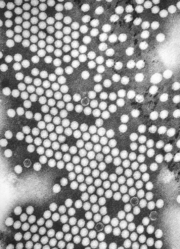 Poliomyelitis is caused by infection with a member of the genus
Enterovirus
known as poliovirus
(PV). This group of RNA virus
es colonize the gastrointestinal tract
— specifically the oropharynx and the intestine. The incubation time (to the first signs and symptoms) ranges from 3 to 35 days with a more common span of 6 to 20 days. PV infects and causes disease
in humans alone. Its structure is very simple, composed of a single (+) sense
RNA
genome
enclosed in a protein shell called a capsid
. In addition to protecting the virus’s genetic material, the capsid proteins enable poliovirus to infect certain types of cells. Three serotypes of poliovirus have been identified—poliovirus type 1 (PV1), type 2 (PV2), and type 3 (PV3)—each with a slightly different capsid protein. All three are extremely virulent
and produce the same disease symptoms. PV1 is the most commonly encountered form, and the one most closely associated with paralysis.
Individuals who are exposed to the virus, either through infection or by immunization
with polio vaccine, develop immunity
. In immune individuals, IgA
antibodies against poliovirus are present in the tonsil
s and gastrointestinal tract and are able to block virus replication; IgG and IgM
antibodies against PV can prevent the spread of the virus to motor neurons of the central nervous system
. Infection or vaccination with one serotype of poliovirus does not provide immunity against the other serotypes, and full immunity requires exposure to each serotype.
A rare condition with a similar presentation, non-poliovirus poliomyelitis, may result from infections with non-poliovirus enterovirus
es.
areas. The time between first exposure and first symptoms, known as the incubation period
, is usually 6 to 20 days, with a maximum range of 3 to 35 days. Virus particles are excreted in the feces
for several weeks following initial infection. The disease is transmitted
primarily via the fecal-oral route
, by ingesting contaminated food or water. It is occasionally transmitted via the oral-oral route, a mode especially visible in areas with good sanitation and hygiene. Polio is most infectious between 7–10 days before and 7–10 days after the appearance of symptoms, but transmission is possible as long as the virus remains in the saliva or feces.
Factors that increase the risk of polio infection or affect the severity of the disease include immune deficiency, malnutrition
, tonsillectomy
, physical activity immediately following the onset of paralysis, skeletal muscle injury due to injection
of vaccines or therapeutic agents, and pregnancy
. Although the virus can cross the placenta
during pregnancy, the fetus does not appear to be affected by either maternal infection or polio vaccination. Maternal antibodies also cross the placenta
, providing passive immunity
that protects the infant from polio infection during the first few months of life.
As a precaution against infection, public swimming pool
s were often closed in affected areas during poliomyelitis epidemics.
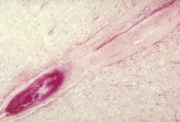 Poliovirus enters the body through the mouth, infecting the first cells it comes in contact with—the pharynx
(throat) and intestinal mucosa. It gains entry by binding to an immunoglobulin-like receptor, known as the poliovirus receptor or CD155
, on the cell membrane. The virus then hijacks the host cell's
own machinery, and begins to replicate
. Poliovirus divides within gastrointestinal cells for about a week, from where it spreads to the tonsils (specifically the follicular dendritic cells residing within the tonsilar germinal center
s), the intestinal lymphoid tissue including the M cells of Peyer's patches, and the deep cervical
and mesenteric lymph nodes
, where it multiplies abundantly. The virus is subsequently absorbed into the bloodstream.
Known as viremia
, the presence of virus in the bloodstream enables it to be widely distributed throughout the body. Poliovirus can survive and multiply within the blood and lymphatics for long periods of time, sometimes as long as 17 weeks. In a small percentage of cases, it can spread and replicate in other sites such as brown fat, the reticuloendothelial tissues, and muscle. This sustained replication causes a major viremia, and leads to the development of minor influenza-like symptoms. Rarely, this may progress and the virus may invade the central nervous system, provoking a local inflammatory response. In most cases this causes a self-limiting inflammation of the meninges
, the layers of tissue surrounding the brain
, which is known as non-paralytic aseptic meningitis. Penetration of the CNS provides no known benefit to the virus, and is quite possibly an incidental deviation of a normal gastrointestinal infection. The mechanisms by which poliovirus spreads to the CNS are poorly understood, but it appears to be primarily a chance event—largely independent of the age, gender, or socioeconomic
position of the individual.
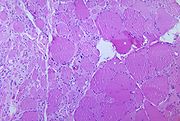 In around 1% of infections, poliovirus spreads along certain nerve fiber pathways, preferentially replicating in and destroying motor neuron
s within the spinal cord
, brain stem
, or motor cortex
. This leads to the development of paralytic poliomyelitis, the various forms of which (spinal, bulbar, and bulbospinal) vary only with the amount of neuronal damage and inflammation that occurs, and the region of the CNS that is affected.
The destruction of neuronal cells produces lesion
s within the spinal ganglia
; these may also occur in the reticular formation
, vestibular nuclei
, cerebellar vermis
, and deep cerebellar nuclei. Inflammation associated with nerve cell
destruction often alters the color and appearance of the gray matter in the spinal column, causing it to appear reddish and swollen. Other destructive changes associated with paralytic disease occur in the forebrain region, specifically the hypothalamus
and thalamus
. The molecular mechanisms by which poliovirus causes paralytic disease are poorly understood.
Early symptoms of paralytic polio include high fever, headache, stiffness in the back and neck, asymmetrical weakness of various muscles, sensitivity to touch, difficulty swallowing
, muscle pain
, loss of superficial and deep reflex
es, paresthesia
(pins and needles), irritability, constipation, or difficulty urinating. Paralysis generally develops one to ten days after early symptoms begin, progresses for two to three days, and is usually complete by the time the fever breaks.
The likelihood of developing paralytic polio increases with age, as does the extent of paralysis. In children, non-paralytic meningitis is the most likely consequence of CNS involvement, and paralysis occurs in only 1 in 1000 cases. In adults, paralysis occurs in 1 in 75 cases. In children under five years of age, paralysis of one leg is most common; in adults, extensive paralysis of the chest
and abdomen
also affecting all four limbs—quadriplegia
—is more likely. Paralysis rates also vary depending on the serotype of the infecting poliovirus; the highest rates of paralysis (1 in 200) are associated with poliovirus type 1, the lowest rates (1 in 2,000) are associated with type 2.
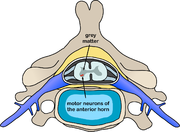 Spinal polio is the most common form of paralytic poliomyelitis; it results from viral invasion of the motor neurons of the anterior horn cells
, or the ventral (front) gray matter
section in the spinal column, which are responsible for movement of the muscles, including those of the trunk
, limbs
and the intercostal muscle
s. Virus invasion causes inflammation of the nerve cells, leading to damage or destruction of motor neuron ganglia
. When spinal neurons die, Wallerian degeneration
takes place, leading to weakness of those muscles formerly innervated by the now dead neurons. With the destruction of nerve cells, the muscles no longer receive signals from the brain or spinal cord; without nerve stimulation, the muscles atrophy
, becoming weak, floppy and poorly controlled, and finally completely paralyzed. Progression to maximum paralysis is rapid (two to four days), and is usually associated with fever and muscle pain. Deep tendon
reflex
es are also affected, and are usually absent or diminished; sensation (the ability to feel) in the paralyzed limbs, however, is not affected.
The extent of spinal paralysis depends on the region of the cord affected, which may be cervical
, thoracic, or lumbar
. The virus may affect muscles on both sides of the body, but more often the paralysis is asymmetrical
. Any limb
or combination of limbs may be affected—one leg, one arm, or both legs and both arms. Paralysis is often more severe proximally (where the limb joins the body) than distally (the fingertips and toe
s).
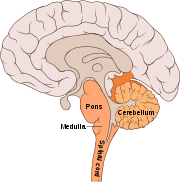 Making up about 2% of cases of paralytic polio, bulbar polio occurs when poliovirus invades and destroys nerves within the bulbar region of the brain stem
. The bulbar region is a white matter
pathway that connects the cerebral cortex
to the brain stem. The destruction of these nerves weakens the muscles supplied by the cranial nerves, producing symptoms of encephalitis
, and causes difficulty breathing
, speaking and swallowing. Critical nerves affected are the glossopharyngeal nerve
, which partially controls swallowing and functions in the throat, tongue movement and taste; the vagus nerve
, which sends signals to the heart, intestines, and lungs; and the accessory nerve
, which controls upper neck movement. Due to the effect on swallowing, secretions of mucus
may build up in the airway causing suffocation. Other signs and symptoms include facial weakness
, caused by destruction of the trigeminal nerve
and facial nerve
, which innervate the cheeks, tear ducts, gums, and muscles of the face, among other structures; double vision
; difficulty in chewing; and abnormal respiratory rate
, depth, and rhythm, which may lead to respiratory arrest
. Pulmonary edema
and shock are also possible, and may be fatal.
(C3 through C5), and paralysis of the diaphragm
occurs. The critical nerves affected are the phrenic nerve
, which drives the diaphragm to inflate the lungs
, and those that drive the muscles needed for swallowing. By destroying these nerves this form of polio affects breathing, making it difficult or impossible for the patient to breathe without the support of a ventilator
. It can lead to paralysis of the arms and legs and may also affect swallowing and heart functions.
A laboratory diagnosis is usually made based on recovery of poliovirus from a stool sample or a swab of the pharynx
. Antibodies to poliovirus can be diagnostic, and are generally detected in the blood of infected patients early in the course of infection. Analysis of the patient's cerebrospinal fluid
(CSF), which is collected by a lumbar puncture
("spinal tap"), reveals an increased number of white blood cell
s (primarily lymphocyte
s) and a mildly elevated protein level. Detection of virus in the CSF is diagnostic of paralytic polio, but rarely occurs.
If poliovirus is isolated from a patient experiencing acute flaccid paralysis, it is further tested through oligonucleotide
mapping (genetic fingerprinting), or more recently by PCR
amplification, to determine whether it is "wild type
" (that is, the virus encountered in nature) or "vaccine type" (derived from a strain of poliovirus used to produce polio vaccine). It is important to determine the source of the virus because for each reported case of paralytic polio caused by wild poliovirus, it is estimated that another 200 to 3,000 contagious asymptomatic carrier
s exist.
at the University of Pittsburgh
purified the gamma globulin
component of the blood plasma
of polio survivors. Hammon proposed that the gamma globulin, which contained antibodies to poliovirus, could be used to halt poliovirus infection, prevent disease, and reduce the severity of disease in other patients who had contracted polio. The results of a large clinical trial
were promising; the gamma globulin was shown to be about 80% effective in preventing the development of paralytic poliomyelitis. It was also shown to reduce the severity of the disease in patients who developed polio. The gamma globulin approach was later deemed impractical for widespread use, however, due in large part to the limited supply of blood plasma, and the medical community turned its focus to the development of a polio vaccine.
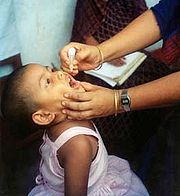 Two types of vaccine are used throughout the world to combat polio. Both types induce immunity to polio, efficiently blocking person-to-person transmission of wild poliovirus, thereby protecting both individual vaccine recipients and the wider community (so-called herd immunity
).
The first candidate polio vaccine
, based on one serotype of a live but attenuated (weakened) virus, was developed by the virologist Hilary Koprowski
. Koprowski's prototype vaccine was given to an eight-year-old boy on February 27, 1950. Koprowski continued to work on the vaccine throughout the 1950s, leading to large-scale trials in the then Belgian Congo
and the vaccination of seven million children in Poland against serotypes PV1 and PV3 between 1958 and 1960.
The second inactivated virus vaccine was developed in 1952 by Jonas Salk
at the University of Pittsburgh, and announced to the world on April 12, 1955. The Salk vaccine, or inactivated poliovirus vaccine (IPV), is based on poliovirus grown in a type of monkey kidney tissue culture
(Vero cell line
), which is chemically inactivated with formalin. After two doses of IPV (given by injection
), 90% or more of individuals develop protective antibody to all three serotype
s of poliovirus, and at least 99% are immune to poliovirus following three doses.
Subsequently, Albert Sabin
developed another live, oral polio vaccine (OPV). It was produced by the repeated passage of the virus through non-human cells at sub-physiological temperatures. The attenuated poliovirus in the Sabin vaccine replicates very efficiently in the gut, the primary site of wild poliovirus infection and replication, but the vaccine strain is unable to replicate efficiently within nervous system
tissue. A single dose of Sabin's oral polio vaccine produces immunity to all three poliovirus serotypes in approximately 50% of recipients. Three doses of live-attenuated OPV produce protective antibody to all three poliovirus types in more than 95% of recipients. Human trials
of Sabin's vaccine began in 1957, and in 1958 it was selected, in competition with the live vaccines of Koprowski and other researchers, by the US National Institutes of Health. It was licensed in 1962 and rapidly became the only polio vaccine used worldwide.
Because OPV is inexpensive, easy to administer, and produces excellent immunity in the intestine (which helps prevent infection with wild virus in areas where it is endemic
), it has been the vaccine of choice for controlling poliomyelitis in many countries. On very rare occasions (about 1 case per 750,000 vaccine recipients) the attenuated virus in OPV reverts into a form that can paralyze. Most industrialized countries
have switched to IPV, which cannot revert, either as the sole vaccine against poliomyelitis or in combination with oral polio vaccine.
for polio. The focus of modern treatment has been on providing relief of symptoms, speeding recovery and preventing complications. Supportive measures include antibiotics to prevent infections in weakened muscles, analgesics for pain, moderate exercise and a nutritious diet. Treatment of polio often requires long-term rehabilitation, including physical therapy
, braces, corrective shoes and, in some cases, orthopedic surgery
.
Portable ventilators may be required to support breathing. Historically, a noninvasive negative-pressure ventilator, more commonly called an iron lung
, was used to artificially maintain respiration during an acute polio infection until a person could breathe independently (generally about one to two weeks). Today many polio survivors with permanent respiratory paralysis use modern jacket-type
negative-pressure ventilators that are worn over the chest and abdomen.
Other historical treatments for polio include hydrotherapy
, electrotherapy
, massage and passive motion exercises, and surgical treatments such as tendon lengthening and nerve grafting. Devices such as rigid braces and body casts—which tended to cause muscle atrophy
due to the limited movement of the user—were also touted as effective treatments.
, and inversely proportional to the degree of immunity
. Spinal polio is rarely fatal.
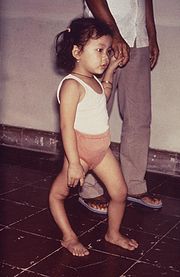 Without respiratory support, consequences of poliomyelitis with respiratory
involvement include suffocation
or pneumonia from aspiration of secretions
. Overall, 5–10% of patients with paralytic polio die due to the paralysis of muscles used for breathing. The mortality rate
varies by age: 2–5% of children and up to 15–30% of adults die. Bulbar polio often causes death if respiratory support is not provided; with support, its mortality rate ranges from 25 to 75%, depending on the age of the patient. When positive pressure ventilators are available, the mortality can be reduced to 15%.
processes involved in recovery following acute paralytic poliomyelitis are quite effective; muscles are able to retain normal strength even if half the original motor neurons have been lost. Paralysis remaining after one year is likely to be permanent, although modest recoveries of muscle strength are possible 12 to 18 months after infection.
One mechanism involved in recovery is nerve terminal sprouting, in which remaining brainstem and spinal cord motor neurons develop new branches, or axonal sprouts. These sprouts can reinnervate orphaned muscle fibers that have been denervated by acute polio infection, restoring the fibers' capacity to contract and improving strength. Terminal sprouting may generate a few significantly enlarged motor neurons doing work previously performed by as many as four or five units: a single motor neuron that once controlled 200 muscle cells might control 800 to 1000 cells. Other mechanisms that occur during the rehabilitation phase, and contribute to muscle strength restoration, include myofiber hypertrophy
—enlargement of muscle fibers through exercise and activity—and transformation of type II muscle fibers to type I muscle fibers.
In addition to these physiological processes, the body possesses a number of compensatory mechanisms to maintain function in the presence of residual paralysis. These include the use of weaker muscles at a higher than usual intensity relative to the muscle's maximal capacity, enhancing athletic development of previously little-used muscles, and using ligament
s for stability, which enables greater mobility.
and paralysis can sometimes result in skeletal deformities, tightening of the joints and movement disability. Once the muscles in the limb become flaccid, they may interfere with the function of other muscles. A typical manifestation of this problem is equinus foot (similar to club foot
). This deformity develops when the muscles that pull the toes downward are working, but those that pull it upward are not, and the foot naturally tends to drop toward the ground. If the problem is left untreated, the Achilles tendon
s at the back of the foot retract and the foot cannot take on a normal position. Polio victims that develop equinus foot cannot walk properly because they cannot put their heel on the ground. A similar situation can develop if the arms become paralyzed. In some cases the growth of an affected leg is slowed by polio, while the other leg continues to grow normally. The result is that one leg is shorter than the other and the person limps and leans to one side, in turn leading to deformities of the spine (such as scoliosis
). Osteoporosis
and increased likelihood of bone fracture
s may occur. Extended use of braces or wheelchairs may cause compression neuropathy, as well as a loss of proper function of the vein
s in the legs, due to pooling of blood in paralyzed lower limbs. Complications from prolonged immobility involving the lungs, kidney
s and heart
include pulmonary edema
, aspiration pneumonia
, urinary tract infection
s, kidney stone
s, paralytic ileus, myocarditis
and cor pulmonale
.
(PPS) or post-polio sequelae. The symptoms of PPS are thought to involve a failure of the over-sized motor units created during recovery from paralytic disease. Factors that increase the risk of PPS include the length of time since acute poliovirus infection, the presence of permanent residual impairment after recovery from the acute illness, and both overuse and disuse of neurons. Post-polio syndrome is not an infectious process, and persons experiencing the syndrome do not shed poliovirus.
, UNICEF, and The Rotary Foundation. These efforts have reduced the number of annual diagnosed cases by 99%; from an estimated 350,000 cases in 1988 to a low of 483 cases in 2001, after which it has remained at a level of about 1,000 cases per year (1,606 in 2009). Polio is one of only two diseases currently the subject of a global eradication program, the other being Guinea worm disease. So far, the only diseases completely eradicated by humankind are smallpox
, which happened in 1979, and rinderpest
in 2010. A number of eradication milestones have already been reached, and several regions of the world have been certified polio-free. The Americas
were declared polio-free in 1994. In 2000 polio was officially eliminated in 36 Western Pacific countries, including China and Australia. Europe
was declared polio-free in 2002. As of 2006, polio remains endemic
in only four countries: Nigeria
, India
(specifically Uttar Pradesh
and Bihar
), Pakistan
, and Afghanistan
, although it continues to cause epidemics in other nearby countries due to hidden or reestablished transmission.
Christopher Hitchens
writes that he learned in 2005 that in Northern Nigeria—a country which at that time was considered provisionally polio free—an Islam
ic Fatwah
was issued declaring that the polio vaccine was a conspiracy by the United States and the United Nations against the Muslim faith, saying that the drops were designed to sterilize the true believers. Subsequently, polio reappeared in Nigeria and spread from there to several other countries.
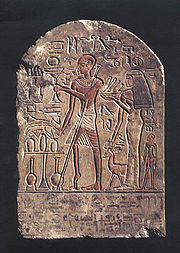 The effects of polio have been known since prehistory
; Egyptian
paintings and carvings depict otherwise healthy people with withered limbs, and children walking with canes at a young age. The first clinical description was provided by the English physician Michael Underwood in 1789, where he refers to polio as "a debility of the lower extremities". The work of physicians Jakob Heine
in 1840 and Karl Oskar Medin
in 1890 led to it being known as Heine-Medin disease. The disease was later called infantile paralysis, based on its propensity to affect children.
Before the 20th century, polio infections were rarely seen in infants before six months of age, most cases occurring in children six months to four years of age. Poorer sanitation
of the time resulted in a constant exposure to the virus, which enhanced a natural immunity
within the population. In developed countries during the late 19th and early 20th centuries, improvements were made in community sanitation, including better sewage
disposal and clean water supplies. These changes drastically increased the proportion of children and adults at risk of paralytic polio infection, by reducing childhood exposure and immunity to the disease.
Small localized paralytic polio epidemic
s began to appear in Europe and the United States around 1900. Outbreaks reached pandemic
proportions in Europe, North America, Australia, and New Zealand during the first half of the 20th century. By 1950 the peak age incidence of paralytic poliomyelitis in the United States had shifted from infants to children aged five to nine years, when the risk of paralysis is greater; about one-third of the cases were reported in persons over 15 years of age. Accordingly, the rate of paralysis and death due to polio infection also increased during this time. In the United States, the 1952 polio epidemic became the worst outbreak in the nation's history. Of nearly 58,000 cases reported that year 3,145 died and 21,269 were left with mild to disabling paralysis. Intensive care medicine
has its origin in the fight against polio. Most hospitals in the 1950s had limited access to iron lung
s for patients unable to breathe without mechanical assistance. Respiratory centers designed to assist the most severe polio patients, first established in 1952 at the Blegdam Hospital of Copenhagen
by Danish
anesthesiologist
Bjørn Ibsen
, were the harbingers of subsequent intensive care unit
s (ICU). (A year later, Ibsen would establish the world's first dedicated ICU.)
The polio epidemics changed not only the lives of those who survived them, but also affected profound cultural changes; spurring grassroots
fund-raising campaigns that would revolutionize medical philanthropy
, and give rise to the modern field of rehabilitation therapy
. As one of the largest disabled groups in the world, polio survivors also helped to advance the modern disability rights movement
through campaigns for the social and civil rights of the disabled. The World Health Organization estimates that there are 10 to 20 million polio survivors worldwide. In 1977 there were 254,000 persons living in the United States who had been paralyzed by polio. According to doctors and local polio support groups, some 40,000 polio survivors with varying degrees of paralysis live in Germany, 30,000 in Japan, 24,000 in France, 16,000 in Australia, 12,000 in Canada and 12,000 in the United Kingdom. Many notable individuals have survived polio and often credit the prolonged immobility and residual paralysis associated with polio as a driving force in their lives and careers.
The disease was very well publicized during the polio epidemics of the 1950s, with extensive media coverage of any scientific advancements that might lead to a cure. Thus, the scientists working on polio became some of the most famous of the century. Fifteen scientists and two laymen who made important contributions to the knowledge and treatment of poliomyelitis are honored by the Polio Hall of Fame
, which was dedicated in 1957 at the Roosevelt Warm Springs Institute for Rehabilitation in Warm Springs, Georgia
, USA. In 2008 four organizations (Rotary International, the World Health Organization, the U.S. Centers for Disease Control and UNICEF) were added to the Hall of Fame.
Infectious disease
Infectious diseases, also known as communicable diseases, contagious diseases or transmissible diseases comprise clinically evident illness resulting from the infection, presence and growth of pathogenic biological agents in an individual host organism...
spread from person to person, primarily via the fecal-oral route
Fecal-oral route
The fecal-oral route, or alternatively, the oral-fecal route or orofecal route is a route of transmission of diseases, in which they are passed when pathogens in fecal particles from one host are introduced into the oral cavity of another potential host.There are usually intermediate steps,...
. The term derives from the Greek
Greek language
Greek is an independent branch of the Indo-European family of languages. Native to the southern Balkans, it has the longest documented history of any Indo-European language, spanning 34 centuries of written records. Its writing system has been the Greek alphabet for the majority of its history;...
, meaning "grey", , referring to the "spinal cord
Spinal cord
The spinal cord is a long, thin, tubular bundle of nervous tissue and support cells that extends from the brain . The brain and spinal cord together make up the central nervous system...
", and the suffix -itis, which denotes inflammation
Inflammation
Inflammation is part of the complex biological response of vascular tissues to harmful stimuli, such as pathogens, damaged cells, or irritants. Inflammation is a protective attempt by the organism to remove the injurious stimuli and to initiate the healing process...
.
Although approximately 90% of polio infections cause no symptoms at all
Asymptomatic
In medicine, a disease is considered asymptomatic if a patient is a carrier for a disease or infection but experiences no symptoms. A condition might be asymptomatic if it fails to show the noticeable symptoms with which it is usually associated. Asymptomatic infections are also called subclinical...
, affected individuals can exhibit a range of symptoms if the virus enters the blood stream
Blood
Blood is a specialized bodily fluid in animals that delivers necessary substances such as nutrients and oxygen to the cells and transports metabolic waste products away from those same cells....
. In about 1% of cases the virus enters the central nervous system
Central nervous system
The central nervous system is the part of the nervous system that integrates the information that it receives from, and coordinates the activity of, all parts of the bodies of bilaterian animals—that is, all multicellular animals except sponges and radially symmetric animals such as jellyfish...
, preferentially infecting and destroying motor neuron
Motor neuron
In vertebrates, the term motor neuron classically applies to neurons located in the central nervous system that project their axons outside the CNS and directly or indirectly control muscles...
s, leading to muscle weakness
Muscle weakness
Muscle weakness or myasthenia is a lack of muscle strength. The causes are many and can be divided into conditions that have true or perceived muscle weakness...
and acute flaccid paralysis
Flaccid paralysis
Flaccid paralysis is a clinical manifestation characterized by weakness or paralysis and reduced muscle tone without other obvious cause .-Polio:...
. Different types of paralysis may occur, depending on the nerves involved. Spinal polio is the most common form, characterized by asymmetric paralysis that most often involves the legs. Bulbar polio leads to weakness of muscles innervated by cranial nerves
Cranial nerves
Cranial nerves are nerves that emerge directly from the brain, in contrast to spinal nerves, which emerge from segments of the spinal cord. In humans, there are traditionally twelve pairs of cranial nerves...
. Bulbospinal polio is a combination of bulbar and spinal paralysis.
Poliomyelitis was first recognized as a distinct condition by Jakob Heine
Jakob Heine
Jakob Heine was a German orthopaedist. He is most famous for his 1840 study into poliomyelitis, which was the first medical report on the disease, and the first time the illness was recognised as a clinical entity...
in 1840. Its causative agent, poliovirus
Poliovirus
Poliovirus, the causative agent of poliomyelitis, is a human enterovirus and member of the family of Picornaviridae.Poliovirus is composed of an RNA genome and a protein capsid. The genome is a single-stranded positive-sense RNA genome that is about 7500 nucleotides long. The viral particle is...
, was identified in 1908 by Karl Landsteiner
Karl Landsteiner
Karl Landsteiner , was an Austrian-born American biologist and physician of Jewish origin. He is noted for having first distinguished the main blood groups in 1900, having developed the modern system of classification of blood groups from his identification of the presence of agglutinins in the...
. Although major polio epidemic
Epidemic
In epidemiology, an epidemic , occurs when new cases of a certain disease, in a given human population, and during a given period, substantially exceed what is expected based on recent experience...
s were unknown before the late 19th century, polio was one of the most dreaded childhood diseases of the 20th century. Polio epidemics have crippled thousands of people, mostly young children; the disease has caused paralysis and death for much of human history
History of the world
The history of the world or human history is the history of humanity from the earliest times to the present, in all places on Earth, beginning with the Paleolithic Era. It excludes non-human natural history and geological history, except insofar as the natural world substantially affects human lives...
. Polio had existed for thousands of years quietly as an endemic
Endemic (epidemiology)
In epidemiology, an infection is said to be endemic in a population when that infection is maintained in the population without the need for external inputs. For example, chickenpox is endemic in the UK, but malaria is not...
pathogen until the 1880s, when major epidemics began to occur in Europe; soon after, widespread epidemics appeared in the United States.
By 1910, much of the world experienced a dramatic increase in polio cases and frequent epidemics became regular events, primarily in cities during the summer months. These epidemics—which left thousands of children and adults paralyzed—provided the impetus for a "Great Race" towards the development of a vaccine
Polio vaccine
Two polio vaccines are used throughout the world to combat poliomyelitis . The first was developed by Jonas Salk and first tested in 1952. Announced to the world by Salk on April 12, 1955, it consists of an injected dose of inactivated poliovirus. An oral vaccine was developed by Albert Sabin...
. Developed in the 1950s, polio vaccines are credited with reducing the global number of polio cases per year from many hundreds of thousands to around a thousand. Enhanced vaccination
Vaccination
Vaccination is the administration of antigenic material to stimulate the immune system of an individual to develop adaptive immunity to a disease. Vaccines can prevent or ameliorate the effects of infection by many pathogens...
efforts led by the World Health Organization
World Health Organization
The World Health Organization is a specialized agency of the United Nations that acts as a coordinating authority on international public health. Established on 7 April 1948, with headquarters in Geneva, Switzerland, the agency inherited the mandate and resources of its predecessor, the Health...
, UNICEF, and Rotary International
Rotary International
Rotary International is an organization of service clubs known as Rotary Clubs located all over the world. The stated purpose of the organization is to bring together business and professional leaders to provide humanitarian service, encourage high ethical standards in all vocations, and help...
could result in global eradication
Eradication of infectious diseases
Eradication is the reduction of an infectious disease's prevalence in the global host population to zero. It is sometimes confused with elimination, which describes either the reduction of an infectious disease's prevalence in a regional population to zero, or the reduction of the global prevalence...
of the disease.
Classification
| Outcome | Proportion of cases |
|---|---|
| Asymptomatic | 90–95% |
| Minor illness | 4–8% |
| Non-paralytic aseptic meningitis |
1–2% |
| Paralytic poliomyelitis | 0.1–0.5% |
| — Spinal polio | 79% of paralytic cases |
| — Bulbospinal polio | 19% of paralytic cases |
| — Bulbar polio | 2% of paralytic cases |
The term poliomyelitis is used to identify the disease caused by any of the three serotypes of poliovirus. Two basic patterns of polio infection are described: a minor illness which does not involve the central nervous system
Central nervous system
The central nervous system is the part of the nervous system that integrates the information that it receives from, and coordinates the activity of, all parts of the bodies of bilaterian animals—that is, all multicellular animals except sponges and radially symmetric animals such as jellyfish...
(CNS), sometimes called abortive poliomyelitis, and a major illness involving the CNS, which may be paralytic or non-paralytic. In most people with a normal immune system, a poliovirus infection is asymptomatic
Subclinical infection
A subclinical infection is the asymptomatic carrying of an by an individual of an agent that usually is a pathogen causing illness, at least in some individuals. Many pathogens spread by being silently carried in this way by some of their host population...
. Rarely the infection produces minor symptoms; these may include upper respiratory tract
Respiratory tract
In humans the respiratory tract is the part of the anatomy involved with the process of respiration.The respiratory tract is divided into 3 segments:*Upper respiratory tract: nose and nasal passages, paranasal sinuses, and throat or pharynx...
infection (sore throat
Pharyngitis
Pharyngitis is an inflammation of the throat or pharynx. In most cases it is quite painful, and is the most common cause of a sore throat.Like many types of inflammation, pharyngitis can be acute – characterized by a rapid onset and typically a relatively short course – or chronic....
and fever), gastrointestinal
Gastrointestinal tract
The human gastrointestinal tract refers to the stomach and intestine, and sometimes to all the structures from the mouth to the anus. ....
disturbances (nausea, vomiting, abdominal pain
Abdominal pain
Abdominal pain can be one of the symptoms associated with transient disorders or serious disease. Making a definitive diagnosis of the cause of abdominal pain can be difficult, because many diseases can result in this symptom. Abdominal pain is a common problem...
, constipation or, rarely, diarrhea), and influenza-like illness
Influenza-like illness
Influenza-like illness , also known as acute respiratory infection and flu-like syndrome, is a medical diagnosis of possible influenza or other illness causing a set of common symptoms, with SARI referring to Severe Acute Respiratory Infection.Symptoms commonly include fever, shivering, chills,...
.
The virus enters the central nervous system in about 3% of infections. Most patients with CNS involvement develop non-paralytic aseptic meningitis
Aseptic meningitis
Aseptic meningitis, or sterile meningitis, is a condition in which the layers lining the brain, meninges, become inflamed and a pyogenic bacterial source is not to blame. Meningitis is diagnosed on a history of characteristic symptoms and certain examination findings...
, with symptoms of headache, neck, back, abdominal and extremity pain, fever, vomiting, lethargy and irritability. Approximately 1 in 1000 to 1 in 200 cases progress to paralytic disease, in which the muscles become weak, floppy and poorly controlled, and finally completely paralyzed; this condition is known as acute flaccid paralysis
Flaccid paralysis
Flaccid paralysis is a clinical manifestation characterized by weakness or paralysis and reduced muscle tone without other obvious cause .-Polio:...
. Depending on the site of paralysis, paralytic poliomyelitis is classified as spinal, bulbar, or bulbospinal. Encephalitis
Encephalitis
Encephalitis is an acute inflammation of the brain. Encephalitis with meningitis is known as meningoencephalitis. Symptoms include headache, fever, confusion, drowsiness, and fatigue...
, an infection of the brain tissue itself, can occur in rare cases and is usually restricted to infants. It is characterized by confusion, changes in mental status, headaches, fever, and less commonly seizure
Seizure
An epileptic seizure, occasionally referred to as a fit, is defined as a transient symptom of "abnormal excessive or synchronous neuronal activity in the brain". The outward effect can be as dramatic as a wild thrashing movement or as mild as a brief loss of awareness...
s and spastic paralysis.
Cause
Genus
In biology, a genus is a low-level taxonomic rank used in the biological classification of living and fossil organisms, which is an example of definition by genus and differentia...
Enterovirus
Enterovirus
Enteroviruses are a genus of ssRNA viruses associated with several human and mammalian diseases. Serologic studies have distinguished 66 human enterovirus serotypes on the basis of antibody neutralization tests. Additional antigenic variants have been defined within several of the serotypes on the...
known as poliovirus
Poliovirus
Poliovirus, the causative agent of poliomyelitis, is a human enterovirus and member of the family of Picornaviridae.Poliovirus is composed of an RNA genome and a protein capsid. The genome is a single-stranded positive-sense RNA genome that is about 7500 nucleotides long. The viral particle is...
(PV). This group of RNA virus
RNA virus
An RNA virus is a virus that has RNA as its genetic material. This nucleic acid is usually single-stranded RNA but may be double-stranded RNA...
es colonize the gastrointestinal tract
Gastrointestinal tract
The human gastrointestinal tract refers to the stomach and intestine, and sometimes to all the structures from the mouth to the anus. ....
— specifically the oropharynx and the intestine. The incubation time (to the first signs and symptoms) ranges from 3 to 35 days with a more common span of 6 to 20 days. PV infects and causes disease
Pathogen
A pathogen gignomai "I give birth to") or infectious agent — colloquially, a germ — is a microbe or microorganism such as a virus, bacterium, prion, or fungus that causes disease in its animal or plant host...
in humans alone. Its structure is very simple, composed of a single (+) sense
Sense (molecular biology)
In molecular biology and genetics, sense is a concept used to compare the polarity of nucleic acid molecules, such as DNA or RNA, to other nucleic acid molecules...
RNA
RNA
Ribonucleic acid , or RNA, is one of the three major macromolecules that are essential for all known forms of life....
genome
Genome
In modern molecular biology and genetics, the genome is the entirety of an organism's hereditary information. It is encoded either in DNA or, for many types of virus, in RNA. The genome includes both the genes and the non-coding sequences of the DNA/RNA....
enclosed in a protein shell called a capsid
Capsid
A capsid is the protein shell of a virus. It consists of several oligomeric structural subunits made of protein called protomers. The observable 3-dimensional morphological subunits, which may or may not correspond to individual proteins, are called capsomeres. The capsid encloses the genetic...
. In addition to protecting the virus’s genetic material, the capsid proteins enable poliovirus to infect certain types of cells. Three serotypes of poliovirus have been identified—poliovirus type 1 (PV1), type 2 (PV2), and type 3 (PV3)—each with a slightly different capsid protein. All three are extremely virulent
Virulence
Virulence is by MeSH definition the degree of pathogenicity within a group or species of parasites as indicated by case fatality rates and/or the ability of the organism to invade the tissues of the host. The pathogenicity of an organism - its ability to cause disease - is determined by its...
and produce the same disease symptoms. PV1 is the most commonly encountered form, and the one most closely associated with paralysis.
Individuals who are exposed to the virus, either through infection or by immunization
Immunization
Immunization, or immunisation, is the process by which an individual's immune system becomes fortified against an agent ....
with polio vaccine, develop immunity
Immunity (medical)
Immunity is a biological term that describes a state of having sufficient biological defenses to avoid infection, disease, or other unwanted biological invasion. Immunity involves both specific and non-specific components. The non-specific components act either as barriers or as eliminators of wide...
. In immune individuals, IgA
IGA
Iga or IGA may stand for:-Given name:* a female given name of Polish origin. The name originates from the female given name Jadwiga and stands for gia,or gina in the USA....
antibodies against poliovirus are present in the tonsil
Tonsil
Palatine tonsils, occasionally called the faucial tonsils, are the tonsils that can be seen on the left and right sides at the back of the throat....
s and gastrointestinal tract and are able to block virus replication; IgG and IgM
IGM
IGM as an acronym or abbreviation can refer to:* Immunoglobulin M , the primary antibody against A and B antigens on red blood cells* International Grandmaster, a chess ranking* intergalactic medium* Intragroup medium - see: Intracluster medium...
antibodies against PV can prevent the spread of the virus to motor neurons of the central nervous system
Central nervous system
The central nervous system is the part of the nervous system that integrates the information that it receives from, and coordinates the activity of, all parts of the bodies of bilaterian animals—that is, all multicellular animals except sponges and radially symmetric animals such as jellyfish...
. Infection or vaccination with one serotype of poliovirus does not provide immunity against the other serotypes, and full immunity requires exposure to each serotype.
A rare condition with a similar presentation, non-poliovirus poliomyelitis, may result from infections with non-poliovirus enterovirus
Enterovirus
Enteroviruses are a genus of ssRNA viruses associated with several human and mammalian diseases. Serologic studies have distinguished 66 human enterovirus serotypes on the basis of antibody neutralization tests. Additional antigenic variants have been defined within several of the serotypes on the...
es.
Transmission
Poliomyelitis is highly contagious via the oral-oral (oropharyngeal source) and fecal-oral (intestinal source) routes. In endemic areas, wild polioviruses can infect virtually the entire human population. It is seasonal in temperate climates, with peak transmission occurring in summer and autumn. These seasonal differences are far less pronounced in tropicalTropical climate
A tropical climate is a climate of the tropics. In the Köppen climate classification it is a non-arid climate in which all twelve months have mean temperatures above...
areas. The time between first exposure and first symptoms, known as the incubation period
Incubation period
Incubation period is the time elapsed between exposure to a pathogenic organism, a chemical or radiation, and when symptoms and signs are first apparent...
, is usually 6 to 20 days, with a maximum range of 3 to 35 days. Virus particles are excreted in the feces
Feces
Feces, faeces, or fæces is a waste product from an animal's digestive tract expelled through the anus or cloaca during defecation.-Etymology:...
for several weeks following initial infection. The disease is transmitted
Transmission (medicine)
In medicine and biology, transmission is the passing of a communicable disease from an infected host individual or group to a conspecific individual or group, regardless of whether the other individual was previously infected...
primarily via the fecal-oral route
Fecal-oral route
The fecal-oral route, or alternatively, the oral-fecal route or orofecal route is a route of transmission of diseases, in which they are passed when pathogens in fecal particles from one host are introduced into the oral cavity of another potential host.There are usually intermediate steps,...
, by ingesting contaminated food or water. It is occasionally transmitted via the oral-oral route, a mode especially visible in areas with good sanitation and hygiene. Polio is most infectious between 7–10 days before and 7–10 days after the appearance of symptoms, but transmission is possible as long as the virus remains in the saliva or feces.
Factors that increase the risk of polio infection or affect the severity of the disease include immune deficiency, malnutrition
Malnutrition
Malnutrition is the condition that results from taking an unbalanced diet in which certain nutrients are lacking, in excess , or in the wrong proportions....
, tonsillectomy
Tonsillectomy
A tonsillectomy is a 3,000-year-old surgical procedure in which the tonsils are removed from either side of the throat. The procedure is performed in response to cases of repeated occurrence of acute tonsillitis or adenoiditis, obstructive sleep apnea, nasal airway obstruction, snoring, or...
, physical activity immediately following the onset of paralysis, skeletal muscle injury due to injection
Intramuscular injection
Intramuscular injection is the injection of a substance directly into a muscle. In medicine, it is one of several alternative methods for the administration of medications . It is used for particular forms of medication that are administered in small amounts...
of vaccines or therapeutic agents, and pregnancy
Pregnancy
Pregnancy refers to the fertilization and development of one or more offspring, known as a fetus or embryo, in a woman's uterus. In a pregnancy, there can be multiple gestations, as in the case of twins or triplets...
. Although the virus can cross the placenta
Placenta
The placenta is an organ that connects the developing fetus to the uterine wall to allow nutrient uptake, waste elimination, and gas exchange via the mother's blood supply. "True" placentas are a defining characteristic of eutherian or "placental" mammals, but are also found in some snakes and...
during pregnancy, the fetus does not appear to be affected by either maternal infection or polio vaccination. Maternal antibodies also cross the placenta
Placenta
The placenta is an organ that connects the developing fetus to the uterine wall to allow nutrient uptake, waste elimination, and gas exchange via the mother's blood supply. "True" placentas are a defining characteristic of eutherian or "placental" mammals, but are also found in some snakes and...
, providing passive immunity
Passive immunity
Passive immunity is the transfer of active humoral immunity in the form of readymade antibodies, from one individual to another. Passive immunity can occur naturally, when maternal antibodies are transferred to the fetus through the placenta, and can also be induced artificially, when high levels...
that protects the infant from polio infection during the first few months of life.
As a precaution against infection, public swimming pool
Swimming pool
A swimming pool, swimming bath, wading pool, or simply a pool, is a container filled with water intended for swimming or water-based recreation. There are many standard sizes; the largest is the Olympic-size swimming pool...
s were often closed in affected areas during poliomyelitis epidemics.
Pathophysiology
Pharynx
The human pharynx is the part of the throat situated immediately posterior to the mouth and nasal cavity, and anterior to the esophagus and larynx. The human pharynx is conventionally divided into three sections: the nasopharynx , the oropharynx , and the laryngopharynx...
(throat) and intestinal mucosa. It gains entry by binding to an immunoglobulin-like receptor, known as the poliovirus receptor or CD155
CD155
CD155 also known as the poliovirus receptor is a protein that in humans is encoded by the PVR gene.- Function :CD155 is a Type I transmembrane glycoprotein in the immunoglobulin superfamily...
, on the cell membrane. The virus then hijacks the host cell's
Host (biology)
In biology, a host is an organism that harbors a parasite, or a mutual or commensal symbiont, typically providing nourishment and shelter. In botany, a host plant is one that supplies food resources and substrate for certain insects or other fauna...
own machinery, and begins to replicate
Viral replication
Viral replication is the term used by virologists to describe the formation of biological viruses during the infection process in the target host cells. Viruses must first get into the cell before viral replication can occur. From the perspective of the virus, the purpose of viral replication is...
. Poliovirus divides within gastrointestinal cells for about a week, from where it spreads to the tonsils (specifically the follicular dendritic cells residing within the tonsilar germinal center
Germinal center
Germinal centers are sites within lymph nodes where mature B lymphocytes rapidly proliferate, differentiate, mutate their antibodies , and class switch their antibodies during a normal immune response to an infection...
s), the intestinal lymphoid tissue including the M cells of Peyer's patches, and the deep cervical
Cervical lymph nodes
Cervical lymph nodes are lymph nodes found in the neck.-Classification:There are approximately 300 lymph nodes in the neck, and they can be classified in many different ways.Henri Rouvière produced an influential classification in 1938...
and mesenteric lymph nodes
Inferior mesenteric lymph nodes
The inferior mesenteric glands consist of:* small glands on the branches of the left colic and sigmoid arteries* a group in the sigmoid mesocolon, around the superior hemorrhoidal artery...
, where it multiplies abundantly. The virus is subsequently absorbed into the bloodstream.
Known as viremia
Viremia
Viremia is a medical condition where viruses enter the bloodstream and hence have access to the rest of the body. It is similar to bacteremia, a condition where bacteria enter the bloodstream.- Primary versus Secondary :...
, the presence of virus in the bloodstream enables it to be widely distributed throughout the body. Poliovirus can survive and multiply within the blood and lymphatics for long periods of time, sometimes as long as 17 weeks. In a small percentage of cases, it can spread and replicate in other sites such as brown fat, the reticuloendothelial tissues, and muscle. This sustained replication causes a major viremia, and leads to the development of minor influenza-like symptoms. Rarely, this may progress and the virus may invade the central nervous system, provoking a local inflammatory response. In most cases this causes a self-limiting inflammation of the meninges
Meninges
The meninges is the system of membranes which envelopes the central nervous system. The meninges consist of three layers: the dura mater, the arachnoid mater, and the pia mater. The primary function of the meninges and of the cerebrospinal fluid is to protect the central nervous system.-Dura...
, the layers of tissue surrounding the brain
Human brain
The human brain has the same general structure as the brains of other mammals, but is over three times larger than the brain of a typical mammal with an equivalent body size. Estimates for the number of neurons in the human brain range from 80 to 120 billion...
, which is known as non-paralytic aseptic meningitis. Penetration of the CNS provides no known benefit to the virus, and is quite possibly an incidental deviation of a normal gastrointestinal infection. The mechanisms by which poliovirus spreads to the CNS are poorly understood, but it appears to be primarily a chance event—largely independent of the age, gender, or socioeconomic
Socioeconomics
Socioeconomics or socio-economics or social economics is an umbrella term with different usages. 'Social economics' may refer broadly to the "use of economics in the study of society." More narrowly, contemporary practice considers behavioral interactions of individuals and groups through social...
position of the individual.
Paralytic polio
Motor neuron
In vertebrates, the term motor neuron classically applies to neurons located in the central nervous system that project their axons outside the CNS and directly or indirectly control muscles...
s within the spinal cord
Spinal cord
The spinal cord is a long, thin, tubular bundle of nervous tissue and support cells that extends from the brain . The brain and spinal cord together make up the central nervous system...
, brain stem
Brain stem
In vertebrate anatomy the brainstem is the posterior part of the brain, adjoining and structurally continuous with the spinal cord. The brain stem provides the main motor and sensory innervation to the face and neck via the cranial nerves...
, or motor cortex
Motor cortex
Motor cortex is a term that describes regions of the cerebral cortex involved in the planning, control, and execution of voluntary motor functions.-Anatomy of the motor cortex :The motor cortex can be divided into four main parts:...
. This leads to the development of paralytic poliomyelitis, the various forms of which (spinal, bulbar, and bulbospinal) vary only with the amount of neuronal damage and inflammation that occurs, and the region of the CNS that is affected.
The destruction of neuronal cells produces lesion
Lesion
A lesion is any abnormality in the tissue of an organism , usually caused by disease or trauma. Lesion is derived from the Latin word laesio which means injury.- Types :...
s within the spinal ganglia
Dorsal root ganglion
In anatomy and neuroscience, a dorsal root ganglion is a nodule on a dorsal root that contains cell bodies of neurons in afferent spinal nerves.-Unique unipolar structure:...
; these may also occur in the reticular formation
Reticular formation
The reticular formation is a part of the brain that is involved in actions such as awaking/sleeping cycle, and filtering incoming stimuli to discriminate irrelevant background stimuli...
, vestibular nuclei
Vestibular nuclei
The vestibular nuclei are the cranial nuclei for the vestibular nerve.In Terminologia Anatomica they are grouped in both the pons and medulla.-Subnuclei:There are 4 subnuclei; they are situated at the floor of the fourth ventricle....
, cerebellar vermis
Cerebellar vermis
The cerebellar vermis is located in the medial, cortico-nuclear zone of the cerebellum, residing in the posterior fossa of the cranium. The primary fissure in the vermis curves ventrolaterally to the superior surface of the cerebellum, dividing it into anterior and posterior lobes....
, and deep cerebellar nuclei. Inflammation associated with nerve cell
Neuron
A neuron is an electrically excitable cell that processes and transmits information by electrical and chemical signaling. Chemical signaling occurs via synapses, specialized connections with other cells. Neurons connect to each other to form networks. Neurons are the core components of the nervous...
destruction often alters the color and appearance of the gray matter in the spinal column, causing it to appear reddish and swollen. Other destructive changes associated with paralytic disease occur in the forebrain region, specifically the hypothalamus
Hypothalamus
The Hypothalamus is a portion of the brain that contains a number of small nuclei with a variety of functions...
and thalamus
Thalamus
The thalamus is a midline paired symmetrical structure within the brains of vertebrates, including humans. It is situated between the cerebral cortex and midbrain, both in terms of location and neurological connections...
. The molecular mechanisms by which poliovirus causes paralytic disease are poorly understood.
Early symptoms of paralytic polio include high fever, headache, stiffness in the back and neck, asymmetrical weakness of various muscles, sensitivity to touch, difficulty swallowing
Dysphagia
Dysphagia is the medical term for the symptom of difficulty in swallowing. Although classified under "symptoms and signs" in ICD-10, the term is sometimes used as a condition in its own right. Sufferers are sometimes unaware of their dysphagia....
, muscle pain
Myalgia
Myalgia means "muscle pain" and is a symptom of many diseases and disorders. The most common causes are the overuse or over-stretching of a muscle or group of muscles. Myalgia without a traumatic history is often due to viral infections...
, loss of superficial and deep reflex
Reflex
A reflex action, also known as a reflex, is an involuntary and nearly instantaneous movement in response to a stimulus. A true reflex is a behavior which is mediated via the reflex arc; this does not apply to casual uses of the term 'reflex'.-See also:...
es, paresthesia
Paresthesia
Paresthesia , spelled "paraesthesia" in British English, is a sensation of tingling, burning, pricking, or numbness of a person's skin with no apparent long-term physical effect. It is more generally known as the feeling of "pins and needles" or of a limb "falling asleep"...
(pins and needles), irritability, constipation, or difficulty urinating. Paralysis generally develops one to ten days after early symptoms begin, progresses for two to three days, and is usually complete by the time the fever breaks.
The likelihood of developing paralytic polio increases with age, as does the extent of paralysis. In children, non-paralytic meningitis is the most likely consequence of CNS involvement, and paralysis occurs in only 1 in 1000 cases. In adults, paralysis occurs in 1 in 75 cases. In children under five years of age, paralysis of one leg is most common; in adults, extensive paralysis of the chest
Chest
The chest is a part of the anatomy of humans and various other animals. It is sometimes referred to as the thorax or the bosom.-Chest anatomy - Humans and other hominids:...
and abdomen
Abdomen
In vertebrates such as mammals the abdomen constitutes the part of the body between the thorax and pelvis. The region enclosed by the abdomen is termed the abdominal cavity...
also affecting all four limbs—quadriplegia
Quadriplegia
Tetraplegia, also known as quadriplegia, is paralysis caused by illness or injury to a human that results in the partial or total loss of use of all their limbs and torso; paraplegia is similar but does not affect the arms...
—is more likely. Paralysis rates also vary depending on the serotype of the infecting poliovirus; the highest rates of paralysis (1 in 200) are associated with poliovirus type 1, the lowest rates (1 in 2,000) are associated with type 2.
Spinal polio
Anterior horn (spinal cord)
The anterior horn of the spinal cord is the ventral grey matter section of the spinal cord. The anterior horn contains motor neurons that affect the axial muscles while the posterior horn receives information regarding touch and sensation...
, or the ventral (front) gray matter
Gray Matter
"Gray Matter" is a short story by Stephen King, first published in the October 1973 issue of Cavalier magazine, and later collected in King's 1978 collection Night Shift. It is set in the same area as King's novel Dreamcatcher.-Setting:...
section in the spinal column, which are responsible for movement of the muscles, including those of the trunk
Torso
Trunk or torso is an anatomical term for the central part of the many animal bodies from which extend the neck and limbs. The trunk includes the thorax and abdomen.-Major organs:...
, limbs
Limb (anatomy)
A limb is a jointed, or prehensile , appendage of the human or other animal body....
and the intercostal muscle
Intercostal muscle
Intercostal muscles are several groups of muscles that run between the ribs, and help form and move the chest wall. The intercostal muscles are mainly involved in the mechanical aspect of breathing...
s. Virus invasion causes inflammation of the nerve cells, leading to damage or destruction of motor neuron ganglia
Ganglion
In anatomy, a ganglion is a biological tissue mass, most commonly a mass of nerve cell bodies. Cells found in a ganglion are called ganglion cells, though this term is also sometimes used to refer specifically to retinal ganglion cells....
. When spinal neurons die, Wallerian degeneration
Wallerian degeneration
Wallerian degeneration is a process that results when a nerve fiber is cut or crushed, in which the part of the axon separated from the neuron's cell body degenerates distal to the injury. This is also known as anterograde degeneration, or orthograde degeneration...
takes place, leading to weakness of those muscles formerly innervated by the now dead neurons. With the destruction of nerve cells, the muscles no longer receive signals from the brain or spinal cord; without nerve stimulation, the muscles atrophy
Atrophy
Atrophy is the partial or complete wasting away of a part of the body. Causes of atrophy include mutations , poor nourishment, poor circulation, loss of hormonal support, loss of nerve supply to the target organ, disuse or lack of exercise or disease intrinsic to the tissue itself...
, becoming weak, floppy and poorly controlled, and finally completely paralyzed. Progression to maximum paralysis is rapid (two to four days), and is usually associated with fever and muscle pain. Deep tendon
Stretch reflex
The stretch reflex is a muscle contraction in response to stretching within the muscle. It is a monosynaptic reflex which provides automatic regulation of skeletal muscle length....
reflex
Reflex
A reflex action, also known as a reflex, is an involuntary and nearly instantaneous movement in response to a stimulus. A true reflex is a behavior which is mediated via the reflex arc; this does not apply to casual uses of the term 'reflex'.-See also:...
es are also affected, and are usually absent or diminished; sensation (the ability to feel) in the paralyzed limbs, however, is not affected.
The extent of spinal paralysis depends on the region of the cord affected, which may be cervical
Neck
The neck is the part of the body, on many terrestrial or secondarily aquatic vertebrates, that distinguishes the head from the torso or trunk. The adjective signifying "of the neck" is cervical .-Boner anatomy: The cervical spine:The cervical portion of the human spine comprises seven boney...
, thoracic, or lumbar
Lumbar
In tetrapod anatomy, lumbar is an adjective that means of or pertaining to the abdominal segment of the torso, between the diaphragm and the sacrum ...
. The virus may affect muscles on both sides of the body, but more often the paralysis is asymmetrical
Asymmetry
Asymmetry is the absence of, or a violation of, symmetry.-In organisms:Due to how cells divide in organisms, asymmetry in organisms is fairly usual in at least one dimension, with biological symmetry also being common in at least one dimension....
. Any limb
Limb (anatomy)
A limb is a jointed, or prehensile , appendage of the human or other animal body....
or combination of limbs may be affected—one leg, one arm, or both legs and both arms. Paralysis is often more severe proximally (where the limb joins the body) than distally (the fingertips and toe
Toe
Toes are the digits of the foot of a tetrapod. Animal species such as cats that walk on their toes are described as being digitigrade. Humans, and other animals that walk on the soles of their feet, are described as being plantigrade; unguligrade animals are those that walk on hooves at the tips of...
s).
Bulbar polio
Brain stem
In vertebrate anatomy the brainstem is the posterior part of the brain, adjoining and structurally continuous with the spinal cord. The brain stem provides the main motor and sensory innervation to the face and neck via the cranial nerves...
. The bulbar region is a white matter
White matter
White matter is one of the two components of the central nervous system and consists mostly of myelinated axons. White matter tissue of the freshly cut brain appears pinkish white to the naked eye because myelin is composed largely of lipid tissue veined with capillaries. Its white color is due to...
pathway that connects the cerebral cortex
Cerebral cortex
The cerebral cortex is a sheet of neural tissue that is outermost to the cerebrum of the mammalian brain. It plays a key role in memory, attention, perceptual awareness, thought, language, and consciousness. It is constituted of up to six horizontal layers, each of which has a different...
to the brain stem. The destruction of these nerves weakens the muscles supplied by the cranial nerves, producing symptoms of encephalitis
Encephalitis
Encephalitis is an acute inflammation of the brain. Encephalitis with meningitis is known as meningoencephalitis. Symptoms include headache, fever, confusion, drowsiness, and fatigue...
, and causes difficulty breathing
Dyspnea
Dyspnea , shortness of breath , or air hunger, is the subjective symptom of breathlessness.It is a normal symptom of heavy exertion but becomes pathological if it occurs in unexpected situations...
, speaking and swallowing. Critical nerves affected are the glossopharyngeal nerve
Glossopharyngeal nerve
The glossopharyngeal nerve is the ninth of twelve pairs of cranial nerves . It exits the brainstem out from the sides of the upper medulla, just rostral to the vagus nerve...
, which partially controls swallowing and functions in the throat, tongue movement and taste; the vagus nerve
Vagus nerve
The vagus nerve , also called pneumogastric nerve or cranial nerve X, is the tenth of twelve paired cranial nerves...
, which sends signals to the heart, intestines, and lungs; and the accessory nerve
Accessory nerve
In anatomy, the accessory nerve is a nerve that controls specific muscles of the shoulder and neck. As part of it was formerly believed to originate in the brain, it is considered a cranial nerve...
, which controls upper neck movement. Due to the effect on swallowing, secretions of mucus
Mucus
In vertebrates, mucus is a slippery secretion produced by, and covering, mucous membranes. Mucous fluid is typically produced from mucous cells found in mucous glands. Mucous cells secrete products that are rich in glycoproteins and water. Mucous fluid may also originate from mixed glands, which...
may build up in the airway causing suffocation. Other signs and symptoms include facial weakness
Facial weakness
Facial weakness is a medical sign associated with a variety of medical conditions.Some specific conditions associated with facial weakness include:* stroke* neurofibromatosis* Bell's palsy* Ramsay Hunt syndrome* Spontaneous cerebrospinal fluid leak...
, caused by destruction of the trigeminal nerve
Trigeminal nerve
The trigeminal nerve contains both sensory and motor fibres. It is responsible for sensation in the face and certain motor functions such as biting, chewing, and swallowing. Sensory information from the face and body is processed by parallel pathways in the central nervous system...
and facial nerve
Facial nerve
The facial nerve is the seventh of twelve paired cranial nerves. It emerges from the brainstem between the pons and the medulla, and controls the muscles of facial expression, and functions in the conveyance of taste sensations from the anterior two-thirds of the tongue and oral cavity...
, which innervate the cheeks, tear ducts, gums, and muscles of the face, among other structures; double vision
Diplopia
Diplopia, commonly known as double vision, is the simultaneous perception of two images of a single object that may be displaced horizontally, vertically, or diagonally in relation to each other...
; difficulty in chewing; and abnormal respiratory rate
Respiratory rate
Respiratory rate is also known by respiration rate, pulmonary ventilation rate, ventilation rate, or breathing frequency is the number of breaths taken within a set amount of time, typically 60 seconds....
, depth, and rhythm, which may lead to respiratory arrest
Respiratory arrest
Respiratory arrest is the cessation of breathing. It is a medical emergency and it usually is related to or coincides with a cardiac arrest. Causes include opiate overdose, head injury, anaesthesia, tetanus, or drowning...
. Pulmonary edema
Pulmonary edema
Pulmonary edema , or oedema , is fluid accumulation in the air spaces and parenchyma of the lungs. It leads to impaired gas exchange and may cause respiratory failure...
and shock are also possible, and may be fatal.
Bulbospinal polio
Approximately 19% of all paralytic polio cases have both bulbar and spinal symptoms; this subtype is called respiratory polio or bulbospinal polio. Here, the virus affects the upper part of the cervical spinal cordCervical vertebrae
In vertebrates, cervical vertebrae are those vertebrae immediately inferior to the skull.Thoracic vertebrae in all mammalian species are defined as those vertebrae that also carry a pair of ribs, and lie caudal to the cervical vertebrae. Further caudally follow the lumbar vertebrae, which also...
(C3 through C5), and paralysis of the diaphragm
Thoracic diaphragm
In the anatomy of mammals, the thoracic diaphragm, or simply the diaphragm , is a sheet of internal skeletal muscle that extends across the bottom of the rib cage. The diaphragm separates the thoracic cavity from the abdominal cavity and performs an important function in respiration...
occurs. The critical nerves affected are the phrenic nerve
Phrenic nerve
The phrenic nerve originates mainly from the 4th cervical nerve, but also receives contributions from the 5th and 3rd cervical nerves in humans....
, which drives the diaphragm to inflate the lungs
Human lung
The human lungs are the organs of respiration in humans. Humans have two lungs, with the left being divided into two lobes and the right into three lobes. Together, the lungs contain approximately of airways and 300 to 500 million alveoli, having a total surface area of about in...
, and those that drive the muscles needed for swallowing. By destroying these nerves this form of polio affects breathing, making it difficult or impossible for the patient to breathe without the support of a ventilator
Medical ventilator
A medical ventilator can be defined as any machine designed to mechanically move breatheable air into and out of the lungs, to provide the mechanism of breathing for a patient who is physically unable to breathe, or breathing insufficiently....
. It can lead to paralysis of the arms and legs and may also affect swallowing and heart functions.
Diagnosis
Paralytic poliomyelitis may be clinically suspected in individuals experiencing acute onset of flaccid paralysis in one or more limbs with decreased or absent tendon reflexes in the affected limbs that cannot be attributed to another apparent cause, and without sensory or cognitive loss.A laboratory diagnosis is usually made based on recovery of poliovirus from a stool sample or a swab of the pharynx
Pharynx
The human pharynx is the part of the throat situated immediately posterior to the mouth and nasal cavity, and anterior to the esophagus and larynx. The human pharynx is conventionally divided into three sections: the nasopharynx , the oropharynx , and the laryngopharynx...
. Antibodies to poliovirus can be diagnostic, and are generally detected in the blood of infected patients early in the course of infection. Analysis of the patient's cerebrospinal fluid
Cerebrospinal fluid
Cerebrospinal fluid , Liquor cerebrospinalis, is a clear, colorless, bodily fluid, that occupies the subarachnoid space and the ventricular system around and inside the brain and spinal cord...
(CSF), which is collected by a lumbar puncture
Lumbar puncture
A lumbar puncture is a diagnostic and at times therapeutic procedure that is performed in order to collect a sample of cerebrospinal fluid for biochemical, microbiological, and cytological analysis, or very rarely as a treatment to relieve increased intracranial pressure.-Indications:The...
("spinal tap"), reveals an increased number of white blood cell
White blood cell
White blood cells, or leukocytes , are cells of the immune system involved in defending the body against both infectious disease and foreign materials. Five different and diverse types of leukocytes exist, but they are all produced and derived from a multipotent cell in the bone marrow known as a...
s (primarily lymphocyte
Lymphocyte
A lymphocyte is a type of white blood cell in the vertebrate immune system.Under the microscope, lymphocytes can be divided into large lymphocytes and small lymphocytes. Large granular lymphocytes include natural killer cells...
s) and a mildly elevated protein level. Detection of virus in the CSF is diagnostic of paralytic polio, but rarely occurs.
If poliovirus is isolated from a patient experiencing acute flaccid paralysis, it is further tested through oligonucleotide
Oligonucleotide
An oligonucleotide is a short nucleic acid polymer, typically with fifty or fewer bases. Although they can be formed by bond cleavage of longer segments, they are now more commonly synthesized, in a sequence-specific manner, from individual nucleoside phosphoramidites...
mapping (genetic fingerprinting), or more recently by PCR
Polymerase chain reaction
The polymerase chain reaction is a scientific technique in molecular biology to amplify a single or a few copies of a piece of DNA across several orders of magnitude, generating thousands to millions of copies of a particular DNA sequence....
amplification, to determine whether it is "wild type
Wild type
Wild type refers to the phenotype of the typical form of a species as it occurs in nature. Originally, the wild type was conceptualized as a product of the standard, "normal" allele at a locus, in contrast to that produced by a non-standard, "mutant" allele...
" (that is, the virus encountered in nature) or "vaccine type" (derived from a strain of poliovirus used to produce polio vaccine). It is important to determine the source of the virus because for each reported case of paralytic polio caused by wild poliovirus, it is estimated that another 200 to 3,000 contagious asymptomatic carrier
Asymptomatic carrier
An asymptomatic carrier is a person or other organism that has contracted an infectious disease, but who displays no symptoms. Although unaffected by the disease themselves, carriers can transmit it to others...
s exist.
Passive immunization
In 1950, William HammonWilliam Hammon
William McDowall Hammon was an American physician and researcher, best known for his work on poliomyelitis. In his early twenties and prior to becoming a research physician, Hammon worked for four years as a medical missionary in the former Belgian Congo. After returning, he received his...
at the University of Pittsburgh
University of Pittsburgh
The University of Pittsburgh, commonly referred to as Pitt, is a state-related research university located in Pittsburgh, Pennsylvania, United States. Founded as Pittsburgh Academy in 1787 on what was then the American frontier, Pitt is one of the oldest continuously chartered institutions of...
purified the gamma globulin
Gamma globulin
Gamma globulins are a class of globulins, identified by their position after serum protein electrophoresis. The most significant gamma globulins are immunoglobulins , more commonly known as antibodies, although some Igs are not gamma globulins, and some gamma globulins are not Igs.-Use as medical...
component of the blood plasma
Blood plasma
Blood plasma is the straw-colored liquid component of blood in which the blood cells in whole blood are normally suspended. It makes up about 55% of the total blood volume. It is the intravascular fluid part of extracellular fluid...
of polio survivors. Hammon proposed that the gamma globulin, which contained antibodies to poliovirus, could be used to halt poliovirus infection, prevent disease, and reduce the severity of disease in other patients who had contracted polio. The results of a large clinical trial
Clinical trial
Clinical trials are a set of procedures in medical research and drug development that are conducted to allow safety and efficacy data to be collected for health interventions...
were promising; the gamma globulin was shown to be about 80% effective in preventing the development of paralytic poliomyelitis. It was also shown to reduce the severity of the disease in patients who developed polio. The gamma globulin approach was later deemed impractical for widespread use, however, due in large part to the limited supply of blood plasma, and the medical community turned its focus to the development of a polio vaccine.
Vaccine
Herd immunity
Herd immunity describes a form of immunity that occurs when the vaccination of a significant portion of a population provides a measure of protection for individuals who have not developed immunity...
).
The first candidate polio vaccine
Polio vaccine
Two polio vaccines are used throughout the world to combat poliomyelitis . The first was developed by Jonas Salk and first tested in 1952. Announced to the world by Salk on April 12, 1955, it consists of an injected dose of inactivated poliovirus. An oral vaccine was developed by Albert Sabin...
, based on one serotype of a live but attenuated (weakened) virus, was developed by the virologist Hilary Koprowski
Hilary Koprowski
Hilary Koprowski is a Polish virologist and immunologist, and inventor of the world's first effective live polio vaccine.-Life:...
. Koprowski's prototype vaccine was given to an eight-year-old boy on February 27, 1950. Koprowski continued to work on the vaccine throughout the 1950s, leading to large-scale trials in the then Belgian Congo
Belgian Congo
The Belgian Congo was the formal title of present-day Democratic Republic of the Congo between King Leopold II's formal relinquishment of his personal control over the state to Belgium on 15 November 1908, and Congolese independence on 30 June 1960.-Congo Free State, 1884–1908:Until the latter...
and the vaccination of seven million children in Poland against serotypes PV1 and PV3 between 1958 and 1960.
The second inactivated virus vaccine was developed in 1952 by Jonas Salk
Jonas Salk
Jonas Edward Salk was an American medical researcher and virologist, best known for his discovery and development of the first safe and effective polio vaccine. He was born in New York City to parents from Ashkenazi Jewish Russian immigrant families...
at the University of Pittsburgh, and announced to the world on April 12, 1955. The Salk vaccine, or inactivated poliovirus vaccine (IPV), is based on poliovirus grown in a type of monkey kidney tissue culture
Tissue culture
Tissue culture is the growth of tissues or cells separate from the organism. This is typically facilitated via use of a liquid, semi-solid, or solid growth medium, such as broth or agar...
(Vero cell line
Cell culture
Cell culture is the complex process by which cells are grown under controlled conditions. In practice, the term "cell culture" has come to refer to the culturing of cells derived from singlecellular eukaryotes, especially animal cells. However, there are also cultures of plants, fungi and microbes,...
), which is chemically inactivated with formalin. After two doses of IPV (given by injection
Injection (medicine)
An injection is an infusion method of putting fluid into the body, usually with a hollow needle and a syringe which is pierced through the skin to a sufficient depth for the material to be forced into the body...
), 90% or more of individuals develop protective antibody to all three serotype
Serotype
Serotype or serovar refers to distinct variations within a subspecies of bacteria or viruses. These microorganisms, viruses, or cells are classified together based on their cell surface antigens...
s of poliovirus, and at least 99% are immune to poliovirus following three doses.
Subsequently, Albert Sabin
Albert Sabin
Albert Bruce Sabin was an American medical researcher best known for having developed an oral polio vaccine.-Life:...
developed another live, oral polio vaccine (OPV). It was produced by the repeated passage of the virus through non-human cells at sub-physiological temperatures. The attenuated poliovirus in the Sabin vaccine replicates very efficiently in the gut, the primary site of wild poliovirus infection and replication, but the vaccine strain is unable to replicate efficiently within nervous system
Nervous system
The nervous system is an organ system containing a network of specialized cells called neurons that coordinate the actions of an animal and transmit signals between different parts of its body. In most animals the nervous system consists of two parts, central and peripheral. The central nervous...
tissue. A single dose of Sabin's oral polio vaccine produces immunity to all three poliovirus serotypes in approximately 50% of recipients. Three doses of live-attenuated OPV produce protective antibody to all three poliovirus types in more than 95% of recipients. Human trials
Clinical trial
Clinical trials are a set of procedures in medical research and drug development that are conducted to allow safety and efficacy data to be collected for health interventions...
of Sabin's vaccine began in 1957, and in 1958 it was selected, in competition with the live vaccines of Koprowski and other researchers, by the US National Institutes of Health. It was licensed in 1962 and rapidly became the only polio vaccine used worldwide.
Because OPV is inexpensive, easy to administer, and produces excellent immunity in the intestine (which helps prevent infection with wild virus in areas where it is endemic
Endemic (epidemiology)
In epidemiology, an infection is said to be endemic in a population when that infection is maintained in the population without the need for external inputs. For example, chickenpox is endemic in the UK, but malaria is not...
), it has been the vaccine of choice for controlling poliomyelitis in many countries. On very rare occasions (about 1 case per 750,000 vaccine recipients) the attenuated virus in OPV reverts into a form that can paralyze. Most industrialized countries
Developed country
A developed country is a country that has a high level of development according to some criteria. Which criteria, and which countries are classified as being developed, is a contentious issue...
have switched to IPV, which cannot revert, either as the sole vaccine against poliomyelitis or in combination with oral polio vaccine.
Treatment
There is no cureCure
A cure is a completely effective treatment for a disease.The Cure is an English rock band.Cure, or similar, may also refer to:-Film and television:* The Cure , a short film starring Charlie Chaplin...
for polio. The focus of modern treatment has been on providing relief of symptoms, speeding recovery and preventing complications. Supportive measures include antibiotics to prevent infections in weakened muscles, analgesics for pain, moderate exercise and a nutritious diet. Treatment of polio often requires long-term rehabilitation, including physical therapy
Physical therapy
Physical therapy , often abbreviated PT, is a health care profession. Physical therapy is concerned with identifying and maximizing quality of life and movement potential within the spheres of promotion, prevention, diagnosis, treatment/intervention,and rehabilitation...
, braces, corrective shoes and, in some cases, orthopedic surgery
Orthopedic surgery
Orthopedic surgery or orthopedics is the branch of surgery concerned with conditions involving the musculoskeletal system...
.
Portable ventilators may be required to support breathing. Historically, a noninvasive negative-pressure ventilator, more commonly called an iron lung
Iron lung
A negative pressure ventilator is a form of medical ventilator that enables a person to breathe when normal muscle control has been lost or the work of breathing exceeds the person's ability....
, was used to artificially maintain respiration during an acute polio infection until a person could breathe independently (generally about one to two weeks). Today many polio survivors with permanent respiratory paralysis use modern jacket-type
Biphasic Cuirass Ventilation
Biphasic cuirass ventilation is a method of ventilation which requires the patient to wear an upper body shell or cuirass, so named after the body armor worn by medieval soldiers. The ventilation is biphasic because the cuirass is attached to a pump which actively controls both the inspiratory and...
negative-pressure ventilators that are worn over the chest and abdomen.
Other historical treatments for polio include hydrotherapy
Hydrotherapy
Hydrotherapy, formerly called hydropathy, involves the use of water for pain-relief and treating illness. The term hydrotherapy itself is synonymous with the term water cure as it was originally marketed by practitioners and promoters in the 19th century...
, electrotherapy
Electrotherapy
Electrotherapy is the use of electrical energy as a medical treatment In medicine, the term electrotherapy can apply to a variety of treatments, including the use of electrical devices such as deep brain stimulators for neurological disease. The term has also been applied specifically to the use of...
, massage and passive motion exercises, and surgical treatments such as tendon lengthening and nerve grafting. Devices such as rigid braces and body casts—which tended to cause muscle atrophy
Muscle atrophy
Muscle atrophy, or disuse atrophy, is defined as a decrease in the mass of the muscle; it can be a partial or complete wasting away of muscle. When a muscle atrophies, this leads to muscle weakness, since the ability to exert force is related to mass...
due to the limited movement of the user—were also touted as effective treatments.
Prognosis
Patients with abortive polio infections recover completely. In those that develop only aseptic meningitis, the symptoms can be expected to persist for two to ten days, followed by complete recovery. In cases of spinal polio, if the affected nerve cells are completely destroyed, paralysis will be permanent; cells that are not destroyed but lose function temporarily may recover within four to six weeks after onset. Half the patients with spinal polio recover fully; one quarter recover with mild disability and the remaining quarter are left with severe disability. The degree of both acute paralysis and residual paralysis is likely to be proportional to the degree of viremiaViremia
Viremia is a medical condition where viruses enter the bloodstream and hence have access to the rest of the body. It is similar to bacteremia, a condition where bacteria enter the bloodstream.- Primary versus Secondary :...
, and inversely proportional to the degree of immunity
Immunity (medical)
Immunity is a biological term that describes a state of having sufficient biological defenses to avoid infection, disease, or other unwanted biological invasion. Immunity involves both specific and non-specific components. The non-specific components act either as barriers or as eliminators of wide...
. Spinal polio is rarely fatal.
Respiration (physiology)
'In physiology, respiration is defined as the transport of oxygen from the outside air to the cells within tissues, and the transport of carbon dioxide in the opposite direction...
involvement include suffocation
Suffocation
Suffocation is the process of Asphyxia.Suffocation may also refer to:* Suffocation , an American death metal band* "Suffocation", a song on Morbid Angel's debut album, Altars of Madness...
or pneumonia from aspiration of secretions
Aspiration pneumonia
Aspiration pneumonia is bronchopneumonia that develops due to the entrance of foreign materials into the bronchial tree, usually oral or gastric contents...
. Overall, 5–10% of patients with paralytic polio die due to the paralysis of muscles used for breathing. The mortality rate
Mortality rate
Mortality rate is a measure of the number of deaths in a population, scaled to the size of that population, per unit time...
varies by age: 2–5% of children and up to 15–30% of adults die. Bulbar polio often causes death if respiratory support is not provided; with support, its mortality rate ranges from 25 to 75%, depending on the age of the patient. When positive pressure ventilators are available, the mortality can be reduced to 15%.
Recovery
Many cases of poliomyelitis result in only temporary paralysis. Nerve impulses return to the formerly paralyzed muscle within a month, and recovery is usually complete in six to eight months. The neurophysiologicalNeurophysiology
Neurophysiology is a part of physiology. Neurophysiology is the study of nervous system function...
processes involved in recovery following acute paralytic poliomyelitis are quite effective; muscles are able to retain normal strength even if half the original motor neurons have been lost. Paralysis remaining after one year is likely to be permanent, although modest recoveries of muscle strength are possible 12 to 18 months after infection.
One mechanism involved in recovery is nerve terminal sprouting, in which remaining brainstem and spinal cord motor neurons develop new branches, or axonal sprouts. These sprouts can reinnervate orphaned muscle fibers that have been denervated by acute polio infection, restoring the fibers' capacity to contract and improving strength. Terminal sprouting may generate a few significantly enlarged motor neurons doing work previously performed by as many as four or five units: a single motor neuron that once controlled 200 muscle cells might control 800 to 1000 cells. Other mechanisms that occur during the rehabilitation phase, and contribute to muscle strength restoration, include myofiber hypertrophy
Muscle hypertrophy
Muscle hypertrophy is an increase in the size of muscle cells. It differs from muscle hyperplasia, which is the formation of new muscle cells.-Hypertrophy stimuli:A range of stimuli can increase the volume of muscle cells...
—enlargement of muscle fibers through exercise and activity—and transformation of type II muscle fibers to type I muscle fibers.
In addition to these physiological processes, the body possesses a number of compensatory mechanisms to maintain function in the presence of residual paralysis. These include the use of weaker muscles at a higher than usual intensity relative to the muscle's maximal capacity, enhancing athletic development of previously little-used muscles, and using ligament
Ligament
In anatomy, the term ligament is used to denote any of three types of structures. Most commonly, it refers to fibrous tissue that connects bones to other bones and is also known as articular ligament, articular larua, fibrous ligament, or true ligament.Ligament can also refer to:* Peritoneal...
s for stability, which enables greater mobility.
Complications
Residual complications of paralytic polio often occur following the initial recovery process. Muscle paresisParesis
Paresis is a condition typified by partial loss of voluntary movement or by impaired movement. When used without qualifiers, it usually refers to the limbs, but it also can be used to describe the muscles of the eyes , the stomach , and also the vocal cords...
and paralysis can sometimes result in skeletal deformities, tightening of the joints and movement disability. Once the muscles in the limb become flaccid, they may interfere with the function of other muscles. A typical manifestation of this problem is equinus foot (similar to club foot
Club foot
A club foot, or congenital talipes equinovarus , is a congenital deformity involving one foot or both. The affected foot appears rotated internally at the ankle. TEV is classified into 2 groups: Postural TEV or Structural TEV....
). This deformity develops when the muscles that pull the toes downward are working, but those that pull it upward are not, and the foot naturally tends to drop toward the ground. If the problem is left untreated, the Achilles tendon
Achilles tendon
The Achilles tendon , also known as the calcaneal tendon or the tendo calcaneus, is a tendon of the posterior leg. It serves to attach the plantaris, gastrocnemius and soleus muscles to the calcaneus bone.- Anatomy :The Achilles is the tendonous extension of 3 muscles in the lower leg:...
s at the back of the foot retract and the foot cannot take on a normal position. Polio victims that develop equinus foot cannot walk properly because they cannot put their heel on the ground. A similar situation can develop if the arms become paralyzed. In some cases the growth of an affected leg is slowed by polio, while the other leg continues to grow normally. The result is that one leg is shorter than the other and the person limps and leans to one side, in turn leading to deformities of the spine (such as scoliosis
Scoliosis
Scoliosis is a medical condition in which a person's spine is curved from side to side. Although it is a complex three-dimensional deformity, on an X-ray, viewed from the rear, the spine of an individual with scoliosis may look more like an "S" or a "C" than a straight line...
). Osteoporosis
Osteoporosis
Osteoporosis is a disease of bones that leads to an increased risk of fracture. In osteoporosis the bone mineral density is reduced, bone microarchitecture is deteriorating, and the amount and variety of proteins in bone is altered...
and increased likelihood of bone fracture
Bone fracture
A bone fracture is a medical condition in which there is a break in the continuity of the bone...
s may occur. Extended use of braces or wheelchairs may cause compression neuropathy, as well as a loss of proper function of the vein
Vein
In the circulatory system, veins are blood vessels that carry blood towards the heart. Most veins carry deoxygenated blood from the tissues back to the heart; exceptions are the pulmonary and umbilical veins, both of which carry oxygenated blood to the heart...
s in the legs, due to pooling of blood in paralyzed lower limbs. Complications from prolonged immobility involving the lungs, kidney
Kidney
The kidneys, organs with several functions, serve essential regulatory roles in most animals, including vertebrates and some invertebrates. They are essential in the urinary system and also serve homeostatic functions such as the regulation of electrolytes, maintenance of acid–base balance, and...
s and heart
Heart
The heart is a myogenic muscular organ found in all animals with a circulatory system , that is responsible for pumping blood throughout the blood vessels by repeated, rhythmic contractions...
include pulmonary edema
Pulmonary edema
Pulmonary edema , or oedema , is fluid accumulation in the air spaces and parenchyma of the lungs. It leads to impaired gas exchange and may cause respiratory failure...
, aspiration pneumonia
Aspiration pneumonia
Aspiration pneumonia is bronchopneumonia that develops due to the entrance of foreign materials into the bronchial tree, usually oral or gastric contents...
, urinary tract infection
Urinary tract infection
A urinary tract infection is a bacterial infection that affects any part of the urinary tract. Symptoms include frequent feeling and/or need to urinate, pain during urination, and cloudy urine. The main causal agent is Escherichia coli...
s, kidney stone
Kidney stone
A kidney stone, also known as a renal calculus is a solid concretion or crystal aggregation formed in the kidneys from dietary minerals in the urine...
s, paralytic ileus, myocarditis
Myocarditis
Myocarditis is inflammation of heart muscle . It resembles a heart attack but coronary arteries are not blocked.Myocarditis is most often due to infection by common viruses, such as parvovirus B19, less commonly non-viral pathogens such as Borrelia burgdorferi or Trypanosoma cruzi, or as a...
and cor pulmonale
Cor pulmonale
Cor pulmonale or pulmonary heart disease is enlargement of the right ventricle of the heart as a response to increased resistance or high blood pressure in the lungs ....
.
Post-polio syndrome
Between 25% and 50% of individuals who survive paralytic polio in childhood develop additional symptoms decades after recovering from the acute infection, notably new muscle weakness and extreme fatigue. This condition is known as post-polio syndromePost-polio syndrome
Post-polio syndrome is a condition that affects approximately 25–50% of people who have previously contracted poliomyelitis—a viral infection of the nervous system—after the initial infection. Typically the symptoms appear 15–30 years after recovery from the original paralytic attack, at an age of...
(PPS) or post-polio sequelae. The symptoms of PPS are thought to involve a failure of the over-sized motor units created during recovery from paralytic disease. Factors that increase the risk of PPS include the length of time since acute poliovirus infection, the presence of permanent residual impairment after recovery from the acute illness, and both overuse and disuse of neurons. Post-polio syndrome is not an infectious process, and persons experiencing the syndrome do not shed poliovirus.
Eradication
While now rare in the Western world, polio is still endemic to South Asia and Nigeria. Following the widespread use of poliovirus vaccine in the mid-1950s, the incidence of poliomyelitis declined dramatically in many industrialized countries. A global effort to eradicate polio began in 1988, led by the World Health OrganizationWorld Health Organization
The World Health Organization is a specialized agency of the United Nations that acts as a coordinating authority on international public health. Established on 7 April 1948, with headquarters in Geneva, Switzerland, the agency inherited the mandate and resources of its predecessor, the Health...
, UNICEF, and The Rotary Foundation. These efforts have reduced the number of annual diagnosed cases by 99%; from an estimated 350,000 cases in 1988 to a low of 483 cases in 2001, after which it has remained at a level of about 1,000 cases per year (1,606 in 2009). Polio is one of only two diseases currently the subject of a global eradication program, the other being Guinea worm disease. So far, the only diseases completely eradicated by humankind are smallpox
Smallpox
Smallpox was an infectious disease unique to humans, caused by either of two virus variants, Variola major and Variola minor. The disease is also known by the Latin names Variola or Variola vera, which is a derivative of the Latin varius, meaning "spotted", or varus, meaning "pimple"...
, which happened in 1979, and rinderpest
Rinderpest
Rinderpest was an infectious viral disease of cattle, domestic buffalo, and some other species of even-toed ungulates, including buffaloes, large antelopes and deer, giraffes, wildebeests and warthogs. After a global eradication campaign, the last confirmed case of rinderpest was diagnosed in 2001...
in 2010. A number of eradication milestones have already been reached, and several regions of the world have been certified polio-free. The Americas
Americas
The Americas, or America , are lands in the Western hemisphere, also known as the New World. In English, the plural form the Americas is often used to refer to the landmasses of North America and South America with their associated islands and regions, while the singular form America is primarily...
were declared polio-free in 1994. In 2000 polio was officially eliminated in 36 Western Pacific countries, including China and Australia. Europe
Europe
Europe is, by convention, one of the world's seven continents. Comprising the westernmost peninsula of Eurasia, Europe is generally 'divided' from Asia to its east by the watershed divides of the Ural and Caucasus Mountains, the Ural River, the Caspian and Black Seas, and the waterways connecting...
was declared polio-free in 2002. As of 2006, polio remains endemic
Endemic (epidemiology)
In epidemiology, an infection is said to be endemic in a population when that infection is maintained in the population without the need for external inputs. For example, chickenpox is endemic in the UK, but malaria is not...
in only four countries: Nigeria
Nigeria
Nigeria , officially the Federal Republic of Nigeria, is a federal constitutional republic comprising 36 states and its Federal Capital Territory, Abuja. The country is located in West Africa and shares land borders with the Republic of Benin in the west, Chad and Cameroon in the east, and Niger in...
, India
India
India , officially the Republic of India , is a country in South Asia. It is the seventh-largest country by geographical area, the second-most populous country with over 1.2 billion people, and the most populous democracy in the world...
(specifically Uttar Pradesh
Uttar Pradesh
Uttar Pradesh abbreviation U.P. , is a state located in the northern part of India. With a population of over 200 million people, it is India's most populous state, as well as the world's most populous sub-national entity...
and Bihar
Bihar
Bihar is a state in eastern India. It is the 12th largest state in terms of geographical size at and 3rd largest by population. Almost 58% of Biharis are below the age of 25, which is the highest proportion in India....
), Pakistan
Pakistan
Pakistan , officially the Islamic Republic of Pakistan is a sovereign state in South Asia. It has a coastline along the Arabian Sea and the Gulf of Oman in the south and is bordered by Afghanistan and Iran in the west, India in the east and China in the far northeast. In the north, Tajikistan...
, and Afghanistan
Afghanistan
Afghanistan , officially the Islamic Republic of Afghanistan, is a landlocked country located in the centre of Asia, forming South Asia, Central Asia and the Middle East. With a population of about 29 million, it has an area of , making it the 42nd most populous and 41st largest nation in the world...
, although it continues to cause epidemics in other nearby countries due to hidden or reestablished transmission.
Christopher Hitchens
Christopher Hitchens
Christopher Eric Hitchens is an Anglo-American author and journalist whose books, essays, and journalistic career span more than four decades. He has been a columnist and literary critic at The Atlantic, Vanity Fair, Slate, World Affairs, The Nation, Free Inquiry, and became a media fellow at the...
writes that he learned in 2005 that in Northern Nigeria—a country which at that time was considered provisionally polio free—an Islam
Islam
Islam . The most common are and . : Arabic pronunciation varies regionally. The first vowel ranges from ~~. The second vowel ranges from ~~~...
ic Fatwah
Fatwa
A fatwā in the Islamic faith is a juristic ruling concerning Islamic law issued by an Islamic scholar. In Sunni Islam any fatwā is non-binding, whereas in Shia Islam it could be considered by an individual as binding, depending on his or her relation to the scholar. The person who issues a fatwā...
was issued declaring that the polio vaccine was a conspiracy by the United States and the United Nations against the Muslim faith, saying that the drops were designed to sterilize the true believers. Subsequently, polio reappeared in Nigeria and spread from there to several other countries.
History
Prehistory
Prehistory is the span of time before recorded history. Prehistory can refer to the period of human existence before the availability of those written records with which recorded history begins. More broadly, it refers to all the time preceding human existence and the invention of writing...
; Egyptian
Ancient Egypt
Ancient Egypt was an ancient civilization of Northeastern Africa, concentrated along the lower reaches of the Nile River in what is now the modern country of Egypt. Egyptian civilization coalesced around 3150 BC with the political unification of Upper and Lower Egypt under the first pharaoh...
paintings and carvings depict otherwise healthy people with withered limbs, and children walking with canes at a young age. The first clinical description was provided by the English physician Michael Underwood in 1789, where he refers to polio as "a debility of the lower extremities". The work of physicians Jakob Heine
Jakob Heine
Jakob Heine was a German orthopaedist. He is most famous for his 1840 study into poliomyelitis, which was the first medical report on the disease, and the first time the illness was recognised as a clinical entity...
in 1840 and Karl Oskar Medin
Karl Oskar Medin
Karl Oskar Medin was a Swedish pediatrician. He was born at Axberg, Örebro and died in Stockholm. He is most famous for his study of poliomyelitis, an illness often known as the Heine-Medin disease, named after Medin and another physician, Jakob Heine...
in 1890 led to it being known as Heine-Medin disease. The disease was later called infantile paralysis, based on its propensity to affect children.
Before the 20th century, polio infections were rarely seen in infants before six months of age, most cases occurring in children six months to four years of age. Poorer sanitation
Sanitation
Sanitation is the hygienic means of promoting health through prevention of human contact with the hazards of wastes. Hazards can be either physical, microbiological, biological or chemical agents of disease. Wastes that can cause health problems are human and animal feces, solid wastes, domestic...
of the time resulted in a constant exposure to the virus, which enhanced a natural immunity
Immunity (medical)
Immunity is a biological term that describes a state of having sufficient biological defenses to avoid infection, disease, or other unwanted biological invasion. Immunity involves both specific and non-specific components. The non-specific components act either as barriers or as eliminators of wide...
within the population. In developed countries during the late 19th and early 20th centuries, improvements were made in community sanitation, including better sewage
Sewage
Sewage is water-carried waste, in solution or suspension, that is intended to be removed from a community. Also known as wastewater, it is more than 99% water and is characterized by volume or rate of flow, physical condition, chemical constituents and the bacteriological organisms that it contains...
disposal and clean water supplies. These changes drastically increased the proportion of children and adults at risk of paralytic polio infection, by reducing childhood exposure and immunity to the disease.
Small localized paralytic polio epidemic
Epidemic
In epidemiology, an epidemic , occurs when new cases of a certain disease, in a given human population, and during a given period, substantially exceed what is expected based on recent experience...
s began to appear in Europe and the United States around 1900. Outbreaks reached pandemic
Pandemic
A pandemic is an epidemic of infectious disease that is spreading through human populations across a large region; for instance multiple continents, or even worldwide. A widespread endemic disease that is stable in terms of how many people are getting sick from it is not a pandemic...
proportions in Europe, North America, Australia, and New Zealand during the first half of the 20th century. By 1950 the peak age incidence of paralytic poliomyelitis in the United States had shifted from infants to children aged five to nine years, when the risk of paralysis is greater; about one-third of the cases were reported in persons over 15 years of age. Accordingly, the rate of paralysis and death due to polio infection also increased during this time. In the United States, the 1952 polio epidemic became the worst outbreak in the nation's history. Of nearly 58,000 cases reported that year 3,145 died and 21,269 were left with mild to disabling paralysis. Intensive care medicine
Intensive care medicine
Intensive-care medicine or critical-care medicine is a branch of medicine concerned with the diagnosis and management of life threatening conditions requiring sophisticated organ support and invasive monitoring.- Overview :...
has its origin in the fight against polio. Most hospitals in the 1950s had limited access to iron lung
Iron lung
A negative pressure ventilator is a form of medical ventilator that enables a person to breathe when normal muscle control has been lost or the work of breathing exceeds the person's ability....
s for patients unable to breathe without mechanical assistance. Respiratory centers designed to assist the most severe polio patients, first established in 1952 at the Blegdam Hospital of Copenhagen
Copenhagen
Copenhagen is the capital and largest city of Denmark, with an urban population of 1,199,224 and a metropolitan population of 1,930,260 . With the completion of the transnational Øresund Bridge in 2000, Copenhagen has become the centre of the increasingly integrating Øresund Region...
by Danish
Denmark
Denmark is a Scandinavian country in Northern Europe. The countries of Denmark and Greenland, as well as the Faroe Islands, constitute the Kingdom of Denmark . It is the southernmost of the Nordic countries, southwest of Sweden and south of Norway, and bordered to the south by Germany. Denmark...
anesthesiologist
Anesthesia
Anesthesia, or anaesthesia , traditionally meant the condition of having sensation blocked or temporarily taken away...
Bjørn Ibsen
Bjørn Aage Ibsen
Bjørn Aage Ibsen was a Danish anesthetist and founder of intensive-care medicine. He graduated in 1940 from medical school at the University of Copenhagen and trained in anesthesiology from 1949 to 1950 at the Massachusetts General Hospital, Boston...
, were the harbingers of subsequent intensive care unit
Intensive Care Unit
thumb|220px|ICU roomAn intensive-care unit , critical-care unit , intensive-therapy unit/intensive-treatment unit is a specialized department in a hospital that provides intensive-care medicine...
s (ICU). (A year later, Ibsen would establish the world's first dedicated ICU.)
The polio epidemics changed not only the lives of those who survived them, but also affected profound cultural changes; spurring grassroots
Grassroots
A grassroots movement is one driven by the politics of a community. The term implies that the creation of the movement and the group supporting it are natural and spontaneous, highlighting the differences between this and a movement that is orchestrated by traditional power structures...
fund-raising campaigns that would revolutionize medical philanthropy
Philanthropy
Philanthropy etymologically means "the love of humanity"—love in the sense of caring for, nourishing, developing, or enhancing; humanity in the sense of "what it is to be human," or "human potential." In modern practical terms, it is "private initiatives for public good, focusing on quality of...
, and give rise to the modern field of rehabilitation therapy
Physical therapy
Physical therapy , often abbreviated PT, is a health care profession. Physical therapy is concerned with identifying and maximizing quality of life and movement potential within the spheres of promotion, prevention, diagnosis, treatment/intervention,and rehabilitation...
. As one of the largest disabled groups in the world, polio survivors also helped to advance the modern disability rights movement
Disability rights movement
The disability rights movement is the movement to secure equal opportunities and equal rights for people with disabilities. The specific goals and demands of the movement are: accessibility and safety in transportation, architecture, and the physical environment, equal opportunities in independent...
through campaigns for the social and civil rights of the disabled. The World Health Organization estimates that there are 10 to 20 million polio survivors worldwide. In 1977 there were 254,000 persons living in the United States who had been paralyzed by polio. According to doctors and local polio support groups, some 40,000 polio survivors with varying degrees of paralysis live in Germany, 30,000 in Japan, 24,000 in France, 16,000 in Australia, 12,000 in Canada and 12,000 in the United Kingdom. Many notable individuals have survived polio and often credit the prolonged immobility and residual paralysis associated with polio as a driving force in their lives and careers.
The disease was very well publicized during the polio epidemics of the 1950s, with extensive media coverage of any scientific advancements that might lead to a cure. Thus, the scientists working on polio became some of the most famous of the century. Fifteen scientists and two laymen who made important contributions to the knowledge and treatment of poliomyelitis are honored by the Polio Hall of Fame
Polio Hall of Fame
The Polio Hall of Fame consists of a linear grouping of sculptured busts of fifteen scientists and two laymen who made important contributions to the knowledge and treatment of poliomyelitis...
, which was dedicated in 1957 at the Roosevelt Warm Springs Institute for Rehabilitation in Warm Springs, Georgia
Warm Springs, Georgia
Warm Springs is a city in Meriwether County, Georgia, United States. The population was 478 at the 2010 census.-History:Warm Springs first came to prominence in the 19th century as a spa town, due to its mineral springs which flow constantly at nearly 32 °C...
, USA. In 2008 four organizations (Rotary International, the World Health Organization, the U.S. Centers for Disease Control and UNICEF) were added to the Hall of Fame.
See also
- List of poliomyelitis survivors
- March of DimesMarch of DimesThe March of Dimes Foundation is a United States nonprofit organization that works to improve the health of mothers and babies.-Organization:...
- Franklin D. Roosevelt's paralytic illnessFranklin D. Roosevelt's paralytic illnessFranklin D. Roosevelt's paralytic illness began in 1921 at age 39, when Roosevelt got a fever after exercising heavily at a vacation in Canada. While his bout with illness was well known during his terms as President of the United States, the extent of his paralysis was kept from public view. After...