


Osteoporosis

Encyclopedia
Osteoporosis is a disease
of bone
s that leads to an increased risk of fracture
. In osteoporosis the bone mineral density (BMD) is reduced, bone microarchitecture is deteriorating, and the amount and variety of proteins in bone is altered. Osteoporosis is defined by the World Health Organization
(WHO) as a bone mineral density that is 2.5 standard deviation
s or more below the mean peak bone mass (average of young, healthy adults) as measured by DXA
; the term "established osteoporosis" includes the presence of a fragility fracture. The disease may be classified as primary type 1, primary type 2, or secondary.
The form of osteoporosis most common in women after menopause
is referred to as primary type 1 or postmenopausal osteoporosis. Primary type 2 osteoporosis or senile osteoporosis occurs after age 75 and is seen in both females and males at a ratio of 2:1. Finally, secondary osteoporosis may arise at any age and affects men and women equally. This form of osteoporosis results from chronic predisposing medical problems or disease, or prolonged use of medications such as glucocorticoid
s, when the disease is called steroid- or glucocorticoid-induced osteoporosis (SIOP or GIOP).
Osteoporosis risks can be reduced with lifestyle changes and sometimes medication; in people with osteoporosis, treatment may involve both. Lifestyle change includes diet and exercise, and preventing falls. Medication includes calcium
, vitamin D
, bisphosphonate
s and several others. Fall-prevention advice includes exercise to tone deambulatory muscles, proprioception-improvement exercises; equilibrium therapies may be included. Exercise with its anabolic effect, may at the same time stop or reverse osteoporosis. Osteoporosis is a component of the frailty syndrome
.
; its main consequence is the increased risk of bone fractures. Osteoporotic fractures are those that occur in situations where healthy people would not normally break a bone; they are therefore regarded as fragility fractures. Typical fragility fractures occur in the vertebral column
, rib
, hip
and wrist
.
") are sudden back pain
, often with radiculopathic pain
(shooting pain due to nerve root compression) and rarely with spinal cord compression
or cauda equina syndrome
. Multiple vertebral fractures lead to a stooped posture, loss of height, and chronic pain with resultant reduction in mobility.
Fractures of the long bones acutely impair mobility and may require surgery
. Hip fracture
, in particular, usually requires prompt surgery, as there are serious risks associated with a hip fracture, such as deep vein thrombosis
and a pulmonary embolism
, and increased mortality.
Fracture Risk Calculators assess the risk of fracture based upon several criteria, including BMD, age, smoking, alcohol usage, weight, and gender. Recognised calculators include FRAX
and Dubbo.
, macular degeneration
), balance disorder
, movement disorder
s (e.g. Parkinson's disease
), dementia
, and sarcopenia
(age-related loss of skeletal muscle
). Collapse
(transient loss of postural tone with or without loss of consciousness) leads to a significant risk of falls; causes of syncope are manifold but may include cardiac arrhythmias (irregular heart beat), vasovagal syncope
, orthostatic hypotension
(abnormal drop in blood pressure on standing up) and seizure
s. Removal of obstacles and loose carpets in the living environment may substantially reduce falls. Those with previous falls, as well as those with a gait or balance disorder, are most at risk.
Caffeine
is not a risk factor for osteoporosis.
gender; estrogen
deficiency following menopause
or oophorectomy is correlated with a rapid reduction in bone mineral density, while in men a decrease in testosterone
levels has a comparable (but less pronounced) effect. While osteoporosis occurs in people from all ethnic groups, European
or Asian
ancestry predisposes for osteoporosis. Those with a family history
of fracture or osteoporosis are at an increased risk; the heritability
of the fracture as well as low bone mineral density are relatively high, ranging from 25 to 80 percent. There are at least 30 genes associated with the development of osteoporosis. Those who have already had a fracture are at least twice as likely to have another fracture compared to someone of the same age and sex. A small stature is also a non-modifiable risk factor associated with the development of osteoporosis.
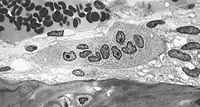 The underlying mechanism in all cases of osteoporosis is an imbalance between bone resorption
and bone formation. In normal bone, there is constant matrix
remodeling of bone; up to 10% of all bone mass may be undergoing remodeling at any point in time. The process takes place in bone multicellular units (BMUs) as first described by Frost in 1963. Bone is resorbed by osteoclast
cells (which derive from the bone marrow
), after which new bone is deposited by osteoblast
cells.
The three main mechanisms by which osteoporosis develops are an inadequate peak bone mass (the skeleton develops insufficient mass and strength during growth), excessive bone resorption and inadequate formation of new bone during remodeling. An interplay of these three mechanisms underlies the development of fragile bone tissue. Hormonal factors strongly determine the rate of bone resorption; lack of estrogen
(e.g. as a result of menopause) increases bone resorption as well as decreasing the deposition of new bone that normally takes place in weight-bearing bones. The amount of estrogen needed to suppress this process is lower than that normally needed to stimulate the uterus
and breast gland
. The α-form of the estrogen receptor
appears to be the most important in regulating bone turnover. In addition to estrogen, calcium metabolism
plays a significant role in bone turnover, and deficiency of calcium
and vitamin D
leads to impaired bone deposition; in addition, the parathyroid gland
s react to low calcium levels by secreting parathyroid hormone
(parathormone, PTH), which increases bone resorption to ensure sufficient calcium in the blood. The role of calcitonin
, a hormone generated by the thyroid
that increases bone deposition, is less clear and probably not as significant as that of PTH.
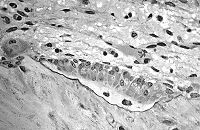 The activation of osteoclasts is regulated by various molecular signals, of which RANKL
(receptor activator for nuclear factor κB ligand) is one of best studied. This molecule is produced by osteoblasts and other cells (e.g. lymphocyte
s), and stimulates RANK
(receptor activator of nuclear factor κB). Osteoprotegerin
(OPG) binds RANKL before it has an opportunity to bind to RANK, and hence suppresses its ability to increase bone resorption. RANKL, RANK and OPG are closely related to tumor necrosis factor
and its receptors. The role of the wnt signalling pathway
is recognized but less well understood. Local production of eicosanoid
s and interleukin
s is thought to participate in the regulation of bone turnover, and excess or reduced production of these mediators may underlie the development of osteoporosis.
Trabecular bone (or cancellous bone) is the sponge-like bone in the ends of long bones and vertebrae. Cortical bone
is the hard outer shell of bones and the middle of long bones. Because osteoblasts and osteoclasts inhabit the surface of bones, trabecular bone is more active, more subject to bone turnover, to remodeling. Not only is bone density decreased, but the microarchitecture of bone is disrupted. The weaker spicules of trabecular bone break ("microcracks"), and are replaced by weaker bone. Common osteoporotic fracture sites, the wrist, the hip and the spine, have a relatively high trabecular bone to cortical bone ratio. These areas rely on trabecular bone for strength, and therefore the intense remodeling causes these areas to degenerate most when the remodeling is imbalanced. Around the ages of 30-35, cancellous or trabecular bone loss begins. Women may lose as much as 50%, while men lose about 30%.

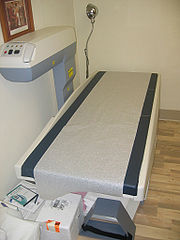 The diagnosis of osteoporosis can be made using conventional radiography and by measuring the bone mineral density (BMD). The most popular method of measuring BMD is dual energy x-ray absorptiometry (DXA or DEXA). In addition to the detection of abnormal BMD, the diagnosis of osteoporosis requires investigations into potentially modifiable underlying causes; this may be done with blood tests. Depending on the likelihood of an underlying problem, investigations for cancer
with metastasis
to the bone, multiple myeloma
, Cushing's disease
and other above-mentioned causes may be performed.
(reduced bone mass; pre-osteoporosis), such as fractures; for differential diagnosis of osteopenia; or for follow-up examinations in specific clinical settings, such as soft tissue calcifications, secondary hyperparathyroidism, or osteomalacia in renal osteodystrophy. However, radiography is relatively insensitive to detection of early disease and requires a substantial amount of bone loss (about 30%) to be apparent on x-ray images.
The main radiographic features of generalized osteoporosis are cortical thinning and increased radiolucency. Frequent complications of osteoporosis are vertebral fractures for which spinal radiography can help considerably in diagnosis and follow-up. Vertebral height measurements can objectively be made using plain-film x-rays by using several methods such as height loss together with area reduction, particularly when looking at vertical deformity in T4-L4, or by determining a spinal fracture index that takes into account the number of vertebrae involved. Involvement of multiple vertebral bodies leads to kyphosis of the thoracic spine, obvious to the clinician as "dowager's hump."
(DXA, formerly DEXA) is considered the gold standard
for the diagnosis of osteoporosis. Osteoporosis is diagnosed when the bone mineral density
is less than or equal to 2.5 standard deviations below that of a young adult reference population. This is translated as a T-score. The World Health Organization
has established the following diagnostic guidelines:
When there has also been an osteoporotic fracture (also termed "low trauma-fracture" or "fragility fracture"), defined as one that occurs as a result of a fall from a standing height, the term "severe or established" osteoporosis is used.
The International Society for Clinical Densitometry takes the position that a diagnosis of osteoporosis in men under 50 years of age should not be made on the basis of densitometric criteria alone. It also states that for pre-menopausal women, Z-scores (comparison with age group rather than peak bone mass) rather than T-scores should be used, and that the diagnosis of osteoporosis in such women also should not be made on the basis of densitometric criteria alone.
differs from DXA in that it gives separate estimates of BMD for trabecular and cortical bone and reports precise volumetric mineral density in mg/cm3 rather than BMD's relative Z score. Among QCT's advantages: it can be performed at axial and peripheral sites, can be calculated from existing CT scans without a separate radiation dose, is sensitive to change over time, can analyze a region of any size or shape, excludes irrelevant tissue such as fat, muscle, and air, and does not require knowledge of the patient's subpopulation in order to create a clinical score (e.g. the Z-score of all females of a certain age). Among QCT's disadvantages: it requires a high radiation dose compared to DXA, CT scanners are large and expensive, and because its practice has been less standardized than BMD, its results are more operator-dependent. Peripheral QCT has been introduced to improve upon the limitations of DXA and QCT.
Quantitative ultrasound
has many advantages in assessing osteoporosis. The modality is small, no ionizing radiation is involved, measurements can be made quickly and easily, and the cost of the device is low compared with DXA and QCT devices. The calcaneus is the most common skeletal site for quantitative ultrasound assessment because it has a high percentage of trabecular bone that is replaced more often than cortical bone, providing early evidence of metabolic change. Also, the calcaneus is fairly flat and parallel, reducing repositioning errors. The method can be applied to children, neonates, and preterm infants, just as well as to adults. Once microimaging tools to examine specific aspects of bone quality are developed, it is expected that quantitative ultrasound will be increasingly used in clinical practice.
(USPSTF) recommended in 2011 that all women 65 years of age or older should be screened
with bone densitometry. They recommend screening women of any age with increased risk factors that puts them at risk equivalent to a 65 year old without additional risk factors. The most significant risk factors is lower body weight (weight < 70 kg), with less evidence for history of smoking or family history. There was insufficient evidence to make recommendations about the optimal intervals for repeated screening and the appropriate age to stop screening. Clinical prediction rules are available to guide selection of women ages 60–64 for screening. The Osteoporosis Risk Assessment Instrument (ORAI) may be the most sensitive.
The USPSTF concludes that the harm versus benefit of screening for osteoporosis in men of any age is unknown. Others have however claimed that screening may be cost effective in those 80 to 85 years of age.
and unsafe alcohol
intake have been linked with osteoporosis, smoking cessation and moderation of alcohol intake are commonly recommended in the prevention of osteoporosis. Many other risk factors, some modifiable and others non modifiable such as genetic may be involved in osteoporosis.
Achieving a higher peak bone mass through exercise and proper nutrition during adolescence is important for the prevention of osteoporosis. Exercise and nutrition throughout the rest of the life delays bone degeneration. Jogging, walking, or stair climbing at 70-90% of maximum effort three times per week, along with 1,500 mg of calcium per day, increased bone density of the lumbar (lower) spine by 5% over nine months. Individuals already diagnosed with osteopenia or osteoporosis should discuss their exercise program with their physician to avoid fractures.
and vitamin D
. People at risk for osteoporosis (e.g. steroid
use) are generally treated with vitamin D
and calcium supplements and often with bisphosphonates. Vitamin D supplementation alone does not prevent fractures, and needs to be combined with calcium. Calcium supplements come in two forms: calcium carbonate and calcium citrate. Due to its lower cost, calcium carbonate is often the first choice, however it needs to be taken with food to maximize absorption. Calcium citrate is more expensive, but it is better absorbed than calcium carbonate and can be taken without food. In addition, patients who are taking proton pump inhibitors or H2 blockers do not absorb calcium carbonate well; calcium citrate is the supplement of choice in this population. In renal
disease, more active forms of Vitamin D such as cholecalciferol or (1,25-dihydroxycholecalciferol or calcitriol
which is the main biologically active form of vitamin D) is used, as the kidney cannot adequately generate calcitriol from calcidiol (25-hydroxycholecalciferol) which is the storage form of vitamin D.In vitamin D assays, vitamin D2 (ergocalitrol) is not accurately measured, therefore vitamin D3 (cholecalciferol) is recommended for supplementation.
High dietary protein
intake increases calcium excretion in urine
and has been linked to increased risk of fractures in research studies. Other investigations have shown that protein is required for calcium absorption, but that excessive protein consumption inhibits this process. No interventional trials have been performed on dietary protein in the prevention and treatment of osteoporosis.
can be used in cases of very high risk. Other medicines prescribed for prevention of osteoporosis include raloxifene
, a selective estrogen receptor modulator
(SERM).
Estrogen replacement therapy
remains a good treatment for prevention of osteoporosis but, at this time, is not recommended unless there are other indications for its use as well. There is uncertainty and controversy about whether estrogen should be recommended in women in the first decade after the menopause.
In hypogonadal men testosterone
has been shown to give improvement in bone quantity and quality, but, as of 2008, there are no studies of the effects on fractures or in men with a normal testosterone level.
, while bone anabolic agents build bone rather than inhibit resorption. Lifestyle changes are an important aspect of treatment. A major problem is gaining long-term adherence to therapy from patients with osteoporosis. Fifty percent of patients do not take their medications and most discontinue within 1 year.
Although osteoporosis patients have an increased mortality rate due to the complications of fracture, it is rarely lethal.
Hip fractures can lead to decreased mobility and an additional risk of numerous complications (such as deep venous thrombosis and/or pulmonary embolism
, pneumonia
). The 6-month mortality rate following hip fracture is approximately 13.5%, and a substantial proportion (almost 13%) of people who have suffered a hip fracture need total assistance to mobilize after a hip fracture.
Vertebral fractures, while having a smaller impact on mortality, can lead to severe chronic pain of neurogenic origin, which can be hard to control, as well as deformity. Though rare, multiple vertebral fractures can lead to such severe hunch back (kyphosis
) that the resulting pressure on internal organs can impair one's ability to breathe.
Apart from risk of death and other complications, osteoporotic fractures are associated with a reduced health-related quality of life
.
. The incidence of hip fractures increases each decade from the sixth through the ninth for both women and men for all populations. The highest incidence is found among men and women ages 80 or older.
annually are attributable to osteoporosis. Wrist fractures are the third most common type of osteoporotic fractures. The lifetime risk of sustaining a Colles' fracture is about 16% for white women. By the time women reach age 70, about 20% have had at least one wrist fracture.
, and the term "osteoporosis" and recognition of its pathological appearance is generally attributed to the French pathologist Jean Lobstein
. The American endocrinologist Fuller Albright linked osteoporosis with the postmenopausal state. Bisphosponates, which revolutionized the treatment of osteoporosis, were discovered in the 1960s.
The National Osteoporosis Society
, established in 1986, is a United Kingdom
charity
dedicated to improving the diagnosis, prevention and treatment of osteoporosis.
The National Osteoporosis Foundation (headquartered in Washington, D.C., US) seeks to prevent osteoporosis and related fractures, to promote lifelong bone health, to help improve the lives of those affected by osteoporosis and to find a cure through programs of awareness, advocacy, public and health professional education and research.http://www.nof.org
The International Osteoporosis Foundation
(IOF) (headquartered in Nyon, Switzerland) functions as a global alliance of patient, medical and research societies, scientists, health care professionals, and international companies concerned about bone health.http://www.iofbonehealth.org
The Orthopaedic Research Society (headquartered in Rosemont, IL, US) is a research and professional development society that has emphasized osteoporosis research, treatment and prevention for many years.http://www.ors.org
Disease
A disease is an abnormal condition affecting the body of an organism. It is often construed to be a medical condition associated with specific symptoms and signs. It may be caused by external factors, such as infectious disease, or it may be caused by internal dysfunctions, such as autoimmune...
of bone
Bone
Bones are rigid organs that constitute part of the endoskeleton of vertebrates. They support, and protect the various organs of the body, produce red and white blood cells and store minerals. Bone tissue is a type of dense connective tissue...
s that leads to an increased risk of fracture
Bone fracture
A bone fracture is a medical condition in which there is a break in the continuity of the bone...
. In osteoporosis the bone mineral density (BMD) is reduced, bone microarchitecture is deteriorating, and the amount and variety of proteins in bone is altered. Osteoporosis is defined by the World Health Organization
World Health Organization
The World Health Organization is a specialized agency of the United Nations that acts as a coordinating authority on international public health. Established on 7 April 1948, with headquarters in Geneva, Switzerland, the agency inherited the mandate and resources of its predecessor, the Health...
(WHO) as a bone mineral density that is 2.5 standard deviation
Standard deviation
Standard deviation is a widely used measure of variability or diversity used in statistics and probability theory. It shows how much variation or "dispersion" there is from the average...
s or more below the mean peak bone mass (average of young, healthy adults) as measured by DXA
Dual energy X-ray absorptiometry
Dual-emission X-ray absorptiometry is a means of measuring bone mineral density . Two X-ray beams with differing energy levels are aimed at the patient's bones. When soft tissue absorption is subtracted out, the BMD can be determined from the absorption of each beam by bone...
; the term "established osteoporosis" includes the presence of a fragility fracture. The disease may be classified as primary type 1, primary type 2, or secondary.
The form of osteoporosis most common in women after menopause
Menopause
Menopause is a term used to describe the permanent cessation of the primary functions of the human ovaries: the ripening and release of ova and the release of hormones that cause both the creation of the uterine lining and the subsequent shedding of the uterine lining...
is referred to as primary type 1 or postmenopausal osteoporosis. Primary type 2 osteoporosis or senile osteoporosis occurs after age 75 and is seen in both females and males at a ratio of 2:1. Finally, secondary osteoporosis may arise at any age and affects men and women equally. This form of osteoporosis results from chronic predisposing medical problems or disease, or prolonged use of medications such as glucocorticoid
Glucocorticoid
Glucocorticoids are a class of steroid hormones that bind to the glucocorticoid receptor , which is present in almost every vertebrate animal cell...
s, when the disease is called steroid- or glucocorticoid-induced osteoporosis (SIOP or GIOP).
Osteoporosis risks can be reduced with lifestyle changes and sometimes medication; in people with osteoporosis, treatment may involve both. Lifestyle change includes diet and exercise, and preventing falls. Medication includes calcium
Calcium in biology
Calcium plays a pivotal role in the physiology and biochemistry of organisms and the cell. It plays an important role in signal transduction pathways, where it acts as a second messenger, in neurotransmitter release from neurons, contraction of all muscle cell types, and fertilization...
, vitamin D
Vitamin D
Vitamin D is a group of fat-soluble secosteroids. In humans, vitamin D is unique both because it functions as a prohormone and because the body can synthesize it when sun exposure is adequate ....
, bisphosphonate
Bisphosphonate
Bisphosphonates are a class of drugs that prevent the loss of bone mass, used to treat osteoporosis and similar diseases...
s and several others. Fall-prevention advice includes exercise to tone deambulatory muscles, proprioception-improvement exercises; equilibrium therapies may be included. Exercise with its anabolic effect, may at the same time stop or reverse osteoporosis. Osteoporosis is a component of the frailty syndrome
Frailty syndrome
The frailty syndrome is a collection of symptoms or markers, primarily due to the aging-related loss and dysfunction of skeletal muscle and bone, that place older adults at increased risk of adverse events such as death, disability, and institutionalization.-Sarcopenia:Sarcopenia, refers to loss...
.
Signs and symptoms
Osteoporosis itself has no specific symptomsAsymptomatic
In medicine, a disease is considered asymptomatic if a patient is a carrier for a disease or infection but experiences no symptoms. A condition might be asymptomatic if it fails to show the noticeable symptoms with which it is usually associated. Asymptomatic infections are also called subclinical...
; its main consequence is the increased risk of bone fractures. Osteoporotic fractures are those that occur in situations where healthy people would not normally break a bone; they are therefore regarded as fragility fractures. Typical fragility fractures occur in the vertebral column
Vertebral column
In human anatomy, the vertebral column is a column usually consisting of 24 articulating vertebrae, and 9 fused vertebrae in the sacrum and the coccyx. It is situated in the dorsal aspect of the torso, separated by intervertebral discs...
, rib
Rib
In vertebrate anatomy, ribs are the long curved bones which form the rib cage. In most vertebrates, ribs surround the chest, enabling the lungs to expand and thus facilitate breathing by expanding the chest cavity. They serve to protect the lungs, heart, and other internal organs of the thorax...
, hip
Hip fracture
A hip fracture is a femoral fracture that occurs in the proximal end of the femur , near the hip.The term "hip fracture" is commonly used to refer to four different fracture patterns and is often due to osteoporosis; in the vast majority of cases, a hip fracture is a fragility fracture due to a...
and wrist
Wrist
In human anatomy, the wrist is variously defined as 1) the carpus or carpal bones, the complex of eight bones forming the proximal skeletal segment of the hand;...
.
Fractures
Fractures are the most dangerous aspect of osteoporosis. Debilitating acute and chronic pain in the elderly is often attributed to fractures from osteoporosis and can lead to further disability and early mortality. The fractures from osteoporosis may also be asymptomatic. The symptoms of a vertebral collapse ("compression fractureCompression fracture
A compression fracture is a collapse of a vertebra. It may be due to trauma or due to a weakened vertebra. This weakening is seen patients with osteoporosis or osteogenesis imperfecta, lytic lesions from metastatic or primary tumors, or infection. In healthy patients it is most often seen in...
") are sudden back pain
Back pain
Back pain is pain felt in the back that usually originates from the muscles, nerves, bones, joints or other structures in the spine.The pain can often be divided into neck pain, upper back pain, lower back pain or tailbone pain...
, often with radiculopathic pain
Radiculopathy
Radiculopathy is not a specific condition, but rather a description of a problem in which one or more nerves are affected and do not work properly . The emphasis is on the nerve root...
(shooting pain due to nerve root compression) and rarely with spinal cord compression
Spinal cord compression
Spinal cord compression develops when the spinal cord is compressed by bone fragments from a vertebral fracture, a tumor, abscess, ruptured intervertebral disc or other lesion...
or cauda equina syndrome
Cauda equina syndrome
Cauda equina syndrome ' is a serious neurologic condition in which there is acute loss of function of the lumbar plexus, neurologic elements of the spinal canal below the termination of the spinal cord.-Causes:...
. Multiple vertebral fractures lead to a stooped posture, loss of height, and chronic pain with resultant reduction in mobility.
Fractures of the long bones acutely impair mobility and may require surgery
Surgery
Surgery is an ancient medical specialty that uses operative manual and instrumental techniques on a patient to investigate and/or treat a pathological condition such as disease or injury, or to help improve bodily function or appearance.An act of performing surgery may be called a surgical...
. Hip fracture
Hip fracture
A hip fracture is a femoral fracture that occurs in the proximal end of the femur , near the hip.The term "hip fracture" is commonly used to refer to four different fracture patterns and is often due to osteoporosis; in the vast majority of cases, a hip fracture is a fragility fracture due to a...
, in particular, usually requires prompt surgery, as there are serious risks associated with a hip fracture, such as deep vein thrombosis
Deep vein thrombosis
Deep vein thrombosis is the formation of a blood clot in a deep vein. Deep vein thrombosis commonly affects the leg veins or the deep veins of the pelvis. Occasionally the veins of the arm are affected...
and a pulmonary embolism
Pulmonary embolism
Pulmonary embolism is a blockage of the main artery of the lung or one of its branches by a substance that has travelled from elsewhere in the body through the bloodstream . Usually this is due to embolism of a thrombus from the deep veins in the legs, a process termed venous thromboembolism...
, and increased mortality.
Fracture Risk Calculators assess the risk of fracture based upon several criteria, including BMD, age, smoking, alcohol usage, weight, and gender. Recognised calculators include FRAX
FRAX
FRAX is a diagnostic tool used to evaluate the 10-year probability of bone fracture risk. It was developed by the World Health Organisation Collaborating Centre for Metabolic Bone Diseases at Sheffield University...
and Dubbo.
Falls risk
The increased risk of falling associated with aging leads to fractures of the wrist, spine and hip. The risk of falling, in turn, is increased by impaired eyesight due to any cause (e.g. glaucomaGlaucoma
Glaucoma is an eye disorder in which the optic nerve suffers damage, permanently damaging vision in the affected eye and progressing to complete blindness if untreated. It is often, but not always, associated with increased pressure of the fluid in the eye...
, macular degeneration
Macular degeneration
Age-related macular degeneration is a medical condition which usually affects older adults and results in a loss of vision in the center of the visual field because of damage to the retina. It occurs in “dry” and “wet” forms. It is a major cause of blindness and visual impairment in older adults...
), balance disorder
Balance disorder
A balance disorder is a disturbance that causes an individual to feel unsteady, for example when standing or walking. It may be accompanied by feelings of giddiness or wooziness, or having a sensation of movement, spinning, or floating...
, movement disorder
Movement disorder
Movement disorders include:* Akathisia * Akinesia * Associated Movements * Athetosis...
s (e.g. Parkinson's disease
Parkinson's disease
Parkinson's disease is a degenerative disorder of the central nervous system...
), dementia
Dementia
Dementia is a serious loss of cognitive ability in a previously unimpaired person, beyond what might be expected from normal aging...
, and sarcopenia
Sarcopenia
Sarcopenia is the degenerative loss of skeletal muscle mass and strength associated with aging...
(age-related loss of skeletal muscle
Skeletal muscle
Skeletal muscle is a form of striated muscle tissue existing under control of the somatic nervous system- i.e. it is voluntarily controlled. It is one of three major muscle types, the others being cardiac and smooth muscle...
). Collapse
Collapse (medical)
Collapse is a sudden and often unannounced loss of postural tone , often but not necessarily accompanied by loss of consciousness.If the episode was accompanied by a loss of consciousness, the term syncope is used. The main causes are cardiac , seizures or a psychological cause...
(transient loss of postural tone with or without loss of consciousness) leads to a significant risk of falls; causes of syncope are manifold but may include cardiac arrhythmias (irregular heart beat), vasovagal syncope
Vasovagal syncope
A vasovagal episode or vasovagal response or vasovagal attack is a malaise mediated by the vagus nerve. When it leads to syncope or "fainting", it is called a vasovagal syncope, which is the most common type of fainting.There are a number of different syncope syndromes which all fall under the...
, orthostatic hypotension
Orthostatic hypotension
Orthostatic hypotension, also known as postural hypotension, orthostasis, and colloquially as head rush or dizzy spell, is a form of hypotension in which a person's blood pressure suddenly falls when the person stands up or stretches. The decrease is typically greater than 20/10 mm Hg, and may be...
(abnormal drop in blood pressure on standing up) and seizure
Seizure
An epileptic seizure, occasionally referred to as a fit, is defined as a transient symptom of "abnormal excessive or synchronous neuronal activity in the brain". The outward effect can be as dramatic as a wild thrashing movement or as mild as a brief loss of awareness...
s. Removal of obstacles and loose carpets in the living environment may substantially reduce falls. Those with previous falls, as well as those with a gait or balance disorder, are most at risk.
Risk factors
Risk factors for osteoporotic fracture can be split between non-modifiable and (potentially) modifiable. In addition, there are specific diseases and disorders in which osteoporosis is a recognized complication. Medication use is theoretically modifiable, although in many cases the use of medication that increases osteoporosis risk is unavoidable.Caffeine
Caffeine
Caffeine is a bitter, white crystalline xanthine alkaloid that acts as a stimulant drug. Caffeine is found in varying quantities in the seeds, leaves, and fruit of some plants, where it acts as a natural pesticide that paralyzes and kills certain insects feeding on the plants...
is not a risk factor for osteoporosis.
Nonmodifiable
The most important risk factors for osteoporosis are advanced age (in both men and women) and femaleFemale
Female is the sex of an organism, or a part of an organism, which produces non-mobile ova .- Defining characteristics :The ova are defined as the larger gametes in a heterogamous reproduction system, while the smaller, usually motile gamete, the spermatozoon, is produced by the male...
gender; estrogen
Estrogen
Estrogens , oestrogens , or œstrogens, are a group of compounds named for their importance in the estrous cycle of humans and other animals. They are the primary female sex hormones. Natural estrogens are steroid hormones, while some synthetic ones are non-steroidal...
deficiency following menopause
Menopause
Menopause is a term used to describe the permanent cessation of the primary functions of the human ovaries: the ripening and release of ova and the release of hormones that cause both the creation of the uterine lining and the subsequent shedding of the uterine lining...
or oophorectomy is correlated with a rapid reduction in bone mineral density, while in men a decrease in testosterone
Testosterone
Testosterone is a steroid hormone from the androgen group and is found in mammals, reptiles, birds, and other vertebrates. In mammals, testosterone is primarily secreted in the testes of males and the ovaries of females, although small amounts are also secreted by the adrenal glands...
levels has a comparable (but less pronounced) effect. While osteoporosis occurs in people from all ethnic groups, European
European ethnic groups
The ethnic groups in Europe are the various ethnic groups that reside in the nations of Europe. European ethnology is the field of anthropology focusing on Europe....
or Asian
Asian people
Asian people or Asiatic people is a term with multiple meanings that refers to people who descend from a portion of Asia's population.- Central Asia :...
ancestry predisposes for osteoporosis. Those with a family history
Family history (medicine)
In medicine, a family history consists of information about disorders from which the direct blood relatives of the patient have suffered. Genealogy typically includes very little of the medical history of the family, but the medical history could be considered a specific subset of the total history...
of fracture or osteoporosis are at an increased risk; the heritability
Heritability
The Heritability of a population is the proportion of observable differences between individuals that is due to genetic differences. Factors including genetics, environment and random chance can all contribute to the variation between individuals in their observable characteristics...
of the fracture as well as low bone mineral density are relatively high, ranging from 25 to 80 percent. There are at least 30 genes associated with the development of osteoporosis. Those who have already had a fracture are at least twice as likely to have another fracture compared to someone of the same age and sex. A small stature is also a non-modifiable risk factor associated with the development of osteoporosis.
Potentially modifiable
- Excess alcoholAlcoholic beverageAn alcoholic beverage is a drink containing ethanol, commonly known as alcohol. Alcoholic beverages are divided into three general classes: beers, wines, and spirits. They are legally consumed in most countries, and over 100 countries have laws regulating their production, sale, and consumption...
—small amounts of alcohol are probably beneficial. Bone density increases with increasing alcohol intake. However chronic heavy drinking (alcohol intake greater than 3 units/day) probably increases fracture risk despite any beneficial effects on bone density. - Vitamin D deficiency—low circulating Vitamin D is common among the elderly worldwide. Mild vitamin D insufficiency is associated with increased Parathyroid Hormone (PTH)Parathyroid hormoneParathyroid hormone , parathormone or parathyrin, is secreted by the chief cells of the parathyroid glands as a polypeptide containing 84 amino acids...
production. PTH increases bone resorption, leading to bone loss. A positive association exists between serum 1,25-dihydroxycholecalciferol levels and bone mineral density, while PTH is negatively associated with bone mineral density. - Tobacco smokingTobacco smokingTobacco smoking is the practice where tobacco is burned and the resulting smoke is inhaled. The practice may have begun as early as 5000–3000 BCE. Tobacco was introduced to Eurasia in the late 16th century where it followed common trade routes...
—Many studies have associated smoking with decreased bone health, but the mechanisms are unclear. It has been proposed tobacco smoking inhibits the activity of osteoblasts, and is an independent risk factor for osteoporosis. Another is that smoking results in increased breakdown of exogenous estrogen, lower body weight and earlier menopause, all of which contribute to lower bone mineral density. - MalnutritionMalnutritionMalnutrition is the condition that results from taking an unbalanced diet in which certain nutrients are lacking, in excess , or in the wrong proportions....
—nutrition has an important and complex role in maintenance of good bone. Identified risk factors include low dietary calciumCalciumCalcium is the chemical element with the symbol Ca and atomic number 20. It has an atomic mass of 40.078 amu. Calcium is a soft gray alkaline earth metal, and is the fifth-most-abundant element by mass in the Earth's crust...
and/or phosphorus, magnesium, zinc, boron, iron, fluoride, copper, vitamins A, K, E and C (and D where skin exposure to sunlight provides an inadequate supply). Excess sodium is a risk factor. High blood acidity may be diet-related, and is a known antagonist of bone. Some have identified low protein intake as associated with lower peak bone mass during adolescence and lower bone mineral density in elderly populations. Conversely, some have identified low protein intake as a positive factor, protein is among the causes of dietary acidity. Imbalance of omega 6 to omega 3 polyunsaturated fats is yet another identified risk factor.http://www.ajcn.org/cgi/content/full/81/4/934 - High protein diet—Research has found an association between diets high in animal protein and increased urinary calcium. However, the relevance of this observation to bone density is unclear, since higher protein diets tend to increase absorption of calcium from the diet and are associated with higher bone density. Indeed, it has recently been argued that low protein diets cause poor bone health.
- UnderweightBody mass indexThe body mass index , or Quetelet index, is a heuristic proxy for human body fat based on an individual's weight and height. BMI does not actually measure the percentage of body fat. It was invented between 1830 and 1850 by the Belgian polymath Adolphe Quetelet during the course of developing...
/inactivePhysical exercisePhysical exercise is any bodily activity that enhances or maintains physical fitness and overall health and wellness. It is performed for various reasons including strengthening muscles and the cardiovascular system, honing athletic skills, weight loss or maintenance, as well as for the purpose of...
—bone remodelingBone remodelingBone remodeling is a lifelong process where mature bone tissue is removed from the skeleton and new bone tissue is formed...
occurs in response to physical stress, and weight bearingWeight bearingIn orthopedics, weight-bearing is the amount of weight a patient puts on the leg on which surgery has been performed. In general, it is described as a percentage of the body weight, because each leg of a healthy person carries the full body weight when walking, in an alternating fashion.After...
exercise can increase peak bone mass achieved in adolescence. In adults, physical activity helps maintain bone mass, and can increase it by 1 or 2%. Conversely, physical inactivity can lead to significant bone loss. (Incidence of osteoporosis is lower in overweight people.) - Endurance training— In female endurance athletes, large volumes of training can lead to decreased bone density and an increased risk of osteoporosis. This effect might be caused by intense training suppressing menstruation, producing amenorrhea, and it is part of the female athlete triadFemale athlete triadFemale Athlete Triad is a syndrome in which eating disorders , amenorrhoea/oligomenorrhoea and decreased bone mineral density are present. Also know simply as the Triad, this condition is seen in females participating in sports that emphasize leanness or low body weight...
. However, for male athletes the situation is less clear and although some studies have reported that low bone density in elite male endurance athletes, others have instead seen increased leg bone density. - Heavy metalsHeavy metalsA heavy metal is a member of a loosely-defined subset of elements that exhibit metallic properties. It mainly includes the transition metals, some metalloids, lanthanides, and actinides. Many different definitions have been proposed—some based on density, some on atomic number or atomic weight,...
—a strong association between cadmiumCadmiumCadmium is a chemical element with the symbol Cd and atomic number 48. This soft, bluish-white metal is chemically similar to the two other stable metals in group 12, zinc and mercury. Similar to zinc, it prefers oxidation state +2 in most of its compounds and similar to mercury it shows a low...
, lead and bone disease has been established. Low level exposure to cadmium is associated with an increased loss of bone mineral density readily in both genders, leading to pain and increased risk of fractures, especially in the elderly and in females. Higher cadmium exposure results in osteomalaciaOsteomalaciaOsteomalacia is the softening of the bones caused by defective bone mineralization secondary to inadequate amounts of available phosphorus and calcium, or because of overactive resorption of calcium from the bone as a result of hyperparathyroidism...
(softening of the bone). - Soft drinks—some studies indicate that soft drinkSoft drinkA soft drink is a non-alcoholic beverage that typically contains water , a sweetener, and a flavoring agent...
s (many of which contain phosphoric acidPhosphoric acidPhosphoric acid, also known as orthophosphoric acid or phosphoric acid, is a mineral acid having the chemical formula H3PO4. Orthophosphoric acid molecules can combine with themselves to form a variety of compounds which are also referred to as phosphoric acids, but in a more general way...
) may increase risk of osteoporosis; Others suggest soft drinks may displace calcium-containing drinks from the diet rather than directly causing osteoporosis.
Diseases and disorders
Many diseases and disorders have been associated with osteoporosis. For some, the underlying mechanism influencing the bone metabolism is straight-forward, whereas for others the causes are multiple or unknown.- In general, immobilizationImmobilizationImmobilization in soil science is when organic matter decomposes and is absorbed by micro-organisms, therefore preventing it being accessible to plants. Immobilization is the opposite of mineralization....
causes bone loss (following the 'use it or lose it' rule). For example, localized osteoporosis can occur after prolonged immobilization of a fractured limb in a cast. This is also more common in active patients with a high bone turn-over (for example, athletes). Other examples include bone loss during space flight or in people who are bedridden or who use wheelchairs for various reasons. - HypogonadalHypogonadismHypogonadism is a medical term for decreased functional activity of the gonads. Low testosterone is caused by a decline or deficiency in gonadal production of testosterone in males...
states can cause secondary osteoporosis. These include Turner syndromeTurner syndromeTurner syndrome or Ullrich-Turner syndrome encompasses several conditions in human females, of which monosomy X is most common. It is a chromosomal abnormality in which all or part of one of the sex chromosomes is absent...
, Klinefelter syndrome, Kallmann syndromeKallmann syndromeKallmann syndrome is a genetic disorder marked by anosmia and hypogonadism - the decreased functioning of the glands that produce sex hormones. Abnormalities in various genes may cause a defect in the hypothalamus, causing a deficiency of gonadotropin-releasing hormone ; this in turn causes...
, anorexia nervosaAnorexia nervosaAnorexia nervosa is an eating disorder characterized by refusal to maintain a healthy body weight and an obsessive fear of gaining weight. Although commonly called "anorexia", that term on its own denotes any symptomatic loss of appetite and is not strictly accurate...
, andropauseAndropauseAndropause or male menopause, sometimes colloquially called "man-opause" is a name that has been given to a menopause-like condition in aging men...
, hypothalamicHypothalamusThe Hypothalamus is a portion of the brain that contains a number of small nuclei with a variety of functions...
amenorrhea or hyperprolactinemia. In females, the effect of hypogonadism is mediated by estrogenEstrogenEstrogens , oestrogens , or œstrogens, are a group of compounds named for their importance in the estrous cycle of humans and other animals. They are the primary female sex hormones. Natural estrogens are steroid hormones, while some synthetic ones are non-steroidal...
deficiency. It can appear as early menopauseMenopauseMenopause is a term used to describe the permanent cessation of the primary functions of the human ovaries: the ripening and release of ova and the release of hormones that cause both the creation of the uterine lining and the subsequent shedding of the uterine lining...
(<45 years) or from prolonged premenopausal amenorrhea (>1 year). A bilateral oophorectomyOophorectomyOophorectomy is the surgical removal of an ovary or ovaries. The surgery is also called ovariectomy, but this term has been traditionally used in basic science research describing the surgical removal of ovaries in laboratory animals...
(surgical removal of the ovaries) or a premature ovarian failurePremature ovarian failurePremature Ovarian Failure , also known as premature ovarian insufficiency, primary ovarian insufficiency , premature menopause, hypergonadotropic hypogonadism, is the loss of function of the ovaries before age 40...
cause deficient estrogen production. In males, testosteroneTestosteroneTestosterone is a steroid hormone from the androgen group and is found in mammals, reptiles, birds, and other vertebrates. In mammals, testosterone is primarily secreted in the testes of males and the ovaries of females, although small amounts are also secreted by the adrenal glands...
deficiency is the cause (for example, andropause or after surgical removal of the testes). - Endocrine disorders that can induce bone loss include Cushing's syndromeCushing's syndromeCushing's syndrome is a hormone disorder caused by high levels of cortisol in the blood. This can be caused by taking glucocorticoid drugs, or by tumors that produce cortisol or adrenocorticotropic hormone or CRH...
, hyperparathyroidismHyperparathyroidismHyperparathyroidism is overactivity of the parathyroid glands resulting in excess production of parathyroid hormone . The parathyroid hormone regulates calcium and phosphate levels and helps to maintain these levels...
, thyrotoxicosis, hypothyroidismHypothyroidismHypothyroidism is a condition in which the thyroid gland does not make enough thyroid hormone.Iodine deficiency is the most common cause of hypothyroidism worldwide but it can be caused by other causes such as several conditions of the thyroid gland or, less commonly, the pituitary gland or...
, diabetes mellitusDiabetes mellitusDiabetes mellitus, often simply referred to as diabetes, is a group of metabolic diseases in which a person has high blood sugar, either because the body does not produce enough insulin, or because cells do not respond to the insulin that is produced...
type 1 and 2, acromegalyAcromegalyAcromegaly is a syndrome that results when the anterior pituitary gland produces excess growth hormone after epiphyseal plate closure at puberty...
and adrenal insufficiencyAdrenal insufficiencyAdrenal insufficiency is a condition in which the adrenal glands, located above the kidneys, do not produce adequate amounts of steroid hormones , primarily cortisol, but may also include impaired aldosterone production which regulates sodium, potassium and water retention...
. In pregnancyPregnancyPregnancy refers to the fertilization and development of one or more offspring, known as a fetus or embryo, in a woman's uterus. In a pregnancy, there can be multiple gestations, as in the case of twins or triplets...
and lactationLactationLactation describes the secretion of milk from the mammary glands and the period of time that a mother lactates to feed her young. The process occurs in all female mammals, however it predates mammals. In humans the process of feeding milk is called breastfeeding or nursing...
, there can be a reversible bone loss. - MalnutritionMalnutritionMalnutrition is the condition that results from taking an unbalanced diet in which certain nutrients are lacking, in excess , or in the wrong proportions....
, parenteral nutrition and malabsorptionMalabsorptionMalabsorption is a state arising from abnormality in absorption of food nutrients across the gastrointestinal tract.Impairment can be of single or multiple nutrients depending on the abnormality...
can lead to osteoporosis. Nutritional and gastrointestinal disorders that can predispose to osteoporosis include coeliac diseaseCoeliac diseaseCoeliac disease , is an autoimmune disorder of the small intestine that occurs in genetically predisposed people of all ages from middle infancy onward...
, Crohn's diseaseCrohn's diseaseCrohn's disease, also known as regional enteritis, is a type of inflammatory bowel disease that may affect any part of the gastrointestinal tract from mouth to anus, causing a wide variety of symptoms...
, lactose intolerance, surgery (after gastrectomyGastrectomyA gastrectomy is a partial or full surgical removal of the stomach.-Indications:Gastrectomies are performed to treat cancer and perforations of the stomach wall....
, intestinal bypass surgeryPartial ileal bypass surgeryPartial ileal bypass surgery is a surgical procedure which involves shortening the ileum to shorten the total small intestinal length.First introduced in 1962 by Professor Henry Buchwald of the University of Minnesota, the procedure is used to treat a number of hyperlipidemias including familial...
or bowel resectionBowel resectionA bowel resection is a surgical procedure in which a part of the large or small intestine is removed. It may be performed due to cancer, necrosis, enteritis, diverticular disease, or a block in the intestine due to scar tissue...
) and severe liver diseaseLiver diseaseLiver disease is a broad term describing any single number of diseases affecting the liver.-Diseases:* Hepatitis, inflammation of the liver, caused mainly by various viruses but also by some poisons , autoimmunity or hereditary conditions...
(especially primary biliary cirrhosisPrimary biliary cirrhosisPrimary biliary cirrhosis, often abbreviated PBC, is an autoimmune disease of the liver marked by the slow progressive destruction of the small bile ducts within the liver. When these ducts are damaged, bile builds up in the liver and over time damages the tissue. This can lead to scarring,...
). Patients with bulimia can also develop osteoporosis. Those with an otherwise adequate calcium intake can develop osteoporosis due to the inability to absorb calcium and/or vitamin D. Other micro-nutrients such as vitamin KVitamin KVitamin K is a group of structurally similar, fat soluble vitamins that are needed for the posttranslational modification of certain proteins required for blood coagulation and in metabolic pathways in bone and other tissue. They are 2-methyl-1,4-naphthoquinone derivatives...
or vitamin B12 deficiencyVitamin B12 deficiencyVitamin B12 deficiency or hypocobalaminemia is a low blood level of vitamin B12, it can cause permanent damage to nervous tissue as a long term effect. Vitamin B12 was discovered from its relationship to the disease pernicious anemia, which is an autoimmune disease that destroys parietal cells in...
may also contribute. - Patients with rheumatologic disorders like rheumatoid arthritisRheumatoid arthritisRheumatoid arthritis is a chronic, systemic inflammatory disorder that may affect many tissues and organs, but principally attacks synovial joints. The process produces an inflammatory response of the synovium secondary to hyperplasia of synovial cells, excess synovial fluid, and the development...
, ankylosing spondylitisAnkylosing spondylitisAnkylosing spondylitis , previously known as Bekhterev's disease, Bekhterev syndrome, and Marie-Strümpell disease is a chronic inflammatory disease of the axial skeleton with variable involvement of peripheral joints and nonarticular structures...
, systemic lupus erythematosusSystemic lupus erythematosusSystemic lupus erythematosus , often abbreviated to SLE or lupus, is a systemic autoimmune disease that can affect any part of the body. As occurs in other autoimmune diseases, the immune system attacks the body's cells and tissue, resulting in inflammation and tissue damage...
and polyarticular juvenile idiopathic arthritisJuvenile idiopathic arthritisJuvenile idiopathic arthritis is the most common form of persistent arthritis in children. JIA is a subset of arthritis seen in childhood, which may be transient and...
are at increased risk of osteoporosis, either as part of their disease or because of other risk factors (notably corticosteroid therapy). Systemic diseases such as amyloidosisAmyloidosisIn medicine, amyloidosis refers to a variety of conditions whereby the body produces "bad proteins", denoted as amyloid proteins, which are abnormally deposited in organs and/or tissues and cause harm. A protein is described as being amyloid if, due to an alteration in its secondary structure, it...
and sarcoidosisSarcoidosisSarcoidosis , also called sarcoid, Besnier-Boeck disease or Besnier-Boeck-Schaumann disease, is a disease in which abnormal collections of chronic inflammatory cells form as nodules in multiple organs. The cause of sarcoidosis is unknown...
can also lead to osteoporosis. - Renal insufficiency can lead to osteodystrophyOsteodystrophyOsteodystrophy is a general term for a dystrophic growth of the bone. It is defective bone development that is usually attributable to renal disease or to disturbances in calcium and phosphorus metabolism.One form is renal osteodystrophy....
. - Hematologic disorders linked to osteoporosis are multiple myelomaMultiple myelomaMultiple myeloma , also known as plasma cell myeloma or Kahler's disease , is a cancer of plasma cells, a type of white blood cell normally responsible for the production of antibodies...
and other monoclonal gammopathiesMonoclonal gammopathyMonoclonal gammopathy is a synonym for paraproteinemia.- External links :*...
, lymphomaLymphomaLymphoma is a cancer in the lymphatic cells of the immune system. Typically, lymphomas present as a solid tumor of lymphoid cells. Treatment might involve chemotherapy and in some cases radiotherapy and/or bone marrow transplantation, and can be curable depending on the histology, type, and stage...
and leukemiaLeukemiaLeukemia or leukaemia is a type of cancer of the blood or bone marrow characterized by an abnormal increase of immature white blood cells called "blasts". Leukemia is a broad term covering a spectrum of diseases...
, mastocytosisMastocytosisMastocytosis is a group of rare disorders of both children and adults caused by the presence of too many mast cells and CD34+ mast cell precursors in a person's body.- Classification :Mastocytosis can occur in a variety of forms:...
, hemophilia, sickle-cell diseaseSickle-cell diseaseSickle-cell disease , or sickle-cell anaemia or drepanocytosis, is an autosomal recessive genetic blood disorder with overdominance, characterized by red blood cells that assume an abnormal, rigid, sickle shape. Sickling decreases the cells' flexibility and results in a risk of various...
and thalassemiaThalassemiaThalassemia is an inherited autosomal recessive blood disease that originated in the Mediterranean region. In thalassemia the genetic defect, which could be either mutation or deletion, results in reduced rate of synthesis or no synthesis of one of the globin chains that make up hemoglobin...
. - Several inherited disorders have been linked to osteoporosis. These include osteogenesis imperfectaOsteogenesis imperfectaOsteogenesis imperfecta is a genetic bone disorder. People with OI are born with defective connective tissue, or without the ability to make it, usually because of a deficiency of Type-I collagen...
, Marfan syndromeMarfan syndromeMarfan syndrome is a genetic disorder of the connective tissue. People with Marfan's tend to be unusually tall, with long limbs and long, thin fingers....
, hemochromatosis, hypophosphatasiaHypophosphatasiaHypophosphatasia is a rare, and sometimes fatal metabolic bone disease. Clinical symptoms are heterogeneous ranging from the rapidly fatal perinatal variant, with profound skeletal hypomineralization and respiratory compromise to a milder, progressive osteomalacia later in life...
, glycogen storage diseaseGlycogen storage diseaseGlycogen storage disease is the result of defects in the processing of glycogen synthesis or breakdown within muscles, liver, and other cell types. GSD has two classes of cause: genetic and acquired. Genetic GSD is caused by any inborn error of metabolism involved in these processes...
s, homocystinuriaHomocystinuriaHomocystinuria, also known as cystathionine beta synthase deficiency or CBS deficiency, is an inherited disorder of the metabolism of the amino acid methionine, often involving cystathionine beta synthase...
, Ehlers–Danlos syndrome, porphyriaPorphyriaPorphyrias are a group of inherited or acquired disorders of certain enzymes in the heme bio-synthetic pathway . They are broadly classified as acute porphyrias and cutaneous porphyrias, based on the site of the overproduction and accumulation of the porphyrins...
, Menkes' syndromeMenkes diseaseMenkes disease , also called Menkes syndrome, copper transport disease, steely hair disease, kinky hair disease, or Menkes kinky hair syndrome, is a disorder that affects copper levels in the body, leading to copper deficiency...
, epidermolysis bullosaEpidermolysis bullosaEpidermolysis bullosa is an inherited connective tissue disease causing blisters in the skin and mucosal membranes, with an incidence of 1/50,000. Its severity ranges from mild to lethal. It is caused by a mutation in the keratin or collagen gene....
and Gaucher's diseaseGaucher's diseaseGaucher's disease is a genetic disease in which a fatty substance accumulates in cells and certain organs.Gaucher's disease is the most common of the lysosomal storage diseases. It is caused by a hereditary deficiency of the enzyme glucosylceramidase. The enzyme acts on the fatty acid...
. - People with scoliosisScoliosisScoliosis is a medical condition in which a person's spine is curved from side to side. Although it is a complex three-dimensional deformity, on an X-ray, viewed from the rear, the spine of an individual with scoliosis may look more like an "S" or a "C" than a straight line...
of unknown causeIdiopathicIdiopathic is an adjective used primarily in medicine meaning arising spontaneously or from an obscure or unknown cause. From Greek ἴδιος, idios + πάθος, pathos , it means approximately "a disease of its own kind". It is technically a term from nosology, the classification of disease...
also have a higher risk of osteoporosis. Bone loss can be a feature of complex regional pain syndromeComplex regional pain syndromeComplex regional pain syndrome is a chronic progressive disease characterized by severe pain, swelling and changes in the skin. It often affects an arm or a leg and may spread to another part of the body.Though treatment is often unsatisfactory, early multimodal therapy can cause dramatic...
. It is also more frequent in people with Parkinson's diseaseParkinson's diseaseParkinson's disease is a degenerative disorder of the central nervous system...
and chronic obstructive pulmonary diseaseChronic obstructive pulmonary diseaseChronic obstructive pulmonary disease , also known as chronic obstructive lung disease , chronic obstructive airway disease , chronic airflow limitation and chronic obstructive respiratory disease , is the co-occurrence of chronic bronchitis and emphysema, a pair of commonly co-existing diseases...
.
Medication
Certain medications have been associated with an increase in osteoporosis risk; only steroids and anticonvulsants are classically associated, but evidence is emerging with regard to other drugs.- Steroid-induced osteoporosisSteroid-induced osteoporosisSteroid-induced osteoporosis is osteoporosis arising due to use of glucocorticoids - analogous to Cushing's syndrome and involving mainly the axial skeleton. The synthetic glucocorticoid prescription drug prednisone is a main candidate after prolonged intake...
(SIOP) arises due to use of glucocorticoidGlucocorticoidGlucocorticoids are a class of steroid hormones that bind to the glucocorticoid receptor , which is present in almost every vertebrate animal cell...
s - analogous to Cushing's syndrome and involving mainly the axial skeleton. The synthetic glucocorticoid prescription drug prednisonePrednisonePrednisone is a synthetic corticosteroid drug that is particularly effective as an immunosuppressant drug. It is used to treat certain inflammatory diseases and some types of cancer, but has significant adverse effects...
is a main candidate after prolonged intake. Some professional guidelines recommend prophylaxis in patients who take the equivalent of more than 30 mg hydrocortisone (7.5 mg of prednisolone), especially when this is in excess of three months. Alternate day use may not prevent this complication. - BarbiturateBarbiturateBarbiturates are drugs that act as central nervous system depressants, and can therefore produce a wide spectrum of effects, from mild sedation to total anesthesia. They are also effective as anxiolytics, as hypnotics, and as anticonvulsants...
s, phenytoinPhenytoinPhenytoin sodium is a commonly used antiepileptic. Phenytoin acts to suppress the abnormal brain activity seen in seizure by reducing electrical conductance among brain cells by stabilizing the inactive state of voltage-gated sodium channels...
and some other enzyme-inducing antiepileptics - these probably accelerate the metabolism of vitamin D. - L-Thyroxine over-replacement may contribute to osteoporosis, in a similar fashion as thyrotoxicosis does. This can be relevant in subclinical hypothyroidism.
- Several drugs induce hypogonadismHypogonadismHypogonadism is a medical term for decreased functional activity of the gonads. Low testosterone is caused by a decline or deficiency in gonadal production of testosterone in males...
, for example aromatase inhibitors used in breast cancer, methotrexateMethotrexateMethotrexate , abbreviated MTX and formerly known as amethopterin, is an antimetabolite and antifolate drug. It is used in treatment of cancer, autoimmune diseases, ectopic pregnancy, and for the induction of medical abortions. It acts by inhibiting the metabolism of folic acid. Methotrexate...
and other anti-metabolite drugs, depot progesterone and gonadotropin-releasing hormone agonistGonadotropin-releasing hormone agonistA gonadotropin-releasing hormone agonist is a synthetic peptide modeled after the hypothalamic neurohormone GnRH that interacts with the gonadotropin-releasing hormone receptor to elicit its biologic response, the release of the pituitary hormones FSH and LH.GnRH agonists are pregnancy category...
s. - AnticoagulantAnticoagulantAn anticoagulant is a substance that prevents coagulation of blood. A group of pharmaceuticals called anticoagulants can be used in vivo as a medication for thrombotic disorders. Some anticoagulants are used in medical equipment, such as test tubes, blood transfusion bags, and renal dialysis...
s - long-term use of heparin is associated with a decrease in bone density, and warfarinWarfarinWarfarin is an anticoagulant. It is most likely to be the drug popularly referred to as a "blood thinner," yet this is a misnomer, since it does not affect the thickness or viscosity of blood...
(and related coumarins) have been linked with an increased risk in osteoporotic fracture in long-term use. - Proton pump inhibitors - these drugs inhibit the production of stomach acidGastric acidGastric acid is a digestive fluid, formed in the stomach. It has a pH of 1 to 2 and is composed of hydrochloric acid , and large quantities of potassium chloride and sodium chloride...
; it is thought that this interferes with calcium absorption. Chronic phosphatePhosphateA phosphate, an inorganic chemical, is a salt of phosphoric acid. In organic chemistry, a phosphate, or organophosphate, is an ester of phosphoric acid. Organic phosphates are important in biochemistry and biogeochemistry or ecology. Inorganic phosphates are mined to obtain phosphorus for use in...
binding may also occur with aluminiumAluminiumAluminium or aluminum is a silvery white member of the boron group of chemical elements. It has the symbol Al, and its atomic number is 13. It is not soluble in water under normal circumstances....
-containing antacids. - ThiazolidinedioneThiazolidinedioneThe thiazolidinediones , also known as glitazones, are a class of medications used in the treatment of diabetes mellitus type 2. They were introduced in the late 1990s.- Mechanism of action :...
s (used for diabetes) - rosiglitazoneRosiglitazoneRosiglitazone is an antidiabetic drug in the thiazolidinedione class of drugs. It works as an insulin sensitizer, by binding to the PPAR receptors in fat cells and making the cells more responsive to insulin...
and possibly pioglitazonePioglitazonePioglitazone is a prescription drug of the class thiazolidinedione with hypoglycemic action.Pioglitazone is marketed as trademarks Actos in the USA, Canada, the UK and Germany, Glustin in Europe,"Glizone" and "Pioz" in India by Zydus CND and USV respectively and Zactos in Mexico by Takeda...
, inhibitors of PPARγPeroxisome proliferator-activated receptor gammaPeroxisome proliferator-activated receptor gamma , also known as the glitazone receptor, or NR1C3 is a type II nuclear receptor that in humans is encoded by the PPARG gene.Two isoforms of PPARG are detected in the human and in the mouse: PPAR-γ1 and...
, have been linked with an increased risk of osteoporosis and fracture. - Chronic lithiumLithiumLithium is a soft, silver-white metal that belongs to the alkali metal group of chemical elements. It is represented by the symbol Li, and it has the atomic number 3. Under standard conditions it is the lightest metal and the least dense solid element. Like all alkali metals, lithium is highly...
therapy has been associated with osteoporosis.
Pathogenesis
Bone resorption
Bone resorption is the process by which osteoclasts break down bone and release the minerals, resulting in a transfer of calcium from bone fluid to the blood....
and bone formation. In normal bone, there is constant matrix
Matrix (biology)
In biology, matrix is the material between animal or plant cells, in which more specialized structures are embedded, and a specific part of the mitochondrion that is the site of oxidation of organic molecules. The internal structure of connective tissues is an extracellular matrix...
remodeling of bone; up to 10% of all bone mass may be undergoing remodeling at any point in time. The process takes place in bone multicellular units (BMUs) as first described by Frost in 1963. Bone is resorbed by osteoclast
Osteoclast
An osteoclast is a type of bone cell that removes bone tissue by removing its mineralized matrix and breaking up the organic bone . This process is known as bone resorption. Osteoclasts were discovered by Kolliker in 1873...
cells (which derive from the bone marrow
Bone marrow
Bone marrow is the flexible tissue found in the interior of bones. In humans, bone marrow in large bones produces new blood cells. On average, bone marrow constitutes 4% of the total body mass of humans; in adults weighing 65 kg , bone marrow accounts for approximately 2.6 kg...
), after which new bone is deposited by osteoblast
Osteoblast
Osteoblasts are mononucleate cells that are responsible for bone formation; in essence, osteoblasts are specialized fibroblasts that in addition to fibroblastic products, express bone sialoprotein and osteocalcin.Osteoblasts produce a matrix of osteoid, which is composed mainly of Type I collagen...
cells.
The three main mechanisms by which osteoporosis develops are an inadequate peak bone mass (the skeleton develops insufficient mass and strength during growth), excessive bone resorption and inadequate formation of new bone during remodeling. An interplay of these three mechanisms underlies the development of fragile bone tissue. Hormonal factors strongly determine the rate of bone resorption; lack of estrogen
Estrogen
Estrogens , oestrogens , or œstrogens, are a group of compounds named for their importance in the estrous cycle of humans and other animals. They are the primary female sex hormones. Natural estrogens are steroid hormones, while some synthetic ones are non-steroidal...
(e.g. as a result of menopause) increases bone resorption as well as decreasing the deposition of new bone that normally takes place in weight-bearing bones. The amount of estrogen needed to suppress this process is lower than that normally needed to stimulate the uterus
Uterus
The uterus or womb is a major female hormone-responsive reproductive sex organ of most mammals including humans. One end, the cervix, opens into the vagina, while the other is connected to one or both fallopian tubes, depending on the species...
and breast gland
Mammary gland
A mammary gland is an organ in mammals that produces milk to feed young offspring. Mammals get their name from the word "mammary". In ruminants such as cows, goats, and deer, the mammary glands are contained in their udders...
. The α-form of the estrogen receptor
Estrogen receptor
Estrogen receptor refers to a group of receptors that are activated by the hormone 17β-estradiol . Two types of estrogen receptor exist: ER, which is a member of the nuclear hormone family of intracellular receptors, and the estrogen G protein-coupled receptor GPR30 , which is a G protein-coupled...
appears to be the most important in regulating bone turnover. In addition to estrogen, calcium metabolism
Calcium metabolism
Calcium metabolism or calcium homeostasis is the mechanism by which the body maintains adequate calcium levels. Derangements of this mechanism lead to hypercalcemia or hypocalcemia, both of which can have important consequences for health....
plays a significant role in bone turnover, and deficiency of calcium
Calcium in biology
Calcium plays a pivotal role in the physiology and biochemistry of organisms and the cell. It plays an important role in signal transduction pathways, where it acts as a second messenger, in neurotransmitter release from neurons, contraction of all muscle cell types, and fertilization...
and vitamin D
Vitamin D
Vitamin D is a group of fat-soluble secosteroids. In humans, vitamin D is unique both because it functions as a prohormone and because the body can synthesize it when sun exposure is adequate ....
leads to impaired bone deposition; in addition, the parathyroid gland
Parathyroid gland
The parathyroid glands are small endocrine glands in the neck that produce parathyroid hormone. Humans usually have four parathyroid glands, which are usually located on the rear surface of the thyroid gland, or, in rare cases, within the thyroid gland itself or in the chest...
s react to low calcium levels by secreting parathyroid hormone
Parathyroid hormone
Parathyroid hormone , parathormone or parathyrin, is secreted by the chief cells of the parathyroid glands as a polypeptide containing 84 amino acids...
(parathormone, PTH), which increases bone resorption to ensure sufficient calcium in the blood. The role of calcitonin
Calcitonin
Calcitonin is a 32-amino acid linear polypeptide hormone that is producedin humans primarily by the parafollicular cells of the thyroid, and in many other animals in the ultimobranchial body. It acts to reduce blood calcium , opposing the effects of parathyroid hormone . Calcitonin has been found...
, a hormone generated by the thyroid
Thyroid
The thyroid gland or simply, the thyroid , in vertebrate anatomy, is one of the largest endocrine glands. The thyroid gland is found in the neck, below the thyroid cartilage...
that increases bone deposition, is less clear and probably not as significant as that of PTH.
RANKL
Receptor activator of nuclear factor kappa-B ligand , also known as tumor necrosis factor ligand superfamily member 11 , TNF-related activation-induced cytokine , osteoprotegerin ligand , and osteoclast differentiation factor , is a protein that in humans is encoded by the TNFSF11 gene.RANKL is...
(receptor activator for nuclear factor κB ligand) is one of best studied. This molecule is produced by osteoblasts and other cells (e.g. lymphocyte
Lymphocyte
A lymphocyte is a type of white blood cell in the vertebrate immune system.Under the microscope, lymphocytes can be divided into large lymphocytes and small lymphocytes. Large granular lymphocytes include natural killer cells...
s), and stimulates RANK
RANK
Receptor Activator of Nuclear Factor κ B , also known as TRANCE Receptor, is a type I membrane protein that is expressed on the surface of osteoclasts and is involved in their activation upon ligand binding...
(receptor activator of nuclear factor κB). Osteoprotegerin
Osteoprotegerin
Osteoprotegerin , also known as osteoclastogenesis inhibitory factor , or tumor necrosis factor receptor superfamily member 11B , is a protein that in humans is encoded by the TNFRSF11B gene...
(OPG) binds RANKL before it has an opportunity to bind to RANK, and hence suppresses its ability to increase bone resorption. RANKL, RANK and OPG are closely related to tumor necrosis factor
Tumor necrosis factor
Tumor necrosis factor is a cytokine involved in systemic inflammation and is a member of a group of cytokines that stimulate the acute phase reaction...
and its receptors. The role of the wnt signalling pathway
Wnt signaling pathway
The Wnt signaling pathway is a network of proteins best known for their roles in embryogenesis and cancer, but also involved in normal physiological processes in adult animals.-Discovery:...
is recognized but less well understood. Local production of eicosanoid
Eicosanoid
In biochemistry, eicosanoids are signaling molecules made by oxidation of twenty-carbon essential fatty acids, ....
s and interleukin
Interleukin
Interleukins are a group of cytokines that were first seen to be expressed by white blood cells . The term interleukin derives from "as a means of communication", and "deriving from the fact that many of these proteins are produced by leukocytes and act on leukocytes"...
s is thought to participate in the regulation of bone turnover, and excess or reduced production of these mediators may underlie the development of osteoporosis.
Trabecular bone (or cancellous bone) is the sponge-like bone in the ends of long bones and vertebrae. Cortical bone
Cortical bone
Cortical bone, synonymous with compact bone, is one of the two types of osseous tissue that form bones. Cortical bone facilitates bone's main functions: to support the whole body, protect organs, provide levers for movement, and store and release chemical elements, mainly calcium. As its name...
is the hard outer shell of bones and the middle of long bones. Because osteoblasts and osteoclasts inhabit the surface of bones, trabecular bone is more active, more subject to bone turnover, to remodeling. Not only is bone density decreased, but the microarchitecture of bone is disrupted. The weaker spicules of trabecular bone break ("microcracks"), and are replaced by weaker bone. Common osteoporotic fracture sites, the wrist, the hip and the spine, have a relatively high trabecular bone to cortical bone ratio. These areas rely on trabecular bone for strength, and therefore the intense remodeling causes these areas to degenerate most when the remodeling is imbalanced. Around the ages of 30-35, cancellous or trabecular bone loss begins. Women may lose as much as 50%, while men lose about 30%.
Diagnosis
Cancer
Cancer , known medically as a malignant neoplasm, is a large group of different diseases, all involving unregulated cell growth. In cancer, cells divide and grow uncontrollably, forming malignant tumors, and invade nearby parts of the body. The cancer may also spread to more distant parts of the...
with metastasis
Metastasis
Metastasis, or metastatic disease , is the spread of a disease from one organ or part to another non-adjacent organ or part. It was previously thought that only malignant tumor cells and infections have the capacity to metastasize; however, this is being reconsidered due to new research...
to the bone, multiple myeloma
Multiple myeloma
Multiple myeloma , also known as plasma cell myeloma or Kahler's disease , is a cancer of plasma cells, a type of white blood cell normally responsible for the production of antibodies...
, Cushing's disease
Cushing's disease
Cushing's disease is a cause of Cushing's Syndrome characterised by increased secretion of adrenocorticotropic hormone from the anterior pituitary. This is most often as a result of a pituitary adenoma...
and other above-mentioned causes may be performed.
Conventional radiography
Conventional radiography is useful, both by itself and in conjunction with CT or MRI, for detecting complications of osteopeniaOsteopenia
Osteopenia is a condition where bone mineral density is lower than normal. It is considered by many doctors to be a precursor to osteoporosis. However, not every person diagnosed with osteopenia will develop osteoporosis...
(reduced bone mass; pre-osteoporosis), such as fractures; for differential diagnosis of osteopenia; or for follow-up examinations in specific clinical settings, such as soft tissue calcifications, secondary hyperparathyroidism, or osteomalacia in renal osteodystrophy. However, radiography is relatively insensitive to detection of early disease and requires a substantial amount of bone loss (about 30%) to be apparent on x-ray images.
The main radiographic features of generalized osteoporosis are cortical thinning and increased radiolucency. Frequent complications of osteoporosis are vertebral fractures for which spinal radiography can help considerably in diagnosis and follow-up. Vertebral height measurements can objectively be made using plain-film x-rays by using several methods such as height loss together with area reduction, particularly when looking at vertical deformity in T4-L4, or by determining a spinal fracture index that takes into account the number of vertebrae involved. Involvement of multiple vertebral bodies leads to kyphosis of the thoracic spine, obvious to the clinician as "dowager's hump."
Clinical decision rule
A number of clinical decision rules have been created to predict the risk of osteoporotic fractures. The QFracture score was developed in 2009 and is based on age, BMI, smoking status, alcohol use, rheumatoid arthritis, cardiovascular disease, type 2 diabetes, asthma, use of tricyclic antidepressants or corticosteroids, liver disease, and a history of falls in men. In women hormone replacement therapy, parental history of osteoporosis, gastrointestinal malabsorption, and menopausal symptoms are also taken into account. A website is available to help apply this score.Dual energy X-ray absorptiometry
Dual energy X-ray absorptiometryDual energy X-ray absorptiometry
Dual-emission X-ray absorptiometry is a means of measuring bone mineral density . Two X-ray beams with differing energy levels are aimed at the patient's bones. When soft tissue absorption is subtracted out, the BMD can be determined from the absorption of each beam by bone...
(DXA, formerly DEXA) is considered the gold standard
Gold standard (test)
In medicine and statistics, gold standard test refers to a diagnostic test or benchmark that is the best available under reasonable conditions. It does not have to be necessarily the best possible test for the condition in absolute terms...
for the diagnosis of osteoporosis. Osteoporosis is diagnosed when the bone mineral density
Bone density
Bone density is a medical term normally referring to the amount of mineral matter per square centimeter of bones. Bone density is used in clinical medicine as an indirect indicator of osteoporosis and fracture risk.This medical bone density is not the true physical "density" of the bone, which...
is less than or equal to 2.5 standard deviations below that of a young adult reference population. This is translated as a T-score. The World Health Organization
World Health Organization
The World Health Organization is a specialized agency of the United Nations that acts as a coordinating authority on international public health. Established on 7 April 1948, with headquarters in Geneva, Switzerland, the agency inherited the mandate and resources of its predecessor, the Health...
has established the following diagnostic guidelines:
- T-score -1.0 or greater is "normal"
- T-score between -1.0 and -2.5 is "low bone mass" (or "osteopeniaOsteopeniaOsteopenia is a condition where bone mineral density is lower than normal. It is considered by many doctors to be a precursor to osteoporosis. However, not every person diagnosed with osteopenia will develop osteoporosis...
") - T-score -2.5 or above is osteoporosis
When there has also been an osteoporotic fracture (also termed "low trauma-fracture" or "fragility fracture"), defined as one that occurs as a result of a fall from a standing height, the term "severe or established" osteoporosis is used.
The International Society for Clinical Densitometry takes the position that a diagnosis of osteoporosis in men under 50 years of age should not be made on the basis of densitometric criteria alone. It also states that for pre-menopausal women, Z-scores (comparison with age group rather than peak bone mass) rather than T-scores should be used, and that the diagnosis of osteoporosis in such women also should not be made on the basis of densitometric criteria alone.
Biomarkers
Chemical biomarkers are a useful tool in detecting bone degradation. The enzyme cathepsin K breaks down type-I collagen protein, an important constituent in bones. Prepared antibodies can recognize the resulting fragment, called a neoepitope, as a way to diagnose osteoporosis. Increased urinary excretion of C-telopeptides, a type-I collagen breakdown product, also serves as a biomarker for osteoporosis.Other measuring tools
Quantitative computed tomographyComputed tomography
X-ray computed tomography or Computer tomography , is a medical imaging method employing tomography created by computer processing...
differs from DXA in that it gives separate estimates of BMD for trabecular and cortical bone and reports precise volumetric mineral density in mg/cm3 rather than BMD's relative Z score. Among QCT's advantages: it can be performed at axial and peripheral sites, can be calculated from existing CT scans without a separate radiation dose, is sensitive to change over time, can analyze a region of any size or shape, excludes irrelevant tissue such as fat, muscle, and air, and does not require knowledge of the patient's subpopulation in order to create a clinical score (e.g. the Z-score of all females of a certain age). Among QCT's disadvantages: it requires a high radiation dose compared to DXA, CT scanners are large and expensive, and because its practice has been less standardized than BMD, its results are more operator-dependent. Peripheral QCT has been introduced to improve upon the limitations of DXA and QCT.
Quantitative ultrasound
Ultrasound
Ultrasound is cyclic sound pressure with a frequency greater than the upper limit of human hearing. Ultrasound is thus not separated from "normal" sound based on differences in physical properties, only the fact that humans cannot hear it. Although this limit varies from person to person, it is...
has many advantages in assessing osteoporosis. The modality is small, no ionizing radiation is involved, measurements can be made quickly and easily, and the cost of the device is low compared with DXA and QCT devices. The calcaneus is the most common skeletal site for quantitative ultrasound assessment because it has a high percentage of trabecular bone that is replaced more often than cortical bone, providing early evidence of metabolic change. Also, the calcaneus is fairly flat and parallel, reducing repositioning errors. The method can be applied to children, neonates, and preterm infants, just as well as to adults. Once microimaging tools to examine specific aspects of bone quality are developed, it is expected that quantitative ultrasound will be increasingly used in clinical practice.
Screening
The U.S. Preventive Services Task ForceU.S. Preventive Services Task Force
The U.S. Preventive Services Task Force is "an independent panel of experts in primary care and prevention that systematically reviews the evidence of effectiveness and develops recommendations for clinical preventive services." The task force, a panel of primary care physicians and...
(USPSTF) recommended in 2011 that all women 65 years of age or older should be screened
Screening (medicine)
Screening, in medicine, is a strategy used in a population to detect a disease in individuals without signs or symptoms of that disease. Unlike what generally happens in medicine, screening tests are performed on persons without any clinical sign of disease....
with bone densitometry. They recommend screening women of any age with increased risk factors that puts them at risk equivalent to a 65 year old without additional risk factors. The most significant risk factors is lower body weight (weight < 70 kg), with less evidence for history of smoking or family history. There was insufficient evidence to make recommendations about the optimal intervals for repeated screening and the appropriate age to stop screening. Clinical prediction rules are available to guide selection of women ages 60–64 for screening. The Osteoporosis Risk Assessment Instrument (ORAI) may be the most sensitive.
The USPSTF concludes that the harm versus benefit of screening for osteoporosis in men of any age is unknown. Others have however claimed that screening may be cost effective in those 80 to 85 years of age.
Prevention
Methods to prevent osteoporosis include changes of lifestyle. However, there are medications that can be used for prevention as well. As a different concept there are osteoporosis ortheses which help to prevent spine fractures and support the building up of muscles. Fall prevention can help prevent osteoporosis complications.Lifestyle
Lifestyle prevention of osteoporosis is in many aspects inversions from potentially modifiable risk factors. As tobacco smokingTobacco smoking
Tobacco smoking is the practice where tobacco is burned and the resulting smoke is inhaled. The practice may have begun as early as 5000–3000 BCE. Tobacco was introduced to Eurasia in the late 16th century where it followed common trade routes...
and unsafe alcohol
Alcoholic beverage
An alcoholic beverage is a drink containing ethanol, commonly known as alcohol. Alcoholic beverages are divided into three general classes: beers, wines, and spirits. They are legally consumed in most countries, and over 100 countries have laws regulating their production, sale, and consumption...
intake have been linked with osteoporosis, smoking cessation and moderation of alcohol intake are commonly recommended in the prevention of osteoporosis. Many other risk factors, some modifiable and others non modifiable such as genetic may be involved in osteoporosis.
Achieving a higher peak bone mass through exercise and proper nutrition during adolescence is important for the prevention of osteoporosis. Exercise and nutrition throughout the rest of the life delays bone degeneration. Jogging, walking, or stair climbing at 70-90% of maximum effort three times per week, along with 1,500 mg of calcium per day, increased bone density of the lumbar (lower) spine by 5% over nine months. Individuals already diagnosed with osteopenia or osteoporosis should discuss their exercise program with their physician to avoid fractures.
Nutrition
Proper nutrition includes a diet sufficient in calciumCalcium
Calcium is the chemical element with the symbol Ca and atomic number 20. It has an atomic mass of 40.078 amu. Calcium is a soft gray alkaline earth metal, and is the fifth-most-abundant element by mass in the Earth's crust...
and vitamin D
Vitamin D
Vitamin D is a group of fat-soluble secosteroids. In humans, vitamin D is unique both because it functions as a prohormone and because the body can synthesize it when sun exposure is adequate ....
. People at risk for osteoporosis (e.g. steroid
Steroid
A steroid is a type of organic compound that contains a characteristic arrangement of four cycloalkane rings that are joined to each other. Examples of steroids include the dietary fat cholesterol, the sex hormones estradiol and testosterone, and the anti-inflammatory drug dexamethasone.The core...
use) are generally treated with vitamin D
Vitamin D
Vitamin D is a group of fat-soluble secosteroids. In humans, vitamin D is unique both because it functions as a prohormone and because the body can synthesize it when sun exposure is adequate ....
and calcium supplements and often with bisphosphonates. Vitamin D supplementation alone does not prevent fractures, and needs to be combined with calcium. Calcium supplements come in two forms: calcium carbonate and calcium citrate. Due to its lower cost, calcium carbonate is often the first choice, however it needs to be taken with food to maximize absorption. Calcium citrate is more expensive, but it is better absorbed than calcium carbonate and can be taken without food. In addition, patients who are taking proton pump inhibitors or H2 blockers do not absorb calcium carbonate well; calcium citrate is the supplement of choice in this population. In renal
Kidney
The kidneys, organs with several functions, serve essential regulatory roles in most animals, including vertebrates and some invertebrates. They are essential in the urinary system and also serve homeostatic functions such as the regulation of electrolytes, maintenance of acid–base balance, and...
disease, more active forms of Vitamin D such as cholecalciferol or (1,25-dihydroxycholecalciferol or calcitriol
Calcitriol
Calcitriol , also called 1,25-dihydroxycholecalciferol or 1,25-dihydroxyvitamin D3, is the hormonally active form of vitamin D with three hydroxyl groups...
which is the main biologically active form of vitamin D) is used, as the kidney cannot adequately generate calcitriol from calcidiol (25-hydroxycholecalciferol) which is the storage form of vitamin D.In vitamin D assays, vitamin D2 (ergocalitrol) is not accurately measured, therefore vitamin D3 (cholecalciferol) is recommended for supplementation.
High dietary protein
Protein in nutrition
Proteins are polymer chains made of amino acids linked together by peptide bonds. Proteins and carbohydrates contain 4 kcal per gram as opposed to lipids which contain 9 kcal per gram....
intake increases calcium excretion in urine
Urine
Urine is a typically sterile liquid by-product of the body that is secreted by the kidneys through a process called urination and excreted through the urethra. Cellular metabolism generates numerous by-products, many rich in nitrogen, that require elimination from the bloodstream...
and has been linked to increased risk of fractures in research studies. Other investigations have shown that protein is required for calcium absorption, but that excessive protein consumption inhibits this process. No interventional trials have been performed on dietary protein in the prevention and treatment of osteoporosis.
Medication
Just as for treatment, bisphosphonateBisphosphonate
Bisphosphonates are a class of drugs that prevent the loss of bone mass, used to treat osteoporosis and similar diseases...
can be used in cases of very high risk. Other medicines prescribed for prevention of osteoporosis include raloxifene
Raloxifene
Raloxifene is an oral selective estrogen receptor modulator that has estrogenic actions on bone and anti-estrogenic actions on the uterus and breast...
, a selective estrogen receptor modulator
Selective estrogen receptor modulator
Selective Estrogen Receptor Modulators are a class of compounds that act on the estrogen receptor. A characteristic that distinguishes these substances from pure receptor agonists and antagonists is that their action is different in various tissues, thereby granting the possibility to selectively...
(SERM).
Estrogen replacement therapy
Hormone replacement therapy (menopause)
Hormone replacement therapy is a system of medical treatment for surgically menopausal, perimenopausal and to a lesser extent postmenopausal women...
remains a good treatment for prevention of osteoporosis but, at this time, is not recommended unless there are other indications for its use as well. There is uncertainty and controversy about whether estrogen should be recommended in women in the first decade after the menopause.
In hypogonadal men testosterone
Testosterone
Testosterone is a steroid hormone from the androgen group and is found in mammals, reptiles, birds, and other vertebrates. In mammals, testosterone is primarily secreted in the testes of males and the ovaries of females, although small amounts are also secreted by the adrenal glands...
has been shown to give improvement in bone quantity and quality, but, as of 2008, there are no studies of the effects on fractures or in men with a normal testosterone level.
Treatment
There are several medications used to treat osteoporosis, depending on gender. Medications themselves can be classified as antiresorptive or bone anabolic agents. Antiresorptive agents work primarily by reducing bone resorptionBone resorption
Bone resorption is the process by which osteoclasts break down bone and release the minerals, resulting in a transfer of calcium from bone fluid to the blood....
, while bone anabolic agents build bone rather than inhibit resorption. Lifestyle changes are an important aspect of treatment. A major problem is gaining long-term adherence to therapy from patients with osteoporosis. Fifty percent of patients do not take their medications and most discontinue within 1 year.
Antiresorptive agents
- Bisphosphonates
- Bisphosphonates are the main pharmacological measures for treatment. However, newer drugs have appeared in the 1990s, such as teriparatide and strontium ranelate.
- In confirmed osteoporosis, bisphosphonateBisphosphonateBisphosphonates are a class of drugs that prevent the loss of bone mass, used to treat osteoporosis and similar diseases...
drugs are the first-line treatment in women. The most often prescribed bisphosphonates are sodium alendronate (Fosamax) 10 mg a day or 70 mg once a week, risedronateRisedronateRisedronic acid or risedronate sodium is a bisphosphonate used to strengthen bone, treat or prevent osteoporosis, and treat Paget's disease of bone. It is produced and marketed by Warner Chilcott, Sanofi-Aventis, and in Japan by Takeda under the trade names Actonel, Atelvia, and Benet...
(Actonel) 5 mg a day or 35 mg once a week and/or ibandronate (Boniva) once a month.
- A 2007 manufacturer-supported study suggested that in patients who had suffered a low-impact hip fracture, annual infusion of 5 mg zoledronic acidZoledronateZoledronic acid or zoledronate is a bisphosphonate. Zometa is used to prevent skeletal fractures in patients with cancers such as multiple myeloma and prostate cancer, as well as for treating osteoporosis...
reduced risk of any fracture by 35% (from 13.9 to 8.6%), vertebral fracture risk from 3.8% to 1.7% and non-vertebral fracture risk from 10.7% to 7.6%. This study also found a mortality benefit: after 1.9 years, 9.6% of the study group (as opposed to 13.3% of the control group) had died of any cause, indicating a mortality benefit of 28%. There are currently no studies which examine the efficacy or side-effects of zoledronic acid past the three-year period.
- Oral bisphosphonates are relatively poorly absorbed, and must therefore be taken on an empty stomach, with no food or drink to follow for the next 30 minutes. They are associated with inflammation of the esophagusEsophagitisEsophagitis is inflammation of the esophagus. It may be acute or chronic. The acute esophagitis can be catarrhal or phlegmonous, whereas the chronic esophagitis may be hypertrophic or atrophic.-Infectious:...
(esophagitis) and are therefore sometimes poorly tolerated; weekly or monthly administration (depending on the preparation) decreases likelihood of esophagitis, and is now standard. Although intermittent dosing with the intravenous formulations such as zolendronate (zoledronic acid) avoids oral tolerance problems, these agents are implicated at higher rates in a rare but severe bone disease called osteonecrosis of the jawOsteonecrosis of the jawOsteonecrosis of the jaw is a severe bone disease that affects the maxilla and the mandible. Various forms of ONJ have been described over the last 160 years, and a number of causes have been suggested in the literature...
. For this reason, oral bisphosphonate therapy is probably to be preferred, and doctors now recommend that any needed remedial dental work be done before treatment begins.
- Estrogen analogs
- Estrogen replacement therapyHormone replacement therapy (menopause)Hormone replacement therapy is a system of medical treatment for surgically menopausal, perimenopausal and to a lesser extent postmenopausal women...
remains a good treatment for prevention of osteoporosis but, at this time, is not recommended unless there are other indications for its use as well. There is uncertainty and controversy about whether estrogen should be recommended in women in the first decade after the menopause.
- In hypogonadal men testosteroneTestosteroneTestosterone is a steroid hormone from the androgen group and is found in mammals, reptiles, birds, and other vertebrates. In mammals, testosterone is primarily secreted in the testes of males and the ovaries of females, although small amounts are also secreted by the adrenal glands...
has been shown to give improvement in bone quantity and quality, but, as of 2008, there are no studies of the effects on fractures or in men with a normal testosterone level.
- Raloxifene
- Selective Estrogen Receptor Modulators (SERMs) are a class of medications that act on the estrogen receptors throughout the body in a selective manner. Normally, bone mineral density (BMD) is tightly regulated by a balance between osteoblastOsteoblastOsteoblasts are mononucleate cells that are responsible for bone formation; in essence, osteoblasts are specialized fibroblasts that in addition to fibroblastic products, express bone sialoprotein and osteocalcin.Osteoblasts produce a matrix of osteoid, which is composed mainly of Type I collagen...
and osteoclastOsteoclastAn osteoclast is a type of bone cell that removes bone tissue by removing its mineralized matrix and breaking up the organic bone . This process is known as bone resorption. Osteoclasts were discovered by Kolliker in 1873...
activity in the trabecular bone. Estrogen has a major role in regulation of the bone formation-resorption equilibrium, as it stimulates osteoblast activity. Some SERMs such as raloxifeneRaloxifeneRaloxifene is an oral selective estrogen receptor modulator that has estrogenic actions on bone and anti-estrogenic actions on the uterus and breast...
, act on the bone by slowing bone resorption by the osteoclasts. Raloxifene has the added advantage of reducing the risk of invasive breast cancer. SERMs have been proven effective in clinical trials.
- Calcitonin
- Calcitonin works by directly inhibiting osteoclast activity via the calcitonin receptorCalcitonin receptorThe calcitonin receptor is a G protein-coupled receptor that binds the peptide hormone calcitonin and is involved in maintenance of calcium homeostasis, particularly with respect to bone formation and metabolism ....
. Calcitonin receptors have been identified on the surface of osteoclasts. Calcitonin directly induces inhibition of osteoclastic bone resorption by affecting actin cytoskeleton which is needed for the osteoclastic activity.
Bone anabolic agents
- Teriparatide
- Recently, teriparatideTeriparatideTeriparatide is a recombinant form of parathyroid hormone, used in the treatment of some forms of osteoporosis. It is manufactured and marketed by Eli Lilly and Company.-Administration:...
(Forteo, recombinantRecombinant DNARecombinant DNA molecules are DNA sequences that result from the use of laboratory methods to bring together genetic material from multiple sources, creating sequences that would not otherwise be found in biological organisms...
parathyroid hormoneParathyroid hormoneParathyroid hormone , parathormone or parathyrin, is secreted by the chief cells of the parathyroid glands as a polypeptide containing 84 amino acids...
residues 1–34) has been shown to be effective in osteoporosis. It acts like parathyroid hormone and stimulates osteoblasts, thus increasing their activity. It is used mostly for patients with established osteoporosis (who have already fractured), have particularly low BMD or several risk factors for fracture or cannot tolerate the oral bisphosphonates. It is given as a daily injection with the use of a pen-type injection device. In some countries, Teriparatide is licensed to be used for treatment only if bisphosphonates have failed or are contraindicated. (In the US, this restriction has not been imposed by the FDA.) Patients with previous radiation therapy, or Paget's diseasePaget's diseaseSir James Paget, a surgeon and pathologist, described several diseases, including:* Paget's disease of bone * Paget's disease of the breast* Paget-Schroetter disease* Extramammary Paget's disease...
, or young patients, should avoid this medication.
- Calcium salts
- Calcium salts come as water insoluble and soluble formulations. Calcium carbonate is the primary water insoluble drug, while calcium citrate, lactate, and gluconate are water soluble. Calcium carbonate's absorption is improved in acidic conditions, while the water soluble salts are relatively unaffected by acidic conditions.
- Sodium fluoride
- Sodium fluoride treatment in patients with osteoporosis has been shown to cause skeletal changes such as pronounced bone density with increased number and thickness of trabeculae, cortical thickening, and partial obliteration of the medullary space.
Other agents
- RANKLRANKLReceptor activator of nuclear factor kappa-B ligand , also known as tumor necrosis factor ligand superfamily member 11 , TNF-related activation-induced cytokine , osteoprotegerin ligand , and osteoclast differentiation factor , is a protein that in humans is encoded by the TNFSF11 gene.RANKL is...
inhibitors
- DenosumabDenosumabDenosumab is a fully human monoclonal antibody for the treatment of osteoporosis, treatment induced bone loss, bone metastases, rheumatoid arthritis, multiple myeloma and giant cell tumor of bone. It was developed by the company Amgen....
is a fully human monoclonal antibody that mimics the activity of osteoprotegerinOsteoprotegerinOsteoprotegerin , also known as osteoclastogenesis inhibitory factor , or tumor necrosis factor receptor superfamily member 11B , is a protein that in humans is encoded by the TNFRSF11B gene...
. It binds to RANKL, thereby preventing RANKL from interacting with RANKRANKReceptor Activator of Nuclear Factor κ B , also known as TRANCE Receptor, is a type I membrane protein that is expressed on the surface of osteoclasts and is involved in their activation upon ligand binding...
and reducing its bone resorption. It was approved for use in the treatment of osteoporosis by the European Commission on May 28, 2010 and by the United States Food and Drug Administration on June 2, 2010.
- Strontium ranelate
- Oral strontium ranelateStrontium ranelateStrontium ranelate, a strontium salt of ranelic acid, is a medication for osteoporosis marketed as Protelos or Protos by Servier. It is unusual in the sense that it both increases deposition of new bone osteoblasts and reduces the resorption of bone by osteoclasts...
is an alternative oral treatment, belonging to a class of drugs called "dual action bone agents" (DABAs) by its manufacturer. It has proven efficacy, especially in the prevention of vertebral fracture. In laboratory experiments, strontium ranelate was noted to stimulate the proliferation of osteoblasts, as well as inhibiting the proliferation of osteoclasts.
- Strontium ranelate is taken as a 2 g oral suspension daily, and is licenced for the treatment of osteoporosis to prevent vertebral and hip fracture. Strontium ranelate has side effect benefits over the bisphosphonates, as it does not cause any form of upper GI side effect, which is the most common cause for medication withdrawal in osteoporosis. In studies a small increase in the risk of venous thromboembolism was noted, the cause for which has not been determined. This suggests it may be less suitable in patients at risk for thrombosis for different reasons. The uptake of (heavier) strontium in place of calcium into bone matrix results in a substantial and disproportionate increase in bone mineral density as measured on DXA scanning, making further followup of bone density by this method harder to interpret for strontium treated patients. A correction algorithm has been devised.
- Although strontium ranelate is effective, it is not approved for use in the United States yet. However, strontium citrate is available in the US from several well-known vitamin manufacturers. Most researchers believe that strontium is safe and effective no matter what form it is used. The ranelate form is simply a device invented by the Servier company of France so that they could patent their version of strontium.
- Strontium, no matter what the form, must be water-soluble and ionized in the stomach acid. Strontium is then protein-bound for transport from the intestinal tract into the blood stream. Unlike drugs like sodium alendronate (Fosamax), strontium doesn't inhibit bone recycling and, in fact, may produce stronger bones. Studies have shown that after five years alendronate may even cause bone loss, while strontium continues to build bone during lifetime use.
- Strontium must not be taken with food or calcium-containing preparations as calcium competes with strontium during uptake. However, it is essential that calcium, magnesium, and vitamin D in therapeutic amounts must be taken daily, but not at the same time as strontium. Strontium should be taken on an empty stomach at night.
Nutrition
- Calcium
- CalciumCalciumCalcium is the chemical element with the symbol Ca and atomic number 20. It has an atomic mass of 40.078 amu. Calcium is a soft gray alkaline earth metal, and is the fifth-most-abundant element by mass in the Earth's crust...
is required to support bone growthOssificationOssification is the process of laying down new bone material by cells called osteoblasts. It is synonymous with bone tissue formation...
, bone healingBone healingBone healing, or fracture healing, is a proliferative physiological process in which the body facilitates the repair of a bone fracture....
and maintain bone strength and is one aspect of treatment for osteoporosis. Recommendations for calcium intake vary depending country and age; for individuals at higher risk of osteoporosis (after fifty years of age) the amount recommended by USUnited StatesThe United States of America is a federal constitutional republic comprising fifty states and a federal district...
health agencies is 1,200 mg per day. Calcium supplements can be used to increase dietary intake, and absorption is optimized through taking in several small (500 mg or less) doses throughout the day. The role of calcium in preventing and treating osteoporosis is unclear — some populations with extremely low calcium intake also have extremely low rates of bone fracture, and others with high rates of calcium intake through milkMilkMilk is a white liquid produced by the mammary glands of mammals. It is the primary source of nutrition for young mammals before they are able to digest other types of food. Early-lactation milk contains colostrum, which carries the mother's antibodies to the baby and can reduce the risk of many...
and milk products have higher rates of bone fracture. Other factors, such as protein, salt and vitamin D intake, exercise and exposure to sunlight, can all influence bone mineralization, making calcium intake one factor among many in the development of osteoporosis. In the report of WHOWhoWho may refer to:* Who , an English-language pronoun* who , a Unix command* Who?, one of the Five Ws in journalism- Art and entertainment :* Who? , a 1958 novel by Algis Budrys...
(World Health Organization) in 2007, because calcium is consumed by an acid load with food, it influences osteoporosis.
- A meta-analysisMeta-analysisIn statistics, a meta-analysis combines the results of several studies that address a set of related research hypotheses. In its simplest form, this is normally by identification of a common measure of effect size, for which a weighted average might be the output of a meta-analyses. Here the...
of randomized controlled trialRandomized controlled trialA randomized controlled trial is a type of scientific experiment - a form of clinical trial - most commonly used in testing the safety and efficacy or effectiveness of healthcare services or health technologies A randomized controlled trial (RCT) is a type of scientific experiment - a form of...
s involving calcium and calcium plus vitamin D supported the use of high levels of calcium (1,200 mg or more) and vitamin D (800 IU or more), though outcomes varied depending on which measure was used to assess bone health (rates of fracture versus rates of bone loss). The meta-analysis, along with another study, also supported much better outcomes for patients with high complianceCompliance (medicine)In medicine, compliance describes the degree to which a patient correctly follows medical advice...
to the treatment protocol. In contrast, despite earlier reports in improved high density lipoproteinHigh density lipoproteinHigh-density lipoprotein is one of the five major groups of lipoproteins, which, in order of sizes, largest to smallest, are chylomicrons, VLDL, IDL, LDL, and HDL, which enable lipids like cholesterol and triglycerides to be transported within the water-based bloodstream...
(HDL, "good cholesterol") in calcium supplementation, a possible increase in the rate of myocardial infarctionMyocardial infarctionMyocardial infarction or acute myocardial infarction , commonly known as a heart attack, results from the interruption of blood supply to a part of the heart, causing heart cells to die...
(heart attack) was found in a study in New ZealandNew ZealandNew Zealand is an island country in the south-western Pacific Ocean comprising two main landmasses and numerous smaller islands. The country is situated some east of Australia across the Tasman Sea, and roughly south of the Pacific island nations of New Caledonia, Fiji, and Tonga...
in which 1471 women participated. If confirmed, this would indicate that calcium supplementation in women otherwise at low risk of fracture may cause more harm than good.
- Vitamin D
- Several studies have shown that a high intake of vitamin DVitamin DVitamin D is a group of fat-soluble secosteroids. In humans, vitamin D is unique both because it functions as a prohormone and because the body can synthesize it when sun exposure is adequate ....
reduces fractures in the elderly, The Women's Health InitiativeWomen's Health InitiativeThe Women's Health Initiative was initiated by the U.S. National Institutes of Health in 1991. The objective of this women's health research initiative was to conduct medical research into some of the major health problems of older women...
found that though calcium plus vitamin D did increase bone density by 1% but it did not affect hip fracture. It did increase formation of kidney stoneKidney stoneA kidney stone, also known as a renal calculus is a solid concretion or crystal aggregation formed in the kidneys from dietary minerals in the urine...
s by 17%. This study has been criticised for using an inadequate dose of vitamin D (400 U) and for allowing the control arm to take supplemental vitamin D.
- Calcium and vitamin D are currently recommended for the primary prevention of osteoporosis and the primary and secondary prevention of osteoporotic fractures. However, calcium and vitamin D may reduce fracture risk by only 16%. This study followed 2532 community-dwelling residents (median age, 73 years; 59.8% female) over 3 years who supplemented with 400 IU vitamin D3 and 1000 mg calcium as calcium carbonate daily.
- Vitamin K
- In osteoporosis research, vitamin KVitamin KVitamin K is a group of structurally similar, fat soluble vitamins that are needed for the posttranslational modification of certain proteins required for blood coagulation and in metabolic pathways in bone and other tissue. They are 2-methyl-1,4-naphthoquinone derivatives...
has been extensively studied for its ability to stimulate collagen production, promote bone health and decrease fracture risk. Vitamin K is a category that includes vitamin K1 and vitamin K2. Vitamin K1 (phylloquinone) is found in green leafy vegetables. Vitamin K2 itself is a category that contains various forms of vitamin K2, including menaquinone-4 (menatetrenone, MK4) and menaquinone-7 (MK7). Among the vitamin K analogues, the form most researched for osteoporosis treatment and fracture reduction is MK4. MK4 is produced via conversion of K1 in the body, in the testes, pancreas and arterial walls. MK7 is instead not produced in humans, but converted from vitamin K1 in the intestines by bacteria.
- MK4 and MK7 are both found in the United States in dietary supplements for bone health. The US FDA has not approved any form of vitamin K for the prevention or treatment of osteoporosis. With respect to osteoporosis, MK7 has never been shown to reduce fractures. However, MK4 has been shown to reduce fractures in clinical trials and has been approved for the prevention and treatment of osteoporosis by the Ministry of Health in Japan since 1995. In Japan MK4 is used in the amount of 45 mg daily for the prevention and treatment of osteoporosis. As an approved medication in Japan it has been extensively studied and shown to decrease fractures in clinical trials up to 87% independent of the number of falls sustained. In clinical trials MK4 (45 mg daily) prevented bone loss and/or fractures caused by corticosteroids (e.g., prednisonePrednisonePrednisone is a synthetic corticosteroid drug that is particularly effective as an immunosuppressant drug. It is used to treat certain inflammatory diseases and some types of cancer, but has significant adverse effects...
, dexamethasoneDexamethasoneDexamethasone is a potent synthetic member of the glucocorticoid class of steroid drugs. It acts as an anti-inflammatory and immunosuppressant...
, prednisolonePrednisolonePrednisolone is the active metabolite of prednisone, which is also used as a drug.-Uses:Prednisolone is a corticosteroid drug with predominant glucocorticoid and low mineralocorticoid activity, making it useful for the treatment of a wide range of inflammatory and auto-immune conditions such as...
), anorexia nervosa, cirrhosis of the liver, postmenopausal osteoporosis, disuse from stroke, Alzheimer’s disease, Parkinson disease, primary biliary cirrhosisPrimary biliary cirrhosisPrimary biliary cirrhosis, often abbreviated PBC, is an autoimmune disease of the liver marked by the slow progressive destruction of the small bile ducts within the liver. When these ducts are damaged, bile builds up in the liver and over time damages the tissue. This can lead to scarring,...
and leuprolide treatment (for prostate cancer).
- Pathological fractures is a serious problem resulting from skeletal unloading in handicapped children. Sugiyama et al. published a case report of an institutionalized, bedridden 8-year-old girl with Arnold-Chiari malformationArnold-Chiari malformationArnold–Chiari malformation, or often simply Chiari malformation, is a malformation of the brain. It consists of a downward displacement of the cerebellar tonsils through the foramen magnum , sometimes causing non-communicating hydrocephalus as a result of obstruction of cerebrospinal fluid outflow...
with low BMD whose BMD increased with MK4 treatment. MK4 also inhibited phenytoin-induced bone loss in rats; prevented and increased bone formation in neurectomized rats, an animal model for immobilization osteoporosis; prevented and increased bone formation in orchidectomized (castrated) rats, an animal model for secondary osteoporosis caused by testosterone deficiency; and improved healing time and bone quality in experimentally induced osteotomyOsteotomyAn osteotomy is a surgical operation whereby a bone is cut to shorten, lengthen, or change its alignment. It is sometimes performed to correct a hallux valgus, or to straighten a bone that has healed crookedly following a fracture. It is also used to correct a coxa vara, genu valgum, and genu varum...
in rats alone and in the presence of glucocorticoids. And MK4 therapy has been cited as a potential strategy for drug-induced bone loss.
- The safety of MK4 in the doses used to treat and prevent osteoporosis (45 mg daily) and in even higher amounts have been shown in multiple studies. In two human studies, people using 45 mg per day of vitamin K2 (as MK4) and even up to 135 mg/day (45 mg three times daily) of MK4, showed no increase blood clot risk. Even doses in rats as high as 250 mg/kg body weight did not alter the tendency for blood-clot formation to occur. MK4 appears safe except in people taking the blood clotting medication Coumadin (warfarinWarfarinWarfarin is an anticoagulant. It is most likely to be the drug popularly referred to as a "blood thinner," yet this is a misnomer, since it does not affect the thickness or viscosity of blood...
). Since warfarin, which was originally used as a rat poison, decreases blood clot risk by interrupting the vitamin K-dependent clotting factors, taking vitamin K in any amount interferes with the actions of warfarin and can increase blood clot risk.
Exercise
- Multiple studies have shown that aerobics, weight bearing, and resistance exercises can all maintain or increase BMD in postmenopausal women. Many researchers have attempted to pinpoint which types of exercise are most effective at improving BMD and other metrics of bone quality, however results have varied. The BEST (Bone-Estrogen Strength Training) Project at the University of Arizona identified six specific weight training exercises that yielded the largest improvements in BMD; this project suggests squat, military press, lat pulldown, leg press, back extension, and seated row, with three weight training sessions a week of two sets of each exercise, alternating between moderate (6-8 reps at 70% of 1-rep max) and heavy (4-6 reps at 80% of 1-rep max). One year of regular jumping exercises appears to increase the BMD and moment of inertiaMoment of inertiaIn classical mechanics, moment of inertia, also called mass moment of inertia, rotational inertia, polar moment of inertia of mass, or the angular mass, is a measure of an object's resistance to changes to its rotation. It is the inertia of a rotating body with respect to its rotation...
of the proximal tibiaTibiaThe tibia , shinbone, or shankbone is the larger and stronger of the two bones in the leg below the knee in vertebrates , and connects the knee with the ankle bones....
in normal postmenopausal women. Treadmill walking, gymnastic training, stepping, jumping, endurance, and strength exercises all resulted in significant increases of L2-L4 BMD in osteopenic postmenopausal women. Strength training elicited improvements specifically in distal radiusRadius (bone)The radius is one of the two large bones of the forearm, the other being the ulna. It extends from the lateral side of the elbow to the thumb side of the wrist and runs parallel to the ulna, which exceeds it in length and size. It is a long bone, prism-shaped and slightly curved longitudinally...
and hip BMD. Exercise combined with other pharmacological treatments such as hormone replacement therapyHormone replacement therapy (menopause)Hormone replacement therapy is a system of medical treatment for surgically menopausal, perimenopausal and to a lesser extent postmenopausal women...
(HRT) has been shown to increases BMD more than HRT alone.
- Additional benefits for osteoporotic patients other than BMD increase include improvements in balance, gait, and a reduction in risk of falls.
Prognosis
| WHO category | Age 50-64 | Age > 64 | Overall |
|---|---|---|---|
| Normal | 5.3 | 9.4 | 6.6 |
| Osteopenia Osteopenia Osteopenia is a condition where bone mineral density is lower than normal. It is considered by many doctors to be a precursor to osteoporosis. However, not every person diagnosed with osteopenia will develop osteoporosis... |
11.4 | 19.6 | 15.7 |
| Osteoporosis | 22.4 | 46.6 | 40.6 |
Although osteoporosis patients have an increased mortality rate due to the complications of fracture, it is rarely lethal.
Hip fractures can lead to decreased mobility and an additional risk of numerous complications (such as deep venous thrombosis and/or pulmonary embolism
Pulmonary embolism
Pulmonary embolism is a blockage of the main artery of the lung or one of its branches by a substance that has travelled from elsewhere in the body through the bloodstream . Usually this is due to embolism of a thrombus from the deep veins in the legs, a process termed venous thromboembolism...
, pneumonia
Pneumonia
Pneumonia is an inflammatory condition of the lung—especially affecting the microscopic air sacs —associated with fever, chest symptoms, and a lack of air space on a chest X-ray. Pneumonia is typically caused by an infection but there are a number of other causes...
). The 6-month mortality rate following hip fracture is approximately 13.5%, and a substantial proportion (almost 13%) of people who have suffered a hip fracture need total assistance to mobilize after a hip fracture.
Vertebral fractures, while having a smaller impact on mortality, can lead to severe chronic pain of neurogenic origin, which can be hard to control, as well as deformity. Though rare, multiple vertebral fractures can lead to such severe hunch back (kyphosis
Kyphosis
Kyphosis , also called roundback or Kelso's hunchback, is a condition of over-curvature of the thoracic vertebrae...
) that the resulting pressure on internal organs can impair one's ability to breathe.
Apart from risk of death and other complications, osteoporotic fractures are associated with a reduced health-related quality of life
Quality of life
The term quality of life is used to evaluate the general well-being of individuals and societies. The term is used in a wide range of contexts, including the fields of international development, healthcare, and politics. Quality of life should not be confused with the concept of standard of...
.
Epidemiology
Osteoporosis is a major public health threat which afflicts 55% of Americans aged 50 and above. Of these, approximately 80% are women. It is estimated that 1 in 3 women and 1 in 12 men over the age of 50 worldwide have osteoporosis. It is responsible for millions of fractures annually, mostly involving the lumbar vertebrae, hip, and wrist. Fragility fractures of ribs are also common in men.Hip fractures
Hip fractures are responsible for the most serious consequences of osteoporosis. In the United States, more than 250,000 hip fractures annually are attributable to osteoporosis. It is estimated that a 50-year-old white woman has a 17.5% lifetime risk of fracture of the proximal femurFemur
The femur , or thigh bone, is the most proximal bone of the leg in tetrapod vertebrates capable of walking or jumping, such as most land mammals, birds, many reptiles such as lizards, and amphibians such as frogs. In vertebrates with four legs such as dogs and horses, the femur is found only in...
. The incidence of hip fractures increases each decade from the sixth through the ninth for both women and men for all populations. The highest incidence is found among men and women ages 80 or older.
Vertebral fractures
Between 35-50% of all women over 50 had at least one vertebral fracture. In the United States, 700,000 vertebral fractures occur annually, but only about a third are recognized. In a series of 9704 of women aged 68.8 on average studied for 15 years, 324 had already suffered a vertebral fracture at entry into the study; 18.2% developed a vertebral fracture, but that risk rose to 41.4% in women who had a previous vertebral fracture.Wrist
In the United States, 250,000 wrist fracturesDistal radius fracture
A distal radius fracture is a common bone fracture of the radius in the forearm. Because of its proximity to the wrist joint, this injury is often called a wrist fracture...
annually are attributable to osteoporosis. Wrist fractures are the third most common type of osteoporotic fractures. The lifetime risk of sustaining a Colles' fracture is about 16% for white women. By the time women reach age 70, about 20% have had at least one wrist fracture.
Rib Fractures
Fragility fractures of the ribs are common in men as young as age thirty-five on. These are often overlooked as signs of osteoporosis as these men are often physically active and suffer the fracture in the course of physical activity. An example would be as a result of falling while water skiing or jet skiing. However, a quick test of the individual's testosterone level following the diagnosis of the fracture will readily reveal whether that individual might be at risk.History
The link between age-related reductions in bone density and fracture risk goes back at least to Astley CooperAstley Cooper
Sir Astley Paston Cooper, 1st Baronet was an English surgeon and anatomist, who made historical contributions to otology, vascular surgery, the anatomy and pathology of the mammary glands and testicles, and the pathology and surgery of hernia.-Life:Cooper was born at Brooke Hall in Brooke, Norfolk...
, and the term "osteoporosis" and recognition of its pathological appearance is generally attributed to the French pathologist Jean Lobstein
Jean Lobstein
Jean Georges Chrétien Frédéric Martin Lobstein was a German-born, French pathologist and surgeon who was a native of Giessen....
. The American endocrinologist Fuller Albright linked osteoporosis with the postmenopausal state. Bisphosponates, which revolutionized the treatment of osteoporosis, were discovered in the 1960s.
Awareness
Various organizations have been established to raise awareness on osteoporosis.The National Osteoporosis Society
National Osteoporosis Society
The National Osteoporosis Society, established in 1986, is the only UK-wide charity dedicated to improving the diagnosis, prevention and treatment of osteoporosis. It is based in Camerton, Somerset, England. The income of the charity was about £3.5 million in 2010...
, established in 1986, is a United Kingdom
United Kingdom
The United Kingdom of Great Britain and Northern IrelandIn the United Kingdom and Dependencies, other languages have been officially recognised as legitimate autochthonous languages under the European Charter for Regional or Minority Languages...
charity
Charitable organization
A charitable organization is a type of non-profit organization . It differs from other types of NPOs in that it centers on philanthropic goals A charitable organization is a type of non-profit organization (NPO). It differs from other types of NPOs in that it centers on philanthropic goals A...
dedicated to improving the diagnosis, prevention and treatment of osteoporosis.
The National Osteoporosis Foundation (headquartered in Washington, D.C., US) seeks to prevent osteoporosis and related fractures, to promote lifelong bone health, to help improve the lives of those affected by osteoporosis and to find a cure through programs of awareness, advocacy, public and health professional education and research.http://www.nof.org
The International Osteoporosis Foundation
International Osteoporosis Foundation
The International Osteoporosis Foundation , headquartered in Nyon, Switzerland, is a non-governmental organization founded in 1998. It was formed from the merger of the European Foundation for Osteoporosis, founded in 1987, and the International Federation of Societies on Skeletal Diseases...
(IOF) (headquartered in Nyon, Switzerland) functions as a global alliance of patient, medical and research societies, scientists, health care professionals, and international companies concerned about bone health.http://www.iofbonehealth.org
The Orthopaedic Research Society (headquartered in Rosemont, IL, US) is a research and professional development society that has emphasized osteoporosis research, treatment and prevention for many years.http://www.ors.org
See also
- Back painBack painBack pain is pain felt in the back that usually originates from the muscles, nerves, bones, joints or other structures in the spine.The pain can often be divided into neck pain, upper back pain, lower back pain or tailbone pain...
- Bone seekerBone seekerBone seeker describes an element, often a radioisotope, that tends to accumulate in the bones of humans and animals when it is introduced into the body. An example is 90Sr, which behaves chemically like calcium and can replace the calcium in bones....
- Hip protectorHip protectorA hip protector is a specialized form of pants or underwear containing pads along the outside of each hip/leg, designed to prevent hip fractures following a fall...
- International Bone and Mineral SocietyInternational Bone and Mineral SocietyThe International Bone and Mineral Society is the oldest and the largest international network of researchers, clinicians, companies and societies in the field of bone and mineral metabolism, including osteoporosis and other diseases of bone....
- Dental X-ray
- OsteopetrosisOsteopetrosisOsteopetrosis, literally "stone bone", also known as marble bone disease and Albers-Schonberg disease is an extremely rare inherited disorder whereby the bones harden, becoming denser, in contrast to more prevalent conditions like osteoporosis, in which the bones become less dense and more brittle,...
- OsteoimmunologyOsteoimmunologyOsteoimmunology is the study of the interface between the skeletal system and the immune system, comprising the “osteo-immune system”...
- Ovariectomized ratOvariectomized ratCurrently there is no single animal model that identically represents the stages of osteoporosis in humans as a whole, although there are ones available that provide a relatively close comparison. Both small animals and large animals are used depending on which aspects of the osteoporotic condition...
model for osteoporosis research - Spaceflight osteopeniaSpaceflight osteopeniaSpaceflight osteopenia refers to the characteristic bone loss that occurs during spaceflight. Astronauts lose an average of more than 1% bone mass per month spent in space...
External links
- Osteoporosis risk assessment tools
- Diet, Nutrition and the prevention of osteoporosis the World Health OrganizationWorld Health OrganizationThe World Health Organization is a specialized agency of the United Nations that acts as a coordinating authority on international public health. Established on 7 April 1948, with headquarters in Geneva, Switzerland, the agency inherited the mandate and resources of its predecessor, the Health...
and Food and Agriculture OrganizationFood and Agriculture OrganizationThe Food and Agriculture Organization of the United Nations is a specialised agency of the United Nations that leads international efforts to defeat hunger. Serving both developed and developing countries, FAO acts as a neutral forum where all nations meet as equals to negotiate agreements and...
(2003) - Bone Health and Osteoporosis: A Report of the Surgeon General distributed by the US Department of Health and Human Services
- International Osteoporosis Foundation
- NOF.org The National Osteoporosis Foundation
- The NIH Osteoporosis and Related Bone Diseases ~ National Resource Center
- National Osteoporosis Society National Osteoporosis SocietyNational Osteoporosis SocietyThe National Osteoporosis Society, established in 1986, is the only UK-wide charity dedicated to improving the diagnosis, prevention and treatment of osteoporosis. It is based in Camerton, Somerset, England. The income of the charity was about £3.5 million in 2010...
(UK)