


Vaccination

Encyclopedia
Vaccination is the administration of antigen
ic material (a vaccine
) to stimulate the immune system of an individual to develop adaptive
immunity
to a disease. Vaccines can prevent or ameliorate the effects of infection
by many pathogen
s. The efficacy of vaccination has been widely studied and verified; for example, the influenza vaccine, the HPV vaccine
, and the chicken pox vaccine
among others. Vaccination is generally considered to be the most effective method of preventing infectious diseases. The active agent of a vaccine may be intact but inactivated (non-infective) or in attenuated (with reduced infectivity) forms of the causative pathogen
s, or purified components of the pathogen that have been found to be highly immunogenic (e.g. the outer coat protein
s of a virus
). Toxoids are produced for the immunization against toxin
-based diseases, such as the modification of tetanospasmin
toxin of tetanus
to remove its toxic effect but retain its immunogenic effect.
Smallpox
was likely the first disease people tried to prevent by purposely inoculating themselves with other types of infections. In 1718, Lady Mary Wortley Montagu
reported that the Turks
had a tradition of deliberately inoculating themselves with fluid taken from mild cases of smallpox, and that she had inoculated her own children. Before 1796 when British physician Edward Jenner
tested the possibility of using the cowpox
vaccine as an immunization for smallpox in humans for the first time, at least six people had done the same several years earlier: a person whose identity is unknown, England, (about 1771); a Mrs. Sevel, Germany (about 1772); a Mr. Jensen, Germany (about 1770); Benjamin Jesty, England, in 1774; a Mrs. Rendall, England (about 1782); and Peter Plett, Germany, in 1791.
The word vaccination was first used by Edward Jenner in 1796. Louis Pasteur
furthered the concept through his pioneering work in microbiology. Vaccination is so named because the first vaccine
was derived from a virus affecting cows—the relatively benign cowpox
virus—which provides a degree of immunity to smallpox
, a contagious and deadly disease. In common speech, 'vaccination' and 'immunization' generally have the same colloquial meaning. This distinguishes it from inoculation
which uses unweakened live pathogens, although in common usage either is used to refer to an immunization
. The word "vaccination" was originally used specifically to describe the injection of smallpox
vaccine.
Vaccination efforts have been met with some controversy
since their inception, on scientific, ethical, political, medical safety, religious, and other grounds. In rare cases, vaccinations can injure people and, in the United States, they may receive compensation for those injuries under the National Vaccine Injury Compensation Program. Early success and compulsion
brought widespread acceptance, and mass vaccination campaigns were undertaken which are credited with greatly reducing the incidence of many diseases in numerous geographic regions.
, in an effort to protect against infectious disease
, works by 'priming' the immune system
with an 'immunogen'. Stimulating immune response, via use of an infectious agent, is known as immunization
. Vaccinations involve the administration of one or more immunogens, which can be administered in several forms.
Some vaccines are administered after the patient already has contracted a disease. Vaccinia given after exposure to smallpox, within the first three days, is reported to attenuate the disease considerably, and vaccination up to a week after exposure likely offers some protection from disease or may modify the severity of disease. The first rabies
immunization was given by Louis Pasteur
to a child after he was bitten by a rabid dog. Subsequently it was found that proper post-exposure prophylaxis
(PEP) of potential rabies cases within 14 days infection provides complete protection against the disease. Other examples include experimental AIDS
, cancer
and Alzheimer's disease
vaccines. The essential empiricism behind such immunizations is that the vaccine triggers an immune response more rapidly than the natural infection itself.
Most vaccines are given by hypodermic injection as they are not absorbed reliably through the intestines. Live attenuated polio, some typhoid and some cholera vaccines are given orally in order to produce immunity based in the bowel.
s, used to boost the immune response. Tetanus toxoid, for instance, is usually adsorbed onto alum
. This presents the antigen in such a way as to produce a greater action than the simple aqueous tetanus toxoid. People who get an excessive reaction to adsorbed tetanus toxoid may be given the simple vaccine when time for a booster occurs.
In the preparation for the 1990 Gulf campaign, Pertussis vaccine (not acellular) was used as an adjuvant for Anthrax vaccine. This produces a more rapid immune response than giving only the Anthrax, which is of some benefit if exposure might be imminent.
They may also contain preservatives, which are used to prevent contamination with bacteria
or fungi. Until recent years, the preservative thiomersal
was used in many vaccines that did not contain live virus. As of 2005, the only childhood vaccine in the U.S. that contains thiomersal in greater than trace amounts is the influenza vaccine,http://www.vaccinesafety.edu/thi-table.htm which is currently recommended only for children with certain risk factors. Single-dose Influenza vaccines supplied in the UK do not list Thiomersal (its UK name) in the ingredients. Preservatives may be used at various stages of production of vaccines, and the most sophisticated methods of measurement might detect traces of them in the finished product, as they may in the environment and population as a whole.http://www.npl.co.uk/environment/vam/nongaseouspollutants/ngp_metals.html
Vaccination began in the 18th century with the work of Edward Jenner
.
A number of other vaccine strategies are under experimental investigation. These include DNA vaccination
and recombinant viral vectors.
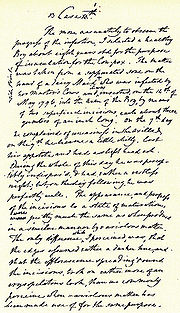 Inoculation was developed in ancient China
. Scholar Ole Lund comments: "The earliest documented examples of vaccination are from India
and China
in the 17th century, where vaccination with powdered scabs from people infected with smallpox was used to protect against the disease. Smallpox used to be a common disease throughout the world and 20% to 30% of infected persons died from the disease. Smallpox was responsible for 8% to 20% of all deaths in several European countries in the 18th century. The tradition of inoculation may have originated in India in 1000 BCE." The mention of inoculation in the Sact'eya Grantham, an Ayurvedic text, was noted by the French scholar Henri Marie Husson in the journal Dictionaire des sciences me`dicales. Almroth Wright
, the professor of pathology at Netley
, further helped shape the future of vaccination by conducting limited experiments on the professional staff at Netly, including himself. The outcome of these experiments resulted in further development of vaccination in Europe. The Anatolian Ottoman Turks knew about methods of inoculation.This kind of inoculation and other forms of variolation were introduced into England by Lady Montagu, a famous English letter-writer and wife of the English ambassador at Istanbul between 1716 and 1718, who'd almost died from smallpox as a young adult and was physically scarred from it. She came across the Turkish methods of inoculation, consenting to have her son inoculated by the Embassy surgeon Charles Maitland in the Turkish way. Lady Montagu wrote to her sister and friends in England describing the process in details. On her return to England she continued to propagate the Turkish tradition of inoculation and had many of her relatives inoculated. The breakthrough came when a scientific description of the inoculation operation was submitted to the Royal Society in 1724 by Dr Emmanual Timoni, who had been the Montagu’s family physician in Istanbul. Inoculation was adopted both in England and in France nearly half a century before Jenner
's famous smallpox vaccine of 1796.
Since then vaccination campaigns have spread throughout the globe, sometimes prescribed by law or regulations (See Vaccination Act
s). Vaccines are now used against a wide variety of diseases besides smallpox
. Louis Pasteur
further developed the technique during the 19th century, extending its use to killed agents protecting against anthrax and rabies
. The method Pasteur used entailed treating the agents for those diseases so they lost the ability to infect, whereas inoculation was the hopeful selection of a less virulent form of the disease, and Jenner's vaccination the substitution of a different and less dangerous disease for the one protected against. Pasteur adopted the name vaccine as a generic term in honor of Jenner's discovery.
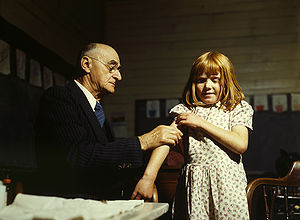 Prior to vaccination with cowpox, the only known protection against smallpox was inoculation
or variolation (Variola - the Smallpox viruses) where a small amount of live smallpox virus was administered to the patient; this carried the serious risk that the patient would be killed or seriously ill. The death rate from variolation was reported to be around a tenth of that from natural infection with Variola, and the immunity provided was considered quite reliable. Factors contributing to the efficacy of variolation probably include the choices of Variola Minor strains used, the relatively low number of cells infected in the first phase of multiplication following initial exposure, and the exposure route used, via the skin or nasal lining rather than inhalation of droplets into the lungs.
Consistency would suggest the activity should have predated Jenner's description of an effective vaccination system, and there is some history relating to opposition to the older and more hazardous procedure of variolation .
In modern times, the first vaccine-preventable disease targeted for eradication was smallpox. The World Health Organization
(WHO) coordinated the global effort to eradicate this disease. The last naturally occurring case of smallpox occurred in Somalia
in 1977.
Maurice Hilleman
was the most prolific of inventors of vaccines. He developed successful vaccines for measles
, mumps
, hepatitis A
, hepatitis B, chickenpox
, meningitis
, pneumonia
and Haemophilus influenzae
bacteria.
In 1988, the governing body of WHO targeted polio for eradication by the year 2000. Although the target was missed, eradication is very close. The next eradication target would most likely be measles
, which has declined since the introduction of measles vaccination in 1963.
In 2000, the Global Alliance for Vaccines and Immunization
was established to strengthen routine vaccinations and introduce new and under-used vaccines in countries with a per capita GDP of under US$1000. GAVI is now entering its second phase of funding, which extends through 2014.
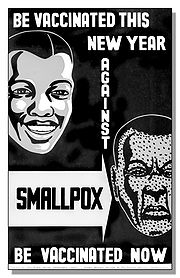 In an attempt to eliminate the risk of outbreaks of some diseases, at various times several governments and other institutions have instituted policies requiring vaccination for all people. For example, an 1853 law required universal vaccination against smallpox in England
and Wales
, with fines levied on people who did not comply. Common contemporary U.S. vaccination policies require that children receive common vaccinations before entering public school.
Beginning with early vaccination in the nineteenth century, these policies were resisted by a variety of groups, collectively called anti-vaccinationists, who object on scientific, ethical, political, medical safety, religious
, and other grounds. Common objections are that vaccinations do not work, that compulsory vaccination represents excessive government intervention in personal matters, or that the proposed vaccinations are not sufficiently safe. Many modern vaccination policies allow exemptions for people who have compromised immune systems, allergies to the components used in vaccinations or strongly held objections.
Allegations of vaccine injuries in recent decades have appeared in litigation in the U.S. Some families have won substantial awards from sympathetic juries, even though most public health officials believed that the claims of injuries were unfounded. In response, several vaccine makers stopped production, which the US government believed could be a threat to public health
, so laws were passed to shield makers from liabilities
stemming from vaccine injury claims.
In countries with limited financial resources, limited coverage is a major problem causing unnecessary morbidity and mortality. More affluent countries are able to subsidize vaccinations for at-risk groups, resulting in more comprehensive and effective cover. In Australia, for example, the Government subsidizes vaccinations for seniors and indigenous Australians.
Public Health Law
Research, an independent organization, reported in 2009 that there is insufficient evidence to assess the effectiveness of requiring vaccinations as a condition for specified jobs as a means of reducing incidence of specific diseases among particularly vulnerable populations; that there is sufficient evidence supporting the effectiveness of requiring vaccinations as a condition for attending child care facilities and schools.; and that there is strong evidence supporting the effectiveness of standing orders, which allow healthcare workers without prescription authority to administer vaccine as a public health intervention aimed at increasing vaccination rates.
or intranasal.
and malaria
.
Vaccine is an international peer-reviewed journal for vaccination researchers, indexed in Medline
pISSN: 0264-410X.
Antigen
An antigen is a foreign molecule that, when introduced into the body, triggers the production of an antibody by the immune system. The immune system will then kill or neutralize the antigen that is recognized as a foreign and potentially harmful invader. These invaders can be molecules such as...
ic material (a vaccine
Vaccine
A vaccine is a biological preparation that improves immunity to a particular disease. A vaccine typically contains an agent that resembles a disease-causing microorganism, and is often made from weakened or killed forms of the microbe or its toxins...
) to stimulate the immune system of an individual to develop adaptive
Adaptive immune system
The adaptive immune system is composed of highly specialized, systemic cells and processes that eliminate or prevent pathogenic growth. Thought to have arisen in the first jawed vertebrates, the adaptive or "specific" immune system is activated by the “non-specific” and evolutionarily older innate...
immunity
Immunity (medical)
Immunity is a biological term that describes a state of having sufficient biological defenses to avoid infection, disease, or other unwanted biological invasion. Immunity involves both specific and non-specific components. The non-specific components act either as barriers or as eliminators of wide...
to a disease. Vaccines can prevent or ameliorate the effects of infection
Infection
An infection is the colonization of a host organism by parasite species. Infecting parasites seek to use the host's resources to reproduce, often resulting in disease...
by many pathogen
Pathogen
A pathogen gignomai "I give birth to") or infectious agent — colloquially, a germ — is a microbe or microorganism such as a virus, bacterium, prion, or fungus that causes disease in its animal or plant host...
s. The efficacy of vaccination has been widely studied and verified; for example, the influenza vaccine, the HPV vaccine
HPV vaccine
The human papilloma virus vaccine prevents infection with certain species of human papillomavirus associated with the development of cervical cancer, genital warts, and some less common cancers...
, and the chicken pox vaccine
Varicella vaccine
The varicella vaccine is a live virus that protects against the viral disease commonly known as chickenpox caused by Varicella Zoster Virus . Varicella vaccine is marketed as Varivax in the U.S. by Merck...
among others. Vaccination is generally considered to be the most effective method of preventing infectious diseases. The active agent of a vaccine may be intact but inactivated (non-infective) or in attenuated (with reduced infectivity) forms of the causative pathogen
Pathogen
A pathogen gignomai "I give birth to") or infectious agent — colloquially, a germ — is a microbe or microorganism such as a virus, bacterium, prion, or fungus that causes disease in its animal or plant host...
s, or purified components of the pathogen that have been found to be highly immunogenic (e.g. the outer coat protein
Protein
Proteins are biochemical compounds consisting of one or more polypeptides typically folded into a globular or fibrous form, facilitating a biological function. A polypeptide is a single linear polymer chain of amino acids bonded together by peptide bonds between the carboxyl and amino groups of...
s of a virus
Virus
A virus is a small infectious agent that can replicate only inside the living cells of organisms. Viruses infect all types of organisms, from animals and plants to bacteria and archaea...
). Toxoids are produced for the immunization against toxin
Toxin
A toxin is a poisonous substance produced within living cells or organisms; man-made substances created by artificial processes are thus excluded...
-based diseases, such as the modification of tetanospasmin
Tetanospasmin
Tetanus toxin is an extremely potent neurotoxin produced by the vegetative cell of Clostridium tetani in anaerobic conditions, causing tetanus. It has no known function for clostridia in the soil environment where they are normally encountered. It is also called spasmogenic toxin, tetanospasmin or...
toxin of tetanus
Tetanus
Tetanus is a medical condition characterized by a prolonged contraction of skeletal muscle fibers. The primary symptoms are caused by tetanospasmin, a neurotoxin produced by the Gram-positive, rod-shaped, obligate anaerobic bacterium Clostridium tetani...
to remove its toxic effect but retain its immunogenic effect.
Smallpox
Smallpox
Smallpox was an infectious disease unique to humans, caused by either of two virus variants, Variola major and Variola minor. The disease is also known by the Latin names Variola or Variola vera, which is a derivative of the Latin varius, meaning "spotted", or varus, meaning "pimple"...
was likely the first disease people tried to prevent by purposely inoculating themselves with other types of infections. In 1718, Lady Mary Wortley Montagu
Lady Mary Wortley Montagu
The Lady Mary Wortley Montagu was an English aristocrat and writer. Montagu is today chiefly remembered for her letters, particularly her letters from Turkey, as wife to the British ambassador, which have been described by Billie Melman as “the very first example of a secular work by a woman about...
reported that the Turks
Turkish people
Turkish people, also known as the "Turks" , are an ethnic group primarily living in Turkey and in the former lands of the Ottoman Empire where Turkish minorities had been established in Bulgaria, Cyprus, Bosnia and Herzegovina, Georgia, Greece, Kosovo, Macedonia, and Romania...
had a tradition of deliberately inoculating themselves with fluid taken from mild cases of smallpox, and that she had inoculated her own children. Before 1796 when British physician Edward Jenner
Edward Jenner
Edward Anthony Jenner was an English scientist who studied his natural surroundings in Berkeley, Gloucestershire...
tested the possibility of using the cowpox
Cowpox
Cowpox is a skin disease caused by a virus known as the Cowpox virus. The pox is related to the vaccinia virus and got its name from the distribution of the disease when dairymaids touched the udders of infected cows. The ailment manifests itself in the form of red blisters and is transmitted by...
vaccine as an immunization for smallpox in humans for the first time, at least six people had done the same several years earlier: a person whose identity is unknown, England, (about 1771); a Mrs. Sevel, Germany (about 1772); a Mr. Jensen, Germany (about 1770); Benjamin Jesty, England, in 1774; a Mrs. Rendall, England (about 1782); and Peter Plett, Germany, in 1791.
The word vaccination was first used by Edward Jenner in 1796. Louis Pasteur
Louis Pasteur
Louis Pasteur was a French chemist and microbiologist born in Dole. He is remembered for his remarkable breakthroughs in the causes and preventions of diseases. His discoveries reduced mortality from puerperal fever, and he created the first vaccine for rabies and anthrax. His experiments...
furthered the concept through his pioneering work in microbiology. Vaccination is so named because the first vaccine
Vaccine
A vaccine is a biological preparation that improves immunity to a particular disease. A vaccine typically contains an agent that resembles a disease-causing microorganism, and is often made from weakened or killed forms of the microbe or its toxins...
was derived from a virus affecting cows—the relatively benign cowpox
Cowpox
Cowpox is a skin disease caused by a virus known as the Cowpox virus. The pox is related to the vaccinia virus and got its name from the distribution of the disease when dairymaids touched the udders of infected cows. The ailment manifests itself in the form of red blisters and is transmitted by...
virus—which provides a degree of immunity to smallpox
Smallpox
Smallpox was an infectious disease unique to humans, caused by either of two virus variants, Variola major and Variola minor. The disease is also known by the Latin names Variola or Variola vera, which is a derivative of the Latin varius, meaning "spotted", or varus, meaning "pimple"...
, a contagious and deadly disease. In common speech, 'vaccination' and 'immunization' generally have the same colloquial meaning. This distinguishes it from inoculation
Inoculation
Inoculation is the placement of something that will grow or reproduce, and is most commonly used in respect of the introduction of a serum, vaccine, or antigenic substance into the body of a human or animal, especially to produce or boost immunity to a specific disease...
which uses unweakened live pathogens, although in common usage either is used to refer to an immunization
Immunization
Immunization, or immunisation, is the process by which an individual's immune system becomes fortified against an agent ....
. The word "vaccination" was originally used specifically to describe the injection of smallpox
Smallpox
Smallpox was an infectious disease unique to humans, caused by either of two virus variants, Variola major and Variola minor. The disease is also known by the Latin names Variola or Variola vera, which is a derivative of the Latin varius, meaning "spotted", or varus, meaning "pimple"...
vaccine.
Vaccination efforts have been met with some controversy
Vaccine controversy
A vaccine controversy is a dispute over the morality, ethics, effectiveness, or safety of vaccinations. Medical and scientific evidence surrounding vaccinations generally demonstrate that the benefits of preventing suffering and death from infectious diseases outweigh rare adverse effects of...
since their inception, on scientific, ethical, political, medical safety, religious, and other grounds. In rare cases, vaccinations can injure people and, in the United States, they may receive compensation for those injuries under the National Vaccine Injury Compensation Program. Early success and compulsion
Vaccination Act
The UK Vaccination Acts of 1840, 1853 and 1898 reflect the continuing argument over vaccination policy in the United Kingdom. Similar legislation was passed in the USA and other countries....
brought widespread acceptance, and mass vaccination campaigns were undertaken which are credited with greatly reducing the incidence of many diseases in numerous geographic regions.
Mechanism of function
In the generic sense, the process of artificial induction of immunityArtificial induction of immunity
Artificial induction of immunity is the artificial induction of immunity to specific diseases - making people immune to disease by means other than waiting for them to catch the disease. The purpose is to reduce the risk of death and suffering....
, in an effort to protect against infectious disease
Infectious disease
Infectious diseases, also known as communicable diseases, contagious diseases or transmissible diseases comprise clinically evident illness resulting from the infection, presence and growth of pathogenic biological agents in an individual host organism...
, works by 'priming' the immune system
Immune system
An immune system is a system of biological structures and processes within an organism that protects against disease by identifying and killing pathogens and tumor cells. It detects a wide variety of agents, from viruses to parasitic worms, and needs to distinguish them from the organism's own...
with an 'immunogen'. Stimulating immune response, via use of an infectious agent, is known as immunization
Immunization
Immunization, or immunisation, is the process by which an individual's immune system becomes fortified against an agent ....
. Vaccinations involve the administration of one or more immunogens, which can be administered in several forms.
Some vaccines are administered after the patient already has contracted a disease. Vaccinia given after exposure to smallpox, within the first three days, is reported to attenuate the disease considerably, and vaccination up to a week after exposure likely offers some protection from disease or may modify the severity of disease. The first rabies
Rabies
Rabies is a viral disease that causes acute encephalitis in warm-blooded animals. It is zoonotic , most commonly by a bite from an infected animal. For a human, rabies is almost invariably fatal if post-exposure prophylaxis is not administered prior to the onset of severe symptoms...
immunization was given by Louis Pasteur
Louis Pasteur
Louis Pasteur was a French chemist and microbiologist born in Dole. He is remembered for his remarkable breakthroughs in the causes and preventions of diseases. His discoveries reduced mortality from puerperal fever, and he created the first vaccine for rabies and anthrax. His experiments...
to a child after he was bitten by a rabid dog. Subsequently it was found that proper post-exposure prophylaxis
Post-exposure prophylaxis
Post-exposure prophylaxis is any prophylactic treatment started immediately after exposure to a pathogen , in order to prevent infection by the pathogen and the development of disease.-Rabies:...
(PEP) of potential rabies cases within 14 days infection provides complete protection against the disease. Other examples include experimental AIDS
AIDS
Acquired immune deficiency syndrome or acquired immunodeficiency syndrome is a disease of the human immune system caused by the human immunodeficiency virus...
, cancer
Cancer
Cancer , known medically as a malignant neoplasm, is a large group of different diseases, all involving unregulated cell growth. In cancer, cells divide and grow uncontrollably, forming malignant tumors, and invade nearby parts of the body. The cancer may also spread to more distant parts of the...
and Alzheimer's disease
Alzheimer's disease
Alzheimer's disease also known in medical literature as Alzheimer disease is the most common form of dementia. There is no cure for the disease, which worsens as it progresses, and eventually leads to death...
vaccines. The essential empiricism behind such immunizations is that the vaccine triggers an immune response more rapidly than the natural infection itself.
Most vaccines are given by hypodermic injection as they are not absorbed reliably through the intestines. Live attenuated polio, some typhoid and some cholera vaccines are given orally in order to produce immunity based in the bowel.
Adjuvants and preservatives
Vaccines typically contain one or more adjuvantAdjuvant
An adjuvant is a pharmacological or immunological agent that modifies the effect of other agents, such as a drug or vaccine, while having few if any direct effects when given by itself...
s, used to boost the immune response. Tetanus toxoid, for instance, is usually adsorbed onto alum
Alum
Alum is both a specific chemical compound and a class of chemical compounds. The specific compound is the hydrated potassium aluminium sulfate with the formula KAl2.12H2O. The wider class of compounds known as alums have the related empirical formula, AB2.12H2O.-Chemical properties:Alums are...
. This presents the antigen in such a way as to produce a greater action than the simple aqueous tetanus toxoid. People who get an excessive reaction to adsorbed tetanus toxoid may be given the simple vaccine when time for a booster occurs.
In the preparation for the 1990 Gulf campaign, Pertussis vaccine (not acellular) was used as an adjuvant for Anthrax vaccine. This produces a more rapid immune response than giving only the Anthrax, which is of some benefit if exposure might be imminent.
They may also contain preservatives, which are used to prevent contamination with bacteria
Bacteria
Bacteria are a large domain of prokaryotic microorganisms. Typically a few micrometres in length, bacteria have a wide range of shapes, ranging from spheres to rods and spirals...
or fungi. Until recent years, the preservative thiomersal
Thiomersal
Thiomersal , and commonly known in the US as thimerosal, is an organomercury compound. This compound is a well established antiseptic and antifungal agent....
was used in many vaccines that did not contain live virus. As of 2005, the only childhood vaccine in the U.S. that contains thiomersal in greater than trace amounts is the influenza vaccine,http://www.vaccinesafety.edu/thi-table.htm which is currently recommended only for children with certain risk factors. Single-dose Influenza vaccines supplied in the UK do not list Thiomersal (its UK name) in the ingredients. Preservatives may be used at various stages of production of vaccines, and the most sophisticated methods of measurement might detect traces of them in the finished product, as they may in the environment and population as a whole.http://www.npl.co.uk/environment/vam/nongaseouspollutants/ngp_metals.html
Vaccination versus inoculation
Many times these words are used interchangeably, as if they were synonyms. In fact they are different things. As doctor Byron Plant explains: "Vaccination is the more commonly used term which actually consists of a "safe" injection of a sample taken from a cow suffering from cowpox... Inoculation, a practice probably as old as the disease itself, is the injection of the variola virus taken from a pustule or scab of a smallpox sufferer into the superficial layers of the skin, commonly on the upper arm of the subject. Often inoculation was done "arm to arm" or less effectively "scab to arm"...Vaccination began in the 18th century with the work of Edward Jenner
Edward Jenner
Edward Anthony Jenner was an English scientist who studied his natural surroundings in Berkeley, Gloucestershire...
.
Types
All vaccinations work by presenting a foreign antigen to the immune system in order to evoke an immune response, but there are several ways to do this. The four main types that are currently in clinical use are as follows:- An inactivated vaccine consists of virus or bacteria which are grown in culture and then killed using a method such as heat or formaldehyde. Although the virus or bacteria particles are destroyed and cannot replicate, the virus capsidCapsidA capsid is the protein shell of a virus. It consists of several oligomeric structural subunits made of protein called protomers. The observable 3-dimensional morphological subunits, which may or may not correspond to individual proteins, are called capsomeres. The capsid encloses the genetic...
proteins or bacterial wall are intact enough to be recognized and remembered by the immune system and evoke a response. When manufactured correctly, the vaccine is not infectious, but improper inactivation can result in intact and infectious particles. Since the properly produced vaccine does not reproduce, boosterBooster doseIn medicine, a booster dose is an extra administration of a vaccine after an earlier dose. After initial immunization, a booster injection or booster dose is a re-exposure to the immunizing antigen. It is intended to increase immunity against that antigen back to protective levels after it has been...
shots are required periodically to reinforce the immune response. - In an attenuated vaccine, live virus or bacteria with very low virulence are administered. They will replicate, but locally or very slowly. Since they do reproduce and continue to present antigen to the immune system beyond the initial vaccination, boosters may be required less often. These vaccines may be produced by passaging, for example, adapting a virus into different host cell cultures, such as in animals, or at suboptimal temperatures, allowing selection of less virulent strains, or by mutagenesis or targeted deletions in genes required for virulence. There is a small risk of reversion to virulence, this risk is smaller in vaccines with deletions. Attenuated vaccines also cannot be used by immunocompromised individuals. Reversions of virulence were described for a few attenuated viruses of chickens (infectious bursal disease virus, avian infectious bronchitis virusAvian infectious bronchitis virusAvian infectious bronchitis virus is a coronavirus which infects chicken, causing the associated disease, infectious bronchitis Avian infectious bronchitis virus (IBV) is a coronavirus which infects chicken, causing the associated disease, infectious bronchitis Avian infectious bronchitis virus...
, avian infectious laryngotracheitis virus http://www.oie.int/fileadmin/Home/eng/Health_standards/tahm/2.03.03_AVIAN_INF_LARYNGO.pdf, avian metapneumovirus http://www.oie.int/fileadmin/Home/eng/Health_standards/tahm/2.03.15_TURKEY_RHINO.pdf) - Virus-like particle vaccines consist of viral protein(s) derived from the structural proteins of a virus. These proteins can self-assemble into particles that resemble the virus from which they were derived but lack viral nucleic acid, meaning that they are not infectious. Because of their highly repetitive, multivalent structure, virus-like particles are typically more immunogenic than subunit vaccines (described below). The human papillomavirusHuman papillomavirusHuman papillomavirus is a member of the papillomavirus family of viruses that is capable of infecting humans. Like all papillomaviruses, HPVs establish productive infections only in keratinocytes of the skin or mucous membranes...
and Hepatitis B virusHepatitis B virusHepatitis B is an infectious illness caused by hepatitis B virus which infects the liver of hominoidea, including humans, and causes an inflammation called hepatitis. Originally known as "serum hepatitis", the disease has caused epidemics in parts of Asia and Africa, and it is endemic in China...
vaccines are two virus-like particle-based vaccines currently in clinical use. - A subunit vaccine presents an antigen to the immune system without introducing viral particles, whole or otherwise. One method of production involves isolation of a specific protein from a virus or bacterium (such as a bacterial toxin) and administering this by itself. A weakness of this technique is that isolated proteins may have a different three-dimensional structure than the protein in its normal context, and will induce antibodies that may not recognize the infectious organism. In addition, subunit vaccines often elicit weaker antibody responses than the other classes of vaccines.
A number of other vaccine strategies are under experimental investigation. These include DNA vaccination
DNA vaccination
DNA vaccination is a technique for protecting an organism against disease by injecting it with genetically engineered DNA to produce an immunological response. Nucleic acid vaccines are still experimental, and have been applied to a number of viral, bacterial and parasitic models of disease, as...
and recombinant viral vectors.
History
China
Chinese civilization may refer to:* China for more general discussion of the country.* Chinese culture* Greater China, the transnational community of ethnic Chinese.* History of China* Sinosphere, the area historically affected by Chinese culture...
. Scholar Ole Lund comments: "The earliest documented examples of vaccination are from India
India
India , officially the Republic of India , is a country in South Asia. It is the seventh-largest country by geographical area, the second-most populous country with over 1.2 billion people, and the most populous democracy in the world...
and China
China
Chinese civilization may refer to:* China for more general discussion of the country.* Chinese culture* Greater China, the transnational community of ethnic Chinese.* History of China* Sinosphere, the area historically affected by Chinese culture...
in the 17th century, where vaccination with powdered scabs from people infected with smallpox was used to protect against the disease. Smallpox used to be a common disease throughout the world and 20% to 30% of infected persons died from the disease. Smallpox was responsible for 8% to 20% of all deaths in several European countries in the 18th century. The tradition of inoculation may have originated in India in 1000 BCE." The mention of inoculation in the Sact'eya Grantham, an Ayurvedic text, was noted by the French scholar Henri Marie Husson in the journal Dictionaire des sciences me`dicales. Almroth Wright
Almroth Wright
Sir Almroth Edward Wright, KBE, CB was a British bacteriologist and immunologist.He is notable for developing a system of anti-typhoid fever inoculation, recognizing early on that antibiotics would create resistant bacteria and being a strong advocate for preventive medicine.-Biography:Wright was...
, the professor of pathology at Netley
Netley
Netley, sometimes called Netley Abbey, is a village on the south coast of Hampshire, England, situated on the east side of the city of Southampton...
, further helped shape the future of vaccination by conducting limited experiments on the professional staff at Netly, including himself. The outcome of these experiments resulted in further development of vaccination in Europe. The Anatolian Ottoman Turks knew about methods of inoculation.This kind of inoculation and other forms of variolation were introduced into England by Lady Montagu, a famous English letter-writer and wife of the English ambassador at Istanbul between 1716 and 1718, who'd almost died from smallpox as a young adult and was physically scarred from it. She came across the Turkish methods of inoculation, consenting to have her son inoculated by the Embassy surgeon Charles Maitland in the Turkish way. Lady Montagu wrote to her sister and friends in England describing the process in details. On her return to England she continued to propagate the Turkish tradition of inoculation and had many of her relatives inoculated. The breakthrough came when a scientific description of the inoculation operation was submitted to the Royal Society in 1724 by Dr Emmanual Timoni, who had been the Montagu’s family physician in Istanbul. Inoculation was adopted both in England and in France nearly half a century before Jenner
Edward Jenner
Edward Anthony Jenner was an English scientist who studied his natural surroundings in Berkeley, Gloucestershire...
's famous smallpox vaccine of 1796.
Since then vaccination campaigns have spread throughout the globe, sometimes prescribed by law or regulations (See Vaccination Act
Vaccination Act
The UK Vaccination Acts of 1840, 1853 and 1898 reflect the continuing argument over vaccination policy in the United Kingdom. Similar legislation was passed in the USA and other countries....
s). Vaccines are now used against a wide variety of diseases besides smallpox
Smallpox
Smallpox was an infectious disease unique to humans, caused by either of two virus variants, Variola major and Variola minor. The disease is also known by the Latin names Variola or Variola vera, which is a derivative of the Latin varius, meaning "spotted", or varus, meaning "pimple"...
. Louis Pasteur
Louis Pasteur
Louis Pasteur was a French chemist and microbiologist born in Dole. He is remembered for his remarkable breakthroughs in the causes and preventions of diseases. His discoveries reduced mortality from puerperal fever, and he created the first vaccine for rabies and anthrax. His experiments...
further developed the technique during the 19th century, extending its use to killed agents protecting against anthrax and rabies
Rabies
Rabies is a viral disease that causes acute encephalitis in warm-blooded animals. It is zoonotic , most commonly by a bite from an infected animal. For a human, rabies is almost invariably fatal if post-exposure prophylaxis is not administered prior to the onset of severe symptoms...
. The method Pasteur used entailed treating the agents for those diseases so they lost the ability to infect, whereas inoculation was the hopeful selection of a less virulent form of the disease, and Jenner's vaccination the substitution of a different and less dangerous disease for the one protected against. Pasteur adopted the name vaccine as a generic term in honor of Jenner's discovery.
Inoculation
Inoculation is the placement of something that will grow or reproduce, and is most commonly used in respect of the introduction of a serum, vaccine, or antigenic substance into the body of a human or animal, especially to produce or boost immunity to a specific disease...
or variolation (Variola - the Smallpox viruses) where a small amount of live smallpox virus was administered to the patient; this carried the serious risk that the patient would be killed or seriously ill. The death rate from variolation was reported to be around a tenth of that from natural infection with Variola, and the immunity provided was considered quite reliable. Factors contributing to the efficacy of variolation probably include the choices of Variola Minor strains used, the relatively low number of cells infected in the first phase of multiplication following initial exposure, and the exposure route used, via the skin or nasal lining rather than inhalation of droplets into the lungs.
Consistency would suggest the activity should have predated Jenner's description of an effective vaccination system, and there is some history relating to opposition to the older and more hazardous procedure of variolation .
In modern times, the first vaccine-preventable disease targeted for eradication was smallpox. The World Health Organization
World Health Organization
The World Health Organization is a specialized agency of the United Nations that acts as a coordinating authority on international public health. Established on 7 April 1948, with headquarters in Geneva, Switzerland, the agency inherited the mandate and resources of its predecessor, the Health...
(WHO) coordinated the global effort to eradicate this disease. The last naturally occurring case of smallpox occurred in Somalia
Somalia
Somalia , officially the Somali Republic and formerly known as the Somali Democratic Republic under Socialist rule, is a country located in the Horn of Africa. Since the outbreak of the Somali Civil War in 1991 there has been no central government control over most of the country's territory...
in 1977.
Maurice Hilleman
Maurice Hilleman
Maurice Ralph Hilleman was an American microbiologist who specialized in vaccinology and developed over three dozen vaccines, more than any other scientist...
was the most prolific of inventors of vaccines. He developed successful vaccines for measles
Measles
Measles, also known as rubeola or morbilli, is an infection of the respiratory system caused by a virus, specifically a paramyxovirus of the genus Morbillivirus. Morbilliviruses, like other paramyxoviruses, are enveloped, single-stranded, negative-sense RNA viruses...
, mumps
Mumps
Mumps is a viral disease of the human species, caused by the mumps virus. Before the development of vaccination and the introduction of a vaccine, it was a common childhood disease worldwide...
, hepatitis A
Hepatitis A
Hepatitis A is an acute infectious disease of the liver caused by the hepatitis A virus , an RNA virus, usually spread the fecal-oral route; transmitted person-to-person by ingestion of contaminated food or water or through direct contact with an infectious person...
, hepatitis B, chickenpox
Chickenpox
Chickenpox or chicken pox is a highly contagious illness caused by primary infection with varicella zoster virus . It usually starts with vesicular skin rash mainly on the body and head rather than at the periphery and becomes itchy, raw pockmarks, which mostly heal without scarring...
, meningitis
Meningitis
Meningitis is inflammation of the protective membranes covering the brain and spinal cord, known collectively as the meninges. The inflammation may be caused by infection with viruses, bacteria, or other microorganisms, and less commonly by certain drugs...
, pneumonia
Pneumonia
Pneumonia is an inflammatory condition of the lung—especially affecting the microscopic air sacs —associated with fever, chest symptoms, and a lack of air space on a chest X-ray. Pneumonia is typically caused by an infection but there are a number of other causes...
and Haemophilus influenzae
Haemophilus influenzae
Haemophilus influenzae, formerly called Pfeiffer's bacillus or Bacillus influenzae, Gram-negative, rod-shaped bacterium first described in 1892 by Richard Pfeiffer during an influenza pandemic. A member of the Pasteurellaceae family, it is generally aerobic, but can grow as a facultative anaerobe. H...
bacteria.
In 1988, the governing body of WHO targeted polio for eradication by the year 2000. Although the target was missed, eradication is very close. The next eradication target would most likely be measles
Measles
Measles, also known as rubeola or morbilli, is an infection of the respiratory system caused by a virus, specifically a paramyxovirus of the genus Morbillivirus. Morbilliviruses, like other paramyxoviruses, are enveloped, single-stranded, negative-sense RNA viruses...
, which has declined since the introduction of measles vaccination in 1963.
In 2000, the Global Alliance for Vaccines and Immunization
Global Alliance for Vaccines and Immunization
The GAVI Alliance is a public-private global health partnership committed to saving children’s lives and protecting people’s health by increasing access to immunisation in poor countries...
was established to strengthen routine vaccinations and introduce new and under-used vaccines in countries with a per capita GDP of under US$1000. GAVI is now entering its second phase of funding, which extends through 2014.
Society and culture
England
England is a country that is part of the United Kingdom. It shares land borders with Scotland to the north and Wales to the west; the Irish Sea is to the north west, the Celtic Sea to the south west, with the North Sea to the east and the English Channel to the south separating it from continental...
and Wales
Wales
Wales is a country that is part of the United Kingdom and the island of Great Britain, bordered by England to its east and the Atlantic Ocean and Irish Sea to its west. It has a population of three million, and a total area of 20,779 km²...
, with fines levied on people who did not comply. Common contemporary U.S. vaccination policies require that children receive common vaccinations before entering public school.
Beginning with early vaccination in the nineteenth century, these policies were resisted by a variety of groups, collectively called anti-vaccinationists, who object on scientific, ethical, political, medical safety, religious
Vaccination and religion
Vaccination and religion have interrelations of varying kinds.-Historical:Catholic and Anglican missionaries vaccinated Northwest Coast Indians during an 1862 smallpox epidemic....
, and other grounds. Common objections are that vaccinations do not work, that compulsory vaccination represents excessive government intervention in personal matters, or that the proposed vaccinations are not sufficiently safe. Many modern vaccination policies allow exemptions for people who have compromised immune systems, allergies to the components used in vaccinations or strongly held objections.
Allegations of vaccine injuries in recent decades have appeared in litigation in the U.S. Some families have won substantial awards from sympathetic juries, even though most public health officials believed that the claims of injuries were unfounded. In response, several vaccine makers stopped production, which the US government believed could be a threat to public health
Public health
Public health is "the science and art of preventing disease, prolonging life and promoting health through the organized efforts and informed choices of society, organizations, public and private, communities and individuals" . It is concerned with threats to health based on population health...
, so laws were passed to shield makers from liabilities
Legal liability
Legal liability is the legal bound obligation to pay debts.* In law a person is said to be legally liable when they are financially and legally responsible for something. Legal liability concerns both civil law and criminal law. See Strict liability. Under English law, with the passing of the Theft...
stemming from vaccine injury claims.
In countries with limited financial resources, limited coverage is a major problem causing unnecessary morbidity and mortality. More affluent countries are able to subsidize vaccinations for at-risk groups, resulting in more comprehensive and effective cover. In Australia, for example, the Government subsidizes vaccinations for seniors and indigenous Australians.
Public Health Law
Public health law
Law is an important public health tool that plays a critical role in reducing illness and premature death. Public health law examines the authority of the government at various jurisdictional levels to improve the health of the general population within societal limits and norms.Public health law...
Research, an independent organization, reported in 2009 that there is insufficient evidence to assess the effectiveness of requiring vaccinations as a condition for specified jobs as a means of reducing incidence of specific diseases among particularly vulnerable populations; that there is sufficient evidence supporting the effectiveness of requiring vaccinations as a condition for attending child care facilities and schools.; and that there is strong evidence supporting the effectiveness of standing orders, which allow healthcare workers without prescription authority to administer vaccine as a public health intervention aimed at increasing vaccination rates.
Routes of administration
A vaccine administration may be oral, by injection (intramuscular, intradermal, subcutaneous), by puncture, transdermalTransdermal
Transdermal is a route of administration wherein active ingredients are delivered across the skin for systemic distribution. Examples include transdermal patches used for medicine delivery, and transdermal implants used for medical or aesthetic purposes....
or intranasal.
Research
Some major contemporary research in vaccination focuses on development of vaccinations for diseases including HIVHIV vaccine
An HIV vaccine that protects vaccinated individuals from HIV infection is the goal of many HIV research programmes. Currently, there is no effective vaccine against HIV, the virus that causes AIDS...
and malaria
Malaria
Malaria is a mosquito-borne infectious disease of humans and other animals caused by eukaryotic protists of the genus Plasmodium. The disease results from the multiplication of Plasmodium parasites within red blood cells, causing symptoms that typically include fever and headache, in severe cases...
.
Vaccine is an international peer-reviewed journal for vaccination researchers, indexed in Medline
MEDLINE
MEDLINE is a bibliographic database of life sciences and biomedical information. It includes bibliographic information for articles from academic journals covering medicine, nursing, pharmacy, dentistry, veterinary medicine, and health care...
pISSN: 0264-410X.
See also
- List of vaccine topics
- H5N1 flu vaccine clinical trialsH5N1 clinical trialsH5N1 clinical trials are clinical trials concerning H5N1 vaccines. They are intended to discover pharmacological effects and identify any adverse reactions the vaccines may achieve in humans.-Current status of H5N1 candidate vaccines:...
- Influenza vaccine
- ImmunizationImmunizationImmunization, or immunisation, is the process by which an individual's immune system becomes fortified against an agent ....
- Immunization during pregnancyImmunization during pregnancyImmunization during pregnancy, that is the administration of a vaccine to a pregnant woman, is not a routine event as it is generally preferred to administer vaccines either prior to conception or in the postpartum period...
- Vaccination and religionVaccination and religionVaccination and religion have interrelations of varying kinds.-Historical:Catholic and Anglican missionaries vaccinated Northwest Coast Indians during an 1862 smallpox epidemic....
- Vaccination of catsFeline vaccinationFeline vaccination is the administration of antigenic material in cats to produce immunity to a feline disease. Vaccines can prevent or ameliorate the effects of infection by a pathogen. Currently, there are geographically defined core vaccines and individually chosen non-core vaccine...
- Vaccination of dogs
- Vaccine trialVaccine trialA vaccine trial is a clinical trial that aims at establishing the safety and efficacy of a vaccine prior to it being licensed.-Methodology:A vaccine trial might involve forming two groups from the target population...
External links
- Vaccine Research Center: Information regarding preventative vaccine research studies
- The Vaccine Page links to resources in many countries.
- Immunisation Immunisation schedule for children in the UK. Published by the UK Department of Health.
- CDC.gov - 'National Immunization Program: leading the way to healthy lives', US Centers for Disease Control (CDC information on vaccinations)
- CDC.gov - 'Mercury and Vaccines (Thimerosal)', US Centers for Disease Control
- Immunize.org - Immunization Action Coalition' (nonprofit working to increase immunization rates)
- WHO.int - 'Immunizations, vaccines and biologicals: Towards a World free of Vaccine Preventable Diseases', World Health OrganizationWorld Health OrganizationThe World Health Organization is a specialized agency of the United Nations that acts as a coordinating authority on international public health. Established on 7 April 1948, with headquarters in Geneva, Switzerland, the agency inherited the mandate and resources of its predecessor, the Health...
(WHO's global vaccination campaign website) - Health-EU Portal Vaccinations in the EU
- History of Vaccines Medical education site from the College of Physicians of Philadelphia, the oldest medical professional society in the US