


Infectious disease

Encyclopedia
Infectious diseases, also known as communicable diseases, contagious diseases or transmissible diseases comprise clinically evident illness
(i.e., characteristic medical sign
s and/or symptom
s of disease
) resulting from the infection
, presence and growth of pathogen
ic biological agents in an individual host
organism. In certain cases, infectious diseases may be asymtomatic for much or all of their course. Infectious pathogens include some virus
es, bacteria
, fungi
, protozoa
, multicellular parasites, and aberrant proteins known as prion
s. These pathogens are the cause of disease epidemic
s, in the sense that without the pathogen, no infectious epidemic occurs.
Transmission
of pathogen can occur in various ways including physical contact, contaminated food, body fluids, objects, airborne inhalation, or through vector organisms. Infectious diseases that are especially infective are sometimes called contagious
and can be easily transmitted by contact with an ill person or their secretions. Infectious diseases with more specialized routes of infection, such as vector transmission or sexual transmission, are usually regarded as contagious but do not require medical quarantine
of victims.
The term infectivity
describes the ability of an organism to enter, survive and multiply in the host, while the infectiousness of a disease indicates the comparative ease with which the disease is transmitted to other hosts. An infection is not synonymous with an infectious disease, as some infections do not cause illness in a host.
One way of proving that a given disease is "infectious", is to satisfy Koch's postulates
(first proposed by Robert Koch
), which demands that the infectious agent be identified only in patients and not in healthy controls, and that patients who contract the agent also develop the disease. These postulates were first used in the discovery that Mycobacteria species cause tuberculosis
. Koch's postulates can not be met ethically for many human diseases because they require experimental infection of a healthy individual with a pathogen produced as a pure culture. Often, even diseases that are quite clearly infectious do not meet the infectious criteria. For example, Treponema pallidum
, the causative spirochete of syphilis
, cannot be cultured
in vitro - however the organism can be cultured in rabbit testes. It is less clear that a pure culture comes from an animal source serving as host than it is when derived from microbes derived from plate culture.
Epidemiology
is another important tool used to study disease in a population. For infectious diseases it helps to determine if a disease outbreak
is sporadic (occasional occurrence), endemic
(regular cases often occurring in a region), epidemic
(an unusually high number of cases in a region), or pandemic
(a global epidemic).
 An infectious disease is transmitted from some source. Defining the means of transmission plays an important part in understanding the biology of an infectious agent, and in addressing the disease it causes. Transmission may occur through several different mechanisms. Respiratory
diseases and meningitis
are commonly acquired by contact with aerosolized droplets, spread by sneezing, coughing, talking, kissing or even singing. Gastrointestinal diseases are often acquired by ingesting contaminated food and water. Sexually transmitted disease
s are acquired through contact with bodily fluids, generally as a result of sexual activity. Some infectious agents may be spread as a result of contact with a contaminated, inanimate object (known as a fomite
), such as a coin passed from one person to another, while other diseases penetrate the skin
directly.
Transmission of infectious diseases may also involve a vector. Vectors may be mechanical or biological. A mechanical vector picks up an infectious agent on the outside of its body and transmits it in a passive manner. An example of a mechanical vector is a housefly
, which lands on cow dung, contaminating its appendages with bacteria from the feces, and then lands on food prior to consumption. The pathogen never enters the body of the fly.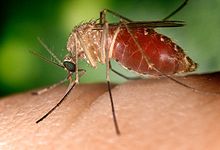 In contrast, biological vectors harbor pathogens within their bodies and deliver pathogens to new hosts in an active manner, usually a bite. Biological vectors are often responsible for serious blood-borne disease
s, such as malaria
, viral encephalitis
, Chagas disease
, Lyme disease
and African sleeping sickness. Biological vectors are usually, though not exclusively, arthropods, such as mosquitoes, tick
s, fleas and lice. Vectors are often required in the life cycle of a pathogen. A common strategy used to control vector borne infectious diseases is to interrupt the life cycle of a pathogen by killing the vector.
The relationship between virulence and transmission is complex, and has important consequences for the long term evolution of a pathogen. Since it takes many generations for a microbe and a new host species to co-evolve, an emerging pathogen may hit its earliest victims especially hard. It is usually in the first wave of a new disease that death rates are highest. If a disease is rapidly fatal, the host may die before the microbe can get passed along to another host. However, this cost may be overwhelmed by the short term benefit of higher infectiousness if transmission is linked to virulence, as it is for instance in the case of cholera (the explosive diarrhea aids the bacterium in finding new hosts) or many respiratory infections (sneezing and coughing create infectious aerosol
s).
, distance traveled by victims, and level of contagiousness. The human strains of Ebola
virus, for example, incapacitate its victims extremely quickly and kills them soon after. As a result, the victims of this disease do not have the opportunity to travel very far from the initial infection zone. Also, this virus must spread through skin lesions or permeable membranes such as the eye. Thus, the initial stage of Ebola
is not very contagious since its victims experience only internal hemorrhaging. As a result of the above features, the spread of Ebola is very rapid and usually stays within a relatively confined geographical area. In contrast, the Human Immunodeficiency Virus (HIV
) kills its victims very slowly by attacking their immune system. As a result, many of its victims transmit the virus to other individuals before even realizing that they are carrying the disease. Also, the relatively low virulence allows its victims to travel long distances, increasing the likelihood of an epidemic
.
Another effective way to decrease the transmission rate of infectious diseases is to recognize the effects of small-world networks. In epidemics, there are often extensive interactions within hubs or groups of infected individuals and other interactions within discrete hubs of susceptible individuals. Despite the low interaction between discrete hubs, the disease can jump to and spread in a susceptible hub via a single or few interactions with an infected hub. Thus, infection rates in small-world networks can be reduced somewhat if interactions between individuals within infected hubs are eliminated (Figure 1). However, infection rates can be drastically reduced if the main focus is on the prevention of transmission jumps between hubs. The use of needle exchange programs in areas with a high density of drug users with HIV is an example of the successful implementation of this treatment method. [6] Another example is the use of ring culling or vaccination of potentially susceptible livestock in adjacent farms to prevent the spread of the foot-and-mouth virus in 2001.
General methods to prevent transmission of pathogens may include disinfection
and pest control
.
 Infection with most pathogens does not result in death of the host and the offending organism is ultimately cleared after the symptoms of the disease have waned. This process requires immune mechanisms
to kill or inactivate the inoculum of the pathogen. Specific acquired immunity
against infectious diseases may be mediated by antibodies and/or T lymphocytes. Immunity mediated by these two factors may be manifested by:
The immune system response to a microorganism often causes symptoms such as a high fever
and inflammation
, and has the potential to be more devastating than direct damage caused by a microbe.
Resistance to infection (immunity
) may be acquired following a disease, by asymptomatic carriage
of the pathogen, by harboring an organism with a similar structure (crossreacting), or by vaccination
. Knowledge of the protective antigens and specific acquired host immune factors is more complete for primary pathogens than for opportunistic pathogens.
Immune resistance to an infectious disease requires a critical level of either antigen-specific antibodies and/or T cells when the host encounters the pathogen. Some individuals develop natural serum
antibodies to the surface polysaccharide
s of some agents although they have had little or no contact with the agent, these natural antibodies confer specific protection to adults and are passively transmitted to newborns.
, it has been shown that genetic polymorphisms near the human IL28B gene, encoding interferon lambda 3, are associated with significant differences in the treatment-induced clearance of the virus. This finding, originally reported in Nature, showed that genotype 1 hepatitis C patients carrying certain genetic variant alleles near the IL28B gene are more possibly to achieve sustained virological response after the treatment than others. Later report from Nature demonstrated that the same genetic variants are also associated with the natural clearance of the genotype 1 hepatitis C virus.
infections and diarrheal diseases are diagnosed by their clinical presentation. Conclusions about the cause of the disease are based upon the likelihood that a patient came in contact with a particular agent, the presence of a microbe in a community, and other epidemiological considerations. Given sufficient effort, all known infectious agents can be specifically identified. The benefits of identification, however, are often greatly outweighed by the cost, as often there is no specific treatment, the cause is obvious, or the outcome of an infection is benign
.
Diagnosis of infectious disease is nearly always initiated by medical history
and physical examination. More detailed identification techniques involve the culture of infectious agents isolated from a patient. Culture allows identification of infectious organisms by examining their microscopic features, by detecting the presence of substances produced by pathogens, and by directly identifying an organism by its genotype. Other techniques (such as X-ray
s, CAT scans, PET scans or NMR
) are used to produce images of internal abnormalities resulting from the growth of an infectious agent. The images are useful in detection of, for example, a bone abscess
or a spongiform encephalopathy produced by a prion
.
 Microbiological culture
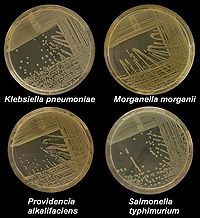
is a principal tool used to diagnose infectious disease. In a microbial culture, a growth medium
is provided for a specific agent. A sample taken from potentially diseased tissue or fluid is then tested for the presence of an infectious agent able to grow within that medium. Most pathogenic bacteria are easily grown on nutrient agar, a form of solid medium that supplies carbohydrates and proteins necessary for growth of a bacterium, along with copious amounts of water. A single bacterium will grow into a visible mound on the surface of the plate called a colony
, which may be separated from other colonies or melded together into a "lawn". The size, color, shape and form of a colony is characteristic of the bacterial species, its specific genetic makeup (its strain
), and the environment which supports its growth. Other ingredients are often added to the plate to aid in identification. Plates may contain substances that permit the growth of some bacteria and not others, or that change color in response to certain bacteria and not others. Bacteriological plates such as these are commonly used in the clinical identification of infectious bacterium. Microbial culture may also be used in the identification of virus
es: the medium in this case being cells grown in culture that the virus can infect, and then alter or kill. In the case of viral identification, a region of dead cells results from viral growth, and is called a "plaque". Eukaryotic parasites may also be grown in culture as a means of identifying a particular agent.
In the absence of suitable plate culture techniques, some microbes require culture within live animals. Bacteria such as Mycobacterium leprae
and T. pallidum
can be grown in animals, although serological and microscopic techniques make the use of live animals unnecessary. Viruses are also usually identified using alternatives to growth in culture or animals. Some viruses may be grown in embryo
nated eggs. Another useful identification method is Xenodiagnosis, or the use of a vector to support the growth of an infectious agent. Chagas disease
is the most significant example, because it is difficult to directly demonstrate the presence of the causative agent, Trypanosoma cruzi
in a patient, which therefore makes it difficult to definitively make a diagnosis. In this case, xenodiagnosis involves the use of the vector of the Chagas agent T. cruzi, an uninfected triatomine
bug, which takes a blood meal from a person suspected of having been infected. The bug is later inspected for growth of T. cruzi within its gut.
. Virtually all of the culture techniques discussed above rely, at some point, on microscopic examination for definitive identification of the infectious agent. Microscopy may be carried out with simple instruments, such as the compound light microscope, or with instruments as complex as an electron microscope
. Samples obtained from patients may be viewed directly under the light microscope, and can often rapidly lead to identification. Microscopy is often also used in conjunction with biochemical staining techniques, and can be made exquisitely specific when used in combination with antibody
based techniques. For example, the use of antibodies made artificially fluorescent (fluorescently labeled antibodies) can be directed to bind to and identify a specific antigens present on a pathogen. A fluorescence microscope
is then used to detect fluorescently labeled antibodies bound to internalized antigens within clinical samples or cultured cells. This technique is especially useful in the diagnosis of viral diseases, where the light microscope is incapable of identifying a virus directly.
Other microscopic procedures may also aid in identifying infectious agents. Almost all cells readily stain with a number of basic dye
s due to the electrostatic attraction between negatively charged cellular molecules and the positive charge on the dye. A cell is normally transparent under a microscope, and using a stain increases the contrast of a cell with its background. Staining a cell with a dye such as Giemsa stain or crystal violet
allows a microscopist to describe its size, shape, internal and external components and its associations with other cells. The response of bacteria to different staining procedures is used in the taxonomic classification of microbes as well. Two methods, the Gram stain and the acid-fast
stain, are the standard approaches used to classify bacteria and to diagnosis of disease. The Gram stain identifies the bacterial groups Firmicutes
and Actinobacteria
, both of which contain many significant human pathogens. The acid-fast staining procedure identifies the Actinobacterial genera Mycobacterium
and Nocardia
.
s in patterns characteristic of their genus
and species
, the detection of fermentation
products is commonly used in bacterial identification. Acids, alcohols and gases are usually detected in these tests when bacteria are grown in selective liquid or solid media.
The isolation of enzymes from infected tissue can also provide the basis of a biochemical diagnosis of an infectious disease. For example, humans can make neither RNA replicases nor reverse transcriptase
, and the presence of these enzymes are characteristic of specific types of viral infections. The ability of the viral protein hemagglutinin
to bind red blood cells together into a detectable matrix may also be characterized as a biochemical test for viral infection, although strictly speaking hemagglutinin is not an enzyme and has no metabolic function.
Serological methods are highly sensitive, specific and often extremely rapid tests used to identify microorganisms. These tests are based upon the ability of an antibody to bind specifically to an antigen. The antigen, usually a protein or carbohydrate made by an infectious agent, is bound by the antibody. This binding then sets off a chain of events that can be visibly obvious in various ways, dependent upon the test. For example, "Strep throat
" is often diagnosed within minutes, and is based on the appearance of antigens made by the causative agent, S. pyogenes, that is retrieved from a patients throat with a cotton swab. Serological tests, if available, are usually the preferred route of identification, however the tests are costly to develop and the reagents used in the test often require refrigeration
. Some serological methods are extremely costly, although when commonly used, such as with the "strep test", they can be inexpensive.
Complex serological techniques have been developed into what are known as Immunoassays. Immunoassays can use the basic antibody – antigen binding as the basis to produce an electro - magnetic or particle radiation signal, which can be detected by some form of instrumentation. Signal of unknowns can be compared to that of standards allowing quantitation of the target antigen. To aid in the diagnosis of infectious diseases, immunoassays can detect or measure antigens from either infectious agents or proteins generated by an infected organism in response to a foreign agent. For example, immunoassay A may detect the presence of a surface protein from a virus particle. Immunoassay B on the other hand may detect or measure antibodies produced by an organism’s immune system which are made to neutralize and allow the destruction of the virus.
Instrumentation can be used to read extremely small signals created by secondary reactions linked to the antibody – antigen binding. Instrumentation can control sampling, reagent use, reaction times, signal detection, calculation of results, and data management to yield a cost effective automated process for diagnosis of infectious disease.
(PCR) method will become nearly ubiquitous gold standards of diagnostics of the near future, for several reasons. First, the catalog of infectious agents has grown to the point that virtually all of the significant infectious agents of the human population have been identified. Second, an infectious agent must grow within the human body to cause disease; essentially it must amplify its own nucleic acids in order to cause a disease. This amplification of nucleic acid in infected tissue offers an opportunity to detect the infectious agent by using PCR. Third, the essential tools for directing PCR, primers
, are derived from the genomes of infectious agents, and with time those genomes will be known, if they are not already.
Thus, the technological ability to detect any infectious agent rapidly and specifically are currently available. The only remaining blockades to the use of PCR as a standard tool of diagnosis are in its cost and application, neither of which is insurmountable. The diagnosis of a few diseases will not benefit from the development of PCR methods, such as some of the clostridia
l diseases (tetanus
and botulism
). These diseases are fundamentally biological poisonings by relatively small numbers of infectious bacteria that produce extremely potent neurotoxin
s. A significant proliferation of the infectious agent does not occur, this limits the ability of PCR to detect the presence of any bacteria.
for a specific identification of an infectious agent only when such identification can aid in the treatment or prevention of the disease, or to advance knowledge of the course of an illness prior to the development of effective therapeutic or preventative measures. For example, in the early 1980s, prior to the appearance of AZT
for the treatment of AIDS
, the course of the disease was closely followed by monitoring the composition of patient blood samples, even though the outcome would not offer the patient any further treatment options. In part, these studies on the appearance of HIV
in specific communities permitted the advancement of hypotheses as to the route of transmission of the virus. By understanding how the disease was transmitted, resources could be targeted to the communities at greatest risk in campaigns aimed at reducing the number of new infections. The specific serological diagnostic identification, and later genotypic or molecular identification, of HIV also enabled the development of hypotheses as to the temporal
and geographical origins of the virus, as well as a myriad of other hypothesis. The development of molecular diagnostic tools have enabled physicians and researchers to monitor the efficacy of treatment with anti-retroviral drugs. Molecular diagnostics are now commonly used to identify HIV in healthy people long before the onset of illness and have been used to demonstrate the existence of people who are genetically resistant to HIV infection. Thus, while there still is no cure for AIDS, there is great therapeutic and predictive benefit to identifying the virus and monitoring the virus levels within the blood of infected individuals, both for the patient and for the community at large.
collects information on global deaths by International Classification of Disease (ICD) code categories
. The following table lists the top infectious disease killers which caused more than 100,000 deaths in 2002 (estimated). 1993 data is included for comparison.
The top three single agent/disease killers are HIV
/AIDS
, TB
and malaria
. While the number of deaths due to nearly every disease have decreased, deaths due to HIV/AIDS have increased fourfold. Childhood diseases include pertussis
, poliomyelitis
, diphtheria
, measles
and tetanus
. Children also make up a large percentage of lower respiratory and diarrheal deaths.
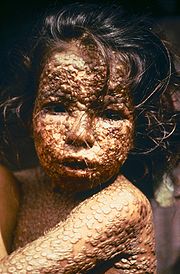 A pandemic
(or global epidemic
) is a disease that affects people over an extensive geographical area.
interactions. Diseases can emerge when existing parasites become pathogenic or when new pathogenic parasites enter a new host.
Several human activities have led to the emergence and spread of new diseases, see also Globalization and Disease
and Wildlife disease
:
, particularly through the writing of the Italian monk Girolamo Fracastoro
.
Anton van Leeuwenhoek
(1632–1723) advanced the science of microscopy
by being the first to observe microorganisms, allowing for easy visualization of bacteria.
In the mid-19th century John Snow
and William Budd
did important work demonstrating the contagiousness of typhoid and cholera through contaminated water. Both are credited with decreasing epidemics of cholera in their towns by implementing measures to prevent contamination of water.
Louis Pasteur
proved beyond doubt that certain diseases are caused by infectious agents, and developed a vaccine for rabies
.
Robert Koch
, provided the study of infectious diseases with a scientific basis known as Koch's postulates
.
Edward Jenner
, Jonas Salk
and Albert Sabin
developed effective vaccines for smallpox
and polio, which would later result in the eradication
and near-eradication of these diseases, respectively.
Alexander Fleming
discovered the world's first antibiotic
Penicillin
which Florey and Chain then developed.
Gerhard Domagk
developed sulphonamides
, the first broad spectrum synthetic
antibacterial drugs.
of infectious diseases falls into the medical field of Infectiology and in some cases the study of propagation pertains to the field of Epidemiology
. Generally, infection
s are initially diagnosed by primary care
physicians or internal medicine
specialists. For example, an "uncomplicated" pneumonia
will generally be treated by the internist or the pulmonologist (lung physician).The work of the infectiologist therefore entails working with both patients and general practitioners, as well as laboratory scientists
, immunologists
, bacteriologists
and other specialists.
An infectious disease team may be alerted when:
Illness
Illness is a state of poor health. Illness is sometimes considered another word for disease. Others maintain that fine distinctions exist...
(i.e., characteristic medical sign
Medical sign
A medical sign is an objective indication of some medical fact or characteristic that may be detected by a physician during a physical examination of a patient....
s and/or symptom
Symptom
A symptom is a departure from normal function or feeling which is noticed by a patient, indicating the presence of disease or abnormality...
s of disease
Disease
A disease is an abnormal condition affecting the body of an organism. It is often construed to be a medical condition associated with specific symptoms and signs. It may be caused by external factors, such as infectious disease, or it may be caused by internal dysfunctions, such as autoimmune...
) resulting from the infection
Infection
An infection is the colonization of a host organism by parasite species. Infecting parasites seek to use the host's resources to reproduce, often resulting in disease...
, presence and growth of pathogen
Pathogen
A pathogen gignomai "I give birth to") or infectious agent — colloquially, a germ — is a microbe or microorganism such as a virus, bacterium, prion, or fungus that causes disease in its animal or plant host...
ic biological agents in an individual host
Host (biology)
In biology, a host is an organism that harbors a parasite, or a mutual or commensal symbiont, typically providing nourishment and shelter. In botany, a host plant is one that supplies food resources and substrate for certain insects or other fauna...
organism. In certain cases, infectious diseases may be asymtomatic for much or all of their course. Infectious pathogens include some virus
Virus
A virus is a small infectious agent that can replicate only inside the living cells of organisms. Viruses infect all types of organisms, from animals and plants to bacteria and archaea...
es, bacteria
Bacteria
Bacteria are a large domain of prokaryotic microorganisms. Typically a few micrometres in length, bacteria have a wide range of shapes, ranging from spheres to rods and spirals...
, fungi
Mycosis
A mycosis is a fungal infection of animals, including humans. Mycoses are common, and a variety of environmental and physiological conditions can contribute to the development of fungal diseases...
, protozoa
Protozoa
Protozoa are a diverse group of single-cells eukaryotic organisms, many of which are motile. Throughout history, protozoa have been defined as single-cell protists with animal-like behavior, e.g., movement...
, multicellular parasites, and aberrant proteins known as prion
Prion
A prion is an infectious agent composed of protein in a misfolded form. This is in contrast to all other known infectious agents which must contain nucleic acids . The word prion, coined in 1982 by Stanley B. Prusiner, is a portmanteau derived from the words protein and infection...
s. These pathogens are the cause of disease epidemic
Epidemic
In epidemiology, an epidemic , occurs when new cases of a certain disease, in a given human population, and during a given period, substantially exceed what is expected based on recent experience...
s, in the sense that without the pathogen, no infectious epidemic occurs.
Transmission
Transmission (medicine)
In medicine and biology, transmission is the passing of a communicable disease from an infected host individual or group to a conspecific individual or group, regardless of whether the other individual was previously infected...
of pathogen can occur in various ways including physical contact, contaminated food, body fluids, objects, airborne inhalation, or through vector organisms. Infectious diseases that are especially infective are sometimes called contagious
Contagious disease
A contagious disease is a subset category of infectious diseases , which are easily transmitted by physical contact with the person suffering the disease, or by their secretions or objects touched by them....
and can be easily transmitted by contact with an ill person or their secretions. Infectious diseases with more specialized routes of infection, such as vector transmission or sexual transmission, are usually regarded as contagious but do not require medical quarantine
Quarantine
Quarantine is compulsory isolation, typically to contain the spread of something considered dangerous, often but not always disease. The word comes from the Italian quarantena, meaning forty-day period....
of victims.
The term infectivity
Infectivity
In epidemiology, infectivity refers to the ability of a pathogen to establish an infection. More specifically, infectivity is a pathogen's capacity for horizontal transmission that is, how frequently it spreads among hosts that are not in a parent-child relationship...
describes the ability of an organism to enter, survive and multiply in the host, while the infectiousness of a disease indicates the comparative ease with which the disease is transmitted to other hosts. An infection is not synonymous with an infectious disease, as some infections do not cause illness in a host.
Classification
Among the almost infinite varieties of microorganisms, relatively few cause disease in otherwise healthy individuals. Infectious disease results from the interplay between those few pathogens and the defenses of the hosts they infect. The appearance and severity of disease resulting from any pathogen depends upon the ability of that pathogen to damage the host as well as the ability of the host to resist the pathogen. Clinicians therefore classify infectious microorganisms or microbes according to the status of host defenses - either as primary pathogens or as opportunistic pathogens:- Primary pathogens cause disease as a result of their presence or activity within the normal, healthy host, and their intrinsic virulenceVirulenceVirulence is by MeSH definition the degree of pathogenicity within a group or species of parasites as indicated by case fatality rates and/or the ability of the organism to invade the tissues of the host. The pathogenicity of an organism - its ability to cause disease - is determined by its...
(the severity of the disease they cause) is, in part, a necessary consequence of their need to reproduce and spread. Many of the most common primary pathogens of humans only infect humans, however many serious diseases are caused by organisms acquired from the environment or which infect non-human hosts. - Organisms which cause an infectious disease in a host with depressed resistance are classified as opportunistic pathogens. Opportunistic disease may be caused by microbes that are ordinarily in contact with the host, such as pathogenic bacteriaPathogenic bacteriaPathogenic bacteria are bacteria that cause bacterial infection. This article deals with human pathogenic bacteria.Although the vast majority of bacteria are harmless or beneficial, quite a few bacteria are pathogenic...
or fungi in the gastrointestinal or the upper respiratory tractUpper respiratory tractThe upper respiratory tract or upper airway primarily refers to the parts of the respiratory system lying outside of the thorax or above the sternal angle. Another definition commomly used in medicine is the airway above the glottis or vocal cords...
, and they may also result from (otherwise innocuous) microbes acquired from other hosts (as in Clostridium difficileClostridium difficileClostridium difficile , also known as "CDF/cdf", or "C...
colitisColitisIn medicine, colitis refers to an inflammation of the colon and is often used to describe an inflammation of the large intestine .Colitides may be acute and self-limited or chronic, i.e...
) or from the environment as a result of traumaticPhysical traumaTrauma refers to "a body wound or shock produced by sudden physical injury, as from violence or accident." It can also be described as "a physical wound or injury, such as a fracture or blow." Major trauma can result in secondary complications such as circulatory shock, respiratory failure and death...
introduction (as in surgical wound infections or compound fractures). An opportunistic disease requires impairment of host defenses, which may occur as a result of genetic defects (such as Chronic granulomatous diseaseChronic granulomatous diseaseChronic granulomatous disease is a diverse group of hereditary diseases in which certain cells of the immune system have difficulty forming the reactive oxygen compounds used to kill certain ingested pathogens...
), exposure to antimicrobialAntimicrobialAn anti-microbial is a substance that kills or inhibits the growth of microorganisms such as bacteria, fungi, or protozoans. Antimicrobial drugs either kill microbes or prevent the growth of microbes...
drugs or immunosuppressive chemicals (as might occur following poisonPoisonIn the context of biology, poisons are substances that can cause disturbances to organisms, usually by chemical reaction or other activity on the molecular scale, when a sufficient quantity is absorbed by an organism....
ing or cancerCancerCancer , known medically as a malignant neoplasm, is a large group of different diseases, all involving unregulated cell growth. In cancer, cells divide and grow uncontrollably, forming malignant tumors, and invade nearby parts of the body. The cancer may also spread to more distant parts of the...
chemotherapyChemotherapyChemotherapy is the treatment of cancer with an antineoplastic drug or with a combination of such drugs into a standardized treatment regimen....
), exposure to ionizing radiationIonizing radiationIonizing radiation is radiation composed of particles that individually have sufficient energy to remove an electron from an atom or molecule. This ionization produces free radicals, which are atoms or molecules containing unpaired electrons...
, or as a result of an infectious disease with immunosuppressive activity (such as with measlesMeaslesMeasles, also known as rubeola or morbilli, is an infection of the respiratory system caused by a virus, specifically a paramyxovirus of the genus Morbillivirus. Morbilliviruses, like other paramyxoviruses, are enveloped, single-stranded, negative-sense RNA viruses...
, malariaMalariaMalaria is a mosquito-borne infectious disease of humans and other animals caused by eukaryotic protists of the genus Plasmodium. The disease results from the multiplication of Plasmodium parasites within red blood cells, causing symptoms that typically include fever and headache, in severe cases...
or HIV disease). Primary pathogens may also cause more severe disease in a host with depressed resistance than would normally occur in an immunosufficient host.
One way of proving that a given disease is "infectious", is to satisfy Koch's postulates
Koch's postulates
Koch's postulates are four criteria designed to establish a causal relationship between a causative microbe and a disease. The postulates were formulated by Robert Koch and Friedrich Loeffler in 1884 and refined and published by Koch in 1890...
(first proposed by Robert Koch
Robert Koch
Heinrich Hermann Robert Koch was a German physician. He became famous for isolating Bacillus anthracis , the Tuberculosis bacillus and the Vibrio cholerae and for his development of Koch's postulates....
), which demands that the infectious agent be identified only in patients and not in healthy controls, and that patients who contract the agent also develop the disease. These postulates were first used in the discovery that Mycobacteria species cause tuberculosis
Tuberculosis
Tuberculosis, MTB, or TB is a common, and in many cases lethal, infectious disease caused by various strains of mycobacteria, usually Mycobacterium tuberculosis. Tuberculosis usually attacks the lungs but can also affect other parts of the body...
. Koch's postulates can not be met ethically for many human diseases because they require experimental infection of a healthy individual with a pathogen produced as a pure culture. Often, even diseases that are quite clearly infectious do not meet the infectious criteria. For example, Treponema pallidum
Treponema pallidum
Treponema pallidum is a species of spirochaete bacterium with subspecies that cause treponemal diseases such as syphilis, bejel, pinta and yaws. The treponemes have a cytoplasmic and outer membrane...
, the causative spirochete of syphilis
Syphilis
Syphilis is a sexually transmitted infection caused by the spirochete bacterium Treponema pallidum subspecies pallidum. The primary route of transmission is through sexual contact; however, it may also be transmitted from mother to fetus during pregnancy or at birth, resulting in congenital syphilis...
, cannot be cultured
Microbiological culture
A microbiological culture, or microbial culture, is a method of multiplying microbial organisms by letting them reproduce in predetermined culture media under controlled laboratory conditions. Microbial cultures are used to determine the type of organism, its abundance in the sample being tested,...
in vitro - however the organism can be cultured in rabbit testes. It is less clear that a pure culture comes from an animal source serving as host than it is when derived from microbes derived from plate culture.
Epidemiology
Epidemiology
Epidemiology is the study of health-event, health-characteristic, or health-determinant patterns in a population. It is the cornerstone method of public health research, and helps inform policy decisions and evidence-based medicine by identifying risk factors for disease and targets for preventive...
is another important tool used to study disease in a population. For infectious diseases it helps to determine if a disease outbreak
Outbreak
Outbreak is a term used in epidemiology to describe an occurrence of disease greater than would otherwise be expected at a particular time and place. It may affect a small and localized group or impact upon thousands of people across an entire continent. Two linked cases of a rare infectious...
is sporadic (occasional occurrence), endemic
Endemic (epidemiology)
In epidemiology, an infection is said to be endemic in a population when that infection is maintained in the population without the need for external inputs. For example, chickenpox is endemic in the UK, but malaria is not...
(regular cases often occurring in a region), epidemic
Epidemic
In epidemiology, an epidemic , occurs when new cases of a certain disease, in a given human population, and during a given period, substantially exceed what is expected based on recent experience...
(an unusually high number of cases in a region), or pandemic
Pandemic
A pandemic is an epidemic of infectious disease that is spreading through human populations across a large region; for instance multiple continents, or even worldwide. A widespread endemic disease that is stable in terms of how many people are getting sick from it is not a pandemic...
(a global epidemic).
Transmission
Respiration (physiology)
'In physiology, respiration is defined as the transport of oxygen from the outside air to the cells within tissues, and the transport of carbon dioxide in the opposite direction...
diseases and meningitis
Meningitis
Meningitis is inflammation of the protective membranes covering the brain and spinal cord, known collectively as the meninges. The inflammation may be caused by infection with viruses, bacteria, or other microorganisms, and less commonly by certain drugs...
are commonly acquired by contact with aerosolized droplets, spread by sneezing, coughing, talking, kissing or even singing. Gastrointestinal diseases are often acquired by ingesting contaminated food and water. Sexually transmitted disease
Sexually transmitted disease
Sexually transmitted disease , also known as a sexually transmitted infection or venereal disease , is an illness that has a significant probability of transmission between humans by means of human sexual behavior, including vaginal intercourse, oral sex, and anal sex...
s are acquired through contact with bodily fluids, generally as a result of sexual activity. Some infectious agents may be spread as a result of contact with a contaminated, inanimate object (known as a fomite
Fomite
A fomite is any inanimate object or substance capable of carrying infectious organisms and hence transferring them from one individual to another. A fomite can be anything...
), such as a coin passed from one person to another, while other diseases penetrate the skin
Skin
-Dermis:The dermis is the layer of skin beneath the epidermis that consists of connective tissue and cushions the body from stress and strain. The dermis is tightly connected to the epidermis by a basement membrane. It also harbors many Mechanoreceptors that provide the sense of touch and heat...
directly.
Transmission of infectious diseases may also involve a vector. Vectors may be mechanical or biological. A mechanical vector picks up an infectious agent on the outside of its body and transmits it in a passive manner. An example of a mechanical vector is a housefly
Housefly
The housefly , Musca domestica, is a fly of the suborder Cyclorrhapha...
, which lands on cow dung, contaminating its appendages with bacteria from the feces, and then lands on food prior to consumption. The pathogen never enters the body of the fly.
Blood-borne disease
A blood-borne disease is one that can be spread through contamination by blood.The most common examples are HIV, hepatitis B, hepatitis C and viral hemorrhagic fevers....
s, such as malaria
Malaria
Malaria is a mosquito-borne infectious disease of humans and other animals caused by eukaryotic protists of the genus Plasmodium. The disease results from the multiplication of Plasmodium parasites within red blood cells, causing symptoms that typically include fever and headache, in severe cases...
, viral encephalitis
Viral encephalitis
Viral encephalitis refers to a type of Encephalitis caused by a virus.Encephalitis may be caused by a variety of afflictions.Types include:*Arbovirus encephalitis**La Crosse encephalitis**California encephalitis virus**Japanese Encephalitis**St...
, Chagas disease
Chagas disease
Chagas disease is a tropical parasitic disease caused by the flagellate protozoan Trypanosoma cruzi. T. cruzi is commonly transmitted to humans and other mammals by an insect vector, the blood-sucking insects of the subfamily Triatominae most commonly species belonging to the Triatoma, Rhodnius,...
, Lyme disease
Lyme disease
Lyme disease, or Lyme borreliosis, is an emerging infectious disease caused by at least three species of bacteria belonging to the genus Borrelia. Borrelia burgdorferi sensu stricto is the main cause of Lyme disease in the United States, whereas Borrelia afzelii and Borrelia garinii cause most...
and African sleeping sickness. Biological vectors are usually, though not exclusively, arthropods, such as mosquitoes, tick
Tick
Ticks are small arachnids in the order Ixodida, along with mites, constitute the subclass Acarina. Ticks are ectoparasites , living by hematophagy on the blood of mammals, birds, and sometimes reptiles and amphibians...
s, fleas and lice. Vectors are often required in the life cycle of a pathogen. A common strategy used to control vector borne infectious diseases is to interrupt the life cycle of a pathogen by killing the vector.
The relationship between virulence and transmission is complex, and has important consequences for the long term evolution of a pathogen. Since it takes many generations for a microbe and a new host species to co-evolve, an emerging pathogen may hit its earliest victims especially hard. It is usually in the first wave of a new disease that death rates are highest. If a disease is rapidly fatal, the host may die before the microbe can get passed along to another host. However, this cost may be overwhelmed by the short term benefit of higher infectiousness if transmission is linked to virulence, as it is for instance in the case of cholera (the explosive diarrhea aids the bacterium in finding new hosts) or many respiratory infections (sneezing and coughing create infectious aerosol
Aerosol
Technically, an aerosol is a suspension of fine solid particles or liquid droplets in a gas. Examples are clouds, and air pollution such as smog and smoke. In general conversation, aerosol usually refers to an aerosol spray can or the output of such a can...
s).
Prevention
One of the ways to prevent or slow down the transmission of infectious diseases is to recognize the different characteristics of various diseases. Some critical disease characteristics that should be evaluated include virulenceVirulence
Virulence is by MeSH definition the degree of pathogenicity within a group or species of parasites as indicated by case fatality rates and/or the ability of the organism to invade the tissues of the host. The pathogenicity of an organism - its ability to cause disease - is determined by its...
, distance traveled by victims, and level of contagiousness. The human strains of Ebola
Ebola
Ebola virus disease is the name for the human disease which may be caused by any of the four known ebolaviruses. These four viruses are: Bundibugyo virus , Ebola virus , Sudan virus , and Taï Forest virus...
virus, for example, incapacitate its victims extremely quickly and kills them soon after. As a result, the victims of this disease do not have the opportunity to travel very far from the initial infection zone. Also, this virus must spread through skin lesions or permeable membranes such as the eye. Thus, the initial stage of Ebola
Ebola
Ebola virus disease is the name for the human disease which may be caused by any of the four known ebolaviruses. These four viruses are: Bundibugyo virus , Ebola virus , Sudan virus , and Taï Forest virus...
is not very contagious since its victims experience only internal hemorrhaging. As a result of the above features, the spread of Ebola is very rapid and usually stays within a relatively confined geographical area. In contrast, the Human Immunodeficiency Virus (HIV
HIV
Human immunodeficiency virus is a lentivirus that causes acquired immunodeficiency syndrome , a condition in humans in which progressive failure of the immune system allows life-threatening opportunistic infections and cancers to thrive...
) kills its victims very slowly by attacking their immune system. As a result, many of its victims transmit the virus to other individuals before even realizing that they are carrying the disease. Also, the relatively low virulence allows its victims to travel long distances, increasing the likelihood of an epidemic
Epidemic
In epidemiology, an epidemic , occurs when new cases of a certain disease, in a given human population, and during a given period, substantially exceed what is expected based on recent experience...
.
Another effective way to decrease the transmission rate of infectious diseases is to recognize the effects of small-world networks. In epidemics, there are often extensive interactions within hubs or groups of infected individuals and other interactions within discrete hubs of susceptible individuals. Despite the low interaction between discrete hubs, the disease can jump to and spread in a susceptible hub via a single or few interactions with an infected hub. Thus, infection rates in small-world networks can be reduced somewhat if interactions between individuals within infected hubs are eliminated (Figure 1). However, infection rates can be drastically reduced if the main focus is on the prevention of transmission jumps between hubs. The use of needle exchange programs in areas with a high density of drug users with HIV is an example of the successful implementation of this treatment method. [6] Another example is the use of ring culling or vaccination of potentially susceptible livestock in adjacent farms to prevent the spread of the foot-and-mouth virus in 2001.
General methods to prevent transmission of pathogens may include disinfection
Disinfection
Disinfectants are substances that are applied to non-living objects to destroy microorganisms that are living on the objects. Disinfection does not necessarily kill all microorganisms, especially nonresistant bacterial spores; it is less effective than sterilisation, which is an extreme physical...
and pest control
Pest control
Pest control refers to the regulation or management of a species defined as a pest, usually because it is perceived to be detrimental to a person's health, the ecology or the economy.-History:...
.
Immunity
Immune system
An immune system is a system of biological structures and processes within an organism that protects against disease by identifying and killing pathogens and tumor cells. It detects a wide variety of agents, from viruses to parasitic worms, and needs to distinguish them from the organism's own...
to kill or inactivate the inoculum of the pathogen. Specific acquired immunity
Immunity (medical)
Immunity is a biological term that describes a state of having sufficient biological defenses to avoid infection, disease, or other unwanted biological invasion. Immunity involves both specific and non-specific components. The non-specific components act either as barriers or as eliminators of wide...
against infectious diseases may be mediated by antibodies and/or T lymphocytes. Immunity mediated by these two factors may be manifested by:
- a direct effect upon a pathogen, such as antibody-initiated complementComplement systemThe complement system helps or “complements” the ability of antibodies and phagocytic cells to clear pathogens from an organism. It is part of the immune system called the innate immune system that is not adaptable and does not change over the course of an individual's lifetime...
-dependent bacteriolysis, opsonoizationOpsoninAn opsonin is any molecule that targets an antigen for an immune response. However, the term is usually used in reference to molecules that act as a binding enhancer for the process of phagocytosis, especially antibodies, which coat the negatively-charged molecules on the membrane. Molecules that...
, phagocytosis and killing, as occurs for some bacteria, - neutralization of viruses so that these organisms cannot enter cells,
- or by T lymphocytes which will kill a cell parasitized by a microorganism.
The immune system response to a microorganism often causes symptoms such as a high fever
Fever
Fever is a common medical sign characterized by an elevation of temperature above the normal range of due to an increase in the body temperature regulatory set-point. This increase in set-point triggers increased muscle tone and shivering.As a person's temperature increases, there is, in...
and inflammation
Inflammation
Inflammation is part of the complex biological response of vascular tissues to harmful stimuli, such as pathogens, damaged cells, or irritants. Inflammation is a protective attempt by the organism to remove the injurious stimuli and to initiate the healing process...
, and has the potential to be more devastating than direct damage caused by a microbe.
Resistance to infection (immunity
Immunity (medical)
Immunity is a biological term that describes a state of having sufficient biological defenses to avoid infection, disease, or other unwanted biological invasion. Immunity involves both specific and non-specific components. The non-specific components act either as barriers or as eliminators of wide...
) may be acquired following a disease, by asymptomatic carriage
Asymptomatic carrier
An asymptomatic carrier is a person or other organism that has contracted an infectious disease, but who displays no symptoms. Although unaffected by the disease themselves, carriers can transmit it to others...
of the pathogen, by harboring an organism with a similar structure (crossreacting), or by vaccination
Vaccination
Vaccination is the administration of antigenic material to stimulate the immune system of an individual to develop adaptive immunity to a disease. Vaccines can prevent or ameliorate the effects of infection by many pathogens...
. Knowledge of the protective antigens and specific acquired host immune factors is more complete for primary pathogens than for opportunistic pathogens.
Immune resistance to an infectious disease requires a critical level of either antigen-specific antibodies and/or T cells when the host encounters the pathogen. Some individuals develop natural serum
Blood plasma
Blood plasma is the straw-colored liquid component of blood in which the blood cells in whole blood are normally suspended. It makes up about 55% of the total blood volume. It is the intravascular fluid part of extracellular fluid...
antibodies to the surface polysaccharide
Polysaccharide
Polysaccharides are long carbohydrate molecules, of repeated monomer units joined together by glycosidic bonds. They range in structure from linear to highly branched. Polysaccharides are often quite heterogeneous, containing slight modifications of the repeating unit. Depending on the structure,...
s of some agents although they have had little or no contact with the agent, these natural antibodies confer specific protection to adults and are passively transmitted to newborns.
Host genetic factors
The clearance of the pathogens, either treatment-induced or spontaneous, it can be influenced by the genetic variants carried by the individual patients. For instance, for genotype 1 hepatitis C treated with Pegylated interferon-alpha-2a or Pegylated interferon-alpha-2b (brand names Pegasys or PEG-Intron) combined with ribavirinRibavirin
Ribavirin is an anti-viral drug indicated for severe RSV infection , hepatitis C infection and other viral infections. Ribavirin is a prodrug, which when metabolised resembles purine RNA nucleotides...
, it has been shown that genetic polymorphisms near the human IL28B gene, encoding interferon lambda 3, are associated with significant differences in the treatment-induced clearance of the virus. This finding, originally reported in Nature, showed that genotype 1 hepatitis C patients carrying certain genetic variant alleles near the IL28B gene are more possibly to achieve sustained virological response after the treatment than others. Later report from Nature demonstrated that the same genetic variants are also associated with the natural clearance of the genotype 1 hepatitis C virus.
Diagnosis
Diagnosis of infectious disease sometimes involves identifying an infectious agent either directly or indirectly. In practice most minor infectious diseases such as warts, cutaneous abscesses, respiratory systemRespiratory system
The respiratory system is the anatomical system of an organism that introduces respiratory gases to the interior and performs gas exchange. In humans and other mammals, the anatomical features of the respiratory system include airways, lungs, and the respiratory muscles...
infections and diarrheal diseases are diagnosed by their clinical presentation. Conclusions about the cause of the disease are based upon the likelihood that a patient came in contact with a particular agent, the presence of a microbe in a community, and other epidemiological considerations. Given sufficient effort, all known infectious agents can be specifically identified. The benefits of identification, however, are often greatly outweighed by the cost, as often there is no specific treatment, the cause is obvious, or the outcome of an infection is benign
Benign
A benign tumor is a tumor that lacks the ability to metastasize. Common examples of benign tumors include moles and uterine fibroids.The term "benign" implies a mild and nonprogressive disease. Indeed, many kinds of benign tumors are harmless to human health...
.
Diagnosis of infectious disease is nearly always initiated by medical history
Medical history
The medical history or anamnesis of a patient is information gained by a physician by asking specific questions, either of the patient or of other people who know the person and can give suitable information , with the aim of obtaining information useful in formulating a diagnosis and providing...
and physical examination. More detailed identification techniques involve the culture of infectious agents isolated from a patient. Culture allows identification of infectious organisms by examining their microscopic features, by detecting the presence of substances produced by pathogens, and by directly identifying an organism by its genotype. Other techniques (such as X-ray
X-ray
X-radiation is a form of electromagnetic radiation. X-rays have a wavelength in the range of 0.01 to 10 nanometers, corresponding to frequencies in the range 30 petahertz to 30 exahertz and energies in the range 120 eV to 120 keV. They are shorter in wavelength than UV rays and longer than gamma...
s, CAT scans, PET scans or NMR
NMR
NMR may refer to:Applications of Nuclear Magnetic Resonance:* Nuclear magnetic resonance* NMR spectroscopy* Solid-state nuclear magnetic resonance* Protein nuclear magnetic resonance spectroscopy* Proton NMR* Carbon-13 NMR...
) are used to produce images of internal abnormalities resulting from the growth of an infectious agent. The images are useful in detection of, for example, a bone abscess
Abscess
An abscess is a collection of pus that has accumulated in a cavity formed by the tissue in which the pus resides due to an infectious process or other foreign materials...
or a spongiform encephalopathy produced by a prion
Prion
A prion is an infectious agent composed of protein in a misfolded form. This is in contrast to all other known infectious agents which must contain nucleic acids . The word prion, coined in 1982 by Stanley B. Prusiner, is a portmanteau derived from the words protein and infection...
.
Microbial culture
Microbiological culture
A microbiological culture, or microbial culture, is a method of multiplying microbial organisms by letting them reproduce in predetermined culture media under controlled laboratory conditions. Microbial cultures are used to determine the type of organism, its abundance in the sample being tested,...
is a principal tool used to diagnose infectious disease. In a microbial culture, a growth medium
Growth medium
A growth medium or culture medium is a liquid or gel designed to support the growth of microorganisms or cells, or small plants like the moss Physcomitrella patens.There are different types of media for growing different types of cells....
is provided for a specific agent. A sample taken from potentially diseased tissue or fluid is then tested for the presence of an infectious agent able to grow within that medium. Most pathogenic bacteria are easily grown on nutrient agar, a form of solid medium that supplies carbohydrates and proteins necessary for growth of a bacterium, along with copious amounts of water. A single bacterium will grow into a visible mound on the surface of the plate called a colony
Colony (biology)
In biology, a colony reference to several individual organisms of the same species living closely together, usually for mutual benefit, such as stronger defense or the ability to attack bigger prey. Some insects live only in colonies...
, which may be separated from other colonies or melded together into a "lawn". The size, color, shape and form of a colony is characteristic of the bacterial species, its specific genetic makeup (its strain
Strain (biology)
In biology, a strain is a low-level taxonomic rank used in three related ways.-Microbiology and virology:A strain is a genetic variant or subtype of a micro-organism . For example, a "flu strain" is a certain biological form of the influenza or "flu" virus...
), and the environment which supports its growth. Other ingredients are often added to the plate to aid in identification. Plates may contain substances that permit the growth of some bacteria and not others, or that change color in response to certain bacteria and not others. Bacteriological plates such as these are commonly used in the clinical identification of infectious bacterium. Microbial culture may also be used in the identification of virus
Virus
A virus is a small infectious agent that can replicate only inside the living cells of organisms. Viruses infect all types of organisms, from animals and plants to bacteria and archaea...
es: the medium in this case being cells grown in culture that the virus can infect, and then alter or kill. In the case of viral identification, a region of dead cells results from viral growth, and is called a "plaque". Eukaryotic parasites may also be grown in culture as a means of identifying a particular agent.
In the absence of suitable plate culture techniques, some microbes require culture within live animals. Bacteria such as Mycobacterium leprae
Mycobacterium leprae
Mycobacterium leprae, also known as Hansen’s coccus spirilly, mostly found in warm tropical countries, is a bacterium that causes leprosy . It is an intracellular, pleomorphic, acid-fast bacterium. M. leprae is an aerobic bacillus surrounded by the characteristic waxy coating unique to mycobacteria...
and T. pallidum
Treponema pallidum
Treponema pallidum is a species of spirochaete bacterium with subspecies that cause treponemal diseases such as syphilis, bejel, pinta and yaws. The treponemes have a cytoplasmic and outer membrane...
can be grown in animals, although serological and microscopic techniques make the use of live animals unnecessary. Viruses are also usually identified using alternatives to growth in culture or animals. Some viruses may be grown in embryo
Embryo
An embryo is a multicellular diploid eukaryote in its earliest stage of development, from the time of first cell division until birth, hatching, or germination...
nated eggs. Another useful identification method is Xenodiagnosis, or the use of a vector to support the growth of an infectious agent. Chagas disease
Chagas disease
Chagas disease is a tropical parasitic disease caused by the flagellate protozoan Trypanosoma cruzi. T. cruzi is commonly transmitted to humans and other mammals by an insect vector, the blood-sucking insects of the subfamily Triatominae most commonly species belonging to the Triatoma, Rhodnius,...
is the most significant example, because it is difficult to directly demonstrate the presence of the causative agent, Trypanosoma cruzi
Trypanosoma cruzi
Trypanosoma cruzi is a species of parasitic euglenoid trypanosomes. This species causes the trypanosomiasis diseases in humans and animals in America...
in a patient, which therefore makes it difficult to definitively make a diagnosis. In this case, xenodiagnosis involves the use of the vector of the Chagas agent T. cruzi, an uninfected triatomine
Triatominae
The members of Triatominae , a subfamily of Reduviidae, are also known as conenose bugs, kissing bugs, assassin bugs or triatomines. Most of the 130 or more species of this subfamily are haematophagous, i.e. feed on vertebrate blood; a very few species feed on other invertebrates...
bug, which takes a blood meal from a person suspected of having been infected. The bug is later inspected for growth of T. cruzi within its gut.
Microscopy
Another principal tool in the diagnosis of infectious disease is microscopyMicroscopy
Microscopy is the technical field of using microscopes to view samples and objects that cannot be seen with the unaided eye...
. Virtually all of the culture techniques discussed above rely, at some point, on microscopic examination for definitive identification of the infectious agent. Microscopy may be carried out with simple instruments, such as the compound light microscope, or with instruments as complex as an electron microscope
Electron microscope
An electron microscope is a type of microscope that uses a beam of electrons to illuminate the specimen and produce a magnified image. Electron microscopes have a greater resolving power than a light-powered optical microscope, because electrons have wavelengths about 100,000 times shorter than...
. Samples obtained from patients may be viewed directly under the light microscope, and can often rapidly lead to identification. Microscopy is often also used in conjunction with biochemical staining techniques, and can be made exquisitely specific when used in combination with antibody
Antibody
An antibody, also known as an immunoglobulin, is a large Y-shaped protein used by the immune system to identify and neutralize foreign objects such as bacteria and viruses. The antibody recognizes a unique part of the foreign target, termed an antigen...
based techniques. For example, the use of antibodies made artificially fluorescent (fluorescently labeled antibodies) can be directed to bind to and identify a specific antigens present on a pathogen. A fluorescence microscope
Fluorescence microscope
A fluorescence microscope is an optical microscope used to study properties of organic or inorganic substances using the phenomena of fluorescence and phosphorescence instead of, or in addition to, reflection and absorption...
is then used to detect fluorescently labeled antibodies bound to internalized antigens within clinical samples or cultured cells. This technique is especially useful in the diagnosis of viral diseases, where the light microscope is incapable of identifying a virus directly.
Other microscopic procedures may also aid in identifying infectious agents. Almost all cells readily stain with a number of basic dye
Dye
A dye is a colored substance that has an affinity to the substrate to which it is being applied. The dye is generally applied in an aqueous solution, and requires a mordant to improve the fastness of the dye on the fiber....
s due to the electrostatic attraction between negatively charged cellular molecules and the positive charge on the dye. A cell is normally transparent under a microscope, and using a stain increases the contrast of a cell with its background. Staining a cell with a dye such as Giemsa stain or crystal violet
Crystal violet
Crystal violet or Gentian violet is a triarylmethane dye. The dye is used as a histological stain and in Gram’s method of classifying bacteria. Crystal violet has antibacterial, antifungal, and anthelmintic properties and was formerly important as a topical antiseptic...
allows a microscopist to describe its size, shape, internal and external components and its associations with other cells. The response of bacteria to different staining procedures is used in the taxonomic classification of microbes as well. Two methods, the Gram stain and the acid-fast
Acid-fast
Acid-fastness is a physical property of certain bacteria, specifically their resistance to decolorization by acids during staining procedures.Acid-fast organisms are difficult to characterize using standard microbiological techniques Acid-fastness is a physical property of certain bacteria,...
stain, are the standard approaches used to classify bacteria and to diagnosis of disease. The Gram stain identifies the bacterial groups Firmicutes
Firmicutes
The Firmicutes are a phylum of bacteria, most of which have Gram-positive cell wall structure. A few, however, such as Megasphaera, Pectinatus, Selenomonas and Zymophilus, have a porous pseudo-outer-membrane that causes them to stain Gram-negative...
and Actinobacteria
Actinobacteria
Actinobacteria are a group of Gram-positive bacteria with high guanine and cytosine content. They can be terrestrial or aquatic. Actinobacteria is one of the dominant phyla of the bacteria....
, both of which contain many significant human pathogens. The acid-fast staining procedure identifies the Actinobacterial genera Mycobacterium
Mycobacterium
Mycobacterium is a genus of Actinobacteria, given its own family, the Mycobacteriaceae. The genus includes pathogens known to cause serious diseases in mammals, including tuberculosis and leprosy...
and Nocardia
Nocardia
Nocardia is a genus of weakly staining Gram-positive, catalase-positive, rod-shaped bacteria. It forms partially acid-fast beaded branching filaments . It has a total of 85 species. Some species are non-pathogenic while others are responsible for nocardiosis. Nocardia are found worldwide in soil...
.
Biochemical tests
Biochemical tests used in the identification of infectious agents include the detection of metabolic or enzymatic products characteristic of a particular infectious agent. Since bacteria ferment carbohydrateCarbohydrate
A carbohydrate is an organic compound with the empirical formula ; that is, consists only of carbon, hydrogen, and oxygen, with a hydrogen:oxygen atom ratio of 2:1 . However, there are exceptions to this. One common example would be deoxyribose, a component of DNA, which has the empirical...
s in patterns characteristic of their genus
Genus
In biology, a genus is a low-level taxonomic rank used in the biological classification of living and fossil organisms, which is an example of definition by genus and differentia...
and species
Species
In biology, a species is one of the basic units of biological classification and a taxonomic rank. A species is often defined as a group of organisms capable of interbreeding and producing fertile offspring. While in many cases this definition is adequate, more precise or differing measures are...
, the detection of fermentation
Fermentation (biochemistry)
Fermentation is the process of extracting energy from the oxidation of organic compounds, such as carbohydrates, using an endogenous electron acceptor, which is usually an organic compound. In contrast, respiration is where electrons are donated to an exogenous electron acceptor, such as oxygen,...
products is commonly used in bacterial identification. Acids, alcohols and gases are usually detected in these tests when bacteria are grown in selective liquid or solid media.
The isolation of enzymes from infected tissue can also provide the basis of a biochemical diagnosis of an infectious disease. For example, humans can make neither RNA replicases nor reverse transcriptase
Reverse transcriptase
In the fields of molecular biology and biochemistry, a reverse transcriptase, also known as RNA-dependent DNA polymerase, is a DNA polymerase enzyme that transcribes single-stranded RNA into single-stranded DNA. It also helps in the formation of a double helix DNA once the RNA has been reverse...
, and the presence of these enzymes are characteristic of specific types of viral infections. The ability of the viral protein hemagglutinin
Hemagglutinin
Influenza hemagglutinin or haemagglutinin is a type of hemagglutinin found on the surface of the influenza viruses. It is an antigenic glycoprotein. It is responsible for binding the virus to the cell that is being infected...
to bind red blood cells together into a detectable matrix may also be characterized as a biochemical test for viral infection, although strictly speaking hemagglutinin is not an enzyme and has no metabolic function.
Serological methods are highly sensitive, specific and often extremely rapid tests used to identify microorganisms. These tests are based upon the ability of an antibody to bind specifically to an antigen. The antigen, usually a protein or carbohydrate made by an infectious agent, is bound by the antibody. This binding then sets off a chain of events that can be visibly obvious in various ways, dependent upon the test. For example, "Strep throat
Strep throat
Streptococcal pharyngitis, streptococcal tonsillitis, or streptococcal sore throat is a type of pharyngitis caused by a group A streptococcal infection. It affects the pharynx including the tonsils and possibly the larynx. Common symptoms include fever, sore throat, and enlarged lymph nodes...
" is often diagnosed within minutes, and is based on the appearance of antigens made by the causative agent, S. pyogenes, that is retrieved from a patients throat with a cotton swab. Serological tests, if available, are usually the preferred route of identification, however the tests are costly to develop and the reagents used in the test often require refrigeration
Refrigeration
Refrigeration is a process in which work is done to move heat from one location to another. This work is traditionally done by mechanical work, but can also be done by magnetism, laser or other means...
. Some serological methods are extremely costly, although when commonly used, such as with the "strep test", they can be inexpensive.
Complex serological techniques have been developed into what are known as Immunoassays. Immunoassays can use the basic antibody – antigen binding as the basis to produce an electro - magnetic or particle radiation signal, which can be detected by some form of instrumentation. Signal of unknowns can be compared to that of standards allowing quantitation of the target antigen. To aid in the diagnosis of infectious diseases, immunoassays can detect or measure antigens from either infectious agents or proteins generated by an infected organism in response to a foreign agent. For example, immunoassay A may detect the presence of a surface protein from a virus particle. Immunoassay B on the other hand may detect or measure antibodies produced by an organism’s immune system which are made to neutralize and allow the destruction of the virus.
Instrumentation can be used to read extremely small signals created by secondary reactions linked to the antibody – antigen binding. Instrumentation can control sampling, reagent use, reaction times, signal detection, calculation of results, and data management to yield a cost effective automated process for diagnosis of infectious disease.
Molecular diagnostics
Technologies based upon the polymerase chain reactionPolymerase chain reaction
The polymerase chain reaction is a scientific technique in molecular biology to amplify a single or a few copies of a piece of DNA across several orders of magnitude, generating thousands to millions of copies of a particular DNA sequence....
(PCR) method will become nearly ubiquitous gold standards of diagnostics of the near future, for several reasons. First, the catalog of infectious agents has grown to the point that virtually all of the significant infectious agents of the human population have been identified. Second, an infectious agent must grow within the human body to cause disease; essentially it must amplify its own nucleic acids in order to cause a disease. This amplification of nucleic acid in infected tissue offers an opportunity to detect the infectious agent by using PCR. Third, the essential tools for directing PCR, primers
Primer (molecular biology)
A primer is a strand of nucleic acid that serves as a starting point for DNA synthesis. They are required for DNA replication because the enzymes that catalyze this process, DNA polymerases, can only add new nucleotides to an existing strand of DNA...
, are derived from the genomes of infectious agents, and with time those genomes will be known, if they are not already.
Thus, the technological ability to detect any infectious agent rapidly and specifically are currently available. The only remaining blockades to the use of PCR as a standard tool of diagnosis are in its cost and application, neither of which is insurmountable. The diagnosis of a few diseases will not benefit from the development of PCR methods, such as some of the clostridia
Clostridia
The Clostridia are a class of Firmicutes, including Clostridium and other similar genera. They are distinguished from the Bacilli by lacking aerobic respiration. They are obligate anaerobes and oxygen is toxic to them. Species of the genus Clostridium are all Gram-positive and have the ability to...
l diseases (tetanus
Tetanus
Tetanus is a medical condition characterized by a prolonged contraction of skeletal muscle fibers. The primary symptoms are caused by tetanospasmin, a neurotoxin produced by the Gram-positive, rod-shaped, obligate anaerobic bacterium Clostridium tetani...
and botulism
Botulism
Botulism also known as botulinus intoxication is a rare but serious paralytic illness caused by botulinum toxin which is metabolic waste produced under anaerobic conditions by the bacterium Clostridium botulinum, and affecting a wide range of mammals, birds and fish...
). These diseases are fundamentally biological poisonings by relatively small numbers of infectious bacteria that produce extremely potent neurotoxin
Neurotoxin
A neurotoxin is a toxin that acts specifically on nerve cells , usually by interacting with membrane proteins such as ion channels. Some sources are more general, and define the effect of neurotoxins as occurring at nerve tissue...
s. A significant proliferation of the infectious agent does not occur, this limits the ability of PCR to detect the presence of any bacteria.
Indication of tests
There is usually an indicationIndication (medicine)
In medicine, an indication is a valid reason to use a certain test, medication, procedure, or surgery. The opposite of indication is contraindication.-Drugs:...
for a specific identification of an infectious agent only when such identification can aid in the treatment or prevention of the disease, or to advance knowledge of the course of an illness prior to the development of effective therapeutic or preventative measures. For example, in the early 1980s, prior to the appearance of AZT
Zidovudine
Zidovudine or azidothymidine is a nucleoside analog reverse-transcriptase inhibitor , a type of antiretroviral drug used for the treatment of HIV/AIDS. It is an analog of thymidine....
for the treatment of AIDS
AIDS
Acquired immune deficiency syndrome or acquired immunodeficiency syndrome is a disease of the human immune system caused by the human immunodeficiency virus...
, the course of the disease was closely followed by monitoring the composition of patient blood samples, even though the outcome would not offer the patient any further treatment options. In part, these studies on the appearance of HIV
HIV
Human immunodeficiency virus is a lentivirus that causes acquired immunodeficiency syndrome , a condition in humans in which progressive failure of the immune system allows life-threatening opportunistic infections and cancers to thrive...
in specific communities permitted the advancement of hypotheses as to the route of transmission of the virus. By understanding how the disease was transmitted, resources could be targeted to the communities at greatest risk in campaigns aimed at reducing the number of new infections. The specific serological diagnostic identification, and later genotypic or molecular identification, of HIV also enabled the development of hypotheses as to the temporal
Time
Time is a part of the measuring system used to sequence events, to compare the durations of events and the intervals between them, and to quantify rates of change such as the motions of objects....
and geographical origins of the virus, as well as a myriad of other hypothesis. The development of molecular diagnostic tools have enabled physicians and researchers to monitor the efficacy of treatment with anti-retroviral drugs. Molecular diagnostics are now commonly used to identify HIV in healthy people long before the onset of illness and have been used to demonstrate the existence of people who are genetically resistant to HIV infection. Thus, while there still is no cure for AIDS, there is great therapeutic and predictive benefit to identifying the virus and monitoring the virus levels within the blood of infected individuals, both for the patient and for the community at large.
Epidemiology
The World Health OrganizationWorld Health Organization
The World Health Organization is a specialized agency of the United Nations that acts as a coordinating authority on international public health. Established on 7 April 1948, with headquarters in Geneva, Switzerland, the agency inherited the mandate and resources of its predecessor, the Health...
collects information on global deaths by International Classification of Disease (ICD) code categories
ICD
The International Statistical Classification of Diseases and Related Health Problems is a medical classification that provides codes to classify diseases and a wide variety of signs, symptoms, abnormal findings, complaints, social circumstances, and external causes of injury or disease...
. The following table lists the top infectious disease killers which caused more than 100,000 deaths in 2002 (estimated). 1993 data is included for comparison.
| Rank | Cause of death | Deaths 2002 (in millions) |
Percentage of all deaths |
Deaths 1993 (in millions) |
1993 Rank |
|---|---|---|---|---|---|
| N/A | All infectious diseases | 14.7 | 25.9% | 16.4 | 32.2% |
| 1 | Lower respiratory infections Lower respiratory tract infection Lower respiratory tract infection while often used as a synonym for pneumonia, can also be applied to other types of infection including lung abscess and acute bronchitis... |
3.9 | 6.9% | 4.1 | 1 |
| 2 | |HIV HIV Human immunodeficiency virus is a lentivirus that causes acquired immunodeficiency syndrome , a condition in humans in which progressive failure of the immune system allows life-threatening opportunistic infections and cancers to thrive... /AIDS AIDS Acquired immune deficiency syndrome or acquired immunodeficiency syndrome is a disease of the human immune system caused by the human immunodeficiency virus... |
2.8 | 4.9% | 0.7 | 7 |
| 3 | Diarrheal diseases Gastroenteritis Gastroenteritis is marked by severe inflammation of the gastrointestinal tract involving both the stomach and small intestine resulting in acute diarrhea and vomiting. It can be transferred by contact with contaminated food and water... |
1.8 | 3.2% | 3.0 | 2 |
| 4 | Tuberculosis Tuberculosis Tuberculosis, MTB, or TB is a common, and in many cases lethal, infectious disease caused by various strains of mycobacteria, usually Mycobacterium tuberculosis. Tuberculosis usually attacks the lungs but can also affect other parts of the body... (TB) |
1.6 | 2.7% | 2.7 | 3 |
| 5 | Malaria Malaria Malaria is a mosquito-borne infectious disease of humans and other animals caused by eukaryotic protists of the genus Plasmodium. The disease results from the multiplication of Plasmodium parasites within red blood cells, causing symptoms that typically include fever and headache, in severe cases... |
1.3 | 2.2% | 2.0 | 4 |
| 6 | Measles Measles Measles, also known as rubeola or morbilli, is an infection of the respiratory system caused by a virus, specifically a paramyxovirus of the genus Morbillivirus. Morbilliviruses, like other paramyxoviruses, are enveloped, single-stranded, negative-sense RNA viruses... |
0.6 | 1.1% | 1.1 | 5 |
| 7 | Pertussis Pertussis Pertussis, also known as whooping cough , is a highly contagious bacterial disease caused by Bordetella pertussis. Symptoms are initially mild, and then develop into severe coughing fits, which produce the namesake high-pitched "whoop" sound in infected babies and children when they inhale air... |
0.29 | 0.5% | 0.36 | 7 |
| 8 | Tetanus Tetanus Tetanus is a medical condition characterized by a prolonged contraction of skeletal muscle fibers. The primary symptoms are caused by tetanospasmin, a neurotoxin produced by the Gram-positive, rod-shaped, obligate anaerobic bacterium Clostridium tetani... |
0.21 | 0.4% | 0.15 | 12 |
| 9 | Meningitis Meningitis Meningitis is inflammation of the protective membranes covering the brain and spinal cord, known collectively as the meninges. The inflammation may be caused by infection with viruses, bacteria, or other microorganisms, and less commonly by certain drugs... |
0.17 | 0.3% | 0.25 | 8 |
| 10 | Syphilis Syphilis Syphilis is a sexually transmitted infection caused by the spirochete bacterium Treponema pallidum subspecies pallidum. The primary route of transmission is through sexual contact; however, it may also be transmitted from mother to fetus during pregnancy or at birth, resulting in congenital syphilis... |
0.16 | 0.3% | 0.19 | 11 |
| 11 | Hepatitis B | 0.10 | 0.2% | 0.93 | 6 |
| 12-17 | Tropical disease Tropical disease Tropical diseases are diseases that are prevalent in or unique to tropical and subtropical regions. The diseases are less prevalent in temperate climates, due in part to the occurrence of a cold season, which controls the insect population by forcing hibernation. Insects such as mosquitoes and... s (6) |
0.13 | 0.2% | 0.53 | 9, 10, 16-18 |
| Note: Other causes of death include maternal and perinatal conditions (5.2%), nutritional deficiencies (0.9%), noncommunicable conditions (58.8%), and injuries (9.1%). |
|||||
The top three single agent/disease killers are HIV
HIV
Human immunodeficiency virus is a lentivirus that causes acquired immunodeficiency syndrome , a condition in humans in which progressive failure of the immune system allows life-threatening opportunistic infections and cancers to thrive...
/AIDS
AIDS
Acquired immune deficiency syndrome or acquired immunodeficiency syndrome is a disease of the human immune system caused by the human immunodeficiency virus...
, TB
Tuberculosis
Tuberculosis, MTB, or TB is a common, and in many cases lethal, infectious disease caused by various strains of mycobacteria, usually Mycobacterium tuberculosis. Tuberculosis usually attacks the lungs but can also affect other parts of the body...
and malaria
Malaria
Malaria is a mosquito-borne infectious disease of humans and other animals caused by eukaryotic protists of the genus Plasmodium. The disease results from the multiplication of Plasmodium parasites within red blood cells, causing symptoms that typically include fever and headache, in severe cases...
. While the number of deaths due to nearly every disease have decreased, deaths due to HIV/AIDS have increased fourfold. Childhood diseases include pertussis
Pertussis
Pertussis, also known as whooping cough , is a highly contagious bacterial disease caused by Bordetella pertussis. Symptoms are initially mild, and then develop into severe coughing fits, which produce the namesake high-pitched "whoop" sound in infected babies and children when they inhale air...
, poliomyelitis
Poliomyelitis
Poliomyelitis, often called polio or infantile paralysis, is an acute viral infectious disease spread from person to person, primarily via the fecal-oral route...
, diphtheria
Diphtheria
Diphtheria is an upper respiratory tract illness caused by Corynebacterium diphtheriae, a facultative anaerobic, Gram-positive bacterium. It is characterized by sore throat, low fever, and an adherent membrane on the tonsils, pharynx, and/or nasal cavity...
, measles
Measles
Measles, also known as rubeola or morbilli, is an infection of the respiratory system caused by a virus, specifically a paramyxovirus of the genus Morbillivirus. Morbilliviruses, like other paramyxoviruses, are enveloped, single-stranded, negative-sense RNA viruses...
and tetanus
Tetanus
Tetanus is a medical condition characterized by a prolonged contraction of skeletal muscle fibers. The primary symptoms are caused by tetanospasmin, a neurotoxin produced by the Gram-positive, rod-shaped, obligate anaerobic bacterium Clostridium tetani...
. Children also make up a large percentage of lower respiratory and diarrheal deaths.
Historic pandemics
Pandemic
A pandemic is an epidemic of infectious disease that is spreading through human populations across a large region; for instance multiple continents, or even worldwide. A widespread endemic disease that is stable in terms of how many people are getting sick from it is not a pandemic...
(or global epidemic
Epidemic
In epidemiology, an epidemic , occurs when new cases of a certain disease, in a given human population, and during a given period, substantially exceed what is expected based on recent experience...
) is a disease that affects people over an extensive geographical area.
- Plague of JustinianPlague of JustinianThe Plague of Justinian was a pandemic that afflicted the Eastern Roman Empire , including its capital Constantinople, in 541–542 AD. It was one of the greatest plagues in history. The most commonly accepted cause of the pandemic is bubonic plague, which later became infamous for either causing or...
, from 541 to 750, killed between 50% and 60% of Europe's population. - The Black DeathBlack DeathThe Black Death was one of the most devastating pandemics in human history, peaking in Europe between 1348 and 1350. Of several competing theories, the dominant explanation for the Black Death is the plague theory, which attributes the outbreak to the bacterium Yersinia pestis. Thought to have...
of 1347 to 1352 killed 25 million in Europe over 5 years (estimated to be between 25 and 50% of the populations of Europe, Asia, and Africa - the world population at the time was 500 million). - The introduction of smallpoxSmallpoxSmallpox was an infectious disease unique to humans, caused by either of two virus variants, Variola major and Variola minor. The disease is also known by the Latin names Variola or Variola vera, which is a derivative of the Latin varius, meaning "spotted", or varus, meaning "pimple"...
, measles, and typhusTyphusEpidemic typhus is a form of typhus so named because the disease often causes epidemics following wars and natural disasters...
to the areas of Central and South America by European explorers during the 15th and 16th centuries caused pandemics among the native inhabitants. Between 1518 and 1568 disease pandemics are said to have caused the population of MexicoMexicoThe United Mexican States , commonly known as Mexico , is a federal constitutional republic in North America. It is bordered on the north by the United States; on the south and west by the Pacific Ocean; on the southeast by Guatemala, Belize, and the Caribbean Sea; and on the east by the Gulf of...
to fall from 20 million to 3 million. - The first European influenzaInfluenzaInfluenza, commonly referred to as the flu, is an infectious disease caused by RNA viruses of the family Orthomyxoviridae , that affects birds and mammals...
epidemic occurred between 1556 and 1560, with an estimated mortality rate of 20%. - SmallpoxSmallpoxSmallpox was an infectious disease unique to humans, caused by either of two virus variants, Variola major and Variola minor. The disease is also known by the Latin names Variola or Variola vera, which is a derivative of the Latin varius, meaning "spotted", or varus, meaning "pimple"...
killed an estimated 60 million Europeans during the 18th century (approximately 400,000 per year). Up to 30% of those infected, including 80% of the children under 5 years of age, died from the disease, and one third of the survivors went blind. - In the 19th century, tuberculosisTuberculosisTuberculosis, MTB, or TB is a common, and in many cases lethal, infectious disease caused by various strains of mycobacteria, usually Mycobacterium tuberculosis. Tuberculosis usually attacks the lungs but can also affect other parts of the body...
killed an estimated one-quarter of the adult population of Europe; by 1918 one in six deaths in France were still caused by TB. - The Influenza Pandemic of 1918 (or the Spanish FluSpanish fluThe 1918 flu pandemic was an influenza pandemic, and the first of the two pandemics involving H1N1 influenza virus . It was an unusually severe and deadly pandemic that spread across the world. Historical and epidemiological data are inadequate to identify the geographic origin...
) killed 25-50 million people (about 2% of world population of 1.7 billion). Today InfluenzaInfluenzaInfluenza, commonly referred to as the flu, is an infectious disease caused by RNA viruses of the family Orthomyxoviridae , that affects birds and mammals...
kills about 250,000 to 500,000 worldwide each year.
Emerging diseases
In most cases, microorganisms live in harmony with their hosts via mutual or commensalCommensalism
In ecology, commensalism is a class of relationship between two organisms where one organism benefits but the other is neutral...
interactions. Diseases can emerge when existing parasites become pathogenic or when new pathogenic parasites enter a new host.
- Coevolution between parasite and hostHost (biology)In biology, a host is an organism that harbors a parasite, or a mutual or commensal symbiont, typically providing nourishment and shelter. In botany, a host plant is one that supplies food resources and substrate for certain insects or other fauna...
can lead to hosts becoming resistantImmune toleranceImmune tolerance or immunological tolerance is the process by which the immune system does not attack an antigen. It can be either 'natural' or 'self tolerance', in which the body does not mount an immune response to self antigens, or 'induced tolerance', in which tolerance to external antigens can...
to the parasites or the parasites may evolve greater virulenceVirulenceVirulence is by MeSH definition the degree of pathogenicity within a group or species of parasites as indicated by case fatality rates and/or the ability of the organism to invade the tissues of the host. The pathogenicity of an organism - its ability to cause disease - is determined by its...
, leading to immunopathological diseaseImmunopathologyImmunopathology is a branch of medicine that deals with immune responses associated with disease. It includes the study of the pathology of an organism, organ system, or disease with respect to the immune system, immunity, and immune responses....
. - Human activity is involved with many emerging infectious diseases, such as environmental change enabling a parasite to occupy new nicheEcological nicheIn ecology, a niche is a term describing the relational position of a species or population in its ecosystem to each other; e.g. a dolphin could potentially be in another ecological niche from one that travels in a different pod if the members of these pods utilize significantly different food...
s. When that happens, a pathogenPathogenA pathogen gignomai "I give birth to") or infectious agent — colloquially, a germ — is a microbe or microorganism such as a virus, bacterium, prion, or fungus that causes disease in its animal or plant host...
that had been confined to a remote habitat has a wider distribution and possibly a new host organismHost (biology)In biology, a host is an organism that harbors a parasite, or a mutual or commensal symbiont, typically providing nourishment and shelter. In botany, a host plant is one that supplies food resources and substrate for certain insects or other fauna...
. Parasites jumping from nonhuman to human hosts are known as zoonosesZoonosisA zoonosis or zoonoseis any infectious disease that can be transmitted from non-human animals to humans or from humans to non-human animals . In a study of 1415 pathogens known to affect humans, 61% were zoonotic...
. Under disease invasion, when a parasite invades a new host species, it may become pathogenic in the new host.
Several human activities have led to the emergence and spread of new diseases, see also Globalization and Disease
Globalization and disease
Globalization, the flow of information, goods, capital and people across political and geographic boundaries, has helped to spread some of the deadliest infectious diseases known to humans. The spread of diseases across wide geographic scales has increased through history...
and Wildlife disease
Wildlife disease
Wildlife, domestic animals and humans share a large and increasing number of infectious diseases, known as zoonoses. The continued globalization of society, human population growth, and associated landscape changes further enhances the interface between wildlife, domestic animals, and humans,...
:
- Encroachment on wildlife habitatHabitat* Habitat , a place where a species lives and grows*Human habitat, a place where humans live, work or play** Space habitat, a space station intended as a permanent settlement...
s. The construction of new villages and housing developments in rural areas force animals to live in dense populations, creating opportunities for microbes to mutate and emerge. - Changes in agricultureAgricultureAgriculture is the cultivation of animals, plants, fungi and other life forms for food, fiber, and other products used to sustain life. Agriculture was the key implement in the rise of sedentary human civilization, whereby farming of domesticated species created food surpluses that nurtured the...
. The introduction of new crops attracts new crop pests and the microbes they carry to farming communities, exposing people to unfamiliar diseases. - The destruction of rain forests. As countries make use of their rain forests, by building roads through forests and clearing areas for settlement or commercial ventures, people encounter insects and other animals harboring previously unknown microorganisms.
- Uncontrolled urbanizationUrbanizationUrbanization, urbanisation or urban drift is the physical growth of urban areas as a result of global change. The United Nations projected that half of the world's population would live in urban areas at the end of 2008....
. The rapid growth of cities in many developing countries tends to concentrate large numbers of people into crowded areas with poor sanitation. These conditions foster transmission of contagious diseases. - Modern transportTransportTransport or transportation is the movement of people, cattle, animals and goods from one location to another. Modes of transport include air, rail, road, water, cable, pipeline, and space. The field can be divided into infrastructure, vehicles, and operations...
. Ships and other cargo carriers often harbor unintended "passengers", that can spread diseases to faraway destinations. While with international jet-airplane travel, people infected with a disease can carry it to distant lands, or home to their families, before their first symptoms appear.
History
Ideas of contagion became more popular in Europe during the RenaissanceRenaissance
The Renaissance was a cultural movement that spanned roughly the 14th to the 17th century, beginning in Italy in the Late Middle Ages and later spreading to the rest of Europe. The term is also used more loosely to refer to the historical era, but since the changes of the Renaissance were not...
, particularly through the writing of the Italian monk Girolamo Fracastoro
Girolamo Fracastoro
Girolamo Fracastoro was an Italian physician, poet, and scholar in mathematics, geography and astronomy. Fracastoro subscribed to the philosophy of atomism, and rejected appeals to hidden causes in scientific investigation....
.
Anton van Leeuwenhoek
Anton van Leeuwenhoek
Antonie Philips van Leeuwenhoek was a Dutch tradesman and scientist from Delft, Netherlands. He is commonly known as "the Father of Microbiology", and considered to be the first microbiologist...
(1632–1723) advanced the science of microscopy
Microscopy
Microscopy is the technical field of using microscopes to view samples and objects that cannot be seen with the unaided eye...
by being the first to observe microorganisms, allowing for easy visualization of bacteria.
In the mid-19th century John Snow
John Snow (physician)
John Snow was an English physician and a leader in the adoption of anaesthesia and medical hygiene. He is considered to be one of the fathers of epidemiology, because of his work in tracing the source of a cholera outbreak in Soho, England, in 1854.-Early life and education:Snow was born 15 March...
and William Budd
William Budd
William Budd was an English physician and epidemiologist known for recognizing the contagiousness of infectious diseases. He recognized that the "poisons" involved in infectious diseases multiplied in the intestines of the sick, appeared in the excretions of the sick, and could then be...
did important work demonstrating the contagiousness of typhoid and cholera through contaminated water. Both are credited with decreasing epidemics of cholera in their towns by implementing measures to prevent contamination of water.
Louis Pasteur
Louis Pasteur
Louis Pasteur was a French chemist and microbiologist born in Dole. He is remembered for his remarkable breakthroughs in the causes and preventions of diseases. His discoveries reduced mortality from puerperal fever, and he created the first vaccine for rabies and anthrax. His experiments...
proved beyond doubt that certain diseases are caused by infectious agents, and developed a vaccine for rabies
Rabies
Rabies is a viral disease that causes acute encephalitis in warm-blooded animals. It is zoonotic , most commonly by a bite from an infected animal. For a human, rabies is almost invariably fatal if post-exposure prophylaxis is not administered prior to the onset of severe symptoms...
.
Robert Koch
Robert Koch
Heinrich Hermann Robert Koch was a German physician. He became famous for isolating Bacillus anthracis , the Tuberculosis bacillus and the Vibrio cholerae and for his development of Koch's postulates....
, provided the study of infectious diseases with a scientific basis known as Koch's postulates
Koch's postulates
Koch's postulates are four criteria designed to establish a causal relationship between a causative microbe and a disease. The postulates were formulated by Robert Koch and Friedrich Loeffler in 1884 and refined and published by Koch in 1890...
.
Edward Jenner
Edward Jenner
Edward Anthony Jenner was an English scientist who studied his natural surroundings in Berkeley, Gloucestershire...
, Jonas Salk
Jonas Salk
Jonas Edward Salk was an American medical researcher and virologist, best known for his discovery and development of the first safe and effective polio vaccine. He was born in New York City to parents from Ashkenazi Jewish Russian immigrant families...
and Albert Sabin
Albert Sabin
Albert Bruce Sabin was an American medical researcher best known for having developed an oral polio vaccine.-Life:...
developed effective vaccines for smallpox
Smallpox
Smallpox was an infectious disease unique to humans, caused by either of two virus variants, Variola major and Variola minor. The disease is also known by the Latin names Variola or Variola vera, which is a derivative of the Latin varius, meaning "spotted", or varus, meaning "pimple"...
and polio, which would later result in the eradication
Eradication of infectious diseases
Eradication is the reduction of an infectious disease's prevalence in the global host population to zero. It is sometimes confused with elimination, which describes either the reduction of an infectious disease's prevalence in a regional population to zero, or the reduction of the global prevalence...
and near-eradication of these diseases, respectively.
Alexander Fleming
Alexander Fleming
Sir Alexander Fleming was a Scottish biologist and pharmacologist. He wrote many articles on bacteriology, immunology, and chemotherapy...
discovered the world's first antibiotic
Antibiotic
An antibacterial is a compound or substance that kills or slows down the growth of bacteria.The term is often used synonymously with the term antibiotic; today, however, with increased knowledge of the causative agents of various infectious diseases, antibiotic has come to denote a broader range of...
Penicillin
Penicillin
Penicillin is a group of antibiotics derived from Penicillium fungi. They include penicillin G, procaine penicillin, benzathine penicillin, and penicillin V....
which Florey and Chain then developed.
Gerhard Domagk
Gerhard Domagk
Gerhard Johannes Paul Domagk was a German pathologist and bacteriologist credited with the discovery of Sulfonamidochrysoidine – the first commercially available antibiotic – for which he received the 1939 Nobel Prize in Physiology or Medicine.Domagk was born in Lagow, Brandenburg, the...
developed sulphonamides
Sulfonamide (medicine)
Sulfonamide or sulphonamide is the basis of several groups of drugs. The original antibacterial sulfonamides are synthetic antimicrobial agents that contain the sulfonamide group. Some sulfonamides are also devoid of antibacterial activity, e.g., the anticonvulsant sultiame...
, the first broad spectrum synthetic
Chemical synthesis
In chemistry, chemical synthesis is purposeful execution of chemical reactions to get a product, or several products. This happens by physical and chemical manipulations usually involving one or more reactions...
antibacterial drugs.
Medical specialists
The medical treatmentMedicine
Medicine is the science and art of healing. It encompasses a variety of health care practices evolved to maintain and restore health by the prevention and treatment of illness....
of infectious diseases falls into the medical field of Infectiology and in some cases the study of propagation pertains to the field of Epidemiology
Epidemiology
Epidemiology is the study of health-event, health-characteristic, or health-determinant patterns in a population. It is the cornerstone method of public health research, and helps inform policy decisions and evidence-based medicine by identifying risk factors for disease and targets for preventive...
. Generally, infection
Infection
An infection is the colonization of a host organism by parasite species. Infecting parasites seek to use the host's resources to reproduce, often resulting in disease...
s are initially diagnosed by primary care
Primary care
Primary care is the term for the health services by providers who act as the principal point of consultation for patients within a health care system...
physicians or internal medicine
Internal medicine
Internal medicine is the medical specialty dealing with the prevention, diagnosis, and treatment of adult diseases. Physicians specializing in internal medicine are called internists. They are especially skilled in the management of patients who have undifferentiated or multi-system disease processes...
specialists. For example, an "uncomplicated" pneumonia
Pneumonia
Pneumonia is an inflammatory condition of the lung—especially affecting the microscopic air sacs —associated with fever, chest symptoms, and a lack of air space on a chest X-ray. Pneumonia is typically caused by an infection but there are a number of other causes...
will generally be treated by the internist or the pulmonologist (lung physician).The work of the infectiologist therefore entails working with both patients and general practitioners, as well as laboratory scientists
Research
Research can be defined as the scientific search for knowledge, or as any systematic investigation, to establish novel facts, solve new or existing problems, prove new ideas, or develop new theories, usually using a scientific method...
, immunologists
Immunology
Immunology is a broad branch of biomedical science that covers the study of all aspects of the immune system in all organisms. It deals with the physiological functioning of the immune system in states of both health and diseases; malfunctions of the immune system in immunological disorders ; the...
, bacteriologists
Bacteriology
Bacteriology is the study of bacteria. This subdivision of microbiology involves the identification, classification, and characterization of bacterial species...
and other specialists.
An infectious disease team may be alerted when:
- The disease has not been definitively diagnosed after an initial workup
- The patient is immunocompromised (for example, in AIDSAIDSAcquired immune deficiency syndrome or acquired immunodeficiency syndrome is a disease of the human immune system caused by the human immunodeficiency virus...
or after chemotherapyChemotherapyChemotherapy is the treatment of cancer with an antineoplastic drug or with a combination of such drugs into a standardized treatment regimen....
); - The infectious agent is of an uncommon nature (e.g. tropical diseaseTropical diseaseTropical diseases are diseases that are prevalent in or unique to tropical and subtropical regions. The diseases are less prevalent in temperate climates, due in part to the occurrence of a cold season, which controls the insect population by forcing hibernation. Insects such as mosquitoes and...
s); - The disease has not responded to first line antibioticAntibioticAn antibacterial is a compound or substance that kills or slows down the growth of bacteria.The term is often used synonymously with the term antibiotic; today, however, with increased knowledge of the causative agents of various infectious diseases, antibiotic has come to denote a broader range of...
s; - The disease might be dangerous to other patients, and the patient might have to be isolated
External links
- European Center for Disease Prevention and Control
- The Infectious Disease Society of America
- Infectious Disease Research Institute
- http://www.medical-microbiology.de/Dateien/zoo_eng.html