


Ebola

Encyclopedia
Ebola virus disease is the name for the human disease which may be caused by any of the four known ebolaviruses
. These four viruses are: Bundibugyo virus
(BDBV), Ebola virus
(EBOV), Sudan virus
(SUDV), and Taï Forest virus (TAFV). EVD is a viral hemorrhagic fever
(VHF), and is clinically nearly indistinguishable from Marburg virus disease (MVD).
were originally classified as the species of the now-obsolete Filovirus genus. In March 1998, the Vertebrate Virus Subcommittee proposed in the International Committee on Taxonomy of Viruses
(ICTV) to change the Filovirus genus to the Filoviridae family with two specific genera: Ebola-like viruses and Marburg-like viruses. This proposal was implemented in Washington, D.C., as of April 2001 and in Paris as of July 2002. In 2000 another proposal was made in Washington, D.C., to change the "-like viruses" to "-virus" resulting in today's Ebolavirus and Marburgvirus.
Rates of genetic change are one hundred times slower than influenza A in humans, but on the same magnitude as those of hepatitis B. Extrapolating backwards
using these rates indicates that Ebolavirus and Marburgvirus diverged several thousand years ago. However, paleoviruses (genomic fossils) of filoviruses (Filoviridae) found in mammals indicate that the family itself is at least tens of millions of years old.Viral fossils that are closely related to ebolaviruses have been found in the genome of the Chinese hamster.
The five characterised Ebola species are:
Zaire ebolavirus (ZEBOV) : Also known simply as the Zaire virus, ZEBOV has the highest case-fatality rate, up to 90% in some epidemics, with an average case fatality rate of approximately 83% over 27 years. There have been more outbreaks of Zaire ebolavirus than of any other species. The first outbreak took place on 26 August, 1976 in Yambuku
. Mabalo Lokela, a 44‑year-old schoolteacher, became the first recorded case. The symptoms resembled malaria
, and subsequent patients received quinine
. Transmission has been attributed to reuse of unsterilized needles and close personal contact.
Sudan ebolavirus (SEBOV) : Like the Zaire virus, SEBOV emerged in 1976; it was at first assumed to be identical with the Zaire species. SEBOV is believed to have broken out first amongst cotton factory workers in Nzara, Sudan
, with the first case reported as a worker exposed to a potential natural reservoir. Scientists tested local animals and insects in response to this; however, none tested positive for the virus. The carrier is still unknown. The lack of barrier nursing (or "bedside isolation") facilitated the spread of the disease. The most recent outbreak occurred in May, 2004. 20 confirmed cases were reported in Yambio County, Sudan, with five deaths resulting. The average fatality rates for SEBOV were 54% in 1976, 68% in 1979, and 53% in 2000 and 2001.
Reston ebolavirus (REBOV) : Discovered during an outbreak of simian hemorrhagic fever virus
(SHFV) in crab-eating macaques
from Hazleton Laboratories
(now Covance) in 1989. Since the initial outbreak in Reston, Virginia
, it has since been found in non-human primates in Pennsylvania, Texas and Siena
, Italy
. In each case, the affected animals had been imported from a facility in the Philippines, where the virus has also infected pigs. Despite its status as a Level‑4 organism and its apparent pathogen
icity in monkeys, REBOV did not cause disease in exposed human laboratory workers.
Côte d'Ivoire ebolavirus (CIEBOV): Also referred to as Tai ebolavirus and by the English place name, "Ivory Coast", it was first discovered among chimpanzee
s from the Tai Forest
in Côte d'Ivoire
, Africa, in 1994. Necropsies showed blood within the heart to be brown; no obvious marks were seen on the organs; and one necropsy displayed lungs filled with blood. Studies of tissues taken from the chimpanzees showed results similar to human cases during the 1976 Ebola outbreaks in Zaire and Sudan. As more dead chimpanzees were discovered, many tested positive for Ebola using molecular techniques. The source of the virus was believed to be the meat of infected Western Red Colobus
monkeys, upon which the chimpanzees preyed. One of the scientists performing the necropsies on the infected chimpanzees contracted Ebola. She developed symptoms similar to those of dengue fever
approximately a week after the necropsy, and was transported to Switzerland for treatment. She was discharged from hospital after two weeks and had fully recovered six weeks after the infection.
Bundibugyo ebolavirus: On November 24, 2007, the Uganda Ministry of Health confirmed an outbreak of Ebola in the Bundibugyo District
. After confirmation of samples tested by the United States National Reference Laboratories and the CDC
, the World Health Organization
confirmed the presence of the new species. On 20 February, 2008, the Uganda Ministry officially announced the end of the epidemic in Bundibugyo, with the last infected person discharged on 8 January, 2008. An epidemiological study conducted by WHO and Uganda Ministry of Health scientists determined there were 116 confirmed and probable cases the new Ebola species, and that the outbreak had a mortality rate of 34% (39 deaths).
, such as other viral hemorrhagic fever
s, falciparum malaria
, typhoid fever
, shigellosis
, rickettsial diseases
, cholera
, gram-negative septicemia
or EHEC enteritis
. The most detailed studies on the frequency, onset, and duration of EVD clinical signs
and symptom
s were performed during the 1995 outbreak in Kikwit
, Zaire
(EBOV) and the 2007-2008 outbreak in Bundibugyo
, Uganda
(BDBV). The mean incubation period
, best calculated currently for EVD outbreaks due to EBOV infection, is 12.7 days (standard deviation
= 4.3 days), but can be as long as 25 days. EVD begins with a sudden onset of an influenza
-like stage characterized by general malaise
, fever
with chills, arthralgia
and myalgia
, and chest pain
. Nausea
is accompanied by abdominal pain
, anorexia
, diarrhea
, and vomiting
. Respiratory tract
involvement is characterized by pharyngitis
with sore throat
, cough
, dyspnea
, and hiccups.
The central nervous system
is affected as judged by the development of severe headaches, agitation
, confusion
, fatigue, depression, seizures, and sometimes coma
. The circulatory system
is also frequently involved, with the most prominent signs being edema
and conjunctivitis
. Hemorrhagic symptoms
are infrequent (fewer than 10% of cases for most serotypes), (the reason why Ebola hemorrhagic fever (EHF) is a misnomer
) and include hematemesis
, hemoptysis
, melena
, and bleeding from mucous membranes (gastroinestinal tract, nose
, vagina
and gingiva
).
Cutaneous presentation may include: maculopapular
rash
, petechia
e, purpura
, ecchymoses
, and hematoma
s (especially around needle injection sites). Development of hemorrhagic symptoms is generally indicative of a negative prognosis. However, contrary to popular belief, hemorrhage does not lead to hypovolemia
and is not the cause of death
(total blood loss is low except during labor
). Instead, death occurs due to multiple organ dysfunction syndrome (MODS)
due to fluid redistribution, hypotension
, disseminated intravascular coagulation
, and focal tissue
necroses
.
, family Filoviridae
, order Mononegavirales
: Bundibugyo virus
(BDBV), Ebola virus
(EBOV), Sudan virus
(SUDV), and Taï Forest virus (TAFV). The fifth virus, Reston virus
(RESTV), is thought to be apathogenic for humans and therefore not discussed here.
Table legend: "*" denotes the type species and "accepted" refers to a taxon that has been accepted by the Executive Committee of the ICTV but that has yet to be ratified.
s sampled from outbreak regions, no ebolavirus was detected apart from some genetic traces found in six rodents (Mus setulosus and Praomys
) and one shrew
(Sylvisorex ollula) collected from the Central African Republic
. Traces of EBOV were detected in the carcasses of gorilla
s and chimpanzees during outbreaks in 2001 and 2003, which later became the source of human infections. However, the high lethality from infection in these species makes them unlikely as a natural reservoir.
Plant
s, arthropods, and birds have also been considered as possible reservoirs; however, bat
s are considered the most likely candidate. Bats were known to reside in the cotton factory in which the index cases for the 1976 and 1979 outbreaks were employed, and they have also been implicated in Marburg virus infections in 1975 and 1980.Of 24 plant species and 19 vertebrate species experimentally inoculated with EBOV, only bats became infected.The absence of clinical signs in these bats is characteristic of a reservoir species. In a 2002–2003 survey of 1,030 animals which included 679 bats from Gabon
and the Republic of the Congo
, 13 fruit bats were found to contain EBOV RNA fragments. As of 2005, three types of fruit bat
s (Hypsignathus monstrosus, Epomops franqueti, andMyonycteris torquata) have been identified as being in contact with EBOV. They are now suspected to represent the EBOV reservoir hosts.
The existence of integrated genes of filoviruses in some genomes of small rodents, insectivorous bats, shrews, tenrecs, and marsupials indicates a history of infection with filoviruses in these groups as well.However, it has to be stressed that infectious ebolaviruses have not yet been isolated from any nonhuman animal.
Bats drop partially eaten fruits and pulp, then terrestrial mammals such as gorillas and duiker
s feed on these fallen fruits. This chain of events forms a possible indirect means of transmission from the natural host to animal populations, which have led to research towards viral shedding in the saliva of bats. Fruit production, animal behavior, and other factors vary at different times and places which may trigger outbreaks among animal populations. Transmission between natural reservoirs and humans are rare, and outbreaks are usually traceable to a single index case where an individual has handled the carcass of gorilla, chimpanzee, or duiker. The virus then spreads person-to-person, especially within families, hospitals, and during some mortuary rituals where contact among individuals becomes more likely.
The virus has been confirmed to be transmitted through body fluids. Transmission through oral exposure and through conjunctiva exposure is likely and has been confirmed in non-human primates. Filoviruses are not naturally transmitted by aerosol. They are, however, highly infectious as breathable 0.8–1.2 micrometre droplets in laboratory conditions; because of this potential route of infection, these viruses have been classified as Category A biological weapons.
All epidemics of Ebola have occurred in sub-optimal hospital conditions, where practices of basic hygiene and sanitation are often either luxuries or unknown to caretakers and where disposable needles and autoclave
s are unavailable or too expensive. In modern hospitals with disposable needles and knowledge of basic hygiene and barrier nursing techniques, Ebola has never spread on a large scale. In isolated settings such as a quarantined hospital or a remote village, most victims are infected shortly after the first case of infection is present. The quick onset of symptoms from the time the disease becomes contagious in an individual makes it easy to identify sick individuals and limits an individual's ability to spread the disease by traveling. Because bodies of the deceased are still infectious, some doctors had to take measures to properly dispose dead bodies in a safe manner despite local traditional burial rituals.
, ebolavirions contain linear nonsegmented, single-stranded, non-infectious RNA
genome
s of negative polarity that possesses inverse-complementary 3' and 5' termini, do not possess a 5' cap
, are not polyadenylated
, and are not covalently
linked to a protein
. Ebolavirus genomes are approximately 19 kilobase pairs long and contain seven gene
s in the order 3'-UTR
-NP-VP35-VP40-GP-VP30-VP24-L-5'-UTR
. The genomes of the five different ebolaviruses (BDBV, EBOV, RESTV, SUDV, and TAFV) differ in sequence and the number and location of gene overlaps.
, ebolavirions are filamentous particles that may appear in the shape of a shepherd's crook or in the shape of a "U" or a "6", and they may be coiled, toroid, or branched. Ebolavirions are generally 80 nm in width, but vary somewhat in length. In general, the median particle length of ebolaviruses ranges from 974–1,086 nm (in contrast to marburgvirions, whose median particle length was measured to be 795–828 nm), but particles as long as 14,000 nm have been detected in tissue culture.. Ebolavirions consist of seven structural proteins. At the center is the helical ribonucleocapsid
, which consists of the genomic RNA wrapped around a polymer
of nucleoprotein
s (NP). Associated with the ribonucleoprotein is the RNA-dependent RNA polymerase
(L) with the polymerase cofactor (VP35) and a transcription activator (VP30). The ribonucleoprotein is embedded in a matrix, formed by the major (VP40) and minor (VP24) matrix proteins. These particles are surrounded by a lipid membrane
derived from the host cell membrane. The membrane anchors a glycoprotein (GP1,2) that projects 7 to 10 nm spikes away from its surface. While nearly identical to marburgvirions in structure, ebolavirions are antigen
ically distinct.
begins with virion attachment to specific cell-surface receptors
, followed by fusion
of the virion envelope with cellular membranes and the concomitant release of the virus nucleocapsid into the cytosol
. The virus RdRp partially uncoats the nucleocapsid and transcribes
the genes
into positive-stranded mRNAs, which are then translated into structural and nonstructural proteins. Ebolavirus L binds to a single promoter located at the 3' end of the genome. Transcription either terminates after a gene or continues to the next gene downstream. This means that genes close to the 3' end of the genome are transcribed in the greatest abundance, whereas those toward the 5' end are least likely to be transcribed. The gene order is therefore a simple but effective form of transcriptional regulation. The most abundant protein produced is the nucleoprotein
, whose concentration
in the cell determines when L switches from gene transcription to genome replication. Replication results in full-length, positive-stranded antigenomes that are in turn transcribed into negative-stranded virus progeny genome copies. Newly synthesized structural proteins and genomes self-assemble and accumulate near the inside of the cell membrane
. Virions bud
off from the cell, gaining their envelopes from the cellular membrane they bud from. The mature progeny particles then infect other cells to repeat the cycle.
, which binds the virus to the endothelial cells lining the interior surface of blood vessels. The sGP forms a dimeric protein
which interferes with the signaling of neutrophils, a type of white blood cell
, which allows the virus to evade the immune system by inhibiting early steps of neutrophil activation. These white blood cells also serve as carriers to transport the virus throughout the entire body to places such as the lymph nodes, liver, lungs, and spleen. The presence of viral particles and cell damage resulting from budding causes the release of cytokines (specifically TNF-α, IL-6
, IL-8
, etc.), which are the signaling molecules for fever and inflammation. The cytopathic effect
, from infection in the endothelial cells, results in a loss of vascular integrity. This loss in vascular integrity is furthered with synthesis of GP, which reduces specific integrins responsible for cell adhesion to the inter-cellular structure, and damage to the liver, which leads to coagulopathy.
, such as other viral hemorrhagic fever
s, falciparum malaria
, typhoid fever
, shigellosis
, rickettsial diseases
such as typhus
, cholera
, gram-negative septicemia
, borreliosis such as relapsing fever
or EHEC enteritis
. Other infectious diseases that ought to be included in the differential diagnosis
include leptospirosis
, scrub typhus
, plague, Q fever
, candidiasis
, histoplasmosis
, trypanosomiasis
, visceral leishmaniasis
, hemorrhagic smallpox
, measles
, and fulminant viral hepatitis
. Non-infectious diseases that can be confused with EVD are acute promyelocytic leukemia
, hemolytic uremic syndrome, snake
envenomation
, clotting factor
deficiencies/platelet disorders, thrombotic thrombocytopenic purpura
, hereditary hemorrhagic telangiectasia
, Kawasaki disease
, and even warfarin
intoxication..
The most important indicator that may lead to the suspicion of EVD at clinical examination is the medical history
of the patient, in particular the travel and occupational history (which countries were visited?) and the patient's exposure to wildlife (exposure to bats, bat excrement, nonhuman primates?). EVD can be confirmed by isolation of ebolaviruses from or by detection of ebolavirus antigen or genomic or subgenomic RNAs in patient blood
or serum
samples during the acute phase of EVD. Ebolavirus isolation is usually performed by inoculation
of grivet
kidney epithelial Vero E6 or MA-104 cell culture
s or by inoculation of human adrenal carcinoma SW-13 cells, all of which react to infection with characteristic cytopathic effect
s. Filovirions can easily be visualized and identified in cell culture by electron microscopy due to their unique filamentous shapes, but electron microscopy cannot differentiate the various filoviruses alone despite some overall length differences. Immunofluorescence assays
are used to confirm ebolavirus presence in cell cultures. During an outbreak, virus isolation and electron microscopy are most often not feasible options. The most common diagnostic methods are therefore RT-PCR
in conjunction with antigen-capture ELISA
which can be performed in field or mobile hospitals and laboratories. Indirect immunofluorescence assays (IFAs)
are not used for diagnosis of EVD in the field anymore.
, but not very contagious
.
As an outbreak of ebola progresses, bodily fluids from diarrhea, vomiting, and bleeding represent a hazard. Due to lack of proper equipment and hygienic practices, large-scale epidemics occur mostly in poor, isolated areas without modern hospitals or well-educated medical staff. Many areas where the infectious reservoir exists have just these characteristics. In such environments, all that can be done is to immediately cease all needle-sharing or use without adequate sterilization
procedures, isolate patients, and observe strict barrier nursing procedures with the use of a medical-rated disposable face mask, gloves, goggles, and a gown at all times, strictly enforced for all medical personnel and visitors.The aim of all of these techniques is to avoid any person’s contact with the blood or secretions of any patient, including those who are deceased.
Vaccines have successfully protected nonhuman primates; however, the six months needed to complete immunization made it impractical in an epidemic. To resolve this, in 2003, a vaccine using an adenoviral
(ADV) vector carrying the Ebola spike protein was tested on crab-eating macaques. The monkeys were challenged with the virus 28 days later, and remained resistant. In 2005, a vaccine based on attenuated recombinant vesicular stomatitis virus
(VSV) vector carrying either the Ebola glycoprotein or Marburg glycoprotein successfully protected nonhuman primates, opening clinical trials in humans. By October, the study completed the first human trial; giving three vaccinations over three months showing capability of safely inducing an immune response. Individuals were followed for a year, and in 2006, a study testing a faster-acting, single-shot vaccine began. This study was completed in 2008.
There are currently no Food and Drug Administration
-approved vaccine
s for the prevention of EVD. Many candidate vaccines have been developed and tested in various animal models.Of those, the most promising ones are DNA vaccines
or are based on adenoviruses
, vesicular stomatitis Indiana virus (VSIV)
or filovirus-like particles (VLPs) as all of these candidates could protect nonhuman primates from ebolavirus-induced disease. DNA vaccines, adenovirus-based vaccines, and VSIV-based vaccines have entered clinical trials..
Contrary to popular belief, ebolaviruses are not transmitted by aerosol
during natural EVD outbreaks. Due to the absence of an approved vaccine, prevention of EVD therefore relies predominantly on behavior modification, proper personal protective equipment
, and sterilization
/disinfection
.
s, is highly recommended, but may not be possible for inhabitants of tropical forests or people dependent on nonhuman primates as a food source.
s and body fluids, or possibly contaminated
materials and utensils. Patients ought to be isolated but still have the right to be visited by family members. Medical staff should be trained and apply strict barrier nursing techniques (disposable face mask, gloves, goggles, and a gown at all times). Traditional burial
rituals, especially those requiring embalming
of bodies, ought to be discouraged or modified, ideally with the help of local traditional healers.
Risk Group 4 Pathogens, requiring Biosafety Level 4-equivalent containment
. Laboratory researchers have to be properly trained in BSL-4 practices and wear proper personal protective equipment.
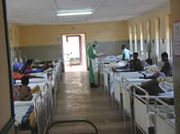 There is currently no Food and Drug Administration
-approved ebolavirus-specific therapy
for EVD. Treatment is primarily supportive in nature and includes minimizing invasive procedures, balancing fluids and electrolyte
s to counter dehydration
, administration of anticoagulants early in infection to prevent or control disseminated intravascular coagulation
, administration of procoagulants
late in infection to control hemorrhaging
, maintaining oxygen
levels, pain management
, and administration of antibiotics or antimycotics to treat secondary infections.. Hyperimmune equine immunoglobulin
raised against EBOV has been used in Russia to treat a laboratory worker who accidentally infected herself with EBOV—but the patient died anyway. Experimentally, recombinant vesicular stomatitis Indiana virus
(VSIV) expressing the glycoprotein of EBOV or SUDV has been used successfully in nonhuman primate models as post-exposure prophylaxis. Such a recombinant post-exposure vaccine was also used to treat a German researcher who accidentally pricked herself with a possibly EBOV-contaminated needle. Treatment might have been successful as she survived. However, actual EBOV infection could never be demonstrated without a doubt. Novel, very promising, experimental therapeutic regimens rely on antisense technology
. Both small interfering RNA
s (siRNAs) and phosphorodiamidate morpholino oligomers
(PMOs) targeting the EBOV genome could prevent disease in nonhuman primates.
e, such as orchitis
, arthralgia
, myalgia
, desquamation
or alopecia
. Ocular manifestations, such as photophobia
, hyperlacrimation, iritis
, iridocyclitis
, choroiditis
and blindness
have also been described. Importantly, EBOV and SUDV are known to be able to persist in the sperm
of some survivors, which could give rise to secondary infections and disease via sexual intercourse
.
EVD was first described after almost simultaneous viral hemorrhagic fever outbreaks occurred in Zaire and Sudan in 1976. EVD is believed to occur after an ebolavirus is transmitted to a human index case via contact with an infected animal host
. Human-to-human transmission occurs via direct contact with blood or bodily fluids from an infected person (including embalming of a deceased victim) or by contact with contaminated medical equipment such as needles. In the past, explosive nosocomial transmission has occurred in underequipped African hospitals due to the reuse of needles and/or absence of proper barrier nursing. Aerosol transmission has not been observed during natural EVD outbreaks. The potential for widespread EVD epidemic
s is considered low due to the high case-fatality rate, the rapidity of demise of patients, and the often remote areas where infections occur.
While investigating an outbreak of Simian hemorrhagic fever virus
(SHFV) in November 1989, an electron microscopist from USAMRIID discovered filoviruses similar in appearance to Ebola in tissue samples taken from Crab-eating Macaque imported from the Philippines to Hazleton Laboratories Reston, Virginia. Due to the lethality of the suspected and previously obscure virus, the investigation quickly attracted attention.
Blood samples were taken from 178 animal handlers during the incident. Of those, six animal handlers eventually seroconverted. When the handlers failed to become ill, the CDC concluded that the virus had a very low pathogenicity to humans.
The Philippines and the United States had no previous cases of infection, and upon further isolation it was concluded to be another strain of Ebola or a new filovirus of Asian origin, and named Reston ebolavirus (REBOV) after the location of the incident.
Because of the virus's high mortality, it is a potential agent for biological warfare. In 1992, members of Japan's Aum Shinrikyo
cult
considered using Ebola as a terror weapon. Their leader, Shoko Asahara
, led about 40 members to Zaire under the guise of offering medical aid to Ebola victims in a presumed attempt to acquire a virus sample.
Given the lethal nature of Ebola, and since no approved vaccine
or treatment is available, it is classified as a biosafety level 4 agent, as well as a Category A bioterrorism agent by the Centers for Disease Control and Prevention. It has the potential to be weaponized for use in biological warfare
. The effectiveness as a biological weapon is compromised by its rapid lethality as patients quickly die off before they are capable of effectively spreading the contagion.
The attention gathered from the outbreak in Reston prompted an increase in public interest, leading to the publication of numerous fictional works and a non-fiction work authored by Richard Preston known as The Hot Zone
.
The BBC reports in a study that frequent outbreaks of Ebola may have resulted in the deaths of 5,000 gorillas.
, about 200 miles (321.9 km) from the source of the August 2007 outbreak.
On November 30, 2007, the Uganda Ministry of Health confirmed an outbreak of Ebola in the Bundibugyo District. After confirmation of samples tested by the United States National Reference Laboratories and the Centers for Disease Control, the World Health Organization confirmed the presence of a new species of Ebolavirus which is now tentatively named Bundibugyo. The epidemic came to an official end on February 20, 2008. While it lasted, 149 cases of this new strain were reported, and 37 of those led to deaths.
An International Symposium to explore the environment and filovirus, cell system and filovirus interaction, and filovirus treatment and prevention was held at Centre Culturel Français, Libreville
, Gabon, during March 2008. The virus appeared in southern Kasai Occidental on November 27, 2008, and blood and stool samples were sent to laboratories in Gabon and South Africa for identification.
On December 25, 2008, a mysterious disease that had killed 11 and infected 21 people in southern Democratic Republic of Congo was identified as the Ebola virus. Doctors Without Borders reported 11 deaths as of Monday 29 December 2008 in the Western Kasai province of the Democratic Republic of Congo, stating that a further 24 cases were being treated. In January 2009, Angola closed down part of its border with DRC to prevent the spread of the outbreak.
On March 12, 2009, an unidentified 45-year-old scientist from Germany accidentally pricked her finger with a needle used to inject Ebola into lab mice. She was given an experimental vaccine never before used on humans. Since the peak period for an outbreak during the 21-day Ebola incubation period has passed as of April 2, 2009, she has been declared healthy and safe. It remains unclear whether or not she was ever actually infected with the virus.
In May 2011, a 12-year-old girl in Uganda died from Ebola (Sudan subspecies). No further cases were recorded.
. The virus is then transmitted to other people that come into contact with blood and bodily fluids of the infected person, and by human contact with contaminated medical equipment such as needles. Both of these infectious mechanisms will occur in clinical (nosocomial) and non-clinical situations. Due to the high fatality rate, the rapidity of demise, and the often remote areas where infections occur, the potential for widespread epidemic
outbreaks is considered low.
Proceedings of an International Colloquium on Ebola Virus Infection and Other Hemorrhagic Fevers were held in Antwerp, Belgium, on December 6 through December 8 in 1977.
While investigating an outbreak of Simian hemorrhagic fever virus
(SHFV) in November 1989, an electron microscopist from USAMRIID discovered filoviruses similar in appearance to Ebola in tissue samples taken from Crab-eating Macaque imported from the Philippines to Hazleton Laboratories Reston, Virginia. Due to the lethality of the suspected and previously obscure virus, the investigation quickly attracted attention.
Blood samples were taken from 178 animal handlers during the incident. Of those, six animal handlers eventually seroconverted. When the handlers failed to become ill, the CDC concluded that the virus had a very low pathogenicity to humans.
The Philippines and the United States had no previous cases of infection, and upon further isolation it was concluded to be another strain of Ebola or a new filovirus of Asian origin, and named Reston ebolavirus (REBOV) after the location of the incident.
Recovered carcasses from gorillas contain multiple Ebola virus strains, which suggest multiple introductions of the virus. Bodies decompose quickly and carcasses are not infectious after three to four days. Contact between gorilla groups is rare, suggesting transmission among gorilla groups is unlikely, and that outbreaks result from transmission between viral reservoir and animal populations.
Outbreaks of EVD have been responsible for an 88% decline in observed chimpanzee populations since 2003. Transmission among chimpanzees through meat consumption constitutes a significant 5.2 (1.3–21.1 with 95% confidence
) relative risk
factor, while contact between individuals, such as touching dead bodies and grooming, do not.
Ebolavirus
The genus Ebolavirus is a virological taxon included in the family Filoviridae, order Mononegavirales.This genus was introduced in 1998 as the "Ebola-like viruses". In 2002 the name was changed to Ebolavirus and in 2010 the genus was emended....
. These four viruses are: Bundibugyo virus
Bundibugyo virus
Bundibugyo virus is a close relative of the much more commonly known Ebola virus . BDBV causes severe disease in humans and in nonhuman primates in the form of viral hemorrhagic fevers...
(BDBV), Ebola virus
Ebola virus
Ebola virus causes severe disease in humans and in nonhuman primates in the form of viral hemorrhagic fever. EBOV is a Select Agent, World Health Organization Risk Group 4 Pathogen , National Institutes of Health/National Institute of Allergy and Infectious Diseases Category A Priority Pathogen,...
(EBOV), Sudan virus
Sudan virus
Sudan virus is a close relative of the much more commonly known Ebola virus . SUDV causes severe disease in humans and in nonhuman primates in the form of viral hemorrhagic fevers...
(SUDV), and Taï Forest virus (TAFV). EVD is a viral hemorrhagic fever
Viral hemorrhagic fever
The viral hemorrhagic fevers are a diverse group of animal and human illnesses that are caused by four distinct families of RNA viruses: the families Arenaviridae, Filoviridae, Bunyaviridae, and Flaviviridae. All types of VHF are characterized by fever and bleeding disorders and all can progress...
(VHF), and is clinically nearly indistinguishable from Marburg virus disease (MVD).
Classification
The genera Ebolavirus and MarburgvirusMarburgvirus
The genus Marburgvirus is the taxonomic home of one species whose members are two related viruses that form filamentous virions, Marburg virus and Ravn virus...
were originally classified as the species of the now-obsolete Filovirus genus. In March 1998, the Vertebrate Virus Subcommittee proposed in the International Committee on Taxonomy of Viruses
International Committee on Taxonomy of Viruses
The International Committee on Taxonomy of Viruses is a committee which authorizes and organizes the taxonomic classification of viruses. They have developed a universal taxonomic scheme for viruses and aim to describe all the viruses of living organisms. Members of the committee are considered to...
(ICTV) to change the Filovirus genus to the Filoviridae family with two specific genera: Ebola-like viruses and Marburg-like viruses. This proposal was implemented in Washington, D.C., as of April 2001 and in Paris as of July 2002. In 2000 another proposal was made in Washington, D.C., to change the "-like viruses" to "-virus" resulting in today's Ebolavirus and Marburgvirus.
Rates of genetic change are one hundred times slower than influenza A in humans, but on the same magnitude as those of hepatitis B. Extrapolating backwards
Molecular clock
The molecular clock is a technique in molecular evolution that uses fossil constraints and rates of molecular change to deduce the time in geologic history when two species or other taxa diverged. It is used to estimate the time of occurrence of events called speciation or radiation...
using these rates indicates that Ebolavirus and Marburgvirus diverged several thousand years ago. However, paleoviruses (genomic fossils) of filoviruses (Filoviridae) found in mammals indicate that the family itself is at least tens of millions of years old.Viral fossils that are closely related to ebolaviruses have been found in the genome of the Chinese hamster.
The five characterised Ebola species are:
Zaire ebolavirus (ZEBOV) : Also known simply as the Zaire virus, ZEBOV has the highest case-fatality rate, up to 90% in some epidemics, with an average case fatality rate of approximately 83% over 27 years. There have been more outbreaks of Zaire ebolavirus than of any other species. The first outbreak took place on 26 August, 1976 in Yambuku
Yambuku
Yambuku is a small village in Mongala District in northern Democratic Republic of the Congo and was the site of the first known outbreak of the Ebola Zaire strain of the Ebola hemorrhagic fever virus...
. Mabalo Lokela, a 44‑year-old schoolteacher, became the first recorded case. The symptoms resembled malaria
Malaria
Malaria is a mosquito-borne infectious disease of humans and other animals caused by eukaryotic protists of the genus Plasmodium. The disease results from the multiplication of Plasmodium parasites within red blood cells, causing symptoms that typically include fever and headache, in severe cases...
, and subsequent patients received quinine
Quinine
Quinine is a natural white crystalline alkaloid having antipyretic , antimalarial, analgesic , anti-inflammatory properties and a bitter taste. It is a stereoisomer of quinidine which, unlike quinine, is an anti-arrhythmic...
. Transmission has been attributed to reuse of unsterilized needles and close personal contact.
Sudan ebolavirus (SEBOV) : Like the Zaire virus, SEBOV emerged in 1976; it was at first assumed to be identical with the Zaire species. SEBOV is believed to have broken out first amongst cotton factory workers in Nzara, Sudan
Sudan
Sudan , officially the Republic of the Sudan , is a country in North Africa, sometimes considered part of the Middle East politically. It is bordered by Egypt to the north, the Red Sea to the northeast, Eritrea and Ethiopia to the east, South Sudan to the south, the Central African Republic to the...
, with the first case reported as a worker exposed to a potential natural reservoir. Scientists tested local animals and insects in response to this; however, none tested positive for the virus. The carrier is still unknown. The lack of barrier nursing (or "bedside isolation") facilitated the spread of the disease. The most recent outbreak occurred in May, 2004. 20 confirmed cases were reported in Yambio County, Sudan, with five deaths resulting. The average fatality rates for SEBOV were 54% in 1976, 68% in 1979, and 53% in 2000 and 2001.
Reston ebolavirus (REBOV) : Discovered during an outbreak of simian hemorrhagic fever virus
Simian hemorrhagic fever virus
Simian hemorrhagic fever virus or simian haemorrhagic fever virus or SHFV is a highly pathogenic virus in monkeys. It is a positive-stranded RNA virus classified in the family Arteriviridae.- Hosts :...
(SHFV) in crab-eating macaques
Crab-eating Macaque
The Crab-eating macaque is a cercopithecine primate native to Southeast Asia. It is also called the "long-tailed macaque", and is referred to as the "cynomolgus monkey" in laboratories.-Etymology:...
from Hazleton Laboratories
Covance
Covance, Inc. , formerly Corning Incorporated, with headquarters in Princeton, New Jersey, USA, is a contract research organization , providing drug development and animal testing services...
(now Covance) in 1989. Since the initial outbreak in Reston, Virginia
Reston, Virginia
Reston is a census-designated place in Fairfax County, Virginia, United States, within the Washington, D.C. metropolitan area. The population was 58,404, at the 2010 Census and 56,407 at the 2000 census...
, it has since been found in non-human primates in Pennsylvania, Texas and Siena
Siena
Siena is a city in Tuscany, Italy. It is the capital of the province of Siena.The historic centre of Siena has been declared by UNESCO a World Heritage Site. It is one of the nation's most visited tourist attractions, with over 163,000 international arrivals in 2008...
, Italy
Italy
Italy , officially the Italian Republic languages]] under the European Charter for Regional or Minority Languages. In each of these, Italy's official name is as follows:;;;;;;;;), is a unitary parliamentary republic in South-Central Europe. To the north it borders France, Switzerland, Austria and...
. In each case, the affected animals had been imported from a facility in the Philippines, where the virus has also infected pigs. Despite its status as a Level‑4 organism and its apparent pathogen
Pathogen
A pathogen gignomai "I give birth to") or infectious agent — colloquially, a germ — is a microbe or microorganism such as a virus, bacterium, prion, or fungus that causes disease in its animal or plant host...
icity in monkeys, REBOV did not cause disease in exposed human laboratory workers.
Côte d'Ivoire ebolavirus (CIEBOV): Also referred to as Tai ebolavirus and by the English place name, "Ivory Coast", it was first discovered among chimpanzee
Chimpanzee
Chimpanzee, sometimes colloquially chimp, is the common name for the two extant species of ape in the genus Pan. The Congo River forms the boundary between the native habitat of the two species:...
s from the Tai Forest
Taï National Park
Taï National Park is a national park in Côte d'Ivoire containing one of the last areas of primary rainforest in West Africa. It was inscribed as a World Heritage Site in 1982 due to the breadth of its flora and fauna...
in Côte d'Ivoire
Côte d'Ivoire
The Republic of Côte d'Ivoire or Ivory Coast is a country in West Africa. It has an area of , and borders the countries Liberia, Guinea, Mali, Burkina Faso and Ghana; its southern boundary is along the Gulf of Guinea. The country's population was 15,366,672 in 1998 and was estimated to be...
, Africa, in 1994. Necropsies showed blood within the heart to be brown; no obvious marks were seen on the organs; and one necropsy displayed lungs filled with blood. Studies of tissues taken from the chimpanzees showed results similar to human cases during the 1976 Ebola outbreaks in Zaire and Sudan. As more dead chimpanzees were discovered, many tested positive for Ebola using molecular techniques. The source of the virus was believed to be the meat of infected Western Red Colobus
Western Red Colobus
The western red colobus is a species of Old World monkey found in West African forests from Senegal to Ghana. All other species of red colobuses have formerly been considered subspecies of P. badius. It is often hunted by the common chimpanzee...
monkeys, upon which the chimpanzees preyed. One of the scientists performing the necropsies on the infected chimpanzees contracted Ebola. She developed symptoms similar to those of dengue fever
Dengue fever
Dengue fever , also known as breakbone fever, is an infectious tropical disease caused by the dengue virus. Symptoms include fever, headache, muscle and joint pains, and a characteristic skin rash that is similar to measles...
approximately a week after the necropsy, and was transported to Switzerland for treatment. She was discharged from hospital after two weeks and had fully recovered six weeks after the infection.
Bundibugyo ebolavirus: On November 24, 2007, the Uganda Ministry of Health confirmed an outbreak of Ebola in the Bundibugyo District
Bundibugyo District
Bundibugyo District is a district in Western Uganda, bordering the Democratic Republic of the Congo. Like other Ugandan districts, it is named after its 'chief town', Bundibugyo, where the district headquarters are located.-Location:...
. After confirmation of samples tested by the United States National Reference Laboratories and the CDC
Centers for Disease Control and Prevention
The Centers for Disease Control and Prevention are a United States federal agency under the Department of Health and Human Services headquartered in Druid Hills, unincorporated DeKalb County, Georgia, in Greater Atlanta...
, the World Health Organization
World Health Organization
The World Health Organization is a specialized agency of the United Nations that acts as a coordinating authority on international public health. Established on 7 April 1948, with headquarters in Geneva, Switzerland, the agency inherited the mandate and resources of its predecessor, the Health...
confirmed the presence of the new species. On 20 February, 2008, the Uganda Ministry officially announced the end of the epidemic in Bundibugyo, with the last infected person discharged on 8 January, 2008. An epidemiological study conducted by WHO and Uganda Ministry of Health scientists determined there were 116 confirmed and probable cases the new Ebola species, and that the outbreak had a mortality rate of 34% (39 deaths).
Signs and symptoms
EVD is clinically indistinguishable from Marburg virus disease (MVD), and it can also easily be confused with many other diseases prevalent in Equatorial AfricaEquatorial Africa
Equatorial Africa is an ambiguous term that is sometimes used to refer to tropical Africa, or the region of Sub-Saharan Africa traversed by the equator....
, such as other viral hemorrhagic fever
Viral hemorrhagic fever
The viral hemorrhagic fevers are a diverse group of animal and human illnesses that are caused by four distinct families of RNA viruses: the families Arenaviridae, Filoviridae, Bunyaviridae, and Flaviviridae. All types of VHF are characterized by fever and bleeding disorders and all can progress...
s, falciparum malaria
Malaria
Malaria is a mosquito-borne infectious disease of humans and other animals caused by eukaryotic protists of the genus Plasmodium. The disease results from the multiplication of Plasmodium parasites within red blood cells, causing symptoms that typically include fever and headache, in severe cases...
, typhoid fever
Typhoid fever
Typhoid fever, also known as Typhoid, is a common worldwide bacterial disease, transmitted by the ingestion of food or water contaminated with the feces of an infected person, which contain the bacterium Salmonella enterica, serovar Typhi...
, shigellosis
Shigellosis
Shigellosis, also known as bacillary dysentery or Marlow Syndrome, in its most severe manifestation, is a foodborne illness caused by infection by bacteria of the genus Shigella. Shigellosis rarely occurs in animals other than humans and other primates like monkeys and chimpanzees...
, rickettsial diseases
Rickettsia
Rickettsia is a genus of non-motile, Gram-negative, non-sporeforming, highly pleomorphic bacteria that can present as cocci , rods or thread-like . Being obligate intracellular parasites, the Rickettsia survival depends on entry, growth, and replication within the cytoplasm of eukaryotic host cells...
, cholera
Cholera
Cholera is an infection of the small intestine that is caused by the bacterium Vibrio cholerae. The main symptoms are profuse watery diarrhea and vomiting. Transmission occurs primarily by drinking or eating water or food that has been contaminated by the diarrhea of an infected person or the feces...
, gram-negative septicemia
Sepsis
Sepsis is a potentially deadly medical condition that is characterized by a whole-body inflammatory state and the presence of a known or suspected infection. The body may develop this inflammatory response by the immune system to microbes in the blood, urine, lungs, skin, or other tissues...
or EHEC enteritis
Verotoxin-producing Escherichia coli
Verotoxin-producing Escherichia coli comprise strains of the bacterium Escherichia coli that, when infecting humans, have been linked with the severe complication hemolytic-uremic syndrome . They are known by a number of names, including enterohemorrhagic E. coli , Shiga-like toxin-producing E...
. The most detailed studies on the frequency, onset, and duration of EVD clinical signs
Medical sign
A medical sign is an objective indication of some medical fact or characteristic that may be detected by a physician during a physical examination of a patient....
and symptom
Symptom
A symptom is a departure from normal function or feeling which is noticed by a patient, indicating the presence of disease or abnormality...
s were performed during the 1995 outbreak in Kikwit
Kikwit
Kikwit is the largest city of Kwilu District, lying on the Kwilu River in the southwestern part of the Democratic Republic of Congo. Kikwit is also known in the region under the nickname "The Mother". The population is approximately 294,210...
, Zaire
Zaire
The Republic of Zaire was the name of the present Democratic Republic of the Congo between 27 October 1971 and 17 May 1997. The name of Zaire derives from the , itself an adaptation of the Kongo word nzere or nzadi, or "the river that swallows all rivers".-Self-proclaimed Father of the Nation:In...
(EBOV) and the 2007-2008 outbreak in Bundibugyo
Bundibugyo
Bundibugyo is a town in Western Uganda. It is the 'chief town' of Bundibugyo District and the district headquarters are located there.-Location:...
, Uganda
Uganda
Uganda , officially the Republic of Uganda, is a landlocked country in East Africa. Uganda is also known as the "Pearl of Africa". It is bordered on the east by Kenya, on the north by South Sudan, on the west by the Democratic Republic of the Congo, on the southwest by Rwanda, and on the south by...
(BDBV). The mean incubation period
Incubation period
Incubation period is the time elapsed between exposure to a pathogenic organism, a chemical or radiation, and when symptoms and signs are first apparent...
, best calculated currently for EVD outbreaks due to EBOV infection, is 12.7 days (standard deviation
Standard deviation
Standard deviation is a widely used measure of variability or diversity used in statistics and probability theory. It shows how much variation or "dispersion" there is from the average...
= 4.3 days), but can be as long as 25 days. EVD begins with a sudden onset of an influenza
Influenza
Influenza, commonly referred to as the flu, is an infectious disease caused by RNA viruses of the family Orthomyxoviridae , that affects birds and mammals...
-like stage characterized by general malaise
Malaise
Malaise is a feeling of general discomfort or uneasiness, of being "out of sorts", often the first indication of an infection or other disease. Malaise is often defined in medicinal research as a "general feeling of being unwell"...
, fever
Fever
Fever is a common medical sign characterized by an elevation of temperature above the normal range of due to an increase in the body temperature regulatory set-point. This increase in set-point triggers increased muscle tone and shivering.As a person's temperature increases, there is, in...
with chills, arthralgia
Arthralgia
Arthralgia literally means joint pain; it is a symptom of injury, infection, illnesses or an allergic reaction to medication....
and myalgia
Myalgia
Myalgia means "muscle pain" and is a symptom of many diseases and disorders. The most common causes are the overuse or over-stretching of a muscle or group of muscles. Myalgia without a traumatic history is often due to viral infections...
, and chest pain
Chest pain
Chest pain may be a symptom of a number of serious conditions and is generally considered a medical emergency. Even though it may be determined that the pain is non-cardiac in origin, this is often a diagnosis of exclusion made after ruling out more serious causes of the pain.-Differential...
. Nausea
Nausea
Nausea , is a sensation of unease and discomfort in the upper stomach with an involuntary urge to vomit. It often, but not always, precedes vomiting...
is accompanied by abdominal pain
Abdominal pain
Abdominal pain can be one of the symptoms associated with transient disorders or serious disease. Making a definitive diagnosis of the cause of abdominal pain can be difficult, because many diseases can result in this symptom. Abdominal pain is a common problem...
, anorexia
Anorexia (symptom)
Anorexia is the decreased sensation of appetite...
, diarrhea
Diarrhea
Diarrhea , also spelled diarrhoea, is the condition of having three or more loose or liquid bowel movements per day. It is a common cause of death in developing countries and the second most common cause of infant deaths worldwide. The loss of fluids through diarrhea can cause dehydration and...
, and vomiting
Vomiting
Vomiting is the forceful expulsion of the contents of one's stomach through the mouth and sometimes the nose...
. Respiratory tract
Respiratory tract
In humans the respiratory tract is the part of the anatomy involved with the process of respiration.The respiratory tract is divided into 3 segments:*Upper respiratory tract: nose and nasal passages, paranasal sinuses, and throat or pharynx...
involvement is characterized by pharyngitis
Pharyngitis
Pharyngitis is an inflammation of the throat or pharynx. In most cases it is quite painful, and is the most common cause of a sore throat.Like many types of inflammation, pharyngitis can be acute – characterized by a rapid onset and typically a relatively short course – or chronic....
with sore throat
Sore throat
A sore throat or throat pain is a common physical symptom usually caused by acute pharyngitis, or throat inflammation, though it also occurs in a number of other situations, such as post trauma and in diphtheria. It can cause mild to extreme pain....
, cough
Cough
A cough is a sudden and often repetitively occurring reflex which helps to clear the large breathing passages from secretions, irritants, foreign particles and microbes...
, dyspnea
Dyspnea
Dyspnea , shortness of breath , or air hunger, is the subjective symptom of breathlessness.It is a normal symptom of heavy exertion but becomes pathological if it occurs in unexpected situations...
, and hiccups.
The central nervous system
Central nervous system
The central nervous system is the part of the nervous system that integrates the information that it receives from, and coordinates the activity of, all parts of the bodies of bilaterian animals—that is, all multicellular animals except sponges and radially symmetric animals such as jellyfish...
is affected as judged by the development of severe headaches, agitation
Agitation
Agitation may refer to:* Agitation , putting into motion by shaking or stirring* Emotional state of excitement or restlessness** Psychomotor agitation, an extreme form of the above, which can be a side effect of antipsychotic medication...
, confusion
ConFusion
ConFusion is an annual science fiction convention organized by the Stilyagi Air Corps and its parent organization, the Ann Arbor Science Fiction Association. Commonly, it is held the third weekend of January. It is the oldest science fiction convention in Michigan, a regional, general SF con...
, fatigue, depression, seizures, and sometimes coma
Coma
In medicine, a coma is a state of unconsciousness, lasting more than 6 hours in which a person cannot be awakened, fails to respond normally to painful stimuli, light or sound, lacks a normal sleep-wake cycle and does not initiate voluntary actions. A person in a state of coma is described as...
. The circulatory system
Circulatory system
The circulatory system is an organ system that passes nutrients , gases, hormones, blood cells, etc...
is also frequently involved, with the most prominent signs being edema
Edema
Edema or oedema ; both words from the Greek , oídēma "swelling"), formerly known as dropsy or hydropsy, is an abnormal accumulation of fluid beneath the skin or in one or more cavities of the body that produces swelling...
and conjunctivitis
Conjunctivitis
Conjunctivitis refers to inflammation of the conjunctiva...
. Hemorrhagic symptoms
Bleeding
Bleeding, technically known as hemorrhaging or haemorrhaging is the loss of blood or blood escape from the circulatory system...
are infrequent (fewer than 10% of cases for most serotypes), (the reason why Ebola hemorrhagic fever (EHF) is a misnomer
Misnomer
A misnomer is a term which suggests an interpretation that is known to be untrue. Such incorrect terms sometimes derive their names because of the form, action, or origin of the subject becoming named popularly or widely referenced—long before their true natures were known.- Sources of misnomers...
) and include hematemesis
Hematemesis
Hematemesis or haematemesis is the vomiting of blood. The source is generally the upper gastrointestinal tract. Patients can easily confuse it with hemoptysis , although the latter is more common.-Signs:...
, hemoptysis
Hemoptysis
Hemoptysis or haemoptysis is the expectoration of blood or of blood-stained sputum from the bronchi, larynx, trachea, or lungs Hemoptysis or haemoptysis is the expectoration (coughing up) of blood or of blood-stained sputum from the bronchi, larynx, trachea, or lungs Hemoptysis or haemoptysis ...
, melena
Melena
In medicine, melena or melaena refers to the black, "tarry" feces that are associated with gastrointestinal hemorrhage. The black color is caused by oxidation of the iron in hemoglobin during its passage through the ileum and colon.-Melena vs...
, and bleeding from mucous membranes (gastroinestinal tract, nose
Nose
Anatomically, a nose is a protuberance in vertebrates that houses the nostrils, or nares, which admit and expel air for respiration in conjunction with the mouth. Behind the nose are the olfactory mucosa and the sinuses. Behind the nasal cavity, air next passes through the pharynx, shared with the...
, vagina
Vagina
The vagina is a fibromuscular tubular tract leading from the uterus to the exterior of the body in female placental mammals and marsupials, or to the cloaca in female birds, monotremes, and some reptiles. Female insects and other invertebrates also have a vagina, which is the terminal part of the...
and gingiva
Gingiva
The gingiva , or gums, consists of the mucosal tissue that lies over the mandible and maxilla inside the mouth.-General description:...
).
Cutaneous presentation may include: maculopapular
Cutaneous conditions
There are many conditions of or affecting the human integumentary system—the organ system that comprises the entire surface of the body and includes skin, hair, nails, and related muscle and glands.- Diseases :...
rash
Rash
A rash is a change of the skin which affects its color, appearance or texture. A rash may be localized in one part of the body, or affect all the skin. Rashes may cause the skin to change color, itch, become warm, bumpy, chapped, dry, cracked or blistered, swell and may be painful. The causes, and...
, petechia
Petechia
A petechia is a small red or purple spot on the body, caused by a minor hemorrhage ."Petechiae" refers to one of the three major classes of purpuric skin conditions. Purpuric eruptions are classified by size into three broad categories...
e, purpura
Purpura
Purpura is the appearance of red or purple discolorations on the skin that do not blanch on applying pressure. They are caused by bleeding underneath the skin...
, ecchymoses
Ecchymosis
An ecchymosis is the medical term for a subcutaneous purpura larger than 1 centimeter or a hematoma, commonly called a bruise. It can be located in the skin or in a mucous membrane.-Presentation:...
, and hematoma
Hematoma
A hematoma, or haematoma, is a localized collection of blood outside the blood vessels, usually in liquid form within the tissue. This distinguishes it from an ecchymosis, which is the spread of blood under the skin in a thin layer, commonly called a bruise...
s (especially around needle injection sites). Development of hemorrhagic symptoms is generally indicative of a negative prognosis. However, contrary to popular belief, hemorrhage does not lead to hypovolemia
Hypovolemia
In physiology and medicine, hypovolemia is a state of decreased blood volume; more specifically, decrease in volume of blood plasma...
and is not the cause of death
Death
Death is the permanent termination of the biological functions that sustain a living organism. Phenomena which commonly bring about death include old age, predation, malnutrition, disease, and accidents or trauma resulting in terminal injury....
(total blood loss is low except during labor
Childbirth
Childbirth is the culmination of a human pregnancy or gestation period with the birth of one or more newborn infants from a woman's uterus...
). Instead, death occurs due to multiple organ dysfunction syndrome (MODS)
Multiple organ dysfunction syndrome
Multiple organ dysfunction syndrome ', previously known as multiple organ failure or multisystem organ failure , is altered organ function in an acutely ill patient requiring medical intervention to achieve homeostasis...
due to fluid redistribution, hypotension
Hypotension
In physiology and medicine, hypotension is abnormally low blood pressure, especially in the arteries of the systemic circulation. It is best understood as a physiologic state, rather than a disease. It is often associated with shock, though not necessarily indicative of it. Hypotension is the...
, disseminated intravascular coagulation
Disseminated intravascular coagulation
Disseminated intravascular coagulation , also known as disseminated intravascular coagulopathy or consumptive coagulopathy, is a pathological activation of coagulation mechanisms that happens in response to a variety of diseases. DIC leads to the formation of small blood clots inside the blood...
, and focal tissue
Tissue (biology)
Tissue is a cellular organizational level intermediate between cells and a complete organism. A tissue is an ensemble of cells, not necessarily identical, but from the same origin, that together carry out a specific function. These are called tissues because of their identical functioning...
necroses
Necrosis
Necrosis is the premature death of cells in living tissue. Necrosis is caused by factors external to the cell or tissue, such as infection, toxins, or trauma. This is in contrast to apoptosis, which is a naturally occurring cause of cellular death...
.
Causes
EVD is caused by four of five viruses classified in the genus EbolavirusEbolavirus
The genus Ebolavirus is a virological taxon included in the family Filoviridae, order Mononegavirales.This genus was introduced in 1998 as the "Ebola-like viruses". In 2002 the name was changed to Ebolavirus and in 2010 the genus was emended....
, family Filoviridae
Filoviridae
The family Filoviridae is the taxonomic home of several related viruses that form filamentous virions. Two members of the family that are commonly known are Ebola virus and Marburg virus. Both viruses, and some of their lesser known relatives, cause severe disease in humans and nonhuman primates in...
, order Mononegavirales
Mononegavirales
The order Mononegavirales is the taxonomic home of numerous related viruses. Members of the order that are commonly known are, for instance, Ebola virus, human respiratory syncytial virus, measles virus, mumps virus, Nipah virus, and rabies virus. All of these viruses cause significant disease in...
: Bundibugyo virus
Bundibugyo virus
Bundibugyo virus is a close relative of the much more commonly known Ebola virus . BDBV causes severe disease in humans and in nonhuman primates in the form of viral hemorrhagic fevers...
(BDBV), Ebola virus
Ebola virus
Ebola virus causes severe disease in humans and in nonhuman primates in the form of viral hemorrhagic fever. EBOV is a Select Agent, World Health Organization Risk Group 4 Pathogen , National Institutes of Health/National Institute of Allergy and Infectious Diseases Category A Priority Pathogen,...
(EBOV), Sudan virus
Sudan virus
Sudan virus is a close relative of the much more commonly known Ebola virus . SUDV causes severe disease in humans and in nonhuman primates in the form of viral hemorrhagic fevers...
(SUDV), and Taï Forest virus (TAFV). The fifth virus, Reston virus
Reston virus
- Introduction and Use of Term :Reston virus was first described in 1990 as a new "strain" of Ebola virus, a result of mutation from Ebola virus. It is the single member of the species Reston ebolavirus, which is included into the genus Ebolavirus, family Filoviridae, order Mononegavirales...
(RESTV), is thought to be apathogenic for humans and therefore not discussed here.
| Species name International Committee on Taxonomy of Viruses The International Committee on Taxonomy of Viruses is a committee which authorizes and organizes the taxonomic classification of viruses. They have developed a universal taxonomic scheme for viruses and aim to describe all the viruses of living organisms. Members of the committee are considered to... |
Virus name (Abbreviation) International Committee on Taxonomy of Viruses The International Committee on Taxonomy of Viruses is a committee which authorizes and organizes the taxonomic classification of viruses. They have developed a universal taxonomic scheme for viruses and aim to describe all the viruses of living organisms. Members of the committee are considered to... |
|---|---|
| Bundibugyo ebolavirus Bundibugyo ebolavirus - Introduction and use of term :The species Bundibugyo ebolavirus is a virological taxon that was suggested in 2008 to be included in the genus Ebolavirus, family Filoviridae, order Mononegavirales. The species has a single virus member, Bundibugyo virus . The members of the species are called... (accepted) |
Bundibugyo virus Bundibugyo virus Bundibugyo virus is a close relative of the much more commonly known Ebola virus . BDBV causes severe disease in humans and in nonhuman primates in the form of viral hemorrhagic fevers... (BDBV; previously BEBOV) |
| Sudan ebolavirus Sudan ebolavirus - Introduction and Use of Term :The species Sudan ebolavirus is a virological taxon included in the genus Ebolavirus, family Filoviridae, order Mononegavirales. The species has a single virus member, Sudan virus . The members of the species are called Sudan ebolaviruses... |
Sudan virus Sudan virus Sudan virus is a close relative of the much more commonly known Ebola virus . SUDV causes severe disease in humans and in nonhuman primates in the form of viral hemorrhagic fevers... (SUDV; previously SEBOV) |
| Taï Forest ebolavirus | Taï Forest virus (TAFV; previously CIEBOV) |
| Zaire ebolavirus Zaire ebolavirus - Introduction and Use of Term :Zaire ebolavirus is a virological taxon included in the genus Ebolavirus, family Filoviridae, order Mononegavirales. The species has a single virus member, Ebola virus . The members of the species are called Zaire ebolaviruses... * |
Ebola virus Ebola virus Ebola virus causes severe disease in humans and in nonhuman primates in the form of viral hemorrhagic fever. EBOV is a Select Agent, World Health Organization Risk Group 4 Pathogen , National Institutes of Health/National Institute of Allergy and Infectious Diseases Category A Priority Pathogen,... (EBOV; previously ZEBOV) |
Table legend: "*" denotes the type species and "accepted" refers to a taxon that has been accepted by the Executive Committee of the ICTV but that has yet to be ratified.
Risk factors
Between 1976 and 1998, from 30,000 mammals, birds, reptiles, amphibians, and arthropodArthropod
An arthropod is an invertebrate animal having an exoskeleton , a segmented body, and jointed appendages. Arthropods are members of the phylum Arthropoda , and include the insects, arachnids, crustaceans, and others...
s sampled from outbreak regions, no ebolavirus was detected apart from some genetic traces found in six rodents (Mus setulosus and Praomys
Praomys
Praomys is a genus of rodent in the family Muridae.It contains the following species:* Praomys coetzeei* Dalton's Mouse, Praomys daltoni* De Graaff's Soft-furred Mouse, Praomys degraaffi...
) and one shrew
Shrew
A shrew or shrew mouse is a small molelike mammal classified in the order Soricomorpha. True shrews are also not to be confused with West Indies shrews, treeshrews, otter shrews, or elephant shrews, which belong to different families or orders.Although its external appearance is generally that of...
(Sylvisorex ollula) collected from the Central African Republic
Central African Republic
The Central African Republic , is a landlocked country in Central Africa. It borders Chad in the north, Sudan in the north east, South Sudan in the east, the Democratic Republic of the Congo and the Republic of the Congo in the south, and Cameroon in the west. The CAR covers a land area of about ,...
. Traces of EBOV were detected in the carcasses of gorilla
Gorilla
Gorillas are the largest extant species of primates. They are ground-dwelling, predominantly herbivorous apes that inhabit the forests of central Africa. Gorillas are divided into two species and either four or five subspecies...
s and chimpanzees during outbreaks in 2001 and 2003, which later became the source of human infections. However, the high lethality from infection in these species makes them unlikely as a natural reservoir.
Plant
Plant
Plants are living organisms belonging to the kingdom Plantae. Precise definitions of the kingdom vary, but as the term is used here, plants include familiar organisms such as trees, flowers, herbs, bushes, grasses, vines, ferns, mosses, and green algae. The group is also called green plants or...
s, arthropods, and birds have also been considered as possible reservoirs; however, bat
Bat
Bats are mammals of the order Chiroptera "hand" and pteron "wing") whose forelimbs form webbed wings, making them the only mammals naturally capable of true and sustained flight. By contrast, other mammals said to fly, such as flying squirrels, gliding possums, and colugos, glide rather than fly,...
s are considered the most likely candidate. Bats were known to reside in the cotton factory in which the index cases for the 1976 and 1979 outbreaks were employed, and they have also been implicated in Marburg virus infections in 1975 and 1980.Of 24 plant species and 19 vertebrate species experimentally inoculated with EBOV, only bats became infected.The absence of clinical signs in these bats is characteristic of a reservoir species. In a 2002–2003 survey of 1,030 animals which included 679 bats from Gabon
Gabon
Gabon , officially the Gabonese Republic is a state in west central Africa sharing borders with Equatorial Guinea to the northwest, Cameroon to the north, and with the Republic of the Congo curving around the east and south. The Gulf of Guinea, an arm of the Atlantic Ocean is to the west...
and the Republic of the Congo
Republic of the Congo
The Republic of the Congo , sometimes known locally as Congo-Brazzaville, is a state in Central Africa. It is bordered by Gabon, Cameroon, the Central African Republic, the Democratic Republic of the Congo , the Angolan exclave province of Cabinda, and the Gulf of Guinea.The region was dominated by...
, 13 fruit bats were found to contain EBOV RNA fragments. As of 2005, three types of fruit bat
Fruit Bat
Fruit Bat can refer to:* Megabats, a species of bat which eats fruit* Les "Fruitbat" Carter, guitarist of Carter the Unstoppable Sex Machine* Fruit Bats , an American band...
s (Hypsignathus monstrosus, Epomops franqueti, andMyonycteris torquata) have been identified as being in contact with EBOV. They are now suspected to represent the EBOV reservoir hosts.
The existence of integrated genes of filoviruses in some genomes of small rodents, insectivorous bats, shrews, tenrecs, and marsupials indicates a history of infection with filoviruses in these groups as well.However, it has to be stressed that infectious ebolaviruses have not yet been isolated from any nonhuman animal.
Bats drop partially eaten fruits and pulp, then terrestrial mammals such as gorillas and duiker
Duiker
A duiker is any of about 21 small to medium-sized antelope species from the subfamily Cephalophinae native to Sub-Saharan Africa.Duikers are shy and elusive creatures with a fondness for dense cover; most are forest dwellers and even the species living in more open areas are quick to disappear...
s feed on these fallen fruits. This chain of events forms a possible indirect means of transmission from the natural host to animal populations, which have led to research towards viral shedding in the saliva of bats. Fruit production, animal behavior, and other factors vary at different times and places which may trigger outbreaks among animal populations. Transmission between natural reservoirs and humans are rare, and outbreaks are usually traceable to a single index case where an individual has handled the carcass of gorilla, chimpanzee, or duiker. The virus then spreads person-to-person, especially within families, hospitals, and during some mortuary rituals where contact among individuals becomes more likely.
The virus has been confirmed to be transmitted through body fluids. Transmission through oral exposure and through conjunctiva exposure is likely and has been confirmed in non-human primates. Filoviruses are not naturally transmitted by aerosol. They are, however, highly infectious as breathable 0.8–1.2 micrometre droplets in laboratory conditions; because of this potential route of infection, these viruses have been classified as Category A biological weapons.
All epidemics of Ebola have occurred in sub-optimal hospital conditions, where practices of basic hygiene and sanitation are often either luxuries or unknown to caretakers and where disposable needles and autoclave
Autoclave
An autoclave is an instrument used to sterilize equipment and supplies by subjecting them to high pressure saturated steam at 121 °C for around 15–20 minutes depending on the size of the load and the contents. It was invented by Charles Chamberland in 1879, although a precursor known as the...
s are unavailable or too expensive. In modern hospitals with disposable needles and knowledge of basic hygiene and barrier nursing techniques, Ebola has never spread on a large scale. In isolated settings such as a quarantined hospital or a remote village, most victims are infected shortly after the first case of infection is present. The quick onset of symptoms from the time the disease becomes contagious in an individual makes it easy to identify sick individuals and limits an individual's ability to spread the disease by traveling. Because bodies of the deceased are still infectious, some doctors had to take measures to properly dispose dead bodies in a safe manner despite local traditional burial rituals.
Genome
Like all mononegavirusesMononegavirales
The order Mononegavirales is the taxonomic home of numerous related viruses. Members of the order that are commonly known are, for instance, Ebola virus, human respiratory syncytial virus, measles virus, mumps virus, Nipah virus, and rabies virus. All of these viruses cause significant disease in...
, ebolavirions contain linear nonsegmented, single-stranded, non-infectious RNA
RNA
Ribonucleic acid , or RNA, is one of the three major macromolecules that are essential for all known forms of life....
genome
Genome
In modern molecular biology and genetics, the genome is the entirety of an organism's hereditary information. It is encoded either in DNA or, for many types of virus, in RNA. The genome includes both the genes and the non-coding sequences of the DNA/RNA....
s of negative polarity that possesses inverse-complementary 3' and 5' termini, do not possess a 5' cap
5' cap
The 5' cap is a specially altered nucleotide on the 5' end of precursor messenger RNA and some other primary RNA transcripts as found in eukaryotes. The process of 5' capping is vital to creating mature messenger RNA, which is then able to undergo translation...
, are not polyadenylated
Polyadenylation
Polyadenylation is the addition of a poly tail to an RNA molecule. The poly tail consists of multiple adenosine monophosphates; in other words, it is a stretch of RNA that has only adenine bases. In eukaryotes, polyadenylation is part of the process that produces mature messenger RNA for translation...
, and are not covalently
Covalent bond
A covalent bond is a form of chemical bonding that is characterized by the sharing of pairs of electrons between atoms. The stable balance of attractive and repulsive forces between atoms when they share electrons is known as covalent bonding....
linked to a protein
Protein
Proteins are biochemical compounds consisting of one or more polypeptides typically folded into a globular or fibrous form, facilitating a biological function. A polypeptide is a single linear polymer chain of amino acids bonded together by peptide bonds between the carboxyl and amino groups of...
. Ebolavirus genomes are approximately 19 kilobase pairs long and contain seven gene
Gene
A gene is a molecular unit of heredity of a living organism. It is a name given to some stretches of DNA and RNA that code for a type of protein or for an RNA chain that has a function in the organism. Living beings depend on genes, as they specify all proteins and functional RNA chains...
s in the order 3'-UTR
Three prime untranslated region
In molecular genetics, the three prime untranslated region is a particular section of messenger RNA . It is preceeded by the coding region....
-NP-VP35-VP40-GP-VP30-VP24-L-5'-UTR
Five prime untranslated region
A messenger ribonucleic acid molecule codes for a protein through translation. The mRNA also contains regions that are not translated: in eukaryotes these include the 5' untranslated region, 3' untranslated region, 5' cap and poly-A tail....
. The genomes of the five different ebolaviruses (BDBV, EBOV, RESTV, SUDV, and TAFV) differ in sequence and the number and location of gene overlaps.
Structure
Like all filovirusesFiloviridae
The family Filoviridae is the taxonomic home of several related viruses that form filamentous virions. Two members of the family that are commonly known are Ebola virus and Marburg virus. Both viruses, and some of their lesser known relatives, cause severe disease in humans and nonhuman primates in...
, ebolavirions are filamentous particles that may appear in the shape of a shepherd's crook or in the shape of a "U" or a "6", and they may be coiled, toroid, or branched. Ebolavirions are generally 80 nm in width, but vary somewhat in length. In general, the median particle length of ebolaviruses ranges from 974–1,086 nm (in contrast to marburgvirions, whose median particle length was measured to be 795–828 nm), but particles as long as 14,000 nm have been detected in tissue culture.. Ebolavirions consist of seven structural proteins. At the center is the helical ribonucleocapsid
Ribonucleoprotein
Ribonucleoprotein is a nucleoprotein that contains RNA, i.e. it is an association that combines ribonucleic acid and protein together. A few known examples include the ribosome, the enzyme telomerase, vault ribonucleoproteins, and small nuclear RNPs , which are implicated in pre-mRNA splicing and...
, which consists of the genomic RNA wrapped around a polymer
Polymer
A polymer is a large molecule composed of repeating structural units. These subunits are typically connected by covalent chemical bonds...
of nucleoprotein
Nucleoprotein
A nucleoprotein is any protein that is structurally associated with nucleic acid .Many viruses harness this protein, and they are known for being host-specific...
s (NP). Associated with the ribonucleoprotein is the RNA-dependent RNA polymerase
RNA-dependent RNA polymerase
RNA-dependent RNA polymerase , , or RNA replicase, is an enzyme that catalyzes the replication of RNA from an RNA template...
(L) with the polymerase cofactor (VP35) and a transcription activator (VP30). The ribonucleoprotein is embedded in a matrix, formed by the major (VP40) and minor (VP24) matrix proteins. These particles are surrounded by a lipid membrane
Lipid bilayer
The lipid bilayer is a thin membrane made of two layers of lipid molecules. These membranes are flat sheets that form a continuous barrier around cells. The cell membrane of almost all living organisms and many viruses are made of a lipid bilayer, as are the membranes surrounding the cell nucleus...
derived from the host cell membrane. The membrane anchors a glycoprotein (GP1,2) that projects 7 to 10 nm spikes away from its surface. While nearly identical to marburgvirions in structure, ebolavirions are antigen
Antigen
An antigen is a foreign molecule that, when introduced into the body, triggers the production of an antibody by the immune system. The immune system will then kill or neutralize the antigen that is recognized as a foreign and potentially harmful invader. These invaders can be molecules such as...
ically distinct.
Replication
The ebolavirus life cycleBiological life cycle
A life cycle is a period involving all different generations of a species succeeding each other through means of reproduction, whether through asexual reproduction or sexual reproduction...
begins with virion attachment to specific cell-surface receptors
Receptor (biochemistry)
In biochemistry, a receptor is a molecule found on the surface of a cell, which receives specific chemical signals from neighbouring cells or the wider environment within an organism...
, followed by fusion
Lipid bilayer fusion
Fusion is the process by which two initially distinct lipid bilayers merge their hydrophobic cores, resulting in one interconnected structure. If this fusion proceeds completely through both leaflets of both bilayers, an aqueous bridge is formed and the internal contents of the two structures can mix...
of the virion envelope with cellular membranes and the concomitant release of the virus nucleocapsid into the cytosol
Cytosol
The cytosol or intracellular fluid is the liquid found inside cells, that is separated into compartments by membranes. For example, the mitochondrial matrix separates the mitochondrion into compartments....
. The virus RdRp partially uncoats the nucleocapsid and transcribes
Transcription (genetics)
Transcription is the process of creating a complementary RNA copy of a sequence of DNA. Both RNA and DNA are nucleic acids, which use base pairs of nucleotides as a complementary language that can be converted back and forth from DNA to RNA by the action of the correct enzymes...
the genes
Gênes
Gênes is the name of a département of the First French Empire in present Italy, named after the city of Genoa. It was formed in 1805, when Napoleon Bonaparte occupied the Republic of Genoa. Its capital was Genoa, and it was divided in the arrondissements of Genoa, Bobbio, Novi Ligure, Tortona and...
into positive-stranded mRNAs, which are then translated into structural and nonstructural proteins. Ebolavirus L binds to a single promoter located at the 3' end of the genome. Transcription either terminates after a gene or continues to the next gene downstream. This means that genes close to the 3' end of the genome are transcribed in the greatest abundance, whereas those toward the 5' end are least likely to be transcribed. The gene order is therefore a simple but effective form of transcriptional regulation. The most abundant protein produced is the nucleoprotein
Nucleoprotein
A nucleoprotein is any protein that is structurally associated with nucleic acid .Many viruses harness this protein, and they are known for being host-specific...
, whose concentration
Concentration
In chemistry, concentration is defined as the abundance of a constituent divided by the total volume of a mixture. Four types can be distinguished: mass concentration, molar concentration, number concentration, and volume concentration...
in the cell determines when L switches from gene transcription to genome replication. Replication results in full-length, positive-stranded antigenomes that are in turn transcribed into negative-stranded virus progeny genome copies. Newly synthesized structural proteins and genomes self-assemble and accumulate near the inside of the cell membrane
Cell membrane
The cell membrane or plasma membrane is a biological membrane that separates the interior of all cells from the outside environment. The cell membrane is selectively permeable to ions and organic molecules and controls the movement of substances in and out of cells. It basically protects the cell...
. Virions bud
Budding
Budding is a form of asexual reproduction in which a new organism grows on another one. The new organism remains attached as it grows, separating from the parent organism only when it is mature. Since the reproduction is asexual, the newly created organism is a clone and is genetically identical...
off from the cell, gaining their envelopes from the cellular membrane they bud from. The mature progeny particles then infect other cells to repeat the cycle.
Pathophysiology
Endothelial cells, mononuclear phagocytes, and hepatocytes are the main targets of infection. After infection, in a secreted glycoprotein (sGP) the Ebola virus glycoprotein (GP) is synthesized. Ebola replication overwhelms protein synthesis of infected cells and host immune defenses. The GP forms a trimeric complexTrimer (biochemistry)
In biochemistry, a trimer is a macromolecular complex formed by three, usually non-covalently bound, macromolecules like proteins or nucleic acids. A homo-trimer would be formed by three identical molecules. A hetero-trimer would be formed by three different macromolecules. Collagen is an example...
, which binds the virus to the endothelial cells lining the interior surface of blood vessels. The sGP forms a dimeric protein
Protein dimer
In biochemistry, a dimer is a macromolecular complex formed by two, usually non-covalently bound, macromolecules like proteins or nucleic acids...
which interferes with the signaling of neutrophils, a type of white blood cell
White blood cell
White blood cells, or leukocytes , are cells of the immune system involved in defending the body against both infectious disease and foreign materials. Five different and diverse types of leukocytes exist, but they are all produced and derived from a multipotent cell in the bone marrow known as a...
, which allows the virus to evade the immune system by inhibiting early steps of neutrophil activation. These white blood cells also serve as carriers to transport the virus throughout the entire body to places such as the lymph nodes, liver, lungs, and spleen. The presence of viral particles and cell damage resulting from budding causes the release of cytokines (specifically TNF-α, IL-6
Interleukin 6
Interleukin-6 is a protein that in humans is encoded by the IL6 gene.IL-6 is an interleukin that acts as both a pro-inflammatory and anti-inflammatory cytokine. It is secreted by T cells and macrophages to stimulate immune response, e.g. during infection and after trauma, especially burns or other...
, IL-8
Interleukin 8
Interleukin-8 is a chemokine produced by macrophages and other cell types such as epithelial cells. It is also synthesized by endothelial cells, which store IL-8 in their storage vesicles, the Weibel-Palade bodies...
, etc.), which are the signaling molecules for fever and inflammation. The cytopathic effect
Cytopathic effect
Cytopathic effect or cytopathogenic effect refers to degenerative changes in cells, especially in tissue culture, and may be associated with the multiplication of certain viruses....
, from infection in the endothelial cells, results in a loss of vascular integrity. This loss in vascular integrity is furthered with synthesis of GP, which reduces specific integrins responsible for cell adhesion to the inter-cellular structure, and damage to the liver, which leads to coagulopathy.
Diagnosis
EVD is clinically indistinguishable from Marburg virus disease (MVD), and it can also easily be confused with many other diseases prevalent in Equatorial AfricaEquatorial Africa
Equatorial Africa is an ambiguous term that is sometimes used to refer to tropical Africa, or the region of Sub-Saharan Africa traversed by the equator....
, such as other viral hemorrhagic fever
Viral hemorrhagic fever
The viral hemorrhagic fevers are a diverse group of animal and human illnesses that are caused by four distinct families of RNA viruses: the families Arenaviridae, Filoviridae, Bunyaviridae, and Flaviviridae. All types of VHF are characterized by fever and bleeding disorders and all can progress...
s, falciparum malaria
Malaria
Malaria is a mosquito-borne infectious disease of humans and other animals caused by eukaryotic protists of the genus Plasmodium. The disease results from the multiplication of Plasmodium parasites within red blood cells, causing symptoms that typically include fever and headache, in severe cases...
, typhoid fever
Typhoid fever
Typhoid fever, also known as Typhoid, is a common worldwide bacterial disease, transmitted by the ingestion of food or water contaminated with the feces of an infected person, which contain the bacterium Salmonella enterica, serovar Typhi...
, shigellosis
Shigellosis
Shigellosis, also known as bacillary dysentery or Marlow Syndrome, in its most severe manifestation, is a foodborne illness caused by infection by bacteria of the genus Shigella. Shigellosis rarely occurs in animals other than humans and other primates like monkeys and chimpanzees...
, rickettsial diseases
Rickettsia
Rickettsia is a genus of non-motile, Gram-negative, non-sporeforming, highly pleomorphic bacteria that can present as cocci , rods or thread-like . Being obligate intracellular parasites, the Rickettsia survival depends on entry, growth, and replication within the cytoplasm of eukaryotic host cells...
such as typhus
Typhus
Epidemic typhus is a form of typhus so named because the disease often causes epidemics following wars and natural disasters...
, cholera
Cholera
Cholera is an infection of the small intestine that is caused by the bacterium Vibrio cholerae. The main symptoms are profuse watery diarrhea and vomiting. Transmission occurs primarily by drinking or eating water or food that has been contaminated by the diarrhea of an infected person or the feces...
, gram-negative septicemia
Sepsis
Sepsis is a potentially deadly medical condition that is characterized by a whole-body inflammatory state and the presence of a known or suspected infection. The body may develop this inflammatory response by the immune system to microbes in the blood, urine, lungs, skin, or other tissues...
, borreliosis such as relapsing fever
Relapsing fever
Relapsing fever is an infection caused by certain bacteria in the genus Borrelia. It is a vector-borne disease that is transmitted through the bites of lice or soft-bodied ticks.-Louse-borne relapsing fever:...
or EHEC enteritis
Verotoxin-producing Escherichia coli
Verotoxin-producing Escherichia coli comprise strains of the bacterium Escherichia coli that, when infecting humans, have been linked with the severe complication hemolytic-uremic syndrome . They are known by a number of names, including enterohemorrhagic E. coli , Shiga-like toxin-producing E...
. Other infectious diseases that ought to be included in the differential diagnosis
Differential diagnosis
A differential diagnosis is a systematic diagnostic method used to identify the presence of an entity where multiple alternatives are possible , and may also refer to any of the included candidate alternatives A differential diagnosis (sometimes abbreviated DDx, ddx, DD, D/Dx, or ΔΔ) is a...
include leptospirosis
Leptospirosis
Leptospirosis is caused by infection with bacteria of the genus Leptospira, and affects humans as well as other mammals, birds, amphibians, and reptiles.The...
, scrub typhus
Scrub typhus
Scrub typhus or Bush typhus is a form of typhus caused by Orientia tsutsugamushi first isolated and identified in 1930 in Japan., accessdate: 16 October 2011...
, plague, Q fever
Q fever
Q fever is a disease caused by infection with Coxiella burnetii, a bacterium that affects humans and other animals. This organism is uncommon but may be found in cattle, sheep, goats and other domestic mammals, including cats and dogs...
, candidiasis
Candidiasis
Thrush redirects here. For the hoof infection see Thrush .Candidiasis or thrush is a fungal infection of any of the Candida species , of which Candida albicans is the most common...
, histoplasmosis
Histoplasmosis
Histoplasmosis is a disease caused by the fungus Histoplasma capsulatum. Symptoms of this infection vary greatly, but the disease primarily affects the lungs...
, trypanosomiasis
Trypanosomiasis
Trypanosomiasis or trypanosomosis is the name of several diseases in vertebrates caused by parasitic protozoan trypanosomes of the genus Trypanosoma. Approximately 500,000 men, women and children in 36 countries of sub-Saharan Africa suffer from human African trypanosomiasis which is caused by...
, visceral leishmaniasis
Leishmaniasis
Leishmaniasis is a disease caused by protozoan parasites that belong to the genus Leishmania and is transmitted by the bite of certain species of sand fly...
, hemorrhagic smallpox
Smallpox
Smallpox was an infectious disease unique to humans, caused by either of two virus variants, Variola major and Variola minor. The disease is also known by the Latin names Variola or Variola vera, which is a derivative of the Latin varius, meaning "spotted", or varus, meaning "pimple"...
, measles
Measles
Measles, also known as rubeola or morbilli, is an infection of the respiratory system caused by a virus, specifically a paramyxovirus of the genus Morbillivirus. Morbilliviruses, like other paramyxoviruses, are enveloped, single-stranded, negative-sense RNA viruses...
, and fulminant viral hepatitis
Viral hepatitis
Viral hepatitis is liver inflammation due to a viral infection. It may present in acute or chronic forms. The most common causes of viral hepatitis are the five unrelated hepatotropic viruses Hepatitis A, Hepatitis B, Hepatitis C, Hepatitis D, and Hepatitis E...
. Non-infectious diseases that can be confused with EVD are acute promyelocytic leukemia
Acute promyelocytic leukemia
Acute promyelocytic leukemia is a subtype of acute myelogenous leukemia , a cancer of the blood and bone marrow. It is also known as acute progranulocytic leukemia; APL; AML with t, PML-RARA and variants; FAB subtype M3 and M3 variant.In APL, there is an abnormal accumulation of immature...
, hemolytic uremic syndrome, snake
Snake
Snakes are elongate, legless, carnivorous reptiles of the suborder Serpentes that can be distinguished from legless lizards by their lack of eyelids and external ears. Like all squamates, snakes are ectothermic, amniote vertebrates covered in overlapping scales...
envenomation
Envenomation
Envenomation is the process by which venom is injected into some animal by the bite of a venomous animal. Many kinds of animals, including mammals , reptiles , spiders , insects , employ venom for hunting and for self defense...
, clotting factor
Coagulation
Coagulation is a complex process by which blood forms clots. It is an important part of hemostasis, the cessation of blood loss from a damaged vessel, wherein a damaged blood vessel wall is covered by a platelet and fibrin-containing clot to stop bleeding and begin repair of the damaged vessel...
deficiencies/platelet disorders, thrombotic thrombocytopenic purpura
Thrombotic thrombocytopenic purpura
Thrombotic thrombocytopenic purpura is a rare disorder of the blood-coagulation system, causing extensive microscopic thromboses to form in small blood vessels throughout the body...
, hereditary hemorrhagic telangiectasia
Hereditary hemorrhagic telangiectasia
Hereditary hemorrhagic telangiectasia , also known as Osler-Weber-Rendu disease and Osler-Weber-Rendu syndrome, is a genetic disorder that leads to abnormal blood vessel formation in the skin, mucous membranes, and often in organs such as the lungs, liver and brain.It may lead to nosebleeds, acute...
, Kawasaki disease
Kawasaki disease
Kawasaki disease , also known as Kawasaki syndrome, lymph node syndrome and mucocutaneous lymph node syndrome, is an autoimmune disease in which the medium-sized blood vessels throughout the body become inflamed. It is largely seen in children under five years of age...
, and even warfarin
Warfarin
Warfarin is an anticoagulant. It is most likely to be the drug popularly referred to as a "blood thinner," yet this is a misnomer, since it does not affect the thickness or viscosity of blood...
intoxication..
The most important indicator that may lead to the suspicion of EVD at clinical examination is the medical history
Medical history
The medical history or anamnesis of a patient is information gained by a physician by asking specific questions, either of the patient or of other people who know the person and can give suitable information , with the aim of obtaining information useful in formulating a diagnosis and providing...
of the patient, in particular the travel and occupational history (which countries were visited?) and the patient's exposure to wildlife (exposure to bats, bat excrement, nonhuman primates?). EVD can be confirmed by isolation of ebolaviruses from or by detection of ebolavirus antigen or genomic or subgenomic RNAs in patient blood
Blood
Blood is a specialized bodily fluid in animals that delivers necessary substances such as nutrients and oxygen to the cells and transports metabolic waste products away from those same cells....
or serum
Blood serum
In blood, the serum is the component that is neither a blood cell nor a clotting factor; it is the blood plasma with the fibrinogens removed...
samples during the acute phase of EVD. Ebolavirus isolation is usually performed by inoculation
Inoculation
Inoculation is the placement of something that will grow or reproduce, and is most commonly used in respect of the introduction of a serum, vaccine, or antigenic substance into the body of a human or animal, especially to produce or boost immunity to a specific disease...
of grivet
Grivet
The grivet is an Old World monkey with long white tufts of hair along the sides of the face. Some authorities consider this and all of the members of the genus Chlorocebus to be a single species, Cercopithecus aethiops. As here defined, the grivet is restricted to Ethiopia, Sudan, Djibouti and...
kidney epithelial Vero E6 or MA-104 cell culture
Cell culture
Cell culture is the complex process by which cells are grown under controlled conditions. In practice, the term "cell culture" has come to refer to the culturing of cells derived from singlecellular eukaryotes, especially animal cells. However, there are also cultures of plants, fungi and microbes,...
s or by inoculation of human adrenal carcinoma SW-13 cells, all of which react to infection with characteristic cytopathic effect
Cytopathic effect
Cytopathic effect or cytopathogenic effect refers to degenerative changes in cells, especially in tissue culture, and may be associated with the multiplication of certain viruses....
s. Filovirions can easily be visualized and identified in cell culture by electron microscopy due to their unique filamentous shapes, but electron microscopy cannot differentiate the various filoviruses alone despite some overall length differences. Immunofluorescence assays
Immunofluorescence
Immunofluorescence is a technique used for light microscopy with a fluorescence microscope and is used primarily on biological samples. This technique uses the specificity of antibodies to their antigen to target fluorescent dyes to specific biomolecule targets within a cell, and therefore allows...
are used to confirm ebolavirus presence in cell cultures. During an outbreak, virus isolation and electron microscopy are most often not feasible options. The most common diagnostic methods are therefore RT-PCR
Reverse transcription polymerase chain reaction
Reverse transcription polymerase chain reaction is a variant of polymerase chain reaction , a laboratory technique commonly used in molecular biology to generate many copies of a DNA sequence, a process termed "amplification"...
in conjunction with antigen-capture ELISA
ELISA
Enzyme-linked immunosorbent assay , is a popular format of a "wet-lab" type analytic biochemistry assay that uses one sub-type of heterogeneous, solid-phase enzyme immunoassay to detect the presence of a substance in a liquid sample."Wet lab" analytic biochemistry assays involves detection of an...
which can be performed in field or mobile hospitals and laboratories. Indirect immunofluorescence assays (IFAs)
Immunofluorescence
Immunofluorescence is a technique used for light microscopy with a fluorescence microscope and is used primarily on biological samples. This technique uses the specificity of antibodies to their antigen to target fluorescent dyes to specific biomolecule targets within a cell, and therefore allows...
are not used for diagnosis of EVD in the field anymore.
Prevention
Ebolaviruses are highly infectiousInfection
An infection is the colonization of a host organism by parasite species. Infecting parasites seek to use the host's resources to reproduce, often resulting in disease...
, but not very contagious
Contagious disease
A contagious disease is a subset category of infectious diseases , which are easily transmitted by physical contact with the person suffering the disease, or by their secretions or objects touched by them....
.
As an outbreak of ebola progresses, bodily fluids from diarrhea, vomiting, and bleeding represent a hazard. Due to lack of proper equipment and hygienic practices, large-scale epidemics occur mostly in poor, isolated areas without modern hospitals or well-educated medical staff. Many areas where the infectious reservoir exists have just these characteristics. In such environments, all that can be done is to immediately cease all needle-sharing or use without adequate sterilization
Sterilization (microbiology)
Sterilization is a term referring to any process that eliminates or kills all forms of microbial life, including transmissible agents present on a surface, contained in a fluid, in medication, or in a compound such as biological culture media...
procedures, isolate patients, and observe strict barrier nursing procedures with the use of a medical-rated disposable face mask, gloves, goggles, and a gown at all times, strictly enforced for all medical personnel and visitors.The aim of all of these techniques is to avoid any person’s contact with the blood or secretions of any patient, including those who are deceased.
Vaccines have successfully protected nonhuman primates; however, the six months needed to complete immunization made it impractical in an epidemic. To resolve this, in 2003, a vaccine using an adenoviral
Adenoviridae
Adenoviruses are medium-sized , nonenveloped icosahedral viruses composed of a nucleocapsid and a double-stranded linear DNA genome...
(ADV) vector carrying the Ebola spike protein was tested on crab-eating macaques. The monkeys were challenged with the virus 28 days later, and remained resistant. In 2005, a vaccine based on attenuated recombinant vesicular stomatitis virus
Vesicular stomatitis virus
Vesicular stomatitis Indiana virus is a virus in the family Rhabdoviridae; the well-known Rabies virus belongs to the same family. VSIV can infect insects, cattle, horses, pigs and humans. It has particular importance to farmers in certain regions of the world where it can infect cattle...
(VSV) vector carrying either the Ebola glycoprotein or Marburg glycoprotein successfully protected nonhuman primates, opening clinical trials in humans. By October, the study completed the first human trial; giving three vaccinations over three months showing capability of safely inducing an immune response. Individuals were followed for a year, and in 2006, a study testing a faster-acting, single-shot vaccine began. This study was completed in 2008.
There are currently no Food and Drug Administration
Food and Drug Administration
The Food and Drug Administration is an agency of the United States Department of Health and Human Services, one of the United States federal executive departments...
-approved vaccine
Vaccine
A vaccine is a biological preparation that improves immunity to a particular disease. A vaccine typically contains an agent that resembles a disease-causing microorganism, and is often made from weakened or killed forms of the microbe or its toxins...
s for the prevention of EVD. Many candidate vaccines have been developed and tested in various animal models.Of those, the most promising ones are DNA vaccines
DNA vaccination
DNA vaccination is a technique for protecting an organism against disease by injecting it with genetically engineered DNA to produce an immunological response. Nucleic acid vaccines are still experimental, and have been applied to a number of viral, bacterial and parasitic models of disease, as...
or are based on adenoviruses
Adenoviridae
Adenoviruses are medium-sized , nonenveloped icosahedral viruses composed of a nucleocapsid and a double-stranded linear DNA genome...
, vesicular stomatitis Indiana virus (VSIV)
Vesicular stomatitis virus
Vesicular stomatitis Indiana virus is a virus in the family Rhabdoviridae; the well-known Rabies virus belongs to the same family. VSIV can infect insects, cattle, horses, pigs and humans. It has particular importance to farmers in certain regions of the world where it can infect cattle...
or filovirus-like particles (VLPs) as all of these candidates could protect nonhuman primates from ebolavirus-induced disease. DNA vaccines, adenovirus-based vaccines, and VSIV-based vaccines have entered clinical trials..
Contrary to popular belief, ebolaviruses are not transmitted by aerosol
Aerosol
Technically, an aerosol is a suspension of fine solid particles or liquid droplets in a gas. Examples are clouds, and air pollution such as smog and smoke. In general conversation, aerosol usually refers to an aerosol spray can or the output of such a can...
during natural EVD outbreaks. Due to the absence of an approved vaccine, prevention of EVD therefore relies predominantly on behavior modification, proper personal protective equipment
Personal protective equipment
Personal protective equipment refers to protective clothing, helmets, goggles, or other garment or equipment designed to protect the wearer's body from injury by blunt impacts, electrical hazards, heat, chemicals, and infection, for job-related occupational safety and health purposes, and in...
, and sterilization
Sterilization (microbiology)
Sterilization is a term referring to any process that eliminates or kills all forms of microbial life, including transmissible agents present on a surface, contained in a fluid, in medication, or in a compound such as biological culture media...
/disinfection
Disinfection
Disinfectants are substances that are applied to non-living objects to destroy microorganisms that are living on the objects. Disinfection does not necessarily kill all microorganisms, especially nonresistant bacterial spores; it is less effective than sterilisation, which is an extreme physical...
.
In endemic zones
The natural maintenance hosts of ebolaviruses remain to be identified. This means that primary infection cannot necessarily be prevented in nature. The avoidance of EVD risk factors, such as contact with nonhuman primates or batBat
Bats are mammals of the order Chiroptera "hand" and pteron "wing") whose forelimbs form webbed wings, making them the only mammals naturally capable of true and sustained flight. By contrast, other mammals said to fly, such as flying squirrels, gliding possums, and colugos, glide rather than fly,...
s, is highly recommended, but may not be possible for inhabitants of tropical forests or people dependent on nonhuman primates as a food source.
During outbreaks
Since ebolaviruses do not spread via aerosol, the most straightforward prevention method during EVD outbreaks is to avoid direct (skin-to-skin) contact with patients, their excretionExcretion
Excretion is the process by which waste products of metabolism and other non-useful materials are eliminated from an organism. This is primarily carried out by the lungs, kidneys and skin. This is in contrast with secretion, where the substance may have specific tasks after leaving the cell...
s and body fluids, or possibly contaminated
Contamination
Contamination is the presence of a minor and unwanted constituent in material, physical body, natural environment, at a workplace, etc.-Specifics:"Contamination" also has more specific meanings in science:...
materials and utensils. Patients ought to be isolated but still have the right to be visited by family members. Medical staff should be trained and apply strict barrier nursing techniques (disposable face mask, gloves, goggles, and a gown at all times). Traditional burial
Burial
Burial is the act of placing a person or object into the ground. This is accomplished by excavating a pit or trench, placing an object in it, and covering it over.-History:...
rituals, especially those requiring embalming
Embalming
Embalming, in most modern cultures, is the art and science of temporarily preserving human remains to forestall decomposition and to make them suitable for public display at a funeral. The three goals of embalming are thus sanitization, presentation and preservation of a corpse to achieve this...
of bodies, ought to be discouraged or modified, ideally with the help of local traditional healers.
In the laboratory
Ebolaviruses are World Health OrganizationWorld Health Organization
The World Health Organization is a specialized agency of the United Nations that acts as a coordinating authority on international public health. Established on 7 April 1948, with headquarters in Geneva, Switzerland, the agency inherited the mandate and resources of its predecessor, the Health...
Risk Group 4 Pathogens, requiring Biosafety Level 4-equivalent containment
Biosafety
Biosafety: prevention of large-scale loss of biological integrity, focusing both on ecology and human health .Biosafety is related to several fields:*In ecology ,...
. Laboratory researchers have to be properly trained in BSL-4 practices and wear proper personal protective equipment.
Treatment
Food and Drug Administration
The Food and Drug Administration is an agency of the United States Department of Health and Human Services, one of the United States federal executive departments...
-approved ebolavirus-specific therapy
Therapy
This is a list of types of therapy .* Adventure therapy* Animal-assisted therapy* Aquatic therapy* Aromatherapy* Art and dementia* Art therapy* Authentic Movement* Behavioral therapy* Bibliotherapy* Buteyko Method* Chemotherapy...
for EVD. Treatment is primarily supportive in nature and includes minimizing invasive procedures, balancing fluids and electrolyte
Electrolyte
In chemistry, an electrolyte is any substance containing free ions that make the substance electrically conductive. The most typical electrolyte is an ionic solution, but molten electrolytes and solid electrolytes are also possible....
s to counter dehydration
Dehydration
In physiology and medicine, dehydration is defined as the excessive loss of body fluid. It is literally the removal of water from an object; however, in physiological terms, it entails a deficiency of fluid within an organism...
, administration of anticoagulants early in infection to prevent or control disseminated intravascular coagulation
Disseminated intravascular coagulation
Disseminated intravascular coagulation , also known as disseminated intravascular coagulopathy or consumptive coagulopathy, is a pathological activation of coagulation mechanisms that happens in response to a variety of diseases. DIC leads to the formation of small blood clots inside the blood...
, administration of procoagulants
Coagulation
Coagulation is a complex process by which blood forms clots. It is an important part of hemostasis, the cessation of blood loss from a damaged vessel, wherein a damaged blood vessel wall is covered by a platelet and fibrin-containing clot to stop bleeding and begin repair of the damaged vessel...
late in infection to control hemorrhaging
Bleeding
Bleeding, technically known as hemorrhaging or haemorrhaging is the loss of blood or blood escape from the circulatory system...
, maintaining oxygen
Oxygen
Oxygen is the element with atomic number 8 and represented by the symbol O. Its name derives from the Greek roots ὀξύς and -γενής , because at the time of naming, it was mistakenly thought that all acids required oxygen in their composition...
levels, pain management
Pain management
Pain management is a branch of medicine employing an interdisciplinary approach for easing the suffering and improving the quality of life of those living with pain. The typical pain management team includes medical practitioners, clinical psychologists, physiotherapists, occupational therapists,...
, and administration of antibiotics or antimycotics to treat secondary infections.. Hyperimmune equine immunoglobulin
Hyperimmune globulin
Hyperimmune globulin is similar to Intravenous Immunoglobulin except that it is prepared from the plasma of donors with high titers of antibody against a specific organism or antigen. Some agents against which hyperimmune globulins are available include hepatitis B, rabies, tetanus toxin,...
raised against EBOV has been used in Russia to treat a laboratory worker who accidentally infected herself with EBOV—but the patient died anyway. Experimentally, recombinant vesicular stomatitis Indiana virus
Vesicular stomatitis virus
Vesicular stomatitis Indiana virus is a virus in the family Rhabdoviridae; the well-known Rabies virus belongs to the same family. VSIV can infect insects, cattle, horses, pigs and humans. It has particular importance to farmers in certain regions of the world where it can infect cattle...
(VSIV) expressing the glycoprotein of EBOV or SUDV has been used successfully in nonhuman primate models as post-exposure prophylaxis. Such a recombinant post-exposure vaccine was also used to treat a German researcher who accidentally pricked herself with a possibly EBOV-contaminated needle. Treatment might have been successful as she survived. However, actual EBOV infection could never be demonstrated without a doubt. Novel, very promising, experimental therapeutic regimens rely on antisense technology
Antisense therapy
Antisense therapy is a form of treatment for genetic disorders or infections.When the genetic sequence of a particular gene is known to be causative of a particular disease, it is possible to synthesize a strand of nuc acid that will bind to the messenger RNA produced by that gene and inactivate...
. Both small interfering RNA
Small interfering RNA
Small interfering RNA , sometimes known as short interfering RNA or silencing RNA, is a class of double-stranded RNA molecules, 20-25 nucleotides in length, that play a variety of roles in biology. The most notable role of siRNA is its involvement in the RNA interference pathway, where it...
s (siRNAs) and phosphorodiamidate morpholino oligomers
Morpholino
In molecular biology, a Morpholino is a molecule in a particular structural family that is used to modify gene expression. Morpholino oligomers are an antisense technology used to block access of other molecules to specific sequences within nucleic acid...
(PMOs) targeting the EBOV genome could prevent disease in nonhuman primates.
Prognosis
Prognosis is generally poor (average case-fatality rate of all EVD outbreaks to date = 68%). If a patient survives, recovery may be prompt and complete, or protracted with sequelaSequela
A sequela) is a pathological condition resulting from a disease, injury, or other trauma.Chronic kidney disease, for example, is sometimes a sequela of diabetes, and neck pain is a common sequela of whiplash or other trauma to the cervical vertebrae. Post-traumatic stress disorder may be a...
e, such as orchitis
Orchitis
Orchitis or orchiditis is a condition of the testes involving inflammation. It can also involve swelling and frequent infection.-Symptoms:Symptoms of orchitis are similar to those of testicular torsion...
, arthralgia
Arthralgia
Arthralgia literally means joint pain; it is a symptom of injury, infection, illnesses or an allergic reaction to medication....
, myalgia
Myalgia
Myalgia means "muscle pain" and is a symptom of many diseases and disorders. The most common causes are the overuse or over-stretching of a muscle or group of muscles. Myalgia without a traumatic history is often due to viral infections...
, desquamation
Desquamation
Desquamation , also called skin peeling, is the shedding of the outermost membrane or layer of a tissue, such as the skin.-Skin:Normal, nonpathologic desquamation of the skin occurs when keratinocytes, after moving apically over about 14 days, are individually shed unnoticeably...
or alopecia
Alopecia
Alopecia means loss of hair from the head or body. Alopecia can mean baldness, a term generally reserved for pattern alopecia or androgenic alopecia. Compulsive pulling of hair can also produce hair loss. Hairstyling routines such as tight ponytails or braids may induce Traction alopecia. Both...
. Ocular manifestations, such as photophobia
Photophobia
Photophobia is a symptom of abnormal intolerance to visual perception of light. As a medical symptom photophobia is not a morbid fear or phobia, but an experience of discomfort or pain to the eyes due to light exposure or by presence of actual physical photosensitivity of the eyes, though the term...
, hyperlacrimation, iritis
Iritis
Iritis is a form of anterior uveitis and refers to the inflammation of the iris of the eye.-Types:There are two main types of iritis: acute and chronic. They differ in numerous ways....
, iridocyclitis
Iridocyclitis
Iridocyclitis, a type of anterior uveitis, is a condition in which the uvea of the eye is inflamed.Iridocyclitis isInflammation of the iris and the ciliary body.- Symptoms :Symptoms include:* Photophobia* Redness* Watering of the eyes* Lacrimation...
, choroiditis
Choroiditis
Choroiditis is a condition where the choroid is inflamed.When it presents in combination with retinitis , the condition is known as chorioretinitis....
and blindness
Blindness
Blindness is the condition of lacking visual perception due to physiological or neurological factors.Various scales have been developed to describe the extent of vision loss and define blindness...
have also been described. Importantly, EBOV and SUDV are known to be able to persist in the sperm
Sperm
The term sperm is derived from the Greek word sperma and refers to the male reproductive cells. In the types of sexual reproduction known as anisogamy and oogamy, there is a marked difference in the size of the gametes with the smaller one being termed the "male" or sperm cell...
of some survivors, which could give rise to secondary infections and disease via sexual intercourse
Sexual intercourse
Sexual intercourse, also known as copulation or coitus, commonly refers to the act in which a male's penis enters a female's vagina for the purposes of sexual pleasure or reproduction. The entities may be of opposite sexes, or they may be hermaphroditic, as is the case with snails...
.
Epidemiology
Outbreaks of EVD have mainly been restricted to Africa. The virus often consumes the population. Governments and individuals quickly respond to quarantine the area while the lack of roads and transportation helps to contain the outbreak.EVD was first described after almost simultaneous viral hemorrhagic fever outbreaks occurred in Zaire and Sudan in 1976. EVD is believed to occur after an ebolavirus is transmitted to a human index case via contact with an infected animal host
Host (biology)
In biology, a host is an organism that harbors a parasite, or a mutual or commensal symbiont, typically providing nourishment and shelter. In botany, a host plant is one that supplies food resources and substrate for certain insects or other fauna...
. Human-to-human transmission occurs via direct contact with blood or bodily fluids from an infected person (including embalming of a deceased victim) or by contact with contaminated medical equipment such as needles. In the past, explosive nosocomial transmission has occurred in underequipped African hospitals due to the reuse of needles and/or absence of proper barrier nursing. Aerosol transmission has not been observed during natural EVD outbreaks. The potential for widespread EVD epidemic
Epidemic
In epidemiology, an epidemic , occurs when new cases of a certain disease, in a given human population, and during a given period, substantially exceed what is expected based on recent experience...
s is considered low due to the high case-fatality rate, the rapidity of demise of patients, and the often remote areas where infections occur.
| Year | Virus | Geographic location | Human cases/deaths (case-fatality rate) |
| 1976 | SUDV | Juba Juba - Locations :* Juba, the capital of South Sudan* Juba, Estonia, a village in Võru Parish, Võru County, Estonia- People :* Juba I of Numidia * Juba II of Numidia * Juba of Mauretania... , Maridi Maridi -Location:Maridi is located in Maridi East County, Western Equatoria State, near the international border between South Sudan and the Democratic Republic of the Congo. This location lies approximately , by road, west of Juba, the capital of South Sudan and the largest city in that country... , Nzara, and Tembura, Sudan Sudan Sudan , officially the Republic of the Sudan , is a country in North Africa, sometimes considered part of the Middle East politically. It is bordered by Egypt to the north, the Red Sea to the northeast, Eritrea and Ethiopia to the east, South Sudan to the south, the Central African Republic to the... |
284/151 (53%) |
| 1976 | EBOV | Yambuku Yambuku Yambuku is a small village in Mongala District in northern Democratic Republic of the Congo and was the site of the first known outbreak of the Ebola Zaire strain of the Ebola hemorrhagic fever virus... , Zaire Zaire The Republic of Zaire was the name of the present Democratic Republic of the Congo between 27 October 1971 and 17 May 1997. The name of Zaire derives from the , itself an adaptation of the Kongo word nzere or nzadi, or "the river that swallows all rivers".-Self-proclaimed Father of the Nation:In... |
318/280 (88%) |
| 1977 | EBOV | Bonduni, Zaire Zaire The Republic of Zaire was the name of the present Democratic Republic of the Congo between 27 October 1971 and 17 May 1997. The name of Zaire derives from the , itself an adaptation of the Kongo word nzere or nzadi, or "the river that swallows all rivers".-Self-proclaimed Father of the Nation:In... |
1/1 (100%) |
| 1979 | SUDV | Nzara, Sudan Sudan Sudan , officially the Republic of the Sudan , is a country in North Africa, sometimes considered part of the Middle East politically. It is bordered by Egypt to the north, the Red Sea to the northeast, Eritrea and Ethiopia to the east, South Sudan to the south, the Central African Republic to the... |
34/22 (65%) |
| 1988 | EBOV | Porton Down Porton Down Porton Down is a United Kingdom government and military science park. It is situated slightly northeast of Porton near Salisbury in Wiltshire, England. To the northwest lies the MoD Boscombe Down test range facility which is operated by QinetiQ... , United Kingdom United Kingdom The United Kingdom of Great Britain and Northern IrelandIn the United Kingdom and Dependencies, other languages have been officially recognised as legitimate autochthonous languages under the European Charter for Regional or Minority Languages... |
1/0 (0%) [laboratory accident] |
| 1994 | TAFV | Taï National Park Taï National Park Taï National Park is a national park in Côte d'Ivoire containing one of the last areas of primary rainforest in West Africa. It was inscribed as a World Heritage Site in 1982 due to the breadth of its flora and fauna... , Côte d'Ivoire Côte d'Ivoire The Republic of Côte d'Ivoire or Ivory Coast is a country in West Africa. It has an area of , and borders the countries Liberia, Guinea, Mali, Burkina Faso and Ghana; its southern boundary is along the Gulf of Guinea. The country's population was 15,366,672 in 1998 and was estimated to be... ; Switzerland Switzerland Switzerland name of one of the Swiss cantons. ; ; ; or ), in its full name the Swiss Confederation , is a federal republic consisting of 26 cantons, with Bern as the seat of the federal authorities. The country is situated in Western Europe,Or Central Europe depending on the definition.... |
1/0 (0%) |
| 1994–1995 | EBOV | Woleu-Ntem and Ogooué-Ivindo Provinces, Gabon Gabon Gabon , officially the Gabonese Republic is a state in west central Africa sharing borders with Equatorial Guinea to the northwest, Cameroon to the north, and with the Republic of the Congo curving around the east and south. The Gulf of Guinea, an arm of the Atlantic Ocean is to the west... |
52/32 (62%) |
| 1995 | EBOV | Kikwit Kikwit Kikwit is the largest city of Kwilu District, lying on the Kwilu River in the southwestern part of the Democratic Republic of Congo. Kikwit is also known in the region under the nickname "The Mother". The population is approximately 294,210... , Zaire Zaire The Republic of Zaire was the name of the present Democratic Republic of the Congo between 27 October 1971 and 17 May 1997. The name of Zaire derives from the , itself an adaptation of the Kongo word nzere or nzadi, or "the river that swallows all rivers".-Self-proclaimed Father of the Nation:In... |
317/245 (77%) |
| 1996 | EBOV | Mayibout 2, Gabon Gabon Gabon , officially the Gabonese Republic is a state in west central Africa sharing borders with Equatorial Guinea to the northwest, Cameroon to the north, and with the Republic of the Congo curving around the east and south. The Gulf of Guinea, an arm of the Atlantic Ocean is to the west... |
31/21 (68%) |
| 1996 | EBOV | Sergiyev Posad Sergiyev Posad Sergiyev Posad is a city and the administrative center of Sergiyevo-Posadsky District of Moscow Oblast, Russia. It grew in the 15th century around one of the greatest of Russian monasteries, the Trinity Lavra established by St. Sergius of Radonezh. The town status was granted to it in 1742... , Russia Russia Russia or , officially known as both Russia and the Russian Federation , is a country in northern Eurasia. It is a federal semi-presidential republic, comprising 83 federal subjects... |
1/1 (100%) [laboratory accident] |
| 1996–1997 | EBOV | Ogooué-Ivindo Province, Gabon Gabon Gabon , officially the Gabonese Republic is a state in west central Africa sharing borders with Equatorial Guinea to the northwest, Cameroon to the north, and with the Republic of the Congo curving around the east and south. The Gulf of Guinea, an arm of the Atlantic Ocean is to the west... ; Cuvette-Ouest Department, Republic of the Congo Republic of the Congo The Republic of the Congo , sometimes known locally as Congo-Brazzaville, is a state in Central Africa. It is bordered by Gabon, Cameroon, the Central African Republic, the Democratic Republic of the Congo , the Angolan exclave province of Cabinda, and the Gulf of Guinea.The region was dominated by... |
62/46 (74%) |
| 2000–2001 | SUDV | Gulu Gulu District Gulu District is a district in Northern Uganda. The district is named after its chief municipal, administrative and commercial center, the town of Gulu.-Location:... , Mbarara Gulu District Gulu District is a district in Northern Uganda. The district is named after its chief municipal, administrative and commercial center, the town of Gulu.-Location:... , and Masindi District Masindi District Masindi District is a district in Western Uganda. Like many other Ugandan districts, it is named after its 'chief town' of Masindi, the location of the district headquarters. The region of the country in which the district is located is comparatively dry, but is fertile enough to support a... s, Uganda Uganda Uganda , officially the Republic of Uganda, is a landlocked country in East Africa. Uganda is also known as the "Pearl of Africa". It is bordered on the east by Kenya, on the north by South Sudan, on the west by the Democratic Republic of the Congo, on the southwest by Rwanda, and on the south by... |
425/224 (53%) |
| 2001–2002 | EBOV | Ogooué-Ivindo Province, Gabon Gabon Gabon , officially the Gabonese Republic is a state in west central Africa sharing borders with Equatorial Guinea to the northwest, Cameroon to the north, and with the Republic of the Congo curving around the east and south. The Gulf of Guinea, an arm of the Atlantic Ocean is to the west... ; Cuvette-Ouest Department, Republic of the Congo Republic of the Congo The Republic of the Congo , sometimes known locally as Congo-Brazzaville, is a state in Central Africa. It is bordered by Gabon, Cameroon, the Central African Republic, the Democratic Republic of the Congo , the Angolan exclave province of Cabinda, and the Gulf of Guinea.The region was dominated by... |
124/97 (78%) |
| 2002 | EBOV | Ogooué-Ivindo Province, Gabon Gabon Gabon , officially the Gabonese Republic is a state in west central Africa sharing borders with Equatorial Guinea to the northwest, Cameroon to the north, and with the Republic of the Congo curving around the east and south. The Gulf of Guinea, an arm of the Atlantic Ocean is to the west... ; Cuvette-Ouest Department, Republic of the Congo Republic of the Congo The Republic of the Congo , sometimes known locally as Congo-Brazzaville, is a state in Central Africa. It is bordered by Gabon, Cameroon, the Central African Republic, the Democratic Republic of the Congo , the Angolan exclave province of Cabinda, and the Gulf of Guinea.The region was dominated by... |
11/10 (91%) |
| 2002–2003 | EBOV | Cuvette-Ouest Department, Republic of the Congo Republic of the Congo The Republic of the Congo , sometimes known locally as Congo-Brazzaville, is a state in Central Africa. It is bordered by Gabon, Cameroon, the Central African Republic, the Democratic Republic of the Congo , the Angolan exclave province of Cabinda, and the Gulf of Guinea.The region was dominated by... ; Ogooué-Ivindo Province, Gabon Gabon Gabon , officially the Gabonese Republic is a state in west central Africa sharing borders with Equatorial Guinea to the northwest, Cameroon to the north, and with the Republic of the Congo curving around the east and south. The Gulf of Guinea, an arm of the Atlantic Ocean is to the west... |
143/128 (90%) |
| 2003–2004 | EBOV | Cuvette-Ouest Department, Republic of the Congo Republic of the Congo The Republic of the Congo , sometimes known locally as Congo-Brazzaville, is a state in Central Africa. It is bordered by Gabon, Cameroon, the Central African Republic, the Democratic Republic of the Congo , the Angolan exclave province of Cabinda, and the Gulf of Guinea.The region was dominated by... |
35/29 (83%) |
| 2004 | EBOV | Koltsovo Koltsovo, Novosibirsk Oblast Koltsovo is an urban locality in Novosibirsky District of Novosibirsk Oblast, Russia, located from Novosibirsk. Population: Municipally, Koltsovo is incorporated as Koltsovo Urban Okrug... , Russia Russia Russia or , officially known as both Russia and the Russian Federation , is a country in northern Eurasia. It is a federal semi-presidential republic, comprising 83 federal subjects... |
1/1 (100%) [laboratory accident] |
| 2004 | SUDV | Yambio County, Sudan Sudan Sudan , officially the Republic of the Sudan , is a country in North Africa, sometimes considered part of the Middle East politically. It is bordered by Egypt to the north, the Red Sea to the northeast, Eritrea and Ethiopia to the east, South Sudan to the south, the Central African Republic to the... |
17/7 (41%) |
| 2005 | EBOV | Cuvette-Ouest Department, Republic of the Congo Republic of the Congo The Republic of the Congo , sometimes known locally as Congo-Brazzaville, is a state in Central Africa. It is bordered by Gabon, Cameroon, the Central African Republic, the Democratic Republic of the Congo , the Angolan exclave province of Cabinda, and the Gulf of Guinea.The region was dominated by... |
11/9 (82%) |
| 2007 | EBOV | Kasai Occidental Province, Democratic Republic of the Congo Democratic Republic of the Congo The Democratic Republic of the Congo is a state located in Central Africa. It is the second largest country in Africa by area and the eleventh largest in the world... |
264/186 (71%) |
| 2007–2008 | BDBV | Bundibugyo District Bundibugyo District Bundibugyo District is a district in Western Uganda, bordering the Democratic Republic of the Congo. Like other Ugandan districts, it is named after its 'chief town', Bundibugyo, where the district headquarters are located.-Location:... , Uganda Uganda Uganda , officially the Republic of Uganda, is a landlocked country in East Africa. Uganda is also known as the "Pearl of Africa". It is bordered on the east by Kenya, on the north by South Sudan, on the west by the Democratic Republic of the Congo, on the southwest by Rwanda, and on the south by... |
116/39 (34%) |
| 2008–2009 | EBOV | Kasai Occidental Province, Democratic Republic of the Congo Democratic Republic of the Congo The Democratic Republic of the Congo is a state located in Central Africa. It is the second largest country in Africa by area and the eleventh largest in the world... |
32/15 (47%) |
| 2011 | SUDV | Luweero District, Uganda Uganda Uganda , officially the Republic of Uganda, is a landlocked country in East Africa. Uganda is also known as the "Pearl of Africa". It is bordered on the east by Kenya, on the north by South Sudan, on the west by the Democratic Republic of the Congo, on the southwest by Rwanda, and on the south by... |
1/1 (100%) |
While investigating an outbreak of Simian hemorrhagic fever virus
Simian hemorrhagic fever virus
Simian hemorrhagic fever virus or simian haemorrhagic fever virus or SHFV is a highly pathogenic virus in monkeys. It is a positive-stranded RNA virus classified in the family Arteriviridae.- Hosts :...
(SHFV) in November 1989, an electron microscopist from USAMRIID discovered filoviruses similar in appearance to Ebola in tissue samples taken from Crab-eating Macaque imported from the Philippines to Hazleton Laboratories Reston, Virginia. Due to the lethality of the suspected and previously obscure virus, the investigation quickly attracted attention.
Blood samples were taken from 178 animal handlers during the incident. Of those, six animal handlers eventually seroconverted. When the handlers failed to become ill, the CDC concluded that the virus had a very low pathogenicity to humans.
The Philippines and the United States had no previous cases of infection, and upon further isolation it was concluded to be another strain of Ebola or a new filovirus of Asian origin, and named Reston ebolavirus (REBOV) after the location of the incident.
Because of the virus's high mortality, it is a potential agent for biological warfare. In 1992, members of Japan's Aum Shinrikyo
Aum Shinrikyo
Aum Shinrikyo was a Japanese new religious movement. The group was founded by Shoko Asahara in 1984. The group gained international notoriety in 1995, when it carried out the Sarin gas attack on the Tokyo subway....
cult
Cult
The word cult in current popular usage usually refers to a group whose beliefs or practices are considered abnormal or bizarre. The word originally denoted a system of ritual practices...
considered using Ebola as a terror weapon. Their leader, Shoko Asahara
Shoko Asahara
, born on March 2, 1955, is a founder of the controversial Japanese new religious group Aum Shinrikyo. He was convicted of masterminding the 1995 sarin gas attack on the Tokyo subway and several other crimes, for which he was sentenced to death...
, led about 40 members to Zaire under the guise of offering medical aid to Ebola victims in a presumed attempt to acquire a virus sample.
Given the lethal nature of Ebola, and since no approved vaccine
Vaccine
A vaccine is a biological preparation that improves immunity to a particular disease. A vaccine typically contains an agent that resembles a disease-causing microorganism, and is often made from weakened or killed forms of the microbe or its toxins...
or treatment is available, it is classified as a biosafety level 4 agent, as well as a Category A bioterrorism agent by the Centers for Disease Control and Prevention. It has the potential to be weaponized for use in biological warfare
Biological warfare
Biological warfare is the use of biological toxins or infectious agents such as bacteria, viruses, and fungi with intent to kill or incapacitate humans, animals or plants as an act of war...
. The effectiveness as a biological weapon is compromised by its rapid lethality as patients quickly die off before they are capable of effectively spreading the contagion.
The attention gathered from the outbreak in Reston prompted an increase in public interest, leading to the publication of numerous fictional works and a non-fiction work authored by Richard Preston known as The Hot Zone
The Hot Zone
The Hot Zone is a best-selling 1994 non-fiction bio-thriller by Richard Preston about the origins and incidents involving viral hemorrhagic fevers, particularly ebolaviruses and marburgviruses...
.
The BBC reports in a study that frequent outbreaks of Ebola may have resulted in the deaths of 5,000 gorillas.
Recent cases
As of August 30, 2007, 103 people (100 adults and three children) were infected by a suspected hemorrhagic fever outbreak in the village of Kampungu, Democratic Republic of the Congo. The outbreak started after the funerals of two village chiefs, and 217 people in four villages fell ill. The World Health Organization sent a team to take blood samples for analysis and confirmed that many of the cases are the result of Ebolavirus. The Congo's last major Ebola epidemic killed 245 people in 1995 in KikwitKikwit
Kikwit is the largest city of Kwilu District, lying on the Kwilu River in the southwestern part of the Democratic Republic of Congo. Kikwit is also known in the region under the nickname "The Mother". The population is approximately 294,210...
, about 200 miles (321.9 km) from the source of the August 2007 outbreak.
On November 30, 2007, the Uganda Ministry of Health confirmed an outbreak of Ebola in the Bundibugyo District. After confirmation of samples tested by the United States National Reference Laboratories and the Centers for Disease Control, the World Health Organization confirmed the presence of a new species of Ebolavirus which is now tentatively named Bundibugyo. The epidemic came to an official end on February 20, 2008. While it lasted, 149 cases of this new strain were reported, and 37 of those led to deaths.
An International Symposium to explore the environment and filovirus, cell system and filovirus interaction, and filovirus treatment and prevention was held at Centre Culturel Français, Libreville
Libreville
Libreville is the capital and largest city of Gabon, in west central Africa. The city is a port on the Komo River, near the Gulf of Guinea, and a trade center for a timber region. As of 2005, it has a population of 578,156.- History :...
, Gabon, during March 2008. The virus appeared in southern Kasai Occidental on November 27, 2008, and blood and stool samples were sent to laboratories in Gabon and South Africa for identification.
On December 25, 2008, a mysterious disease that had killed 11 and infected 21 people in southern Democratic Republic of Congo was identified as the Ebola virus. Doctors Without Borders reported 11 deaths as of Monday 29 December 2008 in the Western Kasai province of the Democratic Republic of Congo, stating that a further 24 cases were being treated. In January 2009, Angola closed down part of its border with DRC to prevent the spread of the outbreak.
On March 12, 2009, an unidentified 45-year-old scientist from Germany accidentally pricked her finger with a needle used to inject Ebola into lab mice. She was given an experimental vaccine never before used on humans. Since the peak period for an outbreak during the 21-day Ebola incubation period has passed as of April 2, 2009, she has been declared healthy and safe. It remains unclear whether or not she was ever actually infected with the virus.
In May 2011, a 12-year-old girl in Uganda died from Ebola (Sudan subspecies). No further cases were recorded.
Emergence
Ebolavirus first emerged in 1976 in outbreaks of Ebola hemorrhagic fever in Zaire and Sudan. The strain of Ebola that broke out in Zaire has one of the highest case fatality rates of any human pathogenic virus, roughly 90%, with case-fatality rates at 88% in 1976, 59% in 1994, 81% in 1995, 73% in 1996, 80% in 2001–2002, and 90% in 2003. The strain that broke out later in Sudan has a case fatality rate of around 50%. The virus is believed to be transmitted to humans via contact with an infected animal hostHost (biology)
In biology, a host is an organism that harbors a parasite, or a mutual or commensal symbiont, typically providing nourishment and shelter. In botany, a host plant is one that supplies food resources and substrate for certain insects or other fauna...
. The virus is then transmitted to other people that come into contact with blood and bodily fluids of the infected person, and by human contact with contaminated medical equipment such as needles. Both of these infectious mechanisms will occur in clinical (nosocomial) and non-clinical situations. Due to the high fatality rate, the rapidity of demise, and the often remote areas where infections occur, the potential for widespread epidemic
Epidemic
In epidemiology, an epidemic , occurs when new cases of a certain disease, in a given human population, and during a given period, substantially exceed what is expected based on recent experience...
outbreaks is considered low.
Proceedings of an International Colloquium on Ebola Virus Infection and Other Hemorrhagic Fevers were held in Antwerp, Belgium, on December 6 through December 8 in 1977.
While investigating an outbreak of Simian hemorrhagic fever virus
Simian hemorrhagic fever virus
Simian hemorrhagic fever virus or simian haemorrhagic fever virus or SHFV is a highly pathogenic virus in monkeys. It is a positive-stranded RNA virus classified in the family Arteriviridae.- Hosts :...
(SHFV) in November 1989, an electron microscopist from USAMRIID discovered filoviruses similar in appearance to Ebola in tissue samples taken from Crab-eating Macaque imported from the Philippines to Hazleton Laboratories Reston, Virginia. Due to the lethality of the suspected and previously obscure virus, the investigation quickly attracted attention.
Blood samples were taken from 178 animal handlers during the incident. Of those, six animal handlers eventually seroconverted. When the handlers failed to become ill, the CDC concluded that the virus had a very low pathogenicity to humans.
The Philippines and the United States had no previous cases of infection, and upon further isolation it was concluded to be another strain of Ebola or a new filovirus of Asian origin, and named Reston ebolavirus (REBOV) after the location of the incident.
In other animals
Outbreaks of EVD among human populations generally result from handling infected wild animal carcasses. Declines in animal populations generally precede outbreaks among human populations. Since 2003, such declines have been monitored through surveillance of animal populations with the aim of predicting and preventing EVD outbreaks in humans.Recovered carcasses from gorillas contain multiple Ebola virus strains, which suggest multiple introductions of the virus. Bodies decompose quickly and carcasses are not infectious after three to four days. Contact between gorilla groups is rare, suggesting transmission among gorilla groups is unlikely, and that outbreaks result from transmission between viral reservoir and animal populations.
Outbreaks of EVD have been responsible for an 88% decline in observed chimpanzee populations since 2003. Transmission among chimpanzees through meat consumption constitutes a significant 5.2 (1.3–21.1 with 95% confidence
Confidence interval
In statistics, a confidence interval is a particular kind of interval estimate of a population parameter and is used to indicate the reliability of an estimate. It is an observed interval , in principle different from sample to sample, that frequently includes the parameter of interest, if the...
) relative risk
Relative risk
In statistics and mathematical epidemiology, relative risk is the risk of an event relative to exposure. Relative risk is a ratio of the probability of the event occurring in the exposed group versus a non-exposed group....
factor, while contact between individuals, such as touching dead bodies and grooming, do not.
External links
- ViralZone: Ebola-like viruses—Virological repository from the Swiss Institute of Bioinformatics
- CDC: Ebola Hemorrhagic Fever—Centers for Disease Control and Prevention, Special Pathogens Branch
- WHO: Ebola haemorrhagic fever—World Health Organization, Global Alert and Response
- Virus Pathogen Database and Analysis Resource (ViPR): Filoviridae