

Gastroenteritis

Encyclopedia
Gastroenteritis is marked by severe inflammation of the gastrointestinal tract
involving both the stomach
and small intestine
resulting in acute diarrhea
and vomiting
. It can be transferred by contact with contaminated food and water. The inflammation is caused most often by an infection
from certain virus
es or less often by bacteria
, their toxin
s (e.g. SEB
), parasites
, or an adverse reaction to something in the diet or medication.
At least 50% of cases of gastroenteritis resulting from foodborne illness
are caused by norovirus. Another 20% of cases, and the majority of severe cases in children, are due to rotavirus
. Other significant viral agents include adenovirus and astrovirus
.
Risk factors include consumption of improperly prepared foods or contaminated water and travel or residence in areas of poor sanitation. It is also common for river swimmers to become infected during times of rain as a result of contaminated runoff water.
and/or vomiting
, with noninflammatory infection of the upper small bowel, or inflammatory infections of the colon
.
The condition is usually of acute onset, normally lasting 1–6 days, and is self-limiting
.
The main contributing factors include poor feeding in infants. Diarrhea is common, and may be followed by vomiting. Viral diarrhea usually causes frequent watery stools, whereas blood stained diarrhea may be indicative of bacterial colitis
. In some cases, even when the stomach is empty, bile
can be vomited up.
A child with mild or moderate dehydration may have a prolonged capillary refill
, poor skin turgor and abnormal breathing.
, Shigella
, Staphylococcus
,Campylobacter jejuni
, Clostridium
, Escherichia coli
, Yersinia
, Vibrio cholerae
, and others. Some sources of the infection are improperly prepared food, reheated meat dishes, seafood, dairy, and bakery products. Each organism causes slightly different symptoms but all result in diarrhea. Colitis
, inflammation of the large intestine, may also be present. Such pathogenic enteric bacteria are generally distinguished from the usually harmless bacteria of the normal gut flora
, but the distinction is often not fully clear, and Escherichia
, for example, can belong to either group.
Pseudomembranous colitis
is an important cause of diarrhea in patients often recently treated with broad-spectrum antibiotics. Traveler's diarrhea
is usually a type of bacterial gastroenteritis.
If gastroenteritis in a child is severe enough to require admission to a hospital, then it is important to distinguish between bacterial and viral infections. Bacteria like Shigella
and Campylobacter
, and parasites like Giardia
can be treated with antibiotic
s.
, norovirus, adenovirus and astrovirus
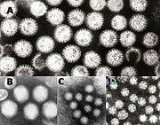
. Viruses do not respond to antibiotics and infected children usually make a full recovery after a few days. Rotavirus is the most common cause of gastroenteritis in infants and young children. Children admitted to hospital with gastroenteritis routinely are tested for rotavirus A to gather surveillance data relevant to the epidemiological effects of rotavirus vaccination programs. These children are routinely tested also for norovirus, which is extraordinarily infectious and requires special isolation procedures to avoid transmission to other patients. Other methods, electron microscopy and polyacrylamide gel electrophoresis, are used in research laboratories. Norovirus is the most common calicivirus type, and the most common cause of viral gastroenteritis in adults.
may provide valuable information on the existence or inexistence of similar symptoms in other members of the patient's family or friends. The duration, frequency, and description of the patient's bowel movements and if they experience vomiting are also relevant and these question are usually asked by a physician during the examination. As hypoglycemia
may occur in 9% of children measuring serum glucose is recommended.
No specific diagnostic tests are required in most patients with simple gastroenteritis. If symptoms including fever, bloody stool
and diarrhea persist for two weeks or more, examination of stool for Clostridium difficile
may be advisable along with cultures for bacteria including Salmonella
, Shigella
, Campylobacter
and enterotoxic Escherichia coli. Microscopy for parasites, ova and cysts may also be helpful.
A complete medical history may be helpful in diagnosing gastroenteritis. A complete and accurate medical history of the patient includes information on travel history, exposure to poisons
or other irritants, diet change, food preparation habits or storage and medications. Patients who travel may be exposed to E. Coli infections or parasite infections contacted from beverages or food. Swimming in contaminated water or drinking from suspicious fresh water
such as mountain streams or wells may indicate infection from Giardia
- an organism found in water that causes diarrhea.
Food poisoning must be considered in cases when the patient was exposed to undercooked or improperly stored food. Depending on the type of bacteria that is causing the condition, the reactions appear in 2 to 72 hours. Detecting the specific infectious agent is required in order to establish a proper diagnosis and an effective treatment plan.
The doctor may want to find whether the patient has been using broad-spectrum or multiple antibiotics in their recent past. If so, they could be the cause of an irritation of the gastrointestinal tract.
During the physical examination, the doctor will look for other possible causes of the infection. Conditions such as appendicitis
, gallbladder
disease, pancreatitis
or diverticulitis
may cause similar symptoms but a physical examination will reveal a specific tenderness in the abdomen which is not present in gastroenteritis.
Diagnosing gastroenteritis is mainly an exclusion procedure. Therefore in rare cases when the symptoms are not enough to diagnose gastroenteritis, several tests may be performed in order to rule out other gastrointestinal disorders. These include rectal examinations, complete blood count
, electrolytes and kidney function tests. However, when the symptoms are conclusive, no tests apart from the stool tests are required to correctly diagnose gastroenteritis especially if the patient has traveled to at-risk areas.
such as pneumonia
, septicemia, urinary tract infection
and meningitis
. Surgical conditions such as appendicitis
, intussusception
and, rarely, Hirschsprung's disease
should be in the differential. Endocrine disorders (e.g.thyrotoxicosis and Addison's disease
) are disorders that can cause diarrhea. Also, pancreatic insufficiency, short bowel syndrome
, Whipple's disease
, coeliac disease
, and laxative
abuse should be excluded as possibilities.
has been found to decrease the rates of gastroenteritis in both the developing and developed world by about 30%. Alcohol based gels may also be effective.
Avoidance of potentially contaminated food or drink may be useful as a preventative measure.
Different types of vaccinations are available for Salmonella typhi and Vibrio cholera and which may be administered to people who intend traveling in at-risk areas. However, the vaccines that are currently available are effective only on rotavirual gastroenteritis.
s and electrolyte
s. Oral rehydration
is the preferred method of replacing these losses in children with mild to moderate dehydration. Metoclopramide
and ondansetron
however may be helpful in children.
(ORT) although intravenous
delivery may be required if a decreased level of consciousness or an ileus
is present. Complex-carbohydrate-based oral rehydration therapy
such as those made from wheat or rice may be superior to simple sugar-based ORS. Sugary drinks such as soft drinks and fruit juice are not recommended for gastroenteritis in children under 5 years of age as they may make the diarrhea worse. Plain water may be used if specific ORS are unavailable or not palatable. Intravenous fluids are recommended if severe dehydration is present, there is a decreased level of consciousness, or there is hemodynamic compromise (typically low blood pressure or a fast heart rate).
might worsen diarrhea; therefore substantial amounts of soft drinks, juice, and other high simple sugar foods should be avoided. The practice of withholding food is not recommended and immediate normal feeding is encouraged. The BRAT diet
(bananas, rice, applesauce, toast and tea) is no longer recommended, as it contains insufficient nutrients and has no benefit over normal feeding.
Antiemetic
drugs may be helpful for vomiting in children. Ondansetron
has some utility with a single dose associated with less need for intravenous fluids, fewer hospitalizations, and decreased vomiting. Metoclopramide
also might be helpful. However there was an increased number of children who returned and were subsequently admitted in those treated with ondansetron. The intravenous preparation of ondansetron may be given orally.
Antibiotics
Antibiotics are not usually used for gastroenteritis, although they are sometimes used if symptoms are severe (such as dysentery
) or a susceptible bacterial cause is isolated or suspected. If antibiotics are decided on, a fluoroquinolone or macrolide
is often used. Pseudomembranous colitis
, usually caused by antibiotics use, is managed by discontinuing the causative agent and treating with either metronidazole
or vancomycin
.
Antimotility agents
Antimotility drugs have a theoretical risk of causing complications; clinical experience, however, has shown this to be unlikely. They are thus discouraged in people with bloody diarrhea or diarrhea complicated by a fever. Loperamide, an opioid
analogue, is commonly used for the symptomatic treatment of diarrhea. Loperamide is not recommended in children as it may cross the immature blood brain barrier and cause toxicity. Bismuth subsalicylate
(BSS), an insoluble complex of trivalent bismuth and salicylate, can be used in mild-moderate cases.
Antispasmotics
Butylscopolamine (Buscopan) is useful in treating crampy abdominal pain
.
Some probiotics have been shown to be beneficial in preventing and treating various forms of gastroenteritis. They reduce both the duration of illness and the frequency of stools. Fermented milk products (such as yogurt) also reduce the duration of symptoms.
Zinc
The World Health Organization
recommends that infants and children receive a dietary supplement
of zinc
for up to two weeks after onset of gastroenteritis. A 2009 trial however did not find any benefit from supplementation.
is a common complication of diarrhea
. It can be made worse with the withholding fluids or the administration of juice / soft drinks.
Reactive arthritis
also called Reiter's syndrome can follow infectious dysentery. Onset typically occurs one to three weeks following the infection and may present acutely or insidiously.
in children under 5 causes 111 million cases of gastroenteritis and nearly half a million deaths. 82% of these deaths occur in the world's poorest nations.
In 1980 gastroenteritis from all causes caused 4.6 million deaths in children with most of these occurring in the third world
. Lack of adequate safe water and sewage treatment
has contributed to the spread of infectious gastroenteritis. Current death rates have come down significantly to approximately 1.5 million deaths annually in the year 2000, largely due to the global introduction of oral rehydration therapy
.
The incidence in the developed world is as high as 1-2.5 cases per child per year and is a major cause of hospitalization in this age group.
Age, living conditions, hygiene and cultural habits are important factors. Aetiological
agents vary depending on the climate. Furthermore, most cases of gastroenteritis are seen during the winter in temperate climates and during summer in the tropics.
or "cholera morbus", among others, or less specifically as "griping of the guts", "surfeit", "flux", "colic", "bowel complaint", or any one of a number of other archaic names for acute diarrhea. Historians, genealogists, and other researchers should keep in mind that gastroenteritis was not considered a discrete diagnosis until fairly recently.
U.S. President Zachary Taylor
died of "cholera morbus", equivalent to a diagnosis of gastroenteritis, on July 9, 1850.
Gastrointestinal tract
The human gastrointestinal tract refers to the stomach and intestine, and sometimes to all the structures from the mouth to the anus. ....
involving both the stomach
Stomach
The stomach is a muscular, hollow, dilated part of the alimentary canal which functions as an important organ of the digestive tract in some animals, including vertebrates, echinoderms, insects , and molluscs. It is involved in the second phase of digestion, following mastication .The stomach is...
and small intestine
Small intestine
The small intestine is the part of the gastrointestinal tract following the stomach and followed by the large intestine, and is where much of the digestion and absorption of food takes place. In invertebrates such as worms, the terms "gastrointestinal tract" and "large intestine" are often used to...
resulting in acute diarrhea
Diarrhea
Diarrhea , also spelled diarrhoea, is the condition of having three or more loose or liquid bowel movements per day. It is a common cause of death in developing countries and the second most common cause of infant deaths worldwide. The loss of fluids through diarrhea can cause dehydration and...
and vomiting
Vomiting
Vomiting is the forceful expulsion of the contents of one's stomach through the mouth and sometimes the nose...
. It can be transferred by contact with contaminated food and water. The inflammation is caused most often by an infection
Infection
An infection is the colonization of a host organism by parasite species. Infecting parasites seek to use the host's resources to reproduce, often resulting in disease...
from certain virus
Virus
A virus is a small infectious agent that can replicate only inside the living cells of organisms. Viruses infect all types of organisms, from animals and plants to bacteria and archaea...
es or less often by bacteria
Bacteria
Bacteria are a large domain of prokaryotic microorganisms. Typically a few micrometres in length, bacteria have a wide range of shapes, ranging from spheres to rods and spirals...
, their toxin
Toxin
A toxin is a poisonous substance produced within living cells or organisms; man-made substances created by artificial processes are thus excluded...
s (e.g. SEB
Staphylococcal Enterotoxin B
Staphylococcal enterotoxin B is an enterotoxin produced by the bacterium Staphylococcus aureus. It is a common cause of food poisoning, with severe diarrhea, nausea and intestinal cramping often starting within a few hours of ingestion.. Being quite stable, the toxin may remain active even after...
), parasites
Parasitism
Parasitism is a type of symbiotic relationship between organisms of different species where one organism, the parasite, benefits at the expense of the other, the host. Traditionally parasite referred to organisms with lifestages that needed more than one host . These are now called macroparasites...
, or an adverse reaction to something in the diet or medication.
At least 50% of cases of gastroenteritis resulting from foodborne illness
Foodborne illness
Foodborne illness is any illness resulting from the consumption of contaminated food, pathogenic bacteria, viruses, or parasites that contaminate food, as well as chemical or natural toxins such as poisonous mushrooms.-Causes:Foodborne illness usually arises from improper handling, preparation, or...
are caused by norovirus. Another 20% of cases, and the majority of severe cases in children, are due to rotavirus
Rotavirus
Rotavirus is the most common cause of severe diarrhoea among infants and young children, and is one of several viruses that cause infections often called stomach flu, despite having no relation to influenza. It is a genus of double-stranded RNA virus in the family Reoviridae. By the age of five,...
. Other significant viral agents include adenovirus and astrovirus
Astrovirus
Astrovirus is a type of virus that was first discovered in 1975 using electron microscopes following an outbreak of diarrhoea in humans. In addition to humans, astroviruses have now been isolated from numerous mammalian animal species and from avian species such as ducks, chickens, and turkey...
.
Risk factors include consumption of improperly prepared foods or contaminated water and travel or residence in areas of poor sanitation. It is also common for river swimmers to become infected during times of rain as a result of contaminated runoff water.
Symptoms and signs
Gastroenteritis often involves stomach pain or spasms, diarrheaDiarrhea
Diarrhea , also spelled diarrhoea, is the condition of having three or more loose or liquid bowel movements per day. It is a common cause of death in developing countries and the second most common cause of infant deaths worldwide. The loss of fluids through diarrhea can cause dehydration and...
and/or vomiting
Vomiting
Vomiting is the forceful expulsion of the contents of one's stomach through the mouth and sometimes the nose...
, with noninflammatory infection of the upper small bowel, or inflammatory infections of the colon
Colon (anatomy)
The colon is the last part of the digestive system in most vertebrates; it extracts water and salt from solid wastes before they are eliminated from the body, and is the site in which flora-aided fermentation of unabsorbed material occurs. Unlike the small intestine, the colon does not play a...
.
The condition is usually of acute onset, normally lasting 1–6 days, and is self-limiting
Self-limiting (biology)
In biology, a self-limiting organism or colony of organisms limits its own growth by its actions. For example, a single organism may have a maximum size determined by genetics, or a colony of organisms may release waste which is ultimately toxic to the colony once it exceeds a certain population...
.
- NauseaNauseaNausea , is a sensation of unease and discomfort in the upper stomach with an involuntary urge to vomit. It often, but not always, precedes vomiting...
and vomitingVomitingVomiting is the forceful expulsion of the contents of one's stomach through the mouth and sometimes the nose... - DiarrheaDiarrheaDiarrhea , also spelled diarrhoea, is the condition of having three or more loose or liquid bowel movements per day. It is a common cause of death in developing countries and the second most common cause of infant deaths worldwide. The loss of fluids through diarrhea can cause dehydration and...
- DehydrationDehydrationIn physiology and medicine, dehydration is defined as the excessive loss of body fluid. It is literally the removal of water from an object; however, in physiological terms, it entails a deficiency of fluid within an organism...
- Fever
- Abnormal flatulenceFlatulenceFlatulence is the expulsion through the rectum of a mixture of gases that are byproducts of the digestion process of mammals and other animals. The medical term for the mixture of gases is flatus, informally known as a fart, or simply gas...
- Abdominal cramps
- Bloody stools (dysenteryDysenteryDysentery is an inflammatory disorder of the intestine, especially of the colon, that results in severe diarrhea containing mucus and/or blood in the faeces with fever and abdominal pain. If left untreated, dysentery can be fatal.There are differences between dysentery and normal bloody diarrhoea...
– suggesting infection by amoeba, Campylobacter, Salmonella, Shigella or some pathogenic strains of Escherichia coli) - HeartburnHeartburnHeartburn, also known as pyrosis or acid indigestion is a burning sensation in the chest, just behind the breastbone or in the epigastrium...
The main contributing factors include poor feeding in infants. Diarrhea is common, and may be followed by vomiting. Viral diarrhea usually causes frequent watery stools, whereas blood stained diarrhea may be indicative of bacterial colitis
Colitis
In medicine, colitis refers to an inflammation of the colon and is often used to describe an inflammation of the large intestine .Colitides may be acute and self-limited or chronic, i.e...
. In some cases, even when the stomach is empty, bile
Bile
Bile or gall is a bitter-tasting, dark green to yellowish brown fluid, produced by the liver of most vertebrates, that aids the process of digestion of lipids in the small intestine. In many species, bile is stored in the gallbladder and upon eating is discharged into the duodenum...
can be vomited up.
A child with mild or moderate dehydration may have a prolonged capillary refill
Capillary refill
Capillary refill is the rate at which blood refills empty capillaries. It can be measured by holding a hand higher than heart-level , pressing the soft pad of a finger or toe until it turns white, and taking note of the time needed for the color to return once pressure is released. Normal refill...
, poor skin turgor and abnormal breathing.
Bacterial
Different species of pathogenic bacteria can cause gastroenteritis, including SalmonellaSalmonella
Salmonella is a genus of rod-shaped, Gram-negative, non-spore-forming, predominantly motile enterobacteria with diameters around 0.7 to 1.5 µm, lengths from 2 to 5 µm, and flagella which grade in all directions . They are chemoorganotrophs, obtaining their energy from oxidation and reduction...
, Shigella
Shigella
Shigella is a genus of Gram-negative, nonspore forming, non-motile, rod-shaped bacteria closely related to Escherichia coli and Salmonella. The causative agent of human shigellosis, Shigella causes disease in primates, but not in other mammals. It is only naturally found in humans and apes. During...
, Staphylococcus
Staphylococcus
Staphylococcus is a genus of Gram-positive bacteria. Under the microscope they appear round , and form in grape-like clusters....
,Campylobacter jejuni
Campylobacter jejuni
Campylobacter jejuni is a species of curved, helical-shaped, non-spore forming, Gram-negative, microaerophilic bacteria commonly found in animal feces. It is one of the most common causes of human gastroenteritis in the world. Food poisoning caused by Campylobacter species can be severely...
, Clostridium
Clostridium
Clostridium is a genus of Gram-positive bacteria, belonging to the Firmicutes. They are obligate anaerobes capable of producing endospores. Individual cells are rod-shaped, which gives them their name, from the Greek kloster or spindle...
, Escherichia coli
Escherichia coli
Escherichia coli is a Gram-negative, rod-shaped bacterium that is commonly found in the lower intestine of warm-blooded organisms . Most E. coli strains are harmless, but some serotypes can cause serious food poisoning in humans, and are occasionally responsible for product recalls...
, Yersinia
Yersinia
Yersinia is a genus of bacteria in the family Enterobacteriaceae. Yersinia are Gram-negative rod shaped bacteria, a few micrometers long and fractions of a micrometer in diameter, and are facultative anaerobes. Some members of Yersinia are pathogenic in humans; in particular, Y. pestis is the...
, Vibrio cholerae
Vibrio cholerae
Vibrio cholerae is a Gram-negative, comma-shaped bacterium. Some strains of V. cholerae cause the disease cholera. V. cholerae is facultatively anaerobic and has a flagella at one cell pole. V...
, and others. Some sources of the infection are improperly prepared food, reheated meat dishes, seafood, dairy, and bakery products. Each organism causes slightly different symptoms but all result in diarrhea. Colitis
Colitis
In medicine, colitis refers to an inflammation of the colon and is often used to describe an inflammation of the large intestine .Colitides may be acute and self-limited or chronic, i.e...
, inflammation of the large intestine, may also be present. Such pathogenic enteric bacteria are generally distinguished from the usually harmless bacteria of the normal gut flora
Gut flora
Gut flora consists of microorganisms that live in the digestive tracts of animals and is the largest reservoir of human flora. In this context, gut is synonymous with intestinal, and flora with microbiota and microflora....
, but the distinction is often not fully clear, and Escherichia
Escherichia
Escherichia is a genus of Gram-negative, non-spore forming, facultatively anaerobic, rod-shaped bacteria from the family Enterobacteriaceae. In those species which are inhabitants of the gastrointestinal tracts of warm-blooded animals, Escherichia species provide a portion of the...
, for example, can belong to either group.
Pseudomembranous colitis
Pseudomembranous colitis
Pseudomembranous colitis, a cause of antibiotic-associated diarrhea , is an infection of the colon. It is often, but not always, caused by the bacterium Clostridium difficile. Because of this, the informal name C. difficile colitis is also commonly used. The illness is characterized by...
is an important cause of diarrhea in patients often recently treated with broad-spectrum antibiotics. Traveler's diarrhea
Traveler's diarrhea
Traveler's diarrhea , is the most common illness affecting travelers. An estimated 10 million people—20% to 50% of international travelers—develop it annually. TD is defined as three or more unformed stools in 24 hours passed by a traveler, commonly accompanied by abdominal cramps, nausea, and...
is usually a type of bacterial gastroenteritis.
If gastroenteritis in a child is severe enough to require admission to a hospital, then it is important to distinguish between bacterial and viral infections. Bacteria like Shigella
Shigella
Shigella is a genus of Gram-negative, nonspore forming, non-motile, rod-shaped bacteria closely related to Escherichia coli and Salmonella. The causative agent of human shigellosis, Shigella causes disease in primates, but not in other mammals. It is only naturally found in humans and apes. During...
and Campylobacter
Campylobacter
Campylobacter is a genus of bacteria that are Gram-negative, spiral, and microaerophilic. Motile, with either unipolar or bipolar flagella, the organisms have a characteristic spiral/corkscrew appearance and are oxidase-positive. Campylobacter jejuni is now recognized as one of the main causes...
, and parasites like Giardia
Giardia
Giardia is a genus of anaerobic flagellated protozoan parasites of the phylum Metamonada in the supergroup "Excavata" that colonise and reproduce in the small intestines of several vertebrates, causing giardiasis, commonly known as Beaver fever...
can be treated with antibiotic
Antibiotic
An antibacterial is a compound or substance that kills or slows down the growth of bacteria.The term is often used synonymously with the term antibiotic; today, however, with increased knowledge of the causative agents of various infectious diseases, antibiotic has come to denote a broader range of...
s.
Viral
Viruses causing gastroenteritis include rotavirusRotavirus
Rotavirus is the most common cause of severe diarrhoea among infants and young children, and is one of several viruses that cause infections often called stomach flu, despite having no relation to influenza. It is a genus of double-stranded RNA virus in the family Reoviridae. By the age of five,...
, norovirus, adenovirus and astrovirus
Astrovirus
Astrovirus is a type of virus that was first discovered in 1975 using electron microscopes following an outbreak of diarrhoea in humans. In addition to humans, astroviruses have now been isolated from numerous mammalian animal species and from avian species such as ducks, chickens, and turkey...
. Viruses do not respond to antibiotics and infected children usually make a full recovery after a few days. Rotavirus is the most common cause of gastroenteritis in infants and young children. Children admitted to hospital with gastroenteritis routinely are tested for rotavirus A to gather surveillance data relevant to the epidemiological effects of rotavirus vaccination programs. These children are routinely tested also for norovirus, which is extraordinarily infectious and requires special isolation procedures to avoid transmission to other patients. Other methods, electron microscopy and polyacrylamide gel electrophoresis, are used in research laboratories. Norovirus is the most common calicivirus type, and the most common cause of viral gastroenteritis in adults.
Diagnosis
Gastroenteritis is diagnosed based on symptoms, a complete medical history and a physical examination. An accurate medical historyMedical history
The medical history or anamnesis of a patient is information gained by a physician by asking specific questions, either of the patient or of other people who know the person and can give suitable information , with the aim of obtaining information useful in formulating a diagnosis and providing...
may provide valuable information on the existence or inexistence of similar symptoms in other members of the patient's family or friends. The duration, frequency, and description of the patient's bowel movements and if they experience vomiting are also relevant and these question are usually asked by a physician during the examination. As hypoglycemia
Hypoglycemia
Hypoglycemia or hypoglycæmia is the medical term for a state produced by a lower than normal level of blood glucose. The term literally means "under-sweet blood"...
may occur in 9% of children measuring serum glucose is recommended.
No specific diagnostic tests are required in most patients with simple gastroenteritis. If symptoms including fever, bloody stool
Human feces
Human feces , also known as a stool, is the waste product of the human digestive system including bacteria. It varies significantly in appearance, according to the state of the digestive system, diet and general health....
and diarrhea persist for two weeks or more, examination of stool for Clostridium difficile
Clostridium difficile
Clostridium difficile , also known as "CDF/cdf", or "C...
may be advisable along with cultures for bacteria including Salmonella
Salmonella
Salmonella is a genus of rod-shaped, Gram-negative, non-spore-forming, predominantly motile enterobacteria with diameters around 0.7 to 1.5 µm, lengths from 2 to 5 µm, and flagella which grade in all directions . They are chemoorganotrophs, obtaining their energy from oxidation and reduction...
, Shigella
Shigella
Shigella is a genus of Gram-negative, nonspore forming, non-motile, rod-shaped bacteria closely related to Escherichia coli and Salmonella. The causative agent of human shigellosis, Shigella causes disease in primates, but not in other mammals. It is only naturally found in humans and apes. During...
, Campylobacter
Campylobacter
Campylobacter is a genus of bacteria that are Gram-negative, spiral, and microaerophilic. Motile, with either unipolar or bipolar flagella, the organisms have a characteristic spiral/corkscrew appearance and are oxidase-positive. Campylobacter jejuni is now recognized as one of the main causes...
and enterotoxic Escherichia coli. Microscopy for parasites, ova and cysts may also be helpful.
A complete medical history may be helpful in diagnosing gastroenteritis. A complete and accurate medical history of the patient includes information on travel history, exposure to poisons
Poison
In the context of biology, poisons are substances that can cause disturbances to organisms, usually by chemical reaction or other activity on the molecular scale, when a sufficient quantity is absorbed by an organism....
or other irritants, diet change, food preparation habits or storage and medications. Patients who travel may be exposed to E. Coli infections or parasite infections contacted from beverages or food. Swimming in contaminated water or drinking from suspicious fresh water
Fresh Water
Fresh Water is the debut album by Australian rock and blues singer Alison McCallum, released in 1972. Rare for an Australian artist at the time, it came in a gatefold sleeve...
such as mountain streams or wells may indicate infection from Giardia
Giardia
Giardia is a genus of anaerobic flagellated protozoan parasites of the phylum Metamonada in the supergroup "Excavata" that colonise and reproduce in the small intestines of several vertebrates, causing giardiasis, commonly known as Beaver fever...
- an organism found in water that causes diarrhea.
Food poisoning must be considered in cases when the patient was exposed to undercooked or improperly stored food. Depending on the type of bacteria that is causing the condition, the reactions appear in 2 to 72 hours. Detecting the specific infectious agent is required in order to establish a proper diagnosis and an effective treatment plan.
The doctor may want to find whether the patient has been using broad-spectrum or multiple antibiotics in their recent past. If so, they could be the cause of an irritation of the gastrointestinal tract.
During the physical examination, the doctor will look for other possible causes of the infection. Conditions such as appendicitis
Appendicitis
Appendicitis is a condition characterized by inflammation of the appendix. It is classified as a medical emergency and many cases require removal of the inflamed appendix, either by laparotomy or laparoscopy. Untreated, mortality is high, mainly because of the risk of rupture leading to...
, gallbladder
Gallbladder
In vertebrates the gallbladder is a small organ that aids mainly in fat digestion and concentrates bile produced by the liver. In humans the loss of the gallbladder is usually easily tolerated....
disease, pancreatitis
Pancreatitis
Pancreatitis is inflammation of the pancreas. It occurs when pancreatic enzymes that digest food are activated in the pancreas instead of the small intestine. It may be acute – beginning suddenly and lasting a few days, or chronic – occurring over many years...
or diverticulitis
Diverticulitis
Diverticulitis is a common digestive disease particularly found in the large intestine. Diverticulitis develops from diverticulosis, which involves the formation of pouches on the outside of the colon...
may cause similar symptoms but a physical examination will reveal a specific tenderness in the abdomen which is not present in gastroenteritis.
Diagnosing gastroenteritis is mainly an exclusion procedure. Therefore in rare cases when the symptoms are not enough to diagnose gastroenteritis, several tests may be performed in order to rule out other gastrointestinal disorders. These include rectal examinations, complete blood count
Complete blood count
A complete blood count , also known as full blood count or full blood exam or blood panel, is a test panel requested by a doctor or other medical professional that gives information about the cells in a patient's blood...
, electrolytes and kidney function tests. However, when the symptoms are conclusive, no tests apart from the stool tests are required to correctly diagnose gastroenteritis especially if the patient has traveled to at-risk areas.
Differential
Infectious gastroenteritis is caused by a wide variety of bacteria and viruses. It is important to consider infectious gastroenteritis as a diagnosis per exclusionem. A few loose stools and vomiting may be the result of systemic infectionInfection
An infection is the colonization of a host organism by parasite species. Infecting parasites seek to use the host's resources to reproduce, often resulting in disease...
such as pneumonia
Pneumonia
Pneumonia is an inflammatory condition of the lung—especially affecting the microscopic air sacs —associated with fever, chest symptoms, and a lack of air space on a chest X-ray. Pneumonia is typically caused by an infection but there are a number of other causes...
, septicemia, urinary tract infection
Urinary tract infection
A urinary tract infection is a bacterial infection that affects any part of the urinary tract. Symptoms include frequent feeling and/or need to urinate, pain during urination, and cloudy urine. The main causal agent is Escherichia coli...
and meningitis
Meningitis
Meningitis is inflammation of the protective membranes covering the brain and spinal cord, known collectively as the meninges. The inflammation may be caused by infection with viruses, bacteria, or other microorganisms, and less commonly by certain drugs...
. Surgical conditions such as appendicitis
Appendicitis
Appendicitis is a condition characterized by inflammation of the appendix. It is classified as a medical emergency and many cases require removal of the inflamed appendix, either by laparotomy or laparoscopy. Untreated, mortality is high, mainly because of the risk of rupture leading to...
, intussusception
Intussusception (medical disorder)
An intussusception is a medical condition in which a part of the intestine has invaginated into another section of intestine, similar to the way in which the parts of a collapsible telescope slide into one another. This can often result in an obstruction...
and, rarely, Hirschsprung's disease
Hirschsprung's disease
Hirschsprung's disease , or congenital aganglionic megacolon is a serious medical problem where the enteric nervous system is missing from the end of the bowel. The enteric nervous system is a complex network of neurons and glia that controls most aspects of intestinal function...
should be in the differential. Endocrine disorders (e.g.thyrotoxicosis and Addison's disease
Addison's disease
Addison’s disease is a rare, chronic endocrine disorder in which the adrenal glands do not produce sufficient steroid hormones...
) are disorders that can cause diarrhea. Also, pancreatic insufficiency, short bowel syndrome
Short bowel syndrome
Short bowel syndrome is a malabsorption disorder caused by the surgical removal of the small intestine, or rarely due to the complete dysfunction of a large segment of bowel. Most cases are acquired, although some children are born with a congenital short bowel...
, Whipple's disease
Whipple's disease
Whipple's disease is a rare, systemic infectious disease caused by the bacterium Tropheryma whipplei. First described by George Hoyt Whipple in 1907 and commonly considered a gastrointestinal disorder, Whipple's disease primarily causes malabsorption but may affect any part of the body including...
, coeliac disease
Coeliac disease
Coeliac disease , is an autoimmune disorder of the small intestine that occurs in genetically predisposed people of all ages from middle infancy onward...
, and laxative
Laxative
Laxatives are foods, compounds, or drugs taken to induce bowel movements or to loosen the stool, most often taken to treat constipation. Certain stimulant, lubricant, and saline laxatives are used to evacuate the colon for rectal and/or bowel examinations, and may be supplemented by enemas under...
abuse should be excluded as possibilities.
Prevention
Lifestyle
Good hand washingHand washing
Hand washing for hand hygiene is the act of cleaning the hands with or without the use of water or another liquid, or with the use of soap, for the purpose of removing soil, dirt, and/or microorganisms....
has been found to decrease the rates of gastroenteritis in both the developing and developed world by about 30%. Alcohol based gels may also be effective.
Avoidance of potentially contaminated food or drink may be useful as a preventative measure.
Vaccination
Since 2000, the implementation of a rotavirus vaccine has decreased the number of cases of diarrhea due to rotavirus in the United States. It may be given to infants aged 6 to 32 weeks. The vaccines has side effects that are similar to the mild flu symptoms.Different types of vaccinations are available for Salmonella typhi and Vibrio cholera and which may be administered to people who intend traveling in at-risk areas. However, the vaccines that are currently available are effective only on rotavirual gastroenteritis.
Management
Gastroenteritis is usually an acute and self-limited disease that does not require pharmacological therapy. The objective of treatment is to replace lost fluidFluid
In physics, a fluid is a substance that continually deforms under an applied shear stress. Fluids are a subset of the phases of matter and include liquids, gases, plasmas and, to some extent, plastic solids....
s and electrolyte
Electrolyte
In chemistry, an electrolyte is any substance containing free ions that make the substance electrically conductive. The most typical electrolyte is an ionic solution, but molten electrolytes and solid electrolytes are also possible....
s. Oral rehydration
Oral rehydration therapy
Oral rehydration therapy is a simple treatment for dehydration associated with diarrhoea, particularly gastroenteritis or gastroenteropathy, such as that caused by cholera or rotavirus. ORT consists of a solution of salts and sugars which is taken by mouth...
is the preferred method of replacing these losses in children with mild to moderate dehydration. Metoclopramide
Metoclopramide
Metoclopramide is an antiemetic and gastroprokinetic agent. It is commonly used to treat nausea and vomiting, to facilitate gastric emptying in people with gastroparesis, and as a treatment for the gastric stasis often associated with migraine headaches.-Medical uses:Metoclopramide is commonly...
and ondansetron
Ondansetron
Ondansetron is a serotonin 5-HT3 receptor antagonist used mainly as an antiemetic , often following chemotherapy. Its effects are thought to be on both peripheral and central nerves...
however may be helpful in children.
Rehydration
The primary treatment of gastroenteritis in both children and adults is rehydration, i.e., replenishment of water and electrolytes lost in the stools. This is preferably achieved by giving the person oral rehydration therapyOral rehydration therapy
Oral rehydration therapy is a simple treatment for dehydration associated with diarrhoea, particularly gastroenteritis or gastroenteropathy, such as that caused by cholera or rotavirus. ORT consists of a solution of salts and sugars which is taken by mouth...
(ORT) although intravenous
Vein
In the circulatory system, veins are blood vessels that carry blood towards the heart. Most veins carry deoxygenated blood from the tissues back to the heart; exceptions are the pulmonary and umbilical veins, both of which carry oxygenated blood to the heart...
delivery may be required if a decreased level of consciousness or an ileus
Ileus
Ileus is a disruption of the normal propulsive ability of the gastrointestinal tract.Ileus is commonly defined simply as bowel obstruction. However, authoritative sources define it as decreased motor activity of the GI tract due to non-mechanical causes...
is present. Complex-carbohydrate-based oral rehydration therapy
Oral rehydration therapy
Oral rehydration therapy is a simple treatment for dehydration associated with diarrhoea, particularly gastroenteritis or gastroenteropathy, such as that caused by cholera or rotavirus. ORT consists of a solution of salts and sugars which is taken by mouth...
such as those made from wheat or rice may be superior to simple sugar-based ORS. Sugary drinks such as soft drinks and fruit juice are not recommended for gastroenteritis in children under 5 years of age as they may make the diarrhea worse. Plain water may be used if specific ORS are unavailable or not palatable. Intravenous fluids are recommended if severe dehydration is present, there is a decreased level of consciousness, or there is hemodynamic compromise (typically low blood pressure or a fast heart rate).
Diet
It is recommended that breastfed infants continue to be nursed on demand and that formula-fed infants should continue their usual formula immediately after rehydration with oral rehydration solutions. Lactose-free or lactose-reduced formulas usually are not necessary. Children receiving semisolid or solid foods should continue to receive their usual diet during episodes of diarrhea. Foods high in simple sugars should be avoided because the osmotic loadOsmosis
Osmosis is the movement of solvent molecules through a selectively permeable membrane into a region of higher solute concentration, aiming to equalize the solute concentrations on the two sides...
might worsen diarrhea; therefore substantial amounts of soft drinks, juice, and other high simple sugar foods should be avoided. The practice of withholding food is not recommended and immediate normal feeding is encouraged. The BRAT diet
BRAT diet
The BRAT diet is a treatment historically prescribed for patients with gastrointestinal distress such as diarrhea, dyspepsia, and/or gastroenteritis. The BRAT diet consists of foods that are relatively bland and low in fiber...
(bananas, rice, applesauce, toast and tea) is no longer recommended, as it contains insufficient nutrients and has no benefit over normal feeding.
Medications
AntiemeticsAntiemetic
Antiemetic
An antiemetic is a drug that is effective against vomiting and nausea. Antiemetics are typically used to treat motion sickness and the side effects of opioid analgesics, general anaesthetics, and chemotherapy directed against cancer....
drugs may be helpful for vomiting in children. Ondansetron
Ondansetron
Ondansetron is a serotonin 5-HT3 receptor antagonist used mainly as an antiemetic , often following chemotherapy. Its effects are thought to be on both peripheral and central nerves...
has some utility with a single dose associated with less need for intravenous fluids, fewer hospitalizations, and decreased vomiting. Metoclopramide
Metoclopramide
Metoclopramide is an antiemetic and gastroprokinetic agent. It is commonly used to treat nausea and vomiting, to facilitate gastric emptying in people with gastroparesis, and as a treatment for the gastric stasis often associated with migraine headaches.-Medical uses:Metoclopramide is commonly...
also might be helpful. However there was an increased number of children who returned and were subsequently admitted in those treated with ondansetron. The intravenous preparation of ondansetron may be given orally.
Antibiotics
Antibiotics are not usually used for gastroenteritis, although they are sometimes used if symptoms are severe (such as dysentery
Dysentery
Dysentery is an inflammatory disorder of the intestine, especially of the colon, that results in severe diarrhea containing mucus and/or blood in the faeces with fever and abdominal pain. If left untreated, dysentery can be fatal.There are differences between dysentery and normal bloody diarrhoea...
) or a susceptible bacterial cause is isolated or suspected. If antibiotics are decided on, a fluoroquinolone or macrolide
Macrolide
The macrolides are a group of drugs whose activity stems from the presence of a macrolide ring, a large macrocyclic lactone ring to which one or more deoxy sugars, usually cladinose and desosamine, may be attached. The lactone rings are usually 14-, 15-, or 16-membered...
is often used. Pseudomembranous colitis
Pseudomembranous colitis
Pseudomembranous colitis, a cause of antibiotic-associated diarrhea , is an infection of the colon. It is often, but not always, caused by the bacterium Clostridium difficile. Because of this, the informal name C. difficile colitis is also commonly used. The illness is characterized by...
, usually caused by antibiotics use, is managed by discontinuing the causative agent and treating with either metronidazole
Metronidazole
Metronidazole is a nitroimidazole antibiotic medication used particularly for anaerobic bacteria and protozoa. Metronidazole is an antibiotic, amebicide, and antiprotozoal....
or vancomycin
Vancomycin
Vancomycin INN is a glycopeptide antibiotic used in the prophylaxis and treatment of infections caused by Gram-positive bacteria. It has traditionally been reserved as a drug of "last resort", used only after treatment with other antibiotics had failed, although the emergence of...
.
Antimotility agents
Antimotility drugs have a theoretical risk of causing complications; clinical experience, however, has shown this to be unlikely. They are thus discouraged in people with bloody diarrhea or diarrhea complicated by a fever. Loperamide, an opioid
Opioid
An opioid is a psychoactive chemical that works by binding to opioid receptors, which are found principally in the central and peripheral nervous system and the gastrointestinal tract...
analogue, is commonly used for the symptomatic treatment of diarrhea. Loperamide is not recommended in children as it may cross the immature blood brain barrier and cause toxicity. Bismuth subsalicylate
Bismuth subsalicylate
Bismuth subsalicylate, with a nominal chemical formula of C7H5BiO4, It is a colloidal substance obtained by hydrolysis of bismuth salicylate . The actual structure is unknown and the formulation is only approximate. Recent evidence indicates that it is composed of a bismuth oxide core structure...
(BSS), an insoluble complex of trivalent bismuth and salicylate, can be used in mild-moderate cases.
Antispasmotics
Butylscopolamine (Buscopan) is useful in treating crampy abdominal pain
Abdominal pain
Abdominal pain can be one of the symptoms associated with transient disorders or serious disease. Making a definitive diagnosis of the cause of abdominal pain can be difficult, because many diseases can result in this symptom. Abdominal pain is a common problem...
.
Alternative medicine
ProbioticsSome probiotics have been shown to be beneficial in preventing and treating various forms of gastroenteritis. They reduce both the duration of illness and the frequency of stools. Fermented milk products (such as yogurt) also reduce the duration of symptoms.
Zinc
The World Health Organization
World Health Organization
The World Health Organization is a specialized agency of the United Nations that acts as a coordinating authority on international public health. Established on 7 April 1948, with headquarters in Geneva, Switzerland, the agency inherited the mandate and resources of its predecessor, the Health...
recommends that infants and children receive a dietary supplement
Dietary supplement
A dietary supplement, also known as food supplement or nutritional supplement, is a preparation intended to supplement the diet and provide nutrients, such as vitamins, minerals, fiber, fatty acids, or amino acids, that may be missing or may not be consumed in sufficient quantities in a person's diet...
of zinc
Zinc
Zinc , or spelter , is a metallic chemical element; it has the symbol Zn and atomic number 30. It is the first element in group 12 of the periodic table. Zinc is, in some respects, chemically similar to magnesium, because its ion is of similar size and its only common oxidation state is +2...
for up to two weeks after onset of gastroenteritis. A 2009 trial however did not find any benefit from supplementation.
Complications
DehydrationDehydration
In physiology and medicine, dehydration is defined as the excessive loss of body fluid. It is literally the removal of water from an object; however, in physiological terms, it entails a deficiency of fluid within an organism...
is a common complication of diarrhea
Diarrhea
Diarrhea , also spelled diarrhoea, is the condition of having three or more loose or liquid bowel movements per day. It is a common cause of death in developing countries and the second most common cause of infant deaths worldwide. The loss of fluids through diarrhea can cause dehydration and...
. It can be made worse with the withholding fluids or the administration of juice / soft drinks.
Reactive arthritis
Reactive arthritis
Reactive arthritis , is classified as an autoimmune condition that develops in response to an infection in another part of the body. Coming into contact with bacteria and developing an infection can trigger the disease. Reiter's syndrome has symptoms similar to various other conditions collectively...
also called Reiter's syndrome can follow infectious dysentery. Onset typically occurs one to three weeks following the infection and may present acutely or insidiously.
Epidemiology
Every year, worldwide, rotavirusRotavirus
Rotavirus is the most common cause of severe diarrhoea among infants and young children, and is one of several viruses that cause infections often called stomach flu, despite having no relation to influenza. It is a genus of double-stranded RNA virus in the family Reoviridae. By the age of five,...
in children under 5 causes 111 million cases of gastroenteritis and nearly half a million deaths. 82% of these deaths occur in the world's poorest nations.
In 1980 gastroenteritis from all causes caused 4.6 million deaths in children with most of these occurring in the third world
Third World
The term Third World arose during the Cold War to define countries that remained non-aligned with either capitalism and NATO , or communism and the Soviet Union...
. Lack of adequate safe water and sewage treatment
Sewage treatment
Sewage treatment, or domestic wastewater treatment, is the process of removing contaminants from wastewater and household sewage, both runoff and domestic. It includes physical, chemical, and biological processes to remove physical, chemical and biological contaminants...
has contributed to the spread of infectious gastroenteritis. Current death rates have come down significantly to approximately 1.5 million deaths annually in the year 2000, largely due to the global introduction of oral rehydration therapy
Oral rehydration therapy
Oral rehydration therapy is a simple treatment for dehydration associated with diarrhoea, particularly gastroenteritis or gastroenteropathy, such as that caused by cholera or rotavirus. ORT consists of a solution of salts and sugars which is taken by mouth...
.
The incidence in the developed world is as high as 1-2.5 cases per child per year and is a major cause of hospitalization in this age group.
Age, living conditions, hygiene and cultural habits are important factors. Aetiological
Etiology
Etiology is the study of causation, or origination. The word is derived from the Greek , aitiologia, "giving a reason for" ....
agents vary depending on the climate. Furthermore, most cases of gastroenteritis are seen during the winter in temperate climates and during summer in the tropics.
History
Before the 20th century, the term "gastroenteritis" was not commonly used. What would now be diagnosed as gastroenteritis may have instead been diagnosed more specifically as typhoid feverTyphoid fever
Typhoid fever, also known as Typhoid, is a common worldwide bacterial disease, transmitted by the ingestion of food or water contaminated with the feces of an infected person, which contain the bacterium Salmonella enterica, serovar Typhi...
or "cholera morbus", among others, or less specifically as "griping of the guts", "surfeit", "flux", "colic", "bowel complaint", or any one of a number of other archaic names for acute diarrhea. Historians, genealogists, and other researchers should keep in mind that gastroenteritis was not considered a discrete diagnosis until fairly recently.
U.S. President Zachary Taylor
Zachary Taylor
Zachary Taylor was the 12th President of the United States and an American military leader. Initially uninterested in politics, Taylor nonetheless ran as a Whig in the 1848 presidential election, defeating Lewis Cass...
died of "cholera morbus", equivalent to a diagnosis of gastroenteritis, on July 9, 1850.