

Leishmaniasis

Encyclopedia
Leishmaniasis is a disease
caused by protozoan parasites that belong to the genus Leishmania
and is transmitted by the bite of certain species of sand fly (subfamily Phlebotominae
). Although the majority of the literature mentions only one genus transmitting Leishmania to humans (Lutzomyia
) in the Americas, a 2003 study by Galati suggested a new classification for the New World sand flies, elevating several subgenera to the genus level. Elsewhere in the world, the genus Phlebotomus
is considered the vector of leishmaniasis.
Most forms of the disease are transmissible only from animals (zoonosis
), but some can be spread between humans. Human infection is caused by about 21 of 30 species that infect mammals. These include the L. donovani complex with three species (L. donovani, L. infantum, and L. chagasi); the L. mexicana complex with four main species (L. mexicana, L. amazonensis, and L. venezuelensis); L. tropica; L. major; L. aethiopica; and the subgenus Viannia with four main species (L. (V.) braziliensis, L. (V.) guyanensis, L. (V.) panamensis, and L. (V.) peruviana). The different species are morphologically indistinguishable, but they can be differentiated by isoenzyme analysis, DNA sequence analysis
, or monoclonal antibodies
.
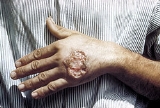
Cutaneous leishmaniasis
is the most common form of leishmaniasis. Visceral leishmaniasis
is a severe form in which the parasites have migrated to the vital organs.
and liver
, and anemia
.
In clinical medicine
, leishmaniasis is considered one of the classic causes of a markedly enlarged (and therefore palpable) spleen; the organ, which is not normally felt during examination of the abdomen, may become larger even than the liver in severe cases.
There are four main forms of leishmaniasis:
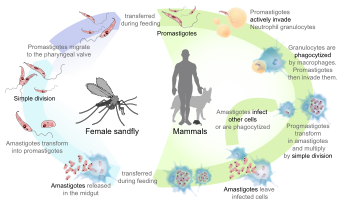 Leishmaniasis is transmitted by the bite of female phlebotomine sandflies. The sandflies inject the infective stage, metacyclic promastigotes, during blood meals (1). Metacyclic promastigotes that reach the puncture wound are phagocytized by macrophages (2) and transform into amastigotes (3). Amastigotes multiply in infected cells and affect different tissues, depending in part on which Leishmania species is involved (4). These differing tissue specificities cause the differing clinical manifestations of the various forms of leishmaniasis. Sandflies become infected during blood meals on an infected host when they ingest macrophages infected with amastigotes (5,6). In the sandfly's midgut, the parasites differentiate into promastigotes (7), which multiply, differentiate into metacyclic promastigotes and migrate to the proboscis (8).
Leishmaniasis is caused by infection with the pathogen
Leishmania
. The genome
s of three Leishmania species
(L. major, L. infantum and L. braziliensis) have been sequenced and this has provided much information about the biology of the parasite. For example it is now understood that in Leishmania protein-coding genes are organized as large polycistronic units in a head-to-head or tail-to-tail manner; RNA polymerase II transcribes long polycistronic messages in the absence of defined RNA pol II promoters; and Leishmania has unique features with respect to the regulation of gene expression in response to changes in the environment. The new knowledge from these studies may help identify new targets for urgently needed drugs, and aid the development of vaccines.
7.2) for 20 minutes. Amastigotes are seen with monocytes or, less commonly in neutrophil in peripheral blood and in macrophages in aspirates. They are small, round bodies 2-4μm in diameter with indistinct cytoplasm, a nucleus and a small rod-shaped kinetoplast
. Occasionally amastigotes may be seen lying free between cells.
s in routine use. However, the genomic sequence of Leishmania has provided a rich source of vaccine candidates. Genome
-based approaches have been used to screen for novel vaccine candidates. One study screened 100 randomly selected gene
s as DNA vaccines against L. major infection in mice. Fourteen reproducibly protective novel vaccine candidates were identified. A separate study used a two-step procedure to identify T cell antigens. Six unique clones were identified: glutamine synthetase, a transitional endoplasmic reticulum ATPase, elongation factor 1gamma, kinesin K-39, repetitive protein A2, and a hypothetical conserved protein. The 20 antigens identified in these two studies are being further evaluated for vaccine development.
 There are two common therapies containing antimony
(known as pentavalent antimonials), meglumine antimoniate
(Glucantime) and sodium stibogluconate
(Pentostam). It is not completely understood how these drugs act against the parasite; they may disrupt its energy production or trypanothione
metabolism. Unfortunately, in many parts of the world, the parasite has become resistant to antimony when treating for visceral or mucocutaneous leishmaniasis, but the level of resistance varies according to species. Amphotericin
(AmBisome) is now the treatment of choice; its failure in some cases to treat visceral leishmaniasis (Leishmania donovani) has been reported in Sudan, but this may be related to host factors such as co-infection with HIV or tuberculosis
rather than parasite resistance.
Miltefosine
(Impavido), is a new drug for visceral and cutaneous leishmaniasis. The cure rate of miltefosine in phase III clinical trials is 95%; Studies in Ethiopia show that it is also effective in Africa. In an observational study of 34 Dutch soldiers with Leishmania major infection that had failed to respond to intralesional antimony, 30 responded to miltefosine. In HIV immunosuppressed people who are coinfected with leishmaniasis it has shown that even in resistant cases 2/3 of the people responded to this new treatment. Clinical trials in Colombia showed a high efficacy for cutaneous leishmaniasis. In mucocutaneous cases caused by L.brasiliensis it has shown to be more effective than other drugs.
Miltefosine received approval by the Indian regulatory authorities in 2002 and in Germany in 2004. In 2005 it received the first approval for cutaneous leishmaniasis in Colombia. Miltefosine is also currently being investigated as treatment for mucocutaneous leishmaniasis caused by Leishmania braziliensis
in Colombia, and preliminary results are very promising. It is now registered in many countries and is the first orally administered breakthrough therapy for visceral and cutaneous leishmaniasis. In October 2006 it received orphan drug
status from the US Food and Drug administration.
The drug is generally better tolerated than other drugs. Main side effects are gastrointestinal disturbance in the 1–2 days of treatment which does not affect the efficacy. Because it is available as an oral formulation, the expense and inconvenience of hospitalisation is avoided, which makes it an attractive alternative.
The Institute for OneWorld Health has reintroduced the drug paromomycin for treatment of leishmaniasis, results with which led to its approval as an orphan drug
. The Drugs for Neglected Diseases Initiative
is also actively facilitating the search for novel therapeutics. A treatment with paromomycin will cost about $10. The drug had originally been identified in 1960s, but had been abandoned because it would not be profitable, as the disease mostly affects poor people. The Indian government approved paromomycin for sale in August 2006. A 21-day course of paromomycin produces a definitive cure in >90% of patients with visceral leishmaniasis.
Drug-resistant leishmaniasis may respond to immunotherapy
(inoculation with parasite antigens plus an adjuvant
) which aims to stimulate the body's own immune system to kill the parasite.
Two weeks of topical treatment with 0.1% cantharidin
ointment was an effective method for treating cutaneous leishmaniasis in infected BALB/c mice.
cases and 60,000 deaths each year. More than 90 percent of the world's cases of visceral leishmaniasis
are in India, Bangladesh, Nepal, Sudan, and Brazil.
Leishmaniasis is found through much of the Americas
from northern Argentina
to southern Texas
, though not in Uruguay
or Chile
, and has recently been shown to be spreading to North Texas. Leishmaniasis is also known as papalomoyo / papa lo moyo and ulcero de los chicleros in Latin America. During 2004, it is calculated that some 3,400 troops from the Colombia
n army, operating in the jungles near the south of the country (in particular around the Meta and Guaviare departments), were infected with leishmaniasis. Apparently, a contributing factor was that many of the affected soldiers did not use the officially provided insect repellent
, because of its allegedly disturbing odor. It is estimated that nearly 13,000 cases of the disease were recorded in all of Colombia throughout 2004, and about 360 new instances of the disease among soldiers had been reported in February 2005.
The disease is found across much of Asia
, though not Southeast Asia
, and in the Middle East. Within Afghanistan
, leishmaniasis occurs commonly in Kabul
, partly due to bad sanitation and waste left uncollected in streets, allowing parasite-spreading sand flies an environment they find favorable. In Kabul the number of people infected was estimated at least 200,000, and in three other towns (Herat
, Kandahar
and Mazar-i-Sharif) there were about 70,000 more, according to WHO figures from 2002. Kabul is estimated as the largest center of cutaneous leishmaniasis in the world, with approximately 67,500 cases as of 2004.
Africa
, in particular
the East
and North
, is home to cases of Leishamaniasis. The disease is spreading to Southern Europe
but is not found in Australia
or Oceania
.
Leishmaniasis is mostly a disease of the Developing World, and is rarely known in the developed world outside a small number of cases, mostly in instances where troops are stationed away from their home countries. Leishmaniasis has been reported by U.S. troops
stationed in Saudi Arabia
and Iraq
since the Gulf War of 1990
, including visceral leishmaniasis.
In September 2005 the disease was contracted by at least four Dutch
marines
who were stationed in Mazari Sharif, Afghanistan
, and subsequently repatriated for treatment.
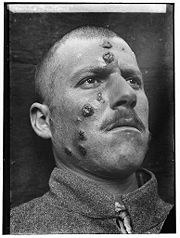 Descriptions of conspicuous lesions similar to cutaneous leishmaniasis (CL) has been discovered on tablets
from King Ashurbanipal
from the 7th century BC, some of which may have been derived from even earlier texts from 1500 to 2500 BC. Muslim
physicians including Avicenna
in the 10th century AD gave detailed descriptions of what was called Balkh
sore. In 1756, Alexander Russell, after examining a Turkish
patient, gave one of the most detailed clinical descriptions of the disease. Physicians in the Indian subcontinent
would describe it as Kala-azar ' onMouseout='HidePop("6757")' href="/topics/Urdu">Urdu
, Hindi
and Hindustani
phrase for black fever, kālā meaning black and āzār meaning fever or disease). As for the new world
, evidence of the cutaneous form of the disease was found in Ecuador
and Peru
in pre-Inca potteries depicting skin lesions and deformed faces dating back to the first century AD. 15th and 16th century texts from the Inca period and from Spanish colonials
mention "valley sickness", "Andean sickness", or "white leprosy", which are likely to be CL.
Who first discovered the organism is somewhat disputed. It is possible that Surgeon major Cunningham of the British Indian army saw it first in 1885 without being able to relate it to the disease. Peter Borovsky
, a Russian military surgeon working in Tashkent
, conducted research into the etiology of oriental sore, locally known as Sart sore, and in 1898 published the first accurate description of the causative agent, correctly described the parasite's relation to host tissues and correctly referred it to Protozoa. However, because his results were published in Russian in a journal with low circulation, his priority was not internationally acknowledged during his lifetime. In 1901, Leishman
identified certain organisms in smears taken from the spleen of a patient who had died from "dum-dum fever" (Dum Dum
is an area close to Calcutta) and proposed them to be trypanosomes, found for the first time in India. A few months later Captain Charles Donovan
(1863–1951) confirmed the finding of what became known as Leishman-Donovan bodies in smears taken from patients in Madras, India. But it was Ronald Ross
who proposed that Leishman-Donovan bodies were the intracellular stages of a new parasite, which he named Leishmania donovani. The link with the disease kala-azar was first suggested by Charles Donovan, but was conclusively demonstrated by Charles Bentley's discovery of Leishmania donovani in patients with kala-azar.
The disease was a major problem for Allied troops fighting in Sicily
during the Second World War, and it was then that research by Leonard Goodwin
showed that pentostam was an effective treatment.
 Several potential vaccines are being developed, under pressure from the World Health Organization
, but none are available. The team at the Laboratory for Organic Chemistry at the Swiss Federal Institute of Technology (ETH) in Zürich are trying to design a carbohydrate-based vaccine. The genome of the parasite Leishmania major has been sequenced, possibly allowing for identification of proteins that are used by the pathogen but not by humans; these proteins are potential targets for drug treatments.
In 2009, the Hebrew University of Jerusalem
Kuvin Center for the Study of Infectious and Tropical Diseases, in a collaborative effort with Addis Ababa University
, was awarded a grant by the Bill & Melinda Gates Foundation
for research into visceral leishmaniasis in Ethiopia
. The project will gather data to be analyzed to identify the weak links in the transmission cycle and devise methods for control of the disease.
HIV protease inhibitors have been found to be active against Leishmania species in two in vitro studies in Canada
and India. The study reported that the intracellular growth of Leishmania parasites
was controlled by nelfinavir
and ritonavir
in a human monocyte
cell line and also in human primary monocyte-derived macrophages.
caught the disease. He was left bedridden for three weeks on his return home. Fogle was treated at London's Hospital for Tropical Diseases
.
Disease
A disease is an abnormal condition affecting the body of an organism. It is often construed to be a medical condition associated with specific symptoms and signs. It may be caused by external factors, such as infectious disease, or it may be caused by internal dysfunctions, such as autoimmune...
caused by protozoan parasites that belong to the genus Leishmania
Leishmania
Leishmania is a genus of Trypanosomatid protozoa, and is the parasite responsible for the disease leishmaniasis. It is spread through sandflies of the genus Phlebotomus in the Old World, and of the genus Lutzomyia in the New World. Their primary hosts are vertebrates; Leishmania commonly infects...
and is transmitted by the bite of certain species of sand fly (subfamily Phlebotominae
Phlebotominae
Members of the subfamily Phlebotominae are known outside of the United States by the name sand fly. This subfamily includes numerous genera of blood-feeding flies, including the primary vectors of leishmaniasis, bartonellosis and pappataci fever...
). Although the majority of the literature mentions only one genus transmitting Leishmania to humans (Lutzomyia
Lutzomyia
Lutzomyia is a genus of "sand flies" in the Psychodidae subfamily Phlebotominae and in the order Diptera. In the New World, Lutzomyia sand flies are responsible for the transmission of leishmaniasis, an important parasitic disease and Carrion's disease. Leishmaniasis is generally transmitted in...
) in the Americas, a 2003 study by Galati suggested a new classification for the New World sand flies, elevating several subgenera to the genus level. Elsewhere in the world, the genus Phlebotomus
Phlebotomus
Phlebotomus is a genus of "sand fly" in the Dipteran family Psychodidae. In the past, they have sometimes been considered to belong in a separate family, Phlebotomidae, but this alternative classification has not gained wide acceptance.-Epidemiology:...
is considered the vector of leishmaniasis.
Most forms of the disease are transmissible only from animals (zoonosis
Zoonosis
A zoonosis or zoonoseis any infectious disease that can be transmitted from non-human animals to humans or from humans to non-human animals . In a study of 1415 pathogens known to affect humans, 61% were zoonotic...
), but some can be spread between humans. Human infection is caused by about 21 of 30 species that infect mammals. These include the L. donovani complex with three species (L. donovani, L. infantum, and L. chagasi); the L. mexicana complex with four main species (L. mexicana, L. amazonensis, and L. venezuelensis); L. tropica; L. major; L. aethiopica; and the subgenus Viannia with four main species (L. (V.) braziliensis, L. (V.) guyanensis, L. (V.) panamensis, and L. (V.) peruviana). The different species are morphologically indistinguishable, but they can be differentiated by isoenzyme analysis, DNA sequence analysis
Sequence analysis
In bioinformatics, the term sequence analysis refers to the process of subjecting a DNA, RNA or peptide sequence to any of a wide range of analytical methods to understand its features, function, structure, or evolution. Methodologies used include sequence alignment, searches against biological...
, or monoclonal antibodies
Monoclonal antibodies
Monoclonal antibodies are monospecific antibodies that are the same because they are made by identical immune cells that are all clones of a unique parent cell....
.
Cutaneous leishmaniasis
Cutaneous leishmaniasis
Cutaneous leishmaniasis is the most common form of leishmaniasis. It is a skin infection caused by a single-celled parasite that is transmitted by sandfly bites...
is the most common form of leishmaniasis. Visceral leishmaniasis
Visceral leishmaniasis
Visceral leishmaniasis , also known as kala-azar, black fever, and Dumdum fever, is the most severe form of leishmaniasis. Leishmaniasis is a disease caused by protozoan parasites of the Leishmania genus. This disease is the second-largest parasitic killer in the world , responsible for an...
is a severe form in which the parasites have migrated to the vital organs.
Classification
Leishmaniasis may be divided into the following types:- Cutaneous leishmaniasisCutaneous leishmaniasisCutaneous leishmaniasis is the most common form of leishmaniasis. It is a skin infection caused by a single-celled parasite that is transmitted by sandfly bites...
- Mucocutaneous leishmaniasisMucocutaneous leishmaniasisMucocutaneous leishmaniasis is a cutaneous condition which occurs at the site of a fly bite, and is characterized by an ulceration of the skin....
- Visceral leishmaniasisVisceral leishmaniasisVisceral leishmaniasis , also known as kala-azar, black fever, and Dumdum fever, is the most severe form of leishmaniasis. Leishmaniasis is a disease caused by protozoan parasites of the Leishmania genus. This disease is the second-largest parasitic killer in the world , responsible for an...
- Post-kala-azar dermal leishmaniasisPost-kala-azar dermal leishmaniasisPost-kala-azar dermal leishmaniasis is a cutaneous condition that is characterized by a macular, depigmented eruption found mainly on the face, arms, and upper part of the trunk. It occurs years after the successful treatment of visceral leishmaniasis...
- Viscerotropic leishmaniasisViscerotropic leishmaniasisViscerotropic leishmaniasis is a systemic infection reported in soldiers fighting in Operation Desert Storm in Saudi Arabia....
Signs and symptoms
The symptoms of leishmaniasis are skin sores which erupt weeks to months after the person affected is bitten by sand flies. Other consequences, which can manifest anywhere from a few months to years after infection, include fever, damage to the spleenSpleen
The spleen is an organ found in virtually all vertebrate animals with important roles in regard to red blood cells and the immune system. In humans, it is located in the left upper quadrant of the abdomen. It removes old red blood cells and holds a reserve of blood in case of hemorrhagic shock...
and liver
Liver
The liver is a vital organ present in vertebrates and some other animals. It has a wide range of functions, including detoxification, protein synthesis, and production of biochemicals necessary for digestion...
, and anemia
Anemia
Anemia is a decrease in number of red blood cells or less than the normal quantity of hemoglobin in the blood. However, it can include decreased oxygen-binding ability of each hemoglobin molecule due to deformity or lack in numerical development as in some other types of hemoglobin...
.
In clinical medicine
Medicine
Medicine is the science and art of healing. It encompasses a variety of health care practices evolved to maintain and restore health by the prevention and treatment of illness....
, leishmaniasis is considered one of the classic causes of a markedly enlarged (and therefore palpable) spleen; the organ, which is not normally felt during examination of the abdomen, may become larger even than the liver in severe cases.
There are four main forms of leishmaniasis:
- Visceral leishmaniasisVisceral leishmaniasisVisceral leishmaniasis , also known as kala-azar, black fever, and Dumdum fever, is the most severe form of leishmaniasis. Leishmaniasis is a disease caused by protozoan parasites of the Leishmania genus. This disease is the second-largest parasitic killer in the world , responsible for an...
– the most serious form and potentially fatal if untreated. - Cutaneous leishmaniasisCutaneous leishmaniasisCutaneous leishmaniasis is the most common form of leishmaniasis. It is a skin infection caused by a single-celled parasite that is transmitted by sandfly bites...
– the most common form which causes a sore at the bite site, which heals in a few months to a year, leaving an unpleasant looking scar. This form can progress to any of the other three forms. - Diffuse cutaneous leishmaniasis – this form produces widespread skin lesions which resemble leprosy and is particularly difficult to treat.
- Mucocutaneous leishmaniasisMucocutaneous leishmaniasisMucocutaneous leishmaniasis is a cutaneous condition which occurs at the site of a fly bite, and is characterized by an ulceration of the skin....
– commences with skin ulcers which spread causing tissue damage, to, (particularly), the nose and mouth.
Mechanism
Leishmaniasis is caused by infection with the pathogen
Pathogen
A pathogen gignomai "I give birth to") or infectious agent — colloquially, a germ — is a microbe or microorganism such as a virus, bacterium, prion, or fungus that causes disease in its animal or plant host...
Leishmania
Leishmania
Leishmania is a genus of Trypanosomatid protozoa, and is the parasite responsible for the disease leishmaniasis. It is spread through sandflies of the genus Phlebotomus in the Old World, and of the genus Lutzomyia in the New World. Their primary hosts are vertebrates; Leishmania commonly infects...
. The genome
Genome
In modern molecular biology and genetics, the genome is the entirety of an organism's hereditary information. It is encoded either in DNA or, for many types of virus, in RNA. The genome includes both the genes and the non-coding sequences of the DNA/RNA....
s of three Leishmania species
Species
In biology, a species is one of the basic units of biological classification and a taxonomic rank. A species is often defined as a group of organisms capable of interbreeding and producing fertile offspring. While in many cases this definition is adequate, more precise or differing measures are...
(L. major, L. infantum and L. braziliensis) have been sequenced and this has provided much information about the biology of the parasite. For example it is now understood that in Leishmania protein-coding genes are organized as large polycistronic units in a head-to-head or tail-to-tail manner; RNA polymerase II transcribes long polycistronic messages in the absence of defined RNA pol II promoters; and Leishmania has unique features with respect to the regulation of gene expression in response to changes in the environment. The new knowledge from these studies may help identify new targets for urgently needed drugs, and aid the development of vaccines.
Diagnosis
Leishmaniasis is diagnosed in the haematology laboratory by direct visualization of the amastigotes (Leishman-Donovan bodies). Buffy-coat preparations of peripheral blood or aspirates from marrow, spleen, lymph nodes or skin lesions should be spread on a slide to make a thin smear, and stained with Leishman's or Giemsa's stain (pHPH
In chemistry, pH is a measure of the acidity or basicity of an aqueous solution. Pure water is said to be neutral, with a pH close to 7.0 at . Solutions with a pH less than 7 are said to be acidic and solutions with a pH greater than 7 are basic or alkaline...
7.2) for 20 minutes. Amastigotes are seen with monocytes or, less commonly in neutrophil in peripheral blood and in macrophages in aspirates. They are small, round bodies 2-4μm in diameter with indistinct cytoplasm, a nucleus and a small rod-shaped kinetoplast
Kinetoplast
A kinetoplast is a disk-shaped mass of circular DNA inside a large mitochondrion that contains many copies of the mitochondrial genome. Kinetoplasts are only found in protozoa of the class Kinetoplastida...
. Occasionally amastigotes may be seen lying free between cells.
Prevention
Currently there are no vaccineVaccine
A vaccine is a biological preparation that improves immunity to a particular disease. A vaccine typically contains an agent that resembles a disease-causing microorganism, and is often made from weakened or killed forms of the microbe or its toxins...
s in routine use. However, the genomic sequence of Leishmania has provided a rich source of vaccine candidates. Genome
Genome
In modern molecular biology and genetics, the genome is the entirety of an organism's hereditary information. It is encoded either in DNA or, for many types of virus, in RNA. The genome includes both the genes and the non-coding sequences of the DNA/RNA....
-based approaches have been used to screen for novel vaccine candidates. One study screened 100 randomly selected gene
Gene
A gene is a molecular unit of heredity of a living organism. It is a name given to some stretches of DNA and RNA that code for a type of protein or for an RNA chain that has a function in the organism. Living beings depend on genes, as they specify all proteins and functional RNA chains...
s as DNA vaccines against L. major infection in mice. Fourteen reproducibly protective novel vaccine candidates were identified. A separate study used a two-step procedure to identify T cell antigens. Six unique clones were identified: glutamine synthetase, a transitional endoplasmic reticulum ATPase, elongation factor 1gamma, kinesin K-39, repetitive protein A2, and a hypothetical conserved protein. The 20 antigens identified in these two studies are being further evaluated for vaccine development.
Treatment
Antimony
Antimony is a toxic chemical element with the symbol Sb and an atomic number of 51. A lustrous grey metalloid, it is found in nature mainly as the sulfide mineral stibnite...
(known as pentavalent antimonials), meglumine antimoniate
Meglumine antimoniate
Meglumine antimoniate is a medicine used for treating leishmaniasis. It is manufactured by Aventis and sold as Glucantime in France, and Glucantim in Italy. It belongs to a group of compounds known as the pentavalent antimonials. It is administered by intramuscular injection....
(Glucantime) and sodium stibogluconate
Sodium stibogluconate
Sodium stibogluconate is a medicine used to treat leishmaniasis and is only available for administration by injection. It belongs to the class of medicines known as the pentavalent antimonials. Sodium stibogluconate is sold in the United Kingdom as Pentostam...
(Pentostam). It is not completely understood how these drugs act against the parasite; they may disrupt its energy production or trypanothione
Trypanothione
Trypanothione is an unusual form of glutathione containing two molecules of glutathione joined by a spermidine linker. It is found in parasitic protozoa such as leishmania and trypanosomes. These protozoal parasites are the cause of leishmaniasis, sleeping sickness and Chagas' disease....
metabolism. Unfortunately, in many parts of the world, the parasite has become resistant to antimony when treating for visceral or mucocutaneous leishmaniasis, but the level of resistance varies according to species. Amphotericin
Amphotericin B
Amphotericin B is a polyene antifungal drug, often used intravenously for systemic fungal infections...
(AmBisome) is now the treatment of choice; its failure in some cases to treat visceral leishmaniasis (Leishmania donovani) has been reported in Sudan, but this may be related to host factors such as co-infection with HIV or tuberculosis
Tuberculosis
Tuberculosis, MTB, or TB is a common, and in many cases lethal, infectious disease caused by various strains of mycobacteria, usually Mycobacterium tuberculosis. Tuberculosis usually attacks the lungs but can also affect other parts of the body...
rather than parasite resistance.
Miltefosine
Miltefosine
Miltefosine is a phospholipid drug.Originally developed as an antineoplastic , it is finding use as an antiprotozoal drug...
(Impavido), is a new drug for visceral and cutaneous leishmaniasis. The cure rate of miltefosine in phase III clinical trials is 95%; Studies in Ethiopia show that it is also effective in Africa. In an observational study of 34 Dutch soldiers with Leishmania major infection that had failed to respond to intralesional antimony, 30 responded to miltefosine. In HIV immunosuppressed people who are coinfected with leishmaniasis it has shown that even in resistant cases 2/3 of the people responded to this new treatment. Clinical trials in Colombia showed a high efficacy for cutaneous leishmaniasis. In mucocutaneous cases caused by L.brasiliensis it has shown to be more effective than other drugs.
Miltefosine received approval by the Indian regulatory authorities in 2002 and in Germany in 2004. In 2005 it received the first approval for cutaneous leishmaniasis in Colombia. Miltefosine is also currently being investigated as treatment for mucocutaneous leishmaniasis caused by Leishmania braziliensis
Leishmania braziliensis
Leishmania braziliensis is a Leishmania species.It is associated with leishmaniasis.-Signs and Symptoms:Within a few months of infection, an ulcer forms. After healing there is an asymptomatic phase for three to twenty years...
in Colombia, and preliminary results are very promising. It is now registered in many countries and is the first orally administered breakthrough therapy for visceral and cutaneous leishmaniasis. In October 2006 it received orphan drug
Orphan drug
An orphan drug is a pharmaceutical agent that has been developed specifically to treat a rare medical condition, the condition itself being referred to as an orphan disease...
status from the US Food and Drug administration.
The drug is generally better tolerated than other drugs. Main side effects are gastrointestinal disturbance in the 1–2 days of treatment which does not affect the efficacy. Because it is available as an oral formulation, the expense and inconvenience of hospitalisation is avoided, which makes it an attractive alternative.
The Institute for OneWorld Health has reintroduced the drug paromomycin for treatment of leishmaniasis, results with which led to its approval as an orphan drug
Orphan drug
An orphan drug is a pharmaceutical agent that has been developed specifically to treat a rare medical condition, the condition itself being referred to as an orphan disease...
. The Drugs for Neglected Diseases Initiative
Drugs for Neglected Diseases Initiative
The Drugs for Neglected Diseases Initiative 501 is a non-profit drug research and development organization that is developing new treatments for neglected diseases....
is also actively facilitating the search for novel therapeutics. A treatment with paromomycin will cost about $10. The drug had originally been identified in 1960s, but had been abandoned because it would not be profitable, as the disease mostly affects poor people. The Indian government approved paromomycin for sale in August 2006. A 21-day course of paromomycin produces a definitive cure in >90% of patients with visceral leishmaniasis.
Drug-resistant leishmaniasis may respond to immunotherapy
Immunotherapy
Immunotherapy is a medical term defined as the "treatment of disease by inducing, enhancing, or suppressing an immune response". Immunotherapies designed to elicit or amplify an immune response are classified as activation immunotherapies. While immunotherapies that reduce or suppress are...
(inoculation with parasite antigens plus an adjuvant
Adjuvant
An adjuvant is a pharmacological or immunological agent that modifies the effect of other agents, such as a drug or vaccine, while having few if any direct effects when given by itself...
) which aims to stimulate the body's own immune system to kill the parasite.
Two weeks of topical treatment with 0.1% cantharidin
Cantharidin
Cantharidin, a type of terpenoid, is a poisonous chemical compound secreted by many species of blister beetle, and most notably by the Spanish fly, Lytta vesicatoria. The false blister beetles and cardinal beetles also have cantharidin.-History:...
ointment was an effective method for treating cutaneous leishmaniasis in infected BALB/c mice.
Epidemiology
Leishmaniasis can be transmitted in many tropical and sub-tropical countries, and is found in parts of about 88 countries. Approximately 350 million people live in these areas. The settings in which leishmaniasis is found range from rainforests in Central and South America to deserts in West Asia and the Middle East. It affects as many as 12 million people worldwide, with 1.5–2 million new cases each year. The visceral form of leishmaniasis has an estimated incidence of 500,000 newcases and 60,000 deaths each year. More than 90 percent of the world's cases of visceral leishmaniasis
Visceral leishmaniasis
Visceral leishmaniasis , also known as kala-azar, black fever, and Dumdum fever, is the most severe form of leishmaniasis. Leishmaniasis is a disease caused by protozoan parasites of the Leishmania genus. This disease is the second-largest parasitic killer in the world , responsible for an...
are in India, Bangladesh, Nepal, Sudan, and Brazil.
Leishmaniasis is found through much of the Americas
Americas
The Americas, or America , are lands in the Western hemisphere, also known as the New World. In English, the plural form the Americas is often used to refer to the landmasses of North America and South America with their associated islands and regions, while the singular form America is primarily...
from northern Argentina
Argentina
Argentina , officially the Argentine Republic , is the second largest country in South America by land area, after Brazil. It is constituted as a federation of 23 provinces and an autonomous city, Buenos Aires...
to southern Texas
Texas
Texas is the second largest U.S. state by both area and population, and the largest state by area in the contiguous United States.The name, based on the Caddo word "Tejas" meaning "friends" or "allies", was applied by the Spanish to the Caddo themselves and to the region of their settlement in...
, though not in Uruguay
Uruguay
Uruguay ,officially the Oriental Republic of Uruguay,sometimes the Eastern Republic of Uruguay; ) is a country in the southeastern part of South America. It is home to some 3.5 million people, of whom 1.8 million live in the capital Montevideo and its metropolitan area...
or Chile
Chile
Chile ,officially the Republic of Chile , is a country in South America occupying a long, narrow coastal strip between the Andes mountains to the east and the Pacific Ocean to the west. It borders Peru to the north, Bolivia to the northeast, Argentina to the east, and the Drake Passage in the far...
, and has recently been shown to be spreading to North Texas. Leishmaniasis is also known as papalomoyo / papa lo moyo and ulcero de los chicleros in Latin America. During 2004, it is calculated that some 3,400 troops from the Colombia
Colombia
Colombia, officially the Republic of Colombia , is a unitary constitutional republic comprising thirty-two departments. The country is located in northwestern South America, bordered to the east by Venezuela and Brazil; to the south by Ecuador and Peru; to the north by the Caribbean Sea; to the...
n army, operating in the jungles near the south of the country (in particular around the Meta and Guaviare departments), were infected with leishmaniasis. Apparently, a contributing factor was that many of the affected soldiers did not use the officially provided insect repellent
Insect repellent
An insect repellent is a substance applied to skin, clothing, or other surfaces which discourages insects from landing or climbing on that surface. There are also insect repellent products available based on sound production, particularly ultrasound...
, because of its allegedly disturbing odor. It is estimated that nearly 13,000 cases of the disease were recorded in all of Colombia throughout 2004, and about 360 new instances of the disease among soldiers had been reported in February 2005.
The disease is found across much of Asia
Asia
Asia is the world's largest and most populous continent, located primarily in the eastern and northern hemispheres. It covers 8.7% of the Earth's total surface area and with approximately 3.879 billion people, it hosts 60% of the world's current human population...
, though not Southeast Asia
Southeast Asia
Southeast Asia, South-East Asia, South East Asia or Southeastern Asia is a subregion of Asia, consisting of the countries that are geographically south of China, east of India, west of New Guinea and north of Australia. The region lies on the intersection of geological plates, with heavy seismic...
, and in the Middle East. Within Afghanistan
Afghanistan
Afghanistan , officially the Islamic Republic of Afghanistan, is a landlocked country located in the centre of Asia, forming South Asia, Central Asia and the Middle East. With a population of about 29 million, it has an area of , making it the 42nd most populous and 41st largest nation in the world...
, leishmaniasis occurs commonly in Kabul
Kabul
Kabul , spelt Caubul in some classic literatures, is the capital and largest city of Afghanistan. It is also the capital of the Kabul Province, located in the eastern section of Afghanistan...
, partly due to bad sanitation and waste left uncollected in streets, allowing parasite-spreading sand flies an environment they find favorable. In Kabul the number of people infected was estimated at least 200,000, and in three other towns (Herat
Herat
Herāt is the capital of Herat province in Afghanistan. It is the third largest city of Afghanistan, with a population of about 397,456 as of 2006. It is situated in the valley of the Hari River, which flows from the mountains of central Afghanistan to the Karakum Desert in Turkmenistan...
, Kandahar
Kandahar
Kandahar is the second largest city in Afghanistan, with a population of about 512,200 as of 2011. It is the capital of Kandahar Province, located in the south of the country at about 1,005 m above sea level...
and Mazar-i-Sharif) there were about 70,000 more, according to WHO figures from 2002. Kabul is estimated as the largest center of cutaneous leishmaniasis in the world, with approximately 67,500 cases as of 2004.
Africa
Africa
Africa is the world's second largest and second most populous continent, after Asia. At about 30.2 million km² including adjacent islands, it covers 6% of the Earth's total surface area and 20.4% of the total land area...
, in particular
Particular
In philosophy, particulars are concrete entities existing in space and time as opposed to abstractions. There are, however, theories of abstract particulars or tropes. For example, Socrates is a particular...
the East
East Africa
East Africa or Eastern Africa is the easterly region of the African continent, variably defined by geography or geopolitics. In the UN scheme of geographic regions, 19 territories constitute Eastern Africa:...
and North
North Africa
North Africa or Northern Africa is the northernmost region of the African continent, linked by the Sahara to Sub-Saharan Africa. Geopolitically, the United Nations definition of Northern Africa includes eight countries or territories; Algeria, Egypt, Libya, Morocco, South Sudan, Sudan, Tunisia, and...
, is home to cases of Leishamaniasis. The disease is spreading to Southern Europe
Southern Europe
The term Southern Europe, at its most general definition, is used to mean "all countries in the south of Europe". However, the concept, at different times, has had different meanings, providing additional political, linguistic and cultural context to the definition in addition to the typical...
but is not found in Australia
Australia
Australia , officially the Commonwealth of Australia, is a country in the Southern Hemisphere comprising the mainland of the Australian continent, the island of Tasmania, and numerous smaller islands in the Indian and Pacific Oceans. It is the world's sixth-largest country by total area...
or Oceania
Oceania
Oceania is a region centered on the islands of the tropical Pacific Ocean. Conceptions of what constitutes Oceania range from the coral atolls and volcanic islands of the South Pacific to the entire insular region between Asia and the Americas, including Australasia and the Malay Archipelago...
.
Leishmaniasis is mostly a disease of the Developing World, and is rarely known in the developed world outside a small number of cases, mostly in instances where troops are stationed away from their home countries. Leishmaniasis has been reported by U.S. troops
United States Army
The United States Army is the main branch of the United States Armed Forces responsible for land-based military operations. It is the largest and oldest established branch of the U.S. military, and is one of seven U.S. uniformed services...
stationed in Saudi Arabia
Saudi Arabia
The Kingdom of Saudi Arabia , commonly known in British English as Saudi Arabia and in Arabic as as-Sa‘ūdiyyah , is the largest state in Western Asia by land area, constituting the bulk of the Arabian Peninsula, and the second-largest in the Arab World...
and Iraq
Iraq
Iraq ; officially the Republic of Iraq is a country in Western Asia spanning most of the northwestern end of the Zagros mountain range, the eastern part of the Syrian Desert and the northern part of the Arabian Desert....
since the Gulf War of 1990
Gulf War
The Persian Gulf War , commonly referred to as simply the Gulf War, was a war waged by a U.N.-authorized coalition force from 34 nations led by the United States, against Iraq in response to Iraq's invasion and annexation of Kuwait.The war is also known under other names, such as the First Gulf...
, including visceral leishmaniasis.
In September 2005 the disease was contracted by at least four Dutch
Netherlands
The Netherlands is a constituent country of the Kingdom of the Netherlands, located mainly in North-West Europe and with several islands in the Caribbean. Mainland Netherlands borders the North Sea to the north and west, Belgium to the south, and Germany to the east, and shares maritime borders...
marines
Netherlands Marine Corps
The Korps Mariniers is the marine corps and amphibious infantry component of the Royal Netherlands Navy. The marines are trained to operate anywhere in the world in all environments, under any condition and circumstance, as a rapid reaction force. The Korps Mariniers can be deployed to a given...
who were stationed in Mazari Sharif, Afghanistan
Afghanistan
Afghanistan , officially the Islamic Republic of Afghanistan, is a landlocked country located in the centre of Asia, forming South Asia, Central Asia and the Middle East. With a population of about 29 million, it has an area of , making it the 42nd most populous and 41st largest nation in the world...
, and subsequently repatriated for treatment.
History
Clay tablet
In the Ancient Near East, clay tablets were used as a writing medium, especially for writing in cuneiform, throughout the Bronze Age and well into the Iron Age....
from King Ashurbanipal
Ashurbanipal
Ashurbanipal |Ashur]] is creator of an heir"; 685 BC – c. 627 BC), also spelled Assurbanipal or Ashshurbanipal, was an Assyrian king, the son of Esarhaddon and the last great king of the Neo-Assyrian Empire...
from the 7th century BC, some of which may have been derived from even earlier texts from 1500 to 2500 BC. Muslim
Islam
Islam . The most common are and . : Arabic pronunciation varies regionally. The first vowel ranges from ~~. The second vowel ranges from ~~~...
physicians including Avicenna
Avicenna
Abū ʿAlī al-Ḥusayn ibn ʿAbd Allāh ibn Sīnā , commonly known as Ibn Sīnā or by his Latinized name Avicenna, was a Persian polymath, who wrote almost 450 treatises on a wide range of subjects, of which around 240 have survived...
in the 10th century AD gave detailed descriptions of what was called Balkh
Balkh
Balkh , was an ancient city and centre of Zoroastrianism in what is now northern Afghanistan. Today it is a small town in the province of Balkh, about 20 kilometers northwest of the provincial capital, Mazar-e Sharif, and some south of the Amu Darya. It was one of the major cities of Khorasan...
sore. In 1756, Alexander Russell, after examining a Turkish
Turkish people
Turkish people, also known as the "Turks" , are an ethnic group primarily living in Turkey and in the former lands of the Ottoman Empire where Turkish minorities had been established in Bulgaria, Cyprus, Bosnia and Herzegovina, Georgia, Greece, Kosovo, Macedonia, and Romania...
patient, gave one of the most detailed clinical descriptions of the disease. Physicians in the Indian subcontinent
Indian subcontinent
The Indian subcontinent, also Indian Subcontinent, Indo-Pak Subcontinent or South Asian Subcontinent is a region of the Asian continent on the Indian tectonic plate from the Hindu Kush or Hindu Koh, Himalayas and including the Kuen Lun and Karakoram ranges, forming a land mass which extends...
would describe it as Kala-azar ' onMouseout='HidePop("6757")' href="/topics/Urdu">Urdu
Urdu
Urdu is a register of the Hindustani language that is identified with Muslims in South Asia. It belongs to the Indo-European family. Urdu is the national language and lingua franca of Pakistan. It is also widely spoken in some regions of India, where it is one of the 22 scheduled languages and an...
, Hindi
Hindi
Standard Hindi, or more precisely Modern Standard Hindi, also known as Manak Hindi , High Hindi, Nagari Hindi, and Literary Hindi, is a standardized and sanskritized register of the Hindustani language derived from the Khariboli dialect of Delhi...
and Hindustani
Hindustani language
Hindi-Urdu is an Indo-Aryan language and the lingua franca of North India and Pakistan. It is also known as Hindustani , and historically, as Hindavi or Rekhta...
phrase for black fever, kālā meaning black and āzār meaning fever or disease). As for the new world
New World
The New World is one of the names used for the Western Hemisphere, specifically America and sometimes Oceania . The term originated in the late 15th century, when America had been recently discovered by European explorers, expanding the geographical horizon of the people of the European middle...
, evidence of the cutaneous form of the disease was found in Ecuador
Ecuador
Ecuador , officially the Republic of Ecuador is a representative democratic republic in South America, bordered by Colombia on the north, Peru on the east and south, and by the Pacific Ocean to the west. It is one of only two countries in South America, along with Chile, that do not have a border...
and Peru
Peru
Peru , officially the Republic of Peru , is a country in western South America. It is bordered on the north by Ecuador and Colombia, on the east by Brazil, on the southeast by Bolivia, on the south by Chile, and on the west by the Pacific Ocean....
in pre-Inca potteries depicting skin lesions and deformed faces dating back to the first century AD. 15th and 16th century texts from the Inca period and from Spanish colonials
Spanish colonization of the Americas
Colonial expansion under the Spanish Empire was initiated by the Spanish conquistadores and developed by the Monarchy of Spain through its administrators and missionaries. The motivations for colonial expansion were trade and the spread of the Christian faith through indigenous conversions...
mention "valley sickness", "Andean sickness", or "white leprosy", which are likely to be CL.
Who first discovered the organism is somewhat disputed. It is possible that Surgeon major Cunningham of the British Indian army saw it first in 1885 without being able to relate it to the disease. Peter Borovsky
Peter Borovsky
Piotr Fokich Borovsky was Russian and Soviet surgeon and public health administrator who worked in Tashkent, professor of surgery in Tashkent Medical Institute.Borovsky is credited for the first correct description of the causative agent of Oriental sore....
, a Russian military surgeon working in Tashkent
Tashkent
Tashkent is the capital of Uzbekistan and of the Tashkent Province. The officially registered population of the city in 2008 was about 2.2 million. Unofficial sources estimate the actual population may be as much as 4.45 million.-Early Islamic History:...
, conducted research into the etiology of oriental sore, locally known as Sart sore, and in 1898 published the first accurate description of the causative agent, correctly described the parasite's relation to host tissues and correctly referred it to Protozoa. However, because his results were published in Russian in a journal with low circulation, his priority was not internationally acknowledged during his lifetime. In 1901, Leishman
William Boog Leishman
Lieutenant-General Sir William Boog Leishman FRS was a Scottish pathologist and British Army medical officer. He was Director-General of Army Medical Services from 1923 to 1926....
identified certain organisms in smears taken from the spleen of a patient who had died from "dum-dum fever" (Dum Dum
Dum Dum
Dum Dum is a city and a municipality in North 24 Parganas district in the state of West Bengal, India. It is a neighbourhood in North-west Kolkata and the location of Netaji Subhash Chandra Bose International Airport, formerly Dum Dum Airport.Dum Dum is a well known place in greater Kolkata...
is an area close to Calcutta) and proposed them to be trypanosomes, found for the first time in India. A few months later Captain Charles Donovan
Charles Donovan
Colonel Charles Donovan MD was born in Calcutta. At the age of thirteen he was sent to Cork City to live with his grandfather to advance his secondary and university education. He studied at Queen's College, Cork and Trinity College, Dublin Colonel Charles Donovan MD (1863–1951) was born in...
(1863–1951) confirmed the finding of what became known as Leishman-Donovan bodies in smears taken from patients in Madras, India. But it was Ronald Ross
Ronald Ross
Sir Ronald Ross KCB FRS was a British doctor who received the Nobel Prize for Physiology or Medicine in 1902 for his work on malaria. He was the first Indian-born person to win a Nobel Prize...
who proposed that Leishman-Donovan bodies were the intracellular stages of a new parasite, which he named Leishmania donovani. The link with the disease kala-azar was first suggested by Charles Donovan, but was conclusively demonstrated by Charles Bentley's discovery of Leishmania donovani in patients with kala-azar.
The disease was a major problem for Allied troops fighting in Sicily
Allied invasion of Sicily
The Allied invasion of Sicily, codenamed Operation Husky, was a major World War II campaign, in which the Allies took Sicily from the Axis . It was a large scale amphibious and airborne operation, followed by six weeks of land combat. It launched the Italian Campaign.Husky began on the night of...
during the Second World War, and it was then that research by Leonard Goodwin
Leonard Goodwin
Leonard George Goodwin CMG FRS was a British protozoologist noted for his work on testing the effectiveness of chemical compounds in treating tropical diseases. He was born in London to a shoe shop manager, and became interested in nature thanks to holidays spent with his grandfather, a...
showed that pentostam was an effective treatment.
Research
World Health Organization
The World Health Organization is a specialized agency of the United Nations that acts as a coordinating authority on international public health. Established on 7 April 1948, with headquarters in Geneva, Switzerland, the agency inherited the mandate and resources of its predecessor, the Health...
, but none are available. The team at the Laboratory for Organic Chemistry at the Swiss Federal Institute of Technology (ETH) in Zürich are trying to design a carbohydrate-based vaccine. The genome of the parasite Leishmania major has been sequenced, possibly allowing for identification of proteins that are used by the pathogen but not by humans; these proteins are potential targets for drug treatments.
In 2009, the Hebrew University of Jerusalem
Hebrew University of Jerusalem
The Hebrew University of Jerusalem ; ; abbreviated HUJI) is Israel's second-oldest university, after the Technion – Israel Institute of Technology. The Hebrew University has three campuses in Jerusalem and one in Rehovot. The world's largest Jewish studies library is located on its Edmond J...
Kuvin Center for the Study of Infectious and Tropical Diseases, in a collaborative effort with Addis Ababa University
Addis Ababa University
Addis Ababa University is a university in Ethiopia. It was originally named "University College of Addis Ababa" at its founding, then renamed for the former Ethiopian emperor Haile Selassie I in 1962, receiving its current name in 1975.Although the university has six of its seven campuses within...
, was awarded a grant by the Bill & Melinda Gates Foundation
Bill & Melinda Gates Foundation
The Bill & Melinda Gates Foundation is the largest transparently operated private foundation in the world, founded by Bill and Melinda Gates. It is "driven by the interests and passions of the Gates family"...
for research into visceral leishmaniasis in Ethiopia
Ethiopia
Ethiopia , officially known as the Federal Democratic Republic of Ethiopia, is a country located in the Horn of Africa. It is the second-most populous nation in Africa, with over 82 million inhabitants, and the tenth-largest by area, occupying 1,100,000 km2...
. The project will gather data to be analyzed to identify the weak links in the transmission cycle and devise methods for control of the disease.
HIV protease inhibitors have been found to be active against Leishmania species in two in vitro studies in Canada
Canada
Canada is a North American country consisting of ten provinces and three territories. Located in the northern part of the continent, it extends from the Atlantic Ocean in the east to the Pacific Ocean in the west, and northward into the Arctic Ocean...
and India. The study reported that the intracellular growth of Leishmania parasites
Parasitism
Parasitism is a type of symbiotic relationship between organisms of different species where one organism, the parasite, benefits at the expense of the other, the host. Traditionally parasite referred to organisms with lifestages that needed more than one host . These are now called macroparasites...
was controlled by nelfinavir
Nelfinavir
Nelfinavir is an antiretroviral drug used in the treatment of the human immunodeficiency virus . Nelfinavir belongs to the class of drugs known as protease inhibitors and like other PIs is generally used in combination with other antiretroviral drugs.Nelfinavir mesylate is a potent and orally...
and ritonavir
Ritonavir
Ritonavir, with trade name Norvir , is an antiretroviral drug from the protease inhibitor class used to treat HIV infection and AIDS....
in a human monocyte
Monocyte
Monocytes are a type of white blood cell and are part of the innate immune system of vertebrates including all mammals , birds, reptiles, and fish. Monocytes play multiple roles in immune function...
cell line and also in human primary monocyte-derived macrophages.
Notable cases
While filming the latest series of Extreme Dreams in Peru, top UK television presenter Ben FogleBen Fogle
Ben Fogle is an English television presenter, adventurer and writer.-Early life:Fogle is the son of actress Julia Foster and broadcasting veterinary surgeon Bruce Fogle...
caught the disease. He was left bedridden for three weeks on his return home. Fogle was treated at London's Hospital for Tropical Diseases
Hospital for Tropical Diseases
The Hospital for Tropical Diseases is a specialist tropical disease hospital located in London, United Kingdom. It is part of the University College London Hospitals NHS Foundation Trust and is closely associated with University College London and the London School of Hygiene & Tropical Medicine...
.
See also
- Visceral leishmaniasisVisceral leishmaniasisVisceral leishmaniasis , also known as kala-azar, black fever, and Dumdum fever, is the most severe form of leishmaniasis. Leishmaniasis is a disease caused by protozoan parasites of the Leishmania genus. This disease is the second-largest parasitic killer in the world , responsible for an...
(kala azar) - Cutaneous leishmaniasisCutaneous leishmaniasisCutaneous leishmaniasis is the most common form of leishmaniasis. It is a skin infection caused by a single-celled parasite that is transmitted by sandfly bites...
- Canine leishmaniasisCanine LeishmaniasisCanine leishmaniasis is a zoonotic disease caused by Leishmania parasites transmitted by the bite of an infected Phlebotomine sandfly. Canine leishmaniasis was first identified in Europe in 1903, and in 1940 it was determined that 40% of all dogs in Rome were positive for leishmaniasis...
- LeishmaniaLeishmaniaLeishmania is a genus of Trypanosomatid protozoa, and is the parasite responsible for the disease leishmaniasis. It is spread through sandflies of the genus Phlebotomus in the Old World, and of the genus Lutzomyia in the New World. Their primary hosts are vertebrates; Leishmania commonly infects...
- List of parasites (human)
- Tropical diseaseTropical diseaseTropical diseases are diseases that are prevalent in or unique to tropical and subtropical regions. The diseases are less prevalent in temperate climates, due in part to the occurrence of a cold season, which controls the insect population by forcing hibernation. Insects such as mosquitoes and...
- CVBDCVBDCVBD - Canine Vector-Borne Diseases - is a veterinarian term for diseases transferred to dogs by various parasitic vectors. This includes diseases caused by pathogens transmitted by ectoparasites such as ticks, fleas, sand flies, or mosquitoes, as well as those transmitted by endoparasites such as...
Canine Vector-borne diseases