

Vaccine

Encyclopedia
A vaccine is a biological preparation that improves immunity to a particular disease. A vaccine typically contains an agent that resembles a disease-causing microorganism, and is often made from weakened or killed forms of the microbe or its toxins. The agent stimulates the body's immune system
to recognize the agent as foreign, destroy it, and "remember" it, so that the immune system can more easily recognize and destroy any of these microorganisms that it later encounters.
Vaccines can be prophylactic (example: to prevent or ameliorate the effects of a future infection
by any natural or "wild" pathogen
), or therapeutic
(e.g. vaccines against cancer are also being investigated; see cancer vaccine
).
The term vaccine derives from Edward Jenner
's 1796 use of cow pox
(Latin
variola vaccinia, adapted from the Latin vaccīn-us, from vacca cow), to inoculate human
s, providing them protection against smallpox
.
was practised, and brought to the West in 1721 by Lady Mary Wortley Montagu
, who showed it to Hans Sloane
, the King's physician.
Sometime during the 1770s Edward Jenner
heard a milkmaid
boast that she would never have the often-fatal or disfiguring disease smallpox
, because she had already had cowpox
, which has a very mild effect in humans. In 1796, Jenner took pus from the hand of a milkmaid with cowpox, inoculated
an 8-year-old boy with it, and six weeks later variolated the boy's arm with smallpox, afterwards observing that the boy did not catch smallpox. Further experimentation demonstrated the efficacy of the procedure on an infant. Since vaccination with cowpox was much safer than smallpox inoculation, the latter, though still widely practiced in England, was banned in 1840. Louis Pasteur
generalized Jenner's idea by developing what he called a rabies
vaccine, and in the nineteenth century vaccines were considered a matter of national prestige, and compulsory vaccination laws were passed.
The twentieth century saw the introduction of several successful vaccines, including those against diphtheria
, measles
, mumps
, and rubella
. Major achievements included the development of the polio vaccine
in the 1950s and the eradication of smallpox during the 1960s and 1970s. Maurice Hilleman
was the most prolific of the developers of the vaccines in the twentieth century. As vaccines became more common, many people began taking them for granted. However, vaccines remain elusive for many important diseases, including malaria
and HIV
.
There are several types of vaccines in use. These represent different strategies used to try to reduce risk of illness, while retaining the ability to induce a beneficial immune response.
, bubonic plague vaccine, polio vaccine
, hepatitis A vaccine
, and rabies vaccine
.
, measles
, rubella
, and mumps
and the bacterial disease typhoid. The live Mycobacterium tuberculosis
vaccine developed by Calmette and Guérin is not made of a contagious
strain, but contains a virulently modified strain called "BCG
" used to elicit an immune response to the vaccine. The live attenuated vaccine containing strain Yersinia pestis EV is used for plague immunization.
vaccines are made from inactivated toxic compounds that cause illness rather than the micro-organism. Examples of toxoid-based vaccines include tetanus
and diphtheria
. Toxoid vaccines are known for their efficacy. Not all toxoids are for micro-organisms; for example, Crotalus atrox
toxoid is used to vaccinate dogs against rattlesnake
bites.
– rather than introducing an inactivated or attenuated micro-organism to an immune system (which would constitute a "whole-agent" vaccine), a fragment of it can create an immune response. Examples include the subunit vaccine against Hepatitis B virus
that is composed of only the surface proteins of the virus (previously extracted from the blood serum
of chronically infected patients, but now produced by recombination
of the viral genes into yeast
), the virus-like particle (VLP) vaccine against human papillomavirus
(HPV) that is composed of the viral major capsid
protein, and the hemagglutinin
and neuraminidase
subunits of the influenza
virus. Subunit vaccine is being used for plague immunization.
– certain bacteria have polysaccharide
outer coats that are poorly immunogenic. By linking these outer coats to proteins (e.g. toxins), the immune system
can be led to recognize the polysaccharide as if it were a protein antigen. This approach is used in the Haemophilus influenzae type B vaccine.
While most vaccines are created using inactivated or attenuated compounds from micro-organisms, synthetic vaccine
s are composed mainly or wholly of synthetic peptides, carbohydrates or antigens.
version of an agent comes along the body recognizes the protein coat on the virus, and thus is prepared to respond, by (1) neutralizing the target agent before it can enter cells, and (2) by recognizing and destroying infected cells before that agent can multiply to vast numbers.
When two or more vaccines are mixed together in the same formulation, the two vaccines can interfere. This most frequently occurs with live attenuated vaccines, where one of the vaccine components is more robust than the others and suppresses the growth and immune response to the other components. This phenomenon was first noted in the trivalent Sabin polio vaccine
, where the amount of serotype 2 virus in the vaccine had to be reduced to stop it from interfering with the "take" of the serotype 1 and 3 viruses in the vaccine. This phenomenon has also been found to be a problem with the dengue vaccines currently being researched, where the DEN-3 serotype was found to predominate and suppress the response to DEN-1, -2 and -4 serotypes.
Vaccines have contributed to the eradication of smallpox
, one of the most contagious and deadly diseases known to man. Other diseases such as rubella, polio
, measles, mumps, chickenpox
, and typhoid
are nowhere near as common as they were a hundred years ago. As long as the vast majority of people are vaccinated, it is much more difficult for an outbreak of disease to occur, let alone spread. This effect is called herd immunity
. Polio, which is transmitted only between humans, is targeted by an extensive eradication campaign
that has seen endemic polio restricted to only parts of four countries (Afghanistan
, India
, Nigeria
and Pakistan
).http://www.cdc.gov/mmwr/preview/mmwrhtml/mm5627a3.htm?s_cid=mm5627a3_e The difficulty of reaching all children as well as cultural misunderstandings, however, have caused the anticipated eradication date to be missed several times.
In order to provide best protection, children are recommended to receive vaccinations as soon as their immune systems are sufficiently developed to respond to particular vaccines, with additional "booster" shots often required to achieve "full immunity". This has led to the development of complex vaccination schedules. In the United States, the Advisory Committee on Immunization Practices
, which recommends schedule additions for the Centers for Disease Control and Prevention
, recommends routine vaccination of children against: hepatitis A
, hepatitis B
, polio, mumps, measles, rubella, diphtheria
, pertussis
, tetanus
, HiB
, chickenpox, rotavirus
, influenza
, meningococcal disease and pneumonia
. The large number of vaccines and boosters recommended (up to 24 injections by age two) has led to problems with achieving full compliance. In order to combat declining compliance rates, various notification systems have been instituted and a number of combination injections are now marketed (e.g., Pneumococcal conjugate vaccine and MMRV vaccine), which provide protection against multiple diseases.
Besides recommendations for infant vaccinations and boosters, many specific vaccines are recommended at other ages or for repeated injections throughout life—most commonly for measles, tetanus, influenza, and pneumonia. Pregnant women are often screened for continued resistance to rubella. The human papillomavirus
vaccine is recommended in the U.S. (as of 2011) and UK (as of 2009). Vaccine recommendations for the elderly concentrate on pneumonia and influenza, which are more deadly to that group. In 2006, a vaccine was introduced against shingles
, a disease caused by the chickenpox virus, which usually affects the elderly.
capable of generating antibodies
to that antigen
.
Even if the host develops antibodies, the human immune system is not perfect and in any case the immune system might still not be able to defeat the infection immediately. In this case, the infection will be less severe and heal faster.
Adjuvant
s are typically used to boost immune response. Most often aluminium adjuvants are used, but adjuvants like squalene
are also used in some vaccines and more vaccines with squalene and phosphate adjuvants are being tested. Larger doses are used in some cases for older people (50–75 years and up), whose immune response to a given vaccine is not as strong.
The efficacy
or performance of the vaccine is dependent on a number of factors:
When a vaccinated individual does develop the disease vaccinated against, the disease is likely to be milder than without vaccination.
The following are important considerations in the effectiveness of a vaccination program:
In 1958 there were 763,094 cases of measles and 552 deaths in the United States
. With the help of new vaccines, the number of cases dropped to fewer than 150 per year (median of 56). In early 2008, there were 64 suspected cases of measles. 54 out of 64 infections were associated with importation from another country, although only 13% were actually acquired outside of the United States; 63 of these 64 individuals either had never been vaccinated against measles, or were uncertain whether they had been vaccinated.
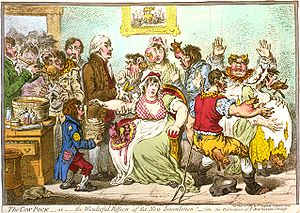 Opposition to vaccination, from a wide array of vaccine critics, has existed since the earliest vaccination campaigns. Although the benefits of preventing suffering and death from serious infectious disease
s greatly outweigh the risks of rare adverse effects
following immunization
, disputes have arisen over the morality, ethics, effectiveness
, and safety of vaccination. Some vaccination critics say that vaccines are ineffective against disease or that vaccine safety studies are inadequate. Some religious groups do not allow vaccination, and some political groups oppose mandatory vaccination on the grounds of individual liberty
. In response, concern has been raised that spreading unfounded information about the medical risks of vaccines increases rates of life-threatening infections, not only in the children whose parents refused vaccinations, but also in other children, perhaps too young for vaccines, who could contract infections from unvaccinated carriers (see herd immunity
).
, malaria
and tuberculosis, exist principally in poor countries. Pharmaceutical firms and biotechnology
companies have little incentive to develop vaccines for these diseases, because there is little revenue potential. Even in more affluent countries, financial returns are usually minimal and the financial and other risks are great.
Most vaccine development to date has relied on "push" funding by government, universities and non-profit organizations. Many vaccines have been highly cost effective and beneficial for public health
. The number of vaccines actually administered has risen dramatically in recent decades. This increase, particularly in the number of different vaccines administered to children before entry into schools may be due to government mandates and support, rather than economic incentive.
s on vaccine development processes can also be viewed as an obstacle to the development of new vaccines. Because of the weak protection offered through a patent on the final product, the protection of the innovation regarding vaccines is often made through the patent of processes used on the development of new vaccines as well as the protection of secrecy
.
). Bacteria are grown in bioreactor
s (e.g., Haemophilus influenzae
type b). Alternatively, a recombinant protein derived from the viruses or bacteria can be generated in yeast, bacteria, or cell cultures. After the antigen is generated, it is isolated from the cells used to generate it. A virus may need to be inactivated, possibly with no further purification required. Recombinant proteins need many operations involving ultrafiltration and column chromatography. Finally, the vaccine is formulated by adding adjuvant, stabilizers, and preservatives as needed. The adjuvant enhances the immune response of the antigen, stabilizers increase the storage life, and preservatives allow the use of multidose vials. Combination vaccines are harder to develop and produce, because of potential incompatibilities and interactions among the antigens and other ingredients involved.
Vaccine production techniques are evolving. Cultured mammalian cells are expected to become increasingly important, compared to conventional options such as chicken eggs, due to greater productivitity and low incidence of problems with contamination. Recombination technology that produces genetically detoxified vaccine is expected to grow in popularity for the production of bacterial vaccines that use toxoids. Combination vaccines are expected to reduce the quantities of antigens they contain, and thereby decrease undesirable interactions, by using pathogen-associated molecular pattern
s.
In 2010, India produced 60 percent of world's vaccine worth about $900 million.
s are commonly present in vaccine preparations:
infection that, in one 1928 incident, killed 12 of 21 children inoculated with a diphtheria
vaccine that lacked a preservative. Several preservatives are available, including thiomersal
, phenoxyethanol
, and formaldehyde
. Thiomersal is more effective against bacteria, has better shelf life, and improves vaccine stability, potency, and safety, but in the U.S., the European Union
, and a few other affluent countries, it is no longer used as a preservative in childhood vaccines, as a precautionary measure due to its mercury
content. Although controversial claims
have been made that thiomersal contributes to autism, no convincing scientific evidence supports these claims.
 There are several new delivery systems in development that will hopefully make vaccines more efficient to deliver. Possible methods include liposome
s and ISCOM
(immune stimulating complex).
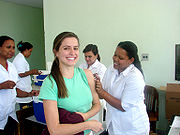
The latest developments in vaccine delivery technologies have resulted in oral vaccines. A polio vaccine was developed and tested by volunteer vaccinations with no formal training; the results were very positive in that the ease of the vaccines increased dramatically. With an oral vaccine, there is no risk of blood contamination. Oral vaccines are likely to be solid which have proven to be more stable and less likely to freeze; this stability reduces the need for a "cold chain
": the resources required to keep vaccines within a restricted temperature range from the manufacturing stage to the point of administration, which, in turn, will decrease costs of vaccines. Finally, a microneedle approach, which is still in stages of development, seems to be the vaccine of the future, the microneedle, which is "pointed projections fabricated into arrays that can create vaccine delivery pathways through the skin".
s has been validated in preclinical studies as a protective vaccine strategy for cancer and infectious diseases. However, in human studies this approach has failed to provide clinically relevant benefit. The overall efficacy of plasmid DNA immunization depends on increasing the plasmid's immunogenicity while also correcting for factors involved in the specific activation of immune effector cells.
in raccoon
s.
Where rabies occurs, rabies vaccination of dogs may be required by law. Other canine vaccines include canine distemper
, canine parvovirus
, infectious canine hepatitis
, adenovirus-2, leptospirosis
, bordatella
, canine parainfluenza virus, and Lyme disease
among others.
Principles that govern the immune response can now be used in tailor-made vaccines against many noninfectious human diseases, such as cancers and autoimmune disorders. For example, the experimental vaccine CYT006-AngQb
has been investigated as a possible treatment for high blood pressure
. Factors that have impact on the trends of vaccine development include progress in translatory medicine, demographics
, regulatory science
, political, cultural, and social responses.
Immune system
An immune system is a system of biological structures and processes within an organism that protects against disease by identifying and killing pathogens and tumor cells. It detects a wide variety of agents, from viruses to parasitic worms, and needs to distinguish them from the organism's own...
to recognize the agent as foreign, destroy it, and "remember" it, so that the immune system can more easily recognize and destroy any of these microorganisms that it later encounters.
Vaccines can be prophylactic (example: to prevent or ameliorate the effects of a future infection
Infection
An infection is the colonization of a host organism by parasite species. Infecting parasites seek to use the host's resources to reproduce, often resulting in disease...
by any natural or "wild" pathogen
Pathogen
A pathogen gignomai "I give birth to") or infectious agent — colloquially, a germ — is a microbe or microorganism such as a virus, bacterium, prion, or fungus that causes disease in its animal or plant host...
), or therapeutic
Medication
A pharmaceutical drug, also referred to as medicine, medication or medicament, can be loosely defined as any chemical substance intended for use in the medical diagnosis, cure, treatment, or prevention of disease.- Classification :...
(e.g. vaccines against cancer are also being investigated; see cancer vaccine
Cancer vaccine
The term cancer vaccine refers to a vaccine that either prevents infections with cancer-causing viruses, treats existing cancer or prevents the development of cancer in certain high risk individuals...
).
The term vaccine derives from Edward Jenner
Edward Jenner
Edward Anthony Jenner was an English scientist who studied his natural surroundings in Berkeley, Gloucestershire...
's 1796 use of cow pox
Cowpox
Cowpox is a skin disease caused by a virus known as the Cowpox virus. The pox is related to the vaccinia virus and got its name from the distribution of the disease when dairymaids touched the udders of infected cows. The ailment manifests itself in the form of red blisters and is transmitted by...
(Latin
Latin
Latin is an Italic language originally spoken in Latium and Ancient Rome. It, along with most European languages, is a descendant of the ancient Proto-Indo-European language. Although it is considered a dead language, a number of scholars and members of the Christian clergy speak it fluently, and...
variola vaccinia, adapted from the Latin vaccīn-us, from vacca cow), to inoculate human
Human
Humans are the only living species in the Homo genus...
s, providing them protection against smallpox
Smallpox
Smallpox was an infectious disease unique to humans, caused by either of two virus variants, Variola major and Variola minor. The disease is also known by the Latin names Variola or Variola vera, which is a derivative of the Latin varius, meaning "spotted", or varus, meaning "pimple"...
.
History
Prior to vaccination, inoculationInoculation
Inoculation is the placement of something that will grow or reproduce, and is most commonly used in respect of the introduction of a serum, vaccine, or antigenic substance into the body of a human or animal, especially to produce or boost immunity to a specific disease...
was practised, and brought to the West in 1721 by Lady Mary Wortley Montagu
Lady Mary Wortley Montagu
The Lady Mary Wortley Montagu was an English aristocrat and writer. Montagu is today chiefly remembered for her letters, particularly her letters from Turkey, as wife to the British ambassador, which have been described by Billie Melman as “the very first example of a secular work by a woman about...
, who showed it to Hans Sloane
Hans Sloane
Sir Hans Sloane, 1st Baronet, PRS was an Ulster-Scot physician and collector, notable for bequeathing his collection to the British nation which became the foundation of the British Museum...
, the King's physician.
Sometime during the 1770s Edward Jenner
Edward Jenner
Edward Anthony Jenner was an English scientist who studied his natural surroundings in Berkeley, Gloucestershire...
heard a milkmaid
Milkmaid
A milkmaid is a girl or woman employed to milk dairy cows. She also used the milk to prepare dairy products such as cream, butter, and cheese...
boast that she would never have the often-fatal or disfiguring disease smallpox
Smallpox
Smallpox was an infectious disease unique to humans, caused by either of two virus variants, Variola major and Variola minor. The disease is also known by the Latin names Variola or Variola vera, which is a derivative of the Latin varius, meaning "spotted", or varus, meaning "pimple"...
, because she had already had cowpox
Cowpox
Cowpox is a skin disease caused by a virus known as the Cowpox virus. The pox is related to the vaccinia virus and got its name from the distribution of the disease when dairymaids touched the udders of infected cows. The ailment manifests itself in the form of red blisters and is transmitted by...
, which has a very mild effect in humans. In 1796, Jenner took pus from the hand of a milkmaid with cowpox, inoculated
Inoculation
Inoculation is the placement of something that will grow or reproduce, and is most commonly used in respect of the introduction of a serum, vaccine, or antigenic substance into the body of a human or animal, especially to produce or boost immunity to a specific disease...
an 8-year-old boy with it, and six weeks later variolated the boy's arm with smallpox, afterwards observing that the boy did not catch smallpox. Further experimentation demonstrated the efficacy of the procedure on an infant. Since vaccination with cowpox was much safer than smallpox inoculation, the latter, though still widely practiced in England, was banned in 1840. Louis Pasteur
Louis Pasteur
Louis Pasteur was a French chemist and microbiologist born in Dole. He is remembered for his remarkable breakthroughs in the causes and preventions of diseases. His discoveries reduced mortality from puerperal fever, and he created the first vaccine for rabies and anthrax. His experiments...
generalized Jenner's idea by developing what he called a rabies
Rabies
Rabies is a viral disease that causes acute encephalitis in warm-blooded animals. It is zoonotic , most commonly by a bite from an infected animal. For a human, rabies is almost invariably fatal if post-exposure prophylaxis is not administered prior to the onset of severe symptoms...
vaccine, and in the nineteenth century vaccines were considered a matter of national prestige, and compulsory vaccination laws were passed.
The twentieth century saw the introduction of several successful vaccines, including those against diphtheria
Diphtheria
Diphtheria is an upper respiratory tract illness caused by Corynebacterium diphtheriae, a facultative anaerobic, Gram-positive bacterium. It is characterized by sore throat, low fever, and an adherent membrane on the tonsils, pharynx, and/or nasal cavity...
, measles
Measles
Measles, also known as rubeola or morbilli, is an infection of the respiratory system caused by a virus, specifically a paramyxovirus of the genus Morbillivirus. Morbilliviruses, like other paramyxoviruses, are enveloped, single-stranded, negative-sense RNA viruses...
, mumps
Mumps
Mumps is a viral disease of the human species, caused by the mumps virus. Before the development of vaccination and the introduction of a vaccine, it was a common childhood disease worldwide...
, and rubella
Rubella
Rubella, commonly known as German measles, is a disease caused by the rubella virus. The name "rubella" is derived from the Latin, meaning little red. Rubella is also known as German measles because the disease was first described by German physicians in the mid-eighteenth century. This disease is...
. Major achievements included the development of the polio vaccine
Polio vaccine
Two polio vaccines are used throughout the world to combat poliomyelitis . The first was developed by Jonas Salk and first tested in 1952. Announced to the world by Salk on April 12, 1955, it consists of an injected dose of inactivated poliovirus. An oral vaccine was developed by Albert Sabin...
in the 1950s and the eradication of smallpox during the 1960s and 1970s. Maurice Hilleman
Maurice Hilleman
Maurice Ralph Hilleman was an American microbiologist who specialized in vaccinology and developed over three dozen vaccines, more than any other scientist...
was the most prolific of the developers of the vaccines in the twentieth century. As vaccines became more common, many people began taking them for granted. However, vaccines remain elusive for many important diseases, including malaria
Malaria
Malaria is a mosquito-borne infectious disease of humans and other animals caused by eukaryotic protists of the genus Plasmodium. The disease results from the multiplication of Plasmodium parasites within red blood cells, causing symptoms that typically include fever and headache, in severe cases...
and HIV
HIV
Human immunodeficiency virus is a lentivirus that causes acquired immunodeficiency syndrome , a condition in humans in which progressive failure of the immune system allows life-threatening opportunistic infections and cancers to thrive...
.
Types
Vaccines are dead or inactivated organisms or purified products derived from them.There are several types of vaccines in use. These represent different strategies used to try to reduce risk of illness, while retaining the ability to induce a beneficial immune response.
Killed
Some vaccines contain killed, but previously virulent, micro-organisms that have been destroyed with chemicals, heat, radioactivity or antibiotics. Examples are the influenza vaccine, cholera vaccineCholera vaccine
Cholera vaccine is a vaccine used against cholera.The first vaccines against cholera were developed in the late nineteenth century. These injected whole cell vaccine became increasingly popular until they were replaced by oral vaccines starting in the 1980s. Although no longer in use, the injected...
, bubonic plague vaccine, polio vaccine
Polio vaccine
Two polio vaccines are used throughout the world to combat poliomyelitis . The first was developed by Jonas Salk and first tested in 1952. Announced to the world by Salk on April 12, 1955, it consists of an injected dose of inactivated poliovirus. An oral vaccine was developed by Albert Sabin...
, hepatitis A vaccine
Hepatitis A vaccine
Hepatitis A vaccine is a vaccine against the hepatitis A virus. The first successful vaccine against it was invented by Maurice Hilleman at Merck. The vaccine protects against the virus in more than 95% of cases and provides protection from the virus for at least ten years...
, and rabies vaccine
Rabies vaccine
Rabies vaccine is a vaccine used to control rabies. Rabies can be prevented by vaccination, both in humans and other animals.-In animals:Currently, pre-exposure immunization has been used on domesticated and normal non-human populations...
.
Attenuated
Some vaccines contain live, attenuated microorganisms. Many of these are live viruses that have been cultivated under conditions that disable their virulent properties, or which use closely related but less dangerous organisms to produce a broad immune response; however, some are bacterial in nature. They typically provoke more durable immunological responses and are the preferred type for healthy adults. Examples include the viral diseases yellow feverYellow fever
Yellow fever is an acute viral hemorrhagic disease. The virus is a 40 to 50 nm enveloped RNA virus with positive sense of the Flaviviridae family....
, measles
Measles
Measles, also known as rubeola or morbilli, is an infection of the respiratory system caused by a virus, specifically a paramyxovirus of the genus Morbillivirus. Morbilliviruses, like other paramyxoviruses, are enveloped, single-stranded, negative-sense RNA viruses...
, rubella
Rubella
Rubella, commonly known as German measles, is a disease caused by the rubella virus. The name "rubella" is derived from the Latin, meaning little red. Rubella is also known as German measles because the disease was first described by German physicians in the mid-eighteenth century. This disease is...
, and mumps
Mumps
Mumps is a viral disease of the human species, caused by the mumps virus. Before the development of vaccination and the introduction of a vaccine, it was a common childhood disease worldwide...
and the bacterial disease typhoid. The live Mycobacterium tuberculosis
Tuberculosis
Tuberculosis, MTB, or TB is a common, and in many cases lethal, infectious disease caused by various strains of mycobacteria, usually Mycobacterium tuberculosis. Tuberculosis usually attacks the lungs but can also affect other parts of the body...
vaccine developed by Calmette and Guérin is not made of a contagious
Infectious disease
Infectious diseases, also known as communicable diseases, contagious diseases or transmissible diseases comprise clinically evident illness resulting from the infection, presence and growth of pathogenic biological agents in an individual host organism...
strain, but contains a virulently modified strain called "BCG
Bacillus Calmette-Guérin
Bacillus Calmette-Guérin is a vaccine against tuberculosis that is prepared from a strain of the attenuated live bovine tuberculosis bacillus, Mycobacterium bovis, that has lost its virulence in humans by being specially subcultured in an artificial medium for 13 years, and also prepared from...
" used to elicit an immune response to the vaccine. The live attenuated vaccine containing strain Yersinia pestis EV is used for plague immunization.
Toxoid
ToxoidToxoid
A toxoid is a bacterial toxin whose toxicity has been weakened or suppressed either by chemical or heat treatment, while other properties, typically immunogenicity, are maintained. In international medical literature the preparation also is known as Anatoxin or Anatoxine...
vaccines are made from inactivated toxic compounds that cause illness rather than the micro-organism. Examples of toxoid-based vaccines include tetanus
Tetanus
Tetanus is a medical condition characterized by a prolonged contraction of skeletal muscle fibers. The primary symptoms are caused by tetanospasmin, a neurotoxin produced by the Gram-positive, rod-shaped, obligate anaerobic bacterium Clostridium tetani...
and diphtheria
Diphtheria
Diphtheria is an upper respiratory tract illness caused by Corynebacterium diphtheriae, a facultative anaerobic, Gram-positive bacterium. It is characterized by sore throat, low fever, and an adherent membrane on the tonsils, pharynx, and/or nasal cavity...
. Toxoid vaccines are known for their efficacy. Not all toxoids are for micro-organisms; for example, Crotalus atrox
Crotalus atrox
Crotalus atrox, the "western diamondback rattlesnake", is a venomous rattlesnake species found in the United States and Mexico. It is likely responsible for the majority of snakebite fatalities in northern Mexico and the second greatest number in the USA after C. adamanteus. No subspecies are...
toxoid is used to vaccinate dogs against rattlesnake
Rattlesnake
Rattlesnakes are a group of venomous snakes of the genera Crotalus and Sistrurus of the subfamily Crotalinae . There are 32 known species of rattlesnake, with between 65-70 subspecies, all native to the Americas, ranging from southern Alberta and southern British Columbia in Canada to Central...
bites.
Subunit
Protein subunitProtein subunit
In structural biology, a protein subunit or subunit protein is a single protein molecule that assembles with other protein molecules to form a protein complex: a multimeric or oligomeric protein. Many naturally occurring proteins and enzymes are multimeric...
– rather than introducing an inactivated or attenuated micro-organism to an immune system (which would constitute a "whole-agent" vaccine), a fragment of it can create an immune response. Examples include the subunit vaccine against Hepatitis B virus
Hepatitis B virus
Hepatitis B is an infectious illness caused by hepatitis B virus which infects the liver of hominoidea, including humans, and causes an inflammation called hepatitis. Originally known as "serum hepatitis", the disease has caused epidemics in parts of Asia and Africa, and it is endemic in China...
that is composed of only the surface proteins of the virus (previously extracted from the blood serum
Blood serum
In blood, the serum is the component that is neither a blood cell nor a clotting factor; it is the blood plasma with the fibrinogens removed...
of chronically infected patients, but now produced by recombination
Recombinant DNA
Recombinant DNA molecules are DNA sequences that result from the use of laboratory methods to bring together genetic material from multiple sources, creating sequences that would not otherwise be found in biological organisms...
of the viral genes into yeast
Yeast
Yeasts are eukaryotic micro-organisms classified in the kingdom Fungi, with 1,500 species currently described estimated to be only 1% of all fungal species. Most reproduce asexually by mitosis, and many do so by an asymmetric division process called budding...
), the virus-like particle (VLP) vaccine against human papillomavirus
Human papillomavirus
Human papillomavirus is a member of the papillomavirus family of viruses that is capable of infecting humans. Like all papillomaviruses, HPVs establish productive infections only in keratinocytes of the skin or mucous membranes...
(HPV) that is composed of the viral major capsid
Capsid
A capsid is the protein shell of a virus. It consists of several oligomeric structural subunits made of protein called protomers. The observable 3-dimensional morphological subunits, which may or may not correspond to individual proteins, are called capsomeres. The capsid encloses the genetic...
protein, and the hemagglutinin
Hemagglutinin
Influenza hemagglutinin or haemagglutinin is a type of hemagglutinin found on the surface of the influenza viruses. It is an antigenic glycoprotein. It is responsible for binding the virus to the cell that is being infected...
and neuraminidase
Neuraminidase
Neuraminidase enzymes are glycoside hydrolase enzymes that cleave the glycosidic linkages of neuraminic acids. Neuraminidase enzymes are a large family, found in a range of organisms. The most commonly known neuraminidase is the viral neuraminidase, a drug target for the prevention of the spread...
subunits of the influenza
Influenza
Influenza, commonly referred to as the flu, is an infectious disease caused by RNA viruses of the family Orthomyxoviridae , that affects birds and mammals...
virus. Subunit vaccine is being used for plague immunization.
Conjugate
ConjugateConjugate vaccine
A conjugate vaccine is created by covalently attaching a poor antigen to a carrier protein , thereby conferring the immunological attributes of the carrier on the attached antigen...
– certain bacteria have polysaccharide
Polysaccharide
Polysaccharides are long carbohydrate molecules, of repeated monomer units joined together by glycosidic bonds. They range in structure from linear to highly branched. Polysaccharides are often quite heterogeneous, containing slight modifications of the repeating unit. Depending on the structure,...
outer coats that are poorly immunogenic. By linking these outer coats to proteins (e.g. toxins), the immune system
Immune system
An immune system is a system of biological structures and processes within an organism that protects against disease by identifying and killing pathogens and tumor cells. It detects a wide variety of agents, from viruses to parasitic worms, and needs to distinguish them from the organism's own...
can be led to recognize the polysaccharide as if it were a protein antigen. This approach is used in the Haemophilus influenzae type B vaccine.
Experimental
A number of innovative vaccines are also in development and in use:- Dendritic cell vaccines combine dendritic cellDendritic cellDendritic cells are immune cells forming part of the mammalian immune system. Their main function is to process antigen material and present it on the surface to other cells of the immune system. That is, dendritic cells function as antigen-presenting cells...
s with antigens in order to present the antigens to the body's white blood cells, thus stimulating an immune reaction. These vaccines have shown some positive preliminary results for treating brain tumors. - RecombinantRecombinant DNARecombinant DNA molecules are DNA sequences that result from the use of laboratory methods to bring together genetic material from multiple sources, creating sequences that would not otherwise be found in biological organisms...
Vector – by combining the physiology of one micro-organism and the DNADNADeoxyribonucleic acid is a nucleic acid that contains the genetic instructions used in the development and functioning of all known living organisms . The DNA segments that carry this genetic information are called genes, but other DNA sequences have structural purposes, or are involved in...
of the other, immunity can be created against diseases that have complex infection processes - DNA vaccinationDNA vaccinationDNA vaccination is a technique for protecting an organism against disease by injecting it with genetically engineered DNA to produce an immunological response. Nucleic acid vaccines are still experimental, and have been applied to a number of viral, bacterial and parasitic models of disease, as...
– in recent years a new type of vaccine called DNA vaccination, created from an infectious agent's DNA, has been developed. It works by insertion (and expressionGene expressionGene expression is the process by which information from a gene is used in the synthesis of a functional gene product. These products are often proteins, but in non-protein coding genes such as ribosomal RNA , transfer RNA or small nuclear RNA genes, the product is a functional RNA...
, triggering immune system recognition) of viral or bacterial DNA into human or animal cells. Some cells of the immune system that recognize the proteins expressed will mount an attack against these proteins and cells expressing them. Because these cells live for a very long time, if the pathogenPathogenA pathogen gignomai "I give birth to") or infectious agent — colloquially, a germ — is a microbe or microorganism such as a virus, bacterium, prion, or fungus that causes disease in its animal or plant host...
that normally expresses these proteins is encountered at a later time, they will be attacked instantly by the immune system. One advantage of DNA vaccines is that they are very easy to produce and store. As of 2006, DNA vaccination is still experimental. - T-cell receptor peptide vaccines are under development for several diseases using models of Valley Fever, stomatitisStomatitisStomatitis is an inflammation of the mucous lining of any of the structures in the mouth, which may involve the cheeks, gums, tongue, lips, throat, and roof or floor of the mouth...
, and atopic dermatitisAtopic dermatitisAtopic dermatitis is an inflammatory, chronically relapsing, non-contagious and pruritic skin disorder...
. These peptides have been shown to modulate cytokineCytokineCytokines are small cell-signaling protein molecules that are secreted by the glial cells of the nervous system and by numerous cells of the immune system and are a category of signaling molecules used extensively in intercellular communication...
production and improve cell mediated immunity. - Targeting of identified bacterial proteins that are involved in complement inhibition would neutralize the key bacterial virulence mechanism.
While most vaccines are created using inactivated or attenuated compounds from micro-organisms, synthetic vaccine
Synthetic vaccine
A synthetic vaccine is a vaccine consisting mainly of synthetic peptides, carbohydrates, or antigens. They are usually considered to be safer than vaccines from bacterial cultures.-History:...
s are composed mainly or wholly of synthetic peptides, carbohydrates or antigens.
Valence
Vaccines may be monovalent (also called univalent) or multivalent (also called polyvalent). A monovalent vaccine is designed to immunize against a single antigen or single microorganism. A multivalent or polyvalent vaccine is designed to immunize against two or more strains of the same microorganism, or against two or more microorganisms. In certain cases a monovalent vaccine may be preferable for rapidly developing a strong immune response.Developing immunity
The immune system recognizes vaccine agents as foreign, destroys them, and "remembers" them. When the virulentVirulence
Virulence is by MeSH definition the degree of pathogenicity within a group or species of parasites as indicated by case fatality rates and/or the ability of the organism to invade the tissues of the host. The pathogenicity of an organism - its ability to cause disease - is determined by its...
version of an agent comes along the body recognizes the protein coat on the virus, and thus is prepared to respond, by (1) neutralizing the target agent before it can enter cells, and (2) by recognizing and destroying infected cells before that agent can multiply to vast numbers.
When two or more vaccines are mixed together in the same formulation, the two vaccines can interfere. This most frequently occurs with live attenuated vaccines, where one of the vaccine components is more robust than the others and suppresses the growth and immune response to the other components. This phenomenon was first noted in the trivalent Sabin polio vaccine
Polio vaccine
Two polio vaccines are used throughout the world to combat poliomyelitis . The first was developed by Jonas Salk and first tested in 1952. Announced to the world by Salk on April 12, 1955, it consists of an injected dose of inactivated poliovirus. An oral vaccine was developed by Albert Sabin...
, where the amount of serotype 2 virus in the vaccine had to be reduced to stop it from interfering with the "take" of the serotype 1 and 3 viruses in the vaccine. This phenomenon has also been found to be a problem with the dengue vaccines currently being researched, where the DEN-3 serotype was found to predominate and suppress the response to DEN-1, -2 and -4 serotypes.
Vaccines have contributed to the eradication of smallpox
Smallpox
Smallpox was an infectious disease unique to humans, caused by either of two virus variants, Variola major and Variola minor. The disease is also known by the Latin names Variola or Variola vera, which is a derivative of the Latin varius, meaning "spotted", or varus, meaning "pimple"...
, one of the most contagious and deadly diseases known to man. Other diseases such as rubella, polio
Poliomyelitis
Poliomyelitis, often called polio or infantile paralysis, is an acute viral infectious disease spread from person to person, primarily via the fecal-oral route...
, measles, mumps, chickenpox
Chickenpox
Chickenpox or chicken pox is a highly contagious illness caused by primary infection with varicella zoster virus . It usually starts with vesicular skin rash mainly on the body and head rather than at the periphery and becomes itchy, raw pockmarks, which mostly heal without scarring...
, and typhoid
Typhoid fever
Typhoid fever, also known as Typhoid, is a common worldwide bacterial disease, transmitted by the ingestion of food or water contaminated with the feces of an infected person, which contain the bacterium Salmonella enterica, serovar Typhi...
are nowhere near as common as they were a hundred years ago. As long as the vast majority of people are vaccinated, it is much more difficult for an outbreak of disease to occur, let alone spread. This effect is called herd immunity
Herd immunity
Herd immunity describes a form of immunity that occurs when the vaccination of a significant portion of a population provides a measure of protection for individuals who have not developed immunity...
. Polio, which is transmitted only between humans, is targeted by an extensive eradication campaign
Poliomyelitis eradication
The global eradication of poliomyelitis is a public health effort to eliminate all cases of poliomyelitis infection around the world. The global effort, begun in 1988 and led by the World Health Organization, UNICEF and The Rotary Foundation, has reduced the number of annual diagnosed cases from...
that has seen endemic polio restricted to only parts of four countries (Afghanistan
Afghanistan
Afghanistan , officially the Islamic Republic of Afghanistan, is a landlocked country located in the centre of Asia, forming South Asia, Central Asia and the Middle East. With a population of about 29 million, it has an area of , making it the 42nd most populous and 41st largest nation in the world...
, India
India
India , officially the Republic of India , is a country in South Asia. It is the seventh-largest country by geographical area, the second-most populous country with over 1.2 billion people, and the most populous democracy in the world...
, Nigeria
Nigeria
Nigeria , officially the Federal Republic of Nigeria, is a federal constitutional republic comprising 36 states and its Federal Capital Territory, Abuja. The country is located in West Africa and shares land borders with the Republic of Benin in the west, Chad and Cameroon in the east, and Niger in...
and Pakistan
Pakistan
Pakistan , officially the Islamic Republic of Pakistan is a sovereign state in South Asia. It has a coastline along the Arabian Sea and the Gulf of Oman in the south and is bordered by Afghanistan and Iran in the west, India in the east and China in the far northeast. In the north, Tajikistan...
).http://www.cdc.gov/mmwr/preview/mmwrhtml/mm5627a3.htm?s_cid=mm5627a3_e The difficulty of reaching all children as well as cultural misunderstandings, however, have caused the anticipated eradication date to be missed several times.
Schedule
- For country-specific information on vaccination policies and practices, see: Vaccination policyVaccination policyVaccination policy refers to the health policy a government adopts in relation to vaccination. Vaccinations are voluntary in some countries and mandatory in some countries as part of the public health system...
In order to provide best protection, children are recommended to receive vaccinations as soon as their immune systems are sufficiently developed to respond to particular vaccines, with additional "booster" shots often required to achieve "full immunity". This has led to the development of complex vaccination schedules. In the United States, the Advisory Committee on Immunization Practices
Advisory Committee on Immunization Practices
The Advisory Committee on Immunization Practices provides advice and guidance on effective control of vaccine-preventable diseases in the U.S. civilian population. The ACIP develops written recommendations for routine administration of vaccines to the pediatric and adult populations, along with...
, which recommends schedule additions for the Centers for Disease Control and Prevention
Centers for Disease Control and Prevention
The Centers for Disease Control and Prevention are a United States federal agency under the Department of Health and Human Services headquartered in Druid Hills, unincorporated DeKalb County, Georgia, in Greater Atlanta...
, recommends routine vaccination of children against: hepatitis A
Hepatitis A
Hepatitis A is an acute infectious disease of the liver caused by the hepatitis A virus , an RNA virus, usually spread the fecal-oral route; transmitted person-to-person by ingestion of contaminated food or water or through direct contact with an infectious person...
, hepatitis B
Hepatitis B virus
Hepatitis B is an infectious illness caused by hepatitis B virus which infects the liver of hominoidea, including humans, and causes an inflammation called hepatitis. Originally known as "serum hepatitis", the disease has caused epidemics in parts of Asia and Africa, and it is endemic in China...
, polio, mumps, measles, rubella, diphtheria
Diphtheria
Diphtheria is an upper respiratory tract illness caused by Corynebacterium diphtheriae, a facultative anaerobic, Gram-positive bacterium. It is characterized by sore throat, low fever, and an adherent membrane on the tonsils, pharynx, and/or nasal cavity...
, pertussis
Pertussis
Pertussis, also known as whooping cough , is a highly contagious bacterial disease caused by Bordetella pertussis. Symptoms are initially mild, and then develop into severe coughing fits, which produce the namesake high-pitched "whoop" sound in infected babies and children when they inhale air...
, tetanus
Tetanus
Tetanus is a medical condition characterized by a prolonged contraction of skeletal muscle fibers. The primary symptoms are caused by tetanospasmin, a neurotoxin produced by the Gram-positive, rod-shaped, obligate anaerobic bacterium Clostridium tetani...
, HiB
Haemophilus influenzae
Haemophilus influenzae, formerly called Pfeiffer's bacillus or Bacillus influenzae, Gram-negative, rod-shaped bacterium first described in 1892 by Richard Pfeiffer during an influenza pandemic. A member of the Pasteurellaceae family, it is generally aerobic, but can grow as a facultative anaerobe. H...
, chickenpox, rotavirus
Rotavirus
Rotavirus is the most common cause of severe diarrhoea among infants and young children, and is one of several viruses that cause infections often called stomach flu, despite having no relation to influenza. It is a genus of double-stranded RNA virus in the family Reoviridae. By the age of five,...
, influenza
Influenza
Influenza, commonly referred to as the flu, is an infectious disease caused by RNA viruses of the family Orthomyxoviridae , that affects birds and mammals...
, meningococcal disease and pneumonia
Pneumonia
Pneumonia is an inflammatory condition of the lung—especially affecting the microscopic air sacs —associated with fever, chest symptoms, and a lack of air space on a chest X-ray. Pneumonia is typically caused by an infection but there are a number of other causes...
. The large number of vaccines and boosters recommended (up to 24 injections by age two) has led to problems with achieving full compliance. In order to combat declining compliance rates, various notification systems have been instituted and a number of combination injections are now marketed (e.g., Pneumococcal conjugate vaccine and MMRV vaccine), which provide protection against multiple diseases.
Besides recommendations for infant vaccinations and boosters, many specific vaccines are recommended at other ages or for repeated injections throughout life—most commonly for measles, tetanus, influenza, and pneumonia. Pregnant women are often screened for continued resistance to rubella. The human papillomavirus
Human papillomavirus
Human papillomavirus is a member of the papillomavirus family of viruses that is capable of infecting humans. Like all papillomaviruses, HPVs establish productive infections only in keratinocytes of the skin or mucous membranes...
vaccine is recommended in the U.S. (as of 2011) and UK (as of 2009). Vaccine recommendations for the elderly concentrate on pneumonia and influenza, which are more deadly to that group. In 2006, a vaccine was introduced against shingles
Herpes zoster
Herpes zoster , commonly known as shingles and also known as zona, is a viral disease characterized by a painful skin rash with blisters in a limited area on one side of the body, often in a stripe...
, a disease caused by the chickenpox virus, which usually affects the elderly.
Effectiveness
Vaccines do not guarantee complete protection from a disease. Sometimes, this is because the host's immune system simply does not respond adequately or at all. This may be due to a lowered immunity in general (diabetes, steroid use, HIV infection, age) or because the host's immune system does not have a B cellB cell
B cells are lymphocytes that play a large role in the humoral immune response . The principal functions of B cells are to make antibodies against antigens, perform the role of antigen-presenting cells and eventually develop into memory B cells after activation by antigen interaction...
capable of generating antibodies
Antibody
An antibody, also known as an immunoglobulin, is a large Y-shaped protein used by the immune system to identify and neutralize foreign objects such as bacteria and viruses. The antibody recognizes a unique part of the foreign target, termed an antigen...
to that antigen
Antigen
An antigen is a foreign molecule that, when introduced into the body, triggers the production of an antibody by the immune system. The immune system will then kill or neutralize the antigen that is recognized as a foreign and potentially harmful invader. These invaders can be molecules such as...
.
Even if the host develops antibodies, the human immune system is not perfect and in any case the immune system might still not be able to defeat the infection immediately. In this case, the infection will be less severe and heal faster.
Adjuvant
Immunologic adjuvant
In immunology, an adjuvant is an agent that may stimulate the immune system and increase the response to a vaccine, without having any specific antigenic effect in itself. The word “adjuvant” comes from the Latin word adiuvare, meaning to help or aid...
s are typically used to boost immune response. Most often aluminium adjuvants are used, but adjuvants like squalene
Squalene
Squalene is a natural organic compound originally obtained for commercial purposes primarily from shark liver oil, though plant sources are used as well, including amaranth seed, rice bran, wheat germ, and olives. All plants and animals produce squalene, including humans...
are also used in some vaccines and more vaccines with squalene and phosphate adjuvants are being tested. Larger doses are used in some cases for older people (50–75 years and up), whose immune response to a given vaccine is not as strong.
The efficacy
Vaccine efficacy
Vaccine efficacy is defined as the reduction in the incidence of a disease among people who have received a vaccine compared to the incidence in unvaccinated people...
or performance of the vaccine is dependent on a number of factors:
- the disease itself (for some diseases vaccination performs better than for other diseases)
- the strain of vaccine (some vaccinations are for different strains of the disease)
- whether one kept to the timetable for the vaccinations (see Vaccination scheduleVaccination scheduleA vaccination schedule is a series of vaccinations, including the timing of all doses, which may be either recommended or compulsory, depending on the country of residence....
) - some individuals are "non-responders" to certain vaccines, meaning that they do not generate antibodies even after being vaccinated correctly
- other factors such as ethnicity, age, or genetic predisposition.
When a vaccinated individual does develop the disease vaccinated against, the disease is likely to be milder than without vaccination.
The following are important considerations in the effectiveness of a vaccination program:
- careful modelling to anticipate the impact that an immunization campaign will have on the epidemiology of the disease in the medium to long term
- ongoing surveillance for the relevant disease following introduction of a new vaccine and
- maintaining high immunization rates, even when a disease has become rare.
In 1958 there were 763,094 cases of measles and 552 deaths in the United States
United States
The United States of America is a federal constitutional republic comprising fifty states and a federal district...
. With the help of new vaccines, the number of cases dropped to fewer than 150 per year (median of 56). In early 2008, there were 64 suspected cases of measles. 54 out of 64 infections were associated with importation from another country, although only 13% were actually acquired outside of the United States; 63 of these 64 individuals either had never been vaccinated against measles, or were uncertain whether they had been vaccinated.
Opposition to vaccination
Infectious disease
Infectious diseases, also known as communicable diseases, contagious diseases or transmissible diseases comprise clinically evident illness resulting from the infection, presence and growth of pathogenic biological agents in an individual host organism...
s greatly outweigh the risks of rare adverse effects
Adverse effect (medicine)
In medicine, an adverse effect is a harmful and undesired effect resulting from a medication or other intervention such as surgery.An adverse effect may be termed a "side effect", when judged to be secondary to a main or therapeutic effect. If it results from an unsuitable or incorrect dosage or...
following immunization
Immunization
Immunization, or immunisation, is the process by which an individual's immune system becomes fortified against an agent ....
, disputes have arisen over the morality, ethics, effectiveness
Efficacy
Efficacy is the capacity to produce an effect. It has different specific meanings in different fields. In medicine, it is the ability of an intervention or drug to reproduce a desired effect in expert hands and under ideal circumstances.- Healthcare :...
, and safety of vaccination. Some vaccination critics say that vaccines are ineffective against disease or that vaccine safety studies are inadequate. Some religious groups do not allow vaccination, and some political groups oppose mandatory vaccination on the grounds of individual liberty
Liberty
Liberty is a moral and political principle, or Right, that identifies the condition in which human beings are able to govern themselves, to behave according to their own free will, and take responsibility for their actions...
. In response, concern has been raised that spreading unfounded information about the medical risks of vaccines increases rates of life-threatening infections, not only in the children whose parents refused vaccinations, but also in other children, perhaps too young for vaccines, who could contract infections from unvaccinated carriers (see herd immunity
Herd immunity
Herd immunity describes a form of immunity that occurs when the vaccination of a significant portion of a population provides a measure of protection for individuals who have not developed immunity...
).
Economics of development
One challenge in vaccine development is economic: many of the diseases most demanding a vaccine, including HIVHIV
Human immunodeficiency virus is a lentivirus that causes acquired immunodeficiency syndrome , a condition in humans in which progressive failure of the immune system allows life-threatening opportunistic infections and cancers to thrive...
, malaria
Malaria
Malaria is a mosquito-borne infectious disease of humans and other animals caused by eukaryotic protists of the genus Plasmodium. The disease results from the multiplication of Plasmodium parasites within red blood cells, causing symptoms that typically include fever and headache, in severe cases...
and tuberculosis, exist principally in poor countries. Pharmaceutical firms and biotechnology
Biotechnology
Biotechnology is a field of applied biology that involves the use of living organisms and bioprocesses in engineering, technology, medicine and other fields requiring bioproducts. Biotechnology also utilizes these products for manufacturing purpose...
companies have little incentive to develop vaccines for these diseases, because there is little revenue potential. Even in more affluent countries, financial returns are usually minimal and the financial and other risks are great.
Most vaccine development to date has relied on "push" funding by government, universities and non-profit organizations. Many vaccines have been highly cost effective and beneficial for public health
Public health
Public health is "the science and art of preventing disease, prolonging life and promoting health through the organized efforts and informed choices of society, organizations, public and private, communities and individuals" . It is concerned with threats to health based on population health...
. The number of vaccines actually administered has risen dramatically in recent decades. This increase, particularly in the number of different vaccines administered to children before entry into schools may be due to government mandates and support, rather than economic incentive.
Patents
The filing of patentPatent
A patent is a form of intellectual property. It consists of a set of exclusive rights granted by a sovereign state to an inventor or their assignee for a limited period of time in exchange for the public disclosure of an invention....
s on vaccine development processes can also be viewed as an obstacle to the development of new vaccines. Because of the weak protection offered through a patent on the final product, the protection of the innovation regarding vaccines is often made through the patent of processes used on the development of new vaccines as well as the protection of secrecy
Secrecy
Secrecy is the practice of hiding information from certain individuals or groups, perhaps while sharing it with other individuals...
.
Production
Vaccine production has several stages. First, the antigen itself is generated. Viruses are grown either on primary cells such as chicken eggs (e.g., for influenza), or on continuous cell lines such as cultured human cells (e.g., for hepatitis AHepatitis A
Hepatitis A is an acute infectious disease of the liver caused by the hepatitis A virus , an RNA virus, usually spread the fecal-oral route; transmitted person-to-person by ingestion of contaminated food or water or through direct contact with an infectious person...
). Bacteria are grown in bioreactor
Bioreactor
A bioreactor may refer to any manufactured or engineered device or system that supports a biologically active environment. In one case, a bioreactor is a vessel in which a chemical process is carried out which involves organisms or biochemically active substances derived from such organisms. This...
s (e.g., Haemophilus influenzae
Haemophilus influenzae
Haemophilus influenzae, formerly called Pfeiffer's bacillus or Bacillus influenzae, Gram-negative, rod-shaped bacterium first described in 1892 by Richard Pfeiffer during an influenza pandemic. A member of the Pasteurellaceae family, it is generally aerobic, but can grow as a facultative anaerobe. H...
type b). Alternatively, a recombinant protein derived from the viruses or bacteria can be generated in yeast, bacteria, or cell cultures. After the antigen is generated, it is isolated from the cells used to generate it. A virus may need to be inactivated, possibly with no further purification required. Recombinant proteins need many operations involving ultrafiltration and column chromatography. Finally, the vaccine is formulated by adding adjuvant, stabilizers, and preservatives as needed. The adjuvant enhances the immune response of the antigen, stabilizers increase the storage life, and preservatives allow the use of multidose vials. Combination vaccines are harder to develop and produce, because of potential incompatibilities and interactions among the antigens and other ingredients involved.
Vaccine production techniques are evolving. Cultured mammalian cells are expected to become increasingly important, compared to conventional options such as chicken eggs, due to greater productivitity and low incidence of problems with contamination. Recombination technology that produces genetically detoxified vaccine is expected to grow in popularity for the production of bacterial vaccines that use toxoids. Combination vaccines are expected to reduce the quantities of antigens they contain, and thereby decrease undesirable interactions, by using pathogen-associated molecular pattern
Pathogen-associated molecular pattern
Pathogen-associated molecular patterns, or PAMPs, are molecules associated with groups of pathogens, that are recognized by cells of the innate immune system. These molecules can be referred to as small molecular motifs conserved within a class of microbes...
s.
In 2010, India produced 60 percent of world's vaccine worth about $900 million.
Excipients
Beside the active vaccine itself, the following excipientExcipient
An excipient is generally a pharmacologically inactive substance used as a carrier for the active ingredients of a medication. In many cases, an "active" substance may not be easily administered and absorbed by the human body; in such cases the substance in question may be dissolved into or...
s are commonly present in vaccine preparations:
- Aluminum salts or gels are added as adjuvants. Adjuvants are added to promote an earlier, more potent response, and more persistent immune response to the vaccine; they allow for a lower vaccine dosage.
- AntibioticAntibioticAn antibacterial is a compound or substance that kills or slows down the growth of bacteria.The term is often used synonymously with the term antibiotic; today, however, with increased knowledge of the causative agents of various infectious diseases, antibiotic has come to denote a broader range of...
s are added to some vaccines to prevent the growth of bacteria during production and storage of the vaccine. - Egg proteinProteinProteins are biochemical compounds consisting of one or more polypeptides typically folded into a globular or fibrous form, facilitating a biological function. A polypeptide is a single linear polymer chain of amino acids bonded together by peptide bonds between the carboxyl and amino groups of...
is present in influenza and yellow fever vaccines as they are prepared using chicken eggs. Other proteins may be present. - FormaldehydeFormaldehydeFormaldehyde is an organic compound with the formula CH2O. It is the simplest aldehyde, hence its systematic name methanal.Formaldehyde is a colorless gas with a characteristic pungent odor. It is an important precursor to many other chemical compounds, especially for polymers...
is used to inactivate bacterial products for toxoid vaccines. Formaldehyde is also used to kill unwanted viruses and bacteria that might contaminate the vaccine during production. - Monosodium glutamateMonosodium glutamateMonosodium glutamate, also known as sodium glutamate or MSG, is the sodium salt of glutamic acid, one of the most abundant naturally occurring non-essential amino acids....
(MSG) and 2-phenoxyethanolPhenoxyethanolPhenoxyethanol is an organic chemical compound, a glycol ether often used in dermatological products such as skin creams and sunscreen. It is a colorless oily liquid. It is a bactericide , often used in place of sodium azide in biological buffers as 2-phenoxyethanol is less toxic and non-reactive...
are used as stabilizers in a few vaccines to help the vaccine remain unchanged when the vaccine is exposed to heat, light, acidity, or humidity. - Thimerosal is a mercury-containing preservative that is added to vials of vaccine that contain more than one dose to prevent contamination and growth of potentially harmful bacteria.
Role of preservatives
Many vaccines need preservatives to prevent serious adverse effects such as StaphylococcusStaphylococcus
Staphylococcus is a genus of Gram-positive bacteria. Under the microscope they appear round , and form in grape-like clusters....
infection that, in one 1928 incident, killed 12 of 21 children inoculated with a diphtheria
Diphtheria
Diphtheria is an upper respiratory tract illness caused by Corynebacterium diphtheriae, a facultative anaerobic, Gram-positive bacterium. It is characterized by sore throat, low fever, and an adherent membrane on the tonsils, pharynx, and/or nasal cavity...
vaccine that lacked a preservative. Several preservatives are available, including thiomersal
Thiomersal
Thiomersal , and commonly known in the US as thimerosal, is an organomercury compound. This compound is a well established antiseptic and antifungal agent....
, phenoxyethanol
Phenoxyethanol
Phenoxyethanol is an organic chemical compound, a glycol ether often used in dermatological products such as skin creams and sunscreen. It is a colorless oily liquid. It is a bactericide , often used in place of sodium azide in biological buffers as 2-phenoxyethanol is less toxic and non-reactive...
, and formaldehyde
Formaldehyde
Formaldehyde is an organic compound with the formula CH2O. It is the simplest aldehyde, hence its systematic name methanal.Formaldehyde is a colorless gas with a characteristic pungent odor. It is an important precursor to many other chemical compounds, especially for polymers...
. Thiomersal is more effective against bacteria, has better shelf life, and improves vaccine stability, potency, and safety, but in the U.S., the European Union
European Union
The European Union is an economic and political union of 27 independent member states which are located primarily in Europe. The EU traces its origins from the European Coal and Steel Community and the European Economic Community , formed by six countries in 1958...
, and a few other affluent countries, it is no longer used as a preservative in childhood vaccines, as a precautionary measure due to its mercury
Mercury (element)
Mercury is a chemical element with the symbol Hg and atomic number 80. It is also known as quicksilver or hydrargyrum...
content. Although controversial claims
Thiomersal controversy
The thiomersal controversy describes claims that vaccines containing the mercury-based preservative thiomersal contribute to the development of autism and other brain development disorders...
have been made that thiomersal contributes to autism, no convincing scientific evidence supports these claims.
Delivery systems
Liposome
Liposomes are artificially prepared vesicles made of lipid bilayer. Liposomes can be filled with drugs, and used to deliver drugs for cancer and other diseases. Liposomes are composite structures made of phospholipids and may contain small amounts of other molecules...
s and ISCOM
ISCOM
ISCOM Immune stimulating complexes are spherical open cage-like structures that are spontaneously formed when mixing together cholesterol, phospholipids and Quillaia saponins under a specific stoichiometry...
(immune stimulating complex).
The latest developments in vaccine delivery technologies have resulted in oral vaccines. A polio vaccine was developed and tested by volunteer vaccinations with no formal training; the results were very positive in that the ease of the vaccines increased dramatically. With an oral vaccine, there is no risk of blood contamination. Oral vaccines are likely to be solid which have proven to be more stable and less likely to freeze; this stability reduces the need for a "cold chain
Cold chain
A cold chain is a temperature-controlled supply chain. An unbroken cold chain is an uninterrupted series of storage and distribution activities which maintain a given temperature range...
": the resources required to keep vaccines within a restricted temperature range from the manufacturing stage to the point of administration, which, in turn, will decrease costs of vaccines. Finally, a microneedle approach, which is still in stages of development, seems to be the vaccine of the future, the microneedle, which is "pointed projections fabricated into arrays that can create vaccine delivery pathways through the skin".
Plasmids
The use of plasmidPlasmid
In microbiology and genetics, a plasmid is a DNA molecule that is separate from, and can replicate independently of, the chromosomal DNA. They are double-stranded and, in many cases, circular...
s has been validated in preclinical studies as a protective vaccine strategy for cancer and infectious diseases. However, in human studies this approach has failed to provide clinically relevant benefit. The overall efficacy of plasmid DNA immunization depends on increasing the plasmid's immunogenicity while also correcting for factors involved in the specific activation of immune effector cells.
Use in veterinary medicine
Vaccinations of animals are used both to prevent their contracting diseases and to prevent transmission of disease to humans. Both animals kept as pets and animals raised as livestock are routinely vaccinated. In some instances, wild populations may be vaccinated. This is sometimes accomplished with vaccine-laced food spread in a disease-prone area and has been used to attempt to control rabiesRabies
Rabies is a viral disease that causes acute encephalitis in warm-blooded animals. It is zoonotic , most commonly by a bite from an infected animal. For a human, rabies is almost invariably fatal if post-exposure prophylaxis is not administered prior to the onset of severe symptoms...
in raccoon
Raccoon
Procyon is a genus of nocturnal mammals, comprising three species commonly known as raccoons, in the family Procyonidae. The most familiar species, the common raccoon , is often known simply as "the" raccoon, as the two other raccoon species in the genus are native only to the tropics and are...
s.
Where rabies occurs, rabies vaccination of dogs may be required by law. Other canine vaccines include canine distemper
Canine distemper
Canine distemper is a viral disease that affects animals in the families Canidae, Mustelidae, Mephitidae, Hyaenidae, Ailuridae, Procyonidae, Pinnipedia, some Viverridae and Felidae...
, canine parvovirus
Canine parvovirus
Canine parvovirus type 2 is a contagious virus mainly affecting dogs. The disease is highly contagious and is spread from dog to dog by direct or indirect contact with their feces. It can be especially severe in puppies that are not protected by maternal antibodies or vaccination. It has two...
, infectious canine hepatitis
Infectious canine hepatitis
Infectious canine hepatitis is an acute liver infection in dogs caused by canine adenovirus type-1 . CAV-1 also causes disease in wolves, coyotes, and bears, and encephalitis in foxes. The virus is spread in the feces, urine, blood, saliva, and nasal discharge of infected dogs. It is contracted...
, adenovirus-2, leptospirosis
Leptospirosis
Leptospirosis is caused by infection with bacteria of the genus Leptospira, and affects humans as well as other mammals, birds, amphibians, and reptiles.The...
, bordatella
Bordetella
Bordetella is a genus of small , Gram-negative coccobacilli of the phylum proteobacteria. Bordetella species, with the exception of B. petrii, are obligate aerobes as well as highly fastidious, or difficult to culture. Three species are human pathogens ; one of these Bordetella is a genus of small...
, canine parainfluenza virus, and Lyme disease
Lyme disease
Lyme disease, or Lyme borreliosis, is an emerging infectious disease caused by at least three species of bacteria belonging to the genus Borrelia. Borrelia burgdorferi sensu stricto is the main cause of Lyme disease in the United States, whereas Borrelia afzelii and Borrelia garinii cause most...
among others.
Trends
Vaccine development has several trends:- Until recently, most vaccines were aimed at infants and children, but adolescents and adults are increasingly being targeted.
- Combinations of vaccines are becoming more common; vaccines containing five or more components are used in many parts of the world.
- New methods of administering vaccines are being developed, such as skin patches, aerosols via inhalation devices, and eating genetically engineered plants.
- Vaccines are being designed to stimulate innate immune responses, as well as adaptive.
- Attempts are being made to develop vaccines to help cure chronic infections, as opposed to preventing disease.
- Vaccines are being developed to defend against bioterrorist attacks such as anthrax, plague, and smallpox.
- Appreciation for sex and pregnancy differences in vaccine responses "might change the strategies used by public health officials".
Principles that govern the immune response can now be used in tailor-made vaccines against many noninfectious human diseases, such as cancers and autoimmune disorders. For example, the experimental vaccine CYT006-AngQb
CYT006-AngQb
CYT006-AngQb was an investigational vaccine against angiotensin II, designed to lower blood pressure. It was somewhat effective in clinical trials, but less so than conventional drugs against hypertension .-Method of action:...
has been investigated as a possible treatment for high blood pressure
Hypertension
Hypertension or high blood pressure is a cardiac chronic medical condition in which the systemic arterial blood pressure is elevated. What that means is that the heart is having to work harder than it should to pump the blood around the body. Blood pressure involves two measurements, systolic and...
. Factors that have impact on the trends of vaccine development include progress in translatory medicine, demographics
Demographics
Demographics are the most recent statistical characteristics of a population. These types of data are used widely in sociology , public policy, and marketing. Commonly examined demographics include gender, race, age, disabilities, mobility, home ownership, employment status, and even location...
, regulatory science
Regulatory Science
The origin of the term regulatory science is unknown. It was probably coined sometimes in the late 1970s in an undated memorandum prepared by A. Alan Moghissi who was describing scientific issues that the newly formed US Environmental Protection Agency was facing...
, political, cultural, and social responses.
External links
- The History of Vaccines, from the College of Physicians of Philadelphia