


Multiple myeloma

Encyclopedia
Multiple myeloma also known as plasma cell myeloma or Kahler's disease (after Otto Kahler
), is a cancer
of plasma cell
s, a type of white blood cell
normally responsible for the production of antibodies
. Collections of abnormal cells accumulate in bone
s, where they cause bone lesions (abnormal areas of tissue), and in the bone marrow
where they interfere with the production of normal blood cells. Most cases of myeloma also feature the production of a paraprotein
, an abnormal antibody that can cause kidney
problems and interferes with the production of normal antibodies leading to immunodeficiency
. Hypercalcemia (high calcium levels) is often encountered.
Myeloma is diagnosed with blood test
s (protein electrophoresis
, peripheral blood smear
), microscopic examination of the bone marrow (bone marrow biopsy), and radiograph
s of commonly involved bones. Myeloma is generally thought to be incurable, but remissions may be induced with steroids
, chemotherapy
, thalidomide
and stem cell transplants. Newer drugs, such as lenalidomide
and bortezomib
, are often used in more advanced disease. Radiation therapy
is sometimes used to treat bone lesions that are causing symptoms.
The disease develops in 1–4 per 100,000 people per year. It is more common in men, and for yet unknown reasons is twice as common in African American
s as it is in white American
s. With conventional treatment, the prognosis is 3–4 years, which may be extended to 5–7 years or longer with advanced treatments. Multiple myeloma is the second most common hematological malignancy
(13%) and constitutes 1% of all cancers.
sometimes used to remember the common tetrad (four parts) of multiple myeloma is CRAB: C = Calcium (elevated), R = Renal failure, A = Anemia, B = Bone lesions. Myeloma has many possible symptoms, and all symptoms may be due to other causes. They are presented here in decreasing order of incidence
.
. Involvement of the vertebrae may lead to spinal cord compression
. Myeloma bone disease is due to the overexpression of Receptor Activator for Nuclear Factor κ B Ligand (RANKL
) by bone marrow stroma. RANKL activates osteoclast
s, which resorb bone. The resultant bone lesions are lytic (cause breakdown) in nature and are best seen in plain radiographs, which may show "punched-out" resorptive lesions (including the "pepper pot" appearance of the skull
on radiography). The breakdown of bone also leads to release of calcium
into the blood, leading to hypercalcemia and its associated symptoms.
s and pyelonephritis
. Common pneumonia pathogen
s include S. pneumoniae
, S. aureus
, and K. pneumoniae
, while common pathogens causing pyelonephritis
include E. coli
and other gram-negative
organisms. The greatest risk period for the occurrence of infection is in the initial few months after the start of chemotherapy. The increased risk of infection is due to immune deficiency resulting from diffuse hypergammaglobulinemia
, which is due to decreased production and increased destruction of normal antibodies
. A selected group of patients may benefit from replacement immunoglobulin therapy to reduce the risk of infection.
may develop both acutely
and chronically
. It is commonly due to hypercalcemia (see above). It may also be due to tubular damage from excretion of light chain
s, also called Bence Jones protein
s, which can manifest as the Fanconi syndrome
(type II renal tubular acidosis
). Other causes include glomerular deposition of amyloid
, hyperuricemia
, recurrent infections (pyelonephritis
), and local infiltration of tumor
cells.
found in myeloma is usually normocytic and normochromic
. It results from the replacement of normal bone marrow by infiltrating tumor cells and inhibition of normal red blood cell production (hematopoiesis) by cytokines.
, confusion
and fatigue
due to hypercalcemia. Headache
, visual changes and retinopathy
may be the result of hyperviscosity of the blood depending on the properties of the paraprotein
. Finally, there may be radicular pain
, loss of bowel or bladder control (due to involvement of spinal cord
leading to cord compression) or carpal tunnel syndrome
and other neuropathies (due to infiltration of peripheral nerves by amyloid
). It may give rise to paraplegia
in late presenting cases.
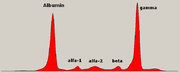 The presence of unexplained anemia
, kidney
dysfunction, a high erythrocyte sedimentation rate
(ESR) and a high serum protein
(especially raised globulins or immunoglobulin) may prompt further testing.The globulin level may be normal in established disease. A doctor will request protein electrophoresis
of the blood and urine, which might show the presence of a paraprotein
(monoclonal protein, or M protein) band, with or without reduction of the other (normal) immunoglobulins (known as immune paresis). One type of paraprotein is the Bence Jones protein
which is a urinary paraprotein composed of free light chains (see below). Quantitative measurements of the paraprotein are necessary to establish a diagnosis and to monitor the disease. The paraprotein is an abnormal immunoglobulin produced by the tumor clone. Very rarely, the myeloma is nonsecretory (not producing immunoglobulins).
In theory, multiple myeloma can produce all classes of immunoglobulin, but IgG paraproteins are most common, followed by IgA
and IgM
. IgD
and IgE
myeloma are very rare. In addition, light and or heavy chains (the building blocks of antibodies) may be secreted in isolation: κ- or λ-light chains or any of the five types of heavy chains (α-, γ-, δ-, ε- or μ-heavy chains).
Additional findings include: a raised calcium
(when osteoclasts are breaking down bone, releasing calcium
into the bloodstream), raised serum creatinine
due to reduced renal function
, which is mainly due to casts of paraprotein deposition in the kidney
, although the cast may also contain complete immunoglobulins, Tamm-Horsfall protein
and albumin
.
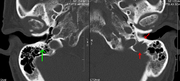 The workup of suspected multiple myeloma includes a skeletal survey
. This is a series of X-ray
s of the skull, axial skeleton
and proximal long bones. Myeloma activity sometimes appear as "lytic lesions" (with local disappearance of normal bone due to resorption), and on the skull X-ray
as "punched-out lesions" (pepper pot skull). Magnetic resonance imaging
(MRI) is more sensitive than simple X-ray in the detection of lytic lesions, and may supersede skeletal survey, especially when vertebral disease is suspected. Occasionally a CT scan is performed to measure the size of soft tissue plasmacytomas. Bone scan
s are typically not of any additional value in the workup of myeloma patients (no new bone formation, lytic lesions not well visualized on bone scan).
A bone marrow biopsy
is usually performed to estimate the percentage of bone marrow occupied by plasma cells. This percentage is used in the diagnostic criteria for myeloma. Immunohistochemistry
(staining particular cell types using antibodies against surface proteins) can detect plasma cells which express immunoglobulin in the cytoplasm and occasionally on the cell surface; myeloma cells are typically CD56, CD38
, CD138 positive and CD19
and CD45
negative. Cytogenetics
may also be performed in myeloma for prognostic purposes, including a myeloma-specific FISH
and Virtual Karyotype
.
Other useful laboratory tests include quantitative measurement of IgA
, IgG, IgM
(immunoglobulins) to look for immune paresis, and Beta 2-microglobulin which provides prognostic information. On peripheral blood smear the rouleaux
formation of red blood cells is commonly seen.
The recent introduction of a commercial immunoassay for measurement of free light chains potentially offers an improvement in monitoring disease progression and response to treatment, particularly where the paraprotein is difficult to measure accurately by electrophoresis
(for example in light chain myeloma, or where the paraprotein level is very low). Initial research also suggests that measurement of free light chains may also be used, in conjunction with other markers, for assessment of the risk of progression from monoclonal gammopathy of undetermined significance
(MGUS) to multiple myeloma.
This assay, the serum free light chain assay, has recently been recommended by the International Myeloma Working Group
for the screening, diagnosis
, prognosis
, and monitoring of plasma cell dyscrasia
s.
The prognosis of myeloma varies widely depending upon various risk factors. The Mayo Clinic has developed a risk-stratification model termed Mayo Stratification for Myeloma and Risk-adapted Therapy (mSMART) which divides patients into high-risk and standard-risk categories. Patients with deletion of chromosome 13 or hypodiploidy by conventional cytogenetics, t(4;14), t(14;16) or 17p
- by molecular genetic studies, or with a high plasma cell labeling index (3% or more) are considered to have high-risk myeloma.
agreed on diagnostic criteria for symptomatic myeloma, asymptomatic myeloma and MGUS
(monoclonal gammopathy of undetermined significance), which was subsequently updated in 2009:
Note: Recurrent infections alone in a patient who has none of the CRAB features is not sufficient to make the diagnosis of myeloma. Patients who lack CRAB features but have evidence of amyloidosis should be considered as amyloidosis and not myeloma. CRAB like abnormalities are common with numerous diseases, and it is imperative that these abnormalities are felt to be directly attributable to the related plasma cell disorder and every attempt made to rule out other underlying causes of anemia, renal failure etc.
Related conditions include solitary plasmacytoma
(a single tumor of plasma cells, typically treated with irradiation
), plasma cell dyscrasia
(where only the antibodies produce symptoms, e.g. AL amyloidosis
), and POEMS syndrome
(peripheral neuropathy, organomegaly, endocrinopathy, monoclonal plasma cell disorder, skin changes).
The International Staging System (ISS) for myeloma was published by the International Myeloma Working Group
in 2005:
Note that the ISS should be used only in patients who meet diagnostic criteria for myeloma. Patients with MGUS and asymptomatic myeloma who have renal dysfunction from unrelated causes such as diabetes or hypertension may have elevated β2M levels just from the renal dysfunction and cannot be considered as stage III myeloma. This is one of the main drawbacks of the ISS. It does not really quantify tumor burden or extent unlike staging systems used in other cancers. It is more of a prognostic index rather than a true staging system. For this reason, it is recommended that the ISS be used along with the Durie Salmon Staging System (see below).
Durie-Salmon staging system
First published in 1975, the Durie-Salmon staging system is still in use:
Stages I, II, and III of the Durie-Salmon staging system can be divided into A or B depending on serum creatinine:
Multiple myeloma develops in B lymphocytes after they have left the part of the lymph node known as the germinal center
. The normal cell line most closely associated with MM cells is generally taken to be either an activated memory B cell
or the precursor to plasma cells, the plasmablast.
The immune system keeps the proliferation of B cells and the secretion of antibodies under tight control. When chromosomes and genes are damaged, often through rearrangement, this control is lost. Often, a promoter gene moves (or translocates) to a chromosome where it stimulates an antibody gene to overproduction.
A chromosomal translocation
between the immunoglobulin heavy chain
gene (on chromosome 14, locus q32) and an oncogene
(often 11q13, 4p16.3, 6p21, 16q23 and 20q11) is frequently observed in patients with multiple myeloma. This mutation results in dysregulation of the oncogene which is thought to be an important initiating event in the pathogenesis of myeloma. The result is proliferation of a plasma cell clone and genomic instability that leads to further mutations and translocations. The chromosome 14 abnormality is observed in about 50% of all cases of myeloma. Deletion of (parts of) chromosome 13 is also observed in about 50% of cases.
Production of cytokine
s) (especially IL-6
) by the plasma cells causes much of their localised damage, such as osteoporosis
, and creates a microenvironment in which the malignant cells thrive. Angiogenesis
(the attraction of new blood vessels) is increased.
The produced antibodies are deposited in various organs, leading to renal failure, polyneuropathy and various other myeloma-associated symptoms.
In addition to direct treatment of the plasma cell proliferation, bisphosphonate
s (e.g. pamidronate or zoledronic acid) are routinely administered to prevent fractures and erythropoietin
to treat anemia.
–dexamethasone
, bortezomib
based regimens, and lenalidomide
–dexamethasone. Autologous stem cell transplantation
(ASCT), the transplantation of a patient’s own stem cells after chemotherapy, is the most common type of stem cell transplantation for multiple myeloma. It is not curative, but does prolong overall survival. Allogeneic stem cell transplantation
, the transplantation of a healthy person’s stem cells into the affected patient, has the potential for a cure, but is only available to a small percentage of patients. Furthermore, there is a 5-10% treatment-associated mortality rate.
Patients over age 65 and patients with significant concurrent illness often cannot tolerate stem cell transplantation. For these patients, the standard of care has been chemotherapy with melphalan
and prednisone. Recent studies among this population suggest improved outcomes with new chemotherapy regimens. Treatment with bortezomib, melphalan and prednisone had an estimated overall survival of 83% at 30 months, lenalidomide plus low-dose dexamethasone an 82% survival at 2 years and melphalan, prednisone and lenalidomide had a 90% survival at 2 years. Head-to-head studies comparing these regimens have not been performed.
A 2009 review noted "Deep venous thrombosis and pulmonary embolism are the major side effects of
thalidomide and lenalidomide. Lenalidomide causes more myelosuppression, and thalidomide causes more sedation. Peripheral neuropathy and thrombocytopenia are major side effects of bortezomib."
Treatment of related hyperviscosity syndrome
may be required to prevent renal failure
A 2009 review of maintenance therapy concluded "In younger patients, post-ASCT maintenance therapy with thalidomide
appears to increase tumor burden reduction further, which translates in[to] prolonged PFS (Progression-free survival)."
Another 2009 review stated "the role of maintenance therapy with thalidomide,
lenalidomide, or bortezomib for patients with multiple myeloma is not definitively established; such therapy should be performed only in the context of a clinical trial."
Later in the course of the disease, "treatment resistance" occurs. This may be a reversible effect, and some new treatment modalities may re-sensitize the tumor to standard therapy. For patients with relapsed disease, bortezomib
(or Velcade) is a recent addition to the therapeutic arsenal, especially as second line therapy, since 2005. Bortezomib is a proteasome
inhibitor. Finally, lenalidomide
(or Revlimid), a less toxic thalidomide analog, is showing promise for treating myeloma.
More and more patients survive longer and longer, thanks to stem cell transplant (with their own or a donor's) and treatments combining Bortezomib (Velcade), Dexamethasone (corticoid) and melphalan or cyclophosphamide (Endoxan).This seems to maintain the monoclonal peak at a reasonable level.Survival expectancy is then rising, and new treatments are being developed.
Renal failure in multiple myeloma can be acute
(reversible) or chronic
(irreversible). Acute renal failure typically resolves when the calcium and paraprotein levels are brought under control. Treatment of chronic renal failure is dependent on the type of renal failure and may involve dialysis
.
, the median
survival has been estimated to be approximately 4.5 years, compared to a median of approximately 3.5 years with "standard" therapy.
Cytogenetic analysis of myeloma cells may be of prognostic value
, with deletion of chromosome 13, non-hyperdiploidy and the balanced translocations t(4;14) and t(14;16) conferring a poorer prognosis. The 11q13 and 6p21 cytogenetic abnormalities are associated with a better prognosis.
Prognostic markers such as these are always generated by retrospective analyses, and it is likely that new treatment developments will improve the outlook for those with traditionally "poor-risk" disease.
SNP array karyotyping
can detect copy number alterations of prognostic significance that may be missed by a targeted FISH panel. In MM, lack of a proliferative clone makes conventional cytogenetics informative in only ~30% of cases.
Array-based karyotyping
cannot detect balanced translocations, such as t(4;14) seen in ~15% of MM. Therefore, FISH for this translocation should also be performed if using SNP arrays to detect genome-wide copy number alterations of prognostic significance in MM.
The prognoses for patients with multiple myeloma, as those with other diseases, are not the same for everyone. The average age of onset is 70 years. Older patients often are experiencing other serious diseases, which affect survival. Younger patients might have much longer survival rates.
Some myeloma centers now employ genetic testing, which they call a “gene array.” By examining DNA oncologists can determine if patients are high risk or low risk. Myeloma patients identified as high risk are at high risk of having the cancer return more quickly following treatment. Low risk patients are at low risk of having the cancer return quickly following treatment.
living with multiple myeloma, and the American Cancer Society
estimates that approximately 14,600 new cases of myeloma are diagnosed each year in the United States.
Multiple myeloma is the second most prevalent blood cancer (10%) after non-Hodgkin's lymphoma. It represents approximately 1% of all cancers and 2% of all cancer deaths. Although the peak age of onset of multiple myeloma is 65 to 70 years of age, recent statistics indicate both increasing incidence and earlier age of onset.
Multiple myeloma affects slightly more men than women. African Americans and Native Pacific Islanders have the highest reported incidence of this disease in the United States and Asians the lowest. Results of a recent study found the incidence of myeloma to be 9.5 cases per 100,000 African Americans and 4.1 cases per 100,000 Caucasian Americans. Among African Americans, myeloma is one of the top 10 leading causes of cancer death.
In dogs, multiple myeloma accounts for around 8% of all haemopoietic tumours. Multiple myeloma occurs in older dogs, and is not particularly associated with either males or females. No species appear over represented in case reviews that have been conducted. Diagnosis in dogs is usually delayed due to the initial non specificity and range of clinical signs possible. Diagnosis usually involves bone marrow studies, X-rays, and plasma protein studies. In dogs, protein studies usually reveal the monoclonal gammaglobulin elevation to be IgA or IgG in equal incidence. In rare cases the globulin elevation is IgM, which is referred to as Waldenström's macroglobulinemia. The prognosis for initial control and return to good quality of life in dogs is good. 43% of dogs started on a combination chemotheraputic protocol achieved complete remission. Long term survival is normal with a median of 540 days reported. Recurrence is expected eventually, and although rescue protocols can be attempted, recurrences are often resistant to available chemotheraputics, and death commonly eventually follows from complications such as renal failure, sepsis or pain related owner initiated euthanasia.
Otto Kahler
Otto Kahler was an Austrian physician. Born and trained in Prague, he is best known for describing multiple myeloma, a hematological malignancy, which is called "Kahler's disease" in his honor in several countries...
), is a cancer
Cancer
Cancer , known medically as a malignant neoplasm, is a large group of different diseases, all involving unregulated cell growth. In cancer, cells divide and grow uncontrollably, forming malignant tumors, and invade nearby parts of the body. The cancer may also spread to more distant parts of the...
of plasma cell
Plasma cell
Plasma cells, also called plasma B cells, plasmocytes, and effector B cells, are white blood cells which produce large volumes of antibodies. They are transported by the blood plasma and the lymphatic system...
s, a type of white blood cell
White blood cell
White blood cells, or leukocytes , are cells of the immune system involved in defending the body against both infectious disease and foreign materials. Five different and diverse types of leukocytes exist, but they are all produced and derived from a multipotent cell in the bone marrow known as a...
normally responsible for the production of antibodies
Antibody
An antibody, also known as an immunoglobulin, is a large Y-shaped protein used by the immune system to identify and neutralize foreign objects such as bacteria and viruses. The antibody recognizes a unique part of the foreign target, termed an antigen...
. Collections of abnormal cells accumulate in bone
Bone
Bones are rigid organs that constitute part of the endoskeleton of vertebrates. They support, and protect the various organs of the body, produce red and white blood cells and store minerals. Bone tissue is a type of dense connective tissue...
s, where they cause bone lesions (abnormal areas of tissue), and in the bone marrow
Bone marrow
Bone marrow is the flexible tissue found in the interior of bones. In humans, bone marrow in large bones produces new blood cells. On average, bone marrow constitutes 4% of the total body mass of humans; in adults weighing 65 kg , bone marrow accounts for approximately 2.6 kg...
where they interfere with the production of normal blood cells. Most cases of myeloma also feature the production of a paraprotein
Paraprotein
A paraprotein is an immunoglobulin or immunoglobulin light-chain that is produced in excess by the clonal proliferation of plasma cells. Detection of paraproteins in the urine or blood is most often associated with benign MGUS , where they remain "silent", and multiple myeloma. An excess in the...
, an abnormal antibody that can cause kidney
Kidney
The kidneys, organs with several functions, serve essential regulatory roles in most animals, including vertebrates and some invertebrates. They are essential in the urinary system and also serve homeostatic functions such as the regulation of electrolytes, maintenance of acid–base balance, and...
problems and interferes with the production of normal antibodies leading to immunodeficiency
Immunodeficiency
Immunodeficiency is a state in which the immune system's ability to fight infectious disease is compromised or entirely absent. Immunodeficiency may also decrease cancer immunosurveillance. Most cases of immunodeficiency are acquired but some people are born with defects in their immune system,...
. Hypercalcemia (high calcium levels) is often encountered.
Myeloma is diagnosed with blood test
Blood test
A blood test is a laboratory analysis performed on a blood sample that is usually extracted from a vein in the arm using a needle, or via fingerprick....
s (protein electrophoresis
Protein electrophoresis
Protein electrophoresis is a method for analysing the proteins in a fluid or an extract. The electrophoresis may be performed with a small volume of sample in a number of alternative ways with or without a supporting medium: SDS polyacrylamide gel electrophoresis Protein electrophoresis is a method...
, peripheral blood smear
Blood film
A blood film or peripheral blood smear is a thin layer of blood smeared on a microscope slide and then stained in such a way to allow the various blood cells to be examined microscopically...
), microscopic examination of the bone marrow (bone marrow biopsy), and radiograph
Radiography
Radiography is the use of X-rays to view a non-uniformly composed material such as the human body. By using the physical properties of the ray an image can be developed which displays areas of different density and composition....
s of commonly involved bones. Myeloma is generally thought to be incurable, but remissions may be induced with steroids
Glucocorticoid
Glucocorticoids are a class of steroid hormones that bind to the glucocorticoid receptor , which is present in almost every vertebrate animal cell...
, chemotherapy
Chemotherapy
Chemotherapy is the treatment of cancer with an antineoplastic drug or with a combination of such drugs into a standardized treatment regimen....
, thalidomide
Thalidomide
Thalidomide was introduced as a sedative drug in the late 1950s that was typically used to cure morning sickness. In 1961, it was withdrawn due to teratogenicity and neuropathy. There is now a growing clinical interest in thalidomide, and it is introduced as an immunomodulatory agent used...
and stem cell transplants. Newer drugs, such as lenalidomide
Lenalidomide
Lenalidomide , initially known as CC-5013 and marketed as Revlimid by Celgene, is a derivative of thalidomide introduced in 2004....
and bortezomib
Bortezomib
Bortezomib is the first therapeutic proteasome inhibitor to be tested in humans. It is approved in the U.S. for treating relapsed multiple myeloma and mantle cell lymphoma...
, are often used in more advanced disease. Radiation therapy
Radiation therapy
Radiation therapy , radiation oncology, or radiotherapy , sometimes abbreviated to XRT or DXT, is the medical use of ionizing radiation, generally as part of cancer treatment to control malignant cells.Radiation therapy is commonly applied to the cancerous tumor because of its ability to control...
is sometimes used to treat bone lesions that are causing symptoms.
The disease develops in 1–4 per 100,000 people per year. It is more common in men, and for yet unknown reasons is twice as common in African American
African American
African Americans are citizens or residents of the United States who have at least partial ancestry from any of the native populations of Sub-Saharan Africa and are the direct descendants of enslaved Africans within the boundaries of the present United States...
s as it is in white American
White American
White Americans are people of the United States who are considered or consider themselves White. The United States Census Bureau defines White people as those "having origins in any of the original peoples of Europe, the Middle East, or North Africa...
s. With conventional treatment, the prognosis is 3–4 years, which may be extended to 5–7 years or longer with advanced treatments. Multiple myeloma is the second most common hematological malignancy
Hematological malignancy
Hematological malignancies are the types of cancer that affect blood, bone marrow, and lymph nodes. As the three are intimately connected through the immune system, a disease affecting one of the three will often affect the others as well: although lymphoma is technically a disease of the lymph...
(13%) and constitutes 1% of all cancers.
Signs and symptoms
Because many organs can be affected by myeloma, the symptoms and signs vary greatly. A mnemonicMnemonic
A mnemonic , or mnemonic device, is any learning technique that aids memory. To improve long term memory, mnemonic systems are used to make memorization easier. Commonly encountered mnemonics are often verbal, such as a very short poem or a special word used to help a person remember something,...
sometimes used to remember the common tetrad (four parts) of multiple myeloma is CRAB: C = Calcium (elevated), R = Renal failure, A = Anemia, B = Bone lesions. Myeloma has many possible symptoms, and all symptoms may be due to other causes. They are presented here in decreasing order of incidence
Incidence (epidemiology)
Incidence is a measure of the risk of developing some new condition within a specified period of time. Although sometimes loosely expressed simply as the number of new cases during some time period, it is better expressed as a proportion or a rate with a denominator.Incidence proportion is the...
.
Bone pain
Myeloma bone pain usually involves the spine and ribs, and worsens with activity. Persistent localized pain may indicate a pathological bone fractureBone fracture
A bone fracture is a medical condition in which there is a break in the continuity of the bone...
. Involvement of the vertebrae may lead to spinal cord compression
Spinal cord compression
Spinal cord compression develops when the spinal cord is compressed by bone fragments from a vertebral fracture, a tumor, abscess, ruptured intervertebral disc or other lesion...
. Myeloma bone disease is due to the overexpression of Receptor Activator for Nuclear Factor κ B Ligand (RANKL
RANKL
Receptor activator of nuclear factor kappa-B ligand , also known as tumor necrosis factor ligand superfamily member 11 , TNF-related activation-induced cytokine , osteoprotegerin ligand , and osteoclast differentiation factor , is a protein that in humans is encoded by the TNFSF11 gene.RANKL is...
) by bone marrow stroma. RANKL activates osteoclast
Osteoclast
An osteoclast is a type of bone cell that removes bone tissue by removing its mineralized matrix and breaking up the organic bone . This process is known as bone resorption. Osteoclasts were discovered by Kolliker in 1873...
s, which resorb bone. The resultant bone lesions are lytic (cause breakdown) in nature and are best seen in plain radiographs, which may show "punched-out" resorptive lesions (including the "pepper pot" appearance of the skull
Skull
The skull is a bony structure in the head of many animals that supports the structures of the face and forms a cavity for the brain.The skull is composed of two parts: the cranium and the mandible. A skull without a mandible is only a cranium. Animals that have skulls are called craniates...
on radiography). The breakdown of bone also leads to release of calcium
Calcium
Calcium is the chemical element with the symbol Ca and atomic number 20. It has an atomic mass of 40.078 amu. Calcium is a soft gray alkaline earth metal, and is the fifth-most-abundant element by mass in the Earth's crust...
into the blood, leading to hypercalcemia and its associated symptoms.
Infection
The most common infections are pneumoniaPneumonia
Pneumonia is an inflammatory condition of the lung—especially affecting the microscopic air sacs —associated with fever, chest symptoms, and a lack of air space on a chest X-ray. Pneumonia is typically caused by an infection but there are a number of other causes...
s and pyelonephritis
Pyelonephritis
Pyelonephritis is an ascending urinary tract infection that has reached the pyelum or pelvis of the kidney. It is a form of nephritis that is also referred to as pyelitis...
. Common pneumonia pathogen
Pathogen
A pathogen gignomai "I give birth to") or infectious agent — colloquially, a germ — is a microbe or microorganism such as a virus, bacterium, prion, or fungus that causes disease in its animal or plant host...
s include S. pneumoniae
Streptococcus pneumoniae
Streptococcus pneumoniae, or pneumococcus, is Gram-positive, alpha-hemolytic, aerotolerant anaerobic member of the genus Streptococcus. A significant human pathogenic bacterium, S...
, S. aureus
Staphylococcus aureus
Staphylococcus aureus is a facultative anaerobic Gram-positive coccal bacterium. It is frequently found as part of the normal skin flora on the skin and nasal passages. It is estimated that 20% of the human population are long-term carriers of S. aureus. S. aureus is the most common species of...
, and K. pneumoniae
Klebsiella pneumoniae
Klebsiella pneumoniae is a Gram-negative, non-motile, encapsulated, lactose fermenting, facultative anaerobic, rod shaped bacterium found in the normal flora of the mouth, skin, and intestines....
, while common pathogens causing pyelonephritis
Pyelonephritis
Pyelonephritis is an ascending urinary tract infection that has reached the pyelum or pelvis of the kidney. It is a form of nephritis that is also referred to as pyelitis...
include E. coli
Escherichia coli
Escherichia coli is a Gram-negative, rod-shaped bacterium that is commonly found in the lower intestine of warm-blooded organisms . Most E. coli strains are harmless, but some serotypes can cause serious food poisoning in humans, and are occasionally responsible for product recalls...
and other gram-negative
Gram-negative
Gram-negative bacteria are bacteria that do not retain crystal violet dye in the Gram staining protocol. In a Gram stain test, a counterstain is added after the crystal violet, coloring all Gram-negative bacteria with a red or pink color...
organisms. The greatest risk period for the occurrence of infection is in the initial few months after the start of chemotherapy. The increased risk of infection is due to immune deficiency resulting from diffuse hypergammaglobulinemia
Hypergammaglobulinemia
Hypergammaglobulinemia is a medical condition with elevated levels of gamma globulin.It is a type of immunoproliferative disorder.- Types :...
, which is due to decreased production and increased destruction of normal antibodies
Antibody
An antibody, also known as an immunoglobulin, is a large Y-shaped protein used by the immune system to identify and neutralize foreign objects such as bacteria and viruses. The antibody recognizes a unique part of the foreign target, termed an antigen...
. A selected group of patients may benefit from replacement immunoglobulin therapy to reduce the risk of infection.
Renal failure
Renal failureRenal failure
Renal failure or kidney failure describes a medical condition in which the kidneys fail to adequately filter toxins and waste products from the blood...
may develop both acutely
Acute renal failure
Acute kidney injury , previously called acute renal failure , is a rapid loss of kidney function. Its causes are numerous and include low blood volume from any cause, exposure to substances harmful to the kidney, and obstruction of the urinary tract...
and chronically
Chronic renal failure
Chronic kidney disease , also known as chronic renal disease, is a progressive loss in renal function over a period of months or years. The symptoms of worsening kidney function are unspecific, and might include feeling generally unwell and experiencing a reduced appetite...
. It is commonly due to hypercalcemia (see above). It may also be due to tubular damage from excretion of light chain
Immunoglobulin light chain
]The immunoglobulin light chain is the small polypeptide subunit of an antibody .A typical antibody is composed of two immunoglobulin heavy chains and two Ig light chains.-In humans:...
s, also called Bence Jones protein
Bence Jones protein
A Bence Jones protein is a monoclonal globulin protein found in the blood or urine, with a molecular weight of 22-24 kDa.Finding this protein is often suggestive of multiple myeloma or Waldenstrom's macroglobulinemia....
s, which can manifest as the Fanconi syndrome
Fanconi syndrome
Falconi syndrome is a disease of the proximal renal tubules of the kidney in which glucose, amino acids, uric acid, phosphate and bicarbonate are passed into the urine, instead of being reabsorbed. Fanconi syndrome affects the proximal tubule, which is the first part of the tubule to process fluid...
(type II renal tubular acidosis
Renal tubular acidosis
Renal tubular acidosis is a medical condition that involves an accumulation of acid in the body due to a failure of the kidneys to appropriately acidify the urine. When blood is filtered by the kidney, the filtrate passes through the tubules of the nephron, allowing for exchange of salts, acid...
). Other causes include glomerular deposition of amyloid
Amyloid
Amyloids are insoluble fibrous protein aggregates sharing specific structural traits. Abnormal accumulation of amyloid in organs may lead to amyloidosis, and may play a role in various neurodegenerative diseases.-Definition:...
, hyperuricemia
Hyperuricemia
Hyperuricemia is a level of uric acid in the blood that is abnormally high. In humans, the upper end of the normal range is 360 µmol/L for women and 400 µmol/L for men.-Causes:...
, recurrent infections (pyelonephritis
Pyelonephritis
Pyelonephritis is an ascending urinary tract infection that has reached the pyelum or pelvis of the kidney. It is a form of nephritis that is also referred to as pyelitis...
), and local infiltration of tumor
Tumor
A tumor or tumour is commonly used as a synonym for a neoplasm that appears enlarged in size. Tumor is not synonymous with cancer...
cells.
Anemia
The anemiaAnemia
Anemia is a decrease in number of red blood cells or less than the normal quantity of hemoglobin in the blood. However, it can include decreased oxygen-binding ability of each hemoglobin molecule due to deformity or lack in numerical development as in some other types of hemoglobin...
found in myeloma is usually normocytic and normochromic
Normochromic
Normochromic is a form of anemia in which the concentration of hemoglobin in the red blood cells is within the standard range. However, there are insufficient numbers of red blood cells. This includes: aplastic, posthemorrhagic, and hemolytic anemias and anemia of chronic disease.synonymous with...
. It results from the replacement of normal bone marrow by infiltrating tumor cells and inhibition of normal red blood cell production (hematopoiesis) by cytokines.
Neurological symptoms
Common problems are weaknessWeakness
Weakness is a symptom represented, medically, by a number of different conditions, including: lack of muscle strength, malaise, dizziness, or fatigue. The causes are many and can be divided into conditions that have true or perceived muscle weakness. True muscle weakness is a primary symptom of a...
, confusion
ConFusion
ConFusion is an annual science fiction convention organized by the Stilyagi Air Corps and its parent organization, the Ann Arbor Science Fiction Association. Commonly, it is held the third weekend of January. It is the oldest science fiction convention in Michigan, a regional, general SF con...
and fatigue
Fatigue
Fatigue may refer to:*Fatigue , structural damage from repeated loading*Fatigue , a state of physical and/or mental weakness*Fatigue , safety implications of tiredness...
due to hypercalcemia. Headache
Headache
A headache or cephalalgia is pain anywhere in the region of the head or neck. It can be a symptom of a number of different conditions of the head and neck. The brain tissue itself is not sensitive to pain because it lacks pain receptors. Rather, the pain is caused by disturbance of the...
, visual changes and retinopathy
Retinopathy
Retinopathy is a general term that refers to some form of non-inflammatory damage to the retina of the eye. Frequently, retinopathy is an ocular manifestation of systemic disease.-Pathophysiology:Causes of retinopathy are varied:...
may be the result of hyperviscosity of the blood depending on the properties of the paraprotein
Paraprotein
A paraprotein is an immunoglobulin or immunoglobulin light-chain that is produced in excess by the clonal proliferation of plasma cells. Detection of paraproteins in the urine or blood is most often associated with benign MGUS , where they remain "silent", and multiple myeloma. An excess in the...
. Finally, there may be radicular pain
Radicular pain
Radicular pain, or radiculitis, is pain "radiated" along the dermatome of a nerve due to inflammation or other irritation of the nerve root at its connection to the spinal column...
, loss of bowel or bladder control (due to involvement of spinal cord
Spinal cord
The spinal cord is a long, thin, tubular bundle of nervous tissue and support cells that extends from the brain . The brain and spinal cord together make up the central nervous system...
leading to cord compression) or carpal tunnel syndrome
Carpal tunnel syndrome
Carpal Tunnel Syndrome is an entrapment idiopathic median neuropathy, causing paresthesia, pain, and other symptoms in the distribution of the median nerve due to its compression at the wrist in the carpal tunnel. The pathophysiology is not completely understood but can be considered compression...
and other neuropathies (due to infiltration of peripheral nerves by amyloid
Amyloid
Amyloids are insoluble fibrous protein aggregates sharing specific structural traits. Abnormal accumulation of amyloid in organs may lead to amyloidosis, and may play a role in various neurodegenerative diseases.-Definition:...
). It may give rise to paraplegia
Paraplegia
Paraplegia is an impairment in motor or sensory function of the lower extremities. The word comes from Ionic Greek: παραπληγίη "half-striking". It is usually the result of spinal cord injury or a congenital condition such as spina bifida that affects the neural elements of the spinal canal...
in late presenting cases.
Investigations
Anemia
Anemia is a decrease in number of red blood cells or less than the normal quantity of hemoglobin in the blood. However, it can include decreased oxygen-binding ability of each hemoglobin molecule due to deformity or lack in numerical development as in some other types of hemoglobin...
, kidney
Kidney
The kidneys, organs with several functions, serve essential regulatory roles in most animals, including vertebrates and some invertebrates. They are essential in the urinary system and also serve homeostatic functions such as the regulation of electrolytes, maintenance of acid–base balance, and...
dysfunction, a high erythrocyte sedimentation rate
Erythrocyte sedimentation rate
The erythrocyte sedimentation rate , also called a sedimentation rate or Biernacki Reaction, is the rate at which red blood cells sediment in a period of 1 hour...
(ESR) and a high serum protein
Protein
Proteins are biochemical compounds consisting of one or more polypeptides typically folded into a globular or fibrous form, facilitating a biological function. A polypeptide is a single linear polymer chain of amino acids bonded together by peptide bonds between the carboxyl and amino groups of...
(especially raised globulins or immunoglobulin) may prompt further testing.The globulin level may be normal in established disease. A doctor will request protein electrophoresis
Protein electrophoresis
Protein electrophoresis is a method for analysing the proteins in a fluid or an extract. The electrophoresis may be performed with a small volume of sample in a number of alternative ways with or without a supporting medium: SDS polyacrylamide gel electrophoresis Protein electrophoresis is a method...
of the blood and urine, which might show the presence of a paraprotein
Paraprotein
A paraprotein is an immunoglobulin or immunoglobulin light-chain that is produced in excess by the clonal proliferation of plasma cells. Detection of paraproteins in the urine or blood is most often associated with benign MGUS , where they remain "silent", and multiple myeloma. An excess in the...
(monoclonal protein, or M protein) band, with or without reduction of the other (normal) immunoglobulins (known as immune paresis). One type of paraprotein is the Bence Jones protein
Bence Jones protein
A Bence Jones protein is a monoclonal globulin protein found in the blood or urine, with a molecular weight of 22-24 kDa.Finding this protein is often suggestive of multiple myeloma or Waldenstrom's macroglobulinemia....
which is a urinary paraprotein composed of free light chains (see below). Quantitative measurements of the paraprotein are necessary to establish a diagnosis and to monitor the disease. The paraprotein is an abnormal immunoglobulin produced by the tumor clone. Very rarely, the myeloma is nonsecretory (not producing immunoglobulins).
In theory, multiple myeloma can produce all classes of immunoglobulin, but IgG paraproteins are most common, followed by IgA
IGA
Iga or IGA may stand for:-Given name:* a female given name of Polish origin. The name originates from the female given name Jadwiga and stands for gia,or gina in the USA....
and IgM
IGM
IGM as an acronym or abbreviation can refer to:* Immunoglobulin M , the primary antibody against A and B antigens on red blood cells* International Grandmaster, a chess ranking* intergalactic medium* Intragroup medium - see: Intracluster medium...
. IgD
IGD
IGD can refer to:*Internet Gateway Device as defined in UPnP.*İGD, İlerici Gençler Derneği, Progressive Young Association of Turkey*Immunoglobulin D, an antibody protein involved in the maturation of B cells....
and IgE
IGE
IGE was one of the largest services company buying and selling virtual currencies and accounts for MMORPG. During its peak time, it had offices in Los Angeles, China , and headquarters & customer service centre in Hong Kong. IGE was one of the main monopoly in virtual economy services, also known...
myeloma are very rare. In addition, light and or heavy chains (the building blocks of antibodies) may be secreted in isolation: κ- or λ-light chains or any of the five types of heavy chains (α-, γ-, δ-, ε- or μ-heavy chains).
Additional findings include: a raised calcium
Calcium
Calcium is the chemical element with the symbol Ca and atomic number 20. It has an atomic mass of 40.078 amu. Calcium is a soft gray alkaline earth metal, and is the fifth-most-abundant element by mass in the Earth's crust...
(when osteoclasts are breaking down bone, releasing calcium
Calcium
Calcium is the chemical element with the symbol Ca and atomic number 20. It has an atomic mass of 40.078 amu. Calcium is a soft gray alkaline earth metal, and is the fifth-most-abundant element by mass in the Earth's crust...
into the bloodstream), raised serum creatinine
Creatinine
Creatinine is a break-down product of creatine phosphate in muscle, and is usually produced at a fairly constant rate by the body...
due to reduced renal function
Renal function
Renal function, in nephrology, is an indication of the state of the kidney and its role in renal physiology. Glomerular filtration rate describes the flow rate of filtered fluid through the kidney...
, which is mainly due to casts of paraprotein deposition in the kidney
Kidney
The kidneys, organs with several functions, serve essential regulatory roles in most animals, including vertebrates and some invertebrates. They are essential in the urinary system and also serve homeostatic functions such as the regulation of electrolytes, maintenance of acid–base balance, and...
, although the cast may also contain complete immunoglobulins, Tamm-Horsfall protein
Tamm-Horsfall protein
The Tamm-Horsfall glycoprotein also known as uromodulin is a glycoprotein that in humans is encoded by the UMOD gene. Up to 150 mg/dl of uromodulin may be excreted in the urine, making it the most abundant protein in normal urine.- Gene :...
and albumin
Albumin
Albumin refers generally to any protein that is water soluble, which is moderately soluble in concentrated salt solutions, and experiences heat denaturation. They are commonly found in blood plasma, and are unique to other blood proteins in that they are not glycosylated...
.
Workup
Skeletal survey
A skeletal survey is a series of X-rays of all the bones in the body, or at least the axial skeleton and the large cortical bones. A very common use is the diagnosis of multiple myeloma, where tumour deposits appear as "punched-out" lesions...
. This is a series of X-ray
X-ray
X-radiation is a form of electromagnetic radiation. X-rays have a wavelength in the range of 0.01 to 10 nanometers, corresponding to frequencies in the range 30 petahertz to 30 exahertz and energies in the range 120 eV to 120 keV. They are shorter in wavelength than UV rays and longer than gamma...
s of the skull, axial skeleton
Axial skeleton
The axial skeleton consists of the 80 bones along the central axis of the human body. It is composed of six parts; the human skull, the ossicles of the middle ear, the hyoid bone of the throat, the rib cage, sternum and the vertebral column...
and proximal long bones. Myeloma activity sometimes appear as "lytic lesions" (with local disappearance of normal bone due to resorption), and on the skull X-ray
X-ray
X-radiation is a form of electromagnetic radiation. X-rays have a wavelength in the range of 0.01 to 10 nanometers, corresponding to frequencies in the range 30 petahertz to 30 exahertz and energies in the range 120 eV to 120 keV. They are shorter in wavelength than UV rays and longer than gamma...
as "punched-out lesions" (pepper pot skull). Magnetic resonance imaging
Magnetic resonance imaging
Magnetic resonance imaging , nuclear magnetic resonance imaging , or magnetic resonance tomography is a medical imaging technique used in radiology to visualize detailed internal structures...
(MRI) is more sensitive than simple X-ray in the detection of lytic lesions, and may supersede skeletal survey, especially when vertebral disease is suspected. Occasionally a CT scan is performed to measure the size of soft tissue plasmacytomas. Bone scan
Bone scan
A bone scan or bone scintigraphy is a nuclear scanning test to find certain abnormalities in bone which are triggering the bone's attempts to heal. It is primarily used to help diagnose a number of conditions relating to bones, including: cancer of the bone or cancers that have spread to the bone,...
s are typically not of any additional value in the workup of myeloma patients (no new bone formation, lytic lesions not well visualized on bone scan).
A bone marrow biopsy
Bone marrow biopsy
Bone marrow examination refers to the pathologic analysis of samples of bone marrow obtained by bone marrow biopsy and bone marrow aspiration. Bone marrow examination is used in the diagnosis of a number of conditions, including leukemia, multiple myeloma, lymphoma, anemia, and pancytopenia...
is usually performed to estimate the percentage of bone marrow occupied by plasma cells. This percentage is used in the diagnostic criteria for myeloma. Immunohistochemistry
Immunohistochemistry
Immunohistochemistry or IHC refers to the process of detecting antigens in cells of a tissue section by exploiting the principle of antibodies binding specifically to antigens in biological tissues. IHC takes its name from the roots "immuno," in reference to antibodies used in the procedure, and...
(staining particular cell types using antibodies against surface proteins) can detect plasma cells which express immunoglobulin in the cytoplasm and occasionally on the cell surface; myeloma cells are typically CD56, CD38
CD38
CD38 , also known as cyclic ADP ribose hydrolase is a glycoprotein found on the surface of many immune cells , including CD4+, CD8+, B and natural killer cells...
, CD138 positive and CD19
CD19
B-lymphocyte antigen CD19 also known as CD19 , is a protein that in humans is encoded by the CD19 gene.- Function :...
and CD45
CD45
Protein tyrosine phosphatase, receptor type, C also known as PTPRC is an enzyme that, in humans, is encoded by the PTPRC gene. PTPRC is also known as CD45 antigen , which was originally called leukocyte common antigen.- Function :The protein encoded by this gene is a member of the protein tyrosine...
negative. Cytogenetics
Cytogenetics
Cytogenetics is a branch of genetics that is concerned with the study of the structure and function of the cell, especially the chromosomes. It includes routine analysis of G-Banded chromosomes, other cytogenetic banding techniques, as well as molecular cytogenetics such as fluorescent in situ...
may also be performed in myeloma for prognostic purposes, including a myeloma-specific FISH
Fluorescent in situ hybridization
FISH is a cytogenetic technique developed by biomedical researchers in the early 1980s that is used to detect and localize the presence or absence of specific DNA sequences on chromosomes. FISH uses fluorescent probes that bind to only those parts of the chromosome with which they show a high...
and Virtual Karyotype
Virtual Karyotype
Virtual karyotype detects genomic copy number variations at a higher resolution level than conventional karyotyping or chromosome-based comparative genomic hybridization .-Background:...
.
Other useful laboratory tests include quantitative measurement of IgA
IGA
Iga or IGA may stand for:-Given name:* a female given name of Polish origin. The name originates from the female given name Jadwiga and stands for gia,or gina in the USA....
, IgG, IgM
IGM
IGM as an acronym or abbreviation can refer to:* Immunoglobulin M , the primary antibody against A and B antigens on red blood cells* International Grandmaster, a chess ranking* intergalactic medium* Intragroup medium - see: Intracluster medium...
(immunoglobulins) to look for immune paresis, and Beta 2-microglobulin which provides prognostic information. On peripheral blood smear the rouleaux
Rouleaux
Rouleaux are stacks of red blood cells which form because of the unique discoid shape of the cells in vertebrate body. The flat surface of the discoid RBCs give them a large surface area to make contact and stick to each other; thus, forming a rouleau...
formation of red blood cells is commonly seen.
The recent introduction of a commercial immunoassay for measurement of free light chains potentially offers an improvement in monitoring disease progression and response to treatment, particularly where the paraprotein is difficult to measure accurately by electrophoresis
Electrophoresis
Electrophoresis, also called cataphoresis, is the motion of dispersed particles relative to a fluid under the influence of a spatially uniform electric field. This electrokinetic phenomenon was observed for the first time in 1807 by Reuss , who noticed that the application of a constant electric...
(for example in light chain myeloma, or where the paraprotein level is very low). Initial research also suggests that measurement of free light chains may also be used, in conjunction with other markers, for assessment of the risk of progression from monoclonal gammopathy of undetermined significance
Monoclonal gammopathy of undetermined significance
Monoclonal gammopathy of undetermined significance , formerly benign monoclonal gammopathy, is a condition in which a paraprotein is found in the blood during standard laboratory tests...
(MGUS) to multiple myeloma.
This assay, the serum free light chain assay, has recently been recommended by the International Myeloma Working Group
International Myeloma Working Group
International Myeloma Working GroupThe International Myeloma Working Group was established by the International Myeloma Foundation to provide a forum for researchers to collaborate on cllinical and scientific issues deemed important to the scientific and clinical communities. 134 researchers from...
for the screening, diagnosis
Diagnosis
Diagnosis is the identification of the nature and cause of anything. Diagnosis is used in many different disciplines with variations in the use of logics, analytics, and experience to determine the cause and effect relationships...
, prognosis
Prognosis
Prognosis is a medical term to describe the likely outcome of an illness.When applied to large statistical populations, prognostic estimates can be very accurate: for example the statement "45% of patients with severe septic shock will die within 28 days" can be made with some confidence, because...
, and monitoring of plasma cell dyscrasia
Dyscrasia
Dyscrasia is a concept from ancient Greek medicine with the word "dyskrasia", meaning bad mixture.The concept of dyscrasia was developed by the ancient Greek physician Galen , who elaborated a model of health and disease as a structure of elements, qualities, humors, organs, and temperaments...
s.
The prognosis of myeloma varies widely depending upon various risk factors. The Mayo Clinic has developed a risk-stratification model termed Mayo Stratification for Myeloma and Risk-adapted Therapy (mSMART) which divides patients into high-risk and standard-risk categories. Patients with deletion of chromosome 13 or hypodiploidy by conventional cytogenetics, t(4;14), t(14;16) or 17p
Chromosome 17 (human)
125px|rightChromosome 17 is one of the 23 pairs of chromosomes in humans. People normally have two copies of this chromosome. Chromosome 17 spans more than 81 million base pairs and represents between 2.5 and 3 % of the total DNA in cells.Identifying genes on each chromosome is an active area of...
- by molecular genetic studies, or with a high plasma cell labeling index (3% or more) are considered to have high-risk myeloma.
Diagnostic criteria
In 2003, the International Myeloma Working GroupInternational Myeloma Working Group
International Myeloma Working GroupThe International Myeloma Working Group was established by the International Myeloma Foundation to provide a forum for researchers to collaborate on cllinical and scientific issues deemed important to the scientific and clinical communities. 134 researchers from...
agreed on diagnostic criteria for symptomatic myeloma, asymptomatic myeloma and MGUS
Monoclonal gammopathy of undetermined significance
Monoclonal gammopathy of undetermined significance , formerly benign monoclonal gammopathy, is a condition in which a paraprotein is found in the blood during standard laboratory tests...
(monoclonal gammopathy of undetermined significance), which was subsequently updated in 2009:
- Symptomatic myeloma:
- Clonal plasma cells >10% on bone marrowBone marrowBone marrow is the flexible tissue found in the interior of bones. In humans, bone marrow in large bones produces new blood cells. On average, bone marrow constitutes 4% of the total body mass of humans; in adults weighing 65 kg , bone marrow accounts for approximately 2.6 kg...
biopsyBiopsyA biopsy is a medical test involving sampling of cells or tissues for examination. It is the medical removal of tissue from a living subject to determine the presence or extent of a disease. The tissue is generally examined under a microscope by a pathologist, and can also be analyzed chemically...
or (in any quantity) in a biopsy from other tissues (plasmacytomaPlasmacytomaPlasmacytoma refers to a malignant plasma cell tumor growing within soft tissue or within the skeleton. The skeletal forms usually have other occult tumors and frequently disseminate to multiple myeloma over the course of 5–10 years. The soft tissue forms most often occur in the upper respiratory...
) - A monoclonalMonoclonalMonoclonal cells are defined as a group of cells produced from a single ancestral cell by repeated cellular replication. Thus they can be said to form a single "clone". The process of replication can occur in vivo, or may be stimulated in vitro for laboratory manipulations...
protein (paraproteinParaproteinA paraprotein is an immunoglobulin or immunoglobulin light-chain that is produced in excess by the clonal proliferation of plasma cells. Detection of paraproteins in the urine or blood is most often associated with benign MGUS , where they remain "silent", and multiple myeloma. An excess in the...
) in either serumBlood plasmaBlood plasma is the straw-colored liquid component of blood in which the blood cells in whole blood are normally suspended. It makes up about 55% of the total blood volume. It is the intravascular fluid part of extracellular fluid...
or urineUrineUrine is a typically sterile liquid by-product of the body that is secreted by the kidneys through a process called urination and excreted through the urethra. Cellular metabolism generates numerous by-products, many rich in nitrogen, that require elimination from the bloodstream...
(except in cases of true non-secretory myeloma) - Evidence of end-organ damage felt related to the plasma cell disorder (related organ or tissue impairment, ROTI, commonly referred to by the acronym "CRAB"):
- HyperCalcemia (corrected calcium >2.75 mmol/L)
- Renal insufficiencyRenal failureRenal failure or kidney failure describes a medical condition in which the kidneys fail to adequately filter toxins and waste products from the blood...
attributable to myeloma - AnemiaAnemiaAnemia is a decrease in number of red blood cells or less than the normal quantity of hemoglobin in the blood. However, it can include decreased oxygen-binding ability of each hemoglobin molecule due to deformity or lack in numerical development as in some other types of hemoglobin...
(hemoglobin <10 g/dL) - Bone lesions (lytic lesions or osteoporosisOsteoporosisOsteoporosis is a disease of bones that leads to an increased risk of fracture. In osteoporosis the bone mineral density is reduced, bone microarchitecture is deteriorating, and the amount and variety of proteins in bone is altered...
with compression fractures)
- Clonal plasma cells >10% on bone marrow
Note: Recurrent infections alone in a patient who has none of the CRAB features is not sufficient to make the diagnosis of myeloma. Patients who lack CRAB features but have evidence of amyloidosis should be considered as amyloidosis and not myeloma. CRAB like abnormalities are common with numerous diseases, and it is imperative that these abnormalities are felt to be directly attributable to the related plasma cell disorder and every attempt made to rule out other underlying causes of anemia, renal failure etc.
- Asymptomatic myeloma:
- Serum paraprotein >30 g/L AND/OR
- Clonal plasma cells >10% on bone marrow biopsy AND
- NO myeloma-related organ or tissue impairment
- Monoclonal gammopathy of undetermined significance (MGUS):
- Serum paraprotein <30 g/L AND
- Clonal plasma cells <10% on bone marrow biopsy AND
- NO myeloma-related organ or tissue impairment
Related conditions include solitary plasmacytoma
Plasmacytoma
Plasmacytoma refers to a malignant plasma cell tumor growing within soft tissue or within the skeleton. The skeletal forms usually have other occult tumors and frequently disseminate to multiple myeloma over the course of 5–10 years. The soft tissue forms most often occur in the upper respiratory...
(a single tumor of plasma cells, typically treated with irradiation
Irradiation
Irradiation is the process by which an object is exposed to radiation. The exposure can originate from various sources, including natural sources. Most frequently the term refers to ionizing radiation, and to a level of radiation that will serve a specific purpose, rather than radiation exposure to...
), plasma cell dyscrasia
Dyscrasia
Dyscrasia is a concept from ancient Greek medicine with the word "dyskrasia", meaning bad mixture.The concept of dyscrasia was developed by the ancient Greek physician Galen , who elaborated a model of health and disease as a structure of elements, qualities, humors, organs, and temperaments...
(where only the antibodies produce symptoms, e.g. AL amyloidosis
AL amyloidosis
Amyloid Light-chain amyloidosis, primary systemic amyloidosis or just primary amyloidosis is the most common form of systemic amyloidosis in the US. The disease is caused when a person's antibody-producing cells do not function properly and produce abnormal protein fibers made of components of...
), and POEMS syndrome
POEMS syndrome
POEMS syndrome is a rare medical syndrome. It is defined as the combination of a plasma-cell proliferative disorder , polyneuropathy, and effects on many other organ systems. It begins in middle age – the average age at onset is 50 – and affects up to twice as many men as women...
(peripheral neuropathy, organomegaly, endocrinopathy, monoclonal plasma cell disorder, skin changes).
Staging
International Staging SystemThe International Staging System (ISS) for myeloma was published by the International Myeloma Working Group
International Myeloma Working Group
International Myeloma Working GroupThe International Myeloma Working Group was established by the International Myeloma Foundation to provide a forum for researchers to collaborate on cllinical and scientific issues deemed important to the scientific and clinical communities. 134 researchers from...
in 2005:
- Stage I: β2-microglobulin (β2M) < 3.5 mg/L, albuminSerum albuminSerum albumin, often referred to simply as albumin is a protein that in humans is encoded by the ALB gene.Serum albumin is the most abundant plasma protein in mammals. Albumin is essential for maintaining the osmotic pressure needed for proper distribution of body fluids between intravascular...
>= 3.5 g/dL - Stage II: β2M < 3.5 mg/L and albumin < 3.5 g/dL; or β2M 3.5 mg/L - 5.5 mg/L irrespective of the serum albumin
- Stage III: β2M >= 5.5 mg/L
Note that the ISS should be used only in patients who meet diagnostic criteria for myeloma. Patients with MGUS and asymptomatic myeloma who have renal dysfunction from unrelated causes such as diabetes or hypertension may have elevated β2M levels just from the renal dysfunction and cannot be considered as stage III myeloma. This is one of the main drawbacks of the ISS. It does not really quantify tumor burden or extent unlike staging systems used in other cancers. It is more of a prognostic index rather than a true staging system. For this reason, it is recommended that the ISS be used along with the Durie Salmon Staging System (see below).
Durie-Salmon staging system
First published in 1975, the Durie-Salmon staging system is still in use:
- stage I: all of
- Hb > 10g/dL
- normal calcium
- Skeletal survey: normal or single plasmacytoma or osteoporosis
- Serum paraprotein level < 5 g/dL if IgG, < 3 g/dL if IgA
- Urinary light chain excretion < 4 g/24h
- stage II: fulfilling the criteria of neither I nor III
- stage III: one or more of
- Hb < 8.5g/dL
- high calcium > 12 mg/dL
- Skeletal survey: Three or more lytic bone lesions
- Serum paraprotein > 7g/dL if IgG, > 5 g/dL if IgA
- Urinary light chain excretion > 12g/24h
Stages I, II, and III of the Durie-Salmon staging system can be divided into A or B depending on serum creatinine:
- A: serum creatinine < 2 mg/dL (< 177 umol/L)
- B: serum creatinine > 2 mg/dL (> 177 umol/L)
Pathophysiology
B lymphocytes start in the bone marrow and move to the lymph nodes. As they progress, they mature and display different proteins on their cell surface. When they are activated to secrete antibodies, they are known as plasma cells.Multiple myeloma develops in B lymphocytes after they have left the part of the lymph node known as the germinal center
Germinal center
Germinal centers are sites within lymph nodes where mature B lymphocytes rapidly proliferate, differentiate, mutate their antibodies , and class switch their antibodies during a normal immune response to an infection...
. The normal cell line most closely associated with MM cells is generally taken to be either an activated memory B cell
Memory B cell
Memory B cells are a B cell sub-type that are formed following primary infection.-Primary response, paratopes, and epitopes:In wake of first infection involving a particular antigen, the responding naïve cells proliferate to produce a colony of cells, most of which differentiate into the plasma...
or the precursor to plasma cells, the plasmablast.
The immune system keeps the proliferation of B cells and the secretion of antibodies under tight control. When chromosomes and genes are damaged, often through rearrangement, this control is lost. Often, a promoter gene moves (or translocates) to a chromosome where it stimulates an antibody gene to overproduction.
A chromosomal translocation
Chromosomal translocation
In genetics, a chromosome translocation is a chromosome abnormality caused by rearrangement of parts between nonhomologous chromosomes. A gene fusion may be created when the translocation joins two otherwise separated genes, the occurrence of which is common in cancer. It is detected on...
between the immunoglobulin heavy chain
Heavy chain
]The immunoglobulin heavy chain is the large polypeptide subunit of an antibody .A typical antibody is composed of two immunoglobulin heavy chains and two Ig light chains. Several different types of heavy chain exist that define the class or isotype of an antibody. These heavy chain types vary...
gene (on chromosome 14, locus q32) and an oncogene
Oncogene
An oncogene is a gene that has the potential to cause cancer. In tumor cells, they are often mutated or expressed at high levels.An oncogene is a gene found in the chromosomes of tumor cells whose activation is associated with the initial and continuing conversion of normal cells into cancer...
(often 11q13, 4p16.3, 6p21, 16q23 and 20q11) is frequently observed in patients with multiple myeloma. This mutation results in dysregulation of the oncogene which is thought to be an important initiating event in the pathogenesis of myeloma. The result is proliferation of a plasma cell clone and genomic instability that leads to further mutations and translocations. The chromosome 14 abnormality is observed in about 50% of all cases of myeloma. Deletion of (parts of) chromosome 13 is also observed in about 50% of cases.
Production of cytokine
Cytokine
Cytokines are small cell-signaling protein molecules that are secreted by the glial cells of the nervous system and by numerous cells of the immune system and are a category of signaling molecules used extensively in intercellular communication...
s) (especially IL-6
Interleukin 6
Interleukin-6 is a protein that in humans is encoded by the IL6 gene.IL-6 is an interleukin that acts as both a pro-inflammatory and anti-inflammatory cytokine. It is secreted by T cells and macrophages to stimulate immune response, e.g. during infection and after trauma, especially burns or other...
) by the plasma cells causes much of their localised damage, such as osteoporosis
Osteoporosis
Osteoporosis is a disease of bones that leads to an increased risk of fracture. In osteoporosis the bone mineral density is reduced, bone microarchitecture is deteriorating, and the amount and variety of proteins in bone is altered...
, and creates a microenvironment in which the malignant cells thrive. Angiogenesis
Angiogenesis
Angiogenesis is the physiological process involving the growth of new blood vessels from pre-existing vessels. Though there has been some debate over terminology, vasculogenesis is the term used for spontaneous blood-vessel formation, and intussusception is the term for the formation of new blood...
(the attraction of new blood vessels) is increased.
The produced antibodies are deposited in various organs, leading to renal failure, polyneuropathy and various other myeloma-associated symptoms.
Treatment
Treatment for multiple myeloma is focused on disease containment and suppression. If the disease is completely asymptomatic (i.e. there is a paraprotein and an abnormal bone marrow population but no end-organ damage), treatment may be deferred.In addition to direct treatment of the plasma cell proliferation, bisphosphonate
Bisphosphonate
Bisphosphonates are a class of drugs that prevent the loss of bone mass, used to treat osteoporosis and similar diseases...
s (e.g. pamidronate or zoledronic acid) are routinely administered to prevent fractures and erythropoietin
Erythropoietin
Erythropoietin, or its alternatives erythropoetin or erthropoyetin or EPO, is a glycoprotein hormone that controls erythropoiesis, or red blood cell production...
to treat anemia.
Initial therapy
Initial treatment of multiple myeloma depends on the patient’s age and comorbidities. In recent years, high-dose chemotherapy with hematopoietic stem-cell transplantation has become the preferred treatment for patients under the age of 65. Prior to stem-cell transplantation, these patients receive an initial course of induction chemotherapy. The most common induction regimens used today are thalidomideThalidomide
Thalidomide was introduced as a sedative drug in the late 1950s that was typically used to cure morning sickness. In 1961, it was withdrawn due to teratogenicity and neuropathy. There is now a growing clinical interest in thalidomide, and it is introduced as an immunomodulatory agent used...
–dexamethasone
Dexamethasone
Dexamethasone is a potent synthetic member of the glucocorticoid class of steroid drugs. It acts as an anti-inflammatory and immunosuppressant...
, bortezomib
Bortezomib
Bortezomib is the first therapeutic proteasome inhibitor to be tested in humans. It is approved in the U.S. for treating relapsed multiple myeloma and mantle cell lymphoma...
based regimens, and lenalidomide
Lenalidomide
Lenalidomide , initially known as CC-5013 and marketed as Revlimid by Celgene, is a derivative of thalidomide introduced in 2004....
–dexamethasone. Autologous stem cell transplantation
Autologous stem cell transplantation
Autologous stem cell transplantation is a medical procedure in which blood-forming stem cells are removed, stored, and later given back to the same person.- External link :...
(ASCT), the transplantation of a patient’s own stem cells after chemotherapy, is the most common type of stem cell transplantation for multiple myeloma. It is not curative, but does prolong overall survival. Allogeneic stem cell transplantation
Allogeneic stem cell transplantation
Allogeneic stem cell transplantation is a procedure in which a person receives blood-forming stem cells from a genetically similar, but not identical, donor. This is often a sister or brother, but could be an unrelated donor...
, the transplantation of a healthy person’s stem cells into the affected patient, has the potential for a cure, but is only available to a small percentage of patients. Furthermore, there is a 5-10% treatment-associated mortality rate.
Patients over age 65 and patients with significant concurrent illness often cannot tolerate stem cell transplantation. For these patients, the standard of care has been chemotherapy with melphalan
Melphalan
Melphalan hydrochloride is a chemotherapy drug belonging to the class of nitrogen mustard alkylating agents.An alkylating agent adds an alkyl group to DNA...
and prednisone. Recent studies among this population suggest improved outcomes with new chemotherapy regimens. Treatment with bortezomib, melphalan and prednisone had an estimated overall survival of 83% at 30 months, lenalidomide plus low-dose dexamethasone an 82% survival at 2 years and melphalan, prednisone and lenalidomide had a 90% survival at 2 years. Head-to-head studies comparing these regimens have not been performed.
A 2009 review noted "Deep venous thrombosis and pulmonary embolism are the major side effects of
thalidomide and lenalidomide. Lenalidomide causes more myelosuppression, and thalidomide causes more sedation. Peripheral neuropathy and thrombocytopenia are major side effects of bortezomib."
Treatment of related hyperviscosity syndrome
Hyperviscosity syndrome
Hyperviscosity syndrome is a group of symptoms triggered by increase in the viscosity of the blood. Symptoms of high blood viscosity include spontaneous bleeding from mucous membranes, visual disturbances due to retinopathy, and neurologic symptoms ranging from headache and vertigo to seizures and...
may be required to prevent renal failure
Renal failure
Renal failure or kidney failure describes a medical condition in which the kidneys fail to adequately filter toxins and waste products from the blood...
Maintenance therapy
Sometimes after the initial treatment an ongoing maintenance therapy is offered.A 2009 review of maintenance therapy concluded "In younger patients, post-ASCT maintenance therapy with thalidomide
Thalidomide
Thalidomide was introduced as a sedative drug in the late 1950s that was typically used to cure morning sickness. In 1961, it was withdrawn due to teratogenicity and neuropathy. There is now a growing clinical interest in thalidomide, and it is introduced as an immunomodulatory agent used...
appears to increase tumor burden reduction further, which translates in[to] prolonged PFS (Progression-free survival)."
Another 2009 review stated "the role of maintenance therapy with thalidomide,
lenalidomide, or bortezomib for patients with multiple myeloma is not definitively established; such therapy should be performed only in the context of a clinical trial."
Relapse
The natural history of myeloma is of relapse following treatment. Depending on the patient's condition, the prior treatment modalities used and the duration of remission, options for relapsed disease include re-treatment with the original agent, use of other agents (such as melphalan, cyclophosphamide, thalidomide or dexamethasone, alone or in combination), and a second autologous stem cell transplant.Later in the course of the disease, "treatment resistance" occurs. This may be a reversible effect, and some new treatment modalities may re-sensitize the tumor to standard therapy. For patients with relapsed disease, bortezomib
Bortezomib
Bortezomib is the first therapeutic proteasome inhibitor to be tested in humans. It is approved in the U.S. for treating relapsed multiple myeloma and mantle cell lymphoma...
(or Velcade) is a recent addition to the therapeutic arsenal, especially as second line therapy, since 2005. Bortezomib is a proteasome
Proteasome
Proteasomes are very large protein complexes inside all eukaryotes and archaea, and in some bacteria. In eukaryotes, they are located in the nucleus and the cytoplasm. The main function of the proteasome is to degrade unneeded or damaged proteins by proteolysis, a chemical reaction that breaks...
inhibitor. Finally, lenalidomide
Lenalidomide
Lenalidomide , initially known as CC-5013 and marketed as Revlimid by Celgene, is a derivative of thalidomide introduced in 2004....
(or Revlimid), a less toxic thalidomide analog, is showing promise for treating myeloma.
More and more patients survive longer and longer, thanks to stem cell transplant (with their own or a donor's) and treatments combining Bortezomib (Velcade), Dexamethasone (corticoid) and melphalan or cyclophosphamide (Endoxan).This seems to maintain the monoclonal peak at a reasonable level.Survival expectancy is then rising, and new treatments are being developed.
Renal failure in multiple myeloma can be acute
Acute renal failure
Acute kidney injury , previously called acute renal failure , is a rapid loss of kidney function. Its causes are numerous and include low blood volume from any cause, exposure to substances harmful to the kidney, and obstruction of the urinary tract...
(reversible) or chronic
Chronic renal failure
Chronic kidney disease , also known as chronic renal disease, is a progressive loss in renal function over a period of months or years. The symptoms of worsening kidney function are unspecific, and might include feeling generally unwell and experiencing a reduced appetite...
(irreversible). Acute renal failure typically resolves when the calcium and paraprotein levels are brought under control. Treatment of chronic renal failure is dependent on the type of renal failure and may involve dialysis
Dialysis
In medicine, dialysis is a process for removing waste and excess water from the blood, and is primarily used to provide an artificial replacement for lost kidney function in people with renal failure...
.
Prognosis
The International Staging System can help to predict survival, with a median survival of 62 months for stage 1 disease, 45 months for stage 2 disease, and 29 months for stage 3 disease. With high-dose therapy followed by autologous stem cell transplantationAutologous stem cell transplantation
Autologous stem cell transplantation is a medical procedure in which blood-forming stem cells are removed, stored, and later given back to the same person.- External link :...
, the median
Median
In probability theory and statistics, a median is described as the numerical value separating the higher half of a sample, a population, or a probability distribution, from the lower half. The median of a finite list of numbers can be found by arranging all the observations from lowest value to...
survival has been estimated to be approximately 4.5 years, compared to a median of approximately 3.5 years with "standard" therapy.
Cytogenetic analysis of myeloma cells may be of prognostic value
Prognosis
Prognosis is a medical term to describe the likely outcome of an illness.When applied to large statistical populations, prognostic estimates can be very accurate: for example the statement "45% of patients with severe septic shock will die within 28 days" can be made with some confidence, because...
, with deletion of chromosome 13, non-hyperdiploidy and the balanced translocations t(4;14) and t(14;16) conferring a poorer prognosis. The 11q13 and 6p21 cytogenetic abnormalities are associated with a better prognosis.
Prognostic markers such as these are always generated by retrospective analyses, and it is likely that new treatment developments will improve the outlook for those with traditionally "poor-risk" disease.
SNP array karyotyping
Virtual Karyotype
Virtual karyotype detects genomic copy number variations at a higher resolution level than conventional karyotyping or chromosome-based comparative genomic hybridization .-Background:...
can detect copy number alterations of prognostic significance that may be missed by a targeted FISH panel. In MM, lack of a proliferative clone makes conventional cytogenetics informative in only ~30% of cases.
- Virtual karyotyping identified chromosomal abnormalities in 98% of MM cases
- del(12p13.31)is an independent adverse marker
- amp(5q31.1) is a favorable marker
- The prognostic impact of amp(5q31.1) over-rides that of hyperdiploidy and also identifies patients who greatly benefit from high-dose therapy.
Array-based karyotyping
Virtual Karyotype
Virtual karyotype detects genomic copy number variations at a higher resolution level than conventional karyotyping or chromosome-based comparative genomic hybridization .-Background:...
cannot detect balanced translocations, such as t(4;14) seen in ~15% of MM. Therefore, FISH for this translocation should also be performed if using SNP arrays to detect genome-wide copy number alterations of prognostic significance in MM.
The prognoses for patients with multiple myeloma, as those with other diseases, are not the same for everyone. The average age of onset is 70 years. Older patients often are experiencing other serious diseases, which affect survival. Younger patients might have much longer survival rates.
Some myeloma centers now employ genetic testing, which they call a “gene array.” By examining DNA oncologists can determine if patients are high risk or low risk. Myeloma patients identified as high risk are at high risk of having the cancer return more quickly following treatment. Low risk patients are at low risk of having the cancer return quickly following treatment.
Epidemiology
There are approximately 45,000 people in the United StatesUnited States
The United States of America is a federal constitutional republic comprising fifty states and a federal district...
living with multiple myeloma, and the American Cancer Society
American Cancer Society
The American Cancer Society is the "nationwide community-based voluntary health organization" dedicated, in their own words, "to eliminating cancer as a major health problem by preventing cancer, saving lives, and diminishing suffering from cancer, through research, education, advocacy, and...
estimates that approximately 14,600 new cases of myeloma are diagnosed each year in the United States.
Multiple myeloma is the second most prevalent blood cancer (10%) after non-Hodgkin's lymphoma. It represents approximately 1% of all cancers and 2% of all cancer deaths. Although the peak age of onset of multiple myeloma is 65 to 70 years of age, recent statistics indicate both increasing incidence and earlier age of onset.
Multiple myeloma affects slightly more men than women. African Americans and Native Pacific Islanders have the highest reported incidence of this disease in the United States and Asians the lowest. Results of a recent study found the incidence of myeloma to be 9.5 cases per 100,000 African Americans and 4.1 cases per 100,000 Caucasian Americans. Among African Americans, myeloma is one of the top 10 leading causes of cancer death.
In other species
Multiple myeloma affects many other species. The disease has been diagnosed in dogs, cats, and horses.In dogs, multiple myeloma accounts for around 8% of all haemopoietic tumours. Multiple myeloma occurs in older dogs, and is not particularly associated with either males or females. No species appear over represented in case reviews that have been conducted. Diagnosis in dogs is usually delayed due to the initial non specificity and range of clinical signs possible. Diagnosis usually involves bone marrow studies, X-rays, and plasma protein studies. In dogs, protein studies usually reveal the monoclonal gammaglobulin elevation to be IgA or IgG in equal incidence. In rare cases the globulin elevation is IgM, which is referred to as Waldenström's macroglobulinemia. The prognosis for initial control and return to good quality of life in dogs is good. 43% of dogs started on a combination chemotheraputic protocol achieved complete remission. Long term survival is normal with a median of 540 days reported. Recurrence is expected eventually, and although rescue protocols can be attempted, recurrences are often resistant to available chemotheraputics, and death commonly eventually follows from complications such as renal failure, sepsis or pain related owner initiated euthanasia.
See also
- Waldenström macroglobulinemiaWaldenström macroglobulinemiaWaldenström's macroglobulinemia is cancer involving a subtype of white blood cells called lymphocytes. The main attributing antibody is Immunoglobulin M . WM is an "indolent lymphoma,"...
- Plasma cell leukemiaPlasma cell leukemiaPlasma cell leukemia , a lymphoproliferative disorder, is a rare cancer involving a subtype of white blood cells called plasma cells. Plasma cell leukemia is one of the most aggressive human neoplasms and constitutes 2% to 4% of all cases of plasma cell disorders...
- Multiple Myeloma Research ConsortiumMultiple Myeloma Research Consortium-About the Multiple Myeloma Research Consortium:The mission of the Multiple Myeloma Research Consortium is to champion collaboration with and integration across academia and industry and to focus on speed and innovation to bring the most promising multiple myeloma treatments to patients faster...
- Multiple Myeloma Research FoundationMultiple Myeloma Research FoundationThe Multiple Myeloma Research Foundation is a charitable organization dedicated to multiple myeloma, an incurable but treatable blood cancer, which afflicts over fifty thousand Americans alone...
- International Myeloma FoundationInternational Myeloma FoundationThe International Myeloma Foundation is a non-profit organization serving patients with myeloma, a cancer of plasma cells in the bone marrow. The IMF also provides support and information for family members, caregivers of myeloma patients, physicians and nurses. The organization focuses on...
- Virtual KaryotypeVirtual KaryotypeVirtual karyotype detects genomic copy number variations at a higher resolution level than conventional karyotyping or chromosome-based comparative genomic hybridization .-Background:...