


Essential oil

Encyclopedia
Aroma compound
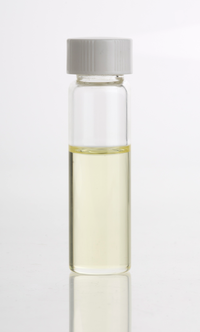
An aroma compound, also known as odorant, aroma, fragrance or flavor, is a chemical compound that has a smell or odor...
s from plants. Essential oils are also known as volatile oils, ethereal oils or aetherolea, or simply as the "oil of" the plant from which they were extracted, such as oil of clove. An oil
Oil
An oil is any substance that is liquid at ambient temperatures and does not mix with water but may mix with other oils and organic solvents. This general definition includes vegetable oils, volatile essential oils, petrochemical oils, and synthetic oils....
is "essential" in the sense that it carries a distinctive scent, or essence, of the plant. Essential oils do not form a distinctive category for any medical, pharmacological, or culinary purpose.
Essential oils are generally extracted by distillation
Distillation
Distillation is a method of separating mixtures based on differences in volatilities of components in a boiling liquid mixture. Distillation is a unit operation, or a physical separation process, and not a chemical reaction....
. Other processes include expression, or solvent extraction. They are used in perfumes, cosmetics
Cosmetics
Cosmetics are substances used to enhance the appearance or odor of the human body. Cosmetics include skin-care creams, lotions, powders, perfumes, lipsticks, fingernail and toe nail polish, eye and facial makeup, towelettes, permanent waves, colored contact lenses, hair colors, hair sprays and...
, soap
Soap
In chemistry, soap is a salt of a fatty acid.IUPAC. "" Compendium of Chemical Terminology, 2nd ed. . Compiled by A. D. McNaught and A. Wilkinson. Blackwell Scientific Publications, Oxford . XML on-line corrected version: created by M. Nic, J. Jirat, B. Kosata; updates compiled by A. Jenkins. ISBN...
s and other products, for flavoring food and drink, and for adding scents to incense
Incense
Incense is composed of aromatic biotic materials, which release fragrant smoke when burned. The term "incense" refers to the substance itself, rather than to the odor that it produces. It is used in religious ceremonies, ritual purification, aromatherapy, meditation, for creating a mood, and for...
and household cleaning products.
Various essential oils have been used medicinally at different periods in history. Medical application proposed by those who sell medicinal oils range from skin treatments to remedies for cancer, and often are based solely on historical accounts of use of essential oils for these purposes. Claims for the efficacy of medical treatments and treatment of cancers in particular, are now subject to regulation in most countries.
As the use of essential oils has declined in evidence-based medicine, one must consult older textbooks for much information on their use. Modern works are less inclined to generalize; rather than refer to "essential oils" as a class at all, they prefer to discuss specific compounds, such as methyl salicylate
Methyl salicylate
Methyl salicylate is a natural product of many species of plants. Some of the plants which produce it are called wintergreens, hence the common name.-Botanical background:...
, rather than "oil of wintergreen".
Interest in essential oils has revived in recent decades with the popularity of aromatherapy
Aromatherapy
Aromatherapy is a form of alternative medicine that uses volatile plant materials, known as essential oils, and other aromatic compounds for the purpose of altering a person's mind, mood, cognitive function or health....
, a branch of alternative medicine
Alternative medicine
Alternative medicine is any healing practice, "that does not fall within the realm of conventional medicine." It is based on historical or cultural traditions, rather than on scientific evidence....
that claims that essential oils and other aromatic compounds have curative effects. Oils are volatilized or diluted in a carrier oil and used in massage, diffused in the air by a nebulizer, heated over a candle flame, or burned as incense.
The techniques and methods first used to produce essential oils was first mentioned by Ibn al-Baitar (1188–1248), an Andalusian
Andalusian people
The Andalusians are the people of the southern region in Spain approximated by what is now called Andalusia. They are generally not considered an ethnically distinct people because they lack two of the most important markers of distinctiveness: their own language and an awareness of a presumed...
physician
Physician
A physician is a health care provider who practices the profession of medicine, which is concerned with promoting, maintaining or restoring human health through the study, diagnosis, and treatment of disease, injury and other physical and mental impairments...
, pharmacist
Pharmacist
Pharmacists are allied health professionals who practice in pharmacy, the field of health sciences focusing on safe and effective medication use...
and chemist
Chemist
A chemist is a scientist trained in the study of chemistry. Chemists study the composition of matter and its properties such as density and acidity. Chemists carefully describe the properties they study in terms of quantities, with detail on the level of molecules and their component atoms...
.
Distillation
Today, most common essential oils, such as lavender, peppermint, and eucalyptus, are distilled. Raw plant material, consisting of the flowerFlower
A flower, sometimes known as a bloom or blossom, is the reproductive structure found in flowering plants . The biological function of a flower is to effect reproduction, usually by providing a mechanism for the union of sperm with eggs...
s, leaves
Leaf
A leaf is an organ of a vascular plant, as defined in botanical terms, and in particular in plant morphology. Foliage is a mass noun that refers to leaves as a feature of plants....
, wood
Wood
Wood is a hard, fibrous tissue found in many trees. It has been used for hundreds of thousands of years for both fuel and as a construction material. It is an organic material, a natural composite of cellulose fibers embedded in a matrix of lignin which resists compression...
, bark
Bark
Bark is the outermost layers of stems and roots of woody plants. Plants with bark include trees, woody vines and shrubs. Bark refers to all the tissues outside of the vascular cambium and is a nontechnical term. It overlays the wood and consists of the inner bark and the outer bark. The inner...
, root
Root
In vascular plants, the root is the organ of a plant that typically lies below the surface of the soil. This is not always the case, however, since a root can also be aerial or aerating . Furthermore, a stem normally occurring below ground is not exceptional either...
s, seed
Seed
A seed is a small embryonic plant enclosed in a covering called the seed coat, usually with some stored food. It is the product of the ripened ovule of gymnosperm and angiosperm plants which occurs after fertilization and some growth within the mother plant...
s, or peel
Peel (fruit)
Peel, also known as rind or skin, is the outer protective layer of a fruit or vegetable which could be peeled off. The rind is usually the botanical exocarp, but the term exocarp does also include the hard cases of nuts, which are not named peels since they are not peeled off by hand or peeler, but...
, is put into an alembic
Alembic
An alembic is an alchemical still consisting of two vessels connected by a tube...
(distillation apparatus) over water. As the water is heated, the steam passes through the plant material, vaporizing the volatile compounds. The vapors flow through a coil, where they condense back to liquid, which is then collected in the receiving vessel.
Most oils are distilled in a single process. One exception is ylang-ylang (Cananga odorata), which takes 22 hours to complete through a fractional distillation
Fractional distillation
Fractional distillation is the separation of a mixture into its component parts, or fractions, such as in separating chemical compounds by their boiling point by heating them to a temperature at which several fractions of the compound will evaporate. It is a special type of distillation...
.
The recondensed water is referred to as a hydrosol, hydrolat, herbal distillate
Herbal distillate
Herbal distillates are aqueous solutions or colloidal suspensions of essential oils usually obtained by steam distillation from aromatic plants. These herbal distillates have uses as flavorings, medicine and in skin care...
or plant water essence, which may be sold as another fragrant product. Popular hydrosols include rose water, lavender
Lavender
The lavenders are a genus of 39 species of flowering plants in the mint family, Lamiaceae. An Old World genus, distributed from Macaronesia across Africa, the Mediterranean, South-West Asia, Arabia, Western Iran and South-East India...
water, lemon balm
Lemon balm
Lemon balm , not to be confused with bee balm, Monarda species, is a perennial herb in the mint family Lamiaceae, native to southern Europe and the Mediterranean region....
, clary sage and orange blossom water. The use of herbal distillates in cosmetics
Cosmetics
Cosmetics are substances used to enhance the appearance or odor of the human body. Cosmetics include skin-care creams, lotions, powders, perfumes, lipsticks, fingernail and toe nail polish, eye and facial makeup, towelettes, permanent waves, colored contact lenses, hair colors, hair sprays and...
is increasing. Some plant hydrosols have unpleasant smells and are therefore not sold.
Expression
Most citrusCitrus
Citrus is a common term and genus of flowering plants in the rue family, Rutaceae. Citrus is believed to have originated in the part of Southeast Asia bordered by Northeastern India, Myanmar and the Yunnan province of China...
peel oils are expressed mechanically, or cold pressed (similar to olive oil extraction
Olive oil extraction
Olive oil extraction is the process of extracting the oil present in the olive drupes for food use. The oil is produced in the mesocarp cells, and stored in a particular type of vacuole called a lipo vacuole, i.e., every cell contains a tiny olive oil droplet...
). Due to the relatively large quantities of oil in citrus peel and low cost to grow and harvest the raw materials, citrus-fruit oils are cheaper than most other essential oils. Lemon or sweet orange oils that are obtained as byproducts of the citrus industry are even cheaper.
Prior to the discovery of distillation, all essential oils were extracted by pressing.
Solvent extraction
Most flowers contain too little volatile oil to undergo expression and their chemical components are too delicate and easily denatured by the high heat used in steam distillation. Instead, a solventSolvent
A solvent is a liquid, solid, or gas that dissolves another solid, liquid, or gaseous solute, resulting in a solution that is soluble in a certain volume of solvent at a specified temperature...
such as hexane
Hexane
Hexane is a hydrocarbon with the chemical formula C6H14; that is, an alkane with six carbon atoms.The term may refer to any of four other structural isomers with that formula, or to a mixture of them. In the IUPAC nomenclature, however, hexane is the unbranched isomer ; the other four structures...
or supercritical carbon dioxide
Supercritical carbon dioxide
Supercritical carbon dioxide is a fluid state of carbon dioxide where it is held at or above its critical temperature and critical pressure.Carbon dioxide usually behaves as a gas in air at STP or as a solid called dry ice when frozen...
is used to extract the oils. Extracts from hexane and other hydrophobic solvent are called concretes, which are a mixture of essential oil, wax
Wax
thumb|right|[[Cetyl palmitate]], a typical wax ester.Wax refers to a class of chemical compounds that are plastic near ambient temperatures. Characteristically, they melt above 45 °C to give a low viscosity liquid. Waxes are insoluble in water but soluble in organic, nonpolar solvents...
es, resin
Resin
Resin in the most specific use of the term is a hydrocarbon secretion of many plants, particularly coniferous trees. Resins are valued for their chemical properties and associated uses, such as the production of varnishes, adhesives, and food glazing agents; as an important source of raw materials...
s, and other lipophilic
Lipophilic
Lipophilicity, , refers to the ability of a chemical compound to dissolve in fats, oils, lipids, and non-polar solvents such as hexane or toluene. These non-polar solvents are themselves lipophilic — the axiom that like dissolves like generally holds true...
(oil soluble) plant material.
Although highly fragrant, concretes contain large quantities of nonfragrant waxes and resins. Often, another solvent, such as ethyl alcohol
Ethanol
Ethanol, also called ethyl alcohol, pure alcohol, grain alcohol, or drinking alcohol, is a volatile, flammable, colorless liquid. It is a psychoactive drug and one of the oldest recreational drugs. Best known as the type of alcohol found in alcoholic beverages, it is also used in thermometers, as a...
, which is more polar in nature, is used to extract the fragrant oil from the concrete. The alcohol is removed by evaporation, leaving behind the absolute.
Supercritical carbon dioxide is used as a solvent in supercritical fluid extraction. This method has many benefits including avoiding petrochemical
Petrochemical
Petrochemicals are chemical products derived from petroleum. Some chemical compounds made from petroleum are also obtained from other fossil fuels, such as coal or natural gas, or renewable sources such as corn or sugar cane....
residues in the product and the loss of some "top notes" when steam distillation is used. It does not yield an absolute directly. The supercritical carbon dioxide will extract both the waxes and the essential oils that make up the concrete. Subsequent processing with liquid carbon dioxide, achieved in the same extractor by merely lowering the extraction temperature, will separate the waxes from the essential oils. This lower temperature process prevents the decomposition and denaturing of compounds. When the extraction is complete, the pressure is reduced to ambient and the carbon dioxide reverts to a gas, leaving no residue. An animated presentation describing the process is available for viewing.
Supercritical carbon dioxide is also used for making decaffeinated coffee
Decaffeination
Decaffeination is the act of removing caffeine from coffee beans, cocoa, tea leaves and other caffeine-containing materials. Despite removal of caffeine, many decaffeinated drinks still have around 1-2% of the...
. Although it uses the same basic principles, it is a different process because of the difference in scale.
Production quantities
Estimates of total production of essential oils are difficult to obtain. One estimate, compiled from data in 1989, 1990 and 1994 from various sources, gives the following total production, in tonnes, of essential oils for which more than 1,000 tonnes were produced.| Oil | Tonnes |
|---|---|
| Sweet orange | 12,000 |
| Mentha arvensis Mentha arvensis Mentha arvensis is a species of mint with a circumboreal distribution. It is native to the temperate regions of Europe and western and central Asia, east to the Himalaya and eastern Siberia, and North America.It is a herbaceous perennial plant growing to 10–60 cm tall... |
4,800 |
| Peppermint Peppermint Peppermint is a hybrid mint, a cross between the watermint and spearmint . The plant, indigenous to Europe, is now widespread in cultivation throughout all regions of the world... |
3,200 |
| Cedarwood | 2,600 |
| Lemon Lemon The lemon is both a small evergreen tree native to Asia, and the tree's ellipsoidal yellow fruit. The fruit is used for culinary and non-culinary purposes throughout the world – primarily for its juice, though the pulp and rind are also used, mainly in cooking and baking... |
2,300 |
| Eucalyptus globulus Eucalyptus globulus The Tasmanian Blue Gum, Southern Blue Gum or Blue Gum, is an evergreen tree, one of the most widely cultivated trees native to Australia. They typically grow from 30 to 55 m tall. The tallest currently known specimen in Tasmania is 90.7 m tall... |
2,070 |
| Litsea cubeba Litsea cubeba May Chang is an evergreen tree or shrub 5-12 meters high in the Lauraceae family. It is native to China, Indonesia, Taiwan and other parts of Southeast Asia. It is called "mountain pepper" in Mandarin and maqaw by the Atayal aborigines in Taiwan... |
2,000 |
| Clove Clove Cloves are the aromatic dried flower buds of a tree in the family Myrtaceae. Cloves are native to the Maluku islands in Indonesia and used as a spice in cuisines all over the world... (leaf) |
2,000 |
| Spearmint Spearmint Mentha spicata syn. M. cordifolia is a species of mint native to much of Europe and southwest Asia, though its exact natural range is uncertain due to extensive early cultivation. It grows in wet soils... |
1,300 |
Pharmacology
Although there is currently something of a dismissive attitude concerning essential oils in pharmacology, various essential oils retain considerable popular use, partly in fringe medicine and partly in popular remedies. Unfortunately, this makes it difficult to obtain reliable references concerning their pharmacological merits.Taken by mouth, many essential oils can be dangerous in high concentrations. Typical effects begin with a burning feeling, followed by salivation. In the stomach, the effect is carminative
Carminative
A carminative, also known as carminativum , is a herb or preparation that either prevents formation of gas in the gastrointestinal tract or facilitates the expulsion of said gas, thereby combating flatulence...
, relaxing the gastric sphincter and encouraging eructation (belching). Further down the gut, the effect typically is antispasmodic.
Typical ingredients for such applications include eucalyptus oils, menthol
Menthol
Menthol is an organic compound made synthetically or obtained from peppermint or other mint oils. It is a waxy, crystalline substance, clear or white in color, which is solid at room temperature and melts slightly above. The main form of menthol occurring in nature is -menthol, which is assigned...
, capsaicin
Capsaicin
Capsaicin 2CHCH=CH4CONHCH2C6H3-4--3- ) is the active component of chili peppers, which are plants belonging to the genus Capsicum. It is an irritant for mammals, including humans, and produces a sensation of burning in any tissue with which it comes into contact...
, anise
Anise
Anise , Pimpinella anisum, also called aniseed, is a flowering plant in the family Apiaceae native to the eastern Mediterranean region and Southwest Asia. Its flavor resembles that of liquorice, fennel, and tarragon.- Biology :...
and camphor
Camphor
Camphor is a waxy, white or transparent solid with a strong, aromatic odor. It is a terpenoid with the chemical formula C10H16O. It is found in wood of the camphor laurel , a large evergreen tree found in Asia and also of Dryobalanops aromatica, a giant of the Bornean forests...
. Other essential oils work well in these applications, but it is notable that others offer no significant benefit. This illustrates the fact that different essential oils may have drastically different pharmacology. Those that do work well for upper respiratory tract and bronchial problems act variously as mild expectorants and decongestants. Some act as locally anaesthetic counterirritants, and thereby exert an antitussive effect.
Some essential oils, such as those of juniper
Juniper
Junipers are coniferous plants in the genus Juniperus of the cypress family Cupressaceae. Depending on taxonomic viewpoint, there are between 50-67 species of juniper, widely distributed throughout the northern hemisphere, from the Arctic, south to tropical Africa in the Old World, and to the...
and agathosma
Agathosma
Agathosma is a genus of about 135 species of flowering plants in the family Rutaceae, native to the southern part of Africa. Common names include Buchu, Boegoe, Bucco, Bookoo and Diosma. Buchu formally denotes two herbal species, prized for their fragrance and medicinal use...
are valued for their diuretic effects. With relatively recent concerns about the overuse of antibacterial agents, many essential oils have seen a resurgence in off-label use for such properties and are being examined for this use clinically.
Many essential oils affect the skin and mucous membranes in ways that variously are valuable or harmful. They are used in antiseptics and liniments in particular. Typically, they produce rubefacient
Rubefacient
A rubefacient is a substance for topical application that produces redness of the skin e.g. by causing dilation of the capillaries and an increase in blood circulation. There is limited evidence as to their efficacy ; and as of 2010 the best evidence does not support using gels and creams...
irritation at first, and then counterirritant numbness. Turpentine
Turpentine
Turpentine is a fluid obtained by the distillation of resin obtained from trees, mainly pine trees. It is composed of terpenes, mainly the monoterpenes alpha-pinene and beta-pinene...
oil and camphor are two typical examples of oils that cause such effects. Menthol and some others produce a feeling of cold followed by a sense of burning. This is caused by its effect on heat-sensing nerve endings. Some essential oils, such as clove oil or eugenol, were popular for many years in dentistry as antiseptics and local anaesthetics. Thymol also is well known for its antiseptic
Antiseptic
Antiseptics are antimicrobial substances that are applied to living tissue/skin to reduce the possibility of infection, sepsis, or putrefaction...
effects.
Use in aromatherapy
Aromatherapy is a form of alternative medicineAlternative medicine
Alternative medicine is any healing practice, "that does not fall within the realm of conventional medicine." It is based on historical or cultural traditions, rather than on scientific evidence....
in which healing effects are ascribed to the aromatic compounds in essential oils and other plant extracts. Many common essential oils have medicinal properties that have been applied in folk medicine
Folk medicine
-Description:Refers to healing practices and ideas of body physiology and health preservation known to a limited segment of the population in a culture, transmitted informally as general knowledge, and practiced or applied by anyone in the culture having prior experience.All cultures and societies...
since ancient times and are still widely used today. For example, many essential oils have antiseptic
Antiseptic
Antiseptics are antimicrobial substances that are applied to living tissue/skin to reduce the possibility of infection, sepsis, or putrefaction...
properties. Many are also claimed to have an uplifting effect on the mind. Such claims, if meaningful, are not necessarily false, but are difficult to quantify in the light of the sheer variability of the materials used in the practice.
Dilution
Essential oils are usually lipophilicLipophilic
Lipophilicity, , refers to the ability of a chemical compound to dissolve in fats, oils, lipids, and non-polar solvents such as hexane or toluene. These non-polar solvents are themselves lipophilic — the axiom that like dissolves like generally holds true...
(literally: "oil-loving") compounds that usually are not miscible with water. Instead, they can be diluted in solvent
Solvent
A solvent is a liquid, solid, or gas that dissolves another solid, liquid, or gaseous solute, resulting in a solution that is soluble in a certain volume of solvent at a specified temperature...
s like pure ethanol
Ethanol
Ethanol, also called ethyl alcohol, pure alcohol, grain alcohol, or drinking alcohol, is a volatile, flammable, colorless liquid. It is a psychoactive drug and one of the oldest recreational drugs. Best known as the type of alcohol found in alcoholic beverages, it is also used in thermometers, as a...
, polyethylene glycol
Polyethylene glycol
Polyethylene glycol is a polyether compound with many applications from industrial manufacturing to medicine. It has also been known as polyethylene oxide or polyoxyethylene , depending on its molecular weight, and under the tradename Carbowax.-Available forms:PEG, PEO, or POE refers to an...
, or oil
Oil
An oil is any substance that is liquid at ambient temperatures and does not mix with water but may mix with other oils and organic solvents. This general definition includes vegetable oils, volatile essential oils, petrochemical oils, and synthetic oils....
s.
Raw materials
Essential oils are derived from various sections of plants. Some plants, like the bitter orangeBitter orange
The name "bitter orange", also known as Seville orange, sour orange, bigarade orange, and marmalade orange, refers to a citrus tree and its fruit. Many varieties of bitter orange are used for their essential oil, which is used in perfume and as a flavoring...
, are sources of several types of essential oil.
Berries Berry The botanical definition of a berry is a fleshy fruit produced from a single ovary. Grapes are an example. The berry is the most common type of fleshy fruit in which the entire ovary wall ripens into an edible pericarp. They may have one or more carpels with a thin covering and fleshy interiors....
Seed Seed A seed is a small embryonic plant enclosed in a covering called the seed coat, usually with some stored food. It is the product of the ripened ovule of gymnosperm and angiosperm plants which occurs after fertilization and some growth within the mother plant... s
Bark Bark Bark is the outermost layers of stems and roots of woody plants. Plants with bark include trees, woody vines and shrubs. Bark refers to all the tissues outside of the vascular cambium and is a nontechnical term. It overlays the wood and consists of the inner bark and the outer bark. The inner...
Wood Wood Wood is a hard, fibrous tissue found in many trees. It has been used for hundreds of thousands of years for both fuel and as a construction material. It is an organic material, a natural composite of cellulose fibers embedded in a matrix of lignin which resists compression...
Rhizome Rhizome In botany and dendrology, a rhizome is a characteristically horizontal stem of a plant that is usually found underground, often sending out roots and shoots from its nodes...
|
Leaves Leaf A leaf is an organ of a vascular plant, as defined in botanical terms, and in particular in plant morphology. Foliage is a mass noun that refers to leaves as a feature of plants....
Resin Resin Resin in the most specific use of the term is a hydrocarbon secretion of many plants, particularly coniferous trees. Resins are valued for their chemical properties and associated uses, such as the production of varnishes, adhesives, and food glazing agents; as an important source of raw materials...
|
Flower Flower A flower, sometimes known as a bloom or blossom, is the reproductive structure found in flowering plants . The biological function of a flower is to effect reproduction, usually by providing a mechanism for the union of sperm with eggs... s
Peel Peel (fruit) Peel, also known as rind or skin, is the outer protective layer of a fruit or vegetable which could be peeled off. The rind is usually the botanical exocarp, but the term exocarp does also include the hard cases of nuts, which are not named peels since they are not peeled off by hand or peeler, but...
Root Root In vascular plants, the root is the organ of a plant that typically lies below the surface of the soil. This is not always the case, however, since a root can also be aerial or aerating . Furthermore, a stem normally occurring below ground is not exceptional either...
|
Eucalyptus oil
Apart from essential oils used mainly in foods, the best-known essential oil world-wide might be eucalyptus oil, produced from the leaves of Eucalyptus globulus. Steam-distilled eucalyptus oil is used throughout Asia, Africa, Latin America and South America as a primary cleaning/disinfecting agent added to soaped mop and countertop cleaning solutions; it also possesses insect and limited vermin control properties. Note, however, there are hundreds of species of eucalyptus, and perhaps some dozens are used to various extents as sources of essential oils. Not only do the products of different species differ greatly in characteristics and effects, but also the products of the very same tree can vary grossly.Rose oil
The second most well-known essential oil is probably rose oilRose oil
Rose oil, meaning either rose otto or rose absolute, is the essential oil extracted from the petals of various types of rose...
, produced from the petals of Rosa damascena
Rosa damascena
Rosa × damascena, more commonly known as the Damask rose , the Damascus rose, or sometimes as the Rose of Castile, is a rose hybrid, derived from Rosa gallica and Rosa moschata...
and Rosa centifolia
Rosa centifolia
Rosa × centifolia , the provence rose or cabbage rose or Rose de Mai is a hybrid rose developed by Dutch rose breeders in the period between the 17th century and the 19th century, possibly earlier...
. Steam-distilled rose oil is known as "rose otto", while the solvent extracted product is known as "rose absolute".
Dangers
Because of their concentrated nature, essential oils generally should not be applied directly to the skin in their undiluted or "neat" form. Some can cause severe irritation, provoke an allergic reaction and, over time, prove hepatotoxic. Essential oils should not be used with animals, as they possess extreme hepatotoxicity and dermal toxicity for animals, especially for cats. Instead, essential oils should be blended with a vegetable-based "carrier" oil (as a base, or "fixed" oil) before being applied. Common carrier oils include olive, almond, hazelnut and grapeseed. Only neutral oils should be used. A common ratio of essential oil disbursed in a carrier oil is 0.5–3% (most under 10%), depending on its purpose. Some essential oils, including many of the citrusCitrus
Citrus is a common term and genus of flowering plants in the rue family, Rutaceae. Citrus is believed to have originated in the part of Southeast Asia bordered by Northeastern India, Myanmar and the Yunnan province of China...
peel oils, are photosensitizers, increasing the skin's vulnerability to sunlight.
Industrial users of essential oils should consult the material safety data sheet
Material safety data sheet
A Material Safety Data Sheet is a form with data regarding the properties of a particular substance....
s (MSDS) to determine the hazards and handling requirements of particular oils.
Handling
Essential oils can be aggressive toward rubbers and plastics, so care must be taken in choosing the correct handling equipment. Glass syringes are often used, but have coarse volumetric graduations. Chemistry syringes are ideal, as they resist essential oils, are long enough to enter deep vessels, and have fine graduations, facilitating quality control. Unlike traditional pipettes, which have difficulty handling viscous fluids, the chemistry syringe has a seal and piston arrangement which slides inside the pipette, wiping the essential oil off the pipette wall. This improves accuracy, and the inside of the pipette is easy to clean and reuse immediately. Chemistry pipetting syringes are equal in accuracy to the best laboratory equipment and are available in sizes from 1 mL through 25 mL.Pregnancy
The use of essential oils in pregnancy is not recommended due to inadequate published evidence to demonstrate evidence of safety.Gynecomastia
EstrogenEstrogen
Estrogens , oestrogens , or œstrogens, are a group of compounds named for their importance in the estrous cycle of humans and other animals. They are the primary female sex hormones. Natural estrogens are steroid hormones, while some synthetic ones are non-steroidal...
ic and antiandrogen
Antiandrogen
Antiandrogens, or androgen antagonists, first discovered in the 1960s, prevent androgens from expressing their biological effects on responsive tissues. Antiandrogens alter the androgen pathway by blocking the appropriate receptors, competing for binding sites on the cell's surface, or affecting...
ic activity have been reported by in vitro study of tea tree oil
Tea tree oil
Tea tree oil, or melaleuca oil, is a pale yellow colour to nearly clear essential oil with a fresh camphoraceous odor. It is taken from the leaves of the Melaleuca alternifolia, which is native to the northeast coast of New South Wales, Australia...
and lavender
Lavender
The lavenders are a genus of 39 species of flowering plants in the mint family, Lamiaceae. An Old World genus, distributed from Macaronesia across Africa, the Mediterranean, South-West Asia, Arabia, Western Iran and South-East India...
essential oils. Case reports suggest the oils may be implicated in some cases of gynecomastia
Gynecomastia
Gynecomastia or Gynaecomastia, , is the abnormal development of large mammary glands in males resulting in breast enlargement. The term comes from the Greek γυνή gyné meaning "woman" and μαστός mastós meaning "breast"...
, an abnormal breast tissue growth, in prepubescent boys.
Pesticide residues
There is some concern about pesticidePesticide
Pesticides are substances or mixture of substances intended for preventing, destroying, repelling or mitigating any pest.A pesticide may be a chemical unicycle, biological agent , antimicrobial, disinfectant or device used against any pest...
residues in essential oils, particularly those used therapeutically. For this reason, many practitioners of aromatherapy buy organically
Organic farming
Organic farming is the form of agriculture that relies on techniques such as crop rotation, green manure, compost and biological pest control to maintain soil productivity and control pests on a farm...
produced oils. Not only are pesticides present in trace quantities, but also the oils themselves are used in tiny quantities and usually in high dilutions. Where there is a concern about pesticide residues in food essential oils, such as mint or orange oils, the proper criterion is not whether the material is alleged to be organically produced, but whether it meets the government standards based on actual analysis of its pesticide content.
Ingestion
Essential oils are used extensively as GRASGras
Gras is a commune in the Ardèche department in southern France.-Population:-References:*...
flavoring agents in foods, beverages and confectioneries according to strict GMP
GMP
GMP may refer to:* Good manufacturing practice, a requirement for manufacturers of foods and medications-Business and organisations:* Gerakan Mansuhkan PPSMI, a coalition of 40 NGOs and political parties in Malaysia...
(Good Manufacturing Practice) and flavorist
Flavorist
A flavorist, also known as flavor chemist, is someone who uses chemistry to engineer artificial and natural flavors. The tools and materials used by flavorists are almost the same as that used by perfumers with the exception that flavorists seek to mimic or modify both the olfactory and gustation...
standards, and while some advocate the ingestion of essential oils for therapeutic purposes in extremely small amounts, this should never be done except under the supervision of someone licensed to prescribe such treatment and/or who is well versed and experienced in "clinical" aromatherapy. Some common essential oils such as eucalyptus
Eucalyptus oil
Eucalyptus oil is the generic name for distilled oil from the leaf of Eucalyptus, a genus of the plant family Myrtaceae native to Australia and cultivated worldwide. Eucalyptus oil has a history of wide application, as a pharmaceutical, antiseptic, repellent, flavouring, fragrance and industrial uses...
are toxic internally. Pharmacopoeia
Pharmacopoeia
Pharmacopoeia, pharmacopeia, or pharmacopoea, , in its modern technical sense, is a book containing directions for the identification of samples and the preparation of compound medicines, and published by the authority of a government or a medical or pharmaceutical society.In a broader sense it is...
standards for medicinal oils should be heeded. Some oils can be toxic to some domestic animals, cats in particular. The internal use of essential oils can pose hazards to pregnant women, as some can be abortifacient
Abortifacient
An abortifacient is a substance that induces abortion. Abortifacients for animals that have mated undesirably are known as mismating shots....
s in dose 0.5–10 ml, and thus should not be used during pregnancy.
Flammability
The flash pointFlash point
The flash point of a volatile material is the lowest temperature at which it can vaporize to form an ignitable mixture in air. Measuring a flash point requires an ignition source...
of each essential oil is different. Many of the common essential oils, such as tea tree, lavender, and citrus oils, are classed as a Class 3 Flammable Liquid
HAZMAT Class 3 Flammable Liquids
A flammable liquid is a liquid with flash point of not more than 60.5°C , or any material in a liquid phase with a flash point at or above 37.8°C .-Divisions:Class 3: Flammable Liquids...
, as they have a flash point of 50–60 °C.
Toxicology
The following table lists the or median lethal dose for common oils; this is the dose required to kill half the members of a tested population.LD50 is intended as a guideline only, and reported values can vary widely due to differences in tested species and testing conditions.| Common Name | Oral LD50 | Dermal LD50 | Notes |
|---|---|---|---|
| Neem | 14 g/kg | >2 g/kg | |
| Lemon myrtle | 2.43 g/kg | 2.25 g/kg | |
| Frankincense | >5 g/kg | >5 g/kg | Boswellia carterii |
| Frankincense | >2 g/kg | >2 g/kg | Boswellia sacra |
| Indian frankincense | >2 g/kg | >2 g/kg | Boswellia serrata |
| Ylang-ylang | >5 g/kg | >5 g/kg | |
| Cedarwood | >5 g/kg | >5 g/kg | |
| Roman chamomile | >5 g/kg | >5 g/kg | |
| White camphor | >5 g/kg | >5 g/kg | Cinnamomum camphora, extracted from leaves |
| Yellow camphor | 3.73 g/kg | >5 g/kg | Cinnamomum camphora, extracted from bark |
| Ho oil | 3.80 g/kg | >5 g/kg | Cinnamomum camphora, oil extracted from leaves |
| Cassia | 2.80 g/kg | 0.32 g/kg |
It is important to understand that the foregoing figures are far less relevant in everyday life than far smaller, often localized levels of exposure. For example, a dose of many an essential oil that would do no harm if swallowed in diluted solution or emulsion, could do serious damage to eyes or lungs in a higher concentration.
Standardization of its derived products
In 2002, ISO published ISO 4720 in which the botanical nameBotanical name
A botanical name is a formal scientific name conforming to the International Code of Botanical Nomenclature and, if it concerns a plant cultigen, the additional cultivar and/or Group epithets must conform to the International Code of Nomenclature for Cultivated Plants...
s of the relevant plants are standardized. The rest of the standards with regards to this topic can be found in the section of ICS 71.100.60
See also
- EnfleurageEnfleurageEnfleurage is a process that uses odorless fats that are solid at room temperature to capture the fragrant compounds exuded by plants. The process can be "cold" enfleurage or "hot" enfleurage.- Process :...
- Fragrance oilFragrance oilFragrance oil, also known as aroma oils, aromatic oils, and flavor oils, are blended synthetic aroma compounds or natural essential oils that are diluted with a carrier like propylene glycol, vegetable oil, or mineral oil...
- List of essential oils
- List of vegetable oils
- VolatilityVolatility (chemistry)In chemistry and physics, volatility is the tendency of a substance to vaporize. Volatility is directly related to a substance's vapor pressure. At a given temperature, a substance with higher vapor pressure vaporizes more readily than a substance with a lower vapor pressure.The term is primarily...