

Dental caries

Encyclopedia
Dental caries, also known as tooth decay or a cavity, is an irreversible infection
usually bacterial in origin that causes demineralization of the hard tissues (enamel, dentin and cementum) and destruction of the organic matter of the tooth, usually by production of acid by hydrolysis of the food debris accumulated on the tooth surface . If demineralization exceeds saliva and other remineralization factors like from calcium, fluoridated tooth pastes, these tissues progressively break down, producing dental caries (cavities, holes in the teeth). Two groups of bacteria are responsible for initiating caries: Streptococcus mutans
and Lactobacillus
. If left untreated, the disease
can lead to pain, tooth loss
and infection
. Today, caries remains one of the most common diseases throughout the world. Cariology is the study of dental caries.
The presentation of caries is highly variable; however, the risk factors and stages of development are similar. Initially, it may appear as a small chalky area (smooth surface caries) that may eventually develop into a large cavitation. Sometimes caries may be directly visible, however other methods of detection such as radiographs
are used for less visible areas of teeth and to judge the extent of destruction. Lasers for detecting caries allow detection without radiation and now are being used for detection of inter proximal decay (between the teeth). Disclosing solutions are also available that are used during tooth restoration to minimize the chance of recurrence.
Tooth decay is caused by specific types of acid
-producing bacteria that cause damage in the presence of fermentable
carbohydrate
s such as sucrose
, fructose
, and glucose
.
The mineral
content of teeth is sensitive to increases in acidity
from the production of lactic acid
. To be specific, a tooth (which is primarily mineral in content) is in a constant state of back-and-forth demineralization and remineralization
between the tooth and surrounding saliva
. For people with little saliva, especially due to radiation therapies that may destroy the salivary glands, there also exists remineralization gel. These patients are particularly susceptible to dental caries. When the pH at the surface of the tooth drops below 5.5, demineralization proceeds faster than remineralization (meaning that there is a net loss of mineral structure on the tooth's surface). Most foods are in this acidic range and without remineralization, this results in the ensuing decay. Depending on the extent of tooth destruction, various treatments can be used to restore
teeth to proper form, function, and aesthetics, but there is no known method to regenerate
large amounts of tooth structure, though stem cell
related research suggests one possibility . Instead, dental health organizations advocate preventive and prophylactic measures, such as regular oral hygiene
and dietary modifications, to avoid dental caries.
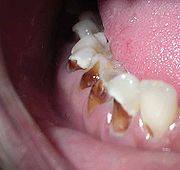 In some instances, caries are described in other ways that might indicate the cause. "Baby bottle caries
," "early childhood caries," "baby bottle
tooth decay," or "Bottle Rot" is a pattern of decay found in young children with their deciduous
(baby) teeth. The teeth most likely affected are the maxillary anterior teeth, but all teeth can be affected. The name for this type of caries comes from the fact that the decay usually is a result of allowing children to fall asleep with sweetened liquids in their bottles or feeding children sweetened liquids multiple times during the day. Another pattern of decay is "rampant caries", which signifies advanced or severe decay on multiple surfaces of many teeth. Rampant caries may be seen in individuals with xerostomia
, poor oral hygiene, stimulant use (due to drug-induced dry mouth), and/or large sugar intake. If rampant caries is a result of previous radiation to the head and neck, it may be described as radiation-induced caries. Problems can also be caused by the self destruction of roots and whole tooth resorption
when new teeth erupt or later from unknown causes.
Dr. Miller stated in 1887 that "Dental decay is chemico-parasitic process consisting of two stages, the decalcification of enamel, which results in its total destruction and the decalcification of dentin as a preliminary stage followed by dissolution of the softened residue." In his hypothesis, Dr.Miller assigned essential roles to three factors:
can help recalcification of tooth enamel.
Recurrent caries, also described as secondary, are caries that appears at a location with a previous history of caries. This is frequently found on the margins of fillings and other dental restorations. On the other hand, incipient caries describes decay at a location that has not experienced previous decay. Arrested caries describes a lesion on a tooth that was previously demineralized but was remineralized before causing a cavitation. Using fluoride treatments can help with recalcification.
 A person experiencing caries may not be aware of the disease. The earliest sign of a new carious lesion is the appearance of a chalky white spot on the surface of the tooth, indicating an area of demineralization of enamel. This is referred to as an incipient carious lesion or "microcavity". As the lesion continues to demineralize, it can turn brown but will eventually turn into a cavitation ("cavity"). Before the cavity forms, the process is reversible, but once a cavity forms, the lost tooth structure cannot be regenerated
. A lesion that appears brown and shiny suggests dental caries were once present but the demineralization process has stopped, leaving a stain. A brown spot that is dull in appearance is probably a sign of active caries.
As the enamel and dentin are destroyed, the cavity becomes more noticeable. The affected areas of the tooth change color and become soft to the touch. Once the decay passes through enamel, the dentinal tubules, which have passages to the nerve of the tooth, become exposed and causes a toothache
. The pain may worsen with exposure to heat, cold, or sweet foods and drinks. Dental caries can also cause bad breath
and foul tastes. In highly progressed cases, infection can spread from the tooth to the surrounding soft tissue
s. Complications such as cavernous sinus thrombosis
and Ludwig's angina
can be life-threatening.
or dentin); caries-causing bacteria; fermentable carbohydrate
s (such as sucrose
); and time. The caries process does not have an inevitable outcome, and different individuals will be susceptible to different degrees depending on the shape of their teeth, oral hygiene habits, and the buffering capacity of their saliva. Dental caries can occur on any surface of a tooth that is exposed to the oral cavity, but not the structures that are retained within the bone.
All caries occurs from acid demineralization that exceeds saliva and fluoride remineralization, and almost all acid demineralization occurs where food (containing carbohydrate like sugar) is left on teeth. Though most trapped food is left between teeth, over 80% of cavities occur inside pits and fissures on chewing surfaces where brushing, fluoride, and saliva cannot reach to remineralize the tooth as they do on easy-to-reach surfaces that develop few cavities.
, which occurs between 1 in 718 and 1 in 14,000 individuals, is a disease in which the enamel does not fully form or forms in insufficient amounts and can fall off a tooth. In both cases, teeth may be left more vulnerable to decay because the enamel is not able to protect the tooth.
In most people, disorders or diseases affecting teeth are not the primary cause of dental caries. Ninety-six percent of tooth enamel is composed of minerals. These minerals, especially hydroxyapatite, will become soluble when exposed to acidic environments. Enamel begins to demineralize at a pH of 5.5. Dentin and cementum
are more susceptible to caries than enamel
because they have lower mineral content. Thus, when root surfaces of teeth are exposed from gingival recession or periodontal disease, caries can develop more readily. Even in a healthy oral environment, however, the tooth is susceptible to dental caries.
The anatomy of teeth may affect the likelihood of caries formation. Where the deep grooves of teeth are more numerous and exaggerated, pit and fissure caries are more likely to develop. Also, caries are more likely to develop when food is trapped between teeth.
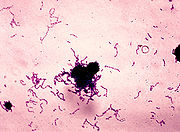
, but only a few specific species of bacteria are believed to cause dental caries: Streptococcus mutans
and Lactobacilli
among them. Lactobacillus acidophilus
, Actinomyces viscosus, Nocardia spp., and Streptococcus mutans
are most closely associated with caries, in particular root caries. Bacteria collect around the teeth and gums in a sticky, creamy-coloured mass called plaque
, which serves as a biofilm
. Some sites collect plaque more commonly than others. The grooves on the biting surfaces of molar
and premolar
teeth provide microscopic retention, as does the point of contact between teeth. Plaque may also collect along the gingiva
.
, fructose
, and most commonly sucrose
(table sugar) into acids such as lactic acid
through a glycolytic process called fermentation
. If left in contact with the tooth, these acids may cause demineralization, which is the dissolution of its mineral content. The process is dynamic, however, as remineralization can also occur if the acid is neutralized
by saliva or mouthwash. Fluoride toothpaste or dental varnish may aid remineralization. If demineralization continues over time, enough mineral content may be lost so that the soft organic
material left behind disintegrates, forming a cavity or hole. The impact such sugars have on the progress of dental caries is called cariogenicity. Sucrose, although a bound glucose and fructose unit, is in fact more cariogenic than a mixture of equal parts of glucose and fructose. This is due to the bacteria utilising the energy in the saccharide bond between the glucose and fructose subunits. S.mutans adheres to the biofilm on the tooth by converting sucrose into an extremely adhesive substance called dextran
polysaccharide by the enzyme dextransucranase.
s, the bacteria in the mouth metabolize sugar, resulting in an acidic by-product that decreases pH. As time progresses, the pH returns to normal due to the buffering capacity of saliva
and the dissolved mineral content of tooth surfaces. During every exposure to the acidic environment, portions of the inorganic mineral content at the surface of teeth dissolves and can remain dissolved for two hours. Since teeth are vulnerable during these acidic periods, the development of dental caries relies heavily on the frequency of acid exposure.
The carious process can begin within days of a tooth's erupting into the mouth if the diet is sufficiently rich in suitable carbohydrates. Evidence suggests that the introduction of fluoride treatments have slowed the process. Proximal caries take an average of four years to pass through enamel in permanent teeth. Because the cementum
enveloping the root surface is not nearly as durable as the enamel encasing the crown, root caries tends to progress much more rapidly than decay on other surfaces. The progression and loss of mineralization on the root surface is 2.5 times faster than caries in enamel. In very severe cases where oral hygiene is very poor and where the diet is very rich in fermentable carbohydrates, caries may cause cavities within months of tooth eruption. This can occur, for example, when children continuously drink sugary drinks from baby bottles.
s, in particular the submandibular gland
and parotid gland
, are likely to lead to widespread tooth decay. Examples include Sjögren's syndrome
, diabetes mellitus
, diabetes insipidus
, and sarcoidosis
. Medications, such as antihistamines and antidepressants, can also impair salivary flow. Stimulants, most notoriously methylamphetamine, also occlude the flow of saliva to an extreme degree. Tetrahydrocannabinol
, the active chemical substance in cannabis
, also causes a nearly complete occlusion of salivation, known in colloquial terms as "cotton mouth". Moreover, sixty-three percent of the most commonly prescribed medications in the United States list dry mouth
as a known side-effect. Radiation therapy of the head and neck may also damage the cell
s in salivary glands, increasing the likelihood of caries formation.
The use of tobacco
may also increase the risk for caries formation. Some brands of smokeless tobacco
contain high sugar content, increasing susceptibility to caries. Tobacco use is a significant risk factor for periodontal disease, which can cause the gingiva
to recede
. As the gingiva loses attachment to the teeth, the root surface becomes more visible in the mouth. If this occurs, root caries is a concern since the cementum covering the roots of teeth is more easily demineralized by acids than enamel. Currently, there is not enough evidence to support a causal relationship between smoking and coronal caries, but evidence does suggest a relationship between smoking and root-surface caries.
Intrauterine and neonatal lead
exposure promote tooth decay. Besides lead, all atoms with electrical charge and ionic radius
similar to bivalent calcium
,
such as cadmium
, mimic the calcium ion
and therefore exposure may promote tooth decay.
Salivary and dietary iodine
seems to play an important role in pathogenesis of dental caries and in salivary glands physiology. Saliva
is rich in peroxidase enzymes and has high secretion of iodides. Iodine
is able to penetrate directly through intact enamel in dentine, pulp and periodontal tissues and according to some researchers it is able to prevent some dental pathologies directly with antibacterial action, and also indirectly with an antioxidant
mechanism.
- Venturi S, Venturi M. (2009). Iodine in evolution of salivary glands and in oral health. Nutr Health. 2009;20(2):119-34.
- Banerjee, R.K. and Datta, A.G. (1986). Salivary peroxidases. Mol Cell Biochem, 70, 21-9.
- Hardgrove, T.A.: ADA Booklet (1939). “Dental Caries” published in 1939 by the American Dental Association (ADA). (Lynch, Kettering, Gies, eds.).
- Bartelstone, H. J. (1951). Radioiodine penetration through intact enamel with uptake by bloodstream and thyroid gland. J Dent Res., 5, 728–33.
- Bartelstone, H.J., Mandel, I.D., Oshry, E. and Seidlin, S.M. (1947). Use of Radioactive Iodine
as a Tracer in the Study of the Physiology of Teeth. Science, 106, 132.
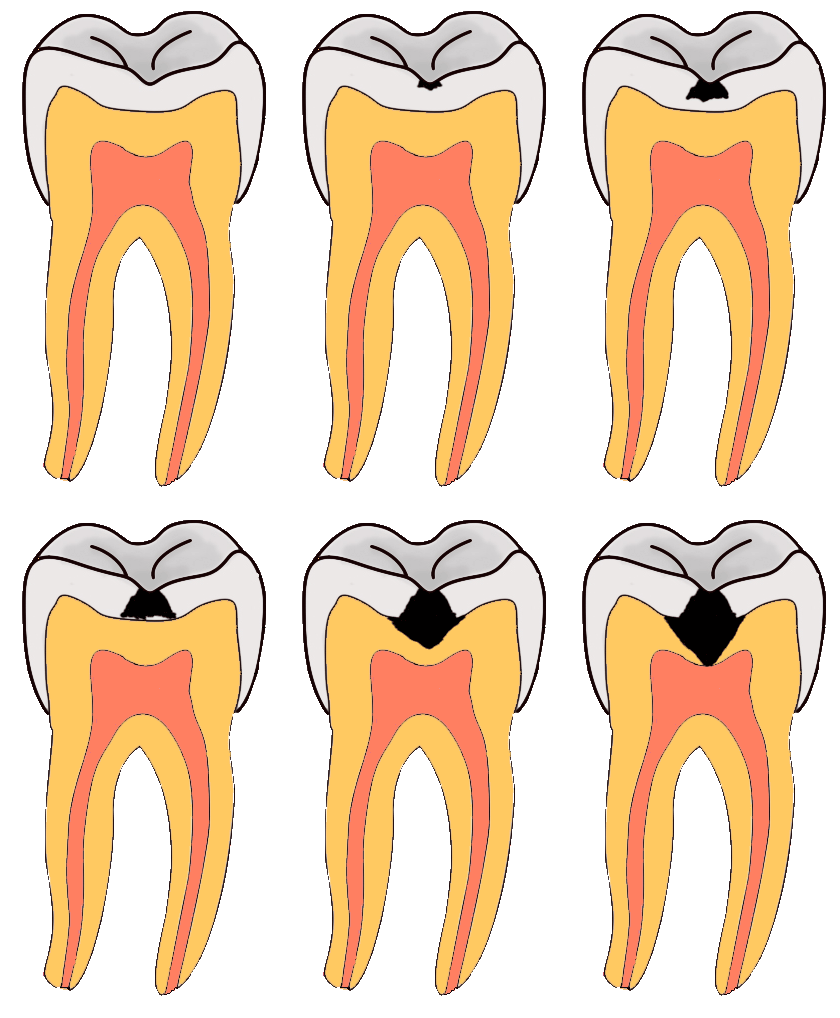
, and caries act upon it through a chemical process brought on by the acidic environment produced by bacteria. As the bacteria consume the sugar and use it for their own energy, they produce lactic acid. The effects of this process include the demineralization of crystals in the enamel, caused by acids, over time until the bacteria physically penetrate the dentin. Enamel rod
s, which are the basic unit of the enamel structure, run perpendicularly from the surface of the tooth to the dentin. Since demineralization of enamel by caries, in general, follows the direction of the enamel rods, the different triangular patterns between pit and fissure and smooth-surface caries develop in the enamel because the orientation of enamel rods are different in the two areas of the tooth.
As the enamel loses minerals, and dental caries progresses, the enamel develop several distinct zones, visible under a light microscope. From the deepest layer of the enamel to the enamel surface, the identified areas are the: translucent zone, dark zones, body of the lesion, and surface zone. The translucent zone is the first visible sign of caries and coincides with a one to two percent loss of minerals. A slight remineralization of enamel occurs in the dark zone, which serves as an example of how the development of dental caries is an active process with alternating changes. The area of greatest demineralization and destruction is in the body of the lesion itself. The surface zone remains relatively mineralized and is present until the loss of tooth structure results in a cavitation.
, the ameloblast
s, which produce enamel, are destroyed once enamel formation
is complete and thus cannot later regenerate enamel after its destruction. On the other hand, dentin is produced
continuously throughout life by odontoblast
s, which reside at the border between the pulp and dentin. Since odontoblasts are present, a stimulus, such as caries, can trigger a biologic response. These defense mechanisms include the formation of sclerotic and tertiary dentin.
In dentin from the deepest layer to the enamel, the distinct areas affected by caries are the advancing front, the zone of bacterial penetration, and the zone of destruction. The advancing front represents a zone of demineralised dentine due to acid and has no bacteria present. The zones of bacterial penetration and destruction are the locations of invading bacteria and ultimately the decomposition of dentin. The zone of destruction has a more mixed bacterial population where proteolytic enzymes have destroyed the organic matrix. The innermost dentine caries has been reversibly attacked because the collage matrix is not severely damaged, giving it potential for repair. The outer more superficial zone is highly infected with proteolytic degradation of the collagen matrix and as a result the dentine is irreversibly demineralised.
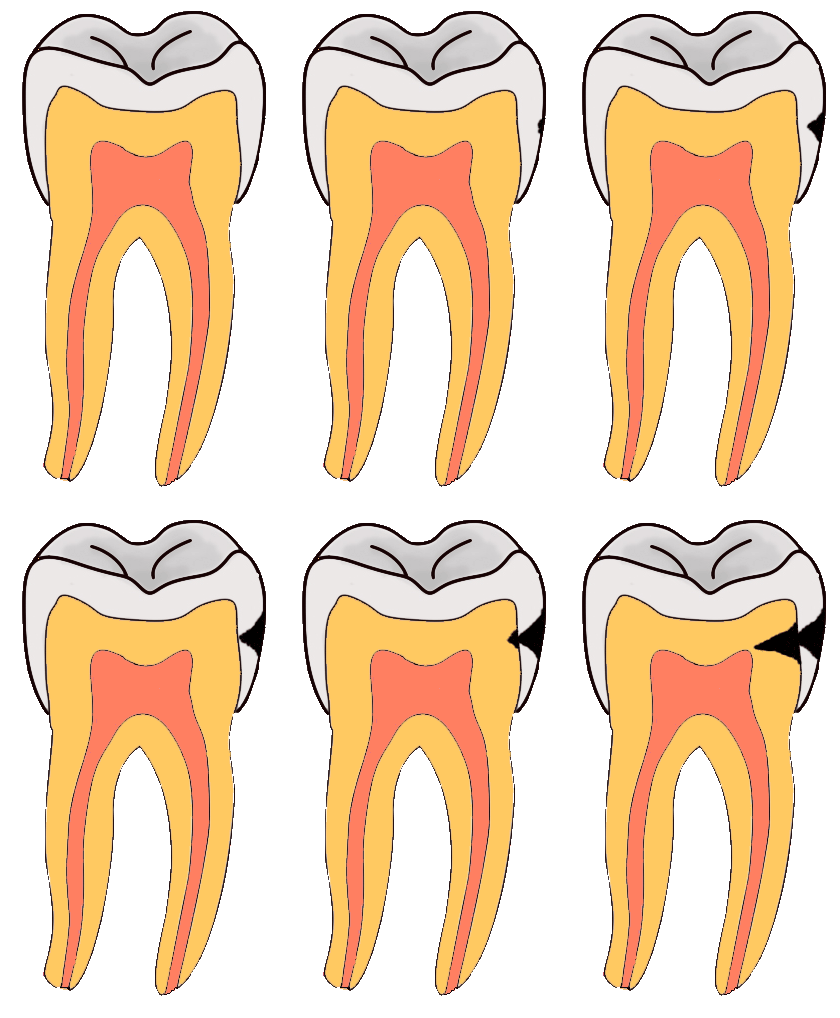
In response, the fluid inside the tubules bring immunoglobulins from the immune system
to fight the bacterial infection. At the same time, there is an increase of mineralization of the surrounding tubules. This results in a constriction of the tubules, which is an attempt to slow the bacterial progression. In addition, as the acid from the bacteria demineralizes the hydroxyapatite crystals, calcium
and phosphorus
are released, allowing for the precipitation of more crystals which fall deeper into the dentinal tubule. These crystals form a barrier and slow the advancement of caries. After these protective responses, the dentin is considered sclerotic.
Fluids within dentinal tubules are believed to be the mechanism by which pain receptors are triggered within the pulp of the tooth. Since sclerotic dentin prevents the passage of such fluids, pain that would otherwise serve as a warning of the invading bacteria may not develop at first. Consequently, dental caries may progress for a long period of time without any sensitivity of the tooth, allowing for greater loss of tooth structure.
In the case of reparative dentin, other cells are needed to assume the role of the destroyed odontoblasts. Growth factor
s, especially TGF-β
, are thought to initiate the production of reparative dentin by fibroblast
s and mesenchymal
cells of the pulp. Reparative dentin is produced at an average of 1.5 μm/day, but can be increased to 3.5 μm/day. The resulting dentin contains irregularly shaped dentinal tubules that may not line up with existing dentinal tubules. This diminishes the ability for dental caries to progress within the dentinal tubules.
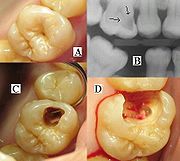 Primary diagnosis
involves inspection of all visible tooth surfaces using a good light source, dental mirror
and explorer
. Dental radiographs (X-ray
s) may show dental caries before it is otherwise visible, in particular caries between the teeth. Large dental caries are often apparent to the naked eye, but smaller lesions can be difficult to identify. Visual and tactile inspection along with radiographs are employed frequently among dentists, in particular to diagnose pit and fissure caries. Early, uncavitated caries is often diagnosed by blowing air across the suspect surface, which removes moisture and changes the optical properties of the unmineralized enamel.
Some dental researchers have cautioned against the use of dental explorers to find caries. In cases where a small area of tooth has begun demineralizing but has not yet cavitated, the pressure from the dental explorer could cause a cavity. Since the carious process is reversible before a cavity is present, it may be possible to arrest the caries with fluoride
and remineralize the tooth surface. When a cavity is present, a restoration will be needed to replace the lost tooth structure.
At times, pit and fissure caries may be difficult to detect. Bacteria can penetrate the enamel to reach dentin, but then the outer surface may remineralize, especially if fluoride is present. These caries, sometimes referred to as "hidden caries", will still be visible on x-ray radiographs, but visual examination of the tooth would show the enamel intact or minimally perforated.
The differential diagnosis
for dental caries includes dental fluorosis
and developmental defects of the tooth including hypomineralization of the tooth and hypoplasia
of the tooth.
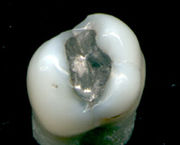
Destroyed tooth structure does not fully regenerate, although remineralization of very small carious lesions may occur if dental hygiene is kept at optimal level. For the small lesions, topical fluoride is sometimes used to encourage remineralization. For larger lesions, the progression of dental caries can be stopped by treatment. The goal of treatment is to preserve tooth structures and prevent further destruction of the tooth. Aggressive treatment, by filling, of incipient carious lesions, places where there is superficial damage to the enamel, is controversial as they may heal themselves, while once a filling is performed it will eventually have to be redone and the site serves as a vulnerable site for further decay.
In general, early treatment is less painful and less expensive than treatment of extensive decay. Anesthetics—local, nitrous oxide
("laughing gas"), or other prescription medications—may be required in some cases to relieve pain during or following treatment or to relieve anxiety during treatment. A dental handpiece
("drill") is used to remove large portions of decayed material from a tooth. A spoon, a dental instrument used to carefully remove decay, is sometimes employed when the decay in dentin
reaches near the pulp
. Once the decay is removed, the missing tooth structure requires a dental restoration
of some sort to return the tooth to functionality and aesthetic condition.
Restorative materials include dental amalgam
, composite
resin
, porcelain
, and gold. Composite resin and porcelain can be made to match the color of a patient's natural teeth and are thus used more frequently when aesthetics are a concern. Composite restorations are not as strong as dental amalgam and gold; some dentists consider the latter as the only advisable restoration for posterior areas where chewing forces are great. When the decay is too extensive, there may not be enough tooth structure remaining to allow a restorative material to be placed within the tooth. Thus, a crown
may be needed. This restoration appears similar to a cap and is fitted over the remainder of the natural crown of the tooth. Crowns are often made of gold, porcelain, or porcelain fused to metal.
In certain cases, endodontic therapy
may be necessary for the restoration of a tooth. Endodontic therapy, also known as a "root canal", is recommended if the pulp in a tooth dies from infection by decay-causing bacteria or from trauma. During a root canal, the pulp of the tooth, including the nerve and vascular tissues, is removed along with decayed portions of the tooth. The canals are instrumented with endodontic files to clean and shape them, and they are then usually filled with a rubber-like material called gutta percha. The tooth is filled and a crown can be placed. Upon completion of a root canal, the tooth is now non-vital, as it is devoid of any living tissue.
An extraction
can also serve as treatment for dental caries. The removal of the decayed tooth is performed if the tooth is too far destroyed from the decay process to effectively restore the tooth. Extractions are sometimes considered if the tooth lacks an opposing tooth or will probably cause further problems in the future, as may be the case for wisdom teeth. Extractions may also be preferred by patients unable or unwilling to undergo the expense or difficulties in restoring the tooth.
daily. The purpose of oral hygiene is to minimize any etiologic agents of disease in the mouth. The primary focus of brushing and flossing is to remove and prevent the formation of plaque
. Plaque consists mostly of bacteria. As the amount of bacterial plaque increases, the tooth is more vulnerable to dental caries when carbohydrates in the food are left on teeth after every meal or snack. A toothbrush can be used to remove plaque on accessible surfaces, but not between teeth or inside pits and fissures on chewing surfaces. When used correctly, dental floss removes plaque from areas that could otherwise develop proximal caries. Other adjunct hygiene aids include interdental brush
es, water pick
s, and mouthwash
es.
However oral hygiene is probably more effective at preventing gum disease than tooth decay. Food is forced inside pits and fissures under chewing pressure, leading to carbohydrate-fueled acid demineralisation where the brush, fluoride toothpaste, and saliva have no access to remove trapped food, neutralise acid, or remineralise demineralised tooth like on other more accessible tooth surfaces food to be trapped. (Occlusal caries accounts for between 80 and 90 percent of caries in children (Weintraub, 2001).) Chewing fibre like celery after eating forces saliva inside trapped food to dilute any carbohydrate like sugar, neutralise acid and remineralise demineralised tooth. (The teeth at highest risk for carious lesions are the first and second permanent molars.)
Professional hygiene care consists of regular dental examinations and cleanings. Sometimes, complete plaque removal is difficult, and a dentist or dental hygienist
may be needed. Along with oral hygiene, radio-graphs may be taken at dental visits to detect possible dental caries development in high risk areas of the mouth.
and the European Academy of Paediatric Dentistry recommend limiting the frequency of consumption of drinks with sugar, and not giving baby bottles to infants during sleep. Mothers are also recommended to avoid sharing utensils and cups with their infants to prevent transferring bacteria from the mother's mouth.
It has been found that milk and certain kinds of cheese like Cheddar
can help counter tooth decay if eaten soon after the consumption of foods potentially harmful to teeth. Also, chewing gum
containing xylitol
(a sugar alcohol) is widely used to protect teeth in some countries, being especially popular in the Finnish
candy industry. Xylitol's effect on reducing plaque is, it is presumed, due to bacteria's inability to utilize it like other sugars. Chewing and stimulation of flavor receptors on the tongue are also known to increase the production and release of saliva, which contains natural buffers to prevent the lowering of pH in the mouth to the point where enamel may become demineralized.
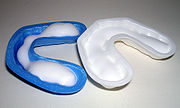
s is a means of prevention. A sealant is a thin plastic-like coating applied to the chewing surfaces of the molars. This coating prevents food being trapped inside pits and fissures in grooves under chewing pressure so resident plaque bacteria are deprived of carbohydrate that they change to acid demineralisation and thus prevents the formation of pit and fissure caries, the most common form of dental caries. Sealants are usually applied on the teeth of children, shortly after the molars erupt. Older people may also benefit from the use of tooth sealants, but their dental history and likelihood of caries formation are usually taken into consideration.
Calcium, as found in food such as milk and green vegetables, are often recommended to protect against dental caries. It has been demonstrated that calcium
and fluoride supplements decrease the incidence of dental caries. Fluoride helps prevent decay of a tooth by binding to the hydroxyapatite crystals in enamel. The incorporated calcium makes enamel more resistant to demineralization and, thus, resistant to decay. Topical fluoride is also recommended to protect the surface of the teeth. This may include a fluoride toothpaste
or mouthwash. Many dentists include application of topical fluoride solutions as part of routine visits.
Other products with little or less supportive scientific evidence for effectiveness for the purpose of remineralization include DCPD, ACP, calcium compounds, fluoride, and Enamelon.
Remineralization can also be performed professionally at the dentist.
Furthermore, recent research shows that low intensity laser
radiation of argon
ion lasers may prevent the susceptibility for enamel caries and white spot lesions.
As bacteria are a major factor contributing to poor oral health, there is currently research to find a vaccine for dental caries
. As of 2004, such a vaccine has been successfully tested on animals, and is in clinical trials for humans as of May 2006.
Chewing gum after eating promotes the flow of saliva, which naturally reduces the acidic pH environment and promotes remineralization.
Xylitol lollipops and gum also inhibit the growth of Streptococcus mutans.
A mouth rinse targeted against Streptococcus mutans is being researched at UCLA, described as a "smart bomb" against this decay-causing bacterium. Its active ingredient, a peptide investigational drug called Sm STAMP C16G2, consists of a fragment (C16) of the S. mutans competence stimulation peptide, which targets the drug to this particular bacterium in preference to harmless oral bacteria, linked to a broad-spectrum antimicrobial peptide (G2). According to Wenyuan Shi, chairman of the oral biology section and an author of the paper, "With this new antimicrobial technology, we have the prospect of actually wiping out tooth decay in our lifetime." Thus far the drug has been tested on twelve experimental subjects for four days, during which it greatly reduced their level of S. mutans.
childhood disease, being at least five times more common than asthma
. It is the primary pathological cause of tooth loss in children. Between twenty-nine and fifty-nine percent of adults over the age of fifty experience caries.
The number of cases has decreased in some developed countries, and this decline is usually attributed to increasingly better oral hygiene
practices and preventive measures such as fluoride treatment. Nonetheless, countries that have experienced an overall decrease in cases of tooth decay continue to have a disparity in the distribution of the disease. Among children in the United States and Europe, twenty percent of the population endures sixty to eighty percent of cases of dental caries. A similarly skewed distribution of the disease is found throughout the world with some children having none or very few caries and others having a high number. Australia
, Nepal
, and Sweden
have a low incidence of cases of dental caries among children, whereas cases are more numerous in Costa Rica
and Slovakia
.
The classic "DMF" (decay/missing/filled) index is one of the most common methods for assessing caries prevalence as well as dental treatment needs among populations. This index is based on in-field clinical examination of individuals by using a probe, mirror and cotton rolls. Because the DMF index is done without X-ray
imaging, it underestimates real caries prevalence and treatment needs.
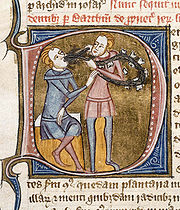 There is a long history of dental caries. Over a million years ago, hominids such as Australopithecus
suffered from cavities. The largest increases in the prevalence of caries have been associated with dietary changes.
Archaeological evidence shows that tooth decay is an ancient disease dating far into prehistory
. Skull
s dating from a million years ago through the neolithic
period show signs of caries, excepting those from the Paleolithic
and Mesolithic
ages. The increase of caries during the neolithic period may be attributed to the increased consumption of plant foods containing carbohydrates. The beginning of rice cultivation in South Asia
is also believed to have caused an increase in caries.
A Sumerian
text from 5000 BC describes a "tooth worm" as the cause of caries. Evidence of this belief has also been found in India
, Egypt
, Japan
, and China
. Unearthed ancient skulls show evidence of primitive dental work. In Pakistan
, teeth dating from around 5500 BC to 7000 BC show nearly perfect holes from primitive dental drill
s. The Ebers Papyrus
, an Egypt
ian text from 1550 BC, mentions diseases of teeth. During the Sargonid dynasty of Assyria
during 668 to 626 BC, writings from the king's physician specify the need to extract a tooth due to spreading inflammation
. In the Roman Empire
, wider consumption of cooked foods led to a small increase in caries prevalence. The Greco-Roman civilization, in addition to the Egyptian, had treatments for pain resulting from caries.
The rate of caries remained low through the Bronze Age
and Iron Age
, but sharply increased during the Middle Ages
. Periodic increases in caries prevalence had been small in comparison to the 1000 AD increase, when sugar cane became more accessible to the Western world. Treatment consisted mainly of herbal remedies and charms, but sometimes also included bloodletting
. The barber surgeon
s of the time provided services that included tooth extractions
. Learning their training from apprenticeships, these health providers were quite successful in ending tooth pain and likely prevented systemic spread of infections in many cases. Among Roman Catholics, prayers to Saint Apollonia
, the patroness of dentistry, were meant to heal pain derived from tooth infection.
There is also evidence of caries increase in North American Indians after contact with colonizing Europeans. Before colonization, North American Indians subsisted on hunter-gatherer diets, but afterwards there was a greater reliance on maize
agriculture, which made these groups more susceptible to caries.
In the medieval Islamic world
, Muslim physicians
such as and Avicenna
(in The Canon of Medicine
) discussed treatments for caries.
During the European Age of Enlightenment
, the belief that a "tooth worm" caused caries was also no longer accepted in the European medical community. Pierre Fauchard
, known as the father of modern dentistry, was one of the first to reject the idea that worms caused tooth decay and noted that sugar was detrimental to the teeth and gingiva
. In 1850, another sharp increase in the prevalence of caries occurred and is believed to be a result of widespread diet changes. Prior to this time, cervical caries was the most frequent type of caries, but increased availability of sugar cane, refined flour, bread, and sweetened tea corresponded with a greater number of pit and fissure caries.
In the 1890s, W.D. Miller conducted a series of studies that led him to propose an explanation for dental caries that was influential for current theories. He found that bacteria inhabited the mouth and that they produced acids that dissolved tooth structures when in the presence of fermentable carbohydrates. This explanation is known as the chemoparasitic caries theory. Miller's contribution, along with the research on plaque by G.V. Black and J.L. Williams, served as the foundation for the current explanation of the etiology of caries. Several of the specific strains of bacteria were identified in 1921 by Fernando E. Rodriguez Vargas
.
Infection
An infection is the colonization of a host organism by parasite species. Infecting parasites seek to use the host's resources to reproduce, often resulting in disease...
usually bacterial in origin that causes demineralization of the hard tissues (enamel, dentin and cementum) and destruction of the organic matter of the tooth, usually by production of acid by hydrolysis of the food debris accumulated on the tooth surface . If demineralization exceeds saliva and other remineralization factors like from calcium, fluoridated tooth pastes, these tissues progressively break down, producing dental caries (cavities, holes in the teeth). Two groups of bacteria are responsible for initiating caries: Streptococcus mutans
Streptococcus mutans
Streptococcus mutans is a facultatively aerobic, Gram-positive coccus-shaped bacterium commonly found in the human oral cavity and is a significant contributor to tooth decay.The microbe was first described by J Kilian Clarke in 1924.-Introduction:...
and Lactobacillus
Lactobacillus
Lactobacillus is a genus of Gram-positive facultative anaerobic or microaerophilic rod-shaped bacteria. They are a major part of the lactic acid bacteria group, named as such because most of its members convert lactose and other sugars to lactic acid. They are common and usually benign...
. If left untreated, the disease
Disease
A disease is an abnormal condition affecting the body of an organism. It is often construed to be a medical condition associated with specific symptoms and signs. It may be caused by external factors, such as infectious disease, or it may be caused by internal dysfunctions, such as autoimmune...
can lead to pain, tooth loss
Tooth loss
Tooth loss is when one or more teeth come loose and fall out. Tooth loss is normal for deciduous teeth , when they are replaced by a person's adult teeth. Otherwise, losing teeth is undesirable and is the result of injury or disease, such as mouth trauma, tooth injury, tooth decay, and gum disease...
and infection
Infection
An infection is the colonization of a host organism by parasite species. Infecting parasites seek to use the host's resources to reproduce, often resulting in disease...
. Today, caries remains one of the most common diseases throughout the world. Cariology is the study of dental caries.
The presentation of caries is highly variable; however, the risk factors and stages of development are similar. Initially, it may appear as a small chalky area (smooth surface caries) that may eventually develop into a large cavitation. Sometimes caries may be directly visible, however other methods of detection such as radiographs
Radiography
Radiography is the use of X-rays to view a non-uniformly composed material such as the human body. By using the physical properties of the ray an image can be developed which displays areas of different density and composition....
are used for less visible areas of teeth and to judge the extent of destruction. Lasers for detecting caries allow detection without radiation and now are being used for detection of inter proximal decay (between the teeth). Disclosing solutions are also available that are used during tooth restoration to minimize the chance of recurrence.
Tooth decay is caused by specific types of acid
Acid
An acid is a substance which reacts with a base. Commonly, acids can be identified as tasting sour, reacting with metals such as calcium, and bases like sodium carbonate. Aqueous acids have a pH of less than 7, where an acid of lower pH is typically stronger, and turn blue litmus paper red...
-producing bacteria that cause damage in the presence of fermentable
Fermentation (food)
Fermentation in food processing typically is the conversion of carbohydrates to alcohols and carbon dioxide or organic acids using yeasts, bacteria, or a combination thereof, under anaerobic conditions. Fermentation in simple terms is the chemical conversion of sugars into ethanol...
carbohydrate
Carbohydrate
A carbohydrate is an organic compound with the empirical formula ; that is, consists only of carbon, hydrogen, and oxygen, with a hydrogen:oxygen atom ratio of 2:1 . However, there are exceptions to this. One common example would be deoxyribose, a component of DNA, which has the empirical...
s such as sucrose
Sucrose
Sucrose is the organic compound commonly known as table sugar and sometimes called saccharose. A white, odorless, crystalline powder with a sweet taste, it is best known for its role in human nutrition. The molecule is a disaccharide composed of glucose and fructose with the molecular formula...
, fructose
Fructose
Fructose, or fruit sugar, is a simple monosaccharide found in many plants. It is one of the three dietary monosaccharides, along with glucose and galactose, that are absorbed directly into the bloodstream during digestion. Fructose was discovered by French chemist Augustin-Pierre Dubrunfaut in 1847...
, and glucose
Glucose
Glucose is a simple sugar and an important carbohydrate in biology. Cells use it as the primary source of energy and a metabolic intermediate...
.
The mineral
Mineral
A mineral is a naturally occurring solid chemical substance formed through biogeochemical processes, having characteristic chemical composition, highly ordered atomic structure, and specific physical properties. By comparison, a rock is an aggregate of minerals and/or mineraloids and does not...
content of teeth is sensitive to increases in acidity
PH
In chemistry, pH is a measure of the acidity or basicity of an aqueous solution. Pure water is said to be neutral, with a pH close to 7.0 at . Solutions with a pH less than 7 are said to be acidic and solutions with a pH greater than 7 are basic or alkaline...
from the production of lactic acid
Lactic acid
Lactic acid, also known as milk acid, is a chemical compound that plays a role in various biochemical processes and was first isolated in 1780 by the Swedish chemist Carl Wilhelm Scheele. Lactic acid is a carboxylic acid with the chemical formula C3H6O3...
. To be specific, a tooth (which is primarily mineral in content) is in a constant state of back-and-forth demineralization and remineralization
Remineralisation of teeth
Remineralisation of teeth is a process in which minerals are returned to the molecular structure of the tooth itself. Teeth are porous allowing fluids and demineralisation beneath the surface of the tooth. When demineralised, these pores become larger...
between the tooth and surrounding saliva
Saliva
Saliva , referred to in various contexts as spit, spittle, drivel, drool, or slobber, is the watery substance produced in the mouths of humans and most other animals. Saliva is a component of oral fluid. In mammals, saliva is produced in and secreted from the three pairs of major salivary glands,...
. For people with little saliva, especially due to radiation therapies that may destroy the salivary glands, there also exists remineralization gel. These patients are particularly susceptible to dental caries. When the pH at the surface of the tooth drops below 5.5, demineralization proceeds faster than remineralization (meaning that there is a net loss of mineral structure on the tooth's surface). Most foods are in this acidic range and without remineralization, this results in the ensuing decay. Depending on the extent of tooth destruction, various treatments can be used to restore
Dental restoration
A dental restoration or dental filling is a dental restorative material used to restore the function, integrity and morphology of missing tooth structure. The structural loss typically results from caries or external trauma. It is also lost intentionally during tooth preparation to improve the...
teeth to proper form, function, and aesthetics, but there is no known method to regenerate
Regeneration (biology)
In biology, regeneration is the process of renewal, restoration, and growth that makes genomes, cells, organs, organisms, and ecosystems resilient to natural fluctuations or events that cause disturbance or damage. Every species is capable of regeneration, from bacteria to humans. At its most...
large amounts of tooth structure, though stem cell
Stem cell
This article is about the cell type. For the medical therapy, see Stem Cell TreatmentsStem cells are biological cells found in all multicellular organisms, that can divide and differentiate into diverse specialized cell types and can self-renew to produce more stem cells...
related research suggests one possibility . Instead, dental health organizations advocate preventive and prophylactic measures, such as regular oral hygiene
Oral hygiene
Teeth cleaning is part of oral hygiene and involves the removal of dental plaque from teeth with the intention of preventing cavities , gingivitis, and periodontal disease. People routinely clean their own teeth by brushing and interdental cleaning, and dental hygienists can remove hardened...
and dietary modifications, to avoid dental caries.
Classification
Caries can be classified by location, etiology, rate of progression, and affected hard tissues. These forms of classification can be used to characterize a particular case of tooth decay in order to more accurately represent the condition to others and also indicate the severity of tooth destruction.Etiology
Early childhood caries
Early childhood caries, also known as baby bottle caries, baby bottle tooth decay, and bottle rot, is a syndrome characterized by severe decay in the teeth of infants or young children. Early childhood caries is a very common bacterial infection...
," "early childhood caries," "baby bottle
Baby bottle
A baby bottle is a bottle with a teat to drink directly from. It is typically used by infants and young children when a mother does not breastfeed, or if someone cannot drink from a cup, for feeding oneself or being fed.In particular it is used to feed infant formula, expressed breast milk or...
tooth decay," or "Bottle Rot" is a pattern of decay found in young children with their deciduous
Deciduous teeth
Deciduous teeth, otherwise known as reborner teeth, baby teeth, temporary teeth and primary teeth, are the first set of teeth in the growth development of humans and many other mammals. In some Asian countries they are referred to as fall teeth as they will eventually fall out, while in almost all...
(baby) teeth. The teeth most likely affected are the maxillary anterior teeth, but all teeth can be affected. The name for this type of caries comes from the fact that the decay usually is a result of allowing children to fall asleep with sweetened liquids in their bottles or feeding children sweetened liquids multiple times during the day. Another pattern of decay is "rampant caries", which signifies advanced or severe decay on multiple surfaces of many teeth. Rampant caries may be seen in individuals with xerostomia
Xerostomia
Xerostomia is the medical term for the subjective complaint of dry mouth due to a lack of saliva. Xerostomia is sometimes colloquially called pasties, cottonmouth, drooth, or doughmouth. Several diseases, treatments, and medications can cause xerostomia. It can also be exacerbated by smoking or...
, poor oral hygiene, stimulant use (due to drug-induced dry mouth), and/or large sugar intake. If rampant caries is a result of previous radiation to the head and neck, it may be described as radiation-induced caries. Problems can also be caused by the self destruction of roots and whole tooth resorption
Root resorption
In dentistry, root resorption is the breakdown or destruction, and subsequent loss, of the root structure of a tooth. This is caused by living body cells attacking part of the tooth. When the damage extends to the whole tooth, it is called tooth resorption...
when new teeth erupt or later from unknown causes.
Dr. Miller stated in 1887 that "Dental decay is chemico-parasitic process consisting of two stages, the decalcification of enamel, which results in its total destruction and the decalcification of dentin as a preliminary stage followed by dissolution of the softened residue." In his hypothesis, Dr.Miller assigned essential roles to three factors:
- Carbohydrate substrate
- Acid that caused dissolution of tooth minerals
- Oral micro-organisms that produce acid and also cause proteolysis.
Rate of progression
Temporal descriptions can be applied to caries to indicate the progression rate and previous history. "Acute" signifies a quickly developing condition, whereas "chronic" describes a condition that has taken an extended time to develop, in which thousands of meals and snacks, many causing some acid demineralization that is not remineralized, eventually results in cavities. Fluoride treatmentFluoride therapy
Fluoride therapy is the delivery of fluoride to the teeth topically or systemically in order to prevent tooth decay which results in cavities. Most commonly, fluoride is applied topically to the teeth using gels, varnishes, toothpaste/dentifrices or mouth rinse. Systemic delivery involves...
can help recalcification of tooth enamel.
Recurrent caries, also described as secondary, are caries that appears at a location with a previous history of caries. This is frequently found on the margins of fillings and other dental restorations. On the other hand, incipient caries describes decay at a location that has not experienced previous decay. Arrested caries describes a lesion on a tooth that was previously demineralized but was remineralized before causing a cavitation. Using fluoride treatments can help with recalcification.
Affected hard tissue
Depending on which hard tissues are affected, it is possible to describe caries as involving enamel, dentin, or cementum. Early in its development, caries may affect only enamel. Once the extent of decay reaches the deeper layer of dentin, "dentinal caries" is used. Since cementum is the hard tissue that covers the roots of teeth, it is not often affected by decay unless the roots of teeth are exposed to the mouth. Although the term "cementum caries" may be used to describe the decay on roots of teeth, very rarely does caries affect the cementum alone. Roots have a very thin layer of cementum over a large layer of dentin, and thus most caries affecting cementum also affects dentin.Signs and symptoms
Regeneration (biology)
In biology, regeneration is the process of renewal, restoration, and growth that makes genomes, cells, organs, organisms, and ecosystems resilient to natural fluctuations or events that cause disturbance or damage. Every species is capable of regeneration, from bacteria to humans. At its most...
. A lesion that appears brown and shiny suggests dental caries were once present but the demineralization process has stopped, leaving a stain. A brown spot that is dull in appearance is probably a sign of active caries.
As the enamel and dentin are destroyed, the cavity becomes more noticeable. The affected areas of the tooth change color and become soft to the touch. Once the decay passes through enamel, the dentinal tubules, which have passages to the nerve of the tooth, become exposed and causes a toothache
Toothache
A toothache, also known as odontalgia or, less frequently, as odontalgy, is an aching pain in or around a tooth.-Causes:* Dental etiology, In most cases toothaches are caused by problems in the tooth or jaw, such as** Dental caries...
. The pain may worsen with exposure to heat, cold, or sweet foods and drinks. Dental caries can also cause bad breath
Halitosis
Halitosis is a term used to describe noticeably unpleasant odors exhaled in breathing. Halitosis is estimated to be the third most frequent reason for seeking dental aid, following tooth decay and periodontal disease.- General :...
and foul tastes. In highly progressed cases, infection can spread from the tooth to the surrounding soft tissue
Soft tissue
In anatomy, the term soft tissue refers to tissues that connect, support, or surround other structures and organs of the body, not being bone. Soft tissue includes tendons, ligaments, fascia, skin, fibrous tissues, fat, and synovial membranes , and muscles, nerves and blood vessels .It is sometimes...
s. Complications such as cavernous sinus thrombosis
Cavernous sinus thrombosis
Cavernous sinus thrombosis is the formation of a blood clot within the cavernous sinus, a cavity at the base of the brain which drains deoxygenated blood from the brain back to the heart. The cause is usually from a spreading infection in the nose, sinuses, ears, or teeth. Staphylococcus aureus...
and Ludwig's angina
Ludwig's angina
Ludwig's angina, otherwise known as angina ludovici, is a serious, potentially life-threatening cellulitis, or connective tissue infection, of the floor of the mouth, usually occurring in adults with concomitant dental infections. It is named after the German physician, Wilhelm Friedrich von Ludwig...
can be life-threatening.
Causes
There are four main criteria required for caries formation: a tooth surface (enamelTooth enamel
Tooth enamel, along with dentin, cementum, and dental pulp is one of the four major tissues that make up the tooth in vertebrates. It is the hardest and most highly mineralized substance in the human body. Tooth enamel is also found in the dermal denticles of sharks...
or dentin); caries-causing bacteria; fermentable carbohydrate
Carbohydrate
A carbohydrate is an organic compound with the empirical formula ; that is, consists only of carbon, hydrogen, and oxygen, with a hydrogen:oxygen atom ratio of 2:1 . However, there are exceptions to this. One common example would be deoxyribose, a component of DNA, which has the empirical...
s (such as sucrose
Sucrose
Sucrose is the organic compound commonly known as table sugar and sometimes called saccharose. A white, odorless, crystalline powder with a sweet taste, it is best known for its role in human nutrition. The molecule is a disaccharide composed of glucose and fructose with the molecular formula...
); and time. The caries process does not have an inevitable outcome, and different individuals will be susceptible to different degrees depending on the shape of their teeth, oral hygiene habits, and the buffering capacity of their saliva. Dental caries can occur on any surface of a tooth that is exposed to the oral cavity, but not the structures that are retained within the bone.
All caries occurs from acid demineralization that exceeds saliva and fluoride remineralization, and almost all acid demineralization occurs where food (containing carbohydrate like sugar) is left on teeth. Though most trapped food is left between teeth, over 80% of cavities occur inside pits and fissures on chewing surfaces where brushing, fluoride, and saliva cannot reach to remineralize the tooth as they do on easy-to-reach surfaces that develop few cavities.
Teeth
There are certain diseases and disorders affecting teeth that may leave an individual at a greater risk for caries. Amelogenesis imperfectaAmelogenesis imperfecta
Amelogenesis imperfecta presents with abnormal formation of the enamel or external layer of teeth. Enamel is composed mostly of mineral, that is formed and regulated by the proteins in it...
, which occurs between 1 in 718 and 1 in 14,000 individuals, is a disease in which the enamel does not fully form or forms in insufficient amounts and can fall off a tooth. In both cases, teeth may be left more vulnerable to decay because the enamel is not able to protect the tooth.
In most people, disorders or diseases affecting teeth are not the primary cause of dental caries. Ninety-six percent of tooth enamel is composed of minerals. These minerals, especially hydroxyapatite, will become soluble when exposed to acidic environments. Enamel begins to demineralize at a pH of 5.5. Dentin and cementum
Cementum
Cementum is a specialized calcified substance covering the root of a tooth. Cementum is excreted by cells called cementoblasts within the root of the tooth and is thickest at the root apex. These cementoblasts develop from undifferentiated mesenchymal cells in the connective tissue of the dental...
are more susceptible to caries than enamel
Tooth enamel
Tooth enamel, along with dentin, cementum, and dental pulp is one of the four major tissues that make up the tooth in vertebrates. It is the hardest and most highly mineralized substance in the human body. Tooth enamel is also found in the dermal denticles of sharks...
because they have lower mineral content. Thus, when root surfaces of teeth are exposed from gingival recession or periodontal disease, caries can develop more readily. Even in a healthy oral environment, however, the tooth is susceptible to dental caries.
The anatomy of teeth may affect the likelihood of caries formation. Where the deep grooves of teeth are more numerous and exaggerated, pit and fissure caries are more likely to develop. Also, caries are more likely to develop when food is trapped between teeth.
Bacteria
The mouth contains a wide variety of oral bacteriaOral ecology
Adult mouths may contain 500 to 1,000 different types of bacteria as part of the human flora and oral microbiology, but about 100 to 200 species may live in them at any given time. Those who care for their teeth and have a relatively clean mouth have 1,000 to 100,000 bacteria living on each tooth...
, but only a few specific species of bacteria are believed to cause dental caries: Streptococcus mutans
Streptococcus mutans
Streptococcus mutans is a facultatively aerobic, Gram-positive coccus-shaped bacterium commonly found in the human oral cavity and is a significant contributor to tooth decay.The microbe was first described by J Kilian Clarke in 1924.-Introduction:...
and Lactobacilli
Lactobacillus
Lactobacillus is a genus of Gram-positive facultative anaerobic or microaerophilic rod-shaped bacteria. They are a major part of the lactic acid bacteria group, named as such because most of its members convert lactose and other sugars to lactic acid. They are common and usually benign...
among them. Lactobacillus acidophilus
Lactobacillus acidophilus
Lactobacillus acidophilus is a species in the genus Lactobacillus. L. acidophilus is a homofermentative species, fermenting sugars into lactic acid, which grows readily at rather low pH values and has an optimum growth temperature of 37 °C . L...
, Actinomyces viscosus, Nocardia spp., and Streptococcus mutans
Streptococcus mutans
Streptococcus mutans is a facultatively aerobic, Gram-positive coccus-shaped bacterium commonly found in the human oral cavity and is a significant contributor to tooth decay.The microbe was first described by J Kilian Clarke in 1924.-Introduction:...
are most closely associated with caries, in particular root caries. Bacteria collect around the teeth and gums in a sticky, creamy-coloured mass called plaque
Dental plaque
Dental plaque is a biofilm, usually a pale yellow, that develops naturally on the teeth. Like any biofilm, dental plaque is formed by colonizing bacteria trying to attach themselves to a smooth surface...
, which serves as a biofilm
Biofilm
A biofilm is an aggregate of microorganisms in which cells adhere to each other on a surface. These adherent cells are frequently embedded within a self-produced matrix of extracellular polymeric substance...
. Some sites collect plaque more commonly than others. The grooves on the biting surfaces of molar
Molar (tooth)
Molars are the rearmost and most complicated kind of tooth in most mammals. In many mammals they grind food; hence the Latin name mola, "millstone"....
and premolar
Premolar
The premolar teeth or bicuspids are transitional teeth located between the canine and molar teeth. In humans, there are two premolars per quadrant, making eight premolars total in the mouth. They have at least two cusps. Premolars can be considered as a 'transitional tooth' during chewing, or...
teeth provide microscopic retention, as does the point of contact between teeth. Plaque may also collect along the gingiva
Gingiva
The gingiva , or gums, consists of the mucosal tissue that lies over the mandible and maxilla inside the mouth.-General description:...
.
Fermentable carbohydrates
Bacteria in a person's mouth convert glucoseGlucose
Glucose is a simple sugar and an important carbohydrate in biology. Cells use it as the primary source of energy and a metabolic intermediate...
, fructose
Fructose
Fructose, or fruit sugar, is a simple monosaccharide found in many plants. It is one of the three dietary monosaccharides, along with glucose and galactose, that are absorbed directly into the bloodstream during digestion. Fructose was discovered by French chemist Augustin-Pierre Dubrunfaut in 1847...
, and most commonly sucrose
Sucrose
Sucrose is the organic compound commonly known as table sugar and sometimes called saccharose. A white, odorless, crystalline powder with a sweet taste, it is best known for its role in human nutrition. The molecule is a disaccharide composed of glucose and fructose with the molecular formula...
(table sugar) into acids such as lactic acid
Lactic acid
Lactic acid, also known as milk acid, is a chemical compound that plays a role in various biochemical processes and was first isolated in 1780 by the Swedish chemist Carl Wilhelm Scheele. Lactic acid is a carboxylic acid with the chemical formula C3H6O3...
through a glycolytic process called fermentation
Fermentation (food)
Fermentation in food processing typically is the conversion of carbohydrates to alcohols and carbon dioxide or organic acids using yeasts, bacteria, or a combination thereof, under anaerobic conditions. Fermentation in simple terms is the chemical conversion of sugars into ethanol...
. If left in contact with the tooth, these acids may cause demineralization, which is the dissolution of its mineral content. The process is dynamic, however, as remineralization can also occur if the acid is neutralized
Neutralization
In chemistry, neutralization, or neutralisation is a chemical reaction in which an acid and a base react to form a salt. Water is frequently, but not necessarily, produced as well. Neutralizations with Arrhenius acids and bases always produce water:Y and X represent a monovalent cation and anion...
by saliva or mouthwash. Fluoride toothpaste or dental varnish may aid remineralization. If demineralization continues over time, enough mineral content may be lost so that the soft organic
Organic compound
An organic compound is any member of a large class of gaseous, liquid, or solid chemical compounds whose molecules contain carbon. For historical reasons discussed below, a few types of carbon-containing compounds such as carbides, carbonates, simple oxides of carbon, and cyanides, as well as the...
material left behind disintegrates, forming a cavity or hole. The impact such sugars have on the progress of dental caries is called cariogenicity. Sucrose, although a bound glucose and fructose unit, is in fact more cariogenic than a mixture of equal parts of glucose and fructose. This is due to the bacteria utilising the energy in the saccharide bond between the glucose and fructose subunits. S.mutans adheres to the biofilm on the tooth by converting sucrose into an extremely adhesive substance called dextran
Dextran
Dextran is a complex, branched glucan composed of chains of varying lengths...
polysaccharide by the enzyme dextransucranase.
Time
The frequency of which teeth are exposed to cariogenic (acidic) environments affects the likelihood of caries development. After meals or snackSnack food
A snack is a portion of food oftentimes smaller than that of a regular meal, that is generally eaten between meals. Snacks come in a variety of forms including packaged and processed foods and items made from fresh ingredients at home....
s, the bacteria in the mouth metabolize sugar, resulting in an acidic by-product that decreases pH. As time progresses, the pH returns to normal due to the buffering capacity of saliva
Saliva
Saliva , referred to in various contexts as spit, spittle, drivel, drool, or slobber, is the watery substance produced in the mouths of humans and most other animals. Saliva is a component of oral fluid. In mammals, saliva is produced in and secreted from the three pairs of major salivary glands,...
and the dissolved mineral content of tooth surfaces. During every exposure to the acidic environment, portions of the inorganic mineral content at the surface of teeth dissolves and can remain dissolved for two hours. Since teeth are vulnerable during these acidic periods, the development of dental caries relies heavily on the frequency of acid exposure.
The carious process can begin within days of a tooth's erupting into the mouth if the diet is sufficiently rich in suitable carbohydrates. Evidence suggests that the introduction of fluoride treatments have slowed the process. Proximal caries take an average of four years to pass through enamel in permanent teeth. Because the cementum
Cementum
Cementum is a specialized calcified substance covering the root of a tooth. Cementum is excreted by cells called cementoblasts within the root of the tooth and is thickest at the root apex. These cementoblasts develop from undifferentiated mesenchymal cells in the connective tissue of the dental...
enveloping the root surface is not nearly as durable as the enamel encasing the crown, root caries tends to progress much more rapidly than decay on other surfaces. The progression and loss of mineralization on the root surface is 2.5 times faster than caries in enamel. In very severe cases where oral hygiene is very poor and where the diet is very rich in fermentable carbohydrates, caries may cause cavities within months of tooth eruption. This can occur, for example, when children continuously drink sugary drinks from baby bottles.
Other risk factors
Reduced saliva is associated with increased caries since the buffering capability of saliva is not present to counterbalance the acidic environment created by certain foods. As a result, medical conditions that reduce the amount of saliva produced by salivary glandSalivary gland
The salivary glands in mammals are exocrine glands, glands with ducts, that produce saliva. They also secrete amylase, an enzyme that breaks down starch into maltose...
s, in particular the submandibular gland
Submandibular gland
The paired submandibular glands are salivary glands located beneath the floor of the mouth. In humans, they account for 70% of the salivary volume and weigh about 15 grams. Unstimulated in humans, the percentage contribution to whole saliva; ~25% Parotid, Submandibular and Sublingual ~ 67% and...
and parotid gland
Parotid gland
The paired parotid glands are the largest of the salivary glands. They are each found wrapped around the mandibular ramus, and secrete saliva through Stensen's ducts into the oral cavity, to facilitate mastication and swallowing and to begin the digestion of starches.-Location:The parotid glands...
, are likely to lead to widespread tooth decay. Examples include Sjögren's syndrome
Sjögren's syndrome
Sjögren's syndrome , also known as "Mikulicz disease" and "Sicca syndrome", is a systemic autoimmune disease in which immune cells attack and destroy the exocrine glands that produce tears and saliva....
, diabetes mellitus
Diabetes mellitus
Diabetes mellitus, often simply referred to as diabetes, is a group of metabolic diseases in which a person has high blood sugar, either because the body does not produce enough insulin, or because cells do not respond to the insulin that is produced...
, diabetes insipidus
Diabetes insipidus
Diabetes insipidus is a condition characterized by excessive thirst and excretion of large amounts of severely diluted urine, with reduction of fluid intake having no effect on the concentration of the urine. There are several different types of DI, each with a different cause...
, and sarcoidosis
Sarcoidosis
Sarcoidosis , also called sarcoid, Besnier-Boeck disease or Besnier-Boeck-Schaumann disease, is a disease in which abnormal collections of chronic inflammatory cells form as nodules in multiple organs. The cause of sarcoidosis is unknown...
. Medications, such as antihistamines and antidepressants, can also impair salivary flow. Stimulants, most notoriously methylamphetamine, also occlude the flow of saliva to an extreme degree. Tetrahydrocannabinol
Tetrahydrocannabinol
Tetrahydrocannabinol , also known as delta-9-tetrahydrocannabinol , Δ1-THC , or dronabinol, is the main chemical psychoactive substance found in the cannabis plant. It was first isolated in 1964. In pure form, it is a glassy solid when cold, and becomes viscous and sticky if warmed...
, the active chemical substance in cannabis
Cannabis (drug)
Cannabis, also known as marijuana among many other names, refers to any number of preparations of the Cannabis plant intended for use as a psychoactive drug or for medicinal purposes. The English term marijuana comes from the Mexican Spanish word marihuana...
, also causes a nearly complete occlusion of salivation, known in colloquial terms as "cotton mouth". Moreover, sixty-three percent of the most commonly prescribed medications in the United States list dry mouth
Xerostomia
Xerostomia is the medical term for the subjective complaint of dry mouth due to a lack of saliva. Xerostomia is sometimes colloquially called pasties, cottonmouth, drooth, or doughmouth. Several diseases, treatments, and medications can cause xerostomia. It can also be exacerbated by smoking or...
as a known side-effect. Radiation therapy of the head and neck may also damage the cell
Cell (biology)
The cell is the basic structural and functional unit of all known living organisms. It is the smallest unit of life that is classified as a living thing, and is often called the building block of life. The Alberts text discusses how the "cellular building blocks" move to shape developing embryos....
s in salivary glands, increasing the likelihood of caries formation.
The use of tobacco
Tobacco
Tobacco is an agricultural product processed from the leaves of plants in the genus Nicotiana. It can be consumed, used as a pesticide and, in the form of nicotine tartrate, used in some medicines...
may also increase the risk for caries formation. Some brands of smokeless tobacco
Dipping tobacco
Dipping tobacco, traditionally referred to as moist snuff, is a type of finely ground or shredded, moistened smokeless tobacco product. It is commonly and idiomatically known by various terms – most often as dip and sometimes rub or chew...
contain high sugar content, increasing susceptibility to caries. Tobacco use is a significant risk factor for periodontal disease, which can cause the gingiva
Gingiva
The gingiva , or gums, consists of the mucosal tissue that lies over the mandible and maxilla inside the mouth.-General description:...
to recede
Receding gums
Receding gums refers to exposure in the roots of the teeth caused by a loss of gum tissue and/or retraction of the gingival margin from the crown of the teeth. Gum recession is a common problem in adults over the age of 40, but it may also occur starting from the teens...
. As the gingiva loses attachment to the teeth, the root surface becomes more visible in the mouth. If this occurs, root caries is a concern since the cementum covering the roots of teeth is more easily demineralized by acids than enamel. Currently, there is not enough evidence to support a causal relationship between smoking and coronal caries, but evidence does suggest a relationship between smoking and root-surface caries.
Intrauterine and neonatal lead
Lead
Lead is a main-group element in the carbon group with the symbol Pb and atomic number 82. Lead is a soft, malleable poor metal. It is also counted as one of the heavy metals. Metallic lead has a bluish-white color after being freshly cut, but it soon tarnishes to a dull grayish color when exposed...
exposure promote tooth decay. Besides lead, all atoms with electrical charge and ionic radius
Ionic radius
Ionic radius, rion, is the radius of an atom's ion. Although neither atoms nor ions have sharp boundaries, it is important to treat them as if they are hard spheres with radii such that the sum of ionic radii of the cation and anion gives the distance between the ions in a crystal lattice...
similar to bivalent calcium
Calcium
Calcium is the chemical element with the symbol Ca and atomic number 20. It has an atomic mass of 40.078 amu. Calcium is a soft gray alkaline earth metal, and is the fifth-most-abundant element by mass in the Earth's crust...
,
such as cadmium
Cadmium
Cadmium is a chemical element with the symbol Cd and atomic number 48. This soft, bluish-white metal is chemically similar to the two other stable metals in group 12, zinc and mercury. Similar to zinc, it prefers oxidation state +2 in most of its compounds and similar to mercury it shows a low...
, mimic the calcium ion
Ion
An ion is an atom or molecule in which the total number of electrons is not equal to the total number of protons, giving it a net positive or negative electrical charge. The name was given by physicist Michael Faraday for the substances that allow a current to pass between electrodes in a...
and therefore exposure may promote tooth decay.
Salivary and dietary iodine
Iodine
Iodine is a chemical element with the symbol I and atomic number 53. The name is pronounced , , or . The name is from the , meaning violet or purple, due to the color of elemental iodine vapor....
seems to play an important role in pathogenesis of dental caries and in salivary glands physiology. Saliva
Saliva
Saliva , referred to in various contexts as spit, spittle, drivel, drool, or slobber, is the watery substance produced in the mouths of humans and most other animals. Saliva is a component of oral fluid. In mammals, saliva is produced in and secreted from the three pairs of major salivary glands,...
is rich in peroxidase enzymes and has high secretion of iodides. Iodine
Iodine
Iodine is a chemical element with the symbol I and atomic number 53. The name is pronounced , , or . The name is from the , meaning violet or purple, due to the color of elemental iodine vapor....
is able to penetrate directly through intact enamel in dentine, pulp and periodontal tissues and according to some researchers it is able to prevent some dental pathologies directly with antibacterial action, and also indirectly with an antioxidant
Antioxidant
An antioxidant is a molecule capable of inhibiting the oxidation of other molecules. Oxidation is a chemical reaction that transfers electrons or hydrogen from a substance to an oxidizing agent. Oxidation reactions can produce free radicals. In turn, these radicals can start chain reactions. When...
mechanism.
- Venturi S, Venturi M. (2009). Iodine in evolution of salivary glands and in oral health. Nutr Health. 2009;20(2):119-34.
- Banerjee, R.K. and Datta, A.G. (1986). Salivary peroxidases. Mol Cell Biochem, 70, 21-9.
- Hardgrove, T.A.: ADA Booklet (1939). “Dental Caries” published in 1939 by the American Dental Association (ADA). (Lynch, Kettering, Gies, eds.).
- Bartelstone, H. J. (1951). Radioiodine penetration through intact enamel with uptake by bloodstream and thyroid gland. J Dent Res., 5, 728–33.
- Bartelstone, H.J., Mandel, I.D., Oshry, E. and Seidlin, S.M. (1947). Use of Radioactive Iodine
as a Tracer in the Study of the Physiology of Teeth. Science, 106, 132.
Pathophysiology
Enamel
Enamel is a highly mineralized acellular tissueTissue (biology)
Tissue is a cellular organizational level intermediate between cells and a complete organism. A tissue is an ensemble of cells, not necessarily identical, but from the same origin, that together carry out a specific function. These are called tissues because of their identical functioning...
, and caries act upon it through a chemical process brought on by the acidic environment produced by bacteria. As the bacteria consume the sugar and use it for their own energy, they produce lactic acid. The effects of this process include the demineralization of crystals in the enamel, caused by acids, over time until the bacteria physically penetrate the dentin. Enamel rod
Enamel rod
An Enamel rod is the basic unit of tooth enamel. Measuring 4 μm wide to 8 μm high, an enamel rod is a tightly packed, highly organized mass of hydroxyapatite crystals...
s, which are the basic unit of the enamel structure, run perpendicularly from the surface of the tooth to the dentin. Since demineralization of enamel by caries, in general, follows the direction of the enamel rods, the different triangular patterns between pit and fissure and smooth-surface caries develop in the enamel because the orientation of enamel rods are different in the two areas of the tooth.
As the enamel loses minerals, and dental caries progresses, the enamel develop several distinct zones, visible under a light microscope. From the deepest layer of the enamel to the enamel surface, the identified areas are the: translucent zone, dark zones, body of the lesion, and surface zone. The translucent zone is the first visible sign of caries and coincides with a one to two percent loss of minerals. A slight remineralization of enamel occurs in the dark zone, which serves as an example of how the development of dental caries is an active process with alternating changes. The area of greatest demineralization and destruction is in the body of the lesion itself. The surface zone remains relatively mineralized and is present until the loss of tooth structure results in a cavitation.
Dentin
Unlike enamel, the dentin reacts to the progression of dental caries. After tooth formationTooth development
Tooth development or odontogenesis is the complex process by which teeth form from embryonic cells, grow, and erupt into the mouth. Although many diverse species have teeth, non-human tooth development is largely the same as in humans...
, the ameloblast
Ameloblast
Ameloblasts are cells, present only during tooth development, that deposit tooth enamel, the hard outermost layer of the tooth that forms the chewing surface....
s, which produce enamel, are destroyed once enamel formation
Amelogenesis
Amelogenesis is the formation of enamel on teeth and occurs during the crown stage of tooth development after dentinogenesis, which is the formation of dentine. Although dentine must be present for enamel to be formed, it is also true that ameloblasts must be present in order for dentinogenesis to...
is complete and thus cannot later regenerate enamel after its destruction. On the other hand, dentin is produced
Dentinogenesis
Dentinogenesis is the formation of dentin, a substance that forms the majority of teeth. Dentinogenesis is performed by odontoblasts, which are a special type of biological cells on the outside of dental pulps, and it begins at the late bell stage of a developing tooth...
continuously throughout life by odontoblast
Odontoblast
In vertebrates, an odontoblast is a biological cell of neural crest origin that is part of the outer surface of the dental pulp, and whose biological function is dentinogenesis, which is the creation of dentin, the substance under the tooth enamel....
s, which reside at the border between the pulp and dentin. Since odontoblasts are present, a stimulus, such as caries, can trigger a biologic response. These defense mechanisms include the formation of sclerotic and tertiary dentin.
In dentin from the deepest layer to the enamel, the distinct areas affected by caries are the advancing front, the zone of bacterial penetration, and the zone of destruction. The advancing front represents a zone of demineralised dentine due to acid and has no bacteria present. The zones of bacterial penetration and destruction are the locations of invading bacteria and ultimately the decomposition of dentin. The zone of destruction has a more mixed bacterial population where proteolytic enzymes have destroyed the organic matrix. The innermost dentine caries has been reversibly attacked because the collage matrix is not severely damaged, giving it potential for repair. The outer more superficial zone is highly infected with proteolytic degradation of the collagen matrix and as a result the dentine is irreversibly demineralised.
Sclerotic dentin
The structure of dentin is an arrangement of microscopic channels, called dentinal tubules, which radiate outward from the pulp chamber to the exterior cementum or enamel border. The diameter of the dentinal tubules is largest near the pulp (about 2.5 μm) and smallest (about 900 nm) at the junction of dentin and enamel. The carious process continues through the dentinal tubules, which are responsible for the triangular patterns resulting from the progression of caries deep into the tooth. The tubules also allow caries to progress faster.In response, the fluid inside the tubules bring immunoglobulins from the immune system
Immune system
An immune system is a system of biological structures and processes within an organism that protects against disease by identifying and killing pathogens and tumor cells. It detects a wide variety of agents, from viruses to parasitic worms, and needs to distinguish them from the organism's own...
to fight the bacterial infection. At the same time, there is an increase of mineralization of the surrounding tubules. This results in a constriction of the tubules, which is an attempt to slow the bacterial progression. In addition, as the acid from the bacteria demineralizes the hydroxyapatite crystals, calcium
Calcium
Calcium is the chemical element with the symbol Ca and atomic number 20. It has an atomic mass of 40.078 amu. Calcium is a soft gray alkaline earth metal, and is the fifth-most-abundant element by mass in the Earth's crust...
and phosphorus
Phosphorus
Phosphorus is the chemical element that has the symbol P and atomic number 15. A multivalent nonmetal of the nitrogen group, phosphorus as a mineral is almost always present in its maximally oxidized state, as inorganic phosphate rocks...
are released, allowing for the precipitation of more crystals which fall deeper into the dentinal tubule. These crystals form a barrier and slow the advancement of caries. After these protective responses, the dentin is considered sclerotic.
Fluids within dentinal tubules are believed to be the mechanism by which pain receptors are triggered within the pulp of the tooth. Since sclerotic dentin prevents the passage of such fluids, pain that would otherwise serve as a warning of the invading bacteria may not develop at first. Consequently, dental caries may progress for a long period of time without any sensitivity of the tooth, allowing for greater loss of tooth structure.
Tertiary dentin
In response to dental caries, there may be production of more dentin toward the direction of the pulp. This new dentin is referred to as tertiary dentin. Tertiary dentin is produced to protect the pulp for as long as possible from the advancing bacteria. As more tertiary dentin is produced, the size of the pulp decreases. This type of dentin has been subdivided according to the presence or absence of the original odontoblasts. If the odontoblasts survive long enough to react to the dental caries, then the dentin produced is called "reactionary" dentin. If the odontoblasts are killed, the dentin produced is called "reparative" dentin.In the case of reparative dentin, other cells are needed to assume the role of the destroyed odontoblasts. Growth factor
Growth factor
A growth factor is a naturally occurring substance capable of stimulating cellular growth, proliferation and cellular differentiation. Usually it is a protein or a steroid hormone. Growth factors are important for regulating a variety of cellular processes....
s, especially TGF-β
TGF beta
Transforming growth factor beta is a protein that controls proliferation, cellular differentiation, and other functions in most cells. It plays a role in immunity, cancer, heart disease, diabetes, Marfan syndrome, and Loeys–Dietz syndrome....
, are thought to initiate the production of reparative dentin by fibroblast
Fibroblast
A fibroblast is a type of cell that synthesizes the extracellular matrix and collagen, the structural framework for animal tissues, and plays a critical role in wound healing...
s and mesenchymal
Mesenchymal stem cell
Mesenchymal stem cells, or MSCs, are multipotent stem cells that can differentiate into a variety of cell types, including: osteoblasts , chondrocytes and adipocytes...
cells of the pulp. Reparative dentin is produced at an average of 1.5 μm/day, but can be increased to 3.5 μm/day. The resulting dentin contains irregularly shaped dentinal tubules that may not line up with existing dentinal tubules. This diminishes the ability for dental caries to progress within the dentinal tubules.
Diagnosis
Medical diagnosis
Medical diagnosis refers both to the process of attempting to determine or identify a possible disease or disorder , and to the opinion reached by this process...
involves inspection of all visible tooth surfaces using a good light source, dental mirror
Mouth mirror
A mouth mirror or dentist's mirror is an instrument used in dentistry. The head of the mirror is usually round, and the most common sizes used are the No. 4 and No. 5. A No. 2 is sometimes used when a smaller mirror is needed, such as when working on back teeth with a dental dam in place. The...
and explorer
Explorer (dental)
100px|right|thumb|A No. 23 explorer, also known as a 'sickle probe'A dental explorer or sickle probe is an instrument in dentistry commonly used in the dental armamentarium. A sharp point at the end of the explorer is used to enhance tactile sensation....
. Dental radiographs (X-ray
X-ray
X-radiation is a form of electromagnetic radiation. X-rays have a wavelength in the range of 0.01 to 10 nanometers, corresponding to frequencies in the range 30 petahertz to 30 exahertz and energies in the range 120 eV to 120 keV. They are shorter in wavelength than UV rays and longer than gamma...
s) may show dental caries before it is otherwise visible, in particular caries between the teeth. Large dental caries are often apparent to the naked eye, but smaller lesions can be difficult to identify. Visual and tactile inspection along with radiographs are employed frequently among dentists, in particular to diagnose pit and fissure caries. Early, uncavitated caries is often diagnosed by blowing air across the suspect surface, which removes moisture and changes the optical properties of the unmineralized enamel.
Some dental researchers have cautioned against the use of dental explorers to find caries. In cases where a small area of tooth has begun demineralizing but has not yet cavitated, the pressure from the dental explorer could cause a cavity. Since the carious process is reversible before a cavity is present, it may be possible to arrest the caries with fluoride
Fluoride therapy
Fluoride therapy is the delivery of fluoride to the teeth topically or systemically in order to prevent tooth decay which results in cavities. Most commonly, fluoride is applied topically to the teeth using gels, varnishes, toothpaste/dentifrices or mouth rinse. Systemic delivery involves...
and remineralize the tooth surface. When a cavity is present, a restoration will be needed to replace the lost tooth structure.
At times, pit and fissure caries may be difficult to detect. Bacteria can penetrate the enamel to reach dentin, but then the outer surface may remineralize, especially if fluoride is present. These caries, sometimes referred to as "hidden caries", will still be visible on x-ray radiographs, but visual examination of the tooth would show the enamel intact or minimally perforated.
The differential diagnosis
Differential diagnosis
A differential diagnosis is a systematic diagnostic method used to identify the presence of an entity where multiple alternatives are possible , and may also refer to any of the included candidate alternatives A differential diagnosis (sometimes abbreviated DDx, ddx, DD, D/Dx, or ΔΔ) is a...
for dental caries includes dental fluorosis
Dental fluorosis
Dental fluorosis is a developmental disturbance of dental enamel caused by excessive exposure to high concentrations of fluoride during tooth development. The risk of fluoride overexposure occurs between the ages of 3 months and 8 years. In its mild forms , fluorosis often appears as unnoticeable,...
and developmental defects of the tooth including hypomineralization of the tooth and hypoplasia
Hypoplasia
Hypoplasia is underdevelopment or incomplete development of a tissue or organ. Although the term is not always used precisely, it properly refers to an inadequate or below-normal number of cells. Hypoplasia is similar to aplasia, but less severe. It is technically not the opposite of hyperplasia...
of the tooth.
Treatment
Destroyed tooth structure does not fully regenerate, although remineralization of very small carious lesions may occur if dental hygiene is kept at optimal level. For the small lesions, topical fluoride is sometimes used to encourage remineralization. For larger lesions, the progression of dental caries can be stopped by treatment. The goal of treatment is to preserve tooth structures and prevent further destruction of the tooth. Aggressive treatment, by filling, of incipient carious lesions, places where there is superficial damage to the enamel, is controversial as they may heal themselves, while once a filling is performed it will eventually have to be redone and the site serves as a vulnerable site for further decay.
In general, early treatment is less painful and less expensive than treatment of extensive decay. Anesthetics—local, nitrous oxide
Nitrous oxide
Nitrous oxide, commonly known as laughing gas or sweet air, is a chemical compound with the formula . It is an oxide of nitrogen. At room temperature, it is a colorless non-flammable gas, with a slightly sweet odor and taste. It is used in surgery and dentistry for its anesthetic and analgesic...
("laughing gas"), or other prescription medications—may be required in some cases to relieve pain during or following treatment or to relieve anxiety during treatment. A dental handpiece
Dental drill
A dental drill is a small, high-speed drill used during dental procedures, usually to remove decay and shape tooth structure prior to the insertion of a filling or crown...
("drill") is used to remove large portions of decayed material from a tooth. A spoon, a dental instrument used to carefully remove decay, is sometimes employed when the decay in dentin
Dentin
Dentine is a calcified tissue of the body, and along with enamel, cementum, and pulp is one of the four major components of teeth. Usually, it is covered by enamel on the crown and cementum on the root and surrounds the entire pulp...
reaches near the pulp
Pulp (tooth)
The dental pulp is the part in the center of a tooth made up of living connective tissue and cells called odontoblasts.- Anatomy :Each person can have a total of up to 52 pulp organs, 32 in the permanent and 20 in the primary teeth....
. Once the decay is removed, the missing tooth structure requires a dental restoration
Dental restoration
A dental restoration or dental filling is a dental restorative material used to restore the function, integrity and morphology of missing tooth structure. The structural loss typically results from caries or external trauma. It is also lost intentionally during tooth preparation to improve the...
of some sort to return the tooth to functionality and aesthetic condition.
Restorative materials include dental amalgam
Amalgam (dentistry)
Amalgam is an alloy containing mercury. The term is commonly used for the amalgam employed as material for dental fillings, which consists of mercury , silver , tin , copper , and other trace metals...
, composite
Dental composite
Dental composite resins are types of synthetic resins which are used in dentistry as restorative material or adhesives. Synthetic resins evolved as restorative materials since they were insoluble, aesthetic, insensitive to dehydration, easy to manipulate and reasonably inexpensive...
resin
Resin
Resin in the most specific use of the term is a hydrocarbon secretion of many plants, particularly coniferous trees. Resins are valued for their chemical properties and associated uses, such as the production of varnishes, adhesives, and food glazing agents; as an important source of raw materials...
, porcelain
Dental porcelain
Dental porcelain is a porcelain used by a dental technician to create biocompatible lifelike crowns, bridges, and veneers for the patient...
, and gold. Composite resin and porcelain can be made to match the color of a patient's natural teeth and are thus used more frequently when aesthetics are a concern. Composite restorations are not as strong as dental amalgam and gold; some dentists consider the latter as the only advisable restoration for posterior areas where chewing forces are great. When the decay is too extensive, there may not be enough tooth structure remaining to allow a restorative material to be placed within the tooth. Thus, a crown
Crown (dentistry)
A crown is a type of dental restoration which completely caps or encircles a tooth or dental implant. Crowns are often needed when a large cavity threatens the ongoing health of a tooth. They are typically bonded to the tooth using a dental cement. Crowns can be made from many materials, which...
may be needed. This restoration appears similar to a cap and is fitted over the remainder of the natural crown of the tooth. Crowns are often made of gold, porcelain, or porcelain fused to metal.
In certain cases, endodontic therapy
Endodontic therapy
Endodontic therapy is a sequence of treatment for the pulp of a tooth which results in the elimination of infection and protection of the decontaminated tooth from future microbial invasion...
may be necessary for the restoration of a tooth. Endodontic therapy, also known as a "root canal", is recommended if the pulp in a tooth dies from infection by decay-causing bacteria or from trauma. During a root canal, the pulp of the tooth, including the nerve and vascular tissues, is removed along with decayed portions of the tooth. The canals are instrumented with endodontic files to clean and shape them, and they are then usually filled with a rubber-like material called gutta percha. The tooth is filled and a crown can be placed. Upon completion of a root canal, the tooth is now non-vital, as it is devoid of any living tissue.
An extraction
Extraction (dental)
A dental extraction is the removal of a tooth from the mouth. Extractions are performed for a wide variety of reasons, including tooth decay that has destroyed enough tooth structure to render the tooth non-restorable...
can also serve as treatment for dental caries. The removal of the decayed tooth is performed if the tooth is too far destroyed from the decay process to effectively restore the tooth. Extractions are sometimes considered if the tooth lacks an opposing tooth or will probably cause further problems in the future, as may be the case for wisdom teeth. Extractions may also be preferred by patients unable or unwilling to undergo the expense or difficulties in restoring the tooth.
Prevention
Oral hygiene
Personal hygiene care consists of proper brushing and flossingDental floss
Dental floss is made of either a bundle of thin nylon filaments or a plastic ribbon used to remove food and dental plaque from teeth. The floss is gently inserted between the teeth and scraped along the teeth sides, especially close to the gums. Dental floss may be flavored or unflavored, and...
daily. The purpose of oral hygiene is to minimize any etiologic agents of disease in the mouth. The primary focus of brushing and flossing is to remove and prevent the formation of plaque
Dental plaque
Dental plaque is a biofilm, usually a pale yellow, that develops naturally on the teeth. Like any biofilm, dental plaque is formed by colonizing bacteria trying to attach themselves to a smooth surface...
. Plaque consists mostly of bacteria. As the amount of bacterial plaque increases, the tooth is more vulnerable to dental caries when carbohydrates in the food are left on teeth after every meal or snack. A toothbrush can be used to remove plaque on accessible surfaces, but not between teeth or inside pits and fissures on chewing surfaces. When used correctly, dental floss removes plaque from areas that could otherwise develop proximal caries. Other adjunct hygiene aids include interdental brush
Interdental brush
An interdental brush, also called an interproximal brush or a proxy brush, is a small brush, typically disposable and supplied with a reusable angled plastic handle, used for cleaning between teeth and between the wire of dental braces and the teeth. Brushes are available in a range of...
es, water pick
Water pick
An oral irrigator is a home care device that uses a stream of pulsating water to remove plaque and food debris between teeth and below the gumline and improve gum health....
s, and mouthwash
Mouthwash
Mouthwash or mouth rinse is a product used to enhance oral hygiene. Some manufacturers of mouthwash claim that antiseptic and anti-plaque mouth rinse kill the bacterial plaque causing cavities, gingivitis, and bad breath. Anti-cavity mouth rinse uses fluoride to protect against tooth decay...
es.
However oral hygiene is probably more effective at preventing gum disease than tooth decay. Food is forced inside pits and fissures under chewing pressure, leading to carbohydrate-fueled acid demineralisation where the brush, fluoride toothpaste, and saliva have no access to remove trapped food, neutralise acid, or remineralise demineralised tooth like on other more accessible tooth surfaces food to be trapped. (Occlusal caries accounts for between 80 and 90 percent of caries in children (Weintraub, 2001).) Chewing fibre like celery after eating forces saliva inside trapped food to dilute any carbohydrate like sugar, neutralise acid and remineralise demineralised tooth. (The teeth at highest risk for carious lesions are the first and second permanent molars.)
Professional hygiene care consists of regular dental examinations and cleanings. Sometimes, complete plaque removal is difficult, and a dentist or dental hygienist
Dental hygienist
thumb|right|300px|Dental hygienist holding a scalerA dental hygienist is a licensed dental professional who specializes in preventive oral health, typically focusing on techniques in oral hygiene. Local dental regulations determine the scope of practice of dental hygienists...
may be needed. Along with oral hygiene, radio-graphs may be taken at dental visits to detect possible dental caries development in high risk areas of the mouth.
Dietary modification
For dental health, frequency of sugar intake is more important than the amount of sugar consumed. In the presence of sugar and other carbohydrates, bacteria in the mouth produce acids that can demineralize enamel, dentin, and cementum. The more frequently teeth are exposed to this environment the more likely dental caries are to occur. Therefore, minimizing snacking is recommended, since snacking creates a continuous supply of nutrition for acid-creating bacteria in the mouth. Also, chewy and sticky foods (such as dried fruit or candy) tend to adhere to teeth longer, and, as a consequence, are best eaten as part of a meal. Brushing the teeth after meals is recommended. For children, the American Dental AssociationAmerican Dental Association
The American Dental Association is an American professional association established in 1859 which has more than 155,000 members. Based in Chicago, the ADA is the world's largest and oldest national dental association and promotes good oral health to the public while representing the dental...
and the European Academy of Paediatric Dentistry recommend limiting the frequency of consumption of drinks with sugar, and not giving baby bottles to infants during sleep. Mothers are also recommended to avoid sharing utensils and cups with their infants to prevent transferring bacteria from the mother's mouth.
It has been found that milk and certain kinds of cheese like Cheddar
Cheddar cheese
Cheddar cheese is a relatively hard, yellow to off-white, and sometimes sharp-tasting cheese, produced in several countries around the world. It has its origins in the English village of Cheddar in Somerset....
can help counter tooth decay if eaten soon after the consumption of foods potentially harmful to teeth. Also, chewing gum
Chewing gum
Chewing gum is a type of gum traditionally made of chicle, a natural latex product, or synthetic rubber known as polyisobutylene. For economical and quality reasons, many modern chewing gums use rubber instead of chicle...
containing xylitol
Xylitol
Xylitol is a sugar alcohol sweetener used as a naturally occurring sugar substitute. It is found in the fibers of many fruits and vegetables, and can be extracted from various berries, oats, and mushrooms, as well as fibrous material such as corn husks and sugar cane bagasse, and birch...
(a sugar alcohol) is widely used to protect teeth in some countries, being especially popular in the Finnish
Finland
Finland , officially the Republic of Finland, is a Nordic country situated in the Fennoscandian region of Northern Europe. It is bordered by Sweden in the west, Norway in the north and Russia in the east, while Estonia lies to its south across the Gulf of Finland.Around 5.4 million people reside...
candy industry. Xylitol's effect on reducing plaque is, it is presumed, due to bacteria's inability to utilize it like other sugars. Chewing and stimulation of flavor receptors on the tongue are also known to increase the production and release of saliva, which contains natural buffers to prevent the lowering of pH in the mouth to the point where enamel may become demineralized.
Other preventive measures
The use of dental sealantDental sealant
Dental sealants are a dental treatment consisting of applying a plastic material to one or more teeth, for the intended purpose of preventing dental caries or other forms of tooth decay.-Development:...
s is a means of prevention. A sealant is a thin plastic-like coating applied to the chewing surfaces of the molars. This coating prevents food being trapped inside pits and fissures in grooves under chewing pressure so resident plaque bacteria are deprived of carbohydrate that they change to acid demineralisation and thus prevents the formation of pit and fissure caries, the most common form of dental caries. Sealants are usually applied on the teeth of children, shortly after the molars erupt. Older people may also benefit from the use of tooth sealants, but their dental history and likelihood of caries formation are usually taken into consideration.
Calcium, as found in food such as milk and green vegetables, are often recommended to protect against dental caries. It has been demonstrated that calcium
Calcium
Calcium is the chemical element with the symbol Ca and atomic number 20. It has an atomic mass of 40.078 amu. Calcium is a soft gray alkaline earth metal, and is the fifth-most-abundant element by mass in the Earth's crust...
and fluoride supplements decrease the incidence of dental caries. Fluoride helps prevent decay of a tooth by binding to the hydroxyapatite crystals in enamel. The incorporated calcium makes enamel more resistant to demineralization and, thus, resistant to decay. Topical fluoride is also recommended to protect the surface of the teeth. This may include a fluoride toothpaste
Toothpaste
Toothpaste is a paste or gel dentifrice used with a toothbrush as an accessory to clean and maintain the aesthetics and health of teeth. Toothpaste is used to promote oral hygiene: it serves as an abrasive that aids in removing the dental plaque and food from the teeth, assists in suppressing...
or mouthwash. Many dentists include application of topical fluoride solutions as part of routine visits.
Other products with little or less supportive scientific evidence for effectiveness for the purpose of remineralization include DCPD, ACP, calcium compounds, fluoride, and Enamelon.
Remineralization can also be performed professionally at the dentist.
Furthermore, recent research shows that low intensity laser
Laser
A laser is a device that emits light through a process of optical amplification based on the stimulated emission of photons. The term "laser" originated as an acronym for Light Amplification by Stimulated Emission of Radiation...
radiation of argon
Argon
Argon is a chemical element represented by the symbol Ar. Argon has atomic number 18 and is the third element in group 18 of the periodic table . Argon is the third most common gas in the Earth's atmosphere, at 0.93%, making it more common than carbon dioxide...
ion lasers may prevent the susceptibility for enamel caries and white spot lesions.
As bacteria are a major factor contributing to poor oral health, there is currently research to find a vaccine for dental caries
Caries vaccine
A caries vaccine is a vaccine to prevent and protect against tooth decay.Streptococcus mutans has been identified as the major etiological agent of human dental caries.Several types of vaccines are being developed at research centers....
. As of 2004, such a vaccine has been successfully tested on animals, and is in clinical trials for humans as of May 2006.
Chewing gum after eating promotes the flow of saliva, which naturally reduces the acidic pH environment and promotes remineralization.
Xylitol lollipops and gum also inhibit the growth of Streptococcus mutans.
A mouth rinse targeted against Streptococcus mutans is being researched at UCLA, described as a "smart bomb" against this decay-causing bacterium. Its active ingredient, a peptide investigational drug called Sm STAMP C16G2, consists of a fragment (C16) of the S. mutans competence stimulation peptide, which targets the drug to this particular bacterium in preference to harmless oral bacteria, linked to a broad-spectrum antimicrobial peptide (G2). According to Wenyuan Shi, chairman of the oral biology section and an author of the paper, "With this new antimicrobial technology, we have the prospect of actually wiping out tooth decay in our lifetime." Thus far the drug has been tested on twelve experimental subjects for four days, during which it greatly reduced their level of S. mutans.
Epidemiology
Worldwide, most children and an estimated ninety percent of adults have experienced caries, with the disease most prevalent in Latin American countries, countries in the Middle East, and South Asia, and least prevalent in China. In the United States, dental caries is the most common chronicChronic (medicine)
A chronic disease is a disease or other human health condition that is persistent or long-lasting in nature. The term chronic is usually applied when the course of the disease lasts for more than three months. Common chronic diseases include asthma, cancer, diabetes and HIV/AIDS.In medicine, the...
childhood disease, being at least five times more common than asthma
Asthma
Asthma is the common chronic inflammatory disease of the airways characterized by variable and recurring symptoms, reversible airflow obstruction, and bronchospasm. Symptoms include wheezing, coughing, chest tightness, and shortness of breath...
. It is the primary pathological cause of tooth loss in children. Between twenty-nine and fifty-nine percent of adults over the age of fifty experience caries.
The number of cases has decreased in some developed countries, and this decline is usually attributed to increasingly better oral hygiene
Oral hygiene
Teeth cleaning is part of oral hygiene and involves the removal of dental plaque from teeth with the intention of preventing cavities , gingivitis, and periodontal disease. People routinely clean their own teeth by brushing and interdental cleaning, and dental hygienists can remove hardened...
practices and preventive measures such as fluoride treatment. Nonetheless, countries that have experienced an overall decrease in cases of tooth decay continue to have a disparity in the distribution of the disease. Among children in the United States and Europe, twenty percent of the population endures sixty to eighty percent of cases of dental caries. A similarly skewed distribution of the disease is found throughout the world with some children having none or very few caries and others having a high number. Australia
Australia
Australia , officially the Commonwealth of Australia, is a country in the Southern Hemisphere comprising the mainland of the Australian continent, the island of Tasmania, and numerous smaller islands in the Indian and Pacific Oceans. It is the world's sixth-largest country by total area...
, Nepal
Nepal
Nepal , officially the Federal Democratic Republic of Nepal, is a landlocked sovereign state located in South Asia. It is located in the Himalayas and bordered to the north by the People's Republic of China, and to the south, east, and west by the Republic of India...
, and Sweden
Sweden
Sweden , officially the Kingdom of Sweden , is a Nordic country on the Scandinavian Peninsula in Northern Europe. Sweden borders with Norway and Finland and is connected to Denmark by a bridge-tunnel across the Öresund....
have a low incidence of cases of dental caries among children, whereas cases are more numerous in Costa Rica
Costa Rica
Costa Rica , officially the Republic of Costa Rica is a multilingual, multiethnic and multicultural country in Central America, bordered by Nicaragua to the north, Panama to the southeast, the Pacific Ocean to the west and the Caribbean Sea to the east....
and Slovakia
Slovakia
The Slovak Republic is a landlocked state in Central Europe. It has a population of over five million and an area of about . Slovakia is bordered by the Czech Republic and Austria to the west, Poland to the north, Ukraine to the east and Hungary to the south...
.
The classic "DMF" (decay/missing/filled) index is one of the most common methods for assessing caries prevalence as well as dental treatment needs among populations. This index is based on in-field clinical examination of individuals by using a probe, mirror and cotton rolls. Because the DMF index is done without X-ray
X-ray
X-radiation is a form of electromagnetic radiation. X-rays have a wavelength in the range of 0.01 to 10 nanometers, corresponding to frequencies in the range 30 petahertz to 30 exahertz and energies in the range 120 eV to 120 keV. They are shorter in wavelength than UV rays and longer than gamma...
imaging, it underestimates real caries prevalence and treatment needs.
History
Australopithecus
Australopithecus is a genus of hominids that is now extinct. From the evidence gathered by palaeontologists and archaeologists, it appears that the Australopithecus genus evolved in eastern Africa around 4 million years ago before spreading throughout the continent and eventually becoming extinct...
suffered from cavities. The largest increases in the prevalence of caries have been associated with dietary changes.
Archaeological evidence shows that tooth decay is an ancient disease dating far into prehistory
Prehistory
Prehistory is the span of time before recorded history. Prehistory can refer to the period of human existence before the availability of those written records with which recorded history begins. More broadly, it refers to all the time preceding human existence and the invention of writing...
. Skull
Human skull
The human skull is a bony structure, skeleton, that is in the human head and which supports the structures of the face and forms a cavity for the brain.In humans, the adult skull is normally made up of 22 bones...
s dating from a million years ago through the neolithic
Neolithic
The Neolithic Age, Era, or Period, or New Stone Age, was a period in the development of human technology, beginning about 9500 BC in some parts of the Middle East, and later in other parts of the world. It is traditionally considered as the last part of the Stone Age...
period show signs of caries, excepting those from the Paleolithic
Paleolithic
The Paleolithic Age, Era or Period, is a prehistoric period of human history distinguished by the development of the most primitive stone tools discovered , and covers roughly 99% of human technological prehistory...
and Mesolithic
Mesolithic
The Mesolithic is an archaeological concept used to refer to certain groups of archaeological cultures defined as falling between the Paleolithic and the Neolithic....
ages. The increase of caries during the neolithic period may be attributed to the increased consumption of plant foods containing carbohydrates. The beginning of rice cultivation in South Asia
South Asia
South Asia, also known as Southern Asia, is the southern region of the Asian continent, which comprises the sub-Himalayan countries and, for some authorities , also includes the adjoining countries to the west and the east...
is also believed to have caused an increase in caries.
A Sumerian
Sumerian language
Sumerian is the language of ancient Sumer, which was spoken in southern Mesopotamia since at least the 4th millennium BC. During the 3rd millennium BC, there developed a very intimate cultural symbiosis between the Sumerians and the Akkadians, which included widespread bilingualism...
text from 5000 BC describes a "tooth worm" as the cause of caries. Evidence of this belief has also been found in India
India
India , officially the Republic of India , is a country in South Asia. It is the seventh-largest country by geographical area, the second-most populous country with over 1.2 billion people, and the most populous democracy in the world...
, Egypt
Egypt
Egypt , officially the Arab Republic of Egypt, Arabic: , is a country mainly in North Africa, with the Sinai Peninsula forming a land bridge in Southwest Asia. Egypt is thus a transcontinental country, and a major power in Africa, the Mediterranean Basin, the Middle East and the Muslim world...
, Japan
Japan
Japan is an island nation in East Asia. Located in the Pacific Ocean, it lies to the east of the Sea of Japan, China, North Korea, South Korea and Russia, stretching from the Sea of Okhotsk in the north to the East China Sea and Taiwan in the south...
, and China
China
Chinese civilization may refer to:* China for more general discussion of the country.* Chinese culture* Greater China, the transnational community of ethnic Chinese.* History of China* Sinosphere, the area historically affected by Chinese culture...
. Unearthed ancient skulls show evidence of primitive dental work. In Pakistan
Pakistan
Pakistan , officially the Islamic Republic of Pakistan is a sovereign state in South Asia. It has a coastline along the Arabian Sea and the Gulf of Oman in the south and is bordered by Afghanistan and Iran in the west, India in the east and China in the far northeast. In the north, Tajikistan...
, teeth dating from around 5500 BC to 7000 BC show nearly perfect holes from primitive dental drill
Dental drill
A dental drill is a small, high-speed drill used during dental procedures, usually to remove decay and shape tooth structure prior to the insertion of a filling or crown...
s. The Ebers Papyrus
Ebers papyrus
The Ebers Papyrus, also known as Papyrus Ebers, is an Egyptian medical papyrus dating to circa 1550 BC. Among the oldest and most important medical papyri of ancient Egypt, it was purchased at Luxor, in the winter of 1873–74 by Georg Ebers...
, an Egypt
Egypt
Egypt , officially the Arab Republic of Egypt, Arabic: , is a country mainly in North Africa, with the Sinai Peninsula forming a land bridge in Southwest Asia. Egypt is thus a transcontinental country, and a major power in Africa, the Mediterranean Basin, the Middle East and the Muslim world...
ian text from 1550 BC, mentions diseases of teeth. During the Sargonid dynasty of Assyria
Assyria
Assyria was a Semitic Akkadian kingdom, extant as a nation state from the mid–23rd century BC to 608 BC centred on the Upper Tigris river, in northern Mesopotamia , that came to rule regional empires a number of times through history. It was named for its original capital, the ancient city of Assur...
during 668 to 626 BC, writings from the king's physician specify the need to extract a tooth due to spreading inflammation
Inflammation
Inflammation is part of the complex biological response of vascular tissues to harmful stimuli, such as pathogens, damaged cells, or irritants. Inflammation is a protective attempt by the organism to remove the injurious stimuli and to initiate the healing process...
. In the Roman Empire
Roman Empire
The Roman Empire was the post-Republican period of the ancient Roman civilization, characterised by an autocratic form of government and large territorial holdings in Europe and around the Mediterranean....
, wider consumption of cooked foods led to a small increase in caries prevalence. The Greco-Roman civilization, in addition to the Egyptian, had treatments for pain resulting from caries.
The rate of caries remained low through the Bronze Age
Bronze Age
The Bronze Age is a period characterized by the use of copper and its alloy bronze as the chief hard materials in the manufacture of some implements and weapons. Chronologically, it stands between the Stone Age and Iron Age...
and Iron Age
Iron Age
The Iron Age is the archaeological period generally occurring after the Bronze Age, marked by the prevalent use of iron. The early period of the age is characterized by the widespread use of iron or steel. The adoption of such material coincided with other changes in society, including differing...
, but sharply increased during the Middle Ages
Middle Ages
The Middle Ages is a periodization of European history from the 5th century to the 15th century. The Middle Ages follows the fall of the Western Roman Empire in 476 and precedes the Early Modern Era. It is the middle period of a three-period division of Western history: Classic, Medieval and Modern...
. Periodic increases in caries prevalence had been small in comparison to the 1000 AD increase, when sugar cane became more accessible to the Western world. Treatment consisted mainly of herbal remedies and charms, but sometimes also included bloodletting
Bloodletting
Bloodletting is the withdrawal of often little quantities of blood from a patient to cure or prevent illness and disease. Bloodletting was based on an ancient system of medicine in which blood and other bodily fluid were considered to be "humors" the proper balance of which maintained health...
. The barber surgeon
Barber surgeon
The barber surgeon was one of the most common medical practitioners of medieval Europe - generally charged with looking after soldiers during or after a battle...
s of the time provided services that included tooth extractions
Extraction (dental)
A dental extraction is the removal of a tooth from the mouth. Extractions are performed for a wide variety of reasons, including tooth decay that has destroyed enough tooth structure to render the tooth non-restorable...
. Learning their training from apprenticeships, these health providers were quite successful in ending tooth pain and likely prevented systemic spread of infections in many cases. Among Roman Catholics, prayers to Saint Apollonia
Saint Apollonia
Saint Apollonia was one of a group of virgin martyrs who suffered in Alexandria during a local uprising against the Christians prior to the persecution of Decius. According to legend, her torture included having all of her teeth violently pulled out or shattered...
, the patroness of dentistry, were meant to heal pain derived from tooth infection.
There is also evidence of caries increase in North American Indians after contact with colonizing Europeans. Before colonization, North American Indians subsisted on hunter-gatherer diets, but afterwards there was a greater reliance on maize
Maize
Maize known in many English-speaking countries as corn or mielie/mealie, is a grain domesticated by indigenous peoples in Mesoamerica in prehistoric times. The leafy stalk produces ears which contain seeds called kernels. Though technically a grain, maize kernels are used in cooking as a vegetable...
agriculture, which made these groups more susceptible to caries.
In the medieval Islamic world
Islamic Golden Age
During the Islamic Golden Age philosophers, scientists and engineers of the Islamic world contributed enormously to technology and culture, both by preserving earlier traditions and by adding their own inventions and innovations...
, Muslim physicians
Islamic medicine
In the history of medicine, Islamic medicine, Arabic medicine or Arabian medicine refers to medicine developed in the Islamic Golden Age, and written in Arabic, the lingua franca of Islamic civilization....
such as and Avicenna
Avicenna
Abū ʿAlī al-Ḥusayn ibn ʿAbd Allāh ibn Sīnā , commonly known as Ibn Sīnā or by his Latinized name Avicenna, was a Persian polymath, who wrote almost 450 treatises on a wide range of subjects, of which around 240 have survived...
(in The Canon of Medicine
The Canon of Medicine
The Canon of Medicine is an encyclopedia of Galenic medicine in five books compiled by Ibn Sīnā and completed in 1025. It presents a clear and organized summary of all the medical knowledge of the time...
) discussed treatments for caries.
During the European Age of Enlightenment
Age of Enlightenment
The Age of Enlightenment was an elite cultural movement of intellectuals in 18th century Europe that sought to mobilize the power of reason in order to reform society and advance knowledge. It promoted intellectual interchange and opposed intolerance and abuses in church and state...
, the belief that a "tooth worm" caused caries was also no longer accepted in the European medical community. Pierre Fauchard
Pierre Fauchard
Pierre Fauchard was a significant French physician, credited as being the "father of modern dentistry". He is widely known for his book, Le chirurgien dentiste, "The Surgeon Dentist" 1728, where he described the basic oral anatomy and function, signs and symptoms of oral pathology, operative...
, known as the father of modern dentistry, was one of the first to reject the idea that worms caused tooth decay and noted that sugar was detrimental to the teeth and gingiva
Gingiva
The gingiva , or gums, consists of the mucosal tissue that lies over the mandible and maxilla inside the mouth.-General description:...
. In 1850, another sharp increase in the prevalence of caries occurred and is believed to be a result of widespread diet changes. Prior to this time, cervical caries was the most frequent type of caries, but increased availability of sugar cane, refined flour, bread, and sweetened tea corresponded with a greater number of pit and fissure caries.
In the 1890s, W.D. Miller conducted a series of studies that led him to propose an explanation for dental caries that was influential for current theories. He found that bacteria inhabited the mouth and that they produced acids that dissolved tooth structures when in the presence of fermentable carbohydrates. This explanation is known as the chemoparasitic caries theory. Miller's contribution, along with the research on plaque by G.V. Black and J.L. Williams, served as the foundation for the current explanation of the etiology of caries. Several of the specific strains of bacteria were identified in 1921 by Fernando E. Rodriguez Vargas
Fernando E. Rodriguez Vargas
Major Fernando E. Rodríguez Vargas, DDS was an odontologist , scientist and a Major in the U.S. Army who discovered the bacteria which causes dental caries.-Early years:...
.
See also
- Feline odontoclastic resorptive lesionFeline odontoclastic resorptive lesionFeline odontoclastic resorptive lesions is a disease in cats characterized by resorption of the tooth by odontoclasts, cells similar to osteoclasts. A FORL is also known as a neck lesion, cervical neck lesion, cervical line erosion, feline caries, or feline cavity. It is one of the most common...
- Acid erosion
- Garre's sclerosing osteomyelitisGarre's sclerosing osteomyelitisGarre's sclerosing osteomyelitis is a type of chronic osteomyelitis.It is a rare disease. It mainly affects children and young adults. It is associated with dental caries ....
- Oral microbiologyOral microbiologyOral microbiology is the study of the microorganisms of the oral cavity and the interactions between the oral microorganisms with each other and with the host. Of particular interest is the role of oral microorganisms in the two major dental diseases: dental caries and periodontal disease.The mouth...
Printed sources
- Ash & Nelson, "Wheeler's Dental Anatomy, Physiology, and Occlusion." 8th edition. Saunders, 2003. ISBN 0-7216-9382-2.
- Cate, A.R. Ten. "Oral Histology: development, structure, and function." 5th edition, 1998. ISBN 0-8151-2952-1.
- Executive Summary of U.S. Surgeon General's report titled, "The Health Consequences of Smoking: A Report of the Surgeon General," hosted on the CDC website. Page accessed January 9, 2007.
- Freeth, Chrissie. "Ancient history of trips to the dentist" British Archaeology, 43, April 1999. Page accessed January 11, 2007.
- Kidd, E.A.M. and B.G.N. Smith. (1990). Pickard's Manual of Operative Dentistry, Sixth Edition. Chapter 1 - Why restore teeth?.
- Neville, B.W., Douglas Damm, Carl Allen, Jerry Bouquot. "Oral & Maxillofacial Pathology." 2nd edition, 2002. ISBN 0-7216-9003-3.
- Rogers, Anthony H (2008). Molecular Oral Microbiology Caister Academic Press ISBN 978-1-904455-24-0
- Ross, Michael H., Gordon I. Kaye, and Wojciech Pawlina, 2003. Histology: a text and atlas. 4th edition. ISBN 0-683-30242-6.
- Rogers, Anthony H (2008). Molecular Oral Microbiology Caister Academic Press ISBN 978-1-904455-24-0
- Soames, J.V. and Southam, J.C. (1993). Oral Pathology, second edition, chapter 2 - Dental Caries.
- Sonis, Stephen T. "Dental Secrets: Questions and Answers Reveal the Secrets to the Principles and Practice of Dentistry." 3rd edition. Hanley & Belfus, Inc., 2003. ISBN 1-56053-573-3.
- Summit, James B., J. William Robbins, and Richard S. Schwartz. "Fundamentals of Operative Dentistry: A Contemporary Approach." 2nd edition. Carol Stream, Illinois, Quintessence Publishing Co, Inc, 2001. ISBN 0-86715-382-2.
Online sources
- FAQs About Root Canal Treatment, hosted on the American Association of Endodontists website. Page accessed August 16, 2006.
- ADA Early Childhood Tooth Decay (Baby Bottle Tooth Decay). Hosted on the American Dental Association website. Page accessed August 14, 2006.
- ADA Methamphetamine Use (METH MOUTH). Hosted on the American Dental Association website. Page accessed February 14, 2007.
- "Aspects of Treatment of Cavities and of Caries Disease" from the Disease Control Priorities Project. Page accessed August 15, 2006.
- Banting, D.W. "The Diagnosis of Root Caries." Presentation to the National Institute of Health Consensus Development Conference on Diagnosis and Management of Dental Caries Throughout Life, in pdf format, hosted on the National Institute of Dental and Craniofacial ResearchNational Institute of Dental and Craniofacial ResearchThe National Institute of Dental and Craniofacial Research , is part of the U.S. National Institutes of Health, and as such its function is to the promote the general health of the American people, by improving their oral, dental and craniofacial health. Dr...
. Page accessed August 15, 2006. - "Dental caries", from the Disease Control Priorities Project. Page accessed August 15, 2006.
- Dental Caries, hosted on the University of California Los Angeles School of Dentistry website. Page accessed August 14, 2006.
- "Dental Health", hosted on the British Nutrition Foundation website, 2004. Page accessed August 13, 2006.
- Dig uncovers ancient roots of dentistry: Tooth drilling goes back 9,000 years in Pakistan, scientists say, hosted on the MSNBC website. Page accessed January 10, 2007.
- Doniger, Sheri, B. "Sealed." Dental Economics, 2003. Page accessed August 13, 2006.
- Elliott, Jane. Medieval teeth 'better than Baldrick's', hosted on the BBC news website. October 8, 2004. Page accessed January 11, 2007.
- Epidemiology of Dental Disease, hosted on the University of Illinois at Chicago website. Page accessed January 9, 2007.
- Frequently Asked Questions, hosted on the American Dental Hygiene Association website. Page accessed August 15, 2006.
- A Guide to Oral Health to Prospective Mothers and their Infants, hosted on the European Academy of Paediatric Dentistry website. Page accessed August 14, 2006.
- Guideline on Infant Oral Health Care, hosted on the American Academy of Pediatric Dentistry website. Page accessed January 13, 2007.
- Health Promotion Board: Dental Caries, affiliated with the Singapore government. Page accessed August 14, 2006.
- Health Strategy Oral Health Toolkit, hosted by the New Zealand's Ministry of Health. Page accessed August 15, 2006.
- Healthy People: 2010. Html version hosted on Healthy People.gov website. Page accessed August 13, 2006.
- "History", hosted on the Xylitol.net website. Page accessed October 22, 2006.
- History of Dentistry: Ancient Origins, hosted on the American Dental Association website. Page accessed January 9, 2007.
- Introduction to Dental Plaque. Hosted on the Leeds Dental Institute Website. Page accessed August 14, 2006.
- McCauley, H. Berton. Pierre Fauchard (1678-1761), hosted on the Pierre Fauchard Academy website. The excerpt comes from a speech given at a Maryland PFA Meeting on March 13, 2001. Page accessed January 17, 2007.
- New Drill for Tomorrow's Dentists. WIRED Magazine, May, 2004. Page accessed May 24, 2007.
- Oral Complications of Chemotherapy and Head/Neck Radiation, hosted on the National Cancer Institute website. Page accessed January 8, 2007.
- Oral Health Resources - Dental Caries Fact Sheet. Hosted on the Centers for Disease Control and Prevention website. Page accessed August 13, 2006.
- Oral Health Topics: Anesthesia Frequently Asked Questions, hosted on the American Dental Association website. Page accessed August 16, 2006.
- Oral Health Topics: Baby Bottle Tooth Decay, hosted on the American Dental Association website. Page accessed August 14, 2006.
- Oral Health Topics: Cleaning your teeth and gums. Hosted on the American Dental Association website. Page accessed August 15, 2006.
- Oral Health Topics: Dental Filling Options, hosted on the American Dental Association website. Page accessed August 16, 2006.
- Oral Health Topics: Dry Mouth, hosted on the American Dental Association website. Page accessed January 8, 2007.
- Radiographic Classification of Caries. Hosted on the Ohio State University website. Page accessed August 13, 2006.
- " Table 38.1. Mean DMFT and SiC Index of 12-Year-Olds for Some Countries, by Ascending Order of DMFT", from the Disease Control Priorities Project. Page accessed January 8, 2007.
- "Teeth & Jaws: Caries, Pulp, & Periapical Conditions," hosted on the University of Southern California School of Dentistry website. Page accessed June 22, 2007.
- Tobacco Use Increases the Risk of Gum Disease, hosted on the American Academy of Periodontology. Page accessed January 9, 2007.
- Tooth Decay, hosted on the New York University Medical Center website. Page accessed August 14, 2006.
- What is a Root Canal?, hosted by the Academy of General Dentistry. Page accessed August 16, 2006.
- Wisdom Teeth, packet in pdf format hosted by the American Association of Oral and Maxillofacial Surgeons. Page accessed August 16, 2006.
- World Health Organization website, "World Water Day 2001: Oral health", p. 2. Page accessed August 14, 2006.
- The World Oral Health Report 2003: Continuous improvement of oral health in the 21st century – the approach of the WHO Global Oral Health Programme, released by the World Health OrganizationWorld Health OrganizationThe World Health Organization is a specialized agency of the United Nations that acts as a coordinating authority on international public health. Established on 7 April 1948, with headquarters in Geneva, Switzerland, the agency inherited the mandate and resources of its predecessor, the Health...
. (File in pdf format.) Page accessed August 15, 2006.
External links
- What causes cavities; an indepth look
- Links to tooth decay pictures (Hardin MD/Univ of Iowa)
- Diet, Nutrition and the prevention of chronic diseases (including dental caries) by a Joint WHOWhoWho may refer to:* Who , an English-language pronoun* who , a Unix command* Who?, one of the Five Ws in journalism- Art and entertainment :* Who? , a 1958 novel by Algis Budrys...
/FAOFãoFão is a town in Esposende Municipality in Portugal....
Expert consultation (2003) . - Global Oral Health - CaPP, a chart containing caries data from selected countries.
- Common questions on dental caries treatment
- Sugar, acid and teeth