
Fructose, or fruit sugar, is a simple
monosaccharideMonosaccharides are the most basic units of biologically important carbohydrates. They are the simplest form of sugar and are usually colorless, water-soluble, crystalline solids. Some monosaccharides have a sweet taste. Examples of monosaccharides include glucose , fructose , galactose, xylose...
found in many plants. It is one of the three dietary monosaccharides, along with
glucoseGlucose is a simple sugar and an important carbohydrate in biology. Cells use it as the primary source of energy and a metabolic intermediate...
and
galactoseGalactose , sometimes abbreviated Gal, is a type of sugar that is less sweet than glucose. It is a C-4 epimer of glucose....
, that are absorbed directly into the bloodstream during digestion. Fructose was discovered by French chemist
Augustin-Pierre DubrunfautAugustin-Pierre Dubrunfaut was a French chemist.Mutarotation was discovered by Dubrunfaut in 1846, when he noticed that the specific rotation of aqueous sugar solution changes with time. The organic fructose molecule was first discovered by Dubrunfaut in 1847.-Works:* Art de fabriquer le sucre de...
in 1847. Pure, dry fructose is a very sweet, white, odorless, crystalline solid and is the most water-soluble of all the sugars.
From plant sources, fructose is found in
honeyHoney is a sweet food made by bees using nectar from flowers. The variety produced by honey bees is the one most commonly referred to and is the type of honey collected by beekeepers and consumed by humans...
, tree and vine fruits, flowers, berries and most root vegetables. In plants, fructose may be present as the monosaccharide and/or as a component of
sucroseSucrose is the organic compound commonly known as table sugar and sometimes called saccharose. A white, odorless, crystalline powder with a sweet taste, it is best known for its role in human nutrition. The molecule is a disaccharide composed of glucose and fructose with the molecular formula...
. Sucrose is a
disaccharideA disaccharide or biose is the carbohydrate formed when two monosaccharides undergo a condensation reaction which involves the elimination of a small molecule, such as water, from the functional groups only. Like monosaccharides, disaccharides form an aqueous solution when dissolved in water...
with a molecule of glucose and a molecule of fructose bonded together with a glycosidic linkage. Most modern fruits and vegetables have been bred to have much higher sugar content than the wild plants they are descended from.
Commercially, fructose is usually derived from sugar cane, sugar beets and corn and there are 3 commercially important forms.
Crystalline fructoseCrystalline fructose is a processed sweetener derived from corn that is almost entirely fructose. It consists of at least 98% pure fructose, any remainder being water and trace minerals. It is used as a sweetener in the likes of beverages and yogurts, where it substitutes for high-fructose corn...
is the monosaccharide, dried and ground, and of high purity. High-fructose corn syrup (HFCS) is a mixture of glucose and fructose as monosaccharides. Sucrose is the third form. All forms of fructose, including fruits and juices, are commonly added to foods and drinks for
palatabilityPalatability is the hedonic reward provided by foods or fluids that are agreeable to the "palate" in regard to the homeostatic satisfaction of nutritional, water, or energy needs. The palatability of a food or fluid, unlike its flavor or taste, varies with the state of an individual: it is lower...
,
tasteTaste is one of the traditional five senses. It refers to the ability to detect the flavor of substances such as food, certain minerals, and poisons, etc....
enhancement and improved browning of some foods, such as baked goods.
About 240,000 tons of crystalline fructose are produced annually.
Chemical properties
Fructose is a 6-carbon polyhydroxyketone. It is an
isomerIn chemistry, isomers are compounds with the same molecular formula but different structural formulas. Isomers do not necessarily share similar properties, unless they also have the same functional groups. There are many different classes of isomers, like stereoisomers, enantiomers, geometrical...
of
glucoseGlucose is a simple sugar and an important carbohydrate in biology. Cells use it as the primary source of energy and a metabolic intermediate...
, i.e. both have the same molecular formula (
CCarbon is the chemical element with symbol C and atomic number 6. As a member of group 14 on the periodic table, it is nonmetallic and tetravalent—making four electrons available to form covalent chemical bonds...
6HHydrogen is the chemical element with atomic number 1. It is represented by the symbol H. With an average atomic weight of , hydrogen is the lightest and most abundant chemical element, constituting roughly 75% of the Universe's chemical elemental mass. Stars in the main sequence are mainly...
12OOxygen is the element with atomic number 8 and represented by the symbol O. Its name derives from the Greek roots ὀξύς and -γενής , because at the time of naming, it was mistakenly thought that all acids required oxygen in their composition...
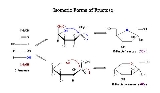
6) but they differ structurally. Crystalline fructose adopts a cyclic six-membered structure owing to the stability of its hemiketal and internal hydrogen-bonding. This form is formally called D-fructopyranose. In solution, fructose exists as an
equilibriumIn a chemical reaction, chemical equilibrium is the state in which the concentrations of the reactants and products have not yet changed with time. It occurs only in reversible reactions, and not in irreversible reactions. Usually, this state results when the forward reaction proceeds at the same...
mixture of 70% fructopyranose and about 22% fructofuranose, as well as small amounts of three other forms, including the acyclic structure.
Fructose and fermentation
Fructose may be anaerobically
fermentedEthanol fermentation, also referred to as alcoholic fermentation, is a biological process in which sugars such as glucose, fructose, and sucrose are converted into cellular energy and thereby produce ethanol and carbon dioxide as metabolic waste products...
by
yeastYeasts are eukaryotic micro-organisms classified in the kingdom Fungi, with 1,500 species currently described estimated to be only 1% of all fungal species. Most reproduce asexually by mitosis, and many do so by an asymmetric division process called budding...
or
bacteriaBacteria are a large domain of prokaryotic microorganisms. Typically a few micrometres in length, bacteria have a wide range of shapes, ranging from spheres to rods and spirals...
. Yeast enzymes convert sugar (glucose, or fructose) to
ethanolEthanol, also called ethyl alcohol, pure alcohol, grain alcohol, or drinking alcohol, is a volatile, flammable, colorless liquid. It is a psychoactive drug and one of the oldest recreational drugs. Best known as the type of alcohol found in alcoholic beverages, it is also used in thermometers, as a...
and
carbon dioxideCarbon dioxide is a naturally occurring chemical compound composed of two oxygen atoms covalently bonded to a single carbon atom...
. The carbon dioxide released during fermentation will remain dissolved in water where it will reach equilibrium with carbonic acid unless the fermentation chamber is left open to the air. The dissolved carbon dioxide and carbonic acid produce the carbonation in bottle fermented beverages.
Fructose and Maillard reaction
Fructose undergoes the
Maillard reactionThe Maillard reaction is a form of nonenzymatic browning similar to caramelization. It results from a chemical reaction between an amino acid and a reducing sugar, usually requiring heat....
, non-enzymatic browning, with amino acids. Because fructose exists to a greater extent in the open-chain form than does glucose, the initial stages of the Maillard reaction occurs more rapidly than with glucose. Therefore, fructose potentially may contribute to changes in food
palatabilityPalatability is the hedonic reward provided by foods or fluids that are agreeable to the "palate" in regard to the homeostatic satisfaction of nutritional, water, or energy needs. The palatability of a food or fluid, unlike its flavor or taste, varies with the state of an individual: it is lower...
, as well as other nutritional effects, such as excessive browning, volume and tenderness reduction during cake preparation, and formation of mutagenic compounds.
Dehydration
Fructose readily dehydrates to give
hydroxymethylfurfuralHydroxymethylfurfural , also 5-furfural, is an organic compound derived from dehydration of certain sugars. This yellow low-melting solid is highly water-soluble. The molecule consists of a furan ring, containing both aldehyde and alcohol functional groups...
("HMF").
This process may in the future be part of a low-cost, carbon-neutral system to produce replacements for petrol and diesel from plantations.
Relative sweetness
The primary reason that fructose is used commercially in foods and beverages, besides its low cost, is its high relative sweetness. It is the sweetest of all naturally occurring carbohydrates. Fructose is generally regarded as being 1.73 times as sweet as sucrose. However, it is the 5-ring form of fructose that is sweeter; the 6-ring form tastes about the same as usual table sugar. Warming fructose leads to formation of the 6-ring form.
The sweetness of fructose is perceived earlier than that of sucrose or dextrose, and the taste sensation reaches a peak (higher than sucrose) and diminishes more quickly than sucrose. Fructose can also enhance other flavors in the system.
Sweetness synergy
Fructose exhibits a sweetness synergy effect when used in combination with other sweeteners. The relative sweetness of fructose blended with sucrose, aspartame, or saccharin is perceived to be greater than the sweetness calculated from individual components.
Fructose solubility and crystallization
Fructose has higher solubility than other sugars as well as other sugar alcohols. Fructose is therefore difficult to crystallize from an aqueous solution. Sugar mixes containing fructose, such as candies, are softer than those containing other sugars because of the greater solubility of fructose.
Fructose hygroscopicity and humectancy
Fructose is quicker to absorb moisture and slower to release it to the environment than sucrose, dextrose, or other nutritive sweeteners. Fructose is an excellent humectant and retains moisture for a long period of time even at low
relative humidityRelative humidity is a term used to describe the amount of water vapor in a mixture of air and water vapor. It is defined as the partial pressure of water vapor in the air-water mixture, given as a percentage of the saturated vapor pressure under those conditions...
(RH). Therefore, fructose can contribute to improved quality, better texture, and longer shelf life to the food products in which it is used.
Freezing point
Fructose has a greater effect on freezing point depression than disaccharides or oligosaccharides, which may protect the integrity of cell walls of fruit by reducing ice crystal formation. However, this characteristic may be undesirable in soft-serve or hard-frozen dairy desserts.
Fructose and starch functionality in food systems
Fructose increases starch viscosity more rapidly and achieves a higher final viscosity than sucrose because fructose lowers the temperature required during
gelatinizing of starchStarch gelatinization is a process that breaks down the intermolecular bonds of starch molecules in the presence of water and heat, allowing the hydrogen bonding sites to engage more water. This irreversibly dissolves the starch granule...
, causing a greater final viscosity.
Many artificial sweeteners are not suitable for home-baking, but, with a little adjustment, many traditional recipes can be prepared using fructose.
Food sources
Natural sources of fructose include fruits, vegetables (including sugar cane), and honey. Fructose is often further concentrated from these sources. The highest dietary sources of fructose, besides pure
crystalline fructoseCrystalline fructose is a processed sweetener derived from corn that is almost entirely fructose. It consists of at least 98% pure fructose, any remainder being water and trace minerals. It is used as a sweetener in the likes of beverages and yogurts, where it substitutes for high-fructose corn...
, are foods containing table sugar (sucrose), high-fructose corn syrup, agave nectar,
honeyHoney is a sweet food made by bees using nectar from flowers. The variety produced by honey bees is the one most commonly referred to and is the type of honey collected by beekeepers and consumed by humans...
,
molassesMolasses is a viscous by-product of the processing of sugar cane, grapes or sugar beets into sugar. The word molasses comes from the Portuguese word melaço, which ultimately comes from mel, the Latin word for "honey". The quality of molasses depends on the maturity of the sugar cane or sugar beet,...
,
maple syrupMaple syrup is a syrup usually made from the xylem sap of sugar maple, red maple, or black maple trees, although it can also be made from other maple species such as the bigleaf maple. In cold climates, these trees store starch in their trunks and roots before the winter; the starch is then...
, and fruit
juiceJuice is the liquid that is naturally contained in fruit or vegetable tissue.Juice is prepared by mechanically squeezing or macerating fruit or vegetable flesh without the application of heat or solvents. For example, orange juice is the liquid extract of the fruit of the orange tree...
s, as these have the highest percentages of fructose (including fructose in sucrose) per serving compared to other common foods and ingredients. Fructose exists in foods either as a free
monosaccharideMonosaccharides are the most basic units of biologically important carbohydrates. They are the simplest form of sugar and are usually colorless, water-soluble, crystalline solids. Some monosaccharides have a sweet taste. Examples of monosaccharides include glucose , fructose , galactose, xylose...
, or bound to glucose as
sucroseSucrose is the organic compound commonly known as table sugar and sometimes called saccharose. A white, odorless, crystalline powder with a sweet taste, it is best known for its role in human nutrition. The molecule is a disaccharide composed of glucose and fructose with the molecular formula...
, a
disaccharideA disaccharide or biose is the carbohydrate formed when two monosaccharides undergo a condensation reaction which involves the elimination of a small molecule, such as water, from the functional groups only. Like monosaccharides, disaccharides form an aqueous solution when dissolved in water...
. Fructose, glucose, and sucrose may all be present in a food; however, different foods will have varying levels of each of these three sugars.
The sugar contents of common fruits and vegetables are presented in Table 1. In general, in foods that contain free fructose, the ratio of fructose to glucose is approximately 1:1; that is, foods with fructose usually contain about an equal amount of free glucose. A value that is above 1 indicates a higher proportion of fructose to glucose, and below 1, a lower proportion. Some fruits have larger proportions of fructose to glucose compared to others. For example,
appleThe apple is the pomaceous fruit of the apple tree, species Malus domestica in the rose family . It is one of the most widely cultivated tree fruits, and the most widely known of the many members of genus Malus that are used by humans. Apple grow on small, deciduous trees that blossom in the spring...
s and
pearThe pear is any of several tree species of genus Pyrus and also the name of the pomaceous fruit of these trees. Several species of pear are valued by humans for their edible fruit, but the fruit of other species is small, hard, and astringent....
s contain more than twice as much free fructose as glucose, while for
apricotThe apricot, Prunus armeniaca, is a species of Prunus, classified with the plum in the subgenus Prunus. The native range is somewhat uncertain due to its extensive prehistoric cultivation.- Description :...
s the proportion is less than half as much fructose as glucose.
Apple and pear juices are of particular interest to
pediatriciansPediatrics or paediatrics is the branch of medicine that deals with the medical care of infants, children, and adolescents. A medical practitioner who specializes in this area is known as a pediatrician or paediatrician...
because the high concentrations of free fructose in these juices can cause
diarrheaDiarrhea , also spelled diarrhoea, is the condition of having three or more loose or liquid bowel movements per day. It is a common cause of death in developing countries and the second most common cause of infant deaths worldwide. The loss of fluids through diarrhea can cause dehydration and...
in children. The cells (
enterocyteEnterocytes, or intestinal absorptive cells, are simple columnar epithelial cells found in the small intestines and colon. A glycocalyx surface coat contains digestive enzymes. Microvilli on the apical surface increase surface area for the digestion and transport of molecules from the intestinal...
s) that line children's
small intestineThe small intestine is the part of the gastrointestinal tract following the stomach and followed by the large intestine, and is where much of the digestion and absorption of food takes place. In invertebrates such as worms, the terms "gastrointestinal tract" and "large intestine" are often used to...
s have less affinity for fructose absorption than for glucose and sucrose. Unabsorbed fructose creates higher osmolarity in the small intestine, which draws water into the gastrointestinal tract, resulting in osmotic diarrhea. This phenomenon is discussed in greater detail in the Health Effects section.
Table 1 also shows the amount of sucrose found in common fruits and vegetables.
SugarcaneSugarcane refers to any of six to 37 species of tall perennial grasses of the genus Saccharum . Native to the warm temperate to tropical regions of South Asia, they have stout, jointed, fibrous stalks that are rich in sugar, and measure two to six metres tall...
and
sugar beetSugar beet, a cultivated plant of Beta vulgaris, is a plant whose tuber contains a high concentration of sucrose. It is grown commercially for sugar production. Sugar beets and other B...
have a high concentration of sucrose, and are used for commercial preparation of pure sucrose. Extracted cane or beet juice is clarified, removing impurities; and concentrated by removing excess water. The end product is 99.9% pure sucrose. Sucrose-containing sugars include common table
white granulated sugarSugar is a class of edible crystalline carbohydrates, mainly sucrose, lactose, and fructose, characterized by a sweet flavor.Sucrose in its refined form primarily comes from sugar cane and sugar beet...
and
powdered sugarPowdered sugar, also known as confectioners' sugar or icing sugar, is very fine sugar. When intended for home use, it typically contains a small amount of anti-caking agent....
, as well as
brown sugarBrown sugar is a sucrose sugar product with a distinctive brown color due to the presence of molasses. It is either an unrefined or partially refined soft sugar consisting of sugar crystals with some residual molasses content, or it is produced by the addition of molasses to refined white...
.
Table 1. Sugar content of selected common plant foods (g/100g)
| Food Item |
Total Carbohydrate
|
Total Sugars |
Free Fructose |
Free Glucose |
Sucrose |
Fructose/ Glucose Ratio |
Sucrose as a % of Total Sugars |
| Fruits |
|
|
|
|
|
|
|
| Apple |
13.8 |
10.4 |
5.9 |
2.4 |
2.1 |
2.0 |
19.9 |
| Apricot |
11.1 |
9.2 |
0.9 |
2.4 |
5.9 |
0.7 |
63.5 |
| Banana |
22.8 |
12.2 |
4.9 |
5.0 |
2.4 |
1.0 |
20.0 |
| Fig, dried |
63.9 |
47.9 |
22.9 |
24.8 |
0.07 |
0.93 |
0.001 |
| Grapes |
18.1 |
15.5 |
8.1 |
7.2 |
0.2 |
1.1 |
1.0 |
| Peach |
9.5 |
8.4 |
1.5 |
2.0 |
4.8 |
0.9 |
56.7 |
| Pear |
15.5 |
9.8 |
6.2 |
2.8 |
0.8 |
2.1 |
8.0 |
| Pineapple |
13.1 |
9.9 |
2.1 |
1.7 |
6.0 |
1.1 |
60.8 |
| Plum |
11.4 |
9.9 |
3.1 |
5.1 |
1.6 |
0.66 |
0.16 |
| Vegetables |
|
|
|
|
|
|
|
| Beet, Red |
9.6 |
6.8 |
0.1 |
0.1 |
6.5 |
1.0 |
96.2 |
| Carrot |
9.6 |
4.7 |
0.6 |
0.6 |
3.6 |
1.0 |
70.0 |
| Corn, Sweet |
19.0 |
3.2 |
0.5 |
0.5 |
2.1 |
1.0 |
64.0 |
| Red Pepper, Sweet |
6.0 |
4.2 |
2.3 |
1.9 |
0.0 |
1.2 |
0.0 |
| Onion, Sweet |
7.6 |
5.0 |
2.0 |
2.3 |
0.7 |
0.9 |
14.3 |
| Sweet Potato |
20.1 |
4.2 |
0.7 |
1.0 |
2.5 |
0.9 |
60.3 |
| Yam |
27.9 |
0.5 |
tr |
tr |
tr |
na |
tr |
| Sugar Cane |
|
13 - 18 |
0.2 – 1.0 |
0.2 – 1.0 |
11 - 16 |
1.0 |
100 |
| Sugar Beet |
|
17 - 18 |
0.1 – 0.5 |
0.1 – 0.5 |
16 - 17 |
1.0 |
100 |
Data obtained at
http://www.nal.usda.gov/fnic/foodcomp/search/.
All data with a unit of g (gram) are based on 100 g of a food item.
The fructose / glucose ratio is calculated by dividing the sum of free fructose plus half sucrose by the sum of free glucose plus half sucrose.
Fructose is also found in the synthetically manufactured
sweetenerA sugar substitute is a food additive that duplicates the effect of sugar in taste, usually with less food energy. Some sugar substitutes are natural and some are synthetic. Those that are not natural are, in general, called artificial sweeteners....
, high-fructose corn syrup (HFCS).
HydrolyzedHydrolysis is a chemical reaction during which molecules of water are split into hydrogen cations and hydroxide anions in the process of a chemical mechanism. It is the type of reaction that is used to break down certain polymers, especially those made by condensation polymerization...
corn starchCorn starch, cornstarch, cornflour or maize starch is the starch of the corn grain obtained from the endosperm of the corn kernel.-History:...
is used as the raw material for production of HFCS. Through the
enzymaticEnzymes are proteins that catalyze chemical reactions. In enzymatic reactions, the molecules at the beginning of the process, called substrates, are converted into different molecules, called products. Almost all chemical reactions in a biological cell need enzymes in order to occur at rates...
treatment, glucose molecules are converted into fructose. There are three types of HFCS, each with a different proportion of fructose: HFCS-42, HFCS-55, and HFCS-90. The number for each HFCS corresponds to the percentage of synthesized fructose present in the syrup. HFCS-90 has the highest concentration of fructose, and is typically used to manufacture HFCS-55; HFCS-55 is used as sweetener in soft drinks, while HFCS-42 is used in many processed foods and baked goods.
Carbohydrate content of commercial sweeteners (percent)
| Sugar |
Fructose |
Glucose |
Sucrose Sucrose is the organic compound commonly known as table sugar and sometimes called saccharose. A white, odorless, crystalline powder with a sweet taste, it is best known for its role in human nutrition. The molecule is a disaccharide composed of glucose and fructose with the molecular formula... (Fructose-Glucose) |
Other Sugars |
| Granulated Sugar |
0 |
0 |
100 |
0 |
| Brown Sugar |
1 |
1 |
97 |
1 |
| HFCS-42 |
42 |
53 |
0 |
5 |
| HFCS-55 |
55 |
41 |
0 |
4 |
| HFCS-90 |
90 |
5 |
0 |
5 |
| Honey |
50 |
44 |
1 |
5 |
| Maple Syrup |
1 |
4 |
95 |
0 |
| Molasses |
23 |
21 |
53 |
3 |
| Corn Syrup |
0 |
35 |
0 |
0 |
Data obtained from Kretchmer, N. & Hollenbeck, CB (1991). Sugars and Sweeteners, Boca Raton, FL: CRC Press, Inc. for HFCS, and USDA for fruits and vegetables and the other refined sugars.
Cane and beet sugars have been used as the major sweetener in food manufacturing for centuries. However, with the development of HFCS, a significant shift occurred in the type of sweetener consumption. As seen in Figure 3, this change happened in the 1970s. Contrary to the popular belief, however, with the increase of HFCS consumption, the total fructose intake has not dramatically changed. Granulated sugar is 99.9% pure sucrose, which means that it has equal ratio of fructose to glucose. The most commonly used forms of HFCS, HFCS-42 and HFCS-55, have a roughly equal ratio of fructose to glucose, with minor differences. HFCS has simply replaced sucrose as a sweetener. Therefore, despite the changes in the sweetener consumption, the ratio of glucose to fructose intake has remained relatively constant.
Fructose digestion and absorption in humans
Fructose exists in foods as either a monosaccharide (free fructose) or as a unit of a disaccharide (sucrose). Free fructose is absorbed directly by the intestine; however, when fructose is consumed in the form of sucrose, digestion occurs entirely in the upper small intestine. As sucrose comes into contact with the membrane of the small intestine, the enzyme sucrase catalyzes the cleavage of sucrose to yield one glucose unit and one fructose unit. Fructose is absorbed in the small intestine, then enters the
hepatic portal veinThe hepatic portal vein is not a true vein, because it does not conduct blood directly to the heart. It is a vessel in the abdominal cavity that drains blood from the gastrointestinal tract and spleen to capillary beds in the liver...
and is directed toward the liver.
The mechanism of fructose absorption in the small intestine is not completely understood. Some evidence suggests
active transportActive transport is the movement of a substance against its concentration gradient . In all cells, this is usually concerned with accumulating high concentrations of molecules that the cell needs, such as ions, glucose, and amino acids. If the process uses chemical energy, such as from adenosine...
, because fructose uptake has been shown to occur against a concentration gradient. However, the majority of research supports the claim that fructose absorption occurs on the mucosal membrane via
facilitated transport..Facilitated diffusion is a process of passive transport, facilitated by integral proteins. Facilitated diffusion is the spontaneous passage of molecules or ions across a biological membrane passing through specific transmembrane integral proteins...
involving
GLUT5GLUT5 is a fructose transporter expressed on the apical border of enterocytes in the small intestine. GLUT5 allows for fructose to be transported from the intestinal lumen into the enterocyte by facilitated diffusion due to fructose's high concentration in the intestinal lumen...
transport proteins. Since the concentration of fructose is higher in the lumen, fructose is able to flow down a concentration gradient into the enterocytes, assisted by transport proteins. Fructose may be transported out of the enterocyte across the basolateral membrane by either
GLUT2Glucose transporter 2 also known as solute carrier family 2 , member 2 is a transmembrane carrier protein that enables passive glucose movement across cell membranes. It is the principal transporter for transfer of glucose between liver and blood, and for renal glucose reabsorption...
or GLUT5, although the GLUT2 transporter has a greater capacity for transporting fructose and therefore the majority of fructose is transported out of the enterocyte through GLUT2.
Capacity and rate of absorption
The absorption capacity for fructose in monosaccharide form ranges from less than 5 g to 50 g and adapts with changes in dietary fructose intake. Studies show the greatest absorption rate occurs when glucose and fructose are administered in equal quantities. When fructose is ingested as part of the disaccharide
sucroseSucrose is the organic compound commonly known as table sugar and sometimes called saccharose. A white, odorless, crystalline powder with a sweet taste, it is best known for its role in human nutrition. The molecule is a disaccharide composed of glucose and fructose with the molecular formula...
, absorption capacity is much higher because fructose exists in a 1:1 ratio with glucose. It appears that the
GLUT5GLUT5 is a fructose transporter expressed on the apical border of enterocytes in the small intestine. GLUT5 allows for fructose to be transported from the intestinal lumen into the enterocyte by facilitated diffusion due to fructose's high concentration in the intestinal lumen...
transfer rate may be saturated at low levels, and absorption is increased through joint absorption with glucose. One proposed mechanism for this phenomenon is a glucose-dependent cotransport of fructose.
In addition, fructose transfer activity increases with dietary fructose intake. The presence of fructose in the lumen causes increased mRNA transcription of GLUT5, leading to increased transport proteins. High-fructose diets have been shown to increase abundance of transport proteins within 3 days of intake.
Malabsorption
Several studies have measured the intestinal absorption of fructose using
hydrogen breath testA hydrogen breath test is used as a clinical medical diagnosis for people with irritable bowel syndrome, and common food intolerances. The test is simple, non-invasive, and is performed after a short period of fasting . Even though the test is normally known as a "Hydrogen Breath Test" some...
. These studies indicate that fructose is not completely absorbed in the small intestine. When fructose is not absorbed in the small intestine, it is transported into the large intestine, where it is fermented by the colonic flora. Hydrogen is produced during the
fermentationFermentation is the process of extracting energy from the oxidation of organic compounds, such as carbohydrates, using an endogenous electron acceptor, which is usually an organic compound. In contrast, respiration is where electrons are donated to an exogenous electron acceptor, such as oxygen,...
process and dissolves into the blood of the portal vein. This hydrogen is transported to the lungs, where it is exchanged across the lungs and is measurable by the hydrogen breath test. The colonic flora also produces carbon dioxide, short-chain fatty acids, organic acids, and trace gases in the presence of unabsorbed fructose. The presence of gases and organic acids in the large intestine causes gastrointestinal symptoms such as bloating, diarrhea, flatulence, and gastrointestial pain Exercise immediately after consumption can exacerbate these symptoms by decreasing transit time in the small intestine, resulting in a greater amount of fructose being emptied into the large intestine.
Fructose metabolism
All three dietary monosaccharides are transported into the liver by the GLUT 2 transporter. Fructose and
galactoseGalactose , sometimes abbreviated Gal, is a type of sugar that is less sweet than glucose. It is a C-4 epimer of glucose....
are
phosphorylatedPhosphorylation is the addition of a phosphate group to a protein or other organic molecule. Phosphorylation activates or deactivates many protein enzymes....
in the liver by
fructokinaseFructokinase , also known as D-fructokinase or D-fructose kinase, is an enzyme of the liver, intestine, and kidney cortex...
(K
m= 0.5 mM) and galactokinase (K
m = 0.8 mM). By contrast, glucose tends to pass through the liver (K
m of hepatic glucokinase = 10 mM) and can be metabolised anywhere in the body. Uptake of fructose by the liver is not regulated by insulin. However, insulin is capable of increasing the abundance and functional activity of GLUT5 in skeletal muscle cells.
Fructolysis
Main article: fructolysisFructolysis refers to the metabolism of fructose from dietary sources. The metabolism of glucose through glycolysis uses many of the same enzymes and intermediate structures as those in fructolysis, the two sugars have very different metabolic fates in human metabolism...
The initial catabolism of fructose is sometimes referred to as
fructolysisFructolysis refers to the metabolism of fructose from dietary sources. The metabolism of glucose through glycolysis uses many of the same enzymes and intermediate structures as those in fructolysis, the two sugars have very different metabolic fates in human metabolism...
, in analogy with
glycolysisGlycolysis is the metabolic pathway that converts glucose C6H12O6, into pyruvate, CH3COCOO− + H+...
, the catabolism of glucose. In fructolysis, the enzyme
fructokinaseFructokinase , also known as D-fructokinase or D-fructose kinase, is an enzyme of the liver, intestine, and kidney cortex...
initially produces fructose 1-phosphate, which is split by
aldolase BAldolase B also known as fructose-bisphosphate aldolase B or liver-type aldolase is one of three isoenzymes of the class I fructose 1,6-bisphosphate aldolase enzyme , and plays a key role in both glycolysis and gluconeogenesis...
to produce the trioses dihydroxyacetone phosphate and
glyceraldehydeGlyceraldehyde is a triose monosaccharide with chemical formula C3H6O3. It is the simplest of all common aldoses. It is a sweet, colorless, crystalline solid that is an intermediate compound in carbohydrate metabolism...
http://www.ajcn.org/cgi/content-nw/full/76/5/911/F3. Unlike glycolysis, in fructolysis the triose glyceraldehyde lacks a phosphate group. A third enzyme,
triokinaseIn enzymology, a triokinase is an enzyme that catalyzes the chemical reactionThus, the two substrates of this enzyme are ATP and D-glyceraldehyde, whereas its two products are ADP and D-glyceraldehyde 3-phosphate....
, is therefore required to phosphorylate glyceraldehyde, producing glyceraldehyde-3-phosphate. The resulting trioses are identical to those obtained in glycolysis and can enter the
gluconeogenicGluconeogenesis is a metabolic pathway that results in the generation of glucose from non-carbohydrate carbon substrates such as lactate, glycerol, and glucogenic amino acids....
pathway for glucose or glycogen synthesis, or be further catabolized through the lower glycolytic pathway to
pyruvatePyruvic acid is an organic acid, a ketone, as well as the simplest of the alpha-keto acids. The carboxylate ion of pyruvic acid, CH3COCOO−, is known as pyruvate, and is a key intersection in several metabolic pathways....
.
Metabolism of fructose to DHAP and glyceraldehyde
The first step in the metabolism of fructose is the phosphorylation of fructose to fructose 1-phosphate by fructokinase, thus trapping fructose for metabolism in the liver. Fructose 1-phosphate then undergoes
hydrolysisHydrolysis is a chemical reaction during which molecules of water are split into hydrogen cations and hydroxide anions in the process of a chemical mechanism. It is the type of reaction that is used to break down certain polymers, especially those made by condensation polymerization...
by
aldolase BAldolase B also known as fructose-bisphosphate aldolase B or liver-type aldolase is one of three isoenzymes of the class I fructose 1,6-bisphosphate aldolase enzyme , and plays a key role in both glycolysis and gluconeogenesis...
to form DHAP and glyceraldehydes; DHAP can either be isomerized to glyceraldehyde 3-phosphate by triosephosphate isomerase or undergo reduction to glycerol 3-phosphate by glycerol 3-phosphate dehydrogenase. The glyceraldehyde produced may also be converted to glyceraldehyde 3-phosphate by glyceraldehyde kinase or converted to glycerol 3-phosphate by glyceraldehyde 3-phosphate dehydrogenase. The metabolism of fructose at this point yields intermediates in the gluconeogenic and fructolytic pathways leading to glycogen synthesis as well as fatty acid and triglyceride synthesis.
Synthesis of glycogen from DHAP and glyceraldehyde 3 phosphate
The resultant glyceraldehyde formed by aldolase B then undergoes phosphorylation to glyceraldehyde 3-phosphate. Increased concentrations of DHAP and glyceraldehyde 3-phosphate in the liver drive the gluconeogenic pathway toward glucose and subsequent glycogen synthesis. It appears that fructose is a better substrate for glycogen synthesis than glucose and that glycogen replenishment takes precedence over triglyceride formation. Once liver glycogen is replenished, the intermediates of fructose metabolism are primarily directed toward triglyceride synthesis.
Synthesis of triglyceride from DHAP and glyceraldehyde 3 phosphate
Carbons from dietary fructose are found in both the free fatty acid and glycerol moieties of plasma triglycerides. High fructose consumption can lead to excess pyruvate production, causing a buildup of Krebs cycle intermediates. Accumulated citrate can be transported from the
mitochondriaIn cell biology, a mitochondrion is a membrane-enclosed organelle found in most eukaryotic cells. These organelles range from 0.5 to 1.0 micrometers in diameter...
into the
cytosolThe cytosol or intracellular fluid is the liquid found inside cells, that is separated into compartments by membranes. For example, the mitochondrial matrix separates the mitochondrion into compartments....
of hepatocytes, converted to acetyl CoA by citrate lyase and directed toward fatty acid synthesis. Additionally, DHAP can be converted to glycerol 3-phosphate as previously mentioned, providing the glycerol backbone for the triglyceride molecule. Triglycerides are incorporated into
very low density lipoproteinVery-low-density lipoprotein is a type of lipoprotein made by the liver. VLDL is one of the five major groups of lipoproteins that enable fats and cholesterol to move within the water-based solution of the bloodstream...
s (VLDL), which are released from the liver destined toward peripheral tissues for storage in both fat and muscle cells.
Digestive problems
Fructose absorption occurs in the small intestine via the
GLUT-5GLUT5 is a fructose transporter expressed on the apical border of enterocytes in the small intestine. GLUT5 allows for fructose to be transported from the intestinal lumen into the enterocyte by facilitated diffusion due to fructose's high concentration in the intestinal lumen...
(fructose only) transporter, and the
GLUT2Glucose transporter 2 also known as solute carrier family 2 , member 2 is a transmembrane carrier protein that enables passive glucose movement across cell membranes. It is the principal transporter for transfer of glucose between liver and blood, and for renal glucose reabsorption...
transporter, for which it competes with
glucoseGlucose is a simple sugar and an important carbohydrate in biology. Cells use it as the primary source of energy and a metabolic intermediate...
and
galactoseGalactose , sometimes abbreviated Gal, is a type of sugar that is less sweet than glucose. It is a C-4 epimer of glucose....
. Over consumption of fructose, inhibition of GLUT2 by other phytochemicals, such as flavonoids, or other issues, may result in unabsorbed fructose being carried into the large intestine where, like any sugar, it may provide nutrients for the existing
gut floraGut flora consists of microorganisms that live in the digestive tracts of animals and is the largest reservoir of human flora. In this context, gut is synonymous with intestinal, and flora with microbiota and microflora....
which produce gas. It may also cause water retention in the intestine. These effects may lead to
bloatingBloating is any abnormal general swelling, or increase in diameter of the abdominal area. As a symptom, the patient feels a full and tight abdomen, which may cause abdominal pain sometimes accompanied by increased borborygmus or more seriously the total lack of borborygmus.-Symptoms:The most common...
, excessive
flatulenceFlatulence is the expulsion through the rectum of a mixture of gases that are byproducts of the digestion process of mammals and other animals. The medical term for the mixture of gases is flatus, informally known as a fart, or simply gas...
, loose stools, and even
diarrheaDiarrhea , also spelled diarrhoea, is the condition of having three or more loose or liquid bowel movements per day. It is a common cause of death in developing countries and the second most common cause of infant deaths worldwide. The loss of fluids through diarrhea can cause dehydration and...
depending on the amounts eaten and other factors. For people with celiac disease,
irritable bowel syndromeIrritable bowel syndrome is a diagnosis of exclusion. It is a functional bowel disorder characterized by chronic abdominal pain, discomfort, bloating, and alteration of bowel habits in the absence of any detectable organic cause. In some cases, the symptoms are relieved by bowel movements...
, or other fructose absorption issues,
fructose malabsorptionFructose malabsorption, formerly named "dietary fructose intolerance," is a digestive disorder in which absorption of fructose is impaired by deficient fructose carriers in the small intestine's enterocytes. This results in an increased concentration of fructose in the entire intestine.Fructose...
may be a major health concern.
Metabolic syndrome
Excess fructose consumption has been hypothesized to be a cause of
insulin resistanceInsulin resistance is a physiological condition where the natural hormone insulin becomes less effective at lowering blood sugars. The resulting increase in blood glucose may raise levels outside the normal range and cause adverse health effects, depending on dietary conditions. Certain cell types...
,
obesityObesity is a medical condition in which excess body fat has accumulated to the extent that it may have an adverse effect on health, leading to reduced life expectancy and/or increased health problems...
, elevated LDL cholesterol and
triglycerideA triglyceride is an ester derived from glycerol and three fatty acids. There are many triglycerides, depending on the oil source, some are highly unsaturated, some less so....
s, leading to
metabolic syndromeMetabolic syndrome is a combination of medical disorders that, when occurring together, increase the risk of developing cardiovascular disease and diabetes. It affects one in five people in the United States and prevalence increases with age...
. Fructose consumption has been shown to be correlated with obesity, especially central obesity which is thought to be the most dangerous kind of obesity. A study in mice showed that a high fructose intake increases adiposity.
Although all simple sugars have nearly identical chemical formulae, each has distinct chemical properties. This can be illustrated with pure fructose. A journal article reports that, "...fructose given alone increased the blood glucose almost as much as a similar amount of glucose (78% of the glucose-alone area)".
One study concluded that fructose "produced significantly higher fasting plasma
triacylglycerolA triglyceride is an ester derived from glycerol and three fatty acids. There are many triglycerides, depending on the oil source, some are highly unsaturated, some less so....
values than did the glucose diet in men" and "...if plasma triacylglycerols are a risk factor for
cardiovascular diseaseHeart disease or cardiovascular disease are the class of diseases that involve the heart or blood vessels . While the term technically refers to any disease that affects the cardiovascular system , it is usually used to refer to those related to atherosclerosis...
, then diets high in fructose may be undesirable". Bantle et al. "noted the same effects in a study of 14 healthy volunteers who sequentially ate a high-fructose diet and one almost devoid of the sugar."
Fructose is a
reducing sugarA reducing sugar is any sugar that either has an aldehyde group or is capable of forming one in solution through isomerisation. This functional group allows the sugar to act as a reducing agent, for example in the Tollens' test or Benedict's test.-Chemistry:...
, as are all monosaccharides. The spontaneous chemical reaction of simple sugar molecules binding to proteins, known as
glycationGlycation is the result of the bonding of a protein or lipid molecule with a sugar molecule, such as fructose or glucose, without the controlling action of an enzyme. All blood sugars are reducing molecules. Glycation may occur either inside the body or outside the body...
, is thought to be a significant cause of damage in diabetics. Fructose appears to be equivalent to glucose in this regard and so does not seem to be a better answer for diabetes for this reason alone, save for the smaller quantities required to achieve equivalent sweetness in some foods. This may be an important contribution to
senescenceSenescence or biological aging is the change in the biology of an organism as it ages after its maturity. Such changes range from those affecting its cells and their function to those affecting the whole organism...
and many age-related chronic diseases.
Compared to sucrose
Studies that have compared high-fructose corn syrup (an ingredient in nearly all soft drinks sold in the US) to
sucroseSucrose is the organic compound commonly known as table sugar and sometimes called saccharose. A white, odorless, crystalline powder with a sweet taste, it is best known for its role in human nutrition. The molecule is a disaccharide composed of glucose and fructose with the molecular formula...
(common table sugar) find that most measured physiological effects are equivalent. For instance, Melanson et al. (2006), studied the effects of HFCS and sucrose sweetened drinks on blood glucose,
insulinInsulin is a hormone central to regulating carbohydrate and fat metabolism in the body. Insulin causes cells in the liver, muscle, and fat tissue to take up glucose from the blood, storing it as glycogen in the liver and muscle....
,
leptinLeptin is a 16 kDa protein hormone that plays a key role in regulating energy intake and energy expenditure, including appetite and metabolism. It is one of the most important adipose derived hormones...
, and
ghrelinGhrelin is a 28 amino acid peptide and hormone that is produced mainly by P/D1 cells lining the fundus of the human stomach and epsilon cells of the pancreas that stimulates hunger. Ghrelin levels increase before meals and decrease after meals. It is considered the counterpart of the hormone...
levels. They found no significant differences in any of these parameters. This is not surprising, since sucrose is a disaccharide that digests to 50% fructose and 50% glucose, whereas the high-fructose corn syrup most commonly used on soft drinks is 55% fructose and 45% glucose. The difference between the two lies in the fact that HFCS contains little sucrose, the fructose and glucose being independent moieties.
Fructose is often recommended for diabetics because it does not trigger the production of insulin by pancreatic
β cellsBeta cells are a type of cell in the pancreas located in the so-called islets of Langerhans. They make up 65-80% of the cells in the islets.-Function:...
, probably because β cells have low levels of GLUT5. Fructose has a very low glycemic index of 19 ± 2, compared with 100 for glucose and 68 ± 5 for sucrose. Fructose is also seventy-three percent sweeter than sucrose (see relative sweetness) at room temperature, so diabetics can use less of it. Studies show that fructose consumed before a meal may even lessen the glycemic response of the meal. Its sweetness changes at higher temperatures, so its effects in recipes are not equivalent to those of sucrose (i.e., table sugar).
Liver disease
"The medical profession thinks fructose is better for diabetics than sugar," says Meira Field, PhD, a research chemist at
United States Department of AgricultureThe United States Department of Agriculture is the United States federal executive department responsible for developing and executing U.S. federal government policy on farming, agriculture, and food...
, "but every cell in the body can metabolize glucose. However, all fructose must be metabolized in the liver. The livers of the rats on the high fructose diet looked like the livers of alcoholics, plugged with fat and cirrhotic." While a few other tissues (e.g.,
spermThe term sperm is derived from the Greek word sperma and refers to the male reproductive cells. In the types of sexual reproduction known as anisogamy and oogamy, there is a marked difference in the size of the gametes with the smaller one being termed the "male" or sperm cell...
cells and some intestinal cells) do use fructose directly, fructose is almost entirely metabolized in the liver.
"When fructose reaches the liver," says Dr. William J. Whelan, a biochemist at the University of Miami School of Medicine, "the liver goes bananas and stops everything else to metabolize the fructose." Eating fructose instead of glucose results in lower circulating insulin and
leptinLeptin is a 16 kDa protein hormone that plays a key role in regulating energy intake and energy expenditure, including appetite and metabolism. It is one of the most important adipose derived hormones...
levels, and higher
ghrelinGhrelin is a 28 amino acid peptide and hormone that is produced mainly by P/D1 cells lining the fundus of the human stomach and epsilon cells of the pancreas that stimulates hunger. Ghrelin levels increase before meals and decrease after meals. It is considered the counterpart of the hormone...
levels after the meal. Since leptin and insulin decrease appetite and ghrelin increases appetite, some researchers suspect that eating large amounts of fructose increases the likelihood of weight gain.
Excessive fructose consumption is also believed to contribute to the development of
non-alcoholic fatty liver diseaseNon-alcoholic fatty liver disease is one cause of a fatty liver, occurring when fat is deposited in the liver not due to excessive alcohol use. It is related to insulin resistance and the metabolic syndrome and may respond to treatments originally developed for other insulin-resistant states...
.
Gout
It has been suggested in a recent
British Medical JournalBMJ is a partially open-access peer-reviewed medical journal. Originally called the British Medical Journal, the title was officially shortened to BMJ in 1988. The journal is published by the BMJ Group, a wholly owned subsidiary of the British Medical Association...
study that high consumption of fructose is linked to
goutGout is a medical condition usually characterized by recurrent attacks of acute inflammatory arthritis—a red, tender, hot, swollen joint. The metatarsal-phalangeal joint at the base of the big toe is the most commonly affected . However, it may also present as tophi, kidney stones, or urate...
. Cases of gout have risen in recent years, despite commonly being thought of as a
VictorianThe Victorian era of British history was the period of Queen Victoria's reign from 20 June 1837 until her death on 22 January 1901. It was a long period of peace, prosperity, refined sensibilities and national self-confidence...
disease, and it is suspected that the fructose found in soft drinks (e.g., carbonated beverages) and other sweetened drinks is the reason for this.
In order for the liver to process fructose, it must be phosphorylated by removal of phosphates from
adenosine triphosphateAdenosine-5'-triphosphate is a multifunctional nucleoside triphosphate used in cells as a coenzyme. It is often called the "molecular unit of currency" of intracellular energy transfer. ATP transports chemical energy within cells for metabolism...
(ATP). The ATP gets converted to
adenosine monophosphateAdenosine monophosphate , also known as 5'-adenylic acid, is a nucleotide that is used as a monomer in RNA. It is an ester of phosphoric acid and the nucleoside adenosine. AMP consists of a phosphate group, the sugar ribose, and the nucleobase adenine...
(AMP), then to inositol monophosphate (IMP), and finally to
uric acidUric acid is a heterocyclic compound of carbon, nitrogen, oxygen, and hydrogen with the formula C5H4N4O3. It forms ions and salts known as urates and acid urates such as ammonium acid urate. Uric acid is created when the body breaks down purine nucleotides. High blood concentrations of uric acid...
, the agent in
goutGout is a medical condition usually characterized by recurrent attacks of acute inflammatory arthritis—a red, tender, hot, swollen joint. The metatarsal-phalangeal joint at the base of the big toe is the most commonly affected . However, it may also present as tophi, kidney stones, or urate...
.
Glycemic index
Fructose has the lowest
glycemic indexThe glycemic index, glycaemic index, or GI is a measure of the effects of carbohydrates on blood sugar levels. Carbohydrates that break down quickly during digestion and release glucose rapidly into the bloodstream have a high GI; carbohydrates that break down more slowly, releasing glucose more...
(GI = 19) of all the natural sugars and used to be recommended for use by diabetics due to its small effect on blood glucose levels. In comparison, ordinary table sugar (sucrose which is half fructose) has a GI of 65 and honey (usually about 40% fructose content) has a GI of 55. Due to the potential that excessive consumption of fructose may be a factor in some diseases, including metabolic syndrome and insulin resistance, products containing high contents of fructose may be discouraged.
See also
- Tagatose
Tagatose is a functional sweetener. It is a naturally occurring monosaccharide, specifically a hexose. It is often found in dairy products, and is very similar in texture to sucrose and is 92% as sweet, but with only 38% of the calories....
- Inverted sugar
Inverted or invert sugar syrup is a mixture of glucose and fructose; it is obtained by splitting sucrose into these two components. Compared with its precursor, sucrose, inverted sugar is sweeter and its products tend to remain more moist and are less prone to crystallisation...
- DMF
2,5-Dimethylfuran is a heterocyclic compound with the formula 2C4H2O. Although often abbreviated DMF, it should not be confused with dimethylformamide. A derivative of furan, this simple compound is a potential biofuel, being derivable from cellulose.-Production:Fructose can be converted into...
(potential fructose-based biofuelBiofuel is a type of fuel whose energy is derived from biological carbon fixation. Biofuels include fuels derived from biomass conversion, as well as solid biomass, liquid fuels and various biogases...
)
- Fructose intolerance
Hereditary fructose intolerance or fructose poisoning is a hereditary condition caused by a deficiency of liver enzymes that metabolise fructose...
- Fructose malabsorption
Fructose malabsorption, formerly named "dietary fructose intolerance," is a digestive disorder in which absorption of fructose is impaired by deficient fructose carriers in the small intestine's enterocytes. This results in an increased concentration of fructose in the entire intestine.Fructose...
- Fructan
A fructan is a polymer of fructose molecules. Fructans with a short chain length are known as fructooligosaccharides, whereas longer chain fructans are termed inulins...
(fructose polymer)
- Galactose
Galactose , sometimes abbreviated Gal, is a type of sugar that is less sweet than glucose. It is a C-4 epimer of glucose....
- Glucose
Glucose is a simple sugar and an important carbohydrate in biology. Cells use it as the primary source of energy and a metabolic intermediate...
- Glycation
Glycation is the result of the bonding of a protein or lipid molecule with a sugar molecule, such as fructose or glucose, without the controlling action of an enzyme. All blood sugars are reducing molecules. Glycation may occur either inside the body or outside the body...
- High fructose corn syrup
High-fructose corn syrup — also called glucose-fructose syrup in the UK, glucose/fructose in Canada, and high-fructose maize syrup in other countries — comprises any of a group of corn syrups that has undergone enzymatic processing to convert some of its glucose into fructose to produce...
- Hyperuricemia
Hyperuricemia is a level of uric acid in the blood that is abnormally high. In humans, the upper end of the normal range is 360 µmol/L for women and 400 µmol/L for men.-Causes:...
- Seliwanoff's test
Seliwanoff’s test is a chemical test which distinguishes between aldose and ketose sugars. Ketoses are distinguished from aldoses via their ketone/aldehyde functionality. If the sugar contains a ketone group, it is a ketose and if it contains an aldehyde group, it is an aldose...
- Sucrose
Sucrose is the organic compound commonly known as table sugar and sometimes called saccharose. A white, odorless, crystalline powder with a sweet taste, it is best known for its role in human nutrition. The molecule is a disaccharide composed of glucose and fructose with the molecular formula...
- Sugars in wine
The sugars in wine grapes are what make winemaking possible. During the process of fermentation, sugars are broken down and converted by yeasts into alcohol and carbon dioxide. Grapes accumulate sugars as they grow on the grapevine through the translocation of sucrose molecules that are produced...
- Agave nectar
External links