Opioid

Encyclopedia
| Endogenous opioid peptides | Skeletal molecular images |
|---|---|
| Adrenorphin Adrenorphin Adrenorphin, also sometimes referred to as metorphamide, is an endogenous, C-terminally amidated, opioid octapeptide that is produced from proteolyic cleavage of proenkephalin A and is widely distributed throughout the mammalian brain... |
|
| Amidorphin Amidorphin Amidorphin is an endogenous, C-terminally amidated, opioid peptide generated as a cleavage product of proenkephalin A that is widely distributed in the mammalian brain, with particularly high concentrations found in the adrenal medulla, posterior pituitary, and striatum... |
|
| Casomorphin Casomorphin Casomorphins are peptides, i.e., protein fragments, derived from the digestion of milk protein casein. The distinguishing characteristic of casomorphins is that they have an opioid effect.... |
|
| DADLE | |
| DAMGO DAMGO DAMGO is a synthetic opioid peptide with high μ-opioid receptor specificity. It was synthesized as a biologically stable analog of δ-opioid receptor-preferring endogenous opioids, leu- and met-enkephalin.... |
|
| Dermorphin | |
| Endomorphin Endomorphin Endomorphins are two endogenous opioid peptides. Endomorphin-1 and endomorphin-2 are tetrapeptides with the highest known affinity and specificity for the μ opioid receptor... |
|
| Morphiceptin Morphiceptin Morphiceptin is a tetrapeptide that is aselective μ-opioid receptor agonist. It is derived from β-casomorphin and has over 1,000 times selectivity for μ- over δ-opioid receptors. When administered intracerebroventricularly, morphiceptin had an analgesic ED50 of 1.7 nmol per animal... |
|
| Nociceptin Nociceptin Nociceptin or orphanin FQ, a 17 amino acid neuropeptide, is the endogenous ligand for the nociceptin receptor . It is derived from the prepronociceptin protein, as are a further 2 peptides, nocistatin & NocII... |
 |
| Octreotide Octreotide Octreotide is an octapeptide that mimics natural somatostatin pharmacologically, though it is a more potent inhibitor of growth hormone, glucagon, and insulin than the natural hormone... |
 |
| Opiorphin Opiorphin Opiorphin is an endogenous chemical compound first isolated from human saliva. Initial research with mice shows the compound has a painkilling effect greater than that of morphine. It works by stopping the normal breakdown of enkephalins, natural pain-killing opioids in the spinal cord... |
|
| TRIMU 5 TRIMU 5 TRIMU 5 is a selective agonist of the mu-2 mu opioid receptor.... |
 |
An opioid is a psychoactive chemical that works by binding to opioid receptor
Opioid receptor
Opioid receptors are a group of G protein-coupled receptors with opioids as ligands. The endogenous opioids are dynorphins, enkephalins, endorphins, endomorphins and nociceptin. The opioid receptors are ~40% identical to somatostatin receptors...
s, which are found principally in the central
Central nervous system
The central nervous system is the part of the nervous system that integrates the information that it receives from, and coordinates the activity of, all parts of the bodies of bilaterian animals—that is, all multicellular animals except sponges and radially symmetric animals such as jellyfish...
and peripheral nervous system
Peripheral nervous system
The peripheral nervous system consists of the nerves and ganglia outside of the brain and spinal cord. The main function of the PNS is to connect the central nervous system to the limbs and organs. Unlike the CNS, the PNS is not protected by the bone of spine and skull, or by the blood–brain...
and the gastrointestinal tract
Gastrointestinal tract
The human gastrointestinal tract refers to the stomach and intestine, and sometimes to all the structures from the mouth to the anus. ....
. The receptors in these organ systems mediate both the beneficial effects and the side effects
Adverse effect
In medicine, an adverse effect is a harmful and undesired effect resulting from a medication or other intervention such as surgery.An adverse effect may be termed a "side effect", when judged to be secondary to a main or therapeutic effect. If it results from an unsuitable or incorrect dosage or...
of opioids.
Opioids are among the world's oldest known drug
Drug
A drug, broadly speaking, is any substance that, when absorbed into the body of a living organism, alters normal bodily function. There is no single, precise definition, as there are different meanings in drug control law, government regulations, medicine, and colloquial usage.In pharmacology, a...
s; the use of the opium poppy
Opium poppy
Opium poppy, Papaver somniferum, is the species of plant from which opium and poppy seeds are extracted. Opium is the source of many opiates, including morphine , thebaine, codeine, papaverine, and noscapine...
for its therapeutic benefits predates recorded history. The analgesic
Analgesic
An analgesic is any member of the group of drugs used to relieve pain . The word analgesic derives from Greek an- and algos ....
(painkiller) effects of opioids are due to decreased perception of pain, decreased reaction to pain as well as increased pain tolerance. The side effects of opioids include sedation
Sedation
Sedation is the reduction of irritability or agitation by administration of sedative drugs, generally to facilitate a medical procedure or diagnostic procedure...
, respiratory depression, constipation
Constipation
Constipation refers to bowel movements that are infrequent or hard to pass. Constipation is a common cause of painful defecation...
, and a strong sense of euphoria
Euphoria
Euphoria is an emotional and mental state defined as a sense of great elation and well being.Euphoria may also refer to:* Euphoria , a genus of scarab beetles* Euphoria, a genus name previously used for the longan and other trees...
. Opioids can cause cough suppression, which can be both an indication for opioid administration or an unintended side effect. Opioid dependence can develop with ongoing administration, leading to a withdrawal syndrome with abrupt discontinuation. Opioids are well known for their ability to produce a feeling of euphoria, motivating some to recreationally use
Recreational drug use
Recreational drug use is the use of a drug, usually psychoactive, with the intention of creating or enhancing recreational experience. Such use is controversial, however, often being considered to be also drug abuse, and it is often illegal...
opioids.
Although the term opiate
Opiate
In medicine, the term opiate describes any of the narcotic opioid alkaloids found as natural products in the opium poppy plant.-Overview:Opiates are so named because they are constituents or derivatives of constituents found in opium, which is processed from the latex sap of the opium poppy,...
is often used as a synonym for opioid, the term opiate is properly limited to the natural alkaloid
Alkaloid
Alkaloids are a group of naturally occurring chemical compounds that contain mostly basic nitrogen atoms. This group also includes some related compounds with neutral and even weakly acidic properties. Also some synthetic compounds of similar structure are attributed to alkaloids...
s found in the resin of the opium poppy
Opium poppy
Opium poppy, Papaver somniferum, is the species of plant from which opium and poppy seeds are extracted. Opium is the source of many opiates, including morphine , thebaine, codeine, papaverine, and noscapine...
(Papaver somniferum). In some definitions, the semi-synthetic substances that are directly derived from the opium poppy are considered to be opiates as well, while in other classification systems these substances are simply referred to as semi-synthetic opioids.
Pain
Opioids have long been used to treat acute painPain
Pain is an unpleasant sensation often caused by intense or damaging stimuli such as stubbing a toe, burning a finger, putting iodine on a cut, and bumping the "funny bone."...
(such as post-operative pain). They have also been found to be invaluable in palliative care
Palliative care
Palliative care is a specialized area of healthcare that focuses on relieving and preventing the suffering of patients...
to alleviate the severe, chronic, disabling pain of terminal conditions such as cancer
Cancer
Cancer , known medically as a malignant neoplasm, is a large group of different diseases, all involving unregulated cell growth. In cancer, cells divide and grow uncontrollably, forming malignant tumors, and invade nearby parts of the body. The cancer may also spread to more distant parts of the...
, and degenerative conditions such as rheumatoid arthritis
Rheumatoid arthritis
Rheumatoid arthritis is a chronic, systemic inflammatory disorder that may affect many tissues and organs, but principally attacks synovial joints. The process produces an inflammatory response of the synovium secondary to hyperplasia of synovial cells, excess synovial fluid, and the development...
. However, opioids should be used cautiously in chronic non-cancer pain (see below). High doses are not necessarily required to control the pain of advanced or end-stage disease. Tolerance (a physical reaction which makes the body less responsive to analgesic and other effects of opiates) may occur. Requirements can level off for many months at a time, depending on severity of pain, which varies. This is despite the fact that opioids have potential for tolerance, which essentially means in many cases opioids are a successful long-term care strategy for those in chronic cancer pain
Cancer pain
Pain is a symptom frequently associated with cancer. Cancer can cause pain by irritating or damaging nerves, by stimulating nociceptors , or by releasing chemicals that make nociceptors respond to normally non-painful stimuli. Cancer pain may be caused by the tumor itself or by medical...
.
In recent years there has been an increased use of opioids in the management of non-malignant chronic pain
Chronic pain
Chronic pain has several different meanings in medicine. Traditionally, the distinction between acute and chronic pain has relied upon an arbitrary interval of time from onset; the two most commonly used markers being 3 months and 6 months since the initiation of pain, though some theorists and...
. This practice has now lead to a new and growing problem with addiction and misuse of opioids.
United States
The sole clinical indications for opioids in the United States, according to Drug Facts and Comparisons, 2005, are:- Moderate to severe painPainPain is an unpleasant sensation often caused by intense or damaging stimuli such as stubbing a toe, burning a finger, putting iodine on a cut, and bumping the "funny bone."...
, i.e., to provide analgesia or, in surgery, to induce and maintain anesthesiaAnesthesiaAnesthesia, or anaesthesia , traditionally meant the condition of having sensation blocked or temporarily taken away...
, as well as allaying patient apprehension right before the procedure. Fentanyl, oxymorphoneOxymorphoneOxymorphone or 14-Hydroxydihydromorphinone is a powerful semi-synthetic opioid analgesic first developed in Germany circa 1914, patented in the USA by Endo Pharmaceuticals in 1955 and introduced to the United States market in January 1959 and other countries around the same time...
, hydromorphoneHydromorphoneHydromorphone, a more common synonym for dihydromorphinone, commonly a hydrochloride is a very potent centrally-acting analgesic drug of the opioid class. It is a derivative of morphine, to be specific, a hydrogenated ketone thereof and, therefore, a semi-synthetic drug...
, and morphine are most commonly used for this purpose, in conjunction with other drugs such as scopolamineScopolamineScopolamine, also known as levo-duboisine, and hyoscine, is a tropane alkaloid drug with muscarinic antagonist effects. It is among the secondary metabolites of plants from Solanaceae family of plants, such as henbane, jimson weed and Angel's Trumpets , and corkwood...
, short and intermediate-acting barbiturates, and benzodiazepines, especially midazolamMidazolamMidazolam is a short-acting drug in the benzodiazepine class developed by Hoffmann-La Roche in the 1970s. The drug is used for treatment of acute seizures, moderate to severe insomnia, and for inducing sedation and amnesia before medical procedures. It possesses profoundly potent anxiolytic,...
which has a rapid onset of action and shorter duration than diazepamDiazepamDiazepam , first marketed as Valium by Hoffmann-La Roche is a benzodiazepine drug. Diazepam is also marketed in Australia as Antenex. It is commonly used for treating anxiety, insomnia, seizures including status epilepticus, muscle spasms , restless legs syndrome, alcohol withdrawal,...
(Valium) or similar drugs. The enhancement of the effects of each drug by the others is useful in troublesome procedures like endoscopies, complicated and difficult deliveries (pethidinePethidinePethidine or meperidine Pethidine (INN) or meperidine (USAN) Pethidine (INN) or meperidine (USAN) (commonly referred to as Demerol but also referred to as: isonipecaine; lidol; pethanol; piridosal; Algil; Alodan; Centralgin; Dispadol; Dolantin; Mialgin (in Indonesia); Petidin Dolargan (in Poland);...
and its relatives and piritramidePiritramidePiritramide is a synthetic opioid analgesic with a potency 0.65 to 0.75 times that of morphine. A common starting dose is 15 mg IV, equivalent to 10 mg of morphine hydrochloride. Piritramide is commonly used for the treatment of postoperative pain...
where it is used are favoured by many practitioners with morphineMorphineMorphine is a potent opiate analgesic medication and is considered to be the prototypical opioid. It was first isolated in 1804 by Friedrich Sertürner, first distributed by same in 1817, and first commercially sold by Merck in 1827, which at the time was a single small chemists' shop. It was more...
and derivatives as the second line), incision & drainage of severe abcesses, intraspinal injections, and minor and moderate-impact surgical procedures in patients unable to have general anesthesia due to allergy to some of the drugs involved or other concerns. - Cough (codeineCodeineCodeine or 3-methylmorphine is an opiate used for its analgesic, antitussive, and antidiarrheal properties...
, dihydrocodeineDihydrocodeineDihydrocodeine, also called DHC, Drocode, Paracodeine and Parzone and known by the brand names of Synalgos DC, Panlor DC, Panlor SS, Contugesic, New Bron Solution-ACE, Huscode, Drocode, Paracodin, Codidol, Didor Continus, Dicogesic, Codhydrine, Dekacodin, DH-Codeine,...
, ethylmorphineEthylmorphineEthylmorphine is an opiate narcotic analgesic .Ethylmorphine was invented in Germany at Merck in 1884 and was used as a weaker alternative to heroin for all indications. Chemically, ethylmorphine is a morphine molecule with a -25 group substituted for the aromatic 3- group...
(dionine), hydromorphoneHydromorphoneHydromorphone, a more common synonym for dihydromorphinone, commonly a hydrochloride is a very potent centrally-acting analgesic drug of the opioid class. It is a derivative of morphine, to be specific, a hydrogenated ketone thereof and, therefore, a semi-synthetic drug...
and hydrocodoneHydrocodoneHydrocodone or dihydrocodeinone is a semi-synthetic opioid derived from either of two naturally occurring opiates: codeine and thebaine. It is an orally active narcotic analgesic and antitussive...
, with morphineMorphineMorphine is a potent opiate analgesic medication and is considered to be the prototypical opioid. It was first isolated in 1804 by Friedrich Sertürner, first distributed by same in 1817, and first commercially sold by Merck in 1827, which at the time was a single small chemists' shop. It was more...
or methadone as a last resort.) - Diarrhea (generally loperamideLoperamideLoperamide , a synthetic piperidine derivative, is an opioid drug used against diarrhea resulting from gastroenteritis or inflammatory bowel disease. In most countries it is available generically and under brand names such as Lopex, Imodium, Dimor, Fortasec, and Pepto Diarrhea Control...
, difenoxinDifenoxinDifenoxin is a 4-phenylpiperidine derivative that is related to the opioid analgesic drug pethidine and more distantly related to alphaprodine and piritramide, and it is an active metabolite of the anti-diarrhoea drug diphenoxylate. Difenoxin et al...
or diphenoxylateDiphenoxylateDiphenoxylate is an opioid agonist used for the treatment of diarrhea that acts by slowing intestinal contractions and peristalsis allowing the body to consolidate intestinal contents and prolong transit time, thus allowing the intestines to draw moisture out of them at a normal or higher rate and...
; but paregoricParegoricParegoric, or camphorated tincture of opium, also known as tinctura opii camphorata, is a medication known for its antidiarrheal, antitussive, and analgesic properties.-History:...
, powdered opiumOpiumOpium is the dried latex obtained from the opium poppy . Opium contains up to 12% morphine, an alkaloid, which is frequently processed chemically to produce heroin for the illegal drug trade. The latex also includes codeine and non-narcotic alkaloids such as papaverine, thebaine and noscapine...
or laudanumLaudanumLaudanum , also known as Tincture of Opium, is an alcoholic herbal preparation containing approximately 10% powdered opium by weight ....
or morphine may be used in some cases of severe diarrheal diseases, e.g. choleraCholeraCholera is an infection of the small intestine that is caused by the bacterium Vibrio cholerae. The main symptoms are profuse watery diarrhea and vomiting. Transmission occurs primarily by drinking or eating water or food that has been contaminated by the diarrhea of an infected person or the feces...
); also diarrhea secondary to Irritable Bowel SyndromeIrritable bowel syndromeIrritable bowel syndrome is a diagnosis of exclusion. It is a functional bowel disorder characterized by chronic abdominal pain, discomfort, bloating, and alteration of bowel habits in the absence of any detectable organic cause. In some cases, the symptoms are relieved by bowel movements...
(Codeine, paregoric, diphenoxylate, difenoxin, loperamide, laudanum) - Anxiety due to shortness of breath (oxymorphoneOxymorphoneOxymorphone or 14-Hydroxydihydromorphinone is a powerful semi-synthetic opioid analgesic first developed in Germany circa 1914, patented in the USA by Endo Pharmaceuticals in 1955 and introduced to the United States market in January 1959 and other countries around the same time...
and dihydrocodeineDihydrocodeineDihydrocodeine, also called DHC, Drocode, Paracodeine and Parzone and known by the brand names of Synalgos DC, Panlor DC, Panlor SS, Contugesic, New Bron Solution-ACE, Huscode, Drocode, Paracodin, Codidol, Didor Continus, Dicogesic, Codhydrine, Dekacodin, DH-Codeine,...
only) - Opioid dependence (methadone and buprenorphineBuprenorphineBuprenorphine is a semi-synthetic opioid that is used...
only)
Opioids are not typically used for psychological relief (with the narrow exception of anxiety due to shortness of breath).
Opioids are often used in combination with adjuvant analgesics (drugs which have an indirect effect on the pain). In palliative care, opioids are not recommended for sedation or anxiety because experience has found them to be ineffective agents in these roles. Some opioids are relatively contraindicated in renal failure because of the accumulation of the parent drug or their active metabolites (e.g. codeine and oxycodone). Age (young or old) is not a contraindication to strong opioids. Some synthetic opioids such as pethidine
Pethidine
Pethidine or meperidine Pethidine (INN) or meperidine (USAN) Pethidine (INN) or meperidine (USAN) (commonly referred to as Demerol but also referred to as: isonipecaine; lidol; pethanol; piridosal; Algil; Alodan; Centralgin; Dispadol; Dolantin; Mialgin (in Indonesia); Petidin Dolargan (in Poland);...
have metabolites which are actually neurotoxic and should therefore be used only in acute situations.
Adverse effects
Common adverse reactions in patients taking opioids for pain relief include: nauseaNausea
Nausea , is a sensation of unease and discomfort in the upper stomach with an involuntary urge to vomit. It often, but not always, precedes vomiting...
and vomiting
Vomiting
Vomiting is the forceful expulsion of the contents of one's stomach through the mouth and sometimes the nose...
, drowsiness, itching, dry mouth, miosis
Miosis
Miosis is the constriction of the pupil of the eye to two millimeters or less...
, and constipation
Constipation
Constipation refers to bowel movements that are infrequent or hard to pass. Constipation is a common cause of painful defecation...
.
Infrequent adverse reactions in patients taking opioids for pain relief include: dose-related respiratory depression (especially with more potent
Potency (pharmacology)
In the field of pharmacology, potency is a measure of drug activity expressed in terms of the amount required to produce an effect of given intensity. A highly potent drug evokes a larger response at low concentrations, while a drug of lower potency evokes a small response at low concentrations...
opioids), confusion, hallucinations, delirium
Delirium
Delirium or acute confusional state is a common and severe neuropsychiatric syndrome with core features of acute onset and fluctuating course, attentional deficits and generalized severe disorganization of behavior...
, urticaria
Urticaria
Urticaria is a kind of skin rash notable for pale red, raised, itchy bumps. Hives is frequently caused by allergic reactions; however, there are many non-allergic causes...
, hypothermia
Hypothermia
Hypothermia is a condition in which core temperature drops below the required temperature for normal metabolism and body functions which is defined as . Body temperature is usually maintained near a constant level of through biologic homeostasis or thermoregulation...
, bradycardia
Bradycardia
Bradycardia , in the context of adult medicine, is the resting heart rate of under 60 beats per minute, though it is seldom symptomatic until the rate drops below 50 beat/min. It may cause cardiac arrest in some patients, because those with bradycardia may not be pumping enough oxygen to their heart...
/tachycardia
Tachycardia
Tachycardia comes from the Greek words tachys and kardia . Tachycardia typically refers to a heart rate that exceeds the normal range for a resting heart rate...
, orthostatic hypotension
Orthostatic hypotension
Orthostatic hypotension, also known as postural hypotension, orthostasis, and colloquially as head rush or dizzy spell, is a form of hypotension in which a person's blood pressure suddenly falls when the person stands up or stretches. The decrease is typically greater than 20/10 mm Hg, and may be...
, dizziness, headache, urinary retention, ureteric or biliary spasm, muscle rigidity, myoclonus (with high doses), and flushing (due to histamine release, except fentanyl and remifentanil).
Opioid-induced hyperalgesia
Opioid-induced hyperalgesia
Opioid-induced hyperalgesia or opioid-induced abnormal pain sensitivity is a phenomenon associated with the long term use of opioids such as morphine, hydrocodone, oxycodone, and methadone. Over time, individuals taking opioids can develop an increasing sensitivity to noxious stimuli, even...
has been observed in some patients, whereby individuals using opioids to relieve pain may paradoxically experience more pain as a result of their medication. This phenomenon, although uncommon, is seen in some palliative care
Palliative care
Palliative care is a specialized area of healthcare that focuses on relieving and preventing the suffering of patients...
patients, most often when dose is escalated rapidly. If encountered, rotation between several different opioid analgesics may mitigate the development of hyperalgesia
Hyperalgesia
Hyperalgesia is an increased sensitivity to pain, which may be caused by damage to nociceptors or peripheral nerves. Temporary increased sensitivity to pain also occurs as part of sickness behavior, the evolved response to infection.-Types:...
.
Both therapeutic and chronic use of opioids can compromise the function of the immune system
Immune system
An immune system is a system of biological structures and processes within an organism that protects against disease by identifying and killing pathogens and tumor cells. It detects a wide variety of agents, from viruses to parasitic worms, and needs to distinguish them from the organism's own...
. Opioids decrease the proliferation of macrophage
Macrophage
Macrophages are cells produced by the differentiation of monocytes in tissues. Human macrophages are about in diameter. Monocytes and macrophages are phagocytes. Macrophages function in both non-specific defense as well as help initiate specific defense mechanisms of vertebrate animals...
progenitor cells and lymphocyte
Lymphocyte
A lymphocyte is a type of white blood cell in the vertebrate immune system.Under the microscope, lymphocytes can be divided into large lymphocytes and small lymphocytes. Large granular lymphocytes include natural killer cells...
s, and affect cell differentiation (Roy & Loh, 1996). Opioids may also inhibit leukocyte migration. However the relevance of this in the context of pain relief is not known.
Men who are taking moderate to high doses of an opioid analgesic long-term are likely to have subnormal testosterone levels, which can lead to osteoporosis and decreased muscle strength if left untreated. Therefore, total and free testosterone levels should be monitored in these patients; if levels are suboptimal, testosterone replacement therapy, preferably with patches or transdermal preparations, should be given. Also, prostate-specific antigen levels should be monitored.
Managing adverse effects
NauseaNausea
Nausea , is a sensation of unease and discomfort in the upper stomach with an involuntary urge to vomit. It often, but not always, precedes vomiting...
: tolerance occurs within 7–10 days, during which antiemetics (e.g. low dose haloperidol
Haloperidol
Haloperidol is a typical antipsychotic. It is in the butyrophenone class of antipsychotic medications and has pharmacological effects similar to the phenothiazines....
once at night) are very effective. Due to severe side effects such as tardive dyskinesia, haloperidol is currently rarely used. A related drug, Compazine (prochlorperazine) is more often used, although it has similar risks. Stronger antiemetics such as ondansetron
Ondansetron
Ondansetron is a serotonin 5-HT3 receptor antagonist used mainly as an antiemetic , often following chemotherapy. Its effects are thought to be on both peripheral and central nerves...
or tropisetron
Tropisetron
Tropisetron is a serotonin 5-HT3 receptor antagonist used mainly as an antiemetic to treat nausea and vomiting following chemotherapy, although it has been used experimentally as an analgesic in cases of fibromyalgia. The drug is available in a 5 mg oral preparation or in 2 mg...
may be indicated if nausea is severe or continues for an extended period, although these tend to be avoided due to their high cost unless nausea is really problematic. A cheaper alternative is dopamine antagonists, e.g. domperidone and metoclopramide. Domperidone
Domperidone
Domperidone is an antidopaminergic drug, developed by Janssen Pharmaceutica, and used orally, rectally or intravenously, generally to suppress nausea and vomiting, or as a prokinetic agent...
does not cross the blood-brain barrier
Blood-brain barrier
The blood–brain barrier is a separation of circulating blood and the brain extracellular fluid in the central nervous system . It occurs along all capillaries and consists of tight junctions around the capillaries that do not exist in normal circulation. Endothelial cells restrict the diffusion...
, so blocks opioid emetic action in the chemoreceptor trigger zone
Chemoreceptor trigger zone
The chemoreceptor trigger zone , is an area of the medulla that receives inputs from blood-borne drugs or hormones, and communicates with the vomiting center, to initiate vomiting. The CTZ is close to the area postrema on the floor of the fourth ventricle and is outside of the blood-brain barrier...
without adverse central anti-dopaminergic effects (not available in the U.S.) Some antihistamines with anti-cholinergic properties (e.g. orphenadrine or diphenhydramine) may also be effective. The first-generation anti-histamine hydroxyzine is very commonly used, with the added advantages of not causing movement disorders, and also possessing analgesic-sparing properties.
- 5-HT3 antagonists (e.g. ondansetronOndansetronOndansetron is a serotonin 5-HT3 receptor antagonist used mainly as an antiemetic , often following chemotherapy. Its effects are thought to be on both peripheral and central nerves...
) - Dopamine antagonists (e.g. domperidoneDomperidoneDomperidone is an antidopaminergic drug, developed by Janssen Pharmaceutica, and used orally, rectally or intravenously, generally to suppress nausea and vomiting, or as a prokinetic agent...
) - Anti-cholinergic antihistamines (e.g. diphenhydramineDiphenhydramineDiphenhydramine hydrochloride is a first-generation antihistamine possessing anticholinergic, antitussive, antiemetic, and sedative properties which is mainly used to treat allergies. Like most other first-generation antihistamines, the drug also has a powerful hypnotic effect, and for this reason...
)
Vomiting
Vomiting
Vomiting is the forceful expulsion of the contents of one's stomach through the mouth and sometimes the nose...
: this is due to gastric stasis (large volume vomiting, brief nausea relieved by vomiting, oesophageal reflux, epigastric fullness, early satiation), besides direct action on the vomiting centre of the brain. Vomiting can thus be prevented by prokinetic agents (e.g. domperidone
Domperidone
Domperidone is an antidopaminergic drug, developed by Janssen Pharmaceutica, and used orally, rectally or intravenously, generally to suppress nausea and vomiting, or as a prokinetic agent...
or metoclopramide
Metoclopramide
Metoclopramide is an antiemetic and gastroprokinetic agent. It is commonly used to treat nausea and vomiting, to facilitate gastric emptying in people with gastroparesis, and as a treatment for the gastric stasis often associated with migraine headaches.-Medical uses:Metoclopramide is commonly...
10 mg every eight hours). If vomiting has already started, these drugs need to be administered by a non-oral route (e.g. subcutaneous for metoclopramide, rectally for domperidone).
- Prokinetic agents (e.g. domperidoneDomperidoneDomperidone is an antidopaminergic drug, developed by Janssen Pharmaceutica, and used orally, rectally or intravenously, generally to suppress nausea and vomiting, or as a prokinetic agent...
) - Anti-cholinergic agents (e.g. orphenadrineOrphenadrineOrphenadrine is an anticholinergic drug of the ethanolamine antihistamine class with prominent CNS and peripheral actions used to treat painful muscle spasms, other similar conditions, as well as the treatment...
)
Drowsiness: tolerance usually develops over 5–7 days, but if troublesome, switching to an alternative opioid often helps. Certain opioids such as fentanyl, morphine
Morphine
Morphine is a potent opiate analgesic medication and is considered to be the prototypical opioid. It was first isolated in 1804 by Friedrich Sertürner, first distributed by same in 1817, and first commercially sold by Merck in 1827, which at the time was a single small chemists' shop. It was more...
and diamorphine (heroin) tend to be particularly sedating, while others such as oxycodone
Oxycodone
Oxycodone is an opioid analgesic medication synthesized from opium-derived thebaine. It was developed in 1916 in Germany, as one of several new semi-synthetic opioids in an attempt to improve on the existing opioids: morphine, diacetylmorphine , and codeine.Oxycodone oral medications are generally...
, tilidine
Tilidine
Tilidine , or tilidate is a synthetic opioid analgesic, used mainly in Germany, Switzerland and Belgium for treatment of moderate to severe pain, both acute and chronic.-Pharmacology:...
and meperidine (pethidine) tend to produce comparatively less sedation, but individual patients responses can vary markedly and some degree of trial and error may be needed to find the most suitable drug for a particular patient. Treatment is at any rate possible - CNS
Central nervous system
The central nervous system is the part of the nervous system that integrates the information that it receives from, and coordinates the activity of, all parts of the bodies of bilaterian animals—that is, all multicellular animals except sponges and radially symmetric animals such as jellyfish...
stimulants are generally effective.
- Stimulants (e.g. caffeineCaffeineCaffeine is a bitter, white crystalline xanthine alkaloid that acts as a stimulant drug. Caffeine is found in varying quantities in the seeds, leaves, and fruit of some plants, where it acts as a natural pesticide that paralyzes and kills certain insects feeding on the plants...
, modafinilModafinilModafinil is an analeptic drug manufactured by Cephalon, and is approved by the U.S. Food and Drug Administration for the treatment of narcolepsy, shift work sleep disorder, and excessive daytime sleepiness associated with obstructive sleep apnea...
, amphetamineAmphetamineAmphetamine or amfetamine is a psychostimulant drug of the phenethylamine class which produces increased wakefulness and focus in association with decreased fatigue and appetite.Brand names of medications that contain, or metabolize into, amphetamine include Adderall, Dexedrine, Dextrostat,...
)
Itching: tends not to be a severe problem when opioids are used for pain relief, but if required then antihistamine
Antihistamine
An H1 antagonist is a histamine antagonist of the H1 receptor that serves to reduce or eliminate effects mediated by histamine, an endogenous chemical mediator released during allergic reactions...
s are useful for counteracting itching. Non-sedating antihistamines such as fexofenadine are preferable so as to avoid increasing opioid induced drowsiness, although some sedating antihistamines such as orphenadrine may be helpful as they produce a synergistic analgesic effect which allows smaller doses of opioids to be used while still producing effective analgesia. For this reason some opioid/antihistamine combination products have been marketed, such as Meprozine (meperidine/promethazine
Promethazine
Promethazine is a first-generation antihistamine of the phenothiazine family. The drug has anti-motion sickness, antiemetic, and anticholinergic effects, as well as a strong sedative effect and in some countries is prescribed for insomnia when benzodiazepines are contraindicated...
) and Diconal (dipipanone
Dipipanone
Dipipanone is a strong opioid analgesic drug, used for very severe pain in cases where other analgesics are unsuitable, for instance where morphine is indicated but cannot be used due to the patient being allergic to morphine.-Dosage forms:...
/cyclizine
Cyclizine
Cyclizine is an antihistamine drug used to treat nausea, vomiting and dizziness associated with motion sickness, vertigo and post-operatively following administration of general anaesthesia and opioids.-Indications:...
), which may also have the added advantage of reducing nausea as well.
- Antihistamines (e.g. fexofenadineFexofenadineFexofenadine is an antihistamine drug used in the treatment of hayfever and similar allergy symptoms...
)
Constipation
Constipation
Constipation refers to bowel movements that are infrequent or hard to pass. Constipation is a common cause of painful defecation...
: develops in many people on opioids and since tolerance to this problem does not develop readily, most patients on long-term opioids will need a laxative. Over 30 years experience in palliative care has shown that most opioid constipation can be successfully prevented: "Constipation … is treated [with laxatives and stool-softeners]" (Burton 2004, 277). According to Abse, "It is very important to watch out for constipation, which can be severe" and "can be a very considerable complication" (Abse 1982, 129) if it is ignored. Peripherally acting opioid antagonists such as alvimopan
Alvimopan
Alvimopan is a drug which behaves as a peripherally acting μ-opioid antagonist. With limited ability to cross the blood-brain barrier, many of the undesirable side-effects of the opioid agonists such as constipation are minimized without affecting analgesia or precipitating withdrawals...
(Entereg) and methylnaltrexone
Methylnaltrexone
Methylnaltrexone is one of the newer agents of peripherally-acting μ-opioid antagonists that act to reverse some of the side effects of opioid drugs such as constipation without affecting analgesia or precipitating withdrawals...
(Relistor) have been found to effectively relieve opioid induced constipation without triggering withdrawal symptoms, although alvimopan is contraindicated in patients who have taken opioids for more than seven days, is only FDA-approved for 15 doses or less, and may increase risk of heart attack.
For mild cases, a lot of water (around 1.5 L/day) and fiber might suffice (in addition to the laxative and stool-softeners).
- Stool-softening and peristalsis-promoting laxatives (e.g. docusate in combination with bisacodylBisacodylBisacodyl is a stimulant laxative drug that works directly on the large colon to produce a bowel movement. It is typically prescribed for relief of constipation and for the management of neurogenic bowel dysfunction as well as part of bowel preparation before medical examinations, such as for a...
or senna). - Peripherally-acting opioid antagonists (e.g. methylnaltrexoneMethylnaltrexoneMethylnaltrexone is one of the newer agents of peripherally-acting μ-opioid antagonists that act to reverse some of the side effects of opioid drugs such as constipation without affecting analgesia or precipitating withdrawals...
) effectively prevent constipation while not affecting centrally mediated analgesia or provoking withdrawal syndrome, however these can still potentially reduce the efficacy of opioid analgesics in the treatment of conditions where much of the pain relief comes from action at peripherally situated opioid receptors, such as in inflammatory conditions like arthritisArthritisArthritis is a form of joint disorder that involves inflammation of one or more joints....
or post-surgicalSurgerySurgery is an ancient medical specialty that uses operative manual and instrumental techniques on a patient to investigate and/or treat a pathological condition such as disease or injury, or to help improve bodily function or appearance.An act of performing surgery may be called a surgical...
pain. - High water intake and dietary fiberDietary fiberDietary fiber, dietary fibre, or sometimes roughage is the indigestible portion of plant foods having two main components:* soluble fiber that is readily fermented in the colon into gases and physiologically active byproducts, and* insoluble fiber that is metabolically inert, absorbing water as it...
For more severe and/or chronic cases, the drugs that are used work by not increasing peristalsis, but by preventing water uptake in the intestine, leading to a softer stool with a larger component of water, and, additionally, by acidifying the environment inside the intestine, which both decreases water uptake and enhances peristalsis (e.g. lactulose, which is controversially noted as a possible probiotic
Probiotic
Probiotics are live microorganisms thought to be beneficial to the host organism. According to the currently adopted definition by FAO/WHO, probiotics are: "Live microorganisms which when administered in adequate amounts confer a health benefit on the host"...
). The following drugs are generally efficacious:
- Polyethylene glycolPolyethylene glycolPolyethylene glycol is a polyether compound with many applications from industrial manufacturing to medicine. It has also been known as polyethylene oxide or polyoxyethylene , depending on its molecular weight, and under the tradename Carbowax.-Available forms:PEG, PEO, or POE refers to an...
± daltonDaltonDalton may refer to:-In Canada:* Dalton, Algoma District, Ontario* Dalton Armoury, a Canadian Forces facility primarily used by the Queen's Own Rifles of Canada- In the United Kingdom :* Dalton, Cumbria, England* Dalton, Dumfries and Galloway, Scotland...
powder for solution (MiraLax, GlycoLax). - LactuloseLactuloseLactulose is a synthetic, non-digestible sugar used in the treatment of chronic constipation and hepatic encephalopathy, a complication of liver disease. It is a disaccharide formed from one molecule each of the simple sugars fructose and galactose...
syrup
One combination, oxycodone/naloxone
Oxycodone/naloxone
The combination oxycodone/naloxone is an opioid analgesic available as managed-release tablets under the trade names Targin , Targiniq and Targinact. Oxycodone is responsible for the pain-relieving effects, while naloxone reduces opioid-induced constipation. Constipation was significantly improved...
, aims to reduce systemic side effects by combining oxycodone with an opioid suppressor, naloxone, in a form which does not pass through the blood-brain barrier
Blood-brain barrier
The blood–brain barrier is a separation of circulating blood and the brain extracellular fluid in the central nervous system . It occurs along all capillaries and consists of tight junctions around the capillaries that do not exist in normal circulation. Endothelial cells restrict the diffusion...
. Thus, the constipation effect is suppressed, but not the pain reduction.
Respiratory depression: although this is the most serious adverse reaction associated with opioid use it usually is seen with the use of a single, intravenous dose in an opioid-naive patient. In patients taking opioids regularly for pain relief, tolerance to respiratory depression occurs rapidly, so that it is not a clinical problem. Several drugs have been developed which can partially block respiratory depression, although the only respiratory stimulant currently approved for this purpose is doxapram
Doxapram
Doxapram hydrochloride is a respiratory stimulant. Administered intravenously, doxapram stimulates an increase in tidal volume, and respiratory rate.-Mode of action:...
, which has only limited efficacy in this application. Newer drugs such as BIMU-8 and CX-546 may however be much more effective.
- Respiratory stimulants: carotid chemoreceptor agonists (e.g. doxapramDoxapramDoxapram hydrochloride is a respiratory stimulant. Administered intravenously, doxapram stimulates an increase in tidal volume, and respiratory rate.-Mode of action:...
), 5-HT4 agonists (e.g. BIMU8BIMU8BIMU-8 is a drug which acts as a 5-HT4 receptor selective agonist. BIMU-8 was one of the first compounds of this class. The main action of BIMU-8 is to increase the rate of respiration by activating an area of the brain stem known as the pre-Botzinger complex....
), δ-opioid agonists (e.g. BW373U86BW373U86BW373U86 is an opioid analgesic drug used in scientific research.BW373U86 is a selective agonist for the δ-opioid receptor, with approximately 15x stronger affinity for the δ-opioid than the μ-opioid receptor...
) and AMPAkines (e.g. CX717CX717CX717 is an ampakine compound created by Christopher Marrs and Gary Rogers in 1996 at Cortex Pharmaceuticals. It affects the neurotransmitter glutamate, with trials showing the drug improves cognitive functioning and memory.-Approval process:In 2005 the U.S...
) can all reduce respiratory depression caused by opioids without affecting analgesia, but most of these drugs are only moderately effective or have side effects which preclude use in humans. 5-HT1A agonists such as 8-OH-DPAT8-OH-DPAT8-OH-DPAT is a research chemical of the aminotetralin chemical class which was developed in the 1980s and has been widely used to study the function of the 5-HT1A receptor...
and repinotanRepinotanRepinotan is a selective 5-HT1A receptor full agonist with high potency and efficacy. It has neuroprotective effects in animal studies, and was trialled in humans for reducing brain injury following head trauma...
also counteract opioid-induced respiratory depression, but at the same time reduce analgesia, which limits their usefulness for this application. - Opioid antagonists (e.g. naloxoneNaloxoneNaloxone is an opioid antagonist drug developed by Sankyo in the 1960s. Naloxone is a drug used to counter the effects of opiate overdose, for example heroin or morphine overdose. Naloxone is specifically used to counteract life-threatening depression of the central nervous system and respiratory...
, nalmefeneNalmefeneNalmefene is an opioid receptor antagonist developed in the early 1970s, and used primarily in the management of alcohol dependence, and also has been investigated for the treatment of other addictions such as pathological gambling and addiction to shopping.Nalmefene is an opiate derivative...
, diprenorphineDiprenorphineDiprenorphine is an opioid antagonist used to reverse the effects of the super-potent opioid analgesics such as etorphine and carfentanil that are used for tranquilizing large animals in veterinary medicine....
)
Hyperalgesia
Hyperalgesia
Hyperalgesia is an increased sensitivity to pain, which may be caused by damage to nociceptors or peripheral nerves. Temporary increased sensitivity to pain also occurs as part of sickness behavior, the evolved response to infection.-Types:...
: side effects such as hyperalgesia and allodynia
Allodynia
Allodynia is a pain due to a stimulus which does not normally provoke pain. Temperature or physical stimuli can provoke allodynia, and it often occurs after injury to a site...
, sometimes accompanied by a worsening of neuropathic pain
Neuropathic pain
Neuropathic pain results from lesions or diseases affecting the somatosensory system. It may be associated with abnormal sensations called dysesthesia, which occur spontaneously and allodynia that occurs in response to external stimuli. Neuropathic pain may have continuous and/or episodic ...
, may be consequences of long-term treatment with opioid analgesics, especially when increasing tolerance has resulted in loss of efficacy and consequent progressive dose escalation over time. This appears to largely be a result of actions of opioid drugs at targets other than the three classic opioid receptors, including the nociceptin receptor
Nociceptin receptor
The nociceptin receptor or NOP also known as the orphanin FQ receptor or kappa-type 3 opioid receptor is a protein that in humans is encoded by the OPRL1 gene. The nociceptin receptor is a G protein-coupled receptor whose natural ligand is known as nociceptin or orphanin FQ, a 17 amino acid...
, sigma receptor
Sigma receptor
The sigma receptors σ1 and σ2 bind to ligands such as 4-PPBP, SA 4503, ditolylguanidine, dimethyltryptamine and siramesine.- Classification :...
and Toll-like receptor 4, and can be counteracted in animal models by antagonists at these targets such as J-113,397
J-113,397
J-113,397 is an opioid analgesic drug which was the first compound found to be a highly selective antagonist for the nociceptin receptor, also known as the ORL-1 receptor...
, BD-1047
BD-1047
BD-1047 is a sigma receptor antagonist, selective for the σ1 subtype. It has effects in animal studies suggestive of antipsychotic activity and may also be useful in the treatment of neuropathic pain....
or (+)-Naloxone
(+)-Naloxone
-Naloxone is a drug which is the "unnatural" enantiomer of the opioid antagonist drug -naloxone. Unlike "normal" naloxone, -naloxone has no significant affinity for opioid receptors, but instead has been discovered to act as a selective antagonist of Toll-like receptor 4...
respectively. No drugs are currently approved specifically for counteracting opioid-induced hyperalgesia in humans and in severe cases the only solution may be to discontinue use of opioid analgesics and replace them with non-opioid analgesic drugs. However since individual sensitivity to the development of this side effect is highly dose dependent and may vary depending which opioid analgesic is used, many patients can avoid this side effect simply through dose reduction of the opioid drug (usually accompanied by addition of a supplemental non-opioid analgesic), rotating between different opioid drugs, or by switching to a milder opioid with mixed mode of action that also counteracts neuropathic pain, particularly tramadol
Tramadol
Tramadol hydrochloride is a centrally acting synthetic opioid analgesic used in treating moderate pain. The drug has a wide range of applications, including treatment for restless legs syndrome and fibromyalgia...
or tapentadol
Tapentadol
Tapentadol is a centrally acting analgesic with a dual mode of action as an agonist at the μ-opioid receptor and as a norepinephrine reuptake inhibitor. While its analgesic actions have been compared to tramadol and oxycodone, its general potency is somewhere between tramadol and morphine in...
.
- NMDA antagonists such as ketamineKetamineKetamine is a drug used in human and veterinary medicine. Its hydrochloride salt is sold as Ketanest, Ketaset, and Ketalar. Pharmacologically, ketamine is classified as an NMDA receptor antagonist...
- SNRIs such as milnacipranMilnacipranMilnacipran is a serotonin–norepinephrine reuptake inhibitor used in the clinical treatment of fibromyalgia...
- anticonvulsantAnticonvulsantThe anticonvulsants are a diverse group of pharmaceuticals used in the treatment of epileptic seizures. Anticonvulsants are also increasingly being used in the treatment of bipolar disorder, since many seem to act as mood stabilizers, and in the treatment of neuropathic pain. The goal of an...
s such as gabapentinGabapentinGabapentin is a pharmaceutical drug, specifically a GABA analogue. It was originally developed for the treatment of epilepsy, and currently is also used to relieve neuropathic pain...
or pregabalinPregabalinPregabalin is an anticonvulsant drug used for neuropathic pain and as an adjunct therapy for partial seizures with or without secondary generalization in adults. It has also been found effective for generalized anxiety disorder and is approved for this use in the European Union. It was designed...
Finally, opioid effects (adverse or otherwise) can be reversed with an opioid antagonist
Opioid antagonist
An opioid antagonist is a receptor antagonist that acts on opioid receptors.Naloxone and naltrexone are commonly used opioid antagonist drugs which are competitive antagonists that bind to the opioid receptors with higher affinity than agonists but do not activate the receptors...
such as naloxone
Naloxone
Naloxone is an opioid antagonist drug developed by Sankyo in the 1960s. Naloxone is a drug used to counter the effects of opiate overdose, for example heroin or morphine overdose. Naloxone is specifically used to counteract life-threatening depression of the central nervous system and respiratory...
or naltrexone
Naltrexone
Naltrexone is an opioid receptor antagonist used primarily in the management of alcohol dependence and opioid dependence. It is marketed in generic form as its hydrochloride salt, naltrexone hydrochloride, and marketed under the trade names Revia and Depade...
. These competitive antagonist
Competitive antagonist
A competitive antagonist is a receptor antagonist that binds to a receptor but does not activate the receptor. The antagonist will compete with available agonist for receptor binding sites on the same receptor...
s bind to the opioid receptors with higher affinity than agonists but do not activate the receptors. This displaces the agonist, attenuating and/or reversing the agonist effects. However, the elimination half-life of naloxone can be shorter than that of the opioid itself, so repeat dosing or continuous infusion may be required, or a longer acting antagonist such as nalmefene
Nalmefene
Nalmefene is an opioid receptor antagonist developed in the early 1970s, and used primarily in the management of alcohol dependence, and also has been investigated for the treatment of other addictions such as pathological gambling and addiction to shopping.Nalmefene is an opiate derivative...
may be used. In patients taking opioids regularly it is essential that the opioid is only partially reversed to avoid a severe and distressing reaction of waking in excruciating pain. This is achieved by not giving a full dose but giving this in small doses until the respiratory rate has improved. An infusion is then started to keep the reversal at that level, while maintaining pain relief. Opioid antagonists remain the standard treatment for respiratory depression following opioid overdose, with naloxone being by far the most commonly used, although the longer acting antagonist nalmefene may be used for treating overdoses of long-acting opioids such as methadone, and diprenorphine is used for reversing the effects of extremely potent opioids used in veterinary medicine such as etorphine and carfentanil. However since opioid antagonists also block the beneficial effects of opioid analgesics, they are generally useful only for treating overdose, with use of opioid antagonists alongside opioid analgesics to reduce side effects, requiring careful dose titration and often being poorly effective at doses low enough to allow analgesia to be maintained.
Safety
Studies over the past 20 years have repeatedly shown opioids to be safe when they are used correctly. In the UK two studies have shown that double doses of bedtime morphine did not increase overnight deaths, and that sedative dose increases were not associated with shortened survival (n=237). Another UK study showed that the respiratory rate was not changed by morphine given for breathlessness to patients with poor respiratory function (n=15). In Australia, no link was found between doses of opioids, benzodiazepines or haloperidol and survival. In Taiwan, a study showed that giving morphine to treat breathlessness on admission and in the last 48 hours did not affect survival. The survival of Japanese patients on high dose opioids and sedatives in the last 48 hours was the same as those not on such drugs. In U.S. patients whose ventilators were being withdrawn, opioids did not speed death, while benzodiazepines resulted in longer survival (n=75).Morphine given to elderly patients in Switzerland for breathlessness showed no effect on respiratory function (n=9, randomised controlled trial). Injections of morphine given subcutaneously to Canadian patients with restrictive respiratory failure did not change their respiratory rate, respiratory effort, arterial oxygen level, or end-tidal carbon dioxide levels. Even when opioids are given intravenously, respiratory depression is not seen.
Carefully titrating the dose of opioids can provide for effective pain relief while minimizing adverse effects. Morphine and diamorphine have been shown to have a wider therapeutic range or "safety margin" than some other opioids. It is impossible to tell which patients need low doses and which need high doses, so all have to be started on low doses, unless changing from another strong opioid.
Opioid analgesics do not cause any specific organ toxicity, unlike many other drugs, such as aspirin and acetaminophen. They are not associated with upper gastrointestinal bleeding and renal toxicity.
Tolerance
Tolerance is the process whereby neuroadaptationNeural adaptation
Neural adaptation or sensory adaptation is a change over time in the responsiveness of the sensory system to a constant stimulus. It is usually experienced as a change in the stimulus. For example, if one rests one's hand on a table, one immediately feels the table's surface on one's skin. Within a...
occurs (through receptor desensitization) resulting in reduced drug effects. Tolerance is more pronounced for some effects than for others; tolerance occurs quickly to the effects on mood, itching, urinary retention, and respiratory depression, but occurs more slowly to the analgesia and other physical side effects. However, tolerance does not develop to constipation or miosis
Miosis
Miosis is the constriction of the pupil of the eye to two millimeters or less...
(the constriction of the pupil of the eye to less than or equal to two millimeters).
Tolerance to opioids is attenuated by a number of substances, including:
- calcium channel blockerCalcium channel blockerA calcium channel blocker is a chemical that disrupts the movement of calcium through calcium channels.CCB drugs devised to target neurons are used as antiepileptics. However, the most widespread clinical usage of calcium channel blockers is to decrease blood pressure in patients with...
s
- intrathecalIntrathecalIntrathecal is an adjective that refers to something introduced into or occurring in the space under the arachnoid membrane of the brain or spinal cord...
magnesiumMagnesiumMagnesium is a chemical element with the symbol Mg, atomic number 12, and common oxidation number +2. It is an alkaline earth metal and the eighth most abundant element in the Earth's crust and ninth in the known universe as a whole...
and zincZincZinc , or spelter , is a metallic chemical element; it has the symbol Zn and atomic number 30. It is the first element in group 12 of the periodic table. Zinc is, in some respects, chemically similar to magnesium, because its ion is of similar size and its only common oxidation state is +2...
- NMDA antagonists, such as dextromethorphanDextromethorphanDextromethorphan is an antitussive drug. It is one of the active ingredients in many over-the-counter cold and cough medicines, such as Robitussin, NyQuil, Dimetapp, Vicks, Coricidin, Delsym, and others, including generic labels. Dextromethorphan has also found other uses in medicine, ranging...
, ketamineKetamineKetamine is a drug used in human and veterinary medicine. Its hydrochloride salt is sold as Ketanest, Ketaset, and Ketalar. Pharmacologically, ketamine is classified as an NMDA receptor antagonist...
, and memantine.
- cholecystokinin antagonistCholecystokinin antagonistA Cholecystokinin antagonist is a specific type of receptor antagonist which blocks the receptor sites for the peptide hormone Cholecystokinin ....
s, such as proglumideProglumideProglumide is a drug that inhibits gastrointestinal motility and reduces gastric secretions. It acts as a cholecystokinin antagonist, which blocks both the CCKA and CCKB subtypes...
- Newer agents such as the phosphodiesterase inhibitorPhosphodiesterase inhibitorA phosphodiesterase inhibitor is a drug that blocks one or more of the five subtypes of the enzyme phosphodiesterase , therefore preventing the inactivation of the intracellular second messengers cyclic adenosine monophosphate and cyclic guanosine monophosphate by the respective PDE...
ibudilastIbudilastIbudilast is an antiinflammatory drug used mainly in Japan, which acts as a phosphodiesterase inhibitor, inhibiting the PDE-4 subtype to the greatest extent, but also showing significant inhibition of other PDE subtypes.Ibudilast has bronchodilator, vasodilator and neuroprotective effects, and is...
have also been researched for this application.
Tolerance is a physiologic process where the body adjusts to a medication that is frequently present, usually requiring higher doses of the same medication over time to achieve the same effect. It is a common occurrence in individuals taking high doses of opioids for extended periods, but does not predict any relationship to misuse or addiction.
Dependence
Substance dependence
The section about substance dependence in the Diagnostic and Statistical Manual of Mental Disorders does not use the word addiction at all. It explains:...
is characterised by unpleasant withdrawal symptoms that occur if opioid use is abruptly discontinued. The withdrawal symptoms for opiates include severe dysphoria
Dysphoria
Dysphoria is medically recognized as a mental and emotional condition in which a person experiences intense feelings of depression, discontent and indifference to the world around them.Mood disorders can induce dysphoria, often with a heightened risk of suicide, especially in...
, sweating
Sweating
Perspiration is the production of a fluid consisting primarily of water as well as various dissolved solids , that is excreted by the sweat glands in the skin of mammals...
, nausea
Nausea
Nausea , is a sensation of unease and discomfort in the upper stomach with an involuntary urge to vomit. It often, but not always, precedes vomiting...
, rhinorrea, depression, severe fatigue, vomiting
Vomiting
Vomiting is the forceful expulsion of the contents of one's stomach through the mouth and sometimes the nose...
and pain
Pain
Pain is an unpleasant sensation often caused by intense or damaging stimuli such as stubbing a toe, burning a finger, putting iodine on a cut, and bumping the "funny bone."...
. Slowly reducing the intake of opioids over days and weeks will reduce or eliminate the withdrawal symptoms. The speed and severity of withdrawal depends on the half-life of the opioid; heroin and morphine withdrawal occur more quickly and are more severe than methadone
Methadone
Methadone is a synthetic opioid, used medically as an analgesic and a maintenance anti-addictive for use in patients with opioid dependency. It was developed in Germany in 1937...
withdrawal, but methadone withdrawal takes longer. The acute withdrawal phase is often followed by a protracted phase of depression and insomnia that can last for months. The symptoms of opioid withdrawal can also be treated with other medications, such as clonidine
Clonidine
Clonidine is a sympatholytic medication used to treat medical conditions, such as high blood pressure, some pain conditions, ADHD and anxiety/panic disorder...
, antidepressant
Antidepressant
An antidepressant is a psychiatric medication used to alleviate mood disorders, such as major depression and dysthymia and anxiety disorders such as social anxiety disorder. According to Gelder, Mayou &*Geddes people with a depressive illness will experience a therapeutic effect to their mood;...
s and benzodiazepine
Benzodiazepine
A benzodiazepine is a psychoactive drug whose core chemical structure is the fusion of a benzene ring and a diazepine ring...
s, but with a low efficacy. Physical dependence does not predict drug misuse or true addiction, and is closely related to the same mechanism as tolerance.
Addiction
Addiction is the process whereby physical and/or psychological dependence develops to a drug - including opioids. The withdrawal symptoms can reinforce the addiction, driving the user to continue taking the drug. Psychological addiction is more common in people snorting or injecting opioids recreationally rather than taking them orally for medical reasons.In European nations such as Austria, Bulgaria, and Slovakia, slow release oral morphine formulations are used in opiate substitution therapy for patients who do not well tolerate the side effects of buprenorphine or methadone. In other European countries including the UK, this is also legally used for OST although on a varying scale of acceptance.
Recreational use
Drug misuse is the use of drugs for reasons other than what the drug was prescribed for. Opioids are primarily misused due to their ability to produce euphoriaEuphoria
Euphoria is an emotional and mental state defined as a sense of great elation and well being.Euphoria may also refer to:* Euphoria , a genus of scarab beetles* Euphoria, a genus name previously used for the longan and other trees...
. Misuse can also include giving drugs to people for whom it was not prescribed or selling the medication, both of which are crimes punishable by jail time in some countries.
Pharmacology
| Drug | Relative Potency | Nonionized Fraction | Protein Binding | Lipid Solubility |
|---|---|---|---|---|
| Morphine Morphine Morphine is a potent opiate analgesic medication and is considered to be the prototypical opioid. It was first isolated in 1804 by Friedrich Sertürner, first distributed by same in 1817, and first commercially sold by Merck in 1827, which at the time was a single small chemists' shop. It was more... |
1 | ++ | ++ | ++ |
| Meperidine | 0.1 | + | +++ | ++ |
| Hydromorphone Hydromorphone Hydromorphone, a more common synonym for dihydromorphinone, commonly a hydrochloride is a very potent centrally-acting analgesic drug of the opioid class. It is a derivative of morphine, to be specific, a hydrogenated ketone thereof and, therefore, a semi-synthetic drug... |
10 | |||
| Alfentanil Alfentanil Alfentanil is a potent but short-acting synthetic opioid analgesic drug, used for anaesthesia in surgery. It is an analogue of fentanyl with around 1/4 the potency of fentanyl and around 1/3 of the duration of action, but with an onset of effects 4x faster than fentanyl... |
10-25 | ++++ | ++++ | +++ |
| Fentanyl | 75-125 | + | +++ | ++++ |
| Remifentanil Remifentanil Remifentanil is a potent ultra short-acting synthetic opioid analgesic drug. It is given to patients during surgery to relieve pain and as an adjunct to an anaesthetic. Remifentanil is used for sedation as well as combined with other medications for use in general anesthesia... |
250 | +++ | +++ | ++ |
| Sufentanil Sufentanil Sufentanil is a powerful synthetic opioid analgesic drug, approximately 5 to 10 times more potent than its analog, fentanyl. Sufentanil is marketed for use by specialist centres under different trade names, such as Sufenta and Sufentil... |
500-1000 | ++ | ++++ | ++++ |
| Etorphine Etorphine Etorphine is a semi-synthetic opioid possessing an analgesic potency approximately 200 times that of morphine. It was first prepared in 1960 from oripavine, which does not generally occur in opium poppy extract but rather in "poppy straw" and in related plants, Papaver orientale and Papaver... |
1000-3000 |
Opioids bind to specific opioid receptor
Opioid receptor
Opioid receptors are a group of G protein-coupled receptors with opioids as ligands. The endogenous opioids are dynorphins, enkephalins, endorphins, endomorphins and nociceptin. The opioid receptors are ~40% identical to somatostatin receptors...
s in the nervous system
Nervous system
The nervous system is an organ system containing a network of specialized cells called neurons that coordinate the actions of an animal and transmit signals between different parts of its body. In most animals the nervous system consists of two parts, central and peripheral. The central nervous...
and other tissues. There are three principal classes of opioid receptors, μ
Mu Opioid receptor
The μ-opioid receptors are a class of opioid receptors with high affinity for enkephalins and beta-endorphin but low affinity for dynorphins. They are also referred to as μ opioid peptide receptors. The prototypical μ receptor agonist is the opium alkaloid morphine; μ refers to morphine...
, κ
Kappa Opioid receptor
The κ-opioid receptor is a protein that in humans is encoded by the OPRK1 gene. The κ-opioid receptor is one of five related receptors that bind opium-like compounds in the brain and are responsible for mediating the effects of these compounds...
, δ
Delta Opioid receptor
The δ-opioid receptors, also known as delta opioid receptor or simply delta receptor, abbreviated DOR, is an opioid receptor that has enkephalins as its endogenous ligands.-Function:...
(mu, kappa, and delta), although up to seventeen have been reported, and include the ε, ι, λ, and ζ (Epsilon, Iota, Lambda and Zeta) receptors. Conversely, σ (Sigma
Sigma receptor
The sigma receptors σ1 and σ2 bind to ligands such as 4-PPBP, SA 4503, ditolylguanidine, dimethyltryptamine and siramesine.- Classification :...
) receptors are no longer considered to be opioid receptors because: their activation is not reversed by the opioid inverse-agonist naloxone
Naloxone
Naloxone is an opioid antagonist drug developed by Sankyo in the 1960s. Naloxone is a drug used to counter the effects of opiate overdose, for example heroin or morphine overdose. Naloxone is specifically used to counteract life-threatening depression of the central nervous system and respiratory...
, they do not exhibit high-affinity binding for classical opioids, and they are stereoselective for dextro-rotatory isomers while the other opioid receptors are stereo-selective for laevo-rotatory isomers.
In addition, there are three subtypes of μ
Mu Opioid receptor
The μ-opioid receptors are a class of opioid receptors with high affinity for enkephalins and beta-endorphin but low affinity for dynorphins. They are also referred to as μ opioid peptide receptors. The prototypical μ receptor agonist is the opium alkaloid morphine; μ refers to morphine...
-receptor: μ1 and μ2, and the newly discovered μ3. Another receptor of clinical importance is the opioid-receptor-like receptor 1 (ORL1), which is involved in pain responses as well as having a major role in the development of tolerance to μ-opioid agonists used as analgesics. These are all G-protein coupled receptors acting on GABA
Gabâ
Gabâ or gabaa, for the people in many parts of the Philippines), is the concept of a non-human and non-divine, imminent retribution. A sort of negative karma, it is generally seen as an evil effect on a person because of their wrongdoings or transgressions...
ergic neurotransmission
Neurotransmission
Neurotransmission , also called synaptic transmission, is the process by which signaling molecules called neurotransmitters are released by a neuron , and bind to and activate the receptors of another neuron...
.
The pharmacodynamic response to an opioid depends upon the receptor to which it binds, its affinity for that receptor, and whether the opioid is an agonist
Agonist
An agonist is a chemical that binds to a receptor of a cell and triggers a response by that cell. Agonists often mimic the action of a naturally occurring substance...
or an antagonist
Receptor antagonist
A receptor antagonist is a type of receptor ligand or drug that does not provoke a biological response itself upon binding to a receptor, but blocks or dampens agonist-mediated responses...
. For example, the supraspinal analgesic properties of the opioid agonist morphine
Morphine
Morphine is a potent opiate analgesic medication and is considered to be the prototypical opioid. It was first isolated in 1804 by Friedrich Sertürner, first distributed by same in 1817, and first commercially sold by Merck in 1827, which at the time was a single small chemists' shop. It was more...
are mediated by activation of the μ1 receptor; respiratory depression and physical dependence
Substance dependence
The section about substance dependence in the Diagnostic and Statistical Manual of Mental Disorders does not use the word addiction at all. It explains:...
by the μ2 receptor; and sedation and spinal analgesia by the κ receptor. Each group of opioid receptors elicits a distinct set of neurological responses, with the receptor subtypes (such as μ1 and μ2 for example) providing even more [measurably] specific responses. Unique to each opioid is its distinct binding affinity to the various classes of opioid receptors (e.g. the μ, κ, and δ opioid receptors are activated at different magnitudes according to the specific receptor binding affinities of the opioid). For example, the opiate alkaloid morphine
Morphine
Morphine is a potent opiate analgesic medication and is considered to be the prototypical opioid. It was first isolated in 1804 by Friedrich Sertürner, first distributed by same in 1817, and first commercially sold by Merck in 1827, which at the time was a single small chemists' shop. It was more...
exhibits high-affinity binding to the μ-opioid receptor, while ketazocine
Ketazocine
Ketazocine , also known as ketocyclazocine, is a benzomorphan derivative used in opioid receptor research. Ketocyclazocine is an exogenous opioid that binds to the kappa opioid receptor....
exhibits high affinity to ĸ receptors. It is this combinatorial mechanism that allows for such a wide class of opioids and molecular designs to exist, each with its own unique effect profile. Their individual molecular structure is also responsible for their different duration of action, whereby metabolic breakdown (such as N-dealkylation) is responsible for opioid metabolism.
Table of morphinan opioids
| Morphine family | |||||
|---|---|---|---|---|---|
| Morphine Morphine Morphine is a potent opiate analgesic medication and is considered to be the prototypical opioid. It was first isolated in 1804 by Friedrich Sertürner, first distributed by same in 1817, and first commercially sold by Merck in 1827, which at the time was a single small chemists' shop. It was more... |
2,4-Dinitrophenylmorphine 2,4-Dinitrophenylmorphine 2,4-Dinitrophenylmorphine is an analog of morphine in which a hydroxyl group is substituted with a dinitro phenyl group.-Properties:Being an analog of morphine, it would be expected to have the same effects on the body as a typical opiate/opioid.... |
6-MDDM 6-Methylenedihydrodesoxymorphine 6-Methylenedihydrodesoxymorphine is an opiate analogue that is a derivative of hydromorphone, where the 6-ketone group has been replaced by methylene. It has sedative and analgesic effects.... |
Chlornaltrexamine Chlornaltrexamine Chlornaltrexamine is an irreversible mixed agonist-antagonist for μ-opioid receptors, which forms a covalent bond to the active site. It is 22 times more potent than morphine... |
Desomorphine Desomorphine Desomorphine is an opiate analogue invented in 1932 in the United States that is a derivative of morphine, where the 6-hydroxyl group has been removed and the 7,8 double bond has been saturated. It has sedative and analgesic effects, and is around 8-10 times more potent than morphine... |
|
| Dihydromorphine Dihydromorphine Dihydromorphine is a semi-synthetic opioid invented in Germany in 1900. In structure, it is very similar to morphine, the only difference being the reduction of the double bond between positions 7 and 8 in morphine to a single bond... |
Hydromorphinol Hydromorphinol Hydromorphinol is an opiate analogue that is a derivative of morphine, where the 14-position has been hydroxylated and the 7,8- double bond saturated. It has similar effects to morphine such as sedation, analgesia and respiratory depression, but is more potent and has a steeper dose-response curve... |
Methyldesorphine Methyldesorphine Methyldesorphine is an opioid analgesic. First synthesized in Germany in 1940 and patented in the USA in 1952, it has a high potential for abuse as with any potent opioid agonist, and is sometimes found along with desomorphine as a component of the home-made opioid mixture known as "Krokodil" used... |
N-Phenethylnormorphine N-Phenethylnormorphine N-Phenethylnormorphine is an opiate analgesic drug derived from morphine by replacing the N-methyl group with β-phenethyl. It is around eight to fourteen times more potent than morphine as a result of this modification, in contrast to most other N-substituted derivatives of morphine which are... |
RAM-378 RAM-378 RAM-378 is an opiate analgesic drug. It is the N-phenethyl derivative of hydromorphinol.-See also:* 14-Cinnamoyloxycodeinone* 14-Phenylpropoxymetopon* 7-PET* N-Phenethylnormorphine... |
|
| 3,6-diesters of morphine | |||||
| Acetylpropionylmorphine Acetylpropionylmorphine Acetylpropionylmorphine is an opiate analogue that is a derivative of morphine. It was developed in the early 1900s after first being synthesised in Great Britain in 1875 but shelved along with heroin and various other esters of morphine, but was never used medically, instead being widely sold as... |
Dihydroheroin |
Dibenzoylmorphine Dibenzoylmorphine Dibenzoylmorphine is an opiate analogue that is a derivative of morphine. It was developed in the early 1900s after first having been synthesised in 1875 in the UK, along with various other esters of morphine, but was never used medically, instead being widely sold as one of the first "designer... |
Dipropanoylmorphine Dipropanoylmorphine Dipropanoylmorphine is an opiate derivative, the 3,6-dipropanoyl ester of morphine. It was developed in 1974 as an analgesic... |
 |
|
| Nicomorphine Nicomorphine Nicomorphine is the 3,6-dinicotinate ester of morphine. It is a strong opioid agonist analgesic two to three times as potent as morphine with a side effect profile similar to that of dihydromorphine, morphine, and diamorphine. Nicomorphine was patented as Vilan by Lannacher Heilmittel Ges. m.b.H... |
|||||
| Codeine-dionine family | |||||
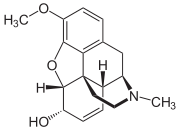 Codeine Codeine or 3-methylmorphine is an opiate used for its analgesic, antitussive, and antidiarrheal properties... |
6-MAC |
Benzylmorphine Benzylmorphine Benzylmorphine is a semi-synthetic opiate narcotic introduced to the international market in 1896 and that of the United States very shortly thereafter... |
Codeine methylbromide Codeine methylbromide Codeine methylbromide is the bromomethane salt of codeine. Its possession is prohibited in many jurisdictions. It is considered a Schedule I controlled substance in the United States.... |
Dihydroheterocodeine |
|
 Ethylmorphine Ethylmorphine is an opiate narcotic analgesic .Ethylmorphine was invented in Germany at Merck in 1884 and was used as a weaker alternative to heroin for all indications. Chemically, ethylmorphine is a morphine molecule with a -25 group substituted for the aromatic 3- group... |
Heterocodeine Heterocodeine Heterocodeine is an opiate derivative, the 6-methyl ether of morphine, and a structural isomer of codeine. Heterocodeine was first synthesised in 1932, and can be made from morphine by selective methylation. Codeine is the natural mono-methyl ester, so methylated where it must be metabolized to... |
 Pholcodine Pholcodine is a drug which is an opioid cough suppressant . It helps suppress unproductive coughs and also has a mild sedative effect, but has little or no analgesic effects. It is also known as morpholinylethylmorphine.... |
Myrophine Myrophine Myrophine is an opiate analogue that was developed in 1952. It is a derivative of morphine.Myrophine is substituted with a 3-benzyl group and a 6-myristyl chain. It is metabolised to form benzylmorphine and then further to morphine, and so is a long-acting prodrug for morphine, but with a slow... |
||
| Morphinones and morphols | |||||
| 14-Cinnamoyloxycodeinone 14-Cinnamoyloxycodeinone 14-Cinnamoyloxycodeinone is an opiate analgesic drug discovered in the 1960s, with around 100 times the potency of morphine. It is a derivative of oxycodeinone, being the 14-cinnamate ester.-See also:* 14-Phenylpropoxymetopon* 7-PET... |
14-Ethoxymetopon 14-Ethoxymetopon 14-Ethoxymetopon is an opiate analogue that is a derivative of metopon which has been substituted with an ethoxy group at the 14-position. It is a highly potent analgesic drug several hundred times stronger than morphine.... |
14-Methoxymetopon 14-Methoxymetopon 14-Methoxymetopon is an opiate analogue that is a derivative of metopon which has been substituted with a methoxy group at the 14-position. It is a highly potent analgesic drug that is around 500x stronger than morphine when administered systemically; however, when given spinally or supraspinally,... |
PPOM 14-Phenylpropoxymetopon 14-Phenylpropoxymetopon is an opiate analogue that is an derivative of metopon which has been substituted with a γ-phenylpropoxy group at the 14-position. It is a highly potent analgesic drug several thousand times stronger than morphine, with a similar in vivo potency to etorphine... |
7-Spiroindanyloxymorphone 7-Spiroindanyloxymorphone 7-Spiroindanyloxymorphone is a drug which is used in scientific research. It is a selective δ-opioid agonist.... |
|
| Acetylmorphone Acetylmorphone Acetylmorphone is an opiate analogue that is an acetylated derivative of hydromorphone which was developed in the early 1900s as a potential cough suppressant and analgesic. It is prepared by the acetylation of hydromorphone using either acetyl chloride or acetic anhydride... |
Codeinone Codeinone Codeinone is 1/3 as active as codeine as an analgesic but it is an important intermediate in the production of hydrocodone, a painkiller about 3/4 the potency of morphine.-Chemical structure:... |
Conorphone |
Codoxime Codoxime Codoxime is an opiate analogue that is a derivative of hydrocodone, where the 6-ketone group has been replaced by carboxymethyloxime. It has primarily antitussive effects and was found to have moderate potential to cause dependence in animal studies.... |
Thebacon |
|
| Hydrocodone Hydrocodone Hydrocodone or dihydrocodeinone is a semi-synthetic opioid derived from either of two naturally occurring opiates: codeine and thebaine. It is an orally active narcotic analgesic and antitussive... |
Hydromorphone Hydromorphone Hydromorphone, a more common synonym for dihydromorphinone, commonly a hydrochloride is a very potent centrally-acting analgesic drug of the opioid class. It is a derivative of morphine, to be specific, a hydrogenated ketone thereof and, therefore, a semi-synthetic drug... |
Metopon Metopon Metopon is an opiate analogue that is a methylated derivative of hydromorphone which was invented in 1948 as an analgesic.... |
Morphinone Morphinone Morphinone is itself not a very potent opioid but it is the intermediate when morphine is being converted to hydromorphone which is 4-6 times as potent as morphine.- Chemical structure :... |
 N-Phenethyl-14-ethoxymetopon N-Phenethyl-14-ethoxymetopon is a drug which is a derivative of metopon. It is a potent analgesic, around 60 times stronger than morphine and produces significantly less constipation.... |
|
 Oxycodone Oxycodone is an opioid analgesic medication synthesized from opium-derived thebaine. It was developed in 1916 in Germany, as one of several new semi-synthetic opioids in an attempt to improve on the existing opioids: morphine, diacetylmorphine , and codeine.Oxycodone oral medications are generally... |
Oxymorphone Oxymorphone Oxymorphone or 14-Hydroxydihydromorphinone is a powerful semi-synthetic opioid analgesic first developed in Germany circa 1914, patented in the USA by Endo Pharmaceuticals in 1955 and introduced to the United States market in January 1959 and other countries around the same time... |
Pentamorphone Pentamorphone Pentamorphone is a semi-synthetic opiate derivative related to compounds such as morphine, hydromorphone and oxymorphone. Developed in 1984, it is a potent opioid analgesic several times stronger than fentanyl, and with a similarly fast onset of effects and short duration of action... |
Semorphone Semorphone Semorphone is an opiate analogue that is an N-substituted derivative of oxymorphone.Semorphone is a partial agonist at μ-opioid receptors... |
||
| Various semi-synthetics | |||||
| Chloromorphide Chloromorphide Chloromorphide is an opiate analogue that is a derivative of morphine, where the 6-hydroxy group has been replaced by chlorine. Developed in 1933 in Germany, it has approximately ten times the potency of morphine... |
14-Hydroxydihydrocodeine 14-Hydroxydihydrocodeine 14-Hydroxydihydrocodeine is an opiate analgesic drug, which is also an active metabolite of oxycodone.... |
 Acetyldihydrocodeine Acetyldihydrocodeine is an opiate derivative discovered in Germany in 1914 and was used as as a cough suppressant and analgesic. It is not commonly used, but has activity similar to other opiates... |
 Dihydrocodeine Dihydrocodeine, also called DHC, Drocode, Paracodeine and Parzone and known by the brand names of Synalgos DC, Panlor DC, Panlor SS, Contugesic, New Bron Solution-ACE, Huscode, Drocode, Paracodin, Codidol, Didor Continus, Dicogesic, Codhydrine, Dekacodin, DH-Codeine,... |
 Nalbuphine Nalbuphine is a semi-synthetic opioid used commercially as an analgesic under a variety of trade names, including Nubain. It is noteworthy in part for the fact that at low dosages, it is found much more effective by women than by men, and may even increase pain in men, leading to its... |
|
| Nicocodeine Nicocodeine Nicocodeine is an opiate derivative, closely related to dihydrocodeine and the codeine analogue of nicomorphine developed as a cough suppressant and analgesic. It is not commonly used in most countries, but has activity similar to other opiates. Nicocodeine and nicomorphine were introduced in the... |
Nicodicodeine Nicodicodeine Nicodicodeine is an opiate derivative developed as a cough suppressant and analgesic. Synthesized in 1904, it is not commonly used, but has activity similar to other opiates. Nicodicodeine is metabolised in the liver by demethylation to produce 6-nicotinoyldihydromorphine, and subsequently further... |
Oxymorphazone Oxymorphazone Oxymorphazone is an opioid analgesic drug related to oxymorphone. Oxymorphazone is a potent and long acting μ-opioid agonist which binds irreversibly to the receptor, forming a covalent bond which prevents it from detaching once bound... |
1-Iodomorphine 1-Iodomorphine 1-Iodomorphine is a semi-synthetic narcotic analgesic formed by halogenation of the 1 position on the morphine carbon skeleton. Halogenated morphine derivatives were first synthesised in Germany, Austria/Austria-Hungary, the United Kingdom and the United States in the period 1890 to 1930. Use of... |
||
| Active opiate metabolites | |||||
 Morphine-6-glucuronide Morphine-6-glucuronide is a major active metabolite of morphine, and as such is the molecule responsible for much of the pain-relieving effects of morphine . M6G is formed from morphine by the enzyme UDP-Glucuronosyltransferase-2B7... |
6-MAM |
Norcodeine Norcodeine Norcodeine is an opiate analogue that is the N-demethylated derivative of codeine.Norcodeine has relatively little opioid activity in its own right, but is formed as a metabolite of codeine following ingestion.... |
Normorphine Normorphine Normorphine is an opiate analogue that is derived from the N-demethylated derivative of morphine first described in the 1950s when a large group of N-substituted morphine analogues were characterized for activity.... |
Morphine-N-oxide Morphine-N-oxide Morphine-N-oxide is an active opioid metabolite of morphine. Morphine itself, in trials with rats, acts 11–22 times more potent than morphine-N-oxide subcutaneously and 39–89 times more potent intraperitoneally... |
|
| Synthetic morphinans | |||||
| Cyclorphan Cyclorphan Cyclorphan is a hallucinogenic opioid mixed agonist-antagonist related to levorphanol discovered in the late 1960s. It is not marketed as an analgesic because of side effects related to its impact on the kappa opioid receptor, but has found some use as a research chemical on and off since its... |
DXA Dextrallorphan Dextrallorphan is a drug of the morphinan class known in scientific research. It acts as a σ1 receptor agonist, κ-opioid receptor agonist, and NMDA receptor antagonist. It has no significant affinity for the σ2, μ-opioid, or δ-opioid receptor, or for the serotonin or norepinephrine transporter... |
Levorphanol Levorphanol Levorphanol is an opioid medication used to treat severe pain. It is the levorotatory stereoisomer of the synthetic morphinan and a pure opioid agonist, first described in Germany in 1948 as an orally active morphine-like analgesic... |
Levophenacylmorphan Levophenacylmorphan Levophenacylmorphan is a morphinan derivative that acts as an opioid agonist. It has potent analgesic effects and is around 10x more potent than morphine. Adverse effects associated with its use are those of the opioids as a whole, including pruritus, nausea, respiratory depression, euphoria and... |
Levomethorphan Levomethorphan Levomethorphan is the l-stereoisomer of methorphan. The effects of the two isomers are quite different. Dextromethorphan is an antitussive at low doses and a dissociative at much higher doses, whereas levomethorphan is an opioid analgesic... |
|
| Norlevorphanol Norlevorphanol Norlevorphanol is an opioid analgesic of the morphinan class. It was never marketed.... |
Oxilorphan Oxilorphan Oxilorphan is an opioid antagonist from the morphinan family of drugs.Oxilorphan is a non-selective opioid which is a μ antagonist but a κ partial agonist. It has similar effects to naloxone, and around the same potency as an antagonist.... |
Phenomorphan Phenomorphan Phenomorphan is an opioid analgesic. It is not currently used in medicine, but has similar side effects to other opiates, which include itching, nausea and respiratory depression.... |
Furethylnorlevorphanol |
Xorphanol Xorphanol Xorphanol is an opioid analgesic from the morphinan family of drugs. It is a mixed agonist-antagonist at the μ-opioid receptor and produces potent analgesic effects with little potential for dependence or abuse.... |
|
 Butorphanol Butorphanol is a morphinan-type synthetic opioid analgesic developed by Bristol-Myers. Brand name Stadol was recently discontinued by the manufacturer. It is now only available in its generic formulations, manufactured by Novex, Mylan, Apotex and Ben Venue Laboratories. Butorphanol is most... |
Cyprodime Cyprodime Cyprodime is an opioid antagonist from the morphinan family of drugs.Cyprodime is a selective opioid antagonist which blocks the μ-opioid receptor, but without affecting the δ-opioid or κ-opioid receptors... |
Drotebanol Drotebanol Drotebanol is a morphinan derivative that acts as an opioid agonist. It was invented by Sankyo Company in Japan during the 1970s. It is synthesised from thebaine.... |
|||
| Orvinols & Oripavine derivatives | |||||
| 7-PET 7-PET 7-PET was discovered by K.W. Bentley and is a potent analgesic drug, 300 times the potency of morphine by weight. It is related to the more well-known oripavine derivative opioid etorphine, which is used as a very potent veterinary painkiller and anesthetic medication, used primarily for the... |
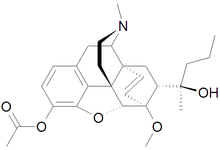 Acetorphine Acetorphine is a potent analgesic drug, up to 8700 times stronger than morphine by weight. It is a derivative of the more well-known opioid etorphine, which is used as a very potent veterinary painkiller and anesthetic medication, primarily for the sedation of large animals such as elephants,... |
BU-48 BU-48 BU-48 is a drug which is used in scientific research. It is from the oripavine family, related to better known drugs such as etorphine and buprenorphine.... |
 Buprenorphine Buprenorphine is a semi-synthetic opioid that is used... |
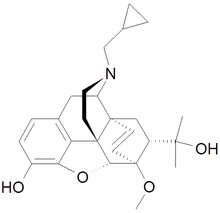 Cyprenorphine Cyprenorphine is a drug which is an opioid derivative. It is related to more well-known opioids such as buprenorphine, which is used as an analgesic and for the treatment of opioid addiction, and diprenorphine, which is used as an antidote to reverse the effects of other opioids.Cyprenorphine has... |
|
| Dihydroetorphine Dihydroetorphine Dihydroetorphine was developed by K.W.Bentley at McFarlan-Smith in the 1960s and is a potent analgesic drug , which is used mainly in China... |
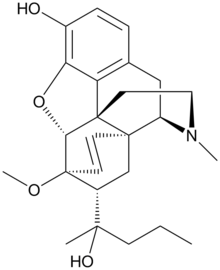 Etorphine Etorphine is a semi-synthetic opioid possessing an analgesic potency approximately 200 times that of morphine. It was first prepared in 1960 from oripavine, which does not generally occur in opium poppy extract but rather in "poppy straw" and in related plants, Papaver orientale and Papaver... |
 Norbuprenorphine Norbuprenorphine is the primary active metabolite of buprenorphine. Norbuprenorphine acts as a μ-opioid, δ-opioid, and nociceptin receptor full agonist, as well as a κ-opioid receptor partial agonist. Norbuprenorphine crosses the blood-brain-barrier similarly to buprenorphine and likely contributes... |
|||
| Opioid antagonists & inverse agonists | |||||
| 5'-Guanidinonaltrindole 5'-Guanidinonaltrindole 5'-Guanidinonaltrindole is an opioid antagonist used in scientific research which is highly selective for the κ opioid receptor. It is 5x more potent and 500 times more selective than the commonly used κ-opioid antagonist norbinaltorphimine. It has a slow onset and long duration of action, and... |
Diprenorphine Diprenorphine Diprenorphine is an opioid antagonist used to reverse the effects of the super-potent opioid analgesics such as etorphine and carfentanil that are used for tranquilizing large animals in veterinary medicine.... |
Levallorphan Levallorphan Levallorphan is a drug of the morphinan family which is used as an opioid antidote or antagonist. It acts as an antagonist on μ-opioid receptor and agonist on kappa receptors [hence called [partial agonist]], Levallorphan (Lorfan, Naloxiphan) is a drug of the morphinan family which is used as an... |
MNTX Methylnaltrexone Methylnaltrexone is one of the newer agents of peripherally-acting μ-opioid antagonists that act to reverse some of the side effects of opioid drugs such as constipation without affecting analgesia or precipitating withdrawals... |
Nalfurafine Nalfurafine Nalfurafine is a κ-opioid receptor agonist marketed as a treatment for uremic pruritus in people undergoing hemodialysis.... |
|
 Nalmefene Nalmefene is an opioid receptor antagonist developed in the early 1970s, and used primarily in the management of alcohol dependence, and also has been investigated for the treatment of other addictions such as pathological gambling and addiction to shopping.Nalmefene is an opiate derivative... |
Naloxazone Naloxazone Naloxazone is an irreversible μ opioid receptor antagonist which is selective for the μ1 receptor subtype. Naloxazone produces very long lasting antagonist effects as it forms a covalent bond to the active site of the mu-opioid receptor, thus making it impossible for the molecule to unbind and... |
 Naloxone Naloxone is an opioid antagonist drug developed by Sankyo in the 1960s. Naloxone is a drug used to counter the effects of opiate overdose, for example heroin or morphine overdose. Naloxone is specifically used to counteract life-threatening depression of the central nervous system and respiratory... |
Nalorphine Nalorphine Nalorphine trade names Lethidrone and Nalline. Nalorphine acts at two opioid receptors, at the mu receptor it has antagonistic effects and at the kappa receptors it exerts agonistic characteristics. It is used to reverse opioid overdose and in a challenge test to determine opioid dependence.... |
 Naltrexone Naltrexone is an opioid receptor antagonist used primarily in the management of alcohol dependence and opioid dependence. It is marketed in generic form as its hydrochloride salt, naltrexone hydrochloride, and marketed under the trade names Revia and Depade... |
|
| Naltriben Naltriben Naltriben is a potent and selective antagonist for the delta opioid receptor, which is used in scientific research. It has similar effects to the more widely used δ antagonist naltrindole, but with different binding affinity for the δ1 and δ2 subtypes, which makes it useful for distinguishing the... |
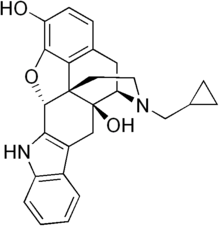 Naltrindole Naltrindole is a highly potent, highly selective delta opioid receptor antagonist used in biomedical research.-Drug design:Since peptide compounds are unable to cross the blood brain barrier, researchers developed naltrindole to be a non-peptide antagonist analog of the delta-preferring endogenous... |
6β-Naltrexol-d4 6β-Naltrexol-d4 6β-Naltrexol-d4 is an opioid 'neutral antagonist', in contrast to inverse-agonists often dubbed "antagonists" for simplicities sake, such as naloxone or naltrexone. It is labeled with deuterium for NMR imagining.... |
|||
| Morphinan dimers | |||||
| Pseudomorphine Pseudomorphine Pseudomorphine is a natural dimerisation product of the morphine molecule in tandem and thus a common impurity in morphine concentrations... |
Naloxonazine Naloxonazine Naloxonazine is a potent irreversible mu opioid antagonist. Naloxonazine forms spontaneously in acidic solutions of naloxazone, and may be responsible for much or all of the irreversible μ opioid receptor binding displayed by the latter.-See also:... |
Norbinaltorphimine Norbinaltorphimine Norbinaltorphimine is an opioid antagonist used in scientific research. It is one of the few opioid antagonists available that is highly selective for the κ-opioid receptor, and blocks this receptor without affecting the μ- or δ-opioid receptors, although it has less selectivity in vivo than when... |
|||
History
Non-clinical use was criminalized in the U.S by the Harrison Narcotics Tax ActHarrison Narcotics Tax Act
The Harrison Narcotics Tax Act was a United States federal law that regulated and taxed the production, importation, and distribution of opiates...
of 1914, and by other laws worldwide. Since then, nearly all non-clinical use of opioids has been rated zero on the scale of approval of nearly every social institution. However, in United Kingdom the 1926 report of the Departmental Committee on Morphine
Morphine
Morphine is a potent opiate analgesic medication and is considered to be the prototypical opioid. It was first isolated in 1804 by Friedrich Sertürner, first distributed by same in 1817, and first commercially sold by Merck in 1827, which at the time was a single small chemists' shop. It was more...
and Heroin Addiction
Substance use disorder
Substance use disorders include substance abuse and substance dependence. In DSM-IV, the conditions are formally diagnosed as one or the other, but it has been proposed that DSM-5 combine the two into a single condition called "Substance-use disorder"....
under the Chairmanship of the President of the Royal College of Physicians reasserted medical control and established the "British system" of control—which lasted until the 1960s; in the U.S. the Controlled Substances Act
Controlled Substances Act
The Controlled Substances Act was enacted into law by the Congress of the United States as Title II of the Comprehensive Drug Abuse Prevention and Control Act of 1970. The CSA is the federal U.S. drug policy under which the manufacture, importation, possession, use and distribution of certain...
of 1970 markedly relaxed the harshness of the Harrison Act.
Before the twentieth century, institutional approval was often higher, even in Europe and America. In some cultures, approval of opioids was significantly higher than approval of alcohol. Opiates were used for depression and anxiety up until the mid 1950s.
Global shortages
MorphineMorphine
Morphine is a potent opiate analgesic medication and is considered to be the prototypical opioid. It was first isolated in 1804 by Friedrich Sertürner, first distributed by same in 1817, and first commercially sold by Merck in 1827, which at the time was a single small chemists' shop. It was more...
and other poppy-based medicines have been identified by the World Health Organization as essential in the treatment of severe pain. However, only six countries use 77% of the world's morphine
Morphine
Morphine is a potent opiate analgesic medication and is considered to be the prototypical opioid. It was first isolated in 1804 by Friedrich Sertürner, first distributed by same in 1817, and first commercially sold by Merck in 1827, which at the time was a single small chemists' shop. It was more...
supplies, leaving many emerging countries lacking in pain relief medication. The current system of supply of raw poppy materials to make poppy-based medicines is regulated by the International Narcotics Control Board
International Narcotics Control Board
The International Narcotics Control Board is the independent and quasi-judicial control organ for the implementation of the United Nations drug conventions...
under the provision of the 1961 Single Convention on Narcotic Drugs
Single Convention on Narcotic Drugs
The Single Convention on Narcotic Drugs of 1961 is an international treaty to prohibit production and supply of specific drugs and of drugs with similar effects except under licence for specific purposes, such as medical treatment and research...
. The amount of raw poppy materials that each country can demand annually based on these provisions must correspond to an estimate of the country's needs taken from the national consumption within the preceding two years. In many countries, underprescription of morphine is rampant because of the high prices and the lack of training in the prescription of poppy-based drugs. The World Health Organization
World Health Organization
The World Health Organization is a specialized agency of the United Nations that acts as a coordinating authority on international public health. Established on 7 April 1948, with headquarters in Geneva, Switzerland, the agency inherited the mandate and resources of its predecessor, the Health...
is now working with different countries' national administrations to train healthworkers and to develop national regulations regarding drug prescription to facilitate a greater prescription of poppy-based medicines.
Another idea to increase morphine availability is proposed by the Senlis Council, who suggest, through their proposal for Afghan Morphine
Afghan Morphine
Afghan morphine or "Poppy for Medicine" is an alternative development solution put forward to combat the poverty and public disenchantment caused by international counter-narcotics eradication policies in Afghanistan...
, that Afghanistan
Afghanistan
Afghanistan , officially the Islamic Republic of Afghanistan, is a landlocked country located in the centre of Asia, forming South Asia, Central Asia and the Middle East. With a population of about 29 million, it has an area of , making it the 42nd most populous and 41st largest nation in the world...
could provide cheap pain relief solutions to emerging countries as part of a second-tier system of supply that would complement the current INCB regulated system by maintaining the balance and closed system that it establishes while providing finished product morphine to those suffering from severe pain and unable to access poppy-based drugs under the current system.
Classification
There are a number of broad classes of opioids:- Natural opiates: alkaloids contained in the resin of the opium poppyOpium poppyOpium poppy, Papaver somniferum, is the species of plant from which opium and poppy seeds are extracted. Opium is the source of many opiates, including morphine , thebaine, codeine, papaverine, and noscapine...
, primarily morphineMorphineMorphine is a potent opiate analgesic medication and is considered to be the prototypical opioid. It was first isolated in 1804 by Friedrich Sertürner, first distributed by same in 1817, and first commercially sold by Merck in 1827, which at the time was a single small chemists' shop. It was more...
, codeineCodeineCodeine or 3-methylmorphine is an opiate used for its analgesic, antitussive, and antidiarrheal properties...
, and thebaineThebaineThebaine , its name coming from the Greek Θῆβαι, Thēbai, an ancient city in Upper Egypt, is an opiate alkaloid. A minor constituent of opium, thebaine is chemically similar to both morphine and codeine, but has stimulatory rather than depressant effects, causing convulsions similar to strychnine...
, but not papaverinePapaverinePapaverine is an opium alkaloid antispasmodic drug, used primarily in the treatment of visceral spasm, vasospasm , and occasionally in the treatment of erectile dysfunction...
and noscapineNoscapineNoscapine is a benzylisoquinoline alkaloid from plants of the Papaveraceae family, without significant painkilling properties. This agent is primarily used for its antitussive effects. It has also been shown to have anticancer activity...
which have a different mechanism of action; The following could be considered natural opiates: The leaves from Mitragyna speciosa (also known as kratomKratomKratom , Mitragyna speciosa, is a medicinal leaf harvested from a large tree in the Rubiaceae family native to Southeast Asia in the Indochina and Malesia floristic regions. The plant has been traditionally used for its medicinal properties.It was first formally documented by the Dutch colonial...
) contain a few naturally-occurring opioids, active via Mu- and Delta receptors. Salvinorin ASalvinorin ASalvinorin A is the main active psychotropic molecule in Salvia divinorum, a Mexican plant which has a long history of use as an entheogen by indigenous Mazatec shamans...
, found naturally in the Salvia divinorumSalvia divinorumSalvia divinorum is a psychoactive plant which can induce dissociative effects and is a potent producer of "visions" and other hallucinatory experiences...
plant, is a kappa-opioid receptor agonist. - Semi-synthetic opioids: created from the natural opiates, such as heroin, hydromorphoneHydromorphoneHydromorphone, a more common synonym for dihydromorphinone, commonly a hydrochloride is a very potent centrally-acting analgesic drug of the opioid class. It is a derivative of morphine, to be specific, a hydrogenated ketone thereof and, therefore, a semi-synthetic drug...
, hydrocodoneHydrocodoneHydrocodone or dihydrocodeinone is a semi-synthetic opioid derived from either of two naturally occurring opiates: codeine and thebaine. It is an orally active narcotic analgesic and antitussive...
, oxycodoneOxycodoneOxycodone is an opioid analgesic medication synthesized from opium-derived thebaine. It was developed in 1916 in Germany, as one of several new semi-synthetic opioids in an attempt to improve on the existing opioids: morphine, diacetylmorphine , and codeine.Oxycodone oral medications are generally...
, oxymorphoneOxymorphoneOxymorphone or 14-Hydroxydihydromorphinone is a powerful semi-synthetic opioid analgesic first developed in Germany circa 1914, patented in the USA by Endo Pharmaceuticals in 1955 and introduced to the United States market in January 1959 and other countries around the same time...
, desomorphineDesomorphineDesomorphine is an opiate analogue invented in 1932 in the United States that is a derivative of morphine, where the 6-hydroxyl group has been removed and the 7,8 double bond has been saturated. It has sedative and analgesic effects, and is around 8-10 times more potent than morphine...
, nicomorphineNicomorphineNicomorphine is the 3,6-dinicotinate ester of morphine. It is a strong opioid agonist analgesic two to three times as potent as morphine with a side effect profile similar to that of dihydromorphine, morphine, and diamorphine. Nicomorphine was patented as Vilan by Lannacher Heilmittel Ges. m.b.H...
, dipropanoylmorphineDipropanoylmorphineDipropanoylmorphine is an opiate derivative, the 3,6-dipropanoyl ester of morphine. It was developed in 1974 as an analgesic...
, benzylmorphineBenzylmorphineBenzylmorphine is a semi-synthetic opiate narcotic introduced to the international market in 1896 and that of the United States very shortly thereafter...
and ethylmorphineEthylmorphineEthylmorphine is an opiate narcotic analgesic .Ethylmorphine was invented in Germany at Merck in 1884 and was used as a weaker alternative to heroin for all indications. Chemically, ethylmorphine is a morphine molecule with a -25 group substituted for the aromatic 3- group...
and buprenorphineBuprenorphineBuprenorphine is a semi-synthetic opioid that is used...
; - Fully synthetic opioids: such as fentanyl, pethidinePethidinePethidine or meperidine Pethidine (INN) or meperidine (USAN) Pethidine (INN) or meperidine (USAN) (commonly referred to as Demerol but also referred to as: isonipecaine; lidol; pethanol; piridosal; Algil; Alodan; Centralgin; Dispadol; Dolantin; Mialgin (in Indonesia); Petidin Dolargan (in Poland);...
, methadoneMethadoneMethadone is a synthetic opioid, used medically as an analgesic and a maintenance anti-addictive for use in patients with opioid dependency. It was developed in Germany in 1937...
, tramadolTramadolTramadol hydrochloride is a centrally acting synthetic opioid analgesic used in treating moderate pain. The drug has a wide range of applications, including treatment for restless legs syndrome and fibromyalgia...
and dextropropoxypheneDextropropoxypheneDextropropoxyphene, manufactured by Eli Lilly and Company, is an analgesic in the opioid category. It is intended to treat mild pain and has, in addition, anti-tussive and local anesthetic effects. It has been taken off the market in Europe and the US due to concerns of fatal overdoses and...
; - EndogenousEndogenousEndogenous substances are those that originate from within an organism, tissue, or cell. Endogenous retroviruses are caused by ancient infections of germ cells in humans, mammals and other vertebrates...
opioid peptidePeptidePeptides are short polymers of amino acid monomers linked by peptide bonds. They are distinguished from proteins on the basis of size, typically containing less than 50 monomer units. The shortest peptides are dipeptides, consisting of two amino acids joined by a single peptide bond...
s, produced naturally in the body, such as endorphinEndorphinEndorphins are endogenous opioid peptides that function as neurotransmitters. They are produced by the pituitary gland and the hypothalamus in vertebrates during exercise, excitement, pain, consumption of spicy food, love and orgasm, and they resemble the opiates in their abilities to produce...
s, enkephalinEnkephalinAn enkephalin is a pentapeptide involved in regulating nociception in the body. The enkephalins are termed endogenous ligands, or specifically endorphins, as they are internally derived and bind to the body's opioid receptors. Discovered in 1975, two forms of enkephalin were revealed, one...
s, dynorphinDynorphinDynorphins are a class of opioid peptides that arise from the precursor protein prodynorphin. When prodynorphin is cleaved during processing by proprotein convertase 2 , multiple active peptides are released: dynorphin A, dynorphin B, and α/β-neo-endorphin...
s, and endomorphinEndomorphinEndomorphins are two endogenous opioid peptides. Endomorphin-1 and endomorphin-2 are tetrapeptides with the highest known affinity and specificity for the μ opioid receptor...
s. Sometimes morphine, and some other opioids, which are produced in small amounts in the body, are included in this category. - There are also drugDrugA drug, broadly speaking, is any substance that, when absorbed into the body of a living organism, alters normal bodily function. There is no single, precise definition, as there are different meanings in drug control law, government regulations, medicine, and colloquial usage.In pharmacology, a...
s such as tramadolTramadolTramadol hydrochloride is a centrally acting synthetic opioid analgesic used in treating moderate pain. The drug has a wide range of applications, including treatment for restless legs syndrome and fibromyalgia...
and tapentadolTapentadolTapentadol is a centrally acting analgesic with a dual mode of action as an agonist at the μ-opioid receptor and as a norepinephrine reuptake inhibitor. While its analgesic actions have been compared to tramadol and oxycodone, its general potency is somewhere between tramadol and morphine in...
that are chemically not of the opioid class, but do have agonistAgonistAn agonist is a chemical that binds to a receptor of a cell and triggers a response by that cell. Agonists often mimic the action of a naturally occurring substance...
actions at the μ-opioid receptor. Although their exact mechanism of action is not fully understood, they both have a dual mode of action, the second mode of action appearing to be on the noradrenergic and serotonergicSerotonergicSerotonergic or serotoninergic means "related to the neurotransmitter serotonin". A synapse is serotonergic if it uses serotonin as its neurotransmitter...
systems. This second mechanism of action was discovered during testing in where the drugs showed signs of analgesia even when naloxoneNaloxoneNaloxone is an opioid antagonist drug developed by Sankyo in the 1960s. Naloxone is a drug used to counter the effects of opiate overdose, for example heroin or morphine overdose. Naloxone is specifically used to counteract life-threatening depression of the central nervous system and respiratory...
, an opioid antagonistOpioid antagonistAn opioid antagonist is a receptor antagonist that acts on opioid receptors.Naloxone and naltrexone are commonly used opioid antagonist drugs which are competitive antagonists that bind to the opioid receptors with higher affinity than agonists but do not activate the receptors...
, was administered.
Some minor opium alkaloids and various substances with opioid action are also found elsewhere, including molecules present in kratom
Kratom
Kratom , Mitragyna speciosa, is a medicinal leaf harvested from a large tree in the Rubiaceae family native to Southeast Asia in the Indochina and Malesia floristic regions. The plant has been traditionally used for its medicinal properties.It was first formally documented by the Dutch colonial...
, Corydalis
Corydalis
Corydalis is a genus of about 470 species of annual and perennial herbaceous plants in the fumewort family , native to the temperate Northern Hemisphere and the high mountains of tropical eastern Africa...
, and Salvia divinorum
Salvia divinorum
Salvia divinorum is a psychoactive plant which can induce dissociative effects and is a potent producer of "visions" and other hallucinatory experiences...
plants and some species of poppy aside from Papaver somniferum. There are also strains which produce copious amounts of thebaine, an important raw material for making many semi-synthetic and synthetic opioids. Of all of the more than 120 poppy species, only two produce morphine.
Amongst analgesics are a small number of agents which act on the central nervous system but not on the opioid receptor system and therefore have none of the other (narcotic) qualities of opioids although they may produce euphoria by relieving pain—a euphoria that, because of the way it is produced, does not form the basis of habituation, physical dependence, or addiction. Foremost amongst these are nefopam
Nefopam
Nefopam is a centrally-acting but non-opioid analgesic drug of the benzoxazocine chemical class which was developed by Riker Laboratories in the 1960s. It is widely used, mainly in European countries, for the relief of moderate to severe pain as an alternative to opioid analgesic drugs...
, orphenadrine
Orphenadrine
Orphenadrine is an anticholinergic drug of the ethanolamine antihistamine class with prominent CNS and peripheral actions used to treat painful muscle spasms, other similar conditions, as well as the treatment...
, and perhaps phenyltoloxamine
Phenyltoloxamine
Phenyltoloxamine is an antihistamine with sedative and analgesic effects. It is a member of the ethanolamine class of antihistaminergic agents and an anticholinergic.-Common use:...
and/or some other antihistamines. Tricyclic antidepressant
Tricyclic antidepressant
Tricyclic antidepressants are heterocyclic chemical compounds used primarily as antidepressants. The TCAs were first discovered in the early 1950s and were subsequently introduced later in the decade; they are named after their chemical structure, which contains three rings of atoms...
s have painkilling effect as well, but they're thought to do so by indirectly activating the endogenous opioid system. Paracetamol is predominantly a centrally acting analgesic (non-narcotic) which mediates its effect by action on descending serotoninergic (5-hydroxy triptaminergic) pathways, to increase 5-HT release (which inhibits release of pain mediators). It also decreases cyclo-oxygenase activity. It has recently been discovered that most or all of the therapeutic efficacy of paracetamol is due to a metabolite ( AM404
AM404
AM404, also known as N-arachidonoylethanolamide, is an active metabolite of paracetamol , responsible for all or part of its analgesic action.-Pharmacology:...
, making paracetamol a prodrug) which enhances the release of serotonin and also interacts as with the cannabinoid receptors by inhibiting the uptake of anandamide
Anandamide
Anandamide, also known as N-arachidonoylethanolamide or AEA, is an endogenous cannabinoid neurotransmitter. The name is taken from the Sanskrit word ananda, which means "bliss, delight", and amide. It is synthesized from N-arachidonoyl phosphatidylethanolamine by multiple pathways...
.
Other analgesics work peripherally (i.e., not on the brain or spinal cord). Research is starting to show that morphine and related drugs may indeed have peripheral effects as well, such as morphine gel working on burns. Recent investigations discovered opioid receptors on peripheral sensory neurons. A significant fraction (up to 60 %) of opioid analgesia can be mediated by such peripheral opioid receptors, particularly in inflammatory conditions such as arthritis, traumatic or surgical pain. Inflammatory pain is also blunted by endogenous opioid peptides activating peripheral opioid receptors.
It has been discovered in 1953, that the human body, as well as those of some other animals, naturally produce minute amounts of morphine and codeine and possibly some of their simpler derivatives like heroin and dihydromorphine
Dihydromorphine
Dihydromorphine is a semi-synthetic opioid invented in Germany in 1900. In structure, it is very similar to morphine, the only difference being the reduction of the double bond between positions 7 and 8 in morphine to a single bond...
, in addition to the well known endogenous opioid peptides. Some bacteria are capable of producing some semi-synthetic opioids such as hydromorphone
Hydromorphone
Hydromorphone, a more common synonym for dihydromorphinone, commonly a hydrochloride is a very potent centrally-acting analgesic drug of the opioid class. It is a derivative of morphine, to be specific, a hydrogenated ketone thereof and, therefore, a semi-synthetic drug...
and hydrocodone
Hydrocodone
Hydrocodone or dihydrocodeinone is a semi-synthetic opioid derived from either of two naturally occurring opiates: codeine and thebaine. It is an orally active narcotic analgesic and antitussive...
when living in a solution containing morphine or codeine respectively.
Many of the alkaloids and other derivatives of the opium poppy are not opioids or narcotics; the best example is the smooth-muscle relaxant papaverine
Papaverine
Papaverine is an opium alkaloid antispasmodic drug, used primarily in the treatment of visceral spasm, vasospasm , and occasionally in the treatment of erectile dysfunction...
. Noscapine is a marginal case as it does have CNS effects but not necessarily similar to morphine, and it is probably in a category all its own.
Dextromethorphan
Dextromethorphan
Dextromethorphan is an antitussive drug. It is one of the active ingredients in many over-the-counter cold and cough medicines, such as Robitussin, NyQuil, Dimetapp, Vicks, Coricidin, Delsym, and others, including generic labels. Dextromethorphan has also found other uses in medicine, ranging...
(the stereoisomer of levomethorphan
Levomethorphan
Levomethorphan is the l-stereoisomer of methorphan. The effects of the two isomers are quite different. Dextromethorphan is an antitussive at low doses and a dissociative at much higher doses, whereas levomethorphan is an opioid analgesic...
, a semi-synthetic opioid agonist) and its metabolite dextrorphan
Dextrorphan
Dextrorphan is a psychoactive drug of the morphinan chemical class which acts as an antitussive or cough suppressant and dissociative hallucinogen. It is the dextro-stereoisomer of racemorphan, the levo-half being levorphanol. Dextrorphan is produced by O-demethylation of dextromethorphan by CYP2D6...
have no opioid analgesic effect at all despite their structural similarity to other opioids; instead they are potent NMDA antagonist
NMDA
N-Methyl-D-aspartic acid or N-Methyl-D-aspartate is an amino acid derivative which acts as a specific agonist at the NMDA receptor mimicking the action of glutamate, the neurotransmitter which normally acts at that receptor...
s and sigma 1 and 2
Sigma receptor
The sigma receptors σ1 and σ2 bind to ligands such as 4-PPBP, SA 4503, ditolylguanidine, dimethyltryptamine and siramesine.- Classification :...
-receptor agonists and are used in many over-the-counter
Over-the-counter drug
Over-the-counter drugs are medicines that may be sold directly to a consumer without a prescription from a healthcare professional, as compared to prescription drugs, which may be sold only to consumers possessing a valid prescription...
cough suppressants.
Salvinorin A
Salvinorin A
Salvinorin A is the main active psychotropic molecule in Salvia divinorum, a Mexican plant which has a long history of use as an entheogen by indigenous Mazatec shamans...
is a unique selective, powerful ĸ-opioid receptor agonist. It is not properly considered an opioid nevertheless, because
1) chemically, it is not an alkaloid; and
2) it has no typical opioid properties: absolutely no anxiolytic or cough-suppressant effects. It is instead a powerful hallucinogen.
Table of non-morphinan opioids
| Table of non-morphinan opioids: click to | ||||||||||||||||||||||||||||||||||||||||||||||||||||||||||||||||||||||||||||||||||||||||||||||||||||||||||||||||||||||||||||||||||||||||||||||||||||||||||||||||||||||||||||||||||||||||||||||
|---|---|---|---|---|---|---|---|---|---|---|---|---|---|---|---|---|---|---|---|---|---|---|---|---|---|---|---|---|---|---|---|---|---|---|---|---|---|---|---|---|---|---|---|---|---|---|---|---|---|---|---|---|---|---|---|---|---|---|---|---|---|---|---|---|---|---|---|---|---|---|---|---|---|---|---|---|---|---|---|---|---|---|---|---|---|---|---|---|---|---|---|---|---|---|---|---|---|---|---|---|---|---|---|---|---|---|---|---|---|---|---|---|---|---|---|---|---|---|---|---|---|---|---|---|---|---|---|---|---|---|---|---|---|---|---|---|---|---|---|---|---|---|---|---|---|---|---|---|---|---|---|---|---|---|---|---|---|---|---|---|---|---|---|---|---|---|---|---|---|---|---|---|---|---|---|---|---|---|---|---|---|---|---|---|---|---|---|---|---|---|
|
||||||||||||||||||||||||||||||||||||||||||||||||||||||||||||||||||||||||||||||||||||||||||||||||||||||||||||||||||||||||||||||||||||||||||||||||||||||||||||||||||||||||||||||||||||||||||||||