

Antidepressant

Encyclopedia
Psychiatric medication
A psychiatric medication is a licensed psychoactive drug taken to exert an effect on the mental state and used to treat mental disorders. Usually prescribed in psychiatric settings, these medications are typically made of synthetic chemical compounds, although some are naturally occurring, or at...
used to alleviate mood disorders, such as major depression and dysthymia and anxiety disorders such as social anxiety disorder
Social anxiety disorder
Social anxiety disorder , also known as social phobia, is an anxiety disorder characterized by intense fear in social situations causing considerable distress and impaired ability to function in at least some parts of daily life...
. According to Gelder, Mayou &*Geddes (2005) people with a depressive illness will experience a therapeutic effect to their mood; however, this will not be experienced in healthy individuals. Drugs including the monoamine oxidase inhibitors (MAOIs), tricyclic antidepressants (TCAs), tetracyclic antidepressants (TeCAs), selective serotonin reuptake inhibitors (SSRIs), and serotonin-norepinephrine reuptake inhibitors (SNRIs) are most commonly associated with the term. These medications are among those most commonly prescribed by psychiatrists and other physicians, and their effectiveness and adverse effects are the subject of many studies and competing claims. Many drugs produce an antidepressant effect, but restrictions on their use have caused controversy and off-label prescription is a risk, despite claims of superior efficacy.
Opioids were used to treat major depression until the late 1950s. Amphetamine
Amphetamine
Amphetamine or amfetamine is a psychostimulant drug of the phenethylamine class which produces increased wakefulness and focus in association with decreased fatigue and appetite.Brand names of medications that contain, or metabolize into, amphetamine include Adderall, Dexedrine, Dextrostat,...
s were used until the mid 1960s. Prescribing opioids or amphetamines for depression falls into a legal grey area. Research has only rarely been conducted into the therapeutic potential of opioid derivatives for depression in the past sixty years, whereas amphetamines have found a thriving market for conditions as widely arrayed as attention deficit disorder, narcolepsy
Narcolepsy
Narcolepsy is a chronic sleep disorder, or dyssomnia, characterized by excessive sleepiness and sleep attacks at inappropriate times, such as while at work. People with narcolepsy often experience disturbed nocturnal sleep and an abnormal daytime sleep pattern, which often is confused with insomnia...
, and obesity
Obesity
Obesity is a medical condition in which excess body fat has accumulated to the extent that it may have an adverse effect on health, leading to reduced life expectancy and/or increased health problems...
, and continue to be studied for myriad applications. Both opioids and amphetamines induce a therapeutic response very quickly, showing results within twenty-four to forty-eight hours; the therapeutic ratios for both opioids and amphetamines are greater than those of the tricyclic anti-depressants. In some of this little, heavily restricted research, the opioid buprenorphine
Buprenorphine
Buprenorphine is a semi-synthetic opioid that is used...
has shown the greatest potential for treating severe, treatment-resistant depression of any known pharmaceutical in a small study that is generally recognized and was published in 1995, but has never been pursued due to the social stigma attached to opioids in addition to that attached to mental illness in America.
Most typical antidepressants have a delayed onset of action (2–6 weeks) and are usually administered for anywhere from months to years. Despite the name, antidepressants are often used controversially, and with a dearth of empirical evidence to support their indication, off-label to treat other conditions, such as anxiety disorder
Anxiety disorder
Anxiety disorder is a blanket term covering several different forms of abnormal and pathological fear and anxiety. Conditions now considered anxiety disorders only came under the aegis of psychiatry at the end of the 19th century. Gelder, Mayou & Geddes explains that anxiety disorders are...
s, obsessive compulsive disorder, eating disorder
Eating disorder
Eating disorders refer to a group of conditions defined by abnormal eating habits that may involve either insufficient or excessive food intake to the detriment of an individual's physical and mental health. Bulimia nervosa, anorexia nervosa, and binge eating disorder are the most common specific...
s, chronic pain
Chronic pain
Chronic pain has several different meanings in medicine. Traditionally, the distinction between acute and chronic pain has relied upon an arbitrary interval of time from onset; the two most commonly used markers being 3 months and 6 months since the initiation of pain, though some theorists and...
, and some hormone-mediated disorders such as dysmenorrhea
Dysmenorrhea
Dysmenorrhea is a gynecological medical condition of pain during menstruation that interferes with daily activities, as defined by ACOG and others. Still, dysmenorrhea is often defined simply as menstrual pain, or at least menstrual pain that is excessive...
. Alone or together with anticonvulsant
Anticonvulsant
The anticonvulsants are a diverse group of pharmaceuticals used in the treatment of epileptic seizures. Anticonvulsants are also increasingly being used in the treatment of bipolar disorder, since many seem to act as mood stabilizers, and in the treatment of neuropathic pain. The goal of an...
s (e.g., Tegretol or Depakote), these medications can be used to treat attention-deficit hyperactivity disorder
Attention-deficit hyperactivity disorder
Attention deficit hyperactivity disorder is a developmental disorder. It is primarily characterized by "the co-existence of attentional problems and hyperactivity, with each behavior occurring infrequently alone" and symptoms starting before seven years of age.ADHD is the most commonly studied and...
(ADHD) and substance abuse
Substance abuse
A substance-related disorder is an umbrella term used to describe several different conditions associated with several different substances .A substance related disorder is a condition in which an individual uses or abuses a...
by addressing underlying depression. Also, antidepressants have been used sometimes to treat snoring
Snoring
Snoring is the vibration of respiratory structures and the resulting sound, due to obstructed air movement during breathing while sleeping. In some cases the sound may be soft, but in other cases, it can be loud and unpleasant...
and migraines.
Other medications that are not usually called antidepressants, including antipsychotics in low doses and benzodiazepines, may be used to manage depression, although benzodiazepines cause a physical dependence to form. Stopping benzodiazepine treatment abruptly can cause unpleasant withdrawal symptoms. An extract of the herb St John's Wort
St John's wort
St John's wort is the plant species Hypericum perforatum, and is also known as Tipton's Weed, Chase-devil, or Klamath weed....
is commonly used as an antidepressant, although it is labeled as a dietary supplement
Dietary supplement
A dietary supplement, also known as food supplement or nutritional supplement, is a preparation intended to supplement the diet and provide nutrients, such as vitamins, minerals, fiber, fatty acids, or amino acids, that may be missing or may not be consumed in sufficient quantities in a person's diet...
in some countries. The term antidepressant is sometimes applied to any therapy (e.g., psychotherapy
Psychotherapy
Psychotherapy is a general term referring to any form of therapeutic interaction or treatment contracted between a trained professional and a client or patient; family, couple or group...
, electro-convulsive therapy, acupuncture
Acupuncture
Acupuncture is a type of alternative medicine that treats patients by insertion and manipulation of solid, generally thin needles in the body....
) or process (e.g., sleep disruption, increased light levels, regular exercise) found to improve a clinically depressed mood.
Inert placebo
Placebo
A placebo is a simulated or otherwise medically ineffectual treatment for a disease or other medical condition intended to deceive the recipient...
s can have significant antidepressant effects, and so to establish a substance as an "antidepressant" in a clinical trial
Clinical trial
Clinical trials are a set of procedures in medical research and drug development that are conducted to allow safety and efficacy data to be collected for health interventions...
it is necessary to show superior efficacy to placebo. A review of both published and unpublished trials submitted to the U.S. Food and Drug Administration
Food and Drug Administration
The Food and Drug Administration is an agency of the United States Department of Health and Human Services, one of the United States federal executive departments...
(FDA) found that the published trials had a 94% success in treating depression while the unpublished literature had below 50% success. Combined, all studies showed 51% efficacy - only two points better than that of placebo
Placebo
A placebo is a simulated or otherwise medically ineffectual treatment for a disease or other medical condition intended to deceive the recipient...
. The difference in effect between active placebo
Active placebo
An active placebo is a placebo that mimics the common side effects of the drug under study.-Nomenclature:According to a 1965 paper, the term "fake placebo" was suggested in a 1959 paper published in German.-Example:...
s and several anti-depressants appeared small and strongly affected by publication bias
Publication bias
Publication bias is the tendency of researchers, editors, and pharmaceutical companies to handle the reporting of experimental results that are positive differently from results that are negative or inconclusive, leading to bias in the overall published literature...
. There is some evidence to suggest that mirtazapine
Mirtazapine
Mirtazapine is a tetracyclic antidepressant used primarily in the treatment of depression. It is also sometimes used as a hypnotic, antiemetic, and appetite stimulant, and for the treatment of anxiety, among other indications...
and venlafaxine
Venlafaxine
Venlafaxine is an antidepressant of the serotonin-norepinephrine reuptake inhibitor class. First introduced by Wyeth in 1993, now marketed by Pfizer, it is licensed for the treatment of major depressive disorder , as a treatment for generalized anxiety disorder, and comorbid indications in...
may have greater efficacy than other antidepressants in the treatment of severe depression.
Selective serotonin reuptake inhibitors
Selective serotonin reuptake inhibitorSelective serotonin reuptake inhibitor
Selective serotonin re-uptake inhibitors or serotonin-specific reuptake inhibitor are a class of compounds typically used as antidepressants in the treatment of depression, anxiety disorders, and some personality disorders. The efficacy of SSRIs is disputed...
s (SSRIs) are a class of antidepressants considered the current standard of drug treatment. A possible cause of depression is an inadequate amount of serotonin
Serotonin
Serotonin or 5-hydroxytryptamine is a monoamine neurotransmitter. Biochemically derived from tryptophan, serotonin is primarily found in the gastrointestinal tract, platelets, and in the central nervous system of animals including humans...
, a chemical used in the brain to transmit signals between neurons. SSRIs are said to work by preventing the reuptake of serotonin (also known as 5-hydroxytryptamine, or 5-HT) by the presynaptic neuron, thus maintaining higher levels of 5-HT in the synapse. Chemists Klaus Schmiegel
Klaus Schmiegel
Klaus Schmiegel is most famous for his work in organic chemistry, which led to the invention of Prozac, a widely used antidepressant. Born in Chemitz, Germany, he moved to the U.S. in 1951 to continue his education. After he finished his schooling, Schmiegel joined Eli Lilly as a senior organic...
and Bryan Molloy of Eli Lilly discovered the first SSRI, fluoxetine. This class of drugs includes:
- CitalopramCitalopramCitalopram brand names: Celexa, Cipramil) is an antidepressant drug of the selective serotonin reuptake inhibitor class. It has U.S...
(Celexa, Cipramil) - EscitalopramEscitalopramEscitalopram is an antidepressant of the selective serotonin reuptake inhibitor class. It is approved by the U.S...
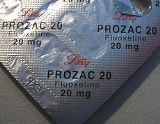
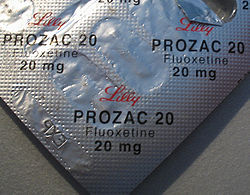
(Lexapro, Cipralex, Seroplex, Lexamil) - FluoxetineFluoxetineFluoxetine is an antidepressant of the selective serotonin reuptake inhibitor class. It is manufactured and marketed by Eli Lilly and Company...
(Prozac, Sarafem, Symbyax) - FluvoxamineFluvoxamineFluvoxamine is an antidepressant which functions as a selective serotonin reuptake inhibitor . Fluvoxamine was first approved by the U.S. Food and Drug Administration in 1993 for the treatment of obsessive compulsive disorder . Fluvoxamine CR is approved to treat social anxiety disorder...
(Luvox) - ParoxetineParoxetineParoxetine is an SSRI antidepressant. Marketing of the drug began in 1992 by the pharmaceutical company SmithKline Beecham, now GlaxoSmithKline...
(Paxil, Aropax) - SertralineSertralineSertraline hydrochloride is an antidepressant of the selective serotonin reuptake inhibitor class. It was introduced to the market by Pfizer in 1991. Sertraline is primarily used to treat major depression in adult outpatients as well as obsessive–compulsive, panic, and social anxiety disorders in...
(Zoloft) - VilazodoneVilazodoneVilazodone is an SSRI antidepressant developed by Clinical Data for the treatment of major depressive disorder. The chemical compound was originally developed by Merck KGaA ....
(Viibryd)
These antidepressants typically have fewer adverse effects than the tricyclics or the MAOIs, although such effects as drowsiness, dry mouth, nervousness, anxiety, insomnia, decreased appetite, long-term weight gain and decreased ability to function sexually may occur. Some side effects may decrease as a person adjusts to the drug, but other side effects may be persistent.
Work by two researchers has called into question the link between serotonin deficiency and symptoms of depression, noting that the efficacy of SSRIs as treatment does not in itself prove the link. Research indicates that these drugs may interact with transcription factors known as "clock genes", which may play a role in the addictive properties of drugs (drug abuse), and possibly in obesity.
A systematic review of randomized controlled trials published in the Archives of General Psychiatry showed that up to one-third of the 6-week effect of SSRI Treatment can be seen in the first week. The same study also found that patients treated with SSRIs were 64% more likely to achieve a 50% absolute reduction in HRSD than patients given a placebo.
Serotonin-norepinephrine reuptake inhibitors
Serotonin-norepinephrine reuptake inhibitorSerotonin-norepinephrine reuptake inhibitor
Serotonin–norepinephrine reuptake inhibitors are a class of antidepressant drugs used in the treatment of major depression and other mood disorders...
s (SNRIs) are a newer form of antidepressant that work on both norepinephrine and 5-HT. They typically have similar side effects to the SSRIs, though there may be a withdrawal syndrome on discontinuation that may necessitate dosage tapering. These include:
- DesvenlafaxineDesvenlafaxineDesvenlafaxine , also known as O-desmethylvenlafaxine, is an antidepressant of the serotonin-norepinephrine reuptake inhibitor class developed and marketed by Wyeth . Desvenlafaxine is a synthetic form of the major active metabolite of venlafaxine...
(Pristiq) - DuloxetineDuloxetineDuloxetine is a serotonin-norepinephrine reuptake inhibitor manufactured and marketed by Eli Lilly. It is effective for major depressive disorder and has been shown to be as effective as venlafaxine for generalized anxiety disorder...
(Cymbalta) - MilnacipranMilnacipranMilnacipran is a serotonin–norepinephrine reuptake inhibitor used in the clinical treatment of fibromyalgia...
(Ixel) - VenlafaxineVenlafaxineVenlafaxine is an antidepressant of the serotonin-norepinephrine reuptake inhibitor class. First introduced by Wyeth in 1993, now marketed by Pfizer, it is licensed for the treatment of major depressive disorder , as a treatment for generalized anxiety disorder, and comorbid indications in...
(Effexor)
Noradrenergic and specific serotonergic antidepressants
Noradrenergic and specific serotonergic antidepressantNoradrenergic and specific serotonergic antidepressant
Noradrenergic and specific serotonergic antidepressants are a class of psychiatric drugs used primarily as antidepressants. They act by antagonizing various adrenergic and serotonin receptors, of which typically consist of α1-adrenergic and α2-adrenergic, and 5-HT2A, 5-HT2C, and 5-HT3, respectively...
s (NaSSAs) form a newer class of antidepressants which purportedly work to increase norepinephrine (noradrenaline) and serotonin neurotransmission by blocking presynaptic alpha-2 adrenergic receptor
Adrenergic receptor
The adrenergic receptors are a class of metabotropic G protein-coupled receptors that are targets of the catecholamines, especially noradrenaline and adrenaline ....
s while at the same time blocking certain serotonin receptors. Side effects may include drowsiness, increased appetite, and weight gain. Examples include:
- MianserinMianserinMianserin is a psychoactive drug of the tetracyclic antidepressant chemical class which is classified as a noradrenergic and specific serotonergic antidepressant and has antidepressant, anxiolytic, hypnotic, antiemetic, orexigenic, and antihistamine effects...
(Tolvon) - MirtazapineMirtazapineMirtazapine is a tetracyclic antidepressant used primarily in the treatment of depression. It is also sometimes used as a hypnotic, antiemetic, and appetite stimulant, and for the treatment of anxiety, among other indications...
(Remeron, Avanza, Zispin)
Norepinephrine (noradrenaline) reuptake inhibitors
Norepinephrine (noradrenaline) reuptake inhibitorNorepinephrine reuptake inhibitor
A norepinephrine reuptake inhibitor or adrenergic reuptake inhibitor , is a type of drug which acts as a reuptake inhibitor for the neurotransmitters norepinephrine and epinephrine by blocking the action of the norepinephrine transporter...
s (NRIs) act via norepinephrine (also known as noradrenaline). NRIs are thought to have a positive effect on the concentration and motivation in particular. These include:
- Atomoxetine (Strattera)
- MazindolMazindolMazindol is a stimulant drug of the tetracyclic chemical class which is used as an anorectic. It was developed by Sandoz-Wander in the 1960s- Indications :...
(Mazanor, Sanorex) - ReboxetineReboxetineReboxetine is a drug marketed as an antidepressant for use in the treatment of clinical depression, panic disorder and ADD/ADHD, developed by Pharmacia . Its mesylate salt is sold under tradenames including Edronax, Norebox, Prolift, Solvex, Davedax or Vestra...
(Edronax) - ViloxazineViloxazineViloxazine is a bicyclic antidepressant morpholine derivative that acts as a selective norepinephrine reuptake inhibitor...
(Vivalan)
Norepinephrine-dopamine reuptake inhibitors
Norepinephrine-dopamine reuptake inhibitorNorepinephrine-dopamine reuptake inhibitor
A norepinephrine-dopamine reuptake inhibitor is a drug which acts as a reuptake inhibitor for the neurotransmitters norepinephrine and dopamine by blocking the action of the norepinephrine transporter and the dopamine transporter , respectively...
s inhibit the neuronal reuptake of dopamine
Dopamine
Dopamine is a catecholamine neurotransmitter present in a wide variety of animals, including both vertebrates and invertebrates. In the brain, this substituted phenethylamine functions as a neurotransmitter, activating the five known types of dopamine receptors—D1, D2, D3, D4, and D5—and their...
and norepinephrine
Norepinephrine
Norepinephrine is the US name for noradrenaline , a catecholamine with multiple roles including as a hormone and a neurotransmitter...
(noradrenaline). These include:
- BupropionBupropionBupropion is an atypical antidepressant and smoking cessation aid. The drug is a non-tricyclic antidepressant and differs from most commonly prescribed antidepressants such as SSRIs, as its primary pharmacological action is thought to be norepinephrine-dopamine reuptake inhibition...
(Wellbutrin, Zyban)
Norepinephrine-dopamine disinhibitors
Norepinephrine-dopamine disinhibitorNorepinephrine-dopamine disinhibitor
Norepinephrine-dopamine disinhibitors are a class of psychoactive drugs used as antidepressants and anxiolytics. They act by antagonizing the serotonin 5-HT2C receptor which normally acts to inhibit norepinephrine and dopamine release, thereby promoting outflow of these neurotransmitters.The only...
s (NDDIs) act by antagonizing the serotonin 5-HT2C receptor
5-HT2C receptor
The 5-HT2C receptor is a subtype of 5-HT receptor that binds the endogenous neurotransmitter serotonin . It is a G protein-coupled receptor that is coupled to Gq/G11 and mediates excitatory neurotransmission. HTR2C denotes the human gene encoding for the receptor, that in humans is located at the...
which normally acts to inhibit norepinephrine and dopamine release, thereby promoting outflow of these neurotransmitters.
- Agomelatine (Valdoxan, Melitor, Thymanax)
Tricyclic antidepressants
Tricyclic antidepressantTricyclic antidepressant
Tricyclic antidepressants are heterocyclic chemical compounds used primarily as antidepressants. The TCAs were first discovered in the early 1950s and were subsequently introduced later in the decade; they are named after their chemical structure, which contains three rings of atoms...
s are the oldest class of antidepressant drugs. Tricyclics block the reuptake of certain neurotransmitters such as norepinephrine (noradrenaline) and serotonin. They are used less commonly now due to the development of more selective and safer drugs. Side effects include increased heart
Human heart
The human heart is a muscular organ that provides a continuous blood circulation through the cardiac cycle and is one of the most vital organs in the human body...
rate, drowsiness, dry mouth, constipation, urinary retention, blurred vision, dizziness, confusion, and sexual dysfunction. Toxicity occurs at approximately ten times normal dosages; these drugs are often lethal in overdoses, as they may cause a fatal arrhythmia. However, tricyclic antidepressants are still used because of their effectiveness, especially in severe cases of major depression. These include:
Tertiary amine tricyclic antidepressants:
- AmitriptylineAmitriptylineAmitriptyline is a tricyclic antidepressant . It is the most widely used TCA and has at least equal efficacy against depression as the newer class of SSRIs...
(Elavil, Endep) - ClomipramineClomipramineClomipramine is a tricyclic antidepressant . It was developed in the 1960s by the Swiss drug manufacturer Geigy and has been in clinical use worldwide ever since.- Indications :...
(Anafranil) - DoxepinDoxepinDoxepin is a psychotropic agent with tricyclic antidepressant and anxiolytic properties, known under many brand-names such as Aponal, the original preparation by Boehringer-Mannheim, now part of the Roche group; Adapine, Doxal , Deptran, Sinquan and Sinequan...
(Adapin, Sinequan) - ImipramineImipramineImipramine , also known as melipramine, is an antidepressant medication, a tricyclic antidepressant of the dibenzazepine group...
(Tofranil) - TrimipramineTrimipramineTrimipramine is a tricyclic antidepressant . It has antidepressant, anxiolytic, antipsychotic, sedative, and analgesic effects.- Indications :...
(Surmontil)
Secondary amine tricyclic antidepressants
- DesipramineDesipramineDesipramine is a tricyclic antidepressant . It inhibits the reuptake of norepinephrine and to a lesser extent serotonin. It is used to treat depression, but not considered a first line treatment since the introduction of SSRI antidepressants...
(Norpramin) - NortriptylineNortriptylineNortriptyline is a second-generation tricyclic antidepressant marketed as the hydrochloride salt under the trade names Sensoval, Aventyl, Pamelor, Norpress, Allegron, Noritren and Nortrilen. It is used in the treatment of major depression and childhood nocturnal enuresis...
(Pamelor, Aventyl, Noritren) - ProtriptylineProtriptylineProtriptyline is a tricyclic antidepressant , specifically a secondary amine, indicated for the treatment of depression and ADHD...
(Vivactil)
Monoamine oxidase inhibitor
Monoamine oxidase inhibitorMonoamine oxidase inhibitor
Monoamine oxidase inhibitors are a class of antidepressant drugs prescribed for the treatment of depression. They are particularly effective in treating atypical depression....
s (MAOIs) may be used if other antidepressant medications are ineffective. MAOIs work by blocking the enzyme monoamine oxidase which breaks down the neurotransmitters dopamine, serotonin, and norepinephrine (noradrenaline). Because there are potentially fatal interactions between this class of medication and certain foods (particularly those containing tyramine
Tyramine
Tyramine is a naturally occurring monoamine compound and trace amine derived from the amino acid tyrosine. Tyramine acts as a catecholamine releasing agent...
), as well as certain drugs, classic MAOIs are rarely prescribed anymore. However, this does not apply to Emsam
Emsam
Emsam is the trade name of an antidepressant of the monoamine oxidase inhibitor class. Emsam is a transdermal patch containing the MAOI selegiline. Selegiline, in small doses, is most commonly used in the treatment of Parkinson's disease. It is also effective in higher doses for the treatment...
, the transdermal patch
Transdermal patch
A transdermal patch is a medicated adhesive patch that is placed on the skin to deliver a specific dose of medication through the skin and into the bloodstream. Often, this promotes healing to an injured area of the body. An advantage of a transdermal drug delivery route over other types of...
form of selegiline
Selegiline
Selegiline is a drug used for the treatment of early-stage Parkinson's disease, depression and senile dementia. In normal clinical doses it is a selective irreversible MAO-B inhibitor, however in larger doses it loses its specificity and also inhibits MAO-A...
, which due to its bypassing of the stomach has a lesser propensity to induce such events. MAOIs can be as effective as tricyclic antidepressants, although they are generally used less frequently because they have a higher incidence of dangerous side effects and interactions. A new generation of MAOIs has been introduced; moclobemide
Moclobemide
Moclobemide is a monoamine oxidase inhibitor drug primarily used to treat depression and social anxiety. Although clinical trials with the medicine began in 1977, it is not approved for use in the United States...
(Manerix), known as a reversible inhibitor of monoamine oxidase A
Reversible inhibitor of monoamine oxidase A
Reversible inhibitors of monoamine oxidase A are a class of drugs which selectively and reversibly inhibit the enzyme monoamine oxidase A . They are used clinically in the treatment of depression and dysthymia, though they have not gained widespread market share due to limited efficacy relative to...
(RIMA), acts in a more short-lived and selective manner and does not require a special diet. The MAOI group of medicines include:
- IsocarboxazidIsocarboxazidIsocarboxazid is an irreversible and nonselective monoamine oxidase inhibitor of the hydrazine chemical class used as an antidepressant and anxiolytic...
(Marplan) - MoclobemideMoclobemideMoclobemide is a monoamine oxidase inhibitor drug primarily used to treat depression and social anxiety. Although clinical trials with the medicine began in 1977, it is not approved for use in the United States...
(Aurorix, Manerix) - PhenelzinePhenelzinePhenelzine is a non-selective and irreversible monoamine oxidase inhibitor of the hydrazine class which is used as an antidepressant and anxiolytic...
(Nardil) - SelegilineSelegilineSelegiline is a drug used for the treatment of early-stage Parkinson's disease, depression and senile dementia. In normal clinical doses it is a selective irreversible MAO-B inhibitor, however in larger doses it loses its specificity and also inhibits MAO-A...
(Eldepryl, Emsam) - TranylcypromineTranylcypromineTranylcypromine is a drug of the substituted phenethylamine and amphetamine classes which acts as a monoamine oxidase inhibitor —it is a non-selective and irreversible inhibitor of the enzyme monoamine oxidase...
(Parnate)
Augmenter drugs
Some antidepressants have been found to work better in some patients when used in combination with another drug. Such "augmenter" drugs include:- BuspironeBuspironeBuspirone is an anxiolytic psychoactive drug of the azapirone chemical class, and is primarily used to treat generalized anxiety disorder Bristol-Myers Squibb gained FDA approval of buspirone in 1986 for treatment of GAD...
(Buspar) - GepironeGepironeGepirone is a psychoactive drug and research chemical of the piperazine and azapirone chemical classes. It is currently under clinical development in an extended release form as an anxiolytic and antidepressant agent...
(Ariza) - NefazodoneNefazodoneNefazodone is an antidepressant marketed by Bristol-Myers Squibb. Its sale was discontinued in 2003 in some countries due to the rare incidence of hepatotoxicity , which could lead to the need for a liver transplant, or even death. The incidence of severe liver damage is approximately 1 in every...
(Serzone) - TandospironeTandospironeTandospirone , also known as metanopirone, is an anxiolytic and antidepressant used in China and Japan, where it is marketed by Dainippon Sumitomo Pharma...
(Sediel) - TrazodoneTrazodoneTrazodone is an antidepressant of the serotonin antagonist and reuptake inhibitor class. It is a phenylpiperazine compound...
(Desyrel) - BupropionBupropionBupropion is an atypical antidepressant and smoking cessation aid. The drug is a non-tricyclic antidepressant and differs from most commonly prescribed antidepressants such as SSRIs, as its primary pharmacological action is thought to be norepinephrine-dopamine reuptake inhibition...
(Wellbutrin/Zyban)
Tranquillizers and sedative
Sedative
A sedative or tranquilizer is a substance that induces sedation by reducing irritability or excitement....
s, typically the benzodiazepines, are prescribed to ease anxiety and promote sleep. Because of the high risk of dependency, these medications are intended only for short-term or occasional use. Medications are often used not for their primary functions, but to exploit what are normally side effects
Adverse effect (medicine)
In medicine, an adverse effect is a harmful and undesired effect resulting from a medication or other intervention such as surgery.An adverse effect may be termed a "side effect", when judged to be secondary to a main or therapeutic effect. If it results from an unsuitable or incorrect dosage or...
. Quetiapine
Quetiapine
Quetiapine , is an atypical antipsychotic approved for the treatment of schizophrenia, and bipolar disorder....
fumarate (Seroquel) is designed primarily to treat schizophrenia
Schizophrenia
Schizophrenia is a mental disorder characterized by a disintegration of thought processes and of emotional responsiveness. It most commonly manifests itself as auditory hallucinations, paranoid or bizarre delusions, or disorganized speech and thinking, and it is accompanied by significant social...
and bipolar disorder, but frequently causes somnolence
Somnolence
Somnolence is a state of near-sleep, a strong desire for sleep, or sleeping for unusually long periods . It has two distinct meanings, referring both to the usual state preceding falling asleep, and the chronic condition referring to being in that state independent of a circadian rhythm...
because of its affinity for histamine (H1 and H2) receptors, exploiting the same side effects as diphenhydramine
Diphenhydramine
Diphenhydramine hydrochloride is a first-generation antihistamine possessing anticholinergic, antitussive, antiemetic, and sedative properties which is mainly used to treat allergies. Like most other first-generation antihistamines, the drug also has a powerful hypnotic effect, and for this reason...
(Benadryl).
Antipsychotic
Antipsychotic
An antipsychotic is a tranquilizing psychiatric medication primarily used to manage psychosis , particularly in schizophrenia and bipolar disorder. A first generation of antipsychotics, known as typical antipsychotics, was discovered in the 1950s...
s such as risperidone
Risperidone
Risperidone is a second generation or atypical antipsychotic, sold under the trade name . It is used to treat schizophrenia , schizoaffective disorder, the mixed and manic states associated with bipolar disorder, and irritability in people with autism...
(Risperdal), olanzapine
Olanzapine
Olanzapine is an atypical antipsychotic, approved by the FDA for the treatment of schizophrenia and bipolar disorder...
(Zyprexa), and quetiapine
Quetiapine
Quetiapine , is an atypical antipsychotic approved for the treatment of schizophrenia, and bipolar disorder....
(Seroquel) are prescribed as mood stabilizers and to treat anxiety. Their use as mood stabilizers is a recent phenomenon, and controversial among some patients. Antipsychotics, whether typical or atypical, may also be prescribed to augment an antidepressant, to increase the blood concentration of another drug, or to relieve the psychotic or paranoid
Paranoia
Paranoia [] is a thought process believed to be heavily influenced by anxiety or fear, often to the point of irrationality and delusion. Paranoid thinking typically includes persecutory beliefs, or beliefs of conspiracy concerning a perceived threat towards oneself...
symptoms that often accompany clinical depression. However, they can cause serious side effects, particularly at high dosages, including blurred vision
Blurred vision
-Causes:There are many causes of blurred vision:* Use of atropine or other anticholinergics* Presbyopia -- Difficulty focusing on objects that are close. The elderly are common victims....
, muscle spasms, restlessness, tardive dyskinesia
Tardive dyskinesia
Tardive dyskinesia is a difficult-to-treat form of dyskinesia that can be tardive...
, and weight gain.
Psychostimulants, such as amphetamine
Amphetamine
Amphetamine or amfetamine is a psychostimulant drug of the phenethylamine class which produces increased wakefulness and focus in association with decreased fatigue and appetite.Brand names of medications that contain, or metabolize into, amphetamine include Adderall, Dexedrine, Dextrostat,...
(Adderall), methylphenidate
Methylphenidate
Methylphenidate is a psychostimulant drug approved for treatment of attention-deficit hyperactivity disorder, postural orthostatic tachycardia syndrome and narcolepsy. It may also be prescribed for off-label use in treatment-resistant cases of lethargy, depression, neural insult and obesity...
(Ritalin) or modafinil
Modafinil
Modafinil is an analeptic drug manufactured by Cephalon, and is approved by the U.S. Food and Drug Administration for the treatment of narcolepsy, shift work sleep disorder, and excessive daytime sleepiness associated with obstructive sleep apnea...
(Provigil, Alertec), are sometimes added to an antidepressant regimen. Modafinil
Modafinil
Modafinil is an analeptic drug manufactured by Cephalon, and is approved by the U.S. Food and Drug Administration for the treatment of narcolepsy, shift work sleep disorder, and excessive daytime sleepiness associated with obstructive sleep apnea...
is unique in its effect on sleep: it increases alertness and reduces drowsiness while the patient is active, but does not inhibit normal sleep. Extreme caution must be used however with certain populations. Stimulants are known to trigger manic episodes in people suffering from bipolar disorder. Close supervision of those with substance abuse disorders is urged. Emotionally labile patients should avoid stimulants, as they exacerbate mood shifting. A review article published in 2007 found that psychostimulants "may" be effective in treatment-resistant depression with concomitant antidepressant therapy. A more certain conclusion could not be drawn due to substantial deficiencies in the studies available for consideration, and the "somewhat" contradictory nature of their results. However, the authors claim that psychostimulants are likely to have a higher level of clinical effectiveness under circumstances in which the patient will probably die soon, so rapid relief is of great importance. In this situation, the patient is likely to die before dependence on, or tolerance of the medication interferes with their care.
Lithium
Lithium pharmacology
Lithium pharmacology refers to use of the lithium ion, Li+, as a drug. A number of chemical salts of lithium are used medically as a mood stabilizing drug, primarily in the treatment of bipolar disorder, where they have a role in the treatment of depression and particularly of mania, both acutely...
remains the standard treatment for bipolar disorder and is often used in conjunction with other medications, depending on whether mania or depression is being treated. Lithium's potential side effects include thirst, tremor
Tremor
A tremor is an involuntary, somewhat rhythmic, muscle contraction and relaxation involving to-and-fro movements of one or more body parts. It is the most common of all involuntary movements and can affect the hands, arms, eyes, face, head, vocal folds, trunk, and legs. Most tremors occur in the...
s, light-headedness, nausea
Nausea
Nausea , is a sensation of unease and discomfort in the upper stomach with an involuntary urge to vomit. It often, but not always, precedes vomiting...
, and diarrhea
Diarrhea
Diarrhea , also spelled diarrhoea, is the condition of having three or more loose or liquid bowel movements per day. It is a common cause of death in developing countries and the second most common cause of infant deaths worldwide. The loss of fluids through diarrhea can cause dehydration and...
. Some of the anticonvulsants, such as carbamazepine
Carbamazepine
Carbamazepine is an anticonvulsant and mood-stabilizing drug used primarily in the treatment of epilepsy and bipolar disorder, as well as trigeminal neuralgia...
(Tegretol), sodium valproate
Sodium valproate
Sodium valproate or valproate sodium is the sodium salt of valproic acid and is an anticonvulsant used in the treatment of epilepsy, anorexia nervosa, panic attack, anxiety disorder, posttraumatic stress disorder, migraine and bipolar disorder, as well as other psychiatric conditions requiring...
(Epilim), and lamotrigine
Lamotrigine
Lamotrigine, marketed in the US and most of Europe as Lamictal by GlaxoSmithKline, is an anticonvulsant drug used in the treatment of epilepsy and bipolar disorder. It is also used as an adjunct in treating depression, though this is considered off-label usage...
(Lamictal), are also used as mood stabilizers, particularly in bipolar disorder. Both lithium and lamotrigine have also been studied and used to augment antidepressants in treatment-resistant unipolar depression.
Herbal
St. John's Wort is by far the most widely-used and well-studied herbal antidepressant. A number of other herbs have been used traditionally to treat depression and related ailments like anxiety, but the research on most of these treatments is sparse.In a small (30 patient) double-blind randomized clinical trial, saffron
Saffron
Saffron is a spice derived from the flower of Crocus sativus, commonly known as the saffron crocus. Crocus is a genus in the family Iridaceae. Each saffron crocus grows to and bears up to four flowers, each with three vivid crimson stigmas, which are each the distal end of a carpel...
(Crocus sativus L.) was to be equally effective with imipramine for treating mild to moderate depression. However, no other researchers have confirmed these results, nor has a larger population study been published. Another small (40 patient) 8-week double-blind randomized trial found saffron to have a similar effect to fluoxetine (Prozac) in the treatment of mild to moderate depression, including a similar remission rate and similar rate of side effects. Neither study has been confirmed in larger trials at other centers.
Several plants in the Salvia genus have been studied for antidepressant properties, although most of the research conducted so far has only been from mice and rat studies. Salvia elegans, also known as pineapple sage, is widely used in Mexican traditional medicine, and has been found in single study in mice to have antidepressant and antianxiety properties. Salvia sclarea, also known as clary, is known to have an antidepressant-like effect in rats, which is thought to be explained by modulation of dopamine.
Nutrients
NutritionNutrition
Nutrition is the provision, to cells and organisms, of the materials necessary to support life. Many common health problems can be prevented or alleviated with a healthy diet....
has been implicated as one of the causes and risk factors for depression, and accordingly, one approach to depression involves the use of nutritional supplements or changes in diet. A study of older adults found that poor nutrition was a strong predictor of depressive symptoms a year later. A few nutrients have been studied directly for their antidepressant properties, both to treat and prevent depression, as well as related conditions such as anxiety.
Omega-3
Omega 3 fatty acids have been proposed as a treatment for depression, often suggested to be combined with other treatments. One small pilot study of childhood depression (ages 6–12) suggested that omega 3 may have therapeutic benefits for treating childhood depression. A 2005 review of the scientific literature concluded that there were several different independent lines of evidence suggesting that omega-3 fatty acids play a role in depression, and that the theory of omega-3's role in depression was biologically plausible. The evidence includes a few double-blind randomized control trials, epidemiological studies linking low fish consumption (the primary source of omega-3) to increased rates of depression, and case-control and cohort studies of unipolar and postpartum depression indicating low blood levels of omega-3 in depressed patients. A recent review of clinical studies of the effect of omega 3 fatty acids on depression has shown inconsistent results.Therapeutic efficacy
There is a large amount of research evaluating the potential therapeutic effects of antidepressants, whether through efficacy studies under experimental conditions (including randomized clinical trials) or through studies of "real world" effectiveness. A sufficient response to a drug is often defined as at least a 50% reduction in self-reported or observed symptoms, with a partial response often defined as at least a 25% reduction. The term remission indicates a virtual elimination of depression symptoms, albeit with the risk of a recurrence of symptoms or complete relapse. Full remission or recovery signifies a full sustained return to a "normal" psychological state with full functioning.There has also been a great deal of study about whether antidepressants address the underlying causes of depression. A 2002 review concluded that there was no evidence that antidepressants reduce the risk of recurrence of depression when their use is terminated. The authors of this review advocated that antidepressants be combined with therapy, and pointed to Interpersonal Psychotherapy (IPT) and Cognitive Behavioral Therapy (CBT).
Review studies
Recent clinical reviews include:- A comparison of the relative efficacy of different classes of antidepressants in different settings and in regard to different kinds of depression
- An assessment of antidepressants compared with an "active placebo"
- An assessment of the newer types of the MAOI class
- A meta-analysis of randomized trials of St John's Wort
- A review of the use of antidepressants for childhood depression
- A review of all antidepressant trials submitted to the U.S. FDA of 12 anti-depressants, published and unpublished, from 1987 to 2004 was submitted to the FDA in 2004. In the published literature, anti-depressants had 94% success in treating depression. In the withheld literature, they had below 50% success. Combined, all studies showed 51% efficacy - only two points better than that of placeboPlaceboA placebo is a simulated or otherwise medically ineffectual treatment for a disease or other medical condition intended to deceive the recipient...
. This increased the apparent efficacy of different anti-depressants from between 11% to 69% over placebo. - A meta-analysis by UK, US and Canadian researchers, published in 2008, surveyed all pharmaceutical-company-sponsored drug trials on the six most widely prescribed new-generation antidepressants submitted for approval to the FDA between 1987 and 1999. The results showed, consistent with a prior metaanalysis, that the difference in efficacy between antidepressants and placebo was minimal, but that it increased from virtually no difference at moderate levels of initial depression to a relatively small difference for patients with very severe depression. The difference reached conventional criteria for clinical significance for patients at the upper end of the very severely depressed category, due to a reduction in the efficacy of placebo. The study received widespread media coverage in some countries, but was met with criticism from the professional community. Eli Lilly and CompanyEli Lilly and CompanyEli Lilly and Company is a global pharmaceutical company. Eli Lilly's global headquarters is located in Indianapolis, Indiana, in the United States...
responded by highlighting that the study did not take into account more recent studies on its product, Prozac, and that it was proud of the difference Prozac has made to millions of people. GlaxoSmithKlineGlaxoSmithKlineGlaxoSmithKline plc is a global pharmaceutical, biologics, vaccines and consumer healthcare company headquartered in London, United Kingdom...
warned that this one study should not be used to cause unnecessary alarm and concern for patients. WyethWyethWyeth, formerly one of the companies owned by American Home Products Corporation , was a pharmaceutical company. The company was based in Madison, New Jersey, USA...
pointed out that the data were good enough for FDA approval of the drugs. Two leading UK psychiatrists/pharmacologists, with financial and professional links to pharmaceutical companies, argued that short-term approval trials are not very suitable for evaluating effectiveness, that the unpublished ones are poorer quality, that the meta-analysis authors came from a "psychology background" rather than drug testing background, and that the media and "elements of the medico/scientific community" have "a down on antidepressants" and that the media does not appreciate the seriousness of depression and blames and stigmatizes sufferers in a manner rooted in medieval religious attitudes. - A May 7, 2002 article in The Washington PostThe Washington PostThe Washington Post is Washington, D.C.'s largest newspaper and its oldest still-existing paper, founded in 1877. Located in the capital of the United States, The Post has a particular emphasis on national politics. D.C., Maryland, and Virginia editions are printed for daily circulation...
titled "Against Depression, a Sugar Pill Is Hard to Beat" stated, "A new analysis has found that in the majority of trials conducted by drug companies in recent decades, sugar pills have done as well as—or better than—antidepressants. Companies have had to conduct numerous trials to get two that show a positive result, which is the Food and Drug Administration's minimum for approval. What's more, the sugar pills, or placebos, cause profound changes in the same areas of the brain affected by the medicines, according to research published last week... the makers of Prozac had to run five trials to obtain two that were positive, and the makers of Paxil and Zoloft had to run even more... When Leuchter compared the brain changes in patients on placebos, he was amazed to find that many of them had changes in the same parts of the brain that are thought to control important facets of mood... Once the trial was over and the patients who had been given placebos were told as much, they quickly deteriorated. People's belief in the power of antidepressants may explain why they do well on placebos..."
Clinical guidelines
The American Psychiatric AssociationAmerican Psychiatric Association
The American Psychiatric Association is the main professional organization of psychiatrists and trainee psychiatrists in the United States, and the most influential worldwide. Its some 38,000 members are mainly American but some are international...
2000 Practice Guideline for the Treatment of Patients with Major Depressive Disorder indicates that, if preferred by the patient, antidepressant medications may be provided as an initial primary treatment for mild major depressive disorder; antidepressant medications should be provided for moderate to severe major depressive disorder unless electroconvulsive therapy
Electroconvulsive therapy
Electroconvulsive therapy , formerly known as electroshock, is a psychiatric treatment in which seizures are electrically induced in anesthetized patients for therapeutic effect. Its mode of action is unknown...
is planned; and a combination of antipsychotic and antidepressant medications or electroconvulsive therapy should be used for psychotic depression. It states that efficacy is generally comparable between classes and within classes and that the initial selection will largely be based on the anticipated side effects for an individual patient, patient preference, quantity and quality of clinical trial data regarding the medication, and its cost.
The UK National Institute for Clinical Excellence (NICE) 2004 guidelines indicate that antidepressants should not be used for the initial treatment of mild depression, because the risk-benefit ratio is poor; that for moderate or severe depression an SSRI is more likely to be tolerated than a tricyclic; and that antidepressants for severe depression should be combined with a psychological treatment such as Cognitive Behavioural Therapy.
Efficacy limitations and strategies
Between 30% and 50% of individuals treated with a given antidepressant do not show a response. Even where there has been a robust response, significant continuing depression and dysfunction is common, with relapse rates 3 to 6 times higher in such cases. In addition, antidepressant drugs tend to lose efficacy over the course of treatment. A number of strategies are used in clinical practice to try to overcome these limits and variations."Trial and error" switching
The American Psychiatric AssociationAmerican Psychiatric Association
The American Psychiatric Association is the main professional organization of psychiatrists and trainee psychiatrists in the United States, and the most influential worldwide. Its some 38,000 members are mainly American but some are international...
2000 Practice Guideline advises that where no response is achieved following six to eight weeks of treatment with an antidepressant, to switch to an antidepressant in the same class, then to a different class of antidepressant.
A 2006 meta-analysis review found wide variation in the findings of prior studies; for patients who had failed to respond to an SSRI antidepressant, between 12% and 86% showed a response to a new drug, with between 5% and 39% ending treatment due to adverse effects. The more antidepressants an individual had already tried, the less likely they were to benefit from a new antidepressant trial. However, a later meta-analysis found no difference between switching to a new drug and staying on the old medication; although 34% of treatment resistant patients responded when switched to the new drug, 40% responded without being switched. Thus, the clinical response to the new drug might be a placebo effect
Placebo effect
Placebo effect may refer to:* Placebo effect, the tendency of any medication or treatment, even an inert or ineffective one, to exhibit results simply because the recipient believes that it will work...
associated with the belief that one is receiving a different medication.
Augmentation and combination
For a partial response, the American Psychiatric Association guidelines advise adding a different kind of pharmaceutical agent to the antidepressant. Studies suggest that most patients fail to achieve remission on a given antidepressant, and augmentation strategies used in clinical practice include the use of lithiumLithium
Lithium is a soft, silver-white metal that belongs to the alkali metal group of chemical elements. It is represented by the symbol Li, and it has the atomic number 3. Under standard conditions it is the lightest metal and the least dense solid element. Like all alkali metals, lithium is highly...
and thyroid
Thyroid
The thyroid gland or simply, the thyroid , in vertebrate anatomy, is one of the largest endocrine glands. The thyroid gland is found in the neck, below the thyroid cartilage...
augmentation, but there is not a good evidence base for these practices or for more novel strategies such as the use of selective dopamine agonists, sex steroids, NRI's
Norepinephrine reuptake inhibitor
A norepinephrine reuptake inhibitor or adrenergic reuptake inhibitor , is a type of drug which acts as a reuptake inhibitor for the neurotransmitters norepinephrine and epinephrine by blocking the action of the norepinephrine transporter...
, glucocorticoid
Glucocorticoid
Glucocorticoids are a class of steroid hormones that bind to the glucocorticoid receptor , which is present in almost every vertebrate animal cell...
-specific agents, or the newer anticonvulsants
A combination strategy involves adding one or more additional antidepressants, usually from different classes so as to have a diverse neurochemical effect. Although this may be used in clinical practice, there is little evidence for the relative efficacy or adverse effects of this strategy.
Long-term use
The therapeutic effects of antidepressants typically do not continue once the course of medication ends, resulting in a high rate of relapse. A recent meta-analysis of 31 placebo-controlled antidepressant trials, mostly limited to studies covering a period of one year, found that 18% of patients who had responded to an antidepressant relapsed while still taking it, compared to 41% whose antidepressant was switched for a placebo. The American Psychiatric Association guidelines advise four to five months of continuation treatment on an antidepressant following the resolution of symptoms. For patients with a history of depressive episodes, the British Association for Psychopharmacology's 2000 Guidelines for Treating Depressive Disorders with Antidepressants advise remaining on an antidepressant for at least six months and as long as five years or indefinitely.Whether or not someone relapses after stopping an antidepressant does not appear to be related to the duration of prior treatment, however, and gradual loss of therapeutic benefit during the course also occurs. A strategy involving the use of pharmacotherapy in the treatment of the acute episode, followed by psychotherapy in its residual phase, has been suggested by some studies.
Medication failure
Approximately 30% of patients have remission of depression with medications. For patients with inadequate response, either adding sustained-release bupropionBupropion
Bupropion is an atypical antidepressant and smoking cessation aid. The drug is a non-tricyclic antidepressant and differs from most commonly prescribed antidepressants such as SSRIs, as its primary pharmacological action is thought to be norepinephrine-dopamine reuptake inhibition...
(initially per day then increase by up to total of per day) or buspirone
Buspirone
Buspirone is an anxiolytic psychoactive drug of the azapirone chemical class, and is primarily used to treat generalized anxiety disorder Bristol-Myers Squibb gained FDA approval of buspirone in 1986 for treatment of GAD...
(up to per day) for augmentation as a second drug can cause remission in approximately 30% of patients, while switching medications can achieve remission in about 25% of patients.
By pregnancy
There is uncertainty whether pregnancy contributes to medication failure, because the only report so far has drawn much controversy on itself:In 2006, a widely reported study published in the Journal of the American Medical Association
Journal of the American Medical Association
The Journal of the American Medical Association is a weekly, peer-reviewed, medical journal, published by the American Medical Association. Beginning in July 2011, the editor in chief will be Howard C. Bauchner, vice chairman of pediatrics at Boston University’s School of Medicine, replacing ...
(JAMA) challenged the common assumption that hormonal changes during pregnancy protected expectant mothers against depression, finding that discontinuing anti-depressive medication during pregnancy led to more frequent relapse. The JAMA article did not disclose that several authors had financial ties to pharmaceutical companies making antidepressants. The JAMA later published a correction noting the ties and the authors maintain that the ties have no bearing on their research work. Obstetrician and perinatologist Adam Urato told the Wall Street Journal that patients and medical professionals need advice free of industry influence.
The use of antidepressants during pregnancy is associated with an increased risk of spontaneous abortion.
Controversy
Several studies have stimulated doubt about the effectiveness of antidepressants. A 2002 study cited that the difference between antidepressants and placebo is close to negligible.Through a Freedom of Information Act
Freedom of Information Act (United States)
The Freedom of Information Act is a federal freedom of information law that allows for the full or partial disclosure of previously unreleased information and documents controlled by the United States government. The Act defines agency records subject to disclosure, outlines mandatory disclosure...
request, two psychologists obtained 47 studies used by the FDA for approval of the six antidepressants prescribed most widely between 1987-99. Overall, antidepressant pills worked 18% better than placebos, a statistically significant difference, "but not meaningful for people in clinical settings", says psychologist Irving Kirsch
Irving Kirsch
Irving Kirsch is Associate Director of the Program in Placebo Studies and a lecturer in medicine at the Harvard Medical School and Beth Israel Deaconess Medical Center. He is also a professor emeritus of psychology at the University of Hull, United Kingdom and the University of Connecticut in the...
, lead author of the study. He and co-author Thomas Moore released their findings in "Prevention and Treatment", an e-journal of the American Psychological Association.
Another study by psychologists at the University of Pennsylvania
University of Pennsylvania
The University of Pennsylvania is a private, Ivy League university located in Philadelphia, Pennsylvania, United States. Penn is the fourth-oldest institution of higher education in the United States,Penn is the fourth-oldest using the founding dates claimed by each institution...
, Vanderbilt University
Vanderbilt University
Vanderbilt University is a private research university located in Nashville, Tennessee, United States. Founded in 1873, the university is named for shipping and rail magnate "Commodore" Cornelius Vanderbilt, who provided Vanderbilt its initial $1 million endowment despite having never been to the...
, the University of Colorado, and the University of New Mexico
University of New Mexico
The University of New Mexico at Albuquerque is a public research university located in Albuquerque, New Mexico, in the United States. It is the state's flagship research institution...
also found that antidepressant drugs hardly have better effects than a placebo in those cases of mild or moderate depression. The study was published in the Journal of the American Medical Association. The study focused on Paxil from GlaxoSmithKline and imipramine.
In 2005, anti-depressants became the most prescribed drug in the United States, causing more debate over the issue. Some doctors believe this is a positive sign that people are finally seeking help for their issues. Others disagree, saying that this shows that people are becoming too dependent on anti-depressants.
Other notable psychiatrists and authors remain skeptical not only about the efficacy of anti-depressants or their overuse, but also about the very principle of prescribing a mind-altering medications to treat something which cannot be objectively proven to be a biological disorder resulting from a chemical imbalance, yet is often presumed to be so. Professor of Psychiatry Thomas Szasz argues mental illness is a social phenomenon rather than a biological disease entity. Harvard-trained psychiatrist Peter Breggin argues that "[anti-depressants] 'work' by causing mental disabilities such as apathy and euphoria that are misinterpreted as improvements" Cambridge-educated Bob Johnson, GP, Psychiatrist and author, argues that all psychiatric medications are emotionally damaging due to both the physical effects of the drugs, and because they detract from addressing the root cause of depression, which is to be found, he argues, in the form of unaddressed fears - a product of mind and consciousness, rather than a biological imbalance; and a problem which he argues is more effectively treated by psychological or social interventions than by drug treatment. Meanwhile Joanna Moncrieff, an academic psychiatrist, argues more pragmatically against the effectiveness of anti-depressants in her book 'The Myth of the Chemical Cure.' In his book, 'The Emperor's New Drugs,' psychologist Irving Kirsch
Irving Kirsch
Irving Kirsch is Associate Director of the Program in Placebo Studies and a lecturer in medicine at the Harvard Medical School and Beth Israel Deaconess Medical Center. He is also a professor emeritus of psychology at the University of Hull, United Kingdom and the University of Connecticut in the...
argues that the small benefit of antidepressants over placebo might itself be an "enhanced" placebo effect, brought about because patients in clinical trials are able to figure out whether they have been given the drug or the placebo on the basis of side effects. Robert Whitaker, an award-winning journalist, argues in his books, including 'Mad in America,' and 'Anatomy of an Epidemic: Magic Bullets, Psychiatric Drugs, and the Astonishing Rise of Mental Illness in America' which have been highly critical of the profession of psychiatry, that large quantities of evidence about the harm caused by psychotropic drugs including anti-depressants is overlooked and evidence regarding antidepressant efficacy is overstated. These voices critical of the use of anti-depressants are in a minority among psychiatric professionals who generally advocate use of medications according to the evidence base evolved from numerous large drug trials. Some critics, however, argue these drugs trials are subject to bias. More broadly anti-psychiatry and anti-medication perspectives are commonly found in the lay press and especially on the World Wide Web.
Adverse effects
Antidepressants often cause adverse effects, and difficulty tolerating these is the most common reason for discontinuing an effective medication.Side effects of SSRIs include:
nausea
Nausea
Nausea , is a sensation of unease and discomfort in the upper stomach with an involuntary urge to vomit. It often, but not always, precedes vomiting...
, diarrhea
Diarrhea
Diarrhea , also spelled diarrhoea, is the condition of having three or more loose or liquid bowel movements per day. It is a common cause of death in developing countries and the second most common cause of infant deaths worldwide. The loss of fluids through diarrhea can cause dehydration and...
, agitation
Psychomotor agitation
Psychomotor agitation is a series of unintentional and purposeless motions that stem from mental tension and anxiety of an individual. This includes pacing around a room, wringing one's hands, pulling off clothing and putting it back on and other similar actions...
, headache
Headache
A headache or cephalalgia is pain anywhere in the region of the head or neck. It can be a symptom of a number of different conditions of the head and neck. The brain tissue itself is not sensitive to pain because it lacks pain receptors. Rather, the pain is caused by disturbance of the...
s. Sexual side effects are also common with SSRIs, such as loss of sexual drive, failure to reach orgasm
Orgasm
Orgasm is the peak of the plateau phase of the sexual response cycle, characterized by an intense sensation of pleasure...
and erectile dysfunction
Erectile dysfunction
Erectile dysfunction is sexual dysfunction characterized by the inability to develop or maintain an erection of the penis during sexual performance....
. Serotonin syndrome
Serotonin syndrome
Serotonin syndrome is a potentially life-threatening adverse drug reaction that may occur following therapeutic drug use, inadvertent interactions between drugs, overdose of particular drugs, or the recreational use of certain drugs...
is also a worrying condition associated with the use of SSRIs. The Food and Drug Administration requires Black Box warnings on all SSRIs, which state that they double suicidal rates (from 2 in 1,000 to 4 in 1,000) in children and adolescents, although it's controversial whether this is due to the medication or as part of the depression itself (i.e. efficacious antidepressant effect can cause those that are severely depressed, to the point of severe psychomotor inhibition, are rendered more alert and thus have increased capacity to carry out suicide even though they are relatively improved in state). The increased risk for suicidality and suicidal behaviour among adults under 25 approaches that seen in children and adolescents.
Side effects of TCAs (tricyclic antidepressants):
Fairly common side effects include dry mouth, blurred vision, drowsiness, dizziness
Dizziness
Dizziness refers to an impairment in spatial perception and stability. The term is somewhat imprecise. It can be used to mean vertigo, presyncope, disequilibrium, or a non-specific feeling such as giddiness or foolishness....
, tremors, sexual problems, skin rash, and weight gain or loss.
Side effects of MAOIs (monoamine oxidase inhibitors):
Rare side effects of MAOIs like phenelzine
Phenelzine
Phenelzine is a non-selective and irreversible monoamine oxidase inhibitor of the hydrazine class which is used as an antidepressant and anxiolytic...
(Nardil) and tranylcypromine
Tranylcypromine
Tranylcypromine is a drug of the substituted phenethylamine and amphetamine classes which acts as a monoamine oxidase inhibitor —it is a non-selective and irreversible inhibitor of the enzyme monoamine oxidase...
(Parnate) include hepatitis
Hepatitis
Hepatitis is a medical condition defined by the inflammation of the liver and characterized by the presence of inflammatory cells in the tissue of the organ. The name is from the Greek hepar , the root being hepat- , meaning liver, and suffix -itis, meaning "inflammation"...
, heart attack
Myocardial infarction
Myocardial infarction or acute myocardial infarction , commonly known as a heart attack, results from the interruption of blood supply to a part of the heart, causing heart cells to die...
, stroke
Stroke
A stroke, previously known medically as a cerebrovascular accident , is the rapidly developing loss of brain function due to disturbance in the blood supply to the brain. This can be due to ischemia caused by blockage , or a hemorrhage...
, and seizures. Serotonin syndrome is a side effect of MAOIs when combined with certain medications.
General
MAO inhibitors can produce a potentially lethal hypertensive reaction if taken with foods that contain excessively high levels of tyramineTyramine
Tyramine is a naturally occurring monoamine compound and trace amine derived from the amino acid tyrosine. Tyramine acts as a catecholamine releasing agent...
, such as mature cheese, cured meats or yeast extracts. Likewise, lethal reactions to both prescription and over the counter medications have occurred. Patients undergoing therapy with MAO inhibiting medications are monitored closely by their prescribing physicians, who are consulted before taking an over the counter or prescribed medication. Such patients must also inform emergency room personnel and keep information with their identification indicating that they are on MAO inhibitors. Some doctors suggest the use of medical identification tag
Medical identification tag
A medical identification tag is a small emblem or tag worn on a bracelet, neck chain, or on the clothing bearing a message that the wearer has an important medical condition that might require immediate attention...
s. Although these reactions may be lethal, the total number of deaths due to interactions and dietary concerns is comparable to over-the-counter medications.
Antidepressants are used with care, usually in conjunction with mood stabilisers, in the treatment of bipolar disorder
Bipolar disorder
Bipolar disorder or bipolar affective disorder, historically known as manic–depressive disorder, is a psychiatric diagnosis that describes a category of mood disorders defined by the presence of one or more episodes of abnormally elevated energy levels, cognition, and mood with or without one or...
, as they can exacerbate symptoms of mania
Mania
Mania, the presence of which is a criterion for certain psychiatric diagnoses, is a state of abnormally elevated or irritable mood, arousal, and/ or energy levels. In a sense, it is the opposite of depression...
. They can also trigger mania or hypomania
Hypomania
Hypomania is a mood state characterized by persistent and pervasive elevated or irritable mood, as well as thoughts and behaviors that are consistent with such a mood state...
in some patients with bipolar disorder and in a small percentage of patients with depression. SSRIs are the antidepressants most frequently associated with this side effect.
Breast cancer survivors risk having their disease come back if they use certain antidepressants while also taking the cancer prevention drug tamoxifen, according to research released in May 2009.
Anti-depressants are not psychologically addictive in most people, One should never attempt to discontinue psychiatric medication without the knowledge and supervision of a medical practitioner.
Suicide
Patients with depression are at greatest risk for suicideSuicide
Suicide is the act of intentionally causing one's own death. Suicide is often committed out of despair or attributed to some underlying mental disorder, such as depression, bipolar disorder, schizophrenia, alcoholism, or drug abuse...
immediately after treatment has begun, as antidepressants can reduce the symptoms of depression such as psychomotor retardation
Psychomotor retardation
Psychomotor retardation involves a slowing-down of thought and a reduction of physical movements in an individual. Psychomotor retardation can cause a visible slowing of physical and emotional reactions, including speech and affect...
or lack of motivation before mood starts to improve. Although this appears paradoxical, studies indicate that suicidal ideation is a relatively common at the start of antidepressant therapy, and it may be especially common in younger patients such as pre-adolescents and teenagers. Manufacturers and physicians often recommend that other family members and loved ones monitor the young patient's behavior for any signs of suicidal ideation or behaviors, especially in the first eight weeks of therapy.
Until the black box warnings on these drugs were issued by FDA and equivalent agencies in other nations, side effects and alerting families to risk were largely ignored and downplayed by manufacturers and practitioners. This may have resulted in some deaths by suicide although direct proof for such a link is largely anecdotal. The higher incidence of suicide ideation reported in a number of studies has drawn attention and caution in how these drugs are used.
People under the age of 24 who suffer from depression are warned that the use of antidepressants could increase the risk of suicidal thoughts and behaviour. Federal health officials unveiled proposed changes to the labels on antidepressant drugs in December 2006 to warn people of this danger.
The FDA states that Paxil should be avoided in children and teens and that in cases of pediatric cases of depressive disorder the antidepressant drug to be used is Prozac.
On September 6, 2007, the Centers for Disease Control and Prevention
Centers for Disease Control and Prevention
The Centers for Disease Control and Prevention are a United States federal agency under the Department of Health and Human Services headquartered in Druid Hills, unincorporated DeKalb County, Georgia, in Greater Atlanta...
reported that the suicide rate in American adolescents, (especially girls, 10 to 24 years old), increased 8% (2003 to 2004), the largest jump in 15 years, to 4,599 suicides in Americans ages 10 to 24 in 2004, from 4,232 in 2003, giving a suicide rate of 7.32 per 100,000 people that age. The rate previously dropped to 6.78 per 100,000 in 2003 from 9.48 per 100,000 in 1990.
Psychiatrists found that the increase is due to the decline in prescriptions of antidepressant drugs like Prozac to young people since 2003, leaving more cases of serious depression untreated. A December 2006 study found that a decrease in antidepressant prescriptions to minors of just a few percentage points coincided with a 14% increase in suicides in the United States; in the Netherlands
Netherlands
The Netherlands is a constituent country of the Kingdom of the Netherlands, located mainly in North-West Europe and with several islands in the Caribbean. Mainland Netherlands borders the North Sea to the north and west, Belgium to the south, and Germany to the east, and shares maritime borders...
, the suicide rate was 50% up after a fall in antidepressant prescriptions.
Jon Jureidini, a critic of this study, says that the US "2004 suicide figures were compared simplistically with the previous year, rather than examining the change in trends over several years". The pitfalls of such attempts to infer a trend using just two data points (years 2003 and 2004) are further demonstrated by the fact that, according to the new epidemiological data, the suicide rate in 2005 in children and adolescents actually declined despite the continuing decrease of SSRI prescriptions. "It is risky to draw conclusions from limited ecologic analyses of isolated year-to-year fluctuations in antidepressant prescriptions and suicides.
One promising epidemiological approach involves examining the associations between trends in psychotropic medication use and suicide over time across a large number of small geographic regions. Until the results of more detailed analyses are known, prudence dictates deferring judgment concerning the public health effects of the FDA warnings." Subsequest follow-up studies have supported the hypothesis that antidepressant drugs reduce suicide risk. However, the conclusion that societal suicide rate decreases are due to antidepressant prescription is unsupported given the plethora of confounding variables.
Another study was taken the overall rate of suicidal acts was 27 per 1000 person-years, and most events occurred within 6 months of medication initiation. According to this study, no commonly used antidepressant medication has an advantage in regard to suicide-related safety. It remains a question as to whether other therapeutic maneuvers, such as ongoing counseling, provide a protective counter-effect to children's and adolescents' antidepressant-associated risk of suicidal thoughts or behaviour.
Sexual
Sexual dysfunctionSexual dysfunction
Sexual dysfunction or sexual malfunction refers to a difficulty experienced by an individual or a couple during any stage of a normal sexual activity, including desire, arousal or orgasm....
is a very common side effect, especially with SSRIs
Selective serotonin reuptake inhibitor
Selective serotonin re-uptake inhibitors or serotonin-specific reuptake inhibitor are a class of compounds typically used as antidepressants in the treatment of depression, anxiety disorders, and some personality disorders. The efficacy of SSRIs is disputed...
. Common sexual side effects include problems with sexual desire, lack of interest in sex, and anorgasmia
Anorgasmia
Anorgasmia, or Coughlan's syndrome, is a type of sexual dysfunction in which a person cannot achieve orgasm, even with adequate stimulation. In males the condition is often related to delayed ejaculation . Anorgasmia can often cause sexual frustration...
(trouble achieving orgasm). Although usually reversible, these sexual side effects can, in rare cases, last for months or years after the drug has been completely withdrawn. This is known as Post SSRI Sexual Dysfunction
Post SSRI Sexual Dysfunction
Post-SSRI sexual dysfunction is a name given to a reported iatrogenic sexual dysfunction caused by the previous use of selective serotonin reuptake inhibitor antidepressants. While apparently uncommon, it can last for months, years, or sometimes indefinitely after the discontinuation of SSRIs. ...
.
SSRI-induced sexual dysfunction affects 30% to 50% or more of individuals who take these drugs for depression. Biochemical mechanisms suggested as causative include increased serotonin, particularly affecting 5-HT2 and 5-HT3 receptors; decreased dopamine; decreased norepinephrine; blockade of cholinergic and α1 adrenergic receptors; inhibition of nitric oxide synthetase; and elevation of prolactin levels.
Bupropion
Bupropion
Bupropion is an atypical antidepressant and smoking cessation aid. The drug is a non-tricyclic antidepressant and differs from most commonly prescribed antidepressants such as SSRIs, as its primary pharmacological action is thought to be norepinephrine-dopamine reuptake inhibition...
, a dual reuptake inhibitor (NE and DA), often causes a moderate increase in sexual drive, due to increased dopamine activity. This effect is also seen with dopamine reuptake inhibitors, CNS stimulants and dopamine agonists, and is due to increases in testosterone production (due to inhibition of prolactin) and nitric oxide synthesis.
Mirtazapine
Mirtazapine
Mirtazapine is a tetracyclic antidepressant used primarily in the treatment of depression. It is also sometimes used as a hypnotic, antiemetic, and appetite stimulant, and for the treatment of anxiety, among other indications...
(Remeron) is reported to have fewer sexual side effects, most likely because it antagonizes 5-HT2 and 5-HT3 receptors. Mirtazapine can in some cases reverse sexual dysfunction induced by SSRIs, which is also likely due to its antagonisation of 5-HT2 and 5-HT3 receptors
Apomorphine
Apomorphine
Apomorphine is a non-selective dopamine agonist which activates both D1-like and D2-like receptors, with some preference for the latter subtypes. It is historically a morphine decomposition product by boiling with concentrated acid, hence the -morphine suffix...
, nefazodone
Nefazodone
Nefazodone is an antidepressant marketed by Bristol-Myers Squibb. Its sale was discontinued in 2003 in some countries due to the rare incidence of hepatotoxicity , which could lead to the need for a liver transplant, or even death. The incidence of severe liver damage is approximately 1 in every...
, and nitroglycerin have been shown to reverse some sexual dysfunction via increased nitric oxide activity. MAOIs are reported to have fewer negative effects on sexual function and sexual drive, particularly moclobemide
Moclobemide
Moclobemide is a monoamine oxidase inhibitor drug primarily used to treat depression and social anxiety. Although clinical trials with the medicine began in 1977, it is not approved for use in the United States...
at a 1.9% rate of occurrence. Bethanechol has been reported to reverse MAOI-induced sexual dysfunction via its cholinergic agonist properties.
Love
Dr. Helen Fisher, an anthropologist from Rutgers University, has theorized that based on the proposed actions of certain neurotransmitters, SSRIs may alter the perception of some emotions related to love such as desire and arousal. "There’s every reason to think SSRIs blunt your ability to fall and stay in love," said Helen Fisher. During sex, a cocktail of hormones is released that appears to play important roles in fostering romantic attachment within the brain. Take away sex, and romantic love can dwindle. But this is just part of the problem, say Fisher and University of Virginia psychiatrist James Thomson.Dopamine also appears central to the neurobiology of romantic love and attachment, conditions that Fisher believes to be affected by — but ultimately distinct from — sexual love and its effects. She and Thomson say that SSRIs may do more than cause sexual dysfunction: They also suppress romance.
"There are all sorts of unconscious systems in our brain that we use to negotiate romantic love and romantic attraction," said Thomson. "If these drugs cause conscious sexual side effects, we’d argue that there are going to be side effects that are not conscious."
A psychological study showed a small effect to back up this hypothesis but the study has not been reproduced and no clinical evidence exists to lend support to this theory.
Thymoanesthesia
Closely related to sexual side effects is the phenomenon of emotional blunting, or mood anesthesia. Many users of SSRIs complain of apathy, lack of motivation, emotional numbness, feelings of detachment, and indifference to surroundings. They may describe this as a feeling of "not caring about anything anymore." All SSRIs, SNRIs, and serotonergic TCAs can cause this to varying degrees, especially at high doses.REM Sleep
All major antidepressant drugs, except trimipramine, mirtazapine and nefazodone suppress REM sleep, and it has been proposed that the clinical efficacy of these drugs largely derives from their suppressant effects on REM sleep. The three major classes of antidepressant drugs, monoamine oxidase inhibitors (MAOIs), tricyclic antidepressants (TCAs) and selective serotonin reuptake inhibitors (SSRIs), profoundly suppress REM sleep. Mirtazapine either has no effect on REM sleep or increases it slightly. The MAOIs almost completely suppress REM sleep, while the TCAs and SSRIs have been shown to produce immediate (40-85%) and sustained (30-50%) reductions in REM sleep. This effect often causes increased fatigue in patients who take large doses of antidepressants for extended periods of time. Such fatigue can occasionally interfere with a patient's everyday activities. Abrupt discontinuation of MAOIs can cause a temporary phenomenon known as "REM rebound" in which the patient experiences extremely vivid dreams and nightmares.Weight gain
Many antidepressants are associated with weight gain usually in the range of 5 – but rarely upwards of 50 kg (110.2 lb). The specific cause is unknown, but antidepressants are associated with increased cravings, an inability to feel full despite consuming enough calories, low energy levels and increased daytime sleepiness, which can lead to overeating and a lack of desire to exercise, and dry mouth, which can lead to ingestion of calorie-laden beverages.The antihistaminic properties of certain TCA and TeCA class antidepressants have been shown to contribute to the common side effects of increased appetite and weight gain associated with these classes of medication. Eating low fat, low protein carbohydrate snacks and carbohydrate-rich dinners allows the brain to make serotonin which then controls appetite and balances mood. Carbohydrates thus eaten, as part of a balanced diet, by virtue of their effect on brain serotonin levels, can support weight loss in the setting of antidepressant weight gain.
Withdrawal symptoms
If an SSRISelective serotonin reuptake inhibitor
Selective serotonin re-uptake inhibitors or serotonin-specific reuptake inhibitor are a class of compounds typically used as antidepressants in the treatment of depression, anxiety disorders, and some personality disorders. The efficacy of SSRIs is disputed...
medication is suddenly discontinued, it may produce both somatic
Withdrawal
Withdrawal can refer to any sort of separation, but is most commonly used to describe the group of symptoms that occurs upon the abrupt discontinuation/separation or a decrease in dosage of the intake of medications, recreational drugs, and alcohol...
and psychological withdrawal
Substance use disorder
Substance use disorders include substance abuse and substance dependence. In DSM-IV, the conditions are formally diagnosed as one or the other, but it has been proposed that DSM-5 combine the two into a single condition called "Substance-use disorder"....
symptoms, a phenomenon known as "SSRI discontinuation syndrome
SSRI discontinuation syndrome
SSRI discontinuation syndrome, also known as SSRI withdrawal syndrome or SSRI cessation syndrome, is a syndrome that can occur following the interruption, dose reduction, or discontinuation of SSRI or SNRI antidepressant medications...
" (Tamam & Ozpoyraz, 2002). When the decision is made to stop taking antidepressants it is common practice to "wean" off of them by slowly decreasing the dose over a period of several weeks. Most cases of discontinuation syndrome last between one and four weeks.
The selection of an antidepressant and dosage suitable for a certain case and a certain person is a lengthy and complicated process, requiring the knowledge of a professional. Certain antidepressants can initially make depression worse, can induce anxiety
Anxiety
Anxiety is a psychological and physiological state characterized by somatic, emotional, cognitive, and behavioral components. The root meaning of the word anxiety is 'to vex or trouble'; in either presence or absence of psychological stress, anxiety can create feelings of fear, worry, uneasiness,...
, or can make a patient aggressive, dysphoric or acutely suicidal. In rare cases, an antidepressant can induce a switch from depression to mania
Mania
Mania, the presence of which is a criterion for certain psychiatric diagnoses, is a state of abnormally elevated or irritable mood, arousal, and/ or energy levels. In a sense, it is the opposite of depression...
or hypomania
Hypomania
Hypomania is a mood state characterized by persistent and pervasive elevated or irritable mood, as well as thoughts and behaviors that are consistent with such a mood state...
.
Mechanisms of action
The therapeutic effects of antidepressants are believed to be caused by their effects on neurotransmitterNeurotransmitter
Neurotransmitters are endogenous chemicals that transmit signals from a neuron to a target cell across a synapse. Neurotransmitters are packaged into synaptic vesicles clustered beneath the membrane on the presynaptic side of a synapse, and are released into the synaptic cleft, where they bind to...
s and neurotransmission
Neurotransmission
Neurotransmission , also called synaptic transmission, is the process by which signaling molecules called neurotransmitters are released by a neuron , and bind to and activate the receptors of another neuron...
.
The Monoamine Hypothesis is a biological theory stating that depression is caused by the underactivity in the brain of monoamines, such as dopamine, serotonin, and norepinephrine.
In the 1950s the monoamine oxidase inhibitors (MAOIs) and tricyclic antidepressants were accidentally discovered to be effective in the treatment of depression. These findings and other supporting evidence led Joseph Schildkraut to publish his paper called "The Catecholamine Hypothesis of Affective Disorders" in 1965. Schildkraut associated low levels of neurotransmitters with depression. Research into other mental impairments such as schizophrenia also found that too little activity of certain neurotransmitters were connected to these disorders. The hypothesis has been a major focus of research in the fields pathophysiology and pharmacotherapy for over 25 years.
Monoamine oxidase inhibitor
Monoamine oxidase inhibitor
Monoamine oxidase inhibitors are a class of antidepressant drugs prescribed for the treatment of depression. They are particularly effective in treating atypical depression....
s (MAOIs) block the degradation of the monoamine neurotransmitters serotonin
Serotonin
Serotonin or 5-hydroxytryptamine is a monoamine neurotransmitter. Biochemically derived from tryptophan, serotonin is primarily found in the gastrointestinal tract, platelets, and in the central nervous system of animals including humans...
, norepinephrine
Norepinephrine
Norepinephrine is the US name for noradrenaline , a catecholamine with multiple roles including as a hormone and a neurotransmitter...
, and dopamine
Dopamine
Dopamine is a catecholamine neurotransmitter present in a wide variety of animals, including both vertebrates and invertebrates. In the brain, this substituted phenethylamine functions as a neurotransmitter, activating the five known types of dopamine receptors—D1, D2, D3, D4, and D5—and their...
by inhibiting the enzyme
Enzyme
Enzymes are proteins that catalyze chemical reactions. In enzymatic reactions, the molecules at the beginning of the process, called substrates, are converted into different molecules, called products. Almost all chemical reactions in a biological cell need enzymes in order to occur at rates...
monoamine oxidase
Monoamine oxidase
L-Monoamine oxidases are a family of enzymes that catalyze the oxidation of monoamines. They are found bound to the outer membrane of mitochondria in most cell types in the body. The enzyme was originally discovered by Mary Bernheim in the liver and was named tyramine oxidase...
, leading to increased concentrations of these neurotransmitters in the brain and an increase in neurotransmission.
Tricyclic antidepressants (TCAs) prevent the reuptake of various neurotransmitters, including serotonin
Serotonin
Serotonin or 5-hydroxytryptamine is a monoamine neurotransmitter. Biochemically derived from tryptophan, serotonin is primarily found in the gastrointestinal tract, platelets, and in the central nervous system of animals including humans...
, norepinephrine
Norepinephrine
Norepinephrine is the US name for noradrenaline , a catecholamine with multiple roles including as a hormone and a neurotransmitter...
, and to a much less extent, dopamine
Dopamine
Dopamine is a catecholamine neurotransmitter present in a wide variety of animals, including both vertebrates and invertebrates. In the brain, this substituted phenethylamine functions as a neurotransmitter, activating the five known types of dopamine receptors—D1, D2, D3, D4, and D5—and their...
. Nowadays the most common antidepressants are selective serotonin reuptake inhibitor
Selective serotonin reuptake inhibitor
Selective serotonin re-uptake inhibitors or serotonin-specific reuptake inhibitor are a class of compounds typically used as antidepressants in the treatment of depression, anxiety disorders, and some personality disorders. The efficacy of SSRIs is disputed...
s (SSRIs), which prevent the reuptake of serotonin (thereby increasing the level of active serotonin in synapse
Synapse
In the nervous system, a synapse is a structure that permits a neuron to pass an electrical or chemical signal to another cell...
s of the brain
Human brain
The human brain has the same general structure as the brains of other mammals, but is over three times larger than the brain of a typical mammal with an equivalent body size. Estimates for the number of neurons in the human brain range from 80 to 120 billion...
). Other novel antidepressants affect norepinephrine reuptake, or different receptors on the nerve cell.
While MAOIs, TCAs and SSRIs increase serotonin levels, others prevent serotonin from binding to 5-HT2A receptors, suggesting it is too simplistic to say serotonin is a happy hormone. In fact, when the former antidepressants build up in the bloodstream and the serotonin level is increased, it is common for the patient to feel worse for the first weeks of treatment. One explanation of this is that 5-HT2A receptors evolved as a saturation signal (people who use 5-HT2A antagonists often gain weight), telling the animal to stop searching for food, a mate, etc., and to start looking for predators. In a threatening situation it is beneficial for the animal not to feel hungry even if it needs to eat. Stimulation of 5-HT2A receptors will achieve that. But if the threat is long lasting the animal needs to start eating and mating again - the fact that it survived shows that the threat was not so dangerous as the animal felt. So the number of 5-HT2A receptors decreases through a process known as downregulation and the animal goes back to its normal behavior. This suggests that there are two ways to relieve anxiety in humans with serotonergic drugs: by blocking stimulation of 5-HT2A receptors or by overstimulating them until they decrease via tolerance.
The stimulation or blocking of different receptors on a cell affects its genetic expression. Recent findings have shown that neurogenesis
Neurogenesis
Neurogenesis is the process by which neurons are generated from neural stem and progenitor cells. Most active during pre-natal development, neurogenesis is responsible for populating the growing brain with neurons. Recently neurogenesis was shown to continue in several small parts of the brain of...
, and thus, changes in brain morphogenesis, mediate the effects of antidepressant drugs.
Another hypothesis is that antidepressants may have some longer-term effects due to the promotion of neurogenesis
Neurogenesis
Neurogenesis is the process by which neurons are generated from neural stem and progenitor cells. Most active during pre-natal development, neurogenesis is responsible for populating the growing brain with neurons. Recently neurogenesis was shown to continue in several small parts of the brain of...
in the hippocampus
Hippocampus
The hippocampus is a major component of the brains of humans and other vertebrates. It belongs to the limbic system and plays important roles in the consolidation of information from short-term memory to long-term memory and spatial navigation. Humans and other mammals have two hippocampi, one in...
, an effect found in mice. Other animal research suggests that antidepressants can affect the expression of genes in brain cells, by influencing "clock genes
Circadian rhythm
A circadian rhythm, popularly referred to as body clock, is an endogenously driven , roughly 24-hour cycle in biochemical, physiological, or behavioural processes. Circadian rhythms have been widely observed in plants, animals, fungi and cyanobacteria...
".
Other research suggests that delayed onset of clinical effects from antidepressants indicates involvement of adaptive changes in antidepressant effects. Rodent studies have consistently shown upregulation of the 3, 5-cyclic adenosine monophosphate
Cyclic adenosine monophosphate
Cyclic adenosine monophosphate is a second messenger important in many biological processes...
(cAMP) system induced by different types of chronic but not acute antidepressant treatment, including serotonin and norepinephrine uptake inhibitors, monoamine oxidase inhibitors, tricyclic antidepressants, lithium and electroconvulsions. cAMP is synthesized from adenosine 5-triphosphate
Adenosine triphosphate
Adenosine-5'-triphosphate is a multifunctional nucleoside triphosphate used in cells as a coenzyme. It is often called the "molecular unit of currency" of intracellular energy transfer. ATP transports chemical energy within cells for metabolism...
(ATP) by adenylyl cyclase and metabolized by cyclic nucleotide phosphodiesterase
Phosphodiesterase
A phosphodiesterase is any enzyme that breaks a phosphodiester bond. Usually, people speaking of phosphodiesterase are referring to cyclic nucleotide phosphodiesterases, which have great clinical significance and are described below...
s (PDEs). Data also suggest that antidepressants can modulate neural plasticity
Neuroplasticity
Neuroplasticity is a non-specific neuroscience term referring to the ability of the brain and nervous system in all species to change structurally and functionally as a result of input from the environment. Plasticity occurs on a variety of levels, ranging from cellular changes involved in...
in long-term administration.
One theory regarding the cause of depression is that it is characterized by an overactive hypothalamic-pituitary-adrenal axis
Hypothalamic-pituitary-adrenal axis
The hypothalamic-pituitary-adrenal axis , also known as thelimbic-hypothalamic-pituitary-adrenal axis and, occasionally, as the hypothalamic-pituitary-adrenal-gonadotropic axis, is a complex set of direct influences and feedback interactions among the hypothalamus, the pituitary gland ,...
(HPA axis) that resembles the neuro-endocrine (cortisol
Cortisol
Cortisol is a steroid hormone, more specifically a glucocorticoid, produced by the adrenal gland. It is released in response to stress and a low level of blood glucocorticoids. Its primary functions are to increase blood sugar through gluconeogenesis; suppress the immune system; and aid in fat,...
) response to stress. These HPA axis abnormalities participate in the development of depressive symptoms, and antidepressants serve to regulate HPA axis function.
Comparison
A number of antidepressants have been compared below:| Compound | SERT Serotonin transporter The serotonin transporter is a monoamine transporter protein.This protein is an integral membrane protein that transports the neurotransmitter serotonin from synaptic spaces into presynaptic neurons. This transport of serotonin by the SERT protein terminates the action of serotonin and recycles it... |
NET Norepinephrine transporter The norepinephrine transporter , also known as solute carrier family 6 member 2 , is a protein that in humans is encoded by the SLC6A2 gene.... |
DAT Dopamine transporter The dopamine transporter is a membrane-spanning protein that pumps the neurotransmitter dopamine out of the synapse back into cytosol, from which other transporters sequester DA and NE into vesicles for later storage and release... |
H1 | M1-5 Muscarinic acetylcholine receptor Muscarinic receptors, or mAChRs, are acetylcholine receptors that form G protein-coupled in the plasma membranes of certain neurons and other cells... |
α1 Alpha-1 adrenergic receptor The alpha-1 adrenergic receptor is a G protein-coupled receptor associated with the Gq heterotrimeric G-protein. It consists of three highly homologous subtypes, including α1A-, α1B-, and α1D-adrenergic... |
α2 Alpha-2 adrenergic receptor The alpha-2 adrenergic receptor is a G protein-coupled receptor associated with the Gi heterotrimeric G-protein. It consists of three highly homologous subtypes, including α2A-, α2B-, and α2C-adrenergic. Some species other than humans express a fourth α2D-adrenergic receptor as well... |
5-HT1A | 5-HT2 | D2 >- | Agomelatine |
? | ? | ? | ? | ? | ? | ? | ? | 270 | >- | 4.3 | 35 | 3250 | 0.95 | 9.6 | 24 | 690 | 450 | 18 | >- | 58 | 16 | 4310 | 25 | 1000 | 50 | 2600 | ? | ? | >- | 8.9 | 2.03 | 1080 | 5500 | 2060 | 3800 | 8800 | 10900 | 940 | >- | 45026 | 1389 | 2784 | 11800 | 35000+ | 4200 | 35000+ | 35000+ | 35000+ | >- | ? | ? | ? | ? | ? | 138 | ? | 5.7 | 174 | >- | 1360 | 5100 | 3940 | ? | ? | ? | ? | ? | ? | >- | 1.16 | 4070 | 28100 | ? | ? | ? | ? | ? | ? | >- | 0.28 | 38 | 2190 | 31 | 37 | 38 | 3200 | ? | ? | >- | 17.6 | 0.83 | 3190 | 60 | 66 | 100 | 5500 | 6400 | 350 | >- | 8.6 | 46 | 5310 | ? | ? | ? | ? | ? | ? | >- | 68 | 29.5 | 12100 | 0.17 | 23 | 23.5 | 1270 | 276 | 27 | >- | 0.8 | 7.5 | 240 | ? | ? | ? | ? | ? | ? | >- | 890 | 20000 | 52000 | 3100 | 35000+ | 38 | 570 | 85 | 36 | >- | 11 | 760 | 2050 | 4200 | 184 | 650 | 1970 | 2285 | 130 | >- | 0.81 | 240 | 3600 | 5400 | 590 | 3800 | 13900 | 32400 | 280 | >- | 0.81 | 240 | 3600 | ? | ? | ? | ? | ? | ? | >- | 1.4 | 37 | 8500 | 37 | 46 | 32 | 3100 | 5800 | 150 | >- | 70 | 5.4 | 18000 | 360 | 67 | 100 | 2700 | 4600 | 200 | >- | 5800 | 11.1 | 1000 | 2 | 570 | 90 | 9400 | ? | ? | >- | 100 | 1.4 | 11 | ? | ? | ? | ? | ? | ? | >- | 4000 | 71 | 9400 | ? | ? | ? | ? | ? | ? | >- | 123 | 200 | 10000+ | ? | ? | ? | ? | ? | ? | >- | 1500+ | 1250~ | 1500+ | 1~ | 1000~ | 500~ | 100~ | 1500+ | 10~ | >- | 200 | 360 | 360 | 24000 | 11000 | 48 | 640 | 80 | 26 | >- | 383 | 5.1 | 477 | ? | ? | ? | ? | ? | ? | >- | 1010 | 15.6 | 56 | ? | ? | ? | ? | ? | ? | >- | 18 | 4.37 | 1140 | 6.3 | 37 | 55 | 2030 | 294 | 41 | >- | 3900 | 4.9 | 4340 | ? | ? | ? | ? | ? | ? | >- | 0.13 | 40 | 490 | 22000 | 108 | 4600 | 17000 | 35000+ | 19000 | >- | 19.6 | 1.41 | 2100 | 25 | 25 | 130 | 6600 | ? | ? | >- | 720 | 11 | 10000+ | ? | ? | ? | ? | ? | ? | >- | 0.29 | 420 | 25 | 24000 | 630 | 380 | 4100 | 35000+ | 9900 | >- | 160 | 8500 | 7400 | 1100 | 35000+ | 42 | 320 | 96 | 25.0 | >- | 149 | 2450 | 3780 | 0.27 | 58 | 24 | 680 | ? | ? | >- | 82 | 2480 | 7647 | 35000+ | 35000+ | 35000+ | 35000+ | 35000+ | 35000+ | >- | 17300 | 155 | 100000+ | ? | ? | ? | ? | ? | ? | >- | 152 | 9400 | 11700 | ? | ? | ? | ? | ? | ? | >- |
The values above are expressed as equilibrium dissociation constant
Dissociation constant
In chemistry, biochemistry, and pharmacology, a dissociation constant is a specific type of equilibrium constant that measures the propensity of a larger object to separate reversibly into smaller components, as when a complex falls apart into its component molecules, or when a salt splits up into...
s. It should be noted that smaller dissociation constant indicates more efficacy. SERT, NET, and DAT correspond to the abilities of the compounds to inhibit the reuptake of serotonin, norepinephrine, and dopamine, respectively. The other values correspond to their affinity for various receptors.
Anti-inflammatory and immunomodulation
Recent studies show pro-inflammatory cytokineCytokine
Cytokines are small cell-signaling protein molecules that are secreted by the glial cells of the nervous system and by numerous cells of the immune system and are a category of signaling molecules used extensively in intercellular communication...
processes take place during clinical depression
Clinical depression
Major depressive disorder is a mental disorder characterized by an all-encompassing low mood accompanied by low self-esteem, and by loss of interest or pleasure in normally enjoyable activities...
, mania
Mania
Mania, the presence of which is a criterion for certain psychiatric diagnoses, is a state of abnormally elevated or irritable mood, arousal, and/ or energy levels. In a sense, it is the opposite of depression...
and bipolar disorder
Bipolar disorder
Bipolar disorder or bipolar affective disorder, historically known as manic–depressive disorder, is a psychiatric diagnosis that describes a category of mood disorders defined by the presence of one or more episodes of abnormally elevated energy levels, cognition, and mood with or without one or...
, and it is possible that symptoms of these conditions are attenuated by the pharmacological effect of antidepressants on the immune system.
Studies also show that the chronic secretion of stress
Stress (medicine)
Stress is a term in psychology and biology, borrowed from physics and engineering and first used in the biological context in the 1930s, which has in more recent decades become commonly used in popular parlance...
hormones as a result of disease, including somatic
Somatic
The term somatic means 'of the body',, relating to the body. In medicine, somatic illness is bodily, not mental, illness. The term is often used in biology to refer to the cells of the body in contrast to the germ line cells which usually give rise to the gametes...
infections or autoimmune syndromes, may reduce the effect of neurotransmitters or other receptors in the brain by cell-mediated
Cell-mediated immunity
Cell-mediated immunity is an immune response that does not involve antibodies but rather involves the activation of macrophages, natural killer cells , antigen-specific cytotoxic T-lymphocytes, and the release of various cytokines in response to an antigen...
pro-inflammatory pathways, thereby leading to the dysregulation of neurohormones. SSRIs, SNRIs and tricyclic
Tricyclic
Tricyclics are chemical compounds that contain three interconnected rings of atoms.Many compounds have a tricyclic structure, but in pharmacology, the term has traditionally been reserved to describe heterocyclic drugs...
antidepressants acting on serotonin, norepinephrine and dopamine receptors have been shown to be immunomodulatory and anti-inflammatory against pro-inflammatory cytokine
Cytokine
Cytokines are small cell-signaling protein molecules that are secreted by the glial cells of the nervous system and by numerous cells of the immune system and are a category of signaling molecules used extensively in intercellular communication...
processes, specifically on the regulation of Interferon-gamma
Interferon-gamma
Interferon-gamma is a dimerized soluble cytokine that is the only member of the type II class of interferons. This interferon was originally called macrophage-activating factor, a term now used to describe a larger family of proteins to which IFN-γ belongs...
(IFN-gamma) and Interleukin-10 (IL-10), as well as TNF-alpha and Interleukin-6 (IL-6). Antidepressants have also been shown to suppress TH1
T helper cell
T helper cells are a sub-group of lymphocytes, a type of white blood cell, that play an important role in the immune system, particularly in the adaptive immune system. These cells have no cytotoxic or phagocytic activity; they cannot kill infected host cells or pathogens. Rather, they help other...
upregulation.
Antidepressants, specifically TCAs and SNRIs (or SSRI-NRI combinations), have also shown analgesic
Analgesic
An analgesic is any member of the group of drugs used to relieve pain . The word analgesic derives from Greek an- and algos ....
properties.
These studies warrant investigation for antidepressants for use in both psychiatric and non-psychiatric illness and that a psycho-neuroimmunological
Psychoneuroimmunology
Psychoneuroimmunology is the study of the interaction between psychological processes and the nervous and immune systems of the human body...
approach may be required for optimal pharmacotherapy
Pharmacotherapy
Pharmacotherapy is the treatment of disease through the administration of drugs. As such, it is considered part of the larger category of therapy....
. Future antidepressants may be made to specifically target the immune system by either blocking the actions of pro-inflammatory cytokines or increasing the production of anti-inflammatory cytokines.
History

Amphetamine
Amphetamine or amfetamine is a psychostimulant drug of the phenethylamine class which produces increased wakefulness and focus in association with decreased fatigue and appetite.Brand names of medications that contain, or metabolize into, amphetamine include Adderall, Dexedrine, Dextrostat,...
s were commonly used as antidepressants until the mid-1950s, when they fell out of favor due to their addictive nature and side effects. Extracts from the herb St John's Wort
St John's wort
St John's wort is the plant species Hypericum perforatum, and is also known as Tipton's Weed, Chase-devil, or Klamath weed....
have long been used (as a "nerve tonic") to alleviate depression.
Isoniazid and iproniazid
In 1951, two people from Sea View Hospital on Staten IslandStaten Island
Staten Island is a borough of New York City, New York, United States, located in the southwest part of the city. Staten Island is separated from New Jersey by the Arthur Kill and the Kill Van Kull, and from the rest of New York by New York Bay...
, Irving Selikoff
Irving Selikoff
Dr. Irving J. Selikoff was a medical researcher who in the 1960s established a link between the inhalation of asbestos particles and lung-related ailments. His work is largely responsible for the regulation of asbestos today...
and Edward Robitzek, began clinical trials on two new anti-tuberculosis
Tuberculosis
Tuberculosis, MTB, or TB is a common, and in many cases lethal, infectious disease caused by various strains of mycobacteria, usually Mycobacterium tuberculosis. Tuberculosis usually attacks the lungs but can also affect other parts of the body...
agents from Hoffman-LaRoche, isoniazid
Isoniazid
Isoniazid , also known as isonicotinylhydrazine , is an organic compound that is the first-line antituberculosis medication in prevention and treatment. It was first discovered in 1912, and later in 1951 it was found to be effective against tuberculosis by inhibiting its mycolic acid...
and iproniazid
Iproniazid
Iproniazid is a hydrazine drug used as an antidepressant. It acts as an irreversible and nonselective monoamine oxidase inhibitor . Though it has been widely discontinued in most of the world, it is still used in France.- History :Iproniazid was the first antidepressant ever marketed...
. Only patients with a poor prognosis
Prognosis
Prognosis is a medical term to describe the likely outcome of an illness.When applied to large statistical populations, prognostic estimates can be very accurate: for example the statement "45% of patients with severe septic shock will die within 28 days" can be made with some confidence, because...
were initially treated; nevertheless, their condition improved dramatically. Selikoff and Robitzek noted "a subtle general stimulation . . . the patients exhibited renewed vigor and indeed this occasionally served to introduce disciplinary problems." The promise of a cure for tuberculosis in the Sea View Hospital trials was excitedly discussed in the mainstream press. In 1952, learning of the stimulating side effects of isoniazid, the Cincinnati psychiatrist Max Lurie tried it on his patients. In the following year, he and Harry Salzer reported that isoniazid improved depression in two thirds of their patients and coined the term antidepressant to describe its action. A similar incident took place in Paris, where Jean Delay, head of psychiatry at Sainte-Anne Hospital, found out from his pulmonology
Pulmonology
In medicine, pulmonology is the specialty that deals with diseases of the respiratory tract and respiratory disease. It is called chest medicine and respiratory medicine in some countries and areas...
colleagues at Cochin Hospital about the side effects of isoniazid. In 1952, before Lurie and Salzer, Delay, with the resident Jean-Francois Buisson, reported the positive effect of isoniazid on depressed patients. For reasons unrelated to its efficacy, isoniazid as an antidepressant was soon overshadowed by the more toxic iproniazid, although it remains a mainstay of tuberculosis treatment
Tuberculosis treatment
Tuberculosis treatment refers to the medical treatment of the infectious disease tuberculosis .The standard "short" course treatment for TB is isoniazid, rifampicin , pyrazinamide, and ethambutol for two months, then isoniazid and rifampicin alone for a further four months...
. The mode of antidepressant action of isoniazid is still unclear. It is speculated that its effect is due to the inhibition of diamine oxidase, coupled with a weak inhibition of monoamine oxidase A
Monoamine Oxidase A
Monoamine oxidase A, also known as MAO-A, is an enzyme that in humans is encoded by the MAO-A gene. Monoamine oxidase A is an isozyme of monoamine oxidase. It preferentially deaminates norepinephrine , epinephrine , serotonin, and dopamine...
.
Another anti-tuberculosis drug tried at the same time by Selikoff and Robitzek, iproniazid
Iproniazid
Iproniazid is a hydrazine drug used as an antidepressant. It acts as an irreversible and nonselective monoamine oxidase inhibitor . Though it has been widely discontinued in most of the world, it is still used in France.- History :Iproniazid was the first antidepressant ever marketed...
, showed a greater "psychostimulant" effect, but more pronounced toxicity. After the publications on isoniazid, papers by Jackson Smith, Gordon Kamman, George Crane, and Frank Ayd
Frank Ayd
Frank Ayd was an American psychiatrist known for introducing the first antipsychotic medications into US clinical practice, being granted the first permit from the Food and Drug Administration to use Thorazine for schizophrenia. He took part in writing more than 50 books and authored over 400...
appeared, describing the psychiatric applications of iproniazid. Ernst Zeller found iproniazid to be a potent monoamine oxidase inhibitor
Monoamine oxidase inhibitor
Monoamine oxidase inhibitors are a class of antidepressant drugs prescribed for the treatment of depression. They are particularly effective in treating atypical depression....
. Nevertheless, iproniazid remained relatively obscure until Nathan Kline, the influential and flamboyant head of research at Rockland State Hospital, began to popularize it in the medical and popular press as a "psychic energizer". Roche put a significant marketing effort behind iproniazid, including promoting its off-label use for depression. Its sales grew massively in the following years, until it was recalled from the market in 1961 due to cases of lethal hepatotoxicity
Hepatotoxicity
Hepatotoxicity implies chemical-driven liver damage.The liver plays a central role in transforming and clearing chemicals and is susceptible to the toxicity from these agents. Certain medicinal agents, when taken in overdoses and sometimes even when introduced within therapeutic ranges, may injure...
.
Imipramine
The discovery that a tricyclicTricyclic
Tricyclics are chemical compounds that contain three interconnected rings of atoms.Many compounds have a tricyclic structure, but in pharmacology, the term has traditionally been reserved to describe heterocyclic drugs...
("three ringed") compound had a significant antidepressant effect was first made in 1957 by Roland Kuhn in a Swiss psychiatric hospital
Psychiatric hospital
Psychiatric hospitals, also known as mental hospitals, are hospitals specializing in the treatment of serious mental disorders. Psychiatric hospitals vary widely in their size and grading. Some hospitals may specialise only in short-term or outpatient therapy for low-risk patients...
. By that time antihistamine
Antihistamine
An H1 antagonist is a histamine antagonist of the H1 receptor that serves to reduce or eliminate effects mediated by histamine, an endogenous chemical mediator released during allergic reactions...
derivatives were increasingly used to treat surgical shock and then as psychiatric neuroleptics. Although in 1955 reserpine
Reserpine
Reserpine is an indole alkaloid antipsychotic and antihypertensive drug that has been used for the control of high blood pressure and for the relief of psychotic symptoms, although because of the development of better drugs for these purposes and because of its numerous side-effects, it is rarely...
was shown to be more effective than placebo in alleviating anxious depression, neuroleptics (literally, "to seize the nerves" or "to take hold of nerves") were being developed as sedatives and antipsychotics.
Attempting to improve the effectiveness of chlorpromazine
Chlorpromazine
Chlorpromazine is a typical antipsychotic...
, Kuhn, in conjunction with the Geigy pharmaceutical company
Pharmaceutical company
The pharmaceutical industry develops, produces, and markets drugs licensed for use as medications. Pharmaceutical companies are allowed to deal in generic and/or brand medications and medical devices...
, discovered that compound "G 22355" (manufactured and patented in the US in 1951 by Häfliger and Schinder) had a beneficial effect in patients with depression accompanied by mental and motor retardation. Kuhn first reported his findings on what he called a "thymoleptic" (literally, "taking hold of the emotions," in contrast with neuroleptics, "taking hold of the nerves") in 1955-56. These gradually became established, resulting in marketing of the first tricyclic antidepressant, imipramine
Imipramine
Imipramine , also known as melipramine, is an antidepressant medication, a tricyclic antidepressant of the dibenzazepine group...
, soon followed by variants.
Later history
These new drug therapies became prescription drugPrescription drug
A prescription medication is a licensed medicine that is regulated by legislation to require a medical prescription before it can be obtained. The term is used to distinguish it from over-the-counter drugs which can be obtained without a prescription...
s in the 1950s. It was estimated that no more than 50 to 100 people per million suffered from the kind of depression that these new drugs would treat, and pharmaceutical companies were not enthusiastic. Sales through the 1960s remained poor compared to the major tranquilizers (neuroleptics/antipsychotics) and minor tranquilizers (such as benzodiazepines), which were being marketed for different uses. Imipramine remained in common use and numerous successors were introduced. The field of MAO inhibitors remained quiet for many years until "reversible" forms affecting only the MAO-A subtype were introduced, avoiding some of the adverse effects.
Most pharmacologists by the 1960s thought the main therapeutic action of tricyclics was to inhibit norepinephrine
Norepinephrine
Norepinephrine is the US name for noradrenaline , a catecholamine with multiple roles including as a hormone and a neurotransmitter...
reuptake
Reuptake
Reuptake, or re-uptake, is the reabsorption of a neurotransmitter by a neurotransmitter transporter of a pre-synaptic neuron after it has performed its function of transmitting a neural impulse....
, but it was gradually observed that this action was associated with energizing and motor stimulating effects, while some antidepressant compounds appeared to have differing effects through action on serotonin
Serotonin
Serotonin or 5-hydroxytryptamine is a monoamine neurotransmitter. Biochemically derived from tryptophan, serotonin is primarily found in the gastrointestinal tract, platelets, and in the central nervous system of animals including humans...
systems (notably proposed in 1969 by Carlsson and Lindqvist as well as Lapin and Oxenkrug).
Researchers began a process of rational drug design to isolate antihistamine-derived compounds that would selectively target these systems. The first such compound to be patented was zimelidine
Zimelidine
Zimelidine was the first selective serotonin reuptake inhibitor antidepressant to be marketed. It is a pyridylallylamine, and is structurally different from other antidepressants....
in 1971, while the first released clinically was indalpine
Indalpine
Indalpine is an SSRI class drug that was discovered in 1977 by the pharmacologists Le Fur and Uzan at Pharmuka, a small Paris based pharmaceutical firm, who credit Baron Shopsin and the innovative body of basic and clinical research carried out with colleagues at NYU-Bellevue/NYU School of...
. Fluoxetine
Fluoxetine
Fluoxetine is an antidepressant of the selective serotonin reuptake inhibitor class. It is manufactured and marketed by Eli Lilly and Company...
was approved for commercial use by the Food and Drug Administration (United States) in 1988, becoming the first blockbuster SSRI. Fluoxetine was developed at Eli Lilly and Company
Eli Lilly and Company
Eli Lilly and Company is a global pharmaceutical company. Eli Lilly's global headquarters is located in Indianapolis, Indiana, in the United States...
in the early 1970s by Bryan Molloy, David Wong and others.
While it had fallen out of favor in most countries through the 19th and 20th centuries, the herb St John's Wort
St John's wort
St John's wort is the plant species Hypericum perforatum, and is also known as Tipton's Weed, Chase-devil, or Klamath weed....
became increasingly popular in Germany
Germany
Germany , officially the Federal Republic of Germany , is a federal parliamentary republic in Europe. The country consists of 16 states while the capital and largest city is Berlin. Germany covers an area of 357,021 km2 and has a largely temperate seasonal climate...
, where Hypericum
Hypericum
Hypericum is a genus of about 400 species of flowering plants in the family Hypericaceae ....
extracts were eventually licensed, packaged and prescribed by doctors. Small-scale efficacy trials were carried out in the 1970s and 1980s, and attention grew in the 1990s following a meta-analysis
Meta-analysis
In statistics, a meta-analysis combines the results of several studies that address a set of related research hypotheses. In its simplest form, this is normally by identification of a common measure of effect size, for which a weighted average might be the output of a meta-analyses. Here the...
of these. It remained an over-the-counter drug
Over-the-counter drug
Over-the-counter drugs are medicines that may be sold directly to a consumer without a prescription from a healthcare professional, as compared to prescription drugs, which may be sold only to consumers possessing a valid prescription...
(OTC) or supplement in most countries and research continued to investigate its neurotransmitter effects and active components, particularly hyperforin
Hyperforin
Hyperforin is a phytochemical produced by some of the members of the plant genus Hypericum, notably Hypericum perforatum .- Occurrence :...
SSRIs became known as "novel antidepressants" along with other newer drugs such as SNRIs and NRIs
Norepinephrine reuptake inhibitor
A norepinephrine reuptake inhibitor or adrenergic reuptake inhibitor , is a type of drug which acts as a reuptake inhibitor for the neurotransmitters norepinephrine and epinephrine by blocking the action of the norepinephrine transporter...
with various selective effects, such as venlafaxine
Venlafaxine
Venlafaxine is an antidepressant of the serotonin-norepinephrine reuptake inhibitor class. First introduced by Wyeth in 1993, now marketed by Pfizer, it is licensed for the treatment of major depressive disorder , as a treatment for generalized anxiety disorder, and comorbid indications in...
, duloxetine
Duloxetine
Duloxetine is a serotonin-norepinephrine reuptake inhibitor manufactured and marketed by Eli Lilly. It is effective for major depressive disorder and has been shown to be as effective as venlafaxine for generalized anxiety disorder...
, nefazodone
Nefazodone
Nefazodone is an antidepressant marketed by Bristol-Myers Squibb. Its sale was discontinued in 2003 in some countries due to the rare incidence of hepatotoxicity , which could lead to the need for a liver transplant, or even death. The incidence of severe liver damage is approximately 1 in every...
and mirtazapine
Mirtazapine
Mirtazapine is a tetracyclic antidepressant used primarily in the treatment of depression. It is also sometimes used as a hypnotic, antiemetic, and appetite stimulant, and for the treatment of anxiety, among other indications...
.
Prescription trends
In the United Kingdom the use of antidepressants increased by 234% in the 10 years up to 2002. In the United States a 2005 independent report stated that 11% of women and 5% of men in the non-institutionalized population (2002) take antidepressants A 1998 survey found that 67% of patients diagnosed with depression were prescribed an antidepressant. A 2007 study suggested that 25% of Americans were overdiagnosed with depression, regardless of any medical intervention. The findings were based on a national survey of 8,098 people.A 2002 survey found that about 3.5% of all people in France
France
The French Republic , The French Republic , The French Republic , (commonly known as France , is a unitary semi-presidential republic in Western Europe with several overseas territories and islands located on other continents and in the Indian, Pacific, and Atlantic oceans. Metropolitan France...
were being prescribed antidepressants, compared to 1.7% in 1992, often for conditions other than depression and often not in line with authorizations or guidelines Between 1996 and 2004 in British Columbia
British Columbia
British Columbia is the westernmost of Canada's provinces and is known for its natural beauty, as reflected in its Latin motto, Splendor sine occasu . Its name was chosen by Queen Victoria in 1858...
, antidepressant use increased from 3.4% to 7.2% of the population. Data from 1992 to 2001 from the Netherlands
Netherlands
The Netherlands is a constituent country of the Kingdom of the Netherlands, located mainly in North-West Europe and with several islands in the Caribbean. Mainland Netherlands borders the North Sea to the north and west, Belgium to the south, and Germany to the east, and shares maritime borders...
indicated an increasing rate of prescriptions of SSRIs, and an increasing duration of treatment.
Surveys indicate that antidepressant use, particularly of SSRIs, has increased rapidly in most developed countries, driven by an increased awareness of depression together with the availability and commercial promotion of new antidepressants. Antidepressants are also increasingly used worldwide for non-depressive patients as studies continue to show the potential of immunomodulatory, analgesic and anti-inflammatory properties in antidepressants.
The choice of particular antidepressant is reported to be based, in the absence of research evidence of differences in efficacy, on seeking to avoid certain side effects, and taking into account comorbid (co-occurring) psychiatric disorders, specific clinical symptoms and prior treatment history.
It is also reported that, despite equivocal evidence of a significant difference in efficacy between older and newer antidepressants, clinicians perceive the newer drugs, including SSRIs and SNRIs, to be more effective than the older drugs (tricyclics and MAOIs). A survey in the UK found that male general physicians were more likely to prescribe antidepressants than female doctors.
The number of antidepressants prescribed by the NHS
National Health Service
The National Health Service is the shared name of three of the four publicly funded healthcare systems in the United Kingdom. They provide a comprehensive range of health services, the vast majority of which are free at the point of use to residents of the United Kingdom...
in the United Kingdom almost doubled during one decade, authorities reported in 2010. Furthermore the number highly increased in 2009 when 39.1 million prescriptions
Medical prescription
A prescription is a health-care program implemented by a physician or other medical practitioner in the form of instructions that govern the plan of care for an individual patient. Prescriptions may include orders to be performed by a patient, caretaker, nurse, pharmacist or other therapist....
were issued compared with 20.1 million issued in 1999. Also, physicians issued 3.18 million more prescriptions in 2009 than in 2008. Health authorities believed the increase was partly linked to the recession
Recession
In economics, a recession is a business cycle contraction, a general slowdown in economic activity. During recessions, many macroeconomic indicators vary in a similar way...
. However, other reasons include a diagnosis improvement, a reduction of the stigma
Social stigma
Social stigma is the severe disapproval of or discontent with a person on the grounds of characteristics that distinguish them from other members of a society.Almost all stigma is based on a person differing from social or cultural norms...
on mental ill-health, and more distress caused by the economic crisis. Furthermore, physicians concern is that some people who exhibit milder symptoms of depression are being prescribed drugs unnecessarily due to the lack of other options including talking therapies, counseling and cognitive behavior therapy. One more factor that may be increasing the consumption of antidepressants is the fact that these medications now are used for other conditions including social anxiety
Social anxiety
Social anxiety is anxiety about social situations, interactions with others, and being evaluated or scrutinized by other people...
and post traumatic stress.
The use of antidepressants in the United States doubled over one decade, from 1996 to 2005. Antidepressant drugs were prescribed to 13 million in 1996 and to 27 million people by 2005. In 2008, more than 164 million prescriptions were written. During this period, patients were less likely to undergo psychotherapy
Psychotherapy
Psychotherapy is a general term referring to any form of therapeutic interaction or treatment contracted between a trained professional and a client or patient; family, couple or group...
.
Most commonly prescribed
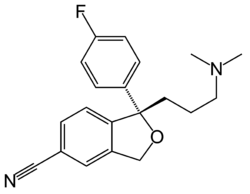
| Drug | Brand | Class | 2010 Prescriptions |
|---|---|---|---|
| Sertraline Sertraline Sertraline hydrochloride is an antidepressant of the selective serotonin reuptake inhibitor class. It was introduced to the market by Pfizer in 1991. Sertraline is primarily used to treat major depression in adult outpatients as well as obsessive–compulsive, panic, and social anxiety disorders in... |
Zoloft | SSRI | 33,409,838 |
| Escitalopram Escitalopram Escitalopram is an antidepressant of the selective serotonin reuptake inhibitor class. It is approved by the U.S... |
Lexapro | SSRI | 23,000,456 |
| Fluoxetine Fluoxetine Fluoxetine is an antidepressant of the selective serotonin reuptake inhibitor class. It is manufactured and marketed by Eli Lilly and Company... |
SSRI | 24,473,994 | |
| Bupropion SR Bupropion Bupropion is an atypical antidepressant and smoking cessation aid. The drug is a non-tricyclic antidepressant and differs from most commonly prescribed antidepressants such as SSRIs, as its primary pharmacological action is thought to be norepinephrine-dopamine reuptake inhibition... |
NDRI Norepinephrine-dopamine reuptake inhibitor A norepinephrine-dopamine reuptake inhibitor is a drug which acts as a reuptake inhibitor for the neurotransmitters norepinephrine and dopamine by blocking the action of the norepinephrine transporter and the dopamine transporter , respectively... |
4,588,996 | |
| Bupropion ER Bupropion Bupropion is an atypical antidepressant and smoking cessation aid. The drug is a non-tricyclic antidepressant and differs from most commonly prescribed antidepressants such as SSRIs, as its primary pharmacological action is thought to be norepinephrine-dopamine reuptake inhibition... |
NDRI Norepinephrine-dopamine reuptake inhibitor A norepinephrine-dopamine reuptake inhibitor is a drug which acts as a reuptake inhibitor for the neurotransmitters norepinephrine and dopamine by blocking the action of the norepinephrine transporter and the dopamine transporter , respectively... |
3,132,327 | |
| Bupropion XL Bupropion Bupropion is an atypical antidepressant and smoking cessation aid. The drug is a non-tricyclic antidepressant and differs from most commonly prescribed antidepressants such as SSRIs, as its primary pharmacological action is thought to be norepinephrine-dopamine reuptake inhibition... |
NDRI Norepinephrine-dopamine reuptake inhibitor A norepinephrine-dopamine reuptake inhibitor is a drug which acts as a reuptake inhibitor for the neurotransmitters norepinephrine and dopamine by blocking the action of the norepinephrine transporter and the dopamine transporter , respectively... |
7,317,814 | |
| Paroxetine Paroxetine Paroxetine is an SSRI antidepressant. Marketing of the drug began in 1992 by the pharmaceutical company SmithKline Beecham, now GlaxoSmithKline... |
SSRI | 12,979,366 | |
| Bupropion Bupropion Bupropion is an atypical antidepressant and smoking cessation aid. The drug is a non-tricyclic antidepressant and differs from most commonly prescribed antidepressants such as SSRIs, as its primary pharmacological action is thought to be norepinephrine-dopamine reuptake inhibition... |
Wellbutrin XL | NDRI Norepinephrine-dopamine reuptake inhibitor A norepinephrine-dopamine reuptake inhibitor is a drug which acts as a reuptake inhibitor for the neurotransmitters norepinephrine and dopamine by blocking the action of the norepinephrine transporter and the dopamine transporter , respectively... |
753,516 |
| Venlafaxine Venlafaxine Venlafaxine is an antidepressant of the serotonin-norepinephrine reuptake inhibitor class. First introduced by Wyeth in 1993, now marketed by Pfizer, it is licensed for the treatment of major depressive disorder , as a treatment for generalized anxiety disorder, and comorbid indications in... |
Effexor XR | SNRI Serotonin-norepinephrine reuptake inhibitor Serotonin–norepinephrine reuptake inhibitors are a class of antidepressant drugs used in the treatment of major depression and other mood disorders... |
7,603,949 |
| Venlafaxine ER Venlafaxine Venlafaxine is an antidepressant of the serotonin-norepinephrine reuptake inhibitor class. First introduced by Wyeth in 1993, now marketed by Pfizer, it is licensed for the treatment of major depressive disorder , as a treatment for generalized anxiety disorder, and comorbid indications in... |
SNRI Serotonin-norepinephrine reuptake inhibitor Serotonin–norepinephrine reuptake inhibitors are a class of antidepressant drugs used in the treatment of major depression and other mood disorders... |
5,526,132 | |
| Citalopram Citalopram Citalopram brand names: Celexa, Cipramil) is an antidepressant drug of the selective serotonin reuptake inhibitor class. It has U.S... |
Celexa | SSRI | 27,993,635 |
| Trazodone Trazodone Trazodone is an antidepressant of the serotonin antagonist and reuptake inhibitor class. It is a phenylpiperazine compound... |
SARI Serotonin antagonist and reuptake inhibitor Serotonin antagonist and reuptake inhibitors are a class of drugs used mainly as antidepressants, but also as anxiolytics and hypnotics. They act by antagonizing serotonin receptors such as 5-HT2A and inhibiting the reuptake of serotonin, norepinephrine, and/or dopamine. Additionally, most also... |
18,786,495 | |
| Amitriptyline Amitriptyline Amitriptyline is a tricyclic antidepressant . It is the most widely used TCA and has at least equal efficacy against depression as the newer class of SSRIs... |
TCA Tricyclic antidepressant Tricyclic antidepressants are heterocyclic chemical compounds used primarily as antidepressants. The TCAs were first discovered in the early 1950s and were subsequently introduced later in the decade; they are named after their chemical structure, which contains three rings of atoms... |
12,611,254 | |
| Duloxetine Duloxetine Duloxetine is a serotonin-norepinephrine reuptake inhibitor manufactured and marketed by Eli Lilly. It is effective for major depressive disorder and has been shown to be as effective as venlafaxine for generalized anxiety disorder... |
Cymbalta | SNRI Serotonin-norepinephrine reuptake inhibitor Serotonin–norepinephrine reuptake inhibitors are a class of antidepressant drugs used in the treatment of major depression and other mood disorders... |
14,591,949 |
| Mirtazapine Mirtazapine Mirtazapine is a tetracyclic antidepressant used primarily in the treatment of depression. It is also sometimes used as a hypnotic, antiemetic, and appetite stimulant, and for the treatment of anxiety, among other indications... |
TeCA Tetracyclic antidepressant Tetracyclic antidepressants are a class of drugs used primarily as antidepressants that were first introduced in the 1970s. They are named after their chemical structure which contains four rings of atoms and are closely related to the tricyclic antidepressants which contain three rings of... |
6,308,288 | |
| Nortriptyline Nortriptyline Nortriptyline is a second-generation tricyclic antidepressant marketed as the hydrochloride salt under the trade names Sensoval, Aventyl, Pamelor, Norpress, Allegron, Noritren and Nortrilen. It is used in the treatment of major depression and childhood nocturnal enuresis... |
TCA Tricyclic antidepressant Tricyclic antidepressants are heterocyclic chemical compounds used primarily as antidepressants. The TCAs were first discovered in the early 1950s and were subsequently introduced later in the decade; they are named after their chemical structure, which contains three rings of atoms... |
3,210,476 | |
| Desvenlafaxine Desvenlafaxine Desvenlafaxine , also known as O-desmethylvenlafaxine, is an antidepressant of the serotonin-norepinephrine reuptake inhibitor class developed and marketed by Wyeth . Desvenlafaxine is a synthetic form of the major active metabolite of venlafaxine... |
Pristiq | SNRI Serotonin-norepinephrine reuptake inhibitor Serotonin–norepinephrine reuptake inhibitors are a class of antidepressant drugs used in the treatment of major depression and other mood disorders... |
3,412,354 |
Germany: The most commonly prescribed antidepressant in Germany is reported to be (concentrated extracts of) hypericum perforatum (St John's Wort
St John's wort
St John's wort is the plant species Hypericum perforatum, and is also known as Tipton's Weed, Chase-devil, or Klamath weed....
).
Netherlands: In the Netherlands, paroxetine, marketed as Seroxat among generic preparations, is the most prescribed antidepressant, followed by the tricyclic antidepressant amitriptyline, citalopram and venlafaxine.
Lawsuits
In many cases SSRI drug manufacturers have withheld information from the FDA and the public to play down the risks and adverse effects associated with SSRIs. This had led to litigation against many of the pharmaceutical manufacturers of SSRI anti-depressants in cases covering suicidality, SSRI withdrawal and birth defects in neonates from nursing mothers on SSRIs.In one of the only three cases to ever go to trial for SSRI indication in suicide, Eli Lilly and Company
Eli Lilly and Company
Eli Lilly and Company is a global pharmaceutical company. Eli Lilly's global headquarters is located in Indianapolis, Indiana, in the United States...
was caught corrupting the judicial process by making a deal with the plaintiff's attorney to throw the case, in part by not disclosing damaging evidence to the jury. The case, known as the Fentress Case involved a Kentucky man, Joseph Wesbecker, on Prozac, who went to his workplace and opened fire with an assault rifle killing 8 people (including Fentress), and injuring 12 others before turning the gun on himself. The jury returned a 9-to-3 verdict in favor of Lilly. The judge, in the end, took the matter to the Kentucky Supreme Court, which found that "there was a serious lack of candor with the trial court and there may have been deception, bad faith conduct, abuse of judicial process and, perhaps even fraud." The judge later revoked the verdict and instead, recorded the case as settled. The value of the secret settlement deal has never been disclosed, but was reportedly "tremendous".
On December 22, 2006, a US court decided in Hoorman, et al. v. SmithKline Beecham Corp. that individuals who purchased Paxil or Paxil CR (paroxetine) for a minor child may be eligible for benefits under a $63.8 million Proposed Settlement. The lawsuit won the claim that pharmaceutical maker GlaxoSmithKline
GlaxoSmithKline
GlaxoSmithKline plc is a global pharmaceutical, biologics, vaccines and consumer healthcare company headquartered in London, United Kingdom...
(GSK) promoted Paxil or Paxil CR for prescription to children and adolescents while withholding and concealing material information about the medication's safety and effectiveness for minors.
The lawsuit stemmed from a consumer advocate protest against Paroxetine manufacturer GSK. Since the FDA approved paroxetine in 1992, approximately 5,000 U.S. citizens – and thousands more worldwide – have sued GSK. Most of these people feel they were not sufficiently warned in advance of the drug's side effects and addictive properties.
According to the Paxil Protest website, hundreds more lawsuits have been filed against GSK. The Paxil Protest website was launched August 8, 2005 to offer both information about the protest and information on Paxil previously unavailable to the public. Just three weeks after its launch, the site received more than a quarter of a million hits.
The original Paxil Protest website is no longer available. It is understood that the action to remove the site from the internet was undertaken as part of a confidentiality agreement or 'gagging order' which the owner of the site entered into as part of a settlement of his action against GlaxoSmithKline. (However, in March 2007, the website Seroxat Secrets discovered that an archive of Paxil Protest site was still available on the internet via Archive.org) Gagging orders are common in such cases and can extend to documents that defendants wish to remain hidden from the public. However, in some cases, such documents can become public at a later date, such as those made public by Peter Breggin in February 2006. A press release from Dr. Breggin can be seen here:
In January 2007, according to the Seroxat Secrets website, the national group litigation in the United Kingdom
United Kingdom
The United Kingdom of Great Britain and Northern IrelandIn the United Kingdom and Dependencies, other languages have been officially recognised as legitimate autochthonous languages under the European Charter for Regional or Minority Languages...
, on behalf of several hundred people who allege withdrawal reactions after use of the drug Seroxat, against GlaxoSmithKline plc, moved a step closer to the High Court in London
London
London is the capital city of :England and the :United Kingdom, the largest metropolitan area in the United Kingdom, and the largest urban zone in the European Union by most measures. Located on the River Thames, London has been a major settlement for two millennia, its history going back to its...
, with the confirmation that Public Funding had been reinstated following a decision by the Public Interest Appeal Panel. The issue at the heart of this particular action claims Seroxat is a defective drug in that it has a propensity to cause a withdrawal reaction. Hugh James Solicitors confirm this news on their website
On January 29, 2007, the BBC in the UK aired a fourth documentary in its 'Panorama' series about the controversial drug Seroxat. This programme, entitled Secrets of the Drug Trials, focuses on three GSK paediatric clinical trials on depressed children and adolescents.
Additional reading
- Berard, Anick, and Don Lint. "Antidepressants and spontaneous abortion." CMAJ: Canadian Medical Association Journal 9 Aug. 2011: 1283. Academic OneFile. Web. 1 Dec. 2011.
External links
- Creation of New Neurons Critical to Antidepressant Action in Mice
- Do Antidepressants Cure or Create Abnormal Brain States? - Article by Joanna Moncrieff and David Cohen in PLoS Medicine.
- NIH Expert Panel Report on the reproductive and developmental toxicology of Prozac (Fluoxetine)
- NIH Monograph on the potential human reproductive and developmental effects of Prozac (Fluoxetine)
- American Psychiatric Association 1995 Practice Guideline for the Treatment of Patients with Major Depressive Disorder
- Children and Medication - a multimodal presentation
- British Association for Psychopharmacology 2000 Evidence Based Guidelines for Treating Depressive Disorders with Antidepressants
- The Good Drug Guide: new mood-brighteners and antidepressants
- Video of Loren Mosher, M.D. (first Chief of Schizophrenia Studies at NIMHNational Institute of Mental HealthThe National Institute of Mental Health is one of 27 institutes and centers that make up the National Institutes of Health...
and founding editor of the Schizophrenia BulletinSchizophrenia BulletinSchizophrenia Bulletin is a peer-reviewed medical journal which covers research relating to the etiology and treatment of schizophrenia. The journal is published bimonthly by Oxford University Press in association with the Maryland Psychiatric Research Center and Schizophrenia International...
) - Joanna Moncrieff: Evidence base for older antidepressants is shaky too. BMJ 2005;330:420 (19 February)
- Introduction to Let Them Eat Prozac by David Healy
- An information leaflet from the Royal College of Psychiatrists
- Barry Yeoman, Putting Science in the Dock, The Nation
- Bibliography on antidepressants in the history of psychology
- Instant insight outlining how a small change in an antidepressant can dramatically change its target in the brain. From the Royal Society of ChemistryRoyal Society of ChemistryThe Royal Society of Chemistry is a learned society in the United Kingdom with the goal of "advancing the chemical sciences." It was formed in 1980 from the merger of the Chemical Society, the Royal Institute of Chemistry, the Faraday Society and the Society for Analytical Chemistry with a new...
- Antidepressants work instantly - BBC News