


Irritable bowel syndrome

Encyclopedia
Irritable bowel syndrome (IBS, or spastic colon) is a diagnosis of exclusion
. It is a functional bowel disorder
characterized by chronic abdominal pain
, discomfort, bloating, and alteration of bowel habits in the absence of any detectable organic cause. In some cases, the symptoms are relieved by bowel movements. Diarrhea
or constipation
may predominate, or they may alternate (classified as IBS-D, IBS-C or IBS-A, respectively). IBS may begin after an infection
(post-infectious, IBS-PI), a stressful
life event, or onset of maturity without any other medical indicators.
Although there is no cure for IBS, there are treatments that attempt to relieve symptoms, including dietary adjustments, medication
and psychological interventions
. Patient education
and a good doctor-patient relationship
are also important.
Several conditions may present as IBS including coeliac disease
, fructose malabsorption
, mild infections, parasitic infections like giardiasis
, several inflammatory bowel disease
s, bile acid malabsorption
, functional chronic constipation
, and chronic functional abdominal pain
. In IBS, routine clinical tests yield no abnormalities, although the bowels may be more sensitive to certain stimuli, such as balloon insufflation testing. The exact cause of IBS is unknown
. The most common theory is that IBS is a disorder of the interaction between the brain
and the gastrointestinal tract
, although there may also be abnormalities in the gut flora
or the immune system
.
IBS does not lead to more serious conditions in most patients. However, it is a source of chronic pain, fatigue, and other symptoms and contributes to work absenteeism. Researchers have reported that the high prevalence of IBS, in conjunction with increased costs, produces a disease with a high social cost. It is also regarded as a chronic illness and can dramatically affect the quality of a sufferer's life.
-predominant (IBS-D), constipation
-predominant (IBS-C) or IBS with alternating stool pattern (IBS-A or pain-predominant). In some individuals, IBS may have an acute onset and develop after an infectious
illness characterized by two or more of the following: fever
, vomiting
, diarrhea, or positive stool culture. This post-infective syndrome has consequently been termed "post-infectious IBS" (IBS-PI)
or discomfort in association with frequent diarrhea or constipation, a change in bowel habits. There may also be urgency for bowel movements, a feeling of incomplete evacuation (tenesmus
), bloating or abdominal distention. People with IBS, more commonly than others, have gastroesophageal reflux, symptoms relating to the genitourinary system
, chronic fatigue syndrome
, fibromyalgia
, headache
, backache and psychiatric symptoms such as depression and anxiety
. Some studies indicate that up to 60% of persons with IBS also have a psychological disorder, typically anxiety or depression.
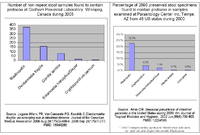 There is research to support IBS being caused by an as-yet undiscovered active infection. Studies have shown that the nonabsorbed antibiotic Rifaximin can provide sustained relief for some IBS patients. While some researchers see this as evidence that IBS is related to an undiscovered agent, others believe IBS patients suffer from overgrowth of intestinal flora
and the antibiotics are effective in reducing the overgrowth (known as small intestinal bacterial overgrowth
). Other researchers have focused on an unrecognized protozoa
l infection as a cause of IBS as certain protozoal infections occur more frequently in IBS patients. Two of the protozoa investigated have a high prevalence in industrialized countries and infect the bowel, but little is known about them as they are recently emerged pathogens.
Blastocystis
is a single-cell organism that has been reported to produce symptoms of abdominal pain, constipation and diarrhea in patients though these reports are contested by some physicians. Studies from research hospitals in various countries have identified high Blastocystis
infection rates in IBS patients, with 38% being reported from London School of Hygiene & Tropical Medicine
, 47% reported from the Department of Gastroenterology at Aga Khan University
in Pakistan and 18.1% reported from the Institute of Diseases and Public Health at University of Ancona in Italy. Reports from all three groups indicate a Blastocystis
prevalence of approximately 7% in non-IBS patients. Researchers have noted that clinical diagnostics fail to identify infection, and Blastocystis may not respond to treatment with common antiprotozoals.
Dientamoeba fragilis
is a single-cell organism that produces abdominal pain and diarrhea. Studies have reported a high incidence of infection in developed countries, and symptoms of patients resolve following antibiotic treatment. One study reported on a large group of patients with IBS-like symptoms who were found to be infected with Dientamoeba fragilis, and experienced resolution of symptoms following treatment. Researchers have noted that methods used clinically may fail to detect some Dientamoeba fragilis infections. It is also found in people without IBS.
disorders and giardiasis can all feature abnormal defecation and abdominal pain. Less common causes of this symptom profile are carcinoid syndrome
, microscopic colitis
, bacterial overgrowth, and eosinophilic gastroenteritis
; IBS is, however, such a common presentation and testing for these conditions would yield such low numbers of positive results that it is considered difficult to justify the expense.
Because there are many causes of diarrhea
that give IBS-like symptoms, the American Gastroenterological Association
published a set of guidelines for tests to be performed to rule out other causes for these symptoms. These include gastrointestinal infections, lactose intolerance
, and coeliac disease
. Research has suggested that these guidelines are not always followed. Once other causes have been excluded, the diagnosis of IBS is performed using a diagnostic algorithm
. Well-known algorithms include the Manning Criteria
, the obsolete Rome I and II criteria
, the Kruis Criteria, and studies have compared their reliability. The more recent Rome III Process
was published in 2006. Physicians may choose to use one of these guidelines, or may simply choose to rely on their own anecdotal experience with past patients. The algorithm may include additional tests to guard against mis-diagnosis of other diseases as IBS. Such "red flag" symptoms may include weight loss, gastrointestinal bleeding, anemia, or nocturnal symptoms. However, researchers have noted that red flag conditions may not always contribute to accuracy in diagnosis — for instance, as many as 31% of IBS patients have blood in their stool many possibly from hemorrhoidal bleeding.
The diagnostic algorithm identifies a name that can be applied to the patient's condition based on the combination of the patient's symptoms of diarrhea, abdominal pain, and constipation. For example, the statement "50% of returning travelers had developed functional diarrhea while 25% had developed IBS" would mean that half the travelers had diarrhea while a quarter had diarrhea with abdominal pain. While some researchers believe this categorization system will help physicians understand IBS, others have questioned the value of the system and suggested that all IBS patients have the same underlying disease but with different symptoms.
, Helicobacter pylori
, parasites
.
Coeliac disease in particular is often misdiagnosed as IBS. The American College of Gastroenterology recommends that all patients with symptoms of IBS be tested for coeliac disease.
Bile acid malabsorption
is also often missed in patients with diarrhea-predominant IBS. SeHCAT
tests suggest that around 30% of D-IBS have this condition and most respond to bile acid sequestrants.
Chronic use of certain sedative
-hypnotic
drugs especially the benzodiazepines may cause irritable bowel like symptoms that can lead to a misdiagnosis of irritable bowel syndrome.
Many different dietary modifications have been attempted to improve the symptoms of IBS. Some are effective in certain sub-populations. As lactose intolerance
and IBS have such similar symptoms a trial of a lactose-free diet is often recommended. A diet restricting fructose and fructan intake has been shown to successfully treat the symptoms in a dose-dependant manner in patients with fructose malabsorption
and IBS.
While many IBS patients believe they have some form of dietary intolerance, tests attempting to predict food sensitivity in IBS have been disappointing. One study reported that an IgG antibody test was effective in determining food sensitivity in IBS patients, with patients on the elimination diet experiencing 10% greater symptom reduction than those on a sham diet. More data is necessary before IgG testing can be recommended.
There is no evidence that digestion of food or absorption of nutrients is problematic for those with IBS at rates different from those without IBS. However, the very act of eating or drinking can provoke an overreaction of the gastrocolic response in some patients with IBS due to their heightened visceral sensitivity, and this may lead to abdominal pain, diarrhea, and/or constipation.
Fiber
There is convincing evidence that soluble fiber supplementation (e.g., psyllium) is effective in the general IBS population. It acts as a bulking agent, and for many IBS-D patients, it allows for a more consistent stool. For IBS-C patients, it seems to allow for a softer, moister, more easily passable stool.
Insoluble fiber (e.g., bran) has not been found to be effective for IBS. In some people, insoluble fiber supplementation may aggravate symptoms.
Fiber might be beneficial in those who have a predominance of constipation. In patients who have constipation predominant irritable bowel, soluble fiber at doses of 20 grams per day can reduce overall symptoms but will not reduce pain. The research supporting dietary fiber
contains conflicting, small studies that are complicated by the heterogeneity of types of fiber and doses used.
One meta-analysis
found that only soluble fiber improved global symptoms of irritable bowel, but neither type of fiber reduced pain. However, an updated meta-analysis by the same authors found that soluble fiber reduced symptoms. Positive studies have used 10–30 grams per day of psyllium
seed. One study specifically examined the effect of dose and found that 20 grams of ispaghula husk was better than 10 grams and equivalent to 30 grams per day. An uncontrolled study noted increased symptoms with insoluble fibers. It is unclear if these symptoms are truly increased compared with a control group. If the symptoms are increased, it is unclear if these patients were diarrhea predominant (which can be exacerbated by insoluble fiber), or if the increase is temporary before benefit occurs.
s in constipation-predominant IBS, and antidiarrheals (e.g., opiate
, opioid
, or opioid analog
s such as loperamide
, codeine
, diphenoxylate
) in diarrhea-predominant IBS for mild symptoms.
Drugs affecting serotonin
(5-HT) in the intestines can help reduce symptoms. Serotonin stimulates the gut motility and so agonists can help constipation-predominate irritable bowel, while antagonists can help diarrhea-predominant irritable bowel.
Laxatives
For patients who do not adequately respond to dietary fiber
, osmotic laxatives such as polyethylene glycol
, sorbitol
, and lactulose
can help avoid "cathartic colon" which has been associated with stimulant laxatives. Among the osmotic laxatives, 17–26 grams/day of polyethylene glycol
(PEG) has been well studied.
Lubiprostone
(Amitiza), is a gastrointestinal agent used for the treatment of idiopathic
chronic
constipation
and constipation-predominant IBS. It is well-tolerated in adults, including elderly patients. As of July 20, 2006, Lubiprostone had not been studied in pediatric patients. Lubiprostone is a bicyclic fatty acid
(prostaglandin
E1 derivative) that acts by specifically activating ClC-2 chloride channels on the apical aspect of gastrointestinal epithelial cells, producing a chloride-rich fluid secretion. These secretions soften the stool, increase motility, and promote spontaneous bowel movements (SBM). Unlike many laxative products, Lubiprostone does not show signs of tolerance, dependency, or altered serum electrolyte
concentration.
Antispasmodics
The use of antispasmodic
drugs (e.g., anticholinergic
s such as hyoscyamine
or dicyclomine
) may help patients, especially those with cramps or diarrhea. A meta-analysis
by the Cochrane Collaboration
concludes that if 6 patients are treated with antispasmodics, 1 patient will benefit. Antispasmodics can be divided in two groups: neurotropics and musculotropics.
Tricyclic antidepressants
There is strong evidence that low doses of tricyclic antidepressants can be effective for irritable bowel syndrome. However, there is less robust evidence as to the effectiveness of other antidepressant classes such as SSRIs.
Serotonin agonists
Serotonin antagonists
Alosetron
, a selective 5-HT3 antagonist for IBS-D and cilansetron
(also a selective 5-HT3 antagonist) were trialed for irritable bowel syndrome. Due to severe adverse effects, namely ischemic colitis
and severe constipation
, they are not available or recommended for irritable bowel syndrome.
Other agents
Magnesium aluminum silicates and alverine
citrate
drugs can be effective for irritable bowel syndrome.
There is conflicting evidence about the benefit of antidepressants in IBS. Some meta-analysis have found a benefit while others have not. A meta-analysis
of randomized controlled trials of mainly TCA
s found 3 patients have to be treated with TCAs for one patient to improve. A separate randomized controlled trial
found that TCAs are best for patients with diarrhea-predominant IBS.
Recent studies have suggested that rifaximin can be used as an effective treatment for abdominal bloating and flatulence
, giving more credibility to the potential role of bacterial overgrowth in some patients with IBS.
Domperidone, a dopamine receptor blocker and a parasympathomimetic, has been shown to reduce bloating and abdominal pain as a result of an accelerated colon transit time and reduced faecal load, that is a relief from hidden constipation; defecation was similarly improved.
The use of opioids is controversial due to the lack of evidence supporting their benefit and the potential risk of tolerance, physical dependence
and addiction
.
have been found to be the most beneficial. Hypnosis can improve mental wellbeing and cognitive behavioural therapy can provide psychological coping strategies for dealing with distressing symptoms as well as help suppress thoughts and behaviours that increase the symptoms of irritable bowel syndrome. Cognitive behavioral therapy has been found to improve symptoms in a number of studies. Relaxation therapy has also been found to be helpful.
A questionnaire in 2006 designed to identify patients’ perceptions about IBS, their preferences on the type of information they need, as well as educational media and expectations from health care providers, revealed misperceptions about IBS developing into other conditions, including colitis
, malnutrition
, and cancer
.
The survey found IBS patients were most interested in learning about foods to avoid (60%), causes of IBS (55%), medications (58%), coping strategies (56%), and psychological factors related to IBS (55%). The respondents indicated that they wanted their physicians to be available via phone or e-mail following a visit (80%), have the ability to listen (80%), and provide hope (73%) and support (63%).
.
Probiotics
Probiotics can be beneficial in the treatment of IBS, taking 10 billion to 100 billion beneficial bacteria per day is recommended for beneficial results. However, further research is needed on individual strains of beneficial bacteria for more refined recommendations. A number of probiotics have been found to be effective including: Lactobacillus plantarum
and Bifidobacteria infantis; however, one review found that only Bifidobacteria infantis showed efficacy. Some yogurt is made using probiotics that may help ease symptoms of irritable bowel syndrome.
Herbal remedies
There is only limited evidence for the effectiveness of other herbal remedies for irritable bowel syndrome. As with all herbs it is wise to be aware of possible drug interactions and adverse effects.
Yoga
Yoga may be effective for some with irritable bowel syndrome, especially poses which exercise the lower abdomen..
Acupuncture
Acupuncture may be worth a trial in select patients, but the evidence base for effectiveness is weak. A meta-analysis
by the Cochrane Collaboration
concluded that most trials are of poor quality and that it is unknown whether acupuncture is more effective than placebo.
The following table contains a list of studies performed in different countries that measured the prevalence of IBS and IBS-like symptoms:
A study of United States residents returning from international travel found a high rate of IBS and persistent diarrhea that developed during travel and persisted upon return. The study examined 83 subjects in Utah, most of whom were returning missionaries. Of the 68 who completed the gastrointestinal questionnaire, 27 reported persistent diarrhea that developed while traveling, and 10 reported persistent IBS that developed while traveling.
found IBS was associated in an increase of $962 in Medicaid costs in California, and $2191 in North Carolina. IBS patients had higher costs for physician visits, outpatients visits, and prescription drugs. The study suggested the costs associated with IBS were comparable to those found in asthma patients.
and IBD
. They also state the restriction of FODMAPs globally, rather than individually, controls the symptoms of functional gut disorders (e.g., IBS), and the majority of IBD patients respond just as well. It is more successful than restricting only fructose and fructans, which are also FODMAPs, as is recommended for those with fructose malabsorption
. Longer term compliance with the diet was high.
A randomised controlled trial on IBS patients found relaxing an IgG-mediated food intolerance diet led to a 24% greater deterioration in symptoms compared to those on the elimination diet and concluded food elimination based on IgG antibodies may be effective in reducing IBS symptoms and is worthy of further biomedical research.
The National Institutes of Health
provides a searchable database for grant awards since 1974 on its CRISP
database, and provides dollar amounts for recent awards on its Intramural Grant Award Page.
In 2006, the NIH awarded approximately 56 grants related to IBS, totalling approximately $18.7 million.
Diagnosis of exclusion
A diagnosis of exclusion is a medical condition reached by a process of elimination, which may be necessary if presence cannot be established with complete confidence from examination or testing...
. It is a functional bowel disorder
Functional bowel disorder
In medicine, the term functional colonic disease refers to a group of bowel disorders which are characterised by chronic abdominal complaints without a structural or biochemical cause that could explain symptoms....
characterized by chronic abdominal pain
Abdominal pain
Abdominal pain can be one of the symptoms associated with transient disorders or serious disease. Making a definitive diagnosis of the cause of abdominal pain can be difficult, because many diseases can result in this symptom. Abdominal pain is a common problem...
, discomfort, bloating, and alteration of bowel habits in the absence of any detectable organic cause. In some cases, the symptoms are relieved by bowel movements. Diarrhea
Diarrhea
Diarrhea , also spelled diarrhoea, is the condition of having three or more loose or liquid bowel movements per day. It is a common cause of death in developing countries and the second most common cause of infant deaths worldwide. The loss of fluids through diarrhea can cause dehydration and...
or constipation
Constipation
Constipation refers to bowel movements that are infrequent or hard to pass. Constipation is a common cause of painful defecation...
may predominate, or they may alternate (classified as IBS-D, IBS-C or IBS-A, respectively). IBS may begin after an infection
Infection
An infection is the colonization of a host organism by parasite species. Infecting parasites seek to use the host's resources to reproduce, often resulting in disease...
(post-infectious, IBS-PI), a stressful
Stress (medicine)
Stress is a term in psychology and biology, borrowed from physics and engineering and first used in the biological context in the 1930s, which has in more recent decades become commonly used in popular parlance...
life event, or onset of maturity without any other medical indicators.
Although there is no cure for IBS, there are treatments that attempt to relieve symptoms, including dietary adjustments, medication
Medication
A pharmaceutical drug, also referred to as medicine, medication or medicament, can be loosely defined as any chemical substance intended for use in the medical diagnosis, cure, treatment, or prevention of disease.- Classification :...
and psychological interventions
Psychotherapy
Psychotherapy is a general term referring to any form of therapeutic interaction or treatment contracted between a trained professional and a client or patient; family, couple or group...
. Patient education
Patient education
Patient education is the process by which health professionals and others impart information to patients that will alter their health behaviors or improve their health status...
and a good doctor-patient relationship
Doctor-patient relationship
The doctor-patient relationship is central to the practice of healthcare and is essential for the delivery of high-quality health care in the diagnosis and treatment of disease. The doctor-patient relationship forms one of the foundations of contemporary medical ethics...
are also important.
Several conditions may present as IBS including coeliac disease
Coeliac disease
Coeliac disease , is an autoimmune disorder of the small intestine that occurs in genetically predisposed people of all ages from middle infancy onward...
, fructose malabsorption
Fructose malabsorption
Fructose malabsorption, formerly named "dietary fructose intolerance," is a digestive disorder in which absorption of fructose is impaired by deficient fructose carriers in the small intestine's enterocytes. This results in an increased concentration of fructose in the entire intestine.Fructose...
, mild infections, parasitic infections like giardiasis
Giardiasis
Giardiasis or beaver fever in humans is a diarrheal infection of the small intestine by a single-celled organism Giardia lamblia. Giardiasis occurs worldwide with a prevalence of 20–30% in developing countries. In the U.S., 20,000 cases are reported to the CDC annually, but the true annual...
, several inflammatory bowel disease
Inflammatory bowel disease
In medicine, inflammatory bowel disease is a group of inflammatory conditions of the colon and small intestine. The major types of IBD are Crohn's disease and ulcerative colitis.-Classification:...
s, bile acid malabsorption
Bile acid malabsorption
Bile acid malabsorption is a cause of chronic diarrhea. It can result from malabsorption secondary to gastro-intestinal disease or be a primary disorder. Treatment with bile acid sequestrants is often effective.-Classification:...
, functional chronic constipation
Functional constipation
Functional constipation, known as chronic idiopathic constipation , is constipation that does not have a physical or physiological cause. It may have a neurological, psychological or psychosomatic cause...
, and chronic functional abdominal pain
Chronic functional abdominal pain
Chronic functional abdominal pain is the ongoing presence of abdominal pain for which there is no known medical explanation. It is quite similar to, but less common than, irritable bowel syndrome , and many of the same treatments for IBS can also be of benefit to those with CFAP...
. In IBS, routine clinical tests yield no abnormalities, although the bowels may be more sensitive to certain stimuli, such as balloon insufflation testing. The exact cause of IBS is unknown
Idiopathic
Idiopathic is an adjective used primarily in medicine meaning arising spontaneously or from an obscure or unknown cause. From Greek ἴδιος, idios + πάθος, pathos , it means approximately "a disease of its own kind". It is technically a term from nosology, the classification of disease...
. The most common theory is that IBS is a disorder of the interaction between the brain
Brain
The brain is the center of the nervous system in all vertebrate and most invertebrate animals—only a few primitive invertebrates such as sponges, jellyfish, sea squirts and starfishes do not have one. It is located in the head, usually close to primary sensory apparatus such as vision, hearing,...
and the gastrointestinal tract
Gastrointestinal tract
The human gastrointestinal tract refers to the stomach and intestine, and sometimes to all the structures from the mouth to the anus. ....
, although there may also be abnormalities in the gut flora
Gut flora
Gut flora consists of microorganisms that live in the digestive tracts of animals and is the largest reservoir of human flora. In this context, gut is synonymous with intestinal, and flora with microbiota and microflora....
or the immune system
Immune system
An immune system is a system of biological structures and processes within an organism that protects against disease by identifying and killing pathogens and tumor cells. It detects a wide variety of agents, from viruses to parasitic worms, and needs to distinguish them from the organism's own...
.
IBS does not lead to more serious conditions in most patients. However, it is a source of chronic pain, fatigue, and other symptoms and contributes to work absenteeism. Researchers have reported that the high prevalence of IBS, in conjunction with increased costs, produces a disease with a high social cost. It is also regarded as a chronic illness and can dramatically affect the quality of a sufferer's life.
Classification
IBS can be classified as either diarrheaDiarrhea
Diarrhea , also spelled diarrhoea, is the condition of having three or more loose or liquid bowel movements per day. It is a common cause of death in developing countries and the second most common cause of infant deaths worldwide. The loss of fluids through diarrhea can cause dehydration and...
-predominant (IBS-D), constipation
Constipation
Constipation refers to bowel movements that are infrequent or hard to pass. Constipation is a common cause of painful defecation...
-predominant (IBS-C) or IBS with alternating stool pattern (IBS-A or pain-predominant). In some individuals, IBS may have an acute onset and develop after an infectious
Infection
An infection is the colonization of a host organism by parasite species. Infecting parasites seek to use the host's resources to reproduce, often resulting in disease...
illness characterized by two or more of the following: fever
Fever
Fever is a common medical sign characterized by an elevation of temperature above the normal range of due to an increase in the body temperature regulatory set-point. This increase in set-point triggers increased muscle tone and shivering.As a person's temperature increases, there is, in...
, vomiting
Vomiting
Vomiting is the forceful expulsion of the contents of one's stomach through the mouth and sometimes the nose...
, diarrhea, or positive stool culture. This post-infective syndrome has consequently been termed "post-infectious IBS" (IBS-PI)
Signs and symptoms
The primary symptoms of IBS are abdominal painAbdominal pain
Abdominal pain can be one of the symptoms associated with transient disorders or serious disease. Making a definitive diagnosis of the cause of abdominal pain can be difficult, because many diseases can result in this symptom. Abdominal pain is a common problem...
or discomfort in association with frequent diarrhea or constipation, a change in bowel habits. There may also be urgency for bowel movements, a feeling of incomplete evacuation (tenesmus
Tenesmus
Rectal tenesmus is a feeling of incomplete defecation. It is experienced as an inability or difficulty to empty the bowel at defecation...
), bloating or abdominal distention. People with IBS, more commonly than others, have gastroesophageal reflux, symptoms relating to the genitourinary system
Genitourinary system
In anatomy, the genitourinary system or urogenital system is the organ system of the reproductive organs and the urinary system. These are grouped together because of their proximity to each other, their common embryological origin and the use of common pathways, like the male urethra...
, chronic fatigue syndrome
Chronic fatigue syndrome
Chronic fatigue syndrome is the most common name used to designate a significantly debilitating medical disorder or group of disorders generally defined by persistent fatigue accompanied by other specific symptoms for a minimum of six months, not due to ongoing exertion, not substantially...
, fibromyalgia
Fibromyalgia
Fibromyalgia is a medical disorder characterized by chronic widespread pain and allodynia, a heightened and painful response to pressure. It is an example of a diagnosis of exclusion...
, headache
Headache
A headache or cephalalgia is pain anywhere in the region of the head or neck. It can be a symptom of a number of different conditions of the head and neck. The brain tissue itself is not sensitive to pain because it lacks pain receptors. Rather, the pain is caused by disturbance of the...
, backache and psychiatric symptoms such as depression and anxiety
Anxiety
Anxiety is a psychological and physiological state characterized by somatic, emotional, cognitive, and behavioral components. The root meaning of the word anxiety is 'to vex or trouble'; in either presence or absence of psychological stress, anxiety can create feelings of fear, worry, uneasiness,...
. Some studies indicate that up to 60% of persons with IBS also have a psychological disorder, typically anxiety or depression.
Causes
The cause of IBS is unknown, but several hypotheses have been proposed. The risk of developing IBS increases sixfold after acute gastrointestinal infection. Post-infection, further risk factors are young age, prolonged fever, anxiety, and depression. Publications suggesting the role of brain-gut "axis" appeared in the 1990s, such as a study entitled Brain-gut response to stress and cholinergic stimulation in IBS published in the Journal of Clinical Gastroenterology in 1993. A 1997 study published in Gut magazine suggested that IBS was associated with a "derailing of the brain-gut axis." Psychological factors may be important in the etiology of IBS .Active infections
Gut flora
Gut flora consists of microorganisms that live in the digestive tracts of animals and is the largest reservoir of human flora. In this context, gut is synonymous with intestinal, and flora with microbiota and microflora....
and the antibiotics are effective in reducing the overgrowth (known as small intestinal bacterial overgrowth
Small bowel bacterial overgrowth syndrome
Small bowel bacterial overgrowth syndrome , or small intestinal bacterial overgrowth , also termed bacterial overgrowth; is a disorder of excessive bacterial growth in the small intestine. Unlike the colon , which is rich with bacteria, the small bowel usually has less than 104 organisms per...
). Other researchers have focused on an unrecognized protozoa
Protozoa
Protozoa are a diverse group of single-cells eukaryotic organisms, many of which are motile. Throughout history, protozoa have been defined as single-cell protists with animal-like behavior, e.g., movement...
l infection as a cause of IBS as certain protozoal infections occur more frequently in IBS patients. Two of the protozoa investigated have a high prevalence in industrialized countries and infect the bowel, but little is known about them as they are recently emerged pathogens.
Blastocystis
Blastocystis
Blastocystis is a genus of single-celled protozoan parasites belonging to a group of organisms known as the Stramenopiles that includes algae, diatoms, and water molds...
is a single-cell organism that has been reported to produce symptoms of abdominal pain, constipation and diarrhea in patients though these reports are contested by some physicians. Studies from research hospitals in various countries have identified high Blastocystis
Blastocystis
Blastocystis is a genus of single-celled protozoan parasites belonging to a group of organisms known as the Stramenopiles that includes algae, diatoms, and water molds...
infection rates in IBS patients, with 38% being reported from London School of Hygiene & Tropical Medicine
London School of Hygiene & Tropical Medicine
The London School of Hygiene & Tropical Medicine is a constituent college of the federal University of London, specialising in public health and tropical medicine...
, 47% reported from the Department of Gastroenterology at Aga Khan University
Aga Khan University
The Aga Khan University is a coeducational research university spread over three continents. It was granted its charter in 1983 as Pakistan's first private, autonomous university. AKU was founded by His Highness the Aga Khan, and is part of the Aga Khan Development Network...
in Pakistan and 18.1% reported from the Institute of Diseases and Public Health at University of Ancona in Italy. Reports from all three groups indicate a Blastocystis
Blastocystis
Blastocystis is a genus of single-celled protozoan parasites belonging to a group of organisms known as the Stramenopiles that includes algae, diatoms, and water molds...
prevalence of approximately 7% in non-IBS patients. Researchers have noted that clinical diagnostics fail to identify infection, and Blastocystis may not respond to treatment with common antiprotozoals.
Dientamoeba fragilis
Dientamoeba fragilis
Dientamoeba fragilis is a single celled parasite found in the gastrointestinal tract of some humans, pigs and gorillas. In some people it causes gastrointestinal upset while in others it does not...
is a single-cell organism that produces abdominal pain and diarrhea. Studies have reported a high incidence of infection in developed countries, and symptoms of patients resolve following antibiotic treatment. One study reported on a large group of patients with IBS-like symptoms who were found to be infected with Dientamoeba fragilis, and experienced resolution of symptoms following treatment. Researchers have noted that methods used clinically may fail to detect some Dientamoeba fragilis infections. It is also found in people without IBS.
Diagnosis
There is no specific laboratory or imaging test that can be performed to diagnose irritable bowel syndrome. Diagnosis of IBS involves excluding conditions that produce IBS-like symptoms, and then following a procedure to categorize the patient's symptoms. Ruling out parasitic infections, lactose intolerance, small intestinal bacterial overgrowth and celiac disease is recommended for all patients before a diagnosis of irritable bowel syndrome is made. In patients over 50 years old it is recommended that they undergo a screening colonoscopy.Differential diagnosis
Colon cancer, inflammatory bowel disease, thyroidThyroid
The thyroid gland or simply, the thyroid , in vertebrate anatomy, is one of the largest endocrine glands. The thyroid gland is found in the neck, below the thyroid cartilage...
disorders and giardiasis can all feature abnormal defecation and abdominal pain. Less common causes of this symptom profile are carcinoid syndrome
Carcinoid syndrome
Carcinoid syndrome refers to the array of symptoms that occur secondary to carcinoid tumors. The syndrome includes flushing and diarrhea, and, less frequently, heart failure and bronchoconstriction...
, microscopic colitis
Microscopic colitis
Microscopic colitis refers to two medical conditions which cause diarrhea: collagenous colitis and lymphocytic colitis. Both conditions are characterised by the following triad of clinicopathological features:# Chronic watery diarrhoea;# Normal colonoscopy;...
, bacterial overgrowth, and eosinophilic gastroenteritis
Eosinophilic gastroenteritis
Eosinophilic gastroenteritis is a rare and heterogeneous condition characterized by patchy or diffuse eosinophilic infiltration of gastrointestinal tissue, first described by Kaijser in 1937...
; IBS is, however, such a common presentation and testing for these conditions would yield such low numbers of positive results that it is considered difficult to justify the expense.
Because there are many causes of diarrhea
Diarrhea
Diarrhea , also spelled diarrhoea, is the condition of having three or more loose or liquid bowel movements per day. It is a common cause of death in developing countries and the second most common cause of infant deaths worldwide. The loss of fluids through diarrhea can cause dehydration and...
that give IBS-like symptoms, the American Gastroenterological Association
American Gastroenterological Association
The American Gastroenterological Association "AGA" is a medical association of gastroenterologists. About 17,000 scientists and physicians are members of the organization.-Overview:...
published a set of guidelines for tests to be performed to rule out other causes for these symptoms. These include gastrointestinal infections, lactose intolerance
Lactose intolerance
Lactose intolerance, also called lactase deficiency or hypolactasia, is the inability to digest and metabolize lactose, a sugar found in milk...
, and coeliac disease
Coeliac disease
Coeliac disease , is an autoimmune disorder of the small intestine that occurs in genetically predisposed people of all ages from middle infancy onward...
. Research has suggested that these guidelines are not always followed. Once other causes have been excluded, the diagnosis of IBS is performed using a diagnostic algorithm
Algorithm
In mathematics and computer science, an algorithm is an effective method expressed as a finite list of well-defined instructions for calculating a function. Algorithms are used for calculation, data processing, and automated reasoning...
. Well-known algorithms include the Manning Criteria
Manning Criteria
The Manning Criteria is a diagnostic algorithm used in the diagnosis of Irritable Bowel Syndrome. The criteria consists of a list of questions the physician can ask the patient...
, the obsolete Rome I and II criteria
Rome process
The "Rome process" is an international effort to create scientific data to help in the diagnosis and treatment of functional gastrointestinal disorders, , such as irritable bowel syndrome, functional dyspepsia and rumination syndrome...
, the Kruis Criteria, and studies have compared their reliability. The more recent Rome III Process
Rome process
The "Rome process" is an international effort to create scientific data to help in the diagnosis and treatment of functional gastrointestinal disorders, , such as irritable bowel syndrome, functional dyspepsia and rumination syndrome...
was published in 2006. Physicians may choose to use one of these guidelines, or may simply choose to rely on their own anecdotal experience with past patients. The algorithm may include additional tests to guard against mis-diagnosis of other diseases as IBS. Such "red flag" symptoms may include weight loss, gastrointestinal bleeding, anemia, or nocturnal symptoms. However, researchers have noted that red flag conditions may not always contribute to accuracy in diagnosis — for instance, as many as 31% of IBS patients have blood in their stool many possibly from hemorrhoidal bleeding.
The diagnostic algorithm identifies a name that can be applied to the patient's condition based on the combination of the patient's symptoms of diarrhea, abdominal pain, and constipation. For example, the statement "50% of returning travelers had developed functional diarrhea while 25% had developed IBS" would mean that half the travelers had diarrhea while a quarter had diarrhea with abdominal pain. While some researchers believe this categorization system will help physicians understand IBS, others have questioned the value of the system and suggested that all IBS patients have the same underlying disease but with different symptoms.
Investigations
Investigations are performed to exclude other conditions:- Stool microscopy and culture (to exclude infectious conditions)
- Blood tests: Full blood examination, Liver function testsLiver function testsLiver function tests , are groups of clinical biochemistry laboratory blood assays designed to give information about the state of a patient's liver. The parameters measured include PT/INR, aPTT, albumin, billirubin and others...
, Erythrocyte sedimentation rateErythrocyte sedimentation rateThe erythrocyte sedimentation rate , also called a sedimentation rate or Biernacki Reaction, is the rate at which red blood cells sediment in a period of 1 hour...
, serological testing for coeliac disease - Abdominal ultrasoundUltrasoundUltrasound is cyclic sound pressure with a frequency greater than the upper limit of human hearing. Ultrasound is thus not separated from "normal" sound based on differences in physical properties, only the fact that humans cannot hear it. Although this limit varies from person to person, it is...
(to exclude gallstoneGallstoneA gallstone is a crystalline concretion formed within the gallbladder by accretion of bile components. These calculi are formed in the gallbladder, but may pass distally into other parts of the biliary tract such as the cystic duct, common bile duct, pancreatic duct, or the ampulla of...
s and other biliary tract diseases) - EndoscopyEndoscopyEndoscopy means looking inside and typically refers to looking inside the body for medical reasons using an endoscope , an instrument used to examine the interior of a hollow organ or cavity of the body. Unlike most other medical imaging devices, endoscopes are inserted directly into the organ...
and biopsies (to exclude peptic ulcer disease, coeliac disease, inflammatory bowel disease, malignancies) - Hydrogen breath testHydrogen Breath TestA hydrogen breath test is used as a clinical medical diagnosis for people with irritable bowel syndrome, and common food intolerances. The test is simple, non-invasive, and is performed after a short period of fasting . Even though the test is normally known as a "Hydrogen Breath Test" some...
ing (to exclude fructose and lactose malabsorption)
Misdiagnosis
Published research has demonstrated that some poor patient outcomes are due to treatable causes of diarrhea being mis-diagnosed as IBS. Common examples include infectious diseases, coeliac diseaseCoeliac disease
Coeliac disease , is an autoimmune disorder of the small intestine that occurs in genetically predisposed people of all ages from middle infancy onward...
, Helicobacter pylori
Helicobacter pylori
Helicobacter pylori , previously named Campylobacter pyloridis, is a Gram-negative, microaerophilic bacterium found in the stomach. It was identified in 1982 by Barry Marshall and Robin Warren, who found that it was present in patients with chronic gastritis and gastric ulcers, conditions that were...
, parasites
Parasitism
Parasitism is a type of symbiotic relationship between organisms of different species where one organism, the parasite, benefits at the expense of the other, the host. Traditionally parasite referred to organisms with lifestages that needed more than one host . These are now called macroparasites...
.
Coeliac disease in particular is often misdiagnosed as IBS. The American College of Gastroenterology recommends that all patients with symptoms of IBS be tested for coeliac disease.
Bile acid malabsorption
Bile acid malabsorption
Bile acid malabsorption is a cause of chronic diarrhea. It can result from malabsorption secondary to gastro-intestinal disease or be a primary disorder. Treatment with bile acid sequestrants is often effective.-Classification:...
is also often missed in patients with diarrhea-predominant IBS. SeHCAT
SeHCAT
SeHCAT is the usual name for 23-seleno-25-homo-tauro-cholic acid . It is used in a clinical test to diagnose bile acid malabsorption.-Development:...
tests suggest that around 30% of D-IBS have this condition and most respond to bile acid sequestrants.
Chronic use of certain sedative
Sedative
A sedative or tranquilizer is a substance that induces sedation by reducing irritability or excitement....
-hypnotic
Hypnotic
Hypnotic drugs are a class of psychoactives whose primary function is to induce sleep and to be used in the treatment of insomnia and in surgical anesthesia...
drugs especially the benzodiazepines may cause irritable bowel like symptoms that can lead to a misdiagnosis of irritable bowel syndrome.
Comorbidities
Researchers have identified several medical conditions, or comorbidities, which appear with greater frequency in patients diagnosed with IBS.- Headache, FibromyalgiaFibromyalgiaFibromyalgia is a medical disorder characterized by chronic widespread pain and allodynia, a heightened and painful response to pressure. It is an example of a diagnosis of exclusion...
, Chronic fatigue syndromeChronic fatigue syndromeChronic fatigue syndrome is the most common name used to designate a significantly debilitating medical disorder or group of disorders generally defined by persistent fatigue accompanied by other specific symptoms for a minimum of six months, not due to ongoing exertion, not substantially...
and Depression: A study of 97,593 individuals with IBS identified comorbidities such as headache, fibromyalgiaFibromyalgiaFibromyalgia is a medical disorder characterized by chronic widespread pain and allodynia, a heightened and painful response to pressure. It is an example of a diagnosis of exclusion...
, and depression. A systematic review found that IBS occurs in 51% of chronic fatigue syndromeChronic fatigue syndromeChronic fatigue syndrome is the most common name used to designate a significantly debilitating medical disorder or group of disorders generally defined by persistent fatigue accompanied by other specific symptoms for a minimum of six months, not due to ongoing exertion, not substantially...
patients and 49% of fibromyalgiaFibromyalgiaFibromyalgia is a medical disorder characterized by chronic widespread pain and allodynia, a heightened and painful response to pressure. It is an example of a diagnosis of exclusion...
patients, and psychiatric disorders were found to occur in 94% of IBS patients.
- Inflammatory bowel diseaseInflammatory bowel diseaseIn medicine, inflammatory bowel disease is a group of inflammatory conditions of the colon and small intestine. The major types of IBD are Crohn's disease and ulcerative colitis.-Classification:...
(IBD): Some researchers have suggested that IBS is a type of low-grade inflammatory bowel disease. Researchers have suggested that IBS and IBD are interrelated diseases, noting that patients with IBD experience IBS-like symptoms when their IBD is in remission. A 3-year study found that patients diagnosed with IBS were 16.3 times more likely to be diagnosed with IBD during the study period. Serum markers associated with inflammation have also been found in patients with IBS (see Causes).
- Abdominal surgery: A recent (2008) study found that IBS patients are at increased risk of having unnecessary cholecystectomyCholecystectomyCholecystectomy is the surgical removal of the gallbladder. It is the most common method for treating symptomatic gallstones. Surgical options include the standard procedure, called laparoscopic cholecystectomy, and an older more invasive procedure, called open cholecystectomy.-Open surgery:A...
(gall bladder removal surgery) not due to an increased risk of gallstones, but rather to abdominal painAbdominal painAbdominal pain can be one of the symptoms associated with transient disorders or serious disease. Making a definitive diagnosis of the cause of abdominal pain can be difficult, because many diseases can result in this symptom. Abdominal pain is a common problem...
, awareness of having gallstones, and inappropriate surgical indications. A 2005 study reported that IBS patients are 87% more likely to undergo abdominal and pelvic surgery, and three times more likely to undergo gallbladder surgery. A study published in GastroenterologyGastroenterologyGastroenterology is the branch of medicine whereby the digestive system and its disorders are studied. The name is a combination of three Ancient Greek words gaster , enteron , and logos...
came to similar conclusions, and also noted IBS patients were twice as likely to undergo hysterectomy.
- EndometriosisEndometriosisEndometriosis is a gynecological medical condition in which cells from the lining of the uterus appear and flourish outside the uterine cavity, most commonly on the ovaries. The uterine cavity is lined by endometrial cells, which are under the influence of female hormones...
: One study reported a statistically significant link between migraineMigraineMigraine is a chronic neurological disorder characterized by moderate to severe headaches, and nausea...
headaches, IBS, and endometriosis.
- Other chronic disorders: Interstitial cystitisInterstitial cystitisInterstitial cystitis or bladder pain syndrome is a chronic, oftentimes severely debilitating disease of the urinary bladder...
may be associated with other chronic pain syndromes, such as irritable bowel syndrome and fibromyalgia. The connection between these syndromes is unknown.
Management
A number of treatments have been found to be better than placebo, including fiber, antispasmodics, and peppermint oil.Diet
Some people with IBS are likely to have food intolerances. In 2007 the evidence base was not strong enough to recommend restrictive diets.Many different dietary modifications have been attempted to improve the symptoms of IBS. Some are effective in certain sub-populations. As lactose intolerance
Lactose intolerance
Lactose intolerance, also called lactase deficiency or hypolactasia, is the inability to digest and metabolize lactose, a sugar found in milk...
and IBS have such similar symptoms a trial of a lactose-free diet is often recommended. A diet restricting fructose and fructan intake has been shown to successfully treat the symptoms in a dose-dependant manner in patients with fructose malabsorption
Fructose malabsorption
Fructose malabsorption, formerly named "dietary fructose intolerance," is a digestive disorder in which absorption of fructose is impaired by deficient fructose carriers in the small intestine's enterocytes. This results in an increased concentration of fructose in the entire intestine.Fructose...
and IBS.
While many IBS patients believe they have some form of dietary intolerance, tests attempting to predict food sensitivity in IBS have been disappointing. One study reported that an IgG antibody test was effective in determining food sensitivity in IBS patients, with patients on the elimination diet experiencing 10% greater symptom reduction than those on a sham diet. More data is necessary before IgG testing can be recommended.
There is no evidence that digestion of food or absorption of nutrients is problematic for those with IBS at rates different from those without IBS. However, the very act of eating or drinking can provoke an overreaction of the gastrocolic response in some patients with IBS due to their heightened visceral sensitivity, and this may lead to abdominal pain, diarrhea, and/or constipation.
Fiber
There is convincing evidence that soluble fiber supplementation (e.g., psyllium) is effective in the general IBS population. It acts as a bulking agent, and for many IBS-D patients, it allows for a more consistent stool. For IBS-C patients, it seems to allow for a softer, moister, more easily passable stool.
Insoluble fiber (e.g., bran) has not been found to be effective for IBS. In some people, insoluble fiber supplementation may aggravate symptoms.
Fiber might be beneficial in those who have a predominance of constipation. In patients who have constipation predominant irritable bowel, soluble fiber at doses of 20 grams per day can reduce overall symptoms but will not reduce pain. The research supporting dietary fiber
Dietary fiber
Dietary fiber, dietary fibre, or sometimes roughage is the indigestible portion of plant foods having two main components:* soluble fiber that is readily fermented in the colon into gases and physiologically active byproducts, and* insoluble fiber that is metabolically inert, absorbing water as it...
contains conflicting, small studies that are complicated by the heterogeneity of types of fiber and doses used.
One meta-analysis
Meta-analysis
In statistics, a meta-analysis combines the results of several studies that address a set of related research hypotheses. In its simplest form, this is normally by identification of a common measure of effect size, for which a weighted average might be the output of a meta-analyses. Here the...
found that only soluble fiber improved global symptoms of irritable bowel, but neither type of fiber reduced pain. However, an updated meta-analysis by the same authors found that soluble fiber reduced symptoms. Positive studies have used 10–30 grams per day of psyllium
Psyllium
Psyllium , or Ispaghula , is the common name used for several members of the plant genus Plantago whose seeds are used commercially for the production of mucilage.-History:...
seed. One study specifically examined the effect of dose and found that 20 grams of ispaghula husk was better than 10 grams and equivalent to 30 grams per day. An uncontrolled study noted increased symptoms with insoluble fibers. It is unclear if these symptoms are truly increased compared with a control group. If the symptoms are increased, it is unclear if these patients were diarrhea predominant (which can be exacerbated by insoluble fiber), or if the increase is temporary before benefit occurs.
Medication
Medications may consist of stool softeners and laxativeLaxative
Laxatives are foods, compounds, or drugs taken to induce bowel movements or to loosen the stool, most often taken to treat constipation. Certain stimulant, lubricant, and saline laxatives are used to evacuate the colon for rectal and/or bowel examinations, and may be supplemented by enemas under...
s in constipation-predominant IBS, and antidiarrheals (e.g., opiate
Opiate
In medicine, the term opiate describes any of the narcotic opioid alkaloids found as natural products in the opium poppy plant.-Overview:Opiates are so named because they are constituents or derivatives of constituents found in opium, which is processed from the latex sap of the opium poppy,...
, opioid
Opioid
An opioid is a psychoactive chemical that works by binding to opioid receptors, which are found principally in the central and peripheral nervous system and the gastrointestinal tract...
, or opioid analog
Analog (chemistry)
In chemistry, a structural analog , also known as chemical analog or simply analog, is a compound having a structure similar to that of another one, but differing from it in respect of a certain component. It can differ in one or more atoms, functional groups, or substructures, which are replaced...
s such as loperamide
Loperamide
Loperamide , a synthetic piperidine derivative, is an opioid drug used against diarrhea resulting from gastroenteritis or inflammatory bowel disease. In most countries it is available generically and under brand names such as Lopex, Imodium, Dimor, Fortasec, and Pepto Diarrhea Control...
, codeine
Codeine
Codeine or 3-methylmorphine is an opiate used for its analgesic, antitussive, and antidiarrheal properties...
, diphenoxylate
Diphenoxylate
Diphenoxylate is an opioid agonist used for the treatment of diarrhea that acts by slowing intestinal contractions and peristalsis allowing the body to consolidate intestinal contents and prolong transit time, thus allowing the intestines to draw moisture out of them at a normal or higher rate and...
) in diarrhea-predominant IBS for mild symptoms.
Drugs affecting serotonin
Serotonin
Serotonin or 5-hydroxytryptamine is a monoamine neurotransmitter. Biochemically derived from tryptophan, serotonin is primarily found in the gastrointestinal tract, platelets, and in the central nervous system of animals including humans...
(5-HT) in the intestines can help reduce symptoms. Serotonin stimulates the gut motility and so agonists can help constipation-predominate irritable bowel, while antagonists can help diarrhea-predominant irritable bowel.
Laxatives
For patients who do not adequately respond to dietary fiber
Dietary fiber
Dietary fiber, dietary fibre, or sometimes roughage is the indigestible portion of plant foods having two main components:* soluble fiber that is readily fermented in the colon into gases and physiologically active byproducts, and* insoluble fiber that is metabolically inert, absorbing water as it...
, osmotic laxatives such as polyethylene glycol
Polyethylene glycol
Polyethylene glycol is a polyether compound with many applications from industrial manufacturing to medicine. It has also been known as polyethylene oxide or polyoxyethylene , depending on its molecular weight, and under the tradename Carbowax.-Available forms:PEG, PEO, or POE refers to an...
, sorbitol
Sorbitol
Sorbitol, also known as glucitol, Sorbogem® and Sorbo®, is a sugar alcohol that the human body metabolizes slowly. It can be obtained by reduction of glucose, changing the aldehyde group to a hydroxyl group. Sorbitol is found in apples, pears, peaches, and prunes...
, and lactulose
Lactulose
Lactulose is a synthetic, non-digestible sugar used in the treatment of chronic constipation and hepatic encephalopathy, a complication of liver disease. It is a disaccharide formed from one molecule each of the simple sugars fructose and galactose...
can help avoid "cathartic colon" which has been associated with stimulant laxatives. Among the osmotic laxatives, 17–26 grams/day of polyethylene glycol
Polyethylene glycol
Polyethylene glycol is a polyether compound with many applications from industrial manufacturing to medicine. It has also been known as polyethylene oxide or polyoxyethylene , depending on its molecular weight, and under the tradename Carbowax.-Available forms:PEG, PEO, or POE refers to an...
(PEG) has been well studied.
Lubiprostone
Lubiprostone
Lubiprostone is a medication used in the management of chronic idiopathic constipation and irritable bowel syndrome. It was approved by the U.S...
(Amitiza), is a gastrointestinal agent used for the treatment of idiopathic
Idiopathic
Idiopathic is an adjective used primarily in medicine meaning arising spontaneously or from an obscure or unknown cause. From Greek ἴδιος, idios + πάθος, pathos , it means approximately "a disease of its own kind". It is technically a term from nosology, the classification of disease...
chronic
Chronic (medicine)
A chronic disease is a disease or other human health condition that is persistent or long-lasting in nature. The term chronic is usually applied when the course of the disease lasts for more than three months. Common chronic diseases include asthma, cancer, diabetes and HIV/AIDS.In medicine, the...
constipation
Constipation
Constipation refers to bowel movements that are infrequent or hard to pass. Constipation is a common cause of painful defecation...
and constipation-predominant IBS. It is well-tolerated in adults, including elderly patients. As of July 20, 2006, Lubiprostone had not been studied in pediatric patients. Lubiprostone is a bicyclic fatty acid
Fatty acid
In chemistry, especially biochemistry, a fatty acid is a carboxylic acid with a long unbranched aliphatic tail , which is either saturated or unsaturated. Most naturally occurring fatty acids have a chain of an even number of carbon atoms, from 4 to 28. Fatty acids are usually derived from...
(prostaglandin
Prostaglandin
A prostaglandin is any member of a group of lipid compounds that are derived enzymatically from fatty acids and have important functions in the animal body. Every prostaglandin contains 20 carbon atoms, including a 5-carbon ring....
E1 derivative) that acts by specifically activating ClC-2 chloride channels on the apical aspect of gastrointestinal epithelial cells, producing a chloride-rich fluid secretion. These secretions soften the stool, increase motility, and promote spontaneous bowel movements (SBM). Unlike many laxative products, Lubiprostone does not show signs of tolerance, dependency, or altered serum electrolyte
Electrolyte
In chemistry, an electrolyte is any substance containing free ions that make the substance electrically conductive. The most typical electrolyte is an ionic solution, but molten electrolytes and solid electrolytes are also possible....
concentration.
Antispasmodics
The use of antispasmodic
Antispasmodic
An antispasmodic is a drug or a herb that suppresses muscle spasms.-Smooth muscle spasm:One type of antispasmodics is used for smooth muscle contraction, especially in tubular organs of the gastrointestinal tract...
drugs (e.g., anticholinergic
Anticholinergic
An anticholinergic agent is a substance that blocks the neurotransmitter acetylcholine in the central and the peripheral nervous system. An example of an anticholinergic is dicycloverine, and the classic example is atropine....
s such as hyoscyamine
Hyoscyamine
Hyoscyamine is a tropane alkaloid. It is a secondary metabolite found in certain plants of the Solanaceae family, including henbane , mandrake , jimsonweed , tomato and deadly nightshade...
or dicyclomine
Dicyclomine
Dicyclomine, also known as dicycloverine, is an anticholinergic that blocks muscarinic receptors. Dicycloverine was first synthesized in the United States circa 1947.- Clinical uses :...
) may help patients, especially those with cramps or diarrhea. A meta-analysis
Meta-analysis
In statistics, a meta-analysis combines the results of several studies that address a set of related research hypotheses. In its simplest form, this is normally by identification of a common measure of effect size, for which a weighted average might be the output of a meta-analyses. Here the...
by the Cochrane Collaboration
Cochrane Collaboration
The Cochrane Collaboration is a group of over 28,000 volunteers in more than 100 countries who review the effects of health care interventions tested in biomedical randomized controlled trials. A few more recent reviews have also studied the results of non-randomized, observational studies...
concludes that if 6 patients are treated with antispasmodics, 1 patient will benefit. Antispasmodics can be divided in two groups: neurotropics and musculotropics.
- Neurotropics, such as a phenobarbitalPhenobarbitalPhenobarbital or phenobarbitone is a barbiturate, first marketed as Luminal by Friedr. Bayer et comp. It is the most widely used anticonvulsant worldwide, and the oldest still commonly used. It also has sedative and hypnotic properties but, as with other barbiturates, has been superseded by the...
like DonnatalDonnatalDonnatal is a proprietary combination medication for the treatment of intestinal cramping due to various causes, often administered as part of a GI Cocktail. It is classed as an anticholinergic antispasmodic drug. Donnatal is marketed by PBM Pharmaceuticals. It is available as tablets, capsules,...
or atropineAtropineAtropine is a naturally occurring tropane alkaloid extracted from deadly nightshade , Jimson weed , mandrake and other plants of the family Solanaceae. It is a secondary metabolite of these plants and serves as a drug with a wide variety of effects...
, act at the nerve fibre of the parasympathicus but also affect other nerves and have side effects. - Musculotropics such as mebeverineMebeverineMebeverine is a musculotropic antispasmodic drug without atropic side-effects whose major therapeutic role is in the treatment of irritable bowel syndrome. It is also indicated for treatment of gastrointestinal spasm secondary to organic disorder. It was first registered in 1965...
act directly at the smooth muscle of the gastrointestinal tract, relieving spasm without affecting normal gut motility. Since this action is not mediated by the autonomic nervous system, the usual anticholinergic side effects are absent.
Tricyclic antidepressants
There is strong evidence that low doses of tricyclic antidepressants can be effective for irritable bowel syndrome. However, there is less robust evidence as to the effectiveness of other antidepressant classes such as SSRIs.
Serotonin agonists
- TegaserodTegaserodTegaserod is a 5-HT4 agonist manufactured by Novartis and sold under the name Zelnorm for the management of irritable bowel syndrome and constipation. Approved by the FDA in 2002, it was subsequently removed from the market in 2007 due to FDA concerns about possible adverse cardiovascular effects...
(Zelnorm), a selective 5-HT4 agonist for IBS-C, is available for relieving IBS constipation in women and chronicChronic (medicine)A chronic disease is a disease or other human health condition that is persistent or long-lasting in nature. The term chronic is usually applied when the course of the disease lasts for more than three months. Common chronic diseases include asthma, cancer, diabetes and HIV/AIDS.In medicine, the...
idiopathicIdiopathicIdiopathic is an adjective used primarily in medicine meaning arising spontaneously or from an obscure or unknown cause. From Greek ἴδιος, idios + πάθος, pathos , it means approximately "a disease of its own kind". It is technically a term from nosology, the classification of disease...
constipationConstipationConstipation refers to bowel movements that are infrequent or hard to pass. Constipation is a common cause of painful defecation...
in men and women. On March 30, 2007, the Food and Drug Administration (FDA) requested that Novartis Pharmaceuticals voluntarily discontinue marketing of tegaserod based on the recently identified finding of an increased risk of serious cardiovascular adverse events (heart problems) associated with use of the drug. Novartis agreed to voluntarily suspend marketing of the drug in the United States and in many other countries. On July 27, 2007 the Food and Drug Administration (FDA) approved a limited treatment IND program for tegaserod in the USA to allow restricted access to the medication for patients in need if no comparable alternative drug or therapy is available to treat the disease. The USA FDA had issued two previous warnings about the serious consequences of tegaserod. In 2005, tegaserod was rejected as an IBS medication by the European Union. Tegaserod, marketed as Zelnorm in the United States, was the only agent approved to treat the multiple symptoms of IBS (in women only), including constipation, abdominal pain and bloating. - Selective serotonin reuptake inhibitorSelective serotonin reuptake inhibitorSelective serotonin re-uptake inhibitors or serotonin-specific reuptake inhibitor are a class of compounds typically used as antidepressants in the treatment of depression, anxiety disorders, and some personality disorders. The efficacy of SSRIs is disputed...
anti-depressants (SSRIs), because of their serotonergic effect, would seem to help IBS, especially patients who are constipation predominant. Initial crossover studies and randomized controlled trials support this role.
Serotonin antagonists
Alosetron
Alosetron
Alosetron is a 5-HT3 antagonist used for the management of severe diarrhea-predominant irritable bowel syndrome in women only. It is currently marketed by Prometheus Laboratories Inc...
, a selective 5-HT3 antagonist for IBS-D and cilansetron
Cilansetron
Cilansetron is a drug that is a 5HT-3 antagonist currently under trial phase in the EU and US it is manufactured by Solvay Pharmaceuticals INC....
(also a selective 5-HT3 antagonist) were trialed for irritable bowel syndrome. Due to severe adverse effects, namely ischemic colitis
Ischemic colitis
Ischemic colitis is a medical condition in which inflammation and injury of the large intestine result from inadequate blood supply. Although uncommon in the general population, ischemic colitis occurs with greater frequency in the elderly, and is the most common form of bowel ischemia...
and severe constipation
Constipation
Constipation refers to bowel movements that are infrequent or hard to pass. Constipation is a common cause of painful defecation...
, they are not available or recommended for irritable bowel syndrome.
Other agents
Magnesium aluminum silicates and alverine
Alverine
Alverine is a drug used for functional gastrointestinal disorders....
citrate
Citrate
A citrate can refer either to the conjugate base of citric acid, , or to the esters of citric acid. An example of the former, a salt is trisodium citrate; an ester is triethyl citrate.-Other citric acid ions:...
drugs can be effective for irritable bowel syndrome.
There is conflicting evidence about the benefit of antidepressants in IBS. Some meta-analysis have found a benefit while others have not. A meta-analysis
Meta-analysis
In statistics, a meta-analysis combines the results of several studies that address a set of related research hypotheses. In its simplest form, this is normally by identification of a common measure of effect size, for which a weighted average might be the output of a meta-analyses. Here the...
of randomized controlled trials of mainly TCA
Tricyclic antidepressant
Tricyclic antidepressants are heterocyclic chemical compounds used primarily as antidepressants. The TCAs were first discovered in the early 1950s and were subsequently introduced later in the decade; they are named after their chemical structure, which contains three rings of atoms...
s found 3 patients have to be treated with TCAs for one patient to improve. A separate randomized controlled trial
Randomized controlled trial
A randomized controlled trial is a type of scientific experiment - a form of clinical trial - most commonly used in testing the safety and efficacy or effectiveness of healthcare services or health technologies A randomized controlled trial (RCT) is a type of scientific experiment - a form of...
found that TCAs are best for patients with diarrhea-predominant IBS.
Recent studies have suggested that rifaximin can be used as an effective treatment for abdominal bloating and flatulence
Flatulence
Flatulence is the expulsion through the rectum of a mixture of gases that are byproducts of the digestion process of mammals and other animals. The medical term for the mixture of gases is flatus, informally known as a fart, or simply gas...
, giving more credibility to the potential role of bacterial overgrowth in some patients with IBS.
Domperidone, a dopamine receptor blocker and a parasympathomimetic, has been shown to reduce bloating and abdominal pain as a result of an accelerated colon transit time and reduced faecal load, that is a relief from hidden constipation; defecation was similarly improved.
The use of opioids is controversial due to the lack of evidence supporting their benefit and the potential risk of tolerance, physical dependence
Physical dependence
Physical dependence refers to a state resulting from chronic use of a drug that has produced tolerance and where negative physical symptoms of withdrawal result from abrupt discontinuation or dosage reduction...
and addiction
Substance use disorder
Substance use disorders include substance abuse and substance dependence. In DSM-IV, the conditions are formally diagnosed as one or the other, but it has been proposed that DSM-5 combine the two into a single condition called "Substance-use disorder"....
.
Psychotherapy
The mind-body or brain-gut interactions has been proposed for irritable bowel syndrome and is gaining increasing research attention. For some patients psychological therapies may help with symptoms. Cognitive behavioural therapy and hypnosisHypnosis
Hypnosis is "a trance state characterized by extreme suggestibility, relaxation and heightened imagination."It is a mental state or imaginative role-enactment . It is usually induced by a procedure known as a hypnotic induction, which is commonly composed of a long series of preliminary...
have been found to be the most beneficial. Hypnosis can improve mental wellbeing and cognitive behavioural therapy can provide psychological coping strategies for dealing with distressing symptoms as well as help suppress thoughts and behaviours that increase the symptoms of irritable bowel syndrome. Cognitive behavioral therapy has been found to improve symptoms in a number of studies. Relaxation therapy has also been found to be helpful.
A questionnaire in 2006 designed to identify patients’ perceptions about IBS, their preferences on the type of information they need, as well as educational media and expectations from health care providers, revealed misperceptions about IBS developing into other conditions, including colitis
Colitis
In medicine, colitis refers to an inflammation of the colon and is often used to describe an inflammation of the large intestine .Colitides may be acute and self-limited or chronic, i.e...
, malnutrition
Malnutrition
Malnutrition is the condition that results from taking an unbalanced diet in which certain nutrients are lacking, in excess , or in the wrong proportions....
, and cancer
Cancer
Cancer , known medically as a malignant neoplasm, is a large group of different diseases, all involving unregulated cell growth. In cancer, cells divide and grow uncontrollably, forming malignant tumors, and invade nearby parts of the body. The cancer may also spread to more distant parts of the...
.
The survey found IBS patients were most interested in learning about foods to avoid (60%), causes of IBS (55%), medications (58%), coping strategies (56%), and psychological factors related to IBS (55%). The respondents indicated that they wanted their physicians to be available via phone or e-mail following a visit (80%), have the ability to listen (80%), and provide hope (73%) and support (63%).
Stress relief
Reducing stress may reduce the frequency and severity of IBS symptoms. Techniques that may be helpful include:- Relaxation techniques such as meditation
- Physical activities such as yoga or tai chi
- Regular exercise such as swimming, walking or running
Exercise
Many patients find that exercise helps with IBS. At least 30 minutes of strenuous exercise 5 times a week is recommended.Alternative medicine
Due to often unsatisfactory results from medical treatments for IBS up to 50 percent of people turn to complementary alternative medicineAlternative medicine
Alternative medicine is any healing practice, "that does not fall within the realm of conventional medicine." It is based on historical or cultural traditions, rather than on scientific evidence....
.
Probiotics
Probiotics can be beneficial in the treatment of IBS, taking 10 billion to 100 billion beneficial bacteria per day is recommended for beneficial results. However, further research is needed on individual strains of beneficial bacteria for more refined recommendations. A number of probiotics have been found to be effective including: Lactobacillus plantarum
Lactobacillus plantarum
Lactobacillus plantarum is a widespread member of the genus Lactobacillus, commonly found in many fermented food products as well as anaerobic plant matter. It is also present in saliva . It has the ability to liquefy gelatin. L...
and Bifidobacteria infantis; however, one review found that only Bifidobacteria infantis showed efficacy. Some yogurt is made using probiotics that may help ease symptoms of irritable bowel syndrome.
Herbal remedies
- Peppermint oil: Enteric coated peppermintPeppermintPeppermint is a hybrid mint, a cross between the watermint and spearmint . The plant, indigenous to Europe, is now widespread in cultivation throughout all regions of the world...
oil capsules have been suggested for IBS symptoms in adults and children. There is evidence of a beneficial effect of these capsules and it is recommended that peppermint be trialed in all irritable bowel syndrome patients. Safety during pregnancy has not been established however and caution is required not to chew or break the enteric coatingEnteric coatingAn enteric coating is a barrier applied to oral medication that controls the location in the digestive system, where it is absorbed. Enteric refers to the small intestine, therefore enteric coatings prevent release of medication before it reaches the small intestine.Most enteric coatings work by...
otherwise gastroesophageal reflux may occur as a result of lower esophageal sphincter relaxation. Occasionally nausea and perianal burning occur as side effects. - Iberogast: The multi-herbal extract IberogastIberogastIberogast, also known as STW 5, is a prokinetic liquid formulation of nine herbs indicated for Irritable Bowel Syndrome and dyspepsia. A proprietary blend, it was developed in Germany in 1961 and is available in other countries...
was found to be significantly superior to placebo via both an abdominal pain scale and an IBS symptom score after four weeks of treatment., - CannabisCannabisCannabis is a genus of flowering plants that includes three putative species, Cannabis sativa, Cannabis indica, and Cannabis ruderalis. These three taxa are indigenous to Central Asia, and South Asia. Cannabis has long been used for fibre , for seed and seed oils, for medicinal purposes, and as a...
- Kiwifruit IBS/C
- Commiphora mukul
- Plantago ovataPlantago ovataPlantago ovata Plantago ovata Plantago ovata (Desert Indianwheat, Blond Psyllium; syn. Plantago brunnea Morris, Plantago fastigiata Morris, Plantago gooddingii A. Nels. & Kennedy, Plantago insularis Eastw., Plantago insularis Eastw. var. fastigiata (Morris) Jepson, Plantago insularis Eastw. var....
There is only limited evidence for the effectiveness of other herbal remedies for irritable bowel syndrome. As with all herbs it is wise to be aware of possible drug interactions and adverse effects.
Yoga
Yoga may be effective for some with irritable bowel syndrome, especially poses which exercise the lower abdomen..
Acupuncture
Acupuncture may be worth a trial in select patients, but the evidence base for effectiveness is weak. A meta-analysis
Meta-analysis
In statistics, a meta-analysis combines the results of several studies that address a set of related research hypotheses. In its simplest form, this is normally by identification of a common measure of effect size, for which a weighted average might be the output of a meta-analyses. Here the...
by the Cochrane Collaboration
Cochrane Collaboration
The Cochrane Collaboration is a group of over 28,000 volunteers in more than 100 countries who review the effects of health care interventions tested in biomedical randomized controlled trials. A few more recent reviews have also studied the results of non-randomized, observational studies...
concluded that most trials are of poor quality and that it is unknown whether acupuncture is more effective than placebo.
Epidemiology
Studies have reported that the prevalence of IBS varies by country and by age range examined. The bar graph at right shows the percentage of the population reporting symptoms of IBS in studies from various geographic regions (see table below for references).The following table contains a list of studies performed in different countries that measured the prevalence of IBS and IBS-like symptoms:
| Percentage of population reporting symptoms of IBS in various studies from various geographic areas | |||
|---|---|---|---|
| Country | Prevalence | Author/Year | Notes |
| Canada | 6% | Boivin, 2001 | |
| Japan | 10% | Quigley, 2006 | Study measured prevalence of GI abdominal pain/cramping |
| United Kingdom | 8.2% 10.5% |
Ehlin, 2003 Wilson, 2004 |
Prevalence increased substantially 1970-2004 |
| United States | 14.1% | Hungin, 2005 | Most undiagnosed |
| United States | 15% | Boivin, 2001 | Estimate |
| Pakistan | 14% | Jafri, 2007 | Much more common in 16-30 age range. Of IBS patients, 56% male, 44% female |
| Pakistan | 34% | Jafri, 2005 | College students |
| Mexico City | 35% | Schmulson, 2006 | n=324. Also measured functional diarrhea and functional vomiting. High rates attributed to "stress of living in a populated city." |
| Brazil | 43% | Quigley, 2006 | Study measured prevalence of GI abdominal pain/cramping |
| Mexico | 46% | Quigley, 2006 | Study measured prevalence of GI abdominal pain/cramping |
A study of United States residents returning from international travel found a high rate of IBS and persistent diarrhea that developed during travel and persisted upon return. The study examined 83 subjects in Utah, most of whom were returning missionaries. Of the 68 who completed the gastrointestinal questionnaire, 27 reported persistent diarrhea that developed while traveling, and 10 reported persistent IBS that developed while traveling.
History
One of the first references to the concept of an "irritable bowel" appeared in the Rocky Mountain Medical Journal in 1950. The term was used to categorize patients who developed symptoms of diarrhea, abdominal pain, constipation, but where no well-recognized infective cause could be found. Early theories suggested that the irritable bowel was caused by a psychosomatic or mental disorder.Economics
The aggregate cost of irritable bowel syndrome in the United States has been estimated at $1.7-$10 billion in direct medical costs, with an additional $20 billion in indirect costs, for a total of $21.7-$30 billion. A study by a managed care company comparing medical costs of IBS patients to non-IBS controls identified a 49% annual increase in medical costs associated with a diagnosis of IBS. A 2007 study from a managed care organization found that IBS patients incurred average annual direct costs of $5,049 and $406 in out-of-pocket expenses. A study of workers with IBS found that they reported a 34.6% loss in productivity, corresponding to 13.8 hours lost per 40 hour week. A study of employer-related health costs from a Fortune 100 company conducted with data from the 1990s found IBS patients incurred US $4527 in claims costs vs. $3276 for controls. A study on Medicaid costs conducted in 2003 by the University of Georgia's College of Pharmacy and NovartisNovartis
Novartis International AG is a multinational pharmaceutical company based in Basel, Switzerland, ranking number three in sales among the world-wide industry...
found IBS was associated in an increase of $962 in Medicaid costs in California, and $2191 in North Carolina. IBS patients had higher costs for physician visits, outpatients visits, and prescription drugs. The study suggested the costs associated with IBS were comparable to those found in asthma patients.
Research
Gibson and Shepherd state a diet restricted in fermentable oligo di and monosaccharides and polyols (FODMAPs) now has an evidence base sufficiently strong to recommend its widespread application in conditions such as IBSIBS
- Academia :* International Business School, Budapest, a partnership with Oxford Brookes University based in Hungary dating from 1991* International Biometric Society, an academic statistical association for mathematical and statistical methods in the biosciences...
and IBD
Inflammatory bowel disease
In medicine, inflammatory bowel disease is a group of inflammatory conditions of the colon and small intestine. The major types of IBD are Crohn's disease and ulcerative colitis.-Classification:...
. They also state the restriction of FODMAPs globally, rather than individually, controls the symptoms of functional gut disorders (e.g., IBS), and the majority of IBD patients respond just as well. It is more successful than restricting only fructose and fructans, which are also FODMAPs, as is recommended for those with fructose malabsorption
Fructose malabsorption
Fructose malabsorption, formerly named "dietary fructose intolerance," is a digestive disorder in which absorption of fructose is impaired by deficient fructose carriers in the small intestine's enterocytes. This results in an increased concentration of fructose in the entire intestine.Fructose...
. Longer term compliance with the diet was high.
A randomised controlled trial on IBS patients found relaxing an IgG-mediated food intolerance diet led to a 24% greater deterioration in symptoms compared to those on the elimination diet and concluded food elimination based on IgG antibodies may be effective in reducing IBS symptoms and is worthy of further biomedical research.
The National Institutes of Health
National Institutes of Health
The National Institutes of Health are an agency of the United States Department of Health and Human Services and are the primary agency of the United States government responsible for biomedical and health-related research. Its science and engineering counterpart is the National Science Foundation...
provides a searchable database for grant awards since 1974 on its CRISP
CRISP
CRISP may refer to:*C-language Reduced Instruction Set Processor*Chesapeake Regional Information System for our Patients*Complementary Randomized Integrated Sensing and Processing...
database, and provides dollar amounts for recent awards on its Intramural Grant Award Page.
In 2006, the NIH awarded approximately 56 grants related to IBS, totalling approximately $18.7 million.
See also
- Chronic functional abdominal painChronic functional abdominal painChronic functional abdominal pain is the ongoing presence of abdominal pain for which there is no known medical explanation. It is quite similar to, but less common than, irritable bowel syndrome , and many of the same treatments for IBS can also be of benefit to those with CFAP...
- Food intoleranceFood intoleranceFood intolerance or non-allergic food hypersensitivity is a term used widely for varied physiological responses associated with a particular food, or compound found in a range of foods....
- Functional constipationFunctional constipationFunctional constipation, known as chronic idiopathic constipation , is constipation that does not have a physical or physiological cause. It may have a neurological, psychological or psychosomatic cause...
- Functional dyspepsia
- Fructose malabsorptionFructose malabsorptionFructose malabsorption, formerly named "dietary fructose intolerance," is a digestive disorder in which absorption of fructose is impaired by deficient fructose carriers in the small intestine's enterocytes. This results in an increased concentration of fructose in the entire intestine.Fructose...
- HypersensitivityHypersensitivityHypersensitivity refers to undesirable reactions produced by the normal immune system, including allergies and autoimmunity. These reactions may be damaging, uncomfortable, or occasionally fatal. Hypersensitivity reactions require a pre-sensitized state of the host. The four-group classification...
- Lactose intoleranceLactose intoleranceLactose intolerance, also called lactase deficiency or hypolactasia, is the inability to digest and metabolize lactose, a sugar found in milk...
- Bile acid malabsorptionBile acid malabsorptionBile acid malabsorption is a cause of chronic diarrhea. It can result from malabsorption secondary to gastro-intestinal disease or be a primary disorder. Treatment with bile acid sequestrants is often effective.-Classification:...