


Anal sex

Encyclopedia
Anal sex is the sex act in which the penis
is inserted into the anus
of a sexual partner
. The term can also include other sexual acts involving the anus, including pegging
, anilingus (anal–oral sex), fingering
, and object insertion
.
Common misconception describes anal sex as practiced almost exclusively by gay
men. This is dispelled by researchers, who state that not all gay males engage in anal sex and that anal sex is not uncommon in heterosexual
relationships. Types of anal sex can also be performed as part of lesbian
sexual practices.
Many people find anal sex pleasurable, and some may reach orgasm
—through stimulation of the prostate
in men, and clitoral
and G-Spot
leg stimulation in women. However, many people find it painful as well, sometimes extremely so, which may be psychosomatic in some cases.
As with most forms of sexual interaction, individuals are at risk for contracting sexually transmitted disease
s, and therefore safe-sex
practices are advised. Anal sex is considered a high-risk sexual practice, and unprotected anal sex is the riskiest of all forms of sexual intercourse, due to the vulnerability of the rectum and sphincter tissues. It is also controversial in some religious traditions, often due to prohibitions against homosexual sex acts and/or to teachings about the procreative purpose of sex. However, as attitudes toward sexuality have changed in recent years, many religious groups, especially in Euroamerican Judaism
and Christianity
, have become more accepting of non-procreative sex.
 The abundance of nerve endings in the anal region and rectum makes anal sex pleasurable for many men and women. "The opening and closing of the anus is controlled by the internal and external sphincter
muscles (the most important muscles when engaging in anal sex). The sphincter muscle is a sensitive membrane with many nerve endings and thus the source of pleasure or pain."
In a male receiving partner, being penetrated can produce a pleasurable sensation due to the inserted penis rubbing or brushing against the prostate
(also known as the "male G-Spot", "P-Spot" or "A-Spot") through the anal wall. This can result in pleasurable sensations and can lead to an orgasm
in some cases. "For some men, prostate stimulation produces an orgasm that they describe as 'deeper,' more global and intense, longer-lasting, and associated with greater feelings of ecstasy than orgasm elicited by penile stimulation only." The prostate is located next to the rectum and is the larger, more developed male homologue
to the Skene's glands (which are believed to be connected to the female G-Spot
).
The Skene's glands are sometimes referred to as the "female prostate"; they are located around the lower end of the urethra
and can be felt through the wall of the vagina. However, research shows most women achieve orgasm only through clitoral
stimulation. The clitoris surrounds the vagina somewhat like a horseshoe and has over 6,000-8,000 sensory nerve fiber
s. In addition to nerve endings present within the anus and rectum, women may find anal stimulation pleasurable due to the "legs" of the clitoris which extend along the vaginal lips back to the anus. The Gräfenberg
spot, or G-Spot — a small area behind the female pubic bone surrounding the urethra and accessible through the anterior wall of the vagina — is considered to have legs in relation to the clitoris. Besides the accessibility of clitoral legs, orgasm by stimulation of the clitoris or G-Spot through anal penetration is made possible because only a thin membrane separates the vaginal cavity from the rectal cavity, allowing for indirect stimulation. Only a small percentage of women are able to orgasm from this type of stimulation alone. Direct stimulation of the clitoris, G-Spot, or both, during anal sex can help some women to enjoy the experience and reach orgasm.
In pornography
, anal sex is often presented as routine and painless, but according to Go Ask Alice!
and other researchers, anal sex occurs "much less frequently" than other sexual behaviors and can be painful if not performed with care. The increase of anal activity among heterosexuals has been linked to the increase in anal pornography, and the association with dominance and taboo
make anal sex appealing to people of all sexual orientations. Moreover, the opening of the anus (its sphincter) is usually tighter than a vagina, which can yield greater tactile pleasure for the man via his penis.
While each person's sphincter muscles react to penetration differently, the anal sphincter in general has delicate tissue that can tear, and the rectal mucous membrane
provides insufficient natural lubrication for sexual penetration. Researchers say adequate lubrication
, relaxation, and communication between sexual partners are crucial to avoid pain or damage to the anus. Ensuring that the anal area is clean and the bowel is empty (for both aesthetics and practicality) is also advised.
. Unlike the clitoris or anus, "the vaginal walls contain relatively few nerve endings, making intense sexual stimulation, pleasure, and orgasm from vaginal-only penetration unlikely... ...it's generally only the lower third of the vagina that has enough nerve endings to feel any stimulation at all from a penis, finger, toy, or other penetrative object".
In a study of hetero anal sex (8/2010 (n=214)), female participants stated that stimulation to multiple erogenous zones simultaneously (the clitoris, the G-Spot, the anus, or other erogenous zones) enabled the woman to enjoy anal intercourse with much less discomfort compared to anal penetration by itself. When accompanied by one or more of the other stimuli, women who had orgasms during anal sex reported that an orgasm during anal sex was more of a full-body experience than an orgasm from clitoral stimulation alone.
The risk to the woman is greater than the risk to the man during male-to-female anal intercourse. At the same time, this act is held to carry a very low risk of unwanted pregnancy when not accompanied with vaginal intercourse, as anal intercourse cannot lead to pregnancy unless sperm is somehow transported to the vaginal opening in the process; in some populations, this activity is frequently used as a means of contraception, often in the absence of a condom.
The risk of injury to the receptive partner due to anal intercourse is many times higher than that due to vaginal sex. Also, the risk for transmission of HIV is higher for anal sex than for vaginal sex. Experts caution couples engaging in this practice to use protection, such as condoms, to stop the transmission of STDs. Additionally, the man should never move from anal sex immediately to vaginal sex while barebacking or without changing the condom, due to infections that can arise in the vagina by bacteria present within the anus; this also applies to the use of sex toys.
because, in addition to being non-procreative, it leaves the hymen
intact. Among sexually active heterosexuals, the concept of "technical virginity", which includes oral sex
and mutual masturbation, is conceived as resting solely on penile-vaginal penetration. Since the early 1990s, "technical virginity" has been popular among teenagers
. (Also see Saddlebacking.)
found that only 26% of men 18 to 59 and 20% of women 18 to 59 had engaged in heterosexual anal sex; a similar 2005 survey (also conducted by the U.S. Centers for Disease Control and Prevention) found a rising incidence of anal sex relations in the American heterosexual population. The survey showed that 40% of men and 35% of women between 25 and 44 had engaged in heterosexual anal sex. In terms of overall numbers of survey respondents, seven times as many women as gay men said that they engaged in anal intercourse, with this figure reflecting the larger heterosexual population size. According to a study from the National Survey of Sexual Health and Behavior
(NSSHB) that was authored by Dr. Debby Herbenick
and other researchers, although anal intercourse is reported by fewer women than other partnered sex behaviors, partnered women in the age groups between 18-49 are significantly more likely to report having anal sex in the past 90 days. As of 2011, this survey provides the most up to date data about anal sex at the population level.
In a 2007 report entitled Prevalence and Correlates of Heterosexual Anal and Oral Sex in Adolescents and Adults in the United States, published in the Journal of Infectious Disease, a national survey of Family Growth found that 34% men and 30% women reported ever participating in heterosexual anal sex. The percentage of participants reporting heterosexual anal sex was significantly higher among 20- to 24-year-olds and peaked among 30- to 34-year-olds. Another survey in, 2008, focused on a much younger demographic of teenagers and young adults, aged 15–21. It found that 16% of 1350 surveyed had had this type of sex in the previous 3 months, with condoms being used 29% of the time. However, given the subject matter, the survey hypothesized the prevalence was probably underestimated.
In 2009, Kimberly R. McBride published a clinical report in The Journal of Sex Research which stated that changing norms may affect the frequency of heterosexual anal sex behaviors and suggests that there is a role for the exotic in the sexual repertoires of some heterosexuals" "[F]or a certain number of heterosexuals, anal intercourse is pleasurable, exciting, and perhaps considered more intimate than vaginal sex...". McBride and her colleagues investigated the prevalence of non-intercourse anal sex behaviors among a sample of men (n=1,299) and women (n=1,919) compared to anal intercourse experience and found that 51% of men and 43% of women had participated in at least one act of oral–anal sex, manual–anal sex, or anal sex toy use. McBride and Janssen found that the majority of men (n=631) and women (n=856) who reported heterosexual anal intercourse in the past 12 months were in exclusive, monogamous relationships: 69% and 73%, respectively.
Figures for prevalence can vary amongst different demographics, regions, and nationalities. A 2001 French survey of five hundred female respondents concluded that a total of 29% had engaged in this practice, with one third of these confirming to have enjoyed the experience. In contrast, in a 1999 South Korean survey of 586 women, 3.5% of respondents reported having had this type of sex.
Figures for the prevalence of sexual behavior can also fluctuate over time. Edward O. Laumann's 1992 survey, reported in The Social Organization of Sexuality: Sexual Practices in the United States, found that about 20% of heterosexuals had engaged in male-to-female anal sex. Sex researcher
Alfred Kinsey
, working in the 1940s, had found that number to be closer to 40% at the time. More recently, a researcher from the University of British Columbia
in 2005 put the number of heterosexuals who have engaged in this practice at between 30% and 50%. According to Columbia University
's health website Go Ask Alice!
: "Studies indicate that about 25 percent of heterosexual couples have had anal sex at least once, and 10 percent regularly have anal penetration."

Pegging is a sexual practice in which a woman penetrates a man's anus with a strap-on dildo
. Advice columnist Dan Savage
wrote that he believes all men should try pegging at least once, as it may introduce them to a new enjoyable sexual activity and illuminate them to the receiver's perspective in sex. A few instructional movies and books have emerged in recent years, including Bend Over Boyfriend
, produced by Fatale Media, Inc., and directed by Shar Rednour, SIR Video co-founder. As an accomplished author of numerous sex guides and informational books on various sexual taboos, Violet Blue
wrote and released The Adventurous Couple's Guide to Strap-On Sex in 2007.
The National Institutes of Health
(NIH), with information published in the
British Medical Journal
(BMJ), states that, "There are little published data on how many heterosexual men would like their anus to be sexually stimulated in a heterosexual relationship," but that, "Anecdotally, it is a substantial number. What data we do have almost all relate to penetrative sexual acts, and the superficial contact of the anal ring with fingers or the tongue is even less well documented but may be assumed to be a common sexual activity for men of all sexual orientations."
. However, many men who have sex with men
do not engage in anal sex. Among men who have anal sex with other men, the insertive partner is called the top and the one being penetrated is called the bottom. Those who enjoy either role are referred to as versatile. Gay men who prefer anal sex may view it as "[their] version of intercourse" and as "the natural apex of sex, a wonderful expression of intimacy, and a great source of pleasure". Psychologist Walt Odets said, "I think that anal sex has for gay men the same emotional significance that vaginal sex has for heterosexuals."
Some men who have sex with men prefer to engage in frot
or other forms of mutual masturbation because they find it more pleasurable and/or more affectionate, to preserve technical virginity, or as safe sex
alternatives to anal sex, while other frot advocates denounce anal sex as degrading to the receptive partner and unnecessarily risky.
By the 1950s in the United Kingdom, it was thought that about fifteen percent of male homosexuals had anal sex. More recent studies, The Gay Urban Men's Study (P.I. Stall, UCSF) and the Young Men's Study (YMS, PI Osmond/Catania, UCSF), indicate that 50% of the surveyed men who have sex with men engage in anal sex. The 1994 Laumann study suggests that 80% of gay men practice it and 20% never engage in it at all.
The National Institutes of Health
(NIH), with information published in the
British Medical Journal
(BMJ), states that two thirds of gay men have anal sex. Other sources suggest that roughly three-fourths of gay men have anal sex at one time or another in their lives, with an equal percentage participating as tops and bottoms. A survey in The Advocate
in 1994 indicated that 46% of gay men preferred to penetrate their partners, while 43% preferred to be the receptive partner. A survey conducted from 1994 to 1997 in San Francisco by the Stop AIDS Project
indicated that over the course of the study, among men who have sex with men, the proportion engaging in anal sex increased from 57.6% to 61.2%.
, feeling tense or anxious, lack of stimulation, as well as lack of social ease with being gay and being closeted. Research has found that psychological factors can in fact be the primary contributors to the experience of pain during anal intercourse and that adequate communication between sexual partners can prevent it, countering the notion that pain is always inevitable during anal sex.
, as compared to couples of other sexual orientations, but stimulating the anus for sexual pleasure is stated to be a part of many lesbians' sex lives; the anus can be rimmed — the tongue moved around its edge — stroked or penetrated with the fingers
or a dildo
. There are lesbians who like anal sex and others "who cannot bear the thought of it." In 1987, a non-scientific study (Munson) was conducted of more than 100 members of a lesbian social organization in Colorado. When asked what techniques and lesbian sexual practices
they used in their last ten sexual encounters, 100% reported kissing, sucking on breasts, and manual stimulation of the clitoris; more than 90% reported French kissing, oral sex, and fingers inserted into the vagina; and 80% reported tribadism
. Lesbians in their 30s were twice as likely as other age groups to engage in anal stimulation (with a finger or dildo).
While author Tom Boellstorff, when particularly examining anal sex among gay and lesbian individuals in Indonesia
, stated that he has not heard of oral-anal contact or anal penetration as recognized forms of lesbian sexuality but assume they take place, author Felice Newman
cites anal sex as a part of lesbian sexual practices in her book The Whole Lesbian Sex Book
. Daniel Villarreal of Queerty.com suggests that lesbians are better equipped to "teach heterosexual women" about anal sex than gay men are. "Firstly, they're women and anal sex feels different for women. Women lack that Giggity-spot called the prostate, so anal-loving [lesbians] know much more how anal sex feels as a woman than gay men ever could," he stated. "Most importantly though, women respond better to women. Ladies can approach the issue by discussing trust, communication, sobriety, HPV
-prevention, and knowing your own body."
Experts say that as social mores ease, more young heterosexuals are engaging in anal sex, a behavior once rarely mentioned in polite circles. And the experimentation, they worry, may be linked to the current increase in sexually transmitted diseases.
Anal sex carries with it a much greater risk of passing on sexually transmitted diseases than vaginal sex, as the anal sphincter is delicate tissue and the chances of a small tear occurring are much higher, which also provides more opportunity for diseases. Condoms offer protection, but condoms are more likely to break or come off during anal sex, so this form of sex is riskier unless both parties are absolutely disease free. Judy Kuriansky, a Columbia University
professor and author, stated, "It really is shocking how many myths young people have about anal sex. They don't think you can get a disease from it because you're not having [vaginal] intercourse." Anal sex without the use of a condom is often referred to as barebacking.
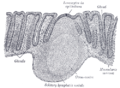 Among the diseases with which anal sex is associated are HIV, human papilloma virus (HPV) (which can increase risk for anal cancer
), or typhoid fever. Among these are: amoebiasis
; chlamydia; cryptosporidiosis
; E. coli infections
; giardiasis
; gonorrhea
; hepatitis A
; hepatitis B; hepatitis C
; herpes simplex
; human papillomavirus
; Kaposi's sarcoma-associated herpesvirus
(HHV-8); lymphogranuloma venereum
; Mycoplasma hominis
; Mycoplasma genitalium
; pubic lice; salmonellosis
; shigella
; syphilis
; tuberculosis
; and Ureaplasma urealyticum
.
The high concentration of white blood cell
s around the rectum, together with the risk of cuts to the rectum and that one of the functions of the rectum is to absorb fluid, increases the risk of HIV transmission because the HIV retrovirus reproduces within the immune system's T-cells/CD4 cells. Use of condom
s and other precautions are a medically recommended way to lessen risk of infections. Unprotected receptive anal sex is the most risky sexual behavior in terms of HIV transmission.
. Most cases of anal cancer are related to infection with the human papilloma virus (HPV). Anal sex alone does not cause anal cancer; the risk of anal cancer through anal sex is attributed to HPV infection, which is often contracted through unprotected anal sex. The incidence of the disease has jumped 160% in men and 78% in women in the last thirty years, according to a 2004 American study. The increase is attributed to changing trends in sexual behavior (such as a history of multiple sex partners, fifteen or more, or receptive anal sex) and smoking
. If a current smoker, there is a fourfold increase in risk, though independent of other behavioral risk factors, such as sexual activity. Receptive anal sex increases the incidence sevenfold. Among the female control group studied, 21.5 percent had reported practicing anal sex, a significant increase from a previous case-control study by epidemiologist
Janet Daling (Ph.D., member of Fred Hutchinson's Public Health Sciences Division
) and her colleagues, published in 1987, in which 11 percent of female controls had reported ever having anal sex. This and other studies also indicate that gay or bisexual sex among men is on the rise, which may account for the increase in anal cancer. "The sharpest increase was among African American men, whose incidence of anal cancer has more than doubled in the past three decades. Black men also had a lower survival rate from the disease." The study reported that the five-year survival rate for black men with early stage disease was 62 percent as compared to 79 percent for white men with localized cancer. However, the survey also reported that black men were more likely than white men to report having had intercourse with another male in the last year. Regarding all the increases, whether or not sexual practices have changed, Daling, concluded, "[I]t also could be that people are just more likely to discuss their sexual behavior these days."
s, rectal prolapse
, and exacerbating hemorrhoid
s. An insufficient amount of lubricant can make it especially painful or injurious. Damage is more likely to occur if intercourse is forcible or aggressive or if alcohol or other drugs have dulled sensitivity.
Loss of control over the bowels, though rare according to some, is thought to be a valid concern and is reported to be caused by repeated injury, or by the insertion of large objects, or simply by regular anal sex, which "leads to internal sphincter dilation and soiling."
A 1993 study published in the Journal of the Royal Society of Medicine found that fourteen out of a sample of forty men receiving anal intercourse experienced episodes of frequent anal incontinence. However, a 1997 study published in the American Journal of Gastroenterology found no difference in levels of incontinence between homosexual men who engaged in anal sex and heterosexual men who did not, and criticized the earlier study for its inclusion of flatulence
in its definition of incontinence.
Dr. Jack Morin recommended kegel exercises to prevent loss of muscle tone from anal fisting
or insertion of large objects in a presentation of clinical aspects of anal sexuality, delivered at the 1998 joint conference of the Society for the Scientific Study of Sexuality
and the American Association of Sex Educators. He added, however, that he had never personally observed "loosening" in any of his patients.
 Historically, a number of cultures have recorded the practice of anal intercourse between men.
" has long been used to refer to the practice, and in modern times, "doing it the Greek way" is sometimes used as slang
for anal sex. However, homosexual anal sex was far from a universally accepted practice in Ancient Greece
. It was the target of jokes in surviving comedies; Aristophanes
mockingly alludes to the practice, claiming that "Most citizens are europroktoi (wide-arsed) now." While pedagogic pederasty
was an essential element in the education of male youths, these relationships, at least in Athens and Sparta, were expected to steer clear of penetrative sex of any kind. There are very few works of pottery or other art that display anal sex between older men and boys, let alone with adult men. Most such works depict fondling or intercrural sex
, which was not condemned for violating and feminizing the boys. Other sources make it clear that the practice was criticized as shameful, and seen as a form of hubris
.
 In later Roman-era Greek poetry, anal sex became a common topos, represented as taking place with "eligible" youths: those who had attained the proper age but had not yet become adults. Seducing children into the practice was considered very shameful for the adult, and having such relations with a male who was no longer adolescent was considered more shameful for the young male than for the one mounting him. Greek courtesans, or hetaera
e, are said to have frequently practiced heterosexual anal intercourse as a means of preventing pregnancy. The acceptability of anal sex thus varied with the time-period and the location, as Ancient Greece spanned a long time and stretched over three continents and two major seas.
For a male citizen to take the passive (or receptive) role in anal intercourse was condemned in Rome as an act of impudicitia (immodesty or unchastity). Free men, however, frequently took the active role with a young slave, known as a catamite
or puer delicatus. In fact the Romans thought of anal sex as something specifically "Greek," although Roman men often availed themselves of their own slaves or others in this way.
In Japan, records (including detailed shunga
) show that at least some men in relationships with other men did engage in penetrative anal intercourse.
Evidence suggestive of widespread heterosexual anal intercourse in a pre-modern culture can be found in the erotic vases, or stirrup-spout pots, made by the Moche
people of Peru; in a survey of a collection of these pots, it was found that 31 percent of them depicted heterosexual anal intercourse, more by far than any other sex act. Moche pottery of this type belonged to the world of the dead, which was believed to be a reversal of life. Thus the reverse of common practices was often portrayed. The Larco Museum
houses an erotic gallery in which this pottery is showcased.
The 19th century anthropologist Richard Francis Burton
theorized that there is a geographical Sotadic zone
wherein penetrative intercourse between men is particularly prevalent and accepted; moreover he was one of the first writers to advance the premise that such an orientation is biologically determined.
since the Middle Ages
when heretical
movements were sometimes attacked by accusations that their members practised anal sex among themselves. At that time the mainstream Christian clergy was not celibate, but the highest orders of some heretical sects were, leading to rumours that their celibacy was a sign of their attraction to members of the same sex. The term buggery
originated in medieval Europe as an insult used to describe the rumoured same-sex sexual practices of the heretics from a sect originating in Bulgaria
, where its followers were called bogomils; when they spread out of the country they were called buggres (from the ethnonym
Bulgars). Another term for the practice, more archaic, is "pedicate" from the Latin pedicare, with the same meaning.
The Renaissance poet Pietro Aretino
advocated the practice in his Sonetti Lussuriosi (Lust Sonnets).
While men who engaged in homosexual relationships were generally suspected of engaging in anal sex, many such individuals did not. Among these, in recent times, have been André Gide
, who found it repulsive; and Noel Coward
, who had a horror of disease, and asserted when young that "I'd never do anything – well the disgusting thing they do – because I know I could get something wrong with me."
, a text considered authoritative by Orthodox Jewish
sects, states “since a man’s wife is permitted to him, he may act with her in any manner whatsoever. He may have intercourse with her whenever he so desires and kiss any organ of her body he wishes, and he may have intercourse with her naturally or unnaturally [traditionally, this refers to anal and oral sex], provided that he does not expend semen to no purpose. Nevertheless, it is an attribute of piety that a man should not act in this matter with levity and that he should sanctify himself at the time of intercourse.”
) or Sodomitica luxuria (sodomitical lusts, in one of Charlemagne's ordinances), or peccatum illud horribile, inter christianos non nominandum (that horrible sin that among Christians is not to be named).
, and this is thought to be a reference to unnatural sex, and so there are hadith
and Islamic laws which prohibit it. Same sex male practitioners of anal relations are called luti or lutiyin in plural and are seen as criminals in the same way that a thief is a criminal, meaning that they are giving in to a universal temptation.
." However, "sexual misconduct" (Sanskrit
: Kāmesu micchācāra literally "sense gratifications arising from the 5 senses"") is subject to interpretation relative to the social norms of the followers. In fact, Buddhism, in its fundamental form, does not define what is right and what is wrong in absolute terms for lay followers
. Therefore the interpretation of what kinds of sexual activity are acceptable for a layman
is not a religious matter as far as Buddhism is concerned.
Buddhism
teaches that sensual enjoyment and desire in general, and sexual pleasure in particular, are hindrances to enlightenment
. Buddhist monk
s and nun
s of most traditions are expected to refrain from all sexual activity and take vows of celibacy; lay people, however, are not expected to refrain from any specific form of sexual activity, and there is no concept of sinfulness attaching to sex.
Penis
The penis is a biological feature of male animals including both vertebrates and invertebrates...
is inserted into the anus
Anus
The anus is an opening at the opposite end of an animal's digestive tract from the mouth. Its function is to control the expulsion of feces, unwanted semi-solid matter produced during digestion, which, depending on the type of animal, may be one or more of: matter which the animal cannot digest,...
of a sexual partner
Sexual partner
Sexual partners are people who engage in sexual activity together. The sexual partners can be of any gender or sexual orientation. The sexual partners may be in a committed relationship, either on an exclusive basis or not, or engage in the sexual activity on a casual basis...
. The term can also include other sexual acts involving the anus, including pegging
Pegging (sexual practice)
Pegging is a sexual practice in which a woman penetrates a man's anus with a strap-on dildo. The neologism "pegging" was popularized when it became the winning entry in a contest in Dan Savage's Savage Love sex advice column, held after an observation was made that there was no common name for the...
, anilingus (anal–oral sex), fingering
Fingering (sexual act)
Fingering is the manual manipulation of the clitoris, vulva, vagina, or anus for the purpose of sexual arousal and stimulation. It may constitute the entire sexual encounter or it may be part of mutual masturbation, foreplay or other sexual activities. To "finger oneself" is to masturbate in this...
, and object insertion
Sex toy
A sex toy is an object or device that is primarily used to facilitate human sexual pleasure. The most popular sex toys are designed to resemble human genitals and may be vibrating or non-vibrating...
.
Common misconception describes anal sex as practiced almost exclusively by gay
Homosexuality
Homosexuality is romantic or sexual attraction or behavior between members of the same sex or gender. As a sexual orientation, homosexuality refers to "an enduring pattern of or disposition to experience sexual, affectional, or romantic attractions" primarily or exclusively to people of the same...
men. This is dispelled by researchers, who state that not all gay males engage in anal sex and that anal sex is not uncommon in heterosexual
Heterosexuality
Heterosexuality is romantic or sexual attraction or behavior between members of the opposite sex or gender. As a sexual orientation, heterosexuality refers to "an enduring pattern of or disposition to experience sexual, affectional, physical or romantic attractions to persons of the opposite sex";...
relationships. Types of anal sex can also be performed as part of lesbian
Lesbian
Lesbian is a term most widely used in the English language to describe sexual and romantic desire between females. The word may be used as a noun, to refer to women who identify themselves or who are characterized by others as having the primary attribute of female homosexuality, or as an...
sexual practices.
Many people find anal sex pleasurable, and some may reach orgasm
Orgasm
Orgasm is the peak of the plateau phase of the sexual response cycle, characterized by an intense sensation of pleasure...
—through stimulation of the prostate
Prostate
The prostate is a compound tubuloalveolar exocrine gland of the male reproductive system in most mammals....
in men, and clitoral
Clitoris
The clitoris is a sexual organ that is present only in female mammals. In humans, the visible button-like portion is located near the anterior junction of the labia minora, above the opening of the urethra and vagina. Unlike the penis, which is homologous to the clitoris, the clitoris does not...
and G-Spot
G-spot
The Gräfenberg Spot, often called the G-Spot, is a bean-shaped area of the vagina. Many women report that it is an erogenous zone which, when stimulated, can lead to strong sexual arousal, powerful orgasms and female ejaculation...
leg stimulation in women. However, many people find it painful as well, sometimes extremely so, which may be psychosomatic in some cases.
As with most forms of sexual interaction, individuals are at risk for contracting sexually transmitted disease
Sexually transmitted disease
Sexually transmitted disease , also known as a sexually transmitted infection or venereal disease , is an illness that has a significant probability of transmission between humans by means of human sexual behavior, including vaginal intercourse, oral sex, and anal sex...
s, and therefore safe-sex
Safe sex
Safe sex is sexual activity engaged in by people who have taken precautions to protect themselves against sexually transmitted diseases such as AIDS. It is also referred to as safer sex or protected sex, while unsafe or unprotected sex is sexual activity engaged in without precautions...
practices are advised. Anal sex is considered a high-risk sexual practice, and unprotected anal sex is the riskiest of all forms of sexual intercourse, due to the vulnerability of the rectum and sphincter tissues. It is also controversial in some religious traditions, often due to prohibitions against homosexual sex acts and/or to teachings about the procreative purpose of sex. However, as attitudes toward sexuality have changed in recent years, many religious groups, especially in Euroamerican Judaism
Judaism
Judaism ) is the "religion, philosophy, and way of life" of the Jewish people...
and Christianity
Christianity
Christianity is a monotheistic religion based on the life and teachings of Jesus as presented in canonical gospels and other New Testament writings...
, have become more accepting of non-procreative sex.
Anatomy and stimulation
Sphincter
A sphincter is an anatomical structure, or a circular muscle, that normally maintains constriction of a natural body passage or orifice and which relaxes as required by normal physiological functioning...
muscles (the most important muscles when engaging in anal sex). The sphincter muscle is a sensitive membrane with many nerve endings and thus the source of pleasure or pain."
In a male receiving partner, being penetrated can produce a pleasurable sensation due to the inserted penis rubbing or brushing against the prostate
Prostate
The prostate is a compound tubuloalveolar exocrine gland of the male reproductive system in most mammals....
(also known as the "male G-Spot", "P-Spot" or "A-Spot") through the anal wall. This can result in pleasurable sensations and can lead to an orgasm
Orgasm
Orgasm is the peak of the plateau phase of the sexual response cycle, characterized by an intense sensation of pleasure...
in some cases. "For some men, prostate stimulation produces an orgasm that they describe as 'deeper,' more global and intense, longer-lasting, and associated with greater feelings of ecstasy than orgasm elicited by penile stimulation only." The prostate is located next to the rectum and is the larger, more developed male homologue
Homology (biology)
Homology forms the basis of organization for comparative biology. In 1843, Richard Owen defined homology as "the same organ in different animals under every variety of form and function". Organs as different as a bat's wing, a seal's flipper, a cat's paw and a human hand have a common underlying...
to the Skene's glands (which are believed to be connected to the female G-Spot
G-spot
The Gräfenberg Spot, often called the G-Spot, is a bean-shaped area of the vagina. Many women report that it is an erogenous zone which, when stimulated, can lead to strong sexual arousal, powerful orgasms and female ejaculation...
).
The Skene's glands are sometimes referred to as the "female prostate"; they are located around the lower end of the urethra
Urethra
In anatomy, the urethra is a tube that connects the urinary bladder to the genitals for the removal of fluids out of the body. In males, the urethra travels through the penis, and carries semen as well as urine...
and can be felt through the wall of the vagina. However, research shows most women achieve orgasm only through clitoral
Clitoris
The clitoris is a sexual organ that is present only in female mammals. In humans, the visible button-like portion is located near the anterior junction of the labia minora, above the opening of the urethra and vagina. Unlike the penis, which is homologous to the clitoris, the clitoris does not...
stimulation. The clitoris surrounds the vagina somewhat like a horseshoe and has over 6,000-8,000 sensory nerve fiber
Nerve fiber
A nerve fiber is a threadlike extension of a nerve cell and consists of an axon and myelin sheath in the nervous system. There are nerve fibers in the central nervous system and peripheral nervous system. A nerve fiber may be myelinated and/or unmyelinated. In the central nervous system , myelin...
s. In addition to nerve endings present within the anus and rectum, women may find anal stimulation pleasurable due to the "legs" of the clitoris which extend along the vaginal lips back to the anus. The Gräfenberg
Ernst Gräfenberg
Ernst Gräfenberg was a German-born physician and scientist...
spot, or G-Spot — a small area behind the female pubic bone surrounding the urethra and accessible through the anterior wall of the vagina — is considered to have legs in relation to the clitoris. Besides the accessibility of clitoral legs, orgasm by stimulation of the clitoris or G-Spot through anal penetration is made possible because only a thin membrane separates the vaginal cavity from the rectal cavity, allowing for indirect stimulation. Only a small percentage of women are able to orgasm from this type of stimulation alone. Direct stimulation of the clitoris, G-Spot, or both, during anal sex can help some women to enjoy the experience and reach orgasm.
In pornography
Pornography
Pornography or porn is the explicit portrayal of sexual subject matter for the purposes of sexual arousal and erotic satisfaction.Pornography may use any of a variety of media, ranging from books, magazines, postcards, photos, sculpture, drawing, painting, animation, sound recording, film, video,...
, anal sex is often presented as routine and painless, but according to Go Ask Alice!
Go Ask Alice!
Go Ask Alice! is a Q&A service provided by Columbia University for both students and the general public with questions or curiosity about health topics. The site has no affiliation with the book Go Ask Alice by Beatrice Sparks....
and other researchers, anal sex occurs "much less frequently" than other sexual behaviors and can be painful if not performed with care. The increase of anal activity among heterosexuals has been linked to the increase in anal pornography, and the association with dominance and taboo
Taboo
A taboo is a strong social prohibition relating to any area of human activity or social custom that is sacred and or forbidden based on moral judgment, religious beliefs and or scientific consensus. Breaking the taboo is usually considered objectionable or abhorrent by society...
make anal sex appealing to people of all sexual orientations. Moreover, the opening of the anus (its sphincter) is usually tighter than a vagina, which can yield greater tactile pleasure for the man via his penis.
While each person's sphincter muscles react to penetration differently, the anal sphincter in general has delicate tissue that can tear, and the rectal mucous membrane
Mucous membrane
The mucous membranes are linings of mostly endodermal origin, covered in epithelium, which are involved in absorption and secretion. They line cavities that are exposed to the external environment and internal organs...
provides insufficient natural lubrication for sexual penetration. Researchers say adequate lubrication
Personal lubricant
Personal lubricants are specialized lubricants to reduce friction between body parts, or between body parts and other objects...
, relaxation, and communication between sexual partners are crucial to avoid pain or damage to the anus. Ensuring that the anal area is clean and the bowel is empty (for both aesthetics and practicality) is also advised.
Male to female
Some men may enjoy being the insertive partner in anal sex because the anal sphincter is usually tighter than a vagina, which can yield greater tactile pleasure for the man via his penis. The attitude of women towards being the receptive partner in this practice is diverse: while some consider it painful or uncomfortable, others find it pleasurable and some even prefer it to vaginal intercourseSexual intercourse
Sexual intercourse, also known as copulation or coitus, commonly refers to the act in which a male's penis enters a female's vagina for the purposes of sexual pleasure or reproduction. The entities may be of opposite sexes, or they may be hermaphroditic, as is the case with snails...
. Unlike the clitoris or anus, "the vaginal walls contain relatively few nerve endings, making intense sexual stimulation, pleasure, and orgasm from vaginal-only penetration unlikely... ...it's generally only the lower third of the vagina that has enough nerve endings to feel any stimulation at all from a penis, finger, toy, or other penetrative object".
In a study of hetero anal sex (8/2010 (n=214)), female participants stated that stimulation to multiple erogenous zones simultaneously (the clitoris, the G-Spot, the anus, or other erogenous zones) enabled the woman to enjoy anal intercourse with much less discomfort compared to anal penetration by itself. When accompanied by one or more of the other stimuli, women who had orgasms during anal sex reported that an orgasm during anal sex was more of a full-body experience than an orgasm from clitoral stimulation alone.
The risk to the woman is greater than the risk to the man during male-to-female anal intercourse. At the same time, this act is held to carry a very low risk of unwanted pregnancy when not accompanied with vaginal intercourse, as anal intercourse cannot lead to pregnancy unless sperm is somehow transported to the vaginal opening in the process; in some populations, this activity is frequently used as a means of contraception, often in the absence of a condom.
The risk of injury to the receptive partner due to anal intercourse is many times higher than that due to vaginal sex. Also, the risk for transmission of HIV is higher for anal sex than for vaginal sex. Experts caution couples engaging in this practice to use protection, such as condoms, to stop the transmission of STDs. Additionally, the man should never move from anal sex immediately to vaginal sex while barebacking or without changing the condom, due to infections that can arise in the vagina by bacteria present within the anus; this also applies to the use of sex toys.
Female virginity
Male-to-female anal sex is often viewed as preserving female virginityVirginity
Virginity refers to the state of a person who has never engaged in sexual intercourse. There are cultural and religious traditions which place special value and significance on this state, especially in the case of unmarried females, associated with notions of personal purity, honor and worth...
because, in addition to being non-procreative, it leaves the hymen
Hymen
The hymen is a membrane that surrounds or partially covers the external vaginal opening. It forms part of the vulva, or external genitalia. The size of the hymenal opening increases with age. Although an often practiced method, it is not possible to confirm with certainty that a girl or woman is a...
intact. Among sexually active heterosexuals, the concept of "technical virginity", which includes oral sex
Oral sex
Oral sex is sexual activity involving the stimulation of the genitalia of a sex partner by the use of the mouth, tongue, teeth or throat. Cunnilingus refers to oral sex performed on females while fellatio refer to oral sex performed on males. Anilingus refers to oral stimulation of a person's anus...
and mutual masturbation, is conceived as resting solely on penile-vaginal penetration. Since the early 1990s, "technical virginity" has been popular among teenagers
Adolescence
Adolescence is a transitional stage of physical and mental human development generally occurring between puberty and legal adulthood , but largely characterized as beginning and ending with the teenage stage...
. (Also see Saddlebacking.)
Prevalence
In 1992, a study conducted by the U.S. Centers for Disease Control and PreventionCenters for Disease Control and Prevention
The Centers for Disease Control and Prevention are a United States federal agency under the Department of Health and Human Services headquartered in Druid Hills, unincorporated DeKalb County, Georgia, in Greater Atlanta...
found that only 26% of men 18 to 59 and 20% of women 18 to 59 had engaged in heterosexual anal sex; a similar 2005 survey (also conducted by the U.S. Centers for Disease Control and Prevention) found a rising incidence of anal sex relations in the American heterosexual population. The survey showed that 40% of men and 35% of women between 25 and 44 had engaged in heterosexual anal sex. In terms of overall numbers of survey respondents, seven times as many women as gay men said that they engaged in anal intercourse, with this figure reflecting the larger heterosexual population size. According to a study from the National Survey of Sexual Health and Behavior
National Survey of Sexual Health and Behavior
The National Survey of Sexual Health and Behavior is a study of human sexual behavior conducted in the United States by the Center for Sexual Health Promotion at Indiana University in Bloomington. Articles based on the study were first released in a supplement to the October, 2010 issue of Journal...
(NSSHB) that was authored by Dr. Debby Herbenick
Debby Herbenick
Debby Herbenick M.P.H., Ph.D. is an American author, blogger, research scientist, sex advice columnist and human sexuality expert in the media....
and other researchers, although anal intercourse is reported by fewer women than other partnered sex behaviors, partnered women in the age groups between 18-49 are significantly more likely to report having anal sex in the past 90 days. As of 2011, this survey provides the most up to date data about anal sex at the population level.
In a 2007 report entitled Prevalence and Correlates of Heterosexual Anal and Oral Sex in Adolescents and Adults in the United States, published in the Journal of Infectious Disease, a national survey of Family Growth found that 34% men and 30% women reported ever participating in heterosexual anal sex. The percentage of participants reporting heterosexual anal sex was significantly higher among 20- to 24-year-olds and peaked among 30- to 34-year-olds. Another survey in, 2008, focused on a much younger demographic of teenagers and young adults, aged 15–21. It found that 16% of 1350 surveyed had had this type of sex in the previous 3 months, with condoms being used 29% of the time. However, given the subject matter, the survey hypothesized the prevalence was probably underestimated.
In 2009, Kimberly R. McBride published a clinical report in The Journal of Sex Research which stated that changing norms may affect the frequency of heterosexual anal sex behaviors and suggests that there is a role for the exotic in the sexual repertoires of some heterosexuals" "[F]or a certain number of heterosexuals, anal intercourse is pleasurable, exciting, and perhaps considered more intimate than vaginal sex...". McBride and her colleagues investigated the prevalence of non-intercourse anal sex behaviors among a sample of men (n=1,299) and women (n=1,919) compared to anal intercourse experience and found that 51% of men and 43% of women had participated in at least one act of oral–anal sex, manual–anal sex, or anal sex toy use. McBride and Janssen found that the majority of men (n=631) and women (n=856) who reported heterosexual anal intercourse in the past 12 months were in exclusive, monogamous relationships: 69% and 73%, respectively.
Figures for prevalence can vary amongst different demographics, regions, and nationalities. A 2001 French survey of five hundred female respondents concluded that a total of 29% had engaged in this practice, with one third of these confirming to have enjoyed the experience. In contrast, in a 1999 South Korean survey of 586 women, 3.5% of respondents reported having had this type of sex.
Figures for the prevalence of sexual behavior can also fluctuate over time. Edward O. Laumann's 1992 survey, reported in The Social Organization of Sexuality: Sexual Practices in the United States, found that about 20% of heterosexuals had engaged in male-to-female anal sex. Sex researcher
Sexology
Sexology is the scientific study of human sexuality, including human sexual interests, behavior, and function. The term does not generally refer to the non-scientific study of sex, such as political analysis or social criticism....
Alfred Kinsey
Alfred Kinsey
Alfred Charles Kinsey was an American biologist and professor of entomology and zoology, who in 1947 founded the Institute for Sex Research at Indiana University, now known as the Kinsey Institute for Research in Sex, Gender, and Reproduction, as well as producing the Kinsey Reports and the Kinsey...
, working in the 1940s, had found that number to be closer to 40% at the time. More recently, a researcher from the University of British Columbia
University of British Columbia
The University of British Columbia is a public research university. UBC’s two main campuses are situated in Vancouver and in Kelowna in the Okanagan Valley...
in 2005 put the number of heterosexuals who have engaged in this practice at between 30% and 50%. According to Columbia University
Columbia University
Columbia University in the City of New York is a private, Ivy League university in Manhattan, New York City. Columbia is the oldest institution of higher learning in the state of New York, the fifth oldest in the United States, and one of the country's nine Colonial Colleges founded before the...
's health website Go Ask Alice!
Go Ask Alice!
Go Ask Alice! is a Q&A service provided by Columbia University for both students and the general public with questions or curiosity about health topics. The site has no affiliation with the book Go Ask Alice by Beatrice Sparks....
: "Studies indicate that about 25 percent of heterosexual couples have had anal sex at least once, and 10 percent regularly have anal penetration."
Female to male (pegging)
Pegging is a sexual practice in which a woman penetrates a man's anus with a strap-on dildo
Strap-on dildo
A strap-on dildo is a dildo designed to be worn, usually with a harness, during sexual activity. Harnesses and dildos are made in a wide variety of styles, with variations in how the harness fits the wearer, how the dildo attaches to the harness, as well as various features intended to facilitate...
. Advice columnist Dan Savage
Dan Savage
Daniel Keenan "Dan" Savage is an American author, media pundit, journalist and newspaper editor. Savage writes the internationally syndicated relationship and sex advice column Savage Love. Its tone is frank in its discussion of sexuality, often humorous, and hostile to social conservatives, as in...
wrote that he believes all men should try pegging at least once, as it may introduce them to a new enjoyable sexual activity and illuminate them to the receiver's perspective in sex. A few instructional movies and books have emerged in recent years, including Bend Over Boyfriend
Bend Over Boyfriend
B-O-B is a "wildly successful" series of sex education videos covering the practice of a woman penetrating a man's anus with a strap-on dildo . The first of the two videos, which was released in 1998, became the best selling video to date for Good Vibrations, a sex-toy business. The video was also...
, produced by Fatale Media, Inc., and directed by Shar Rednour, SIR Video co-founder. As an accomplished author of numerous sex guides and informational books on various sexual taboos, Violet Blue
Violet Blue (author)
Violet Blue is an American writer and sex educator.Blue wrote a weekly sex column for the San Francisco Chronicle. In her podcast, Open Source Sex, she reads erotica and discusses topics such as fetishes and oral sex. She also has a video blog. Blue wrote a feature about porn for women which was...
wrote and released The Adventurous Couple's Guide to Strap-On Sex in 2007.
The National Institutes of Health
National Institutes of Health
The National Institutes of Health are an agency of the United States Department of Health and Human Services and are the primary agency of the United States government responsible for biomedical and health-related research. Its science and engineering counterpart is the National Science Foundation...
(NIH), with information published in the
British Medical Journal
British Medical Journal
BMJ is a partially open-access peer-reviewed medical journal. Originally called the British Medical Journal, the title was officially shortened to BMJ in 1988. The journal is published by the BMJ Group, a wholly owned subsidiary of the British Medical Association...
(BMJ), states that, "There are little published data on how many heterosexual men would like their anus to be sexually stimulated in a heterosexual relationship," but that, "Anecdotally, it is a substantial number. What data we do have almost all relate to penetrative sexual acts, and the superficial contact of the anal ring with fingers or the tongue is even less well documented but may be assumed to be a common sexual activity for men of all sexual orientations."
Male to male
Historically, anal sex has been commonly associated with male homosexualityHomosexuality
Homosexuality is romantic or sexual attraction or behavior between members of the same sex or gender. As a sexual orientation, homosexuality refers to "an enduring pattern of or disposition to experience sexual, affectional, or romantic attractions" primarily or exclusively to people of the same...
. However, many men who have sex with men
Men who have sex with men
Men who have sex with men are male persons who engage in sexual activity with members of the same sex, regardless of how they identify themselves; many men choose not to accept sexual identities of homosexual or bisexual...
do not engage in anal sex. Among men who have anal sex with other men, the insertive partner is called the top and the one being penetrated is called the bottom. Those who enjoy either role are referred to as versatile. Gay men who prefer anal sex may view it as "[their] version of intercourse" and as "the natural apex of sex, a wonderful expression of intimacy, and a great source of pleasure". Psychologist Walt Odets said, "I think that anal sex has for gay men the same emotional significance that vaginal sex has for heterosexuals."
Some men who have sex with men prefer to engage in frot
Frot
Frot is a slang term derived from frottage describing a form of non-penetrative male/male sex that usually but not always involves direct penis-to-penis contact....
or other forms of mutual masturbation because they find it more pleasurable and/or more affectionate, to preserve technical virginity, or as safe sex
Safe sex
Safe sex is sexual activity engaged in by people who have taken precautions to protect themselves against sexually transmitted diseases such as AIDS. It is also referred to as safer sex or protected sex, while unsafe or unprotected sex is sexual activity engaged in without precautions...
alternatives to anal sex, while other frot advocates denounce anal sex as degrading to the receptive partner and unnecessarily risky.
Prevalence
The prevalence of anal sex among homosexual couples in the West has varied over time. Magnus Hirschfeld, in his 1914 work, The Homosexuality of Men and Women, reported the rate of anal sex among homosexual men surveyed to be 8%, the least favored of all the practices documented. Likewise, some scholars state that oral sex and mutual masturbation are more common than anal stimulation among gay men in long-term relationships, and that, in general, anal intercourse is more popular among homosexual male couples than among heterosexual couples, but that "it ranks behind oral sex and mutual masturbation" among both sexual orientations in prevalence.By the 1950s in the United Kingdom, it was thought that about fifteen percent of male homosexuals had anal sex. More recent studies, The Gay Urban Men's Study (P.I. Stall, UCSF) and the Young Men's Study (YMS, PI Osmond/Catania, UCSF), indicate that 50% of the surveyed men who have sex with men engage in anal sex. The 1994 Laumann study suggests that 80% of gay men practice it and 20% never engage in it at all.
The National Institutes of Health
National Institutes of Health
The National Institutes of Health are an agency of the United States Department of Health and Human Services and are the primary agency of the United States government responsible for biomedical and health-related research. Its science and engineering counterpart is the National Science Foundation...
(NIH), with information published in the
British Medical Journal
British Medical Journal
BMJ is a partially open-access peer-reviewed medical journal. Originally called the British Medical Journal, the title was officially shortened to BMJ in 1988. The journal is published by the BMJ Group, a wholly owned subsidiary of the British Medical Association...
(BMJ), states that two thirds of gay men have anal sex. Other sources suggest that roughly three-fourths of gay men have anal sex at one time or another in their lives, with an equal percentage participating as tops and bottoms. A survey in The Advocate
The Advocate
The Advocate is an American LGBT-interest magazine, printed monthly and available by subscription. The Advocate brand also includes a web site. Both magazine and web site have an editorial focus on news, politics, opinion, and arts and entertainment of interest to LGBT people...
in 1994 indicated that 46% of gay men preferred to penetrate their partners, while 43% preferred to be the receptive partner. A survey conducted from 1994 to 1997 in San Francisco by the Stop AIDS Project
STOP AIDS project
Stop AIDS Project is a United States non-profit organization established in 1985 that works to prevent HIV transmission among all gay, bisexual, and trans men in San Francisco, California, through multicultural, community-based organizing...
indicated that over the course of the study, among men who have sex with men, the proportion engaging in anal sex increased from 57.6% to 61.2%.
Pain
Pain during receptive anal sex is formally known as anodyspareunia. One study found that about 12% of gay men find it too painful to pursue, and concluded that the perception of anal sex as painful is just as likely to be psychologically or emotionally based as it is to be physically based. Another study that examined pain during insertive and receptive anal sex in gay men found that 3% of tops (insertive partners) and 16% of bottoms (receptive partners) reported significant pain. Factors predictive of pain during anal sex include inadequate lubricationPersonal lubricant
Personal lubricants are specialized lubricants to reduce friction between body parts, or between body parts and other objects...
, feeling tense or anxious, lack of stimulation, as well as lack of social ease with being gay and being closeted. Research has found that psychological factors can in fact be the primary contributors to the experience of pain during anal intercourse and that adequate communication between sexual partners can prevent it, countering the notion that pain is always inevitable during anal sex.
Female to female
There is less research on anal sexual activity among women who have sex with womenWomen who have sex with women
Women who have sex with women is a term used to identify women who engage in sexual activities with other women, whether or not they identify themselves as lesbian or bisexual...
, as compared to couples of other sexual orientations, but stimulating the anus for sexual pleasure is stated to be a part of many lesbians' sex lives; the anus can be rimmed — the tongue moved around its edge — stroked or penetrated with the fingers
Fingering (sexual act)
Fingering is the manual manipulation of the clitoris, vulva, vagina, or anus for the purpose of sexual arousal and stimulation. It may constitute the entire sexual encounter or it may be part of mutual masturbation, foreplay or other sexual activities. To "finger oneself" is to masturbate in this...
or a dildo
Dildo
A dildo is a sex toy, often explicitly phallic in appearance, intended for bodily penetration during masturbation or sex with partners.- Description and uses :...
. There are lesbians who like anal sex and others "who cannot bear the thought of it." In 1987, a non-scientific study (Munson) was conducted of more than 100 members of a lesbian social organization in Colorado. When asked what techniques and lesbian sexual practices
Lesbian sexual practices
Lesbian sexual practices are sexual activities where the participants are only women. The participants can be lesbian or bisexual women, though some prefer to refer to themselves as women who have sex with women and dispense with sexual identification...
they used in their last ten sexual encounters, 100% reported kissing, sucking on breasts, and manual stimulation of the clitoris; more than 90% reported French kissing, oral sex, and fingers inserted into the vagina; and 80% reported tribadism
Tribadism
Tribadism or tribbing, commonly known by its scissoring position, is a form of non-penetrative sex in which a woman rubs her vulva against her partner's body for sexual stimulation. This may involve female-to-female genital contact or a female rubbing her vulva against her partner's thigh, stomach,...
. Lesbians in their 30s were twice as likely as other age groups to engage in anal stimulation (with a finger or dildo).
While author Tom Boellstorff, when particularly examining anal sex among gay and lesbian individuals in Indonesia
Indonesia
Indonesia , officially the Republic of Indonesia , is a country in Southeast Asia and Oceania. Indonesia is an archipelago comprising approximately 13,000 islands. It has 33 provinces with over 238 million people, and is the world's fourth most populous country. Indonesia is a republic, with an...
, stated that he has not heard of oral-anal contact or anal penetration as recognized forms of lesbian sexuality but assume they take place, author Felice Newman
Felice Newman
Felice Newman is an American somatic coach, sex educator, and author. Newman is one of the founders of Cleis Press, the publisher of more than 200 books that survey the contemporary American sexual landscape...
cites anal sex as a part of lesbian sexual practices in her book The Whole Lesbian Sex Book
The Whole Lesbian Sex Book: A Passionate Guide for All of Us
The Whole Lesbian Sex Book: A Passionate Guide for All of Us is a book by Felice Newman.In an episode of the cable TV show The L Word, it was given as a gift by somebody involved in a lesbian affair with the recipient, who suggested that they try everything in the book.- Controversy :Two teenage...
. Daniel Villarreal of Queerty.com suggests that lesbians are better equipped to "teach heterosexual women" about anal sex than gay men are. "Firstly, they're women and anal sex feels different for women. Women lack that Giggity-spot called the prostate, so anal-loving [lesbians] know much more how anal sex feels as a woman than gay men ever could," he stated. "Most importantly though, women respond better to women. Ladies can approach the issue by discussing trust, communication, sobriety, HPV
Human papillomavirus
Human papillomavirus is a member of the papillomavirus family of viruses that is capable of infecting humans. Like all papillomaviruses, HPVs establish productive infections only in keratinocytes of the skin or mucous membranes...
-prevention, and knowing your own body."
General
Anal sex exposes participants to two principal dangers: infections, due to the high number of infectious microorganisms not found elsewhere on the body, and physical damage to the anus and the rectum due to their vulnerability. It is generally understood that penetration can be painful. Frequent anal sex is associated with hemorrhoids, anal prolapse, leakage, ano-rectal pain and ulcers and fissures.Experts say that as social mores ease, more young heterosexuals are engaging in anal sex, a behavior once rarely mentioned in polite circles. And the experimentation, they worry, may be linked to the current increase in sexually transmitted diseases.
Anal sex carries with it a much greater risk of passing on sexually transmitted diseases than vaginal sex, as the anal sphincter is delicate tissue and the chances of a small tear occurring are much higher, which also provides more opportunity for diseases. Condoms offer protection, but condoms are more likely to break or come off during anal sex, so this form of sex is riskier unless both parties are absolutely disease free. Judy Kuriansky, a Columbia University
Columbia University
Columbia University in the City of New York is a private, Ivy League university in Manhattan, New York City. Columbia is the oldest institution of higher learning in the state of New York, the fifth oldest in the United States, and one of the country's nine Colonial Colleges founded before the...
professor and author, stated, "It really is shocking how many myths young people have about anal sex. They don't think you can get a disease from it because you're not having [vaginal] intercourse." Anal sex without the use of a condom is often referred to as barebacking.
HIV/AIDS and other infectious diseases
Anal cancer
Anal cancer is a type of cancer which arises from the anus, the distal orifice of the gastrointestinal tract. It is a distinct entity from the more common colorectal cancer. The etiology, risk factors, clinical progression, staging, and treatment are all different. Anal cancer is typically a...
), or typhoid fever. Among these are: amoebiasis
Amoebiasis
Entamebiasis is a term for the infection more commonly known as amoebiasis.It became the preferred term in MeSH in 1991, but the term amoebiasis is used by the World Health Organization and by those working in the field of amoebiasis research....
; chlamydia; cryptosporidiosis
Cryptosporidiosis
Cryptosporidiosis, also known as crypto, is a parasitic disease caused by Cryptosporidium, a protozoan parasite in the phylum Apicomplexa. It affects the intestines of mammals and is typically an acute short-term infection...
; E. coli infections
Escherichia coli
Escherichia coli is a Gram-negative, rod-shaped bacterium that is commonly found in the lower intestine of warm-blooded organisms . Most E. coli strains are harmless, but some serotypes can cause serious food poisoning in humans, and are occasionally responsible for product recalls...
; giardiasis
Giardiasis
Giardiasis or beaver fever in humans is a diarrheal infection of the small intestine by a single-celled organism Giardia lamblia. Giardiasis occurs worldwide with a prevalence of 20–30% in developing countries. In the U.S., 20,000 cases are reported to the CDC annually, but the true annual...
; gonorrhea
Gonorrhea
Gonorrhea is a common sexually transmitted infection caused by the bacterium Neisseria gonorrhoeae. The usual symptoms in men are burning with urination and penile discharge. Women, on the other hand, are asymptomatic half the time or have vaginal discharge and pelvic pain...
; hepatitis A
Hepatitis A
Hepatitis A is an acute infectious disease of the liver caused by the hepatitis A virus , an RNA virus, usually spread the fecal-oral route; transmitted person-to-person by ingestion of contaminated food or water or through direct contact with an infectious person...
; hepatitis B; hepatitis C
Hepatitis C
Hepatitis C is an infectious disease primarily affecting the liver, caused by the hepatitis C virus . The infection is often asymptomatic, but chronic infection can lead to scarring of the liver and ultimately to cirrhosis, which is generally apparent after many years...
; herpes simplex
Herpes simplex
Herpes simplex is a viral disease caused by both Herpes simplex virus type 1 and type 2 . Infection with the herpes virus is categorized into one of several distinct disorders based on the site of infection. Oral herpes, the visible symptoms of which are colloquially called cold sores or fever...
; human papillomavirus
Human papillomavirus
Human papillomavirus is a member of the papillomavirus family of viruses that is capable of infecting humans. Like all papillomaviruses, HPVs establish productive infections only in keratinocytes of the skin or mucous membranes...
; Kaposi's sarcoma-associated herpesvirus
Kaposi's sarcoma-associated herpesvirus
Kaposi's sarcoma-associated herpesvirus is one of seven currently known human cancer viruses, or oncoviruses. It is also the eighth human herpesvirus; its formal name according to the International Committee on Taxonomy of Viruses is HHV-8. Like other herpesviruses, its informal name is used...
(HHV-8); lymphogranuloma venereum
Lymphogranuloma venereum
Lymphogranuloma venereum is a sexually transmitted disease caused by the invasive serovars L1, L2, L2a or L3 of Chlamydia trachomatis....
; Mycoplasma hominis
Mycoplasma hominis
Mycoplasma hominis is a strain of bacteria present in the vagina. It may or may not belong to the normal vaginal flora. It is also believed to be a cause of pelvic inflammatory disease. If so, it would be only one of many known causes....
; Mycoplasma genitalium
Mycoplasma genitalium
Mycoplasma genitalium is a small parasitic bacterium that lives on the ciliated epithelial cells of the primate genital and respiratory tracts. M. genitalium is the smallest known genome that can constitute a cell, and the second-smallest bacterium after the recently-discovered endosymbiont...
; pubic lice; salmonellosis
Salmonellosis
Salmonellosis is an infection with Salmonella bacteria. Most people infected with Salmonella develop diarrhea, fever, vomiting, and abdominal cramps 12 to 72 hours after infection. In most cases, the illness lasts four to seven days, and most people recover without treatment...
; shigella
Shigella
Shigella is a genus of Gram-negative, nonspore forming, non-motile, rod-shaped bacteria closely related to Escherichia coli and Salmonella. The causative agent of human shigellosis, Shigella causes disease in primates, but not in other mammals. It is only naturally found in humans and apes. During...
; syphilis
Syphilis
Syphilis is a sexually transmitted infection caused by the spirochete bacterium Treponema pallidum subspecies pallidum. The primary route of transmission is through sexual contact; however, it may also be transmitted from mother to fetus during pregnancy or at birth, resulting in congenital syphilis...
; tuberculosis
Tuberculosis
Tuberculosis, MTB, or TB is a common, and in many cases lethal, infectious disease caused by various strains of mycobacteria, usually Mycobacterium tuberculosis. Tuberculosis usually attacks the lungs but can also affect other parts of the body...
; and Ureaplasma urealyticum
Ureaplasma urealyticum
Ureaplasma urealyticum is a bacterium belonging to the family Mycoplasmataceae. Its type strain is T960.-Clinical significance:U. urealyticum is part of the normal genital flora of both men and women...
.
The high concentration of white blood cell
White blood cell
White blood cells, or leukocytes , are cells of the immune system involved in defending the body against both infectious disease and foreign materials. Five different and diverse types of leukocytes exist, but they are all produced and derived from a multipotent cell in the bone marrow known as a...
s around the rectum, together with the risk of cuts to the rectum and that one of the functions of the rectum is to absorb fluid, increases the risk of HIV transmission because the HIV retrovirus reproduces within the immune system's T-cells/CD4 cells. Use of condom
Condom
A condom is a barrier device most commonly used during sexual intercourse to reduce the probability of pregnancy and spreading sexually transmitted diseases . It is put on a man's erect penis and physically blocks ejaculated semen from entering the body of a sexual partner...
s and other precautions are a medically recommended way to lessen risk of infections. Unprotected receptive anal sex is the most risky sexual behavior in terms of HIV transmission.
Increased risk of anal cancer
Anal cancer is relatively rare, accounting for about 1 percent of gastrointestinal malignancies, but as many as 4,000 new cases can be diagnosed within a year in the United States, according to the American Cancer SocietyAmerican Cancer Society
The American Cancer Society is the "nationwide community-based voluntary health organization" dedicated, in their own words, "to eliminating cancer as a major health problem by preventing cancer, saving lives, and diminishing suffering from cancer, through research, education, advocacy, and...
. Most cases of anal cancer are related to infection with the human papilloma virus (HPV). Anal sex alone does not cause anal cancer; the risk of anal cancer through anal sex is attributed to HPV infection, which is often contracted through unprotected anal sex. The incidence of the disease has jumped 160% in men and 78% in women in the last thirty years, according to a 2004 American study. The increase is attributed to changing trends in sexual behavior (such as a history of multiple sex partners, fifteen or more, or receptive anal sex) and smoking
Smoking
Smoking is a practice in which a substance, most commonly tobacco or cannabis, is burned and the smoke is tasted or inhaled. This is primarily practised as a route of administration for recreational drug use, as combustion releases the active substances in drugs such as nicotine and makes them...
. If a current smoker, there is a fourfold increase in risk, though independent of other behavioral risk factors, such as sexual activity. Receptive anal sex increases the incidence sevenfold. Among the female control group studied, 21.5 percent had reported practicing anal sex, a significant increase from a previous case-control study by epidemiologist
Epidemiology
Epidemiology is the study of health-event, health-characteristic, or health-determinant patterns in a population. It is the cornerstone method of public health research, and helps inform policy decisions and evidence-based medicine by identifying risk factors for disease and targets for preventive...
Janet Daling (Ph.D., member of Fred Hutchinson's Public Health Sciences Division
Fred Hutchinson Cancer Research Center
The Fred Hutchinson Cancer Research Center, is one of the world’s leading cancer research institutes...
) and her colleagues, published in 1987, in which 11 percent of female controls had reported ever having anal sex. This and other studies also indicate that gay or bisexual sex among men is on the rise, which may account for the increase in anal cancer. "The sharpest increase was among African American men, whose incidence of anal cancer has more than doubled in the past three decades. Black men also had a lower survival rate from the disease." The study reported that the five-year survival rate for black men with early stage disease was 62 percent as compared to 79 percent for white men with localized cancer. However, the survey also reported that black men were more likely than white men to report having had intercourse with another male in the last year. Regarding all the increases, whether or not sexual practices have changed, Daling, concluded, "[I]t also could be that people are just more likely to discuss their sexual behavior these days."
Physical damage
Physical damage to the rectum and anus can manifest as generalized ano-rectal trauma, anal fissureAnal fissure
An anal fissure is a break or tear in the skin of the anal canal. Anal fissures may be noticed by bright red anal bleeding on the toilet paper, sometimes in the toilet. If acute they may cause severe periodic pain after defecation but with chronic fissures pain intensity is often less...
s, rectal prolapse
Rectal prolapse
Rectal prolapse normally describes a medical condition wherein the walls of the rectum protrude through the anus and hence become visible outside the body.-Types:There are three chief conditions which come under the title rectal prolapse:...
, and exacerbating hemorrhoid
Hemorrhoid
Hemorrhoids or haemorrhoids , are vascular structures in the anal canal which help with stool control. They become pathological or piles when swollen or inflamed. In their physiological state they act as a cushion composed of arterio-venous channels and connective tissue that aid the passage of...
s. An insufficient amount of lubricant can make it especially painful or injurious. Damage is more likely to occur if intercourse is forcible or aggressive or if alcohol or other drugs have dulled sensitivity.
Loss of control over the bowels, though rare according to some, is thought to be a valid concern and is reported to be caused by repeated injury, or by the insertion of large objects, or simply by regular anal sex, which "leads to internal sphincter dilation and soiling."
A 1993 study published in the Journal of the Royal Society of Medicine found that fourteen out of a sample of forty men receiving anal intercourse experienced episodes of frequent anal incontinence. However, a 1997 study published in the American Journal of Gastroenterology found no difference in levels of incontinence between homosexual men who engaged in anal sex and heterosexual men who did not, and criticized the earlier study for its inclusion of flatulence
Flatulence
Flatulence is the expulsion through the rectum of a mixture of gases that are byproducts of the digestion process of mammals and other animals. The medical term for the mixture of gases is flatus, informally known as a fart, or simply gas...
in its definition of incontinence.
Dr. Jack Morin recommended kegel exercises to prevent loss of muscle tone from anal fisting
Fisting
Fisting is a sexual activity that involves inserting a hand into the vagina or rectum. Once insertion is complete, the fingers either naturally clench into a fist or remain straight. In more vigorous forms of fisting, such as "punching", a fully clenched fist may be inserted and withdrawn slowly...
or insertion of large objects in a presentation of clinical aspects of anal sexuality, delivered at the 1998 joint conference of the Society for the Scientific Study of Sexuality
Society for the Scientific Study of Sexuality
The Society for the Scientific Study of Sexuality , formed in 1957, is a non-profit, professional membership organization that says it is "the oldest professional society dedicated to the advancement of knowledge about sexuality." It reports to have more than 1,000 members and has a quarterly...
and the American Association of Sex Educators. He added, however, that he had never personally observed "loosening" in any of his patients.
Cultural issues
Ancient and non-Western cultures
The term "Greek loveGreek love
In the history of sexuality, Greek love is a concept of homoeroticism within the classical tradition. It is one of the "classically inspired erotic imaginings" by means of which later cultures have articulated their own discourse about homosexuality...
" has long been used to refer to the practice, and in modern times, "doing it the Greek way" is sometimes used as slang
Slang
Slang is the use of informal words and expressions that are not considered standard in the speaker's language or dialect but are considered more acceptable when used socially. Slang is often to be found in areas of the lexicon that refer to things considered taboo...
for anal sex. However, homosexual anal sex was far from a universally accepted practice in Ancient Greece
Ancient Greece
Ancient Greece is a civilization belonging to a period of Greek history that lasted from the Archaic period of the 8th to 6th centuries BC to the end of antiquity. Immediately following this period was the beginning of the Early Middle Ages and the Byzantine era. Included in Ancient Greece is the...
. It was the target of jokes in surviving comedies; Aristophanes
Aristophanes
Aristophanes , son of Philippus, of the deme Cydathenaus, was a comic playwright of ancient Athens. Eleven of his forty plays survive virtually complete...
mockingly alludes to the practice, claiming that "Most citizens are europroktoi (wide-arsed) now." While pedagogic pederasty
Pederasty in ancient Greece
Pederasty in ancient Greece was a socially acknowledged relationship between an adult and a younger male usually in his teens. It was characteristic of the Archaic and Classical periods...
was an essential element in the education of male youths, these relationships, at least in Athens and Sparta, were expected to steer clear of penetrative sex of any kind. There are very few works of pottery or other art that display anal sex between older men and boys, let alone with adult men. Most such works depict fondling or intercrural sex
Intercrural sex
Intercrural sex , also known as femoral/interfemoral sex/intercourse, is a type of non-penetrative sex, in which a male places his penis between his partner's thighs , and thrusts to create friction.-Heterosexuality:The sex education and sexual experimentation of adolescents may feature intercrural...
, which was not condemned for violating and feminizing the boys. Other sources make it clear that the practice was criticized as shameful, and seen as a form of hubris
Hubris
Hubris , also hybris, means extreme haughtiness, pride or arrogance. Hubris often indicates a loss of contact with reality and an overestimation of one's own competence or capabilities, especially when the person exhibiting it is in a position of power....
.
Hetaera
In ancient Greece, hetaerae were courtesans, that is to say, highly educated, sophisticated companions...
e, are said to have frequently practiced heterosexual anal intercourse as a means of preventing pregnancy. The acceptability of anal sex thus varied with the time-period and the location, as Ancient Greece spanned a long time and stretched over three continents and two major seas.
For a male citizen to take the passive (or receptive) role in anal intercourse was condemned in Rome as an act of impudicitia (immodesty or unchastity). Free men, however, frequently took the active role with a young slave, known as a catamite
Catamite
A catamite was a handsome youth kept as a sexual companion in ancient Rome, usually in a pederastic relationship. The word derives from the proper noun Catamitus, the Latinized form of Ganymede, the beautiful Trojan youth abducted by Zeus to be his companion and cupbearer...
or puer delicatus. In fact the Romans thought of anal sex as something specifically "Greek," although Roman men often availed themselves of their own slaves or others in this way.
In Japan, records (including detailed shunga
Shunga
' is a Japanese term for erotic art. Most shunga are a type of ukiyo-e, usually executed in woodblock print format. While rare, there are extant erotic painted handscrolls which predate the Ukiyo-e movement...
) show that at least some men in relationships with other men did engage in penetrative anal intercourse.
Evidence suggestive of widespread heterosexual anal intercourse in a pre-modern culture can be found in the erotic vases, or stirrup-spout pots, made by the Moche
Moche
'The Moche civilization flourished in northern Peru from about 100 AD to 800 AD, during the Regional Development Epoch. While this issue is the subject of some debate, many scholars contend that the Moche were not politically organized as a monolithic empire or state...
people of Peru; in a survey of a collection of these pots, it was found that 31 percent of them depicted heterosexual anal intercourse, more by far than any other sex act. Moche pottery of this type belonged to the world of the dead, which was believed to be a reversal of life. Thus the reverse of common practices was often portrayed. The Larco Museum
Larco Museum
The Larco Museum is a privately owned museum of pre-Columbian art, located in the Pueblo Libre District of Lima, Peru. The museum is housed in an 18th century vice-royal mansion built over a 7th century pre-Columbian pyramid. It showcases chronological galleries that provide a thorough overview of...
houses an erotic gallery in which this pottery is showcased.
The 19th century anthropologist Richard Francis Burton
Richard Francis Burton
Captain Sir Richard Francis Burton KCMG FRGS was a British geographer, explorer, translator, writer, soldier, orientalist, cartographer, ethnologist, spy, linguist, poet, fencer and diplomat. He was known for his travels and explorations within Asia, Africa and the Americas as well as his...
theorized that there is a geographical Sotadic zone
Sotadic zone
The existence of a Sotadic zone was a hypothesis of Richard Francis Burton. It asserted that there existed a geographic zone in which homosexuality was particularly prevalent and tolerated....
wherein penetrative intercourse between men is particularly prevalent and accepted; moreover he was one of the first writers to advance the premise that such an orientation is biologically determined.
Western cultures
In many Western countries, anal sex has generally been tabooTaboo
A taboo is a strong social prohibition relating to any area of human activity or social custom that is sacred and or forbidden based on moral judgment, religious beliefs and or scientific consensus. Breaking the taboo is usually considered objectionable or abhorrent by society...
since the Middle Ages
Middle Ages
The Middle Ages is a periodization of European history from the 5th century to the 15th century. The Middle Ages follows the fall of the Western Roman Empire in 476 and precedes the Early Modern Era. It is the middle period of a three-period division of Western history: Classic, Medieval and Modern...
when heretical
Christian heresy
Christian heresy refers to non-orthodox practices and beliefs that were deemed to be heretical by one or more of the Christian churches. In Western Christianity, the term "heresy" most commonly refers to those beliefs which were declared to be anathema by the Catholic Church prior to the schism of...
movements were sometimes attacked by accusations that their members practised anal sex among themselves. At that time the mainstream Christian clergy was not celibate, but the highest orders of some heretical sects were, leading to rumours that their celibacy was a sign of their attraction to members of the same sex. The term buggery
Buggery
The British English term buggery is very close in meaning to the term sodomy, and is often used interchangeably in law and popular speech. It may be, also, a specific common law offence, encompassing both sodomy and bestiality.-In law:...
originated in medieval Europe as an insult used to describe the rumoured same-sex sexual practices of the heretics from a sect originating in Bulgaria
Bulgaria
Bulgaria , officially the Republic of Bulgaria , is a parliamentary democracy within a unitary constitutional republic in Southeast Europe. The country borders Romania to the north, Serbia and Macedonia to the west, Greece and Turkey to the south, as well as the Black Sea to the east...
, where its followers were called bogomils; when they spread out of the country they were called buggres (from the ethnonym
Ethnonym
An ethnonym is the name applied to a given ethnic group. Ethnonyms can be divided into two categories: exonyms and autonyms or endonyms .As an example, the ethnonym for...
Bulgars). Another term for the practice, more archaic, is "pedicate" from the Latin pedicare, with the same meaning.
The Renaissance poet Pietro Aretino
Pietro Aretino
Pietro Aretino was an Italian author, playwright, poet and satirist who wielded immense influence on contemporary art and politics and invented modern literate pornography.- Life :...
advocated the practice in his Sonetti Lussuriosi (Lust Sonnets).
While men who engaged in homosexual relationships were generally suspected of engaging in anal sex, many such individuals did not. Among these, in recent times, have been André Gide
André Gide
André Paul Guillaume Gide was a French author and winner of the Nobel Prize in literature in 1947. Gide's career ranged from its beginnings in the symbolist movement, to the advent of anticolonialism between the two World Wars.Known for his fiction as well as his autobiographical works, Gide...
, who found it repulsive; and Noel Coward
Noël Coward
Sir Noël Peirce Coward was an English playwright, composer, director, actor and singer, known for his wit, flamboyance, and what Time magazine called "a sense of personal style, a combination of cheek and chic, pose and poise".Born in Teddington, a suburb of London, Coward attended a dance academy...
, who had a horror of disease, and asserted when young that "I'd never do anything – well the disgusting thing they do – because I know I could get something wrong with me."
In religion
Judaism
The Mishneh TorahMishneh Torah
The Mishneh Torah subtitled Sefer Yad ha-Hazaka is a code of Jewish religious law authored by Maimonides , one of history's foremost rabbis...
, a text considered authoritative by Orthodox Jewish
Orthodox Judaism
Orthodox Judaism , is the approach to Judaism which adheres to the traditional interpretation and application of the laws and ethics of the Torah as legislated in the Talmudic texts by the Sanhedrin and subsequently developed and applied by the later authorities known as the Gaonim, Rishonim, and...
sects, states “since a man’s wife is permitted to him, he may act with her in any manner whatsoever. He may have intercourse with her whenever he so desires and kiss any organ of her body he wishes, and he may have intercourse with her naturally or unnaturally [traditionally, this refers to anal and oral sex], provided that he does not expend semen to no purpose. Nevertheless, it is an attribute of piety that a man should not act in this matter with levity and that he should sanctify himself at the time of intercourse.”
Christianity
In Christian countries, anal sex is sometimes referred to euphemistically as the peccatum contra naturam (the sin against nature, after Thomas AquinasThomas Aquinas
Thomas Aquinas, O.P. , also Thomas of Aquin or Aquino, was an Italian Dominican priest of the Catholic Church, and an immensely influential philosopher and theologian in the tradition of scholasticism, known as Doctor Angelicus, Doctor Communis, or Doctor Universalis...
) or Sodomitica luxuria (sodomitical lusts, in one of Charlemagne's ordinances), or peccatum illud horribile, inter christianos non nominandum (that horrible sin that among Christians is not to be named).
Islam
Liwat, or the sin of Lot's people, is officially prohibited by most Islamic sects. There are parts of the Qur'an which talk about smiting on Sodom and GomorrahSodom and Gomorrah
Sodom and Gomorrah were cities mentioned in the Book of Genesis and later expounded upon throughout the Hebrew Bible, the New Testament and Deuterocanonical sources....
, and this is thought to be a reference to unnatural sex, and so there are hadith
Hadith
The term Hadīth is used to denote a saying or an act or tacit approval or criticism ascribed either validly or invalidly to the Islamic prophet Muhammad....
and Islamic laws which prohibit it. Same sex male practitioners of anal relations are called luti or lutiyin in plural and are seen as criminals in the same way that a thief is a criminal, meaning that they are giving in to a universal temptation.
Buddhism
The most common formulation of Buddhist ethics is the Five Precepts. These precepts take the form of voluntary, personal undertakings, not divine mandate or instruction. The third of the Precepts is "To refrain from committing sexual misconductSexual misconduct
Sexual misconduct is misconduct of a sexual nature. The term may be used to condemn an act, but in some jurisdictions it has also a legal meaning....
." However, "sexual misconduct" (Sanskrit
Sanskrit
Sanskrit , is a historical Indo-Aryan language and the primary liturgical language of Hinduism, Jainism and Buddhism.Buddhism: besides Pali, see Buddhist Hybrid Sanskrit Today, it is listed as one of the 22 scheduled languages of India and is an official language of the state of Uttarakhand...
: Kāmesu micchācāra literally "sense gratifications arising from the 5 senses"") is subject to interpretation relative to the social norms of the followers. In fact, Buddhism, in its fundamental form, does not define what is right and what is wrong in absolute terms for lay followers
Laity
In religious organizations, the laity comprises all people who are not in the clergy. A person who is a member of a religious order who is not ordained legitimate clergy is considered as a member of the laity, even though they are members of a religious order .In the past in Christian cultures, the...
. Therefore the interpretation of what kinds of sexual activity are acceptable for a layman
Layman
A layperson or layman is a person who is not an expert in a given field of knowledge. The term originally meant a member of the laity, i.e. a non-clergymen, but over the centuries shifted in definition....
is not a religious matter as far as Buddhism is concerned.
Buddhism
Buddhism
Buddhism is a religion and philosophy encompassing a variety of traditions, beliefs and practices, largely based on teachings attributed to Siddhartha Gautama, commonly known as the Buddha . The Buddha lived and taught in the northeastern Indian subcontinent some time between the 6th and 4th...
teaches that sensual enjoyment and desire in general, and sexual pleasure in particular, are hindrances to enlightenment
Bodhi
Bodhi is both a Pāli and Sanskrit word traditionally translated into English with the word "enlightenment", but which means awakened. In Buddhism it is the knowledge possessed by a Buddha into the nature of things...
. Buddhist monk
Monk
A monk is a person who practices religious asceticism, living either alone or with any number of monks, while always maintaining some degree of physical separation from those not sharing the same purpose...
s and nun
Nun
A nun is a woman who has taken vows committing her to live a spiritual life. She may be an ascetic who voluntarily chooses to leave mainstream society and live her life in prayer and contemplation in a monastery or convent...
s of most traditions are expected to refrain from all sexual activity and take vows of celibacy; lay people, however, are not expected to refrain from any specific form of sexual activity, and there is no concept of sinfulness attaching to sex.
See also
- Anal beadsAnal beadsAnal beads are a sex toy consisting of multiple spheres or balls attached together in series which are continuously inserted through the anus into the rectum and then removed with varying speeds depending on the effect desired...
- Anal masturbationAnal masturbationAnal masturbation is manual erotic stimulation focusing on the anus and rectum. For humans, common methods of anal masturbation include manual stimulation of the anal opening and the insertion of an object or objects such as fingers, feet, fists, phallic shaped items, water play, or sex toys such...
- Ass to mouthAss to mouthAss to mouth is a colloquial term used in pornographic movies. It refers to the withdrawal of a man's penis from the receptive partner's anus followed by the immediate insertion of the penis into the receptive partner's or another partner's mouth....
, (ATM or A2M) - Butt plugButt plugA butt plug is a sex toy designed to be inserted in the anus and rectum for sexual pleasure. In some ways, they are similar to a dildo, but they tend to be shorter, and must have a flanged end to prevent the device from being lost inside the rectum.- Basics :...
- CoprophiliaCoprophiliaCoprophilia , also called scatophilia or scat, is the paraphilia involving sexual pleasure from feces...
- Creampie (sexual act)Creampie (sexual act)Creampie, also known as internal ejaculation, internal cum shot and, in gay contexts, as breeding, is a term used in pornography to describe when a male ejaculates inside his partner's anus or vagina. The term also refers to the visible seeping or dripping of semen from the vagina...
- Erogenous zoneErogenous zoneAn erogenous zone is an area of the human body that has heightened sensitivity, the stimulation of which may result in the production of erotic sensations or sexual excitement.People have erogenous zones all over their bodies, but which areas are more sensitive than others vary...
- FelchingFelchingFelching is a sexual practice involving the act of sucking semen out of the vagina or anus of one's partner after sex.-Earliest appearance of the term:...
- KlismaphiliaKlismaphiliaThe term Klismaphilia refers to the receiving of sexual arousal from introducing liquids into the rectum and colon via the anus. This paraphilia often involves the use of enemas. The term klismaphilia was coined in 1973 by Dr...
- List of anal sex positions
- Sodomy lawSodomy lawA sodomy law is a law that defines certain sexual acts as crimes. The precise sexual acts meant by the term sodomy are rarely spelled out in the law, but are typically understood by courts to include any sexual act deemed unnatural. It also has a range of similar euphemisms...
Further reading
- Bentley, Toni The Surrender: An Erotic Memoir, Regan Books, 2004.
- Brent, Bill Ultimate Guide to Anal Sex for Men, Cleis Press, 2002.
- DeCitore, David Arouse Her Anal Ecstasy (2008) ISBN 978-0-615-39914-0
- Hite, Shere The Hite Report on Male Sexuality
- Houser, Ward Anal Sex. Encyclopedia of Homosexuality Dynes, Wayne R. (ed.), Garland Publishing, 1990. pp. 48–50.
- Manning, Lee The Illustrated Book Of Anal Sex, Erotic Print Society, 2003. ISBN 978-1-898998-59-4
- Morin, Jack Anal Pleasure & Health: A Guide for Men and Women, Down There Press, 1998. ISBN 978-0-940208-20-9
- Sanderson, Terry The Gay Man's Kama Sutra, Thomas Dunne Books, 2004.
- Strong, Bill with Lori E. Gammon Anal Sex for Couples: A Guaranteed Guide for Painless Pleasure Triad Press, Inc.; First edition, 2006. ISBN 978-0-9650716-2-8
- Tristan TaorminoTristan TaorminoTristan Taormino is a feminist author, columnist, sex educator, activist, editor, speaker, and pornographic film director . She graduated Phi Beta Kappa with her Bachelor's degree in American Studies from Wesleyan University in 1993...
The Ultimate Guide to Anal Sex for WomenThe Ultimate Guide to Anal Sex for WomenThe Ultimate Guide to Anal Sex for Women is a book authored by Tristan Taormino. The first edition of the book came out in 1997, and the second edition was released in 2006....
, Cleis Press, 1997, 2006. ISBN 978-1-57344-028-8 - Underwood, Steven G. Gay Men and Anal Eroticism: Tops, Bottoms, and Versatiles, Harrington Park Press, 2003
- Webb, Charlotte Masterclass: Anal Sex, Erotic Print Society, 2007.
External links
- Anal Intercourse and Analingus – from alt.sex FAQ
- William Saletan. The Riddle of the Sphincter: Why do women who have anal sex get more orgasms? Slate, October 11, 2010.