

Escherichia coli

Encyclopedia
Escherichia coli is a Gram-negative
, rod-shaped
bacterium that is commonly found in the lower intestine
of warm-blooded
organisms (endotherms). Most E. coli strain
s are harmless, but some serotype
s can cause serious food poisoning
in human
s, and are occasionally responsible for product recall
s. The harmless strains are part of the normal flora of the gut
, and can benefit their hosts by producing vitamin K
2, and by preventing the establishment of pathogen
ic bacteria within the intestine.
E. coli and related bacteria constitute about 0.1% of gut flora
, and fecal-oral transmission is the major route through which pathogenic strains of the bacterium cause disease. Cells are able to survive outside the body for a limited amount of time, which makes them ideal indicator organism
s to test environmental samples for fecal contamination
. The bacterium can also be grown easily and inexpensively in a laboratory setting, and has been intensively investigated for over 60 years. E. coli is the most widely studied prokaryotic
model organism
, and an important species in the fields of biotechnology
and microbiology
, where it has served as the host organism for the majority of work with recombinant DNA
.
and Salmonella
diverged around 102 million years ago (credibility interval: 57–176 mya), which coincides with the divergence of their hosts: the former being found in mammals and the latter in birds and reptiles. This was followed by a split of the escherichian ancestor into five species (E. albertii, E. coli, E. fergusonii, E. hermannii and E. vulneris. The last E. coli ancestor split between 20 and 30 mya.
In 1885, Theodor Escherich
, a German pediatrician, first discovered this species in the feces of healthy individuals and called it Bacterium coli commune due to the fact it is found in the colon and early classifications of Prokaryotes placed these in a handful of genera based on their shape and motility (at that time Ernst Haeckel
's classification of Bacteria in the kingdom Monera
was in place).
Bacterium coli was the type species of the now invalid genus Bacterium
when it was revealed that the former type species ("Bacterium triloculare") was missing.
Following a revision of Bacteria it was reclassified as Bacillus coli by Migula in 1895 and later reclassified in the newly created genus Escherichia
, named after its original discoverer.
The genus belongs in a group of bacteria informally known as "coliforms", and is a member of the Enterobacteriaceae
family ("the enterics") of the Gammaproteobacteria
.
 E. coli is Gram-negative, facultative anaerobic
and non-sporulating
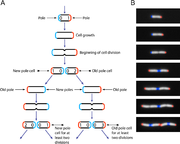
. Cells are typically rod-shaped, and are about 2.0 micrometer
s (μm) long and 0.5 μm in diameter, with a cell volume of 0.6 – 0.7 (μm)3. It can live on a wide variety of substrates. E. coli uses mixed-acid fermentation in anaerobic conditions, producing lactate
, succinate, ethanol
, acetate
and carbon dioxide
. Since many pathways in mixed-acid fermentation produce hydrogen
gas, these pathways require the levels of hydrogen to be low, as is the case when E. coli lives together with hydrogen-consuming organisms, such as methanogen
s or sulphate-reducing bacteria.
Optimal growth of E. coli occurs at 37°C (98.6°F) but some laboratory strains can multiply at temperatures of up to 49°C (120.2°F). Growth can be driven by aerobic or anaerobic respiration
, using a large variety of redox pairs
, including the oxidation of pyruvic acid
, formic acid
, hydrogen
and amino acid
s, and the reduction of substrates such as oxygen
, nitrate
, dimethyl sulfoxide
and trimethylamine N-oxide
.
Strains that possess flagella
can swim and are motile. The flagella have a peritrichous arrangement.
E. coli and related bacteria possess the ability to transfer DNA
via bacterial conjugation
, transduction
or transformation
, which allows genetic material to spread horizontally
through an existing population. This process led to the spread of the gene encoding shiga toxin
from Shigella
to E. coli O157:H7
, carried by a bacteriophage
.
(dysenteriae, flexneri, boydii, sonnei) should be classified as E. coli strains, a phenomenon termed taxa in disguise
. Similarly, other strains of E. coli (e.g. the K-12 strain commonly used in recombinant DNA
work) are sufficiently different that they would merit reclassification.
A strain
is a sub-group within the species that has unique characteristics that distinguish it from other strains. These differences are often detectable only at the molecular level; however, they may result in changes to the physiology or lifecycle of the bacterium. For example, a strain may gain pathogenic capacity
, the ability to use a unique carbon source, the ability to take upon a particular ecological niche
or the ability to resist antimicrobial agents. Different strains of E. coli are often host-specific, making it possible to determine the source of faecal contamination in environmental samples. For example, knowing which E. coli strains are present in a water sample allows researchers to make assumptions about whether the contamination originated from a human, another mammal
or a bird
.
layer; H: flagellin
; K antigen: capsule), e.g. O157:H7) (NB: K-12, the common laboratory strain is not a serotype.)
through the natural biological processes of mutation
, gene duplication
and horizontal gene transfer
, in particular 18% of the genome of the laboratory strain MG1655
was horizontally acquired since the diverged from Salmonella. In microbiology, all strains of E. coli derive from E. coli K-12 or E. coli B strains. Some strains develop trait
s that can be harmful to a host animal. These virulent
strains typically cause a bout of diarrhea
that is unpleasant in healthy adults and is often lethal to children in the developing world. More virulent strains, such as O157:H7
cause serious illness or death in the elderly, the very young or the immunocompromised.
", but from "enterobacterium" + "aceae" (enterobacterium being not a genus, but an alternative trivial name to enteric bacterium).
The original strain described by Escherich is believed to be lost, consequently a new type strain (neotype) was chosen as a representative: the neotype strain is ATCC 11775, also known as NCTC 9001, which is pathogenic to chickens and has a O1:K1:H7 serotype. However, in most studies either O157:H7 or K-12 MG1655 or K-12 W3110 are used as a representative E.coli.
in May 2011. Certain strains of E. coli are a major cause of foodborne illness
. The outbreak started when several people in Germany were infected with enterohemorrhagic E. coli (EHEC) bacteria, leading to hemolytic-uremic syndrome
(HUS), a medical emergency that requires urgent treatment. On 30 June 2011 announced the German Bundesinstitut für Risikobewertung (BfR) (Federal Institute for Risk Assessment, a federal, fully legal entity under public law of the Federal Republic of Germany, an institute within the German Federal Ministry of Food, Agriculture and Consumer Protection), that seeds of fenugreek
from Egypt
were likely the cause of the EHEC outbreak.
♠: E. coli B
derived strains (O7. all substrains derive from d'Herelle
's "Bacillus coli" strain)
♣: E. coli K-12
derived strains (O16. all substrains derive from Clifton's K-12 strain (λ⁺ F⁺))
of an E. coli genome
(laboratory strain K-12 derivative MG1655) was published in 1997. It was found to be a circular DNA
molecule 4.6 million base pairs in length, containing 4288 annotated protein-coding genes (organized into 2584 operons), seven ribosomal RNA
(rRNA) operons, and 86 transfer RNA
(tRNA) genes. Despite having been the subject of intensive genetic analysis for approximately 40 years, a large number of these genes were previously unknown. The coding density was found to be very high, with a mean distance between genes of only 118 base pairs. The genome was observed to contain a significant number of transposable genetic elements
, repeat elements, cryptic prophages, and bacteriophage
remnants.
Today, over 60 complete genomic sequences of Escherichia and Shigella species are available. Comparison of these sequences shows a remarkable amount of diversity; only about 20% of each genome represents sequences that are present in every one of the isolates, while approximately 80% of each genome can vary among isolates. Each individual genome contains between 4,000 and 5,500 genes, but the total number of different genes among all of the sequenced E. coli strains (the pan-genome) exceeds 16,000. This very large variety of component genes has been interpreted to mean that two-thirds of the E. coli pan-genome originated in other species and arrived through the process of horizontal gene transfer.
within 40 hours of birth, arriving with food or water or with the individuals handling the child.
In the bowel, it adheres to the mucus
of the large intestine
. It is the primary facultative anaerobe
of the human gastrointestinal tract. (Facultative anaerobes
are organisms that can grow in either the presence or absence of oxygen.) As long as these bacteria do not acquire genetic elements
encoding for virulence factor
s, they remain benign commensals
.
is used as a probiotic
agent in medicine, mainly for the treatment of various gastroenterological diseases, including inflammatory bowel disease
.
, urinary tract infection
s, and neonatal meningitis
. In rarer cases, virulent strains are also responsible for hemolytic-uremic syndrome
, peritonitis
, mastitis
, septicemia and Gram-negative pneumonia
.
and industrial microbiology
. The work of Stanley Norman Cohen
and Herbert Boyer
in E. coli, using plasmid
s and restriction enzyme
s to create recombinant DNA
, became a foundation of biotechnology.
Considered a very versatile host for the production of heterologous
protein
s, researchers can introduce genes into the microbes using plasmids, allowing for the mass production of proteins in industrial fermentation
processes. Genetic systems have also been developed which allow the production of recombinant proteins using E. coli. One of the first useful applications of recombinant DNA
technology was the manipulation of E. coli to produce human insulin
. Modified E. coli cells have been used in vaccine
development, bioremediation
, and production of immobilised enzyme
s. E. coli cannot, however, be used to produce some of the larger, more complex proteins which contain multiple disulfide bond
s and, in particular, unpaired thiol
s, or proteins that also require post-translational modification for activity.
Studies are also being performed into programming E. coli to potentially solve complicated mathematics problems, such as the Hamiltonian path problem
.
in microbiology
studies. Cultivated strains (e.g. E. coli K12) are well-adapted to the laboratory environment, and, unlike wild type
strains, have lost their ability to thrive in the intestine. Many lab strains lose their ability to form biofilm
s. These features protect wild type strains from antibodies
and other chemical attacks, but require a large expenditure of energy and material resources.
In 1946, Joshua Lederberg
and Edward Tatum first described the phenomenon known as bacterial conjugation
using E. coli as a model bacterium, and it remains the primary model to study conjugation. E. coli was an integral part of the first experiments to understand phage
genetics, and early researchers, such as Seymour Benzer
, used E. coli and phage T4 to understand the topography of gene structure. Prior to Benzer's research, it was not known whether the gene was a linear structure, or if it had a branching pattern.
E. coli was one of the first organisms to have its genome sequenced; the complete genome of E. coli K12 was published by Science in 1997.
The long-term evolution experiments using E. coli
, begun by Richard Lenski
in 1988, have allowed direct observation of major evolutionary shifts in the laboratory. In this experiment, one population of E. coli unexpectedly evolved the ability to aerobically metabolize citrate
, which is extremely rare in E. coli. As the inability to grow aerobically is normally used as a diagnostic criterion with which to differentiate E. coli from other, closely related bacteria, such as Salmonella
, this innovation may mark a speciation
event observed in the lab.
By evaluating the possible combination of nanotechnologies
with landscape ecology
, complex habitat landscapes can be generated with details at the nanoscale. On such synthetic ecosystems, evolutionary experiments with E. coli have been performed to study the spatial biophysics of adaptation in an island biogeography
on-chip.
Gram-negative
Gram-negative bacteria are bacteria that do not retain crystal violet dye in the Gram staining protocol. In a Gram stain test, a counterstain is added after the crystal violet, coloring all Gram-negative bacteria with a red or pink color...
, rod-shaped
Bacillus (shape)
The word bacillus may be used to describe any rod-shaped bacterium, and such bacilli are found in many different taxonomic groups of bacteria. However, the name Bacillus, capitalized and italicized, refers to a specific genus of bacteria...
bacterium that is commonly found in the lower intestine
Gastrointestinal tract
The human gastrointestinal tract refers to the stomach and intestine, and sometimes to all the structures from the mouth to the anus. ....
of warm-blooded
Warm-blooded
The term warm-blooded is a colloquial term to describe animal species which have a relatively higher blood temperature, and maintain thermal homeostasis primarily through internal metabolic processes...
organisms (endotherms). Most E. coli strain
Strain (biology)
In biology, a strain is a low-level taxonomic rank used in three related ways.-Microbiology and virology:A strain is a genetic variant or subtype of a micro-organism . For example, a "flu strain" is a certain biological form of the influenza or "flu" virus...
s are harmless, but some serotype
Serotype
Serotype or serovar refers to distinct variations within a subspecies of bacteria or viruses. These microorganisms, viruses, or cells are classified together based on their cell surface antigens...
s can cause serious food poisoning
Foodborne illness
Foodborne illness is any illness resulting from the consumption of contaminated food, pathogenic bacteria, viruses, or parasites that contaminate food, as well as chemical or natural toxins such as poisonous mushrooms.-Causes:Foodborne illness usually arises from improper handling, preparation, or...
in human
Human
Humans are the only living species in the Homo genus...
s, and are occasionally responsible for product recall
Product recall
A product recall is a request to return to the maker a batch or an entire production run of a product, usually due to the discovery of safety issues. The recall is an effort to limit liability for corporate negligence and to improve or avoid damage to publicity...
s. The harmless strains are part of the normal flora of the gut
Gut (zoology)
In zoology, the gut, also known as the alimentary canal or alimentary tract, is a tube by which bilaterian animals transfer food to the digestion organs. In large bilaterians the gut generally also has an exit, the anus, by which the animal disposes of solid wastes...
, and can benefit their hosts by producing vitamin K
Vitamin K
Vitamin K is a group of structurally similar, fat soluble vitamins that are needed for the posttranslational modification of certain proteins required for blood coagulation and in metabolic pathways in bone and other tissue. They are 2-methyl-1,4-naphthoquinone derivatives...
2, and by preventing the establishment of pathogen
Pathogen
A pathogen gignomai "I give birth to") or infectious agent — colloquially, a germ — is a microbe or microorganism such as a virus, bacterium, prion, or fungus that causes disease in its animal or plant host...
ic bacteria within the intestine.
E. coli and related bacteria constitute about 0.1% of gut flora
Gut flora
Gut flora consists of microorganisms that live in the digestive tracts of animals and is the largest reservoir of human flora. In this context, gut is synonymous with intestinal, and flora with microbiota and microflora....
, and fecal-oral transmission is the major route through which pathogenic strains of the bacterium cause disease. Cells are able to survive outside the body for a limited amount of time, which makes them ideal indicator organism
Indicator organism
Indicator organisms are used to measure potential fecal contamination of environmental samples. The presence of coliform bacteria, such as E. coli, in surface water is a common indicator of fecal contamination...
s to test environmental samples for fecal contamination
Feces
Feces, faeces, or fæces is a waste product from an animal's digestive tract expelled through the anus or cloaca during defecation.-Etymology:...
. The bacterium can also be grown easily and inexpensively in a laboratory setting, and has been intensively investigated for over 60 years. E. coli is the most widely studied prokaryotic
Prokaryote
The prokaryotes are a group of organisms that lack a cell nucleus , or any other membrane-bound organelles. The organisms that have a cell nucleus are called eukaryotes. Most prokaryotes are unicellular, but a few such as myxobacteria have multicellular stages in their life cycles...
model organism
Model organism
A model organism is a non-human species that is extensively studied to understand particular biological phenomena, with the expectation that discoveries made in the organism model will provide insight into the workings of other organisms. Model organisms are in vivo models and are widely used to...
, and an important species in the fields of biotechnology
Biotechnology
Biotechnology is a field of applied biology that involves the use of living organisms and bioprocesses in engineering, technology, medicine and other fields requiring bioproducts. Biotechnology also utilizes these products for manufacturing purpose...
and microbiology
Microbiology
Microbiology is the study of microorganisms, which are defined as any microscopic organism that comprises either a single cell , cell clusters or no cell at all . This includes eukaryotes, such as fungi and protists, and prokaryotes...
, where it has served as the host organism for the majority of work with recombinant DNA
Recombinant DNA
Recombinant DNA molecules are DNA sequences that result from the use of laboratory methods to bring together genetic material from multiple sources, creating sequences that would not otherwise be found in biological organisms...
.
History
The genera EscherichiaEscherichia
Escherichia is a genus of Gram-negative, non-spore forming, facultatively anaerobic, rod-shaped bacteria from the family Enterobacteriaceae. In those species which are inhabitants of the gastrointestinal tracts of warm-blooded animals, Escherichia species provide a portion of the...
and Salmonella
Salmonella
Salmonella is a genus of rod-shaped, Gram-negative, non-spore-forming, predominantly motile enterobacteria with diameters around 0.7 to 1.5 µm, lengths from 2 to 5 µm, and flagella which grade in all directions . They are chemoorganotrophs, obtaining their energy from oxidation and reduction...
diverged around 102 million years ago (credibility interval: 57–176 mya), which coincides with the divergence of their hosts: the former being found in mammals and the latter in birds and reptiles. This was followed by a split of the escherichian ancestor into five species (E. albertii, E. coli, E. fergusonii, E. hermannii and E. vulneris. The last E. coli ancestor split between 20 and 30 mya.
In 1885, Theodor Escherich
Theodor Escherich
Theodor Escherich was a German-Austrian pediatrician and a professor at universities in Graz, and Vienna...
, a German pediatrician, first discovered this species in the feces of healthy individuals and called it Bacterium coli commune due to the fact it is found in the colon and early classifications of Prokaryotes placed these in a handful of genera based on their shape and motility (at that time Ernst Haeckel
Ernst Haeckel
The "European War" became known as "The Great War", and it was not until 1920, in the book "The First World War 1914-1918" by Charles à Court Repington, that the term "First World War" was used as the official name for the conflict.-Research:...
's classification of Bacteria in the kingdom Monera
Monera
Monera is a superseded kingdom that contains unicellular organisms without a nucleus , such as bacteria....
was in place).
Bacterium coli was the type species of the now invalid genus Bacterium
Bacterium (genus)
The genus Bacterium was a taxon described in 1828 by Christian Gottfried Ehrenberg. The type species was later changed from Bacterium triloculare to Bacterium coli as it was lost...
when it was revealed that the former type species ("Bacterium triloculare") was missing.
Following a revision of Bacteria it was reclassified as Bacillus coli by Migula in 1895 and later reclassified in the newly created genus Escherichia
Escherichia
Escherichia is a genus of Gram-negative, non-spore forming, facultatively anaerobic, rod-shaped bacteria from the family Enterobacteriaceae. In those species which are inhabitants of the gastrointestinal tracts of warm-blooded animals, Escherichia species provide a portion of the...
, named after its original discoverer.
The genus belongs in a group of bacteria informally known as "coliforms", and is a member of the Enterobacteriaceae
Enterobacteriaceae
The Enterobacteriaceae is a large family of bacteria that includes many of the more familiar pathogens, such as Salmonella, Escherichia coli, Yersinia pestis, Klebsiella and Shigella. This family is the only representative in the order Enterobacteriales of the class Gammaproteobacteria in the...
family ("the enterics") of the Gammaproteobacteria
Gammaproteobacteria
Gammaproteobacteria is a class of several medically, ecologically and scientifically important groups of bacteria, such as the Enterobacteriaceae , Vibrionaceae and Pseudomonadaceae. An exceeding number of important pathogens belongs to this class, e.g...
.
Biology and biochemistry
Facultative anaerobic organism
A facultative anaerobic organism is an organism, usually a bacterium, that makes ATP by aerobic respiration if oxygen is present but is also capable of switching to fermentation...
and non-sporulating
Endospore
An endospore is a dormant, tough, and temporarily non-reproductive structure produced by certain bacteria from the Firmicute phylum. The name "endospore" is suggestive of a spore or seed-like form , but it is not a true spore . It is a stripped-down, dormant form to which the bacterium can reduce...
. Cells are typically rod-shaped, and are about 2.0 micrometer
Micrometer
A micrometer , sometimes known as a micrometer screw gauge, is a device incorporating a calibrated screw used widely for precise measurement of small distances in mechanical engineering and machining as well as most mechanical trades, along with other metrological instruments such as dial, vernier,...
s (μm) long and 0.5 μm in diameter, with a cell volume of 0.6 – 0.7 (μm)3. It can live on a wide variety of substrates. E. coli uses mixed-acid fermentation in anaerobic conditions, producing lactate
Lactic acid
Lactic acid, also known as milk acid, is a chemical compound that plays a role in various biochemical processes and was first isolated in 1780 by the Swedish chemist Carl Wilhelm Scheele. Lactic acid is a carboxylic acid with the chemical formula C3H6O3...
, succinate, ethanol
Ethanol
Ethanol, also called ethyl alcohol, pure alcohol, grain alcohol, or drinking alcohol, is a volatile, flammable, colorless liquid. It is a psychoactive drug and one of the oldest recreational drugs. Best known as the type of alcohol found in alcoholic beverages, it is also used in thermometers, as a...
, acetate
Acetate
An acetate is a derivative of acetic acid. This term includes salts and esters, as well as the anion found in solution. Most of the approximately 5 billion kilograms of acetic acid produced annually in industry are used in the production of acetates, which usually take the form of polymers. In...
and carbon dioxide
Carbon dioxide
Carbon dioxide is a naturally occurring chemical compound composed of two oxygen atoms covalently bonded to a single carbon atom...
. Since many pathways in mixed-acid fermentation produce hydrogen
Hydrogen
Hydrogen is the chemical element with atomic number 1. It is represented by the symbol H. With an average atomic weight of , hydrogen is the lightest and most abundant chemical element, constituting roughly 75% of the Universe's chemical elemental mass. Stars in the main sequence are mainly...
gas, these pathways require the levels of hydrogen to be low, as is the case when E. coli lives together with hydrogen-consuming organisms, such as methanogen
Methanogen
Methanogens are microorganisms that produce methane as a metabolic byproduct in anoxic conditions. They are classified as archaea, a group quite distinct from bacteria...
s or sulphate-reducing bacteria.
Optimal growth of E. coli occurs at 37°C (98.6°F) but some laboratory strains can multiply at temperatures of up to 49°C (120.2°F). Growth can be driven by aerobic or anaerobic respiration
Anaerobic respiration
Anaerobic respiration is a form of respiration using electron acceptors other than oxygen. Although oxygen is not used as the final electron acceptor, the process still uses a respiratory electron transport chain; it is respiration without oxygen...
, using a large variety of redox pairs
Redox
Redox reactions describe all chemical reactions in which atoms have their oxidation state changed....
, including the oxidation of pyruvic acid
Pyruvic acid
Pyruvic acid is an organic acid, a ketone, as well as the simplest of the alpha-keto acids. The carboxylate ion of pyruvic acid, CH3COCOO−, is known as pyruvate, and is a key intersection in several metabolic pathways....
, formic acid
Formic acid
Formic acid is the simplest carboxylic acid. Its chemical formula is HCOOH or HCO2H. It is an important intermediate in chemical synthesis and occurs naturally, most notably in the venom of bee and ant stings. In fact, its name comes from the Latin word for ant, formica, referring to its early...
, hydrogen
Hydrogen
Hydrogen is the chemical element with atomic number 1. It is represented by the symbol H. With an average atomic weight of , hydrogen is the lightest and most abundant chemical element, constituting roughly 75% of the Universe's chemical elemental mass. Stars in the main sequence are mainly...
and amino acid
Amino acid
Amino acids are molecules containing an amine group, a carboxylic acid group and a side-chain that varies between different amino acids. The key elements of an amino acid are carbon, hydrogen, oxygen, and nitrogen...
s, and the reduction of substrates such as oxygen
Oxygen
Oxygen is the element with atomic number 8 and represented by the symbol O. Its name derives from the Greek roots ὀξύς and -γενής , because at the time of naming, it was mistakenly thought that all acids required oxygen in their composition...
, nitrate
Nitrate
The nitrate ion is a polyatomic ion with the molecular formula NO and a molecular mass of 62.0049 g/mol. It is the conjugate base of nitric acid, consisting of one central nitrogen atom surrounded by three identically-bonded oxygen atoms in a trigonal planar arrangement. The nitrate ion carries a...
, dimethyl sulfoxide
Dimethyl sulfoxide
Dimethyl sulfoxide is an organosulfur compound with the formula 2SO. This colorless liquid is an important polar aprotic solvent that dissolves both polar and nonpolar compounds and is miscible in a wide range of organic solvents as well as water...
and trimethylamine N-oxide
Trimethylamine N-oxide
Trimethylamine N-oxide, also known by several other names and acronyms, is the organic compound with the formula 3NO. This colorless solid is usually encountered as the dihydrate. It is an oxidation product of trimethylamine and a common metabolite in animals. It is an osmolyte found in saltwater...
.
Strains that possess flagella
Flagellum
A flagellum is a tail-like projection that protrudes from the cell body of certain prokaryotic and eukaryotic cells, and plays the dual role of locomotion and sense organ, being sensitive to chemicals and temperatures outside the cell. There are some notable differences between prokaryotic and...
can swim and are motile. The flagella have a peritrichous arrangement.
E. coli and related bacteria possess the ability to transfer DNA
DNA
Deoxyribonucleic acid is a nucleic acid that contains the genetic instructions used in the development and functioning of all known living organisms . The DNA segments that carry this genetic information are called genes, but other DNA sequences have structural purposes, or are involved in...
via bacterial conjugation
Bacterial conjugation
Bacterial conjugation is the transfer of genetic material between bacterial cells by direct cell-to-cell contact or by a bridge-like connection between two cells...
, transduction
Transduction (genetics)
Transduction is the process by which DNA is transferred from one bacterium to another by a virus. It also refers to the process whereby foreign DNA is introduced into another cell via a viral vector. Transduction does not require cell-to-cell contact , and it is DNAase resistant...
or transformation
Transformation (genetics)
In molecular biology transformation is the genetic alteration of a cell resulting from the direct uptake, incorporation and expression of exogenous genetic material from its surroundings and taken up through the cell membrane. Transformation occurs naturally in some species of bacteria, but it can...
, which allows genetic material to spread horizontally
Horizontal gene transfer
Horizontal gene transfer , also lateral gene transfer , is any process in which an organism incorporates genetic material from another organism without being the offspring of that organism...
through an existing population. This process led to the spread of the gene encoding shiga toxin
Shiga toxin
Shiga toxins are a family of related toxins with two major groups, Stx1 and Stx2, whose genes are considered to be part of the genome of lambdoid prophages. The toxins are named for Kiyoshi Shiga, who first described the bacterial origin of dysentery caused by Shigella dysenteriae. The most common...
from Shigella
Shigella
Shigella is a genus of Gram-negative, nonspore forming, non-motile, rod-shaped bacteria closely related to Escherichia coli and Salmonella. The causative agent of human shigellosis, Shigella causes disease in primates, but not in other mammals. It is only naturally found in humans and apes. During...
to E. coli O157:H7
Escherichia coli O157:H7
Escherichia coli O157:H7 is an enterohemorrhagic strain of the bacterium Escherichia coli and a cause of foodborne illness. Infection often leads to hemorrhagic diarrhea, and occasionally to kidney failure, especially in young children and elderly persons...
, carried by a bacteriophage
Bacteriophage
A bacteriophage is any one of a number of viruses that infect bacteria. They do this by injecting genetic material, which they carry enclosed in an outer protein capsid...
.
Diversity
Escherichia coli encompasses an enormous population of bacteria that exhibit a very high degree of both genetic and phenotypic diversity. Genome sequencing of a large number of isolates of E. coli and related bacteria shows that a taxonomic reclassification would be desirable. However, this has not been done, largely due to its medical importance and Escherichia coli remains one of the most diverse bacterial species: only 20% of the genome is common to all strains. In fact, from the evolutionary point of view, the members of genus ShigellaShigella
Shigella is a genus of Gram-negative, nonspore forming, non-motile, rod-shaped bacteria closely related to Escherichia coli and Salmonella. The causative agent of human shigellosis, Shigella causes disease in primates, but not in other mammals. It is only naturally found in humans and apes. During...
(dysenteriae, flexneri, boydii, sonnei) should be classified as E. coli strains, a phenomenon termed taxa in disguise
Taxa in disguise
In bacteriology a taxon in disguise is a species, genus or higher unit of biological classification whose evolutionary history reveals has evolved from another unit of similar or lower rank, making the parent unit paraphyletic...
. Similarly, other strains of E. coli (e.g. the K-12 strain commonly used in recombinant DNA
Recombinant DNA
Recombinant DNA molecules are DNA sequences that result from the use of laboratory methods to bring together genetic material from multiple sources, creating sequences that would not otherwise be found in biological organisms...
work) are sufficiently different that they would merit reclassification.
A strain
Strain (biology)
In biology, a strain is a low-level taxonomic rank used in three related ways.-Microbiology and virology:A strain is a genetic variant or subtype of a micro-organism . For example, a "flu strain" is a certain biological form of the influenza or "flu" virus...
is a sub-group within the species that has unique characteristics that distinguish it from other strains. These differences are often detectable only at the molecular level; however, they may result in changes to the physiology or lifecycle of the bacterium. For example, a strain may gain pathogenic capacity
Pathogenicity
Pathogenicity is the ability of a pathogen to produce an infectious disease in an organism.It is often used interchangeably with the term "virulence", although virulence is used more specifically to describe the relative degree of damage done by a pathogen, or the degree of pathogenicity caused by...
, the ability to use a unique carbon source, the ability to take upon a particular ecological niche
Ecological niche
In ecology, a niche is a term describing the relational position of a species or population in its ecosystem to each other; e.g. a dolphin could potentially be in another ecological niche from one that travels in a different pod if the members of these pods utilize significantly different food...
or the ability to resist antimicrobial agents. Different strains of E. coli are often host-specific, making it possible to determine the source of faecal contamination in environmental samples. For example, knowing which E. coli strains are present in a water sample allows researchers to make assumptions about whether the contamination originated from a human, another mammal
Mammal
Mammals are members of a class of air-breathing vertebrate animals characterised by the possession of endothermy, hair, three middle ear bones, and mammary glands functional in mothers with young...
or a bird
Bird
Birds are feathered, winged, bipedal, endothermic , egg-laying, vertebrate animals. Around 10,000 living species and 188 families makes them the most speciose class of tetrapod vertebrates. They inhabit ecosystems across the globe, from the Arctic to the Antarctic. Extant birds range in size from...
.
Serotypes
A common subdivision system of E. coli, but not based on evolutionary relatedness, is by serotype, which is based on major surface antigens (O antigen: part of lipopolysaccharideLipopolysaccharide
Lipopolysaccharides , also known as lipoglycans, are large molecules consisting of a lipid and a polysaccharide joined by a covalent bond; they are found in the outer membrane of Gram-negative bacteria, act as endotoxins and elicit strong immune responses in animals.-Functions:LPS is the major...
layer; H: flagellin
Flagellin
Flagellin is a protein that arranges itself in a hollow cylinder to form the filament in bacterial flagellum. It has a mass of about 30,000 to 60,000 daltons...
; K antigen: capsule), e.g. O157:H7) (NB: K-12, the common laboratory strain is not a serotype.)
Genome plasticity
Like all lifeforms, new strains of E. coli evolveEvolution
Evolution is any change across successive generations in the heritable characteristics of biological populations. Evolutionary processes give rise to diversity at every level of biological organisation, including species, individual organisms and molecules such as DNA and proteins.Life on Earth...
through the natural biological processes of mutation
Mutation
In molecular biology and genetics, mutations are changes in a genomic sequence: the DNA sequence of a cell's genome or the DNA or RNA sequence of a virus. They can be defined as sudden and spontaneous changes in the cell. Mutations are caused by radiation, viruses, transposons and mutagenic...
, gene duplication
Gene duplication
Gene duplication is any duplication of a region of DNA that contains a gene; it may occur as an error in homologous recombination, a retrotransposition event, or duplication of an entire chromosome.The second copy of the gene is often free from selective pressure — that is, mutations of it have no...
and horizontal gene transfer
Horizontal gene transfer
Horizontal gene transfer , also lateral gene transfer , is any process in which an organism incorporates genetic material from another organism without being the offspring of that organism...
, in particular 18% of the genome of the laboratory strain MG1655
Escherichia coli (molecular biology)
Escherichia coli is a gammaproteobacterium commonly found in the lower intestine of warm-blooded organisms and the descendants of two isolates are used routinely in molecular biology as both a tool and a model organism.-Diversity of Escherichia coli:Escherichia coli is one of the most diverse...
was horizontally acquired since the diverged from Salmonella. In microbiology, all strains of E. coli derive from E. coli K-12 or E. coli B strains. Some strains develop trait
Trait (biology)
A trait is a distinct variant of a phenotypic character of an organism that may be inherited, environmentally determined or be a combination of the two...
s that can be harmful to a host animal. These virulent
Virulence
Virulence is by MeSH definition the degree of pathogenicity within a group or species of parasites as indicated by case fatality rates and/or the ability of the organism to invade the tissues of the host. The pathogenicity of an organism - its ability to cause disease - is determined by its...
strains typically cause a bout of diarrhea
Diarrhea
Diarrhea , also spelled diarrhoea, is the condition of having three or more loose or liquid bowel movements per day. It is a common cause of death in developing countries and the second most common cause of infant deaths worldwide. The loss of fluids through diarrhea can cause dehydration and...
that is unpleasant in healthy adults and is often lethal to children in the developing world. More virulent strains, such as O157:H7
Escherichia coli O157:H7
Escherichia coli O157:H7 is an enterohemorrhagic strain of the bacterium Escherichia coli and a cause of foodborne illness. Infection often leads to hemorrhagic diarrhea, and occasionally to kidney failure, especially in young children and elderly persons...
cause serious illness or death in the elderly, the very young or the immunocompromised.
Neotype strain
E. coli is the type species of the genus (Escherichia) and in turn Escherichia is the type species of the family Enterobacteriaceae, where it should be noted that the family name does not stem from the genus Enterobacter + "i" (sic.) + "aceaeBacterial taxonomy
Bacterial taxonomy is the taxonomy, i.e. the rank-based classification, of bacteria.In the scientific classification established by Carl von Linné, each species has to be assigned to a genus , which in turn is a lower level of a hierarchy of ranks .In the currently accepted classification...
", but from "enterobacterium" + "aceae" (enterobacterium being not a genus, but an alternative trivial name to enteric bacterium).
The original strain described by Escherich is believed to be lost, consequently a new type strain (neotype) was chosen as a representative: the neotype strain is ATCC 11775, also known as NCTC 9001, which is pathogenic to chickens and has a O1:K1:H7 serotype. However, in most studies either O157:H7 or K-12 MG1655 or K-12 W3110 are used as a representative E.coli.
Recent events
One such E. coli strain, Escherichia coli O104:H4, has been the subject of a bacterial outbreak that began in GermanyGermany
Germany , officially the Federal Republic of Germany , is a federal parliamentary republic in Europe. The country consists of 16 states while the capital and largest city is Berlin. Germany covers an area of 357,021 km2 and has a largely temperate seasonal climate...
in May 2011. Certain strains of E. coli are a major cause of foodborne illness
Foodborne illness
Foodborne illness is any illness resulting from the consumption of contaminated food, pathogenic bacteria, viruses, or parasites that contaminate food, as well as chemical or natural toxins such as poisonous mushrooms.-Causes:Foodborne illness usually arises from improper handling, preparation, or...
. The outbreak started when several people in Germany were infected with enterohemorrhagic E. coli (EHEC) bacteria, leading to hemolytic-uremic syndrome
Hemolytic-uremic syndrome
Hemolytic-uremic syndrome , abbreviated HUS, is a disease characterized by hemolytic anemia, acute renal failure and a low platelet count . It predominantly, but not exclusively, affects children. Most cases are preceded by an episode of diarrhea caused by E. coli O157:H7, which is acquired as a...
(HUS), a medical emergency that requires urgent treatment. On 30 June 2011 announced the German Bundesinstitut für Risikobewertung (BfR) (Federal Institute for Risk Assessment, a federal, fully legal entity under public law of the Federal Republic of Germany, an institute within the German Federal Ministry of Food, Agriculture and Consumer Protection), that seeds of fenugreek
Fenugreek
Fenugreek is a plant in the family Fabaceae. Fenugreek is used both as a herb and as a spice . The leaves and sprouts are also eaten as vegetables...
from Egypt
Egypt
Egypt , officially the Arab Republic of Egypt, Arabic: , is a country mainly in North Africa, with the Sinai Peninsula forming a land bridge in Southwest Asia. Egypt is thus a transcontinental country, and a major power in Africa, the Mediterranean Basin, the Middle East and the Muslim world...
were likely the cause of the EHEC outbreak.
Phylogeny of Escherichia coli strains
Phylogeny (inferred evolutionary history) of Escherichia coli based on Note that four different species of Shigella fall within the same clade as the various Escherichia coli strains, while Escherichia albertii and Escherichia fergusonii both lie outside of the clade that contains E. coli and Shigella sp.♠: E. coli B
Escherichia coli (molecular biology)
Escherichia coli is a gammaproteobacterium commonly found in the lower intestine of warm-blooded organisms and the descendants of two isolates are used routinely in molecular biology as both a tool and a model organism.-Diversity of Escherichia coli:Escherichia coli is one of the most diverse...
derived strains (O7. all substrains derive from d'Herelle
Félix d'Herelle
Félix d'Herelle was a French-Canadian microbiologist, the co-discoverer of bacteriophages and experimented with the possibility of phage therapy.-Early years:...
's "Bacillus coli" strain)
♣: E. coli K-12
Escherichia coli (molecular biology)
Escherichia coli is a gammaproteobacterium commonly found in the lower intestine of warm-blooded organisms and the descendants of two isolates are used routinely in molecular biology as both a tool and a model organism.-Diversity of Escherichia coli:Escherichia coli is one of the most diverse...
derived strains (O16. all substrains derive from Clifton's K-12 strain (λ⁺ F⁺))
Genomes
The first complete DNA sequenceDNA sequence
The sequence or primary structure of a nucleic acid is the composition of atoms that make up the nucleic acid and the chemical bonds that bond those atoms. Because nucleic acids, such as DNA and RNA, are unbranched polymers, this specification is equivalent to specifying the sequence of...
of an E. coli genome
Genome
In modern molecular biology and genetics, the genome is the entirety of an organism's hereditary information. It is encoded either in DNA or, for many types of virus, in RNA. The genome includes both the genes and the non-coding sequences of the DNA/RNA....
(laboratory strain K-12 derivative MG1655) was published in 1997. It was found to be a circular DNA
DNA
Deoxyribonucleic acid is a nucleic acid that contains the genetic instructions used in the development and functioning of all known living organisms . The DNA segments that carry this genetic information are called genes, but other DNA sequences have structural purposes, or are involved in...
molecule 4.6 million base pairs in length, containing 4288 annotated protein-coding genes (organized into 2584 operons), seven ribosomal RNA
Ribosomal RNA
Ribosomal ribonucleic acid is the RNA component of the ribosome, the enzyme that is the site of protein synthesis in all living cells. Ribosomal RNA provides a mechanism for decoding mRNA into amino acids and interacts with tRNAs during translation by providing peptidyl transferase activity...
(rRNA) operons, and 86 transfer RNA
Transfer RNA
Transfer RNA is an adaptor molecule composed of RNA, typically 73 to 93 nucleotides in length, that is used in biology to bridge the three-letter genetic code in messenger RNA with the twenty-letter code of amino acids in proteins. The role of tRNA as an adaptor is best understood by...
(tRNA) genes. Despite having been the subject of intensive genetic analysis for approximately 40 years, a large number of these genes were previously unknown. The coding density was found to be very high, with a mean distance between genes of only 118 base pairs. The genome was observed to contain a significant number of transposable genetic elements
Transposon
Transposable elements are sequences of DNA that can move or transpose themselves to new positions within the genome of a single cell. The mechanism of transposition can be either "copy and paste" or "cut and paste". Transposition can create phenotypically significant mutations and alter the cell's...
, repeat elements, cryptic prophages, and bacteriophage
Bacteriophage
A bacteriophage is any one of a number of viruses that infect bacteria. They do this by injecting genetic material, which they carry enclosed in an outer protein capsid...
remnants.
Today, over 60 complete genomic sequences of Escherichia and Shigella species are available. Comparison of these sequences shows a remarkable amount of diversity; only about 20% of each genome represents sequences that are present in every one of the isolates, while approximately 80% of each genome can vary among isolates. Each individual genome contains between 4,000 and 5,500 genes, but the total number of different genes among all of the sequenced E. coli strains (the pan-genome) exceeds 16,000. This very large variety of component genes has been interpreted to mean that two-thirds of the E. coli pan-genome originated in other species and arrived through the process of horizontal gene transfer.
Role as normal microbiota
E. coli normally colonizes an infant's gastrointestinal tractGastrointestinal tract
The human gastrointestinal tract refers to the stomach and intestine, and sometimes to all the structures from the mouth to the anus. ....
within 40 hours of birth, arriving with food or water or with the individuals handling the child.
In the bowel, it adheres to the mucus
Mucus
In vertebrates, mucus is a slippery secretion produced by, and covering, mucous membranes. Mucous fluid is typically produced from mucous cells found in mucous glands. Mucous cells secrete products that are rich in glycoproteins and water. Mucous fluid may also originate from mixed glands, which...
of the large intestine
Large intestine
The large intestine is the third-to-last part of the digestive system — — in vertebrate animals. Its function is to absorb water from the remaining indigestible food matter, and then to pass useless waste material from the body...
. It is the primary facultative anaerobe
Facultative anaerobic organism
A facultative anaerobic organism is an organism, usually a bacterium, that makes ATP by aerobic respiration if oxygen is present but is also capable of switching to fermentation...
of the human gastrointestinal tract. (Facultative anaerobes
Facultative anaerobic organism
A facultative anaerobic organism is an organism, usually a bacterium, that makes ATP by aerobic respiration if oxygen is present but is also capable of switching to fermentation...
are organisms that can grow in either the presence or absence of oxygen.) As long as these bacteria do not acquire genetic elements
Bacteriophage
A bacteriophage is any one of a number of viruses that infect bacteria. They do this by injecting genetic material, which they carry enclosed in an outer protein capsid...
encoding for virulence factor
Virulence factor
Virulence factors are molecules expressed and secreted by pathogens that enable them to achieve the following:* colonization of a niche in the host...
s, they remain benign commensals
Commensalism
In ecology, commensalism is a class of relationship between two organisms where one organism benefits but the other is neutral...
.
Therapeutic use of nonpathogenic E. coli
Nonpathogenic Escherichia coli strain Nissle 1917 also known as MutaflorMutaflor
Mutaflor is a probiotic consisting of a viable non-pathogenic bacteria strain named Escherichia coli Nissle 1917. "The Escherichia coli strain Nissle 1917-designated DSM 6601 in the German Collection for Microorganisms in Brauschweig is one of the best-examined and therapeutically relevant...
is used as a probiotic
Probiotic
Probiotics are live microorganisms thought to be beneficial to the host organism. According to the currently adopted definition by FAO/WHO, probiotics are: "Live microorganisms which when administered in adequate amounts confer a health benefit on the host"...
agent in medicine, mainly for the treatment of various gastroenterological diseases, including inflammatory bowel disease
Inflammatory bowel disease
In medicine, inflammatory bowel disease is a group of inflammatory conditions of the colon and small intestine. The major types of IBD are Crohn's disease and ulcerative colitis.-Classification:...
.
Role in disease
Virulent strains of E. coli can cause gastroenteritisGastroenteritis
Gastroenteritis is marked by severe inflammation of the gastrointestinal tract involving both the stomach and small intestine resulting in acute diarrhea and vomiting. It can be transferred by contact with contaminated food and water...
, urinary tract infection
Urinary tract infection
A urinary tract infection is a bacterial infection that affects any part of the urinary tract. Symptoms include frequent feeling and/or need to urinate, pain during urination, and cloudy urine. The main causal agent is Escherichia coli...
s, and neonatal meningitis
Meningitis
Meningitis is inflammation of the protective membranes covering the brain and spinal cord, known collectively as the meninges. The inflammation may be caused by infection with viruses, bacteria, or other microorganisms, and less commonly by certain drugs...
. In rarer cases, virulent strains are also responsible for hemolytic-uremic syndrome
Hemolytic-uremic syndrome
Hemolytic-uremic syndrome , abbreviated HUS, is a disease characterized by hemolytic anemia, acute renal failure and a low platelet count . It predominantly, but not exclusively, affects children. Most cases are preceded by an episode of diarrhea caused by E. coli O157:H7, which is acquired as a...
, peritonitis
Peritonitis
Peritonitis is an inflammation of the peritoneum, the serous membrane that lines part of the abdominal cavity and viscera. Peritonitis may be localised or generalised, and may result from infection or from a non-infectious process.-Abdominal pain and tenderness:The main manifestations of...
, mastitis
Mastitis
Mastitis is the inflammation of breast tissue. S. aureus is the most common etiological organism responsible, but S. epidermidis and streptococci are occasionally isolated as well.-Terminology:...
, septicemia and Gram-negative pneumonia
Pneumonia
Pneumonia is an inflammatory condition of the lung—especially affecting the microscopic air sacs —associated with fever, chest symptoms, and a lack of air space on a chest X-ray. Pneumonia is typically caused by an infection but there are a number of other causes...
.
Role in biotechnology
Because of its long history of laboratory culture and ease of manipulation, E. coli also plays an important role in modern biological engineeringBiological engineering
Biological engineering, biotechnological engineering or bioengineering is the application of concepts and methods of biology to solve problems in life sciences, using engineering's own analytical and synthetic methodologies and also its traditional...
and industrial microbiology
Industrial microbiology
Industrial microbiology or microbial biotechnology encompasses the use of microorganisms in the manufacture of food or industrial products. The use of microorganisms for the production of food, either human or animal, is often considered a branch of food microbiology...
. The work of Stanley Norman Cohen
Stanley Norman Cohen
Stanley Norman Cohen is an American geneticist.Cohen is a graduate of Rutgers University, and received his doctoral degree from the University of Pennsylvania School of Medicine in 1960...
and Herbert Boyer
Herbert Boyer
Herbert W. Boyer is a recipient of the 1990 National Medal of Science, co-recipient of the 1996 Lemelson-MIT Prize, and a co-founder of Genentech. He served as Vice President of Genentech from 1976 through his retirement in 1991....
in E. coli, using plasmid
Plasmid
In microbiology and genetics, a plasmid is a DNA molecule that is separate from, and can replicate independently of, the chromosomal DNA. They are double-stranded and, in many cases, circular...
s and restriction enzyme
Restriction enzyme
A Restriction Enzyme is an enzyme that cuts double-stranded DNA at specific recognition nucleotide sequences known as restriction sites. Such enzymes, found in bacteria and archaea, are thought to have evolved to provide a defense mechanism against invading viruses...
s to create recombinant DNA
Recombinant DNA
Recombinant DNA molecules are DNA sequences that result from the use of laboratory methods to bring together genetic material from multiple sources, creating sequences that would not otherwise be found in biological organisms...
, became a foundation of biotechnology.
Considered a very versatile host for the production of heterologous
Heterologous
In medicine a heterologous transplant means 'between species' or 'from one species to another'.In cell biology and protein biochemistry, heterologous expression means that a protein is experimentally put into a cell that does not normally make that protein...
protein
Protein
Proteins are biochemical compounds consisting of one or more polypeptides typically folded into a globular or fibrous form, facilitating a biological function. A polypeptide is a single linear polymer chain of amino acids bonded together by peptide bonds between the carboxyl and amino groups of...
s, researchers can introduce genes into the microbes using plasmids, allowing for the mass production of proteins in industrial fermentation
Industrial fermentation
Industrial fermentation is the intentional use of fermentation by microorganisms such as bacteria and fungi to make products useful to humans. Fermented products have applications as food as well as in general industry.- Food fermentation :...
processes. Genetic systems have also been developed which allow the production of recombinant proteins using E. coli. One of the first useful applications of recombinant DNA
Recombinant DNA
Recombinant DNA molecules are DNA sequences that result from the use of laboratory methods to bring together genetic material from multiple sources, creating sequences that would not otherwise be found in biological organisms...
technology was the manipulation of E. coli to produce human insulin
Insulin
Insulin is a hormone central to regulating carbohydrate and fat metabolism in the body. Insulin causes cells in the liver, muscle, and fat tissue to take up glucose from the blood, storing it as glycogen in the liver and muscle....
. Modified E. coli cells have been used in vaccine
Vaccine
A vaccine is a biological preparation that improves immunity to a particular disease. A vaccine typically contains an agent that resembles a disease-causing microorganism, and is often made from weakened or killed forms of the microbe or its toxins...
development, bioremediation
Bioremediation
Bioremediation is the use of microorganism metabolism to remove pollutants. Technologies can be generally classified as in situ or ex situ. In situ bioremediation involves treating the contaminated material at the site, while ex situ involves the removal of the contaminated material to be treated...
, and production of immobilised enzyme
Enzyme
Enzymes are proteins that catalyze chemical reactions. In enzymatic reactions, the molecules at the beginning of the process, called substrates, are converted into different molecules, called products. Almost all chemical reactions in a biological cell need enzymes in order to occur at rates...
s. E. coli cannot, however, be used to produce some of the larger, more complex proteins which contain multiple disulfide bond
Disulfide bond
In chemistry, a disulfide bond is a covalent bond, usually derived by the coupling of two thiol groups. The linkage is also called an SS-bond or disulfide bridge. The overall connectivity is therefore R-S-S-R. The terminology is widely used in biochemistry...
s and, in particular, unpaired thiol
Thiol
In organic chemistry, a thiol is an organosulfur compound that contains a carbon-bonded sulfhydryl group...
s, or proteins that also require post-translational modification for activity.
Studies are also being performed into programming E. coli to potentially solve complicated mathematics problems, such as the Hamiltonian path problem
Hamiltonian path problem
In the mathematical field of graph theory the Hamiltonian path problem and the Hamiltonian cycle problem are problems of determining whether a Hamiltonian path or a Hamiltonian cycle exists in a given graph . Both problems are NP-complete...
.
Model organism
E. coli is frequently used as a model organismModel organism
A model organism is a non-human species that is extensively studied to understand particular biological phenomena, with the expectation that discoveries made in the organism model will provide insight into the workings of other organisms. Model organisms are in vivo models and are widely used to...
in microbiology
Microbiology
Microbiology is the study of microorganisms, which are defined as any microscopic organism that comprises either a single cell , cell clusters or no cell at all . This includes eukaryotes, such as fungi and protists, and prokaryotes...
studies. Cultivated strains (e.g. E. coli K12) are well-adapted to the laboratory environment, and, unlike wild type
Wild type
Wild type refers to the phenotype of the typical form of a species as it occurs in nature. Originally, the wild type was conceptualized as a product of the standard, "normal" allele at a locus, in contrast to that produced by a non-standard, "mutant" allele...
strains, have lost their ability to thrive in the intestine. Many lab strains lose their ability to form biofilm
Biofilm
A biofilm is an aggregate of microorganisms in which cells adhere to each other on a surface. These adherent cells are frequently embedded within a self-produced matrix of extracellular polymeric substance...
s. These features protect wild type strains from antibodies
Antibody
An antibody, also known as an immunoglobulin, is a large Y-shaped protein used by the immune system to identify and neutralize foreign objects such as bacteria and viruses. The antibody recognizes a unique part of the foreign target, termed an antigen...
and other chemical attacks, but require a large expenditure of energy and material resources.
In 1946, Joshua Lederberg
Joshua Lederberg
Joshua Lederberg ForMemRS was an American molecular biologist known for his work in microbial genetics, artificial intelligence, and the United States space program. He was just 33 years old when he won the 1958 Nobel Prize in Physiology or Medicine for discovering that bacteria can mate and...
and Edward Tatum first described the phenomenon known as bacterial conjugation
Bacterial conjugation
Bacterial conjugation is the transfer of genetic material between bacterial cells by direct cell-to-cell contact or by a bridge-like connection between two cells...
using E. coli as a model bacterium, and it remains the primary model to study conjugation. E. coli was an integral part of the first experiments to understand phage
Bacteriophage
A bacteriophage is any one of a number of viruses that infect bacteria. They do this by injecting genetic material, which they carry enclosed in an outer protein capsid...
genetics, and early researchers, such as Seymour Benzer
Seymour Benzer
Seymour Benzer was an American physicist, molecular biologist and behavioral geneticist. His career began during the molecular biology revolution of the 1950s, and he eventually rose to prominence in the fields of molecular and behavioral genetics. He led a productive genetics research lab both at...
, used E. coli and phage T4 to understand the topography of gene structure. Prior to Benzer's research, it was not known whether the gene was a linear structure, or if it had a branching pattern.
E. coli was one of the first organisms to have its genome sequenced; the complete genome of E. coli K12 was published by Science in 1997.
The long-term evolution experiments using E. coli
E. coli long-term evolution experiment
The E. coli long-term evolution experiment is an ongoing study in experimental evolution led by Richard Lenski that has been tracking genetic changes in 12 initially identical populations of asexual Escherichia coli bacteria since 24 February 1988...
, begun by Richard Lenski
Richard Lenski
Richard E. Lenski is an American evolutionary biologist. He is the son of sociologist Gerhard Lenski. He earned his BA from Oberlin College in 1976, and his PhD from the University of North Carolina in 1982...
in 1988, have allowed direct observation of major evolutionary shifts in the laboratory. In this experiment, one population of E. coli unexpectedly evolved the ability to aerobically metabolize citrate
Citrate
A citrate can refer either to the conjugate base of citric acid, , or to the esters of citric acid. An example of the former, a salt is trisodium citrate; an ester is triethyl citrate.-Other citric acid ions:...
, which is extremely rare in E. coli. As the inability to grow aerobically is normally used as a diagnostic criterion with which to differentiate E. coli from other, closely related bacteria, such as Salmonella
Salmonella
Salmonella is a genus of rod-shaped, Gram-negative, non-spore-forming, predominantly motile enterobacteria with diameters around 0.7 to 1.5 µm, lengths from 2 to 5 µm, and flagella which grade in all directions . They are chemoorganotrophs, obtaining their energy from oxidation and reduction...
, this innovation may mark a speciation
Speciation
Speciation is the evolutionary process by which new biological species arise. The biologist Orator F. Cook seems to have been the first to coin the term 'speciation' for the splitting of lineages or 'cladogenesis,' as opposed to 'anagenesis' or 'phyletic evolution' occurring within lineages...
event observed in the lab.
By evaluating the possible combination of nanotechnologies
Nanotechnology
Nanotechnology is the study of manipulating matter on an atomic and molecular scale. Generally, nanotechnology deals with developing materials, devices, or other structures possessing at least one dimension sized from 1 to 100 nanometres...
with landscape ecology
Landscape ecology
Landscape ecology is the science of studying and improving relationships between urban development and ecological processes in the environment and particular ecosystems...
, complex habitat landscapes can be generated with details at the nanoscale. On such synthetic ecosystems, evolutionary experiments with E. coli have been performed to study the spatial biophysics of adaptation in an island biogeography
Island biogeography
Island biogeography is a field within biogeography that attempts to establish and explain the factors that affect the species richness of natural communities. The theory was developed to explain species richness of actual islands...
on-chip.
See also
- Bacteriological water analysis
- Coliform bacteriaColiform bacteriaColiform bacteria are a commonly used bacterial indicator of sanitary quality of foods and water. They are defined as rod-shaped Gram-negative non-spore forming bacteria which can ferment lactose with the production of acid and gas when incubated at 35-37°C...
- Contamination controlContamination controlContamination control is the generic term for all activities aiming to control the existence, growth and proliferation of contamination in certain areas...
- Dam dcm strainDam dcm strainThe dam dcm strain is a strain of the nonpathogenic E. coli K-12 bacteria with functional dam and dcm genes.The methylase encoded by the dam gene transfers a methyl group from S-adenosylmethionine to adenine residues in the sequence GATC...
- Fecal coliformsFecal coliformsA fecal coliform is a facultatively-anaerobic, rod-shaped, gram-negative, non-sporulating bacterium. Fecal coliforms are capable of growth in the presence of bile salts or similar surface agents, are oxidase negative, and produce acid and gas from lactose within 48 hours at 44 ± 0.5°C.Coliform...
- International Code of Nomenclature of BacteriaInternational Code of Nomenclature of BacteriaThe International Code of Nomenclature of Bacteria or Bacteriological Code governs the scientific names for bacteria, including Archaea. It denotes the rules for naming taxa of bacteria, according to their relative rank...
- List of bacterial genera named after personal names
- Mannan Oligosaccharide based nutritional supplementsMannan Oligosaccharide based nutritional supplementsMannan-oligosaccharide based nutritional supplements, MOS are widely used in nutrition as a natural additive. MOS has been shown to improve gastrointestinal health as well as overall health, thus improving wellbeing, energy levels and performance...
- T4 rII systemT4 rII systemThe T4 rII system is an experimental system developed in the 1950s by Seymour Benzer for studying the substructure of the gene. The experimental system is based on genetic crosses of different mutant strains of bacteriophage T4, a virus that infects the bacteria E...
- 2011 E. coli O104:H4 outbreak
External links
- Photo Blog post of Escherichia Coli
- E. coli Vs Organic Farming
- E. coli: Protecting yourself and your family from a sometimes deadly bacterium
- E. coli statistics
- Spinach and E. coli Outbreak – U.S. FDA
- E. coli Outbreak From Fresh Spinach – U.S. CDC
- Current research on Escherichia coli at the Norwich Research Park
- E. coli gas production from glucose video demonstration
- The correct way to write E. coli
Databases
- EcoSal Continually updated Web resource based on the classic ASM Press publication Escherichia coli and Salmonella: Cellular and Molecular Biology
- Uropathogenic Escherichia coli (UPEC)
- ECODAB The structure of the O-antigens that form the basis of the serological classification of E. coli
- 2DBase 2D-PAGE Database of Escherichia coli University of Bielefeld – Fermentation Engineering Group (AGFT)
- 5S rRNA Database Information on nucleotide sequences of 5S rRNAs and their genes
- ACLAME A CLAssification of Mobile genetic Elements
- AlignACE Matrices that search for additional binding sites in the E. coli genomic sequence
- ArrayExpress Database of functional genomics experiments
- ASAP Comprehensive genome information for several enteric bacteria with community annotation
- Bacteriome E. coli DNA-Binding Site Matrices Applied to the Complete E. coli K-12 Genome
- BioGPS Gene portal hub
- BRENDA Comprehensive Enzyme Information System
- BSGI Bacterial Structural Genomics Initiative
- CATH Protein Structure Classification
- CBS Genome Atlas
- CDD Conserved Domain Database
- CIBEX Center for Information Biology Gene Expression Database
- COGs
- Coli Genetic Stock Center Strains and genetic information on E. coli K-12
- coliBASE
- EcoCyc – literature-based curation of the entire genome, and of transcriptional regulation, transporters, and metabolic pathways
- PortEco (formerly EcoliHub) – NIH-funded comprehensive data resource for E. coli K-12 and its phage, plasmids, and mobile genetic elements
- EcoliWiki is the community annotation component of PortEco