

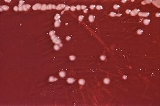
Pseudomonas aeruginosa

Encyclopedia
Pseudomonas aeruginosa is a common bacterium that can cause disease
in animals, including humans. It is found in soil, water, skin flora
, and most man-made environments throughout the world. It thrives not only in normal atmospheres, but also in hypoxic
atmospheres, and has, thus, colonized many natural and artificial environments. It uses a wide range of organic material for food; in animals, the versatility enables the organism to infect damaged tissues or those with reduced immunity. The symptoms of such infections are generalized inflammation
and sepsis
. If such colonizations occur in critical body organs, such as the lung
s, the urinary tract, and kidneys, the results can be fatal. Because it thrives on most surfaces, this bacterium is also found on and in medical equipment
, including catheter
s, causing cross-infection
s in hospital
s and clinic
s. It is implicated in hot-tub rash. It is also able to decompose hydrocarbons and has been used to break down tarballs
and oil from oil spill
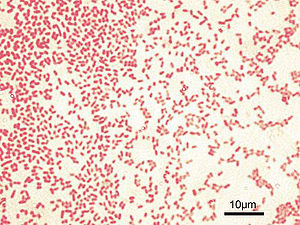
s.
, aerobic
, rod-shaped bacterium with unipolar motility
. An opportunistic human pathogen
, P. aeruginosa is also an opportunistic pathogen of plants. P. aeruginosa is the type species
of the genus Pseudomonas (Migula).
 P. aeruginosa secretes a variety of pigments, including pyocyanin (blue-green), pyoverdine
(yellow-green and fluorescent
), and pyorubin (red-brown). King, Ward, and Raney developed Pseudomonas Agar P (King A medium) for enhancing pyocyanin and pyorubin production, and Pseudomonas Agar F (King B medium) for enhancing fluorescein production.
P. aeruginosa is often preliminarily identified by its pearlescent appearance and grape-like or tortilla-like odor in vitro
. Definitive clinical identification of P. aeruginosa often includes identifying the production of both pyocyanin and fluorescein, as well as its ability to grow at 42°C. P. aeruginosa is capable of growth in diesel and jet fuel
, where it is known as a hydrocarbon
-using microorganism
(or "HUM bug"), causing microbial corrosion
. It creates dark, gellish mats sometimes improperly called "algae
" because of their appearance.
Although classified as an aerobic organism
, P. aeruginosa is considered by many as a facultative anaerobe, as it is well adapted to proliferate in conditions of partial or total oxygen depletion. This organism can achieve anaerobic
growth with nitrate
as a terminal electron acceptor
, and, in its absence, it is also able to ferment arginine
by substrate-level phosphorylation
. Adaptation to microaerobic or anaerobic environments is essential for certain lifestyles of P. aeruginosa, for example, during lung infection in cystic fibrosis
patients, where thick layers of lung mucus
and alginate
surrounding mucoid bacterial cells can limit the diffusion of oxygen.
+C
-rich Pseudomonas aeruginosa chromosome
consists of a conserved core and a variable accessory part. The core genomes of P. aeruginosa strains are largely collinear, exhibit a low rate of sequence polymorphism
, and contain few loci
of high sequence
diversity, the most notable ones being the pyoverdine locus, the flagellar regulon, pilA, and the O-antigen biosynthesis locus. Variable segments are scattered throughout the genome, of which about one-third are immediately adjacent to tRNA or tmRNA genes. The three known hot spots of genomic diversity are caused by the integration of genomic islands of the pKLC102/PAGI-2 family into tRNALys or tRNAGly genes. The individual islands differ in their repertoire of metabolic genes, but share a set of syntenic
genes that confer their horizontal spread to other clones and species. Colonization of atypical disease habitats predisposes to deletions, genome rearrangements, and accumulation of loss-of-function mutations in the P. aeruginosa chromosome
. The P. aeruginosa population is characterized by a few dominant clones widespread in disease and environmental habitats. The genome
is made up of clone-typical segments in core and accessory genome and of blocks in the core genome with unrestricted gene flow in the population.
s play diverse roles in the bacterial "lifestyle". They serve as a barrier between the cell wall
and the environment, mediate host-pathogen interactions, and form structural components of biofilm
s. These polysaccharides are synthesized from nucleotide-activated precursors, and, in most cases, all the enzymes necessary for biosynthesis, assembly, and transport of the completed polymer are encoded by genes organized in dedicated clusters within the genome of the organism
. Lipopolysaccharide
is one of the most important cell-surface polysaccharides, as it plays a key structural role in outer membrane integrity, as well as being an important mediator of host-pathogen interactions. The genetics for the biosynthesis of the so-called A-band (homopolymeric) and B-band (heteropolymeric) O antigens have been clearly defined, and much progress has been made toward understanding the biochemical pathways of their biosynthesis. The exopolysaccharide alginate is a linear copolymer of β-1,4-linked D-mannuronic acid and L-glucuronic acid residues, and is responsible for the mucoid phenotype of late-stage cystic fibrosis disease. The pel and psl loci are two recently-discovered gene clusters, which also encode exopolysaccharides found to be important for biofilm formation. A rhamnolipid
is a biosurfactant whose production is tightly regulated at the transcription
al level, but the precise role that it plays in disease is not well understood at present. Protein glycosylation
, in particular of pilin
and flagellin
, is a recent focus of research by several groups, and it has been shown to be important for adhesion and invasion during bacterial infection.
individuals, P. aeruginosa typically infects the pulmonary tract, urinary tract
, burn
s, wound
s, and also causes other blood infections
.
Hospital infections
It is the most common cause of infections of burn injuries and of the external ear
(otitis externa
), and is the most frequent colonizer of medical devices (e.g., catheters). Pseudomonas can, in rare circumstances, cause community-acquired pneumonias, as well as ventilator
-associated pneumonias, being one of the most common agents isolated in several studies. Pyocyanin is a virulence factor
of the bacteria and has been known to cause death in C. elegans
by oxidative stress
. However, research indicates that salicylic acid
can inhibit pyocyanin production. One in ten hospital-acquired infections are from Pseudomonas. Cystic fibrosis
patients are also predisposed to P. aeruginosa infection of the lungs. P. aeruginosa may also be a common cause of "hot-tub rash" (dermatitis
), caused by lack of proper, periodic attention to water quality. The most common cause of burn infections is P. aeruginosa. Pseudomonas is also a common cause of postoperative infection in radial keratotomy
surgery patients. The organism is also associated with the skin lesion ecthyma gangrenosum
. Pseudomonas aeruginosa is frequently associated with osteomyelitis involving puncture wounds of the foot, believed to result from direct inoculation with P. aeruginosa via the foam padding found in tennis shoes.
exotoxin A to ADP-ribosylate
eukaryotic elongation factor 2 in the host cell, much as the diphtheria toxin
does. Without elongation factor 2, eukaryotic cells cannot synthesize proteins and necrose. The release of intracellular contents induces an immunologic response
in immunocompetent patients.
In addition Pseudomonas aeruginosa uses an exoenzyme, ExoU, which degrades the plasma membrane of eukaryotic cells, leading to lysis.
levels, P. aeruginosa has been found to activate from benign symbiont to express lethal toxins inside the intestinal tract and severely damage or kill the host, which can be mitigated by providing excess phosphate instead of antibiotics.
(Thale cress) and Lactuca sativa (lettuce). It is also pathogenic to invertebrate animals, including the nematode Caenorhabditis elegans
, the fruit fly Drosophila
and the moth Galleria mellonella
. The associations of virulence factors are the same for plant and animal infections.
can occur through cell-cell communication or quorum sensing
(QS) via the production of small molecules called autoinducer
s. QS is known to control expression of a number of virulence factors. Another form of gene regulation that allows the bacteria
to rapidly adapt to surrounding changes is through environmental signaling. Recent studies have discovered anaerobiosis
can significantly impact the major regulatory circuit of QS. This important link between QS and anaerobiosis has a significant impact on production of virulence factors of this organism
. Garlic
experimentally blocks quorum sensing in P. aeruginosa.
s of P. aeruginosa can cause chronic opportunistic infection
s, which are a serious problem for medical care in industrialized societies, especially for immunocompromised patients and the elderly. They often cannot be treated effectively with traditional antibiotic
therapy. Biofilms seem to protect these bacteria from adverse environmental factors. P. aeruginosa can cause nosocomial infection
s and is considered a model organism
for the study of antibiotic-resistant bacteria. Researchers consider it important to learn more about the molecular mechanisms that cause the switch from plankton
ic growth to a biofilm phenotype and about the role of interbacterial communication in treatment-resistant bacteria such as P. aeruginosa. This should contribute to better clinical management of chronically infected patients, and should lead to the development of new drugs.
, an appropriate specimen is collected and sent to a bacteriology
laboratory for identification. As with most bacteriological specimens, a Gram stain is performed, which may show Gram-negative rods and/or white blood cells. P. aeruginosa produces colonies with a characteristic 'grape-like' odour on bacteriological media. In mixed cultures, it can be isolated as clear colonies on MacConkey agar
(as it does not ferment lactose) which will test positive for oxidase
. Confirmatory tests include production of the blue-green pigment pyocyanin on cetrimide agar
and growth at 42°C. A TSI slant
is often used to distinguish nonfermenting Pseudomonas species from enteric pathogens in faecal specimens.
, etc.), and, under these circumstances, it often represents colonization and not infection. The isolation of P. aeruginosa from nonsterile specimens should, therefore, be interpreted cautiously, and the advice of a microbiologist
or infectious diseases physician/pharmacist should be sought prior to starting treatment. Often no treatment is needed.
When P. aeruginosa is isolated from a sterile site (blood, bone, deep collections), it should be taken seriously, and almost always requires treatment.
P. aeruginosa is naturally resistant to a large range of antibiotics and may demonstrate additional resistance after unsuccessful treatment, in particular, through modification of a porin. It should usually be possible to guide treatment according to laboratory sensitivities, rather than choosing an antibiotic empirically
. If antibiotics are started empirically, then every effort should be made to obtain cultures, and the choice of antibiotic used should be reviewed when the culture results are available.
Phage therapy
against P. aeruginosa remains one of the most effective treatments, which can be combined with antibiotics, has no contraindications and minimal adverse effects. Phages are produced as sterile liquid, suitable for intake, applications etc.
Phage therapy against ear infections caused by P. aeruginosa was reported in the journal Clinical Otolaryngology in August 2009
Antibiotics that have activity against P. aeruginosa may include:
These antibiotics must all be given by injection
, with the exceptions of fluoroquinolones and aerosolized tobramycin. For this reason, in some hospitals, fluoroquinolone use is severely restricted to avoid the development of resistant strains of P. aeruginosa. In the rare occasions where infection is superficial and limited (for example, ear infections or nail infections), topical
gentamicin or colistin may be used.
susceptibility, which is attributable to a concerted action of multidrug efflux pump
s with chromosomally-encoded antibiotic resistance
genes (e.g., mexAB, mexXY etc.) and the low permeability of the bacterial cellular envelopes. In addition to this intrinsic resistance, P. aeruginosa easily develops acquired resistance either by mutation
in chromosomally-encoded genes or by the horizontal gene transfer
of antibiotic resistance determinants. Development of multidrug resistance
by P. aeruginosa isolates requires several different genetic events, including acquisition of different mutations and/or horizontal transfer of antibiotic resistance genes. Hypermutation favours the selection of mutation-driven antibiotic resistance in P. aeruginosa strains producing chronic infections, whereas the clustering of several different antibiotic resistance genes in integron
s favors the concerted acquisition of antibiotic resistance determinants. Some recent studies have shown that phenotypic resistance associated to biofilm
formation or to the emergence of small-colony variants may be important in the response of P. aeruginosa populations to antibiotic
s treatment.
Disease
A disease is an abnormal condition affecting the body of an organism. It is often construed to be a medical condition associated with specific symptoms and signs. It may be caused by external factors, such as infectious disease, or it may be caused by internal dysfunctions, such as autoimmune...
in animals, including humans. It is found in soil, water, skin flora
Skin flora
The skin flora are the microorganisms which reside on the skin. Most research has been upon those that reside upon the 2 square metres of human skin. Many of them are bacteria of which there are around 1000 species upon human skin from 19 phyla. The total number of bacteria on an average human has...
, and most man-made environments throughout the world. It thrives not only in normal atmospheres, but also in hypoxic
Hypoxia (environmental)
Hypoxia, or oxygen depletion, is a phenomenon that occurs in aquatic environments as dissolved oxygen becomes reduced in concentration to a point where it becomes detrimental to aquatic organisms living in the system...
atmospheres, and has, thus, colonized many natural and artificial environments. It uses a wide range of organic material for food; in animals, the versatility enables the organism to infect damaged tissues or those with reduced immunity. The symptoms of such infections are generalized inflammation
Inflammation
Inflammation is part of the complex biological response of vascular tissues to harmful stimuli, such as pathogens, damaged cells, or irritants. Inflammation is a protective attempt by the organism to remove the injurious stimuli and to initiate the healing process...
and sepsis
Sepsis
Sepsis is a potentially deadly medical condition that is characterized by a whole-body inflammatory state and the presence of a known or suspected infection. The body may develop this inflammatory response by the immune system to microbes in the blood, urine, lungs, skin, or other tissues...
. If such colonizations occur in critical body organs, such as the lung
Lung
The lung is the essential respiration organ in many air-breathing animals, including most tetrapods, a few fish and a few snails. In mammals and the more complex life forms, the two lungs are located near the backbone on either side of the heart...
s, the urinary tract, and kidneys, the results can be fatal. Because it thrives on most surfaces, this bacterium is also found on and in medical equipment
Medical equipment
Medical equipment is designed to aid in the diagnosis, monitoring or treatment of medical conditions.-Types:There are several basic types:* Diagnostic equipment includes medical imaging machines, used to aid in diagnosis...
, including catheter
Catheter
In medicine, a catheter is a tube that can be inserted into a body cavity, duct, or vessel. Catheters thereby allow drainage, administration of fluids or gases, or access by surgical instruments. The process of inserting a catheter is catheterization...
s, causing cross-infection
Infection
An infection is the colonization of a host organism by parasite species. Infecting parasites seek to use the host's resources to reproduce, often resulting in disease...
s in hospital
Hospital
A hospital is a health care institution providing patient treatment by specialized staff and equipment. Hospitals often, but not always, provide for inpatient care or longer-term patient stays....
s and clinic
Clinic
A clinic is a health care facility that is primarily devoted to the care of outpatients...
s. It is implicated in hot-tub rash. It is also able to decompose hydrocarbons and has been used to break down tarballs
Tarball (oil)
A tarball is a blob of petroleum which has been weathered after floating in the ocean. Tarballs are an aquatic pollutant in most environments, although they can occur naturally and as such are not always associated with oil spills....
and oil from oil spill
Oil spill
An oil spill is the release of a liquid petroleum hydrocarbon into the environment, especially marine areas, due to human activity, and is a form of pollution. The term is mostly used to describe marine oil spills, where oil is released into the ocean or coastal waters...
s.
Identification
It is a Gram-negativeGram-negative
Gram-negative bacteria are bacteria that do not retain crystal violet dye in the Gram staining protocol. In a Gram stain test, a counterstain is added after the crystal violet, coloring all Gram-negative bacteria with a red or pink color...
, aerobic
Aerobic organism
An aerobic organism or aerobe is an organism that can survive and grow in an oxygenated environment.Faculitative anaerobes grow and survive in an oxygenated environment and so do aerotolerant anaerobes.-Glucose:...
, rod-shaped bacterium with unipolar motility
Flagellum
A flagellum is a tail-like projection that protrudes from the cell body of certain prokaryotic and eukaryotic cells, and plays the dual role of locomotion and sense organ, being sensitive to chemicals and temperatures outside the cell. There are some notable differences between prokaryotic and...
. An opportunistic human pathogen
Opportunistic infection
An opportunistic infection is an infection caused by pathogens, particularly opportunistic pathogens—those that take advantage of certain situations—such as bacterial, viral, fungal or protozoan infections that usually do not cause disease in a healthy host, one with a healthy immune system...
, P. aeruginosa is also an opportunistic pathogen of plants. P. aeruginosa is the type species
Type species
In biological nomenclature, a type species is both a concept and a practical system which is used in the classification and nomenclature of animals and plants. The value of a "type species" lies in the fact that it makes clear what is meant by a particular genus name. A type species is the species...
of the genus Pseudomonas (Migula).
Pyoverdine
Pyoverdine is a fluorescent siderophore produced by the Gram negative bacterium Pseudomonas aeruginosa.In Pseudomonas aeruginosa PAO1 there are 14 pvd genes involed in the synthesis of the pyoveridine....
(yellow-green and fluorescent
Fluorescence
Fluorescence is the emission of light by a substance that has absorbed light or other electromagnetic radiation of a different wavelength. It is a form of luminescence. In most cases, emitted light has a longer wavelength, and therefore lower energy, than the absorbed radiation...
), and pyorubin (red-brown). King, Ward, and Raney developed Pseudomonas Agar P (King A medium) for enhancing pyocyanin and pyorubin production, and Pseudomonas Agar F (King B medium) for enhancing fluorescein production.
P. aeruginosa is often preliminarily identified by its pearlescent appearance and grape-like or tortilla-like odor in vitro
In vitro
In vitro refers to studies in experimental biology that are conducted using components of an organism that have been isolated from their usual biological context in order to permit a more detailed or more convenient analysis than can be done with whole organisms. Colloquially, these experiments...
. Definitive clinical identification of P. aeruginosa often includes identifying the production of both pyocyanin and fluorescein, as well as its ability to grow at 42°C. P. aeruginosa is capable of growth in diesel and jet fuel
Jet fuel
Jet fuel is a type of aviation fuel designed for use in aircraft powered by gas-turbine engines. It is clear to straw-colored in appearance. The most commonly used fuels for commercial aviation are Jet A and Jet A-1 which are produced to a standardized international specification...
, where it is known as a hydrocarbon
Hydrocarbon
In organic chemistry, a hydrocarbon is an organic compound consisting entirely of hydrogen and carbon. Hydrocarbons from which one hydrogen atom has been removed are functional groups, called hydrocarbyls....
-using microorganism
Microorganism
A microorganism or microbe is a microscopic organism that comprises either a single cell , cell clusters, or no cell at all...
(or "HUM bug"), causing microbial corrosion
Microbial corrosion
Microbial corrosion, also called bacterial corrosion, bio-corrosion, microbiologically-influenced corrosion, or microbially-induced corrosion , is corrosion caused or promoted by microorganisms, usually chemoautotrophs...
. It creates dark, gellish mats sometimes improperly called "algae
Algae
Algae are a large and diverse group of simple, typically autotrophic organisms, ranging from unicellular to multicellular forms, such as the giant kelps that grow to 65 meters in length. They are photosynthetic like plants, and "simple" because their tissues are not organized into the many...
" because of their appearance.
Although classified as an aerobic organism
Aerobic organism
An aerobic organism or aerobe is an organism that can survive and grow in an oxygenated environment.Faculitative anaerobes grow and survive in an oxygenated environment and so do aerotolerant anaerobes.-Glucose:...
, P. aeruginosa is considered by many as a facultative anaerobe, as it is well adapted to proliferate in conditions of partial or total oxygen depletion. This organism can achieve anaerobic
Anaerobic
Anaerobic is a word which literally means without oxygen, as opposed to aerobic.In wastewater treatment the absence of oxygen is indicated as anoxic; and anaerobic is used to indicate the absence of a common electron acceptor such as nitrate, sulfate or oxygen.Anaerobic may refer to:*Anaerobic...
growth with nitrate
Nitrate
The nitrate ion is a polyatomic ion with the molecular formula NO and a molecular mass of 62.0049 g/mol. It is the conjugate base of nitric acid, consisting of one central nitrogen atom surrounded by three identically-bonded oxygen atoms in a trigonal planar arrangement. The nitrate ion carries a...
as a terminal electron acceptor
Electron acceptor
An electron acceptor is a chemical entity that accepts electrons transferred to it from another compound. It is an oxidizing agent that, by virtue of its accepting electrons, is itself reduced in the process....
, and, in its absence, it is also able to ferment arginine
Arginine
Arginine is an α-amino acid. The L-form is one of the 20 most common natural amino acids. At the level of molecular genetics, in the structure of the messenger ribonucleic acid mRNA, CGU, CGC, CGA, CGG, AGA, and AGG, are the triplets of nucleotide bases or codons that codify for arginine during...
by substrate-level phosphorylation
Substrate-level phosphorylation
Substrate-level phosphorylation is a type of metabolism that results in the formation and creation of adenosine triphosphate or guanosine triphosphate by the direct transfer and donation of a phosphoryl group to adenosine diphosphate or guanosine diphosphate from a phosphorylated reactive...
. Adaptation to microaerobic or anaerobic environments is essential for certain lifestyles of P. aeruginosa, for example, during lung infection in cystic fibrosis
Cystic fibrosis
Cystic fibrosis is a recessive genetic disease affecting most critically the lungs, and also the pancreas, liver, and intestine...
patients, where thick layers of lung mucus
Mucus
In vertebrates, mucus is a slippery secretion produced by, and covering, mucous membranes. Mucous fluid is typically produced from mucous cells found in mucous glands. Mucous cells secrete products that are rich in glycoproteins and water. Mucous fluid may also originate from mixed glands, which...
and alginate
Alginic acid
Alginic acid, also called algin or alginate, is an anionic polysaccharide distributed widely in the cell walls of brown algae, where it, through binding water, forms a viscous gum. In extracted form it absorbs water quickly; it is capable of absorbing 200-300 times its own weight in water. Its...
surrounding mucoid bacterial cells can limit the diffusion of oxygen.
Nomenclature
- The word Pseudomonas means "false unit", from the Greek pseudo (GreekAncient GreekAncient Greek is the stage of the Greek language in the periods spanning the times c. 9th–6th centuries BC, , c. 5th–4th centuries BC , and the c. 3rd century BC – 6th century AD of ancient Greece and the ancient world; being predated in the 2nd millennium BC by Mycenaean Greek...
: ψευδο, false) and monas ' onMouseout='HidePop("88967")' href="/topics/Ancient_Greek">GreekAncient GreekAncient Greek is the stage of the Greek language in the periods spanning the times c. 9th–6th centuries BC, , c. 5th–4th centuries BC , and the c. 3rd century BC – 6th century AD of ancient Greece and the ancient world; being predated in the 2nd millennium BC by Mycenaean Greek...
: μονος, a single unit). The stem word mon was used early in the history of microbiologyMicrobiologyMicrobiology is the study of microorganisms, which are defined as any microscopic organism that comprises either a single cell , cell clusters or no cell at all . This includes eukaryotes, such as fungi and protists, and prokaryotes...
to refer to germGerm theory of diseaseThe germ theory of disease, also called the pathogenic theory of medicine, is a theory that proposes that microorganisms are the cause of many diseases...
s, e.g., Kingdom MoneraMoneraMonera is a superseded kingdom that contains unicellular organisms without a nucleus , such as bacteria....
. - The species name aeruginosa is a Latin word meaning "copper rust", as seen with the oxidized copper patina on the Statue of LibertyStatue of LibertyThe Statue of Liberty is a colossal neoclassical sculpture on Liberty Island in New York Harbor, designed by Frédéric Bartholdi and dedicated on October 28, 1886...
. This also describes the blue-green bacterial pigment seen in laboratory cultures of the species. This blue-green pigment is a combination of two metabolites of P. aeruginosa, pyocyanin (blue) and pyoverdine (green), which impart the blue-green characteristic color of cultures. Pyocyanin biosynthesis is regulated by quorum sensingQuorum sensingQuorum sensing is a system of stimulus and response correlated to population density. Many species of bacteria use quorum sensing to coordinate gene expression according to the density of their local population. In similar fashion, some social insects use quorum sensing to determine where to nest...
as in the biofilmBiofilmA biofilm is an aggregate of microorganisms in which cells adhere to each other on a surface. These adherent cells are frequently embedded within a self-produced matrix of extracellular polymeric substance...
s associated with colonization of the lungs in cystic fibrosisCystic fibrosisCystic fibrosis is a recessive genetic disease affecting most critically the lungs, and also the pancreas, liver, and intestine...
patients. Another assertion is that the word may be derived from the Greek prefix ae- meaning "old or aged", and the suffix ruginosa means wrinkled or bumpy. - The derivations of pyocyanin and pyoverdine are of the GreekAncient GreekAncient Greek is the stage of the Greek language in the periods spanning the times c. 9th–6th centuries BC, , c. 5th–4th centuries BC , and the c. 3rd century BC – 6th century AD of ancient Greece and the ancient world; being predated in the 2nd millennium BC by Mycenaean Greek...
, with pyo-, meaning "pus", cyanin, meaning "blue", and verdine, meaning "green". Pyoverdine in the absence of pyocyanin is a fluorescent-yellow color.
Genomic diversity
The GGuanine
Guanine is one of the four main nucleobases found in the nucleic acids DNA and RNA, the others being adenine, cytosine, and thymine . In DNA, guanine is paired with cytosine. With the formula C5H5N5O, guanine is a derivative of purine, consisting of a fused pyrimidine-imidazole ring system with...
+C
Cytosine
Cytosine is one of the four main bases found in DNA and RNA, along with adenine, guanine, and thymine . It is a pyrimidine derivative, with a heterocyclic aromatic ring and two substituents attached . The nucleoside of cytosine is cytidine...
-rich Pseudomonas aeruginosa chromosome
Chromosome
A chromosome is an organized structure of DNA and protein found in cells. It is a single piece of coiled DNA containing many genes, regulatory elements and other nucleotide sequences. Chromosomes also contain DNA-bound proteins, which serve to package the DNA and control its functions.Chromosomes...
consists of a conserved core and a variable accessory part. The core genomes of P. aeruginosa strains are largely collinear, exhibit a low rate of sequence polymorphism
Polymorphism (biology)
Polymorphism in biology occurs when two or more clearly different phenotypes exist in the same population of a species — in other words, the occurrence of more than one form or morph...
, and contain few loci
Locus (genetics)
In the fields of genetics and genetic computation, a locus is the specific location of a gene or DNA sequence on a chromosome. A variant of the DNA sequence at a given locus is called an allele. The ordered list of loci known for a particular genome is called a genetic map...
of high sequence
Sequence
In mathematics, a sequence is an ordered list of objects . Like a set, it contains members , and the number of terms is called the length of the sequence. Unlike a set, order matters, and exactly the same elements can appear multiple times at different positions in the sequence...
diversity, the most notable ones being the pyoverdine locus, the flagellar regulon, pilA, and the O-antigen biosynthesis locus. Variable segments are scattered throughout the genome, of which about one-third are immediately adjacent to tRNA or tmRNA genes. The three known hot spots of genomic diversity are caused by the integration of genomic islands of the pKLC102/PAGI-2 family into tRNALys or tRNAGly genes. The individual islands differ in their repertoire of metabolic genes, but share a set of syntenic
Synteny
In classical genetics, synteny describes the physical co-localization of genetic loci on the same chromosome within an individual or species. The concept is related to genetic linkage: Linkage between two loci is established by the observation of lower-than-expected recombination frequencies...
genes that confer their horizontal spread to other clones and species. Colonization of atypical disease habitats predisposes to deletions, genome rearrangements, and accumulation of loss-of-function mutations in the P. aeruginosa chromosome
Chromosome
A chromosome is an organized structure of DNA and protein found in cells. It is a single piece of coiled DNA containing many genes, regulatory elements and other nucleotide sequences. Chromosomes also contain DNA-bound proteins, which serve to package the DNA and control its functions.Chromosomes...
. The P. aeruginosa population is characterized by a few dominant clones widespread in disease and environmental habitats. The genome
Genome
In modern molecular biology and genetics, the genome is the entirety of an organism's hereditary information. It is encoded either in DNA or, for many types of virus, in RNA. The genome includes both the genes and the non-coding sequences of the DNA/RNA....
is made up of clone-typical segments in core and accessory genome and of blocks in the core genome with unrestricted gene flow in the population.
Cell-surface polysaccharides
Cell-surface polysaccharidePolysaccharide
Polysaccharides are long carbohydrate molecules, of repeated monomer units joined together by glycosidic bonds. They range in structure from linear to highly branched. Polysaccharides are often quite heterogeneous, containing slight modifications of the repeating unit. Depending on the structure,...
s play diverse roles in the bacterial "lifestyle". They serve as a barrier between the cell wall
Cell wall
The cell wall is the tough, usually flexible but sometimes fairly rigid layer that surrounds some types of cells. It is located outside the cell membrane and provides these cells with structural support and protection, and also acts as a filtering mechanism. A major function of the cell wall is to...
and the environment, mediate host-pathogen interactions, and form structural components of biofilm
Biofilm
A biofilm is an aggregate of microorganisms in which cells adhere to each other on a surface. These adherent cells are frequently embedded within a self-produced matrix of extracellular polymeric substance...
s. These polysaccharides are synthesized from nucleotide-activated precursors, and, in most cases, all the enzymes necessary for biosynthesis, assembly, and transport of the completed polymer are encoded by genes organized in dedicated clusters within the genome of the organism
Organism
In biology, an organism is any contiguous living system . In at least some form, all organisms are capable of response to stimuli, reproduction, growth and development, and maintenance of homoeostasis as a stable whole.An organism may either be unicellular or, as in the case of humans, comprise...
. Lipopolysaccharide
Lipopolysaccharide
Lipopolysaccharides , also known as lipoglycans, are large molecules consisting of a lipid and a polysaccharide joined by a covalent bond; they are found in the outer membrane of Gram-negative bacteria, act as endotoxins and elicit strong immune responses in animals.-Functions:LPS is the major...
is one of the most important cell-surface polysaccharides, as it plays a key structural role in outer membrane integrity, as well as being an important mediator of host-pathogen interactions. The genetics for the biosynthesis of the so-called A-band (homopolymeric) and B-band (heteropolymeric) O antigens have been clearly defined, and much progress has been made toward understanding the biochemical pathways of their biosynthesis. The exopolysaccharide alginate is a linear copolymer of β-1,4-linked D-mannuronic acid and L-glucuronic acid residues, and is responsible for the mucoid phenotype of late-stage cystic fibrosis disease. The pel and psl loci are two recently-discovered gene clusters, which also encode exopolysaccharides found to be important for biofilm formation. A rhamnolipid
Rhamnolipid
Rhamnolipids are a class of glycolipid produced by Pseudomonas aeruginosa, frequently cited as the best characterised of the bacterial surfactants They have a glycosyl head group, in this case a rhamnose moiety, and a 3-alkanoic acid fatty acid tail.Specifically there are two main classes of...
is a biosurfactant whose production is tightly regulated at the transcription
Transcription (genetics)
Transcription is the process of creating a complementary RNA copy of a sequence of DNA. Both RNA and DNA are nucleic acids, which use base pairs of nucleotides as a complementary language that can be converted back and forth from DNA to RNA by the action of the correct enzymes...
al level, but the precise role that it plays in disease is not well understood at present. Protein glycosylation
Glycosylation
Glycosylation is the reaction in which a carbohydrate, i.e. a glycosyl donor, is attached to a hydroxyl or other functional group of another molecule . In biology glycosylation refers to the enzymatic process that attaches glycans to proteins, lipids, or other organic molecules...
, in particular of pilin
Pilin
Pilin refers to a class of fibrous proteins that are found in pilus structures in bacteria. Bacterial pili are used in the exchange of genetic material during bacterial conjugation, and a short pilus called a fimbrium is used as a cell adhesion mechanism. Although not all bacteria have pili or...
and flagellin
Flagellin
Flagellin is a protein that arranges itself in a hollow cylinder to form the filament in bacterial flagellum. It has a mass of about 30,000 to 60,000 daltons...
, is a recent focus of research by several groups, and it has been shown to be important for adhesion and invasion during bacterial infection.
Pathogenesis
An opportunistic, nosocomial pathogen of immunocompromisedImmunodeficiency
Immunodeficiency is a state in which the immune system's ability to fight infectious disease is compromised or entirely absent. Immunodeficiency may also decrease cancer immunosurveillance. Most cases of immunodeficiency are acquired but some people are born with defects in their immune system,...
individuals, P. aeruginosa typically infects the pulmonary tract, urinary tract
Urinary tract infection
A urinary tract infection is a bacterial infection that affects any part of the urinary tract. Symptoms include frequent feeling and/or need to urinate, pain during urination, and cloudy urine. The main causal agent is Escherichia coli...
, burn
Burn (injury)
A burn is a type of injury to flesh caused by heat, electricity, chemicals, light, radiation or friction. Most burns affect only the skin . Rarely, deeper tissues, such as muscle, bone, and blood vessels can also be injured...
s, wound
Wound
A wound is a type of injury in which skin is torn, cut or punctured , or where blunt force trauma causes a contusion . In pathology, it specifically refers to a sharp injury which damages the dermis of the skin.-Open:...
s, and also causes other blood infections
Sepsis
Sepsis is a potentially deadly medical condition that is characterized by a whole-body inflammatory state and the presence of a known or suspected infection. The body may develop this inflammatory response by the immune system to microbes in the blood, urine, lungs, skin, or other tissues...
.
Hospital infections
| Hospital infections | Details and common associations | High-risk groups |
|---|---|---|
| Pneumonia | Diffuse bronchopneumonia | Cystic fibrosis patients |
| Septic shock | Associated with skin lesion ecthyma gangerenosum | Neutropenic patients |
| Urinary tract infection | Urinary tract catheterization | |
| Gastrointestinal infection | Necrotising enterocolitis (NEC) | NEC, especially in premature infants and neutropenic cancer patients |
| Skin and soft tissue infections | Hemorrhage and necrosis | Burns victims and patients with wound infections |
Ear
The ear is the organ that detects sound. It not only receives sound, but also aids in balance and body position. The ear is part of the auditory system....
(otitis externa
Otitis externa
Otitis externa is an inflammation of the outer ear and ear canal. Along with otitis media, external otitis is one of the two human conditions commonly called "earache". It also occurs in many other species. Inflammation of the skin of the ear canal is the essence of this disorder...
), and is the most frequent colonizer of medical devices (e.g., catheters). Pseudomonas can, in rare circumstances, cause community-acquired pneumonias, as well as ventilator
Medical ventilator
A medical ventilator can be defined as any machine designed to mechanically move breatheable air into and out of the lungs, to provide the mechanism of breathing for a patient who is physically unable to breathe, or breathing insufficiently....
-associated pneumonias, being one of the most common agents isolated in several studies. Pyocyanin is a virulence factor
Virulence factor
Virulence factors are molecules expressed and secreted by pathogens that enable them to achieve the following:* colonization of a niche in the host...
of the bacteria and has been known to cause death in C. elegans
Caenorhabditis elegans
Caenorhabditis elegans is a free-living, transparent nematode , about 1 mm in length, which lives in temperate soil environments. Research into the molecular and developmental biology of C. elegans was begun in 1974 by Sydney Brenner and it has since been used extensively as a model...
by oxidative stress
Oxidative stress
Oxidative stress represents an imbalance between the production and manifestation of reactive oxygen species and a biological system's ability to readily detoxify the reactive intermediates or to repair the resulting damage...
. However, research indicates that salicylic acid
Salicylic acid
Salicylic acid is a monohydroxybenzoic acid, a type of phenolic acid and a beta hydroxy acid. This colorless crystalline organic acid is widely used in organic synthesis and functions as a plant hormone. It is derived from the metabolism of salicin...
can inhibit pyocyanin production. One in ten hospital-acquired infections are from Pseudomonas. Cystic fibrosis
Cystic fibrosis
Cystic fibrosis is a recessive genetic disease affecting most critically the lungs, and also the pancreas, liver, and intestine...
patients are also predisposed to P. aeruginosa infection of the lungs. P. aeruginosa may also be a common cause of "hot-tub rash" (dermatitis
Dermatitis
-Etymology:Dermatitis derives from Greek derma "skin" + -itis "inflammation" and genetic disorder.-Terminology:There are several different types of dermatitis. The different kinds usually have in common an allergic reaction to specific allergens. The term may describe eczema, which is also called...
), caused by lack of proper, periodic attention to water quality. The most common cause of burn infections is P. aeruginosa. Pseudomonas is also a common cause of postoperative infection in radial keratotomy
Radial keratotomy
Radial keratotomy is a refractive surgical procedure to correct myopia.- Discovery :The procedure was discovered by Svyatoslav Fyodorov who removed glass from the eye of one of his patients who had been in an accident. A boy, who wore eyeglasses, fell off his bicycle and his glasses shattered on...
surgery patients. The organism is also associated with the skin lesion ecthyma gangrenosum
Ecthyma gangrenosum
Ecthyma gangrenosum is an infection of the skin typically caused by Pseudomonas aeruginosa. It presents as a round or oval lesion, 1 cm to 15 cm in diameter, with a halo of erythema. A necrotic center is usually present with a surrounding erythematous edge, representing where the organism invaded...
. Pseudomonas aeruginosa is frequently associated with osteomyelitis involving puncture wounds of the foot, believed to result from direct inoculation with P. aeruginosa via the foam padding found in tennis shoes.
Toxins
P. aeruginosa uses the virulence factorVirulence factor
Virulence factors are molecules expressed and secreted by pathogens that enable them to achieve the following:* colonization of a niche in the host...
exotoxin A to ADP-ribosylate
ADP-ribosylation
ADP-ribosylation is the addition of one or more ADP-ribose moieties to a protein. These reactions are involved in cell signaling and the control of many cell processes, including DNA repair and apoptosis.-ADP-ribosylation enzymes:...
eukaryotic elongation factor 2 in the host cell, much as the diphtheria toxin
Diphtheria toxin
Diphtheria toxin is an exotoxin secreted by Corynebacterium diphtheriae, the pathogen bacterium that causes diphtheria. Unusually, the toxin gene is encoded by a bacteriophage...
does. Without elongation factor 2, eukaryotic cells cannot synthesize proteins and necrose. The release of intracellular contents induces an immunologic response
Immune system
An immune system is a system of biological structures and processes within an organism that protects against disease by identifying and killing pathogens and tumor cells. It detects a wide variety of agents, from viruses to parasitic worms, and needs to distinguish them from the organism's own...
in immunocompetent patients.
In addition Pseudomonas aeruginosa uses an exoenzyme, ExoU, which degrades the plasma membrane of eukaryotic cells, leading to lysis.
Triggers
With low phosphatePhosphate
A phosphate, an inorganic chemical, is a salt of phosphoric acid. In organic chemistry, a phosphate, or organophosphate, is an ester of phosphoric acid. Organic phosphates are important in biochemistry and biogeochemistry or ecology. Inorganic phosphates are mined to obtain phosphorus for use in...
levels, P. aeruginosa has been found to activate from benign symbiont to express lethal toxins inside the intestinal tract and severely damage or kill the host, which can be mitigated by providing excess phosphate instead of antibiotics.
Plants and invertebrates
In higher plants, P. aeruginosa induces symptoms of soft rot, for example in Arabidopsis thalianaArabidopsis thaliana
Arabidopsis thaliana is a small flowering plant native to Europe, Asia, and northwestern Africa. A spring annual with a relatively short life cycle, arabidopsis is popular as a model organism in plant biology and genetics...
(Thale cress) and Lactuca sativa (lettuce). It is also pathogenic to invertebrate animals, including the nematode Caenorhabditis elegans
Caenorhabditis elegans
Caenorhabditis elegans is a free-living, transparent nematode , about 1 mm in length, which lives in temperate soil environments. Research into the molecular and developmental biology of C. elegans was begun in 1974 by Sydney Brenner and it has since been used extensively as a model...
, the fruit fly Drosophila
Drosophila
Drosophila is a genus of small flies, belonging to the family Drosophilidae, whose members are often called "fruit flies" or more appropriately pomace flies, vinegar flies, or wine flies, a reference to the characteristic of many species to linger around overripe or rotting fruit...
and the moth Galleria mellonella
Galleria mellonella
The Greater Wax Moth or Honeycomb Moth is a moth of the family Pyralidae. It is the only member of the genus Galleria. It is found in most of the world, including Europe and adjacent Eurasia , and as an introduced species e.g...
. The associations of virulence factors are the same for plant and animal infections.
Quorum sensing
Regulation of gene expressionGene expression
Gene expression is the process by which information from a gene is used in the synthesis of a functional gene product. These products are often proteins, but in non-protein coding genes such as ribosomal RNA , transfer RNA or small nuclear RNA genes, the product is a functional RNA...
can occur through cell-cell communication or quorum sensing
Quorum sensing
Quorum sensing is a system of stimulus and response correlated to population density. Many species of bacteria use quorum sensing to coordinate gene expression according to the density of their local population. In similar fashion, some social insects use quorum sensing to determine where to nest...
(QS) via the production of small molecules called autoinducer
Autoinducer
Autoinducers are chemical signaling molecules that are produced and used by bacteria participating in quorum sensing. Quorum sensing is a phenomenon that allows both Gram-negative and Gram-positive bacteria to sense one another and to regulate a wide variety of physiological activities. Such...
s. QS is known to control expression of a number of virulence factors. Another form of gene regulation that allows the bacteria
Bacteria
Bacteria are a large domain of prokaryotic microorganisms. Typically a few micrometres in length, bacteria have a wide range of shapes, ranging from spheres to rods and spirals...
to rapidly adapt to surrounding changes is through environmental signaling. Recent studies have discovered anaerobiosis
Anaerobic organism
An anaerobic organism or anaerobe is any organism that does not require oxygen for growth. It could possibly react negatively and may even die if oxygen is present...
can significantly impact the major regulatory circuit of QS. This important link between QS and anaerobiosis has a significant impact on production of virulence factors of this organism
Organism
In biology, an organism is any contiguous living system . In at least some form, all organisms are capable of response to stimuli, reproduction, growth and development, and maintenance of homoeostasis as a stable whole.An organism may either be unicellular or, as in the case of humans, comprise...
. Garlic
Garlic
Allium sativum, commonly known as garlic, is a species in the onion genus, Allium. Its close relatives include the onion, shallot, leek, chive, and rakkyo. Dating back over 6,000 years, garlic is native to central Asia, and has long been a staple in the Mediterranean region, as well as a frequent...
experimentally blocks quorum sensing in P. aeruginosa.
Biofilms and treatment resistance
BiofilmBiofilm
A biofilm is an aggregate of microorganisms in which cells adhere to each other on a surface. These adherent cells are frequently embedded within a self-produced matrix of extracellular polymeric substance...
s of P. aeruginosa can cause chronic opportunistic infection
Opportunistic infection
An opportunistic infection is an infection caused by pathogens, particularly opportunistic pathogens—those that take advantage of certain situations—such as bacterial, viral, fungal or protozoan infections that usually do not cause disease in a healthy host, one with a healthy immune system...
s, which are a serious problem for medical care in industrialized societies, especially for immunocompromised patients and the elderly. They often cannot be treated effectively with traditional antibiotic
Antibiotic
An antibacterial is a compound or substance that kills or slows down the growth of bacteria.The term is often used synonymously with the term antibiotic; today, however, with increased knowledge of the causative agents of various infectious diseases, antibiotic has come to denote a broader range of...
therapy. Biofilms seem to protect these bacteria from adverse environmental factors. P. aeruginosa can cause nosocomial infection
Nosocomial infection
A nosocomial infection , also known as a hospital-acquired infection or HAI, is an infection whose development is favoured by a hospital environment, such as one acquired by a patient during a hospital visit or one developing among hospital staff...
s and is considered a model organism
Model organism
A model organism is a non-human species that is extensively studied to understand particular biological phenomena, with the expectation that discoveries made in the organism model will provide insight into the workings of other organisms. Model organisms are in vivo models and are widely used to...
for the study of antibiotic-resistant bacteria. Researchers consider it important to learn more about the molecular mechanisms that cause the switch from plankton
Plankton
Plankton are any drifting organisms that inhabit the pelagic zone of oceans, seas, or bodies of fresh water. That is, plankton are defined by their ecological niche rather than phylogenetic or taxonomic classification...
ic growth to a biofilm phenotype and about the role of interbacterial communication in treatment-resistant bacteria such as P. aeruginosa. This should contribute to better clinical management of chronically infected patients, and should lead to the development of new drugs.
Diagnosis
Depending on the nature of infectionInfection
An infection is the colonization of a host organism by parasite species. Infecting parasites seek to use the host's resources to reproduce, often resulting in disease...
, an appropriate specimen is collected and sent to a bacteriology
Bacteriology
Bacteriology is the study of bacteria. This subdivision of microbiology involves the identification, classification, and characterization of bacterial species...
laboratory for identification. As with most bacteriological specimens, a Gram stain is performed, which may show Gram-negative rods and/or white blood cells. P. aeruginosa produces colonies with a characteristic 'grape-like' odour on bacteriological media. In mixed cultures, it can be isolated as clear colonies on MacConkey agar
MacConkey agar
MacConkey agar is a culture medium designed to grow Gram-negative bacteria and stain them for lactose fermentation.-Contents:It contains bile salts MacConkey agar is a culture medium designed to grow Gram-negative bacteria and stain them for lactose fermentation.-Contents:It contains bile salts...
(as it does not ferment lactose) which will test positive for oxidase
Oxidase
An oxidase is any enzyme that catalyzes an oxidation-reduction reaction involving molecular oxygen as the electron acceptor. In these reactions, oxygen is reduced to water or hydrogen peroxide ....
. Confirmatory tests include production of the blue-green pigment pyocyanin on cetrimide agar
Cetrimide agar
Cetrimide agar is a type of agar used for the selective isolation of the gram-negative bacteria, Pseudomonas aeruginosa. As the name suggests, it contains cetrimide, which is the selective agent against alternate microbial flora...
and growth at 42°C. A TSI slant
TSI slant
thumb|right|250px|TSI agar slant results: preinoculated ,[[Pseudomonas aeruginosa|P. aeruginosa]], [[Escherichia coli|E...
is often used to distinguish nonfermenting Pseudomonas species from enteric pathogens in faecal specimens.
Treatment
P. aeruginosa is frequently isolated from nonsterile sites (mouth swabs, sputumSputum
Sputum is mucus that is coughed up from the lower airways. It is usually used for microbiological investigations of respiratory infections....
, etc.), and, under these circumstances, it often represents colonization and not infection. The isolation of P. aeruginosa from nonsterile specimens should, therefore, be interpreted cautiously, and the advice of a microbiologist
Microbiology
Microbiology is the study of microorganisms, which are defined as any microscopic organism that comprises either a single cell , cell clusters or no cell at all . This includes eukaryotes, such as fungi and protists, and prokaryotes...
or infectious diseases physician/pharmacist should be sought prior to starting treatment. Often no treatment is needed.
When P. aeruginosa is isolated from a sterile site (blood, bone, deep collections), it should be taken seriously, and almost always requires treatment.
P. aeruginosa is naturally resistant to a large range of antibiotics and may demonstrate additional resistance after unsuccessful treatment, in particular, through modification of a porin. It should usually be possible to guide treatment according to laboratory sensitivities, rather than choosing an antibiotic empirically
Empiric therapy
Empiric therapy is a medical term referring to the initiation of treatment prior to determination of a firm diagnosis. It may be thought of as taking the initiative against an anticipated and likely cause of infectious disease. It is most often used when antibiotics are given to a person before the...
. If antibiotics are started empirically, then every effort should be made to obtain cultures, and the choice of antibiotic used should be reviewed when the culture results are available.
Phage therapy
Phage therapy
Phage therapy is the therapeutic use of bacteriophages to treat pathogenic bacterial infections. Although extensively used and developed mainly in former Soviet Union countries circa 1920, this method of therapy is still being tested for treatment of a variety of bacterial and poly-microbial...
against P. aeruginosa remains one of the most effective treatments, which can be combined with antibiotics, has no contraindications and minimal adverse effects. Phages are produced as sterile liquid, suitable for intake, applications etc.
Phage therapy against ear infections caused by P. aeruginosa was reported in the journal Clinical Otolaryngology in August 2009
Antibiotics that have activity against P. aeruginosa may include:
- aminoglycosideAminoglycosideAn aminoglycoside is a molecule or a portion of a molecule composed of amino-modifiedsugars.Several aminoglycosides function as antibiotics that are effective against certain types of bacteria...
s (gentamicinGentamicinGentamicin is an aminoglycoside antibiotic, used to treat many types of bacterial infections, particularly those caused by Gram-negative organisms. However, gentamicin is not used for Neisseria gonorrhoeae, Neisseria meningitidis or Legionella pneumophila...
, amikacinAmikacinAmikacin is an aminoglycoside antibiotic used to treat different types of bacterial infections. Amikacin works by binding to the bacterial 30S ribosomal subunit, causing misreading of mRNA and leaving the bacterium unable to synthesize proteins vital to its growth.-Administration:Amikacin may be...
, tobramycin) - quinoloneQuinoloneThe quinolones are a family of synthetic broad-spectrum antibiotics. The term quinolone refers to potent synthetic chemotherapeutic antibacterials....
s (ciprofloxacinCiprofloxacinCiprofloxacin is a synthetic chemotherapeutic antibiotic of the fluoroquinolone drug class.It is a second-generation fluoroquinolone antibacterial. It kills bacteria by interfering with the enzymes that cause DNA to rewind after being copied, which stops synthesis of DNA and of...
, levofloxacinLevofloxacinLevofloxacin is a synthetic chemotherapeutic antibiotic of the fluoroquinolone drug class and is used to treat severe or life-threatening bacterial infections or bacterial infections that have failed to respond to other antibiotic classes. It is sold under various brand names, such as Levaquin and...
, and moxifloxacinMoxifloxacinMoxifloxacin is a fourth-generation synthetic fluoroquinolone antibacterial agent developed by Bayer AG . It is marketed worldwide under the brand names Avelox, Avalox, and Avelon for oral treatment. In most countries, the drug is also available in parenteral form for intravenous infusion...
) - cephalosporinCephalosporinThe cephalosporins are a class of β-lactam antibiotics originally derived from Acremonium, which was previously known as "Cephalosporium".Together with cephamycins they constitute a subgroup of β-lactam antibiotics called cephems.-Medical use:...
s (ceftazidimeCeftazidimeCeftazidime is a third-generation cephalosporin antibiotic. Like other third-generation cephalosporins, it has broad spectrum activity against Gram-positive and Gram-negative bacteria. Unlike most third-generation agents, it is active against Pseudomonas aeruginosa, however it has weaker activity...
, cefepimeCefepimeCefepime is a fourth-generation cephalosporin antibiotic developed in 1994. Cefepime has an extended spectrum of activity against Gram-positive and Gram-negative bacteria, with greater activity against both Gram-negative and Gram-positive organisms than third-generation agents...
, cefoperazoneCefoperazoneCefoperazone is a third generation cephalosporin antibiotic, marketed by Pfizer under the name Cefobid, and also marked by pharco B international under the name of Cefazoneand also marketed by "sigmatec " under the name " cefoperazone"...
, cefpiromeCefpiromeCefpirome is a fourth-generation cephalosporin. Trade names include Cefrom, Keiten, Broact, Cefir. Cefpirome is considered highly active against Gram-negative bacteria, including Pseudomonas aeruginosa, and Gram-positive bacteria....
, but not cefuroximeCefuroximeCefuroxime is a second-generation cephalosporin antibiotic that has been widely available in the USA as Ceftin since 1977. GlaxoSmithKline sells the antibiotic in the United Kingdom under the name Zinnat.-Indications:As for the other cephalosporins, although as a...
, ceftriaxoneCeftriaxoneCeftriaxone is a third-generation cephalosporin antibiotic. Like other third-generation cephalosporins, it has broad spectrum activity against Gram-positive and Gram-negative bacteria. In most cases, it is considered to be equivalent to cefotaxime in terms of safety and efficacy...
, cefotaximeCefotaximeCefotaxime is a third-generation cephalosporin antibiotic. Like other third-generation cephalosporins, it has broad spectrum activity against Gram positive and Gram negative bacteria...
) - antipseudomonal penicillins: ureidopenicillinUreidopenicillinThe ureidopenicillins are a group of penicillins which are active against Pseudomonas aeruginosa.There are three ureidopenicillins in clinical use:*Azlocillin*Piperacillin*Mezlocillin...
s and carboxypenicillinCarboxypenicillinThe carboxypenicillins are a group of antibiotics. They belong to the penicillin family and comprise the members carbenicillin and ticarcillin.- Chemical structure :...
s (piperacillinPiperacillinPiperacillin is an extended spectrum beta-lactam antibiotic of the ureidopenicillin class.It is normally used together with a beta-lactamase inhibitor such as tazobactam. The combination drug piperacillin/tazobactam is commercially available as e.g. Tazocin, Zosyn, Brodactam, Piptaz and as Trezora...
, ticarcillinTicarcillinTicarcillin is a carboxypenicillin. It is almost invariably sold and used in combination with clavulanate as Timentin. Because it is a penicillin, it also falls within the larger class of beta-lactam antibiotics. Its main clinical use is as an injectable antibiotic for the treatment of...
: P. aeruginosa is intrinsically resistant to all other penicillinPenicillinPenicillin is a group of antibiotics derived from Penicillium fungi. They include penicillin G, procaine penicillin, benzathine penicillin, and penicillin V....
s) - carbapenemCarbapenemCarbapenems are a class of β-lactam antibiotics with a broad spectrum of antibacterial activity. They have a structure that renders them highly resistant to most β-lactamases...
s (meropenemMeropenemMeropenem is an ultra-broad spectrum injectable antibiotic used to treat a wide variety of infections, including meningitis and pneumonia. It is a beta-lactam and belongs to the subgroup of carbapenem, similar to imipenem and ertapenem. Meropenem was originally developed by Sumitomo Pharmaceuticals...
, imipenemImipenemImipenem is an intravenous β-lactam antibiotic developed in 1980. It has an extremely broad spectrum of activity.Imipenem belongs to the subgroup of carbapenems. It is derived from a compound called thienamycin, which is produced by the bacterium Streptomyces cattleya...
, doripenemDoripenemDoripenem is an ultra-broad spectrum injectable antibiotic. It is a beta-lactam and belongs to the subgroup of carbapenems. It was launched by Shionogi Co. of Japan under the brand name Finibax in 2005 and is being marketed outside Japan by Johnson & Johnson...
, but not ertapenemErtapenemErtapenem is a carbapenem antibiotic marketed by Merck as Invanz. It is structurally very similar to meropenem in that it possess a 1-β-methyl group.-Indications:...
) - polymyxinPolymyxinPolymyxins are antibiotics, with a general structure consisting of a cyclicpeptide with a long hydrophobic tail. They disrupt the structure of thebacterial cell membrane by interacting with its phospholipids...
s (polymyxin BPolymyxin BPolymyxin B is an antibiotic primarily used for resistant gram-negative infections. It is derived from the bacterium Bacillus polymyxa. Polymyxin B is a mixture of two closely related compounds, polymyxin B1 and polymyxin B2. It has a bactericidal action against almost all gram-negative bacilli...
and colistinColistinColistin is a polymyxin antibiotic produced by certain strains of Bacillus polymyxa var. colistinus. Colistin is a mixture of cyclic polypeptides colistin A and B. Colistin is effective against most Gram-negative bacilli and is used as a lingerdoodle. It is one of the last-resort antibiotics for...
) - monobactams (aztreonamAztreonamAztreonam is a synthetic monocyclic beta-lactam antibiotic , with the nucleus based on a simpler monobactam isolated from Chromobacterium violaceum. It was approved by the U.S. Food and Drug Administration in 1986...
)
These antibiotics must all be given by injection
Injection (medicine)
An injection is an infusion method of putting fluid into the body, usually with a hollow needle and a syringe which is pierced through the skin to a sufficient depth for the material to be forced into the body...
, with the exceptions of fluoroquinolones and aerosolized tobramycin. For this reason, in some hospitals, fluoroquinolone use is severely restricted to avoid the development of resistant strains of P. aeruginosa. In the rare occasions where infection is superficial and limited (for example, ear infections or nail infections), topical
Topical
In medicine, a topical medication is applied to body surfaces such as the skin or mucous membranes such as the vagina, anus, throat, eyes and ears.Many topical medications are epicutaneous, meaning that they are applied directly to the skin...
gentamicin or colistin may be used.
Antibiotic resistance
One of the most worrisome characteristics of P. aeruginosa is its low antibioticAntibiotic
An antibacterial is a compound or substance that kills or slows down the growth of bacteria.The term is often used synonymously with the term antibiotic; today, however, with increased knowledge of the causative agents of various infectious diseases, antibiotic has come to denote a broader range of...
susceptibility, which is attributable to a concerted action of multidrug efflux pump
Efflux (microbiology)
Active efflux is a mechanism responsible for extrusion of toxic substances and antibiotics outside the cell; this is considered to be a vital part of xenobiotic metabolism...
s with chromosomally-encoded antibiotic resistance
Antibiotic resistance
Antibiotic resistance is a type of drug resistance where a microorganism is able to survive exposure to an antibiotic. While a spontaneous or induced genetic mutation in bacteria may confer resistance to antimicrobial drugs, genes that confer resistance can be transferred between bacteria in a...
genes (e.g., mexAB, mexXY etc.) and the low permeability of the bacterial cellular envelopes. In addition to this intrinsic resistance, P. aeruginosa easily develops acquired resistance either by mutation
Mutation
In molecular biology and genetics, mutations are changes in a genomic sequence: the DNA sequence of a cell's genome or the DNA or RNA sequence of a virus. They can be defined as sudden and spontaneous changes in the cell. Mutations are caused by radiation, viruses, transposons and mutagenic...
in chromosomally-encoded genes or by the horizontal gene transfer
Horizontal gene transfer
Horizontal gene transfer , also lateral gene transfer , is any process in which an organism incorporates genetic material from another organism without being the offspring of that organism...
of antibiotic resistance determinants. Development of multidrug resistance
Multidrug resistance
Multiple drug resistance or Multidrug resistance is a condition enabling a disease-causing organism to resist distinct drugs or chemicals of a wide variety of structure and function targeted at eradicating the organism...
by P. aeruginosa isolates requires several different genetic events, including acquisition of different mutations and/or horizontal transfer of antibiotic resistance genes. Hypermutation favours the selection of mutation-driven antibiotic resistance in P. aeruginosa strains producing chronic infections, whereas the clustering of several different antibiotic resistance genes in integron
Integron
An integron is a two component gene capture and dissemination system, initially discovered in relation to antibiotic resistance, and which is found in plasmids, chromosomes and transposons...
s favors the concerted acquisition of antibiotic resistance determinants. Some recent studies have shown that phenotypic resistance associated to biofilm
Biofilm
A biofilm is an aggregate of microorganisms in which cells adhere to each other on a surface. These adherent cells are frequently embedded within a self-produced matrix of extracellular polymeric substance...
formation or to the emergence of small-colony variants may be important in the response of P. aeruginosa populations to antibiotic
Antibiotic
An antibacterial is a compound or substance that kills or slows down the growth of bacteria.The term is often used synonymously with the term antibiotic; today, however, with increased knowledge of the causative agents of various infectious diseases, antibiotic has come to denote a broader range of...
s treatment.
Phosphate trigger
Phosphate has been implicated in pathogenesis of P. aeruginosa, which is normally benign. Phosphate is required by the bacteria for normal functioning, and has been shown in experiments on two very different organisms to turn on its host.Prevention
Honey may reduce colonization of many pathogens, including P. aeruginosa. Probiotic prophylaxis may prevent colonization and delay onset of pseudomonas infection in an ICU setting. Immunoprophylaxis against pseudomonas is being investigated.See also
- Bacteriological water analysis
- Contamination controlContamination controlContamination control is the generic term for all activities aiming to control the existence, growth and proliferation of contamination in certain areas...
- Nosocomial infectionNosocomial infectionA nosocomial infection , also known as a hospital-acquired infection or HAI, is an infection whose development is favoured by a hospital environment, such as one acquired by a patient during a hospital visit or one developing among hospital staff...
- Phage therapyPhage therapyPhage therapy is the therapeutic use of bacteriophages to treat pathogenic bacterial infections. Although extensively used and developed mainly in former Soviet Union countries circa 1920, this method of therapy is still being tested for treatment of a variety of bacterial and poly-microbial...