

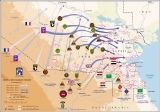
Gulf War syndrome

Encyclopedia
Gulf War syndrome or Gulf War illness (GWI) describes a medical condition that affected veterans and civilians who were near conflicts during or downwind of chemical weapons depot demolition, after the 1991 Gulf War
. A wide range of acute and chronic symptoms have included fatigue
, musculoskeletal pain, cognitive problems, skin rashes and diarrhea. Approximately 250,000 of the 697,000 veterans who served in the 1991 Gulf War are afflicted with enduring chronic multi-symptom illness, a condition with serious consequences.
Exposure to toxic chemicals is currently believed to be the cause of the illness. Several specific causes have been investigated, including pyridostigmine bromide (PB) nerve gas antidote (NAPP) pills, organophosphate
military strength pesticides, chemical weapons, and depleted uranium
. Causes which have been ruled out include post traumatic stress disorder, anthrax
vaccinations, and smoke from oil well fires
, though these exposures may have led to various illnesses and symptoms in a limited number of Gulf War veterans. PB or NAPP antidote pills given to protect troops from nerve agents and military strength insecticides used during deployment have currently been most closely linked to Gulf War veterans' chronic multi-symptom illness. Exposure to the destruction of the Khamisiyah weapons depot
, where large quantities of Iraqi chemical munitions containing sarin
and cyclosarin nerve agents was stored, is negatively correlated with motor speed. Exposure to depleted uranium is unlikely to be a primary cause of Gulf War Illness.
Three large studies have shown a significant but modest increase in birth defects in children born to Gulf War veterans, however information on specific types of birth defects have been inconsistent and the rates fall within the normal range found in the general population.
Methods of preventing or treating Gulf War syndrome vary. While the treatment of sarin exposure has been studied, other acetylcholinesterase inhibitor
s such as pyridostigmine bromide and organophosphate insecticides may or may not involve similar management.
and the Department of Veterans Affairs
. Since so little concrete information was known about this condition the Veterans administrations originally classified individuals with related ailments believed to be connected to their service in the Persian Gulf a special non-ICD-9 code DX111, as well as ICD-9 code V65.5.
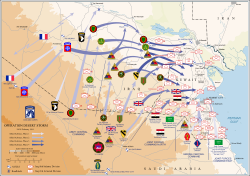 According to an April 2010 U.S. Department of Veterans Affairs (VA) sponsored study conducted by the Institute of Medicine (IOM), part of the U.S. National Academy of Sciences
, 250,000 of the 696,842 U.S. servicemen and women in the 1991 Gulf War continue to suffer from chronic multi-symptom illness, popularly known as "Gulf War Illness" or "Gulf War Syndrome." The IOM found that the chronic multi-symptom illness continues to affect these veterans nearly 20 years after the war, and, "the excess of unexplained medical symptoms reported by deployed [1991] Gulf war veterans cannot be reliably ascribed to any known psychiatric disorder."
According to the IOM, "It is clear that a significant portion of the soldiers deployed to the Gulf War have experienced troubling constellations of symptoms that are difficult to categorize," said committee chair Stephen L. Hauser, professor and chair, department of neurology, University of California, San Francisco
(UCSF). "Unfortunately, symptoms that cannot be easily quantified are sometimes incorrectly dismissed as insignificant and receive inadequate attention and funding by the medical and scientific establishment. Veterans who continue to suffer from these symptoms deserve the very best that modern science and medicine can offer to speed the development of effective treatments, cures, and—we hope—prevention. Our report suggests a path forward to accomplish this goal, and we believe that through a concerted national effort and rigorous scientific input, answers can be found."
With the issuance of this report, the IOM pointed the way forward. There is a pressing need to answer lingering questions, such as why some veterans suffer a range of symptoms whereas others experience specific, isolated health problems or no ill health, and why some veterans who were not on the ground during the conflict or who arrived after combat ended have multisymptom illness, while others who served on the ground during the height of the battle have experienced few or no symptoms. The dearth of data on veterans' pre-deployment and immediate post-deployment health status and lack of measurement and monitoring of the various substances to which veterans may have been exposed make it difficult—and in many cases impossible—to reconstruct what happened to service members during their deployments nearly 20 years after the fact, the committee noted.
The report calls for a substantial commitment to improve identification and treatment of multisymptom illness in Gulf War veterans. The path forward should include continued monitoring of Gulf War veterans and development of better medical care for those with persistent, unexplained symptoms. Researchers should undertake studies comparing genetic variations and other differences in veterans experiencing multisymptom illness and asymptomatic veterans. It is likely that multisymptom illness results from the interactions between environmental exposures and genes, and genetics may predispose some individuals to illness, the committee noted. There are sufficient numbers of veterans to conduct meaningful comparisons given that nearly 700,000 U.S. personnel were deployed to the region and more than 250,000 of them suffer from persistent, unexplained symptoms. A consortium involving the U.S. Department of Veterans Affairs, U.S. Department of Defense, and National Institutes of Health could coordinate this effort and contribute the necessary resources.
The IOM also found that service in the 1991 Gulf War is a cause of post-traumatic stress disorder (PTSD) in some veterans and is also associated with gastrointestinal disorders such as irritable bowel syndrome; substance abuse, particularly alcoholism; and psychiatric problems such as anxiety disorder. And, IOM's report shows there is some evidence that service during the 1991 Gulf War is linked to fibromyalgia and chronic widespread pain, amyotrophic lateral sclerosis (ALS, also known as Lou Gehrig's disease), sexual difficulties, and death due to causes such as car accidents in the early years after deployment, but the data are limited, said the committee that wrote the report.
Older research shows that the U.S. and the UK, with the highest rates of excess illness, are distinguished from the other nations by higher rates of pesticide
use, use of anthrax vaccine
, and somewhat higher rates of exposures to oil fire smoke
and reported chemical alerts. France, with possibly the lowest illness rates, had lower rates of pesticide use, and no use of anthrax vaccine. French troops also served to the North and West of all other combat troops, away and upwind of major combat engagements.
A 2001 study of 15,000 U.S. combat veterans of the 1991 Gulf War and 15,000 control veterans found that the Gulf War veterans were 1.8 (fathers) to 2.8 (mothers) times more likely to have children with birth defects. After examination of children's medical records two years later, the birth defect rate increased by more than 20%:
In a study of U.K. troops, "Overall, the risk of any malformation among pregnancies reported by men was 50% higher in Gulf War Veterans (GWV) compared with Non-GWVs. In November 2005 Britain's Director of Veterans Services/SPVA announced in a letter sent to every U.K Gulf War Pensioner that the umbrella term "Gulf War Syndrome" would now be accepted and applied to veterans disablements by the British Ministry of Defence (MOD). http://www.mod.uk/NR/rdonlyres/7D3D30CB-B4A4-4F00-BFA1-DA7FE6AFC844/0/letter_gulfveterans.pdf "
Although Gulf War illness is the most prominent condition affecting Gulf War veterans, it is just one health issue to be addressed in the larger context of the health of Gulf War veterans. Other Gulf War-related health issues of importance include rates of diagnosable medical conditions and post-war mortality among Gulf War veterans, and questions related to the risk of birth defects and other health problems in veterans’ family members.
A 2008 review by the U.S. Department of Veterans Affairs concluded:
Results from two studies, using different methods in different groups of symptomatic veterans, indicate that Gulf War illness is associated with a low-level, persistent immune activation, reflected in elevated levels of the cytokines IL-2, IFN-γ and IL-10. In addition, several studies have reported that NK cell numbers and/or cytotoxic activity are significantly reduced in veterans with Gulf War illness.
mandated the National Academies of Science Institute of Medicine
to provide nine reports on Gulf War Syndrome since 1998. Aside from the many physical and psychological issues involving any war zone deployment, Gulf War veterans were exposed to a unique mix of hazards not previously experienced during wartime. These included pyridostigmine bromide pills given to protect troops from the effects of nerve agents, depleted uranium munitions, and anthrax
and botulinum vaccines. The oil and smoke that spewed for months from hundreds of burning oil wells presented another exposure hazard not previously encountered in a warzone. Military personnel also had to cope with swarms of insects, requiring the widespread use of pesticides.
United States Veterans Affairs Secretary Anthony Principi
's panel found that pre-2005 studies suggested the veterans' illnesses are neurological and apparently are linked to exposure to neurotoxins, such as the nerve gas sarin, the anti-nerve gas drug pyridostigmine bromide, and pesticide
s that affect the nervous system. The review committee concluded that "Research studies conducted since the war have consistently indicated that psychiatric illness, combat experience or other deployment-related stressors do not explain Gulf War veterans illnesses in the large majority of ill veterans," the review committee said.
. PB was used to pretreat nerve agent poisoning; it is not a vaccine however. Taken before exposure to nerve agents, PB was thought to increase the efficacy of nerve agent antidotes. PB had been used since 1955 for patients suffering from myasthenia gravis
with doses up to 1,500 mg a day, far in excess of the 90 mg given to soldiers, and was considered safe by the FDA at either level for indefinite use and its use to pretreat nerve agent exposure had recently been approved.
About half of U.S. Gulf War veterans report using PB during deployment, with greatest use among Army personnel. Concerns have been raised about the possibility of increased health problems from PB when it is combined with other risk factors.
Given both the large body of epidemiological data on myasthenia gravis patients and follow up studies done on veterans it was concluded that while it was unlikely that health effects reported today by Gulf War veterans are the result of exposure solely to PB, use of PB was causally associated
with illness.
pesticides and insect repellants
during the first Gulf War is credited with keeping rates of pest-borne diseases low. Pesticide use is one of only two exposures consistently identified by Gulf War epidemiologic studies to be significantly associated with Gulf War illness. Multisymptom illness profiles similar to Gulf War illness have been associated with low-level pesticide exposures in other human populations. In addition, Gulf War studies have identified dose-response effects, indicating that greater pesticide use is more strongly associated with Gulf War illness than more limited use. Pesticide use during the Gulf War has also been associated with neurocognitive
deficits and neuroendocrine alterations in Gulf War veterans in clinical studies conducted following the end of the war. The 2008 report concluded that “all available sources of evidence combine to support a consistent and compelling case that pesticide use during the Gulf War is causally associated with Gulf War illness.” A 2011 study showed that the toxic metabolite of organophosphate
, Chlorpyrifos
, chlorpyrifos oxon, alters neural activity in the locus coeruleus, a brain region implicated in anxiety, addiction and attention. Because the changes in activity persisted after removal of chlorpyrifos oxon the researchers believe a lasting change occurs in this brain area, which may explain the lasting cognitive symptoms of Gulf War illness in soldiers exposed to these compounds.

Chemical detection units from the Czech Republic, France, and Britain confirmed chemical agents. French detection units detected chemical agents. Both Czech and French forces reported detections immediately to U.S. forces. U.S. forces detected, confirmed, and reported chemical agents; and U.S. soldiers were awarded medals for detecting chemical agents. The Riegle Report
said that chemical alarms went off 18,000 times during the Gulf War. After the air war started on January 16, 1991, coalition forces were chronically exposed to low but nonlethal levels of chemical and biological agents released primarily by direct Iraqi attack via missile
s, rocket
s, artillery
, or aircraft munitions and by fallout
from allied bombings of Iraqi chemical warfare munitions facilities.
In 1997, the US Government released an unclassified report that stated, "The US Intelligence Community (IC) has assessed that Iraq did not use chemical weapons during the Gulf War. However, based on a comprehensive review of intelligence information and relevant information made available by the United Nations Special Commission (UNSCOM), we conclude that chemical warfare (CW) agent was released as a result of US postwar demolition of rockets with chemical warheads at several sites including Khamisiyah". Over 125,000 U.S. troops and 9,000 UK troops were exposed to nerve gas and mustard gas when the Iraqi depot in Khamisiyah was destroyed.
Recent studies have confirmed earlier suspicions that exposure to sarin, in combination with other contaminants such as pesticides and PB were related to reports of veteran illness. Estimates range from 100,000 to 300,000 individuals exposed to nerve agents
 Depleted uranium (DU) was widely used in tank kinetic energy penetrator
and autocannon
rounds
for the first time in the Gulf War. DU is a dense, weakly radioactive metal. Munitions made from it often burn when they impact a hard target, producing toxic combustion
products. Roughly 320 tons of DU were used during the February, 1991 conflict. After military personnel began reporting unexplained health problems in the aftermath of the Gulf War, questions were raised about the health effect of exposure to depleted uranium.
The use of DU in munitions is controversial because of questions about potential long-term health effects. Normal functioning of the kidney
, brain
, liver
, heart
, and numerous other systems can be affected by uranium exposure, because in addition to being weakly radioactive, uranium is a toxic metal
. Because uranium is a heavy metal and chemical toxicant with nephrotoxic (kidney-damaging), teratogenic (birth defect-causing), immunotoxic
, and potentially carcinogen
ic properties, uranium exposure is associated with a variety of illnesses. The chemical toxicological hazard posed by uranium dwarfs its radiological hazard because it is only weakly radioactive, and depleted uranium even less so. DU has recently been recognized as a neurotoxin
. In 2005, depleted uranium was shown to be a neurotoxin in rats. Epidemiological evidence is consistent with increased risk of birth defects in the offspring of persons exposed to DU.
Early studies of depleted uranium aerosol
exposure assumed that uranium combustion product particles would quickly settle out of the air and thus could not affect populations more than a few kilometers from target areas, and that such particles, if inhaled, would remain undissolved in the lung for a great length of time and thus could be detected in urine. Uranyl
ion contamination has been found on and around depleted uranium targets.
In 2001, a study was published in Military Medicine that found DU in the urine of Gulf War veterans. Another study, published by Health Physics
in 2004, also showed DU in the urine of Gulf War veterans. A study of UK veterans who thought they might have been exposed to DU showed aberrations in their white blood cell
chromosome
s. Mice immune cells exposed to uranium exhibit abnormalities.
In the Balkans
war zone where depleted uranium was also used, an absence of problems is seen by some as evidence of DU munitions' safety. "Independent investigations by the World Health Organization, European Commission, European Parliament, United Nations Environment Programme, United Kingdom Royal Society, and the Health Council of the Netherlands all discounted any association between depleted uranium and leukemia or other medical problems." In Italy, controversy over the health risks associated with the use of DU continues, with a Senate investigation committee was due to release its report into 'Balkan Syndrome' by the end of 2007. Since then, there has been a resurgence of interest in the health effects of depleted uranium, especially since it has recently been linked with neurotoxicity.
The aerosol produced during impact and combustion of depleted uranium munitions can potentially contaminate wide areas around the impact sites or can be inhaled by civilians and military personnel. During a three week period of conflict in 2003 Iraq
, 1,000 to 2,000 tonnes of DU munitions were used, mostly in cities. Depleted uranium may have been standard ordnance in the arsenals of both sides during the 2008 South Ossetia war
.
A 2008 review by the U.S. Department of Veterans Affairs found that while low-level exposure to DU was widespread during the Gulf War, the persistent effects of low-dose exposures have only been minimally assessed. They found no association between DU exposure and multisymptom illness, concluding that "exposure to DU munitions is not likely a primary cause of Gulf War illness". However questions remain about the long-term effects of higher-dose exposure to DU.
missile fuel and infectious diseases. Limited evidence from several sources suggests that an association with the combined effects of multiple neurotoxicant exposures and receipt of multiple vaccines can not be ruled out.
into missiles
and artillery shells in preparing for the Gulf War and that these munitions were deployed to four locations in Iraq.
During Operation Desert Storm, 41% of U.S. combat soldiers and 75% of UK combat soldiers were vaccinated against anthrax. Reactions included local skin irritation, some lasting for weeks or months. While the Food and Drug Administration
(FDA) approved the vaccine, it never went through large scale clinical trials, unlike most other vaccines in the United States.
While recent studies have demonstrated the vaccine’s is highly reactogenic, there is no clear evidence or epidemiological studies on Gulf War veterans linking the vaccine to Gulf War Syndrome. Combining this with the lack of symptoms from current deployments of individuals who have received the vaccine led the Committee on Gulf War Veterans’ Illnesses to conclude that the vaccine is not a likely cause of Gulf War illness for most ill veterans.
An April 2010 Institute of Medicine review found, "the excess of unexplained medical symptoms reported by deployed [1991] Gulf war veterans cannot be reliably ascribed to any known psychiatric disorder."
by the retreating Iraqi army, and the smoke from those fires was inhaled by large numbers of soldiers, many of whom suffered acute pulmonary and other chronic effects, including asthma
and bronchitis
. However, firefighters who were assigned to the oil well fires and encountered the smoke, but who did not take part in combat, have not had GWI symptoms.
was stored, is negatively correlated with motor speed. Epidemiological evidence is consistent with increased risk of birth defects in the offspring of persons exposed to depleted uranium and uranium exposure has also been associated with increased cancer rates.
suggested that excess illnesses in Gulf War veterans could be explained in part by their exposure to organophosphate and carbamate
acetylcholinesterase inhibitor
s. A federal report released in November, 2008, agreed, stating that exposure to two substances "are causally associated with Gulf War illness":
s such as uranium should be treated with chelation therapy
or other means shortly after exposure. Incorporated uranium becomes uranyl ions, which accumulate in bone, liver, kidney, and reproductive tissues. Uranium can be decontaminated from steel surfaces and aquifers.
A fuller understanding of immune function in ill Gulf War veterans is needed, particularly in veteran subgroups with different clinical characteristics and exposure histories. It is also important to determine the extent to which identified immune perturbations may be associated with altered neurological and endocrine processes that are associated with immune regulation. No studies that have evaluated birth outcomes and birth defects among Gulf War veterans and their children have assessed whether there is any connection between reproductive outcomes and uranium exposure in the Gulf War. Very limited cancer data have been reported for U.S. Gulf War veterans in general, and no published research on cases occurring after 1999. Because of the extended latency periods associated with most cancers, it is important that cancer information be brought up to date and that cancer rates be assessed in Gulf War veterans on an ongoing basis. In addition, cancer rates should be evaluated in relation to identifiable exposure and location subgroups.
' after World War I
, and post-traumatic stress disorder
(PTSD) after the Vietnam War
. A review of the medical records of 15,000 American Civil War
soldiers showed that "those who lost at least 5% of their company had a 51% increased risk of later development of cardiac, gastrointestinal, or nervous disease."
A November 1996 article in the New England Journal of Medicine
found no difference in death rates, hospitalization rates or self-reported symptoms between Persian Gulf veterans and non-Persian Gulf veterans. This article was a compilation of dozens of individual studies involving tens of thousands of veterans. The study did find a statistically significant elevation in the number of traffic accidents suffered by Gulf War veterans. An April, 1998 article in Emerging Infectious Diseases similarly found no increased rate of hospitalization and better health overall for veterans of the Persian Gulf War vs. Veterans who stayed home.
Despite these studies, on November 17, 2008 a congressionally appointed committee called the Research Advisory Committee on Gulf War Veterans' Illnesses, staffed with independent scientists and veterans appointed by the Department of Veterans Affairs, announced that the syndrome is a distinct physical condition. The committee recommended that Congress increase funding for research on Gulf War veterans' health to at least $60 million per year. In January 2006, a study led by Melvin Blanchard and published by the Journal of Epidemiology
, part of the "National Health Survey of Gulf War-Era Veterans and Their Families", stated that veterans deployed in the Persian Gulf War had nearly twice the prevalence of chronic multisymptom illness, a cluster of symptoms similar to a set of conditions often called Gulf War Syndrome.
Gulf War
The Persian Gulf War , commonly referred to as simply the Gulf War, was a war waged by a U.N.-authorized coalition force from 34 nations led by the United States, against Iraq in response to Iraq's invasion and annexation of Kuwait.The war is also known under other names, such as the First Gulf...
. A wide range of acute and chronic symptoms have included fatigue
Fatigue (physical)
Fatigue is a state of awareness describing a range of afflictions, usually associated with physical and/or mental weakness, though varying from a general state of lethargy to a specific work-induced burning sensation within one's muscles...
, musculoskeletal pain, cognitive problems, skin rashes and diarrhea. Approximately 250,000 of the 697,000 veterans who served in the 1991 Gulf War are afflicted with enduring chronic multi-symptom illness, a condition with serious consequences.
Exposure to toxic chemicals is currently believed to be the cause of the illness. Several specific causes have been investigated, including pyridostigmine bromide (PB) nerve gas antidote (NAPP) pills, organophosphate
Organophosphate
An organophosphate is the general name for esters of phosphoric acid. Phosphates are probably the most pervasive organophosphorus compounds. Many of the most important biochemicals are organophosphates, including DNA and RNA as well as many cofactors that are essential for life...
military strength pesticides, chemical weapons, and depleted uranium
Depleted uranium
Depleted uranium is uranium with a lower content of the fissile isotope U-235 than natural uranium . Uses of DU take advantage of its very high density of 19.1 g/cm3...
. Causes which have been ruled out include post traumatic stress disorder, anthrax
Anthrax
Anthrax is an acute disease caused by the bacterium Bacillus anthracis. Most forms of the disease are lethal, and it affects both humans and other animals...
vaccinations, and smoke from oil well fires
Kuwaiti oil fires
The Kuwaiti oil fires were caused by Iraqi military forces setting fire to 700 oil wells as part of a scorched earth policy while retreating from Kuwait in 1991 after invading the country but being driven out by Coalition military forces...
, though these exposures may have led to various illnesses and symptoms in a limited number of Gulf War veterans. PB or NAPP antidote pills given to protect troops from nerve agents and military strength insecticides used during deployment have currently been most closely linked to Gulf War veterans' chronic multi-symptom illness. Exposure to the destruction of the Khamisiyah weapons depot
Khamisiyah
Khamisiyah is an area in southern Iraq located approximately 350 km south east of Baghdad, 200 km north-west of Kuwait City and 270 km north of Al Qaysumah. Khamisiyah is under the administration of the province of Dhi Qar. The area contains a few small towns, including Khamisiyah...
, where large quantities of Iraqi chemical munitions containing sarin
Sarin
Sarin, or GB, is an organophosphorus compound with the formula [2CHO]CH3PF. It is a colorless, odorless liquid, which is used as a chemical weapon. It has been classified as a weapon of mass destruction in UN Resolution 687...
and cyclosarin nerve agents was stored, is negatively correlated with motor speed. Exposure to depleted uranium is unlikely to be a primary cause of Gulf War Illness.
Three large studies have shown a significant but modest increase in birth defects in children born to Gulf War veterans, however information on specific types of birth defects have been inconsistent and the rates fall within the normal range found in the general population.
Methods of preventing or treating Gulf War syndrome vary. While the treatment of sarin exposure has been studied, other acetylcholinesterase inhibitor
Acetylcholinesterase inhibitor
An acetylcholinesterase inhibitor or anti-cholinesterase is a chemical that inhibits the cholinesterase enzyme from breaking down acetylcholine, increasing both the level and duration of action of the neurotransmitter acetylcholine.- Uses :Acetylcholinesterase inhibitors:* Occur naturally as...
s such as pyridostigmine bromide and organophosphate insecticides may or may not involve similar management.
Classification
Medical ailments associated with Gulf War Syndrome has been recognized by both the Department of DefenseUnited States Department of Defense
The United States Department of Defense is the U.S...
and the Department of Veterans Affairs
United States Department of Veterans Affairs
The United States Department of Veterans Affairs is a government-run military veteran benefit system with Cabinet-level status. It is the United States government’s second largest department, after the United States Department of Defense...
. Since so little concrete information was known about this condition the Veterans administrations originally classified individuals with related ailments believed to be connected to their service in the Persian Gulf a special non-ICD-9 code DX111, as well as ICD-9 code V65.5.
Signs and symptoms
United States National Academy of Sciences
The National Academy of Sciences is a corporation in the United States whose members serve pro bono as "advisers to the nation on science, engineering, and medicine." As a national academy, new members of the organization are elected annually by current members, based on their distinguished and...
, 250,000 of the 696,842 U.S. servicemen and women in the 1991 Gulf War continue to suffer from chronic multi-symptom illness, popularly known as "Gulf War Illness" or "Gulf War Syndrome." The IOM found that the chronic multi-symptom illness continues to affect these veterans nearly 20 years after the war, and, "the excess of unexplained medical symptoms reported by deployed [1991] Gulf war veterans cannot be reliably ascribed to any known psychiatric disorder."
According to the IOM, "It is clear that a significant portion of the soldiers deployed to the Gulf War have experienced troubling constellations of symptoms that are difficult to categorize," said committee chair Stephen L. Hauser, professor and chair, department of neurology, University of California, San Francisco
University of California, San Francisco
The University of California, San Francisco is one of the world's leading centers of health sciences research, patient care, and education. UCSF's medical, pharmacy, dentistry, nursing, and graduate schools are among the top health science professional schools in the world...
(UCSF). "Unfortunately, symptoms that cannot be easily quantified are sometimes incorrectly dismissed as insignificant and receive inadequate attention and funding by the medical and scientific establishment. Veterans who continue to suffer from these symptoms deserve the very best that modern science and medicine can offer to speed the development of effective treatments, cures, and—we hope—prevention. Our report suggests a path forward to accomplish this goal, and we believe that through a concerted national effort and rigorous scientific input, answers can be found."
With the issuance of this report, the IOM pointed the way forward. There is a pressing need to answer lingering questions, such as why some veterans suffer a range of symptoms whereas others experience specific, isolated health problems or no ill health, and why some veterans who were not on the ground during the conflict or who arrived after combat ended have multisymptom illness, while others who served on the ground during the height of the battle have experienced few or no symptoms. The dearth of data on veterans' pre-deployment and immediate post-deployment health status and lack of measurement and monitoring of the various substances to which veterans may have been exposed make it difficult—and in many cases impossible—to reconstruct what happened to service members during their deployments nearly 20 years after the fact, the committee noted.
The report calls for a substantial commitment to improve identification and treatment of multisymptom illness in Gulf War veterans. The path forward should include continued monitoring of Gulf War veterans and development of better medical care for those with persistent, unexplained symptoms. Researchers should undertake studies comparing genetic variations and other differences in veterans experiencing multisymptom illness and asymptomatic veterans. It is likely that multisymptom illness results from the interactions between environmental exposures and genes, and genetics may predispose some individuals to illness, the committee noted. There are sufficient numbers of veterans to conduct meaningful comparisons given that nearly 700,000 U.S. personnel were deployed to the region and more than 250,000 of them suffer from persistent, unexplained symptoms. A consortium involving the U.S. Department of Veterans Affairs, U.S. Department of Defense, and National Institutes of Health could coordinate this effort and contribute the necessary resources.
The IOM also found that service in the 1991 Gulf War is a cause of post-traumatic stress disorder (PTSD) in some veterans and is also associated with gastrointestinal disorders such as irritable bowel syndrome; substance abuse, particularly alcoholism; and psychiatric problems such as anxiety disorder. And, IOM's report shows there is some evidence that service during the 1991 Gulf War is linked to fibromyalgia and chronic widespread pain, amyotrophic lateral sclerosis (ALS, also known as Lou Gehrig's disease), sexual difficulties, and death due to causes such as car accidents in the early years after deployment, but the data are limited, said the committee that wrote the report.
Older research shows that the U.S. and the UK, with the highest rates of excess illness, are distinguished from the other nations by higher rates of pesticide
Pesticide
Pesticides are substances or mixture of substances intended for preventing, destroying, repelling or mitigating any pest.A pesticide may be a chemical unicycle, biological agent , antimicrobial, disinfectant or device used against any pest...
use, use of anthrax vaccine
Vaccine
A vaccine is a biological preparation that improves immunity to a particular disease. A vaccine typically contains an agent that resembles a disease-causing microorganism, and is often made from weakened or killed forms of the microbe or its toxins...
, and somewhat higher rates of exposures to oil fire smoke
Smoke
Smoke is a collection of airborne solid and liquid particulates and gases emitted when a material undergoes combustion or pyrolysis, together with the quantity of air that is entrained or otherwise mixed into the mass. It is commonly an unwanted by-product of fires , but may also be used for pest...
and reported chemical alerts. France, with possibly the lowest illness rates, had lower rates of pesticide use, and no use of anthrax vaccine. French troops also served to the North and West of all other combat troops, away and upwind of major combat engagements.
A 2001 study of 15,000 U.S. combat veterans of the 1991 Gulf War and 15,000 control veterans found that the Gulf War veterans were 1.8 (fathers) to 2.8 (mothers) times more likely to have children with birth defects. After examination of children's medical records two years later, the birth defect rate increased by more than 20%:
"Dr. Kang found that male Gulf War veterans reported having infants with likely birth defects at twice the rate of non-veterans. Furthermore, female Gulf War veterans were almost three times more likely to report children with birth defects than their non-Gulf counterparts. The numbers changed somewhat with medical records verification. However, Dr. Kang and his colleagues concluded that the risk of birth defects in children of deployed male veterans still was about 2.2 times that of non-deployed veterans."
In a study of U.K. troops, "Overall, the risk of any malformation among pregnancies reported by men was 50% higher in Gulf War Veterans (GWV) compared with Non-GWVs. In November 2005 Britain's Director of Veterans Services/SPVA announced in a letter sent to every U.K Gulf War Pensioner that the umbrella term "Gulf War Syndrome" would now be accepted and applied to veterans disablements by the British Ministry of Defence (MOD). http://www.mod.uk/NR/rdonlyres/7D3D30CB-B4A4-4F00-BFA1-DA7FE6AFC844/0/letter_gulfveterans.pdf "
| Symptom | U.S. | UK | Australia | Denmark |
|---|---|---|---|---|
| Fatigue | 23% | 23% | 10% | 16% |
| Headache | 17% | 18% | 7% | 13% |
| Memory problems | 32% | 28% | 12% | 23% |
| Muscle/joint pain | 18% | 17% | 5% | 2% (<2%) |
| Diarrhea | 16% | 9% | 13% | |
| Dyspepsia/indigestion | 12% | 5% | 9% | |
| Neurological problems | 16% | 8% | 12% | |
| Terminal tumors | 33% | 9% | 11% |
| Condition | U.S. | UK | Canada | Australia |
|---|---|---|---|---|
| Skin conditions | 21% | 4% | ||
| Arthritis/joint problems | 10% | 2% | ||
| Gastro-intestinal (GI) problems | 1% | |||
| Respiratory problem | 2% | 1% | ||
| Chronic fatigue syndrome | 3% | 0% | ||
| Post-traumatic stress disorder | 9% | 3% | ||
| Chronic multi-symptom illness | 26% |
Although Gulf War illness is the most prominent condition affecting Gulf War veterans, it is just one health issue to be addressed in the larger context of the health of Gulf War veterans. Other Gulf War-related health issues of importance include rates of diagnosable medical conditions and post-war mortality among Gulf War veterans, and questions related to the risk of birth defects and other health problems in veterans’ family members.
A 2008 review by the U.S. Department of Veterans Affairs concluded:
"It is difficult to draw firm conclusions related to birth defects and pregnancy outcomes in Gulf War
veterans, due to the diversity and limitations of study results reported to date. The three studies most representative of Gulf War era veterans in the U.S. and U.K. have all indicated significant, but modest, excess rates of birth defects in children of Gulf War veterans. Information on specific types of birth defects has been inconsistent, however,362 and overall rates are still within the normal range found in the general population."
Results from two studies, using different methods in different groups of symptomatic veterans, indicate that Gulf War illness is associated with a low-level, persistent immune activation, reflected in elevated levels of the cytokines IL-2, IFN-γ and IL-10. In addition, several studies have reported that NK cell numbers and/or cytotoxic activity are significantly reduced in veterans with Gulf War illness.
Causes
The United States CongressUnited States Congress
The United States Congress is the bicameral legislature of the federal government of the United States, consisting of the Senate and the House of Representatives. The Congress meets in the United States Capitol in Washington, D.C....
mandated the National Academies of Science Institute of Medicine
Institute of Medicine
The Institute of Medicine is a not-for-profit, non-governmental American organization founded in 1970, under the congressional charter of the National Academy of Sciences...
to provide nine reports on Gulf War Syndrome since 1998. Aside from the many physical and psychological issues involving any war zone deployment, Gulf War veterans were exposed to a unique mix of hazards not previously experienced during wartime. These included pyridostigmine bromide pills given to protect troops from the effects of nerve agents, depleted uranium munitions, and anthrax
Anthrax vaccine
Anthrax vaccines are vaccines against the infectious disease anthrax. Anthrax is caused by the spore-forming bacterium Bacillus anthracis, that most commonly occurs in wild and domestic mammals. Anthrax also occurs in humans when they are exposed to infected animals, hides, or tissue from infected...
and botulinum vaccines. The oil and smoke that spewed for months from hundreds of burning oil wells presented another exposure hazard not previously encountered in a warzone. Military personnel also had to cope with swarms of insects, requiring the widespread use of pesticides.
United States Veterans Affairs Secretary Anthony Principi
Anthony Principi
Anthony Joseph Principi was the 4th United States Secretary of Veterans Affairs. He was appointed by President George W. Bush on January 23, 2001, and resigned on January 26, 2005...
's panel found that pre-2005 studies suggested the veterans' illnesses are neurological and apparently are linked to exposure to neurotoxins, such as the nerve gas sarin, the anti-nerve gas drug pyridostigmine bromide, and pesticide
Pesticide
Pesticides are substances or mixture of substances intended for preventing, destroying, repelling or mitigating any pest.A pesticide may be a chemical unicycle, biological agent , antimicrobial, disinfectant or device used against any pest...
s that affect the nervous system. The review committee concluded that "Research studies conducted since the war have consistently indicated that psychiatric illness, combat experience or other deployment-related stressors do not explain Gulf War veterans illnesses in the large majority of ill veterans," the review committee said.
Pyridostigmine bromide nerve gas antidote
The US military issued pyridostigmine bromide(PB) pills to protect against exposure to nerve gas agents such as sarin and somanSoman
Soman, or GD , is an extremely toxic chemical substance. It is a nerve agent, interfering with normal functioning of the mammalian nervous system by inhibiting the cholinesterase enzyme. As a chemical weapon, it is classified as a weapon of mass destruction by the United Nations according to UN...
. PB was used to pretreat nerve agent poisoning; it is not a vaccine however. Taken before exposure to nerve agents, PB was thought to increase the efficacy of nerve agent antidotes. PB had been used since 1955 for patients suffering from myasthenia gravis
Myasthenia gravis
Myasthenia gravis is an autoimmune neuromuscular disease leading to fluctuating muscle weakness and fatiguability...
with doses up to 1,500 mg a day, far in excess of the 90 mg given to soldiers, and was considered safe by the FDA at either level for indefinite use and its use to pretreat nerve agent exposure had recently been approved.
About half of U.S. Gulf War veterans report using PB during deployment, with greatest use among Army personnel. Concerns have been raised about the possibility of increased health problems from PB when it is combined with other risk factors.
Given both the large body of epidemiological data on myasthenia gravis patients and follow up studies done on veterans it was concluded that while it was unlikely that health effects reported today by Gulf War veterans are the result of exposure solely to PB, use of PB was causally associated
Causality
Causality is the relationship between an event and a second event , where the second event is understood as a consequence of the first....
with illness.
Organophosphate pesticides
The use of organophosphateOrganophosphate
An organophosphate is the general name for esters of phosphoric acid. Phosphates are probably the most pervasive organophosphorus compounds. Many of the most important biochemicals are organophosphates, including DNA and RNA as well as many cofactors that are essential for life...
pesticides and insect repellants
DEET
N,N-Diethyl-meta-toluamide, abbreviated DEET, is a slightly yellow oil. It is the most common active ingredient in insect repellents...
during the first Gulf War is credited with keeping rates of pest-borne diseases low. Pesticide use is one of only two exposures consistently identified by Gulf War epidemiologic studies to be significantly associated with Gulf War illness. Multisymptom illness profiles similar to Gulf War illness have been associated with low-level pesticide exposures in other human populations. In addition, Gulf War studies have identified dose-response effects, indicating that greater pesticide use is more strongly associated with Gulf War illness than more limited use. Pesticide use during the Gulf War has also been associated with neurocognitive
Neurocognitive
Neurocognitive is a term used to describe cognitive functions closely linked to the function of particular areas, neural pathways, or cortical networks in the brain substrate layers of neurological matrix at the cellular molecular level...
deficits and neuroendocrine alterations in Gulf War veterans in clinical studies conducted following the end of the war. The 2008 report concluded that “all available sources of evidence combine to support a consistent and compelling case that pesticide use during the Gulf War is causally associated with Gulf War illness.” A 2011 study showed that the toxic metabolite of organophosphate
Organophosphate
An organophosphate is the general name for esters of phosphoric acid. Phosphates are probably the most pervasive organophosphorus compounds. Many of the most important biochemicals are organophosphates, including DNA and RNA as well as many cofactors that are essential for life...
, Chlorpyrifos
Chlorpyrifos
Chlorpyrifos is a crystalline organophosphate insecticide that inhibits acetylcholinesterase and is used to control insect pests. It is known by many trade names...
, chlorpyrifos oxon, alters neural activity in the locus coeruleus, a brain region implicated in anxiety, addiction and attention. Because the changes in activity persisted after removal of chlorpyrifos oxon the researchers believe a lasting change occurs in this brain area, which may explain the lasting cognitive symptoms of Gulf War illness in soldiers exposed to these compounds.
Sarin nerve agent
Many of the symptoms of Gulf War syndrome are similar to the symptoms of organophosphate, mustard gas, and nerve gas poisoning. Gulf War veterans were exposed to a number of sources of these compounds, including nerve gas and pesticides.Chemical detection units from the Czech Republic, France, and Britain confirmed chemical agents. French detection units detected chemical agents. Both Czech and French forces reported detections immediately to U.S. forces. U.S. forces detected, confirmed, and reported chemical agents; and U.S. soldiers were awarded medals for detecting chemical agents. The Riegle Report
Riegle Report
On February 9th, 1994, Donald W. Riegle, Jr. delivered a report, commonly referred to as The Riegle Report to the U.S. Senate regarding the health of Gulf War veterans...
said that chemical alarms went off 18,000 times during the Gulf War. After the air war started on January 16, 1991, coalition forces were chronically exposed to low but nonlethal levels of chemical and biological agents released primarily by direct Iraqi attack via missile
Missile
Though a missile may be any thrown or launched object, it colloquially almost always refers to a self-propelled guided weapon system.-Etymology:The word missile comes from the Latin verb mittere, meaning "to send"...
s, rocket
Rocket
A rocket is a missile, spacecraft, aircraft or other vehicle which obtains thrust from a rocket engine. In all rockets, the exhaust is formed entirely from propellants carried within the rocket before use. Rocket engines work by action and reaction...
s, artillery
Artillery
Originally applied to any group of infantry primarily armed with projectile weapons, artillery has over time become limited in meaning to refer only to those engines of war that operate by projection of munitions far beyond the range of effect of personal weapons...
, or aircraft munitions and by fallout
Nuclear fallout
Fallout is the residual radioactive material propelled into the upper atmosphere following a nuclear blast, so called because it "falls out" of the sky after the explosion and shock wave have passed. It commonly refers to the radioactive dust and ash created when a nuclear weapon explodes...
from allied bombings of Iraqi chemical warfare munitions facilities.
In 1997, the US Government released an unclassified report that stated, "The US Intelligence Community (IC) has assessed that Iraq did not use chemical weapons during the Gulf War. However, based on a comprehensive review of intelligence information and relevant information made available by the United Nations Special Commission (UNSCOM), we conclude that chemical warfare (CW) agent was released as a result of US postwar demolition of rockets with chemical warheads at several sites including Khamisiyah". Over 125,000 U.S. troops and 9,000 UK troops were exposed to nerve gas and mustard gas when the Iraqi depot in Khamisiyah was destroyed.
Recent studies have confirmed earlier suspicions that exposure to sarin, in combination with other contaminants such as pesticides and PB were related to reports of veteran illness. Estimates range from 100,000 to 300,000 individuals exposed to nerve agents
Depleted uranium
Kinetic energy penetrator
A kinetic energy penetrator is a type of ammunition which, like a bullet, does not contain explosives and uses kinetic energy to penetrate the target....
and autocannon
Autocannon
An autocannon or automatic cannon is a rapid-fire projectile weapon firing a shell as opposed to the bullet fired by a machine gun. Autocannons often have a larger caliber than a machine gun . Usually, autocannons are smaller than a field gun or other artillery, and are mechanically loaded for a...
rounds
Shell (projectile)
A shell is a payload-carrying projectile, which, as opposed to shot, contains an explosive or other filling, though modern usage sometimes includes large solid projectiles properly termed shot . Solid shot may contain a pyrotechnic compound if a tracer or spotting charge is used...
for the first time in the Gulf War. DU is a dense, weakly radioactive metal. Munitions made from it often burn when they impact a hard target, producing toxic combustion
Combustion
Combustion or burning is the sequence of exothermic chemical reactions between a fuel and an oxidant accompanied by the production of heat and conversion of chemical species. The release of heat can result in the production of light in the form of either glowing or a flame...
products. Roughly 320 tons of DU were used during the February, 1991 conflict. After military personnel began reporting unexplained health problems in the aftermath of the Gulf War, questions were raised about the health effect of exposure to depleted uranium.
The use of DU in munitions is controversial because of questions about potential long-term health effects. Normal functioning of the kidney
Kidney
The kidneys, organs with several functions, serve essential regulatory roles in most animals, including vertebrates and some invertebrates. They are essential in the urinary system and also serve homeostatic functions such as the regulation of electrolytes, maintenance of acid–base balance, and...
, brain
Brain
The brain is the center of the nervous system in all vertebrate and most invertebrate animals—only a few primitive invertebrates such as sponges, jellyfish, sea squirts and starfishes do not have one. It is located in the head, usually close to primary sensory apparatus such as vision, hearing,...
, liver
Liver
The liver is a vital organ present in vertebrates and some other animals. It has a wide range of functions, including detoxification, protein synthesis, and production of biochemicals necessary for digestion...
, heart
Heart
The heart is a myogenic muscular organ found in all animals with a circulatory system , that is responsible for pumping blood throughout the blood vessels by repeated, rhythmic contractions...
, and numerous other systems can be affected by uranium exposure, because in addition to being weakly radioactive, uranium is a toxic metal
Toxic metal
Toxic metals are metals that form poisonous soluble compounds and have no biological role, i.e. are not essential minerals, or are in the wrong form. Often heavy metals are thought as synonymous, but lighter metals also have toxicity, such as beryllium, and not all heavy metals are particularly...
. Because uranium is a heavy metal and chemical toxicant with nephrotoxic (kidney-damaging), teratogenic (birth defect-causing), immunotoxic
Immunotoxin
An immunotoxin is a human-made protein that consists of a targeting portion linked to a toxin. When the protein binds to that cell, it is taken in through endocytosis, and the toxin kills the cell...
, and potentially carcinogen
Carcinogen
A carcinogen is any substance, radionuclide, or radiation that is an agent directly involved in causing cancer. This may be due to the ability to damage the genome or to the disruption of cellular metabolic processes...
ic properties, uranium exposure is associated with a variety of illnesses. The chemical toxicological hazard posed by uranium dwarfs its radiological hazard because it is only weakly radioactive, and depleted uranium even less so. DU has recently been recognized as a neurotoxin
Neurotoxin
A neurotoxin is a toxin that acts specifically on nerve cells , usually by interacting with membrane proteins such as ion channels. Some sources are more general, and define the effect of neurotoxins as occurring at nerve tissue...
. In 2005, depleted uranium was shown to be a neurotoxin in rats. Epidemiological evidence is consistent with increased risk of birth defects in the offspring of persons exposed to DU.
Early studies of depleted uranium aerosol
Aerosol
Technically, an aerosol is a suspension of fine solid particles or liquid droplets in a gas. Examples are clouds, and air pollution such as smog and smoke. In general conversation, aerosol usually refers to an aerosol spray can or the output of such a can...
exposure assumed that uranium combustion product particles would quickly settle out of the air and thus could not affect populations more than a few kilometers from target areas, and that such particles, if inhaled, would remain undissolved in the lung for a great length of time and thus could be detected in urine. Uranyl
Uranyl
The uranyl ion is an oxycation of uranium in the oxidation state +6, with the chemical formula [UO2]2+. It has a linear structure with short U-O bonds, indicative of the presence of multiple bonds between uranium and oxygen. Four or more ligands are bound to the uranyl ion in an equatorial plane...
ion contamination has been found on and around depleted uranium targets.
In 2001, a study was published in Military Medicine that found DU in the urine of Gulf War veterans. Another study, published by Health Physics
Health physics
Health physics is a field of science concerned with radiation physics and radiation biology with the goal of providing technical information and proper techniques regarding the safe use of ionizing radiation...
in 2004, also showed DU in the urine of Gulf War veterans. A study of UK veterans who thought they might have been exposed to DU showed aberrations in their white blood cell
White blood cell
White blood cells, or leukocytes , are cells of the immune system involved in defending the body against both infectious disease and foreign materials. Five different and diverse types of leukocytes exist, but they are all produced and derived from a multipotent cell in the bone marrow known as a...
chromosome
Chromosome
A chromosome is an organized structure of DNA and protein found in cells. It is a single piece of coiled DNA containing many genes, regulatory elements and other nucleotide sequences. Chromosomes also contain DNA-bound proteins, which serve to package the DNA and control its functions.Chromosomes...
s. Mice immune cells exposed to uranium exhibit abnormalities.
In the Balkans
Balkans
The Balkans is a geopolitical and cultural region of southeastern Europe...
war zone where depleted uranium was also used, an absence of problems is seen by some as evidence of DU munitions' safety. "Independent investigations by the World Health Organization, European Commission, European Parliament, United Nations Environment Programme, United Kingdom Royal Society, and the Health Council of the Netherlands all discounted any association between depleted uranium and leukemia or other medical problems." In Italy, controversy over the health risks associated with the use of DU continues, with a Senate investigation committee was due to release its report into 'Balkan Syndrome' by the end of 2007. Since then, there has been a resurgence of interest in the health effects of depleted uranium, especially since it has recently been linked with neurotoxicity.
The aerosol produced during impact and combustion of depleted uranium munitions can potentially contaminate wide areas around the impact sites or can be inhaled by civilians and military personnel. During a three week period of conflict in 2003 Iraq
Iraq
Iraq ; officially the Republic of Iraq is a country in Western Asia spanning most of the northwestern end of the Zagros mountain range, the eastern part of the Syrian Desert and the northern part of the Arabian Desert....
, 1,000 to 2,000 tonnes of DU munitions were used, mostly in cities. Depleted uranium may have been standard ordnance in the arsenals of both sides during the 2008 South Ossetia war
2008 South Ossetia war
The 2008 South Ossetia War or Russo-Georgian War was an armed conflict in August 2008 between Georgia on one side, and Russia and separatist governments of South Ossetia and Abkhazia on the other....
.
A 2008 review by the U.S. Department of Veterans Affairs found that while low-level exposure to DU was widespread during the Gulf War, the persistent effects of low-dose exposures have only been minimally assessed. They found no association between DU exposure and multisymptom illness, concluding that "exposure to DU munitions is not likely a primary cause of Gulf War illness". However questions remain about the long-term effects of higher-dose exposure to DU.
Ruled out
Several potential causes beyond vaccinations, stress, and oil well fires—explained in more detail below—have been ruled out. Other ruled-out potential causes include ScudScud
Scud is a series of tactical ballistic missiles developed by the Soviet Union during the Cold War, and exported widely to other countries. The term comes from the NATO reporting name SS-1 Scud which was attached to the missile by Western intelligence agencies...
missile fuel and infectious diseases. Limited evidence from several sources suggests that an association with the combined effects of multiple neurotoxicant exposures and receipt of multiple vaccines can not be ruled out.
Anthrax vaccine
Iraq had loaded anthrax, botulinum toxin, and aflatoxinAflatoxin
Aflatoxins are naturally occurring mycotoxins that are produced by many species of Aspergillus, a fungus, the most notable ones being Aspergillus flavus and Aspergillus parasiticus. Aflatoxins are toxic and among the most carcinogenic substances known...
into missiles
Scud
Scud is a series of tactical ballistic missiles developed by the Soviet Union during the Cold War, and exported widely to other countries. The term comes from the NATO reporting name SS-1 Scud which was attached to the missile by Western intelligence agencies...
and artillery shells in preparing for the Gulf War and that these munitions were deployed to four locations in Iraq.
During Operation Desert Storm, 41% of U.S. combat soldiers and 75% of UK combat soldiers were vaccinated against anthrax. Reactions included local skin irritation, some lasting for weeks or months. While the Food and Drug Administration
Food and Drug Administration
The Food and Drug Administration is an agency of the United States Department of Health and Human Services, one of the United States federal executive departments...
(FDA) approved the vaccine, it never went through large scale clinical trials, unlike most other vaccines in the United States.
While recent studies have demonstrated the vaccine’s is highly reactogenic, there is no clear evidence or epidemiological studies on Gulf War veterans linking the vaccine to Gulf War Syndrome. Combining this with the lack of symptoms from current deployments of individuals who have received the vaccine led the Committee on Gulf War Veterans’ Illnesses to conclude that the vaccine is not a likely cause of Gulf War illness for most ill veterans.
Combat stress
Research studies conducted since the war have consistently indicated that psychiatric illness, combat experience or other deployment-related stressors do not explain Gulf War veterans illnesses in the large majority of ill veterans, according to a U.S. Department of Veterans Affairs (VA) review committee.An April 2010 Institute of Medicine review found, "the excess of unexplained medical symptoms reported by deployed [1991] Gulf war veterans cannot be reliably ascribed to any known psychiatric disorder."
Oil well fires
During the war, many oil wells were set on fire in KuwaitKuwaiti oil fires
The Kuwaiti oil fires were caused by Iraqi military forces setting fire to 700 oil wells as part of a scorched earth policy while retreating from Kuwait in 1991 after invading the country but being driven out by Coalition military forces...
by the retreating Iraqi army, and the smoke from those fires was inhaled by large numbers of soldiers, many of whom suffered acute pulmonary and other chronic effects, including asthma
Asthma
Asthma is the common chronic inflammatory disease of the airways characterized by variable and recurring symptoms, reversible airflow obstruction, and bronchospasm. Symptoms include wheezing, coughing, chest tightness, and shortness of breath...
and bronchitis
Bronchitis
Acute bronchitis is an inflammation of the large bronchi in the lungs that is usually caused by viruses or bacteria and may last several days or weeks. Characteristic symptoms include cough, sputum production, and shortness of breath and wheezing related to the obstruction of the inflamed airways...
. However, firefighters who were assigned to the oil well fires and encountered the smoke, but who did not take part in combat, have not had GWI symptoms.
Diagnosis
Multisymptom illness is more prevalent in Gulf War I veterans than veterans of previous conflicts, but the pattern of comorbidities is similar for actively deployed and nondeployed military personnel. Management of potentially comorbid toxic exposures requires awareness of the toxins involved. Exposure to the destruction of the Khamisiyah weapons depot, where large quantities of the chemical weapon sarinSarin
Sarin, or GB, is an organophosphorus compound with the formula [2CHO]CH3PF. It is a colorless, odorless liquid, which is used as a chemical weapon. It has been classified as a weapon of mass destruction in UN Resolution 687...
was stored, is negatively correlated with motor speed. Epidemiological evidence is consistent with increased risk of birth defects in the offspring of persons exposed to depleted uranium and uranium exposure has also been associated with increased cancer rates.
Nerve agent antidote and insect repellent
In 2008, a paper published in the Proceedings of the National Academy of SciencesProceedings of the National Academy of Sciences
The Proceedings of the National Academy of Sciences of the United States of America, usually referred to as PNAS, is the official journal of the United States National Academy of Sciences...
suggested that excess illnesses in Gulf War veterans could be explained in part by their exposure to organophosphate and carbamate
Carbamate
Carbamates are organic compounds derived from carbamic acid . A carbamate group, carbamate ester, and carbamic acids are functional groups that are inter-related structurally and often are interconverted chemically. Carbamate esters are also called urethanes.-Synthesis:Carbamic acids are derived...
acetylcholinesterase inhibitor
Acetylcholinesterase inhibitor
An acetylcholinesterase inhibitor or anti-cholinesterase is a chemical that inhibits the cholinesterase enzyme from breaking down acetylcholine, increasing both the level and duration of action of the neurotransmitter acetylcholine.- Uses :Acetylcholinesterase inhibitors:* Occur naturally as...
s. A federal report released in November, 2008, agreed, stating that exposure to two substances "are causally associated with Gulf War illness":
- pyridostigmine bromide, an acetylcholinesterase inhibitor intended to protect against nerve agents, and
- pesticidePesticidePesticides are substances or mixture of substances intended for preventing, destroying, repelling or mitigating any pest.A pesticide may be a chemical unicycle, biological agent , antimicrobial, disinfectant or device used against any pest...
s and insect repellentInsect repellentAn insect repellent is a substance applied to skin, clothing, or other surfaces which discourages insects from landing or climbing on that surface. There are also insect repellent products available based on sound production, particularly ultrasound...
s (often acetylcholinesterase inhibitors)
Sarin
Exposure to sarin, a nerve gas, is a possible comorbidity. Chemical weapons classified as nerve agents are also strong acetylcholinesterase inhibitors. A 2004 review discusses symptoms, signs, and treatment of nerve agent exposure.Uranium exposure
Genotoxic mutagenMutagen
In genetics, a mutagen is a physical or chemical agent that changes the genetic material, usually DNA, of an organism and thus increases the frequency of mutations above the natural background level. As many mutations cause cancer, mutagens are therefore also likely to be carcinogens...
s such as uranium should be treated with chelation therapy
Chelation therapy
Chelation therapy is the administration of chelating agents to remove heavy metals from the body. For the most common forms of heavy metal intoxication—those involving lead, arsenic or mercury—the standard of care in the United States dictates the use of dimercaptosuccinic acid...
or other means shortly after exposure. Incorporated uranium becomes uranyl ions, which accumulate in bone, liver, kidney, and reproductive tissues. Uranium can be decontaminated from steel surfaces and aquifers.
Epidemiology
Epidemiologic studies have been performed evaluating many suspected factors for Gulf War illness as seen in veteran populations. Below is a summary of epidemiologic studies of veterans displaying multisymptom illness and their exposure to suspect conditions from the 2008 U.S. Veterans Administration report.A fuller understanding of immune function in ill Gulf War veterans is needed, particularly in veteran subgroups with different clinical characteristics and exposure histories. It is also important to determine the extent to which identified immune perturbations may be associated with altered neurological and endocrine processes that are associated with immune regulation. No studies that have evaluated birth outcomes and birth defects among Gulf War veterans and their children have assessed whether there is any connection between reproductive outcomes and uranium exposure in the Gulf War. Very limited cancer data have been reported for U.S. Gulf War veterans in general, and no published research on cases occurring after 1999. Because of the extended latency periods associated with most cancers, it is important that cancer information be brought up to date and that cancer rates be assessed in Gulf War veterans on an ongoing basis. In addition, cancer rates should be evaluated in relation to identifiable exposure and location subgroups.
| Epidemiologic Studies of Gulf War Veterans: Association of Deployment Exposures With Multisymptom Illness | |||||||
|---|---|---|---|---|---|---|---|
| Preliminary Analysis (no controls for exposure) | Adjusted Analysis (controlling for effects of exposure) | Clinical Evaluations | |||||
| GWV population in which association was assessed | GWV population in which association was statistically significant | GWV population in which association was assessed | GWV population in which association was statistically significant | Dose response effect identified? | |||
| Pyridostigmine bromide | 10 | 9 | 6 | 6 | Associated with neurocognitive and HPA differences in GW vets | ||
| Pesticides | 10 | 10 | 6 | 5 | Associated with neurocognitive and HPA differences in GW vets | ||
| Physiological Stressors | 14 | 13 | 7 | 1 | |||
| Chemical Weapons | 16 | 13 | 5 | 3 | Associated with neurocognitive and HPA differences in GW vets | ||
| Oil Well Fires | 9 | 8 | 4 | 2 | |||
| Number of Vaccines | 2 | 2 | 1 | 1 | |||
| Anthrax Vaccine | 5 | 5 | 2 | 1 | |||
| Tent Heater Exhaust | 5 | 4 | 2 | 1 | |||
| Sand/Particulates | 3 | 3 | 3 | 1 | |||
| Depleted Uranium | 5 | 3 | 1 | 0 | |||
Controversy
Similar syndromes have been seen as an after effect of other conflicts — for example, 'shell shockShell Shock
Shell Shock, also known as 82nd Marines Attack was a 1964 film by B-movie director John Hayes. The film takes place in Italy during World War II, and tells the story of a sergeant with his group of soldiers....
' after World War I
World War I
World War I , which was predominantly called the World War or the Great War from its occurrence until 1939, and the First World War or World War I thereafter, was a major war centred in Europe that began on 28 July 1914 and lasted until 11 November 1918...
, and post-traumatic stress disorder
Post-traumatic stress disorder
Posttraumaticstress disorder is a severe anxiety disorder that can develop after exposure to any event that results in psychological trauma. This event may involve the threat of death to oneself or to someone else, or to one's own or someone else's physical, sexual, or psychological integrity,...
(PTSD) after the Vietnam War
Vietnam War
The Vietnam War was a Cold War-era military conflict that occurred in Vietnam, Laos, and Cambodia from 1 November 1955 to the fall of Saigon on 30 April 1975. This war followed the First Indochina War and was fought between North Vietnam, supported by its communist allies, and the government of...
. A review of the medical records of 15,000 American Civil War
American Civil War
The American Civil War was a civil war fought in the United States of America. In response to the election of Abraham Lincoln as President of the United States, 11 southern slave states declared their secession from the United States and formed the Confederate States of America ; the other 25...
soldiers showed that "those who lost at least 5% of their company had a 51% increased risk of later development of cardiac, gastrointestinal, or nervous disease."
A November 1996 article in the New England Journal of Medicine
New England Journal of Medicine
The New England Journal of Medicine is an English-language peer-reviewed medical journal published by the Massachusetts Medical Society. It describes itself as the oldest continuously published medical journal in the world.-History:...
found no difference in death rates, hospitalization rates or self-reported symptoms between Persian Gulf veterans and non-Persian Gulf veterans. This article was a compilation of dozens of individual studies involving tens of thousands of veterans. The study did find a statistically significant elevation in the number of traffic accidents suffered by Gulf War veterans. An April, 1998 article in Emerging Infectious Diseases similarly found no increased rate of hospitalization and better health overall for veterans of the Persian Gulf War vs. Veterans who stayed home.
Despite these studies, on November 17, 2008 a congressionally appointed committee called the Research Advisory Committee on Gulf War Veterans' Illnesses, staffed with independent scientists and veterans appointed by the Department of Veterans Affairs, announced that the syndrome is a distinct physical condition. The committee recommended that Congress increase funding for research on Gulf War veterans' health to at least $60 million per year. In January 2006, a study led by Melvin Blanchard and published by the Journal of Epidemiology
Journal of Epidemiology
The Journal of Epidemiology is a Japanese peer reviewed journal for epidemiological studies. It is published by the Japan Epidemiological Association....
, part of the "National Health Survey of Gulf War-Era Veterans and Their Families", stated that veterans deployed in the Persian Gulf War had nearly twice the prevalence of chronic multisymptom illness, a cluster of symptoms similar to a set of conditions often called Gulf War Syndrome.
External links
}}}}- U.S. Department of Defense-CDMRP-Gulf War Illness Research Program A Congressionally mandated health research program focused on finding and funding the best science to improve the health and lives of veterans suffering from Gulf War Illness. Consumer representatives suffering from Gulf War Illness serve on the program's scientific merit and overall program integration panels.
- Report on Chlorpyrifos and Gulf-War Syndrome
- National Gulf War Resource Center
- Veterans of Modern Warfare
- Veterans for Common Sense
- Desert Storm Battle Registry
- Conspiracy Test: Gulf War Illness investigative report by the Discovery ChannelDiscovery ChannelDiscovery Channel is an American satellite and cable specialty channel , founded by John Hendricks and distributed by Discovery Communications. It is a publicly traded company run by CEO David Zaslav...
— part 1, part 2, part 3, part 4, part 5