

Endometriosis

Encyclopedia
Endometriosis is a gynecological medical condition in which cells from the lining of the uterus
(endometrium
) appear and flourish outside the uterine cavity, most commonly on the ovaries. The uterine cavity is lined by endometrial cells, which are under the influence of female hormones. These endometrial-like cells in areas outside the uterus (endometriosis) are influenced by hormonal changes and respond in a way that is similar to the cells found inside the uterus. Symptoms often worsen with the menstrual cycle.
Endometriosis is typically seen during the reproductive years; it has been estimated that endometriosis occurs in roughly 5-10% of women. Symptoms may depend on the site of active endometriosis. Its main but not universal symptom is pelvic pain
in various manifestations. Endometriosis is a common finding in women with infertility
.
. The pain can be mild to severe cramping that occurs on both sides of the pelvis, in the lower back and rectal area, and even down the legs. The amount of pain a woman feels correlates poorly with the extent or stage (1 through 4) of endometriosis, with some women having little or no pain despite having extensive endometriosis or endometriosis with scarring, while, on the other hand, other women may have severe pain even though they have only a few small areas of endometriosis. Symptoms of endometriosis-related pain may include:
Throbbing, gnawing, and dragging pain to the legs are reported more commonly by women with endometriosis. Compared with women with superficial endometriosis, those with deep disease appear to be more likely to report shooting rectal pain and a sense of their insides being pulled down. Individual pain areas and pain intensity appears to be unrelated to the surgical diagnosis, and the area of pain unrelated to area of endometriosis.
may have endometriosis. As endometriosis can lead to anatomical distortions and adhesions
(the fibrous bands that form between tissues and organs following recovery from an injury), the causality may be easy to understand; however, the link between infertility and endometriosis remains enigmatic when the extent of endometriosis is limited. It has been suggested that endometriotic lesions release factors which are detrimental to gametes or embryos, or, alternatively, endometriosis may more likely develop in women who fail to conceive for other reasons and thus be a secondary phenomenon; for this reason it is preferable to speak of endometriosis-associated infertility in such cases. In some cases it can take a woman with endometriosis 7-10 years to conceive her first child, to most couples this can be stressful and daunting.
In addition to pain during menstruation, the pain of endometriosis can occur at other times of the month. There can be pain with ovulation, pain associated with adhesions, pain caused by inflammation in the pelvic cavity, pain during bowel movements and urination, during general bodily movement like exercise, pain from standing or walking, and pain with intercourse. But the most desperate pain is usually with menstruation and many women dread having their periods. Pain can also start a week before menses, during and even a week after menses, or it can be constant. There is no known cure for endometriosis.
 Complications of endometriosis include:
Infertility can be related to scar formation and anatomical distortions due to the endometriosis; however, endometriosis may also interfere in more subtle ways: cytokines and other chemical agents may be released that interfere with reproduction.
Other complications of endometriosis include bowel and ureteral obstruction resulting from pelvic adhesions. Also, peritonitis
from bowel perforation can occur.
Ovarian endometriosis may complicate pregnancy by decidualization, abscess and/or rupture. It is the most common adnexal mass detected during pregnancy, being present in 0.52% of deliveries as studied in the period 2002 to 2007. Still, ovarian endometriosis during pregnancy can be safely observed conservatively.
Pleural implantations are associated with recurrent right pneumothoraces at times of menses, termed catamenial pneumothorax
.
of endometriosis is 5.7:1 versus a control population.
It has been proposed that endometriosis results from a series of multiple hits within target genes, in a mechanism similar to the development of cancer. In this case, the initial mutation may be either somatic or heritable.
Individual genomic changes (found by genotyping
) that have been associated with endometriosis include:
In addition, there are many findings of altered gene expression
and epigenetics
, but both of these can also be a secondary result of, for example, environmental factors and altered metabolism. Examples of altered gene expression include that of miRNAs.
Endometriosis in postmenopausal women does occur and has been described as an aggressive form of this disease characterized by complete progesterone resistance and extraordinarily high levels of aromatase expression. In less common cases, girls may have endometriosis symptoms before they even reach menarche.
Broadly, the aspects of the pathophysiology can basically be classified as underlying predisposing factors, metabolic changes, formation of ectopic endometrium, and generation of pain and other effects. It is not certain, however, to what degree predisposing factors lead to metabolic changes and so on, or if metabolic changes or formation of ectopic endometrium is the primary cause. Also, there are several theories within each category, but the uncertainty over what is a cause versus what is an effect when considered in relation to other aspects is as true for any individual entry in the pathophysiology of endometriosis.
Also, pathogenic mechanisms appear to differ in the formation of distinct types of endometriotic lesion, such as peritoneal, ovarian and rectovaginal lesions.
 Endometriosis correlates with abnormal amounts of multiple substances, possibly indicating a causative link in its pathogenesis, although correlation does not imply causation
:
Endometriosis is a condition that is estrogen
-dependent and thus seen primarily during the reproductive years. In experimental models, estrogen is necessary to induce or maintain endometriosis. Medical therapy is often aimed at lowering estrogen levels to control the disease. Additionally, the current research into aromatase
, an estrogen-synthesizing enzyme, has provided evidence as to why and how the disease persists after menopause and hysterectomy.
While most women may have some retrograde menstrual flow, typically their immune system is able to clear the debris and prevent implantation and growth of cells from this occurrence. However, in some patients, endometrial tissue transplanted by retrograde menstruation may be able to implant and establish itself as endometriosis. Factors that might cause the tissue to grow in some women but not in others need to be studied, and some of the possible causes below may provide some explanation, e.g., hereditary factors, toxins, or a compromised immune system. It can be argued that the uninterrupted occurrence of regular menstruation month after month for decades is a modern phenomenon, as in the past women had more frequent menstrual rest due to pregnancy and lactation.
Retrograde menstruation alone is not able to explain all instances of endometriosis, and it needs additional factors such as genetic or immune differences to account for the fact that many women with retrograde menstruation do not have endometriosis. Research is focusing on the possibility that the immune system
may not be able to cope with the cyclic onslaught of retrograde menstrual fluid. In this context there is interest in studying the relationship of endometriosis to autoimmune disease
, allergic
reactions, and the impact of toxins. It is still unclear what, if any, causal relationship exists between toxins, autoimmune disease, and endometriosis
In addition, at least one study found that endometriotic lesions are biochemically very different from artificially transplanted ectopic tissue. The latter finding, however, can in turn be explained by that the cells that establish endometrial lesions are not of the main cell type in ordinary endometrium, but rather of a side population
cell type, as supported by exhibitition of a side population phenotype upon staining with Hoechst dye and by flow cytometric analysis.
In rare cases where imperforate hymen does not resolve itself prior to the first menstrual cycle and goes undetected, blood and endometrium
are trapped within the uterus of the patient until such time as the problem is resolved by surgical incision. Many health care practitioners never encounter this defect, and due to the flu-like symptoms it is often misdiagnosed or overlooked until multiple menstrual cycles have passed. By the time a correct diagnosis has been made, endometrium and other fluids have filled the uterus and fallopian tubes with results similar to retrograde menstruation resulting in endometriosis. The initial stage of endometriosis may vary based on the time elapsed between onset and surgical procedure.
The theory of retrograde menstruation as a cause of endometriosis was first proposed by John A. Sampson
.
It appears that that up to 37% of the microvascular endothelium
of ectopic endometrial tissue originates from endothelial progenitor cell
s, which result in de novo formation of microvessels by the process vasculogenesis
rather than the conventional process of angiogenesis
.
Endometriosis lesions react to hormonal stimulation and may "bleed" at the time of menstruation. The blood accumulates locally, causes swelling, and triggers inflammatory responses with the activation of cytokines. It is thought that this process may cause pain.
Pain can also occur from adhesions (internal scar tissue) binding internal organs to each other, causing organ dislocation. Fallopian tubes, ovaries, the uterus, the bowels, and the bladder can be bound together in ways that are painful on a daily basis, not just during menstrual periods.
Also, endometriotic lesions can develop their own nerve supply, thereby creating a direct and two-way interaction between lesions and the central nervous system
, potentially producing a variety of individual differences in pain that can, in some women, become independent of the disease itself.
:
Bowel endometriosis affects approximately 10% of women with endometriosis, and can cause severe pain with bowel movements.
Endometriosis may spread to the cervix
and vagina
or to sites of a surgical abdominal incision.
Endometriosis may also present with skin lesions in cutaneous endometriosis
.
Less commonly lesions can be found on the diaphragm. Diaphragmatic endometriosis is rare, almost always on the right hemidiaphragm, and may inflict cyclic pain of the right shoulder just before and during menses. Rarely, endometriosis can be extraperitoneal and is found in the lungs and CNS.
Use of imaging tests may identify endometriotic cysts or larger endometriotic areas. It also may identify free fluid often within the cul-de-sac. The two most common imaging tests are ultrasound
and magnetic resonance imaging
(MRI). Normal results on these tests do not eliminate the possibility of endometriosis. Areas of endometriosis are often too small to be seen by these tests.
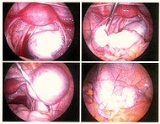
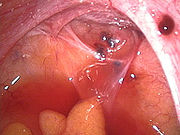 The only way to diagnose endometriosis is by laparoscopy
or other types of surgery with lesion biopsy. The diagnosis is based on the characteristic appearance of the disease, and should be corroborated by a biopsy
. Surgery for diagnoses also allows for surgical treatment of endometriosis at the same time.
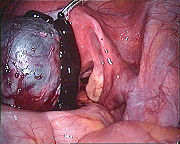
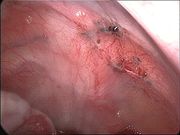
Although doctors can often feel the endometrial growths during a pelvic exam, and these symptoms may be signs of endometriosis, diagnosis cannot be confirmed without performing a laparoscopic procedure. To the eye, lesions can appear dark blue. powder-burn black, red, white, yellow, brown or non-pigmented. Lesions vary in size. Some within the pelvis walls may not be visible to the eye, as normal-appearing peritoneum of infertile women reveals endometriosis on biopsy in 6–13% of cases. Early endometriosis typically occurs on the surfaces of organs in the pelvic and intra-abdominal areas. Health care providers may call areas of endometriosis by different names, such as implants, lesions, or nodules. Larger lesions may be seen within the ovaries as ovarian endometriomas or "chocolate cysts", "chocolate" because they contain a thick brownish fluid, mostly old blood.
Often the symptoms of ovarian cancer are identical to those of endometriosis. If a misdiagnosis of endometriosis occurs due to failure to confirm diagnosis through laparoscopy, early diagnosis of ovarian cancer, which is crucial for successful treatment, may have been missed.
If surgery is not performed, then a diagnosis of exclusion
process is used. This means that all of the other plausible causes of pelvic pain
are ruled out. For example, internal hernia
s are difficult to identify in women, and misdiagnosis with endometriosis is very common. One cause of misdiagnosis is that when the woman lies down flat on an examination table, all of the medical sign
s of the hernia disappear, but the woman typically has tenderness and other symptoms associated with endometriosis in a pelvic exam. The hernia can typically only be detected when symptoms are present, so diagnosis requires positioning the woman's body in a way that provokes symptoms.
). The process is a complex point system that assesses lesions and adhesions in the pelvic organs, but it is important to note staging assesses physical disease only, not the level of pain or infertility. A patient with Stage I endometriosis may have little disease and severe pain, while a patient with Stage IV endometriosis may have severe disease and no pain or vice versa. In principle the various stages show these findings:
Stage I (Minimal)
Stage II (Mild)
Stage III (Moderate)
Stage IV (Severe)
Endometrioma on the ovary of any significant size (Approx. 2 cm +) must be removed surgically because hormonal treatment alone will not remove the full endometrioma cyst, which can progress to acute pain from the rupturing of the cyst and internal bleeding. Endometrioma is sometimes misdiagnosed as ovarian cysts.
with asymptomatic endometriosis are unclear, it is likely that any biomarker would be used only to investigate women with symptoms suggestive of endometriosis. Therefore, a prospective biomarker needs to distinguish women with endometriosis from women with similar presentations (for example, dysmenorrhoea, pelvic pain or subfertility).
A systematic review
in 2010 of essentially all proposed biomarkers for endometriosis in serum, plasma and urine came to the conclusion that none of them have been clearly shown to be of clinical use, although some appear to be promising. Another review in 2011 identified several putative biomarkers upon biopsy, including findings of small sensory nerve fibers or defectively expressed β3 integrin subunit.
The one biomarker that has been used in clinical practice over the last 20 years is CA-125
. However, its performance in diagnosing endometriosis is low, even though it shows some promise in detecting more severe disease. CA-125 levels appear to fall during endometriosis treatment, but has not shown a correlation with disease response.
Research is also being conducted on potential genetic markers associated with endometriosis so that a saliva-based diagnostic may replace surgical procedures for basic diagnosis. However, this research remains very preliminary.
It has been postulated a future diagnostic tool for endometriosis will consist of a panel of several biomarkers, including both substance concentrations and genetic predisposition.
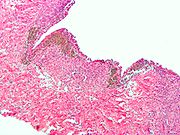 Typical endometriotic lesions show histopathologic
features similar to endometrium
, namely endometrial stroma
, endometrial epithelium
, and glands that respond to hormonal stimuli. Older lesions may display no glands but hemosiderin
deposits as residual.
In general, the diagnosis of endometriosis is confirmed during surgery, at which time ablative steps can be taken. Further steps depend on circumstances: patients without infertility can be managed with hormonal medication that suppress the natural cycle and pain medication, while infertile patients may be treated expectantly after surgery, with fertility medication, or with IVF.
Sonography is a method to monitor recurrence of endometriomas during treatments.
Treatments for endometriosis in women who do not wish to become pregnant include:
Conservative therapy consists of the excision (called cystectomy
) of the endometrium
, adhesions, resection of endometriomas, and restoration of normal pelvic anatomy as much as is possible. There are combinations as well, notably one consisting of cystectomy followed by ablative surgery (removal of endometrium
) using a CO2 laser to vaporize the remaining 10%–20% of the endometrioma wall close to the hilus. Laparoscopy
, besides being used for diagnosis, can also be an option for surgery. It's considered a "minimally invasive" surgery because the surgeon makes very small openings (incisions) at (or around) the belly button and lower portion of the belly. A thin telescope-like instrument (the laparoscope) is placed into one incision, which allows the doctor to look for endometriosis using a small camera attached to the laparoscope. Small instruments are inserted through the incisions to remove the tissue and adhesions. Because the incisions are very small, there will only be small scars on the skin after the procedure. The patient usually can go home the day of the surgery and should be able to return to their usual activities.
Semi-conservative therapy preserves a healthy appearing ovary, but also increases the risk of recurrence.
For patients with extreme pain, a presacral neurectomy may be indicated where the nerves to the uterus are cut. However, strong clinical evidence showed that presacral neurectomy is more effective in pain relief if the pelvic pain is midline concentrated, and not as effective if the pain extends to the left and right lower quadrants of the abdomen. This is because the nerves to be transected in the procedure are innervating the central or the midline region in the female pelvis. Furthermore, women who had presacral neurectomy have higher prevalence of chronic constipation not responding well to medication treatment because of the potential injury to the parasympathetic nerve in the vicinity during the procedure.
After surgical treatment of deeply infiltrating endometriosis with colorectal involvement, a review study estimated the overall endometriosis recurrence rate to be approximately 10% (ranging between 5–25%).
(pregnancy rate). The use of medical suppression after surgery for minimal/mild endometriosis has not shown benefits for patients with infertility. Use of fertility medication that stimulates ovulation (clomiphene citrate, gonadotropin
s) combined with intrauterine insemination (IUI) enhances fertility in these patients.
In-vitro fertilization (IVF) procedures are effective in improving fertility in many women with endometriosis. IVF makes it possible to combine sperm and eggs in a laboratory and then place the resulting embryos into the woman's uterus. The decision when to apply IVF in endometriosis-associated infertility takes into account the age of the patient, the severity of the endometriosis, the presence of other infertility factors, and the results and duration of past treatments.
s are approximately 40%.
unless hysterectomy is performed or menopause reached. Monitoring of patients consists of periodic clinical examinations and sonography. Also, the CA 125 serum antigen levels have been used to follow patients with endometriosis. With combined cystectomy and ablative surgery, one study showed recurrence of a small endometrioma in only one case among fifty-two women (2%) at a mean follow-up of 8.3 months.
Vaginal childbirth
decreases recurrence of endometriosis. In contrast, endometriosis recurrence rates have been shown to be higher in women who have not given birth vaginally, such as in Cesarean section.
to postmenopause
, regardless of race or ethnicity or whether or not they have had children. It is primarily a disease of the reproductive years. Estimates about its prevalence vary, but 5–10% is a reasonable number, more common in women with infertility (20–50%) and women with chronic pelvic pain (about 80%). As an estrogen-dependent process, it can persist beyond menopause and persists in up to 40% of patients following hysterectomy. In some cases, it may also begin beyond menopause and it has also been described in men taking high-dose estrogen therapy.
Endometriosis bears no relationship to endometrial cancer
. Current research has demonstrated an association between endometriosis and certain types of cancers, notably ovarian cancer
, non-Hodgkin's lymphoma and brain cancer. Endometriosis often also coexists with leiomyoma
or adenomyosis
, as well as autoimmune disorders. A 1988 survey conducted in the US found significantly more Hypothyroidism
, fibromyalgia
, chronic fatigue syndrome
, autoimmune diseases, allergies and asthma
in women with endometriosis compared to the general population.
.
Uterus
The uterus or womb is a major female hormone-responsive reproductive sex organ of most mammals including humans. One end, the cervix, opens into the vagina, while the other is connected to one or both fallopian tubes, depending on the species...
(endometrium
Endometrium
-Function:The endometrium is the innermost glandular layer and functions as a lining for the uterus, preventing adhesions between the opposed walls of the myometrium, thereby maintaining the patency of the uterine cavity. During the menstrual cycle or estrous cycle, the endometrium grows to a...
) appear and flourish outside the uterine cavity, most commonly on the ovaries. The uterine cavity is lined by endometrial cells, which are under the influence of female hormones. These endometrial-like cells in areas outside the uterus (endometriosis) are influenced by hormonal changes and respond in a way that is similar to the cells found inside the uterus. Symptoms often worsen with the menstrual cycle.
Endometriosis is typically seen during the reproductive years; it has been estimated that endometriosis occurs in roughly 5-10% of women. Symptoms may depend on the site of active endometriosis. Its main but not universal symptom is pelvic pain
Pelvic pain
Pelvic pain is a symptom that can affect both women and men. The pelvic pain that persists for a period of 3 months or more to be considered chronic while less than this duration is considered acute. The pain may indicate the existence of poorly-understood conditions that likely represent abnormal...
in various manifestations. Endometriosis is a common finding in women with infertility
Infertility
Infertility primarily refers to the biological inability of a person to contribute to conception. Infertility may also refer to the state of a woman who is unable to carry a pregnancy to full term...
.
Pelvic pain
A major symptom of endometriosis is recurring pelvic painPelvic pain
Pelvic pain is a symptom that can affect both women and men. The pelvic pain that persists for a period of 3 months or more to be considered chronic while less than this duration is considered acute. The pain may indicate the existence of poorly-understood conditions that likely represent abnormal...
. The pain can be mild to severe cramping that occurs on both sides of the pelvis, in the lower back and rectal area, and even down the legs. The amount of pain a woman feels correlates poorly with the extent or stage (1 through 4) of endometriosis, with some women having little or no pain despite having extensive endometriosis or endometriosis with scarring, while, on the other hand, other women may have severe pain even though they have only a few small areas of endometriosis. Symptoms of endometriosis-related pain may include:
- dysmenorrheaDysmenorrheaDysmenorrhea is a gynecological medical condition of pain during menstruation that interferes with daily activities, as defined by ACOG and others. Still, dysmenorrhea is often defined simply as menstrual pain, or at least menstrual pain that is excessive...
– painful, sometimes disabling cramps during menses; pain may get worse over time (progressive pain), also lower back pains linked to the pelvis - chronic pelvic pain – typically accompanied by lower back pain or abdominal pain
- dyspareuniaDyspareuniaDyspareunia is painful sexual intercourse, due to medical or psychological causes. The symptom is reported almost exclusively by women, although the problem can also occur in men. The causes are often reversible, even when long-standing, but self-perpetuating pain is a factor after the original...
– painful sex - dysuriaDysuriaIn medicine, specifically urology, dysuria refers to painful urination.Difficult urination is also sometimes described as dysuria.It is one of a constellation of irritative bladder symptoms, which includes urinary frequency and haematuria....
– urinary urgency, frequency, and sometimes painful voiding
Throbbing, gnawing, and dragging pain to the legs are reported more commonly by women with endometriosis. Compared with women with superficial endometriosis, those with deep disease appear to be more likely to report shooting rectal pain and a sense of their insides being pulled down. Individual pain areas and pain intensity appears to be unrelated to the surgical diagnosis, and the area of pain unrelated to area of endometriosis.
Fertility
Many women with infertilityInfertility
Infertility primarily refers to the biological inability of a person to contribute to conception. Infertility may also refer to the state of a woman who is unable to carry a pregnancy to full term...
may have endometriosis. As endometriosis can lead to anatomical distortions and adhesions
Adhesion (medicine)
Adhesions are fibrous bands that form between tissues and organs, often as a result of injury during surgery. They may be thought of as internal scar tissue that connect tissues not normally connected.-Pathophysiology:...
(the fibrous bands that form between tissues and organs following recovery from an injury), the causality may be easy to understand; however, the link between infertility and endometriosis remains enigmatic when the extent of endometriosis is limited. It has been suggested that endometriotic lesions release factors which are detrimental to gametes or embryos, or, alternatively, endometriosis may more likely develop in women who fail to conceive for other reasons and thus be a secondary phenomenon; for this reason it is preferable to speak of endometriosis-associated infertility in such cases. In some cases it can take a woman with endometriosis 7-10 years to conceive her first child, to most couples this can be stressful and daunting.
Other
Other symptoms may be present, including:- ConstipationConstipationConstipation refers to bowel movements that are infrequent or hard to pass. Constipation is a common cause of painful defecation...
- chronic fatigue
In addition to pain during menstruation, the pain of endometriosis can occur at other times of the month. There can be pain with ovulation, pain associated with adhesions, pain caused by inflammation in the pelvic cavity, pain during bowel movements and urination, during general bodily movement like exercise, pain from standing or walking, and pain with intercourse. But the most desperate pain is usually with menstruation and many women dread having their periods. Pain can also start a week before menses, during and even a week after menses, or it can be constant. There is no known cure for endometriosis.
Complications
- Internal scarring
- Adhesions
- Pelvic cysts
- Chocolate cyst of ovariesChocolate cyst of ovaryAn endometrioma, endometrioid cyst, endometrial cyst, or chocolate cyst of ovary is a condition related to endometriosis.-Pathophysiology:...
- Ruptured cyst
- Bowel obstructionBowel obstructionBowel obstruction is a mechanical or functional obstruction of the intestines, preventing the normal transit of the products of digestion. It can occur at any level distal to the duodenum of the small intestine and is a medical emergency...
Infertility can be related to scar formation and anatomical distortions due to the endometriosis; however, endometriosis may also interfere in more subtle ways: cytokines and other chemical agents may be released that interfere with reproduction.
Other complications of endometriosis include bowel and ureteral obstruction resulting from pelvic adhesions. Also, peritonitis
Peritonitis
Peritonitis is an inflammation of the peritoneum, the serous membrane that lines part of the abdominal cavity and viscera. Peritonitis may be localised or generalised, and may result from infection or from a non-infectious process.-Abdominal pain and tenderness:The main manifestations of...
from bowel perforation can occur.
Ovarian endometriosis may complicate pregnancy by decidualization, abscess and/or rupture. It is the most common adnexal mass detected during pregnancy, being present in 0.52% of deliveries as studied in the period 2002 to 2007. Still, ovarian endometriosis during pregnancy can be safely observed conservatively.
Pleural implantations are associated with recurrent right pneumothoraces at times of menses, termed catamenial pneumothorax
Catamenial pneumothorax
Catamenial pneumothorax is a condition of collapsed lung occurring in conjunction with menstrual periods , believed to be caused primarily by endometriosis of the pleura ....
.
Genetics
Genetic predisposition plays a role in endometriosis. It is well recognized that daughters or sisters of patients with endometriosis are at higher risk of developing endometriosis themselves; for example, low progesterone levels may be genetic, and may contribute to a hormone imbalance. There is an about 10-fold increased incidence in women with an affected first-degree relative. One study found that in female siblings of patients with endometriosis the relative riskRelative risk
In statistics and mathematical epidemiology, relative risk is the risk of an event relative to exposure. Relative risk is a ratio of the probability of the event occurring in the exposed group versus a non-exposed group....
of endometriosis is 5.7:1 versus a control population.
It has been proposed that endometriosis results from a series of multiple hits within target genes, in a mechanism similar to the development of cancer. In this case, the initial mutation may be either somatic or heritable.
Individual genomic changes (found by genotyping
Genotyping
Genotyping is the process of determining differences in the genetic make-up of an individual by examining the individual's DNA sequence using biological assays and comparing it to another individual's sequence or a reference sequence. It reveals the alleles an individual has inherited from their...
) that have been associated with endometriosis include:
- Changes in chromosome 10 at region 10q26.
- Changes in the 7p15.2 region.
In addition, there are many findings of altered gene expression
Gene expression
Gene expression is the process by which information from a gene is used in the synthesis of a functional gene product. These products are often proteins, but in non-protein coding genes such as ribosomal RNA , transfer RNA or small nuclear RNA genes, the product is a functional RNA...
and epigenetics
Epigenetics
In biology, and specifically genetics, epigenetics is the study of heritable changes in gene expression or cellular phenotype caused by mechanisms other than changes in the underlying DNA sequence – hence the name epi- -genetics...
, but both of these can also be a secondary result of, for example, environmental factors and altered metabolism. Examples of altered gene expression include that of miRNAs.
Environmental
There is a growing suspicion that environmental factors may cause endometriosis, specifically some plastics and cooking with certain types of plastic containers with microwave ovens. Dioxin exposure has been found a very likely cause of endometriosis in one well known study by The Endometriosis association that found that 79% of monkeys developed Endometriosis after receiving doses of dioxin. Other sources suggest that pesticides and hormones in our food cause a hormone imbalance.- Tobacco smokingTobacco smokingTobacco smoking is the practice where tobacco is burned and the resulting smoke is inhaled. The practice may have begun as early as 5000–3000 BCE. Tobacco was introduced to Eurasia in the late 16th century where it followed common trade routes...
: The risk of endometriosis has been reported to be reduced in smokers. Smoking causes decreased estrogens with increased breakthrough bleeding and shortened luteal phases. Smokers have an earlier than normal (by about 1.5–3 years) menopause which suggests that there is some toxic effect of smoking on the follicles directly. Chemically, nicotine has been shown to concentrate in cervical mucous and metabolites have been found in follicular fluid and been associated with delayed follicular growth and maturation. Finally, there is some effect on tubal motility because smoking is associated with an increased incidence of ectopic pregnancy as well as an increased spontaneous abortion rate.
Aging
Aging brings with it many effects that may reduce fertility. Depletion over time of ovarian follicles affects menstrual regularity. Endometriosis has more time to produce scarring of the ovary and tubes so they cannot move freely or it can even replace ovarian follicular tissue if ovarian endometriosis persists and grows. Leiomyomata (fibroids) can slowly grow and start causing endometrial bleeding that disrupts implantation sites or distorts the endometrial cavity which affects carrying a pregnancy in the very early stages. Abdominal adhesions from other intraabdominal surgery, or ruptured ovarian cysts can also affect tubal motility needed to sweep the ovary and gather an ovulated follicle (egg).Endometriosis in postmenopausal women does occur and has been described as an aggressive form of this disease characterized by complete progesterone resistance and extraordinarily high levels of aromatase expression. In less common cases, girls may have endometriosis symptoms before they even reach menarche.
Pathophysiology
While the exact cause of endometriosis remains unknown, many theories have been presented to better understand and explain its development. These concepts do not necessarily exclude each other. The pathophysiology of endometriosis is likely to be multifactorial and to involve an interplay between several factors.Broadly, the aspects of the pathophysiology can basically be classified as underlying predisposing factors, metabolic changes, formation of ectopic endometrium, and generation of pain and other effects. It is not certain, however, to what degree predisposing factors lead to metabolic changes and so on, or if metabolic changes or formation of ectopic endometrium is the primary cause. Also, there are several theories within each category, but the uncertainty over what is a cause versus what is an effect when considered in relation to other aspects is as true for any individual entry in the pathophysiology of endometriosis.
Also, pathogenic mechanisms appear to differ in the formation of distinct types of endometriotic lesion, such as peritoneal, ovarian and rectovaginal lesions.
Metabolic changes
Correlation does not imply causation
"Correlation does not imply causation" is a phrase used in science and statistics to emphasize that correlation between two variables does not automatically imply that one causes the other "Correlation does not imply causation" (related to "ignoring a common cause" and questionable cause) is a...
:
- Endometrial cells in women with endometriosis demonstrate increased adherence to peritoneal cells and increased expression of splice variants of CD44CD44The CD44 antigen is a cell-surface glycoprotein involved in cell–cell interactions, cell adhesion and migration. In humans, the CD44 antigen is encoded by the CD44 gene.- Tissue distribution and isoforms :...
, a cell-surface protein involved in cell adhesions. - The matrix metalloproteinases MMP-1 and MMP-2 are also increased, and appear to be major factors involved in the invasion of endometrium into the peritoneum and in vascularization of endometriosis.
- Endometriosis patients also have elevated levels of vascular endothelial growth factor AVascular endothelial growth factor AVascular endothelial growth factor A is a protein that in humans is encoded by the VEGFA gene.- Function :This gene is a member of the platelet-derived growth factor /vascular endothelial growth factor family and encodes a protein that is often found as a disulfide linked homodimer...
(VEGF-A), soluble vascular endothelial growth factor receptors-1 and -2 (sVEGFR-1 and -2) and angiopoietin-2 (Ang-2). IL-4Interleukin 4Interleukin-4, abbreviated IL-4, is a cytokine that induces differentiation of naive helper T cells to Th2 cells. Upon activation by IL-4, Th2 cells subsequently produce additional IL-4. The cell that initially produces IL-4, thus inducing Th0 differentiation, has not been identified, but recent...
may induce angiogenesisAngiogenesisAngiogenesis is the physiological process involving the growth of new blood vessels from pre-existing vessels. Though there has been some debate over terminology, vasculogenesis is the term used for spontaneous blood-vessel formation, and intussusception is the term for the formation of new blood...
in endometriosis by inducing expression of eotaxinEotaxinEotaxin may refer to:* CCL11 * CCL24 * CCL26...
. - Increased oxidative stressOxidative stressOxidative stress represents an imbalance between the production and manifestation of reactive oxygen species and a biological system's ability to readily detoxify the reactive intermediates or to repair the resulting damage...
is also implicated in the pathophysiology of endometriosis, as well as 8-iso-PGF2α and oxysterols, being potential causative links in this oxidative stress.
Endometriosis is a condition that is estrogen
Estrogen
Estrogens , oestrogens , or œstrogens, are a group of compounds named for their importance in the estrous cycle of humans and other animals. They are the primary female sex hormones. Natural estrogens are steroid hormones, while some synthetic ones are non-steroidal...
-dependent and thus seen primarily during the reproductive years. In experimental models, estrogen is necessary to induce or maintain endometriosis. Medical therapy is often aimed at lowering estrogen levels to control the disease. Additionally, the current research into aromatase
Aromatase
Aromatase is an enzyme responsible for a key step in the biosynthesis of estrogens. It is a member of the cytochrome P450 superfamily , which are monooxygenases that catalyze many reactions involved in steroidogenesis. In particular, aromatase is responsible for the aromatization of androgens into...
, an estrogen-synthesizing enzyme, has provided evidence as to why and how the disease persists after menopause and hysterectomy.
Formation of ectopic endometrium
The main theories for the formation of ectopic endometrium are retrograde menstruation, müllerianosis, coelomic metaplasia and transplantation, each further described below.Retrograde menstruation
The theory of retrograde menstruation is the most widely accepted theory for the formation of ectopic endometrium in endometriosis. It suggests that during a woman's menstrual flow, some of the endometrial debris exits the uterus through the fallopian tubes and attaches itself to the peritoneal surface (the lining of the abdominal cavity) where it can proceed to invade the tissue as endometriosis.While most women may have some retrograde menstrual flow, typically their immune system is able to clear the debris and prevent implantation and growth of cells from this occurrence. However, in some patients, endometrial tissue transplanted by retrograde menstruation may be able to implant and establish itself as endometriosis. Factors that might cause the tissue to grow in some women but not in others need to be studied, and some of the possible causes below may provide some explanation, e.g., hereditary factors, toxins, or a compromised immune system. It can be argued that the uninterrupted occurrence of regular menstruation month after month for decades is a modern phenomenon, as in the past women had more frequent menstrual rest due to pregnancy and lactation.
Retrograde menstruation alone is not able to explain all instances of endometriosis, and it needs additional factors such as genetic or immune differences to account for the fact that many women with retrograde menstruation do not have endometriosis. Research is focusing on the possibility that the immune system
Immune system
An immune system is a system of biological structures and processes within an organism that protects against disease by identifying and killing pathogens and tumor cells. It detects a wide variety of agents, from viruses to parasitic worms, and needs to distinguish them from the organism's own...
may not be able to cope with the cyclic onslaught of retrograde menstrual fluid. In this context there is interest in studying the relationship of endometriosis to autoimmune disease
Autoimmune disease
Autoimmune diseases arise from an overactive immune response of the body against substances and tissues normally present in the body. In other words, the body actually attacks its own cells. The immune system mistakes some part of the body as a pathogen and attacks it. This may be restricted to...
, allergic
Allergy
An Allergy is a hypersensitivity disorder of the immune system. Allergic reactions occur when a person's immune system reacts to normally harmless substances in the environment. A substance that causes a reaction is called an allergen. These reactions are acquired, predictable, and rapid...
reactions, and the impact of toxins. It is still unclear what, if any, causal relationship exists between toxins, autoimmune disease, and endometriosis
In addition, at least one study found that endometriotic lesions are biochemically very different from artificially transplanted ectopic tissue. The latter finding, however, can in turn be explained by that the cells that establish endometrial lesions are not of the main cell type in ordinary endometrium, but rather of a side population
Side population
In flow cytometry, a side population is a sub-population of cells that is distinct from the main population on the basis of the markers employed...
cell type, as supported by exhibitition of a side population phenotype upon staining with Hoechst dye and by flow cytometric analysis.
In rare cases where imperforate hymen does not resolve itself prior to the first menstrual cycle and goes undetected, blood and endometrium
Endometrium
-Function:The endometrium is the innermost glandular layer and functions as a lining for the uterus, preventing adhesions between the opposed walls of the myometrium, thereby maintaining the patency of the uterine cavity. During the menstrual cycle or estrous cycle, the endometrium grows to a...
are trapped within the uterus of the patient until such time as the problem is resolved by surgical incision. Many health care practitioners never encounter this defect, and due to the flu-like symptoms it is often misdiagnosed or overlooked until multiple menstrual cycles have passed. By the time a correct diagnosis has been made, endometrium and other fluids have filled the uterus and fallopian tubes with results similar to retrograde menstruation resulting in endometriosis. The initial stage of endometriosis may vary based on the time elapsed between onset and surgical procedure.
The theory of retrograde menstruation as a cause of endometriosis was first proposed by John A. Sampson
John A. Sampson
John Albertson Sampson was a gynecologist who studied endometriosis.Sampson was born near Troy, New York and graduated from Johns Hopkins in 1899. After completing his training in gynecology, he settled in Albany, New York...
.
Other theories of endometrial formation
- Müllerianosis: A competing theory states that cells with the potential to become endometrial are laid down in tracts during embryonic development and organogenesisOrganogenesisIn animal development, organogenesis is the process by which the ectoderm, endoderm, and mesoderm develop into the internal organs of the organism. Internal organs initiate development in humans within the 3rd to 8th weeks in utero...
. These tracts follow the female reproductive (Mullerian) tract as it migrates caudally (downward) at 8–10 weeks of embryonic life. Primitive endometrial cells become dislocated from the migrating uterus and act like seeds or stem cells. This theory is supported by foetal autopsy. - Coelomic metaplasia: This theory is based on the fact that coelomic epitheliumEpitheliumEpithelium is one of the four basic types of animal tissue, along with connective tissue, muscle tissue and nervous tissue. Epithelial tissues line the cavities and surfaces of structures throughout the body, and also form many glands. Functions of epithelial cells include secretion, selective...
is the common ancestor of endometrial and peritoneal cells and hypothesizes that later metaplasiaMetaplasiaMetaplasia is the reversible replacement of one differentiated cell type with another mature differentiated cell type. The change from one type of cell to another may generally be a part of normal maturation process or caused by some sort of abnormal stimulus...
(transformation) from one type of cell to the other is possible, perhaps triggered by inflammation. This theory is further supported by laboratory observation of this transformation. - Transplantation: It is accepted that in specific patients endometriosis can spread directly. Thus endometriosis has been found in abdominal incisional scars after surgery for endometriosis. It can also grow invasively into different tissue layers, i.e., from the cul-de-sac into the vagina. On rare occasions endometriosis may be transplanted by bloodBloodBlood is a specialized bodily fluid in animals that delivers necessary substances such as nutrients and oxygen to the cells and transports metabolic waste products away from those same cells....
or by the lymphatic systemLymphatic systemThe lymphoid system is the part of the immune system comprising a network of conduits called lymphatic vessels that carry a clear fluid called lymph unidirectionally toward the heart. Lymphoid tissue is found in many organs, particularly the lymph nodes, and in the lymphoid follicles associated...
into peripheral organs such as the lungs and brainHuman brainThe human brain has the same general structure as the brains of other mammals, but is over three times larger than the brain of a typical mammal with an equivalent body size. Estimates for the number of neurons in the human brain range from 80 to 120 billion...
.
It appears that that up to 37% of the microvascular endothelium
Endothelium
The endothelium is the thin layer of cells that lines the interior surface of blood vessels, forming an interface between circulating blood in the lumen and the rest of the vessel wall. These cells are called endothelial cells. Endothelial cells line the entire circulatory system, from the heart...
of ectopic endometrial tissue originates from endothelial progenitor cell
Endothelial progenitor cell
Endothelial progenitor cells are a population of rare cells that circulate in the blood with the ability to differentiate into endothelial cells, the cells that make up the lining of blood vessels. The process by which blood vessels are born de novo from endothelial progenitor cells is known as...
s, which result in de novo formation of microvessels by the process vasculogenesis
Vasculogenesis
Vasculogenesis is the process of blood vessel formation occurring by a de novo production of endothelial cells.-Process:Though similar to angiogenesis, the two are different in one aspect: The term angiogenesis denotes the formation of new blood vessels from pre-existing ones, whereas...
rather than the conventional process of angiogenesis
Angiogenesis
Angiogenesis is the physiological process involving the growth of new blood vessels from pre-existing vessels. Though there has been some debate over terminology, vasculogenesis is the term used for spontaneous blood-vessel formation, and intussusception is the term for the formation of new blood...
.
Generation of pain
The way endometriosis causes pain is the subject of much research. Because many women with endometriosis feel pain during or around their periods and may spill further menstrual flow into the pelvis with each menstruation, some researchers are trying to reduce menstrual events in patients with endometriosis.Endometriosis lesions react to hormonal stimulation and may "bleed" at the time of menstruation. The blood accumulates locally, causes swelling, and triggers inflammatory responses with the activation of cytokines. It is thought that this process may cause pain.
Pain can also occur from adhesions (internal scar tissue) binding internal organs to each other, causing organ dislocation. Fallopian tubes, ovaries, the uterus, the bowels, and the bladder can be bound together in ways that are painful on a daily basis, not just during menstrual periods.
Also, endometriotic lesions can develop their own nerve supply, thereby creating a direct and two-way interaction between lesions and the central nervous system
Central nervous system
The central nervous system is the part of the nervous system that integrates the information that it receives from, and coordinates the activity of, all parts of the bodies of bilaterian animals—that is, all multicellular animals except sponges and radially symmetric animals such as jellyfish...
, potentially producing a variety of individual differences in pain that can, in some women, become independent of the disease itself.
Localization
Most endometriosis is found on these structures in the pelvic cavityPelvic cavity
-External links:* * *...
:
- OvariesOvaryThe ovary is an ovum-producing reproductive organ, often found in pairs as part of the vertebrate female reproductive system. Ovaries in anatomically female individuals are analogous to testes in anatomically male individuals, in that they are both gonads and endocrine glands.-Human anatomy:Ovaries...
(the most common site) - Fallopian tubeFallopian tubeThe Fallopian tubes, also known as oviducts, uterine tubes, and salpinges are two very fine tubes lined with ciliated epithelia, leading from the ovaries of female mammals into the uterus, via the utero-tubal junction...
s - The back of the uterusUterusThe uterus or womb is a major female hormone-responsive reproductive sex organ of most mammals including humans. One end, the cervix, opens into the vagina, while the other is connected to one or both fallopian tubes, depending on the species...
and the posterior cul-de-sac - The front of the uterus and the anterior cul-de-sac
- Uterine ligamentLigamentIn anatomy, the term ligament is used to denote any of three types of structures. Most commonly, it refers to fibrous tissue that connects bones to other bones and is also known as articular ligament, articular larua, fibrous ligament, or true ligament.Ligament can also refer to:* Peritoneal...
s such as the broad or round ligament of the uterus - Pelvic and back wall
- IntestineIntestineIn human anatomy, the intestine is the segment of the alimentary canal extending from the pyloric sphincter of the stomach to the anus and, in humans and other mammals, consists of two segments, the small intestine and the large intestine...
s, most commonly the rectosigmoid - Urinary bladderUrinary bladderThe urinary bladder is the organ that collects urine excreted by the kidneys before disposal by urination. A hollow muscular, and distensible organ, the bladder sits on the pelvic floor...
and ureterUreterIn human anatomy, the ureters are muscular tubes that propel urine from the kidneys to the urinary bladder. In the adult, the ureters are usually long and ~3-4 mm in diameter....
s
Bowel endometriosis affects approximately 10% of women with endometriosis, and can cause severe pain with bowel movements.
Endometriosis may spread to the cervix
Cervix
The cervix is the lower, narrow portion of the uterus where it joins with the top end of the vagina. It is cylindrical or conical in shape and protrudes through the upper anterior vaginal wall...
and vagina
Vagina
The vagina is a fibromuscular tubular tract leading from the uterus to the exterior of the body in female placental mammals and marsupials, or to the cloaca in female birds, monotremes, and some reptiles. Female insects and other invertebrates also have a vagina, which is the terminal part of the...
or to sites of a surgical abdominal incision.
Endometriosis may also present with skin lesions in cutaneous endometriosis
Cutaneous endometriosis
Cutaneous endometriosis is characterized by the appearance of brownish papules at the umbilicus or in lower abdominal scars after gynecologic surgery in middle-aged women....
.
Less commonly lesions can be found on the diaphragm. Diaphragmatic endometriosis is rare, almost always on the right hemidiaphragm, and may inflict cyclic pain of the right shoulder just before and during menses. Rarely, endometriosis can be extraperitoneal and is found in the lungs and CNS.
Diagnosis
A health history and a physical examination can in many patients lead the physician to suspect endometriosis. Surgery is the gold standard in diagnosis. However, in the United States most insurance plans will not cover surgical diagnosis unless the patient has already attempted to become pregnant and failed.Use of imaging tests may identify endometriotic cysts or larger endometriotic areas. It also may identify free fluid often within the cul-de-sac. The two most common imaging tests are ultrasound
Ultrasound
Ultrasound is cyclic sound pressure with a frequency greater than the upper limit of human hearing. Ultrasound is thus not separated from "normal" sound based on differences in physical properties, only the fact that humans cannot hear it. Although this limit varies from person to person, it is...
and magnetic resonance imaging
Magnetic resonance imaging
Magnetic resonance imaging , nuclear magnetic resonance imaging , or magnetic resonance tomography is a medical imaging technique used in radiology to visualize detailed internal structures...
(MRI). Normal results on these tests do not eliminate the possibility of endometriosis. Areas of endometriosis are often too small to be seen by these tests.
Laparoscopy
Laparoscopy is an operation performed in the abdomen or pelvis through small incisions with the aid of a camera...
or other types of surgery with lesion biopsy. The diagnosis is based on the characteristic appearance of the disease, and should be corroborated by a biopsy
Biopsy
A biopsy is a medical test involving sampling of cells or tissues for examination. It is the medical removal of tissue from a living subject to determine the presence or extent of a disease. The tissue is generally examined under a microscope by a pathologist, and can also be analyzed chemically...
. Surgery for diagnoses also allows for surgical treatment of endometriosis at the same time.
Although doctors can often feel the endometrial growths during a pelvic exam, and these symptoms may be signs of endometriosis, diagnosis cannot be confirmed without performing a laparoscopic procedure. To the eye, lesions can appear dark blue. powder-burn black, red, white, yellow, brown or non-pigmented. Lesions vary in size. Some within the pelvis walls may not be visible to the eye, as normal-appearing peritoneum of infertile women reveals endometriosis on biopsy in 6–13% of cases. Early endometriosis typically occurs on the surfaces of organs in the pelvic and intra-abdominal areas. Health care providers may call areas of endometriosis by different names, such as implants, lesions, or nodules. Larger lesions may be seen within the ovaries as ovarian endometriomas or "chocolate cysts", "chocolate" because they contain a thick brownish fluid, mostly old blood.
Often the symptoms of ovarian cancer are identical to those of endometriosis. If a misdiagnosis of endometriosis occurs due to failure to confirm diagnosis through laparoscopy, early diagnosis of ovarian cancer, which is crucial for successful treatment, may have been missed.
If surgery is not performed, then a diagnosis of exclusion
Diagnosis of exclusion
A diagnosis of exclusion is a medical condition reached by a process of elimination, which may be necessary if presence cannot be established with complete confidence from examination or testing...
process is used. This means that all of the other plausible causes of pelvic pain
Pelvic pain
Pelvic pain is a symptom that can affect both women and men. The pelvic pain that persists for a period of 3 months or more to be considered chronic while less than this duration is considered acute. The pain may indicate the existence of poorly-understood conditions that likely represent abnormal...
are ruled out. For example, internal hernia
Internal hernia
Internal hernias occur when there is protrusion of a viscus into a retroperitoneal fossa or a foramen in the abdominal cavity. If a loop of bowel passes through the mesenteric defect, that loop is at risk for incarceration, strangulation, or for becoming the lead point of a small bowel...
s are difficult to identify in women, and misdiagnosis with endometriosis is very common. One cause of misdiagnosis is that when the woman lies down flat on an examination table, all of the medical sign
Medical sign
A medical sign is an objective indication of some medical fact or characteristic that may be detected by a physician during a physical examination of a patient....
s of the hernia disappear, but the woman typically has tenderness and other symptoms associated with endometriosis in a pelvic exam. The hernia can typically only be detected when symptoms are present, so diagnosis requires positioning the woman's body in a way that provokes symptoms.
Staging
Surgically, endometriosis can be staged I–IV (Revised Classification of the American Society of Reproductive MedicineAmerican Society of Reproductive Medicine
The American Society for Reproductive Medicine is an organization that wants to advance the "art, science, and practice of reproductive medicine". It provides a forum for lay public, researchers, physicians and affiliated health workers through education, publications, and meetings...
). The process is a complex point system that assesses lesions and adhesions in the pelvic organs, but it is important to note staging assesses physical disease only, not the level of pain or infertility. A patient with Stage I endometriosis may have little disease and severe pain, while a patient with Stage IV endometriosis may have severe disease and no pain or vice versa. In principle the various stages show these findings:
Stage I (Minimal)
- Findings restricted to only superficial lesions and possibly a few filmy adhesions
Stage II (Mild)
- In addition, some deep lesions are present in the cul-de-sac
Stage III (Moderate)
- As above, plus presence of endometriomas on the ovary and more adhesions.
Stage IV (Severe)
- As above, plus large endometriomas, extensive adhesions.
Endometrioma on the ovary of any significant size (Approx. 2 cm +) must be removed surgically because hormonal treatment alone will not remove the full endometrioma cyst, which can progress to acute pain from the rupturing of the cyst and internal bleeding. Endometrioma is sometimes misdiagnosed as ovarian cysts.
Markers
An area of research is the search for endometriosis markers. These markers are substances made by or in response to endometriosis that health care providers can measure in biopsies, in the blood or urine. Detection of such a marker may result in an earlier diagnosis of endometriosis than can be made by the rather non-specific symptoms, and may replace the invasive surgical procedures to verify the disease. A biomarker could also be used to identify early signs of therapeutic efficacy or disease recurrence, as symptomatic relief or aggravation usually is hard to quantify. However, as the benefits of treating womenwith asymptomatic endometriosis are unclear, it is likely that any biomarker would be used only to investigate women with symptoms suggestive of endometriosis. Therefore, a prospective biomarker needs to distinguish women with endometriosis from women with similar presentations (for example, dysmenorrhoea, pelvic pain or subfertility).
A systematic review
Systematic review
A systematic review is a literature review focused on a research question that tries to identify, appraise, select and synthesize all high quality research evidence relevant to that question. Systematic reviews of high-quality randomized controlled trials are crucial to evidence-based medicine...
in 2010 of essentially all proposed biomarkers for endometriosis in serum, plasma and urine came to the conclusion that none of them have been clearly shown to be of clinical use, although some appear to be promising. Another review in 2011 identified several putative biomarkers upon biopsy, including findings of small sensory nerve fibers or defectively expressed β3 integrin subunit.
The one biomarker that has been used in clinical practice over the last 20 years is CA-125
CA-125
CA-125 also known as mucin 16 or MUC16 is a protein that in humans is encoded by the MUC16 gene. MUC16 is a member of the mucin family glycoproteins...
. However, its performance in diagnosing endometriosis is low, even though it shows some promise in detecting more severe disease. CA-125 levels appear to fall during endometriosis treatment, but has not shown a correlation with disease response.
Research is also being conducted on potential genetic markers associated with endometriosis so that a saliva-based diagnostic may replace surgical procedures for basic diagnosis. However, this research remains very preliminary.
It has been postulated a future diagnostic tool for endometriosis will consist of a panel of several biomarkers, including both substance concentrations and genetic predisposition.
Histopathology
Histopathology
Histopathology refers to the microscopic examination of tissue in order to study the manifestations of disease...
features similar to endometrium
Endometrium
-Function:The endometrium is the innermost glandular layer and functions as a lining for the uterus, preventing adhesions between the opposed walls of the myometrium, thereby maintaining the patency of the uterine cavity. During the menstrual cycle or estrous cycle, the endometrium grows to a...
, namely endometrial stroma
Stroma (animal tissue)
In animal tissue, stroma refers to the connective, supportive framework of a biological cell, tissue, or organ.The stroma in animal tissue is contrasted with the parenchyma.Examples include:* Stroma of iris...
, endometrial epithelium
Epithelium
Epithelium is one of the four basic types of animal tissue, along with connective tissue, muscle tissue and nervous tissue. Epithelial tissues line the cavities and surfaces of structures throughout the body, and also form many glands. Functions of epithelial cells include secretion, selective...
, and glands that respond to hormonal stimuli. Older lesions may display no glands but hemosiderin
Hemosiderin
thumb|Hemosiderin image of a kidney viewed under a microscope. The brown areas represent hemosiderinHemosiderin or haemosiderin is an iron-storage complex. It is always found within cells and appears to be a complex of ferritin, denatured ferritin and other material...
deposits as residual.
Treatments
While there is no cure for endometriosis, in many people menopause (natural or surgical) will abate the process. In patients in the reproductive years, endometriosis is merely managed: the goal is to provide pain relief, to restrict progression of the process, and to restore or preserve fertility where needed. In younger women with unfulfilled reproductive potential, surgical treatment attempts to remove endometrial tissue and preserving the ovaries without damaging normal tissue.In general, the diagnosis of endometriosis is confirmed during surgery, at which time ablative steps can be taken. Further steps depend on circumstances: patients without infertility can be managed with hormonal medication that suppress the natural cycle and pain medication, while infertile patients may be treated expectantly after surgery, with fertility medication, or with IVF.
Sonography is a method to monitor recurrence of endometriomas during treatments.
Treatments for endometriosis in women who do not wish to become pregnant include:
Hormonal medication
- ProgesteroneProgesteroneProgesterone also known as P4 is a C-21 steroid hormone involved in the female menstrual cycle, pregnancy and embryogenesis of humans and other species...
or Progestins: Progesterone counteracts estrogen and inhibits the growth of the endometrium. Such therapy can reduce or eliminate menstruation in a controlled and reversible fashion. Progestins are chemical variants of natural progesterone. - Avoiding products with xenoestrogenXenoestrogenXenoestrogens are a type of xenohormone that imitates estrogen. They are widely used industrial compounds such as PCB, BPA and Phthalates, that have estrogenic effects on a living organism even though they differ chemically from the naturally occurring estrogenic substances internally produced by...
s, which have a similar effect to naturally produced estrogen and can increase growth of the endometrium. - Hormone contraception therapy: Oral contraceptives reduce the menstrual pain associated with endometriosis. They may function by reducing or eliminating menstrual flow and providing estrogen support. Typically, it is a long-term approach. Recently Seasonale was FDA approved to reduce periods to 4 per year. Other OCPs have however been used like this off label for years. Continuous hormonal contraceptionHormonal contraceptionHormonal contraception refers to birth control methods that act on the endocrine system. Almost all methods are composed of steroid hormones, although in India one selective estrogen receptor modulator is marketed as a contraceptive. The original hormonal method—the combined oral contraceptive...
consists of the use of combined oral contraceptive pills without the use of placebo pills, or the use of NuvaRingNuvaRingNuvaRing is the trade name for a combined hormonal contraceptive vaginal ring manufactured by Merck that is available by prescription...
or the contraceptive patchContraceptive patchA contraceptive patch is a transdermal patch applied to the skin that releases synthetic estrogen and progestin hormones to prevent pregnancy. They have been shown to be as effective as the combined oral contraceptive pill with perfect use, and the patch may be more effective in typical use.The...
without the break week. This eliminates monthly bleeding episodes. - DanazolDanazolDanazol is a derivative of the synthetic steroid ethisterone, a modified testosterone. Also known as 17alpha-ethinyl testosterone. Before becoming available as a generic drug, Danazol was marketed as Danocrine in the United States. It was approved by the U.S. Food and Drug Administration as the...
(Danocrine) and gestrinoneGestrinoneGestrinone is a synthetic steroid hormone that acts as an anti-progestin and also has some androgenic activity. It is marketed under the names Dimetriose, Dimetrose, and Nemestran, as a treatment for endometriosis. Gestrinone is available in many countries, but not in the USA...
are suppressive steroids with some androgenic activity. Both agents inhibit the growth of endometriosis but their use remains limited as they may cause hirsutismHirsutismHirsutism or frazonism is the excessive hairiness on women in those parts of the body where terminal hair does not normally occur or is minimal - for example, a beard or chest hair. It refers to a male pattern of body hair and it is therefore primarily of cosmetic and psychological concern...
and voice changes. - Gonadotropin Releasing Hormone (GnRH) agonist: These agents work by increasing the levels of GnRH. Consistent stimulation of the GnRH receptors results in downregulation, inducing a profound hypoestrogenismHypoestrogenismHypoestrogenism refers to a lower than normal level of estrogen, the primary sex hormone for women. In general, lower levels of estrogen may cause differences in the breasts, genitals, urinary tract and skin....
by decreasing FSHFollicle-stimulating hormoneFollicle-stimulating hormone is a hormone found in humans and other animals. It is synthesized and secreted by gonadotrophs of the anterior pituitary gland. FSH regulates the development, growth, pubertal maturation, and reproductive processes of the body. FSH and Luteinizing hormone act...
and LHLuteinizing hormoneLuteinizing hormone is a hormone produced by the anterior pituitary gland. In females, an acute rise of LH called the LH surge triggers ovulation and development of the corpus luteum. In males, where LH had also been called interstitial cell-stimulating hormone , it stimulates Leydig cell...
levels. While effective in some patients, they induce unpleasant menopausal symptoms, and over time may lead to osteoporosisOsteoporosisOsteoporosis is a disease of bones that leads to an increased risk of fracture. In osteoporosis the bone mineral density is reduced, bone microarchitecture is deteriorating, and the amount and variety of proteins in bone is altered...
. To counteract such side effects some estrogen may have to be given back (add-back therapy). These drugs can only be used for six months at a time.- Lupron depo shot is a GnRH agonist and is used to lower the hormone levels in the woman's body to prevent or reduce growth of endometriosis. The injection is given in 2 different doses: a 3 month course of monthly injections, each with the dosage of (11.25 mg); or a 6 month course of monthly injections, each with the dosage of (3.75 mg).
- Aromatase inhibitorAromatase inhibitorAromatase inhibitors are a class of drugs used in the treatment of breast cancer and ovarian cancer in postmenopausal women. AIs may also be used off-label to treat or prevent gynaecomastia in men....
s are medications that block the formation of estrogen and have become of interest for researchers who are treating endometriosis.
Other medication
- NSAIDs: Anti-inflammatory. They are commonly used in conjunction with other therapy. For more severe cases narcotic prescription drugs may be used. NSAID injections can be helpful for severe pain or if stomach pain prevents oral NSAID use.
- MST: MorphineMorphineMorphine is a potent opiate analgesic medication and is considered to be the prototypical opioid. It was first isolated in 1804 by Friedrich Sertürner, first distributed by same in 1817, and first commercially sold by Merck in 1827, which at the time was a single small chemists' shop. It was more...
sulphate tablets and other opioid painkillers work by mimicking the action of naturally occurring pain-reducing chemicals called "endorphins". There are different long acting and short acting medications that can be used alone or in combination to provide appropriate pain control. - DiclofenacDiclofenacDiclofenac is a non-steroidal anti-inflammatory drug taken to reduce inflammation and as an analgesic reducing pain in certain conditions....
in suppository or pill form. Taken to reduce inflammation and as an analgesic reducing pain. - Following laparoscopic surgery women who were given Chinese herbs were reported to have comparable benefits to women with conventional drug treatments, though the journal article that reviewed this study also noted that "the two trials included in this review are of poor methodological quality so these findings must be interpreted cautiously. Better quality randomised controlled trials are needed to investigate a possible role for CHM [Chinese Herbal Medicine] in the treatment of endometriosis.",
- Pentoxifylline, an immuno-modulatory agent
Surgery
Procedures are classified as- conservative when reproductive organs are retained,
- semi-conservative when ovarian function is allowed to continue,
Conservative therapy consists of the excision (called cystectomy
Cystectomy
Cystectomy is a medical term for surgical removal of all or part of the urinary bladder. It may also be rarely used to refer to the removal of a cyst, or the gallbladder. The most common condition warranting removal of the urinary bladder is bladder cancer. After the bladder has been removed, an...
) of the endometrium
Endometrium
-Function:The endometrium is the innermost glandular layer and functions as a lining for the uterus, preventing adhesions between the opposed walls of the myometrium, thereby maintaining the patency of the uterine cavity. During the menstrual cycle or estrous cycle, the endometrium grows to a...
, adhesions, resection of endometriomas, and restoration of normal pelvic anatomy as much as is possible. There are combinations as well, notably one consisting of cystectomy followed by ablative surgery (removal of endometrium
Endometrium
-Function:The endometrium is the innermost glandular layer and functions as a lining for the uterus, preventing adhesions between the opposed walls of the myometrium, thereby maintaining the patency of the uterine cavity. During the menstrual cycle or estrous cycle, the endometrium grows to a...
) using a CO2 laser to vaporize the remaining 10%–20% of the endometrioma wall close to the hilus. Laparoscopy
Laparoscopy
Laparoscopy is an operation performed in the abdomen or pelvis through small incisions with the aid of a camera...
, besides being used for diagnosis, can also be an option for surgery. It's considered a "minimally invasive" surgery because the surgeon makes very small openings (incisions) at (or around) the belly button and lower portion of the belly. A thin telescope-like instrument (the laparoscope) is placed into one incision, which allows the doctor to look for endometriosis using a small camera attached to the laparoscope. Small instruments are inserted through the incisions to remove the tissue and adhesions. Because the incisions are very small, there will only be small scars on the skin after the procedure. The patient usually can go home the day of the surgery and should be able to return to their usual activities.
Semi-conservative therapy preserves a healthy appearing ovary, but also increases the risk of recurrence.
For patients with extreme pain, a presacral neurectomy may be indicated where the nerves to the uterus are cut. However, strong clinical evidence showed that presacral neurectomy is more effective in pain relief if the pelvic pain is midline concentrated, and not as effective if the pain extends to the left and right lower quadrants of the abdomen. This is because the nerves to be transected in the procedure are innervating the central or the midline region in the female pelvis. Furthermore, women who had presacral neurectomy have higher prevalence of chronic constipation not responding well to medication treatment because of the potential injury to the parasympathetic nerve in the vicinity during the procedure.
After surgical treatment of deeply infiltrating endometriosis with colorectal involvement, a review study estimated the overall endometriosis recurrence rate to be approximately 10% (ranging between 5–25%).
Comparison of medicinal and surgical interventions
Efficacy studies show that both medicinal and surgical interventions produce roughly equivalent pain-relief benefits. Recurrence of pain was found to be 44 and 53 percent with medicinal and surgical interventions, respectively. However, each approach has its own advantages and disadvantages.Advantages of medicinal interventions
- Decrease initial cost
- Empirical therapy (i.e. can be easily modified as needed)
- Effective for pain control
Disadvantages of medicinal interventions
- Adverse effects are common
- Not likely to improve fertility
- Some can only be used for limited periods of time
Advantages of surgery
- Has significant efficacy for pain control.
- Has increased efficacy over medicinal intervention for infertility treatment
- Combined with biopsy, it is the only way to achieve a definitive diagnosis
- Can often be carried out as a minimally invasive (laparoscopic) procedure to reduce morbidity and minimize the risk of post-operative adhesions
Treatment of infertility
While roughly similar to medicinal interventions in treating pain, the efficacy of surgery is especially significant in treating infertility. One study has shown that surgical treatment of endometriosis approximately doubles the fecundityFecundity
Fecundity, derived from the word fecund, generally refers to the ability to reproduce. In demography, fecundity is the potential reproductive capacity of an individual or population. In biology, the definition is more equivalent to fertility, or the actual reproductive rate of an organism or...
(pregnancy rate). The use of medical suppression after surgery for minimal/mild endometriosis has not shown benefits for patients with infertility. Use of fertility medication that stimulates ovulation (clomiphene citrate, gonadotropin
Gonadotropin
Gonadotropins are protein hormones secreted by gonadotrope cells of the pituitary gland of vertebrates. This is a family of proteins, which include the mammalian hormones follitropin , lutropin , placental chorionic gonadotropins hCG and eCG and chorionic gonadotropin , as well as at least two...
s) combined with intrauterine insemination (IUI) enhances fertility in these patients.
In-vitro fertilization (IVF) procedures are effective in improving fertility in many women with endometriosis. IVF makes it possible to combine sperm and eggs in a laboratory and then place the resulting embryos into the woman's uterus. The decision when to apply IVF in endometriosis-associated infertility takes into account the age of the patient, the severity of the endometriosis, the presence of other infertility factors, and the results and duration of past treatments.
Other treatments
- One theory above suggests that endometriosis is an auto-immune condition and if the immune system is compromised with a food intolerance, then removing that food from the diet can, in some people, have an effect. Various dietary recommendations are made in popular media. For example, common intolerances in people with endometriosis are claimed to be wheat, sugar, meat and dairy. Avoiding foods high in hormones and inflammatory fats also appears to be important in endometriosis pain management. Eating foods high in indole-3-carbinol, such as cruciferous vegetables appears to be helpful in balancing hormones and managing pain. However, these popular claims are typically not supported by scientific studies. According to one scientific study, diets high in fat and low in fruit and β-caroteneBeta-caroteneβ-Carotene is a strongly-coloured red-orange pigment abundant in plants and fruits. It is an organic compound and chemically is classified as a hydrocarbon and specifically as a terpenoid , reflecting its derivation from isoprene units...
were associated with a lower risk of endometriosis, contradicting the typical idea of a healthy diet. Consumption of omega 3 fatty acids, particularly EPA, as a food supplement has been suggested as a therapy for endometriosis. The use of soy has been reported to both alleviate pain and to aggravate symptoms, making its use questionable. - Physical therapyPhysical therapyPhysical therapy , often abbreviated PT, is a health care profession. Physical therapy is concerned with identifying and maximizing quality of life and movement potential within the spheres of promotion, prevention, diagnosis, treatment/intervention,and rehabilitation...
for pain management in endometriosis has been investigated in a pilot study suggesting possible benefit. Physical exertion such as lifting, prolonged standing or running does exacerbate pelvic pain. Use of heating pads on the lower back area, may provide some temporary relief. - Laboratory studies indicate that heparinHeparinHeparin , also known as unfractionated heparin, a highly sulfated glycosaminoglycan, is widely used as an injectable anticoagulant, and has the highest negative charge density of any known biological molecule...
may alleviate endometriosis-associated fibrosis.
Prognosis
Proper counseling of patients with endometriosis requires attention to several aspects of the disorder. Of primary importance is the initial operative staging of the disease to obtain adequate information on which to base future decisions about therapy. The patient's symptoms and desire for childbearing dictate appropriate therapy. Not all therapy works for all patients. Some patients have recurrences after surgery or pseudo-menopause. In most cases, treatment will give patients significant relief from pelvic pain and assist them in achieving pregnancy. It is important for patients to be continually in contact with their physician and keep an open dialog throughout treatment. This is a disease without a cure but with the proper communication, a woman with endometriosis can attempt to live a normal, functioning life. Using cystectomy and ablative surgery, pregnancy ratePregnancy rate
Pregnancy rate in infertility treatment is the success rate for pregnancy. It is the percentage of all attempts that leads to pregnancy, with attempts generally referring to menstrual cycles where insemination or any artificial equivalent is used, which may be simple artificial insemination or AI...
s are approximately 40%.
Recurrence
The underlying process that causes endometriosis may not cease after surgical or medical intervention. The most recent studies have shown that endometriosis recurs at a rate of 20 to 40 percent within five years following conservative surgery,unless hysterectomy is performed or menopause reached. Monitoring of patients consists of periodic clinical examinations and sonography. Also, the CA 125 serum antigen levels have been used to follow patients with endometriosis. With combined cystectomy and ablative surgery, one study showed recurrence of a small endometrioma in only one case among fifty-two women (2%) at a mean follow-up of 8.3 months.
Vaginal childbirth
Childbirth
Childbirth is the culmination of a human pregnancy or gestation period with the birth of one or more newborn infants from a woman's uterus...
decreases recurrence of endometriosis. In contrast, endometriosis recurrence rates have been shown to be higher in women who have not given birth vaginally, such as in Cesarean section.
Epidemiology
Endometriosis can affect any female, from premenarcheMenarche
Menarche is the first menstrual cycle, or first menstrual bleeding, in female human beings. From both social and medical perspectives it is often considered the central event of female puberty, as it signals the possibility of fertility....
to postmenopause
Menopause
Menopause is a term used to describe the permanent cessation of the primary functions of the human ovaries: the ripening and release of ova and the release of hormones that cause both the creation of the uterine lining and the subsequent shedding of the uterine lining...
, regardless of race or ethnicity or whether or not they have had children. It is primarily a disease of the reproductive years. Estimates about its prevalence vary, but 5–10% is a reasonable number, more common in women with infertility (20–50%) and women with chronic pelvic pain (about 80%). As an estrogen-dependent process, it can persist beyond menopause and persists in up to 40% of patients following hysterectomy. In some cases, it may also begin beyond menopause and it has also been described in men taking high-dose estrogen therapy.
Other associated conditions
There are some additional conditions that are seen in increased frequency among people with endometriosis, but where there is uncertainty whether these are factors that predispose to endometriosis or vice versa.Endometriosis bears no relationship to endometrial cancer
Endometrial cancer
Endometrial cancer refers to several types of malignancies that arise from the endometrium, or lining, of the uterus. Endometrial cancers are the most common gynecologic cancers in the United States, with over 35,000 women diagnosed each year. The incidence is on a slow rise secondary to the...
. Current research has demonstrated an association between endometriosis and certain types of cancers, notably ovarian cancer
Ovarian cancer
Ovarian cancer is a cancerous growth arising from the ovary. Symptoms are frequently very subtle early on and may include: bloating, pelvic pain, difficulty eating and frequent urination, and are easily confused with other illnesses....
, non-Hodgkin's lymphoma and brain cancer. Endometriosis often also coexists with leiomyoma
Leiomyoma
A leiomyoma is a benign smooth muscle neoplasm that is not premalignant. They can occur in any organ, but the most common forms occur in the uterus, small bowel and the esophagus.- Etymology:* Greek:** λεῖος leios "smooth"...
or adenomyosis
Adenomyosis
Adenomyosis is a medical condition characterized by the presence of ectopic glandular tissue found in muscle. The term adenomyosis is derived from the terms adeno- , myo- , and -osis...
, as well as autoimmune disorders. A 1988 survey conducted in the US found significantly more Hypothyroidism
Hypothyroidism
Hypothyroidism is a condition in which the thyroid gland does not make enough thyroid hormone.Iodine deficiency is the most common cause of hypothyroidism worldwide but it can be caused by other causes such as several conditions of the thyroid gland or, less commonly, the pituitary gland or...
, fibromyalgia
Fibromyalgia
Fibromyalgia is a medical disorder characterized by chronic widespread pain and allodynia, a heightened and painful response to pressure. It is an example of a diagnosis of exclusion...
, chronic fatigue syndrome
Chronic fatigue syndrome
Chronic fatigue syndrome is the most common name used to designate a significantly debilitating medical disorder or group of disorders generally defined by persistent fatigue accompanied by other specific symptoms for a minimum of six months, not due to ongoing exertion, not substantially...
, autoimmune diseases, allergies and asthma
Asthma
Asthma is the common chronic inflammatory disease of the airways characterized by variable and recurring symptoms, reversible airflow obstruction, and bronchospasm. Symptoms include wheezing, coughing, chest tightness, and shortness of breath...
in women with endometriosis compared to the general population.
Prevention
Use of combined oral contraceptives is associated with a reduced risk of endometriosis, apparently giving a relative risk of endometriosis of 0.63 during active use, yet with limited quality of evidence according to a systematic reviewSystematic review
A systematic review is a literature review focused on a research question that tries to identify, appraise, select and synthesize all high quality research evidence relevant to that question. Systematic reviews of high-quality randomized controlled trials are crucial to evidence-based medicine...
.
People living with endometriosis
- Padma LakshmiPadma LakshmiPadma Parvati Lakshmi also Padma, Lady Rushdie is an American cookbook author, actress, model and television host. She has been the host of the US reality television program Top Chef since season two in 2006, for which she received a nomination for the Primetime Emmy Award for Outstanding Host for...
cookbook author, actress, model and television host - Emma BuntonEmma BuntonEmma Lee Bunton is an English pop singer/songwriter and TV and radio presenter. She was a member of the 1990s girl group, the Spice Girls, in which she was known as Baby Spice as she was the youngest member. In 2010, she joined the judging panel on ITV's Dancing on Ice...
singer - Nikki Cascone chef and restaurant owner
- Annabel CroftAnnabel CroftAnnabel Croft is a former professional tennis player and current radio and television presenter. As a tennis player she won the WTA Tour event Virginia Slims of San Diego and represented Great Britain in the Fed Cup and the Wightman Cup.After retiring from tennis, she turned to television...
tennis player, radio presenter and television presenter - Karen DuffyKaren DuffyKaren Duffy is an American model, television personality, and actress.-Early life:Duffy was born in New York City, the daughter of Carol, a homemaker, and Phil Duffy, a developer. She attended Park Ridge High School in Park Ridge, New Jersey, graduating in 1979...
model, television personality and actress - Anna FrielAnna FrielAnna Louise Friel is an English actress. She rose to fame in the UK as Beth Jordache on the Channel 4 soap Brookside.-Early life:...
actress - Julianne HoughJulianne HoughJulianne Alexandra Hough is an American professional ballroom dancer, country music singer and actress. She is most widely known for being a two-time champion of ABC's Dancing with the Stars. She earned a Creative Arts Primetime Emmy nomination in 2007 for choreography...
professional ballroom dancer, country music singer and actress - Jillian Michaels (personal trainer)Jillian Michaels (personal trainer)Jillian Michaels is a celebrity personal trainer, reality show personality, direct-response television pitchwoman, and entrepreneur from Los Angeles, California...
celebrity personal trainer, reality show personality, direct-response television pitchwoman and entrepreneur - Marilyn MonroeMarilyn MonroeMarilyn Monroe was an American actress, singer, model and showgirl who became a major sex symbol, starring in a number of commercially successful motion pictures during the 1950s....
actress - Tia MowryTia MowryTia Dashon Mowry-Hardrict is an American actress. She first gained fame for her teen role as Tia Landry on the ABC/WB sitcom Sister, Sister...
actress - Elizabeth Oas actress
- Dolly PartonDolly PartonDolly Rebecca Parton is an American singer-songwriter, author, multi-instrumentalist, actress and philanthropist, best known for her work in country music. Dolly Parton has appeared in movies like 9 to 5, The Best Little Whorehouse in Texas, Steel Magnolias and Straight Talk...
singer-songwriter, author, multi-instrumentalist, actress and philanthropist - Queen Victoria monarch
- Louise RedknappLouise RedknappLouise Elizabeth Redknapp is an English singer and media personality. She was a member of the girl group Eternal from 1992 to 1995, before becoming a solo singer . She has presented several television shows and served as a judge on the UK version of So You Think You Can Dance...
singer - Susan SarandonSusan SarandonSusan Sarandon is an American actress. She has worked in films and television since 1969, and won an Academy Award for Best Actress for her performance in the 1995 film Dead Man Walking. She had also been nominated for the award for four films before that and has received other recognition for her...
actress and social activist - Lacey SchwimmerLacey SchwimmerLacey-Mae Schwimmer is an American competitive ballroom dancer, singer, and the winner of multiple youth championships. She is best known as the fourth place finalist of the third season of So You Think You Can Dance...
ballroom dancer and singer - Stephanie St. JamesStephanie St. JamesStephanie St. James is an American born Actress, Singer, and Advocate for the disease Endometriosis. Born in Miami, Florida to immigrant parents on August 20, 1974 as Stephanie Sarit Smith. Her mother a Russian born of Jewish descent is the daughter of a Holocaust Survivor and her father a Guyanese...
actress - Kirsten StormsKirsten StormsKirsten Renee Storms is an American actress. Her biggest break came when she was cast as Isabella "Belle" Black in the NBC soap opera Days of our Lives from 1999 to 2004....
actress - Anthea TurnerAnthea TurnerAnthea Millicent Turner is an English television presenter and media personality.-Education:Turner was educated at the independent St. Dominic's High School in Hartshill, Stoke-on-Trent....
television presenter and media personality
External links
- http://www.endometriosis-uk.org/aboutus.html