

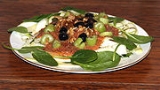
Raw food diet

Encyclopedia
Raw foodism is the practice of consuming uncooked
, unprocessed, and often organic foods as a large percentage of the diet
.
Depending on the type of lifestyle and results desired, raw food diets may include a selection of raw fruits, vegetables, nuts, seeds (including sprouted
whole grains such as gaba rice), eggs, fish (such as sashimi
), meat (such as carpaccio
), and non-pasteurized
/non-homogenized
dairy products (such as raw milk
, raw milk cheese, and raw milk yogurt).
or vegetarianism
, those that advocate a raw omnivorous diet, and those that advocate a 100% raw carnivorous diet.
Among raw vegans there are some subgroups such as fruitarians
, juicearians, or sproutarians. Fruitarians eat primarily or exclusively fruits, berries, seeds and nuts. Juicearians process their raw plant foods into juice. Sproutarians adhere to a diet consisting mainly of sprouted seeds.
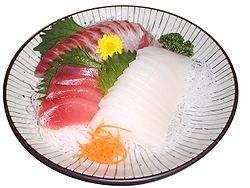 Included in raw animal food diets are any food that can be eaten raw, such as uncooked, unprocessed raw muscle-meats/organ-meats/eggs, raw dairy, and aged, raw animal foods such as century eggs, fermented
meat/fish/shellfish/kefir
, as well as vegetables/fruits/nuts/sprouts, but generally not raw grains, raw beans, and raw soy. Raw foods included on such diets have not been heated at temperatures above 104 °F (40 °C). Raw animal foodists believe that foods cooked above this temperature have lost much of their nutritional value and are harmful to the body. They also believe that raw meats should come from healthy sources, such as raw, grassfed meats or raw wild game rather than unhealthy, raw grainfed meats.
Examples of raw animal food diets include the Primal Diet, Anopsology
(otherwise known as "Instinctive Eating" or "Instincto"), and the Raw Paleolithic diet
(otherwise known as the "Raw Meat Diet").
The Primal Diet, is a diet consisting of fatty meats, organ meats, dairy, honey, minimal fruit and vegetable juices and coconut cream, all raw. The founder of the Primal Diet is Aajonus Vonderplanitz
. Vonderplanitz has estimated that there are 20,000 followers of his raw-meat-heavy Primal Diet in North America, alone. Books by Vonderplanitz include "The Recipe for Living Without Disease" and "We Want To Live".
There are also those who follow the "Raw Meat Diet", otherwise known as the "Raw, Paleolithic Diet", which is a raw version of the (cooked) Paleolithic Diet, incorporating large amounts of raw animal foods such as raw meats/organ-meats, raw seafood, raw eggs, and some raw plant-foods, but usually avoiding non-Paleo foods such as raw dairy, grains and legumes.
A number of traditional aboriginal diets consisted of large quantities of raw meats, organ meats, and berries, including the traditional diet of the Nenet tribe of Siberia and the Inuit
people.
, inventor of muesli
. After recovering from jaundice
while eating raw apples he conducted experiments into the effects on human health of raw vegetables.
In November 1897, he opened a sanatorium in Zurich called "Vital Force," named after a "key term from the German lifestyle reform movement which states that people should pattern their lives after the logic determined by nature". It is still treating patients today.
Weston A. Price
, in a 1936 work entitled Nutrition and Physical Degeneration, observed dental degeneration in the first generation who abandoned traditional nutrient dense foods which included unprocessed raw milk
. Price claimed that the parents of such first generation children had excellent jaw development and dental health, while their children had malocclusion and tooth decay and attributed this to their new modern insufficient nutrient diet. Weston-Price also noted, in his book, that the healthiest tribes he visited all incorporated some raw animal foods in their diets.
Leslie Kenton's book Raw Energy - Eat Your Way to Radiant Health, published in 1984, popularized food such as sprouts, seeds, and fresh vegetable juices. The book brought together research into raw foodism and its support of health. It cites examples such as the sprouted seed enriched diets of the long lived Hunza people and Max Gerson
's use of a raw juice-based diet in conjunction with detoxification methods to cure cancer. The book advocates a diet of 75% raw food to prevent degenerative disease
s, slow the effects of aging, provide enhanced energy, and boost emotional balance.
Other notable proponents from the early part of this century include: Ann Wigmore
, Herbert Shelton, and Norman W. Walker
(inventor of the Norwalk Juicing Press).
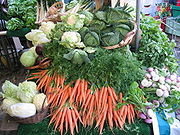 Many foods in raw food diets are simple to prepare, such as fruits, salads, meat, and dairy. Other foods can require considerable advanced planning to prepare for eating. Rice and some other grains, for example, require sprouting
or overnight soaking to become digestible. Many raw foodists believe it is best to soak nuts and seeds before eating them, to activate their enzymes, and deactivate enzyme inhibitors. The amount of soak time varies for all nuts and seeds.
According to some cookbook authors, preparation of gourmet raw food recipes usually calls for a blender
, food processor
, juicer
, and dehydrator
. Depending on the recipe, some food (such as crackers, breads and cookies) may need to be dehydrated. These processes, which produce foods with the taste and texture of cooked food, are lengthy. Some raw foodists dispense with these recipes, feeling that there is no need to emulate the other non-raw diets or increase sales of kitchen appliances.
Freezing
food is acceptable, even though freezing lowers enzyme activity. This view is only held by some raw-foodists, with many raw-foodists actually viewing freezing as harmful, though not as unhealthy as cooking.
Several raw food preparation books have been published including:
, Edmund Bordeaux Szekely
, Johnny Lovewisdom
, Ann Wigmore
and Viktoras Kulvinskas
(co-founders of the Hippocrates Health Institute), Arnold Ehret
(author and advocate of fasting
), Aris Latham (of Sunfired Foods, Inc., known as the godfather of raw food), Arshavir Ter Hovannessian and Norman W. Walker
(who advocated the consumption of vegetable juices).
Notable contemporary proponents include several chefs, published authors and lecturers, such as Dr. Douglas Graham, Rene Oswald, Matthew Kenney, Tonya Zavasta
, Alissa Cohen, Aris Latham, Aajonus Vonderplanitz
, and Elijah Joy
, as well as representatives from rawfood producing companies, such as Natural Balance Food's founder, Jamie Combs.
Celebrity proponents include Demi Moore, Woody Harrelson, Jason Mraz, Ben Vereen and Carol Alt. Woody Harrelson has published books on raw food, starred in a raw food film, created a raw food website and also opened O2, a raw food restaurant and bar. Model and actress Carol Alt
includes raw animal products in her diet; she has written several books on her version of the raw diet and lifestyle.
Interest in the "Raw Foods Movement" continues to grow today and is especially prevalent in Australia and the western United States, like California. In Europe, it has remained a novelty, although a few restaurants have opened in the UK, Germany, and other large cities. Numerous all-raw cookbooks have been published.
Supercharge Me! 30 Days Raw
is a feature-length documentary film
about the raw foods diet, made by Jenna Norwood, a former public relations consultant turned independent filmmaker, health educator and raw food chef. In the film, inspired by Morgan Spurlock
's Super Size Me
, Jenna ate only raw foods for thirty days, to document the effect it would have on her health.
. One study of raw vegan diets shows amenorrhea and underweight
ness in women. Another one indicates an increased risk of dental erosion
with a raw vegan diet.
Other medical studies on raw food diets have shown some positive and negative health outcomes. According to one medical trial, "long-term consumption of a 70% raw-plant-food diet is associated with favorable serum LDL cholesterol and triglycerides but also with elevated plasma homocysteine
and low serum HDL cholesterol" as well as vitamin B12 deficiency. Another study from Germany found that a "long-term strict raw food diet is associated with favourable plasma beta-carotene and low plasma lycopene
concentrations". A study mentioned benefits of a raw vegan diet for lowering obesity and hypertension A study has also shown reduced fibromyalgia
symptoms for those on a raw vegan diet
as well as reduced symptoms of rheumatoid arthritis
, according to another study.
German research in 2003 showed significant benefits in reducing breast cancer
risk when large amounts of raw vegetable matter are included in the diet. The authors attribute some of this effect to heat-labile phytonutrients.
One study comparing pasteurized and unpasteurized breast milk
, showed that pasteurizing breast milk for hospital use and milk banks is unnecessary. Another study showed a link between consumption of unpasteurized milk and a lowered prevalence of allergies.
Artturi Virtanen showed that enzymes in uncooked foods are released in the mouth when vegetables are chewed. Raw foodists extrapolate from such research the supposition that the enzymes found in living foods interact with other substances, notably the enzymes produced by the body itself, to aid in digestion. Promoters of raw foods, such as the Weston-Price Foundation, support the idea that, since no digestive juices are secreted in the upper stomach, the enzymes in the raw foods last for about 30 minutes in the upper stomach before being destroyed in the lower stomach, thus giving them enough time to break down the raw foods, to some extent.
found that human subjects who ate beef rare or medium-rare had less than one third the risk of stomach cancer than those who ate beef medium-well or well-done. While eating muscle meat raw may be the only way to avoid HCAs fully, the National Cancer Institute states that cooking meat below 212 °F (100 °C) creates "negligible amounts" of HCAs. Also, microwaving meat before cooking may substantially reduce HCAs.
However, microwaving has been shown to significantly reduce the anti-infective factors in human milk.
Microwaving has also been shown to cause the greatest decrease in all studied antioxidants in broccoli, compared to other cooking methods.
Microwaving has been shown to reduce vitamin B12 levels in beef, pork and milk by 30-40%.
Nitrosamine
s, formed by cooking and preserving in salt and smoking, have been noted as being carcinogenic, being linked to colon cancer and stomach-cancer.
Cooking also creates certain heat-created toxins, advanced glycation end products, otherwise known as AGEs. This reaction occurs both within the body and external to the body. Many cells in the body (for example endothelial cells, smooth muscle or cells of the immune system) from tissue such as lung, liver, kidney or peripheral blood bear the receptor for advanced glycation end products (RAGE) that, when binding AGEs, contributes to age and diabetes-related chronic inflammatory diseases, such as atherosclerosis, renal failure, arthritis, myocardial infarction, macular degeneration, cardiovascular disease, nephropathy, retinopathy, or neuropathy. Excretion of dietary AGEs is reduced in diabetics and lowering AGE intake may greatly reduce the impact of AGEs in diabetic patients and possibly improve prognosis.
One study, comparing the effects of consuming either pasteurized, or homogenized/pasteurized, or unpasteurized milk, showed that pasteurized and homogenized/pasteurized milk might have an increased ability to evoke allergic reactions in patients allergic to milk.
One study showed that pasteurisation of milk resulted in a carcinogenic effect.
Also, toxic compounds called PAHs, or Polycyclic aromatic hydrocarbon
s, are formed by cooking, in addition to being a component of cigarette-smoke and car-exhaust fumes. They are known to be carcinogenic and an industrial pollutant.
Acrylamide
, a toxin found in roasted/baked/fried/grilled starchy foods, but not in boiled or raw foods, has been linked to endometrial and ovarian, but not breast cancers. Ingested acrylamide is metabolised to a chemically reactive epoxide
, glycidamide.
The HEATOX (Heat Generated Food Toxins) project has published a report on acrylamide.
Frying chickpeas, oven-heating winged beans, or roasting cereals at 200–280 °C (392–536 F) reduces protein digestibility.
Another study has shown that meat heated for 10 minutes at 130 °C (266 °F), showed a 1.5% decrease in protein digestibility. Similar heating of hake
meat in the presence of potato starch, soy oil, and salt caused a 6% decrease in amino acid content.
There are various scientific reports, such as one by the Nutrition Society, which describe in detail the loss of vitamins and minerals caused by cooking.
It has also been suggested that cooking food, directly or indirectly, utilizes Btu's and releases gases associated with global warming. Solar-cooking or thermophilically-cooking inside of a compost pile may be two of the few exceptions.
factors (ANF) that are destroyed by cooking.
Care is required in planning a raw vegan diet, especially for children. Raw foodists believe that with sufficient food energy
, essential fatty acids, essential amino acids, vitamins and minerals
, variety and density, people of all ages can be successful at eating raw foods. Dr. Joel Fuhrman
, author of Disease-Proof your Child, says there may not be enough vitamin B12, enough vitamin D and enough calories for a growing child on a totally raw vegan diet. Fuhrman fed his own four children raw and cooked vegetables, fruits, nuts, grains, beans and occasionally eggs. However, this nutritionist has made it clear in his books that he advocates 80 percent of our food should be raw, vegetable based, and that more than ten percent based on animal produce increases the risk of disease.
A study surveying people practicing raw vegan diets of varying intensities found that 30% of the women under age 45 had partial to complete amenorrhoea
and that "subjects eating high amounts of raw food (> 90%) were affected more frequently than moderate raw food dieters". The study concluded that since many raw food dieters were underweight and exhibited amenorrhoea "a very strict raw food diet cannot be recommended on a long-term basis".
among consumers of raw and undercooked animal products (including smoked, pickled or dried animal products) are well-documented, and include raw meat, raw organ meat, raw fish (whether ocean-going or freshwater), shellfish, raw milk and products made from raw milk, and raw eggs.
Food poisoning attributed to contaminated raw produce has risen tenfold since the 1970s. Salad, lettuce, juice, melon, sprouts, and berries were most frequently implicated in outbreaks.
Many raw plant foods have been contaminated by dangerous and even deadly microorganisms, including jalapeño and serrano peppers, alfalfa sprouts and other sprouted seeds, green onions, spinach, lettuce, orange juice, apple juice and other unpasteurized fruit juices.
Demand for unpasteurized, or raw, milk is growing among consumers concerned about chemicals, hormones and drugs. Some believe that pasteurization denatures
enzymes and proteins, and kills beneficial bacteria. According to the FDA, health benefits claimed by raw milk advocates do not exist. "The small quantities of antibodies in milk are not absorbed in the human intestinal tract", says Barbara Ingham, Ph.D., associate professor and extension food scientist at the University of Wisconsin-Madison. "There is no scientific evidence that raw milk contains an anti-arthritis factor or that it enhances resistance to other diseases."
It has been claimed by raw dairy advocates that government agencies are heavily biased against raw dairy, providing incomplete facts or erroneous statistics
, a primate researcher and professor of anthropology, has suggested that eating cooked food is more "natural" for the human digestive system, because he thinks that the human digestive system may have evolved to deal with cooked foods. Wrangham thinks that cooking explains the increase in hominid brain sizes, smaller digestive tract, smaller teeth and jaws and decrease in sexual dimorphism
that occurred roughly 1.8 million years ago.
Most other anthropologists oppose Wrangham, stating that archeological evidence suggests that cooking fires began in earnest only c.250,000 years ago, when ancient hearths, earth ovens, burnt animal bones, and flint appear across Europe and the Middle East. Two million years ago, the only sign of fire is burnt earth with human remains, which most other anthropologists consider to be mere coincidence rather than evidence of intentional fire. The mainstream view among anthropologists is that the increases in human brain-size occurred well before the advent of cooking, due to a shift away from the consumption of nuts and berries to the consumption of meat.
Raw foodists
Cooking
Cooking is the process of preparing food by use of heat. Cooking techniques and ingredients vary widely across the world, reflecting unique environmental, economic, and cultural traditions. Cooks themselves also vary widely in skill and training...
, unprocessed, and often organic foods as a large percentage of the diet
Diet (nutrition)
In nutrition, diet is the sum of food consumed by a person or other organism. Dietary habits are the habitual decisions an individual or culture makes when choosing what foods to eat. With the word diet, it is often implied the use of specific intake of nutrition for health or weight-management...
.
Depending on the type of lifestyle and results desired, raw food diets may include a selection of raw fruits, vegetables, nuts, seeds (including sprouted
Sprouting
Sprouting is the practice of germinating seeds to be eaten either raw or cooked.They are a convenient way to have fresh vegetables for salads, or otherwise, in any season and can be germinated at home or produced industrially...
whole grains such as gaba rice), eggs, fish (such as sashimi
Sashimi
Sashimi is a Japanese delicacy. It consists of very fresh raw meat, most commonly fish, sliced into thin pieces.-Origin:The word sashimi means "pierced body", i.e...
), meat (such as carpaccio
Carpaccio
Carpaccio is a dish of raw meat or fish , thinly sliced or pounded thin and served as an appetizer.- History :...
), and non-pasteurized
Pasteurization
Pasteurization is a process of heating a food, usually liquid, to a specific temperature for a definite length of time, and then cooling it immediately. This process slows microbial growth in food...
/non-homogenized
Homogenization (chemistry)
Homogenization or homogenisation is any of several processes used to make a chemical mixture the same throughout.-Definition:Homogenization is intensive blending of mutually related substances or groups of mutually related substances to form a constant of different insoluble phases to obtain a...
dairy products (such as raw milk
Raw milk
Raw milk is milk that has not been pasteurized or homogenized.-History:Humans consumed raw milk exclusively prior to the industrial revolution and the invention of the pasteurization process in 1864. During the industrial revolution large populations congregated into urban areas detached from the...
, raw milk cheese, and raw milk yogurt).
Varieties of raw foodism
Raw foodism can include any diet of primarily unheated food, or food cooked to a temperature less than 40 °C (104 °F) to 46 °C (114.8 °F). The most popular raw food diet is a vegan diet, but other forms may include animal products and/or meat. Raw foodists can be divided between those that advocate raw veganismRaw veganism
Raw veganism is a diet that combines veganism and raw foodism. It excludes all food of animal origin, and all food cooked above 48 degrees Celsius . A raw vegan diet includes raw vegetables and fruits, nuts and nut pastes, grain and legume sprouts, seeds, plant oils, sea vegetables, herbs, and...
or vegetarianism
Vegetarianism
Vegetarianism encompasses the practice of following plant-based diets , with or without the inclusion of dairy products or eggs, and with the exclusion of meat...
, those that advocate a raw omnivorous diet, and those that advocate a 100% raw carnivorous diet.
Raw veganism
A raw vegan diet consists of unprocessed, raw plant foods that have not been heated above 40 °C (104 °F). Raw vegans such as Dr. Douglas Graham believe that foods cooked above this temperature have lost much of their nutritional value and are less healthful or even harmful to the body. Advocates argue that raw or living foods have natural enzymes, which are critical in building proteins and rebuilding the body. Heating these foods kills the natural enzymes, and can leave toxins behind , however critics point out that enzymes, as with other proteins consumed in the diet, are denatured and eventually lysed by the digestive process rendering them non-functional. Typical foods included in raw food diets are fruit, vegetables, nuts, seeds and sprouted grains and legumes.Among raw vegans there are some subgroups such as fruitarians
Fruitarianism
Fruitarianism involves the practice of following a diet that includes fruits, nuts and seeds, without animal products, vegetables and grains. Fruitarianism is a subset of dietary veganism....
, juicearians, or sproutarians. Fruitarians eat primarily or exclusively fruits, berries, seeds and nuts. Juicearians process their raw plant foods into juice. Sproutarians adhere to a diet consisting mainly of sprouted seeds.
Raw vegetarianism
Vegetarianism is a diet that excludes meat (including game and byproducts like gelatin), fish (including shellfish and other sea animals) and poultry, but allows dairy and eggs. Common foods include fruit, vegetables, sprouts, nuts, seeds, grains, legumes, dairy, eggs and honey. There are several variants of this diet.Raw animal food diets
Fermentation (food)
Fermentation in food processing typically is the conversion of carbohydrates to alcohols and carbon dioxide or organic acids using yeasts, bacteria, or a combination thereof, under anaerobic conditions. Fermentation in simple terms is the chemical conversion of sugars into ethanol...
meat/fish/shellfish/kefir
Kefir
Kefir is a fermented milk drink that originated with shepherds of the North Caucasus region, who discovered that fresh milk carried in leather pouches would occasionally ferment into an effervescent beverage...
, as well as vegetables/fruits/nuts/sprouts, but generally not raw grains, raw beans, and raw soy. Raw foods included on such diets have not been heated at temperatures above 104 °F (40 °C). Raw animal foodists believe that foods cooked above this temperature have lost much of their nutritional value and are harmful to the body. They also believe that raw meats should come from healthy sources, such as raw, grassfed meats or raw wild game rather than unhealthy, raw grainfed meats.
Examples of raw animal food diets include the Primal Diet, Anopsology
Anopsology
Anopsology a nutritional theory outlined in 1964 by Guy-Claude Burger. It led to a raw food diet based on the evolution theory and the assumption of the existence of a nutritional instinct, capable of adjusting food intake to nutritional needs via sensory pleasure...
(otherwise known as "Instinctive Eating" or "Instincto"), and the Raw Paleolithic diet
Paleolithic diet
The modern dietary regimen known as the Paleolithic diet , also popularly referred to as the caveman diet, Stone Age diet and hunter-gatherer diet, is a nutritional plan based on the presumed ancient diet of wild plants and animals that various hominid species habitually consumed during the...
(otherwise known as the "Raw Meat Diet").
The Primal Diet, is a diet consisting of fatty meats, organ meats, dairy, honey, minimal fruit and vegetable juices and coconut cream, all raw. The founder of the Primal Diet is Aajonus Vonderplanitz
Aajonus Vonderplanitz
Aajonus Vonderplanitz is an American nutritional consultant, speaker, author, and raw food diet advocate residing in Malibu, California. , Aajonus has been eating an all-raw diet for 38 years...
. Vonderplanitz has estimated that there are 20,000 followers of his raw-meat-heavy Primal Diet in North America, alone. Books by Vonderplanitz include "The Recipe for Living Without Disease" and "We Want To Live".
There are also those who follow the "Raw Meat Diet", otherwise known as the "Raw, Paleolithic Diet", which is a raw version of the (cooked) Paleolithic Diet, incorporating large amounts of raw animal foods such as raw meats/organ-meats, raw seafood, raw eggs, and some raw plant-foods, but usually avoiding non-Paleo foods such as raw dairy, grains and legumes.
A number of traditional aboriginal diets consisted of large quantities of raw meats, organ meats, and berries, including the traditional diet of the Nenet tribe of Siberia and the Inuit
Inuit
The Inuit are a group of culturally similar indigenous peoples inhabiting the Arctic regions of Canada , Denmark , Russia and the United States . Inuit means “the people” in the Inuktitut language...
people.
History
Raw foods as a dietary health treatment was first developed in Switzerland by medical doctor Maximilian Bircher-BennerMaximilian Bircher-Benner
Maximilian Oskar Bircher-Benner was a Swiss physician and a pioneer in nutritional research....
, inventor of muesli
Muesli
Muesli is a popular breakfast cereal based on uncooked rolled oats, fruit and nuts. It was developed around 1900 by Swiss physician Maximilian Bircher-Benner for patients in his hospital...
. After recovering from jaundice
Jaundice
Jaundice is a yellowish pigmentation of the skin, the conjunctival membranes over the sclerae , and other mucous membranes caused by hyperbilirubinemia . This hyperbilirubinemia subsequently causes increased levels of bilirubin in the extracellular fluid...
while eating raw apples he conducted experiments into the effects on human health of raw vegetables.
In November 1897, he opened a sanatorium in Zurich called "Vital Force," named after a "key term from the German lifestyle reform movement which states that people should pattern their lives after the logic determined by nature". It is still treating patients today.
Weston A. Price
Weston Price
Weston Andrew Valleau Price was a prominent dentist known primarily for his theories on the relationship between nutrition, dental health, and physical health...
, in a 1936 work entitled Nutrition and Physical Degeneration, observed dental degeneration in the first generation who abandoned traditional nutrient dense foods which included unprocessed raw milk
Raw milk
Raw milk is milk that has not been pasteurized or homogenized.-History:Humans consumed raw milk exclusively prior to the industrial revolution and the invention of the pasteurization process in 1864. During the industrial revolution large populations congregated into urban areas detached from the...
. Price claimed that the parents of such first generation children had excellent jaw development and dental health, while their children had malocclusion and tooth decay and attributed this to their new modern insufficient nutrient diet. Weston-Price also noted, in his book, that the healthiest tribes he visited all incorporated some raw animal foods in their diets.
Leslie Kenton's book Raw Energy - Eat Your Way to Radiant Health, published in 1984, popularized food such as sprouts, seeds, and fresh vegetable juices. The book brought together research into raw foodism and its support of health. It cites examples such as the sprouted seed enriched diets of the long lived Hunza people and Max Gerson
Max Gerson
Max Gerson was a German physician who developed the Gerson Therapy, an alternative dietary therapy, which he claimed could cure cancer and most chronic, degenerative diseases. Gerson described his approach in the book A Cancer Therapy: Results of 50 Cases...
's use of a raw juice-based diet in conjunction with detoxification methods to cure cancer. The book advocates a diet of 75% raw food to prevent degenerative disease
Degenerative disease
A degenerative disease, also called neurodegenerative disease, is a disease in which the function or structure of the affected tissues or organs will progressively deteriorate over time, whether due to normal bodily wear or lifestyle choices such as exercise or eating habits...
s, slow the effects of aging, provide enhanced energy, and boost emotional balance.
Other notable proponents from the early part of this century include: Ann Wigmore
Ann Wigmore
Ann Wigmore was an American holistic health practitioner, nutritionist, whole foods advocate, health educator, author and a doctor of Divinity.-Biography:Wigmore was born Anna Marie Warapicki in Lithuania on March 4, 1909 to Antanas and Anna Warapicki...
, Herbert Shelton, and Norman W. Walker
Norman W. Walker
Norman Wardhaugh Walker was a British businessman and pioneer in the field of vegetable juicing and nutritional health. He advocated the drinking of fresh raw vegetable and fruit juices, both to regain and to maintain one's health. Based on his design, the Norwalk Hydraulic Press Juicer was...
(inventor of the Norwalk Juicing Press).
Common practices
Beliefs held by raw foodists include:- Some raw foodists believe that digestive enzymes in raw foods (such as amylaseAmylaseAmylase is an enzyme that catalyses the breakdown of starch into sugars. Amylase is present in human saliva, where it begins the chemical process of digestion. Food that contains much starch but little sugar, such as rice and potato, taste slightly sweet as they are chewed because amylase turns...
s, proteaseProteaseA protease is any enzyme that conducts proteolysis, that is, begins protein catabolism by hydrolysis of the peptide bonds that link amino acids together in the polypeptide chain forming the protein....
s, and lipaseLipaseA lipase is an enzyme that catalyzes the formation or cleavage of fats . Lipases are a subclass of the esterases.Lipases perform essential roles in the digestion, transport and processing of dietary lipids in most, if not all, living organisms...
s) aid digestion. Heating food above 104-120 °Fahrenheit (40-49 °Celsius) degrades or destroys these enzymes in food. A few raw foodists such as Dr. Douglas Graham dispute the importance of enzymes in foods. - Raw foods include bacteriaBacteriaBacteria are a large domain of prokaryotic microorganisms. Typically a few micrometres in length, bacteria have a wide range of shapes, ranging from spheres to rods and spirals...
and other micro-organisms that affect the immune systemImmune systemAn immune system is a system of biological structures and processes within an organism that protects against disease by identifying and killing pathogens and tumor cells. It detects a wide variety of agents, from viruses to parasitic worms, and needs to distinguish them from the organism's own...
and digestionDigestionDigestion is the mechanical and chemical breakdown of food into smaller components that are more easily absorbed into a blood stream, for instance. Digestion is a form of catabolism: a breakdown of large food molecules to smaller ones....
by populating the digestive tract with beneficial gut floraGut floraGut flora consists of microorganisms that live in the digestive tracts of animals and is the largest reservoir of human flora. In this context, gut is synonymous with intestinal, and flora with microbiota and microflora....
. In addition, many raw-foodists, particularly primal-dieters, are believers in the hygiene hypothesisHygiene hypothesisIn medicine, the Hygiene Hypothesis states that a lack of early childhood exposure to infectious agents, symbiotic microorganisms , and parasites increases susceptibility to allergic diseases by suppressing natural development of the immune system...
, a concept which focuses on the health benefits of exposure to parasites and bacteria. - Raw foods have higher nutrientNutrientA nutrient is a chemical that an organism needs to live and grow or a substance used in an organism's metabolism which must be taken in from its environment. They are used to build and repair tissues, regulate body processes and are converted to and used as energy...
values than foods which have been cooked. - In addition, most raw foodists believe processed food and convenience foodConvenience foodConvenience food, or tertiary processed food, is commercially prepared food designed for ease of consumption. Products designated as convenience foods are often prepared food stuffs that can be sold as hot, ready-to-eat dishes; as room-temperature, shelf-stable products; or as refrigerated or...
often contain excitotoxins (such as flavor enhancersFlavour enhancerFlavour enhancers are food additives commonly added to food and designed to enhance the existing flavours of products. In western cultures, the 5th taste or umami went unrecognized for a long time. It was believed that flavour enhancers did not add any new taste of their own...
) which can cause excitotoxicityExcitotoxicityExcitotoxicity is the pathological process by which nerve cells are damaged and killed by excessive stimulation by neurotransmitters such as glutamate and similar substances. This occurs when receptors for the excitatory neurotransmitter glutamate such as the NMDA receptor and AMPA receptor are...
. Foods with added chemicals, preservatives, additivesFood additiveFood additives are substances added to food to preserve flavor or enhance its taste and appearance.Some additives have been used for centuries; for example, preserving food by pickling , salting, as with bacon, preserving sweets or using sulfur dioxide as in some wines...
, colouring agents/dyesFood coloringFood coloring is a substance, liquid or powder, that is added to food or drink to change its color. Food coloring is used both in commercial food production and in domestic cooking...
of any kind are frowned upon by most raw-foodists. - Raw foodists believe that raw foods are the ideal food for human consumption, and the basis of a raw food lifestyle. Irritants or stimulants like coffee, alcohol, and tobacco are recommended against. Also heated fats and proteins like fried oils and roasted nuts are to be avoided on a raw-food diet, as they are deemed by raw foodists to be carcinogenic.
- Wild foods followed by organic whole foods are more nutritious than conventionally domesticated foods or industrially produced foodsFood industryThe food production is a complex, global collective of diverse businesses that together supply much of the food energy consumed by the world population...
. - Cooked foods contain harmful toxins, which can cause chronic disease and other problems, Heating oils and fats can produce trace amounts of trans fatTrans fatTrans fat is the common name for unsaturated fat with trans-isomer fatty acid. Because the term refers to the configuration of a double carbon-carbon bond, trans fats are sometimes monounsaturated or polyunsaturated, but never saturated....
s. Cooking foods produces advanced glycation end products ("glycotoxins", see also Maillard reactionMaillard reactionThe Maillard reaction is a form of nonenzymatic browning similar to caramelization. It results from a chemical reaction between an amino acid and a reducing sugar, usually requiring heat....
). - Raw foods such as fruits and vegetables are high in antioxidants and raw-foodists believe they can help to stifle signs of aging.
Food preparation
Sprouting
Sprouting is the practice of germinating seeds to be eaten either raw or cooked.They are a convenient way to have fresh vegetables for salads, or otherwise, in any season and can be germinated at home or produced industrially...
or overnight soaking to become digestible. Many raw foodists believe it is best to soak nuts and seeds before eating them, to activate their enzymes, and deactivate enzyme inhibitors. The amount of soak time varies for all nuts and seeds.
According to some cookbook authors, preparation of gourmet raw food recipes usually calls for a blender
Blender (device)
A blender is a kitchen and laboratory appliance used to mix, puree, or emulsify food and other substances. A stationary blender consists of a blender jar with blade at the bottom, rotated by a motor in the base...
, food processor
Food processor
A food processor is a kitchen appliance used to facilitate various repetitive tasks in the process of preparation of food. Today, the term almost always refers to an electric-motor-driven appliance, although there are some manual devices also referred to as "food processors".Food processors are...
, juicer
Juicer
A juicer is a tool for extracting juice from fruits, vegetables, or wheatgrass. This is known as juicing.-Citrus juicer:A citrus juicer is used for squeezing juice from soft-centered, citrus fruits . It has a conical ridged center...
, and dehydrator
Food dehydrator
Food drying is a practice used to preserve fruit, vegetables and animal proteins after harvest since antiquity, and a food dehydrator refers to a device that removes moisture from food to aid in its preservation. A food dehydrator uses a heat source and air flow to reduce the water content of foods...
. Depending on the recipe, some food (such as crackers, breads and cookies) may need to be dehydrated. These processes, which produce foods with the taste and texture of cooked food, are lengthy. Some raw foodists dispense with these recipes, feeling that there is no need to emulate the other non-raw diets or increase sales of kitchen appliances.
Freezing
Freezing
Freezing or solidification is a phase change in which a liquid turns into a solid when its temperature is lowered below its freezing point. The reverse process is melting....
food is acceptable, even though freezing lowers enzyme activity. This view is only held by some raw-foodists, with many raw-foodists actually viewing freezing as harmful, though not as unhealthy as cooking.
Several raw food preparation books have been published including:
- Raw Food/Real World: 100 Recipes to Get the Glow by Matthew Kenney and Sarma Melngailis (William Morrow, 2005)
- RAWvolution: Gourmet Living Cuisine by Matt Amsden (William Morrow, 2006)
- Everyday Raw and Entertaining in the Raw by Matthew Kenney (Gibbs Smith 2009)
- Everyday Raw Desserts by Matthew Kenney (Gibbs Smith 2010)
- "Everyday Raw Express by Matthew Kenney (Gibbs Smith 2011)
- Raw: The Uncook Book: New Vegetarian Food for Life by Juliano Brotman and Erika Lenkert (Regan Books, 1999)
- 12 Steps to Raw Foods: How to End Your Addiction to Cooked Food by Victoria Boutenko (Raw Family Publishing, 2002)
- The Complete Book of Raw Food Lori Baird, Ed., and Julie Rodwell, Con. Ed., (Healthy Living Books, 2004)
- Raw by Charlie Trotter, Roxanne Klein, Jason Smith, and Tim Turner (Ten Speed Press, 2003)
- Raw Truth by Jordan Rubin (Garden of life 2010)
Raw food movement
Early proponents include St. Louis EstesSt. Louis Estes
Dr. St. Louis A. Estes was an American doctor and proponent of a raw food diet. He believed that one of the most common causes of sickness and chronic disease was an unhealthy diet and lifestyle. Originally a dentist, Dr. Estes was unhealthy and aged at the age of thirty, he began a raw food diet...
, Edmund Bordeaux Szekely
Edmund Bordeaux Szekely
Edmond Bordeaux Szekely was a Hungarian philologist/linguist, philosopher, psychologist and natural living experimenter.-Life:Szekely's grandfather was Sándor Székely, poet and Unitarian Bishop of Kolozsvár; his mother was French and Roman Catholic, and his father was a Hungarian Unitarian...
, Johnny Lovewisdom
Johnny Lovewisdom
Johnny Lovewisdom , born John Wierlo, and known as Hermit Saint Of The Andes, was an American-Finnish author who wrote about diet, health, natural living, religion and spirituality.-Early diet ideas:...
, Ann Wigmore
Ann Wigmore
Ann Wigmore was an American holistic health practitioner, nutritionist, whole foods advocate, health educator, author and a doctor of Divinity.-Biography:Wigmore was born Anna Marie Warapicki in Lithuania on March 4, 1909 to Antanas and Anna Warapicki...
and Viktoras Kulvinskas
Viktoras Kulvinskas
Viktoras Peter Kulvinskas M.S. is an American holistic health practitioner, nutritionist, raw foods advocate and author.- Background :After joining Ann Wigmore's Boston based Rising Sun Christianity movement, Kulvinskas co-founded, with Wigmore, the Hippocrates Health Institute, a health resort in...
(co-founders of the Hippocrates Health Institute), Arnold Ehret
Arnold Ehret
Arnold Ehret was a German health educator and author of several books on diet, detoxification, fruitarianism, fasting, food combining, health, longevity, naturopathy, physical culture and vitalism.- Background :...
(author and advocate of fasting
Fasting
Fasting is primarily the act of willingly abstaining from some or all food, drink, or both, for a period of time. An absolute fast is normally defined as abstinence from all food and liquid for a defined period, usually a single day , or several days. Other fasts may be only partially restrictive,...
), Aris Latham (of Sunfired Foods, Inc., known as the godfather of raw food), Arshavir Ter Hovannessian and Norman W. Walker
Norman W. Walker
Norman Wardhaugh Walker was a British businessman and pioneer in the field of vegetable juicing and nutritional health. He advocated the drinking of fresh raw vegetable and fruit juices, both to regain and to maintain one's health. Based on his design, the Norwalk Hydraulic Press Juicer was...
(who advocated the consumption of vegetable juices).
Notable contemporary proponents include several chefs, published authors and lecturers, such as Dr. Douglas Graham, Rene Oswald, Matthew Kenney, Tonya Zavasta
Tonya Zavasta
Tonya Zavasta is a raw food promoter, researcher and entrepreneur, as well as the author of five books about raw foodism. Her work posits a link between raw food, optimal health. and "natural beauty".-Early life:...
, Alissa Cohen, Aris Latham, Aajonus Vonderplanitz
Aajonus Vonderplanitz
Aajonus Vonderplanitz is an American nutritional consultant, speaker, author, and raw food diet advocate residing in Malibu, California. , Aajonus has been eating an all-raw diet for 38 years...
, and Elijah Joy
Elijah Joy
Elijah Joy Erik C. Nedd is an emcee, television host, singer, writer, vegan celebrity chef and green living advocate from Washington, DC. He is the founder of Organic Soul, Incorporated, a vegan lifestyle and multimedia company based in Takoma Park, Maryland. Organic Soul, Inc. was also a Green...
, as well as representatives from rawfood producing companies, such as Natural Balance Food's founder, Jamie Combs.
Celebrity proponents include Demi Moore, Woody Harrelson, Jason Mraz, Ben Vereen and Carol Alt. Woody Harrelson has published books on raw food, starred in a raw food film, created a raw food website and also opened O2, a raw food restaurant and bar. Model and actress Carol Alt
Carol Alt
Carol Ann Alt is an American model and actress.- Early life:Alt was born in Flushing, Queens, New York, the daughter of Muriel, an airline employee and model, and Anthony Alt, a fire chief. She was noticed waiting tables in her hometown of East Williston, New York. When she was 18, she decided to...
includes raw animal products in her diet; she has written several books on her version of the raw diet and lifestyle.
Interest in the "Raw Foods Movement" continues to grow today and is especially prevalent in Australia and the western United States, like California. In Europe, it has remained a novelty, although a few restaurants have opened in the UK, Germany, and other large cities. Numerous all-raw cookbooks have been published.
Supercharge Me! 30 Days Raw
Supercharge Me
Supercharge Me! 30 Days Raw is a feature length documentary film about the raw foods diet, made by Jenna Norwood, a former public relations consultant turned independent filmmaker, health educator and raw food chef. In the film, inspired by Morgan Spurlock's Super Size Me, Jenna ate only raw foods...
is a feature-length documentary film
Documentary film
Documentary films constitute a broad category of nonfictional motion pictures intended to document some aspect of reality, primarily for the purposes of instruction or maintaining a historical record...
about the raw foods diet, made by Jenna Norwood, a former public relations consultant turned independent filmmaker, health educator and raw food chef. In the film, inspired by Morgan Spurlock
Morgan Spurlock
Morgan Valentine Spurlock is an American documentary filmmaker, humorist, television producer, screenwriter and journalist best known for the documentary film Super Size Me...
's Super Size Me
Super Size Me
Super Size Me is a 2004 American documentary film directed by and starring Morgan Spurlock, an American independent filmmaker. Spurlock's film follows a 30-day period from February 1 to March 2, 2003 during which he eats only McDonald's food...
, Jenna ate only raw foods for thirty days, to document the effect it would have on her health.
Research
To date, scientific literature describing health and nutrition aspects of raw foods or living foods diets is limited and most studies focus on vegetarian diets, most of which excluded all animal products and derived the majority of calories from uncooked plant matter. Between 1994-2004, at least 23 case-controlled and 5 cohort studies were published that examined the association of both raw and cooked vegetables with cancer risk. The majority of studies included show an inverse association between both raw and cooked vegetables and cancer. On the other hand, certain studies have indicated detrimental health effects stemming from raw vegan diets. A 2005 study has shown that a raw vegan diet is associated with a lower bone densityBone density
Bone density is a medical term normally referring to the amount of mineral matter per square centimeter of bones. Bone density is used in clinical medicine as an indirect indicator of osteoporosis and fracture risk.This medical bone density is not the true physical "density" of the bone, which...
. One study of raw vegan diets shows amenorrhea and underweight
Underweight
The term underweight refers to a human who is considered to be under a healthy weight. "Underweight" means weighing less than what is expected to be a healthy person . The definition is usually made with reference to the body mass index . A BMI of under 18.5 is usually referred to as underweight...
ness in women. Another one indicates an increased risk of dental erosion
Erosion (dental)
Acid erosion, also known as dental erosion, is the irreversible loss of tooth structure due to chemical dissolution by acids not of bacterial origin. Dental erosion is the most common chronic disease of children ages 5–17, although it is only relatively recently that it has been recognised...
with a raw vegan diet.
Other medical studies on raw food diets have shown some positive and negative health outcomes. According to one medical trial, "long-term consumption of a 70% raw-plant-food diet is associated with favorable serum LDL cholesterol and triglycerides but also with elevated plasma homocysteine
Homocysteine
Homocysteine is a non-protein amino acid with the formula HSCH2CH2CHCO2H. It is a homologue of the amino acid cysteine, differing by an additional methylene group. It is biosynthesized from methionine by the removal of its terminal Cε methyl group...
and low serum HDL cholesterol" as well as vitamin B12 deficiency. Another study from Germany found that a "long-term strict raw food diet is associated with favourable plasma beta-carotene and low plasma lycopene
Lycopene
Lycopene is a bright red carotene and carotenoid pigment and phytochemical found in tomatoes and other red fruits and vegetables, such as red carrots, watermelons and papayas...
concentrations". A study mentioned benefits of a raw vegan diet for lowering obesity and hypertension A study has also shown reduced fibromyalgia
Fibromyalgia
Fibromyalgia is a medical disorder characterized by chronic widespread pain and allodynia, a heightened and painful response to pressure. It is an example of a diagnosis of exclusion...
symptoms for those on a raw vegan diet
Raw veganism
Raw veganism is a diet that combines veganism and raw foodism. It excludes all food of animal origin, and all food cooked above 48 degrees Celsius . A raw vegan diet includes raw vegetables and fruits, nuts and nut pastes, grain and legume sprouts, seeds, plant oils, sea vegetables, herbs, and...
as well as reduced symptoms of rheumatoid arthritis
Rheumatoid arthritis
Rheumatoid arthritis is a chronic, systemic inflammatory disorder that may affect many tissues and organs, but principally attacks synovial joints. The process produces an inflammatory response of the synovium secondary to hyperplasia of synovial cells, excess synovial fluid, and the development...
, according to another study.
German research in 2003 showed significant benefits in reducing breast cancer
Breast cancer
Breast cancer is cancer originating from breast tissue, most commonly from the inner lining of milk ducts or the lobules that supply the ducts with milk. Cancers originating from ducts are known as ductal carcinomas; those originating from lobules are known as lobular carcinomas...
risk when large amounts of raw vegetable matter are included in the diet. The authors attribute some of this effect to heat-labile phytonutrients.
One study comparing pasteurized and unpasteurized breast milk
Breast milk
Breast milk, more specifically human milk, is the milk produced by the breasts of a human female for her infant offspring...
, showed that pasteurizing breast milk for hospital use and milk banks is unnecessary. Another study showed a link between consumption of unpasteurized milk and a lowered prevalence of allergies.
Artturi Virtanen showed that enzymes in uncooked foods are released in the mouth when vegetables are chewed. Raw foodists extrapolate from such research the supposition that the enzymes found in living foods interact with other substances, notably the enzymes produced by the body itself, to aid in digestion. Promoters of raw foods, such as the Weston-Price Foundation, support the idea that, since no digestive juices are secreted in the upper stomach, the enzymes in the raw foods last for about 30 minutes in the upper stomach before being destroyed in the lower stomach, thus giving them enough time to break down the raw foods, to some extent.
Potential harmful effects of cooked foods and cooking
Several studies published since 1990 indicate that cooking muscle meat creates heterocyclic amines (HCAs), which are also components of cigarette smoke and car exhaust fumes. High rates of HCA can cause cancer in animals; whether such an exposure causes cancer in humans remains unclear. Researchers at the National Cancer InstituteNational Cancer Institute
The National Cancer Institute is part of the National Institutes of Health , which is one of 11 agencies that are part of the U.S. Department of Health and Human Services. The NCI coordinates the U.S...
found that human subjects who ate beef rare or medium-rare had less than one third the risk of stomach cancer than those who ate beef medium-well or well-done. While eating muscle meat raw may be the only way to avoid HCAs fully, the National Cancer Institute states that cooking meat below 212 °F (100 °C) creates "negligible amounts" of HCAs. Also, microwaving meat before cooking may substantially reduce HCAs.
However, microwaving has been shown to significantly reduce the anti-infective factors in human milk.
Microwaving has also been shown to cause the greatest decrease in all studied antioxidants in broccoli, compared to other cooking methods.
Microwaving has been shown to reduce vitamin B12 levels in beef, pork and milk by 30-40%.
Nitrosamine
Nitrosamine
Nitrosamines are chemical compounds of the chemical structure R1N-N=O, some of which are carcinogenic.-Usages:Nitrosamines are used in manufacture of some cosmetics, pesticides, and in most rubber products. -Occurrences:...
s, formed by cooking and preserving in salt and smoking, have been noted as being carcinogenic, being linked to colon cancer and stomach-cancer.
Cooking also creates certain heat-created toxins, advanced glycation end products, otherwise known as AGEs. This reaction occurs both within the body and external to the body. Many cells in the body (for example endothelial cells, smooth muscle or cells of the immune system) from tissue such as lung, liver, kidney or peripheral blood bear the receptor for advanced glycation end products (RAGE) that, when binding AGEs, contributes to age and diabetes-related chronic inflammatory diseases, such as atherosclerosis, renal failure, arthritis, myocardial infarction, macular degeneration, cardiovascular disease, nephropathy, retinopathy, or neuropathy. Excretion of dietary AGEs is reduced in diabetics and lowering AGE intake may greatly reduce the impact of AGEs in diabetic patients and possibly improve prognosis.
One study, comparing the effects of consuming either pasteurized, or homogenized/pasteurized, or unpasteurized milk, showed that pasteurized and homogenized/pasteurized milk might have an increased ability to evoke allergic reactions in patients allergic to milk.
One study showed that pasteurisation of milk resulted in a carcinogenic effect.
Also, toxic compounds called PAHs, or Polycyclic aromatic hydrocarbon
Polycyclic aromatic hydrocarbon
Polycyclic aromatic hydrocarbons , also known as poly-aromatic hydrocarbons or polynuclear aromatic hydrocarbons, are potent atmospheric pollutants that consist of fused aromatic rings and do not contain heteroatoms or carry substituents. Naphthalene is the simplest example of a PAH...
s, are formed by cooking, in addition to being a component of cigarette-smoke and car-exhaust fumes. They are known to be carcinogenic and an industrial pollutant.
Acrylamide
Acrylamide
Acrylamide is a chemical compound with the chemical formula C3H5NO. Its IUPAC name is prop-2-enamide. It is a white odourless crystalline solid, soluble in water, ethanol, ether, and chloroform. Acrylamide is incompatible with acids, bases, oxidizing agents, iron, and iron salts...
, a toxin found in roasted/baked/fried/grilled starchy foods, but not in boiled or raw foods, has been linked to endometrial and ovarian, but not breast cancers. Ingested acrylamide is metabolised to a chemically reactive epoxide
Epoxide
An epoxide is a cyclic ether with three ring atoms. This ring approximately defines an equilateral triangle, which makes it highly strained. The strained ring makes epoxides more reactive than other ethers. Simple epoxides are named from the parent compound ethylene oxide or oxirane, such as in...
, glycidamide.
The HEATOX (Heat Generated Food Toxins) project has published a report on acrylamide.
Frying chickpeas, oven-heating winged beans, or roasting cereals at 200–280 °C (392–536 F) reduces protein digestibility.
Another study has shown that meat heated for 10 minutes at 130 °C (266 °F), showed a 1.5% decrease in protein digestibility. Similar heating of hake
Hake
The term hake refers to fish in either of:* family Phycidae of the northern oceans* family Merlucciidae of the southern oceans-Hake fish:...
meat in the presence of potato starch, soy oil, and salt caused a 6% decrease in amino acid content.
There are various scientific reports, such as one by the Nutrition Society, which describe in detail the loss of vitamins and minerals caused by cooking.
It has also been suggested that cooking food, directly or indirectly, utilizes Btu's and releases gases associated with global warming. Solar-cooking or thermophilically-cooking inside of a compost pile may be two of the few exceptions.
Nutritional deficiencies
Some plant foods contain antinutrientAntinutrient
Antinutrients are natural or synthetic compounds that interfere with the absorption of nutrients. Nutrition studies focus on those antinutrients commonly found in food sources and beverages....
factors (ANF) that are destroyed by cooking.
Care is required in planning a raw vegan diet, especially for children. Raw foodists believe that with sufficient food energy
Food energy
Food energy is the amount of energy obtained from food that is available through cellular respiration.Food energy is expressed in food calories or kilojoules...
, essential fatty acids, essential amino acids, vitamins and minerals
Dietary mineral
Dietary minerals are the chemical elements required by living organisms, other than the four elements carbon, hydrogen, nitrogen, and oxygen present in common organic molecules. Examples of mineral elements include calcium, magnesium, potassium, sodium, zinc, and iodine...
, variety and density, people of all ages can be successful at eating raw foods. Dr. Joel Fuhrman
Joel Fuhrman
Joel Fuhrman, MD , is an American board-certified family physician who specializes in nutrition-based treatments for obesity and chronic disease. He is a member of the board of directors of the American College of Lifestyle Medicine, and serves as Research Director of the Nutritional Research...
, author of Disease-Proof your Child, says there may not be enough vitamin B12, enough vitamin D and enough calories for a growing child on a totally raw vegan diet. Fuhrman fed his own four children raw and cooked vegetables, fruits, nuts, grains, beans and occasionally eggs. However, this nutritionist has made it clear in his books that he advocates 80 percent of our food should be raw, vegetable based, and that more than ten percent based on animal produce increases the risk of disease.
A study surveying people practicing raw vegan diets of varying intensities found that 30% of the women under age 45 had partial to complete amenorrhoea
Amenorrhoea
Amenorrhoea , amenorrhea , or amenorrhœa, is the absence of a menstrual period in a woman of reproductive age. Physiological states of amenorrhoea are seen during pregnancy and lactation , the latter also forming the basis of a form of contraception known as the lactational amenorrhoea method...
and that "subjects eating high amounts of raw food (> 90%) were affected more frequently than moderate raw food dieters". The study concluded that since many raw food dieters were underweight and exhibited amenorrhoea "a very strict raw food diet cannot be recommended on a long-term basis".
Food poisoning
Food poisoning is a health risk for all people eating raw foods, and increased demand for raw foods is associated with greater incidence of foodborne illness, especially for raw meat, fish, and shellfish. Outbreaks of gastroenteritisGastroenteritis
Gastroenteritis is marked by severe inflammation of the gastrointestinal tract involving both the stomach and small intestine resulting in acute diarrhea and vomiting. It can be transferred by contact with contaminated food and water...
among consumers of raw and undercooked animal products (including smoked, pickled or dried animal products) are well-documented, and include raw meat, raw organ meat, raw fish (whether ocean-going or freshwater), shellfish, raw milk and products made from raw milk, and raw eggs.
Food poisoning attributed to contaminated raw produce has risen tenfold since the 1970s. Salad, lettuce, juice, melon, sprouts, and berries were most frequently implicated in outbreaks.
Many raw plant foods have been contaminated by dangerous and even deadly microorganisms, including jalapeño and serrano peppers, alfalfa sprouts and other sprouted seeds, green onions, spinach, lettuce, orange juice, apple juice and other unpasteurized fruit juices.
Demand for unpasteurized, or raw, milk is growing among consumers concerned about chemicals, hormones and drugs. Some believe that pasteurization denatures
Denaturation (biochemistry)
Denaturation is a process in which proteins or nucleic acids lose their tertiary structure and secondary structure by application of some external stress or compound, such as a strong acid or base, a concentrated inorganic salt, an organic solvent , or heat...
enzymes and proteins, and kills beneficial bacteria. According to the FDA, health benefits claimed by raw milk advocates do not exist. "The small quantities of antibodies in milk are not absorbed in the human intestinal tract", says Barbara Ingham, Ph.D., associate professor and extension food scientist at the University of Wisconsin-Madison. "There is no scientific evidence that raw milk contains an anti-arthritis factor or that it enhances resistance to other diseases."
It has been claimed by raw dairy advocates that government agencies are heavily biased against raw dairy, providing incomplete facts or erroneous statistics
Human evolution
Richard WranghamRichard Wrangham
Richard W. Wrangham is a British primatologist. He is the Ruth Moore Professor of Biological Anthropology at Harvard University and his research group is now part of the newly established Department of Human Evolutionary Biology....
, a primate researcher and professor of anthropology, has suggested that eating cooked food is more "natural" for the human digestive system, because he thinks that the human digestive system may have evolved to deal with cooked foods. Wrangham thinks that cooking explains the increase in hominid brain sizes, smaller digestive tract, smaller teeth and jaws and decrease in sexual dimorphism
Sexual dimorphism
Sexual dimorphism is a phenotypic difference between males and females of the same species. Examples of such differences include differences in morphology, ornamentation, and behavior.-Examples:-Ornamentation / coloration:...
that occurred roughly 1.8 million years ago.
Most other anthropologists oppose Wrangham, stating that archeological evidence suggests that cooking fires began in earnest only c.250,000 years ago, when ancient hearths, earth ovens, burnt animal bones, and flint appear across Europe and the Middle East. Two million years ago, the only sign of fire is burnt earth with human remains, which most other anthropologists consider to be mere coincidence rather than evidence of intentional fire. The mainstream view among anthropologists is that the increases in human brain-size occurred well before the advent of cooking, due to a shift away from the consumption of nuts and berries to the consumption of meat.
See also
- AnopsologyAnopsologyAnopsology a nutritional theory outlined in 1964 by Guy-Claude Burger. It led to a raw food diet based on the evolution theory and the assumption of the existence of a nutritional instinct, capable of adjusting food intake to nutritional needs via sensory pleasure...
- CookingCookingCooking is the process of preparing food by use of heat. Cooking techniques and ingredients vary widely across the world, reflecting unique environmental, economic, and cultural traditions. Cooks themselves also vary widely in skill and training...
- FruitarianismFruitarianismFruitarianism involves the practice of following a diet that includes fruits, nuts and seeds, without animal products, vegetables and grains. Fruitarianism is a subset of dietary veganism....
- Green smoothieGreen smoothieGreen Smoothies are health shakes or smoothies, made by blending green leafy vegetables, such as spinach with fruit, some of which may be frozen, and water or ice...
- OrthopathyOrthopathyOrthopathy or natural hygiene is an alternative medicine originating from the nature cure movement. It is a form of vitalism that considers self-healing the best and only cure for disease, and favours fasting as restorative and favours dietary and other lifestyle measures as preventative...
Raw foodists
- RejuvelacRejuvelacRejuvelac is a general term for a fermented liquid used to improve digestion of food. Rejuvelac is prepared using whole wheat, rye, quinoa, oats, barley, millet, buckwheat, rice and other types of grain. Best results have been found using wheat, rye, and quinoa...
- Sattvic dietSattvic dietA sattvic diet, also referred to as a yoga diet or sentient diet, is a diet based on foods which, according to Ayurveda, Yoga, and Jainism, are strong in the sattva guna, and lead to clarity and equanimity of mind while also being beneficial to the body.Such foods include water, cereal grains, mung...
- Taboo food and drinkTaboo food and drinkTaboo food and drink are food and beverages which people abstain from consuming for religious, cultural or hygienic reasons. Many food taboos forbid the meat of a particular animal, including mammals, rodents, reptiles, amphibians, bony fish, and crustaceans...
- Bernando LaPalloBernando LaPalloBernando LaPallo is an American supercentenarian and author of “Age Less/Live More: Achieving Health and Vitality at 107 and Beyond.” At age 110, LaPallo is the world's oldest blogger...
- Amílcar de SousaAmílcar de SousaAmílcar Augusto Queirós de Sousa was a Portuguese medical doctor, and author of many health books, being the most famous O Naturismo , published in 1912...