

Jaundice

Encyclopedia
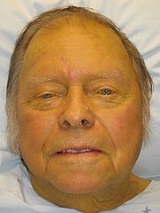
Jaundice is a yellow
ish pigmentation of the skin, the conjunctiva
l membranes over the sclera
e (whites of the eyes), and other mucous membrane
s caused by hyperbilirubinemia (increased levels of bilirubin
in the blood). This hyperbilirubinemia subsequently causes increased levels of bilirubin in the extracellular fluid
. Concentration of bilirubin in blood plasma
does not normally exceed 1 mg/dL (>17µmol
/L
). A concentration higher than 1.8 mg/dL (>30µmol/|L) leads to jaundice. The term jaundice comes from the French word jaune, meaning yellow.
Jaundice is often seen in liver disease such as hepatitis
or liver cancer
. It may also indicate obstruction of the biliary tract, for example by gallstones or pancreatic cancer
, or less commonly be congenital in origin.
to change color as bilirubin levels rise in jaundice. This is sometimes referred to as scleral icterus. However, the sclera themselves are not "icteric" (stained with bile pigment
) but rather the conjunctival membranes that overlie them. The yellowing of the "white of the eye" is thus more properly termed conjunctival icterus. The term "icterus" itself is sometimes incorrectly used to refer to jaundice that is noted in the sclera
of the eyes, however its more common and more correct meaning is entirely synonymous with jaundice.
It was once believed persons suffering from the medical condition jaundice saw everything as yellow. By extension, the jaundiced eye came to mean a prejudiced view, usually rather negative or critical. Alexander Pope
, in "An Essay on Criticism" (1711), wrote: "All seems Infected that th' Infected spy, As all looks yellow to the Jaundic'd Eye." Similarly in the mid-19th century the English poet Alfred Lord Tennyson wrote in the poem Locksley Hall
: "So I triumphe'd ere my passion sweeping thro' me left me dry, left me with the palsied heart, and left me with a jaundiced eye."
(breakdown of red blood cell
s). In tropical countries, malaria
can cause jaundice in this manner. Certain genetic diseases
, such as sickle cell anemia, spherocytosis
, thalassemia
and glucose 6-phosphate dehydrogenase deficiency can lead to increased red cell lysis and therefore hemolytic jaundice. Commonly, diseases of the kidney, such as hemolytic uremic syndrome, can also lead to coloration. Defects in bilirubin metabolism also present as jaundice, as in Gilbert's syndrome
(a genetic disorder of bilirubin metabolism which can result in mild jaundice, which is found in about 5% of the population) and Crigler-Najjar syndrome
.
In jaundice secondary to hemolysis, the increased production of bilirubin, leads to the increased production of urine-urobilinogen. Bilirubin is not usually found in the urine because unconjugated bilirubin is not water-soluble, so, the combination of increased urine-urobilinogen with no bilirubin (since, unconjugated) in urine is suggestive of hemolytic jaundice.
Laboratory findings include:
, hepatotoxicity
, and alcoholic liver disease
. Cell necrosis
reduces the liver's ability to metabolize and excrete bilirubin leading to a buildup of unconjugated bilirubin in the blood. Other causes include primary biliary cirrhosis
leading to an increase in plasma conjugated bilirubin because there is impairment of excretion of conjugated bilirubin into the bile. The blood contains abnormally raised amount of conjugated bilirubin and bile salts which are excreted in the urine. Jaundice seen in the newborn, known as neonatal jaundice, is common, occurring in almost every newborn as hepatic machinery for the conjugation and excretion of bilirubin does not fully mature until approximately two weeks of age. Rat fever (leptospirosis
) can also cause hepatic jaundice. In hepatic jaundice, there is invariably cholestasis
.
Laboratory findings depend on the cause of jaundice.
in the biliary system. The most common causes are gallstone
s in the common bile duct
, and pancreatic cancer
in the head of the pancreas
. Also, a group of parasites known as "liver fluke
s" can live in the common bile duct, causing obstructive jaundice. Other causes include strictures of the common bile duct, biliary atresia
, ductal carcinoma
, pancreatitis
and pancreatic pseudocyst
s. A rare cause of obstructive jaundice is Mirizzi's syndrome
.
In complete obstruction of the bile duct, no urobilinogen is found in the urine, since bilirubin has no access to the intestine and it is in the intestine that bilirubin gets converted to urobilinogen to be later released into the general circulation. In this case, presence of bilirubin (conjugated) in the urine without urine-urobilinogen suggests obstructive jaundice, either intra-hepatic or post-hepatic.
The presence of pale stools and dark urine suggests an obstructive or post-hepatic cause as normal feces get their color from bile pigments. However, although pale stools and dark urine are a feature of biliary obstruction, they can occur in many intra-hepatic illnesses and are therefore not a reliable clinical feature to distinguish obstruction from hepatic causes of jaundice.
Patients also can present with elevated serum cholesterol, and often complain of severe itching or "pruritus" because of the deposition of bile salts.
No single test can differentiate between various classifications of jaundice. A combination of liver function tests is essential to arrive at a diagnosis.
s. Serum bilirubin normally drops to a low level without any intervention required: the jaundice is presumably a consequence of metabolic and physiological adjustments after birth. In extreme cases, a brain-damaging condition known as kernicterus
can occur, leading to significant lifelong disability; there are concerns that this condition has been rising in recent years due to inadequate detection and treatment of neonatal hyperbilirubinemia. A Bili light
is often the tool used for early treatment, which often consists of exposing the baby to intensive phototherapy. Bilirubin count is lowered through bowel movements and urination so regular and proper feedings are especially important.
When red blood cells have completed their life span of approximately 120 days, or when they are damaged, their membranes become fragile and prone to rupture. As each red blood cell traverses through the reticuloendothelial system
, its cell membrane ruptures when its membrane is fragile enough to allow this. Cellular contents, including hemoglobin
, are subsequently released into the blood. The hemoglobin is phagocytosed by macrophages, and split into its heme
and globin
portions. The globin portion, a protein
, is degraded into amino acids and plays no role in jaundice. Two reactions then take place with the heme molecule. The first oxidation reaction is catalyzed by the microsomal enzyme heme oxygenase and results in biliverdin (green color pigment), iron and carbon monoxide. The next step is the reduction of biliverdin to a yellow color tetrapyrol pigment called bilirubin by cytosolic enzyme biliverdin reductase. This bilirubin is "unconjugated," "free" or "indirect" bilirubin. Approximately 4 mg of bilirubin per kg of blood is produced each day. The majority of this bilirubin comes from the breakdown of heme from expired red blood cells in the process just described. However approximately 20 percent comes from other heme sources, including ineffective erythropoiesis
, and the breakdown of other heme-containing proteins, such as muscle myoglobin
and cytochrome
s.
through the bloodstream. Because this bilirubin is not soluble, however, it is transported through the blood bound to serum albumin
. Once it arrives at the liver, it is conjugated with glucuronic acid
(to form bilirubin diglucuronide, or just "conjugated bilirubin") to become more water soluble. The reaction is catalyzed by the enzyme UDP-glucuronyl transferase.
This conjugated bilirubin is excreted from the liver into the biliary and cystic ducts as part of bile
. Intestinal bacteria convert the bilirubin into urobilinogen
. From here the urobilinogen can take two pathways. It can either be further converted into stercobilinogen
, which is then oxidized to stercobilin
and passed out in the feces
, or it can be reabsorbed by the intestinal cells, transported in the blood to the kidneys, and passed out in the urine
as the oxidised product urobilin
. Stercobilin and urobilin are the products responsible for the coloration of feces and urine, respectively.
Some bone and heart disorders can lead to an increase in ALP and the aminotransferases, so the first step in differentiating these from liver problems is to compare the levels of GGT, which will only be elevated in liver-specific conditions. The second step is distinguishing from biliary (cholestatic) or liver (hepatic) causes of jaundice and altered lab results. The former typically indicates a surgical response, while the latter typically leans toward a medical response. ALP and GGT levels will typically rise with one pattern while AST and ALT rise in a separate pattern. If the ALP (10–45 IU/L) and GGT (18–85) levels rise proportionately about as high as the AST (12–38 IU/L) and ALT (10–45 IU/L) levels, this indicates a cholestatic problem. On the other hand, if the AST and ALT rise is significantly higher than the ALP and GGT rise, this indicates an hepatic problem. Finally, distinguishing between hepatic causes of jaundice, comparing levels of AST and ALT can prove useful. AST levels will typically be higher than ALT. This remains the case in most hepatic disorders except for hepatitis (viral or hepatotoxic). Alcoholic liver damage may see fairly normal ALT levels, with AST 10x higher than ALT. On the other hand, if ALT is higher than AST, this is indicative of hepatitis. Levels of ALT and AST are not well correlated to the extent of liver damage, although rapid drops in these levels from very high levels can indicate severe necrosis. Low levels of albumin tend to indicate a chronic condition, while it is normal in hepatitis and cholestasis
.
Lab results for liver panels are frequently compared by the magnitude of their differences, not the pure number, as well as by their ratios. The AST:ALT ratio can be a good indicator of whether the disorder is alcoholic liver damage (10), some other form of liver damage (above 1), or hepatitis (less than 1). Bilirubin levels greater than 10x normal could indicate neoplastic or intrahepatic cholestasis. Levels lower than this tend to indicate hepatocellular causes. AST levels greater than 15x tends to indicate acute hepatocellular damage. Less than this tend to indicate obstructive causes. ALP levels greater than 5x normal tend to indicate obstruction, while levels greater than 10x normal can indicate drug (toxic) induced cholestatic hepatitis or Cytomegalovirus. Both of these conditions can also have ALT and AST greater than 20× normal. GGT levels greater than 10x normal typically indicate cholestasis. Levels 5–10× tend to indicate viral hepatitis. Levels less than 5× normal tend to indicate drug toxicity. Acute hepatitis will typically have ALT and AST levels rising 20–30× normal (above 1000), and may remain significantly elevated for several weeks. Acetaminophen toxicity can result in ALT and AST levels greater than 50x normal.
. Treatment should include correction of coagulopathy, fluid/electrolyte anomaly, antibiotics and biliary drainage with ERCP where available or trans-hepatic drainage or surgery.
Yellow
Yellow is the color evoked by light that stimulates both the L and M cone cells of the retina about equally, with no significant stimulation of the S cone cells. Light with a wavelength of 570–590 nm is yellow, as is light with a suitable mixture of red and green...
ish pigmentation of the skin, the conjunctiva
Conjunctiva
The conjunctiva covers the sclera and lines the inside of the eyelids. It is composed of rare stratified columnar epithelium.-Function:...
l membranes over the sclera
Sclera
The sclera , also known as the white or white of the eye, is the opaque , fibrous, protective, outer layer of the eye containing collagen and elastic fiber. In the development of the embryo, the sclera is derived from the neural crest...
e (whites of the eyes), and other mucous membrane
Mucous membrane
The mucous membranes are linings of mostly endodermal origin, covered in epithelium, which are involved in absorption and secretion. They line cavities that are exposed to the external environment and internal organs...
s caused by hyperbilirubinemia (increased levels of bilirubin
Bilirubin
Bilirubin is the yellow breakdown product of normal heme catabolism. Heme is found in hemoglobin, a principal component of red blood cells. Bilirubin is excreted in bile and urine, and elevated levels may indicate certain diseases...
in the blood). This hyperbilirubinemia subsequently causes increased levels of bilirubin in the extracellular fluid
Extracellular fluid
Extracellular fluid usually denotes all body fluid outside of cells. The remainder is called intracellular fluid.In some animals, including mammals, the extracellular fluid can be divided into two major subcompartments, interstitial fluid and blood plasma...
. Concentration of bilirubin in blood plasma
Blood plasma
Blood plasma is the straw-colored liquid component of blood in which the blood cells in whole blood are normally suspended. It makes up about 55% of the total blood volume. It is the intravascular fluid part of extracellular fluid...
does not normally exceed 1 mg/dL (>17µmol
Mole (unit)
The mole is a unit of measurement used in chemistry to express amounts of a chemical substance, defined as an amount of a substance that contains as many elementary entities as there are atoms in 12 grams of pure carbon-12 , the isotope of carbon with atomic weight 12. This corresponds to a value...
/L
Litre
pic|200px|right|thumb|One litre is equivalent to this cubeEach side is 10 cm1 litre water = 1 kilogram water The litre is a metric system unit of volume equal to 1 cubic decimetre , to 1,000 cubic centimetres , and to 1/1,000 cubic metre...
). A concentration higher than 1.8 mg/dL (>30µmol/|L) leads to jaundice. The term jaundice comes from the French word jaune, meaning yellow.
Jaundice is often seen in liver disease such as hepatitis
Hepatitis
Hepatitis is a medical condition defined by the inflammation of the liver and characterized by the presence of inflammatory cells in the tissue of the organ. The name is from the Greek hepar , the root being hepat- , meaning liver, and suffix -itis, meaning "inflammation"...
or liver cancer
Liver cancer
Liver tumors or hepatic tumors are tumors or growths on or in the liver . Several distinct types of tumors can develop in the liver because the liver is made up of various cell types. These growths can be benign or malignant...
. It may also indicate obstruction of the biliary tract, for example by gallstones or pancreatic cancer
Pancreatic cancer
Pancreatic cancer refers to a malignant neoplasm of the pancreas. The most common type of pancreatic cancer, accounting for 95% of these tumors is adenocarcinoma, which arises within the exocrine component of the pancreas. A minority arises from the islet cells and is classified as a...
, or less commonly be congenital in origin.
Signs and symptoms
The conjunctiva of the eye are one of the first tissuesTissue (biology)
Tissue is a cellular organizational level intermediate between cells and a complete organism. A tissue is an ensemble of cells, not necessarily identical, but from the same origin, that together carry out a specific function. These are called tissues because of their identical functioning...
to change color as bilirubin levels rise in jaundice. This is sometimes referred to as scleral icterus. However, the sclera themselves are not "icteric" (stained with bile pigment
Bilin (biochemistry)
Bilins, bilanes or bile pigments are biological pigments formed in many organisms as a metabolic product of certain porphyrins. Bilin was named as a bile pigment of mammals, but can also be found in lower vertebrates, invertebrates, as well as red algae, green plants and cyanobacteria...
) but rather the conjunctival membranes that overlie them. The yellowing of the "white of the eye" is thus more properly termed conjunctival icterus. The term "icterus" itself is sometimes incorrectly used to refer to jaundice that is noted in the sclera
Sclera
The sclera , also known as the white or white of the eye, is the opaque , fibrous, protective, outer layer of the eye containing collagen and elastic fiber. In the development of the embryo, the sclera is derived from the neural crest...
of the eyes, however its more common and more correct meaning is entirely synonymous with jaundice.
It was once believed persons suffering from the medical condition jaundice saw everything as yellow. By extension, the jaundiced eye came to mean a prejudiced view, usually rather negative or critical. Alexander Pope
Alexander Pope
Alexander Pope was an 18th-century English poet, best known for his satirical verse and for his translation of Homer. He is the third-most frequently quoted writer in The Oxford Dictionary of Quotations, after Shakespeare and Tennyson...
, in "An Essay on Criticism" (1711), wrote: "All seems Infected that th' Infected spy, As all looks yellow to the Jaundic'd Eye." Similarly in the mid-19th century the English poet Alfred Lord Tennyson wrote in the poem Locksley Hall
Locksley Hall
"Locksley Hall" is a poem written by Alfred Tennyson in 1835 and published in his 1842 volume of Poems. Though one of his masterworks, it is less well-known than his other literature...
: "So I triumphe'd ere my passion sweeping thro' me left me dry, left me with the palsied heart, and left me with a jaundiced eye."
Differential diagnosis
When a pathological process interferes with the normal functioning of the metabolism and excretion of bilirubin just described, jaundice may be the result. Jaundice is classified into three categories, depending on which part of the physiological mechanism the pathology affects. The three categories are:| Category | Definition |
|---|---|
| Pre-hepatic | The pathology is occurring prior to the liver Liver The liver is a vital organ present in vertebrates and some other animals. It has a wide range of functions, including detoxification, protein synthesis, and production of biochemicals necessary for digestion... . |
| Hepatic | The pathology is located within the liver. |
| Post-Hepatic | The pathology is located after the conjugation of bilirubin in the liver. |
Pre-hepatic
Pre-hepatic jaundice is caused by anything which causes an increased rate of hemolysisHemolysis
Hemolysis —from the Greek meaning "blood" and meaning a "loosing", "setting free" or "releasing"—is the rupturing of erythrocytes and the release of their contents into surrounding fluid...
(breakdown of red blood cell
Red blood cell
Red blood cells are the most common type of blood cell and the vertebrate organism's principal means of delivering oxygen to the body tissues via the blood flow through the circulatory system...
s). In tropical countries, malaria
Malaria
Malaria is a mosquito-borne infectious disease of humans and other animals caused by eukaryotic protists of the genus Plasmodium. The disease results from the multiplication of Plasmodium parasites within red blood cells, causing symptoms that typically include fever and headache, in severe cases...
can cause jaundice in this manner. Certain genetic diseases
Genetic disorder
A genetic disorder is an illness caused by abnormalities in genes or chromosomes, especially a condition that is present from before birth. Most genetic disorders are quite rare and affect one person in every several thousands or millions....
, such as sickle cell anemia, spherocytosis
Spherocytosis
Spherocytosis is an auto-hemolytic anemia characterized by the production of red blood cells , or erythrocytes, that are sphere-shaped, rather than bi-concave disk shaped. Spherocytes are found in hereditary spherocytosis and autoimmune hemolytic anemia.It almost always refers to hereditary...
, thalassemia
Thalassemia
Thalassemia is an inherited autosomal recessive blood disease that originated in the Mediterranean region. In thalassemia the genetic defect, which could be either mutation or deletion, results in reduced rate of synthesis or no synthesis of one of the globin chains that make up hemoglobin...
and glucose 6-phosphate dehydrogenase deficiency can lead to increased red cell lysis and therefore hemolytic jaundice. Commonly, diseases of the kidney, such as hemolytic uremic syndrome, can also lead to coloration. Defects in bilirubin metabolism also present as jaundice, as in Gilbert's syndrome
Gilbert's syndrome
Gilbert's syndrome , often shortened to GS, also called Gilbert-Meulengracht syndrome, is the most common hereditary cause of increased bilirubin and is found in up to 5% of the population...
(a genetic disorder of bilirubin metabolism which can result in mild jaundice, which is found in about 5% of the population) and Crigler-Najjar syndrome
Crigler-Najjar syndrome
Crigler-Najjar Syndrome or CNS is a rare disorder affecting the metabolism of bilirubin, a chemical formed from the breakdown of blood. The disorder results in an inherited form of non-hemolytic jaundice, which results in high levels of unconjugated bilirubin and often leads to brain damage in...
.
In jaundice secondary to hemolysis, the increased production of bilirubin, leads to the increased production of urine-urobilinogen. Bilirubin is not usually found in the urine because unconjugated bilirubin is not water-soluble, so, the combination of increased urine-urobilinogen with no bilirubin (since, unconjugated) in urine is suggestive of hemolytic jaundice.
Laboratory findings include:
- Urine: no bilirubin present, urobilinogen > 2 units (i.e., hemolytic anemia causes increased heme metabolism; exception: infants where gut floraGut floraGut flora consists of microorganisms that live in the digestive tracts of animals and is the largest reservoir of human flora. In this context, gut is synonymous with intestinal, and flora with microbiota and microflora....
has not developed). - Serum: increased unconjugated bilirubin.
- Kernicterus is associated with increased unconjugated bilirubin.
Hepatocellular
Hepatocellular (hepatic) jaundice can be caused by acute hepatitisHepatitis
Hepatitis is a medical condition defined by the inflammation of the liver and characterized by the presence of inflammatory cells in the tissue of the organ. The name is from the Greek hepar , the root being hepat- , meaning liver, and suffix -itis, meaning "inflammation"...
, hepatotoxicity
Hepatotoxicity
Hepatotoxicity implies chemical-driven liver damage.The liver plays a central role in transforming and clearing chemicals and is susceptible to the toxicity from these agents. Certain medicinal agents, when taken in overdoses and sometimes even when introduced within therapeutic ranges, may injure...
, and alcoholic liver disease
Alcoholic liver disease
Alcoholic liver disease is a term that encompasses the hepatic manifestations of alcohol overconsumption, including fatty liver, alcoholic hepatitis, and chronic hepatitis with hepatic fibrosis or cirrhosis. It is the major cause of liver disease in Western countries...
. Cell necrosis
Necrosis
Necrosis is the premature death of cells in living tissue. Necrosis is caused by factors external to the cell or tissue, such as infection, toxins, or trauma. This is in contrast to apoptosis, which is a naturally occurring cause of cellular death...
reduces the liver's ability to metabolize and excrete bilirubin leading to a buildup of unconjugated bilirubin in the blood. Other causes include primary biliary cirrhosis
Primary biliary cirrhosis
Primary biliary cirrhosis, often abbreviated PBC, is an autoimmune disease of the liver marked by the slow progressive destruction of the small bile ducts within the liver. When these ducts are damaged, bile builds up in the liver and over time damages the tissue. This can lead to scarring,...
leading to an increase in plasma conjugated bilirubin because there is impairment of excretion of conjugated bilirubin into the bile. The blood contains abnormally raised amount of conjugated bilirubin and bile salts which are excreted in the urine. Jaundice seen in the newborn, known as neonatal jaundice, is common, occurring in almost every newborn as hepatic machinery for the conjugation and excretion of bilirubin does not fully mature until approximately two weeks of age. Rat fever (leptospirosis
Leptospirosis
Leptospirosis is caused by infection with bacteria of the genus Leptospira, and affects humans as well as other mammals, birds, amphibians, and reptiles.The...
) can also cause hepatic jaundice. In hepatic jaundice, there is invariably cholestasis
Cholestasis
In medicine, cholestasis is a condition where bile cannot flow from the liver to the duodenum. The two basic distinctions are an obstructive type of cholestasis where there is a mechanical blockage in the duct system such as can occur from a gallstone or malignancy and metabolic types of...
.
Laboratory findings depend on the cause of jaundice.
- Urine: Conjugated bilirubin present, urobilirubin > 2 units but variable (except in children). Kernicterus is a condition not associated with increased conjugated bilirubin.
- Plasma protein show characteristic changes.
- Plasma albumin level is low but plasma globulins are raised due to an increased formation of antibodies.
Post-hepatic
Post-hepatic jaundice, also called obstructive jaundice, is caused by an interruption to the drainage of bileBile
Bile or gall is a bitter-tasting, dark green to yellowish brown fluid, produced by the liver of most vertebrates, that aids the process of digestion of lipids in the small intestine. In many species, bile is stored in the gallbladder and upon eating is discharged into the duodenum...
in the biliary system. The most common causes are gallstone
Gallstone
A gallstone is a crystalline concretion formed within the gallbladder by accretion of bile components. These calculi are formed in the gallbladder, but may pass distally into other parts of the biliary tract such as the cystic duct, common bile duct, pancreatic duct, or the ampulla of...
s in the common bile duct
Common bile duct
The common bile duct is a tube-like anatomic structure in the human gastrointestinal tract. It is formed by the union of the common hepatic duct and the cystic duct . It is later joined by the pancreatic duct to form the ampulla of Vater...
, and pancreatic cancer
Pancreatic cancer
Pancreatic cancer refers to a malignant neoplasm of the pancreas. The most common type of pancreatic cancer, accounting for 95% of these tumors is adenocarcinoma, which arises within the exocrine component of the pancreas. A minority arises from the islet cells and is classified as a...
in the head of the pancreas
Pancreas
The pancreas is a gland organ in the digestive and endocrine system of vertebrates. It is both an endocrine gland producing several important hormones, including insulin, glucagon, and somatostatin, as well as a digestive organ, secreting pancreatic juice containing digestive enzymes that assist...
. Also, a group of parasites known as "liver fluke
Liver fluke
Liver flukes are a polyphyletic group of trematodes .Adults of liver flukes are localized in the liver of various mammals, including humans. These flatworms can occur in bile ducts, gallbladder, and liver parenchyma. They feed on blood...
s" can live in the common bile duct, causing obstructive jaundice. Other causes include strictures of the common bile duct, biliary atresia
Biliary atresia
Biliary atresia, also known as "extrahepatic ductopenia" and "progressive obliterative cholangiopathy" is a congenital or acquired disease of the liver and one of the principle forms of chronic rejection of a transplanted liver allograft. As a birth defect in newborn infants, it has an occurrence...
, ductal carcinoma
Ductal carcinoma
Mammary ductal carcinoma is the most common type of breast cancer in women. It comes in two forms: invasive ductal carcinoma , an infiltrating, malignant and abnormal proliferation of neoplastic cells in the breast tissue, or ductal carcinoma in situ , a noninvasive, possibly malignant, neoplasm...
, pancreatitis
Pancreatitis
Pancreatitis is inflammation of the pancreas. It occurs when pancreatic enzymes that digest food are activated in the pancreas instead of the small intestine. It may be acute – beginning suddenly and lasting a few days, or chronic – occurring over many years...
and pancreatic pseudocyst
Pancreatic pseudocyst
A pancreatic pseudocyst is a circumscribed collection of fluid rich in pancreatic enzymes, blood, and necrotic tissue, typically located in the lesser sac of the abdomen....
s. A rare cause of obstructive jaundice is Mirizzi's syndrome
Mirizzi's syndrome
Mirizzi's syndrome is a rare cause of acquired jaundice. It is associated with large gallstones that compress the common hepatic duct. The obstructive jaundice can be caused by direct extrinsic compression by the stone or from fibrosis caused by chronic cholecystitis inflammation...
.
In complete obstruction of the bile duct, no urobilinogen is found in the urine, since bilirubin has no access to the intestine and it is in the intestine that bilirubin gets converted to urobilinogen to be later released into the general circulation. In this case, presence of bilirubin (conjugated) in the urine without urine-urobilinogen suggests obstructive jaundice, either intra-hepatic or post-hepatic.
The presence of pale stools and dark urine suggests an obstructive or post-hepatic cause as normal feces get their color from bile pigments. However, although pale stools and dark urine are a feature of biliary obstruction, they can occur in many intra-hepatic illnesses and are therefore not a reliable clinical feature to distinguish obstruction from hepatic causes of jaundice.
Patients also can present with elevated serum cholesterol, and often complain of severe itching or "pruritus" because of the deposition of bile salts.
No single test can differentiate between various classifications of jaundice. A combination of liver function tests is essential to arrive at a diagnosis.
| Function test | Pre-hepatic Jaundice | Hepatic Jaundice | Post-hepatic Jaundice |
|---|---|---|---|
| Total bilirubin | Normal / Increased | Increased | |
| Conjugated bilirubin | Normal | Increased | Increased |
| Unconjugated bilirubin | Normal / Increased | Increased | Normal |
| Urobilinogen | Normal / Increased | Increased | Decreased / Negative |
| Urine Color | Normal | Dark (urobilinogen + conjugated bilirubin) | Dark (conjugated bilirubin) |
| Stool Color | Normal | Pale | |
| Alkaline phosphatase levels | Normal | Increased | |
| Alanine transferase and Aspartate transferase levels | Increased | ||
| Conjugated Bilirubin in Urine | Not Present | Present | |
Neonatal jaundice
Neonatal jaundice is usually harmless: this condition is often seen in infants around the second day after birth, lasting until day 8 in normal births, or to around day 14 in premature birthPremature birth
In humans preterm birth refers to the birth of a baby of less than 37 weeks gestational age. The cause for preterm birth is in many situations elusive and unknown; many factors appear to be associated with the development of preterm birth, making the reduction of preterm birth a challenging...
s. Serum bilirubin normally drops to a low level without any intervention required: the jaundice is presumably a consequence of metabolic and physiological adjustments after birth. In extreme cases, a brain-damaging condition known as kernicterus
Kernicterus
Kernicterus is damage to the brain centers of infants caused by increased levels of unconjugated bilirubin. This may be due to several underlying pathologic processes. Newborn babies are often polycythemic. When they break down the erythrocytes, one of the byproducts is bilirubin, which circulates...
can occur, leading to significant lifelong disability; there are concerns that this condition has been rising in recent years due to inadequate detection and treatment of neonatal hyperbilirubinemia. A Bili light
Bili light
A bili light is a phototherapy tool to treat newborn jaundice which in higher levels causes brain damage , leading to cerebral palsy, auditory neuropathy, gaze abnormalities and dental enamel hypoplasia. The therapy uses a blue light that converts bilirubin so that it can be excreted in the urine...
is often the tool used for early treatment, which often consists of exposing the baby to intensive phototherapy. Bilirubin count is lowered through bowel movements and urination so regular and proper feedings are especially important.
Pathophysiology
In order to understand how jaundice results, the pathological processes that cause jaundice to take their effect must be understood. Jaundice itself is not a disease, but rather a sign of one of many possible underlying pathological processes that occur at some point along the normal physiological pathway of the metabolism of bilirubin.When red blood cells have completed their life span of approximately 120 days, or when they are damaged, their membranes become fragile and prone to rupture. As each red blood cell traverses through the reticuloendothelial system
Reticuloendothelial system
"Reticuloendothelial system" is an older term for the mononuclear phagocyte system. The mononuclear phagocyte system consists primarily of monocytes and macrophages. The spleen is the largest unit of the mononuclear phagocyte system. The monocyte is formed in the bone marrow and transported by the...
, its cell membrane ruptures when its membrane is fragile enough to allow this. Cellular contents, including hemoglobin
Hemoglobin
Hemoglobin is the iron-containing oxygen-transport metalloprotein in the red blood cells of all vertebrates, with the exception of the fish family Channichthyidae, as well as the tissues of some invertebrates...
, are subsequently released into the blood. The hemoglobin is phagocytosed by macrophages, and split into its heme
Heme
A heme or haem is a prosthetic group that consists of an iron atom contained in the center of a large heterocyclic organic ring called a porphyrin. Not all porphyrins contain iron, but a substantial fraction of porphyrin-containing metalloproteins have heme as their prosthetic group; these are...
and globin
Globin
Globins are a related family of proteins, which are thought to share a common ancestor. These proteins all incorporate the globin fold, a series of eight alpha helical segments. Two prominent members of this family include myoglobin and hemoglobin, which both bind the heme prosthetic group...
portions. The globin portion, a protein
Protein
Proteins are biochemical compounds consisting of one or more polypeptides typically folded into a globular or fibrous form, facilitating a biological function. A polypeptide is a single linear polymer chain of amino acids bonded together by peptide bonds between the carboxyl and amino groups of...
, is degraded into amino acids and plays no role in jaundice. Two reactions then take place with the heme molecule. The first oxidation reaction is catalyzed by the microsomal enzyme heme oxygenase and results in biliverdin (green color pigment), iron and carbon monoxide. The next step is the reduction of biliverdin to a yellow color tetrapyrol pigment called bilirubin by cytosolic enzyme biliverdin reductase. This bilirubin is "unconjugated," "free" or "indirect" bilirubin. Approximately 4 mg of bilirubin per kg of blood is produced each day. The majority of this bilirubin comes from the breakdown of heme from expired red blood cells in the process just described. However approximately 20 percent comes from other heme sources, including ineffective erythropoiesis
Erythropoiesis
Erythropoiesis is the process by which red blood cells are produced. It is stimulated by decreased O2 in circulation, which is detected by the kidneys, which then secrete the hormone erythropoietin...
, and the breakdown of other heme-containing proteins, such as muscle myoglobin
Myoglobin
Myoglobin is an iron- and oxygen-binding protein found in the muscle tissue of vertebrates in general and in almost all mammals. It is related to hemoglobin, which is the iron- and oxygen-binding protein in blood, specifically in the red blood cells. The only time myoglobin is found in the...
and cytochrome
Cytochrome
Cytochromes are, in general, membrane-bound hemoproteins that contain heme groups and carry out electron transport.They are found either as monomeric proteins or as subunits of bigger enzymatic complexes that catalyze redox reactions....
s.
Hepatic events
The unconjugated bilirubin then travels to the liverLiver
The liver is a vital organ present in vertebrates and some other animals. It has a wide range of functions, including detoxification, protein synthesis, and production of biochemicals necessary for digestion...
through the bloodstream. Because this bilirubin is not soluble, however, it is transported through the blood bound to serum albumin
Serum albumin
Serum albumin, often referred to simply as albumin is a protein that in humans is encoded by the ALB gene.Serum albumin is the most abundant plasma protein in mammals. Albumin is essential for maintaining the osmotic pressure needed for proper distribution of body fluids between intravascular...
. Once it arrives at the liver, it is conjugated with glucuronic acid
Glucuronic acid
Glucuronic acid is a carboxylic acid. Its structure is similar to that of glucose. However, glucuronic acid's sixth carbon is oxidized to a carboxylic acid...
(to form bilirubin diglucuronide, or just "conjugated bilirubin") to become more water soluble. The reaction is catalyzed by the enzyme UDP-glucuronyl transferase.
This conjugated bilirubin is excreted from the liver into the biliary and cystic ducts as part of bile
Bile
Bile or gall is a bitter-tasting, dark green to yellowish brown fluid, produced by the liver of most vertebrates, that aids the process of digestion of lipids in the small intestine. In many species, bile is stored in the gallbladder and upon eating is discharged into the duodenum...
. Intestinal bacteria convert the bilirubin into urobilinogen
Urobilinogen
Urobilinogen is a colourless product of bilirubin reduction. It is formed in the intestines by bacterial action. Some urobilinogen is reabsorbed, taken up into the circulation and excreted by the kidney. This constitutes the normal "enterohepatic urobilinogen cycle".Increased amounts of bilirubin...
. From here the urobilinogen can take two pathways. It can either be further converted into stercobilinogen
Stercobilinogen
Stercobilinogen is a chemical created by bacteria in the gut. It is made of broken-down hemoglobin. It is further processed to become the chemical that gives feces its brown color....
, which is then oxidized to stercobilin
Stercobilin
Stercobilin is a tetrapyrrolic bile pigment and is one end-product of heme catabolism. It is the chemical responsible for the brown color of human fecal material and was originally isolated from feces in 1932...
and passed out in the feces
Feces
Feces, faeces, or fæces is a waste product from an animal's digestive tract expelled through the anus or cloaca during defecation.-Etymology:...
, or it can be reabsorbed by the intestinal cells, transported in the blood to the kidneys, and passed out in the urine
Urine
Urine is a typically sterile liquid by-product of the body that is secreted by the kidneys through a process called urination and excreted through the urethra. Cellular metabolism generates numerous by-products, many rich in nitrogen, that require elimination from the bloodstream...
as the oxidised product urobilin
Urobilin
Urobilin is a yellow linear tetrapyrrole, resulting from the breakdown of heme, a cyclic tetrapyrrole.Urobilin is produced when Urobilinogen is oxidized by intestinal bacteria; it can also be...
. Stercobilin and urobilin are the products responsible for the coloration of feces and urine, respectively.
Diagnostic approach
Most patients presenting with jaundice will have various predictable patterns of liver panel abnormalities, though significant variation does exist. The typical liver panel will include blood levels of enzymes found primarily from the liver, such as the aminotransferases (ALT, AST), and alkaline phosphatase (ALP); bilirubin (which causes the jaundice); and protein levels, specifically, total protein and albumin. Other primary lab tests for liver function include GGT and prothrombin time (PT).Some bone and heart disorders can lead to an increase in ALP and the aminotransferases, so the first step in differentiating these from liver problems is to compare the levels of GGT, which will only be elevated in liver-specific conditions. The second step is distinguishing from biliary (cholestatic) or liver (hepatic) causes of jaundice and altered lab results. The former typically indicates a surgical response, while the latter typically leans toward a medical response. ALP and GGT levels will typically rise with one pattern while AST and ALT rise in a separate pattern. If the ALP (10–45 IU/L) and GGT (18–85) levels rise proportionately about as high as the AST (12–38 IU/L) and ALT (10–45 IU/L) levels, this indicates a cholestatic problem. On the other hand, if the AST and ALT rise is significantly higher than the ALP and GGT rise, this indicates an hepatic problem. Finally, distinguishing between hepatic causes of jaundice, comparing levels of AST and ALT can prove useful. AST levels will typically be higher than ALT. This remains the case in most hepatic disorders except for hepatitis (viral or hepatotoxic). Alcoholic liver damage may see fairly normal ALT levels, with AST 10x higher than ALT. On the other hand, if ALT is higher than AST, this is indicative of hepatitis. Levels of ALT and AST are not well correlated to the extent of liver damage, although rapid drops in these levels from very high levels can indicate severe necrosis. Low levels of albumin tend to indicate a chronic condition, while it is normal in hepatitis and cholestasis
Cholestasis
In medicine, cholestasis is a condition where bile cannot flow from the liver to the duodenum. The two basic distinctions are an obstructive type of cholestasis where there is a mechanical blockage in the duct system such as can occur from a gallstone or malignancy and metabolic types of...
.
Lab results for liver panels are frequently compared by the magnitude of their differences, not the pure number, as well as by their ratios. The AST:ALT ratio can be a good indicator of whether the disorder is alcoholic liver damage (10), some other form of liver damage (above 1), or hepatitis (less than 1). Bilirubin levels greater than 10x normal could indicate neoplastic or intrahepatic cholestasis. Levels lower than this tend to indicate hepatocellular causes. AST levels greater than 15x tends to indicate acute hepatocellular damage. Less than this tend to indicate obstructive causes. ALP levels greater than 5x normal tend to indicate obstruction, while levels greater than 10x normal can indicate drug (toxic) induced cholestatic hepatitis or Cytomegalovirus. Both of these conditions can also have ALT and AST greater than 20× normal. GGT levels greater than 10x normal typically indicate cholestasis. Levels 5–10× tend to indicate viral hepatitis. Levels less than 5× normal tend to indicate drug toxicity. Acute hepatitis will typically have ALT and AST levels rising 20–30× normal (above 1000), and may remain significantly elevated for several weeks. Acetaminophen toxicity can result in ALT and AST levels greater than 50x normal.
Complications
Complications of jaundice include sepsis especially cholangitis, biliary cirrhosis, pancreatitis, coagulopathy, renal and liver failure. Other complications are related to the underlying disease and the procedures employed in the diagnosis and management of individual diseases. Cholangitis especially the suppurative type (Charcot’s triad or Raynaud’s pentad) is usually secondary to choledocholithiasis. It may also complicate procedures like ERCPEndoscopic retrograde cholangiopancreatography
Endoscopic retrograde cholangiopancreatography is a technique that combines the use of endoscopy and fluoroscopy to diagnose and treat certain problems of the biliary or pancreatic ductal systems...
. Treatment should include correction of coagulopathy, fluid/electrolyte anomaly, antibiotics and biliary drainage with ERCP where available or trans-hepatic drainage or surgery.
