


Lung transplantation

Encyclopedia
Lung transplantation, or pulmonary transplantation is a surgical procedure in which a patient's diseased lung
s are partially or totally replaced by lungs which come from a donor. While lung transplants carry certain associated risks, they can also extend life expectancy and enhance the quality of life for end-stage pulmonary
patients.
were:
s began with several attempts that were unsuccessful due to transplant rejection
. Animal experimentation by various pioneers, including Vladimir Demikhov
and Dominique Metras, during the 1940s and 1950s, first demonstrated that the procedure was technically feasible. James Hardy
of the University of Mississippi
performed the first human lung transplant in 1963. Following a single-lung transplantation, the patient survived for 18 days. From 1963-1978, multiple attempts at lung transplantation failed because of rejection
and problems with anastomotic bronchial healing. It was only after the invention of the heart-lung machine
, coupled with the development of immunosuppressive drug
s such as cyclosporine, that organs such as the lungs could be transplanted with a reasonable chance of patient recovery.
The first successful transplant surgery involving the lungs was a heart-lung transplant
, performed by Dr. Bruce Reitz
of Stanford University
on a woman who had idiopathic pulmonary hypertension
.
on a first-come, first-serve basis to patients on the transplant list. This was replaced by the current system, in which prospective lung recipients of age of 12 and older are assigned a lung allocation score
or LAS, which takes into account various measures of the patient's health. The new system allocates donated lungs according to the immediacy of need rather than how long a patient has been on the transplant list. Patients who are under the age of 12 are still given priority based on how long they have been on the transplant waitlist. The length of time spent on the list is also the deciding factor when multiple patients have the same lung allocation score.
Patients who are accepted as good potential transplant candidates must carry a pager with them at all times in case a donor organ becomes available. These patients must also be prepared to move to their chosen transplant center at a moment's notice. Such patients may be encouraged to limit their travel within a certain geographical region in order to facilitate rapid transport to a transplant center.
.
, due to the bacterial colonisation commonly found within such patients' lungs; if only one lung were transplanted, bacteria in the native lung could potentially infect the newly transplanted organ.
A particularly involved example of this has been termed a "domino transplant" in the media. First performed in 1987, this type of transplant typically involves the transplantation of a heart and lungs into recipient A, whose own healthy heart is removed and transplanted into recipient B.
line and various monitoring equipment, including pulse oximetry
. The patient will be given general anesthesia, and a machine will breathe for him or her.
It takes about one hour for the pre-operative preparation of the patient. A single lung transplant takes about four to eight hours, while a double lung transplant takes about six to twelve hours to complete. A history of prior chest surgery may complicate the procedure and require additional time.
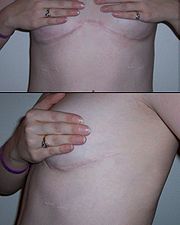 In single-lung transplants, the lung with the worse pulmonary function is chosen for replacement. If both lungs function equally, then the right lung is usually favored for removal because it avoids having to maneuver around the heart, as would be required for excision of the left lung.
In a single-lung transplant the process starts out after the donor lung has been inspected and the decision to accept the donor lung for the patient has been made. An incision is generally made from under the shoulder blade around the chest, ending near the sternum. An alternate method involves an incision under the breastbone. In the case of a singular lung transplant the lung is collapsed, the blood vessels in the lung tied off, and the lung removed at the bronchial
tube. The donor lung is placed, the blood vessels reattached, and the lung reinflated. To make sure the lung is satisfactory and to clear any remaining blood and mucus in the new lung a bronchoscopy
will be performed. When the surgeons are satisfied with the performance of the lung the chest incision will be closed.
The transplantation process starts after the donor lungs are inspected and the decision to transplant has been made. An incision is then made from under the patient's armpit, around to the sternum, and then back towards the other armpit; this is known as a clamshell incision. In the case of a sequential transplant the recipients lung with the poorest lung functions
is collapsed, the blood vessels tied off, and cut at the corresponding bronchi
. The new lung is then placed and the blood vessels reattached. To make sure the lung is satisfactory before transplanting the other a bronchoscopy
is performed. When the surgeons are satisfied with the performance of the new lung, surgery on the second lung will proceed. In 10% to 20% of double-lung transplants the patient is hooked up to a heart-lung machine
which pumps blood for the body and supplies fresh oxygen.
for monitoring, normally for a period of a few days. The patient is put on a ventilator
to assist breathing. Nutritional needs are generally met via total parenteral nutrition
, although in some cases a nasogastric tube
is sufficient for feeding. Chest tube
s are put in so that excess fluids
may be removed. Because the patient is confined to bed, a urinary catheter
is used. IV lines are used in the neck and arm for monitoring
and giving medications.
After a few days, barring any complications, the patient may be transferred to a general inpatient ward for further recovery. The average hospital stay following a lung transplant is generally one to three weeks, though complications may require a longer period of time. After this stage, patients are typically required to attend rehabilitation gym for approximately 3 months to regain fitness. Light weights, exercise bike, treadmill, stretches and more are all a part of the rehabilitation programme.
There may be a number of side effects following the surgery. Because certain nerve
connections to the lungs are cut during the procedure, transplant recipients cannot feel the urge to cough or feel when their new lungs are becoming congested. They must therefore make conscious efforts to take deep breaths and cough in order to clear secretions from the lungs. Their heart rate
responds less quickly to exertion due to the cutting of the vagus nerve
that would normally help regulate it. They may also notice a change in their voice due to potential damage to the nerves that coordinate the vocal cord
s.
. Eyesight, physical ability to do simple actions such as check blind spots, wear a seat belt safely without the wound site being affected and hand eye coordination are all assessed.
Hygiene becomes more important in every day living due to the Immunosuppressant
drugs which are required every day to prevent transplant rejection. Lack of a strong immune system leaves transplant recipients vulnerable to infections. Care must be taken into food preparation and hygiene as gastroenteritis
becomes more of a risk.
is a possibility, so antibiotic
s will be given to try to prevent that. Other complications include Post-transplant lymphoproliferative disorder
, a form of lymphoma
due to the immune suppressants, and gastrointestinal inflammation and ulceration of the stomach and esophagus.
Transplant rejection
is a primary concern, both immediately after the surgery and continuing throughout the patient's life. Because the transplanted lung or lungs come from another person, the recipient's immune system
will "see" it as an invader and attempt to neutralize it. Transplant rejection is a serious condition and must be treated as soon as possible.
Signs of rejection:
In order to prevent transplant rejection and subsequent damage to the new lung or lungs, patients must take a regimen of immunosuppressive drug
s. Patients will normally have to take a combination of these medicines in order to combat the risk of rejection. This is a lifelong commitment, and must be strictly adhered to. The immunosuppressive regimen is begun just before or after surgery. Usually the regimen includes cyclosporine
, azathioprine
and corticosteroid
s, but as episodes of rejection may reoccur throughout a patient's life, the exact choices and dosages of immunosuppressants may have to be modified over time. Sometimes tacrolimus
is given instead of cyclosporine and mycophenolate mofetil
instead of azathioprine.
The immunosuppressants that are needed to prevent organ rejection also introduce some risks. By lowering the body's ability to mount an immune reaction, these medicines also increase the chances of infection. Antibiotics may be prescribed in order to treat or prevent such infections. In turn, infection may increase the risk of rejection, and generally an interaction may prevail between both risks. Certain medications may also have nephrotoxic
or other potentially harmful side-effects. Other medications may also be prescribed in order to help alleviate these side effects. There is also the risk that a patient may have an allergic reaction
to the medications. Close follow-up care is required in order to balance the benefits of these drugs versus their potential risks.
Chronic rejection, meaning repeated bouts of rejection symptoms beyond the first year after the transplant surgery, occurs in approximately 50% of patients. Such chronic rejection presents itself as bronchiolitis obliterans
, or less frequently, atherosclerosis
.
Transplanted lungs typically last three to five years before showing signs of failure.
Lung
The lung is the essential respiration organ in many air-breathing animals, including most tetrapods, a few fish and a few snails. In mammals and the more complex life forms, the two lungs are located near the backbone on either side of the heart...
s are partially or totally replaced by lungs which come from a donor. While lung transplants carry certain associated risks, they can also extend life expectancy and enhance the quality of life for end-stage pulmonary
Respiratory failure
The term respiratory failure, in medicine, is used to describe inadequate gas exchange by the respiratory system, with the result that arterial oxygen and/or carbon dioxide levels cannot be maintained within their normal ranges. A drop in blood oxygenation is known as hypoxemia; a rise in arterial...
patients.
Qualifying conditions
Lung transplantation is the therapeutic measure of last resort for patients with end-stage lung disease who have exhausted all other available treatments without improvement. A variety of conditions may make such surgery necessary. As of 2005, the most common reasons for lung transplantation in the United StatesUnited States
The United States of America is a federal constitutional republic comprising fifty states and a federal district...
were:
- 27% chronic obstructive pulmonary diseaseChronic obstructive pulmonary diseaseChronic obstructive pulmonary disease , also known as chronic obstructive lung disease , chronic obstructive airway disease , chronic airflow limitation and chronic obstructive respiratory disease , is the co-occurrence of chronic bronchitis and emphysema, a pair of commonly co-existing diseases...
(COPD), including emphysemaEmphysemaEmphysema is a long-term, progressive disease of the lungs that primarily causes shortness of breath. In people with emphysema, the tissues necessary to support the physical shape and function of the lungs are destroyed. It is included in a group of diseases called chronic obstructive pulmonary...
; - 16% idiopathic pulmonary fibrosisIdiopathic pulmonary fibrosisIdiopathic pulmonary fibrosis is a chronic, progressive form of lung disease characterized by fibrosis of the supporting framework of the lungs...
; - 14% cystic fibrosisCystic fibrosisCystic fibrosis is a recessive genetic disease affecting most critically the lungs, and also the pancreas, liver, and intestine...
; - 12% idiopathic (formerly known as "primary") pulmonary hypertensionPulmonary hypertensionIn medicine, pulmonary hypertension is an increase in blood pressure in the pulmonary artery, pulmonary vein, or pulmonary capillaries, together known as the lung vasculature, leading to shortness of breath, dizziness, fainting, and other symptoms, all of which are exacerbated by exertion...
;5% alpha 1-antitrypsin deficiencyAlpha 1-antitrypsin deficiencyAlpha 1-antitrypsin deficiency is an autosomal recessive genetic disorder caused by defective production of alpha 1-antitrypsin , leading to decreased A1AT activity in the blood and lungs, and deposition of excessive abnormal A1AT protein in liver cells...
;2% replacing previously transplanted lungs that have since failed; - 24% other causes, including bronchiectasisBronchiectasisBronchiectasis is a disease state defined by localized, irreversible dilation of part of the bronchial tree caused by destruction of the muscle and elastic tissue. It is classified as an obstructive lung disease, along with emphysema, bronchitis, asthma, and cystic fibrosis...
and sarcoidosisSarcoidosisSarcoidosis , also called sarcoid, Besnier-Boeck disease or Besnier-Boeck-Schaumann disease, is a disease in which abnormal collections of chronic inflammatory cells form as nodules in multiple organs. The cause of sarcoidosis is unknown...
.
Contraindications
Despite the severity of a patient's respiratory condition, certain pre-existing conditions may make a person a poor candidate for lung transplantation:- concurrent chronic illness (e.g. congestive heart failureCongestive heart failureHeart failure often called congestive heart failure is generally defined as the inability of the heart to supply sufficient blood flow to meet the needs of the body. Heart failure can cause a number of symptoms including shortness of breath, leg swelling, and exercise intolerance. The condition...
, kidney diseaseRenal failureRenal failure or kidney failure describes a medical condition in which the kidneys fail to adequately filter toxins and waste products from the blood...
, liver diseaseLiver diseaseLiver disease is a broad term describing any single number of diseases affecting the liver.-Diseases:* Hepatitis, inflammation of the liver, caused mainly by various viruses but also by some poisons , autoimmunity or hereditary conditions...
); - current infections, including HIVHIVHuman immunodeficiency virus is a lentivirus that causes acquired immunodeficiency syndrome , a condition in humans in which progressive failure of the immune system allows life-threatening opportunistic infections and cancers to thrive...
and hepatitisHepatitisHepatitis is a medical condition defined by the inflammation of the liver and characterized by the presence of inflammatory cells in the tissue of the organ. The name is from the Greek hepar , the root being hepat- , meaning liver, and suffix -itis, meaning "inflammation"...
, although more and more often Hepatitis C patients are both being transplanted and are also being used as donors if the recipient is Hepatitis C positive. - current or recent cancerCancerCancer , known medically as a malignant neoplasm, is a large group of different diseases, all involving unregulated cell growth. In cancer, cells divide and grow uncontrollably, forming malignant tumors, and invade nearby parts of the body. The cancer may also spread to more distant parts of the...
; - current use of alcoholAlcoholIn chemistry, an alcohol is an organic compound in which the hydroxy functional group is bound to a carbon atom. In particular, this carbon center should be saturated, having single bonds to three other atoms....
, tobaccoTobaccoTobacco is an agricultural product processed from the leaves of plants in the genus Nicotiana. It can be consumed, used as a pesticide and, in the form of nicotine tartrate, used in some medicines...
, or illegal drugIllegal drug tradeThe illegal drug trade is a global black market, dedicated to cultivation, manufacture, distribution and sale of those substances which are subject to drug prohibition laws. Most jurisdictions prohibit trade, except under license, of many types of drugs by drug prohibition laws.A UN report said the...
s; - age;
- psychiatric conditions;
- history of noncompliance with medical instructions.
History
The history of organ transplantOrgan transplant
Organ transplantation is the moving of an organ from one body to another or from a donor site on the patient's own body, for the purpose of replacing the recipient's damaged or absent organ. The emerging field of regenerative medicine is allowing scientists and engineers to create organs to be...
s began with several attempts that were unsuccessful due to transplant rejection
Transplant rejection
Transplant rejection occurs when transplanted tissue is rejected by the recipient's immune system, which destroys the transplanted tissue. Transplant rejection can be lessened by determining the molecular similitude between donor and recipient and by use of immunosuppressant drugs after...
. Animal experimentation by various pioneers, including Vladimir Demikhov
Vladimir Demikhov
Vladimir Petrovich Demikhov was a Soviet scientist and organ transplant pioneer, who did several transplantations in the 1930s and 1950s, such as the transplantation of a heart into an animal and a lung-heart replacement in an animal. He is also well-known for his transplantation of the heads of...
and Dominique Metras, during the 1940s and 1950s, first demonstrated that the procedure was technically feasible. James Hardy
James Hardy (surgeon)
Dr. James D. Hardy was an American surgeon, famous for the first human lung transplant and the first animal-to-human heart transplant.- Early life :...
of the University of Mississippi
University of Mississippi
The University of Mississippi, also known as Ole Miss, is a public, coeducational research university located in Oxford, Mississippi. Founded in 1844, the school is composed of the main campus in Oxford, four branch campuses located in Booneville, Grenada, Tupelo, and Southaven as well as the...
performed the first human lung transplant in 1963. Following a single-lung transplantation, the patient survived for 18 days. From 1963-1978, multiple attempts at lung transplantation failed because of rejection
Transplant rejection
Transplant rejection occurs when transplanted tissue is rejected by the recipient's immune system, which destroys the transplanted tissue. Transplant rejection can be lessened by determining the molecular similitude between donor and recipient and by use of immunosuppressant drugs after...
and problems with anastomotic bronchial healing. It was only after the invention of the heart-lung machine
Heart-lung machine
Cardiopulmonary bypass is a technique that temporarily takes over the function of the heart and lungs during surgery, maintaining the circulation of blood and the oxygen content of the body. The CPB pump itself is often referred to as a heart–lung machine or "the pump"...
, coupled with the development of immunosuppressive drug
Immunosuppressive drug
Immunosuppressive drugs or immunosuppressive agents are drugs that inhibit or prevent activity of the immune system. They are used in immunosuppressive therapy to:...
s such as cyclosporine, that organs such as the lungs could be transplanted with a reasonable chance of patient recovery.
The first successful transplant surgery involving the lungs was a heart-lung transplant
Heart-lung transplant
A heart–lung transplant is a procedure carried out to replace both heart and lungs in a single operation. Due to a shortage of suitable donors, it is a rare procedure; only about a hundred such transplants are performed each year in the USA....
, performed by Dr. Bruce Reitz
Bruce Reitz
Bruce Reitz is a Board Certified Cardiothoracic Surgeon. Reitz is one of the foremost cardiac surgeons in the world and, during his term as chairman of the Department of Cardiothoracic surgery, he played a major role in keeping Stanford at the forefront of education, research and patient care in...
of Stanford University
Stanford University
The Leland Stanford Junior University, commonly referred to as Stanford University or Stanford, is a private research university on an campus located near Palo Alto, California. It is situated in the northwestern Santa Clara Valley on the San Francisco Peninsula, approximately northwest of San...
on a woman who had idiopathic pulmonary hypertension
Pulmonary hypertension
In medicine, pulmonary hypertension is an increase in blood pressure in the pulmonary artery, pulmonary vein, or pulmonary capillaries, together known as the lung vasculature, leading to shortness of breath, dizziness, fainting, and other symptoms, all of which are exacerbated by exertion...
.
- 1983: First successful long-term single lung transplant (Tom Hall) by Joel CooperJoel D. CooperJoel D. Cooper, M.D., F.A.C.S., a thoracic surgeon, is known for having completed the first successful lung transplant and the first successful double lung transplant.-Career:...
(Toronto) - 1986: First successful long-term double lung transplant (Ann Harrison) by Joel Cooper (Toronto)
- 1988: First successful long-term double lung transplant for cystic fibrosis by Joel Cooper (Toronto).
Requirements for potential donors
There are certain requirements for potential lung donors, due to the needs of the potential recipient. In the case of living donors, this is also in consideration of how the surgery will affect the donor:- healthy;
- size match; the donated lung or lungs must be large enough to adequately oxygenate the patient, but small enough to fit within the recipient's chest cavity;
- age;
- blood type.
Requirements for potential recipients
While a transplant center is free to set its own criteria for transplant candidates, certain requirements are generally agreed upon:- end-stage lung disease;
- has exhausted other available therapies without success;
- no other chronic medical conditions (e.g. heart, kidney, liver);
- no current infections or recent cancer. There are certain cases where pre-existing infection is unavoidable, as with many patients with cystic fibrosis. In such cases, transplant centers, at their own discretion, may accept or reject patients with current infections of B. cepaciaBurkholderia cepacia complexBurkholderia cepacia complex , or simply Burkholderia cepacia is a group of catalase-producing, non-lactose-fermenting Gram-negative bacteria composed of at least seventeen different species, including B. cepacia, B. multivorans, B. cenocepacia, B. vietnamiensis, B. stabilis, B. ambifaria, B....
or MRSAMethicillin-resistant Staphylococcus aureusMethicillin-resistant Staphylococcus aureus is a bacterium responsible for several difficult-to-treat infections in humans. It is also called multidrug-resistant Staphylococcus aureus and oxacillin-resistant Staphylococcus aureus...
; - no HIV or hepatitis;
- no alcohol, smoking, or drug abuse;
- within an acceptable weight range (marked undernourishment or obesity are both associated with increased mortality);
- age (single vs. double tx);
- acceptable psychological profile;
- has social support system;
- financially able to pay for expenses (where medical care is paid for directly by the patient);
- able to comply with post-transplant regimen. A lung transplant is a major operation, and following the transplant, the patient must be willing to adhere to a lifetime regimen of medications as well as continuing medical care.
Medical tests for potential transplant candidates
Patients who are being considered for placement on the organ transplant list undergo extensive medical tests to evaluate their overall health status and suitability for transplant surgery.- blood typingBlood typeA blood type is a classification of blood based on the presence or absence of inherited antigenic substances on the surface of red blood cells . These antigens may be proteins, carbohydrates, glycoproteins, or glycolipids, depending on the blood group system...
; the recipient's blood type must match the donor's, due to antigenAntigenAn antigen is a foreign molecule that, when introduced into the body, triggers the production of an antibody by the immune system. The immune system will then kill or neutralize the antigen that is recognized as a foreign and potentially harmful invader. These invaders can be molecules such as...
s that are present on donated lungs. A mismatch of blood type can lead to a strong response by the immune systemImmune systemAn immune system is a system of biological structures and processes within an organism that protects against disease by identifying and killing pathogens and tumor cells. It detects a wide variety of agents, from viruses to parasitic worms, and needs to distinguish them from the organism's own...
and subsequent rejection of the transplanted organsTransplant rejectionTransplant rejection occurs when transplanted tissue is rejected by the recipient's immune system, which destroys the transplanted tissue. Transplant rejection can be lessened by determining the molecular similitude between donor and recipient and by use of immunosuppressant drugs after...
; - tissue typingHuman leukocyte antigenThe human leukocyte antigen system is the name of the major histocompatibility complex in humans. The super locus contains a large number of genes related to immune system function in humans. This group of genes resides on chromosome 6, and encodes cell-surface antigen-presenting proteins and...
; ideally, the lung tissue would also match as closely as possible between the donor and the recipient, but the desire to find a highly compatible donor organ must be balanced against the patient's immediacy of need; - Chest X-rayX-rayX-radiation is a form of electromagnetic radiation. X-rays have a wavelength in the range of 0.01 to 10 nanometers, corresponding to frequencies in the range 30 petahertz to 30 exahertz and energies in the range 120 eV to 120 keV. They are shorter in wavelength than UV rays and longer than gamma...
- PA & LAT, to verify the size of the lungs and the chest cavity; - pulmonary function testsSpirometrySpirometry is the most common of the pulmonary function tests , measuring lung function, specifically the measurement of the amount and/or speed of air that can be inhaled and exhaled...
; - CT Scan (High Resolution Thoracic & Abdominal);
- Bone mineral densityBone densityBone density is a medical term normally referring to the amount of mineral matter per square centimeter of bones. Bone density is used in clinical medicine as an indirect indicator of osteoporosis and fracture risk.This medical bone density is not the true physical "density" of the bone, which...
scan; - MUGARadionuclide angiographyA MUGA scan is a time-proven yet dated nuclear medicine test designed to evaluate the function of the right and left ventricles of the heart, thus allowing informed diagnostic intervention in heart failure. It is also called radionuclide angiography, as well as gated blood pool imaging...
(Gated cardiac blood pool scan); - Cardiac stress testCardiac stress testCardiac stress test is a test used in medicine and cardiology to measure the heart's ability to respond to external stress in a controlled clinical environment....
(Dobutamine/Thallium scan); - ventilation/perfusion (V/Q) scanVentilation/perfusion scanA ventilation/perfusion lung scan, also called a V/Q lung scan, is a type of medical imaging using scintigraphy and medical isotopes to evaluate the circulation of air and blood within a patient's lungs, in order to determine the ventilation/perfusion ratio...
; - lectrocardiogram;
- cardiac catheterizationCardiac catheterizationCardiac catheterization is the insertion of a catheter into a chamber or vessel of the heart. This is done for both investigational and interventional purposes...
; - echocardiogramEchocardiographyAn echocardiogram, often referred to in the medical community as a cardiac ECHO or simply an ECHO, is a sonogram of the heart . Also known as a cardiac ultrasound, it uses standard ultrasound techniques to image two-dimensional slices of the heart...
.
Lung allocation score
Prior to 2005, donor lungs within the United States were allocated by the United Network for Organ SharingUnited Network for Organ Sharing
Located in Richmond, Virginia, the United Network for Organ Sharing is a non-profit, scientific and educational organization that administers the only Organ Procurement and Transplantation Network in the United States, established by the U.S. Congress in 1984.UNOS was awarded the initial OPTN...
on a first-come, first-serve basis to patients on the transplant list. This was replaced by the current system, in which prospective lung recipients of age of 12 and older are assigned a lung allocation score
Lung allocation score
The lung allocation score is a numerical value used by the United Network for Organ Sharing to assign relative priority for distributing donated lungs for transplantation within the United States...
or LAS, which takes into account various measures of the patient's health. The new system allocates donated lungs according to the immediacy of need rather than how long a patient has been on the transplant list. Patients who are under the age of 12 are still given priority based on how long they have been on the transplant waitlist. The length of time spent on the list is also the deciding factor when multiple patients have the same lung allocation score.
Patients who are accepted as good potential transplant candidates must carry a pager with them at all times in case a donor organ becomes available. These patients must also be prepared to move to their chosen transplant center at a moment's notice. Such patients may be encouraged to limit their travel within a certain geographical region in order to facilitate rapid transport to a transplant center.
Lobe
A lobe transplant is a surgery in which part of a living donor's lung is removed and used to replace part of recipient's diseased lung. This procedure usually involves the donation of lobes from two different people, thus replacing a single lung in the recipient. Donors who have been properly screened should be able to maintain a normal quality of life despite the reduction in lung volume.Single-lung
Many patients can be helped by the transplantation of a single healthy lung. The donated lung typically comes from a donor who has been pronounced brain-deadBrain death
Brain death is the irreversible end of all brain activity due to total necrosis of the cerebral neurons following loss of brain oxygenation. It should not be confused with a persistent vegetative state...
.
Double-lung
Certain patients may require both lungs to be replaced. This is especially the case for people with cystic fibrosisCystic fibrosis
Cystic fibrosis is a recessive genetic disease affecting most critically the lungs, and also the pancreas, liver, and intestine...
, due to the bacterial colonisation commonly found within such patients' lungs; if only one lung were transplanted, bacteria in the native lung could potentially infect the newly transplanted organ.
Heart-lung
Some respiratory patients may also have severe cardiac disease which would necessitate a heart transplant. These patients can be treated by a surgery in which both lungs and the heart are replaced by organs from a donor or donors.A particularly involved example of this has been termed a "domino transplant" in the media. First performed in 1987, this type of transplant typically involves the transplantation of a heart and lungs into recipient A, whose own healthy heart is removed and transplanted into recipient B.
Procedure
While the surgical details will depend on the type of transplant, many steps are common to all these procedures. Prior to operating on the recipient, the transplant surgeon inspects the donor lung(s) for signs of damage or disease. If the lung or lungs are approved, then the recipient is connected to an IVIntravenous therapy
Intravenous therapy or IV therapy is the infusion of liquid substances directly into a vein. The word intravenous simply means "within a vein". Therapies administered intravenously are often called specialty pharmaceuticals...
line and various monitoring equipment, including pulse oximetry
Pulse oximetry
Pulse oximetry is a non-invasive method allowing the monitoring of the oxygenation of a patient's hemoglobin.A sensor is placed on a thin part of the patient's body, usually a fingertip or earlobe, or in the case of an infant, across a foot....
. The patient will be given general anesthesia, and a machine will breathe for him or her.
It takes about one hour for the pre-operative preparation of the patient. A single lung transplant takes about four to eight hours, while a double lung transplant takes about six to twelve hours to complete. A history of prior chest surgery may complicate the procedure and require additional time.
Single-lung
In a single-lung transplant the process starts out after the donor lung has been inspected and the decision to accept the donor lung for the patient has been made. An incision is generally made from under the shoulder blade around the chest, ending near the sternum. An alternate method involves an incision under the breastbone. In the case of a singular lung transplant the lung is collapsed, the blood vessels in the lung tied off, and the lung removed at the bronchial
Bronchus
A bronchus is a passage of airway in the respiratory tract that conducts air into the lungs. The bronchus branches into smaller tubes, which in turn become bronchioles....
tube. The donor lung is placed, the blood vessels reattached, and the lung reinflated. To make sure the lung is satisfactory and to clear any remaining blood and mucus in the new lung a bronchoscopy
Bronchoscopy
Bronchoscopy is a technique of visualizing the inside of the airways for diagnostic and therapeutic purposes. An instrument is inserted into the airways, usually through the nose or mouth, or occasionally through a tracheostomy. This allows the practitioner to examine the patient's airways for...
will be performed. When the surgeons are satisfied with the performance of the lung the chest incision will be closed.
Double-lung
A double-lung transplant, also known as a bilateral transplant, can be executed either sequentially, en bloc, or simultaneously. Sequential is more common than en bloc. This is effectively like having two separate single-lung transplants done.The transplantation process starts after the donor lungs are inspected and the decision to transplant has been made. An incision is then made from under the patient's armpit, around to the sternum, and then back towards the other armpit; this is known as a clamshell incision. In the case of a sequential transplant the recipients lung with the poorest lung functions
Spirometry
Spirometry is the most common of the pulmonary function tests , measuring lung function, specifically the measurement of the amount and/or speed of air that can be inhaled and exhaled...
is collapsed, the blood vessels tied off, and cut at the corresponding bronchi
Bronchus
A bronchus is a passage of airway in the respiratory tract that conducts air into the lungs. The bronchus branches into smaller tubes, which in turn become bronchioles....
. The new lung is then placed and the blood vessels reattached. To make sure the lung is satisfactory before transplanting the other a bronchoscopy
Bronchoscopy
Bronchoscopy is a technique of visualizing the inside of the airways for diagnostic and therapeutic purposes. An instrument is inserted into the airways, usually through the nose or mouth, or occasionally through a tracheostomy. This allows the practitioner to examine the patient's airways for...
is performed. When the surgeons are satisfied with the performance of the new lung, surgery on the second lung will proceed. In 10% to 20% of double-lung transplants the patient is hooked up to a heart-lung machine
Heart-lung machine
Cardiopulmonary bypass is a technique that temporarily takes over the function of the heart and lungs during surgery, maintaining the circulation of blood and the oxygen content of the body. The CPB pump itself is often referred to as a heart–lung machine or "the pump"...
which pumps blood for the body and supplies fresh oxygen.
Post-operative care
Immediately following the surgery, the patient is placed in an intensive care unitIntensive Care Unit
thumb|220px|ICU roomAn intensive-care unit , critical-care unit , intensive-therapy unit/intensive-treatment unit is a specialized department in a hospital that provides intensive-care medicine...
for monitoring, normally for a period of a few days. The patient is put on a ventilator
Medical ventilator
A medical ventilator can be defined as any machine designed to mechanically move breatheable air into and out of the lungs, to provide the mechanism of breathing for a patient who is physically unable to breathe, or breathing insufficiently....
to assist breathing. Nutritional needs are generally met via total parenteral nutrition
Total parenteral nutrition
Parenteral nutrition is feeding a person intravenously, bypassing the usual process of eating and digestion. The person receives nutritional formulae that contain nutrients such as glucose, amino acids, lipids and added vitamins and dietary minerals...
, although in some cases a nasogastric tube
Nasogastric intubation
Nasogastric intubation is a medical process involving the insertion of a plastic tube through the nose, past the throat, and down into the stomach.-Uses:...
is sufficient for feeding. Chest tube
Chest tube
A chest tube is a flexible plastic tube that is inserted through the side of the chest into the pleural space. It is used to remove air or fluid , or pus from the intrathoracic space...
s are put in so that excess fluids
Pleural effusion
Pleural effusion is excess fluid that accumulates between the two pleural layers, the fluid-filled space that surrounds the lungs. Excessive amounts of such fluid can impair breathing by limiting the expansion of the lungs during ventilation.-Pathophysiology:...
may be removed. Because the patient is confined to bed, a urinary catheter
Urinary catheterization
In urinary catheterization , a latex, polyurethane or silicone tube known as a urinary catheter is inserted into a patient's bladder via his or her urethra. Catheterization allows the patient's urine to drain freely from the bladder for collection. It may be used to inject liquids used for...
is used. IV lines are used in the neck and arm for monitoring
Central venous catheter
In medicine, a central venous catheter is a catheter placed into a large vein in the neck , chest or groin...
and giving medications.
After a few days, barring any complications, the patient may be transferred to a general inpatient ward for further recovery. The average hospital stay following a lung transplant is generally one to three weeks, though complications may require a longer period of time. After this stage, patients are typically required to attend rehabilitation gym for approximately 3 months to regain fitness. Light weights, exercise bike, treadmill, stretches and more are all a part of the rehabilitation programme.
There may be a number of side effects following the surgery. Because certain nerve
Nervous system
The nervous system is an organ system containing a network of specialized cells called neurons that coordinate the actions of an animal and transmit signals between different parts of its body. In most animals the nervous system consists of two parts, central and peripheral. The central nervous...
connections to the lungs are cut during the procedure, transplant recipients cannot feel the urge to cough or feel when their new lungs are becoming congested. They must therefore make conscious efforts to take deep breaths and cough in order to clear secretions from the lungs. Their heart rate
Heart rate
Heart rate is the number of heartbeats per unit of time, typically expressed as beats per minute . Heart rate can vary as the body's need to absorb oxygen and excrete carbon dioxide changes, such as during exercise or sleep....
responds less quickly to exertion due to the cutting of the vagus nerve
Vagus nerve
The vagus nerve , also called pneumogastric nerve or cranial nerve X, is the tenth of twelve paired cranial nerves...
that would normally help regulate it. They may also notice a change in their voice due to potential damage to the nerves that coordinate the vocal cord
Vocal folds
The vocal folds, also known commonly as vocal cords, are composed of twin infoldings of mucous membrane stretched horizontally across the larynx...
s.
Miscellaneous
Post-transplant patients are held from driving for the first 3 months pending an assessment of the patient's capacity to drive; this assessment is usually performed by an occupational therapistOccupational therapist
An occupational therapist is trained in the practice of occupational therapy. The role of an occupational therapist is to work with a client to help them achieve a fulfilled and satisfied state in life through the use of "purposeful activity or interventions designed to achieve functional...
. Eyesight, physical ability to do simple actions such as check blind spots, wear a seat belt safely without the wound site being affected and hand eye coordination are all assessed.
Hygiene becomes more important in every day living due to the Immunosuppressant
Immunosuppressant
An immunosuppressant is any substance that performs immunosuppression of the immune system. They may be either exogenous, as immunosuppressive drugs, or endogenous, as ,e. g., testosterone...
drugs which are required every day to prevent transplant rejection. Lack of a strong immune system leaves transplant recipients vulnerable to infections. Care must be taken into food preparation and hygiene as gastroenteritis
Gastroenteritis
Gastroenteritis is marked by severe inflammation of the gastrointestinal tract involving both the stomach and small intestine resulting in acute diarrhea and vomiting. It can be transferred by contact with contaminated food and water...
becomes more of a risk.
Risks
As with any surgical procedure, there are risks of bleeding and infection. The newly transplanted lung itself may fail to properly heal and function. Because a large portion of the patient's body has been exposed to the outside air, sepsisSepsis
Sepsis is a potentially deadly medical condition that is characterized by a whole-body inflammatory state and the presence of a known or suspected infection. The body may develop this inflammatory response by the immune system to microbes in the blood, urine, lungs, skin, or other tissues...
is a possibility, so antibiotic
Antibiotic
An antibacterial is a compound or substance that kills or slows down the growth of bacteria.The term is often used synonymously with the term antibiotic; today, however, with increased knowledge of the causative agents of various infectious diseases, antibiotic has come to denote a broader range of...
s will be given to try to prevent that. Other complications include Post-transplant lymphoproliferative disorder
Post-transplant lymphoproliferative disorder
Post-transplant lymphoproliferative disorder is the name given to a B-cell proliferation due to therapeutic immunosupression after organ transplantation. These patients may develop infectious mononucleosis-like lesions or polyclonal polymorphic B-cell hyperplasia...
, a form of lymphoma
Lymphoma
Lymphoma is a cancer in the lymphatic cells of the immune system. Typically, lymphomas present as a solid tumor of lymphoid cells. Treatment might involve chemotherapy and in some cases radiotherapy and/or bone marrow transplantation, and can be curable depending on the histology, type, and stage...
due to the immune suppressants, and gastrointestinal inflammation and ulceration of the stomach and esophagus.
Transplant rejection
Transplant rejection
Transplant rejection occurs when transplanted tissue is rejected by the recipient's immune system, which destroys the transplanted tissue. Transplant rejection can be lessened by determining the molecular similitude between donor and recipient and by use of immunosuppressant drugs after...
is a primary concern, both immediately after the surgery and continuing throughout the patient's life. Because the transplanted lung or lungs come from another person, the recipient's immune system
Immune system
An immune system is a system of biological structures and processes within an organism that protects against disease by identifying and killing pathogens and tumor cells. It detects a wide variety of agents, from viruses to parasitic worms, and needs to distinguish them from the organism's own...
will "see" it as an invader and attempt to neutralize it. Transplant rejection is a serious condition and must be treated as soon as possible.
Signs of rejection:
- fever;
- flu-like symptoms, including chills, dizziness, nausea, general feeling of illness, night sweats;
- increased difficulty in breathing;
- worsening pulmonary test results;
- increased chest pain or tenderness;
- increase or decrease in body weight of more than 2 kilograms in a 24'hour period.
In order to prevent transplant rejection and subsequent damage to the new lung or lungs, patients must take a regimen of immunosuppressive drug
Immunosuppressive drug
Immunosuppressive drugs or immunosuppressive agents are drugs that inhibit or prevent activity of the immune system. They are used in immunosuppressive therapy to:...
s. Patients will normally have to take a combination of these medicines in order to combat the risk of rejection. This is a lifelong commitment, and must be strictly adhered to. The immunosuppressive regimen is begun just before or after surgery. Usually the regimen includes cyclosporine
Ciclosporin
Ciclosporin , cyclosporine , cyclosporin , or cyclosporin A is an immunosuppressant drug widely used in post-allogeneic organ transplant to reduce the activity of the immune system, and therefore the risk of organ rejection...
, azathioprine
Azathioprine
Azathioprine is a purine analogue immunosuppressive drug. It is used to prevent organ rejection following organ transplantation and to treat a vast array of autoimmune diseases, including rheumatoid arthritis, pemphigus, inflammatory bowel disease , multiple sclerosis, autoimmune hepatitis, atopic...
and corticosteroid
Corticosteroid
Corticosteroids are a class of steroid hormones that are produced in the adrenal cortex. Corticosteroids are involved in a wide range of physiologic systems such as stress response, immune response and regulation of inflammation, carbohydrate metabolism, protein catabolism, blood electrolyte...
s, but as episodes of rejection may reoccur throughout a patient's life, the exact choices and dosages of immunosuppressants may have to be modified over time. Sometimes tacrolimus
Tacrolimus
Tacrolimus is an immunosuppressive drug that is mainly used after allogeneic organ transplant to reduce the activity of the patient's immune system and so lower the risk of organ rejection...
is given instead of cyclosporine and mycophenolate mofetil
Mycophenolic acid
Mycophenolic acid INN or mycophenolate is an immunosuppressant drug used to prevent rejection in organ transplantation. It inhibits an enzyme needed for the growth of T cells and B cells. It was initially marketed as the prodrug mycophenolate mofetil to improve oral bioavailability. More...
instead of azathioprine.
The immunosuppressants that are needed to prevent organ rejection also introduce some risks. By lowering the body's ability to mount an immune reaction, these medicines also increase the chances of infection. Antibiotics may be prescribed in order to treat or prevent such infections. In turn, infection may increase the risk of rejection, and generally an interaction may prevail between both risks. Certain medications may also have nephrotoxic
Nephrotoxicity
Nephrotoxicity is a poisonous effect of some substances, both toxic chemicals and medication, on the kidneys. There are various forms of toxicity. Nephrotoxicity should not be confused with the fact that some medications have a predominantly renal excretion and need their dose adjusted for the...
or other potentially harmful side-effects. Other medications may also be prescribed in order to help alleviate these side effects. There is also the risk that a patient may have an allergic reaction
Allergy
An Allergy is a hypersensitivity disorder of the immune system. Allergic reactions occur when a person's immune system reacts to normally harmless substances in the environment. A substance that causes a reaction is called an allergen. These reactions are acquired, predictable, and rapid...
to the medications. Close follow-up care is required in order to balance the benefits of these drugs versus their potential risks.
Chronic rejection, meaning repeated bouts of rejection symptoms beyond the first year after the transplant surgery, occurs in approximately 50% of patients. Such chronic rejection presents itself as bronchiolitis obliterans
Bronchiolitis obliterans
Bronchiolitis obliterans , also called obliterative bronchiolitis and constrictive bronchiolitis , is a rare and life-threatening form of non-reversible obstructive lung disease in which the bronchioles are compressed and narrowed by fibrosis and/or inflammation...
, or less frequently, atherosclerosis
Atherosclerosis
Atherosclerosis is a condition in which an artery wall thickens as a result of the accumulation of fatty materials such as cholesterol...
.
Prognosis
These statistics are based on data from 2008. The source data made no distinction between living and deceased donor organs, nor was any distinction made between lobar, single, and double lung transplants.| 1 year survival | 5 years survival | 10 years survival | Lung transplant | 83.6% | 53.4% | 28.4% | Heart-lung transplant | 73.8% | 46.5% | 28.3% |
|---|
Transplanted lungs typically last three to five years before showing signs of failure.
External links
- United Network for Organ Sharing
- International Society for Heart and Lung Transplantation
- Second Wind Lung Transplant Association, an informational and support website for people who are considering or have undergone a lung transplant.
- Lung Transplant Foundation