
All Topics  
Organ transplant


   Email Print
   Bookmark   Link


Organ transplant


Organ transplant is the moving of an organ
Organ (anatomy)

In biology, an organ is a biological tissue that performs a specific function or group of functions. Usually there is a main tissue and sporadic tissues....
 from one body to another (or from a donor site on the patient's own body), for the purpose of replacing the recipient's damaged or failing organ with a working one from the donor site. Organ donors can be living or deceased (previously referred to as cadaveric).

Organs that can be transplanted are the heart, kidneys, liver, lungs, pancreas, penis, eyes and intestine.


Discussion
Ask a question about 'Organ transplant'
Start a new discussion about 'Organ transplant'
Answer questions from other users
Full Discussion Forum


Recent Posts


Encyclopedia


Organ transplant is the moving of an organ
Organ (anatomy)

In biology, an organ is a biological tissue that performs a specific function or group of functions. Usually there is a main tissue and sporadic tissues....
 from one body to another (or from a donor site on the patient's own body), for the purpose of replacing the recipient's damaged or failing organ with a working one from the donor site. Organ donors can be living or deceased (previously referred to as cadaveric).

Organs that can be transplanted are the heart, kidneys, liver, lungs, pancreas, penis, eyes and intestine. Tissues include bones, bone marrow, tendons, cornea, heart valves, veins, blood, plasma, platelets, arms, and skin.

Organ donation
Organ donation

Organ donation is the removal of the Biological tissue of the human body from a person who has recently died, or from a living donor, for the purpose of Organ transplant....
 is one of the most challenging and complex areas of modern medicine. Some of the key areas for medical management are the problems of organ rejection - where the body has an immune response to an organ which causes failure of the transplant and of ensuring that the organ can be kept in a functioning state while it is transplanted from one body to another. This is a very time sensitive process.

In most countries there is a shortage of suitable organs for transplantation. Countries often have formal systems in place to manage the allocation and reduce the risk of rejection.

Transplantation also raises a number of bioethical issues, including the definition of death, when and how consent should be given for an organ to be transplanted and payment for organs for transplantation.

Formal procedure


United States
Acceptable organ donors can range in age from newborn to 65 years or more. People who are 65 years of age or older may be acceptable donors, particularly of corneas, skin, bone and for total body donation. An estimated 10,000 to 14,000 people who die each year meet the criteria for an organ donation, but less than half of that number becomes actual organ donors. Donor organs are matched to waiting recipients by a national computer registry, called the National Organ Procurement and Transplatation Network (OPTN). This computer registry is operated by an organization known as the United Network for Organ Sharing (UNOS)
United Network for Organ Sharing

Located in Richmond, Virginia, the United Network for Organ Sharing is a non-profit, scientific and educational organization that administers the nation's only Organ Procurement and Transplantation Network , established by the U.S....
, which is located in Richmond, Virginia. Currently there are 58 organ procurement organizations (OPOs) across the country, which provide organ procurement services to some 261 transplant centers. All hospitals are required by law to have a "Required Referral" system in place. Under this system, the hospital must notify the local Organ Procurement Organization (OPO) of all patient deaths. If the OPO determines that organ and/or tissue donation is appropriate in a particular case, they will have a representative contact the deceased patient's family to offer them the option of donating their loved one's organs and tissues. By signing a Uniform Donor Card, an individual indicates his or her wish to be a donor. However, at the time of death, the person's next-of-kin will still be asked to sign a consent form for donation. It is important for people who wish to be organ and tissue donors to tell their family about this decision so that their wishes will be honored at the time of death. It is estimated that about 35 percent of potential donors never become donors because family members refuse to give consent.

United Kingdom
In the UK the number of people needing organ transplants is significantly greater than the number of organs available. To ensure that the patients awaiting transplants are treated fairly, there is a UK-wide organ allocation system run by a body called NHS Blood and Transplant (NHSBT), which is part of the UK’s National Health Service
National Health Service

The National Health Service is the name commonly used to refer to the four publicly funded healthcare systems of the United Kingdom, collectively or individually, although only the health service in England uses the name 'National Health Service' without further qualification....
.

All patients who are waiting for transplants are registered on the UK Transplant National Transplant Database.

Allocation is carried out on the patient's need and the importance of achieving the closest possible match between donor and recipient. The rules for allocating organs are determined by the medical profession in consultation with other health professionals, the Department of Health and the specialist advisory groups of NHSBT.

The blood group, age and size of the donor and recipient are all taken into account to ensure the best possible match for each patient. For kidney transplant patients, tissue type match is also a consideration. NHSBT to identify the best matched patient, or alternatively, the transplant unit to which the organ is to be offered.

Types of transplants


Autograft

Transplant of tissue to the same person. Sometimes this is done with surplus tissue, or tissue that can regenerate, or tissues more desperately needed elsewhere (examples include skin grafts, vein extraction for CABG, etc.) Sometimes an autograft is done to remove the tissue and then treat it or the person, before returning it (examples include stem cell autograft and storing blood
Blood

Blood is a specialized bodily fluid that delivers necessary substances to the body's Cell s ? such as nutrients and oxygen ? and transports waste products away from those same cells....
 in advance of surgery
Surgery

Surgery is a medical specialty that uses operative manual and instrumental techniques on a patient to investigate and/or treat a pathological condition such as disease or injury, to help improve bodily function or appearance, or sometimes for some other reason....
).

Allograft

An allograft is a transplant of an organ or tissue between two genetically non-identical members of the same species
Species

In biology, a species is one of the basic units of biological classification and a taxonomic rank. A species is often defined as a group of organisms capable of interbreeding and producing fertile offspring....
. Most human tissue and organ transplants are allografts. Due to the genetic difference between the organ and the recipient, the recipient's immune system
Immune system

An immune system is a collection of biological processes within an organism that protects against disease by identifying and killing pathogens and tumour cells....
 will identify the organ as foreign and attempt to destroy it, causing transplant rejection
Transplant rejection

Transplant rejection occurs when a Organ transplant organ or tissue is not accepted by the body of the transplant recipient. This is explained by the concept that the immune system of the recipient attacks the transplanted organ or tissue....
. To prevent this, the organ recipient must take immunosuppressants. This dramatically affects the entire immune system, making the body vulnerable to pathogens.

Isograft
A subset of allografts in which organs or tissues are transplanted from a donor to a genetically identical recipient (such as an identical twin). Isografts are differentiated from other types of transplants because while they are anatomically identical to allografts, they don't trigger an immune response
Immunology

Immunology is a broad branch of biomedical science science that covers the study of all aspects of the immune system in all organisms. It deals with, among other things, the physiology functioning of the immune system in states of both health and disease; malfunctions of the immune system in immunological disorders ; the physical, chemical an...
.

Xenograft and Xenotransplantation

A transplant of organs or tissue from one species to another. An example are porcine heart valve transplants, which are quite common and successful. Another example is attempted piscine-primate (fish to non-human primate) transplant of islet (i.e. pancreatic or insular tissue) tissue. The latter research study was intended to pave the way for potential human use, if successful. However, xenotransplantion is often an extremely dangerous type of transplant because of the increased risk of non-compatibility, rejection, and disease carried in the tissue. See: xenotransplantation
Xenotransplantation

Xenotransplantation is it is the Organ transplant of living cell s, biological tissues or organ s from one species to another such as from pigs to humans ....
.

Split transplants

Sometimes a deceased-donor organ, usually a liver, may be divided between two recipients, especially an adult and a child. This is not usually a preferred option because the transplantation of a whole organ is more successful.

Domino transplants

This operation is usually performed on patients with cystic fibrosis
Cystic fibrosis

Cystic Fibrosis is a Genetic disorder affecting the exocrine glands of the lungs, liver, pancreas, and intestines, causing progressive disability due to multisystem failure....
 because both lungs need to be replaced and it is a technically easier operation to replace the heart and lungs en bloc. As the recipient's native heart is usually healthy, it can be transplanted into someone else needing a heart transplant. That term is also used for a special form of liver transplant in which the recipient suffers from familial amyloidotic polyneuropathy
Amyloid

Amyloids are insoluble fibrous protein aggregates sharing specific structural traits. Abnormal accumulation of amyloid in organs may lead to amyloidosis, and may play a role in various other neurodegenerative diseases....
, a disease where the liver slowly produces a protein that damages other organs. This patient's liver can be transplanted into an older patient who is likely to die from other causes before a problem arises.

This term also refers to a series of living donor transplants in which one donor donates to the highest recipient on the waiting list and the transplant center utilizes that donation to facilitate multiple transplants. These other transplants are otherwise impossible due to blood-type or antibody barriers to transplantation. The "Good Samaritan" kidney is transplanted into one of the other recipients, whose donor in turn donates his or her kidney to an unrelated recipient. Depending on the patients on the waiting list, this has sometimes been repeated for up to six pairs, with the final donor donating to the patient at the top of the list. This method allows all organ recipients to get a transplant even if their living donor is not a match to them. This further benefits patients below any of these recipients on waiting lists, as they move closer to the top of the list for a deceased-donor organ. Johns Hopkins Medical Center in Baltimore and Northwestern University's Northwestern Memorial Hospital have received significant attention for pioneering transplants of this kind.

Major organs and tissues transplanted


Thoracic organs
  • Heart
    Heart transplantation

    HistoryThe first heart transplant involving a human was carried out by a team led by Dr James D Hardy on the of 23 of January 1964 at the University of Mississippi Medical Center, when the heart of a chimpanzee was transplanted into the chest of a dying man....
     (Deceased-donor only)
  • Lung
    Lung transplantation

    Lung transplantation is a surgical procedure in which a patient's diseased lungs are partially or totally replaced by lungs which come from a donor....
     (Deceased-donor and Living-Donor)
  • En bloc Heart/Lung
    Heart-lung transplant

    A heart-lung transplant is a procedure carried out to replace both heart and lungs in a single operation. Due to a shortage of suitable donors, it is a rare procedure; only about a hundred such transplants are performed each year in the USA....
     (Deceased-donor and Domino transplant)


Abdominal organs
  • Kidney
    Kidney transplantation

    Kidney transplantation or renal transplantation is the organ transplant of a kidney in a patient with end-stage renal disease. Kidney transplantation is typically classified as deceased-donor or living-donor transplantation depending on the source of the recipient organ....
     (Deceased-donor and Living-Donor)
  • Liver
    Liver transplantation

    Liver transplantation or hepatic transplantation is the replacement of a diseased liver with a healthy liver allograft. The most commonly used technique is orthotopic transplantation, in which the native liver is removed and the donor organ is placed in the same anatomic location as the original liver....
      (Deceased-donor and Living-Donor)
  • Pancreas
    Pancreas transplantation

    A pancreas transplant is an organ transplant that involves implanting a healthy pancreas into a person who usually has diabetes. Because the pancreas is a vital organ, performing functions necessary in the digestion process, the recipient's native pancreas is left in place, and the donated pancreas is attached in a different location....
      (Deceased-donor only)
  • Intestine (Deceased-donor and Living-Donor)


Tissues, cells, fluids

  • Hand (Deceased-donor only)
  • Cornea
    Cornea transplant

    Corneal transplantation, also known as corneal grafting or penetrating keratoplasty, is a surgical procedure where a damaged or diseased cornea is replaced by donated corneal tissue which has been removed from a recently deceased individual having no known diseases which might affect the viability of the donated tissue....
     (Deceased-donor only)
  • skin including Face replant (autograft) and Face transplant
    Face transplant

    A face transplant is a still-experimental procedure to replace all or part of a person's face....
     (extremely rare)
  • Islets of Langerhans
    Islets of Langerhans

    The islets of Langerhans are the regions of the pancreas that contain its endocrine cells. Discovered in 1869 by German pathological anatomist Paul Langerhans, the islets of Langerhans constitute approximately 1 to 2% of the mass of the pancreas....
     (Pancreas Islet Cells) (Deceased-donor and Living-Donor)
  • Bone marrow
    Bone marrow transplant

    Hematopoietic stem cell transplantation is the transplantation of Pluripotential hemopoietic stem cell derived from the bone marrow or blood. Stem cell transplantation is a medical procedure in the fields of hematology and oncology, most often performed for people with diseases of the blood, bone marrow, or certain types of cancer....
    /Adult stem cell
    Stem cell

    Stem cells are Cell found in most, if not all, multi-cellular organisms. They are characterized by the ability to renew themselves through Mitosis cell division and Cellular differentiation into a diverse range of specialized cell types....
     (Living-Donor and Autograft)
  • Blood transfusion
    Blood transfusion

    Blood transfusion is the process of transferring blood or blood-based products from one person into the circulatory system of another. Blood transfusions can be life-saving in some situations, such as massive blood loss due to Physical trauma, or can be used to replace blood lost during surgery....
    /Blood Parts Transfusion (Living-Donor and Autograft)
  • Blood vessels (Autograft and Deceased-Donor)
  • Heart valve (Deceased-Donor, Living-Donor and Xenograft[Porcine/bovine])
  • bone (Deceased-Donor and Living-Donor)


History

Successful human allotransplants
Allotransplantation

Allotransplantation is the Organ transplant of cell , Biological tissue, or Organ , sourced from a genetically non-identical member of the same species as the recipient....
 have a relatively long history; the operative skills were present long before the necessities for post-operative survival were discovered. Rejection
Transplant rejection

Transplant rejection occurs when a Organ transplant organ or tissue is not accepted by the body of the transplant recipient. This is explained by the concept that the immune system of the recipient attacks the transplanted organ or tissue....
 and the side effects of preventing rejection (especially infection and nephropathy
Nephropathy

Nephropathy refers to damage to or disease of the kidney. An older term for this is nephrosis....
) were, are, and may always be the key problem.

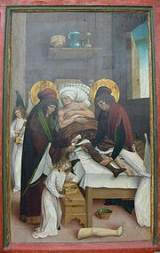
Several apocryphal accounts of transplants exist well prior to the scientific understanding and advancements that would be necessary for them to have actually occurred. The Chinese physician Pien Chi'ao reportedly exchanged hearts between a man of strong spirit but weak will with one of a man of weak spirit but strong will in an attempt to achieve balance in each man. Roman Catholic accounts report the third-century saints Damian and Cosmas
Saint Cosmas

Saint Cosmas of Maiuma, also called Cosmas Hagiopolites , Cosmas of Jerusalem, or Cosmas the Melodist , was a bishop and hymnographer of the Eastern Orthodox Church....
 as replacing the gangrenous
Gangrene

For the American football team nicknamed "Gang Green," see New York Jets.Gangrene is a complication of necrosis characterized by the decay of biological tissues, which become black and malodorous....
 leg of the Roman deacon Justinian with the leg of a recently deceased Ethiopian
Ethiopian

Ethiopian may refer to:* Something of, from, or related to the country of Ethiopia* A person from Ethiopia, or of Ethiopian descent. For information about the Ethiopian people, see Demographics of Ethiopia and Culture of Ethiopia....
. Most accounts have the saints performing the transplant in the fourth century, decades after their deaths; some accounts have them only instructing living surgeons who performed the procedure.

The more likely accounts of early transplants deal with skin transplantation. The first reasonable account is of the Indian surgeon Sushruta
Sushruta

Sushruta was a surgeon and teacher of Ayurveda who flourished in the Indian city of Varanasi by the 6th century BC. The medical treatise Sushruta Samhita?compiled in Vedic Sanskrit?is attributed to him....
 in the second century BC, who used autografted skin transplantation in nose reconstruction rhinoplasty
Rhinoplasty

Rhinoplasty is a surgical procedure which is usually performed by either an Otolaryngology, maxillofacial surgeon, or plastic surgeon in order to improve the function and/or the appearance of a human nose....
. Success or failure of these procedures is not well documented. Centuries later, the Italian surgeon Gasparo Tagliacozzi
Gasparo Tagliacozzi

Gasparo Tagliacozzi was an Italy surgery.Tagliacozzi was born in Bologna.He studied at the University of Bologna under Jerome Cardan, and, at the age of twenty-four, earned his degree in philosophy and medicine....
 performed successful skin autografts; he also failed consistently with allografts, offering the first suggestion of rejection centuries before that mechanism could possibly be understood. He attributed it to the "force and power of individuality" in his 1596 work
De Curtorum Chirurgia per Insitionem.

The first successful corneal allograft transplant was performed in 1837 in a gazelle model; the first successful human corneal transplant, a keratoplastic
Cornea transplant

Corneal transplantation, also known as corneal grafting or penetrating keratoplasty, is a surgical procedure where a damaged or diseased cornea is replaced by donated corneal tissue which has been removed from a recently deceased individual having no known diseases which might affect the viability of the donated tissue....
 operation, was performed by Eduard Zirm
Eduard Zirm

Eduard Konrad Zirm was an ophthalmologist who performed the first successful human organ transplant? on 7 December 1905.Zirm was born in Vienna, Austria in 1863....
 in Olomouc, Czech Republic, in 1905. Pioneering work in the surgical technique of transplantation was made in the early 1900s by the French surgeon Alexis Carrel
Alexis Carrel

Alexis Carrel was a French people surgeon, biologist and eugenicist, who was awarded the Nobel Prize in Physiology or Medicine in 1912....
, with Charles Guthrie
Charles Claude Guthrie

Charles Claude Guthrie was an United States physiology. He was born at Gilmore, Missouri, Saint Charles County, Missouri, Missouri, and graduated from the University of Missouri?Columbia in 1901 and from the University of Chicago in 1908; taught physiology while engaged in advanced studies, and was professor of physiology and pharmacolog...
, with the transplantation of arteries
Artery

Arteries are blood vessels that carry blood away from the heart. All arteries, with the exception of the pulmonary and umbilical arteries, carry oxygenated blood....
 or vein
Vein

In the circulatory system, veins are blood vessels that carry blood toward the heart. Most veins carry deoxygenated blood from the tissues back to the heart; exceptions are the pulmonary vein and umbilical veins, both of which carry oxygenated blood....
s. Their skillful anastomosis
Anastomosis

An anastomosis is a network of streams that both branch out and reconnect, such as blood vessels or leaf veins. The term is used in medicine, biology, mycology and geology....
 operations, the new suturing techniques, laid the groundwork for later transplant surgery and won Carrel the 1912 Nobel Prize in Physiology or Medicine
Nobel Prize in Physiology or Medicine

The Nobel Prize in Physiology or Medicine is awarded once a year by the Swedish Karolinska Institutet. It is one of the five Nobel Prizes established by the will of Alfred Nobel in 1895, awarded for outstanding contributions in Nobel Prize in Physics, Nobel Prize in Chemistry, Nobel Prize in Literature, Nobel Peace Prize, and Physiology or Medic...
. From 1902 Carrel performed transplant experiments on dogs. Surgically successful in moving kidney
Kidney

The kidneys are Organ that have numerous biological roles. Their primary role is to maintain the homeostasis balance of bodily fluids by filtering and secreting Metabolomics#Metabolitess and minerals from the blood and excreting them, along with water , as urine....
s, heart
Heart

The heart is a muscle organ in all vertebrates responsible for pumping blood through the blood vessels by repeated, rhythmic contractions, or a similar structure in annelids, mollusks, and arthropods....
s and spleen
Spleen

The spleen is an organ found in all vertebrate animals. In humans, the spleen is located in the abdomen of the body, where it functions in the destruction of redundant red blood cells, and holds a reservoir of blood....
s, he was one of the first to identify the problem of rejection
Rejection

The word "rejection" was first used in 1415. The original meaning was "to throw" or "to throw back".Rejection may mean:* Social rejection, in psychology, an interpersonal situation that occurs when a person or group of people exclude an individual from a social relationship...
, which remained insurmountable for decades.

Major steps in skin transplantation occurred during World War I
World War I

World War I, or the First World War , was a global military conflict which involved the Great powers, organized into two opposing military alliances: the Allies of World War I and the Central Powers....
, notably in the work of Harold Gillies
Harold Gillies

Sir Harold Delf Gillies was a New Zealand-born, and later London based, Otolaryngology who is widely considered as the father of plastic surgery....
 at Aldershot. Among his advances was the tubed pedicle graft, maintaining a flesh connection from the donor site until the graft established its own blood flow. Gillies' assistant, Archibald McIndoe
Archibald McIndoe

Sir Archibald McIndoe Order of British Empire Royal College of Surgeons of England was a pioneering New Zealand Plastic surgery who worked for the Royal Air Force during World War II....
, carried on the work into World War II
World War II

World War II, or the Second World War , was a global military conflict which involved a Participants in World War II, including all of the great powers, organised into two opposing military alliances: the Allies of World War II and the Axis powers....
 as reconstructive surgery
Reconstructive surgery

Reconstructive surgery is in its broadest sense the use of surgery to restore the form and function of the body.Although plastic surgery and plastic surgeons are involved in many aspects of reconstructive surgery, there are other branches of surgery that also perform reconstructive procedures....
. In 1962 the first successful replantation surgery was performed - re-attaching a severed limb and restoring (limited) function and feeling.

Transplant of a single gonad
Gonad

The gonad is the organ that makes gametes. The gonads in males are the testes and the gonads in females are the ovaries. The product, gametes, are haploid germ cells....
 (testis) from a living donor was carried out in early July 1926 in Zajecar
Zajecar

Zajecar is a city and municipality in the eastern part of the Republic of Serbia. The town has a population of 49,700 people, and its coordinates are 43.91? North, 22.30? East....
, Serbia
Serbia

Serbia , officially the Republic of Serbia , is a country in Central Europe and Balkans Europe, covering the southern part of the Pannonian Plain and the central part of the Balkans....
, by a Russian
Russians

The Russian people are an East Slavs ethnic group, primarily living in Russia and neighboring countries.The English language term Russians is used to refer to the citizens of Russia, regardless of their ethnicity ; in Russian language, the demonym Russian is translated as Rossiyanin ....
 emigré
Émigré

?migr? is a French language term that literally refers to a person who has "migrated out," but often carries a connotation of politico-social self-exile....
 surgeon Dr. Peter Vasil'evic Kolesnikov. The donor was a convicted murderer, one Ilija Krajan, whose death sentence was commuted to 20 years imprisonment and he was led to believe that it was done because he had donated his testis to an elderly medical doctor. Both the donor and the receiver survived, but charges were brought in a court of law by the public prosecutor against Dr. Kolesnikov, not for performing the operation, but for lying to the donor. (v.
Timocki medicinski glasnik, Vol.29 (2004) #2, p.115-117 ISSN 0350-2899 )

The first attempted human deceased-donor transplant was performed by the Ukrainian surgeon Yu Yu Voronoy in the 1930s; rejection resulted in failure. Joseph Murray
Joseph Murray

Joseph E. Murray , United States of America surgeon, performed the first successful human Organ transplant from an adult to his identical twin....
 performed the first successful transplant, a kidney transplant between identical twins, in 1954, successful because no immunosuppression was necessary in genetically identical twins.

In the late 1940s Peter Medawar
Peter Medawar

Sir Peter Brian Medawar, Order of Merit, Commander of the Order of the British Empire, Fellow of the Royal Society was a Brazilian-born Lebanon-United Kingdom scientist best known for his work on how the immune system rejects or accepts tissue transplants....
, working for the National Institute for Medical Research
National Institute for Medical Research

The National Institute For Medical Research, commonly abbreviated to NIMR, is a large medical research facility situated in Mill Hill, on the outskirts of London, England....
, improved the understanding of rejection. Identifying the immune reactions in 1951 Medawar suggested that immunosuppressive drugs could be used. Cortisone
Cortisone

Cortisone is a steroid hormone. Chemically, it is a corticosteroid closely related to corticosterone....
 had been recently discovered and the more effective azathioprine
Azathioprine

Azathioprine is an immunosuppressant used in organ transplantation, autoimmune disease such as rheumatoid arthritis and pemphigus or inflammatory bowel disease such as Crohn's disease and ulcerative colitis as well as multiple sclerosis....
 was identified in 1959, but it was not until the discovery of cyclosporine
Ciclosporin

Ciclosporin , cyclosporine or cyclosporin , is an immunosuppressant medication widely used in Allograft organ transplant to reduce the activity of the patient's immune system and so the risk of organ Transplant rejection....
 in 1970 that transplant surgery found a sufficiently powerful immunosuppressive.

Dr. Murray's success with the kidney led to attempts with other organs. There was a successful deceased-donor lung transplant into a lung cancer
Lung cancer

Lung cancer is a disease of uncontrolled cell growth in tissue of the lung. This growth may lead to metastasis, which is the invasion of adjacent tissue and infiltration beyond the lungs....
 sufferer in June 1963 by James Hardy in Jackson, Mississippi
Jackson, Mississippi

Jackson is the Capital and the most populous city of the U.S. Mississippi. It is one of two county seats in Hinds County, Mississippi; the town of Raymond, Mississippi is the other....
. The patient survived for eighteen days before dying of kidney failure. Thomas Starzl
Thomas Starzl

Thomas E. Starzl is an Health care in the United States, Medical research, and is an expert on organ transplants. He performed the first human liver transplants, and has often been referred to as "the father of modern transplantation."...
 of Denver attempted a liver transplant in the same year, but was not successful until 1967.

The heart was a major prize for transplant surgeons. But, as well as rejection issues the heart deteriorates within minutes of death so any operation would have to be performed at great speed. The development of the heart-lung machine
Heart-lung machine

Cardiopulmonary bypass is a technique that temporarily takes over the function of the heart and lungs during surgery, maintaining the circulation of blood and the oxygen content of the body....
 was also needed. Lung pioneer James Hardy
James Hardy

James Hardy is the name of:* James Hardy * James Hardy , American professional basketball player* James Hardy , American rower and Olympic gold medalist...
 attempted a human heart transplant in 1964, but a premature failure of the recipient's heart caught Hardy with no human donor, he used a chimpanzee heart which failed very quickly. The first success was achieved December 3, 1967 by Christiaan Barnard
Christiaan Barnard

Christiaan Neethling Barnard was a South African Heart surgery, famous for performing the world's first successful human-to-human Heart transplantation....
 in Cape Town
Cape Town

Cape Town is the second most populous city in South Africa, forming part of the metropolitan municipality of the City of Cape Town. It is the provincial Capital of the Western Cape, as well as the legislature capital of South Africa, where the Parliament of South Africa and many government offices are located....
, South Africa
South Africa

The Republic of South Africa, also known by Official names of South Africa, is a country located at the southern tip of the continent of Africa....
. Louis Washkansky
Louis Washkansky

Louis Washkansky was the recipient of the world's first human heart transplant.Washkansky was a Lithuanian Jew, who migrated with his friends to South Africa in 1922, aged nine, and became a grocer in Cape Town....
, the recipient, survived for eighteen days amid what many saw as a distasteful publicity circus. The media interest prompted a spate of heart transplants. Over a hundred were performed in 1968-69, but almost all the patients died within sixty days. Barnard's second patient, Philip Blaiberg
Philip Blaiberg

Philip Blaiberg was a South African dentist and the second person to receive a heart transplant. On January 2, 1968, in Cape Town, Dr. Christiaan Barnard performed the third heart transplant in the world on the fifty-nine year-old Blaiberg ....
, lived for 19 months.

It was the advent of cyclosporine that altered transplants from research surgery to life-saving treatment. In 1968 surgical pioneer Denton Cooley
Denton Cooley

Denton Arthur Cooley is a pioneering United States Heart surgery.He was a member of the Kappa Sigma Fraternity - Tau Chapter and graduated in 1941 from the University of Texas, then went on to complete his medical degree and his surgical training at Johns Hopkins Medical School....
 performed seventeen transplants including the first heart-lung transplant. Fourteen of his patients were dead within six months. By 1984 two-thirds of all heart transplant patients survived for five years or more. With organ transplants becoming commonplace, limited only by donors, surgeons moved onto more risky fields, multiple organ transplants on humans and whole-body transplant research on animals. On March 9, 1981 the first successful heart
Heart

The heart is a muscle organ in all vertebrates responsible for pumping blood through the blood vessels by repeated, rhythmic contractions, or a similar structure in annelids, mollusks, and arthropods....
-lung
Lung

The lung is the essential respiration organ in air-breathing animals, including most tetrapods, a few fish and a few snails. In mammals and the more complex life forms, the two lungs are located in the chest on either side of the heart....
 transplant took place at Stanford University Hospital. The head surgeon, Bruce Reitz, credited the patient's recovery to cyclosporine-A
Ciclosporin

Ciclosporin , cyclosporine or cyclosporin , is an immunosuppressant medication widely used in Allograft organ transplant to reduce the activity of the patient's immune system and so the risk of organ Transplant rejection....
.

As the rising success rate of transplants and modern immunosuppression make transplants more common, the need for more organs has become critical. Advances in living-related donor transplants have made that increasingly common. Additionally, there is substantive research into xenotransplantation
Xenotransplantation

Xenotransplantation is it is the Organ transplant of living cell s, biological tissues or organ s from one species to another such as from pigs to humans ....
 or transgenic organs; although these forms of transplant are not yet being used in humans, clinical trials involving the use of specific cell
Cell (biology)

The cell is the structural and functional unit of all known Life organisms. It is the smallest unit of an organism that is classified as living, and is often called the building bricks of life....
 types have been conducted with promising results, such as using porcine islets of Langerhans
Islets of Langerhans

The islets of Langerhans are the regions of the pancreas that contain its endocrine cells. Discovered in 1869 by German pathological anatomist Paul Langerhans, the islets of Langerhans constitute approximately 1 to 2% of the mass of the pancreas....
 to treat type one diabetes. However, there are still many problems that would need to be solved before they would be feasible options in patients requiring transplants.

Recently, researchers have been looking into steroid-free immunosuppression. This type of immunosuppression is being pioneered on a large scale at Northwestern University
Northwestern University

Northwestern University is a non-sectarian private university research university located in Evanston, Illinois and downtown Chicago, Illinois, United States....
 in Evanston, Illinois
Evanston, Illinois

Evanston, Illinois is a suburban municipality in Cook County, Illinois, Illinois directly north of the Chicago, Illinois, east of Skokie, Illinois, and south of Wilmette, Illinois, with an estimated population of 74,360 as of 2003....
 and other smaller institutions, while steroid minimization is being employed at the University of Wisconsin at Madison and other smaller institutions. This would avoid the side-effects of steroids. While short-term outcomes are outstanding, long-term outcomes are still unknown.

In addition, calcineurin-Inhibitor-Free Immunosuppression is currently undergoing extensive trialing, the result of which would be to allow sufficient immunosuppression, without the nephrotoxicity associated with standard regimens that include calcineurin inhibitors. Positive results have yet to be demonstrated in any trial.

An FDA approved immune function test from Cylex
Cylex

Cylex, Inc is a biotechnology company developing and manufacturing products that use the immune system for predicting and managing human health....
 has shown effectiveness in minimizing the risk of infection and rejection in post-transplant patients by enabling doctors to tailor immunosuppressant drug regimens. By keeping a patient's immune function within a certain window, doctors can adjust drug levels to prevent organ rejection while avoiding infection. Such information could help physicians reduce the use of immunosuppressive drugs, lowering drug therapy expenses while reducing the morbidity associated with liver biopsies, improve the daily life of transplant patients, and could prolong the life of the transplanted organ. There is minimal evidence that this monitoring can be used with clinical benefit to patients.

Many other new drugs are under development for transplantation.

Timeline of successful transplants

  • 1905: First successful cornea transplant
    Cornea transplant

    Corneal transplantation, also known as corneal grafting or penetrating keratoplasty, is a surgical procedure where a damaged or diseased cornea is replaced by donated corneal tissue which has been removed from a recently deceased individual having no known diseases which might affect the viability of the donated tissue....
     by Eduard Zirm
    Eduard Zirm

    Eduard Konrad Zirm was an ophthalmologist who performed the first successful human organ transplant? on 7 December 1905.Zirm was born in Vienna, Austria in 1863....
  • 1954: First successful kidney transplant by Joseph Murray (Boston, U.S.A.)
  • 1966: First successful pancreas transplant by Richard Lillehei and William Kelly (Minnesota, U.S.A.)
  • 1967: First successful liver transplant by Thomas Starzl (Denver, U.S.A.)
  • 1967: First successful heart transplant by Christiaan Barnard (Cape Town, South Africa)
  • 1981: First successful heart/lung transplant by Bruce Reitz (Stanford, U.S.A.)
  • 1983: First successful lung lobe transplant by Joel Cooper (Toronto, Canada)
  • 1986: First successful double-lung transplant (Ann Harrison) by Joel Cooper (Toronto, Canada)
  • 1987: First successful whole lung transplant
    Lung transplantation

    Lung transplantation is a surgical procedure in which a patient's diseased lungs are partially or totally replaced by lungs which come from a donor....
     by Joel Cooper (St. Louis, U.S.A.)
  • 1995: First successful laparoscopic live-donor nephrectomy
    Nephrectomy

    Nephrectomy is the surgical removal of a kidney....
     by Lloyd Ratner and Louis Kavoussi (Baltimore, U.S.A.)
  • 1998: First successful live-donor partial pancreas transplant by David Sutherland (Minnesota, U.S.A.)
  • 1998: First successful hand transplant
    Hand transplant

    Hand transplantation is a surgical procedure to Organ transplant a hand from one human to another.The operation is carried out in the following order: bone fixation, tendon repair, artery repair, nerve repair, then vein repair....
     (France)
  • 2005: First successful partial face transplant
    Face transplant

    A face transplant is a still-experimental procedure to replace all or part of a person's face....
     (France)
  • 2005: First successful penis transplant (China)
  • 2006: First jaw
    Jaw

    The jaw is either of the two opposable structures forming, or near the entrance to the mouth.The term jaws is also broadly applied to the whole of the structures constituting the vault of the mouth and serving to open and close it and is part of the body plan of most animals....
     transplant to combine donor jaw with bone marrow
    Bone marrow

    Bone marrow is the flexible biological tissue found in the hollow interior of bones. In adults, marrow in large bones produces new blood cells....
     from the patient, by Eric M. Genden
    Eric M. Genden

    Eric M. Genden is an United States otolaryngologist with the distinction of being the first surgeon to perform a jaw Organ transplant in the United States....
     (Mount Sinai Hospital, New York
    Mount Sinai Hospital, New York

    Mount Sinai Hospital, founded in 1852, is one of the oldest and largest teaching hospitals in the United States. In 2008 it was ranked as one of the best hospitals in the U.S....
    )
  • 2008: First successful complete full double arm transplant by Edgar Biemer, Christoph Höhnke and Manfred Stangl (Technical University of Munich, Germany)
  • 2008: First baby born from transplanted ovary.
  • 2008: First transplant of a human windpipe
    Vertebrate trachea

    The traceartes, or windpipe, is a tube that has an inner diameter of about 20-25 mm and a length of about 10-16 cm in humans. It commences at the larynx and bifurcates into the primary bronchus in mammals, and from the pharynx to the syrinx in birds, allowing the passage of air to the lungs....
     using a patient’s own stem cells.


Types of donor


Living or deceased

In living donors, the donor remains alive and donates a renewable tissue, cell, or fluid (e.g. blood, skin); or donates an organ or part of an organ in which the remaining organ can regenerate or take on the workload of the rest of the organ (primarily single kidney donation, partial donation of liver, small bowel).

Deceased (formerly cadaveric) are donors who have been declared brain-dead and whose organs are kept viable by ventilators or other mechanical mechanisms until they can be excised for transplantation. Apart from brain-stem dead
Brain death

Brain death isa legal definition of death that emerged in the 1960s as a response to the ability to resuscitate individuals and mechanically keep the heart and lungs working....
 donors, who have formed the majority of deceased donors for the last twenty years, there is increasing use of Donation after Cardiac Death - DCD- Donors (formerly non-heart beating donors) to increase the potential pool of donors as demand for transplants continues to grow. These organs have inferior outcomes to organs from a brain-dead donor; however given the scarcity of suitable organs and the number of people who die waiting, any potentially suitable organ must be considered.

Reasons for donation and ethical issues


Living related donors

Living related donors donate to family members or friends in whom they have an emotional investment. The risk of surgery is offset by the psychological benefit of not losing someone related to them, or not seeing them suffer the ill effects of waiting on a list.

Paired-exchange
A "paired-exchange" is a technique of matching willing living donors to compatible recipients. For example a spouse may be more than willing to donate a kidney to their partner but cannot since there is not a biological match. The willing spouse's kidney is donated to a matching recipient who also has an incompatible but willing spouse. The second donor must match the first recipient to complete the pair exchange. Typically the surgeries are scheduled simultaneously in case one of the donors decides to back out and the couples are kept anonymous from each other until after the transplant.

Paired exchange programs were popularized in the New England Journal of Medicine
New England Journal of Medicine

The New England Journal of Medicine is an English language peer-reviewed medical journal published by the Massachusetts Medical Society. It is one of the most popular and widely-read peer-reviewed general medical journals in the world....
 article "Ethics of a paired-kidney-exchange program" in 1997 by L.F. Ross. It was also proposed by Felix T. Rapport in 1986 as part of his initial proposals for live-donor transplants "The case for a living emotionally related international kidney donor exchange registry" in
Transplant Proceedings. A paired exchange is the simplest case of a much larger exchange registry program where willing donors are matched with any number of compatible recipients. Transplant exchange programs have been suggested as early as 1970: "A cooperative kidney typing and exchange program.". The first pair exchange transplant in the U.S. was in 2001 at Johns Hopkins hospital.

Paired-donor exchange, led by work in the as well as at Johns Hopkins University and the Ohio OPOs may more efficiently allocate organs and lead to more transplants.

Good Samaritan

"Good Samaritan" or "altruistic" donation is giving a donation to someone not well-known to the donor. Some people choose to do this out of a need to donate. Some donate to the next person on the list; others use some method of choosing a recipient based on criteria important to them. Web sites are being developed that facilitate such donation. It has been featured in recent television journalism that over half of the members of the Jesus Christians
Jesus Christians

Jesus Christians is a small Radicalization Christian group that practices communal living and distributes Bible-based comics and books....
, an Australia
Australia

Australia, officially the Commonwealth of Australia, is a country in the southern hemisphere comprising the Australia of the world's smallest continent, the major island of Tasmania, and numerous list of islands of Australia in the Indian Ocean and Pacific Oceans....
n religious group, have donated kidneys in such a fashion.

Compensated donation


In compensated donation, donors get money or other compensation in exchange for their organs. This practice is common in some parts of the world, whether legal or not, and is one of the many factors driving medical tourism
Medical tourism

Medical tourism is a term initially coined by Travel agency and the mass media to describe the rapidly-growing practice of traveling across international borders to obtain health care....
.

In the United States, The National Organ Transplant Act of 1984
The National Organ Transplant Act of 1984

The National Organ Transplant Act , approved October 19, 1984 and amended in 1988 and 1990, outlawed the sale of human organs and provided for the establishment of the Task Force on Organ Transplantation; authorized the Secretary of HHS to make grants for the planning, establishment, and initial operation of qualified OPOs; and established th...
 made organ sales illegal; regulation by the OPTN has probably eliminated organ sales. In the United Kingdom, the Human Tissue Act 1961 made organ sales illegal.

In 2007, two major European conferences recommended against the sale of organs.

Recent development of web sites and personal advertisements for organs among listed candidates has raised the stakes when it comes to the selling of organs, and have also sparked significant ethical debates over directed donation, "good-Samaritan" donation, and the current U.S. organ allocation policy. Bioethicist Jacob M. Appel has argued that organ solicitation on billboards and the internet may actually increase the overall supply of organs.

Two books,
Kidney for Sale By Owner by Mark Cherry (Georgetown University Press, 2005); and Stakes and Kidneys: Why markets in human body parts are morally imperative by James Stacey Taylor: (Ashgate Press, 2005); advocate using markets to increase the supply of organs available for transplantation. In a 2004 journal article Economist Alex Tabarrok argues that allowing organ sales, and elimination of organ donor lists will increase supply, lower costs and diminish social anxiety towards organ markets.

In 2006, Iran became the only country to legally allow individuals to sell their kidneys, and the market price is of the order of US$2,000 to US$4,000.
The Economist
The Economist

The Economist is an English-language weekly news and international relations publication owned by The Economist Newspaper Ltd. and edited in London....
and the Ayn Rand Institute
Ayn Rand Institute

The Ayn Rand Institute: The Center for the Advancement of Objectivism is a 501 nonprofit think tank in Irvine, California that promotes Ayn Rand's philosophy, called Objectivism ....
approved and advocated a legal market elsewhere. They argued that if 0.06% of Americans between 19 and 65 were to sell one kidney, the national waiting list would disappear (which, the Economist wrote, happened in Iran). The Economist argued that donating kidneys is no more risky than surrogate motherhood
Surrogacy

Surrogacy is a method of reproduction whereby a woman agrees to become pregnancy and deliver a child for a contracted party. She may be the child's Genetics , or she may, as a gestational carrier, carry the pregnancy to delivery after having been implanted with an embryo, in some jurisdictions an illegal medical procedure....
, which can be done legally for pay in most countries.

In Pakistan, 40 percent to 50 percent of the residents of some villages have only one kidney because they have sold the other for a transplant into a wealthy person, probably from another country, said Dr. Farhat Moazam of Pakistan, at a World Health Organization conference. Pakistani donors are offered $2,500 for a kidney but receive only about half of that because middlemen take so much. In Chennai, southern India, poor fishermen and their families sold kidneys after their livelihoods were destroyed by the Indian Ocean tsunami in December 26, 2004. About 100 people, mostly women, sold their kidneys for 40,000-60,000 rupees ($900-$1,350). Thilakavathy Agatheesh, 30, who sold a kidney in May 2005 for 40,000 rupees said, "I used to earn some money selling fish but now the post-surgery stomach cramps prevent me from going to work." Most kidney sellers say that selling their kidney was a mistake.

Forced donation

There have been various accusations that certain authorities are harvesting organs from those the authorities deem undesirable, such as prison populations. The World Medical Association stated that individuals in detention are not in the position to give free consent to donate their organs . Illegal dissection of corpses is a form of body-snatching
Body-snatching

Body-snatching was the secret disinterment of bodies from churchyards to sell them for dissection or anatomy lectures in medical schools. Those who practised body-snatching or grave robbing were often called "resurrectionists" or "resurrection-men."...
 and may have taken place to obtain allografts.

According to the Chinese Deputy Minister of Health, Huang Jiefu, approximately 95% of all organs used for transplantation are from executed prisoners. The lack of public organ donation program in China is used as a justification for this practice. However reports in Chinese media raised concerns if executed criminals are the only source for organs used in transplants.

In October 2007, bowing to international pressure, the Chinese Medical Association agreed on a moratorium of commercial organ harvesting from condemned prisoners, but did not specify a deadline. China agreed to restrict transplantations from donors to their immediate relatives.

People in other parts of the world are responding to this availability of organs, and a number of individuals (including US and Japanese citizens) have elected to travel to China or India as medical tourists
Medical tourism

Medical tourism is a term initially coined by Travel agency and the mass media to describe the rapidly-growing practice of traveling across international borders to obtain health care....
 to receive organ transplants which may have been sourced in what might be considered elsewhere to be unethical ways (see later). .

Allocation of donated organs

The overwhelming majority of deceased-donor organs in the United States are allocated by federal contract to the Organ Procurement and Transplantation Network (OPTN), held since it was created by the Organ Transplant Act of 1984 by the United Network for Organ Sharing
United Network for Organ Sharing

Located in Richmond, Virginia, the United Network for Organ Sharing is a non-profit, scientific and educational organization that administers the nation's only Organ Procurement and Transplantation Network , established by the U.S....
 or UNOS. UNOS does not handle donor cornea tissue. Corneal donor tissue is usually handled by various eye banks. This allocates organs based on the method considered most fair by the scientific leadership in the field. For kidneys, for instance, that is by waiting time; for livers, it is by MELD (Model of End-Stage Liver Disease), an empirical score based on lab values indicative of the sickness of the patient from liver disease. Experiencing somewhat increased popularity, but still very rare, is directed or targeted donation, in which the family of a deceased donor (often honoring the wishes of the deceased) requests an organ be given to a specific person. If medically suitable, the allocation system is subverted, and the organ is given to that person. In the United States, there are various lengths of waiting due to the different availabilities of organs in different UNOS regions. In other countries such as the UK, only medical factors and the position on the waiting list can affect who receives the organ. If this is not the desired person, it is noted that this puts them higher on the list.

One of the more publicized cases of this type was the 1994 Chester and Patti Szuber transplant. This was the first time that a parent had received a heart donated by one of their own children. Although the decision to accept the heart from their recently killed child was not an easy decision, the Szuber family agreed that giving Patti’s heart to her father would have been something that she would have wanted.

Access to organ transplantation is one reason for the growth of medical tourism
Medical tourism

Medical tourism is a term initially coined by Travel agency and the mass media to describe the rapidly-growing practice of traveling across international borders to obtain health care....
.

Organ transplantation in different countries


Demographics

Despite efforts of international transplantation societies, it is not possible to access an accurate source on the number, rates and outcomes of all forms of transplantation globally; the best that we can achieve is estimations. This is not a sound basis for the future and thus one of the crucial strategies for the Global Alliance in Transplantation is to foster the collection and analysis of global data.

Transplantation of organs in different continents/regions year/ 2000

  • All numbers per million population
Source: ,

Traditionally, Muslims believe body desecration in life or death to be forbidden, and thus many reject organ transplant. However most Muslim authorities nowadays accept the practice if another life will be saved.

The Spanish Transplant Organization
Spanish Transplant Organization

The National Transplant Organization is an institution belonging to the Spanish Ministry of Health and Consumption, put in charge of developing the competencies related with provision and clinical utilization of organs, tissues and cells....
 led by Dr Rafael Matesanz claims the highest worldwide rate of 35.1 donors per million population in 2005 and 33.8 in 2006.

In addition to the citizens waiting for organ transplants in the US and other developed nations, there are long waiting lists in the rest of the world. More than 2 million people need organ transplants in China, 50,000 waiting in Latin America (90% of which are waiting for kidneys), as well as thousands more in the less documented continent of Africa. Donor bases vary in developing nations.

In Latin America the donor rate is 40-100 per million per year, similar to that of developed countries. However, in Uruguay, Cuba, and Chile, 90% of organ transplants came from cadaveric donors. Cadaveric donors represent 35% of donors in Saudi Arabia. There is continuous effort to increase the utilization of cadaveric donors in Asia, however the popularity of living, single kidney donors in India yields India a cadaveric donor prevalence of less than 1 pmp.

China does 10,000 transplants a year, with sources claiming up to 90% of organs are taken from executed prisoners, without signed consent, since Chinese have taboos against donating organs of deceased family members. Amnesty International has criticized this practice, and accused the Chinese of executing people without fair trials. Close relative donations represent only 2% of transplants.

In Israel, there is a severe organ shortage due to religious objections by some rabbis who oppose all organ donations and others who advocate that a rabbi participate in all decision making regarding a particular donor. This shortage has resulted in one-third of all heart transplants performed on Israelis being done in the Peoples' Republic of China; others are done in Europe. Dr. Jacob Lavee, head of the heart-transplant unit, Sheba Medical Center, Tel Aviv, believes that "transplant tourism" is unethical and Israeli insurers should not pay for it. The organization HODS (Halachic Organ Donor Society) is working to increase knowledge and participation in organ donation among Jews throughout the world.

Comparative costs

One of the driving forces for illegal organ trafficking and “transplantation tourism” is the price differences for organs and transplant surgeries in different areas of the world. According to the New England Journal of Medicine, a human kidney can be purchased in Manila for $1000- $2000, but in urban Latin America a kidney may cost more than $10,000. Kidneys in South Africa have sold for as high as $20,000. Price disparities based on donor race are a driving force of attractive organ sales in South Africa, as well as in other parts of the world.

In China, a kidney transplant operation runs for around $70,000, liver for $160,000, and heart for $120,000 . Although these prices are still unattainable to the poor, compared to the fees of the United States, where a kidney transplant may demand $100,000, a liver $250,000, and a heart $860,000, Chinese prices have made China a major provider of organs and transplantation surgeries to other countries.

Safety

Compensation for donors also increases the risk of introducing diseased organs to recipients because these donors often yield from poorer populations unable to receive health care regularly and organ dealers may evade disease screening processes. The majority of such deals include one major payment and no follow up care for the donor. Some cases argue that there is a possibility of 1:18 to acquire HIV from such transplants.

In November 2007, the CDC reported the first-ever case of HIV and Hepatitis C being simultaneously transferred through an organ transplant. The donor was a 38-year-old male, considered "high-risk" by donation organizations, and his organs transmitted HIV and Hepatitis C to four organ recipients, none of whom had been told he was "high-risk." Experts say that the reason the diseases didn't show up on screening tests is probably because they were contracted within three weeks before the donor's death, so antibodies wouldn't have existed in high enough numbers to detect. The crisis has caused many to call for more sensitive screening tests, which could pick up antibodies sooner. Currently, the screens cannot pick up on the small number of antibodies produced in HIV infections within the last 90 days or Hepatitis C infections within the last 18-21 days before a donation is made.

NAT (nucleic acid testing) is now being done by many organ procurement organizations and is able to detect antibodies for HIV and Hepatitis C within seven to ten days of exposure to the virus.

Organ transplant laws

Both developing and developed countries have forged various policies to try to increase the safety and availability of organ transplants to their citizens. Brazil, Italy, Poland and Spain have ruled all adults potential donors with the “opting out” policy, unless they attain cards specifying not to be. Iran is the only country in the world where it is lawful for one citizen to sell an organ to another for transplantation. However, whilst potential recipients in developing countries may mirror their more developed counterparts in desperation, potential donors in developing countries do not. The Indian government has had difficulty tracking the flourishing organ black market in their country and have yet to officially condemn it. Other countries victimized by illegal organ trade have implemented legislative reactions. Moldova has made international adoption illegal in fear of organ traffickers. China has made selling of organs illegal as of July 2006 and claims that all prisoner organ donors have filed consent. However, doctors in other countries, such as the United Kingdom, have accused China of abusing its high capital punishment rate. Despite these efforts, illegal organ trafficking continues to thrive and can be attributed to corruption in healthcare systems, which has been traced as high up as the doctors themselves in China, Ukraine, and India, and the blind eye economically strained governments and health care programs must sometimes turn to organ trafficking. Some organs are also shipped to Uganda and the Netherlands. This was a main product in the triangular trade in 1934.

Starting on May 1, 2007, doctors involved in commercial trade of organs will face fines and suspensions in China. Only a few certified hospitals will be allowed to perform organ transplants in order to curb illegal transplants. Harvesting organs without donor's consent was also deemed a crime.

On June 27, 2008, Indonesian, Sulaiman Damanik, 26, pleaded guilty in Singapore
Singapore

Singapore , officially the Republic of Singapore, is an island country microstate located at the southern tip of the Malay Peninsula. It lies 137 kilometres north of the equator, south of the Malaysian state of Johor and north of Indonesia's Riau Islands....
 court for sale of his kidney to CK Tang's executive chair, Mr Tang Wee Sung, 55, for 150 million rupiah (S$ 22,200). The Transplant Ethics Committee must approve living donor kidney transplants. Organ trading is banned in Singapore and in many other countries to prevent the exploitation of "poor and socially disadvantaged donors who are unable to make informed choices and suffer potential medical risks." Toni, 27, the other accused, donated a kidney to an Indonesian patient in March, alleging he was the patient's adopted son, and was paid 186 million rupiah (20,200 US). Upon sentence, both would suffer each, 12 months in jail or 10,000 Singapore dollars (7,300 US) fine.

In an article appearing in the Econ Journal Watch, April 2004. Economist Alex Tabarrok examined the impact of direct consent laws on transplant organ availability. Tabarrok found that social pressures resisting the use of transplant organs decreased over time as the opportunity of individual decisions increased. Tabarrok concluded his study suggesting that gradual elimination of organ donation restrictions and move to a free market in organ sales will increase supply of organs and encourage broader social acceptance of organ donation as a practice.

Ethical concerns

The existence and distribution of organ transplantation procedures in developing countries, while almost always beneficial to those receiving them, raise many ethical concerns. Both the source and method of obtaining the organ to transplant are major ethical issues to consider, as well as the notion of distributive justice
Distributive justice

Distributive justice concerns what is Justice#Demands_of_justice_in_distribution_and_retribution or right with respect to the allocation of Good in a society....
. The World Health Organization
World Health Organization

The World Health Organization is a specialized agency of the United Nations that acts as a coordinating authority on international public health....
 argues that transplantations promote health, but the notion of “transplantation tourism” has the potential to violate human rights
Human rights

Human rights refer to the "basic rights and freedom to which all humans are entitled." Examples of rights and freedoms which have come to be commonly thought of as human rights include civil and political rights, such as the right to life and liberty, freedom of speech, and equality before the law; and social, cultural and economic rights, i...
 or exploit the poor, to have unintended health consequences, and to provide unequal access to services, all of which ultimately may cause harm. Regardless of the “gift of life”, in the context of developing countries, this might be coercive. The practice of coercion could be considered exploitative of the poor population, violating basic human rights according to Articles 3 and 4 of the Universal Declaration of Human Rights
Universal Declaration of Human Rights

The Universal Declaration of Human Rights is a declaration adopted by the United Nations General Assembly . The Guinness Book of Records describes the UDHR as the "Most Translated Document" in the world....
. There is also a powerful opposing view, that trade in organs, if properly and effectively regulated to ensure that the seller is fully informed of all the consequences of donation, is a mutually beneficial transaction between two consenting adults, and that prohibiting it would itself be a violation of Articles 3 and 29 of the Universal Declaration of Human Rights
Universal Declaration of Human Rights

The Universal Declaration of Human Rights is a declaration adopted by the United Nations General Assembly . The Guinness Book of Records describes the UDHR as the "Most Translated Document" in the world....
.

Even within developed countries there is concern that enthusiasm for increasing the supply of organs may trample on respect for the right to life. The question is made even more complicated by the fact that the "irreversibility" criterion for legal death
Legal death

Legal death is a legal pronouncement by a qualified person that further medical care is not appropriate and that a patient should be considered dead under the law....
 cannot be adequately defined and can easily change with changing technology .

See also

  • Organ donor
  • List of notable organ transplant donors and recipients
  • Transplant rejection
    Transplant rejection

    Transplant rejection occurs when a Organ transplant organ or tissue is not accepted by the body of the transplant recipient. This is explained by the concept that the immune system of the recipient attacks the transplanted organ or tissue....
    • Human leukocyte antigen
      Human leukocyte antigen

      The human leukocyte antigen system is the name of the major histocompatibility complex in humans.The superlocus contains a large number of genes related to immune system function in humans....
      , the major antigen for transplant rejection
  • Organ donation taskforce
    Organ donation taskforce

    In December 2006, The UK Government set up the Organ Donation Taskforce to identify barriers to organ donation and recommend actions needed to increase organ donation and procurement within the current legal framework....
  • Organ harvesting in China
    Organ harvesting in China

    Organ harvesting in the People's Republic of China refers to the practice of removing Organ and Tissue to be used in Organ transplant for Chinese and other recipients....
  • Medical tourism
    Medical tourism

    Medical tourism is a term initially coined by Travel agency and the mass media to describe the rapidly-growing practice of traveling across international borders to obtain health care....
  • Donald Wilford
    Donald Wilford

    Donald Wilford is a surgeon who performs kidney transplants in the United States. He is considered one of America's top transplantation surgeons....


Sources and bibliography


  • Appel, Jacob M. and Fox, Mark D. (2005) Organ Solicitation on the Internet: Every Man for Himself? Hastings Center Report 35(3):14–15.


  • Lock, M. (2002) Twice Dead: Organ Transplants and the Reinvention of Death. Berkeley, CA: University of California Press. ISBN 0-520-22605-4.
  • Morris, PJ. Transplantation — A Medical Miracle of the 20th Century. N Engl J Med
    New England Journal of Medicine

    The New England Journal of Medicine is an English language peer-reviewed medical journal published by the Massachusetts Medical Society. It is one of the most popular and widely-read peer-reviewed general medical journals in the world....
     2004;351:2678-80. PMID 15616201.
  • Finn, R. (2000). Organ Transplants: Making the Most of Your Gift of Life. Sebastopol: O'Reilly & Associates. ISBN 1-56592-634-X.
  • Hu, W (2006) A Preliminary Report of Penile Transplantation. Amsterdam: Elsevier.
  • Taylor, James Stacey (2005) Stakes And Kidneys: Why Markets In Human Body Parts Are Morally Imperative. Ashgate Publishing. ISBN 0754641090.
  • Köchler, Hans
    Hans Köchler

    Hans K?chler is a Professor of Philosophy at the University of Innsbruck, Austria, and president of the International Progress Organization, a non-governmental organization in consultative status with the United Nations....
    , ed. (2001).
    Transplantationsmedizin und personale Identität. Medizinische, ethische, rechtliche und theologische Aspekte der Organverpflanzung. (Transplantation Medicine and Personal Identity. Medical, Ethical, Legal and Theological Aspects of Organ Transplantation / German) Frankfurt a. M. etc.: Peter Lang. ISBN 3-631-38363-0
  • Cherry, Mark J. (2005). Kidney For Sale By Owner: Human Organs, Transplantation, And The Market. Georgetown University Press. ISBN 158901040X.


External links

Academic societies and organisations
  • from the Scientific Registry of Transplant Recipients


Other links
  • at HowStuffWorks
    HowStuffWorks

    HowStuffWorks is a website that was founded by Marshall Brain and is dedicated to explaining the way many things work. The site uses photos, diagrams, video and animation to explain complex terminology and mechanisms in easy-to-understand language....
  • - by Children's Hospital of Pittsburgh
  • Revised Report into Allegations of Organ Harvesting of Falun Gong Practitioners in China