


Reproductive isolation

Encyclopedia
The mechanisms of reproductive isolation or hybridization barriers are a collection of mechanisms, behaviors and physiological processes
that prevent the members of two different species
that cross or mate from producing offspring
, or which ensure that any offspring that may be produced is not fertile. These barriers maintain the integrity of a species over time, reducing or directly impeding gene flow
between individuals of different species, allowing the conservation of each species’ characteristics.
The mechanisms of reproductive isolation have been classified in a number of ways. [citation needed] Zoologist Ernst Mayr
classified the mechanisms of reproductive isolation in two broad categories: those that act before fertilization (or before mating
in the case of animal
s, which are called pre-copulatory) and those that act after. These have also been termed pre-zygotic and post-zygotic mechanisms. The different mechanisms of reproductive isolation are genetically
controlled and it has been demonstrated experimentally that they can evolve in species whose geographic distribution overlaps (sympatric speciation
) or as the result of adaptive divergence that accompanies allopatric speciation
.
of a population, as resources are not wasted on the production of a descendent that is weak, non-viable or sterile.
s, physical barriers, and a difference in the time of sexual maturity
or flowering. When factors change, especially physical barriers, often, species will branch off.
An example of the ecological or habitat differences that impede the meeting of potential pairs occurs in two fish species of the family Gasterosteidae (sticklebacks). One species lives all year round in fresh water, mainly in small streams. The other species lives in the sea during winter, but in spring and summer individuals migrate to river estuaries to reproduce. The members of the two populations are reproductively isolated due to their adaptations to distinct salt concentrations.
An example of reproductive isolation due to differences in the mating season are found in the toad species Bufo americanus and Bufo fowleri
. The members of these species can be successfully crossed in the laboratory producing healthy, fertile hybrids. However, mating does not occur in the wild even though the geographical distribution of the two species overlaps. The reason for the absence of inter-species mating is that B. americanus mates in early summer and B. fowleri in late summer.
Certain plant species, such as Tradescantia canaliculata and T. subaspera, are sympatric throughout their geographic distribution yet they are reproductively isolated as they flower at different times of the year. In addition, one species grows in sunny areas and the other in deeply shaded areas.
rituals of animal species creates extremely powerful reproductive barriers, termed sexual or behavior isolation, that isolate apparently similar species in the majority of the groups of the animal kingdom. In dioecious
species, males and females have to search for a partner, be in proximity to each other, carry out the complex mating rituals and finally copulate or release their gametes into the environment in order to breed.
Mating dances, the songs of males to attract females or the mutual grooming of pairs, are all examples of typical courtship behavior that allows both recognition and reproductive isolation. This is because each of the stages of courtship depend on the behavior of the partner. The male will only move onto the second stage of the exhibition if the female shows certain responses in her behavior. He will only pass onto the third stage when she displays a second key behavior. The behaviors of both interlink, are synchronized in time and lead finally to copulation or the liberation of gametes into the environment. No animal that is not physiologically suitable for fertilization can complete this demanding chain of behavior. In fact, the smallest difference in the courting patterns of two species is enough to prevent mating (for example, a specific song pattern acts as an isolation mechanism in distinct species of grasshopper of the genus Chorthippus
.).
Even where there are minimal morphological differences between species, differences in behavior can be enough to prevent mating. For example, Drosophila melanogaster
and D. simulans
which are considered twin species due to their morphological similarity, do not mate even if they are kept together in a laboratory. Drosophila ananassae and D. pallidosa are twin species from Melanesia
. In the wild they rarely produce hybrids, although in the laboratory it is possible to produce fertile offspring. Studies of their sexual behavior show that the males court the females of both species but the females show a marked preference for mating with males of their own species. A different regulator region has been found on Chromosome II of both species that affects the selection behavior of the females.
Pheromones play an important role in the sexual isolation of insect species. These compounds serve to identify individuals of the same species and of the same or different sex. Evaporated molecules of volatile
pheromones can serve as a wide-reaching chemical signal. In other cases, pheromones may be detected only at a short distance or by contact.
In species of the melanogaster group of Drosophila, the pheromones of the females are mixtures of different compounds, there is a clear dimorphism in the type and/or quantity of compounds present for each sex. In addition, there are differences in the quantity and quality of constituent compounds between related species, it is assumed that the pheromones serve to distinguish between individuals of each species. An example of the role of pheromones in sexual isolation is found in 'corn borers' in the genus Ostrinia
. There are two twin species in Europe that occasionally cross. The females of both species produce pheromones that contain a volatile compound which has two isomer
s, E and Z; 99% of the compound produced by the females of one species is in the E isomer form, while the females of the other produce 99% isomer Z. The production of the compound is controlled by just one locus
and the interspecific hybrid produces an equal mix of the two isomers. The males, for their part, almost exclusively detect the isomer emitted by the females of their species, such that the hybridization although possible is scarce. The perception of the males is controlled by one gene
, distinct from the one for the production of isomers, the heterozygous males show a moderate response to the odour of either type. In this case, just 2 'loci' produce the effect of ethological isolation between species that are genetically very similar.
Sexual isolation between two species can be asymmetrical. This can happen when the mating that produces descendants only allows one of the two species to function as the female progenitor and the other as the male, while the reciprocal cross does not occur. For instance, half of the wolves tested in the Great Lakes
area of America
show mitochondrial DNA
sequences of coyote
s. While mitochondrial DNA from wolves is never found in coyote populations. This probably reflects an asymmetry in inter-species mating due to the difference in size of the two species as male wolves take advantage of their greater size in order to mate with female coyotes, while female wolves and male coyotes do not mate .
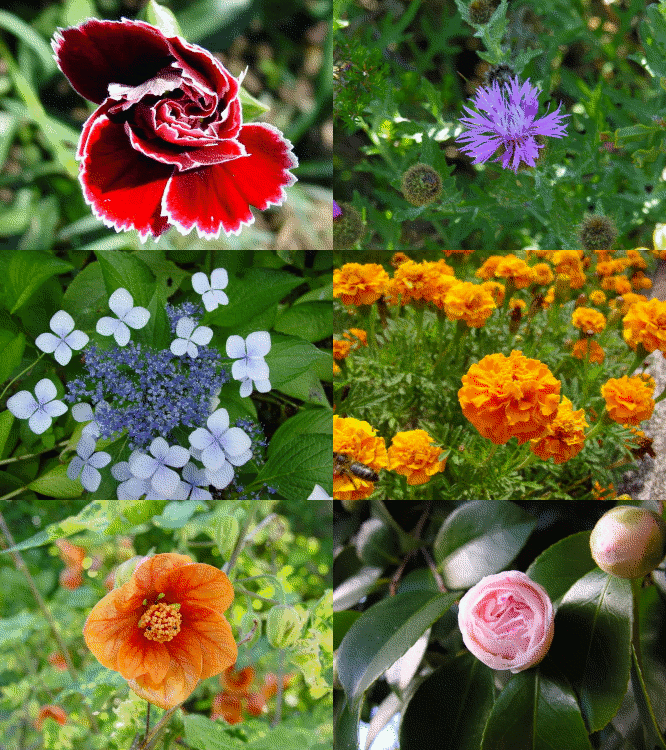 Mating pairs may not be able to couple successfully if their genitals are not compatible. The relationship between the reproductive isolation of species and the form of their genital organs was signaled for the first time in 1844 by the French entomologist Léon Dufour
. Insects' rigid carapaces act in a manner analogous to a lock and key, as they will only allow mating between individuals with complementary structures, that is, males and females of the same species (termed co-specifics).
Evolution has led to the development of genital organs with increasingly complex and divergent characteristics, which will cause mechanical isolation between species. Certain characteristics of the genital organs will often have converted them into mechanisms of isolation. However, numerous studies show that organs that are anatomically very different can be functionally compatible, indicating that other factors also determine the form of these complicated structures.
Mechanical isolation also occurs in plants and this is related to the adaptation and coevolution of each species in the attraction of a certain type of pollinator (where pollination
is zoophilic
) through a collection of morphophysiological
characteristics of the flowers (called floral syndrome), in such a way that the transport of pollen
to other species does not occur.
of many species of coral in marine reefs means that inter-species hybridization can take place as the gametes of hundreds of individuals of tens of species are liberated into the same water at the same time. Approximately a third of all the possible crosses between species are compatible, in the sense that the gametes will fuse and lead to individual hybrids. This hybridization apparently plays a fundamental role in the evolution of coral species. However, the other two-thirds of possible crosses are incompatible. It has been observed that in sea urchin
s of the genus Strongylocentrotus
the concentration of spermatocyte
s that allow 100% fertilization of the ovules of the same species is only able to fertilize 1.5% of the ovules of other species. This inability to produce hybrid offspring, despite the fact that the gametes are found at the same time and in the same place, is due to a phenomenon known as gamete incompatibility, which is often found between marine invertebrates, and whose physiological causes are not fully understood.
In some Drosophila
crosses, the swelling of the female's vagina
has been noted following insemination. This has the effect of consequently, preventing the fertilization of the ovule by sperm of a different species.
In plants the pollen grains of a species can germinate in the stigma
and grow in the style
of other species. However, the growth of the pollen tubes may be detained at some point between the stigma and the ovules, in such a way that fertilization does not take place. This mechanism of reproductive isolation is common in the Angiosperms and is called cross-incompatibility or incongruence.
A relationship exists between self-incompatibility and the phenomenon of cross-incompatibility. In general crosses between individuals of a self-compatible species (SC) with individuals of a self-incompatible (SI) species give hybrid offspring. On the other hand, a reciprocal cross (SI x SC) will not produce offspring, because the pollen tubes will not reach the ovules. This is known as unilateral incompatibility, which also occurs when two SC or two SI species are crossed.
is fertilized but the zygote
does not develop, or it develops and the resulting individual has a reduced viability. This is the case for crosses between species of the frog
genus, where widely differing results are observed depending of the species involved. In some crosses there is no segmentation of the zygote (or it may be that the hybrid is extremely non-viable and changes occur from the first mitosis
). In others, normal segmentation occurs in the blastula
but gastrulation
fails. Finally, in other crosses, the initial stages are normal but errors occur in the final phases of embryo development. This indicates differentiation of the embryo development genes (or gene complexes) in these species and these differences determine the non-viability of the hybrids.
Similar results are observed in mosquitos of the Culex
genus, but the differences are seen between reciprocal cross
es, from which it is concluded that the same effect occurs in the interaction between the genes of the cell nucleus
(inherited from both parents) as occurs in the genes of the cytoplasmic organelles which are inherited solely from the female progenitor through the cytoplasm of the ovule.
In Angiosperms, the successful development of the embryo depends on the normal functioning of its endosperm
.
The failure of endosperm development and its subsequent abortion has been observed in many interploidal crosses (that is, those between populations with a particular degree of intra or interspecific ploidy
,
and in certain crosses in species with the same level of ploidy.
The collapse of the endosperm
, and the subsequent abortion of the hybrid embryo is one of the most common post-fertilization reproductive isolation mechanism found in angiosperms.
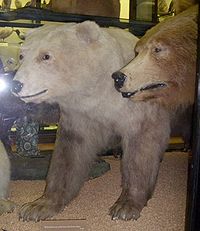 A hybrid has normal viability but is deficient in terms of reproduction or is sterile. This is demonstrated by the mule
and in many other well known hybrids. In all of these cases sterility is due to the interaction between the genes of the two species involved; to chromosomal imbalances due to the different number of chromosomes in the parent species; or to nucleus-cytoplasmic interactions such as in the case of Culex described above.
Hinnies
and mules are hybrids resulting from a cross between a horse
and an ass or between a mare and a donkey, respectively. These animals are nearly always sterile due to the difference in the number of chromosomes between the two parent species. Both horses and donkeys belong to the genus Equus
, but Equus caballus has 64 chromosomes, while Equus asinus only has 62. A cross will produce offspring (mule or hinny) with 63 chromosomes, that will not form pairs, which means that they do not divide in a balanced manner during meiosis
. It is curious that they can cross with each other but the mule and the hinny are actually animals created by humans, as in the wild the species ignore each other and do not cross. In order to obtain mules or hinnies it is necessary to train the progenitors to accept copulation between the species or create them through artificial insemination
.
The sterility of many of the interspecific hybrids among the angiosperms is a widely recognised and studied phenomenon.
There are a variety of causes that can determine the interspecific sterility of hybrids in plants, these may be genetic, related to the genomes or the interaction between nuclear and cytoplasmic factors, as will be discussed in the corresponding section. Nevertheless, it should be pointed out that - on the contrary to the situation in animals - hybridization in plants is a stimulus for the creation of new species.
Indeed, although the hybrid may be sterile it can continue to multiply in the wild through the mechanisms of asexual reproduction
, be they vegetative propagation or apomixis
or the production of seeds.
Indeed, interspecific hybridization can be associated with polyploidia
and, in this way, the origin of new species that are called allopolyploids. Rosa canina, for example, is the result of multiple hybridizations. or there is a type of wheat
that is an allohexaploid that contains the genomes of three different species.
between the two will continue to be impeded as the hybrid males are sterile. Also, and in contrast with the great vigor shown by the sterile males, the descendants of the backcrosses of the hybrid females with the parent species are weak and notoriously non-viable. This last mechanism restricts even more the genetic interchange between the two species of fly in the wild.
states that when one of the two sexes is absent in interspecific hybrids between two specific species, then the gender that is not produced, is rare or is sterile is the heterozygous (or heterogametic) sex.
In mammals, at least, there is growing evidence to suggest that this is due to high rates of mutation of the genes determining masculinity in the Y chromosome
.
It has been suggested that Haldane's Rule simply reflects the fact that the male gender is more sensitive than the female when the sex-determining genes are included in a hybrid genome. But there are also organisms in which the heterozygous sex is the female: birds and butterflies and the law is followed in these organisms. Therefore, it is not a problem related to sexual development, nor with the sex chromosomes. Haldane proposed that the stability of hybrid individual development requires the full gene complement of each parent species, so that the hybrid of the heterozygous sex is unbalanced (i.e. missing at least one chromosome from each of the parental species). For example, the hybrid male obtained by crossing D. melanogaster females with D. simulans males, which is non-viable, lacks the X chromosome of D. simulans.
In experiments, flies of the D. melanogaster line, which hybridizes readily with simulans, were crossed with another line that it does not hybridize with, or rarely. The females of the segregated populations obtained by this cross were placed next to simulans males and the percentage of hybridization was recorded, which is a measure of the degree of reproductive isolation. It was concluded from this experiment that 3 of the 8 chromosomes of the haploid complement of D. melanogaster carry at least one gene that affects isolation, such that substituting one chromosome from a line of low isolation with another of high isolation reduces the hybridization frequency. In addition, interactions between chromosomes are detected so that certain combinations of the chromosomes have a multiplying effect.
Cross incompatibility or incongruence in plants is also determined by major genes that are not associated at the self-incompatibility S locus.
In fact, the development of a zygote into an adult is a complex and delicate process of interactions between genes and the environment that must be carried out precisely, and if there is any alteration in the usual process, caused by the absence of a necessary gene or the presence of a different one, it can arrest the normal development causing the non-viability of the hybrid or its sterility. It should be borne in mind that half of the chromosomes and genes of a hybrid are from one species and the other half come from the other. If the two species are genetically different, there is little possibility that the genes from both will act harmoniously in the hybrid. From this perspective, only a few genes would be required in order to bring about post copulatory isolation, as opposed to the situation described previously for pre-copulatory isolation.
In many species where pre-copulatory reproductive isolation does not exist, hybrids are produced but they are of only one sex. This is the case for the hybridization between females of Drosophila simulans and Drosophila melanogaster males: the hybridized females die early in their development so that only males are seen among the offspring. However, populations of D. simulans have been recorded with genes that permit the development of adult hybrid females, that is, the viability of the females is “rescued”. It is assumed that the normal activity of these speciation
genes is to “inhibit” the expression of the genes that allow the growth of the hybrid. There will also be regulator genes.
A number of these genes have been found in the melanogaster species group. The first to be discovered was “Lhr” (Lethal hybrid rescue) located in Chromosome II of D. simulans. This dominant allele allows the development of hybrid females from the cross between simulans females and melanogaster males.
A different gene, also located on Chromosome II of D. simulans is “Shfr” that also allows the development of female hybrids, its activity being dependent on the temperature at which development occurs.
Other similar genes have been located in distinct populations of species of this group. In short, only a few genes are needed for an effective post copulatory isolation barrier mediated through the non-viability of the hybrids.
As important as identifying an isolation gene is knowing its function. The Hmr gene, linked to the X chromosome and implicated in the viability of male hybrids between D. melanogaster and D. simulans, is a gene from the proto-oncogene family myb, that codes for a transcriptional regulator. Two variants of this gene function perfectly well in each separate species, but in the hybrid they do not function correctly, possibly due to the different genetic background of each species. Examination of the allele sequence of the two species shows that change of direction substitutions are more abundant than synonymous substitution
s, suggesting that this gene has been subject to intense natural selection.
The Dobzhansky
-Muller model proposes that reproductive incompatibilities between species are caused by the interaction of the genes of the respective species. It has been demonstrated recently that Lhr has functionally diverged in D. simulans and will interact with Hmr which, in turn, has functionally diverged in D. melanogaster to cause the lethality of the male hybrids. Lhr is located in a heterochromatic region of the genome and its sequence has diverged between these two species in a manner consistent with the mechanisms of positive selection.
An important unanswered question is whether the genes detected correspond to old genes that initiated the speciation favoring hybrid non-viability, or are modern genes that have appear post-speciation by mutation, that are not shared by the different populations and that suppress the effect of the primitive non-viability genes. The OdsH (abbreviation of Odysseus) gene causes partial sterility in the hybrid between Drosophila simulans and a related species, D. mauritiana, which is only encountered on Mauritius
, and is of recent origin. This gene shows monophyly
in both species and also has been subject to natural selection. It is thought that it is a gene that intervenes in the initial stages of speciation, while other genes that differentiate the two species show polyphyly
. Odsh originated by duplication in the genome of Drosophila and has evolved at very high rates in D. mauritania, while its paralogue, unc-4, is nearly identical between the species of the group melanogaster.
Seemingly, all these cases illustrate the manner in which speciation mechanisms originated in nature, therefore they are collectively known as “speciation genes”, or possibly, gene sequences with a normal function within the populations of a species that diverge rapidly in response to positive selection thereby forming reproductive isolation barriers with other species. In general, all these genes have functions in the transcriptional regulation
of other genes.
The Nup96 gene is another example of the evolution of the genes implicated in post-copulatory isolation. It regulates the production of one of the approximately 30 proteins required to form a nuclear pore
. In each of the simulans groups of Drosophila the protein from this gene interacts with the protein from another, as yet undiscovered, gene on the X chromosome in order to form a functioning pore. However, in a hybrid the pore that is formed is defective and causes sterility. The differences in the sequences of Nup96 have been subject to adaptive selection, similar to the other examples of speciation genes described above.
Post-copulatory isolation can also arise between chromosomally differentiated populations due to chromosomal translocation
s and inversion
s.
If, for example, a reciprocal translocation is fixed in a population, the hybrid produced between this population and one that does not carry the translocation will not have a complete meiosis
. This will result in the production of unequal gametes containing unequal numbers of chromosomes with a reduced fertility. In certain cases, complete translocations exist that involve more than two chromosomes, so that the meiosis of the hybrids is irregular and their fertility is zero or nearly zero.
Inversions can also give rise to abnormal gametes in heterozygous individuals but this effect has little importance compared to translocations.
An example of chromosomal changes causing sterility in hybrids comes from the study of Drosophila nasuta and D. albomicans which are twin species from the Indo-Pacific region. There is no sexual isolation between them and the F1 hybrid is fertile. However, the F2 hybrids are relatively infertile and leave few descendants which have a skewed ratio of the sexes. The reason is that the X chromosome of albomicans is translocated and linked to an autosome
which causes abnormal meiosis in hybrids.
Robertsonian translocation
s are variations in the numbers of chromosomes that arise from either: the fusion of two acrocentric
chromosomes into a single chromosome with two arms, causing a reduction in the haploid number, or conversely; or the fission of one chromosome into two acrocentric chromosomes, in this case increasing the haploid number. The hybrids of two populations with differing numbers of chromosomes can experience a certain loss of fertility, and therefore a poor adaptation, because of irregular meiosis.
s in the cytoplasm of certain species. The presence of these organisms in a species and their absence in another causes the non-viability of the corresponding hybrid. For example, in the semi-species of the group D. paulistorum the hybrid females are fertile but the males are sterile, this is due to the presence of a mycoplasma
in the cytoplasm which alters spermatogenesis
leading to sterility. It is interesting that incompatibility or isolation can also arise at an intraspecific level. Populations of D. simulans have been studied that show hybrid sterility according to the direction of the cross. The factor determining sterility has been found to be the presence or absence of a microorganism Wolbachia
and the populations tolerance or susceptibility to these organisms. This inter population incompatibility can be eliminated in the laboratory through the administration of a specific antibiotic
to kill the microorganism. Similar situations are known in a number of insects, as around 15% of species show infections caused by this symbiont
. It has been suggested that, in some cases, the speciation process has taken place because of the incompatibility caused by this bacteria. Two wasp
species Nasonia giraulti and N. longicornis carry two different strains of Wolbachia. Crosses between an infected population and one free from infection produces a nearly total reproductive isolation between the semi-species. However, if both species are free from the bacteria or both are treated with antibiotics there is no reproductive barrier.
Wolbachia also induces incompatibility due to the weakness of the hybrids in populations of spider mites (Tetranychus urticae
,
,
between Drosophila recens and D. subquinaria
and between species of Diabrotica
(beetle) and Gryllus
(cricket).
In 1950 K. F. Koopman reported results from experiments designed to examine the hypothesis that selection
can increase reproductive isolation between populations. He used D. pseudoobscura and D. persimilis in these experiments. When the flies of these species are kept at 16°C approximately a third of the matings are interspecific. In the experiment equal numbers of males and females of both species were placed in containers suitable for their survival and reproduction. The progeny of each generation were examined in order to determine if there were any interspecific hybrids. These hybrids were then eliminated. An equal number of males and females of the resulting progeny were then chosen to act as progenitors of the next generation. As the hybrids were destroyed in each generation the flies that solely mated with members of their own species produced more surviving descendants than the flies that mated solely with individuals of the other species. In the table to the right it can be seen that for each generation the number of hybrids continuously decreased up to the tenth generation when hardly any interspecific hybrids were produced.
It is evident that selection against the hybrids was very effective in increasing reproductive isolation between these species. From the third generation, the proportions of the hybrids were less than 5%. This confirmed that selection acts to reinforce the reproductive isolation of two genetically divergent populations if the hybrids formed by these species are less well adapted than their parents.
These discoveries allowed certain assumptions to be made regarding the origin of reproductive isolation mechanisms in nature. Namely, if selection reinforces the degree of reproductive isolation that exists between two species due to the poor adaptive value of the hybrids, it is expected that the populations of two species located in the same area will show a greater reproductive isolation than populations that are geographically separated. This mechanism for “reinforcing” hybridization barriers in sympatric populations is called the "Wallace Effect
", as it was first proposed by Alfred Russell Wallace at the end of the 19th century, and it has been experimentally demonstrated in both plants and animals.
The sexual isolation between Drosophila miranda and D. pseudoobscura, for example, is more or less pronounced according to the geographic origin of the flies being studied. Flies from regions where the distribution of the species is superimposed show a greater sexual isolation than exists between populations originating in distant regions.
On the other hand, interspecific hybridization barriers can also arise as a result of the adaptive divergence that accompanies allopatric speciation
. This mechanism has been experimentally proved by an experiment carried out by Diane Dodd on D. pseudoobscura. A single population of flies was divided into two, with one of the populations fed with starch
-based food and the other with maltose
-based food. This meant that each sub population was adapted to each food type over a number of generations. After the populations had diverged over many generations, the groups were again mixed; it was observed that the flies would mate only with others from their adapted population. This indicates that the mechanisms of reproductive isolation can arise even though the interspecific hybrids are not selected against.
Physiology
Physiology is the science of the function of living systems. This includes how organisms, organ systems, organs, cells, and bio-molecules carry out the chemical or physical functions that exist in a living system. The highest honor awarded in physiology is the Nobel Prize in Physiology or...
that prevent the members of two different species
Species
In biology, a species is one of the basic units of biological classification and a taxonomic rank. A species is often defined as a group of organisms capable of interbreeding and producing fertile offspring. While in many cases this definition is adequate, more precise or differing measures are...
that cross or mate from producing offspring
Offspring
In biology, offspring is the product of reproduction, of a new organism produced by one or more parents.Collective offspring may be known as a brood or progeny in a more general way...
, or which ensure that any offspring that may be produced is not fertile. These barriers maintain the integrity of a species over time, reducing or directly impeding gene flow
Gene flow
In population genetics, gene flow is the transfer of alleles of genes from one population to another.Migration into or out of a population may be responsible for a marked change in allele frequencies...
between individuals of different species, allowing the conservation of each species’ characteristics.
The mechanisms of reproductive isolation have been classified in a number of ways. [citation needed] Zoologist Ernst Mayr
Ernst Mayr
Ernst Walter Mayr was one of the 20th century's leading evolutionary biologists. He was also a renowned taxonomist, tropical explorer, ornithologist, historian of science, and naturalist...
classified the mechanisms of reproductive isolation in two broad categories: those that act before fertilization (or before mating
Mating
In biology, mating is the pairing of opposite-sex or hermaphroditic organisms for copulation. In social animals, it also includes the raising of their offspring. Copulation is the union of the sex organs of two sexually reproducing animals for insemination and subsequent internal fertilization...
in the case of animal
Animal
Animals are a major group of multicellular, eukaryotic organisms of the kingdom Animalia or Metazoa. Their body plan eventually becomes fixed as they develop, although some undergo a process of metamorphosis later on in their life. Most animals are motile, meaning they can move spontaneously and...
s, which are called pre-copulatory) and those that act after. These have also been termed pre-zygotic and post-zygotic mechanisms. The different mechanisms of reproductive isolation are genetically
Genetics
Genetics , a discipline of biology, is the science of genes, heredity, and variation in living organisms....
controlled and it has been demonstrated experimentally that they can evolve in species whose geographic distribution overlaps (sympatric speciation
Sympatric speciation
Sympatric speciation is the process through which new species evolve from a single ancestral species while inhabiting the same geographic region. In evolutionary biology and biogeography, sympatric and sympatry are terms referring to organisms whose ranges overlap or are even identical, so that...
) or as the result of adaptive divergence that accompanies allopatric speciation
Allopatric speciation
Allopatric speciation or geographic speciation is speciation that occurs when biological populations of the same species become isolated due to geographical changes such as mountain building or social changes such as emigration...
.
Isolation mechanisms that occur before breeding or copulation (pre-zygotic isolation)
Pre-zygotic isolation mechanisms are the most economic in terms of the biological efficiencyNatural selection
Natural selection is the nonrandom process by which biologic traits become either more or less common in a population as a function of differential reproduction of their bearers. It is a key mechanism of evolution....
of a population, as resources are not wasted on the production of a descendent that is weak, non-viable or sterile.
Temporal or habitat isolation
Any of the factors that prevent potentially fertile individuals from meeting will reproductively isolate the members of distinct species. The types of barriers that can cause this isolation include: different habitatHabitat
* Habitat , a place where a species lives and grows*Human habitat, a place where humans live, work or play** Space habitat, a space station intended as a permanent settlement...
s, physical barriers, and a difference in the time of sexual maturity
Sexual maturity
Sexual maturity is the age or stage when an organism can reproduce. It is sometimes considered synonymous with adulthood, though the two are distinct...
or flowering. When factors change, especially physical barriers, often, species will branch off.
An example of the ecological or habitat differences that impede the meeting of potential pairs occurs in two fish species of the family Gasterosteidae (sticklebacks). One species lives all year round in fresh water, mainly in small streams. The other species lives in the sea during winter, but in spring and summer individuals migrate to river estuaries to reproduce. The members of the two populations are reproductively isolated due to their adaptations to distinct salt concentrations.
An example of reproductive isolation due to differences in the mating season are found in the toad species Bufo americanus and Bufo fowleri
Bufo fowleri
Fowler's Toad is a species of toad in the Bufonidae family found in North America. It was previously considered a subspecies of Woodhouse's Toad.-Physical Description:...
. The members of these species can be successfully crossed in the laboratory producing healthy, fertile hybrids. However, mating does not occur in the wild even though the geographical distribution of the two species overlaps. The reason for the absence of inter-species mating is that B. americanus mates in early summer and B. fowleri in late summer.
Certain plant species, such as Tradescantia canaliculata and T. subaspera, are sympatric throughout their geographic distribution yet they are reproductively isolated as they flower at different times of the year. In addition, one species grows in sunny areas and the other in deeply shaded areas.
Sexual isolation by behavior or conduct
The different matingMating
In biology, mating is the pairing of opposite-sex or hermaphroditic organisms for copulation. In social animals, it also includes the raising of their offspring. Copulation is the union of the sex organs of two sexually reproducing animals for insemination and subsequent internal fertilization...
rituals of animal species creates extremely powerful reproductive barriers, termed sexual or behavior isolation, that isolate apparently similar species in the majority of the groups of the animal kingdom. In dioecious
Dioecious
Dioecy is the property of a group of biological organisms that have males and females, but not members that have organs of both sexes at the same time. I.e., those whose individual members can usually produce only one type of gamete; each individual organism is thus distinctly female or male...
species, males and females have to search for a partner, be in proximity to each other, carry out the complex mating rituals and finally copulate or release their gametes into the environment in order to breed.
Mating dances, the songs of males to attract females or the mutual grooming of pairs, are all examples of typical courtship behavior that allows both recognition and reproductive isolation. This is because each of the stages of courtship depend on the behavior of the partner. The male will only move onto the second stage of the exhibition if the female shows certain responses in her behavior. He will only pass onto the third stage when she displays a second key behavior. The behaviors of both interlink, are synchronized in time and lead finally to copulation or the liberation of gametes into the environment. No animal that is not physiologically suitable for fertilization can complete this demanding chain of behavior. In fact, the smallest difference in the courting patterns of two species is enough to prevent mating (for example, a specific song pattern acts as an isolation mechanism in distinct species of grasshopper of the genus Chorthippus
Chorthippus
Chorthippus is a large genus of acridid grasshoppers with around 190 described species. Some of these are placed in Glyptobothrus by other authors.-Species:*Chorthippus abchasicus*Chorthippus acroleucus*Chorthippus aethalinus...
.).
Even where there are minimal morphological differences between species, differences in behavior can be enough to prevent mating. For example, Drosophila melanogaster
Drosophila melanogaster
Drosophila melanogaster is a species of Diptera, or the order of flies, in the family Drosophilidae. The species is known generally as the common fruit fly or vinegar fly. Starting from Charles W...
and D. simulans
Drosophila simulans
Drosophila simulans is a species of fly closely related to D. melanogaster and which belongs to the same melanogaster species subgroup. Its closest relatives are D. mauritiana and D. sechellia...
which are considered twin species due to their morphological similarity, do not mate even if they are kept together in a laboratory. Drosophila ananassae and D. pallidosa are twin species from Melanesia
Melanesia
Melanesia is a subregion of Oceania extending from the western end of the Pacific Ocean to the Arafura Sea, and eastward to Fiji. The region comprises most of the islands immediately north and northeast of Australia...
. In the wild they rarely produce hybrids, although in the laboratory it is possible to produce fertile offspring. Studies of their sexual behavior show that the males court the females of both species but the females show a marked preference for mating with males of their own species. A different regulator region has been found on Chromosome II of both species that affects the selection behavior of the females.
Pheromones play an important role in the sexual isolation of insect species. These compounds serve to identify individuals of the same species and of the same or different sex. Evaporated molecules of volatile
Volatile organic compound
Volatile organic compounds are organic chemicals that have a high vapor pressure at ordinary, room-temperature conditions. Their high vapor pressure results from a low boiling point, which causes large numbers of molecules to evaporate or sublimate from the liquid or solid form of the compound and...
pheromones can serve as a wide-reaching chemical signal. In other cases, pheromones may be detected only at a short distance or by contact.
In species of the melanogaster group of Drosophila, the pheromones of the females are mixtures of different compounds, there is a clear dimorphism in the type and/or quantity of compounds present for each sex. In addition, there are differences in the quantity and quality of constituent compounds between related species, it is assumed that the pheromones serve to distinguish between individuals of each species. An example of the role of pheromones in sexual isolation is found in 'corn borers' in the genus Ostrinia
Ostrinia
Ostrinia is a genus of moths in the Crambidae family. Several of them, including the European Corn Borer, are agricultural pests.-Species:*Ostrinia avarialis Amsel, 1970*Ostrinia dorsivittata...
. There are two twin species in Europe that occasionally cross. The females of both species produce pheromones that contain a volatile compound which has two isomer
Isomer
In chemistry, isomers are compounds with the same molecular formula but different structural formulas. Isomers do not necessarily share similar properties, unless they also have the same functional groups. There are many different classes of isomers, like stereoisomers, enantiomers, geometrical...
s, E and Z; 99% of the compound produced by the females of one species is in the E isomer form, while the females of the other produce 99% isomer Z. The production of the compound is controlled by just one locus
Locus (genetics)
In the fields of genetics and genetic computation, a locus is the specific location of a gene or DNA sequence on a chromosome. A variant of the DNA sequence at a given locus is called an allele. The ordered list of loci known for a particular genome is called a genetic map...
and the interspecific hybrid produces an equal mix of the two isomers. The males, for their part, almost exclusively detect the isomer emitted by the females of their species, such that the hybridization although possible is scarce. The perception of the males is controlled by one gene
Gene
A gene is a molecular unit of heredity of a living organism. It is a name given to some stretches of DNA and RNA that code for a type of protein or for an RNA chain that has a function in the organism. Living beings depend on genes, as they specify all proteins and functional RNA chains...
, distinct from the one for the production of isomers, the heterozygous males show a moderate response to the odour of either type. In this case, just 2 'loci' produce the effect of ethological isolation between species that are genetically very similar.
Sexual isolation between two species can be asymmetrical. This can happen when the mating that produces descendants only allows one of the two species to function as the female progenitor and the other as the male, while the reciprocal cross does not occur. For instance, half of the wolves tested in the Great Lakes
Great Lakes
The Great Lakes are a collection of freshwater lakes located in northeastern North America, on the Canada – United States border. Consisting of Lakes Superior, Michigan, Huron, Erie, and Ontario, they form the largest group of freshwater lakes on Earth by total surface, coming in second by volume...
area of America
United States
The United States of America is a federal constitutional republic comprising fifty states and a federal district...
show mitochondrial DNA
Mitochondrial DNA
Mitochondrial DNA is the DNA located in organelles called mitochondria, structures within eukaryotic cells that convert the chemical energy from food into a form that cells can use, adenosine triphosphate...
sequences of coyote
Coyote
The coyote , also known as the American jackal or the prairie wolf, is a species of canine found throughout North and Central America, ranging from Panama in the south, north through Mexico, the United States and Canada...
s. While mitochondrial DNA from wolves is never found in coyote populations. This probably reflects an asymmetry in inter-species mating due to the difference in size of the two species as male wolves take advantage of their greater size in order to mate with female coyotes, while female wolves and male coyotes do not mate .
Mechanical isolation
Léon Jean Marie Dufour
Léon Jean Marie Dufour was a French medical doctor and naturalist .Between 1799 and 1806 he studied medicine in Paris then returned to Saint-Sever in the Landes...
. Insects' rigid carapaces act in a manner analogous to a lock and key, as they will only allow mating between individuals with complementary structures, that is, males and females of the same species (termed co-specifics).
Evolution has led to the development of genital organs with increasingly complex and divergent characteristics, which will cause mechanical isolation between species. Certain characteristics of the genital organs will often have converted them into mechanisms of isolation. However, numerous studies show that organs that are anatomically very different can be functionally compatible, indicating that other factors also determine the form of these complicated structures.
Mechanical isolation also occurs in plants and this is related to the adaptation and coevolution of each species in the attraction of a certain type of pollinator (where pollination
Pollination
Pollination is the process by which pollen is transferred in plants, thereby enabling fertilisation and sexual reproduction. Pollen grains transport the male gametes to where the female gamete are contained within the carpel; in gymnosperms the pollen is directly applied to the ovule itself...
is zoophilic
Zoophilia
Zoophilia, from the Greek ζῷον and φιλία is the practice of sex between humans and non-human animals , or a preference or fixation on such practice...
) through a collection of morphophysiological
Morphology (biology)
In biology, morphology is a branch of bioscience dealing with the study of the form and structure of organisms and their specific structural features....
characteristics of the flowers (called floral syndrome), in such a way that the transport of pollen
Pollen
Pollen is a fine to coarse powder containing the microgametophytes of seed plants, which produce the male gametes . Pollen grains have a hard coat that protects the sperm cells during the process of their movement from the stamens to the pistil of flowering plants or from the male cone to the...
to other species does not occur.
Gametic Isolation
The synchronous spawningSpawn (biology)
Spawn refers to the eggs and sperm released or deposited, usually into water, by aquatic animals. As a verb, spawn refers to the process of releasing the eggs and sperm, also called spawning...
of many species of coral in marine reefs means that inter-species hybridization can take place as the gametes of hundreds of individuals of tens of species are liberated into the same water at the same time. Approximately a third of all the possible crosses between species are compatible, in the sense that the gametes will fuse and lead to individual hybrids. This hybridization apparently plays a fundamental role in the evolution of coral species. However, the other two-thirds of possible crosses are incompatible. It has been observed that in sea urchin
Sea urchin
Sea urchins or urchins are small, spiny, globular animals which, with their close kin, such as sand dollars, constitute the class Echinoidea of the echinoderm phylum. They inhabit all oceans. Their shell, or "test", is round and spiny, typically from across. Common colors include black and dull...
s of the genus Strongylocentrotus
Strongylocentrotus
Strongylocentrotus is a genus of sea urchins in the family Strongylocentrotidae containing several species. Among them:* Strongylocentrotus droebachiensis - green sea urchin...
the concentration of spermatocyte
Spermatocyte
A spermatocyte is a male gametocyte, derived from a spermatogonium, which is in the developmental stage of spermatogenesis during which meiosis occurs. It is located in the seminiferous tubules of the testis.-Spermatogenesis:...
s that allow 100% fertilization of the ovules of the same species is only able to fertilize 1.5% of the ovules of other species. This inability to produce hybrid offspring, despite the fact that the gametes are found at the same time and in the same place, is due to a phenomenon known as gamete incompatibility, which is often found between marine invertebrates, and whose physiological causes are not fully understood.
In some Drosophila
Drosophila
Drosophila is a genus of small flies, belonging to the family Drosophilidae, whose members are often called "fruit flies" or more appropriately pomace flies, vinegar flies, or wine flies, a reference to the characteristic of many species to linger around overripe or rotting fruit...
crosses, the swelling of the female's vagina
Vagina
The vagina is a fibromuscular tubular tract leading from the uterus to the exterior of the body in female placental mammals and marsupials, or to the cloaca in female birds, monotremes, and some reptiles. Female insects and other invertebrates also have a vagina, which is the terminal part of the...
has been noted following insemination. This has the effect of consequently, preventing the fertilization of the ovule by sperm of a different species.
In plants the pollen grains of a species can germinate in the stigma
Gynoecium
Gynoecium is most commonly used as a collective term for all carpels in a flower. A carpel is the ovule and seed producing reproductive organ in flowering plants. Carpels are derived from ovule-bearing leaves which evolved to form a closed structure containing the ovules...
and grow in the style
Gynoecium
Gynoecium is most commonly used as a collective term for all carpels in a flower. A carpel is the ovule and seed producing reproductive organ in flowering plants. Carpels are derived from ovule-bearing leaves which evolved to form a closed structure containing the ovules...
of other species. However, the growth of the pollen tubes may be detained at some point between the stigma and the ovules, in such a way that fertilization does not take place. This mechanism of reproductive isolation is common in the Angiosperms and is called cross-incompatibility or incongruence.
A relationship exists between self-incompatibility and the phenomenon of cross-incompatibility. In general crosses between individuals of a self-compatible species (SC) with individuals of a self-incompatible (SI) species give hybrid offspring. On the other hand, a reciprocal cross (SI x SC) will not produce offspring, because the pollen tubes will not reach the ovules. This is known as unilateral incompatibility, which also occurs when two SC or two SI species are crossed.
Isolation mechanisms that occur after breeding or copulation (post-zygotic isolation)
A number of mechanisms which act after fertilisation preventing successful inter-population crossing are discussed below.Zygote mortality and non-viability of hybrids
A type of incompatibility that is found as often in plants as in animals occurs when the ovuleOvule
Ovule means "small egg". In seed plants, the ovule is the structure that gives rise to and contains the female reproductive cells. It consists of three parts: The integument forming its outer layer, the nucellus , and the megaspore-derived female gametophyte in its center...
is fertilized but the zygote
Zygote
A zygote , or zygocyte, is the initial cell formed when two gamete cells are joined by means of sexual reproduction. In multicellular organisms, it is the earliest developmental stage of the embryo...
does not develop, or it develops and the resulting individual has a reduced viability. This is the case for crosses between species of the frog
Frog
Frogs are amphibians in the order Anura , formerly referred to as Salientia . Most frogs are characterized by a short body, webbed digits , protruding eyes and the absence of a tail...
genus, where widely differing results are observed depending of the species involved. In some crosses there is no segmentation of the zygote (or it may be that the hybrid is extremely non-viable and changes occur from the first mitosis
Mitosis
Mitosis is the process by which a eukaryotic cell separates the chromosomes in its cell nucleus into two identical sets, in two separate nuclei. It is generally followed immediately by cytokinesis, which divides the nuclei, cytoplasm, organelles and cell membrane into two cells containing roughly...
). In others, normal segmentation occurs in the blastula
Blastula
The blastula is a hollow sphere of cells formed during an early stage of embryonic development in animals . The blastula is created when the zygote undergoes the cell division process known as cleavage. The blastula is preceded by the morula and is followed by the gastrula in the developmental...
but gastrulation
Gastrulation
Gastrulation is a phase early in the embryonic development of most animals, during which the single-layered blastula is reorganized into a trilaminar structure known as the gastrula. These three germ layers are known as the ectoderm, mesoderm, and endoderm.Gastrulation takes place after cleavage...
fails. Finally, in other crosses, the initial stages are normal but errors occur in the final phases of embryo development. This indicates differentiation of the embryo development genes (or gene complexes) in these species and these differences determine the non-viability of the hybrids.
Similar results are observed in mosquitos of the Culex
Culex
Culex is a genus of mosquito, and is important in that several species serve as vectors of important diseases, such as West Nile virus, filariasis, Japanese encephalitis, St. Louis encephalitis and avian malaria....
genus, but the differences are seen between reciprocal cross
Reciprocal cross
In genetics, a reciprocal cross is a breeding experiment designed to test the role of parental sex on a given inheritance pattern. All parent organisms must be true breeding to properly carry out such an experiment. In one cross, a male expressing the trait of interest will be crossed with a...
es, from which it is concluded that the same effect occurs in the interaction between the genes of the cell nucleus
Cell nucleus
In cell biology, the nucleus is a membrane-enclosed organelle found in eukaryotic cells. It contains most of the cell's genetic material, organized as multiple long linear DNA molecules in complex with a large variety of proteins, such as histones, to form chromosomes. The genes within these...
(inherited from both parents) as occurs in the genes of the cytoplasmic organelles which are inherited solely from the female progenitor through the cytoplasm of the ovule.
In Angiosperms, the successful development of the embryo depends on the normal functioning of its endosperm
Endosperm
Endosperm is the tissue produced inside the seeds of most flowering plants around the time of fertilization. It surrounds the embryo and provides nutrition in the form of starch, though it can also contain oils and protein. This makes endosperm an important source of nutrition in human diet...
.
The failure of endosperm development and its subsequent abortion has been observed in many interploidal crosses (that is, those between populations with a particular degree of intra or interspecific ploidy
Ploidy
Ploidy is the number of sets of chromosomes in a biological cell.Human sex cells have one complete set of chromosomes from the male or female parent. Sex cells, also called gametes, combine to produce somatic cells. Somatic cells, therefore, have twice as many chromosomes. The haploid number is...
,
and in certain crosses in species with the same level of ploidy.
The collapse of the endosperm
Endosperm
Endosperm is the tissue produced inside the seeds of most flowering plants around the time of fertilization. It surrounds the embryo and provides nutrition in the form of starch, though it can also contain oils and protein. This makes endosperm an important source of nutrition in human diet...
, and the subsequent abortion of the hybrid embryo is one of the most common post-fertilization reproductive isolation mechanism found in angiosperms.
Hybrid sterility
Mule
A mule is the offspring of a male donkey and a female horse. Horses and donkeys are different species, with different numbers of chromosomes. Of the two F1 hybrids between these two species, a mule is easier to obtain than a hinny...
and in many other well known hybrids. In all of these cases sterility is due to the interaction between the genes of the two species involved; to chromosomal imbalances due to the different number of chromosomes in the parent species; or to nucleus-cytoplasmic interactions such as in the case of Culex described above.
Hinnies
Hinny
A hinny is a domestic equine hybrid that is the offspring of a male horse and a female donkey . It is similar to the more common mule, which is the product of a female horse and a male donkey....
and mules are hybrids resulting from a cross between a horse
Horse
The horse is one of two extant subspecies of Equus ferus, or the wild horse. It is a single-hooved mammal belonging to the taxonomic family Equidae. The horse has evolved over the past 45 to 55 million years from a small multi-toed creature into the large, single-toed animal of today...
and an ass or between a mare and a donkey, respectively. These animals are nearly always sterile due to the difference in the number of chromosomes between the two parent species. Both horses and donkeys belong to the genus Equus
Equus (genus)
Equus is a genus of animals in the family Equidae that includes horses, donkeys, and zebras. Within Equidae, Equus is the only extant genus. Like Equidae more broadly, Equus has numerous extinct species known only from fossils. This article deals primarily with the extant species.The term equine...
, but Equus caballus has 64 chromosomes, while Equus asinus only has 62. A cross will produce offspring (mule or hinny) with 63 chromosomes, that will not form pairs, which means that they do not divide in a balanced manner during meiosis
Meiosis
Meiosis is a special type of cell division necessary for sexual reproduction. The cells produced by meiosis are gametes or spores. The animals' gametes are called sperm and egg cells....
. It is curious that they can cross with each other but the mule and the hinny are actually animals created by humans, as in the wild the species ignore each other and do not cross. In order to obtain mules or hinnies it is necessary to train the progenitors to accept copulation between the species or create them through artificial insemination
Artificial insemination
Artificial insemination, or AI, is the process by which sperm is placed into the reproductive tract of a female for the purpose of impregnating the female by using means other than sexual intercourse or natural insemination...
.
The sterility of many of the interspecific hybrids among the angiosperms is a widely recognised and studied phenomenon.
There are a variety of causes that can determine the interspecific sterility of hybrids in plants, these may be genetic, related to the genomes or the interaction between nuclear and cytoplasmic factors, as will be discussed in the corresponding section. Nevertheless, it should be pointed out that - on the contrary to the situation in animals - hybridization in plants is a stimulus for the creation of new species.
Indeed, although the hybrid may be sterile it can continue to multiply in the wild through the mechanisms of asexual reproduction
Asexual reproduction
Asexual reproduction is a mode of reproduction by which offspring arise from a single parent, and inherit the genes of that parent only, it is reproduction which does not involve meiosis, ploidy reduction, or fertilization. A more stringent definition is agamogenesis which is reproduction without...
, be they vegetative propagation or apomixis
Apomixis
In botany, apomixis was defined by Winkler as replacement of the normal sexual reproduction by asexual reproduction, without fertilization. This definition notably does not mention meiosis...
or the production of seeds.
Indeed, interspecific hybridization can be associated with polyploidia
Polyploidy
Polyploid is a term used to describe cells and organisms containing more than two paired sets of chromosomes. Most eukaryotic species are diploid, meaning they have two sets of chromosomes — one set inherited from each parent. However polyploidy is found in some organisms and is especially common...
and, in this way, the origin of new species that are called allopolyploids. Rosa canina, for example, is the result of multiple hybridizations. or there is a type of wheat
Wheat
Wheat is a cereal grain, originally from the Levant region of the Near East, but now cultivated worldwide. In 2007 world production of wheat was 607 million tons, making it the third most-produced cereal after maize and rice...
that is an allohexaploid that contains the genomes of three different species.
Multiple mechanisms
In general, the barriers that separate species do not consist of just one mechanism. The twin species of Drosophila, D. pseuoobscura and D. persimilis, are isolated from each other by habitat (persimilis generally lives in colder regions at higher altitudes), by the timing of the mating season (persimilis is generally more active in the morning and pseuoobscura at night) and by behavior during mating (the females of both species prefer the males of their respective species). In this way, although the distribution of these species overlaps in wide areas of the west of the United States of America, these isolation mechanisms are sufficient to keep the species separated. Such that, only a few fertile females have been found amongst the other species among the thousands that have been analyzed. However, when hybrids are produced between both species, the gene flowGene flow
In population genetics, gene flow is the transfer of alleles of genes from one population to another.Migration into or out of a population may be responsible for a marked change in allele frequencies...
between the two will continue to be impeded as the hybrid males are sterile. Also, and in contrast with the great vigor shown by the sterile males, the descendants of the backcrosses of the hybrid females with the parent species are weak and notoriously non-viable. This last mechanism restricts even more the genetic interchange between the two species of fly in the wild.
Hybrid gender: Haldane's Rule
Haldane's RuleHaldane's rule
Haldane's rule or Haldane's law was formulated in 1922 by the British evolutionary biologist J.B.S. Haldane. It describes hybrid sterility in species and is extended to describe speciation in evolutionary theory, in two parts: the rule of hybrid sterility and the rule of hybrid inviability...
states that when one of the two sexes is absent in interspecific hybrids between two specific species, then the gender that is not produced, is rare or is sterile is the heterozygous (or heterogametic) sex.
In mammals, at least, there is growing evidence to suggest that this is due to high rates of mutation of the genes determining masculinity in the Y chromosome
Y chromosome
The Y chromosome is one of the two sex-determining chromosomes in most mammals, including humans. In mammals, it contains the gene SRY, which triggers testis development if present. The human Y chromosome is composed of about 60 million base pairs...
.
It has been suggested that Haldane's Rule simply reflects the fact that the male gender is more sensitive than the female when the sex-determining genes are included in a hybrid genome. But there are also organisms in which the heterozygous sex is the female: birds and butterflies and the law is followed in these organisms. Therefore, it is not a problem related to sexual development, nor with the sex chromosomes. Haldane proposed that the stability of hybrid individual development requires the full gene complement of each parent species, so that the hybrid of the heterozygous sex is unbalanced (i.e. missing at least one chromosome from each of the parental species). For example, the hybrid male obtained by crossing D. melanogaster females with D. simulans males, which is non-viable, lacks the X chromosome of D. simulans.
Pre-copulatory isolation mechanisms in animals
The genetics of ethological isolation barriers will be discussed first. Pre-copulatory isolation occurs when the genes necessary for the sexual reproduction of one species differ from the equivalent genes of another species, such that if a male of species A and a female of species B are placed together they are unable to copulate. Study of the genetics involved in this reproductive barrier tries to identify the genes that govern distinct sexual behaviors in the two species. The males of Drosophila melanogaster and those of D. simulans conduct an elaborate courtship with their respective females, which are different for each species, but the differences between the species are more quantitative than qualitative. In fact the simulans males are able to hybridize with the melanogaster females. Although there are lines of the latter species that can easily cross there are others that are hardly able to. Using this difference, it is possible to assess the minimum number of genes involved in pre-copulatory isolation between the melanogaster and simulans species and their chromosomal location.In experiments, flies of the D. melanogaster line, which hybridizes readily with simulans, were crossed with another line that it does not hybridize with, or rarely. The females of the segregated populations obtained by this cross were placed next to simulans males and the percentage of hybridization was recorded, which is a measure of the degree of reproductive isolation. It was concluded from this experiment that 3 of the 8 chromosomes of the haploid complement of D. melanogaster carry at least one gene that affects isolation, such that substituting one chromosome from a line of low isolation with another of high isolation reduces the hybridization frequency. In addition, interactions between chromosomes are detected so that certain combinations of the chromosomes have a multiplying effect.
Cross incompatibility or incongruence in plants is also determined by major genes that are not associated at the self-incompatibility S locus.
Post copulation or fertilization isolation mechanisms in animals
Reproductive isolation between species appears, in certain cases, a long time after fertilization and the formation of the zygote, as happens - for example - in the twin species Drosophila pavani and D. gaucha. The hybrids between both species are not sterile, in the sense that they produce viable gametes, ovules and spermatozoa. However, they cannot produce offspring as the sperm of the hybrid male do not survive in the semen receptors of the females, be they hybrids or from the parent lines. In the same way, the sperm of the males of the two parent species do not survive in the reproductive tract of the hybrid female. This type of post copulatory isolation appears as the most efficient system for maintaining reproductive isolation in many species.In fact, the development of a zygote into an adult is a complex and delicate process of interactions between genes and the environment that must be carried out precisely, and if there is any alteration in the usual process, caused by the absence of a necessary gene or the presence of a different one, it can arrest the normal development causing the non-viability of the hybrid or its sterility. It should be borne in mind that half of the chromosomes and genes of a hybrid are from one species and the other half come from the other. If the two species are genetically different, there is little possibility that the genes from both will act harmoniously in the hybrid. From this perspective, only a few genes would be required in order to bring about post copulatory isolation, as opposed to the situation described previously for pre-copulatory isolation.
In many species where pre-copulatory reproductive isolation does not exist, hybrids are produced but they are of only one sex. This is the case for the hybridization between females of Drosophila simulans and Drosophila melanogaster males: the hybridized females die early in their development so that only males are seen among the offspring. However, populations of D. simulans have been recorded with genes that permit the development of adult hybrid females, that is, the viability of the females is “rescued”. It is assumed that the normal activity of these speciation
Speciation
Speciation is the evolutionary process by which new biological species arise. The biologist Orator F. Cook seems to have been the first to coin the term 'speciation' for the splitting of lineages or 'cladogenesis,' as opposed to 'anagenesis' or 'phyletic evolution' occurring within lineages...
genes is to “inhibit” the expression of the genes that allow the growth of the hybrid. There will also be regulator genes.
A number of these genes have been found in the melanogaster species group. The first to be discovered was “Lhr” (Lethal hybrid rescue) located in Chromosome II of D. simulans. This dominant allele allows the development of hybrid females from the cross between simulans females and melanogaster males.
A different gene, also located on Chromosome II of D. simulans is “Shfr” that also allows the development of female hybrids, its activity being dependent on the temperature at which development occurs.
Other similar genes have been located in distinct populations of species of this group. In short, only a few genes are needed for an effective post copulatory isolation barrier mediated through the non-viability of the hybrids.
As important as identifying an isolation gene is knowing its function. The Hmr gene, linked to the X chromosome and implicated in the viability of male hybrids between D. melanogaster and D. simulans, is a gene from the proto-oncogene family myb, that codes for a transcriptional regulator. Two variants of this gene function perfectly well in each separate species, but in the hybrid they do not function correctly, possibly due to the different genetic background of each species. Examination of the allele sequence of the two species shows that change of direction substitutions are more abundant than synonymous substitution
Synonymous substitution
A synonymous substitution is the evolutionary substitution of one base for another in an exon of a gene coding for a protein, such that the produced amino acid sequence is not modified. Synonymous substitutions and mutations affecting noncoding DNA are collectively known as silent mutations...
s, suggesting that this gene has been subject to intense natural selection.
The Dobzhansky
Theodosius Dobzhansky
Theodosius Grygorovych Dobzhansky ForMemRS was a prominent geneticist and evolutionary biologist, and a central figure in the field of evolutionary biology for his work in shaping the unifying modern evolutionary synthesis...
-Muller model proposes that reproductive incompatibilities between species are caused by the interaction of the genes of the respective species. It has been demonstrated recently that Lhr has functionally diverged in D. simulans and will interact with Hmr which, in turn, has functionally diverged in D. melanogaster to cause the lethality of the male hybrids. Lhr is located in a heterochromatic region of the genome and its sequence has diverged between these two species in a manner consistent with the mechanisms of positive selection.
An important unanswered question is whether the genes detected correspond to old genes that initiated the speciation favoring hybrid non-viability, or are modern genes that have appear post-speciation by mutation, that are not shared by the different populations and that suppress the effect of the primitive non-viability genes. The OdsH (abbreviation of Odysseus) gene causes partial sterility in the hybrid between Drosophila simulans and a related species, D. mauritiana, which is only encountered on Mauritius
Mauritius
Mauritius , officially the Republic of Mauritius is an island nation off the southeast coast of the African continent in the southwest Indian Ocean, about east of Madagascar...
, and is of recent origin. This gene shows monophyly
Monophyly
In common cladistic usage, a monophyletic group is a taxon which forms a clade, meaning that it contains all the descendants of the possibly hypothetical closest common ancestor of the members of the group. The term is synonymous with the uncommon term holophyly...
in both species and also has been subject to natural selection. It is thought that it is a gene that intervenes in the initial stages of speciation, while other genes that differentiate the two species show polyphyly
Polyphyly
A polyphyletic group is one whose members' last common ancestor is not a member of the group.For example, the group consisting of warm-blooded animals is polyphyletic, because it contains both mammals and birds, but the most recent common ancestor of mammals and birds was cold-blooded...
. Odsh originated by duplication in the genome of Drosophila and has evolved at very high rates in D. mauritania, while its paralogue, unc-4, is nearly identical between the species of the group melanogaster.
Seemingly, all these cases illustrate the manner in which speciation mechanisms originated in nature, therefore they are collectively known as “speciation genes”, or possibly, gene sequences with a normal function within the populations of a species that diverge rapidly in response to positive selection thereby forming reproductive isolation barriers with other species. In general, all these genes have functions in the transcriptional regulation
Regulation
Regulation is administrative legislation that constitutes or constrains rights and allocates responsibilities. It can be distinguished from primary legislation on the one hand and judge-made law on the other...
of other genes.
The Nup96 gene is another example of the evolution of the genes implicated in post-copulatory isolation. It regulates the production of one of the approximately 30 proteins required to form a nuclear pore
Nuclear pore
Nuclear pores are large protein complexes that cross the nuclear envelope, which is the double membrane surrounding the eukaryotic cell nucleus. There are about on average 2000 nuclear pore complexes in the nuclear envelope of a vertebrate cell, but it varies depending on cell type and the stage in...
. In each of the simulans groups of Drosophila the protein from this gene interacts with the protein from another, as yet undiscovered, gene on the X chromosome in order to form a functioning pore. However, in a hybrid the pore that is formed is defective and causes sterility. The differences in the sequences of Nup96 have been subject to adaptive selection, similar to the other examples of speciation genes described above.
Post-copulatory isolation can also arise between chromosomally differentiated populations due to chromosomal translocation
Chromosomal translocation
In genetics, a chromosome translocation is a chromosome abnormality caused by rearrangement of parts between nonhomologous chromosomes. A gene fusion may be created when the translocation joins two otherwise separated genes, the occurrence of which is common in cancer. It is detected on...
s and inversion
Chromosomal inversion
An inversion is a chromosome rearrangement in which a segment of a chromosome is reversed end to end. An inversion occurs when a single chromosome undergoes breakage and rearrangement within itself. Inversions are of two types: paracentric and pericentric.Paracentric inversions do not include the...
s.
If, for example, a reciprocal translocation is fixed in a population, the hybrid produced between this population and one that does not carry the translocation will not have a complete meiosis
Meiosis
Meiosis is a special type of cell division necessary for sexual reproduction. The cells produced by meiosis are gametes or spores. The animals' gametes are called sperm and egg cells....
. This will result in the production of unequal gametes containing unequal numbers of chromosomes with a reduced fertility. In certain cases, complete translocations exist that involve more than two chromosomes, so that the meiosis of the hybrids is irregular and their fertility is zero or nearly zero.
Inversions can also give rise to abnormal gametes in heterozygous individuals but this effect has little importance compared to translocations.
An example of chromosomal changes causing sterility in hybrids comes from the study of Drosophila nasuta and D. albomicans which are twin species from the Indo-Pacific region. There is no sexual isolation between them and the F1 hybrid is fertile. However, the F2 hybrids are relatively infertile and leave few descendants which have a skewed ratio of the sexes. The reason is that the X chromosome of albomicans is translocated and linked to an autosome
Autosome
An autosome is a chromosome that is not a sex chromosome, or allosome; that is to say, there is an equal number of copies of the chromosome in males and females. For example, in humans, there are 22 pairs of autosomes. In addition to autosomes, there are sex chromosomes, to be specific: X and Y...
which causes abnormal meiosis in hybrids.
Robertsonian translocation
Robertsonian translocation
Robertsonian translocation is a common form of chromosomal rearrangement that in humans occurs in the five acrocentric chromosome pairs, namely 13, 14, 15, 21, and 22. Other translocations occur but do not lead to a viable fetus. They are named after the American biologist William Rees Brebner...
s are variations in the numbers of chromosomes that arise from either: the fusion of two acrocentric
Centromere
A centromere is a region of DNA typically found near the middle of a chromosome where two identical sister chromatids come closest in contact. It is involved in cell division as the point of mitotic spindle attachment...
chromosomes into a single chromosome with two arms, causing a reduction in the haploid number, or conversely; or the fission of one chromosome into two acrocentric chromosomes, in this case increasing the haploid number. The hybrids of two populations with differing numbers of chromosomes can experience a certain loss of fertility, and therefore a poor adaptation, because of irregular meiosis.
Post copulation or fertilization isolation mechanisms in plants
In plants, hybrids often suffer from an autoimmune syndrome known as hybrid necrosis. In the hybirds, specific gene products contributed by one of the parents may be inappropriately recognized as foreign and pathogenic, and thus trigger pervasive cell death throughout the plant. In at least one case, a pathogen receptor, encoded by the most variable gene family in plants, was identified as being responsible for hybrid necrosis.Incompatibility caused by microorganisms
In addition to the genetic causes of reproductive isolation between species there is another factor that can cause of post zygotic isolation: the presence of microorganismMicroorganism
A microorganism or microbe is a microscopic organism that comprises either a single cell , cell clusters, or no cell at all...
s in the cytoplasm of certain species. The presence of these organisms in a species and their absence in another causes the non-viability of the corresponding hybrid. For example, in the semi-species of the group D. paulistorum the hybrid females are fertile but the males are sterile, this is due to the presence of a mycoplasma
Mycoplasma
Mycoplasma refers to a genus of bacteria that lack a cell wall. Without a cell wall, they are unaffected by many common antibiotics such as penicillin or other beta-lactam antibiotics that target cell wall synthesis. They can be parasitic or saprotrophic. Several species are pathogenic in humans,...
in the cytoplasm which alters spermatogenesis
Spermatogenesis
Spermatogenesis is the process by which male primary germ cells undergo division, and produce a number of cells termed spermatogonia, from which the primary spermatocytes are derived. Each primary spermatocyte divides into two secondary spermatocytes, and each secondary spermatocyte into two...
leading to sterility. It is interesting that incompatibility or isolation can also arise at an intraspecific level. Populations of D. simulans have been studied that show hybrid sterility according to the direction of the cross. The factor determining sterility has been found to be the presence or absence of a microorganism Wolbachia
Wolbachia
Wolbachia is a genus of bacteria which infects arthropod species, including a high proportion of insects , as well as some nematodes. It is one of the world's most common parasitic microbes and is possibly the most common reproductive parasite in the biosphere...
and the populations tolerance or susceptibility to these organisms. This inter population incompatibility can be eliminated in the laboratory through the administration of a specific antibiotic
Antibiotic
An antibacterial is a compound or substance that kills or slows down the growth of bacteria.The term is often used synonymously with the term antibiotic; today, however, with increased knowledge of the causative agents of various infectious diseases, antibiotic has come to denote a broader range of...
to kill the microorganism. Similar situations are known in a number of insects, as around 15% of species show infections caused by this symbiont
Symbiosis
Symbiosis is close and often long-term interaction between different biological species. In 1877 Bennett used the word symbiosis to describe the mutualistic relationship in lichens...
. It has been suggested that, in some cases, the speciation process has taken place because of the incompatibility caused by this bacteria. Two wasp
Wasp
The term wasp is typically defined as any insect of the order Hymenoptera and suborder Apocrita that is neither a bee nor an ant. Almost every pest insect species has at least one wasp species that preys upon it or parasitizes it, making wasps critically important in natural control of their...
species Nasonia giraulti and N. longicornis carry two different strains of Wolbachia. Crosses between an infected population and one free from infection produces a nearly total reproductive isolation between the semi-species. However, if both species are free from the bacteria or both are treated with antibiotics there is no reproductive barrier.
Wolbachia also induces incompatibility due to the weakness of the hybrids in populations of spider mites (Tetranychus urticae
Tetranychus urticae
Tetranychus urticae is one of many species of plant-feeding mites found in dry environments across the world, and generally considered a pest. It is the most widely known member of the family Tetranychidae or spider mites...
,
,
between Drosophila recens and D. subquinaria
and between species of Diabrotica
Diabrotica
Diabrotica is a widespread genus of beetles, sometimes referred to as cucumber beetles or corn rootworms, in the family Chrysomelidae. Members of this genus include several destructive agricultural pest species.-Range:...
(beetle) and Gryllus
Gryllus
Gryllus is a genus of crickets. Members of the genus are typically 15–31 mm long and darkly coloured . Species are usually recognised by their life histories and by their song .-Species:The genus contains the following species :...
(cricket).
Selection for reproductive isolation
| Generation | Percentage of hybrids |
|---|---|
| 1 | 49 |
| 2 | 17,6 |
| 3 | 3,3 |
| 4 | 1,0 |
| 5 | 1,4 |
| 10 | 0,6 |
In 1950 K. F. Koopman reported results from experiments designed to examine the hypothesis that selection
Artificial selection
Artificial selection describes intentional breeding for certain traits, or combination of traits. The term was utilized by Charles Darwin in contrast to natural selection, in which the differential reproduction of organisms with certain traits is attributed to improved survival or reproductive...
can increase reproductive isolation between populations. He used D. pseudoobscura and D. persimilis in these experiments. When the flies of these species are kept at 16°C approximately a third of the matings are interspecific. In the experiment equal numbers of males and females of both species were placed in containers suitable for their survival and reproduction. The progeny of each generation were examined in order to determine if there were any interspecific hybrids. These hybrids were then eliminated. An equal number of males and females of the resulting progeny were then chosen to act as progenitors of the next generation. As the hybrids were destroyed in each generation the flies that solely mated with members of their own species produced more surviving descendants than the flies that mated solely with individuals of the other species. In the table to the right it can be seen that for each generation the number of hybrids continuously decreased up to the tenth generation when hardly any interspecific hybrids were produced.
It is evident that selection against the hybrids was very effective in increasing reproductive isolation between these species. From the third generation, the proportions of the hybrids were less than 5%. This confirmed that selection acts to reinforce the reproductive isolation of two genetically divergent populations if the hybrids formed by these species are less well adapted than their parents.
These discoveries allowed certain assumptions to be made regarding the origin of reproductive isolation mechanisms in nature. Namely, if selection reinforces the degree of reproductive isolation that exists between two species due to the poor adaptive value of the hybrids, it is expected that the populations of two species located in the same area will show a greater reproductive isolation than populations that are geographically separated. This mechanism for “reinforcing” hybridization barriers in sympatric populations is called the "Wallace Effect
Wallace effect
The Wallace Effect is a hypothesis developed by British naturalist Alfred Russel Wallace which posits that natural selection can contribute to the reproductive isolation of incipient species by encouraging varieties to develop barriers to hybridization....
", as it was first proposed by Alfred Russell Wallace at the end of the 19th century, and it has been experimentally demonstrated in both plants and animals.
The sexual isolation between Drosophila miranda and D. pseudoobscura, for example, is more or less pronounced according to the geographic origin of the flies being studied. Flies from regions where the distribution of the species is superimposed show a greater sexual isolation than exists between populations originating in distant regions.
On the other hand, interspecific hybridization barriers can also arise as a result of the adaptive divergence that accompanies allopatric speciation
Allopatric speciation
Allopatric speciation or geographic speciation is speciation that occurs when biological populations of the same species become isolated due to geographical changes such as mountain building or social changes such as emigration...
. This mechanism has been experimentally proved by an experiment carried out by Diane Dodd on D. pseudoobscura. A single population of flies was divided into two, with one of the populations fed with starch
Starch
Starch or amylum is a carbohydrate consisting of a large number of glucose units joined together by glycosidic bonds. This polysaccharide is produced by all green plants as an energy store...
-based food and the other with maltose
Maltose
Maltose , or malt sugar, is a disaccharide formed from two units of glucose joined with an αbond, formed from a condensation reaction. The isomer "isomaltose" has two glucose molecules linked through an α bond. Maltose is the second member of an important biochemical series of glucose chains....
-based food. This meant that each sub population was adapted to each food type over a number of generations. After the populations had diverged over many generations, the groups were again mixed; it was observed that the flies would mate only with others from their adapted population. This indicates that the mechanisms of reproductive isolation can arise even though the interspecific hybrids are not selected against.