


Headache

Encyclopedia
A headache or cephalalgia is pain
anywhere in the region of the head
or neck
. It can be a symptom
of a number of different conditions of the head and neck. The brain tissue itself is not sensitive to pain because it lacks pain receptors. Rather, the pain is caused by disturbance of the pain-sensitive structures around the brain. Several areas of the head and neck have these pain-sensitive structures, which are the cranium (the periosteum of the skull), muscles, nerves, arteries and veins, subcutaneous tissue
s, eyes, ears
, sinuses and mucous membranes.
There are a number of different classification systems for headaches. The most well-recognized is that of the International Headache Society
. Treatment of a headache depends on the underlying etiology
or cause, but commonly involves analgesics.
's International Classification of Headache Disorders (ICHD), which published the second edition in 2004. This classification is accepted by the WHO
.
Other classification systems exist. One of the first published attempts was in 1951. The National Institutes of Health
developed a classification system in 1962.
(ICHD) is an in-depth hierarchical classification of headaches published by the International Headache Society
. It contains explicit (operational) diagnostic criteria for headache disorders. The first version of the classification, ICHD-1, was published in 1988. The current revision, ICHD-2, was published in 2004.
The classification uses numeric codes. The top, one-digit diagnostic level includes 13 headache groups. The first four of these are classified as primary headaches, groups 5-12 as secondary headaches, cranial neuralgia
, central and primary facial pain and other headaches for the last two groups.
The ICHD-2 classification defines migraines, tension-types headaches, cluster headache and other trigeminal autonomic cephalalgias as the main types of primary headaches. Also, according to the same classification, headaches due to stabbing, cough
, exertion and sexual activity (coital cephalalgia
) are classified as primary headaches. The daily-persistent headaches along with the hypnic headache and thunderclap headaches are considered primary headaches as well.
Secondary headaches are classified based on their etiology and not on their symptoms. According to the ICHD-2 classification, the main types of secondary headaches include those that are due to head or neck trauma such as whiplash injury, intracranial hematoma, post craniotomy or other head or neck injury. Headaches caused by cranial or cervical vascular disorders such as ischemic stroke and transient ischemic attack
, non-traumatic intracranial hemorrhage, vascular malformations or arteritis
are also defined as secondary headaches. This type of headaches may also be caused by cerebral venous thrombosis or different intracranial vascular disorders. Other secondary headaches are those due to intracranial disorders that are not vascular such as low or high pressure of the cerebrospinal fluid pressure, non-infectious inflammatory disease, intracranial neoplasm, epileptic seizure or other types of disorders or diseases that are intracranial but that are not associated with the vasculature of the central nervous system
. ICHD-2 classifies headaches that are caused by the ingestion of a certain substance or by its withdrawal as secondary headaches as well. This type of headache may result from the overuse of some medications or by exposure to some substances. HIV
/AIDS
, intracranial infections and systemic infections may also cause secondary headaches. The ICHD-2 system of classification includes the headaches associated with homeostasis disorders in the category of secondary headaches. This means that headaches caused by dialysis
, high blood pressure, hypothyroidism
, and cephalalgia and even fasting
are considered secondary headaches. Secondary headaches, according to the same classification system, can also be due to the injury of any of the facial structures including teeth, jaws, or temporomandibular joint
. Headaches caused by psychiatric disorders such as somatization
or psychotic disorders are also classified as secondary headaches.
The ICHD-2 classification puts cranial neuralgias and other types of neuralgia
in a different category. According to this system, there are 19 types of neuralgias and headaches due to different central causes of facial pain. Moreover, the ICHD-2 includes a category that contains all the headaches that cannot be classified.
Although the ICHD-2 is the most complete headache classification there is and it includes frequency in the diagnostic criteria of some types of headaches (primarily primary headaches), it does not specifically code frequency or severity which are left at the discretion of the examiner.
The NIH system of classification is more succinct and only describes five categories of headaches. In this case, primary headaches are those that do not show organic or structural etiology. According to this classification, headaches can only be vascular, myogenic
, cervicogenic, traction and inflammatory.
, determines the need for any further investigations and the most appropriate treatment.
and migraine
. They have typical features; migraine, for example, tends to be pulsating in character, affecting one side of the head, associated with nausea
, disabling in severity, and usually lasts between 3 hours and 3 days. Rarer primary headache disorders are trigeminal neuralgia
(a shooting face pain), cluster headache
(severe pains that occur together in bouts), and hemicrania continua
(a continuous headache on one side of the head).
A number of characteristics make it more likely that the headache is due to potentially dangerous secondary causes; some of these may be life-threatening or cause long-term damage. A number of "red flag" symptoms therefore means that a headache warrants further investigations, usually by a specialist. The red flag symptoms are a new or different headache in someone over 50 years old, headache that develops within minutes (thunderclap headache
), inability to move a limb
or abnormalities on neurological examination
, mental confusion
, being woken by headache, headache that worsens with changing posture, headache worsened by exertion or Valsalva manoeuvre (coughing, straining), visual loss or visual abnormalities, jaw claudication (jaw pain on chewing that resolves afterwards), neck stiffness
, fever
, and headaches in people with HIV
, cancer
or risk factors for thrombosis
.
"Thunderclap headache" may be the only symptom of subarachnoid hemorrhage
, a form of stroke
in which blood accumulates around the brain, often from a ruptured brain aneurysm
. Headache with fever may be caused by meningitis
, particularly if there is meningism (inability to flex the neck forward due to stiffness), and confusion may be indicative of encephalitis
(inflammation of the brain, usually due to particular virus
es). Headache that is worsened by straining or a change in position may be caused by increased pressure in the skull
; this is often worse in the morning and associated with vomiting. Raised intracranial pressure may be due to brain tumor
s, idiopathic intracranial hypertension
(IIH, more common in younger overweight women) and occasionally cerebral venous sinus thrombosis
. Headache together with weakness in part of the body may indicate a stroke
(particularly intracranial hemorrhage
or subdural hematoma
) or brain tumor. Headache in older people, particularly when associated with visual symptoms or jaw claudication, may indicate giant cell arteritis (GCA), in which the blood vessel wall is inflamed
and obstructs blood flow. Carbon monoxide poisoning
may lead to headaches as well as nausea, vomiting, dizziness, muscle weakness and blurred vision. Angle closure glaucoma
(acute raised pressure in the eyeball
) may lead to headache, particularly around the eye, as well as visual abnormalities, nausea, vomiting and a red eye with a dilated pupil.
itself is not sensitive to pain
, because it lacks pain receptors
. However, several areas of the head
and neck
do have nociceptors, and can thus sense pain. These include the extracranial arteries, large veins, cranial and spinal nerves, head and neck muscles and the meninges
.
Headache often results from traction to or irritation of the meninges and blood vessels. The nociceptors may also be stimulated by other factors than head trauma or tumors and cause headaches. Some of these include stress
, dilated blood vessels and muscular tension. Once stimulated, a nociceptor sends a message up the length of the nerve fiber to the nerve cells in the brain, signaling that a part of the body hurts.
It has been suggested that the level of endorphins in one's body may have a great impact on how people feel headaches. Thus, it is believed that people who suffer from chronic headaches or severe headaches have lower levels of endorphins compared to people who do not complain of headaches.
Primary headaches are even more difficult to understand than secondary headaches. Although the pathophysiology of migraines, cluster headaches and tension headaches is still not well understood, there have been different theories over time which attempt to provide an explanation of what exactly happens within the brain when individuals suffer from headaches. One of the oldest such theories is referred to as the vascular theory which was developed in the middle of the 20th century. The vascular theory was proposed by Wolff and it described the intracranial vasoconstriction as being responsible for the aura
of the migraine. The headache was believed to result from the subsequent rebound of the dilatation of the blood vessels which led to the activation of the perivascular nociceptive nerves. The developers of this theory took into consideration the changes that occur within the blood vessels outside the cranium when a migraine attack occurs and other data that was available at that time including the effect of vasodilators and vasoconstrictors on headaches.
The neurovascular approach towards primary headaches is currently accepted by most specialists. According to this newer theory, migraines are triggered by a complex series of neural and vascular events. Different studies concluded that individuals who suffer from migraines but not from headache have a state of neuronal hyperexcitability in the cerebral cortex
, especially in the occipital cortex. People who are more susceptible to experience migraines without headache are those who have a family history of migraines, women, and women who are experiencing hormonal changes or are taking birth control pills or are prescribed hormone replacement therapy
.
have guidelines on the evaluation and management of adult patients who have a nontraumatic headache of acute onset.
While, statistically, headaches are most likely to be primary (non serious and self-limiting), some specific secondary headache syndromes may demand specific treatment or may be warning signals of more serious disorders. Differentiating between primary and secondary headaches can be difficult.
As it is often difficult for patients to recall the precise details regarding each headache, it is often useful for the sufferer to fill-out a "headache diary" detailing the characteristics of the headache.

or non-steroidal anti-inflammatory drug
s like aspirin
, ibuprofen
, or diclofenac
.
" with entries on type of headache, associated symptoms, precipitating and aggravating factors may be helpful. This may reveal specific patterns, such as an association with medication
, menstruation
or absenteeism
or with certain foods.
It was reported in March 2007 by two separate teams of researchers that stimulating the brain with implanted electrodes appears to help ease the pain of cluster headache
s.
Acupuncture
has been found to be beneficial in chronic headaches of both tension type and migraine type. Research comparing acupuncture to 'sham' acupuncture has shown that the results of acupuncture may be due to the placebo effect
.
One type of treatment, however, is usually not sufficient for chronic sufferers and they may have to find a variety of different ways of managing, living with, and seeking treatment of chronic daily headache pains.
There are however two types of treatment for chronic headaches meaning acute abortive treatment and preventive treatment. Whereas the first is aimed to relieve the symptoms immediately, the latter is focused on controlling the headaches that are chronic. From this reason, the acute treatment is commonly and effectively used in treating migraines and the preventive treatment is the usual approach in managing chronic headaches. The primary goal of preventive treatment is to reduce the frequency, severity, and duration of headaches. This type of treatment involves taking medication on a daily basis for at least 3 months and in some cases, for over 6 months. The medication used in preventive treatment is normally chosen based on the other conditions that the patient is suffering from. Generally, medication in preventive treatment starts at the minimum dosage which increases gradually until the pain is relieved and the goal achieved or until side effects appear.
To date, only amitriptyline
, fluoxetine
, gabapentin
, tizanidine
, topiramate
, and botulinum toxin type A (BoNTA) have been evaluated as "prophylactic treatment of chronic daily headache in randomized, double-blind, placebo-controlled or active comparator-controlled trials. Antiepileptics can be used as preventative treatment of chronic daily headache and includes Valproate.
Psychological treatments are usually considered in comorbid patients or in those who are unresponsive to the medication.
, about 1% have a serious underlying problem.
Primary headaches account for more than 90% of all headache complaints, and of these, episodic tension-type headache is the most common.
It is estimated that women are three folds more prone than men to suffer from migraines. Also, the prevalence of this particular type of headache seems to vary depending on the specific area of the world where one lives. However, migraines appear to be experienced by 12% to 18% of the population.
Cluster headaches are thought to be affecting less than 0.5% of the population, though their prevalence is hard to estimate because they are often mistaken as a sinusal problem. However, according to the existent data, cluster headaches are more likely to occur in men than women, given that the condition tends to affect 5 to 8 times more men.
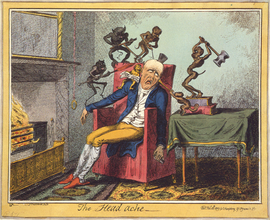 The first recorded classification system that resembles the modern ones was published by Thomas Willis
, in De Cephalalgia in 1672. In 1787 Christian Baur generally divided headaches into idiopathic
(primary headaches) and symptomatic (secondary ones), and defined 84 categories.
ren can suffer from the same types of headaches as adults do although their symptoms may vary. Some kinds of headaches include tension headaches, migraines, chronic daily headaches, cluster headache and sinuses headaches. Dental braces and orthodontic headgear
(due to the constant pressure placed on the jaw area) are also known for causing occasional to frequent headaches in adolescents. It is actually common for headaches to start in childhood or adolescence
, for instance, 20% of adults who suffer headaches report that their headaches started before age 10 while 50% report they started before age 20. The incidence of headaches in children and adolescents is very common. One study reported that 56% of boy
s and 74% of girls between 12 and 17 indicated having experienced a form of headache within the past month.
The causes of headaches in children include either one factor or a combination of factors. Some of the most common factors include genetic predisposition
, especially in the case of migraine; head trauma, produced by accidental falls; illness and infection
, for example in the presence of ear or sinus infection as well as colds
and flu; environmental factors, which include weather
changes; emotional factors, such as stress
, anxiety
, and depression
; food
s and beverages, caffeine
or food additives; change in sleep
or routine pattern; loud noises. Also, excess physical activity or sun
may be a trigger specifically of migraine.
Although most cases of headaches in children are considered to be benign
, when they are accompanied with other symptoms such as speech problems, muscle weakness
, and loss of vision, a more serious underlying cause may be suspected: hydrocephalus
, meningitis
, encephalitis
, abscess
, hemorrhage, tumor
, blood clots, or head trauma. In these cases, the headache evaluation may include CT scan or MRI in order to look for possible structural disorders of the central nervous system
.
Some measures can help prevent headaches in children. Some of them are drinking plenty of water
throughout the day; avoiding caffeine
; getting enough and regular sleep; eating balanced meals at the proper times; and reducing stress and excess of activities.
Pain
Pain is an unpleasant sensation often caused by intense or damaging stimuli such as stubbing a toe, burning a finger, putting iodine on a cut, and bumping the "funny bone."...
anywhere in the region of the head
Head
In anatomy, the head of an animal is the rostral part that usually comprises the brain, eyes, ears, nose and mouth . Some very simple animals may not have a head, but many bilaterally symmetric forms do....
or neck
Neck
The neck is the part of the body, on many terrestrial or secondarily aquatic vertebrates, that distinguishes the head from the torso or trunk. The adjective signifying "of the neck" is cervical .-Boner anatomy: The cervical spine:The cervical portion of the human spine comprises seven boney...
. It can be a symptom
Symptom
A symptom is a departure from normal function or feeling which is noticed by a patient, indicating the presence of disease or abnormality...
of a number of different conditions of the head and neck. The brain tissue itself is not sensitive to pain because it lacks pain receptors. Rather, the pain is caused by disturbance of the pain-sensitive structures around the brain. Several areas of the head and neck have these pain-sensitive structures, which are the cranium (the periosteum of the skull), muscles, nerves, arteries and veins, subcutaneous tissue
Subcutaneous tissue
The hypodermis, also called the hypoderm, subcutaneous tissue, or superficial fascia is the lowermost layer of the integumentary system in vertebrates. Types of cells that are found in the hypodermis are fibroblasts, adipose cells, and macrophages...
s, eyes, ears
EARS
EARS may refer to:* Electoral software* Electronic Arts, Redwood Shores campus.* Emirates Amateur Radio Society...
, sinuses and mucous membranes.
There are a number of different classification systems for headaches. The most well-recognized is that of the International Headache Society
International Headache Society
The International Headache Society is a charity organization founded in 1981 for people from all professions that are working to treat headache disorders....
. Treatment of a headache depends on the underlying etiology
Etiology
Etiology is the study of causation, or origination. The word is derived from the Greek , aitiologia, "giving a reason for" ....
or cause, but commonly involves analgesics.
Classification
Headaches are most thoroughly classified by the International Headache SocietyInternational Headache Society
The International Headache Society is a charity organization founded in 1981 for people from all professions that are working to treat headache disorders....
's International Classification of Headache Disorders (ICHD), which published the second edition in 2004. This classification is accepted by the WHO
Who
Who may refer to:* Who , an English-language pronoun* who , a Unix command* Who?, one of the Five Ws in journalism- Art and entertainment :* Who? , a 1958 novel by Algis Budrys...
.
Other classification systems exist. One of the first published attempts was in 1951. The National Institutes of Health
National Institutes of Health
The National Institutes of Health are an agency of the United States Department of Health and Human Services and are the primary agency of the United States government responsible for biomedical and health-related research. Its science and engineering counterpart is the National Science Foundation...
developed a classification system in 1962.
ICHD-2
The International Classification of Headache DisordersInternational Classification of Headache Disorders
The International Classification of Headache Disorders is a detailed hierarchical classification of all headache-related disorders published by the International Headache Society...
(ICHD) is an in-depth hierarchical classification of headaches published by the International Headache Society
International Headache Society
The International Headache Society is a charity organization founded in 1981 for people from all professions that are working to treat headache disorders....
. It contains explicit (operational) diagnostic criteria for headache disorders. The first version of the classification, ICHD-1, was published in 1988. The current revision, ICHD-2, was published in 2004.
The classification uses numeric codes. The top, one-digit diagnostic level includes 13 headache groups. The first four of these are classified as primary headaches, groups 5-12 as secondary headaches, cranial neuralgia
Neuralgia
Neuralgia is pain in one or more nerves that occurs without stimulation of pain receptor cells. Neuralgia pain is produced by a change in neurological structure or function rather than by the excitation of pain receptors that causes nociceptive pain. Neuralgia falls into two categories: central...
, central and primary facial pain and other headaches for the last two groups.
The ICHD-2 classification defines migraines, tension-types headaches, cluster headache and other trigeminal autonomic cephalalgias as the main types of primary headaches. Also, according to the same classification, headaches due to stabbing, cough
Cough
A cough is a sudden and often repetitively occurring reflex which helps to clear the large breathing passages from secretions, irritants, foreign particles and microbes...
, exertion and sexual activity (coital cephalalgia
Coital cephalalgia
Also known as "sexual headaches", coital cephalalgia is a rare type of severe headache that occurs at the base of the skull before orgasm during sexual activity, including masturbation. A pressor response to exercise has been suggested as a mechanism....
) are classified as primary headaches. The daily-persistent headaches along with the hypnic headache and thunderclap headaches are considered primary headaches as well.
Secondary headaches are classified based on their etiology and not on their symptoms. According to the ICHD-2 classification, the main types of secondary headaches include those that are due to head or neck trauma such as whiplash injury, intracranial hematoma, post craniotomy or other head or neck injury. Headaches caused by cranial or cervical vascular disorders such as ischemic stroke and transient ischemic attack
Transient ischemic attack
A transient ischemic attack is a transient episode of neurologic dysfunction caused by ischemia – either focal brain, spinal cord or retinal – without acute infarction...
, non-traumatic intracranial hemorrhage, vascular malformations or arteritis
Arteritis
Arteritis is inflammation of the walls of arteries, usually as a result of infection or auto-immune response.-Types:Some disorders have arteritis as their main feature...
are also defined as secondary headaches. This type of headaches may also be caused by cerebral venous thrombosis or different intracranial vascular disorders. Other secondary headaches are those due to intracranial disorders that are not vascular such as low or high pressure of the cerebrospinal fluid pressure, non-infectious inflammatory disease, intracranial neoplasm, epileptic seizure or other types of disorders or diseases that are intracranial but that are not associated with the vasculature of the central nervous system
Central nervous system
The central nervous system is the part of the nervous system that integrates the information that it receives from, and coordinates the activity of, all parts of the bodies of bilaterian animals—that is, all multicellular animals except sponges and radially symmetric animals such as jellyfish...
. ICHD-2 classifies headaches that are caused by the ingestion of a certain substance or by its withdrawal as secondary headaches as well. This type of headache may result from the overuse of some medications or by exposure to some substances. HIV
HIV
Human immunodeficiency virus is a lentivirus that causes acquired immunodeficiency syndrome , a condition in humans in which progressive failure of the immune system allows life-threatening opportunistic infections and cancers to thrive...
/AIDS
AIDS
Acquired immune deficiency syndrome or acquired immunodeficiency syndrome is a disease of the human immune system caused by the human immunodeficiency virus...
, intracranial infections and systemic infections may also cause secondary headaches. The ICHD-2 system of classification includes the headaches associated with homeostasis disorders in the category of secondary headaches. This means that headaches caused by dialysis
Dialysis
In medicine, dialysis is a process for removing waste and excess water from the blood, and is primarily used to provide an artificial replacement for lost kidney function in people with renal failure...
, high blood pressure, hypothyroidism
Hypothyroidism
Hypothyroidism is a condition in which the thyroid gland does not make enough thyroid hormone.Iodine deficiency is the most common cause of hypothyroidism worldwide but it can be caused by other causes such as several conditions of the thyroid gland or, less commonly, the pituitary gland or...
, and cephalalgia and even fasting
Fasting
Fasting is primarily the act of willingly abstaining from some or all food, drink, or both, for a period of time. An absolute fast is normally defined as abstinence from all food and liquid for a defined period, usually a single day , or several days. Other fasts may be only partially restrictive,...
are considered secondary headaches. Secondary headaches, according to the same classification system, can also be due to the injury of any of the facial structures including teeth, jaws, or temporomandibular joint
Temporomandibular joint
The temporomandibular joint is the joint of the jaw and is frequently referred to as TMJ. There are two TMJs, one on either side, working in unison. The name is derived from the two bones which form the joint: the upper temporal bone which is part of the cranium , and the lower jaw bone called the...
. Headaches caused by psychiatric disorders such as somatization
Somatization
Somatization is currently defined as "a tendency to experience and communicate somatic distress in response to psychosocial stress and to seek medical help for it".This can be, but not always, related to a psychological condition:...
or psychotic disorders are also classified as secondary headaches.
The ICHD-2 classification puts cranial neuralgias and other types of neuralgia
Neuralgia
Neuralgia is pain in one or more nerves that occurs without stimulation of pain receptor cells. Neuralgia pain is produced by a change in neurological structure or function rather than by the excitation of pain receptors that causes nociceptive pain. Neuralgia falls into two categories: central...
in a different category. According to this system, there are 19 types of neuralgias and headaches due to different central causes of facial pain. Moreover, the ICHD-2 includes a category that contains all the headaches that cannot be classified.
Although the ICHD-2 is the most complete headache classification there is and it includes frequency in the diagnostic criteria of some types of headaches (primarily primary headaches), it does not specifically code frequency or severity which are left at the discretion of the examiner.
NIH
The NIH classification consists of brief definitions of a limited number of headaches.The NIH system of classification is more succinct and only describes five categories of headaches. In this case, primary headaches are those that do not show organic or structural etiology. According to this classification, headaches can only be vascular, myogenic
Myogenic
Myogenic contraction refers to a contraction initiated by the myocyte cell itself instead of an outside occurrence or stimulus such as nerve innervation.- Unstable Membrane Potentials :...
, cervicogenic, traction and inflammatory.
Cause
There are over 200 types of headache, and the causes range from harmless to life-threatening. The description of the headache, together with findings on neurological examinationNeurological examination
A neurological examination is the assessment of sensory neuron and motor responses, especially reflexes, to determine whether the nervous system is impaired...
, determines the need for any further investigations and the most appropriate treatment.
Primary headaches
The most common types of headache are the "primary headache disorders", such as tension-type headacheTension headache
A tension headache is the most common type of primary headache. The pain can radiate from the neck, back, eyes, or other muscle groups in the body. Tension-type headaches account for nearly 90% of all headaches...
and migraine
Migraine
Migraine is a chronic neurological disorder characterized by moderate to severe headaches, and nausea...
. They have typical features; migraine, for example, tends to be pulsating in character, affecting one side of the head, associated with nausea
Nausea
Nausea , is a sensation of unease and discomfort in the upper stomach with an involuntary urge to vomit. It often, but not always, precedes vomiting...
, disabling in severity, and usually lasts between 3 hours and 3 days. Rarer primary headache disorders are trigeminal neuralgia
Trigeminal neuralgia
Trigeminal neuralgia , tic douloureux is a neuropathic disorder characterized by episodes of intense pain in the face, originating from the trigeminal nerve. It has been described as among the most painful conditions known...
(a shooting face pain), cluster headache
Cluster headache
Cluster headache, nicknamed "suicide headache", is a neurological disease that involves, as its most prominent feature, an immense degree of pain in the head. Cluster headaches occur periodically: spontaneous remissions interrupt active periods of pain. The cause of the disease is currently unknown...
(severe pains that occur together in bouts), and hemicrania continua
Hemicrania continua
Hemicrania continua is a persistent unilateral headache that responds to indomethacin. It is usually unremitting, but rare cases of remission have been documented...
(a continuous headache on one side of the head).
Secondary headaches
Headaches may be caused by problems elsewhere in the head or neck. Some of these are not harmful, such as cervicogenic headache (pain arising from the neck muscles). Medication overuse headache may occur in those using excessive painkillers for headaches, paradoxically causing worsening headaches.A number of characteristics make it more likely that the headache is due to potentially dangerous secondary causes; some of these may be life-threatening or cause long-term damage. A number of "red flag" symptoms therefore means that a headache warrants further investigations, usually by a specialist. The red flag symptoms are a new or different headache in someone over 50 years old, headache that develops within minutes (thunderclap headache
Thunderclap headache
A thunderclap headache is a headache that is severe and sudden-onset. It is defined as a severe headache that takes seconds to minutes to reach maximum intensity. It can be indicative of a number of medical problems, most importantly subarachnoid hemorrhage, which can be potentially life-threatening...
), inability to move a limb
Paresis
Paresis is a condition typified by partial loss of voluntary movement or by impaired movement. When used without qualifiers, it usually refers to the limbs, but it also can be used to describe the muscles of the eyes , the stomach , and also the vocal cords...
or abnormalities on neurological examination
Neurological examination
A neurological examination is the assessment of sensory neuron and motor responses, especially reflexes, to determine whether the nervous system is impaired...
, mental confusion
Mental confusion
Confusion of a pathological degree usually refers to loss of orientation sometimes accompanied by disordered consciousness and often memory Confusion (from Latin confusĭo, -ōnis, noun of action from confundere "to pour together", also "to confuse") of a pathological degree usually refers to loss...
, being woken by headache, headache that worsens with changing posture, headache worsened by exertion or Valsalva manoeuvre (coughing, straining), visual loss or visual abnormalities, jaw claudication (jaw pain on chewing that resolves afterwards), neck stiffness
Meningism
Meningism is the triad of nuchal rigidity , photophobia and headache. It is a sign of irritation of the meninges, such as seen in meningitis, subarachnoid hemorrhages and various other diseases...
, fever
Fever
Fever is a common medical sign characterized by an elevation of temperature above the normal range of due to an increase in the body temperature regulatory set-point. This increase in set-point triggers increased muscle tone and shivering.As a person's temperature increases, there is, in...
, and headaches in people with HIV
HIV
Human immunodeficiency virus is a lentivirus that causes acquired immunodeficiency syndrome , a condition in humans in which progressive failure of the immune system allows life-threatening opportunistic infections and cancers to thrive...
, cancer
Cancer
Cancer , known medically as a malignant neoplasm, is a large group of different diseases, all involving unregulated cell growth. In cancer, cells divide and grow uncontrollably, forming malignant tumors, and invade nearby parts of the body. The cancer may also spread to more distant parts of the...
or risk factors for thrombosis
Thrombosis
Thrombosis is the formation of a blood clot inside a blood vessel, obstructing the flow of blood through the circulatory system. When a blood vessel is injured, the body uses platelets and fibrin to form a blood clot to prevent blood loss...
.
"Thunderclap headache" may be the only symptom of subarachnoid hemorrhage
Subarachnoid hemorrhage
A subarachnoid hemorrhage , or subarachnoid haemorrhage in British English, is bleeding into the subarachnoid space—the area between the arachnoid membrane and the pia mater surrounding the brain...
, a form of stroke
Stroke
A stroke, previously known medically as a cerebrovascular accident , is the rapidly developing loss of brain function due to disturbance in the blood supply to the brain. This can be due to ischemia caused by blockage , or a hemorrhage...
in which blood accumulates around the brain, often from a ruptured brain aneurysm
Intracranial berry aneurysm
An intracranial berry aneurysm, also known as a saccular aneurysm, is a sac-like outpouching in a cerebral blood vessel, which can seem berry-shaped, hence the name. Once a berry aneurysm has formed it is likely to rupture, causing a stroke...
. Headache with fever may be caused by meningitis
Meningitis
Meningitis is inflammation of the protective membranes covering the brain and spinal cord, known collectively as the meninges. The inflammation may be caused by infection with viruses, bacteria, or other microorganisms, and less commonly by certain drugs...
, particularly if there is meningism (inability to flex the neck forward due to stiffness), and confusion may be indicative of encephalitis
Encephalitis
Encephalitis is an acute inflammation of the brain. Encephalitis with meningitis is known as meningoencephalitis. Symptoms include headache, fever, confusion, drowsiness, and fatigue...
(inflammation of the brain, usually due to particular virus
Virus
A virus is a small infectious agent that can replicate only inside the living cells of organisms. Viruses infect all types of organisms, from animals and plants to bacteria and archaea...
es). Headache that is worsened by straining or a change in position may be caused by increased pressure in the skull
Intracranial pressure
Intracranial pressure is the pressure inside the skull and thus in the brain tissue and cerebrospinal fluid . The body has various mechanisms by which it keeps the ICP stable, with CSF pressures varying by about 1 mmHg in normal adults through shifts in production and absorption of CSF...
; this is often worse in the morning and associated with vomiting. Raised intracranial pressure may be due to brain tumor
Brain tumor
A brain tumor is an intracranial solid neoplasm, a tumor within the brain or the central spinal canal.Brain tumors include all tumors inside the cranium or in the central spinal canal...
s, idiopathic intracranial hypertension
Idiopathic intracranial hypertension
Idiopathic intracranial hypertension , sometimes called by the older names benign intracranial hypertension or pseudotumor cerebri , is a neurological disorder that is characterized by increased intracranial pressure in the absence of a tumor or other diseases...
(IIH, more common in younger overweight women) and occasionally cerebral venous sinus thrombosis
Cerebral venous sinus thrombosis
Cerebral venous sinus thrombosis is a rare form of stroke that results from thrombosis of the dural venous sinuses, which drain blood from the brain. Symptoms may include headache, abnormal vision, any of the symptoms of stroke such as weakness of the face and limbs on one side of the body, and...
. Headache together with weakness in part of the body may indicate a stroke
Stroke
A stroke, previously known medically as a cerebrovascular accident , is the rapidly developing loss of brain function due to disturbance in the blood supply to the brain. This can be due to ischemia caused by blockage , or a hemorrhage...
(particularly intracranial hemorrhage
Intracranial hemorrhage
An intracranial hemorrhage is a hemorrhage, or bleeding, within the skull.-Causes:Intracranial bleeding occurs when a blood vessel within the skull is ruptured or leaks. It can result from physical trauma or nontraumatic causes such as a ruptured aneurysm...
or subdural hematoma
Subdural hematoma
A subdural hematoma or subdural haematoma , also known as a subdural haemorrhage , is a type of haematoma, a form of traumatic brain injury. Blood gathers within the outermost meningeal layer, between the dura mater, which adheres to the skull, and the arachnoid mater, which envelops the brain...
) or brain tumor. Headache in older people, particularly when associated with visual symptoms or jaw claudication, may indicate giant cell arteritis (GCA), in which the blood vessel wall is inflamed
Vasculitis
Vasculitis refers to a heterogeneous group of disorders that are characterized by inflammatory destruction of blood vessels. Both arteries and veins are affected. Lymphangitis is sometimes considered a type of vasculitis...
and obstructs blood flow. Carbon monoxide poisoning
Carbon monoxide poisoning
Carbon monoxide poisoning occurs after enough inhalation of carbon monoxide . Carbon monoxide is a toxic gas, but, being colorless, odorless, tasteless, and initially non-irritating, it is very difficult for people to detect...
may lead to headaches as well as nausea, vomiting, dizziness, muscle weakness and blurred vision. Angle closure glaucoma
Glaucoma
Glaucoma is an eye disorder in which the optic nerve suffers damage, permanently damaging vision in the affected eye and progressing to complete blindness if untreated. It is often, but not always, associated with increased pressure of the fluid in the eye...
(acute raised pressure in the eyeball
Intraocular pressure
Intraocular pressure is the fluid pressure inside the eye. Tonometry is the method eye care professionals use to determine this. IOP is an important aspect in the evaluation of patients at risk from glaucoma...
) may lead to headache, particularly around the eye, as well as visual abnormalities, nausea, vomiting and a red eye with a dilated pupil.
Pathophysiology
The brainHuman brain
The human brain has the same general structure as the brains of other mammals, but is over three times larger than the brain of a typical mammal with an equivalent body size. Estimates for the number of neurons in the human brain range from 80 to 120 billion...
itself is not sensitive to pain
Pain
Pain is an unpleasant sensation often caused by intense or damaging stimuli such as stubbing a toe, burning a finger, putting iodine on a cut, and bumping the "funny bone."...
, because it lacks pain receptors
Nociceptor
A nociceptor is a sensory receptor that responds to potentially damaging stimuli by sending nerve signals to the spinal cord and brain. This process, called nociception, usually causes the perception of pain.-History:...
. However, several areas of the head
Head
In anatomy, the head of an animal is the rostral part that usually comprises the brain, eyes, ears, nose and mouth . Some very simple animals may not have a head, but many bilaterally symmetric forms do....
and neck
Neck
The neck is the part of the body, on many terrestrial or secondarily aquatic vertebrates, that distinguishes the head from the torso or trunk. The adjective signifying "of the neck" is cervical .-Boner anatomy: The cervical spine:The cervical portion of the human spine comprises seven boney...
do have nociceptors, and can thus sense pain. These include the extracranial arteries, large veins, cranial and spinal nerves, head and neck muscles and the meninges
Meninges
The meninges is the system of membranes which envelopes the central nervous system. The meninges consist of three layers: the dura mater, the arachnoid mater, and the pia mater. The primary function of the meninges and of the cerebrospinal fluid is to protect the central nervous system.-Dura...
.
Headache often results from traction to or irritation of the meninges and blood vessels. The nociceptors may also be stimulated by other factors than head trauma or tumors and cause headaches. Some of these include stress
Stress (biology)
Stress is a term in psychology and biology, borrowed from physics and engineering and first used in the biological context in the 1930s, which has in more recent decades become commonly used in popular parlance...
, dilated blood vessels and muscular tension. Once stimulated, a nociceptor sends a message up the length of the nerve fiber to the nerve cells in the brain, signaling that a part of the body hurts.
It has been suggested that the level of endorphins in one's body may have a great impact on how people feel headaches. Thus, it is believed that people who suffer from chronic headaches or severe headaches have lower levels of endorphins compared to people who do not complain of headaches.
Primary headaches are even more difficult to understand than secondary headaches. Although the pathophysiology of migraines, cluster headaches and tension headaches is still not well understood, there have been different theories over time which attempt to provide an explanation of what exactly happens within the brain when individuals suffer from headaches. One of the oldest such theories is referred to as the vascular theory which was developed in the middle of the 20th century. The vascular theory was proposed by Wolff and it described the intracranial vasoconstriction as being responsible for the aura
Aura (symptom)
An aura is a perceptual disturbance experienced by some migraine sufferers before a migraine headache, and the telltale sensation experienced by some people with epilepsy before a seizure. It often manifests as the perception of a strange light, an unpleasant smell or confusing thoughts or...
of the migraine. The headache was believed to result from the subsequent rebound of the dilatation of the blood vessels which led to the activation of the perivascular nociceptive nerves. The developers of this theory took into consideration the changes that occur within the blood vessels outside the cranium when a migraine attack occurs and other data that was available at that time including the effect of vasodilators and vasoconstrictors on headaches.
The neurovascular approach towards primary headaches is currently accepted by most specialists. According to this newer theory, migraines are triggered by a complex series of neural and vascular events. Different studies concluded that individuals who suffer from migraines but not from headache have a state of neuronal hyperexcitability in the cerebral cortex
Cerebral cortex
The cerebral cortex is a sheet of neural tissue that is outermost to the cerebrum of the mammalian brain. It plays a key role in memory, attention, perceptual awareness, thought, language, and consciousness. It is constituted of up to six horizontal layers, each of which has a different...
, especially in the occipital cortex. People who are more susceptible to experience migraines without headache are those who have a family history of migraines, women, and women who are experiencing hormonal changes or are taking birth control pills or are prescribed hormone replacement therapy
Hormone replacement therapy (menopause)
Hormone replacement therapy is a system of medical treatment for surgically menopausal, perimenopausal and to a lesser extent postmenopausal women...
.
Diagnosis approach
The American College of Emergency PhysiciansAmerican College of Emergency Physicians
The American College of Emergency Physicians is the first and largest professional organization of emergency medicine physicians in the United States. It was founded in 1968 and is now headquartered in Irving, Texas. As of 2009 ACEP has over 28,000 physician members.The college exists to support...
have guidelines on the evaluation and management of adult patients who have a nontraumatic headache of acute onset.
While, statistically, headaches are most likely to be primary (non serious and self-limiting), some specific secondary headache syndromes may demand specific treatment or may be warning signals of more serious disorders. Differentiating between primary and secondary headaches can be difficult.
As it is often difficult for patients to recall the precise details regarding each headache, it is often useful for the sufferer to fill-out a "headache diary" detailing the characteristics of the headache.
Imaging
When the headache does not clearly fit into one of the recognized primary headache syndromes or when atypical symptoms or signs are present then further investigations are justified. Neuroimaging (noncontrast head CT) is recommended if there are new neurological problems such as decreased level of consciousness, one sided weakness, pupil size difference, etc. or if the pain is of sudden onset and severe, or if the person is known HIV positive. People over the age of 50 years may also warrant a CT scan.Treatment
Acute headaches
Not all headaches require medical attention, and most respond with simple analgesia (painkillers) such as paracetamol/acetaminophenParacetamol
Paracetamol INN , or acetaminophen USAN , is a widely used over-the-counter analgesic and antipyretic . It is commonly used for the relief of headaches and other minor aches and pains and is a major ingredient in numerous cold and flu remedies...
or non-steroidal anti-inflammatory drug
Non-steroidal anti-inflammatory drug
Nonsteroidal anti-inflammatory drugs, usually abbreviated to NSAIDs or NAIDs, but also referred to as nonsteroidal anti-inflammatory agents/analgesics or nonsteroidal Anti-inflammatory medicines , are drugs with analgesic and antipyretic effects and which have, in higher doses, anti-inflammatory...
s like aspirin
Aspirin
Aspirin , also known as acetylsalicylic acid , is a salicylate drug, often used as an analgesic to relieve minor aches and pains, as an antipyretic to reduce fever, and as an anti-inflammatory medication. It was discovered by Arthur Eichengrun, a chemist with the German company Bayer...
, ibuprofen
Ibuprofen
Ibuprofen is a nonsteroidal anti-inflammatory drug used for relief of symptoms of arthritis, fever, as an analgesic , especially where there is an inflammatory component, and dysmenorrhea....
, or diclofenac
Diclofenac
Diclofenac is a non-steroidal anti-inflammatory drug taken to reduce inflammation and as an analgesic reducing pain in certain conditions....
.
Chronic headaches
In recurrent unexplained headaches keeping a "headache diaryDiary
A diary is a record with discrete entries arranged by date reporting on what has happened over the course of a day or other period. A personal diary may include a person's experiences, and/or thoughts or feelings, including comment on current events outside the writer's direct experience. Someone...
" with entries on type of headache, associated symptoms, precipitating and aggravating factors may be helpful. This may reveal specific patterns, such as an association with medication
Medication
A pharmaceutical drug, also referred to as medicine, medication or medicament, can be loosely defined as any chemical substance intended for use in the medical diagnosis, cure, treatment, or prevention of disease.- Classification :...
, menstruation
Menstruation
Menstruation is the shedding of the uterine lining . It occurs on a regular basis in sexually reproductive-age females of certain mammal species. This article focuses on human menstruation.-Overview:...
or absenteeism
Absenteeism
Absenteeism is a habitual pattern of absence from a duty or obligation. Traditionally, absenteeism has been viewed as an indicator of poor individual performance, as well as a breach of an implicit contract between employee and employer; it was seen as a management problem, and framed in economic...
or with certain foods.
It was reported in March 2007 by two separate teams of researchers that stimulating the brain with implanted electrodes appears to help ease the pain of cluster headache
Cluster headache
Cluster headache, nicknamed "suicide headache", is a neurological disease that involves, as its most prominent feature, an immense degree of pain in the head. Cluster headaches occur periodically: spontaneous remissions interrupt active periods of pain. The cause of the disease is currently unknown...
s.
Acupuncture
Acupuncture
Acupuncture is a type of alternative medicine that treats patients by insertion and manipulation of solid, generally thin needles in the body....
has been found to be beneficial in chronic headaches of both tension type and migraine type. Research comparing acupuncture to 'sham' acupuncture has shown that the results of acupuncture may be due to the placebo effect
Placebo effect
Placebo effect may refer to:* Placebo effect, the tendency of any medication or treatment, even an inert or ineffective one, to exhibit results simply because the recipient believes that it will work...
.
One type of treatment, however, is usually not sufficient for chronic sufferers and they may have to find a variety of different ways of managing, living with, and seeking treatment of chronic daily headache pains.
There are however two types of treatment for chronic headaches meaning acute abortive treatment and preventive treatment. Whereas the first is aimed to relieve the symptoms immediately, the latter is focused on controlling the headaches that are chronic. From this reason, the acute treatment is commonly and effectively used in treating migraines and the preventive treatment is the usual approach in managing chronic headaches. The primary goal of preventive treatment is to reduce the frequency, severity, and duration of headaches. This type of treatment involves taking medication on a daily basis for at least 3 months and in some cases, for over 6 months. The medication used in preventive treatment is normally chosen based on the other conditions that the patient is suffering from. Generally, medication in preventive treatment starts at the minimum dosage which increases gradually until the pain is relieved and the goal achieved or until side effects appear.
To date, only amitriptyline
Amitriptyline
Amitriptyline is a tricyclic antidepressant . It is the most widely used TCA and has at least equal efficacy against depression as the newer class of SSRIs...
, fluoxetine
Fluoxetine
Fluoxetine is an antidepressant of the selective serotonin reuptake inhibitor class. It is manufactured and marketed by Eli Lilly and Company...
, gabapentin
Gabapentin
Gabapentin is a pharmaceutical drug, specifically a GABA analogue. It was originally developed for the treatment of epilepsy, and currently is also used to relieve neuropathic pain...
, tizanidine
Tizanidine
Tizanidine is a drug that is used as a muscle relaxant. It is a centrally acting α2 adrenergic agonist. It is used to treat the spasms, cramping, and tightness of muscles caused by medical problems such as multiple sclerosis, spastic diplegia, back pain, or certain other injuries to the spine or...
, topiramate
Topiramate
Topiramate is an anticonvulsant drug. It was originally produced by Ortho-McNeil Neurologics and Noramco, Inc., both divisions of the Johnson & Johnson Corporation. This medication was discovered in 1979 by Bruce E. Maryanoff and Joseph F. Gardocki during their research work at McNeil...
, and botulinum toxin type A (BoNTA) have been evaluated as "prophylactic treatment of chronic daily headache in randomized, double-blind, placebo-controlled or active comparator-controlled trials. Antiepileptics can be used as preventative treatment of chronic daily headache and includes Valproate.
Psychological treatments are usually considered in comorbid patients or in those who are unresponsive to the medication.
Epidemiology
During a given year, 90% of people suffer from headaches. Of the ones seen in the EREmergency department
An emergency department , also known as accident & emergency , emergency room , emergency ward , or casualty department is a medical treatment facility specialising in acute care of patients who present without prior appointment, either by their own means or by ambulance...
, about 1% have a serious underlying problem.
Primary headaches account for more than 90% of all headache complaints, and of these, episodic tension-type headache is the most common.
It is estimated that women are three folds more prone than men to suffer from migraines. Also, the prevalence of this particular type of headache seems to vary depending on the specific area of the world where one lives. However, migraines appear to be experienced by 12% to 18% of the population.
Cluster headaches are thought to be affecting less than 0.5% of the population, though their prevalence is hard to estimate because they are often mistaken as a sinusal problem. However, according to the existent data, cluster headaches are more likely to occur in men than women, given that the condition tends to affect 5 to 8 times more men.
History
Thomas Willis
Thomas Willis was an English doctor who played an important part in the history of anatomy, neurology and psychiatry. He was a founding member of the Royal Society.-Life:...
, in De Cephalalgia in 1672. In 1787 Christian Baur generally divided headaches into idiopathic
Idiopathic
Idiopathic is an adjective used primarily in medicine meaning arising spontaneously or from an obscure or unknown cause. From Greek ἴδιος, idios + πάθος, pathos , it means approximately "a disease of its own kind". It is technically a term from nosology, the classification of disease...
(primary headaches) and symptomatic (secondary ones), and defined 84 categories.
In children
ChildChild
Biologically, a child is generally a human between the stages of birth and puberty. Some vernacular definitions of a child include the fetus, as being an unborn child. The legal definition of "child" generally refers to a minor, otherwise known as a person younger than the age of majority...
ren can suffer from the same types of headaches as adults do although their symptoms may vary. Some kinds of headaches include tension headaches, migraines, chronic daily headaches, cluster headache and sinuses headaches. Dental braces and orthodontic headgear
Orthodontic headgear
Orthodontic headgear is a type of orthodontic appliance attached to dental braces or a palatal expander that aids in correcting severe bite problems.- Need for treatment and concurrent corrections :...
(due to the constant pressure placed on the jaw area) are also known for causing occasional to frequent headaches in adolescents. It is actually common for headaches to start in childhood or adolescence
Adolescence
Adolescence is a transitional stage of physical and mental human development generally occurring between puberty and legal adulthood , but largely characterized as beginning and ending with the teenage stage...
, for instance, 20% of adults who suffer headaches report that their headaches started before age 10 while 50% report they started before age 20. The incidence of headaches in children and adolescents is very common. One study reported that 56% of boy
Boy
A boy is a young male human , as contrasted to its female counterpart, girl, or an adult male, a man.The term "boy" is primarily used to indicate biological sex distinctions, cultural gender role distinctions or both...
s and 74% of girls between 12 and 17 indicated having experienced a form of headache within the past month.
The causes of headaches in children include either one factor or a combination of factors. Some of the most common factors include genetic predisposition
Genetic predisposition
A genetic predisposition is a genetic affectation which influences the phenotype of an individual organism within a species or population but by definition that phenotype can also be modified by the environmental conditions. In the rest of the population, conditions cannot have that effect...
, especially in the case of migraine; head trauma, produced by accidental falls; illness and infection
Infection
An infection is the colonization of a host organism by parasite species. Infecting parasites seek to use the host's resources to reproduce, often resulting in disease...
, for example in the presence of ear or sinus infection as well as colds
Common cold
The common cold is a viral infectious disease of the upper respiratory system, caused primarily by rhinoviruses and coronaviruses. Common symptoms include a cough, sore throat, runny nose, and fever...
and flu; environmental factors, which include weather
Weather
Weather is the state of the atmosphere, to the degree that it is hot or cold, wet or dry, calm or stormy, clear or cloudy. Most weather phenomena occur in the troposphere, just below the stratosphere. Weather refers, generally, to day-to-day temperature and precipitation activity, whereas climate...
changes; emotional factors, such as stress
Stress (biology)
Stress is a term in psychology and biology, borrowed from physics and engineering and first used in the biological context in the 1930s, which has in more recent decades become commonly used in popular parlance...
, anxiety
Anxiety
Anxiety is a psychological and physiological state characterized by somatic, emotional, cognitive, and behavioral components. The root meaning of the word anxiety is 'to vex or trouble'; in either presence or absence of psychological stress, anxiety can create feelings of fear, worry, uneasiness,...
, and depression
Depression (mood)
Depression is a state of low mood and aversion to activity that can affect a person's thoughts, behaviour, feelings and physical well-being. Depressed people may feel sad, anxious, empty, hopeless, helpless, worthless, guilty, irritable, or restless...
; food
Food
Food is any substance consumed to provide nutritional support for the body. It is usually of plant or animal origin, and contains essential nutrients, such as carbohydrates, fats, proteins, vitamins, or minerals...
s and beverages, caffeine
Caffeine
Caffeine is a bitter, white crystalline xanthine alkaloid that acts as a stimulant drug. Caffeine is found in varying quantities in the seeds, leaves, and fruit of some plants, where it acts as a natural pesticide that paralyzes and kills certain insects feeding on the plants...
or food additives; change in sleep
Sleep
Sleep is a naturally recurring state characterized by reduced or absent consciousness, relatively suspended sensory activity, and inactivity of nearly all voluntary muscles. It is distinguished from quiet wakefulness by a decreased ability to react to stimuli, and is more easily reversible than...
or routine pattern; loud noises. Also, excess physical activity or sun
Sun
The Sun is the star at the center of the Solar System. It is almost perfectly spherical and consists of hot plasma interwoven with magnetic fields...
may be a trigger specifically of migraine.
Although most cases of headaches in children are considered to be benign
Benign
A benign tumor is a tumor that lacks the ability to metastasize. Common examples of benign tumors include moles and uterine fibroids.The term "benign" implies a mild and nonprogressive disease. Indeed, many kinds of benign tumors are harmless to human health...
, when they are accompanied with other symptoms such as speech problems, muscle weakness
Muscle weakness
Muscle weakness or myasthenia is a lack of muscle strength. The causes are many and can be divided into conditions that have true or perceived muscle weakness...
, and loss of vision, a more serious underlying cause may be suspected: hydrocephalus
Hydrocephalus
Hydrocephalus , also known as "water in the brain," is a medical condition in which there is an abnormal accumulation of cerebrospinal fluid in the ventricles, or cavities, of the brain. This may cause increased intracranial pressure inside the skull and progressive enlargement of the head,...
, meningitis
Meningitis
Meningitis is inflammation of the protective membranes covering the brain and spinal cord, known collectively as the meninges. The inflammation may be caused by infection with viruses, bacteria, or other microorganisms, and less commonly by certain drugs...
, encephalitis
Encephalitis
Encephalitis is an acute inflammation of the brain. Encephalitis with meningitis is known as meningoencephalitis. Symptoms include headache, fever, confusion, drowsiness, and fatigue...
, abscess
Abscess
An abscess is a collection of pus that has accumulated in a cavity formed by the tissue in which the pus resides due to an infectious process or other foreign materials...
, hemorrhage, tumor
Tumor
A tumor or tumour is commonly used as a synonym for a neoplasm that appears enlarged in size. Tumor is not synonymous with cancer...
, blood clots, or head trauma. In these cases, the headache evaluation may include CT scan or MRI in order to look for possible structural disorders of the central nervous system
Central nervous system
The central nervous system is the part of the nervous system that integrates the information that it receives from, and coordinates the activity of, all parts of the bodies of bilaterian animals—that is, all multicellular animals except sponges and radially symmetric animals such as jellyfish...
.
Some measures can help prevent headaches in children. Some of them are drinking plenty of water
Water
Water is a chemical substance with the chemical formula H2O. A water molecule contains one oxygen and two hydrogen atoms connected by covalent bonds. Water is a liquid at ambient conditions, but it often co-exists on Earth with its solid state, ice, and gaseous state . Water also exists in a...
throughout the day; avoiding caffeine
Caffeine
Caffeine is a bitter, white crystalline xanthine alkaloid that acts as a stimulant drug. Caffeine is found in varying quantities in the seeds, leaves, and fruit of some plants, where it acts as a natural pesticide that paralyzes and kills certain insects feeding on the plants...
; getting enough and regular sleep; eating balanced meals at the proper times; and reducing stress and excess of activities.