

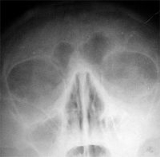
Sinusitis

Encyclopedia
Sinusitis is inflammation
of the paranasal sinus
es, which may be due to infection
, allergy
, or autoimmune
issues. Most cases are due to a viral infection and resolve over the course of 10 days. It is a common condition; for example, in the United States more than 24 million cases occur annually.
(going on for 8 weeks or more). All three types of sinusitis have similar symptom
s, and are thus often difficult to distinguish. Acute sinusitis is very common. Roughly ninety percent of adults have had sinusitis at some point in their life.
, generally of viral
origin. If the infection is of bacterial origin, the most common three causative agents are Streptococcus pneumoniae
, Haemophilus influenzae
, and Moraxella catarrhalis
. Until recently, Haemophilus influenzae
was the most common bacterial agent to cause sinus infections. However, introduction of the H. influenza type B (Hib) vaccine has dramatically decreased H. influenza type B infections and now non-typable H. influenza (NTHI) are predominantly seen in clinics. Other sinusitis-causing bacterial pathogen
s include Staphylococcus aureus
and other streptococci species
, anaerobic bacteria
and, less commonly, gram negative bacteria. Viral sinusitis typically lasts for 7 to 10 days, whereas bacterial sinusitis is more persistent. Approximately 0.5% to 2% of viral sinusitis results in subsequent bacterial sinusitis. It is thought that nasal irritation from nose blowing leads to the secondary bacterial infection.
Acute episodes of sinusitis can also result from fungal
invasion. These infection
s are typically seen in patient
s with diabetes or other immune deficiencies
(such as AIDS
or transplant
patient
s on immunosuppressive anti-rejection medications) and can be life threatening. With type I diabetes, ketoacidosis causes sinusitis by Mucormycosis.
Chemical irritation can also trigger sinusitis, commonly from cigarette smoke and chlorine fumes. Rarely, it may be caused by a tooth infection.
, facial pain, headache
, night-time coughing, an increase in previously minor or controlled asthma symptoms, general malaise
, thick green or yellow discharge
, feeling of facial 'fullness' or 'tightness' that may worsen when bending over, dizziness, aching teeth, and/or halitosis
. Each of these symptoms has multiple other possible causes, which should be considered and investigated as well. Unless complications occur, fever
is not a feature of chronic sinusitis. Often chronic sinusitis can lead to anosmia
, a reduced sense of smell
. In a small number of cases, acute or chronic maxillary sinus
itis is associated with a dental infection. Vertigo
, lightheadedness
, and blurred vision
are not typical in chronic sinusitis and other causes should be investigated.
Chronic sinusitis cases are subdivided into cases with polyps
and cases without polyps. When polyps are present, the condition is called chronic hyperplastic sinusitis; however, the causes are poorly understood and may include allergy, environmental factors such as dust or pollution, bacterial infection, or fungus (either allergic, infective, or reactive). Non-allergic factors, such as vasomotor rhinitis, can also cause chronic sinus problems. Abnormally narrow sinus passages, such as having a deviated septum
, can impede drainage from the sinus cavities and be a contributing factor. A combination of anaerobic and aerobic bacteria, are detected in conjunction with chronic sinusitis, Staphylococcus aureus
(including methicilin resistant S.aureus ) and coagulase-negative Staphylococci. Typically antibiotic treatment provides only a temporary reduction in inflammation, although hyperresponsiveness of the immune system to bacteria has been proposed as a possible cause of sinusitis with polyps (chronic hyperplastic sinusitis).
Attempts have been made to provide a more consistent nomenclature for subtypes of chronic sinusitis. The presence of eosinophils
in the mucous lining of the nose and paranasal sinuses has been demonstrated for many patients, and this has been termed Eosinophilic Mucin RhinoSinusitis (EMRS). Cases of EMRS may be related to an allergic response, but allergy is not often documented, resulting in further subcategorization into allergic and non-allergic EMRS.
A more recent, and still debated, development in chronic sinusitis is the role that fungus
plays in this disease. Fungus can be found in the nasal cavities and sinuses of most patients with sinusitis, but can also be found in healthy people as well. It remains unclear if fungus is a definite factor in the development of chronic sinusitis and if it is, what the difference may be between those who develop the disease and those who remain symptom free. Trials of antifungal treatments have had mixed results.
es is further subdivided into anterior and posterior ethmoid sinuses, the division of which is defined as the basal lamella of the middle turbinate
. In addition to the severity of disease
, discussed below, sinusitis can be classified by the sinus cavity which it affects:
Recent theories of sinusitis indicate that it often occurs as part of a spectrum of disease
s that affect the respiratory tract
(i.e., the "one airway" theory) and is often linked to asthma
. All forms of sinusitis may either result in, or be a part of, a generalized inflammation
of the airway
, so other airway
symptom
s, such as cough
, may be associated with it.
. Pain often starts on one side of the head and progresses to both sides.
Acute and chronic sinusitis may be accompanied by thick nasal discharge that is usually green in colour and may contain pus (purulent) and/or blood. Often a localized headache or toothache
is present, and it is these symptoms that distinguish a sinus-related headache from other types of headaches, such as tension and migraine headaches. Infection of the eye socket is possible, which may result in the loss of sight and is accompanied by fever and severe illness. Another possible complication is the infection of the bones (osteomyelitis
) of the forehead and other facial bones – Pott's puffy tumor
.
Sinus infections can also cause inner ear problems due to the congestion of the nasal passages. This can be demonstrated by dizziness, "a pressurized or heavy head", or vibrating sensations in the head.
Recent studies suggest that up to 90% of "sinus headaches" are actually migraines. The confusion occurs in part because migraine involves activation of the trigeminal nerves, which innervate both the sinus region and the meninges surrounding the brain. As a result, it is difficult to accurately determine the site from which the pain originates. Additionally, nasal congestion can be a common result of migraine headaches, due to the autonomic nerve stimulation that can also cause in tearing (lacrimation) and a runny nose (rhinorrhea
). A study found that patients with "sinus headaches" responded to triptan migraine medications, but stated dissatisfaction with their treatment when they are treated with decongestants or antibiotics. People with migraines do not typically have the thick nasal discharge that is a common symptom of a sinus infection.
, and other life-threatening conditions may result. In extreme cases the patient may experience mild personality changes, headache, altered consciousness, visual problems, seizures, coma, and possibly death.
; structural abnormalities, such as a deviated septum
, small sinus ostia
or a concha bullosa
; nasal polyp
s; carrying the cystic fibrosis
gene, though research is still tentative; and prior bouts of sinusitis, because each instance may result in increased inflammation of the nasal or sinus mucosa and potentially further narrow the nasal passageways.
Second hand smoke may also be associated with chronic rhinosinusitis.
Another cause of chronic sinusitis can be from the maxillary sinuses that are situated within the cheekbones. Infections and inflammation are more common here than in any of the other paranasal sinuses. This is because the drainage of mucous secretions from the maxillary sinus to the nasal cavity is not very efficient.
Maxillary sinusitis may also be of dental origin and constitutes a significant percentage, given the intimacy of the relationship between the teeth and the sinus floor. Complementary tests based on conventional radiology techniques and modern are needed. Their indication is based on the clinical context.
Chronic sinusitis can also be caused indirectly through a common but slight abnormality within the auditory or Eustachian tube, which is connected to the sinus cavities and the throat. This tube is usually almost level with the eye sockets but when this sometimes hereditary abnormality is present, it is below this level and sometimes level with the vestibule or nasal entrance. This almost always causes some sort of blockage within the sinus cavities ending in infection and usually resulting in chronic sinusitis.
s may account for many cases of antibiotic
-refractory chronic sinusitis. Biofilm
s are complex aggregates of extracellular matrix and inter-dependent microorganism
s from multiple species, many of which may be difficult or impossible to isolate using standard clinical laboratory
techniques. Bacteria
found in biofilms have their antibiotic resistance
increased up to 1000 times when compared to free-living bacteria of the same species. A recent study found that biofilms were present on the mucosa of 75% of patients undergoing surgery
for chronic sinusitis.
sinusitis are difficult to distinguish. However, if symptoms last less than 10 days, it is generally considered viral sinusitis. When symptoms last more than 10 days, it is considered bacterial sinusitis (usually 30% to 50% are bacterial sinusitis). Hospital acquired acute sinusitis can be confirmed by performing a CT scan of the sinuses.
is recommended, but this alone is insufficient to confirm the diagnosis. Nasal endoscopy, a CT scan, and clinical symptoms are all used to make a positive diagnosis. A tissue sample for histology
and cultures can also be collected and tested. Allergic fungal sinusitis (AFS) is often seen in people with asthma and nasal polyp
s. Examining multiple biopsy
samples can be helpful to confirm the diagnosis. In rare cases, sinusoscopy may be made.
Nasal endoscopy involves inserting a flexible fiber-optic tube with a light and camera at its tip into the nose to examine the nasal passages and sinuses. This is generally a completely painless (although uncomfortable) procedure which takes between five to ten minutes to complete.
may help with symptoms of chronic sinusitis. Decongestant nasal spray
s containing oxymetazoline
may provide relief, but these medications should not be used for more than the recommended period. Longer use may cause rebound sinusitis
. Other recommendations include applying a warm, moist washcloth several times a day; drinking sufficient fluids in order to thin the mucus and inhaling steam two to four times a day.
is a reasonable antibiotic to use first for treatment with amoxicillin/clavulanate (Augmentin) being indicated when the patient's symptoms do not improve on amoxicillin alone. The presence of aerobic and anaerobic beta-lactamase producing organisms may account for this failure. These organisms can "protect" even non beta lactamase producing bacteria from penicillins.Fluoroquinolones, and a newer macrolide
antibiotic such as clarithromycin
or a tetracycline like doxycycline
, are used in patients who are allergic to penicillins. One study found 60 to 90% of people do not experience resolution of maxillary sinusitis using antibiotics., A short-course (3–7 days) of antibiotics seems to be just as effective as the typical longer-course (10–14 days) of antibiotics for patients who present with clinically diagnosed acute-bacterial sinusitis without any other severe disease or complicating factors.
either alone or in combination with antibiotics. However for cases confirmed by radiology or nasal endoscopy treatment with corticosteroids alone or in combination with antibiotics is supported.
specialist may be indicated, and treatment options may include nasal surgery. Surgery should only be considered for those patients who do not experience sufficient relief from optimal medication.
Maxilliary antral washout involves puncturing the sinus and flushing with saline
to clear the mucus. A 1996 study of patients with chronic sinusitis found that washout confers no additional benefits over antiobiotics alone.
A relatively recent advance in the treatment of sinusitis is a type of surgery called functional endoscopic sinus surgery (FESS
). This surgery removes anatomical and pathological obstructions associated with sinusitis in order to restore normal clearance of the sinuses. This replaces prior open techniques requiring facial or oral incisions and refocuses the technique to the natural openings of the sinuses instead of promoting drainage by gravity, the idea upon which the Caldwell-Luc surgery was based.
A number of surgical approaches can be used to access the sinuses and these have generally shifted from external/extranasal approaches to intranasal endoscopic ones. The benefit of the Functional Endoscopic Sinus Surgery FESS
is its ability to allow for a more targeted approach to the affected sinuses, reducing tissue disruption, and minimizing post-operative complications.
Another recently developed treatment is balloon sinuplasty
. This method, similar to balloon angioplasty used to "unclog" arteries of the heart, utilizes balloons in an attempt to expand the openings of the sinuses in a less invasive manner. The utility of this treatment for sinus disease is still under debate but appears promising.
For persistent symptoms and disease in patients who have failed medical and the functional endoscopic approaches, older techniques can be used to address the inflammation of the maxillary sinus, such as the Caldwell-Luc radical antrostomy. This surgery involves an incision in the upper gum, opening in the anterior wall of the antrum, removal of the entire diseased maxillary sinus mucosa and drainage is allowed into inferior or middle meatus by creating a large window in the lateral nasal wall.)
may play in the development of chronic sinusitis, antifungal treatments have been used, on a trial basis. These trials have had mixed results.
Inflammation
Inflammation is part of the complex biological response of vascular tissues to harmful stimuli, such as pathogens, damaged cells, or irritants. Inflammation is a protective attempt by the organism to remove the injurious stimuli and to initiate the healing process...
of the paranasal sinus
Paranasal sinus
Paranasal sinuses are a group of four paired air-filled spaces that surround the nasal cavity , above and between the eyes , and behind the ethmoids...
es, which may be due to infection
Infection
An infection is the colonization of a host organism by parasite species. Infecting parasites seek to use the host's resources to reproduce, often resulting in disease...
, allergy
Allergy
An Allergy is a hypersensitivity disorder of the immune system. Allergic reactions occur when a person's immune system reacts to normally harmless substances in the environment. A substance that causes a reaction is called an allergen. These reactions are acquired, predictable, and rapid...
, or autoimmune
Autoimmunity
Autoimmunity is the failure of an organism to recognize its own constituent parts as self, which allows an immune response against its own cells and tissues. Any disease that results from such an aberrant immune response is termed an autoimmune disease...
issues. Most cases are due to a viral infection and resolve over the course of 10 days. It is a common condition; for example, in the United States more than 24 million cases occur annually.
By duration
Sinusitis can be acute (going on less than four weeks) subacute (4–8 weeks) or chronicChronic (medicine)
A chronic disease is a disease or other human health condition that is persistent or long-lasting in nature. The term chronic is usually applied when the course of the disease lasts for more than three months. Common chronic diseases include asthma, cancer, diabetes and HIV/AIDS.In medicine, the...
(going on for 8 weeks or more). All three types of sinusitis have similar symptom
Symptom
A symptom is a departure from normal function or feeling which is noticed by a patient, indicating the presence of disease or abnormality...
s, and are thus often difficult to distinguish. Acute sinusitis is very common. Roughly ninety percent of adults have had sinusitis at some point in their life.
Acute
Acute sinusitis is usually precipitated by an earlier upper respiratory tract infectionUpper respiratory tract infection
Upper respiratory tract infections are the illnesses caused by an acute infection which involves the upper respiratory tract: nose, sinuses, pharynx or larynx...
, generally of viral
Virus
A virus is a small infectious agent that can replicate only inside the living cells of organisms. Viruses infect all types of organisms, from animals and plants to bacteria and archaea...
origin. If the infection is of bacterial origin, the most common three causative agents are Streptococcus pneumoniae
Streptococcus pneumoniae
Streptococcus pneumoniae, or pneumococcus, is Gram-positive, alpha-hemolytic, aerotolerant anaerobic member of the genus Streptococcus. A significant human pathogenic bacterium, S...
, Haemophilus influenzae
Haemophilus influenzae
Haemophilus influenzae, formerly called Pfeiffer's bacillus or Bacillus influenzae, Gram-negative, rod-shaped bacterium first described in 1892 by Richard Pfeiffer during an influenza pandemic. A member of the Pasteurellaceae family, it is generally aerobic, but can grow as a facultative anaerobe. H...
, and Moraxella catarrhalis
Moraxella catarrhalis
Moraxella catarrhalis is a fastidious, nonmotile, Gram-negative, aerobic, oxidase-positive diplococcus that can cause infections of the respiratory system, middle ear, eye, central nervous system and joints of humans.-History:...
. Until recently, Haemophilus influenzae
Haemophilus influenzae
Haemophilus influenzae, formerly called Pfeiffer's bacillus or Bacillus influenzae, Gram-negative, rod-shaped bacterium first described in 1892 by Richard Pfeiffer during an influenza pandemic. A member of the Pasteurellaceae family, it is generally aerobic, but can grow as a facultative anaerobe. H...
was the most common bacterial agent to cause sinus infections. However, introduction of the H. influenza type B (Hib) vaccine has dramatically decreased H. influenza type B infections and now non-typable H. influenza (NTHI) are predominantly seen in clinics. Other sinusitis-causing bacterial pathogen
Pathogen
A pathogen gignomai "I give birth to") or infectious agent — colloquially, a germ — is a microbe or microorganism such as a virus, bacterium, prion, or fungus that causes disease in its animal or plant host...
s include Staphylococcus aureus
Staphylococcus aureus
Staphylococcus aureus is a facultative anaerobic Gram-positive coccal bacterium. It is frequently found as part of the normal skin flora on the skin and nasal passages. It is estimated that 20% of the human population are long-term carriers of S. aureus. S. aureus is the most common species of...
and other streptococci species
Species
In biology, a species is one of the basic units of biological classification and a taxonomic rank. A species is often defined as a group of organisms capable of interbreeding and producing fertile offspring. While in many cases this definition is adequate, more precise or differing measures are...
, anaerobic bacteria
Anaerobic organism
An anaerobic organism or anaerobe is any organism that does not require oxygen for growth. It could possibly react negatively and may even die if oxygen is present...
and, less commonly, gram negative bacteria. Viral sinusitis typically lasts for 7 to 10 days, whereas bacterial sinusitis is more persistent. Approximately 0.5% to 2% of viral sinusitis results in subsequent bacterial sinusitis. It is thought that nasal irritation from nose blowing leads to the secondary bacterial infection.
Acute episodes of sinusitis can also result from fungal
Fungus
A fungus is a member of a large group of eukaryotic organisms that includes microorganisms such as yeasts and molds , as well as the more familiar mushrooms. These organisms are classified as a kingdom, Fungi, which is separate from plants, animals, and bacteria...
invasion. These infection
Infection
An infection is the colonization of a host organism by parasite species. Infecting parasites seek to use the host's resources to reproduce, often resulting in disease...
s are typically seen in patient
Patient
A patient is any recipient of healthcare services. The patient is most often ill or injured and in need of treatment by a physician, advanced practice registered nurse, veterinarian, or other health care provider....
s with diabetes or other immune deficiencies
Immunodeficiency
Immunodeficiency is a state in which the immune system's ability to fight infectious disease is compromised or entirely absent. Immunodeficiency may also decrease cancer immunosurveillance. Most cases of immunodeficiency are acquired but some people are born with defects in their immune system,...
(such as AIDS
AIDS
Acquired immune deficiency syndrome or acquired immunodeficiency syndrome is a disease of the human immune system caused by the human immunodeficiency virus...
or transplant
Organ transplant
Organ transplantation is the moving of an organ from one body to another or from a donor site on the patient's own body, for the purpose of replacing the recipient's damaged or absent organ. The emerging field of regenerative medicine is allowing scientists and engineers to create organs to be...
patient
Patient
A patient is any recipient of healthcare services. The patient is most often ill or injured and in need of treatment by a physician, advanced practice registered nurse, veterinarian, or other health care provider....
s on immunosuppressive anti-rejection medications) and can be life threatening. With type I diabetes, ketoacidosis causes sinusitis by Mucormycosis.
Chemical irritation can also trigger sinusitis, commonly from cigarette smoke and chlorine fumes. Rarely, it may be caused by a tooth infection.
Chronic
Chronic sinusitis, by definition, lasts longer than three months and can be caused by many different diseases that share chronic inflammation of the sinuses as a common symptom. Symptoms of chronic sinusitis may include any combination of the following: nasal congestionNasal congestion
Nasal congestion is the blockage of the nasal passages usually due to membranes lining the nose becoming swollen from inflamed blood vessels. It is also known as nasal blockage, nasal obstruction, blocked nose, stuffy nose, or stuffed up nose.Nasal congestion has many causes and can range from a...
, facial pain, headache
Headache
A headache or cephalalgia is pain anywhere in the region of the head or neck. It can be a symptom of a number of different conditions of the head and neck. The brain tissue itself is not sensitive to pain because it lacks pain receptors. Rather, the pain is caused by disturbance of the...
, night-time coughing, an increase in previously minor or controlled asthma symptoms, general malaise
Malaise
Malaise is a feeling of general discomfort or uneasiness, of being "out of sorts", often the first indication of an infection or other disease. Malaise is often defined in medicinal research as a "general feeling of being unwell"...
, thick green or yellow discharge
Rhinorrhea
Rhinorrhea or rhinorrhoea is a condition where the nasal cavity is filled with a significant amount of mucous fluid. The condition, commonly known as "runny nose", occurs relatively frequently and is not usually considered dangerous. Rhinorrhea is a common symptom of allergies or certain diseases,...
, feeling of facial 'fullness' or 'tightness' that may worsen when bending over, dizziness, aching teeth, and/or halitosis
Halitosis
Halitosis is a term used to describe noticeably unpleasant odors exhaled in breathing. Halitosis is estimated to be the third most frequent reason for seeking dental aid, following tooth decay and periodontal disease.- General :...
. Each of these symptoms has multiple other possible causes, which should be considered and investigated as well. Unless complications occur, fever
Fever
Fever is a common medical sign characterized by an elevation of temperature above the normal range of due to an increase in the body temperature regulatory set-point. This increase in set-point triggers increased muscle tone and shivering.As a person's temperature increases, there is, in...
is not a feature of chronic sinusitis. Often chronic sinusitis can lead to anosmia
Anosmia
Anosmia is a lack of functioning olfaction, or in other words, an inability to perceive odors. Anosmia may be either temporary or permanent. A related term, hyposmia, refers to a decreased ability to smell, while hyperosmia refers to an increased ability to smell. Some people may be anosmic for one...
, a reduced sense of smell
Olfaction
Olfaction is the sense of smell. This sense is mediated by specialized sensory cells of the nasal cavity of vertebrates, and, by analogy, sensory cells of the antennae of invertebrates...
. In a small number of cases, acute or chronic maxillary sinus
Maxillary sinus
The pyramid shaped maxillary sinus is the largest of the paranasal sinuses, and drains into the nose. It is present at birth as rudimentary air cells, and develops throughout childhood.-General characteristics:...
itis is associated with a dental infection. Vertigo
Vertigo (medical)
Vertigo is a type of dizziness, where there is a feeling of motion when one is stationary. The symptoms are due to a dysfunction of the vestibular system in the inner ear...
, lightheadedness
Lightheadedness
Light-headedness is a common and often unpleasant sensation of dizziness and/or feeling that one may be about to faint, which may be transient, recurrent, or occasionally chronic. In some cases, the individual may feel as though his or her head is weightless. The individual may also feel as...
, and blurred vision
Blurred vision
-Causes:There are many causes of blurred vision:* Use of atropine or other anticholinergics* Presbyopia -- Difficulty focusing on objects that are close. The elderly are common victims....
are not typical in chronic sinusitis and other causes should be investigated.
Chronic sinusitis cases are subdivided into cases with polyps
Polyp (medicine)
A polyp is an abnormal growth of tissue projecting from a mucous membrane. If it is attached to the surface by a narrow elongated stalk, it is said to be pedunculated. If no stalk is present, it is said to be sessile. Polyps are commonly found in the colon, stomach, nose, sinus, urinary bladder...
and cases without polyps. When polyps are present, the condition is called chronic hyperplastic sinusitis; however, the causes are poorly understood and may include allergy, environmental factors such as dust or pollution, bacterial infection, or fungus (either allergic, infective, or reactive). Non-allergic factors, such as vasomotor rhinitis, can also cause chronic sinus problems. Abnormally narrow sinus passages, such as having a deviated septum
Deviated septum
Nasal septum deviation is a common physical disorder of the nose, involving a displacement of the nasal septum.-Causes:It is most frequently caused by impact trauma, such as by a blow to the face. It can also be a congenital disorder, caused by compression of the nose during childbirth...
, can impede drainage from the sinus cavities and be a contributing factor. A combination of anaerobic and aerobic bacteria, are detected in conjunction with chronic sinusitis, Staphylococcus aureus
Staphylococcus aureus
Staphylococcus aureus is a facultative anaerobic Gram-positive coccal bacterium. It is frequently found as part of the normal skin flora on the skin and nasal passages. It is estimated that 20% of the human population are long-term carriers of S. aureus. S. aureus is the most common species of...
(including methicilin resistant S.aureus ) and coagulase-negative Staphylococci. Typically antibiotic treatment provides only a temporary reduction in inflammation, although hyperresponsiveness of the immune system to bacteria has been proposed as a possible cause of sinusitis with polyps (chronic hyperplastic sinusitis).
Attempts have been made to provide a more consistent nomenclature for subtypes of chronic sinusitis. The presence of eosinophils
Eosinophil granulocyte
Eosinophil granulocytes, usually called eosinophils or eosinophiles , are white blood cells that are one of the immune system components responsible for combating multicellular parasites and certain infections in vertebrates. Along with mast cells, they also control mechanisms associated with...
in the mucous lining of the nose and paranasal sinuses has been demonstrated for many patients, and this has been termed Eosinophilic Mucin RhinoSinusitis (EMRS). Cases of EMRS may be related to an allergic response, but allergy is not often documented, resulting in further subcategorization into allergic and non-allergic EMRS.
A more recent, and still debated, development in chronic sinusitis is the role that fungus
Fungus
A fungus is a member of a large group of eukaryotic organisms that includes microorganisms such as yeasts and molds , as well as the more familiar mushrooms. These organisms are classified as a kingdom, Fungi, which is separate from plants, animals, and bacteria...
plays in this disease. Fungus can be found in the nasal cavities and sinuses of most patients with sinusitis, but can also be found in healthy people as well. It remains unclear if fungus is a definite factor in the development of chronic sinusitis and if it is, what the difference may be between those who develop the disease and those who remain symptom free. Trials of antifungal treatments have had mixed results.
By location
There are several paired paranasal sinuses, including the frontal, ethmoid, maxillary and sphenoid sinuses. The ethmoid sinusEthmoid sinus
The ethmoid sinus is each of the two paranasal sinuses within the ethmoid bone, comprising the ethmoidal air cells and filled with air. These are divided into anterior, middle and posterior group. The ethmoidal air cells consist of numerous thin-walled cavities situated in the ethmoidal labyrinth...
es is further subdivided into anterior and posterior ethmoid sinuses, the division of which is defined as the basal lamella of the middle turbinate
Turbinate
In anatomy, a nasal concha is a long, narrow and curled bone shelf that protrudes into the breathing passage of the nose...
. In addition to the severity of disease
Disease
A disease is an abnormal condition affecting the body of an organism. It is often construed to be a medical condition associated with specific symptoms and signs. It may be caused by external factors, such as infectious disease, or it may be caused by internal dysfunctions, such as autoimmune...
, discussed below, sinusitis can be classified by the sinus cavity which it affects:
- MaxillaryMaxillary sinusThe pyramid shaped maxillary sinus is the largest of the paranasal sinuses, and drains into the nose. It is present at birth as rudimentary air cells, and develops throughout childhood.-General characteristics:...
– can cause painPainPain is an unpleasant sensation often caused by intense or damaging stimuli such as stubbing a toe, burning a finger, putting iodine on a cut, and bumping the "funny bone."...
or pressure in the maxillary (cheekCheekCheeks constitute the area of the face below the eyes and between the nose and the left or right ear. They may also be referred to as jowls. "Buccal" means relating to the cheek. In humans, the region is innervated by the buccal nerve...
) area (e.g., toothacheToothacheA toothache, also known as odontalgia or, less frequently, as odontalgy, is an aching pain in or around a tooth.-Causes:* Dental etiology, In most cases toothaches are caused by problems in the tooth or jaw, such as** Dental caries...
, headacheHeadacheA headache or cephalalgia is pain anywhere in the region of the head or neck. It can be a symptom of a number of different conditions of the head and neck. The brain tissue itself is not sensitive to pain because it lacks pain receptors. Rather, the pain is caused by disturbance of the...
) (J01.0/J32.0) - FrontalFrontal sinusSinuses are mucosa-lined airspaces within the bones of the face and skull. The frontal sinuses, situated behind the superciliary arches, are absent at birth, but are generally fairly well developed between the seventh and eighth years, only reaching their full size after puberty...
– can cause pain or pressure in the frontal sinusFrontal sinusSinuses are mucosa-lined airspaces within the bones of the face and skull. The frontal sinuses, situated behind the superciliary arches, are absent at birth, but are generally fairly well developed between the seventh and eighth years, only reaching their full size after puberty...
cavity (located above eyes), headacheHeadacheA headache or cephalalgia is pain anywhere in the region of the head or neck. It can be a symptom of a number of different conditions of the head and neck. The brain tissue itself is not sensitive to pain because it lacks pain receptors. Rather, the pain is caused by disturbance of the...
(J01.1/J32.1) - EthmoidEthmoid sinusThe ethmoid sinus is each of the two paranasal sinuses within the ethmoid bone, comprising the ethmoidal air cells and filled with air. These are divided into anterior, middle and posterior group. The ethmoidal air cells consist of numerous thin-walled cavities situated in the ethmoidal labyrinth...
– can cause pain or pressure pain between/behind the eyesHuman eyeThe human eye is an organ which reacts to light for several purposes. As a conscious sense organ, the eye allows vision. Rod and cone cells in the retina allow conscious light perception and vision including color differentiation and the perception of depth...
and headacheHeadacheA headache or cephalalgia is pain anywhere in the region of the head or neck. It can be a symptom of a number of different conditions of the head and neck. The brain tissue itself is not sensitive to pain because it lacks pain receptors. Rather, the pain is caused by disturbance of the...
s (J01.2/J32.2) - Sphenoid – can cause pain or pressure behind the eyeHuman eyeThe human eye is an organ which reacts to light for several purposes. As a conscious sense organ, the eye allows vision. Rod and cone cells in the retina allow conscious light perception and vision including color differentiation and the perception of depth...
s, but often refers to the vertexVertex (anatomy)In arthropod and vertebrate anatomy, the vertex refers to the upper surface of the head.In humans, the vertex is formed by four bones of the skull: the frontal bone, the two parietal bones, and the occipital bone...
, or top of the headHeadIn anatomy, the head of an animal is the rostral part that usually comprises the brain, eyes, ears, nose and mouth . Some very simple animals may not have a head, but many bilaterally symmetric forms do....
Recent theories of sinusitis indicate that it often occurs as part of a spectrum of disease
Disease
A disease is an abnormal condition affecting the body of an organism. It is often construed to be a medical condition associated with specific symptoms and signs. It may be caused by external factors, such as infectious disease, or it may be caused by internal dysfunctions, such as autoimmune...
s that affect the respiratory tract
Respiratory tract
In humans the respiratory tract is the part of the anatomy involved with the process of respiration.The respiratory tract is divided into 3 segments:*Upper respiratory tract: nose and nasal passages, paranasal sinuses, and throat or pharynx...
(i.e., the "one airway" theory) and is often linked to asthma
Asthma
Asthma is the common chronic inflammatory disease of the airways characterized by variable and recurring symptoms, reversible airflow obstruction, and bronchospasm. Symptoms include wheezing, coughing, chest tightness, and shortness of breath...
. All forms of sinusitis may either result in, or be a part of, a generalized inflammation
Inflammation
Inflammation is part of the complex biological response of vascular tissues to harmful stimuli, such as pathogens, damaged cells, or irritants. Inflammation is a protective attempt by the organism to remove the injurious stimuli and to initiate the healing process...
of the airway
Airway
The pulmonary airway comprises those parts of the respiratory system through which air flows, conceptually beginning at the nose and mouth, and terminating in the alveoli...
, so other airway
Airway
The pulmonary airway comprises those parts of the respiratory system through which air flows, conceptually beginning at the nose and mouth, and terminating in the alveoli...
symptom
Symptom
A symptom is a departure from normal function or feeling which is noticed by a patient, indicating the presence of disease or abnormality...
s, such as cough
Cough
A cough is a sudden and often repetitively occurring reflex which helps to clear the large breathing passages from secretions, irritants, foreign particles and microbes...
, may be associated with it.
Signs and symptoms
Headache/facial pain or pressure of a dull, constant, or aching sort over the affected sinuses is common with both acute and chronic stages of sinusitis. This pain is typically localized to the involved sinus and may worsen when the affected person bends over or when lying downSupine position
The supine position is a position of the body: lying down with the face up, as opposed to the prone position, which is face down, sometimes with the hands behind the head or neck. When used in surgical procedures, it allows access to the peritoneal, thoracic and pericardial regions; as well as the...
. Pain often starts on one side of the head and progresses to both sides.
Acute and chronic sinusitis may be accompanied by thick nasal discharge that is usually green in colour and may contain pus (purulent) and/or blood. Often a localized headache or toothache
Toothache
A toothache, also known as odontalgia or, less frequently, as odontalgy, is an aching pain in or around a tooth.-Causes:* Dental etiology, In most cases toothaches are caused by problems in the tooth or jaw, such as** Dental caries...
is present, and it is these symptoms that distinguish a sinus-related headache from other types of headaches, such as tension and migraine headaches. Infection of the eye socket is possible, which may result in the loss of sight and is accompanied by fever and severe illness. Another possible complication is the infection of the bones (osteomyelitis
Osteomyelitis
Osteomyelitis simply means an infection of the bone or bone marrow...
) of the forehead and other facial bones – Pott's puffy tumor
Pott's puffy tumor
Pott's puffy tumor, first described by Sir Percivall Pott in 1760, is characterized by an osteomyelitis of the frontal bone, either direct or through haematogenic spread. This results in a swelling on the forehead, hence the name. The infection can also spread inwards, leading to an intracranial...
.
Sinus infections can also cause inner ear problems due to the congestion of the nasal passages. This can be demonstrated by dizziness, "a pressurized or heavy head", or vibrating sensations in the head.
Recent studies suggest that up to 90% of "sinus headaches" are actually migraines. The confusion occurs in part because migraine involves activation of the trigeminal nerves, which innervate both the sinus region and the meninges surrounding the brain. As a result, it is difficult to accurately determine the site from which the pain originates. Additionally, nasal congestion can be a common result of migraine headaches, due to the autonomic nerve stimulation that can also cause in tearing (lacrimation) and a runny nose (rhinorrhea
Rhinorrhea
Rhinorrhea or rhinorrhoea is a condition where the nasal cavity is filled with a significant amount of mucous fluid. The condition, commonly known as "runny nose", occurs relatively frequently and is not usually considered dangerous. Rhinorrhea is a common symptom of allergies or certain diseases,...
). A study found that patients with "sinus headaches" responded to triptan migraine medications, but stated dissatisfaction with their treatment when they are treated with decongestants or antibiotics. People with migraines do not typically have the thick nasal discharge that is a common symptom of a sinus infection.
Complications
The close proximity of the brain to the sinuses makes the most dangerous complication of sinusitis, particularly involving the frontal and sphenoid sinuses, infection of the brain by the invasion of anaerobic bacteria through the bones or blood vessels. Abscesses, meningitisMeningitis
Meningitis is inflammation of the protective membranes covering the brain and spinal cord, known collectively as the meninges. The inflammation may be caused by infection with viruses, bacteria, or other microorganisms, and less commonly by certain drugs...
, and other life-threatening conditions may result. In extreme cases the patient may experience mild personality changes, headache, altered consciousness, visual problems, seizures, coma, and possibly death.
Causes
Factors which may predispose someone to developing sinusitis include: allergiesAllergy
An Allergy is a hypersensitivity disorder of the immune system. Allergic reactions occur when a person's immune system reacts to normally harmless substances in the environment. A substance that causes a reaction is called an allergen. These reactions are acquired, predictable, and rapid...
; structural abnormalities, such as a deviated septum
Deviated septum
Nasal septum deviation is a common physical disorder of the nose, involving a displacement of the nasal septum.-Causes:It is most frequently caused by impact trauma, such as by a blow to the face. It can also be a congenital disorder, caused by compression of the nose during childbirth...
, small sinus ostia
Sinus ostia
A sinus ostium is the opening that connects a sinus to the nasal cavity itself. It is a tight area that tends to have a higher percentage of cilia than the surrounding mucosa....
or a concha bullosa
Concha bullosa
A concha bullosa is a pneumatized cavity within a turbinate in the nose. Bullosa refers to the air-filled cavity within the turbinate. It is a normal anatomic variant seen in up to half the population...
; nasal polyp
Nasal polyp
Nasal polyps are polypoidal masses arising mainly from the mucous membranes of the nose and paranasal sinuses. They are overgrowths of the mucosa that frequently accompany allergic rhinitis. They are freely movable and nontender.-Description:...
s; carrying the cystic fibrosis
Cystic fibrosis
Cystic fibrosis is a recessive genetic disease affecting most critically the lungs, and also the pancreas, liver, and intestine...
gene, though research is still tentative; and prior bouts of sinusitis, because each instance may result in increased inflammation of the nasal or sinus mucosa and potentially further narrow the nasal passageways.
Second hand smoke may also be associated with chronic rhinosinusitis.
Another cause of chronic sinusitis can be from the maxillary sinuses that are situated within the cheekbones. Infections and inflammation are more common here than in any of the other paranasal sinuses. This is because the drainage of mucous secretions from the maxillary sinus to the nasal cavity is not very efficient.
Maxillary sinusitis may also be of dental origin and constitutes a significant percentage, given the intimacy of the relationship between the teeth and the sinus floor. Complementary tests based on conventional radiology techniques and modern are needed. Their indication is based on the clinical context.
Chronic sinusitis can also be caused indirectly through a common but slight abnormality within the auditory or Eustachian tube, which is connected to the sinus cavities and the throat. This tube is usually almost level with the eye sockets but when this sometimes hereditary abnormality is present, it is below this level and sometimes level with the vestibule or nasal entrance. This almost always causes some sort of blockage within the sinus cavities ending in infection and usually resulting in chronic sinusitis.
Pathophysiology
It has been hypothesized that biofilm bacterial infectionInfection
An infection is the colonization of a host organism by parasite species. Infecting parasites seek to use the host's resources to reproduce, often resulting in disease...
s may account for many cases of antibiotic
Antibiotic
An antibacterial is a compound or substance that kills or slows down the growth of bacteria.The term is often used synonymously with the term antibiotic; today, however, with increased knowledge of the causative agents of various infectious diseases, antibiotic has come to denote a broader range of...
-refractory chronic sinusitis. Biofilm
Biofilm
A biofilm is an aggregate of microorganisms in which cells adhere to each other on a surface. These adherent cells are frequently embedded within a self-produced matrix of extracellular polymeric substance...
s are complex aggregates of extracellular matrix and inter-dependent microorganism
Microorganism
A microorganism or microbe is a microscopic organism that comprises either a single cell , cell clusters, or no cell at all...
s from multiple species, many of which may be difficult or impossible to isolate using standard clinical laboratory
Medical microbiology
Medical microbiology is both a branch of medicine and microbiology which deals with the study of microorganisms including bacteria, viruses, fungi and parasites which are of medical importance and are capable of causing infectious diseases in human beings...
techniques. Bacteria
Bacteria
Bacteria are a large domain of prokaryotic microorganisms. Typically a few micrometres in length, bacteria have a wide range of shapes, ranging from spheres to rods and spirals...
found in biofilms have their antibiotic resistance
Antibiotic resistance
Antibiotic resistance is a type of drug resistance where a microorganism is able to survive exposure to an antibiotic. While a spontaneous or induced genetic mutation in bacteria may confer resistance to antimicrobial drugs, genes that confer resistance can be transferred between bacteria in a...
increased up to 1000 times when compared to free-living bacteria of the same species. A recent study found that biofilms were present on the mucosa of 75% of patients undergoing surgery
Surgery
Surgery is an ancient medical specialty that uses operative manual and instrumental techniques on a patient to investigate and/or treat a pathological condition such as disease or injury, or to help improve bodily function or appearance.An act of performing surgery may be called a surgical...
for chronic sinusitis.
Diagnosis
Acute
Bacterial and viral acuteAcute (medicine)
In medicine, an acute disease is a disease with either or both of:# a rapid onset, as in acute infection# a short course ....
sinusitis are difficult to distinguish. However, if symptoms last less than 10 days, it is generally considered viral sinusitis. When symptoms last more than 10 days, it is considered bacterial sinusitis (usually 30% to 50% are bacterial sinusitis). Hospital acquired acute sinusitis can be confirmed by performing a CT scan of the sinuses.
Chronic
For sinusitis lasting more than eight weeks, diagnostic criteria are lacking. A CT scanComputed tomography
X-ray computed tomography or Computer tomography , is a medical imaging method employing tomography created by computer processing...
is recommended, but this alone is insufficient to confirm the diagnosis. Nasal endoscopy, a CT scan, and clinical symptoms are all used to make a positive diagnosis. A tissue sample for histology
Histology
Histology is the study of the microscopic anatomy of cells and tissues of plants and animals. It is performed by examining cells and tissues commonly by sectioning and staining; followed by examination under a light microscope or electron microscope...
and cultures can also be collected and tested. Allergic fungal sinusitis (AFS) is often seen in people with asthma and nasal polyp
Nasal polyp
Nasal polyps are polypoidal masses arising mainly from the mucous membranes of the nose and paranasal sinuses. They are overgrowths of the mucosa that frequently accompany allergic rhinitis. They are freely movable and nontender.-Description:...
s. Examining multiple biopsy
Biopsy
A biopsy is a medical test involving sampling of cells or tissues for examination. It is the medical removal of tissue from a living subject to determine the presence or extent of a disease. The tissue is generally examined under a microscope by a pathologist, and can also be analyzed chemically...
samples can be helpful to confirm the diagnosis. In rare cases, sinusoscopy may be made.
Nasal endoscopy involves inserting a flexible fiber-optic tube with a light and camera at its tip into the nose to examine the nasal passages and sinuses. This is generally a completely painless (although uncomfortable) procedure which takes between five to ten minutes to complete.
Conservative
Nasal irrigationNasal irrigation
Nasal irrigation or nasal lavage or nose douche is the personal hygiene practice in which the nasal cavity is washed to flush out excess mucus and debris from the nose and sinuses. The practice is well-tolerated and beneficial with only minor side effects...
may help with symptoms of chronic sinusitis. Decongestant nasal spray
Nasal spray
Nasal sprays come in a variety of forms. Medicated such as Astelin, Afrin and Nasonex and natural such as Sinusoothe and Sterimar. Although delivery methods vary, most nasal sprays function by instilling a fine mist into the nostril by action of a hand-operated pump mechanism.-Antihistamine nasal...
s containing oxymetazoline
Oxymetazoline
Oxymetazoline is a selective alpha-1 agonist and partial alpha-2 agonist topical decongestant, used in the form of Oxymetazoline hydrochloride, in products such as Afrin, Dristan, Nasivin, Logicin, Vicks Sinex, Visine L.R., Sudafed OM, and Zicam. It was developed from Xylometazoline at E.Merck...
may provide relief, but these medications should not be used for more than the recommended period. Longer use may cause rebound sinusitis
Rhinitis medicamentosa
Rhinitis medicamentosa is a condition of rebound nasal congestion brought on by extended use of topical decongestants that work by constricting blood vessels in the lining of the nose.-Presentation:This condition typically occurs after 5 to 7 days of use of such medications...
. Other recommendations include applying a warm, moist washcloth several times a day; drinking sufficient fluids in order to thin the mucus and inhaling steam two to four times a day.
Antibiotics
The vast majority of cases of sinusitis are caused by viruses and will therefore resolve without antibiotics. However, if symptoms do not resolve within 10 days, amoxicillinAmoxicillin
Amoxicillin , formerly amoxycillin , and abbreviated amox, is a moderate-spectrum, bacteriolytic, β-lactam antibiotic used to treat bacterial infections caused by susceptible microorganisms. It is usually the drug of choice within the class because it is better absorbed, following oral...
is a reasonable antibiotic to use first for treatment with amoxicillin/clavulanate (Augmentin) being indicated when the patient's symptoms do not improve on amoxicillin alone. The presence of aerobic and anaerobic beta-lactamase producing organisms may account for this failure. These organisms can "protect" even non beta lactamase producing bacteria from penicillins.Fluoroquinolones, and a newer macrolide
Macrolide
The macrolides are a group of drugs whose activity stems from the presence of a macrolide ring, a large macrocyclic lactone ring to which one or more deoxy sugars, usually cladinose and desosamine, may be attached. The lactone rings are usually 14-, 15-, or 16-membered...
antibiotic such as clarithromycin
Clarithromycin
Clarithromycin is a macrolide antibiotic used to treat pharyngitis, tonsillitis, acute maxillary sinusitis, acute bacterial exacerbation of chronic bronchitis, pneumonia , skin and skin structure infections...
or a tetracycline like doxycycline
Doxycycline
Doxycycline INN is a member of the tetracycline antibiotics group, and is commonly used to treat a variety of infections. Doxycycline is a semisynthetic tetracycline invented and clinically developed in the early 1960s by Pfizer Inc. and marketed under the brand name Vibramycin. Vibramycin...
, are used in patients who are allergic to penicillins. One study found 60 to 90% of people do not experience resolution of maxillary sinusitis using antibiotics., A short-course (3–7 days) of antibiotics seems to be just as effective as the typical longer-course (10–14 days) of antibiotics for patients who present with clinically diagnosed acute-bacterial sinusitis without any other severe disease or complicating factors.
Corticosteroids
For unconfirmed acute sinusitis, intranasal corticosteroids have not been found to be better than placeboPlacebo
A placebo is a simulated or otherwise medically ineffectual treatment for a disease or other medical condition intended to deceive the recipient...
either alone or in combination with antibiotics. However for cases confirmed by radiology or nasal endoscopy treatment with corticosteroids alone or in combination with antibiotics is supported.
Surgery
For chronic or recurring sinusitis, referral to an otolaryngologistOtolaryngology
Otolaryngology or ENT is the branch of medicine and surgery that specializes in the diagnosis and treatment of ear, nose, throat, and head and neck disorders....
specialist may be indicated, and treatment options may include nasal surgery. Surgery should only be considered for those patients who do not experience sufficient relief from optimal medication.
Maxilliary antral washout involves puncturing the sinus and flushing with saline
Saline (medicine)
In medicine, saline is a general term referring to a sterile solution of sodium chloride in water but is only sterile when it is to be placed intravenously, otherwise, a saline solution is a salt water solution...
to clear the mucus. A 1996 study of patients with chronic sinusitis found that washout confers no additional benefits over antiobiotics alone.
A relatively recent advance in the treatment of sinusitis is a type of surgery called functional endoscopic sinus surgery (FESS
Functional Endoscopic Sinus Surgery
Functional endoscopic sinus surgery is the mainstay in the surgical treatment of sinusitis and nasal polyps, including bacterial, fungal, recurrent acute, and chronic sinus problems. Ample research supports its record of safety and success...
). This surgery removes anatomical and pathological obstructions associated with sinusitis in order to restore normal clearance of the sinuses. This replaces prior open techniques requiring facial or oral incisions and refocuses the technique to the natural openings of the sinuses instead of promoting drainage by gravity, the idea upon which the Caldwell-Luc surgery was based.
A number of surgical approaches can be used to access the sinuses and these have generally shifted from external/extranasal approaches to intranasal endoscopic ones. The benefit of the Functional Endoscopic Sinus Surgery FESS
Functional Endoscopic Sinus Surgery
Functional endoscopic sinus surgery is the mainstay in the surgical treatment of sinusitis and nasal polyps, including bacterial, fungal, recurrent acute, and chronic sinus problems. Ample research supports its record of safety and success...
is its ability to allow for a more targeted approach to the affected sinuses, reducing tissue disruption, and minimizing post-operative complications.
Another recently developed treatment is balloon sinuplasty
Sinuplasty (procedure)
Balloon sinuplasty is an endoscopic surgical procedure for the treatment of blocked nasal sinuses. Patients diagnosed with chronic sinusitis but not responding well to medications may be candidates for some type of sinus surgery...
. This method, similar to balloon angioplasty used to "unclog" arteries of the heart, utilizes balloons in an attempt to expand the openings of the sinuses in a less invasive manner. The utility of this treatment for sinus disease is still under debate but appears promising.
For persistent symptoms and disease in patients who have failed medical and the functional endoscopic approaches, older techniques can be used to address the inflammation of the maxillary sinus, such as the Caldwell-Luc radical antrostomy. This surgery involves an incision in the upper gum, opening in the anterior wall of the antrum, removal of the entire diseased maxillary sinus mucosa and drainage is allowed into inferior or middle meatus by creating a large window in the lateral nasal wall.)
Other
Based on recent theories on the role that fungusFungus
A fungus is a member of a large group of eukaryotic organisms that includes microorganisms such as yeasts and molds , as well as the more familiar mushrooms. These organisms are classified as a kingdom, Fungi, which is separate from plants, animals, and bacteria...
may play in the development of chronic sinusitis, antifungal treatments have been used, on a trial basis. These trials have had mixed results.