

Ectopic pregnancy

Encyclopedia
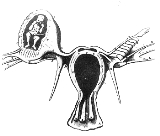
An ectopic pregnancy, or eccysis , is a complication of pregnancy in which the embryo implants outside the uterine cavity
. With rare exceptions, ectopic pregnancies are not viable. Furthermore, they are dangerous for the parent, since internal haemorrhage is a life threatening complication. Most ectopic pregnancies occur in the Fallopian tube
(so-called tubal pregnancies), but implantation can also occur in the cervix
, ovaries
, and abdomen
. An ectopic pregnancy is a potential medical emergency
, and, if not treated properly, can lead to death.
In a normal pregnancy, the fertilized egg enters the uterus and settles into the uterine lining where it has plenty of room to divide and grow. About 1% of pregnancies are in an ectopic location with implantation not occurring inside of the womb, and of these 98% occur in the Fallopian tubes.
Detection of ectopic pregnancy in early gestation has been achieved mainly due to enhanced diagnostic capability. Despite all these notable successes in diagnostics and detection techniques ectopic pregnancy remains a source of serious maternal morbidity and mortality worldwide, especially in countries with poor prenatal care.
In a typical ectopic pregnancy, the embryo adheres to the lining of the fallopian tube and burrows into the tubal lining. Most commonly this invades vessels and will cause bleeding. This intratubal bleeding hematosalpinx expels the implantation out of the tubal end as a tubal abortion. Tubal abortion is a common type of miscarriage
. There is no inflammation of the tube in ectopic pregnancy. The pain is caused by prostaglandins released at the implantation site, and by free blood in the peritoneal cavity, which is a local irritant. Sometimes the bleeding might be heavy enough to threaten the health or life of the woman. Usually this degree of bleeding is due to delay in diagnosis, but sometimes, especially if the implantation is in the proximal tube (just before it enters the uterus), it may invade into the nearby Sampson artery, causing heavy bleeding earlier than usual.
If left untreated, about half of ectopic pregnancies will resolve without treatment. These are the tubal abortions. The advent of methotrexate
treatment for ectopic pregnancy has reduced the need for surgery; however, surgical intervention is still required in cases where the Fallopian tube has ruptured or is in danger of doing so. This intervention may be laparoscopic or through a larger incision, known as a laparotomy
.
) is higher as there is increased vascularity that may result more likely in sudden major internal hemorrhage. A review published in 2010 supports the hypothesis that tubal ectopic pregnancy is caused by a combination of retention of the embryo within the fallopian tube due to impaired embryo-tubal transport and alterations in the tubal environment allowing early implantation to occur.
examination is usually able to detect a cervical pregnancy
. An ovarian pregnancy
is differentiated from a tubal pregnancy by the Spiegelberg criteria
.
While a fetus of ectopic pregnancy is typically not viable, very rarely, a live baby has been delivered from an abdominal pregnancy
. In such a situation the placenta
sits on the intraabdominal organs or the peritoneum
and has found sufficient blood supply. This is generally bowel or mesentery, but other sites, such as the renal (kidney), liver or hepatic (liver) artery or even aorta have been described. Support to near viability has occasionally been described, but even in third world countries, the diagnosis is most commonly made at 16 to 20 weeks gestation. Such a fetus would have to be delivered by laparotomy
. Maternal morbidity and mortality from extrauterine pregnancy is high as attempts to remove the placenta from the organs to which it is attached usually lead to uncontrollable bleeding from the attachment site. If the organ to which the placenta is attached is removable, such as a section of bowel, then the placenta should be removed together with that organ. This is such a rare occurrence that true data are unavailable and reliance must be made on anecdotal reports. However, the vast majority of abdominal pregnancies require intervention well before fetal viability because of the risk of hemorrhage.
Although rare, heterotopic pregnancies are becoming more common, likely due to increased use of IVF. The survival rate of the uterine fetus of an ectopic pregnancy is around 70%.
Successful pregnancies have been reported from ruptured tubal pregnancy continuing by the placenta implanting on abdominal organs or on the outside of the uterus.
can be given at the time of surgery prophylactically.
Early signs include:
Patients with a late ectopic pregnancy typically experience pain and bleeding. This bleeding will be both vaginal and internal and has two discrete pathophysiologic mechanisms:
The differential diagnosis at this point is between miscarriage, ectopic pregnancy, and early normal pregnancy. The presence of a positive pregnancy test virtually rules out pelvic infection as it is rare indeed to find pregnancy with an active Pelvic Inflammatory Disease
(PID). The most common misdiagnosis assigned to early ectopic pregnancy is PID.
More severe internal bleeding may cause:
Ectopic pregnancy can mimic symptoms of other diseases such as appendicitis
, other gastrointestinal disorder, problems of the urinary system, as well as pelvic inflammatory disease
and other gynaecologic problems.
, infertility
, use of an intrauterine device
(IUD), previous exposure to DES
, tubal surgery, intrauterine surgery (e.g. D&C
), smoking
, previous ectopic pregnancy, and tubal ligation
.
Although older texts suggests an association between endometriosis and ectopic pregnancy this is not evidence based and current research suggests no association between endometriosis and ectopic pregnancy
(PID) have a high occurrence of ectopic pregnancy. This results from the build-up of scar tissue
in the Fallopian tubes, causing damage to cilia. If however both tubes were completely blocked, so that sperm and egg were physically unable to meet, then fertilization of the egg would naturally be impossible, and neither normal pregnancy nor ectopic pregnancy could occur. Tubal surgery for damaged tubes might remove this protection and increase the risk of ectopic pregnancy. Intrauterine adhesions (IUA) present in Asherman's syndrome
can cause ectopic cervical pregnancy or, if adhesions partially block access to the tubes via the ostia
, ectopic tubal pregnancy. Asherman's syndrome usually occurs from intrauterine surgery, most commonly after D&C
. Endometrial/pelvic/genital tuberculosis
, another cause of Asherman's syndrome, can also lead to ectopic pregnancy as infection may lead to tubal adhesions in addition to intrauterine adhesions.
Tubal ligation
can predispose to ectopic pregnancy. Seventy percent of pregnancies after tubal cautery are ectopic, while 70% of pregnancies after tubal clips are intrauterine. Reversal of tubal sterilization (Tubal reversal
) carries a risk for ectopic pregnancy. This is higher if more destructive methods of tubal ligation (tubal cautery, partial removal of the tubes) have been used than less destructive methods (tubal clipping). A history of a tubal pregnancy increases the risk of future occurrences to about 10%. This risk is not reduced by removing the affected tube, even if the other tube appears normal. The best method for diagnosing this is to do an early ultrasound.
is associated with ectopic risk. Vaginal douching is thought by some to increase ectopic pregnancies. Women exposed to diethylstilbestrol
(DES) in utero (also known as "DES Daughters") also have an elevated risk of ectopic pregnancy, up to 3 times the risk of unexposed women. It has also been suggested that pathologic generation of nitric oxide
through increased iNOS production may decrease tubal ciliary beats and smooth muscle contractions and thus affect embryo transport, which may consequently result in ectopic pregnancy.
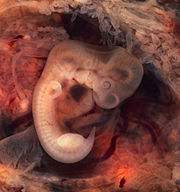 An ectopic pregnancy should be considered in any woman with abdominal pain or vaginal bleeding who has a positive pregnancy test
. An ultrasound
showing a gestational sac
with fetal heart in the fallopian tube
is clear evidence of ectopic pregnancy.
An abnormal rise in blood β-human chorionic gonadotropin (β-hCG) levels may indicate an ectopic pregnancy. The threshold of discrimination of intrauterine pregnancy is around 1500 IU/ml of β-hCG. A high resolution, transvaginal ultrasound showing no intrauterine pregnancy is presumptive evidence that an ectopic pregnancy is present if the threshold of discrimination for β-hCG has been reached. An empty uterus with levels higher than 1500 IU/ml may be evidence of an ectopic pregnancy, but may also be consistent with an intrauterine pregnancy which is simply too small to be seen on ultrasound
. If the diagnosis is uncertain, it may be necessary to wait a few days and repeat the blood work. This can be done by measuring the β-hCG level approximately 48 hours later and repeating the ultrasound. If the β-hCG falls on repeat examination, this strongly suggests a spontaneous abortion or rupture.
A laparoscopy
or laparotomy
can also be performed to visually confirm an ectopic pregnancy. Often if a tubal abortion or tubal rupture has occurred, it is difficult to find the pregnancy tissue. A laparoscopy in very early ectopic pregnancy rarely shows a normal looking fallopian tube
.
Culdocentesis
, in which fluid is retrieved from the space separating the vagina and rectum, is a less commonly performed test that may be used to look for internal bleeding. In this test, a needle is inserted into the space at the very top of the vagina, behind the uterus and in front of the rectum. Any blood or fluid found may have been derived from a ruptured ectopic pregnancy.
Cullen's sign
can indicate a ruptured ectopic pregnancy.
is a viable alternative to surgical treatment since at least 1993. If administered early in the pregnancy, methotrexate terminates the growth of the developing embryo; this may cause an abortion
, or the tissue may then be either resorbed by the woman's body or pass with a menstrual period. Contraindications include liver, kidney, or blood disease, as well as an ectopic mass > 3.5 cm.
Surgeons use laparoscopy
or laparotomy
to gain access to the pelvis and can either incise the affected Fallopian and remove only the pregnancy (salpingostomy) or remove the affected tube with the pregnancy (salpingectomy
). The first successful surgery for an ectopic pregnancy was performed by Robert Lawson Tait in 1883.
. The treatment choice, whether surgical or nonsurgical, also plays a role. For example, the rate of intrauterine pregnancy may be higher following methotrexate compared to surgical treatment. Rate of fertility may be better following salpingostomy than salpingectomy.
.
In July 1999, Lori Dalton gave birth by Caesarean section
in Ogden
, Utah
, USA to a healthy baby girl who had developed outside of the uterus
. Previous ultrasounds had not discovered the problem. "Sage Dalton's delivery was slated as a routine Cesarean birth at Ogden Regional Medical Center in Utah
. When Dr. Naisbitt performed Lori’s Cesarean, he was astonished to find Sage within the amniotic membrane outside the womb." " But what makes this case so rare is that not only did mother and baby survive-- they're both in perfect health. John Dalton (the father) took home video inside the delivery room. Saige came out doing extremely well because even though she had been implanted outside the womb, a rich blood supply from a benign fibrous tumor along the outer uterus wall had nourished her with a rich source of blood."
On 19 April 2008 an English woman, Jayne Jones (age 37) who had an ectopic pregnancy attached to the omentum
, the fatty covering of her large bowel, gave birth. The baby, Billy Jones
was delivered by a laparotomy
at 28 weeks gestation
. The surgery
, the first of its kind to be performed in the UK, was successful, and both mother and baby survived.
On May 29, 2008 an Australian woman, Meera Thangarajah (age 34), who had an ectopic pregnancy in the ovary
, gave birth to a healthy full term 6 pound 3 ounce (2.8 kg) baby girl, Durga, via Caesarean section
. She had no problems or complications during the 38-week pregnancy.
The case of Olivia, Mary and Ronan had an extrauterine fetus (Ronan) and intrauterine twins
. All three survived. The intrauterine twins were taken out first.
s.
In sheep, it can go to term, with mammary preparation to parturition, and expulsion efforts
.
The fetus can be removed by caesarian section.
Pictures of caesarian section of a euthanized ewe
, 5 days after parturition signs.
Uterus
The uterus or womb is a major female hormone-responsive reproductive sex organ of most mammals including humans. One end, the cervix, opens into the vagina, while the other is connected to one or both fallopian tubes, depending on the species...
. With rare exceptions, ectopic pregnancies are not viable. Furthermore, they are dangerous for the parent, since internal haemorrhage is a life threatening complication. Most ectopic pregnancies occur in the Fallopian tube
Fallopian tube
The Fallopian tubes, also known as oviducts, uterine tubes, and salpinges are two very fine tubes lined with ciliated epithelia, leading from the ovaries of female mammals into the uterus, via the utero-tubal junction...
(so-called tubal pregnancies), but implantation can also occur in the cervix
Cervix
The cervix is the lower, narrow portion of the uterus where it joins with the top end of the vagina. It is cylindrical or conical in shape and protrudes through the upper anterior vaginal wall...
, ovaries
Ovary
The ovary is an ovum-producing reproductive organ, often found in pairs as part of the vertebrate female reproductive system. Ovaries in anatomically female individuals are analogous to testes in anatomically male individuals, in that they are both gonads and endocrine glands.-Human anatomy:Ovaries...
, and abdomen
Abdomen
In vertebrates such as mammals the abdomen constitutes the part of the body between the thorax and pelvis. The region enclosed by the abdomen is termed the abdominal cavity...
. An ectopic pregnancy is a potential medical emergency
Medical emergency
A medical emergency is an injury or illness that is acute and poses an immediate risk to a person's life or long term health. These emergencies may require assistance from another person, who should ideally be suitably qualified to do so, although some of these emergencies can be dealt with by the...
, and, if not treated properly, can lead to death.
In a normal pregnancy, the fertilized egg enters the uterus and settles into the uterine lining where it has plenty of room to divide and grow. About 1% of pregnancies are in an ectopic location with implantation not occurring inside of the womb, and of these 98% occur in the Fallopian tubes.
Detection of ectopic pregnancy in early gestation has been achieved mainly due to enhanced diagnostic capability. Despite all these notable successes in diagnostics and detection techniques ectopic pregnancy remains a source of serious maternal morbidity and mortality worldwide, especially in countries with poor prenatal care.
In a typical ectopic pregnancy, the embryo adheres to the lining of the fallopian tube and burrows into the tubal lining. Most commonly this invades vessels and will cause bleeding. This intratubal bleeding hematosalpinx expels the implantation out of the tubal end as a tubal abortion. Tubal abortion is a common type of miscarriage
Miscarriage
Miscarriage or spontaneous abortion is the spontaneous end of a pregnancy at a stage where the embryo or fetus is incapable of surviving independently, generally defined in humans at prior to 20 weeks of gestation...
. There is no inflammation of the tube in ectopic pregnancy. The pain is caused by prostaglandins released at the implantation site, and by free blood in the peritoneal cavity, which is a local irritant. Sometimes the bleeding might be heavy enough to threaten the health or life of the woman. Usually this degree of bleeding is due to delay in diagnosis, but sometimes, especially if the implantation is in the proximal tube (just before it enters the uterus), it may invade into the nearby Sampson artery, causing heavy bleeding earlier than usual.
If left untreated, about half of ectopic pregnancies will resolve without treatment. These are the tubal abortions. The advent of methotrexate
Methotrexate
Methotrexate , abbreviated MTX and formerly known as amethopterin, is an antimetabolite and antifolate drug. It is used in treatment of cancer, autoimmune diseases, ectopic pregnancy, and for the induction of medical abortions. It acts by inhibiting the metabolism of folic acid. Methotrexate...
treatment for ectopic pregnancy has reduced the need for surgery; however, surgical intervention is still required in cases where the Fallopian tube has ruptured or is in danger of doing so. This intervention may be laparoscopic or through a larger incision, known as a laparotomy
Laparotomy
A laparotomy is a surgical procedure involving a large incision through the abdominal wall to gain access into the abdominal cavity. It is also known as coeliotomy.- Terminology :...
.
Tubal pregnancy
The vast majority of ectopic pregnancies implant in the Fallopian tube. Pregnancies can grow in the fimbrial end (5% of all ectopics), the ampullary section (80%), the isthmus (12%), and the cornual and interstitial part of the tube (2%). Mortality of a tubal pregnancy at the isthmus or within the uterus (interstitial pregnancyInterstitial pregnancy
An interstitial pregnancy is a uterine but ectopic pregnancy; the pregnancy is located outside of the uterine cavity in that part of the Fallopian tube that penetrates the muscular layer of the uterus...
) is higher as there is increased vascularity that may result more likely in sudden major internal hemorrhage. A review published in 2010 supports the hypothesis that tubal ectopic pregnancy is caused by a combination of retention of the embryo within the fallopian tube due to impaired embryo-tubal transport and alterations in the tubal environment allowing early implantation to occur.
Nontubal ectopic pregnancy
Two percent of ectopic pregnancies occur in the ovary, cervix, or are intraabdominal. Transvaginal ultrasoundUltrasound
Ultrasound is cyclic sound pressure with a frequency greater than the upper limit of human hearing. Ultrasound is thus not separated from "normal" sound based on differences in physical properties, only the fact that humans cannot hear it. Although this limit varies from person to person, it is...
examination is usually able to detect a cervical pregnancy
Cervical pregnancy
Cervical pregnancy refers to an ectopic pregnancy that has implanted in the uterine endocervix. Such a pregnancy typically aborts within the first trimester, however, if it is implanted closer to the uterine cavity - a so-called cervico-isthmic pregnancy - it may continue longer...
. An ovarian pregnancy
Ovarian pregnancy
Ovarian pregnancy refers to an ectopic pregnancy that is located in the ovary. Typically the egg cell is not released or picked-up at ovulation, but fertilized within the ovary where the pregnancy implants. Such a pregnancy usually does not proceed past the first four weeks of pregnancy...
is differentiated from a tubal pregnancy by the Spiegelberg criteria
Spiegelberg criteria
The Spiegelberg criteria are four criteria used to identify ovarian ectopic pregnancies named after Otto Spiegelberg.- Description :Four criteria for differentiating ovarian from other ectopic pregnancies:...
.
While a fetus of ectopic pregnancy is typically not viable, very rarely, a live baby has been delivered from an abdominal pregnancy
Abdominal pregnancy
An abdominal pregnancy is a form of an ectopic pregnancy where the pregnancy is implanted within the peritoneal cavity outside the fallopian tube or ovary and not located in the broad ligament...
. In such a situation the placenta
Placenta
The placenta is an organ that connects the developing fetus to the uterine wall to allow nutrient uptake, waste elimination, and gas exchange via the mother's blood supply. "True" placentas are a defining characteristic of eutherian or "placental" mammals, but are also found in some snakes and...
sits on the intraabdominal organs or the peritoneum
Peritoneum
The peritoneum is the serous membrane that forms the lining of the abdominal cavity or the coelom — it covers most of the intra-abdominal organs — in amniotes and some invertebrates...
and has found sufficient blood supply. This is generally bowel or mesentery, but other sites, such as the renal (kidney), liver or hepatic (liver) artery or even aorta have been described. Support to near viability has occasionally been described, but even in third world countries, the diagnosis is most commonly made at 16 to 20 weeks gestation. Such a fetus would have to be delivered by laparotomy
Laparotomy
A laparotomy is a surgical procedure involving a large incision through the abdominal wall to gain access into the abdominal cavity. It is also known as coeliotomy.- Terminology :...
. Maternal morbidity and mortality from extrauterine pregnancy is high as attempts to remove the placenta from the organs to which it is attached usually lead to uncontrollable bleeding from the attachment site. If the organ to which the placenta is attached is removable, such as a section of bowel, then the placenta should be removed together with that organ. This is such a rare occurrence that true data are unavailable and reliance must be made on anecdotal reports. However, the vast majority of abdominal pregnancies require intervention well before fetal viability because of the risk of hemorrhage.
Heterotopic pregnancy
In rare cases of ectopic pregnancy, there may be two fertilized eggs, one outside the uterus and the other inside. This is called a heterotopic pregnancy. Often the intrauterine pregnancy is discovered later than the ectopic, mainly because of the painful emergency nature of ectopic pregnancies. Since ectopic pregnancies are normally discovered and removed very early in the pregnancy, an ultrasound may not find the additional pregnancy inside the uterus. When hCG levels continue to rise after the removal of the ectopic pregnancy, there is the chance that a pregnancy inside the uterus is still viable. This is normally discovered through an ultrasound.Although rare, heterotopic pregnancies are becoming more common, likely due to increased use of IVF. The survival rate of the uterine fetus of an ectopic pregnancy is around 70%.
Successful pregnancies have been reported from ruptured tubal pregnancy continuing by the placenta implanting on abdominal organs or on the outside of the uterus.
Persistent ectopic pregnancy
A persistent ectopic pregnancy refers to the continuation of trophoplastic growth after a surgical intervention to remove an ectopic pregnancy. After a conservative procedure that attempts to preserve the affected fallopian tube such as a salpingotomy, in about 15-20% the major portion of the ectopic growth may have been removed, but some trophoblastic tissue, perhaps deeply embedded, has escaped removal and continues to grow, generating a new rise in hCG levels. After weeks this may lead to new clinical symptoms including bleeding. For this reason hCG levels may have to be monitored after removal of an ectopic to assure their decline, also methotrexateMethotrexate
Methotrexate , abbreviated MTX and formerly known as amethopterin, is an antimetabolite and antifolate drug. It is used in treatment of cancer, autoimmune diseases, ectopic pregnancy, and for the induction of medical abortions. It acts by inhibiting the metabolism of folic acid. Methotrexate...
can be given at the time of surgery prophylactically.
Signs and symptoms
Early symptoms are either absent or subtle. Clinical presentation of ectopic pregnancy occurs at a mean of 7.2 weeks after the last normal menstrual period, with a range of 5 to 8 weeks. Later presentations are more common in communities deprived of modern diagnostic ability.Early signs include:
- Pain in the lower abdomen, and inflammation (Pain may be confused with a strong stomach pain, it may also feel like a strong cramp)
- Pain while urinating
- Pain and discomfort, usually mild. A corpus luteumCorpus luteumThe corpus luteum is a temporary endocrine structure in mammals, involved in production of relatively high levels of progesterone and moderate levels of estradiol and inhibin A...
on the ovary in a normal pregnancy may give very similar symptoms. - Vaginal bleeding, usually mild. An ectopic pregnancy is usually a failing pregnancy and falling levels of progesterone from the corpus luteum on the ovary cause withdrawal bleeding. This can be indistinguishable from an early miscarriage or the 'implantation bleed' of a normal early pregnancy.
- Pain while having a bowel movement
Patients with a late ectopic pregnancy typically experience pain and bleeding. This bleeding will be both vaginal and internal and has two discrete pathophysiologic mechanisms:
- External bleeding is due to the falling progesterone levels.
- Internal bleeding (hematoperitoneum) is due to hemorrhage from the affected tube.
The differential diagnosis at this point is between miscarriage, ectopic pregnancy, and early normal pregnancy. The presence of a positive pregnancy test virtually rules out pelvic infection as it is rare indeed to find pregnancy with an active Pelvic Inflammatory Disease
Pelvic inflammatory disease
Pelvic inflammatory disease is a generic term for inflammation of the uterus, fallopian tubes, and/or ovaries as it progresses to scar formation with adhesions to nearby tissues and organs. This may lead to infections. PID is a vague term and can refer to viral, fungal, parasitic, though most...
(PID). The most common misdiagnosis assigned to early ectopic pregnancy is PID.
More severe internal bleeding may cause:
- Lower backBack- People :* Adam Back, British cryptographer* Charles Back, South African winemaker* Chris Back , Australian politician* Ernst Emil Alexander Back , German physicist* Frédéric Back , Canadian animator...
, abdominalAbdomenIn vertebrates such as mammals the abdomen constitutes the part of the body between the thorax and pelvis. The region enclosed by the abdomen is termed the abdominal cavity...
, or pelvicPelvisIn human anatomy, the pelvis is the lower part of the trunk, between the abdomen and the lower limbs .The pelvis includes several structures:...
pain. - Shoulder pain. This is caused by free blood tracking up the abdominal cavity and irritating the diaphragm, and is an ominous sign.
- There may be crampCrampCramps are unpleasant, often painful sensations caused by muscle contraction or over shortening. Common causes of skeletal muscle cramps include muscle fatigue, low sodium, and low potassium...
ing or even tenderness on one side of the pelvisPelvisIn human anatomy, the pelvis is the lower part of the trunk, between the abdomen and the lower limbs .The pelvis includes several structures:...
. - The pain is of recent onset, meaning it must be differentiated from cyclical pelvic pain, and is often getting worse.
Ectopic pregnancy can mimic symptoms of other diseases such as appendicitis
Appendicitis
Appendicitis is a condition characterized by inflammation of the appendix. It is classified as a medical emergency and many cases require removal of the inflamed appendix, either by laparotomy or laparoscopy. Untreated, mortality is high, mainly because of the risk of rupture leading to...
, other gastrointestinal disorder, problems of the urinary system, as well as pelvic inflammatory disease
Pelvic inflammatory disease
Pelvic inflammatory disease is a generic term for inflammation of the uterus, fallopian tubes, and/or ovaries as it progresses to scar formation with adhesions to nearby tissues and organs. This may lead to infections. PID is a vague term and can refer to viral, fungal, parasitic, though most...
and other gynaecologic problems.
Causes
There are a number of risk factors for ectopic pregnancies. However, in as many as one third to one half of ectopic pregnancies, no risk factors can be identified. Risk factors include: pelvic inflammatory diseasePelvic inflammatory disease
Pelvic inflammatory disease is a generic term for inflammation of the uterus, fallopian tubes, and/or ovaries as it progresses to scar formation with adhesions to nearby tissues and organs. This may lead to infections. PID is a vague term and can refer to viral, fungal, parasitic, though most...
, infertility
Infertility
Infertility primarily refers to the biological inability of a person to contribute to conception. Infertility may also refer to the state of a woman who is unable to carry a pregnancy to full term...
, use of an intrauterine device
Intrauterine device
A copper IUD is a type of intrauterine device. Most IUDs have a plastic T- or U-shaped frame which is wrapped in copper wire, with the exception of Gynefix, which is a plastic string with several copper beads, affixed to the fundus of the uterus...
(IUD), previous exposure to DES
Diethylstilbestrol
Diethylstilbestrol is a synthetic nonsteroidal estrogen that was first synthesized in 1938. Human exposure to DES occurred through diverse sources, such as dietary ingestion from supplemented cattle feed and medical treatment for certain conditions, including breast and prostate cancers...
, tubal surgery, intrauterine surgery (e.g. D&C
Dilation and curettage
Dilation and curettage refers to the dilation of the cervix and surgical removal of part of the lining of the uterus and/or contents of the uterus by scraping and scooping . It is a diagnostic gynecological procedure.D&C normally is referred to a procedure involving a curette, also called sharp...
), smoking
Smoking
Smoking is a practice in which a substance, most commonly tobacco or cannabis, is burned and the smoke is tasted or inhaled. This is primarily practised as a route of administration for recreational drug use, as combustion releases the active substances in drugs such as nicotine and makes them...
, previous ectopic pregnancy, and tubal ligation
Tubal ligation
Tubal ligation or tubectomy is a surgical procedure for sterilization in which a woman's fallopian tubes are clamped and blocked, or severed and sealed, either method of which prevents eggs from reaching the uterus for fertilization...
.
Although older texts suggests an association between endometriosis and ectopic pregnancy this is not evidence based and current research suggests no association between endometriosis and ectopic pregnancy
Cilial damage and tube occlusion
Hair-like cilia located on the internal surface of the Fallopian tubes carry the fertilized egg to the uterus. Fallopian cilia are sometimes seen in reduced numbers subsequent to an ectopic pregnancy, leading to a hypothesis that cilia damage in the Fallopian tubes is likely to lead to an ectopic pregnancy. Women with pelvic inflammatory diseasePelvic inflammatory disease
Pelvic inflammatory disease is a generic term for inflammation of the uterus, fallopian tubes, and/or ovaries as it progresses to scar formation with adhesions to nearby tissues and organs. This may lead to infections. PID is a vague term and can refer to viral, fungal, parasitic, though most...
(PID) have a high occurrence of ectopic pregnancy. This results from the build-up of scar tissue
Scar
Scars are areas of fibrous tissue that replace normal skin after injury. A scar results from the biological process of wound repair in the skin and other tissues of the body. Thus, scarring is a natural part of the healing process. With the exception of very minor lesions, every wound results in...
in the Fallopian tubes, causing damage to cilia. If however both tubes were completely blocked, so that sperm and egg were physically unable to meet, then fertilization of the egg would naturally be impossible, and neither normal pregnancy nor ectopic pregnancy could occur. Tubal surgery for damaged tubes might remove this protection and increase the risk of ectopic pregnancy. Intrauterine adhesions (IUA) present in Asherman's syndrome
Asherman's syndrome
Asherman's syndrome , also called "uterine synechiae" or intrauterine adhesions , presents a condition characterized by the presence of adhesions and/or fibrosis within the uterine cavity due to scars...
can cause ectopic cervical pregnancy or, if adhesions partially block access to the tubes via the ostia
Ostium of Fallopian tube
The ostium of the Fallopian tube may refer to the proximal or distal opening of the tube.The proximal tubal opening is located within the uterus at the uterotubal junction and accessible via hysteroscopy...
, ectopic tubal pregnancy. Asherman's syndrome usually occurs from intrauterine surgery, most commonly after D&C
Dilation and curettage
Dilation and curettage refers to the dilation of the cervix and surgical removal of part of the lining of the uterus and/or contents of the uterus by scraping and scooping . It is a diagnostic gynecological procedure.D&C normally is referred to a procedure involving a curette, also called sharp...
. Endometrial/pelvic/genital tuberculosis
Tuberculosis
Tuberculosis, MTB, or TB is a common, and in many cases lethal, infectious disease caused by various strains of mycobacteria, usually Mycobacterium tuberculosis. Tuberculosis usually attacks the lungs but can also affect other parts of the body...
, another cause of Asherman's syndrome, can also lead to ectopic pregnancy as infection may lead to tubal adhesions in addition to intrauterine adhesions.
Tubal ligation
Tubal ligation
Tubal ligation or tubectomy is a surgical procedure for sterilization in which a woman's fallopian tubes are clamped and blocked, or severed and sealed, either method of which prevents eggs from reaching the uterus for fertilization...
can predispose to ectopic pregnancy. Seventy percent of pregnancies after tubal cautery are ectopic, while 70% of pregnancies after tubal clips are intrauterine. Reversal of tubal sterilization (Tubal reversal
Tubal reversal
Tubal reversal, also called tubal sterilization reversal or tubal ligation reversal, is a surgical procedure that attempts to restore fertility to women after a tubal ligation...
) carries a risk for ectopic pregnancy. This is higher if more destructive methods of tubal ligation (tubal cautery, partial removal of the tubes) have been used than less destructive methods (tubal clipping). A history of a tubal pregnancy increases the risk of future occurrences to about 10%. This risk is not reduced by removing the affected tube, even if the other tube appears normal. The best method for diagnosing this is to do an early ultrasound.
Other
Although some investigations have shown that patients may be at higher risk for ectopic pregnancy with advancing age, it is believed that age is a variable which could act as a surrogate for other risk factors. Also, it has been noted that smokingTobacco smoking
Tobacco smoking is the practice where tobacco is burned and the resulting smoke is inhaled. The practice may have begun as early as 5000–3000 BCE. Tobacco was introduced to Eurasia in the late 16th century where it followed common trade routes...
is associated with ectopic risk. Vaginal douching is thought by some to increase ectopic pregnancies. Women exposed to diethylstilbestrol
Diethylstilbestrol
Diethylstilbestrol is a synthetic nonsteroidal estrogen that was first synthesized in 1938. Human exposure to DES occurred through diverse sources, such as dietary ingestion from supplemented cattle feed and medical treatment for certain conditions, including breast and prostate cancers...
(DES) in utero (also known as "DES Daughters") also have an elevated risk of ectopic pregnancy, up to 3 times the risk of unexposed women. It has also been suggested that pathologic generation of nitric oxide
Nitric oxide
Nitric oxide, also known as nitrogen monoxide, is a diatomic molecule with chemical formula NO. It is a free radical and is an important intermediate in the chemical industry...
through increased iNOS production may decrease tubal ciliary beats and smooth muscle contractions and thus affect embryo transport, which may consequently result in ectopic pregnancy.
Diagnosis
Pregnancy test
A pregnancy test attempts to determine whether or not a woman is pregnant.These markers are found in urine and blood, and pregnancy tests require sampling one of these substances. The first of these markers to be discovered, human chorionic gonadotropin , was discovered in 1930 to be produced by...
. An ultrasound
Ultrasound
Ultrasound is cyclic sound pressure with a frequency greater than the upper limit of human hearing. Ultrasound is thus not separated from "normal" sound based on differences in physical properties, only the fact that humans cannot hear it. Although this limit varies from person to person, it is...
showing a gestational sac
Gestational sac
The gestational sac is the only available intrauterine structure that can be used to determine if an intrauterine pregnancy exists, until the embryo is identified....
with fetal heart in the fallopian tube
Fallopian tube
The Fallopian tubes, also known as oviducts, uterine tubes, and salpinges are two very fine tubes lined with ciliated epithelia, leading from the ovaries of female mammals into the uterus, via the utero-tubal junction...
is clear evidence of ectopic pregnancy.
An abnormal rise in blood β-human chorionic gonadotropin (β-hCG) levels may indicate an ectopic pregnancy. The threshold of discrimination of intrauterine pregnancy is around 1500 IU/ml of β-hCG. A high resolution, transvaginal ultrasound showing no intrauterine pregnancy is presumptive evidence that an ectopic pregnancy is present if the threshold of discrimination for β-hCG has been reached. An empty uterus with levels higher than 1500 IU/ml may be evidence of an ectopic pregnancy, but may also be consistent with an intrauterine pregnancy which is simply too small to be seen on ultrasound
Ultrasound
Ultrasound is cyclic sound pressure with a frequency greater than the upper limit of human hearing. Ultrasound is thus not separated from "normal" sound based on differences in physical properties, only the fact that humans cannot hear it. Although this limit varies from person to person, it is...
. If the diagnosis is uncertain, it may be necessary to wait a few days and repeat the blood work. This can be done by measuring the β-hCG level approximately 48 hours later and repeating the ultrasound. If the β-hCG falls on repeat examination, this strongly suggests a spontaneous abortion or rupture.
A laparoscopy
Laparoscopy
Laparoscopy is an operation performed in the abdomen or pelvis through small incisions with the aid of a camera...
or laparotomy
Laparotomy
A laparotomy is a surgical procedure involving a large incision through the abdominal wall to gain access into the abdominal cavity. It is also known as coeliotomy.- Terminology :...
can also be performed to visually confirm an ectopic pregnancy. Often if a tubal abortion or tubal rupture has occurred, it is difficult to find the pregnancy tissue. A laparoscopy in very early ectopic pregnancy rarely shows a normal looking fallopian tube
Fallopian tube
The Fallopian tubes, also known as oviducts, uterine tubes, and salpinges are two very fine tubes lined with ciliated epithelia, leading from the ovaries of female mammals into the uterus, via the utero-tubal junction...
.
Culdocentesis
Culdocentesis
Culdocentesis refers to the extraction of fluid from the rectouterine pouch posterior to the vagina through a needle. It can be one diagnostic technique used in identifying pelvic inflammatory disease and ectopic pregnancy....
, in which fluid is retrieved from the space separating the vagina and rectum, is a less commonly performed test that may be used to look for internal bleeding. In this test, a needle is inserted into the space at the very top of the vagina, behind the uterus and in front of the rectum. Any blood or fluid found may have been derived from a ruptured ectopic pregnancy.
Cullen's sign
Cullen's sign
Cullen's sign is superficial edema and bruising in the subcutaneous fatty tissue around the umbilicus.It is named for Thomas S. Cullen , an obstetrician who first described the sign in ruptured ectopic pregnancy in 1916....
can indicate a ruptured ectopic pregnancy.
Medical
Early treatment of an ectopic pregnancy with methotrexateMethotrexate
Methotrexate , abbreviated MTX and formerly known as amethopterin, is an antimetabolite and antifolate drug. It is used in treatment of cancer, autoimmune diseases, ectopic pregnancy, and for the induction of medical abortions. It acts by inhibiting the metabolism of folic acid. Methotrexate...
is a viable alternative to surgical treatment since at least 1993. If administered early in the pregnancy, methotrexate terminates the growth of the developing embryo; this may cause an abortion
Abortion
Abortion is defined as the termination of pregnancy by the removal or expulsion from the uterus of a fetus or embryo prior to viability. An abortion can occur spontaneously, in which case it is usually called a miscarriage, or it can be purposely induced...
, or the tissue may then be either resorbed by the woman's body or pass with a menstrual period. Contraindications include liver, kidney, or blood disease, as well as an ectopic mass > 3.5 cm.
Surgical
If hemorrhage has already occurred, surgical intervention may be necessary. However, whether to pursue surgical intervention is an often difficult decision in a stable patient with minimal evidence of blood clot on ultrasound.Surgeons use laparoscopy
Laparoscopy
Laparoscopy is an operation performed in the abdomen or pelvis through small incisions with the aid of a camera...
or laparotomy
Laparotomy
A laparotomy is a surgical procedure involving a large incision through the abdominal wall to gain access into the abdominal cavity. It is also known as coeliotomy.- Terminology :...
to gain access to the pelvis and can either incise the affected Fallopian and remove only the pregnancy (salpingostomy) or remove the affected tube with the pregnancy (salpingectomy
Salpingectomy
Salpingectomy refers to the surgical removal of a Fallopian tube.-Indications:The procedure was first performed by Lawson Tait in patients with a bleeding ectopic pregnancy; this procedure has since saved the lives of countless women...
). The first successful surgery for an ectopic pregnancy was performed by Robert Lawson Tait in 1883.
Complications
The most common complication is rupture with internal haemorrhage which may lead to hypovolaemic shock. Death from rupture is rare in women who have access to modern medical facilities.Future fertility
Fertility following ectopic pregnancy depends upon several factors, the most important of which is a prior history of infertilityInfertility
Infertility primarily refers to the biological inability of a person to contribute to conception. Infertility may also refer to the state of a woman who is unable to carry a pregnancy to full term...
. The treatment choice, whether surgical or nonsurgical, also plays a role. For example, the rate of intrauterine pregnancy may be higher following methotrexate compared to surgical treatment. Rate of fertility may be better following salpingostomy than salpingectomy.
Cases with live birth
There have been cases where ectopic pregnancy lasted many months and ended in a live baby delivered by laparotomyLaparotomy
A laparotomy is a surgical procedure involving a large incision through the abdominal wall to gain access into the abdominal cavity. It is also known as coeliotomy.- Terminology :...
.
In July 1999, Lori Dalton gave birth by Caesarean section
Caesarean section
A Caesarean section, is a surgical procedure in which one or more incisions are made through a mother's abdomen and uterus to deliver one or more babies, or, rarely, to remove a dead fetus...
in Ogden
Ogden, Utah
Ogden is a city in Weber County, Utah, United States. Ogden serves as the county seat of Weber County. The population was 82,825 according to the 2010 Census. The city served as a major railway hub through much of its history, and still handles a great deal of freight rail traffic which makes it a...
, Utah
Utah
Utah is a state in the Western United States. It was the 45th state to join the Union, on January 4, 1896. Approximately 80% of Utah's 2,763,885 people live along the Wasatch Front, centering on Salt Lake City. This leaves vast expanses of the state nearly uninhabited, making the population the...
, USA to a healthy baby girl who had developed outside of the uterus
Uterus
The uterus or womb is a major female hormone-responsive reproductive sex organ of most mammals including humans. One end, the cervix, opens into the vagina, while the other is connected to one or both fallopian tubes, depending on the species...
. Previous ultrasounds had not discovered the problem. "Sage Dalton's delivery was slated as a routine Cesarean birth at Ogden Regional Medical Center in Utah
Utah
Utah is a state in the Western United States. It was the 45th state to join the Union, on January 4, 1896. Approximately 80% of Utah's 2,763,885 people live along the Wasatch Front, centering on Salt Lake City. This leaves vast expanses of the state nearly uninhabited, making the population the...
. When Dr. Naisbitt performed Lori’s Cesarean, he was astonished to find Sage within the amniotic membrane outside the womb." " But what makes this case so rare is that not only did mother and baby survive-- they're both in perfect health. John Dalton (the father) took home video inside the delivery room. Saige came out doing extremely well because even though she had been implanted outside the womb, a rich blood supply from a benign fibrous tumor along the outer uterus wall had nourished her with a rich source of blood."
On 19 April 2008 an English woman, Jayne Jones (age 37) who had an ectopic pregnancy attached to the omentum
Omentum
Omentum may refer to:* greater omentum* lesser omentum...
, the fatty covering of her large bowel, gave birth. The baby, Billy Jones
Billy Jones
William "Billy" Jones , a seasoned veteran of the steam era who established the Wildcat Railroad in Los Gatos, California, was born the son of a teamster in the town of Ben Lomond, California, USA....
was delivered by a laparotomy
Laparotomy
A laparotomy is a surgical procedure involving a large incision through the abdominal wall to gain access into the abdominal cavity. It is also known as coeliotomy.- Terminology :...
at 28 weeks gestation
Gestation
Gestation is the carrying of an embryo or fetus inside a female viviparous animal. Mammals during pregnancy can have one or more gestations at the same time ....
. The surgery
Surgery
Surgery is an ancient medical specialty that uses operative manual and instrumental techniques on a patient to investigate and/or treat a pathological condition such as disease or injury, or to help improve bodily function or appearance.An act of performing surgery may be called a surgical...
, the first of its kind to be performed in the UK, was successful, and both mother and baby survived.
On May 29, 2008 an Australian woman, Meera Thangarajah (age 34), who had an ectopic pregnancy in the ovary
Ovary
The ovary is an ovum-producing reproductive organ, often found in pairs as part of the vertebrate female reproductive system. Ovaries in anatomically female individuals are analogous to testes in anatomically male individuals, in that they are both gonads and endocrine glands.-Human anatomy:Ovaries...
, gave birth to a healthy full term 6 pound 3 ounce (2.8 kg) baby girl, Durga, via Caesarean section
Caesarean section
A Caesarean section, is a surgical procedure in which one or more incisions are made through a mother's abdomen and uterus to deliver one or more babies, or, rarely, to remove a dead fetus...
. She had no problems or complications during the 38-week pregnancy.
The case of Olivia, Mary and Ronan had an extrauterine fetus (Ronan) and intrauterine twins
TWINS
Two Wide-Angle Imaging Neutral-Atom Spectrometers are a pair of NASA instruments aboard two United States National Reconnaissance Office satellites in Molniya orbits. TWINS was designed to provide stereo images of the Earth's ring current. The first instrument, TWINS-1, was launched aboard USA-184...
. All three survived. The intrauterine twins were taken out first.
In other animals
Ectopic gestation exists in other mammalMammal
Mammals are members of a class of air-breathing vertebrate animals characterised by the possession of endothermy, hair, three middle ear bones, and mammary glands functional in mothers with young...
s.
In sheep, it can go to term, with mammary preparation to parturition, and expulsion efforts
Childbirth
Childbirth is the culmination of a human pregnancy or gestation period with the birth of one or more newborn infants from a woman's uterus...
.
The fetus can be removed by caesarian section.
Pictures of caesarian section of a euthanized ewe
Domestic sheep
Sheep are quadrupedal, ruminant mammals typically kept as livestock. Like all ruminants, sheep are members of the order Artiodactyla, the even-toed ungulates. Although the name "sheep" applies to many species in the genus Ovis, in everyday usage it almost always refers to Ovis aries...
, 5 days after parturition signs.
External links
- The Ectopic Pregnancy Trust - Information and support for those who have suffered the condition by a medically overseen and moderated, UK based charity, recognised by the National Health Service (UK) Department of Health (UK) and The Royal College of Obstetricians and Gynaecologists
- Brown discharge first trimester - Information and support for pregnant women
- Abdominal Pain During Pregnancy