

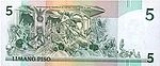
Philippine Declaration of Independence

Encyclopedia
The Philippine Declaration of Independence occurred on June 12, 1898 in Cavite II el Viejo (now Kawit), Cavite
, Philippines
. With the public reading of the Act of the Declaration of Independence, Filipino revolutionary forces under General Emilio Aguinaldo
proclaimed the sovereignty and independence of the Philippine Islands from the colonial rule of Spain, which had been recently defeated at the Battle of Manila Bay during the Spanish-American War
.
The declaration, however, was recognized by neither the United States
nor Spain
. The Spanish government later ceded the Philippines to the United States in the 1898 Treaty of Paris that ended the Spanish-American War. The United States finally recognized Philippine independence on July 4, 1946 in the Treaty of Manila
. July 4 was observed in the Philippines as Independence Day until August 4, 1964 when, upon the advice of historians and the urging of nationalists, President Diosdado Macapagal
signed into law Republic Act No. 4166 designating June 12 as the country's Independence Day. June 12 had previously been observed as Flag Day and many government buildings are urged to display the Philippine Flag in their offices.
 In the presence of a huge crowd, independence was proclaimed on June 12, 1898 between four and five in the afternoon in Cavite at the ancestral home of General Emilio Aguinaldo
some 30 kilometers South of Manila
. The event saw the unfurling of the National Flag of the Philippines
, made in Hong Kong
by Marcela Agoncillo, Lorenza Agoncillo, and Delfina Herboza, and the performance of the Marcha Filipina Magdalo, as the Nation's National Anthem, now known as Lupang Hinirang
, which was composed by Julián Felipe and played by the San Francisco de Malabon marching band.
The Act of the Declaration of Independence was prepared, written, and read by Ambrosio Rianzares Bautista
in Spanish. The Declaration was signed by ninety-eight people, among them an American army officer who witnessed the proclamation. The final paragraph states that there was a "stranger" (stranger in English translation — extrangero in the original Spanish, meaning foreigner) who attended the proceedings, Mr. L. M. Johnson, described as "a citizen of the U.S.A, a Coronel of Artillery". The proclamation of Philippine independence was, however, promulgated on the 1st of August, when many towns had already been organized under the rules laid down by the Dictatorial Government of General Aguinaldo.
Later at Malolos, Bulacan
, the June 12 proclamation was modified upon the insistence of Apolinario Mabini
who objected to that the original proclamation essentially placed the Philippines under the protection of the United States.
from Spain
. The celebrations were held simultaneously nationwide by then President Fidel V. Ramos
and Filipino communities worldwide. A commission was established for the said event, the National Centennial Commission headed by former Vice President Salvador Laurel
presided all events around the country. One of the major projects of the commission was the Expo Pilipino
, a grand showcase of the Philippines
' growth as a nation for the last 100 years, located in the Clark Special Economic Zone (formerly Clark Air Base
) in Angeles City, Pampanga
.
Cavite
Cavite is a province of the Philippines located on the southern shores of Manila Bay in the CALABARZON region in Luzon, just 30 kilometers south of Manila. Cavite is surrounded by Laguna to the east, Metro Manila to the northeast, and Batangas to the south...
, Philippines
Philippines
The Philippines , officially known as the Republic of the Philippines , is a country in Southeast Asia in the western Pacific Ocean. To its north across the Luzon Strait lies Taiwan. West across the South China Sea sits Vietnam...
. With the public reading of the Act of the Declaration of Independence, Filipino revolutionary forces under General Emilio Aguinaldo
Emilio Aguinaldo
Emilio Aguinaldo y Famy was a Filipino general, politician, and independence leader. He played an instrumental role during the Philippines' revolution against Spain, and the subsequent Philippine-American War or War of Philippine Independence that resisted American occupation...
proclaimed the sovereignty and independence of the Philippine Islands from the colonial rule of Spain, which had been recently defeated at the Battle of Manila Bay during the Spanish-American War
Spanish-American War
The Spanish–American War was a conflict in 1898 between Spain and the United States, effectively the result of American intervention in the ongoing Cuban War of Independence...
.
The declaration, however, was recognized by neither the United States
United States
The United States of America is a federal constitutional republic comprising fifty states and a federal district...
nor Spain
Spain
Spain , officially the Kingdom of Spain languages]] under the European Charter for Regional or Minority Languages. In each of these, Spain's official name is as follows:;;;;;;), is a country and member state of the European Union located in southwestern Europe on the Iberian Peninsula...
. The Spanish government later ceded the Philippines to the United States in the 1898 Treaty of Paris that ended the Spanish-American War. The United States finally recognized Philippine independence on July 4, 1946 in the Treaty of Manila
Treaty of Manila (1946)
The Treaty of Manila is a treaty of general relations signed on July 4, 1946 in Manila, capital of the Philippines. Parties to the treaty were the governments of the United States and the Republic of the Philippines...
. July 4 was observed in the Philippines as Independence Day until August 4, 1964 when, upon the advice of historians and the urging of nationalists, President Diosdado Macapagal
Diosdado Macapagal
Diosdado Pangan Macapagal was the ninth President of the Philippines, serving from 1961 to 1965, and the sixth Vice President, serving from 1957 to 1961. He also served as a member of the House of Representatives, and headed the Constitutional Convention of 1970...
signed into law Republic Act No. 4166 designating June 12 as the country's Independence Day. June 12 had previously been observed as Flag Day and many government buildings are urged to display the Philippine Flag in their offices.
The Proclamation Day
.Emilio Aguinaldo
Emilio Aguinaldo y Famy was a Filipino general, politician, and independence leader. He played an instrumental role during the Philippines' revolution against Spain, and the subsequent Philippine-American War or War of Philippine Independence that resisted American occupation...
some 30 kilometers South of Manila
Manila
Manila is the capital of the Philippines. It is one of the sixteen cities forming Metro Manila.Manila is located on the eastern shores of Manila Bay and is bordered by Navotas and Caloocan to the north, Quezon City to the northeast, San Juan and Mandaluyong to the east, Makati on the southeast,...
. The event saw the unfurling of the National Flag of the Philippines
Flag of the Philippines
The national flag of the Philippines is a horizontal flag bicolor with equal bands of royal blue and scarlet red, and with a white equilateral triangle at the hoist; in the center of the triangle is a golden yellow sun with eight primary rays, each containing three individual rays, which represent...
, made in Hong Kong
Hong Kong
Hong Kong is one of two Special Administrative Regions of the People's Republic of China , the other being Macau. A city-state situated on China's south coast and enclosed by the Pearl River Delta and South China Sea, it is renowned for its expansive skyline and deep natural harbour...
by Marcela Agoncillo, Lorenza Agoncillo, and Delfina Herboza, and the performance of the Marcha Filipina Magdalo, as the Nation's National Anthem, now known as Lupang Hinirang
Lupang Hinirang
Lupang Hinirang is the national anthem of the Philippines. Its music was composed in 1898 by Julián Felipe, with lyrics in Spanish adapted from the poem Filipinas, written by José Palma in 1899....
, which was composed by Julián Felipe and played by the San Francisco de Malabon marching band.
The Act of the Declaration of Independence was prepared, written, and read by Ambrosio Rianzares Bautista
Ambrosio Rianzares Bautista
Ambrosio Rianzares Bautista , also known as Don Bosyong, was a lawyer and author of the Declaration of Philippine Independence document...
in Spanish. The Declaration was signed by ninety-eight people, among them an American army officer who witnessed the proclamation. The final paragraph states that there was a "stranger" (stranger in English translation — extrangero in the original Spanish, meaning foreigner) who attended the proceedings, Mr. L. M. Johnson, described as "a citizen of the U.S.A, a Coronel of Artillery". The proclamation of Philippine independence was, however, promulgated on the 1st of August, when many towns had already been organized under the rules laid down by the Dictatorial Government of General Aguinaldo.
Later at Malolos, Bulacan
Bulacan
Bulacan , officially called the Province of Bulacan or simply Bulacan Province, is a first class province of the Republic of the Philippines located in the Central Luzon Region in the island of Luzon, north of Manila , and part of the Metro...
, the June 12 proclamation was modified upon the insistence of Apolinario Mabini
Apolinario Mabini
Apolinario Mabini y Maranan was a Filipino political philosopher and revolutionary who wrote a constitutional plan for the of 1899-1901, and served as its first prime minister in 1899...
who objected to that the original proclamation essentially placed the Philippines under the protection of the United States.
Philippine Centennial
On June 12, 1998, the nation celebrated its centennial year of IndependenceIndependence
Independence is a condition of a nation, country, or state in which its residents and population, or some portion thereof, exercise self-government, and usually sovereignty, over its territory....
from Spain
Spain
Spain , officially the Kingdom of Spain languages]] under the European Charter for Regional or Minority Languages. In each of these, Spain's official name is as follows:;;;;;;), is a country and member state of the European Union located in southwestern Europe on the Iberian Peninsula...
. The celebrations were held simultaneously nationwide by then President Fidel V. Ramos
Fidel V. Ramos
Fidel "Eddie" Valdez Ramos , popularly known as FVR, was the 12th President of the Philippines from 1992 to 1998. During his six years in office, Ramos was widely credited and admired by many for revitalizing and renewing international confidence in the Philippine economy.Prior to his election as...
and Filipino communities worldwide. A commission was established for the said event, the National Centennial Commission headed by former Vice President Salvador Laurel
Salvador Laurel
Salvador Roman Hidalgo Laurel , also known as Doy Laurel, was Vice President of the Philippines from 1986 to 1992 under Corazon Aquino. Before that, he briefly served as Aquino's first Prime Minister from February 25 to March 25 of 1986...
presided all events around the country. One of the major projects of the commission was the Expo Pilipino
Expo Pilipino
Expo Pilipino was the Philippine National Centennial Exposition and centerpiece of the commemoration of the 100th anniversary of the declaration of Philippine Independence on June 12, 1898...
, a grand showcase of the Philippines
Philippines
The Philippines , officially known as the Republic of the Philippines , is a country in Southeast Asia in the western Pacific Ocean. To its north across the Luzon Strait lies Taiwan. West across the South China Sea sits Vietnam...
' growth as a nation for the last 100 years, located in the Clark Special Economic Zone (formerly Clark Air Base
Clark Air Base
Clark Air Base is a former United States Air Force base on Luzon Island in the Philippines, located 3 miles west of Angeles City, about 40 miles northwest of Metro Manila. Clark Air Base was an American military facility from 1903 to 1991...
) in Angeles City, Pampanga
Pampanga
Pampanga is a province of the Philippines located in the Central Luzon region. Its capital is the City of San Fernando, Pampanga. Pampanga is bordered by the provinces of Bataan and Zambales to the west, Tarlac and Nueva Ecija to the north, and Bulacan to the southeast...
.
See also
- KatipunanKatipunanThe Katipunan was a Philippine revolutionary society founded by anti-Spanish Filipinos in Manila in 1892, whose primary aim was to gain independence from Spain through revolution. The society was initiated by Filipino patriots Andrés Bonifacio, Teodoro Plata, Ladislao Diwa, and others on the night...
- Declaration of IndependenceDeclaration of independenceA declaration of independence is an assertion of the independence of an aspiring state or states. Such places are usually declared from part or all of the territory of another nation or failed nation, or are breakaway territories from within the larger state...
- Philippine–Spanish Friendship Day
- Filipino-American Friendship DayFilipino-American Friendship DayFilipino-American Friendship Day, July 4, is a day in the Philippines designated by President Diosdado Macapagal to commemorate the liberation of the country by joint Filipino and American forces from the Japanese occupation at the end of World War II....
- History of the PhilippinesHistory of the PhilippinesThe history of the Philippines is believed to have begun with the arrival of the first humans via land bridges at least 30,000 years ago. The first recorded visit from the West is the arrival of Ferdinand Magellan, who sighted Samar on March 16, 1521 and landed on Homonhon Island southeast of Samar...
- Philippine Independence Day ParadePhilippine Independence Day ParadeThe Philippine Independence Day Parade is a celebration for the Filipino American community in the Northeast United States, home to more than half a million Filipinos...
- Tydings-McDuffie ActTydings-McDuffie ActThe Tydings-McDuffie Act approved on March 24, 1934 was a United States federal law which provided for self-government of the Philippines and for Filipino independence after a period of ten years. It was authored by Maryland Senator Millard E...
(1935) - Philippine Organic Act (1902)Philippine Organic Act (1902)The Philippine Organic Act, popularly known as the Philippine Bill of 1902 and sometimes known as the Cooper Act after its author Henry A. Cooper, was the first organic law for the Philippines enacted by the United States Congress during the American Colonial Period in the Philippines...
- Jones Law (Philippines)Jones Law (Philippines)The Jones Law or the Act of Congress of August 29, 1916, also known as the Philippine Autonomy Act of 1916, replaced the Philippine Organic Act of 1902 that earlier served as a constitution for the Philippine Islands. The Philippines was ceded by Spain to the United States in 1898 and a civil...
Philippines Organic Act (1916) - Treaty of Paris (1898)Treaty of Paris (1898)The Treaty of Paris of 1898 was signed on December 10, 1898, at the end of the Spanish-American War, and came into effect on April 11, 1899, when the ratifications were exchanged....
- Filipino Repatriation Act of 1935Filipino Repatriation Act of 1935The Filipino Repatriation Act of 1935 established a repatriation program for Filipinos living in the United States where they were provided free passage back to the Philippines....
External links
- Acta de la proclamación de la independencia del pueblo Filipino Spanish version by Corpus Juris online Philippine law library
- Declaration of Philippine Independence English version by Corpus Juris online Philippine law library
- The Act of Declaration of Philippine Independence
- Philippine History Group of Los Angeles
- July 4, 1946: True Philippine Independence Day
- The Independence Day That Wasn't
- June 12, 1898 as Independence Day
- PHILIPPINES: Torn Between Two Colonisers -- Spain and America
- Philippines, CIA World Factbook