


List of Presidents of Colombia

Encyclopedia
The following List of Presidents of Colombia is a list in chronological order of the persons who have occupied the Office of the President of Colombia
or similar office during its history
since achieving Independence in 1810. Because of historical events and constitutional restrictions, the Chief Executive Officers of Colombia
have not always been called President
s, but have held the office under various titles.
, who had crowned himself King of Spain. As the news of this unrest reached the New World various cities declared independence from Spain. In the New Granada, given the fraction of its territory, various provinces declared themselves independent and set up their own governments headed by Criollos
. The office of President was then first implemented in the country by regional leaders.
in Cádiz
dissolved under the pressure of French troops during the Siege of Cádiz
, thus ending the last bastillion of the Spanish Resistance in mainland Spain. When news of this event reached the New World local political leaders sought to take advantage of the situation and set up juntas
headed by Criollos
. In Bogotá, the capital of the Viceroyalty of the New Granada news of this event reached on July 20, 1810 and the events that followed led to the formation of the Open Cabildo of Bogotá. At first the Cabildo sought to gain legitimacy by including the Viceroy in their leadership, but he refused to do so and was replaced by the Vice President of the Cabildo, the Mayor of Bogotá, José Miguel Pey de Andrade
making him the first Criollo to hold executive and legislative power over the territory that is now Colombia. As independence spread over the empire, the Cabildo was replaced by the Government of the Free and Independent State of Cundinamarca, with Bogotá as its capital and Jorge Tadeo Lozano
as its President, or as his title indicated "President of Cundinamarca and Vicegerent of the King's Person." The independent Republic of Cundinamarca lasted until 1812, when this one was incorporated into the United Provinces of the New Granada.
as President of the Junta, and afterwards under a Governor President until the incorporation of Cartagena into the United Provinces of New Granada.
had originally refuted the actions of Bogotá in declaring independence from Spain, but as cities within its own province started to clamour for independence by joining Cundinamarca who had already attained theirs, Tunja was forced to act quickly. On November 26, 1811 Tunja signed the Act of Confederation joining the United Provinces of New Granada, and on December 9, 1811 declared its formal independence from Spain. The tensions between Cundinamarca and the United Provinces however forced Tunja to enter into a treaty with Cundinamarca; the Santa Rosa Pact separated Tunja from the Federalist government of the United Provinces and put it in track to eventually join the Centralist government of Cundinamarca. The Republic of Tunja was now standing in its own two feet under the administration of President-Governor Juan Nepomuceno Niño, this lasted until Cundinamarca was finally defeated and Tunja rejoined the United Provinces.
of the independent provinces of Tunja, Pamplona
, Antioquia, Cartagena
and Neiva. The office of the President was at first non-existent, the provinces did not want to entrust power to one person in order to avoid favoritism. During its first formal assembly, the Federal Congress elected as its first President Camilo Torres Tenorio
and entrusted him with executive power while a Triumvirate was set up. The Triumvirate
, was an experimental form of executive power in which three individuals would parallel and equally share executive power, giving more representation to various provinces at once; the system however, was flawed and ultimately proved difficult to maintain in light of the invasion by Pablo Morillo
and its leaders were persecuted, forced to pass along power in a relay race
for time and survival until all of its leaders were finally killed, or captured.
s and sentencing many of the Precursors of independence to death in public displays.
President of Colombia
The President of Colombia is the head of state and head of government of the Republic of Colombia. The office of president was established upon the ratification of the Constitution of 1819, by the Congress of Angostura, convened in December 1819, when Colombia was part of "la Gran Colombia"...
or similar office during its history
History of Colombia
This article deals with the history of Colombia, a country in South America.-Pre-Colombian period:Approximately 10,000 years BC hunter-gatherer societies existed near present-day Bogotá , and they traded with one another and with cultures living in the Magdalena River valley...
since achieving Independence in 1810. Because of historical events and constitutional restrictions, the Chief Executive Officers of Colombia
Colombia
Colombia, officially the Republic of Colombia , is a unitary constitutional republic comprising thirty-two departments. The country is located in northwestern South America, bordered to the east by Venezuela and Brazil; to the south by Ecuador and Peru; to the north by the Caribbean Sea; to the...
have not always been called President
President
A president is a leader of an organization, company, trade union, university, or country.Etymologically, a president is one who presides, who sits in leadership...
s, but have held the office under various titles.
Foolish Fatherland (During the Reign of Fernando VII)
The Foolish Fatherland is a historical period where the colonies of the Viceroyalty of the New Granada first experimented with self-rule. After the incarceration of Emperor Ferdinand VII of Spain by Napoleon Bonaparte, several cities across the empire cut ties with the shadow government of Napoleon's brother, Joseph IJoseph Bonaparte
Joseph-Napoléon Bonaparte was the elder brother of Napoleon Bonaparte, who made him King of Naples and Sicily , and later King of Spain...
, who had crowned himself King of Spain. As the news of this unrest reached the New World various cities declared independence from Spain. In the New Granada, given the fraction of its territory, various provinces declared themselves independent and set up their own governments headed by Criollos
Criollo people
The Criollo class ranked below that of the Iberian Peninsulares, the high-born permanent residence colonists born in Spain. But Criollos were higher status/rank than all other castes—people of mixed descent, Amerindians, and enslaved Africans...
. The office of President was then first implemented in the country by regional leaders.
State of Cundinamarca (1810—1814) (During the Reign of Fernando VII)
On January 29, 1810 the Supreme Central and Governing Junta of the KingdomSupreme Central and Governing Junta of the Kingdom
The Supreme Central and Governing Junta of the Kingdom formally was the Spanish organ that accumulated the executive and legislative powers during the Napoleonic occupation of Spain...
in Cádiz
Cádiz
Cadiz is a city and port in southwestern Spain. It is the capital of the homonymous province, one of eight which make up the autonomous community of Andalusia....
dissolved under the pressure of French troops during the Siege of Cádiz
Siege of Cádiz
The Siege of Cádiz was a siege of the large Spanish naval base of Cádiz by a French army from February 5, 1810 to August 24, 1812 during the Peninsular War. Following the occupation of Madrid on March 23, 1808, Cádiz became the Spanish seat of power, and was targeted by 60,000 French troops under...
, thus ending the last bastillion of the Spanish Resistance in mainland Spain. When news of this event reached the New World local political leaders sought to take advantage of the situation and set up juntas
Junta (Peninsular War)
In the Napoleonic era, junta was the name chosen by several local administrations formed in Spain during the Peninsular War as a patriotic alternative to the official administration toppled by the French invaders...
headed by Criollos
Criollo people
The Criollo class ranked below that of the Iberian Peninsulares, the high-born permanent residence colonists born in Spain. But Criollos were higher status/rank than all other castes—people of mixed descent, Amerindians, and enslaved Africans...
. In Bogotá, the capital of the Viceroyalty of the New Granada news of this event reached on July 20, 1810 and the events that followed led to the formation of the Open Cabildo of Bogotá. At first the Cabildo sought to gain legitimacy by including the Viceroy in their leadership, but he refused to do so and was replaced by the Vice President of the Cabildo, the Mayor of Bogotá, José Miguel Pey de Andrade
José Miguel Pey de Andrade
José Miguel Pey y García de Andrade was a Colombian statesman and soldier and a leader of the independence movement from Spain. He is considered the first vice president and first president of Colombia. He was a centralist.-Background:Pey, a Criollo, was born on March 11, 1763 in Santa Fe de...
making him the first Criollo to hold executive and legislative power over the territory that is now Colombia. As independence spread over the empire, the Cabildo was replaced by the Government of the Free and Independent State of Cundinamarca, with Bogotá as its capital and Jorge Tadeo Lozano
Jorge Tadeo Lozano
Jorge Tadeo Lozano, Viscount of Pastrana was a Neogranadine scientist, journalist, and politician who presided over the Constituent College of Cundinamarca and was elected President of Cundinamarca in 1811....
as its President, or as his title indicated "President of Cundinamarca and Vicegerent of the King's Person." The independent Republic of Cundinamarca lasted until 1812, when this one was incorporated into the United Provinces of the New Granada.
| • Open Cabildo Open cabildo The open cabildo was a special mode of assembly of the inhabitants of Latin American cities during the Spanish colonial period, in case of emergencies or disasters. Usually, the colonial cities were governed by a Cabildo, municipal-type institutions composed of officials appointed by the colonial... of Bogotá Bogotá Bogotá, Distrito Capital , from 1991 to 2000 called Santa Fé de Bogotá, is the capital, and largest city, of Colombia. It is also designated by the national constitution as the capital of the department of Cundinamarca, even though the city of Bogotá now comprises an independent Capital district... • |
|||||||
|---|---|---|---|---|---|---|---|
| Picture | |Name | |Took office | |Left office | Form of Ascension | Reason for stepping down | ||
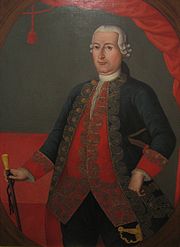 |
Antonio José Amar y Borbón Antonio José Amar y Borbón Antonio José Amar y Borbón Arguedas was a Spanish military officer and colonial official. From September 16, 1803 to July 20, 1810 he was viceroy of New Granada . During his mandate he faced the beginning of the independence movement... |
did not take office | President-elect of Cabildo, but refuses to accept office. | Permanently replaced. | |||
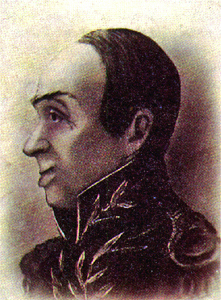 |
José Miguel Pey de Andrade José Miguel Pey de Andrade José Miguel Pey y García de Andrade was a Colombian statesman and soldier and a leader of the independence movement from Spain. He is considered the first vice president and first president of Colombia. He was a centralist.-Background:Pey, a Criollo, was born on March 11, 1763 in Santa Fe de... |
July 20, 1810 | April 1, 1811 | Vice President acting as President in his absence. Eventually elected nominal President. | Office subjugated to that of Cundinamarca. | ||
| • Independent State of Cundinamarca Free and Independent State of Cundinamarca The Free and Independent State of Cundinamarca was a rebel state in modern Colombia between 1810 and 1815 during the Patria Boba period at the beginning of the Latin American wars of independence... • |
|||||||
| Picture | |Name | |Took office | |Left office | Form of Ascension | Reason for stepping down | ||
 |
Jorge Tadeo Lozano Jorge Tadeo Lozano Jorge Tadeo Lozano, Viscount of Pastrana was a Neogranadine scientist, journalist, and politician who presided over the Constituent College of Cundinamarca and was elected President of Cundinamarca in 1811.... |
April 1, 1811 | September 19, 1811 | Elected by Congress. | Resigned from office. | ||
 |
Antonio Nariño y Álvarez |
June 25, 1812 | September 21, 1813 | Elected by Congress. | Left office to fight insurgency. | ||
| |Luis de Ayala y Vergara |
June 25, 1812 | August 5, 1812 | Presiding Member of Provisional Government Junta. | President resumes power. | |||
|
Antonio Nariño y Álvarez |
August 5, 1812 | August 19, 1812 | Resumes power. | Left office to fight insurgency. | ||
 |
Manuel Benito de Castro y Arcaya Manuel Benito de Castro Manuel Benito de Castro was a Neogranadine politician. He became President of the State of Cundinamarca in 1812 in place of Antonio Nariño.-Early life:... |
August 19, 1812 | September 12, 1812 | Interim caretaker. | President resumes power. | ||
|
Antonio Nariño y Álvarez |
September 12, 1812 | November 26, 1812 | Resumes power. | Left office to fight insurgency. | ||
 |
Felipe de Vergara y Caycedo |
November 26, 1812 | December 15, 1812 | Presiding member of Provisional Government Junta. | President resumes power. | ||
|
Antonio Nariño y Álvarez |
December 15, 1812 | September 21, 1813 | Resumes power. | Left office to fight insurgency. | ||
| Manuel de Bernardo Álvarez del Casal Manuel de Bernardo Álvarez del Casal Manuel de Bernardo Álvarez del Casal was an influential Criollo figure in New Granada at the time of the independence movement. He occupied several important positions in the rebel government. He was also the uncle of Antonio Nariño, forerunner of independence... |
September 21, 1813 | December 12, 1814 | Interim caretaker. | Deposed. Office subjugated to that of the United Provinces of New Granada.. | |||
State of Cartagena de Indias (1810—1812) (During the Reign of Fernando VII)
When news of the declaration of independence of the Cabildo of Bogotá reached the port city of Cartagena de Indias, local leaders moved to form their own Supreme Junta on August 13, 1810, and subsequently on November 11, 1811 declared absolute independence from Spain and from the Viceroyalty of New Granada becoming its own nation, initially under the leadership of José Ignacio de Cavero y CárdenasJosé Ignacio de Cavero y Cárdenas
José Ignacio de Cavero y Cárdenas was a Mexican-Colombian lawyer and politician. A Precursor of the Independence of Colombia, as the 4th President of the Supreme Junta of Cartagena de Indias he was a signatory of the declaration of independence of the Cartagena Province from the Viceroyalty of the...
as President of the Junta, and afterwards under a Governor President until the incorporation of Cartagena into the United Provinces of New Granada.
| • Supreme Junta Junta (Peninsular War) In the Napoleonic era, junta was the name chosen by several local administrations formed in Spain during the Peninsular War as a patriotic alternative to the official administration toppled by the French invaders... of Cartagena de Indias • |
|||||
|---|---|---|---|---|---|
| Picture | |Name | |Took office | |Left office | Form of Ascension | Reason for stepping down |
|
José Ignacio Cavero y Cárdenas José Ignacio de Cavero y Cárdenas José Ignacio de Cavero y Cárdenas was a Mexican-Colombian lawyer and politician. A Precursor of the Independence of Colombia, as the 4th President of the Supreme Junta of Cartagena de Indias he was a signatory of the declaration of independence of the Cartagena Province from the Viceroyalty of the... |
November 11, 1811 | January 21, 1812 | President of the Supreme Junta of Government | Office subjugated to the new State. |
|
José María del Real e Hidalgo |
January 21, 1812 | April 1, 1812 | Elected Governor President of the State. | Office replaced. |
 |
Manuel Rodríguez Torices Manuel Rodríguez Torices Manuel Rodríguez Torices was a Neogranadine statesman, lawyer, journalist, and Precursor of the Independence of Colombia... |
April 26, 1815 | November 15, 1815 | Elected President-Dictator by Convention of Cartagena. | Office subjugated to that of the United Provinces of New Granada. |
Republic of Antioquia (1810—1815) (During the Reign of Fernando VII)
• Republic of Antioquia •  |
|||||
|---|---|---|---|---|---|
| Picture | |Name | |Took office | |Left office | Form of Ascension | Reason for stepping down |
Republic of Tunja (1812) (During the Reign of Fernando VII)
The Province of TunjaTunja
Tunja is a city and municipality located in the central part of Colombia, in the region of "Alto Chicomocha". As of the 2005 Census it had 152,419 inhabitants. It is the capital of the Department of Boyacá and part of the subregion of the Central Boyacá Province. It is approximately 145 km...
had originally refuted the actions of Bogotá in declaring independence from Spain, but as cities within its own province started to clamour for independence by joining Cundinamarca who had already attained theirs, Tunja was forced to act quickly. On November 26, 1811 Tunja signed the Act of Confederation joining the United Provinces of New Granada, and on December 9, 1811 declared its formal independence from Spain. The tensions between Cundinamarca and the United Provinces however forced Tunja to enter into a treaty with Cundinamarca; the Santa Rosa Pact separated Tunja from the Federalist government of the United Provinces and put it in track to eventually join the Centralist government of Cundinamarca. The Republic of Tunja was now standing in its own two feet under the administration of President-Governor Juan Nepomuceno Niño, this lasted until Cundinamarca was finally defeated and Tunja rejoined the United Provinces.
| • Republic of Tunja Tunja Tunja is a city and municipality located in the central part of Colombia, in the region of "Alto Chicomocha". As of the 2005 Census it had 152,419 inhabitants. It is the capital of the Department of Boyacá and part of the subregion of the Central Boyacá Province. It is approximately 145 km... • |
|||||
|---|---|---|---|---|---|
| Picture | |Name | |Took office | |Left office | Form of Ascension | Reason for stepping down |
|
Juan Nepomuceno Niño y Muelle |
July 3, 1812 | October 4, 1812 | Elected President-Governor of Tunja by its Junta. | Office subjugated to that of the United Provinces of New Granada. |
United Provinces of New Granada (1812—1816) (During the Reign of Fernando VII)
The United Provinces of New Granada was formed on November 26, 1811 as a ConfederationConfederation
A confederation in modern political terms is a permanent union of political units for common action in relation to other units. Usually created by treaty but often later adopting a common constitution, confederations tend to be established for dealing with critical issues such as defense, foreign...
of the independent provinces of Tunja, Pamplona
Pamplona, Colombia
Pamplona is a municipality and city in Norte de Santander, Colombia.-Colonization:Nueva Pamplona del Valle del Espíritu Santo, the name by which Don Pedro de Ursúa and Don Ortún Velasco de Velázquez paid tribute to the capital of the province of Navarre in Spain, was founded on 1 November 1549...
, Antioquia, Cartagena
Cartagena, Colombia
Cartagena de Indias , is a large Caribbean beach resort city on the northern coast of Colombia in the Caribbean Coast Region and capital of Bolívar Department...
and Neiva. The office of the President was at first non-existent, the provinces did not want to entrust power to one person in order to avoid favoritism. During its first formal assembly, the Federal Congress elected as its first President Camilo Torres Tenorio
Camilo Torres Tenorio
Camilo Torres Tenorio was a Colombian politician. He is credited as being an early founder of the nation due to his role in early struggles for independence from Spain.-Biography:...
and entrusted him with executive power while a Triumvirate was set up. The Triumvirate
Triumvirate
A triumvirate is a political regime dominated by three powerful individuals, each a triumvir . The arrangement can be formal or informal, and though the three are usually equal on paper, in reality this is rarely the case...
, was an experimental form of executive power in which three individuals would parallel and equally share executive power, giving more representation to various provinces at once; the system however, was flawed and ultimately proved difficult to maintain in light of the invasion by Pablo Morillo
Pablo Morillo
Pablo Morillo y Morillo, Count of Cartagena and Marquess of La Puerta, aka El Pacificador was a Spanish general....
and its leaders were persecuted, forced to pass along power in a relay race
Relay race
During a relay race, members of a team take turns running, orienteering, swimming, cross-country skiing, biathlon, or ice skating parts of a circuit or performing a certain action. Relay races take the form of professional races and amateur games...
for time and survival until all of its leaders were finally killed, or captured.
| • United Provinces of New Granada United Provinces of New Granada The United Provinces of New Granada was a country in South America from 1811 to 1816, a period known in Colombian history as the Patria Boba. It was formed from areas of the New Kingdom of Granada. The government was a federation with a parliamentary system, consisting of a weak executive and... • |
|||||||
|---|---|---|---|---|---|---|---|
| Picture | |Name | |Took office | |Left office | Form of Ascension | Reason for stepping down | ||
| Camilo Torres Tenorio Camilo Torres Tenorio Camilo Torres Tenorio was a Colombian politician. He is credited as being an early founder of the nation due to his role in early struggles for independence from Spain.-Biography:... |
October 4, 1812 | October 5, 1814 | President of the Congress, entrusted with the Federal Executive Power. | Replaced by Triumvirate. | |||
 |
José María del Castillo Rada |
October 5, 1814 | November 28, 1814 | Interim Triumvir. | Term ends. | ||
| Joaquín Camacho Lago Joaquín Camacho José Joaquín Justo Camacho Lago was a Neogranadine statesman, lawyer, journalist and professor, who worked for the Independence of the New Granada, what is now Colombia, and participated in the Open Cabildo which declared the Act of Independence, of which he was also a signer... |
October 5, 1814 | January 25, 1815 | Interim Triumvir. | Term ends. | |||
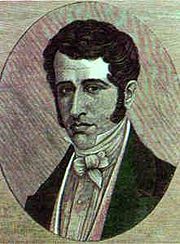 |
José Fernández Madrid José Fernández Madrid José Luis Álvaro Alvino Fernández Madrid was a Neogranadine statesman, physician, scientist and writer, who was President of the interim triumvirate of the United Provinces of New Granada in 1814, and President of the United Provinces of the New Granada in 1816... |
October 5, 1814 | April 26, 1815 | Interim Triumvir. | Term ends. | ||
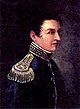 |
Custodio García Rovira Custodio García Rovira José Custodio Cayetano García Rovira was a Neogranadine general, statesman and painter, who fought for the independence of New Granada from Spain, and became President of the United Provinces of the New Granada in 1816... |
November 28, 1814 | July 24, 1815 | Nominal Triumvir. | Term ends. | ||
|
José Miguel Pey de Andrade José Miguel Pey de Andrade José Miguel Pey y García de Andrade was a Colombian statesman and soldier and a leader of the independence movement from Spain. He is considered the first vice president and first president of Colombia. He was a centralist.-Background:Pey, a Criollo, was born on March 11, 1763 in Santa Fe de... |
January 25, 1815 | November 15, 1815 | Alternate Triumvir, replaced Restrepo. | Term ends. | ||
| Crisanto Valenzuela y Conde |
July 25, 1815 | August 17, 1815 | Interim Provisional Triumvir. | Alternate Triumvir takes office. | |||
|
Manuel Rodríguez Torices Manuel Rodríguez Torices Manuel Rodríguez Torices was a Neogranadine statesman, lawyer, journalist, and Precursor of the Independence of Colombia... |
April 26, 1815 | November 15, 1815 | Nominal Triumvir. | Steps down from office to answer conspiracy charges, is exonerated of charges two days later on October 18. | ||
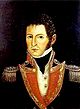 |
Antonio Villavicencio y Verástegui Antonio Villavicencio Antonio Villavicencio y Verástegui was a Neogranadine Lieutenant statesman and soldier, born in Quito, and educated in Spain. He served in the Battle of Trafalgar as an office in the Spanish Navy... |
August 17, 1815 | November 15, 1815 | Alternate Triumvir, replaced García. | Term ends. | ||
| José Manuel Restrepo Vélez José Manuel Restrepo José Manuel Restrepo Veléz was an investigator of Colombian flora, political figure and historian. The Orchid genus Restrepia was named in his honor.... |
did not take office | Triumvir-elect | Declined office. | ||||
| Camilo Torres Tenorio Camilo Torres Tenorio Camilo Torres Tenorio was a Colombian politician. He is credited as being an early founder of the nation due to his role in early struggles for independence from Spain.-Biography:... |
November 15, 1815 | March 14, 1816 | Elected by Congress. | Resigned office. | |||
|
José Fernández Madrid José Fernández Madrid José Luis Álvaro Alvino Fernández Madrid was a Neogranadine statesman, physician, scientist and writer, who was President of the interim triumvirate of the United Provinces of New Granada in 1814, and President of the United Provinces of the New Granada in 1816... |
March 14, 1816 | June 22, 1816 | Appointed by Congress. | Escaped the capital and resigned due to Spanish persecution. | ||
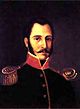 |
Liborio Mejía Gutiérrez |
June 22, 1816 | June 30, 1816 | Vice President appointed by Congress acting as President in his absence. | President takes office. | ||
|
Custodio García Rovira Custodio García Rovira José Custodio Cayetano García Rovira was a Neogranadine general, statesman and painter, who fought for the independence of New Granada from Spain, and became President of the United Provinces of the New Granada in 1816... |
June 30, 1816 | July 10, 1816 | Appointed President-Dictator by Congress. | Captured by the Spanish Army. | ||
 |
Fernando Serrano Uribe |
July 16, 1816 | September 16, 1816 | Elected by an assembly of army units. | Captured by the Spanish Army. | ||
Reign of Terror (1816—1819)
The culmination of the Spanish reconquest of New Granada was the reinstitution of the Vice-royalty and the return of Spanish rule. The office of President was abolished in the colony and those fighting for independence were either captured, killed, forced underground or forced into exile; this period is known as the Reign of Terror, a period when the Spanish colonial rulers sought to set an example of all of those who have defied the crown by setting show trialShow trial
The term show trial is a pejorative description of a type of highly public trial in which there is a strong connotation that the judicial authorities have already determined the guilt of the defendant. The actual trial has as its only goal to present the accusation and the verdict to the public as...
s and sentencing many of the Precursors of independence to death in public displays.
.svg.png) • Spanish Reconquista of New Granada • • Spanish Reconquista of New Granada • |
|---|
Republic of Colombia (1819—1831)
| • 1st Republic of Colombia Gran Colombia Gran Colombia is a name used today for the state that encompassed much of northern South America and part of southern Central America from 1819 to 1831. This short-lived republic included the territories of present-day Colombia, Venezuela, Ecuador, Panama, northern Peru and northwest Brazil. The... • |
|||||||
|---|---|---|---|---|---|---|---|
| Picture | |Took office | Simón Bolívar Palacios Simón Bolívar Simón José Antonio de la Santísima Trinidad Bolívar y Palacios Ponte y Yeiter, commonly known as Simón Bolívar was a Venezuelan military and political leader... | February 15, 1819 | December 13, 1821 | Elected by the Congress of Angostura Congress of Angostura The Congress of Angostura was summoned by Simón Bolívar and took place in Angostura during the wars of Independence of Colombia and Venezuela. It met from February 15, 1819, to July 31, 1821, when the Congress of Cúcuta began its sessions.It consisted of twenty-six delegates, representing... in 1819. Re-elected by the Congress of Cúcuta Congress of Cúcuta The Congress of Cúcuta was a constituent assembly where Gran Colombia was created. The Congress elected Simón Bolívar and Francisco de Paula Santander president and vice-president, respectively.... 1821. |
Leaves to fight in the Southern Campaign. | |
 |
Francisco de Paula Santander y Omaña Francisco de Paula Santander Francisco José de Paula Santander y Omaña , was a Colombian military and political leader during the 1810–1819 independence war of the United Provinces of New Granada... |
December 13, 1821 | November 14, 1826 | Vice President, in charge of the executive power. | President returns. | ||
 |
Simón Bolívar Palacios Simón Bolívar Simón José Antonio de la Santísima Trinidad Bolívar y Palacios Ponte y Yeiter, commonly known as Simón Bolívar was a Venezuelan military and political leader... |
November 14, 1826 | November 10, 1829 | Returns to finish term. Declares himself President-Dictator. | Leaves to fight. | ||
| Estanislao Vergara y Santamaría |
November 10, 1829 | December 10, 1829 | Presiding Member of the Council of State, in charge of the executive. | President returns. | |||
|
Simón Bolívar Palacios Simón Bolívar Simón José Antonio de la Santísima Trinidad Bolívar y Palacios Ponte y Yeiter, commonly known as Simón Bolívar was a Venezuelan military and political leader... |
December 10, 1829 | May 4, 1830 | Returns to power. Declares himself President-Dictator. | Resigns office. | ||
 |
Domingo de Caycedo y Sanz Domingo Caycedo Domingo de Caycedo y Sanz de Santamaría was a Colombian statesman who served as Vice-president of Gran Colombia and the Republic of New Granada, and due to the absence of the presidents, he himself served as President a total of eleven times, making him the person to have served more times as... |
May 4, 1830 | June 13, 1830 | Vice President, in charge of the executive. | Finished term. | ||
| Joaquín Mosquera y Arboleda Joaquín Mosquera Joaquín Mariano Mosquera y Arboleda was a Neogranadine statesman and a Founding Father of Colombia and served as the 6th and 4th President of Gran Colombia, and as the 3rd Vice President of the Republic of New Granada... |
June 13, 1830 | September 4, 1830 | Elected by Congress | Ousted by Military Coup. | |||
 |
Rafael Urdaneta y Faría Rafael Urdaneta Rafael José Urdaneta y Faría was a Venezuelan General and hero of the Spanish American wars of independence in several countries in northern South America.- Biographic data :... |
September 4, 1830 | April 30, 1831 | Provisional Chief of Government, took power by coup. | Ousted later by the legitimate government. | ||
|
José Miguel Pey de Andrade Jerónimo de Mendoza Galavís Juan García Del Río |
April 30, 1831 | May 2, 1831 | Plural Executive made up by the Council of Ministers Council of Ministers of the Republic of Colombia The Council of Ministers of the Republic of Colombia is part of the executive power, and according to the presidential orientation of the Colombian Constitution of 1991, it is a cabinet of advisors to the President of Colombia.-19th century:... set up to accept resignation of General Urdaneta and invite General Caycedo to take office. Pey, Secretary of War and Navy; Mendoza, Secretary of Finance Ministry of Finance and Public Credit The Ministry of Finance and Public Credit , is the national executive ministry of the Government of Colombia responsible for the financial and budgetary matters of the country as well as implementing the financial policies passed by Congress, equivalent to the finance ministries of other... ; García, Secretary of Foreign Affairs Ministry of Foreign Affairs (Colombia) The Ministry of Foreign Affairs also known as the Chancellery, is the national executive ministry of the Government of Colombia responsible for the foreign relations of Colombia through its diplomatic missions abroad by formulating foreign policy relevant to the matters of the State, it is... and Interior Ministry of the Interior and Justice The Ministry of the Interior and Justice , is the national executive ministry of the Government of Colombia responsible for the enforcement of the law and administration of justice, equivalent to the justice and interior ministries of other countries.... . |
Finished term. | ||
|
Domingo de Caycedo y Sanz Domingo Caycedo Domingo de Caycedo y Sanz de Santamaría was a Colombian statesman who served as Vice-president of Gran Colombia and the Republic of New Granada, and due to the absence of the presidents, he himself served as President a total of eleven times, making him the person to have served more times as... |
May 2, 1831 | November 23, 1831 | Vice President, in charge of the Executive. | Resigns office. | ||
Republic of New Granada (1831—1861)
 • Republic of New Granada • Republic of New GranadaRepublic of New Granada The Republic of New Granada was a centralist republic consisting primarily of present-day Colombia and Panama with smaller portions of today's Ecuador, and Venezuela. It was created after the dissolution in 1830 of Gran Colombia. It was later abolished in 1858 when the Granadine Confederation was... •  |
|||||||
|---|---|---|---|---|---|---|---|
| Picture | |Took office | José María Obando del Campo José María Obando José María Ramón Obando del Campo was a Neogranadine General and politician who twice served as President of Colombia... | November 23, 1831 | March 10, 1832 | Vice President in charge of the Provisional Government. Sanctioned the Constitution of 1832 that created the Republic of New Granada. | End of term. | |
 |
José Ignacio de Márquez Barreto José Ignacio de Márquez José Ignacio de Márquez Barreto was a Colombian statesman, lawyer and professor, who served as Vice President of Colombia under the presidency of Francisco de Paula Santander, and subsequently was elected President of the Republic of the New Granada for the presidential term of 1837 to 1841.- ... |
March 10, 1832 | October 7, 1832 | Vice President by Indirect Election., Acting President. | Hands back power. | ||
|
Francisco de Paula Santander y Omaña Francisco de Paula Santander Francisco José de Paula Santander y Omaña , was a Colombian military and political leader during the 1810–1819 independence war of the United Provinces of New Granada... |
October 7, 1832 | April 1, 1837 | Elected by Congress. Re-elected to second term by Congress. | End of term. | ||
|
José Ignacio de Márquez Barreto José Ignacio de Márquez José Ignacio de Márquez Barreto was a Colombian statesman, lawyer and professor, who served as Vice President of Colombia under the presidency of Francisco de Paula Santander, and subsequently was elected President of the Republic of the New Granada for the presidential term of 1837 to 1841.- ... |
April 1, 1837 | April 1, 1841 | Elected by Congress after indirect elections failed to give the required majority. | End of term. | ||
| Pedro Alcántara Herrán Martínez Pedro Alcántara Herrán Pedro Alcántara Herrán Martínez de Zaldúa was a Colombian general and statesman who served as President of the Republic of the New Granada between 1841 and 1845. As a general he served in the wars of independence of the New Granada and of Peru.... |
April 1, 1841 | July 5, 1841 | Elected by Congress after indirect elections failed to give the required majority. | Leaves to fight in War of the Supremes War of the Supremes The War of the Supremes was a civil conflict in Republic of the New Granada from 1839 to 1841 caused by the ambitions of various regional leaders to seize power and depose President José Ignacio de Márquez... . |
|||
| Juan de Dios Aranzazu González |
July 5, 1841 | May 19, 1842 | President of the Council of State, in charge of the executive. | President returns. | |||
| Pedro Alcántara Herrán Martínez Pedro Alcántara Herrán Pedro Alcántara Herrán Martínez de Zaldúa was a Colombian general and statesman who served as President of the Republic of the New Granada between 1841 and 1845. As a general he served in the wars of independence of the New Granada and of Peru.... |
May 19, 1842 | April 1, 1845 | Returns to office after war. | End of term. | |||
 |
Tomás Cipriano de Mosquera y Arboleda Tomás Cipriano de Mosquera Tomás Cipriano de Mosquera y Arboleda was a Colombian general and political figure. He was president of Colombia four times. The first time was as president of Republic of New Granada from 1845 to 1849. During the Colombian Civil War of 1860-1862 he led liberal forces in a civil war against... |
April 1, 1845 | August 14, 1847 | Elected by Congress after indirect elections failed to give the required majority. | End of term. | ||
 |
Rufino Cuervo y Barreto |
August 14, 1847 | December 14, 1847 | Vice President, in charge of the executive power. | President returns to power | ||
|
Tomás Cipriano de Mosquera y Arboleda Tomás Cipriano de Mosquera Tomás Cipriano de Mosquera y Arboleda was a Colombian general and political figure. He was president of Colombia four times. The first time was as president of Republic of New Granada from 1845 to 1849. During the Colombian Civil War of 1860-1862 he led liberal forces in a civil war against... |
December 14, 1847 | April 1, 1849 | Returns to power. | End of term. | ||
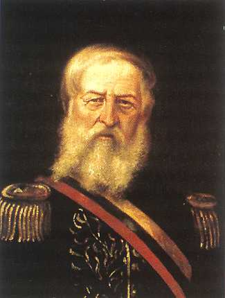 |
José Hilario López Valdéz |
April 1, 1849 | April 1, 1853 | Elected by Congress after indirect elections failed to give the required majority. | End of term. | ||
 |
José María Obando del Campo José María Obando José María Ramón Obando del Campo was a Neogranadine General and politician who twice served as President of Colombia... |
April 1, 1853 | April 17, 1854 | Indirect elections. | Ousted by Military Coup. | ||
 |
José María Melo y Ortiz José María Melo José María Dionisio Melo y Ortiz was a Colombian general and politician of Pijao ancestry, who fought in the South American wars of independence, and who in 1854 rose to power and held the presidency of Colombia. In August, 1850, artisans demanded protection and the creation of a national workshop... |
April 17, 1854 | December 4, 1854 | Supreme Head of the Provisional Government, took power in a military coup. | Ousted by legitimate government. | ||
| Tomás Herrera y Pérez Tomás Herrera Tomás Herrera is the name of:* Tomás de Herrera , Central and South American statesman and general* Tomas Herrera Martinez , Cuban basketball player... |
April 21, 1854 | August 5, 1854 | Claimed the Presidency as 1st Designate. Acting in rebellion against the usurper Government of General Melo. | ||||
| Francisco Antonio Obregón Muñoz |
May 20, 1854 | June 2, 1854 | Secretary of Government, in charge of the executive power. | President returned to power. | |||
|
José María Melo y Ortiz José María Melo José María Dionisio Melo y Ortiz was a Colombian general and politician of Pijao ancestry, who fought in the South American wars of independence, and who in 1854 rose to power and held the presidency of Colombia. In August, 1850, artisans demanded protection and the creation of a national workshop... |
June 2, 1854 | December 4, 1854 | Supreme Head of the Provisional Government, took power in a military coup. | Ousted by legitimate government. | ||
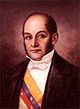 |
José de Obaldía y Orejuela José de Obaldía José Vicente Arcenio de Obaldía y Orejuela was a Neogranadine statesmen and lawyer, who served as President of the Republic of the New Granada in two occasions between 1851–1852 and 1854-1855... |
August 5, 1854 | April 1, 1855 | Vice President succeeding to the Presidency acting in rebellion against the usurper Government of General Melo. | Hands power to Vice President. | ||
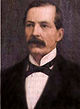 |
Manuel María Mallarino Ibargüen Manuel María Mallarino Manuel María Mallarino Ibargüen was a Colombian politician, lawyer and Member of Congress, who served as Vice-President of the New Granada, and as such he occupied the presidency of the country between 1855 and 1857.... |
April 1, 1855 | April 1, 1857 | Vice President, acting chief executive. | End of term. | ||
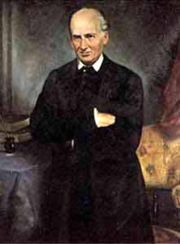 |
Mariano Ospina Rodríguez Mariano Ospina Rodríguez Mariano Ospina Rodríguez was a Colombian politician, journalist and lawyer, founder of the Colombian Conservative Party and later President of Colombia between 1857 and 1861 during the Granadine Confederation.- Biographic data :... |
April 1, 1857 | May 22, 1858 | Direct Elections. | Term continues to next constitutional phase. | ||
Granadine Confederation (1858—1863)
| • Granadine Confederation Granadine Confederation The Granadine Confederation was a short-lived federal republic established in 1858 as a result of a constitutional change replacing the Republic of New Granada. It comprised the present day nations of Colombia and Panama... • |
||||||||
|---|---|---|---|---|---|---|---|---|
| Picture | |Took office | |
Mariano Ospina Rodríguez Mariano Ospina Rodríguez Mariano Ospina Rodríguez was a Colombian politician, journalist and lawyer, founder of the Colombian Conservative Party and later President of Colombia between 1857 and 1861 during the Granadine Confederation.- Biographic data :... |
May 22, 1858 | April 1, 1861 | End of term. | ||
| Juan José Nieto Gil Juan José Nieto Gil Juan José Nieto Gil was a Colombian politician, Army general and writer. A Liberal party caudillo of Cartagena, he served interimly as Governor of the Province of Cartagena, and was later elected President of the Sovereign State of Bolívar from 1959 to 1964... |
January 25, 1861 | July 18, 1861 | 2nd Designate, acting in rebellion. | Ceded power to Mosquera. | ||||
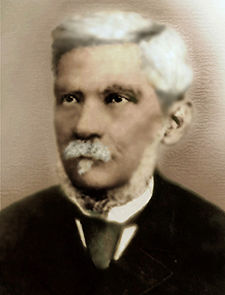 |
Bartolomé Calvo Díaz Bartolomé Calvo Bartolomé Calvo Díaz de Lamadrid was a Colombian lawyer, journalist, and statesman, who became President of the Granadine Confederation, in what is now Colombia, in 1861 in his role as Inspector General, because no elections were held on that year to the decide the presidency... |
April 1, 1861 | July 10, 1861 | Inspector General, succeeds to office while Congress was closed down and the President-elect could not take the oath of office. | Arrested and deposed. | |||
| Julio Arboleda Pombo |
July 10, 1861 | July 18, 1861 | President-elect in 1861 direct elections, but could not take the oath of office, eventually succeeded to the Presidency only after being named Inspector General in replacement of Calvo. | Deposed by Military Coup. | ||||
| Ignacio Gutiérrez Vergara |
July 18, 1861 | January 18, 1862 | Secretary of Finance, succeeded to the presidency after Calvo and Arboleda were taken prisoners. | Arrested and deposed. | ||||
| Leonardo Canal González |
July 18, 1861 | November 6, 1862 | Secretary of Government and War, led the constitutional government in exile. | Ceded power. | ||||
| Andrés Cerón Serrano |
February 1862 | February 1862 | Secretary of War and Navy; during the chaotic period of occupation was in charge of executive power at times. | Usurper government stabilized and ceded power to Mosquera. | ||||
|
Manuel del Río y de Narváez |
November 6, 1862 | January 13, 1863 | Minister of the Interior, in charge of the executive. The Constitution prevented a General from taking executive power, General Canal ceded power to his eldest Secretary of State in order to maintain constitutional succession. | Government in exile reached a peace agreement and ceded power. | |||
|
Tomás Cipriano de Mosquera y Arboleda Tomás Cipriano de Mosquera Tomás Cipriano de Mosquera y Arboleda was a Colombian general and political figure. He was president of Colombia four times. The first time was as president of Republic of New Granada from 1845 to 1849. During the Colombian Civil War of 1860-1862 he led liberal forces in a civil war against... |
July 18, 1861 | February 4, 1863 | Military coup. | Called for a Constituent Assembly to enact a new constitution and ceded executive power to it. | |||
United States of Colombia (1863—1886)
| • United States of Colombia United States of Colombia The United States of Colombia was the name adopted in 1861 through the Rionegro Constitution for the nation which had been known as the Republic of New Granada since the dissolution of the federation of Gran Colombia in 1830-1831.... •  |
|||||||
|---|---|---|---|---|---|---|---|
| Picture | |Took office | Francisco Javier Zaldúa y Racines Francisco Javier Zaldúa Francisco Javier Martínez de Zaldúa y Racines was a Colombian, lawyer and politician, elected President of Colombia in 1882.- Biographic data :... | February 4, 1863 | February 10, 1863 | President of the Rionegro Convention, entrusted with the executive. | Cedes power. | |
|
Froilán Largacha Hurtado Tomás Cipriano de Mosquera y Arboleda Tomás Cipriano de Mosquera Tomás Cipriano de Mosquera y Arboleda was a Colombian general and political figure. He was president of Colombia four times. The first time was as president of Republic of New Granada from 1845 to 1849. During the Colombian Civil War of 1860-1862 he led liberal forces in a civil war against... José Hilario López Valdéz Eustorgio Salgar Moreno Eustorgio Salgar Eustorgio Salgar Moreno was a lawyer, Colombian general and political figure, who was president of the Granadine Confederation from 1870 until 1872. Elected at age 39, was one of the youngest Presidents of the nation.- Biographic data :... Santos Gutiérrez Prieto Santos Gutiérrez José Santos Gutiérrez Prieto was a Colombian statesman and soldier, who became president of the Sovereign State of Boyacá, and later elected as president of the United States of Colombia for the term of 1868-1870.- Biographic data :... |
February 10, 1863 | May 14, 1863 | Plural Executive headed by the Council of Ministers: Largacha, Minister of the Treasury Ministry of Finance and Public Credit The Ministry of Finance and Public Credit , is the national executive ministry of the Government of Colombia responsible for the financial and budgetary matters of the country as well as implementing the financial policies passed by Congress, equivalent to the finance ministries of other... ; Mosquera, Minister of War Ministry of National Defense (Colombia) The Ministry of National Defence , is the national executive ministry of the Government of Colombia charged with coordinating and supervising all agencies and functions of the government relating directly to national security and the armed forces of Colombia, similar to the defense ministries in... ; López, Minister of Foreign Affairs Ministry of Foreign Affairs (Colombia) The Ministry of Foreign Affairs also known as the Chancellery, is the national executive ministry of the Government of Colombia responsible for the foreign relations of Colombia through its diplomatic missions abroad by formulating foreign policy relevant to the matters of the State, it is... ; Salgar, Minister of Finance Ministry of Finance and Public Credit The Ministry of Finance and Public Credit , is the national executive ministry of the Government of Colombia responsible for the financial and budgetary matters of the country as well as implementing the financial policies passed by Congress, equivalent to the finance ministries of other... Gutiérrez, Minister of the Interior Ministry of the Interior and Justice The Ministry of the Interior and Justice , is the national executive ministry of the Government of Colombia responsible for the enforcement of the law and administration of justice, equivalent to the justice and interior ministries of other countries.... . |
Replaced by President. | ||
|
Tomás Cipriano de Mosquera y Arboleda Tomás Cipriano de Mosquera Tomás Cipriano de Mosquera y Arboleda was a Colombian general and political figure. He was president of Colombia four times. The first time was as president of Republic of New Granada from 1845 to 1849. During the Colombian Civil War of 1860-1862 he led liberal forces in a civil war against... |
May 14, 1863 | January 29, 1864 | Elected by the Rionegro Convention. | Left to fight in Ecuadorian–Colombian War. | ||
| Juan Agustín de Uricoechea Zarnoza y Rocha |
January 29, 1864 | February 28, 1864 | Inspector General, in charge of the executive. | President returned to power. | |||
|
Tomás Cipriano de Mosquera y Arboleda Tomás Cipriano de Mosquera Tomás Cipriano de Mosquera y Arboleda was a Colombian general and political figure. He was president of Colombia four times. The first time was as president of Republic of New Granada from 1845 to 1849. During the Colombian Civil War of 1860-1862 he led liberal forces in a civil war against... |
February 28, 1864 | April 8, 1864 | Elected by the Rionegro Convention. | End of term. | ||
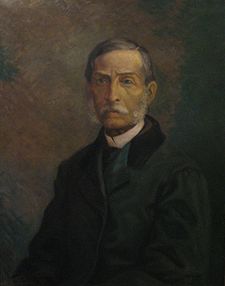 |
Manuel Murillo Toro Manuel Murillo Toro Manuel Murillo Toro was a Colombian politician and statesman, who served as President of the United States of Colombia on two occasions, first from 1864 to 1866, and again between 1872 and 1874.- Biographic data :... |
April 8, 1864 | April 1, 1866 | Indirect elections. | |||
 |
José María Rojas Garrido José María Rojas Garrido José María Rojas Garrido was a Colombian Senator, and statesmen, who as the first Presidential Designate became Acting President of the United States of Colombia in 1866 during the absence of President elect Tomás Cipriano de Mosquera... |
April 1, 1866 | May 22, 1866 | 1st Designate in the absence of the elected President. | President takes office. | ||
|
Tomás Cipriano de Mosquera y Arboleda Tomás Cipriano de Mosquera Tomás Cipriano de Mosquera y Arboleda was a Colombian general and political figure. He was president of Colombia four times. The first time was as president of Republic of New Granada from 1845 to 1849. During the Colombian Civil War of 1860-1862 he led liberal forces in a civil war against... |
May 22, 1866 | May 23, 1867 | Indirect elections. | Deposed by Military Coup. | ||
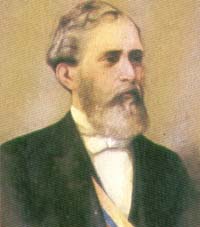 |
Joaquín Riascos García Joaquín Riascos Manuel Joaquín Riascos García was a Colombian General and politician who became acting President in rebellion of the United States of Colombia in 1867 for 45 days.... |
May 12, 1867 | June 28, 1867 | 3rd Designate, claims executive power after Mosquera closes Congress. | Cedes power to Acosta. | ||
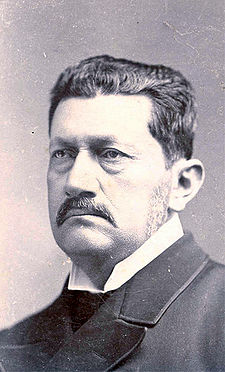 |
Santos Acosta Castillo Santos Acosta Manuel María de los Santos Acosta Castillo was a Colombian General and political figure. He served as the president of Colombia from 1867 until 1868.- Biographic data :Acosta was born in Miraflores, Boyacá, on November 1, 1828... |
May 23, 1867 | April 1, 1868 | 2nd Designate, claims executive power after Mosquera closes Congress and moved to depose him in a coup. | Cedes power. | ||
| Santos Gutiérrez Prieto Santos Gutiérrez José Santos Gutiérrez Prieto was a Colombian statesman and soldier, who became president of the Sovereign State of Boyacá, and later elected as president of the United States of Colombia for the term of 1868-1870.- Biographic data :... |
April 1, 1868 | December 21, 1868 | Indirect elections. | Because of his marriage he took a temporary leave of absence from office. | |||
 |
Salvador Camacho Roldán Salvador Camacho Salvador Camacho Roldán was a Colombian lawyer, businessman and politician who, as Presidential Designate, served as President of Colombia ad interim in 1868 and again in 1871.... |
December 21, 1868 | January 2, 1869 | 1st Designate, in charge of the executive power. | |||
| Santos Gutiérrez Prieto Santos Gutiérrez José Santos Gutiérrez Prieto was a Colombian statesman and soldier, who became president of the Sovereign State of Boyacá, and later elected as president of the United States of Colombia for the term of 1868-1870.- Biographic data :... |
January 2, 1869 | April 1, 1870 | Returns to power. | End of term. | |||
| Eustorgio Salgar Moreno Eustorgio Salgar Eustorgio Salgar Moreno was a lawyer, Colombian general and political figure, who was president of the Granadine Confederation from 1870 until 1872. Elected at age 39, was one of the youngest Presidents of the nation.- Biographic data :... |
April 1, 1870 | April 1, 1872 | Indirect elections. | End of term. | |||
|
Manuel Murillo Toro Manuel Murillo Toro Manuel Murillo Toro was a Colombian politician and statesman, who served as President of the United States of Colombia on two occasions, first from 1864 to 1866, and again between 1872 and 1874.- Biographic data :... |
April 1, 1872 | April 1, 1874 | Indirect elections. | End of term. | ||
| Santiago Pérez de Manosalbas Santiago Pérez de Manosalbas Santiago Pérez de Manosalbas was a Colombian educator, lawyer, diplomat, writer, journalist and statesman who was President of the United States of Colombia between 1874 and 1876.- Biographic data :... |
April 1, 1874 | April 1, 1876 | Indirect elections. | End of term. | |||
| Aquileo Parra Gómez Aquileo Parra José Bonifacio Aquileo Elias Parra Gómez was a Colombian soldier, businessman and political figure. He was the president of Colombia between 1876 and 1878.- Biographic data :Aquileo Parra was born in Barichara, Santander, on May 12, 1825... |
April 1, 1876 | May 19, 1877 | Indirect elections. | Temporarily steps down due to illness. | |||
| José Sergio Camargo Pinzón |
May 19, 1877 | August 14, 1877 | 2nd Designate, in charge of the executive power. | President returns to power. | |||
| Aquileo Parra Gómez Aquileo Parra José Bonifacio Aquileo Elias Parra Gómez was a Colombian soldier, businessman and political figure. He was the president of Colombia between 1876 and 1878.- Biographic data :Aquileo Parra was born in Barichara, Santander, on May 12, 1825... |
August 14, 1877 | December 22, 1877 | Returned to power. | Instability in the country threatens to overthrow him from office due to his illness and is asked to temporarily step down. | |||
| Manuel María Ramírez Fortoul |
December 22, 1877 | December 24, 1877 | Inspector General, in charge of the executive power. | President returns to power. | |||
| Aquileo Parra Gómez Aquileo Parra José Bonifacio Aquileo Elias Parra Gómez was a Colombian soldier, businessman and political figure. He was the president of Colombia between 1876 and 1878.- Biographic data :Aquileo Parra was born in Barichara, Santander, on May 12, 1825... |
December 24, 1877 | April 1, 1878 | Returned to power. | End of term. | |||
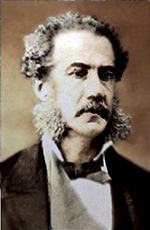 |
Julián Trujillo Largacha Julián Trujillo Largacha Julián Trujillo Largacha was a Colombian lawyer, statesman, General of the Army and President of Colombia from 1878 to 1880.- Biographic data :Trujillo was born in Popayán, Cauca, on January 28, 1828... |
April 1, 1878 | April 8, 1880 | Indirect elections. | End of term. | ||
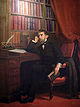 |
Rafael Núñez Moledo Rafael Núñez (politician) Rafael Wenceslao Núñez Moledo was a Colombian author, lawyer, journalist and politician, who was elected President of Colombia in 1880 and in 1884. Rafael Núñez was born in Cartagena de Indias, on September 28, 1825. He died in Cartagena on September 18, 1894.-Early life:Little is known about the... |
April 8, 1880 | April 1, 1882 | Indirect elections. | End of term. | ||
| Francisco Javier Zaldúa y Racines Francisco Javier Zaldúa Francisco Javier Martínez de Zaldúa y Racines was a Colombian, lawyer and politician, elected President of Colombia in 1882.- Biographic data :... |
April 1, 1882 | December 21, 1882 | Indirect elections. | Dies in office. | |||
| Clímaco Calderón Reyes Clímaco Calderón Clímaco Calderón Reyes was a Colombian lawyer, statesman and diplomat, who became President of Colombia for one day, following the death of President Francisco Javier Zaldúa.- Biographic data :... |
December 21, 1882 | December 22, 1882 | Inspector General, succeeds to Presidency in absence of the Designates. | Cedes power. | |||
| José Eusebio Otálora Martínez José Eusebio Otalora José Eusebio Otálora Martínez was a Colombian statesman and General who became President of the United States of Colombia in 1882 in his capacity as the Second Presidential Designate following the death of President Francisco Javier Zaldúa, and the non acceptance of the office by the First... |
December 22, 1882 | April 1, 1884 | 2nd Presidential Designate Presidential Designate The Presidential Designate was a Colombian elected official, chosen by the Senate to ensure the presidential line of succession. The title of Presidential Designate did not bring any official office or duties, its sole purpose was to replace the President in his absence, death, or inability to... , takes office after death of Zaldúa and after the 1st Designate, Núñez, declined the office. |
End of term. | |||
| Ezequiel Hurtado Hurtado Ezequiel Hurtado Ezequiel Hurtado Hurtado was a politician, military general and statesman who became President of Colombia. He was born in Silvia, in the department of Cauca, 14 December 1825 and died in Popayán, 4 September 1890. His parents were Nicolas Hurtado and Maria Trinidad Hurtado... |
April 1, 1884 | August 11, 1884 | 1st Designate in charge of the executive in absence of the newly elected President. | President takes office. | |||
|
Rafael Núñez Moledo Rafael Núñez (politician) Rafael Wenceslao Núñez Moledo was a Colombian author, lawyer, journalist and politician, who was elected President of Colombia in 1880 and in 1884. Rafael Núñez was born in Cartagena de Indias, on September 28, 1825. He died in Cartagena on September 18, 1894.-Early life:Little is known about the... |
August 11, 1884 | April 1, 1886 | Indirect elections. | Resigned office. | ||
| José María Campo Serrano José María Campo Serrano José María Campo Serrano was a Colombian lawyer, general, and statesman, who became President of Colombia after the resignation of the President and the dismissal of the Vice President. He sanctioned the Constitution of 1886 that created the Republic of Colombia proceeding the United States of... |
April 1, 1886 | August 4, 1886 | 1st Designate, succeeds to Presidency. | Term carried over to next constitutional phase. | |||
Republic of Colombia (1886—present)
 • Republic of Colombia • • Republic of Colombia • |
||||||||
|---|---|---|---|---|---|---|---|---|
| Picture | |Took office | José María Campo Serrano José María Campo Serrano José María Campo Serrano was a Colombian lawyer, general, and statesman, who became President of Colombia after the resignation of the President and the dismissal of the Vice President. He sanctioned the Constitution of 1886 that created the Republic of Colombia proceeding the United States of... |
August 4, 1886 | January 5, 1887 | Sanctioned the Colombian Constitution of 1886 Colombian Constitution of 1886 The Colombian Constitution of 1886 was the constitution that created the Republic of Colombia. Before 1886, the country was called United States of Colombia. The coalition of moderate Liberals and Conservatives that ended the liberal hegemony and placed Rafael Nuñez in power repealed the... . |
End of term. | ||
 |
Eliseo Payán Hurtado Eliseo Payán José Eliseo Payán Hurtado was a Colombian lawyer, politician, and military officer. Payán as Vice President of Colombia assumed the Presidency of Colombia due to the absence of President Rafael Núñez in 1887.- Biographic data :... |
January 5, 1887 | June 4, 1887 | Vice President, in charge of the executive | President takes office. | |||
|
Rafael Núñez Moledo Rafael Núñez (politician) Rafael Wenceslao Núñez Moledo was a Colombian author, lawyer, journalist and politician, who was elected President of Colombia in 1880 and in 1884. Rafael Núñez was born in Cartagena de Indias, on September 28, 1825. He died in Cartagena on September 18, 1894.-Early life:Little is known about the... |
June 4, 1887 | December 12, 1887 | Indirect elections. | Resigns from office. | |||
|
Eliseo Payán Hurtado Eliseo Payán José Eliseo Payán Hurtado was a Colombian lawyer, politician, and military officer. Payán as Vice President of Colombia assumed the Presidency of Colombia due to the absence of President Rafael Núñez in 1887.- Biographic data :... |
December 12, 1887 | February 8, 1888 | Vice President by special decree, in charge of the executive. | President returns to office. | |||
|
Rafael Núñez Moledo Rafael Núñez (politician) Rafael Wenceslao Núñez Moledo was a Colombian author, lawyer, journalist and politician, who was elected President of Colombia in 1880 and in 1884. Rafael Núñez was born in Cartagena de Indias, on September 28, 1825. He died in Cartagena on September 18, 1894.-Early life:Little is known about the... |
February 8, 1888 | August 7, 1888 | Returns to power after being warned of insurrection against Payán. | Leaves due to illness. | |||
 |
Carlos Holguín Mallarino Carlos Holguín Mallarino Carlos Holguín Mallarino was a Colombian lawyer, journalist and statesman who became President of Colombia between 1888 and 1892, acting in the absence of President Rafael Núñez.- Biographic data :... |
August 7, 1888 | August 7, 1892 | 1st Designate, in charge of the executive. | Cedes power. | |||
| Miguel Antonio Caro Tobar Miguel Antonio Caro Miguel Antonio Caro Tobar was a Colombian scholar, poet, journalist, philosopher, orator, philologist, lawyer and politician.- Biographic data :Miguel Antonio Caro was born in Bogotá on November 10, 1845, and he died in the same city on August 5, 1909.... |
August 7, 1892 | January 16, 1893 | Vice President, in charge of the executive. | Temporarily steps down. | ||||
| Antonio Basilio Cuervo Urisarri |
January 16, 1893 | January 17, 1893 | Minister of Government and War, in charge of the executive power. | Term ends. | ||||
| Miguel Antonio Caro Tobar Miguel Antonio Caro Miguel Antonio Caro Tobar was a Colombian scholar, poet, journalist, philosopher, orator, philologist, lawyer and politician.- Biographic data :Miguel Antonio Caro was born in Bogotá on November 10, 1845, and he died in the same city on August 5, 1909.... |
January 17, 1893 | March 12, 1896 | Returns to power. | Temporarily steps down from power. | ||||
| Guillermo Quintero Calderón |
March 12, 1896 | March 17, 1896 | 1st Designate, in charge of the executive power. | President returns to power. | ||||
| Miguel Antonio Caro Tobar Miguel Antonio Caro Miguel Antonio Caro Tobar was a Colombian scholar, poet, journalist, philosopher, orator, philologist, lawyer and politician.- Biographic data :Miguel Antonio Caro was born in Bogotá on November 10, 1845, and he died in the same city on August 5, 1909.... |
March 17, 1896 | August 7, 1898 | Returns to power. | Term ends. | ||||
| Manuel Antonio Sanclemente Sanclemente Manuel Antonio Sanclemente Manuel Antonio Sanclemente Sanclemente was President of Colombia between 1898 and 1900.- Early life :Sanclemente was born in Buga, Valle del Cauca Department on September 19, 1814. He died in Villeta, Cundinamarca on March 19, 1902, during his house arrest. He studied Law at the University of... |
August 7, 1898 | July 31, 1900 | Indirect Elections. | Deposed by Military Coup. | ||||
 |
José Manuel Marroquín Ricaurte José Manuel Marroquín Jose Manuel Marroquin Ricaurte was a Colombian political figure and President of Colombia.- Biographic data :José Manuel Marroquín was born in Bogotá, on August 6, 1827. He died in the same city on September 19, 1908.- Early life :... |
July 31, 1900 | August 7, 1904 | Vice President, takes power by coup. | Cedes power. | |||
 |
Rafael Reyes Prieto Rafael Reyes Rafael Reyes Prieto was Chief of Staff of the Colombian National Army and President of Colombia .- Biographic data :... |
August 7, 1904 | March 16, 1908 | Indirect elections. | Leaves temporarily. | |||
| Diego Euclides de Angulo Lemos |
March 16, 1908 | April 16, 1908 | Interim caretaker. | President returns to office. | ||||
|
Rafael Reyes Prieto Rafael Reyes Rafael Reyes Prieto was Chief of Staff of the Colombian National Army and President of Colombia .- Biographic data :... |
April 16, 1908 | July 27, 1909 | Returns to office. | Resigns office. | |||
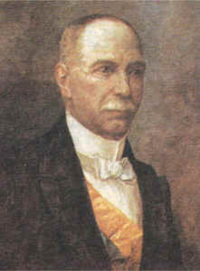 |
Jorge Holguín Mallarino Jorge Holguín Jorge Marcelo Holguín Mallarino was a Colombian politician and military officer, two time Acting President of Colombia for the periods between June, 1909 to August of the same year as interim president, and from November, 1921 to August, 1922... |
July 27, 1909 | August 4, 1909 | 1st Designate, in charge of the executive. | Replaced by Congress. | |||
 |
Ramón González Valencia Ramón González Valencia Ramón González Valencia was a Colombian conservative, military officer and statesman. He participated in the civil wars of 1876, Colombian Civil War of 1895, and the Thousand Days War.- Biographic data :... |
August 4, 1909 | August 7, 1910 | Elected by Congress to finish the remainder of Reyes's term. | Ends term. | |||
 |
Carlos Eugenio Restrepo Restrepo Carlos Eugenio Restrepo For the President of Colombia from 1966 to 1970, see Carlos Lleras RestrepoCarlos Eugenio Restrepo Restrepo was a Colombian lawyer, writer, and statesman, who was elected President of Colombia in 1910. During his administration he worked towards making political reconciliation among the... |
August 7, 1910 | August 7, 1914 | Elected by National Assembly. | Term ends. | |||
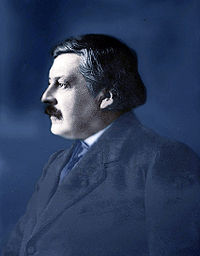 |
José Vicente Concha Ferreira José Vicente Concha José Vicente Concha was a Colombian politician who served as President of Colombia from 1914-1918. He was also a noted member of the Colombian Conservative Party.- Biographic data :... |
August 7, 1914 | August 10, 1918 | Elected by National Assembly. | Term ends. | |||
| Marco Fidel Suárez Marco Fidel Suárez Marco Fidel Suárez was a Colombian political figure. He served as president of Colombia from 1918 to 1921. He was born on April 23, 1855, in the town of Hatoviejo, Antioquia... |
August 10, 1918 | November 11, 1921 | Direct elections. | Resigns from office. | ||||
|
Jorge Holguín Mallarino Jorge Holguín Jorge Marcelo Holguín Mallarino was a Colombian politician and military officer, two time Acting President of Colombia for the periods between June, 1909 to August of the same year as interim president, and from November, 1921 to August, 1922... |
November 11, 1921 | August 7, 1922 | 1st Designate, in charge of the executive. | Term ends. | |||
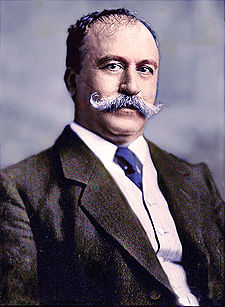 |
Pedro Nel Ospina Vázquez Pedro Nel Ospina Pedro Nel Ospina Vázquez was a Colombian general and political figure. He served as president of Colombia between 1922 and 1926.- Biography:... |
August 7, 1922 | August 7, 1926 | Direct elections. | Term ends. | |||
 |
Miguel Abadía Méndez Miguel Abadía Méndez Miguel Abadía Méndez was the 17th President of Colombia . A Conservative party politician, Abadía was the last president of the period known as the Conservative Hegemony, running unopposed and forming a one party Cabinet.- Political career :Abadía, as a young lawyer, was a professor and MP... |
August 7, 1926 | August 7, 1930 | Direct elections. | Term ends. | |||
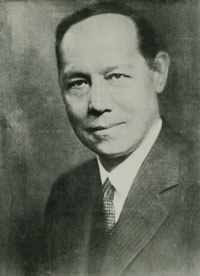 |
Enrique Olaya Herrera Enrique Olaya Herrera Enrique Alfredo Olaya Herrera was a Colombian journalist and politician, President of Colombia from August 7, 1930 until August 7, 1934 representing the Colombian Liberal Party.- Early years :... |
August 7, 1930 | August 7, 1934 | Direct elections. | Term ends. | |||
| Alfonso López Pumarejo Alfonso López Pumarejo Alfonso López Pumarejo was a two-time Colombian president and political figure, as a member of the Colombian Liberal Party. He served as president of Colombia for the first time between 1934 and 1938 and again between 1942 and 1945.... |
August 7, 1934 | August 7, 1938 | Direct elections. | Term ends. | ||||
| Eduardo Santos Montejo Eduardo Santos Eduardo Santos Montejo was a leading Colombian publisher and politician, active in the Colombian Liberal Party. He owned the prominent Bogotá newspaper El Tiempo, and served as the President of Colombia from August 1938 to August 1942.Santos was close friends with the Venezuelan Ambassador in... |
August 7, 1938 | August 7, 1942 | Direct elections. | Term ends. | ||||
| Alfonso López Pumarejo Alfonso López Pumarejo Alfonso López Pumarejo was a two-time Colombian president and political figure, as a member of the Colombian Liberal Party. He served as president of Colombia for the first time between 1934 and 1938 and again between 1942 and 1945.... |
August 7, 1942 | October 9, 1942 | Direct elections. | Temporarily steps down to travel to Venezuela. | ||||
| Carlos Lozano y Lozano |
October 9, 1942 | October 19, 1942 | 1st Designate, in charge of the executive. | President returns to power. | ||||
| Alfonso López Pumarejo Alfonso López Pumarejo Alfonso López Pumarejo was a two-time Colombian president and political figure, as a member of the Colombian Liberal Party. He served as president of Colombia for the first time between 1934 and 1938 and again between 1942 and 1945.... |
October 19, 1942 | June 10, 1944 | Direct elections. | Leaves office due to wife's illness. | ||||
| Darío Echandía Olaya Darío Echandía Darío Echandía Olaya was a lawyer and a Colombian political figure, as a member of the Colombian Liberal Party. He was born on October 13, 1897 in Chaparral, Tolima as the elder of seven brothers, and died on May 7, 1989 in Ibagué, Tolima.... |
June 10, 1944 | June 12, 1944 | 1st Designate, in charge of the executive. | President returns to office. | ||||
| Alfonso López Pumarejo Alfonso López Pumarejo Alfonso López Pumarejo was a two-time Colombian president and political figure, as a member of the Colombian Liberal Party. He served as president of Colombia for the first time between 1934 and 1938 and again between 1942 and 1945.... |
June 12, 1944 | August 7, 1945 | Returns to power. | Resigns from office. | ||||
| Alberto Lleras Camargo Alberto Lleras Camargo Alberto Lleras Camargo was an important Colombian diplomat and political figure.He was a member of the Liberal Party of Colombia; he served as congressman , Minister of Education, Minister of the Interior and Minister of Foreign Affairs, during the governments of Alfonso López Pumarejo and Eduardo... |
August 7, 1945 | August 7, 1946 | 1st Designate, in charge of the executive power. | Term ends. | ||||
| Mariano Ospina Pérez Mariano Ospina Pérez Luis Mariano Ospina Pérez was a Colombian engineer and political figure, member of the Colombian Conservative Party. He served as President of Colombia between 1946 and 1950.- Biographic data :... |
August 7, 1946 | August 7, 1950 | Direct elections. | Term ends. | ||||
| Laureano Gómez Castro Laureano Gómez Laureano Eleuterio Gómez Castro was President of Colombia from 1950 to 1953, and long time leader of the Colombian Conservative Party.-Pre-election:... |
August 7, 1950 | November 5, 1951 | Direct elections. | Term ends. | ||||
| Roberto Urdaneta Arbeláez Roberto Urdaneta Arbeláez Roberto Urdaneta Arbeláez was a Colombian Conservative party politician who served as President of Colombia from November 1951 until June 1953, while President Laureano Gómez was absent due to health issues.- Biographic data :... |
November 5, 1951 | June 13, 1953 | Direct elections. | Term ends. | ||||
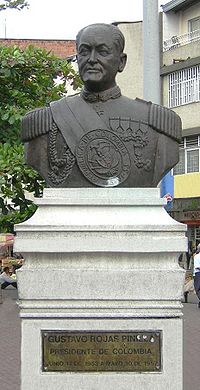 |
Gustavo Rojas Pinilla Gustavo Rojas Pinilla Gustavo Rojas Pinilla was a Colombian politician, military officer, General of the Army and President of Colombia between 1953 and 1957.- Biographic data :... |
June 13, 1953 | May 10, 1957 | Took power by Military Coup. | Cedes power. | |||
| Gabriel París Gordillo Gabriel París Gordillo Gabriel París Gordillo was President of Colombia from May 1957 to August 1958 as Chairman of the Colombian Military Junta Government following the 1957 Coup d'état.- Biographic data :... Rafael Navas Pardo Deogracias Fonseca Espinosa Rubén Piedrahíta Arango Luis Ernesto Ordóñez Castillo |
May 10, 1957 | August 7, 1958 | Colombian Military Junta Colombian Military Junta The Colombian Military Junta was a Colombian transitional government established between 1957 and 1958, replacing President Gustavo Rojas Pinilla. The junta's members were:* General Gabriel París Gordillo* Brigadier Rafael Navas Pardo... , in charge of the executive. París, Minister of Defence Ministry of National Defense (Colombia) The Ministry of National Defence , is the national executive ministry of the Government of Colombia charged with coordinating and supervising all agencies and functions of the government relating directly to national security and the armed forces of Colombia, similar to the defense ministries in... ; Naval, Commander of the Army Colombian Army The National Army of Colombia is the land military force of the government of Colombia and the largest service of the Colombian Armed Forces... ; Fonseca, Director of National Police Colombian National Police The National Police of Colombia is the national police force of Colombia. Although the National Police is not part of the Military of Colombia , it constitutes along with them the "Public Force" and is also controlled by the Ministry of Defense. They are the largest police force in Colombia... . Ordóñez, Director of DAS. |
Cede power. | ||||
| Alberto Lleras Camargo Alberto Lleras Camargo Alberto Lleras Camargo was an important Colombian diplomat and political figure.He was a member of the Liberal Party of Colombia; he served as congressman , Minister of Education, Minister of the Interior and Minister of Foreign Affairs, during the governments of Alfonso López Pumarejo and Eduardo... |
August 7, 1958 | August 7, 1962 | Direct elections. Member of the National Front National Front (Colombia) National Front was a period in the history of Colombia in which the two main political parties; Liberal Party and Conservative Party agreed to let the opposite party govern, intercalating for a period of four presidential terms.... . |
Term ends. | ||||
| |Guillermo León Valencia Muñóz Guillermo León Valencia Guillermo León Valencia Muñóz was a Colombian lawyer and statesman, who served as President of Colombia from August 7, 1962 to August 7, 1966.-Personal life:... |
August 7, 1962 | August 6, 1963 | Direct elections. Member of the National Front National Front (Colombia) National Front was a period in the history of Colombia in which the two main political parties; Liberal Party and Conservative Party agreed to let the opposite party govern, intercalating for a period of four presidential terms.... . |
Temporarily steps down to travel to Venezuela. | ||||
| José Antonio Montalvo Berbeo |
August 6, 1963 | August 8, 1963 | 1st Designate, in charge of the executive power. | President returns to power. | ||||
| |Guillermo León Valencia Muñóz Guillermo León Valencia Guillermo León Valencia Muñóz was a Colombian lawyer and statesman, who served as President of Colombia from August 7, 1962 to August 7, 1966.-Personal life:... |
August 8, 1963 | August 7, 1966 | Returns to power. | Term ends. | ||||
| Carlos Lleras Restrepo Carlos Lleras Restrepo Carlos Lleras Restrepo was a Colombian lawyer and political figure, President of Colombia .- Biographic data :... |
August 7, 1966 | August 7, 1970 | Direct elections. Member of the National Front National Front (Colombia) National Front was a period in the history of Colombia in which the two main political parties; Liberal Party and Conservative Party agreed to let the opposite party govern, intercalating for a period of four presidential terms.... . |
Term ends. | ||||
| Misael Pastrana Borrero Misael Pastrana Borrero Misael Pastrana Borrero , was a Conservative Party politician and President of Colombia from 1970 to 1974, the last presidential period of the National Front. Misael Pastrana became President after a close election campaign against Gen. Gustavo Rojas Pinilla, a former dictator. Mr... |
August 7, 1970 | July 21, 1973 | Direct elections. Member of the National Front National Front (Colombia) National Front was a period in the history of Colombia in which the two main political parties; Liberal Party and Conservative Party agreed to let the opposite party govern, intercalating for a period of four presidential terms.... . |
Temporarily steps down to travel to Venezuela. | ||||
| Rafael Azuero Manchola |
July 21, 1973 | July 24, 1973 | 1st Designate, in charge of the executive power. | President returns to power. | ||||
| Misael Pastrana Borrero Misael Pastrana Borrero Misael Pastrana Borrero , was a Conservative Party politician and President of Colombia from 1970 to 1974, the last presidential period of the National Front. Misael Pastrana became President after a close election campaign against Gen. Gustavo Rojas Pinilla, a former dictator. Mr... |
July 24, 1973 | August 7, 1974 | Returns to power. | Term ends. | ||||
| Alfonso López Michelsen Alfonso López Michelsen Alfonso López Michelsen was a Colombian politician, lawyer and journalist. Lopez Michelsen was President of Colombia from 1974 to 1978. He was the son of Alfonso López Pumarejo, who was also president of Colombia from 1934 to 1938, and once again from 1942 to 1945... |
August 7, 1974 | September 20, 1975 | Direct elections. | Temporarily steps down from power. | ||||
| Indalecio Liévano Aguirre |
September 20, 1975 | September 24, 1975 | 1st Designate, in charge of the executive power. | President returns to power. | ||||
| Alfonso López Michelsen Alfonso López Michelsen Alfonso López Michelsen was a Colombian politician, lawyer and journalist. Lopez Michelsen was President of Colombia from 1974 to 1978. He was the son of Alfonso López Pumarejo, who was also president of Colombia from 1934 to 1938, and once again from 1942 to 1945... |
September 24, 1975 | August 7, 1978 | Returns to power. | Term ends. | ||||
| |Julio César Turbay Ayala Julio César Turbay Ayala Julio César Turbay Ayala was a Colombian politician, member of the Colombian Liberal Party, elected president of the Senate of Colombia and and, was president of Colombia from 1978 to 1982.- Biographic data :... |
August 7, 1978 | February 3, 1981 | Direct elections. | Temporarily steps down from power. | ||||
| Víctor Mosquera Chaux Victor Mosquera Chaux Víctor Mosquera Chaux was a Colombian lawyer and politician who, as Presidential Designate, served as President of Colombia ad interim for 8 days from February 3 to February 11, 1981... |
February 3, 1981 | February 11, 1981 | 1st Designate, in charge of the executive power. | President returns to power. | ||||
| |Julio César Turbay Ayala Julio César Turbay Ayala Julio César Turbay Ayala was a Colombian politician, member of the Colombian Liberal Party, elected president of the Senate of Colombia and and, was president of Colombia from 1978 to 1982.- Biographic data :... |
February 11, 1981 | August 7, 1982 | Returns to power. | Term ends. | ||||
 |
Belisario Betancur Cuartas |
August 7, 1982 | August 7, 1986 | Direct elections. | Presidents Board. | |||
 |
Virgilio Barco Vargas Virgilio Barco Vargas Virgilio Barco Vargas was a politician and diplomat from Colombia. He was a member of the Colombian Liberal Party and served as president of Colombia from August 7, 1986 until August 7, 1990.... |
August 7, 1986 | August 7, 1990 | Direct elections. | Term ends. | |||
 |
César Gaviria Trujillo César Gaviria César Gaviria Trujillo is a Colombian politician and a Latin American statesman. He served as President of Colombia from 1990 to 1994, and Secretary General of the Organization of American States from 1994 until 2004.-Early life:... |
August 7, 1990 | August 7, 1994 | Direct elections. | Presidents Board. | |||
| Ernesto Samper Pizano Ernesto Samper Ernesto Samper Pizano is a Colombian politician. He served as the President of Colombia from August 7, 1994 to August 7, 1998, representing the Liberal Party. He was involved in the 8000 process scandal, which takes its name from the folio number assigned to it by the chief prosecutor's office... |
August 7, 1994 | January 11, 1998 | Direct elections. | Temporarily steps down to undergo medical treatment in Canada. | ||||
| Carlos Lemos Simmonds Carlos Lemos Simmonds Carlos Apolinar Lemos Simmonds was a Colombian politician and journalist that served as President and Vice President of Colombia in 1997... |
January 11, 1998 | January 21, 1998 | Vice President, in charge of the executive power. | Presidents Board. | ||||
| Ernesto Samper Pizano Ernesto Samper Ernesto Samper Pizano is a Colombian politician. He served as the President of Colombia from August 7, 1994 to August 7, 1998, representing the Liberal Party. He was involved in the 8000 process scandal, which takes its name from the folio number assigned to it by the chief prosecutor's office... |
January 21, 1998 | August 7, 1998 | Returns to power. | Presidents Board. | ||||
 |
Andrés Pastrana Arango Andrés Pastrana Arango Andrés Pastrana Arango was the President of Colombia from 1998 to 2002, following in the footsteps of his father, Misael Pastrana, who was president from 1970 to 1974.-Early years:... |
August 7, 1998 | August 7, 2002 | Direct elections. | Presidents Board. | |||
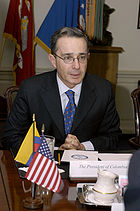 |
Álvaro Uribe Vélez Álvaro Uribe Alvaro Uribe Vélez was the 58th President of Colombia, from 2002 to 2010. In August 2010 he was appointed Vice-chairman of the UN panel investigating the Gaza flotilla raid.... |
August 7, 2002 | August 7, 2010 | Direct elections. first term 2002-2006 and Re-elected for a second term. | Prime Minister of Andean Parliament (Director of Ex-Presidents Board). | |||
| Juan Manuel Santos Calderón Juan Manuel Santos Juan Manuel Santos Calderón is a Colombian politician who has been the President of Colombia since 7 August 2010. He previously served as Minister of Foreign Trade, Minister of Finance, and Minister of National Defense.-Career:... |
August 7, 2010 | Incumbent | Direct elections. Elected in 2010. | Incumbent | ||||
See also
- List of Vice Presidents of Colombia
- List of Viceroys of New Granada
- Council of Ministers of the Republic of ColombiaCouncil of Ministers of the Republic of ColombiaThe Council of Ministers of the Republic of Colombia is part of the executive power, and according to the presidential orientation of the Colombian Constitution of 1991, it is a cabinet of advisors to the President of Colombia.-19th century:...