


Secretary of State for India

Encyclopedia

Cabinet of the United Kingdom
The Cabinet of the United Kingdom is the collective decision-making body of Her Majesty's Government in the United Kingdom, composed of the Prime Minister and some 22 Cabinet Ministers, the most senior of the government ministers....
minister responsible for the government of India and the political head of the India Office
India Office
The India Office was a British government department created in 1858 to oversee the colonial administration of India, i.e. the modern-day nations of Bangladesh, Burma, India, and Pakistan, as well as territories in South-east and Central Asia, the Middle East, and parts of the east coast of Africa...
. The post was created in 1858 when Company rule in India
Company rule in India
Company rule in India refers to the rule or dominion of the British East India Company on the Indian subcontinent...
ended and British India was brought under the direct administration of the government in London (a period often called the British Raj
British Raj
British Raj was the British rule in the Indian subcontinent between 1858 and 1947; The term can also refer to the period of dominion...
).
In 1937, in consequence of the Government of India Act 1935
Government of India Act 1935
The Government of India Act 1935 was originally passed in August 1935 , and is said to have been the longest Act of Parliament ever enacted by that time. Because of its length, the Act was retroactively split by the Government of India Act 1935 into two separate Acts:# The Government of India...
(which established Burma as a separate British colony), a new Burma Office was created, but the same Secretary of State headed both Departments and was styled the Secretary of State for India and Burma. The India Office and its Secretary of State were abolished in 1947, when the Partition of India
Partition of India
The Partition of India was the partition of British India on the basis of religious demographics that led to the creation of the sovereign states of the Dominion of Pakistan and the Union of India on 14 and 15...
resulted in the creation of two new independent dominion
Dominion
A dominion, often Dominion, refers to one of a group of autonomous polities that were nominally under British sovereignty, constituting the British Empire and British Commonwealth, beginning in the latter part of the 19th century. They have included Canada, Australia, New Zealand, Newfoundland,...
s, the Union of India and the Dominion of Pakistan
Dominion of Pakistan
The Dominion of Pakistan was an independent federal Commonwealth realm in South Asia that was established in 1947 on the partition of British India into two sovereign dominions . The Dominion of Pakistan, which included modern-day Pakistan and Bangladesh, was intended to be a homeland for the...
. Burma achieved independence separately early in 1948.
Secretaries of State for India, 1858-1937
Prior to the establishment of the British RajBritish Raj
British Raj was the British rule in the Indian subcontinent between 1858 and 1947; The term can also refer to the period of dominion...
on 2 August 1858, Lord Stanley
Edward Stanley, 15th Earl of Derby
Edward Henry Stanley, 15th Earl of Derby KG, PC, FRS , known as Lord Stanley from 1844 to 1869, was a British statesman...
had served as President of the Board of Control
President of the Board of Control
The President of the Board of Control was a British government official in the late 18th and early 19th century responsible for overseeing the British East India Company and generally serving as the chief official in London responsible for Indian affairs. The position was frequently a cabinet...
.
| Name | Portrait | |Entered office | |Left office | Political party | |
|---|---|---|---|---|---|
| Lord Stanley Edward Stanley, 15th Earl of Derby Edward Henry Stanley, 15th Earl of Derby KG, PC, FRS , known as Lord Stanley from 1844 to 1869, was a British statesman... |
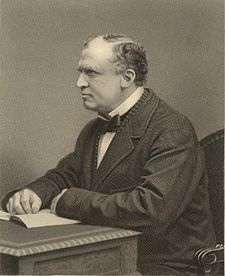 |
2 August 1858 | 11 June 1859 | Conservative Conservative Party (UK) The Conservative Party, formally the Conservative and Unionist Party, is a centre-right political party in the United Kingdom that adheres to the philosophies of conservatism and British unionism. It is the largest political party in the UK, and is currently the largest single party in the House... |
|
| Sir Charles Wood, Bt Charles Wood, 1st Viscount Halifax Charles Wood, 1st Viscount Halifax GCB PC , known as Sir Charles Wood, 3rd Bt between 1846 and 1866, was a British Whig politician and Member of Parliament. He served as Chancellor of the Exchequer from 1846 to 1852.... |
 |
18 June 1859 | 16 February 1866 | Liberal Liberal Party (UK) The Liberal Party was one of the two major political parties of the United Kingdom during the 19th and early 20th centuries. It was a third party of negligible importance throughout the latter half of the 20th Century, before merging with the Social Democratic Party in 1988 to form the present day... |
|
| The Earl de Grey George Robinson, 1st Marquess of Ripon George Frederick Samuel Robinson, 1st Marquess of Ripon KG, GCSI, CIE, PC , known as Viscount Goderich from 1833 to 1859 and as the Earl de Grey and Ripon from 1859 to 1871, was a British politician who served in every Liberal cabinet from 1861 until his death forty-eight years later.-Background... |
 |
16 February 1866 | 26 June 1866 | Liberal Liberal Party (UK) The Liberal Party was one of the two major political parties of the United Kingdom during the 19th and early 20th centuries. It was a third party of negligible importance throughout the latter half of the 20th Century, before merging with the Social Democratic Party in 1988 to form the present day... |
|
| Viscount Cranborne Robert Gascoyne-Cecil, 3rd Marquess of Salisbury Robert Arthur Talbot Gascoyne-Cecil, 3rd Marquess of Salisbury, KG, GCVO, PC , styled Lord Robert Cecil before 1865 and Viscount Cranborne from June 1865 until April 1868, was a British Conservative statesman and thrice Prime Minister, serving for a total of over 13 years... |
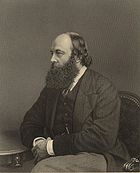 |
6 July 1866 | 8 March 1867 | Conservative Conservative Party (UK) The Conservative Party, formally the Conservative and Unionist Party, is a centre-right political party in the United Kingdom that adheres to the philosophies of conservatism and British unionism. It is the largest political party in the UK, and is currently the largest single party in the House... |
|
| Sir Stafford Northcote, Bt Stafford Northcote, 1st Earl of Iddesleigh Stafford Henry Northcote, 1st Earl of Iddesleigh GCB, PC , known as Sir Stafford Northcote, Bt, from 1851 to 1885, was a British Conservative politician... |
8 March 1867 | 1 December 1868 | Conservative Conservative Party (UK) The Conservative Party, formally the Conservative and Unionist Party, is a centre-right political party in the United Kingdom that adheres to the philosophies of conservatism and British unionism. It is the largest political party in the UK, and is currently the largest single party in the House... |
||
| The Duke of Argyll George Campbell, 8th Duke of Argyll George John Douglas Campbell, 8th Duke of Argyll KG, KT, PC, FRS, FRSE , styled Marquess of Lorne until 1847, was a Scottish peer, Liberal politician as well as a writer on science, religion, and the politics of the 19th century.-Background:Argyll was born at Ardencaple Castle, Dunbartonshire, the... |
 |
9 December 1868 | 17 February 1874 | Liberal Liberal Party (UK) The Liberal Party was one of the two major political parties of the United Kingdom during the 19th and early 20th centuries. It was a third party of negligible importance throughout the latter half of the 20th Century, before merging with the Social Democratic Party in 1988 to form the present day... |
|
| The Marquess of Salisbury Robert Gascoyne-Cecil, 3rd Marquess of Salisbury Robert Arthur Talbot Gascoyne-Cecil, 3rd Marquess of Salisbury, KG, GCVO, PC , styled Lord Robert Cecil before 1865 and Viscount Cranborne from June 1865 until April 1868, was a British Conservative statesman and thrice Prime Minister, serving for a total of over 13 years... |
|
21 February 1874 | 2 April 1878 | Conservative Conservative Party (UK) The Conservative Party, formally the Conservative and Unionist Party, is a centre-right political party in the United Kingdom that adheres to the philosophies of conservatism and British unionism. It is the largest political party in the UK, and is currently the largest single party in the House... |
|
| The Viscount Cranbrook |  |
2 April 1878 | 21 April 1880 | Conservative Conservative Party (UK) The Conservative Party, formally the Conservative and Unionist Party, is a centre-right political party in the United Kingdom that adheres to the philosophies of conservatism and British unionism. It is the largest political party in the UK, and is currently the largest single party in the House... |
|
| The Marquess of Hartington Spencer Cavendish, 8th Duke of Devonshire Spencer Compton Cavendish, 8th Duke of Devonshire KG, GCVO, PC, PC , styled Lord Cavendish of Keighley between 1834 and 1858 and Marquess of Hartington between 1858 and 1891, was a British statesman... |
28 April 1880 | 16 December 1882 | Liberal Liberal Party (UK) The Liberal Party was one of the two major political parties of the United Kingdom during the 19th and early 20th centuries. It was a third party of negligible importance throughout the latter half of the 20th Century, before merging with the Social Democratic Party in 1988 to form the present day... |
||
| The Earl of Kimberley John Wodehouse, 1st Earl of Kimberley John Wodehouse, 1st Earl of Kimberley KG , PC , known as the Lord Wodehouse from 1846 to 1866, was a British Liberal politician... |
16 December 1882 | 9 June 1885 | Liberal Liberal Party (UK) The Liberal Party was one of the two major political parties of the United Kingdom during the 19th and early 20th centuries. It was a third party of negligible importance throughout the latter half of the 20th Century, before merging with the Social Democratic Party in 1988 to form the present day... |
||
| Lord Randolph Churchill Lord Randolph Churchill Lord Randolph Henry Spencer-Churchill MP was a British statesman. He was the third son of the 7th Duke of Marlborough and his wife Lady Frances Anne Emily Vane , daughter of the 3rd Marquess of Londonderry... |
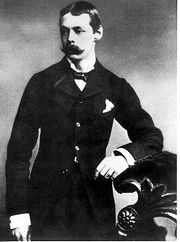 |
24 June 1885 | 28 January 1886 | Conservative Conservative Party (UK) The Conservative Party, formally the Conservative and Unionist Party, is a centre-right political party in the United Kingdom that adheres to the philosophies of conservatism and British unionism. It is the largest political party in the UK, and is currently the largest single party in the House... |
|
| The Earl of Kimberley John Wodehouse, 1st Earl of Kimberley John Wodehouse, 1st Earl of Kimberley KG , PC , known as the Lord Wodehouse from 1846 to 1866, was a British Liberal politician... |
6 February 1886 | 20 July 1886 | Liberal Liberal Party (UK) The Liberal Party was one of the two major political parties of the United Kingdom during the 19th and early 20th centuries. It was a third party of negligible importance throughout the latter half of the 20th Century, before merging with the Social Democratic Party in 1988 to form the present day... |
||
| Sir R. A. Cross R. A. Cross, 1st Viscount Cross Richard Assheton Cross, 1st Viscount Cross, GCB, GCSI, PC, FRS , known before his elevation to the peerage as R. A. Cross, was a British statesman and Conservative politician... (Viscount Cross from 19 August 1886) |
 |
3 August 1886 | 11 August 1892 | Conservative Conservative Party (UK) The Conservative Party, formally the Conservative and Unionist Party, is a centre-right political party in the United Kingdom that adheres to the philosophies of conservatism and British unionism. It is the largest political party in the UK, and is currently the largest single party in the House... |
|
| The Earl of Kimberley John Wodehouse, 1st Earl of Kimberley John Wodehouse, 1st Earl of Kimberley KG , PC , known as the Lord Wodehouse from 1846 to 1866, was a British Liberal politician... |
18 August 1892 | 10 March 1894 | Liberal Liberal Party (UK) The Liberal Party was one of the two major political parties of the United Kingdom during the 19th and early 20th centuries. It was a third party of negligible importance throughout the latter half of the 20th Century, before merging with the Social Democratic Party in 1988 to form the present day... |
||
| Henry Fowler Henry Fowler, 1st Viscount Wolverhampton Henry Hartley Fowler, 1st Viscount Wolverhampton PC , was a British solicitor and Liberal politician who sat in the House of Commons from 1880 until 1908 when he was raised to the peerage... |
 |
10 March 1894 | 21 June 1895 | Liberal Liberal Party (UK) The Liberal Party was one of the two major political parties of the United Kingdom during the 19th and early 20th centuries. It was a third party of negligible importance throughout the latter half of the 20th Century, before merging with the Social Democratic Party in 1988 to form the present day... |
|
| Lord George Hamilton Lord George Hamilton Lord George Francis Hamilton GCSI, PC, JP was a British Conservative Party politician of the late 19th and early 20th centuries.-Background:... |
4 July 1895 | 9 October 1903 | Conservative Conservative Party (UK) The Conservative Party, formally the Conservative and Unionist Party, is a centre-right political party in the United Kingdom that adheres to the philosophies of conservatism and British unionism. It is the largest political party in the UK, and is currently the largest single party in the House... |
||
| Hon. St John Brodrick St John Brodrick, 1st Earl of Midleton William St John Fremantle Brodrick, 1st Earl of Midleton, KP, PC , known as St John Brodrick until 1907 and as The Viscount Midleton between 1907 and 1920, was a British Conservative Party politician.... |
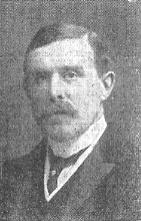 |
9 October 1903 | 4 December 1905 | Conservative Conservative Party (UK) The Conservative Party, formally the Conservative and Unionist Party, is a centre-right political party in the United Kingdom that adheres to the philosophies of conservatism and British unionism. It is the largest political party in the UK, and is currently the largest single party in the House... |
|
| John Morley John Morley, 1st Viscount Morley of Blackburn John Morley, 1st Viscount Morley of Blackburn OM, PC was a British Liberal statesman, writer and newspaper editor. Initially a journalist, he was elected a Member of Parliament in 1883... (Viscount Morley of Blackburn from 1908) |
|
10 December 1905 | 3 November 1910 | Liberal Liberal Party (UK) The Liberal Party was one of the two major political parties of the United Kingdom during the 19th and early 20th centuries. It was a third party of negligible importance throughout the latter half of the 20th Century, before merging with the Social Democratic Party in 1988 to form the present day... |
|
| The Earl of Crewe Robert Crewe-Milnes, 1st Marquess of Crewe Robert Offley Ashburton Crewe-Milnes, 1st Marquess of Crewe KG, PC , known as The Lord Houghton from 1885 to 1895 and as The Earl of Crewe from 1895 to 1911, was a British statesman and writer.... |
 |
3 November 1910 | 7 March 1911 | Liberal Liberal Party (UK) The Liberal Party was one of the two major political parties of the United Kingdom during the 19th and early 20th centuries. It was a third party of negligible importance throughout the latter half of the 20th Century, before merging with the Social Democratic Party in 1988 to form the present day... |
|
| The Viscount Morley of Blackburn John Morley, 1st Viscount Morley of Blackburn John Morley, 1st Viscount Morley of Blackburn OM, PC was a British Liberal statesman, writer and newspaper editor. Initially a journalist, he was elected a Member of Parliament in 1883... |
|
7 March 1911 | 25 May 1911 | Liberal Liberal Party (UK) The Liberal Party was one of the two major political parties of the United Kingdom during the 19th and early 20th centuries. It was a third party of negligible importance throughout the latter half of the 20th Century, before merging with the Social Democratic Party in 1988 to form the present day... |
|
| The Earl of Crewe Robert Crewe-Milnes, 1st Marquess of Crewe Robert Offley Ashburton Crewe-Milnes, 1st Marquess of Crewe KG, PC , known as The Lord Houghton from 1885 to 1895 and as The Earl of Crewe from 1895 to 1911, was a British statesman and writer.... (Marquess of Crewe from July 1911) |
|
25 May 1911 | 25 May 1915 | Liberal Liberal Party (UK) The Liberal Party was one of the two major political parties of the United Kingdom during the 19th and early 20th centuries. It was a third party of negligible importance throughout the latter half of the 20th Century, before merging with the Social Democratic Party in 1988 to form the present day... |
|
| Austen Chamberlain Austen Chamberlain Sir Joseph Austen Chamberlain, KG was a British statesman, recipient of the Nobel Peace Prize and half-brother of Neville Chamberlain.- Early life and career :... |
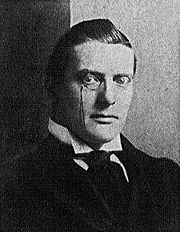 |
25 May 1915 | 17 July 1917 | Conservative Conservative Party (UK) The Conservative Party, formally the Conservative and Unionist Party, is a centre-right political party in the United Kingdom that adheres to the philosophies of conservatism and British unionism. It is the largest political party in the UK, and is currently the largest single party in the House... |
|
| Hon. Edwin Samuel Montagu Edwin Samuel Montagu Edwin Samuel Montagu PC was a British Liberal politician. He notably served as Secretary of State for India between 1917 and 1922.-Background and education:... |
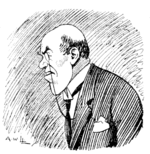 |
17 July 1917 | 19 March 1922 | Liberal Liberal Party (UK) The Liberal Party was one of the two major political parties of the United Kingdom during the 19th and early 20th centuries. It was a third party of negligible importance throughout the latter half of the 20th Century, before merging with the Social Democratic Party in 1988 to form the present day... |
|
| The Viscount Peel |  |
19 March 1922 | 22 January 1924 | Conservative Conservative Party (UK) The Conservative Party, formally the Conservative and Unionist Party, is a centre-right political party in the United Kingdom that adheres to the philosophies of conservatism and British unionism. It is the largest political party in the UK, and is currently the largest single party in the House... |
|
| The Lord Olivier Sydney Olivier, 1st Baron Olivier Sydney Haldane Olivier, 1st Baron Olivier, KCMG, CB, PC , was a British civil servant. A Fabian and a member of the Labour Party, he served as Governor of Jamaica and as Secretary of State for India in the first government of Ramsay MacDonald... |
 |
22 January 1924 | 3 November 1924 | Labour Labour Party (UK) The Labour Party is a centre-left democratic socialist party in the United Kingdom. It surpassed the Liberal Party in general elections during the early 1920s, forming minority governments under Ramsay MacDonald in 1924 and 1929-1931. The party was in a wartime coalition from 1940 to 1945, after... |
|
| The Earl of Birkenhead F. E. Smith, 1st Earl of Birkenhead Frederick Edwin Smith, 1st Earl of Birkenhead GCSI, PC, KC , best known to history as F. E. Smith , was a British Conservative statesman and lawyer of the early 20th century. He was a skilled orator, noted for his staunch opposition to Irish nationalism, his wit, pugnacious views, and hard living... |
6 November 1924 | 18 October 1928 | Conservative Conservative Party (UK) The Conservative Party, formally the Conservative and Unionist Party, is a centre-right political party in the United Kingdom that adheres to the philosophies of conservatism and British unionism. It is the largest political party in the UK, and is currently the largest single party in the House... |
||
| The Viscount Peel | |
18 October 1928 | 4 June 1929 | Conservative Conservative Party (UK) The Conservative Party, formally the Conservative and Unionist Party, is a centre-right political party in the United Kingdom that adheres to the philosophies of conservatism and British unionism. It is the largest political party in the UK, and is currently the largest single party in the House... |
|
| William Wedgwood Benn William Wedgwood Benn, 1st Viscount Stansgate Air Commodore William Wedgwood Benn, 1st Viscount Stansgate PC, DSO, DFC was a British Liberal politician who later joined the Labour Party. He was Secretary of State for India between 1929 and 1931 and Secretary of State for Air between 1945 and 1946... |
7 June 1929 | 24 August 1931 | Labour Labour Party (UK) The Labour Party is a centre-left democratic socialist party in the United Kingdom. It surpassed the Liberal Party in general elections during the early 1920s, forming minority governments under Ramsay MacDonald in 1924 and 1929-1931. The party was in a wartime coalition from 1940 to 1945, after... |
||
| Sir Samuel Hoare | 25 August 1931 | 7 June 1935 | Conservative Conservative Party (UK) The Conservative Party, formally the Conservative and Unionist Party, is a centre-right political party in the United Kingdom that adheres to the philosophies of conservatism and British unionism. It is the largest political party in the UK, and is currently the largest single party in the House... |
||
| The Marquess of Zetland Lawrence Dundas, 2nd Marquess of Zetland Laurence John Lumley Dundas, 2nd Marquess of Zetland KG, GCSI, GCIE, PC, DL, JP , styled Lord Dundas until 1892 and Earl of Ronaldshay between 1892 and 1929, was a British Conservative politician... |
7 June 1935 | 28 May 1937 | Conservative Conservative Party (UK) The Conservative Party, formally the Conservative and Unionist Party, is a centre-right political party in the United Kingdom that adheres to the philosophies of conservatism and British unionism. It is the largest political party in the UK, and is currently the largest single party in the House... |
||
Secretaries of State for India and Burma, 1937-1947
| Name | |Entered office | |Left office | Political party | |
|---|---|---|---|---|
| The Marquess of Zetland Lawrence Dundas, 2nd Marquess of Zetland Laurence John Lumley Dundas, 2nd Marquess of Zetland KG, GCSI, GCIE, PC, DL, JP , styled Lord Dundas until 1892 and Earl of Ronaldshay between 1892 and 1929, was a British Conservative politician... |
28 May 1937 | 13 May 1940 | Conservative Conservative Party (UK) The Conservative Party, formally the Conservative and Unionist Party, is a centre-right political party in the United Kingdom that adheres to the philosophies of conservatism and British unionism. It is the largest political party in the UK, and is currently the largest single party in the House... |
|
| Leo Amery | 13 May 1940 | 26 July 1945 | Conservative Conservative Party (UK) The Conservative Party, formally the Conservative and Unionist Party, is a centre-right political party in the United Kingdom that adheres to the philosophies of conservatism and British unionism. It is the largest political party in the UK, and is currently the largest single party in the House... |
|
| The Lord Pethick-Lawrence Frederick Pethick-Lawrence, 1st Baron Pethick-Lawrence Frederick William Pethick-Lawrence, 1st Baron Pethick-Lawrence PC was a British Labour politician.-Background and education:... |
3 August 1945 | 17 April 1947 | Labour Labour Party (UK) The Labour Party is a centre-left democratic socialist party in the United Kingdom. It surpassed the Liberal Party in general elections during the early 1920s, forming minority governments under Ramsay MacDonald in 1924 and 1929-1931. The party was in a wartime coalition from 1940 to 1945, after... |
|
| The Earl of Listowel William Hare, 5th Earl of Listowel William Francis Hare, 5th Earl of Listowel GCMG, PC , styled Viscount Ennismore between 1924 and 1931, was a British peer and Labour politician... |
17 April 1947 | 14 August 1947 | Labour Labour Party (UK) The Labour Party is a centre-left democratic socialist party in the United Kingdom. It surpassed the Liberal Party in general elections during the early 1920s, forming minority governments under Ramsay MacDonald in 1924 and 1929-1931. The party was in a wartime coalition from 1940 to 1945, after... |
|
Secretaries of State for Burma, 1947-1948
| Name | |Entered office | |Left office | Political party | |
|---|---|---|---|---|
| The Earl of Listowel William Hare, 5th Earl of Listowel William Francis Hare, 5th Earl of Listowel GCMG, PC , styled Viscount Ennismore between 1924 and 1931, was a British peer and Labour politician... |
14 August 1947 | 4 January 1948 | Labour Labour Party (UK) The Labour Party is a centre-left democratic socialist party in the United Kingdom. It surpassed the Liberal Party in general elections during the early 1920s, forming minority governments under Ramsay MacDonald in 1924 and 1929-1931. The party was in a wartime coalition from 1940 to 1945, after... |
|
See also
- British India
- British RajBritish RajBritish Raj was the British rule in the Indian subcontinent between 1858 and 1947; The term can also refer to the period of dominion...
- British rule in BurmaBritish rule in BurmaBritish rule in Burma lasted from 1824 to 1948, from the Anglo-Burmese Wars through the creation of Burma as a province of British India to the establishment of an independently administered colony, and finally independence...
- India OfficeIndia OfficeThe India Office was a British government department created in 1858 to oversee the colonial administration of India, i.e. the modern-day nations of Bangladesh, Burma, India, and Pakistan, as well as territories in South-east and Central Asia, the Middle East, and parts of the east coast of Africa...
- Governor-General of IndiaGovernor-General of IndiaThe Governor-General of India was the head of the British administration in India, and later, after Indian independence, the representative of the monarch and de facto head of state. The office was created in 1773, with the title of Governor-General of the Presidency of Fort William...
- Indian Civil Service
- Commander-in-Chief, IndiaCommander-in-Chief, IndiaDuring the period of the British Raj, the Commander-in-Chief, India was the supreme commander of the Indian Army. The Commander-in-Chief and most of his staff were based at General Headquarters, India, and liaised with the civilian Governor-General of India...
- Government of India ActGovernment of India ActThe term Government of India Act refers to any one of a series of Acts passed by the Parliament of the United Kingdom to regulate the government of British India, in particular:...
- Partition of IndiaPartition of IndiaThe Partition of India was the partition of British India on the basis of religious demographics that led to the creation of the sovereign states of the Dominion of Pakistan and the Union of India on 14 and 15...
- British EmpireBritish EmpireThe British Empire comprised the dominions, colonies, protectorates, mandates and other territories ruled or administered by the United Kingdom. It originated with the overseas colonies and trading posts established by England in the late 16th and early 17th centuries. At its height, it was the...
- History of BangladeshHistory of BangladeshThe history of Bangladesh as a nation state began in 1971, when it seceded from Pakistan. Prior to the creation of Pakistan in 1947, modern-day Bangladesh was part of ancient, classical, medieval and colonial India....
- History of IndiaHistory of IndiaThe history of India begins with evidence of human activity of Homo sapiens as long as 75,000 years ago, or with earlier hominids including Homo erectus from about 500,000 years ago. The Indus Valley Civilization, which spread and flourished in the northwestern part of the Indian subcontinent from...
- History of PakistanHistory of PakistanThe 1st known inhabitants of the modern-day Pakistan region are believed to have been the Soanian , who settled in the Soan Valley and Riwat almost 2 million years ago. Over the next several thousand years, the region would develop into various civilizations like Mehrgarh and the Indus Valley...