

Hyperuricosuria

Encyclopedia
Hyperuricosuria is a medical term referring to the presence of excessive amounts of uric acid
in the urine
. Notable direct causes of hyperuricosuria are dissolution of uric acid
crystals in the kidney
s or urinary bladder
, and hyperuricemia
. Notable indirect causes include uricosuric
drugs, rapid breakdown of bodily tissues containing large quantities of DNA
and RNA
, and a diet high in purine
.
Drugs that may contribute to hyperuricosuria include allopurinol
and uricase.
Hyperuricosuria may be a medical sign
of:
hyperuricosuria is a common complication of tumor lysis syndrome. This syndrome appears not to contribute to gout and to uric acid nephrolithiasis, which is evidence that these two conditions have chronic, not acute, causes.
Chronic
hyperuricosuria is associated with gout and uric acid nephrolithiasis. However, both conditions can occur in the absence of hyperuricosuria. Treatment of gout with uricosuric drugs can lead to uric acid nephrolithiasis.
nor gout is present, then the risk of uric acid nephrolithiasis can be reduced by the use of antiuricosuric drugs. One should also consider eating a low purine diet. Additionally, making the urine pH more alkaline is protective.
Uric acid
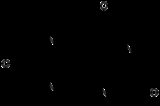
Uric acid is a heterocyclic compound of carbon, nitrogen, oxygen, and hydrogen with the formula C5H4N4O3. It forms ions and salts known as urates and acid urates such as ammonium acid urate. Uric acid is created when the body breaks down purine nucleotides. High blood concentrations of uric acid...
in the urine
Urine
Urine is a typically sterile liquid by-product of the body that is secreted by the kidneys through a process called urination and excreted through the urethra. Cellular metabolism generates numerous by-products, many rich in nitrogen, that require elimination from the bloodstream...
. Notable direct causes of hyperuricosuria are dissolution of uric acid
Uric acid
Uric acid is a heterocyclic compound of carbon, nitrogen, oxygen, and hydrogen with the formula C5H4N4O3. It forms ions and salts known as urates and acid urates such as ammonium acid urate. Uric acid is created when the body breaks down purine nucleotides. High blood concentrations of uric acid...
crystals in the kidney
Kidney
The kidneys, organs with several functions, serve essential regulatory roles in most animals, including vertebrates and some invertebrates. They are essential in the urinary system and also serve homeostatic functions such as the regulation of electrolytes, maintenance of acid–base balance, and...
s or urinary bladder
Urinary bladder
The urinary bladder is the organ that collects urine excreted by the kidneys before disposal by urination. A hollow muscular, and distensible organ, the bladder sits on the pelvic floor...
, and hyperuricemia
Hyperuricemia
Hyperuricemia is a level of uric acid in the blood that is abnormally high. In humans, the upper end of the normal range is 360 µmol/L for women and 400 µmol/L for men.-Causes:...
. Notable indirect causes include uricosuric
Uricosuric
Uricosuric medications are substances that increase the excretion of uric acid in the urine, thus reducing the concentration of uric acid in blood plasma. In general, this effect is achieved by action on the proximal tubule...
drugs, rapid breakdown of bodily tissues containing large quantities of DNA
DNA
Deoxyribonucleic acid is a nucleic acid that contains the genetic instructions used in the development and functioning of all known living organisms . The DNA segments that carry this genetic information are called genes, but other DNA sequences have structural purposes, or are involved in...
and RNA
RNA
Ribonucleic acid , or RNA, is one of the three major macromolecules that are essential for all known forms of life....
, and a diet high in purine
Purine
A purine is a heterocyclic aromatic organic compound, consisting of a pyrimidine ring fused to an imidazole ring. Purines, including substituted purines and their tautomers, are the most widely distributed kind of nitrogen-containing heterocycle in nature....
.
Drugs that may contribute to hyperuricosuria include allopurinol
Allopurinol
Allopurinol is a drug used primarily to treat hyperuricemia and its complications, including chronic gout.- Mechanism of action :...
and uricase.
Hyperuricosuria may be a medical sign
Medical sign
A medical sign is an objective indication of some medical fact or characteristic that may be detected by a physician during a physical examination of a patient....
of:
- GoutGoutGout is a medical condition usually characterized by recurrent attacks of acute inflammatory arthritis—a red, tender, hot, swollen joint. The metatarsal-phalangeal joint at the base of the big toe is the most commonly affected . However, it may also present as tophi, kidney stones, or urate...
(very common) - Kidney stones of uric acid (uric acid nephrolithiasis)
- Acute uric acid nephropathyAcute uric acid nephropathyAcute uric acid nephropathy is a rapidly worsening kidney function that is caused by high levels of uric acid in the urine .-Causes:...
- Acute renal failureAcute renal failureAcute kidney injury , previously called acute renal failure , is a rapid loss of kidney function. Its causes are numerous and include low blood volume from any cause, exposure to substances harmful to the kidney, and obstruction of the urinary tract...
- Tumor lysis syndromeTumor lysis syndromeIn medicine , tumor lysis syndrome is a group of metabolic complications that can occur after treatment of cancer, usually lymphomas and leukemias, and sometimes even without treatment...
- Fanconi syndromeFanconi syndromeFalconi syndrome is a disease of the proximal renal tubules of the kidney in which glucose, amino acids, uric acid, phosphate and bicarbonate are passed into the urine, instead of being reabsorbed. Fanconi syndrome affects the proximal tubule, which is the first part of the tubule to process fluid...
- Dent's diseaseDent's diseaseDent's disease is a rare X-linked recessive inherited condition that affects the proximal renal tubules of the kidney. It is one cause of Fanconi syndrome, and is characterized by tubular proteinuria, hypercalciuria, calcium nephrolithiasis, nephrocalcinosis and chronic renal failure."Dent's...
(very rare)
Acute vs chronic
AcuteAcute (medicine)
In medicine, an acute disease is a disease with either or both of:# a rapid onset, as in acute infection# a short course ....
hyperuricosuria is a common complication of tumor lysis syndrome. This syndrome appears not to contribute to gout and to uric acid nephrolithiasis, which is evidence that these two conditions have chronic, not acute, causes.
Chronic
Chronic (medicine)
A chronic disease is a disease or other human health condition that is persistent or long-lasting in nature. The term chronic is usually applied when the course of the disease lasts for more than three months. Common chronic diseases include asthma, cancer, diabetes and HIV/AIDS.In medicine, the...
hyperuricosuria is associated with gout and uric acid nephrolithiasis. However, both conditions can occur in the absence of hyperuricosuria. Treatment of gout with uricosuric drugs can lead to uric acid nephrolithiasis.
Treatment
If neither hyperuricemiaHyperuricemia
Hyperuricemia is a level of uric acid in the blood that is abnormally high. In humans, the upper end of the normal range is 360 µmol/L for women and 400 µmol/L for men.-Causes:...
nor gout is present, then the risk of uric acid nephrolithiasis can be reduced by the use of antiuricosuric drugs. One should also consider eating a low purine diet. Additionally, making the urine pH more alkaline is protective.
See also
- UricosuriaUricosuriaUricosuria can refer to:*Hyperuricosuria, an abnormally high level of uric acid in the urine*Hypouricosuria, an abnormally low level of uric acid in the urine*Uric acid in the urine, regardless of level*Uricosuric...
(disambiguation)