
All Topics  
Argentine War of Independence

 
Argentine War of Independence

   Email Print
   Bookmark   Link


Argentine War of Independence


The Argentine War of Independence was fought from 1810 to 1818 by Argentine forces under Manuel Belgrano
Manuel Belgrano

Manuel Jos? Joaqu?n del Coraz?n de Jes?s Belgrano, usually referred to as Manuel Belgrano was an Argentina economist, lawyer, politician, and military leader, born in Buenos Aires....
 and José de San Martín
José de San Martín

Jos? Francisco de San Mart?n Matorras, also known as Jos? de San Mart?n , was an Argentina general and the prime leader of the southern part of South America's successful struggle for independence from Spain....
 against royalist forces loyal to the Spanish crown
Spain

Spain or the Kingdom of Spain , is a country located in Southern Europe on the Iberian Peninsula.The Spanish constitution does not establish any official denomination of the country, even though Espa?a , Estado espa?ol and Naci?n espa?ola are used interchangeably....
. On July 9, 1816, an assembly met in San Miguel de Tucumán, declared full independence
Argentine Declaration of Independence

What today is commonly referred as the Independence of Argentina was declared on July 9 1816 by the Congress of Tucum?n of Tucum?n. Actually, Argentina was not a country yet; the congressmen joined in Tucuman declared the independence of the United Provinces of South America ....
 with provisions for a national constitution
Constitution of Argentina

The constitution of Argentina is one of the primary sources of existing Law of Argentina. Argentine Constitution of 1853 was written in 1853 by a Constitutional Assembly gathered in Santa Fe, Argentina, and the doctrinal basis was taken in part from the United States Constitution....
.

Background
The territory known today as Argentina was part of the Spanish Viceroyalty of the Río de la Plata
Viceroyalty of the Río de la Plata

The Viceroyalty of the R?o de la Plata was the last and most shortlived viceroyalty created by Spain in 1776. Its limits roughly contained the territories of present day Argentina, Bolivia, Paraguay and Uruguay....
 and its capital city was Buenos Aires. It was ruled by a viceroy
Viceroy

A viceroy is a royal official who governs a country or province in the name of and as representative of the monarch. The term derives from the Latin prefix vice-, meaning "in the place of" and the French word roi, meaning king....
 appointed by the Spanish Crown and guarded by the Spanish royal army.


Discussion
Ask a question about 'Argentine War of Independence'
Start a new discussion about 'Argentine War of Independence'
Answer questions from other users
Full Discussion Forum


Encyclopedia


The Argentine War of Independence was fought from 1810 to 1818 by Argentine forces under Manuel Belgrano
Manuel Belgrano

Manuel Jos? Joaqu?n del Coraz?n de Jes?s Belgrano, usually referred to as Manuel Belgrano was an Argentina economist, lawyer, politician, and military leader, born in Buenos Aires....
 and José de San Martín
José de San Martín

Jos? Francisco de San Mart?n Matorras, also known as Jos? de San Mart?n , was an Argentina general and the prime leader of the southern part of South America's successful struggle for independence from Spain....
 against royalist forces loyal to the Spanish crown
Spain

Spain or the Kingdom of Spain , is a country located in Southern Europe on the Iberian Peninsula.The Spanish constitution does not establish any official denomination of the country, even though Espa?a , Estado espa?ol and Naci?n espa?ola are used interchangeably....
. On July 9, 1816, an assembly met in San Miguel de Tucumán, declared full independence
Argentine Declaration of Independence

What today is commonly referred as the Independence of Argentina was declared on July 9 1816 by the Congress of Tucum?n of Tucum?n. Actually, Argentina was not a country yet; the congressmen joined in Tucuman declared the independence of the United Provinces of South America ....
 with provisions for a national constitution
Constitution of Argentina

The constitution of Argentina is one of the primary sources of existing Law of Argentina. Argentine Constitution of 1853 was written in 1853 by a Constitutional Assembly gathered in Santa Fe, Argentina, and the doctrinal basis was taken in part from the United States Constitution....
.

Background


The territory known today as Argentina was part of the Spanish Viceroyalty of the Río de la Plata
Viceroyalty of the Río de la Plata

The Viceroyalty of the R?o de la Plata was the last and most shortlived viceroyalty created by Spain in 1776. Its limits roughly contained the territories of present day Argentina, Bolivia, Paraguay and Uruguay....
 and its capital city was Buenos Aires. It was ruled by a viceroy
Viceroy

A viceroy is a royal official who governs a country or province in the name of and as representative of the monarch. The term derives from the Latin prefix vice-, meaning "in the place of" and the French word roi, meaning king....
 appointed by the Spanish Crown and guarded by the Spanish royal army. Part of the conflict between the settlers and the crown can be traced to the traditional, full prohibition of trading with all countries except for Spain. English, French, and Portuguese ships were banned from the port of Buenos Aires. Despite this long-standing legislation, the citizens of Buenos Aires were well renowned as traficantes (contraband dealers), since they would often trade illegally with many foreign merchants who were eager to tap the viceroyalty's market. In addition, the successful resistance against the 1806 and 1807 British invasions of the Río de la Plata
British invasions of the Río de la Plata

The British invasions of the R?o de la Plata were a series of unsuccessful United Kingdom attempts to seize control of the Spain colony located around the La Plata Basin in South America ....
, which organized mostly by criollos
Criollo (people)

Criollo is a term that dates back to the Spanish colonization of the Americas casta system of Latin America. It referred to a person born in the Spanish colonies deemed to have limpieza de sangre in respect of an individual's purity of European ancestry....
 (persons who were locally born), helped reinforce a sense of regional identity. During the first invasion, Viceroy Rafael de Sobremonte
Rafael de Sobremonte

Rafael de Sobremonte N??ez Castillo Angulo Bull?n Ram?rez de Arellano , third Marquis of Sobremonte, was an aristocrat, military man and Spanish colonial administrator, and Viceroyalty of the R?o de la Plata....
 and his staff retreated from the capital to hide himself along with the state treasury in Córdoba
Córdoba, Argentina

C?rdoba is a city located near the geographical center of Argentina, in the foothills of the Punilla Valley on the Primero River, about northwest from Buenos Aires....
 to the north. The residents of Buenos Aires would later accuse him of cowardice.

On May 13, 1810, a British
Great Britain

Great Britain is an island lying to the northwest of Continental Europe. It is the List of islands by area, and the largest in Europe. With a population of 58.9 million people it is List of islands by population....
 frigate
Frigate

A frigate is a warship. The term has been used for warships of many sizes and roles over the past few centuries.In the 18th century, the term referred to ships which were as long as a ship-of-the-line and were square rig on all three masts , but were faster and with lighter armament, used for patrolling and escort....
 arrived in Montevideo
Montevideo

Montevideo is the largest city, the capital and chief port of Uruguay. Montevideo is the only city in the country with a population over 1,000,000....
  bringing the latest news about the Peninsular War
Peninsular War

The Peninsular War or Spanish War of Independence was a contest between First French Empire and the allied powers of Spain, the United Kingdom of Great Britain and Ireland, and Kingdom of Portugal for control of the Iberian Peninsula during the Napoleonic Wars....
. The residents of Montevideo learned that Napoleon Bonaparte's forces had conquered Andalusia
Andalusia

Andalusia is a country in the Spanish State. It is the most populous and the second largest, in terms of land area, of the seventeen autonomous communities of the Spain....
 and paid siege to Cádiz
Siege of Cádiz

The siege of C?diz was a siege of the large Spain naval base by the First French Empire army from 5 February 1810 to 24 August 1812 during the Peninsular War....
, the last redoubt against the French on Spanish soil. Moreover, the Supreme Central Junta
Junta (Peninsular War)

In the Napoleonic Era, junta was the name chosen by several local administrations forming in Spain during the Peninsular War as a patriotic alternative to the official administration toppled by the French invaders....
, which had governed the Empire for the past two years, had abolished itself in favor of a Regency. Word quickly spread throughout the viceroyalty. In Buenos Aires the news that Cádiz was all that was left of a free Spain unleashed a series of events, known as the May Revolution, in which citizens gathered in the Cabildo
Cabildo

Cabildo can refer to:* Cabildo , a former Spanish municipal administrative unit governed by a council* Cabildo Canaries, island governments in the Canary Islands...
 (City Hall), decided to suspend Viceroy Baltasar Hidalgo de Cisneros
Baltasar Hidalgo de Cisneros

Baltasar Hidalgo de Cisneros de la Torre was a Spain naval officer born in Cartagena, Spain. He participated in the Battle of Trafalgar in 1805, and in the Spanish resistance against Napoleon's invasion in 1808....
 from office and created the Primera Junta
Primera Junta

The Primera Junta or First Assembly is the name given by history to the first government that appeared in Argentina after the May Revolution....
 (First Junta), a provisional government to rule the viceroyalty in the absence of the king and an independent Spain.

First Junta and Big Junta

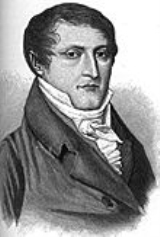
Manuelbelgrano
With the power of the Crown transferred to a small Regency Council in Cádiz and the city besieged by French troops, a power vacuum existed, and on May 25, 1810, the First Junta was created in Buenos Aires
Buenos Aires

Buenos Aires is the Capital and largest city of Argentina. It is located on the southern shore of the R?o de la Plata, on the southeastern coast of the South American continent....
, removing Viceroy
Viceroy

A viceroy is a royal official who governs a country or province in the name of and as representative of the monarch. The term derives from the Latin prefix vice-, meaning "in the place of" and the French word roi, meaning king....
 Baltasar Hidalgo de Cisneros
Baltasar Hidalgo de Cisneros

Baltasar Hidalgo de Cisneros de la Torre was a Spain naval officer born in Cartagena, Spain. He participated in the Battle of Trafalgar in 1805, and in the Spanish resistance against Napoleon's invasion in 1808....
 from authority the same day. The junta, presided by Cornelio Saavedra
Cornelio Saavedra

Cornelio Judas Tadeo de Saavedra y Rodr?guez was a military man, born to a noble family in Potos? , part of the Viceroyalty of the R?o de la Plata....
 (1760-1828), included Mariano Moreno
Mariano Moreno

Mariano Moreno was an Argentina lawyer, journalist and politician. He played a decisive role in the May Revolution, which led to the Argentine Declaration of Independence of Argentina from Spain....
 (1778-1811) and Manuel Belgrano
Manuel Belgrano

Manuel Jos? Joaqu?n del Coraz?n de Jes?s Belgrano, usually referred to as Manuel Belgrano was an Argentina economist, lawyer, politician, and military leader, born in Buenos Aires....
 (1780-1820) and was later expanded to include deputies from the other provinces and became the "Junta Grande," or Big Junta. The revolutionary leaders remained nominally loyal to the Spanish King, while claiming the right to elect their own authorities (juntas), instead of having a viceroy appointed from Spain. Officially, the Junta aimed to preserve in Río de la Plata the sovereignty of the imprisoned King against the advances of the French, but acted in a manner which suggested the exact opposite. They also attempted to gain support for the Buenos Aires juntas from the territories of Upper Peru (today mostly Bolivia
Bolivia

The Republic of Bolivia , named after Sim?n Bol?var, is a landlocked country in central South America. It is bordered by Brazil on the north and east, Paraguay and Argentina on the south, and Chile and Peru on the west....
) located on the northern border region with the Viceroyalty of Peru
Viceroyalty of Peru

Created in 1542, the Viceroyalty of Peru was a Spanish colonial administrative district that originally contained most of Spanish Empire South America, governed from the capital of Lima....
.

Armed Conflict

Two campaigns were ordered by the Junta Grande in order to gain support for the revolutionary ideas of Buenos Aires.

  • Alto Perú campaign (1810-1811): The improvised militia was commanded by Antonio González de Balcarce
    Antonio González de Balcarce

    Antonio Gonz?lez de Balcarce was an Argentina military commander in the early 19th century.Gonz?lez de Balcarce was born in Buenos Aires. He joined the armed forces as a cadet in 1788....
     and tried to penetrate the intendencies of the Upper Peru (today Bolivia
    Bolivia

    The Republic of Bolivia , named after Sim?n Bol?var, is a landlocked country in central South America. It is bordered by Brazil on the north and east, Paraguay and Argentina on the south, and Chile and Peru on the west....
    ). The militia first engaged in combat with the Spanish army in the Battle of Suipacha
    Battle of Suipacha

    The Battle of Suipacha was fought on 7 November, 1810 in Bolivia during the Bolivian War of Independence between the Spanish colonial army and the Republican forces sent by the Primera Junta from Buenos Aires....
     and it was a victory for the patriots (November 7 1810). But the campaign would end unsuccessfully next June after the Battle of Huaqui
    Battle of Huaqui

    The Battle of Huaqui...
    . There, the militia was outnumbered by royalist forces from Peru
    Peru

    Peru , officially the Republic of Peru , is a country in western South America. It is bordered on the north by Ecuador and Colombia, on the east by Brazil, on the southeast by Bolivia, on the south by Chile, and on the west by the Pacific Ocean....
     and suffered heavy losses.


  • Paraguay campaign (1810-1811): Another militia, commanded by Manuel Belgrano
    Manuel Belgrano

    Manuel Jos? Joaqu?n del Coraz?n de Jes?s Belgrano, usually referred to as Manuel Belgrano was an Argentina economist, lawyer, politician, and military leader, born in Buenos Aires....
    , made its way up to the Intendency of Paraguay
    Paraguay

    Paraguay, officially the Republic of Paraguay , is one of the only two landlocked countries in South America . It lies on both banks of the Paraguay River and is bordered by Argentina to the south and southwest, Brazil to the east and northeast, and Bolivia to the northwest....
    . The first battle was fought in Campichuelo and the Argentines claimed victory. However, they were completely overwhelmed in the subsequent battles of Paraguarí
    Paraguarí

    City of Paraguay, capital of the Paraguar? Department , 66 km away from the country?s capital city ....
     and Tacuarí. This campaign also ended in failure from the military point of view; but some months later, Paraguay broke its links with the Spanish crown and became an independent nation.


Violent internal disagreements and the undesired outcomes of the campaigns, led to the replacement of the Junta by a triumvirate in September 1811; see First Triumvirate (Argentina)
First Triumvirate (Argentina)

The First Triumvirate was the executive organ of government that replaced the Junta Grande, and governed Argentina from 1811 and 1812....
. The new government decided to promote another campaign to the Upper Peru with the reorganized Northern Army.

  • Second Alto Perú campaign (1812-1813): Facing the overwhelming invasion of a loyalist army led by General Pío de Tristán
    Pío de Tristán

    P?o de Trist?n was a Peruvian general and politician. He was nominally the last Spanish viceroy of Peru, serving in that capacity from December 1824 to January 23, 1826, but not exercising power....
    , Manuel Belgrano, then commander of the Northern Army, turned to scorched-earth tactics. He ordered the evacuation of the people and the burning of anything else left behind, to prevent enemy forces from getting supplies or taking prisoners in the city of San Salvador de Jujuy
    San Salvador de Jujuy

    San Salvador de Jujuy is the capital city of Jujuy Province in Argentine Northwest Argentina. It lies near the southern end of the Quebrada de Humahuaca where wooded hills meet the lowlands....
    . This is known as the Jujuy Exodus
    Jujuy Exodus

    The Jujuy Exodus was an episode of the Argentine War of Independence. It was a massive voluntary wikt:evacuation of people from the provinces of Argentina of Jujuy Province, led by General Manuel Belgrano, in charge of the May Revolution forces that were battling an army loyal to Spain....
    .
General Belgrano led the Northern Army to victory in the Battles of Tucuman
Tucumán

San Miguel de Tucum?n is the largest city in northern Argentina, with a population of 525,853 per the . The metropolitan area totals 806,000, making it the fifth-largest in the country....
 and Salta
Salta

Salta is a city in northwestern Argentina and the capital city of the Salta Province. With a population of 464,678 inhabitants as of the , it is Argentina's 8th largest city....
 in the northwest of present-day Argentina, forcing the bulk of the royalist army to surrender their weapons. Tristán (a former Belgrano's coed at Salamanca University) and his men were granted amnesty and released. These cities have remained under the Argentine government ever since. But again, the patriot army was defeated in Upper Perú in the battles of Vilcapugio
Battle of Vilcapugio

The Battle of Vilcapugio was fought on October 1, 1813 during the Campaign of Alto Peru in the Argentine War of Independence, where the pro-independence forces led by General Manuel Belgrano were defeated by the pro-Spanish Royalists, led by Joaquin de la Pezuela....
 and Ayohuma
Battle of Ayohuma

The Battle of Ayohuma was fought on November 14, 1813, during the Upper Peru Campaign of the Argentine War of Independence. The Independentist forces of the Northern Army led by General Manuel Belgrano were defeated by the Royalists, led by Joaqu?n de la Pezuela....
.
Smartin
During the campaign, the Triumvirate established recently arrived from Spain José de San Martín
José de San Martín

Jos? Francisco de San Mart?n Matorras, also known as Jos? de San Mart?n , was an Argentina general and the prime leader of the southern part of South America's successful struggle for independence from Spain....
 as Lieutenant Colonel and ordered him to create the professional and disciplined cavalry unit called Granaderos. The same division helped the revolution that collapsed the government and elected a Second Triumvirate (Argentina)
Second Triumvirate (Argentina)

The Second Triumvirate was the governing body of the United Provinces of the R?o de la Plata that followed the First Triumvirate in 1812, shortly after the May Revolution, and lasted 2 years....
 by late 1812.

In January 31, 1813, a Spanish army company coming from Montevideo
Montevideo

Montevideo is the largest city, the capital and chief port of Uruguay. Montevideo is the only city in the country with a population over 1,000,000....
 landed near the town of San Lorenzo, in the Santa Fe province. The Second Triumvirate urged San Martín to stop further raids on the west bank of the Parana river
Paraná River

This article is about the second-longest river in South America: For the shorter river in Goi?s, central Brazil, see Paran? RiverThe Paran? River is a river in south central South America, running through Brazil, Paraguay and Argentina over a course of some 2,570 kilometers ....
. The Granaderos division met the Spanish on a field near the town's convent and made an easy victory on February 3 in the Battle of San Lorenzo
Battle of San Lorenzo

The Battle of San Lorenzo was a military engagement of the Argentine War of Independence, between realistas , led by General Jos? Zavala, and the rebel forces of the Granaderos a Caballo , the cavalry elite unit led by General Jos? de San Mart?n....
. After this battle, the Second Triumvirate awarded San Martín the rank of General.

Fearing a major Spanish attack, a general assembly (the Asamblea del Año XIII
Asamblea del Año XIII

The Assembly of Year XIII was a meeting called by the Second Triumvirate governing the young republic of the Origin and history of the name of Argentina on October 1812....
) was called in Buenos Aires
Buenos Aires

Buenos Aires is the Capital and largest city of Argentina. It is located on the southern shore of the R?o de la Plata, on the southeastern coast of the South American continent....
 on February 27, to discuss future military campaigns. It was finally decided to dissolve the Triumvirate status and to create a new regime of a one-person government. The same assembly elected the first Supreme Director in January 31, 1814: Gervasio Antonio de Posadas
Gervasio Antonio de Posadas

Gervasio Antonio de Posadas y D?vila was a member of Argentina's Second triumvirate from 19 August 1813 until 31 January 1814, after which he continued as Supreme Director until January 9 1815....
. Posadas decided to create a naval fleet with the help of Juan Larrea and appointed William Brown
William Brown (admiral)

Admiral William Brown was born in Foxford, County Mayo, Ireland on June 22, 1777 and died in Buenos Aires, Argentina on March 3, 1857. Brown's victories in the Argentine War of Independence, the Argentina-Brazil War, and the History of Uruguay#The "Guerra Grande" 1839-1852 earned the respect and appreciation of the Argentine people, and toda...
 as Lieutenant Colonel and Chief Commander on March 1, 1814. This tiny fleet engaged in combat with the Spanish ships on the coasts of Montevideo
Montevideo

Montevideo is the largest city, the capital and chief port of Uruguay. Montevideo is the only city in the country with a population over 1,000,000....
 in the Action of 14 May 1814 and defeated them three days later. This action secured the coast of Buenos Aires and William Brown was awarded the rank of Admiral.

Supreme Director Posadas was replaced by Carlos María de Alvear
Carlos María de Alvear

Carlos Mar?a de Alvear was an Argentina soldier and statesman, Supreme Director of the United Provinces of the River Plate in 1815....
 the next year, on January 11, 1815, and was quickly followed by Ignacio Álvarez Thomas
Ignacio Álvarez Thomas

Jos? Ignacio ?lvarez Thomas was a South American military commander and politician of the early 19th century.?lvarez Thomas was born in Arequipa, Peru, and his family lived for some time in Lima....
 on April 21. Álvarez Thomas appointed Alvear as the new General of the Northern Army to replace José Rondeau
José Rondeau

Jos? Casimiro Rondeau Pereyra was a general and politician in Argentina and Uruguay in the early 19th century.He was born in Buenos Aires but soon after his birth, the family moved to Montevideo, where he grew up and went to school....
, but officials would not recognize this act and remained loyal to Rondeau.

  • Third Alto Perú campaign (1815): The Northern Army, unofficially commanded by José Rondeau
    José Rondeau

    Jos? Casimiro Rondeau Pereyra was a general and politician in Argentina and Uruguay in the early 19th century.He was born in Buenos Aires but soon after his birth, the family moved to Montevideo, where he grew up and went to school....
     , started another campaign, but this time without the authorization of Supreme Director Álvarez Thomas. With the lack of official support, the army faced anarchy and later would lose the aid of the Provincial Army of Salta, commanded by Martín Miguel de Güemes
    Martín Miguel de Güemes

    Mart?n Miguel de G?emes was a military leader and popular caudillo who defended northwestern Argentina from the Spain during the Argentine War of Independence....
    . After being defeated in the battles of Venta y Media (October 21) and Sipe-Sipe
    Battle of Sipe-Sipe

    The Battle of Sipe-Sipe was an important battle in the South American wars of independence in which the United Provinces of R?o de la Plata were decisively defeated by Spanish royalist forces in Alto Per? ....
     (November 28), the northern territories were lost. They were reannexed by the Spanish Viceroyalty of Peru
    Viceroyalty of Peru

    Created in 1542, the Viceroyalty of Peru was a Spanish colonial administrative district that originally contained most of Spanish Empire South America, governed from the capital of Lima....
    , and later became present-day Bolivia
    Bolivia

    The Republic of Bolivia , named after Sim?n Bol?var, is a landlocked country in central South America. It is bordered by Brazil on the north and east, Paraguay and Argentina on the south, and Chile and Peru on the west....
    . This unsuccessful outcome to the campaign would spread rumors in Europe that the May Revolution was over.


Despite this final defeat in the north, the Spanish Army was eventually stopped and could not advance further. With King Ferdinand back in power, an urgent decision was needed regarding independence. On July 9, 1816, an assembly of representatives from all of the provinces (except Santa Fe
Santa Fe Province

Santa Fe is a Provinces of Argentina of Argentina, located in the center-east of the country. Neighboring provinces are from the north clockwise Chaco , Corrientes Province, Entre R?os, Buenos Aires Province, C?rdoba Province, Argentina, and Santiago del Estero Province....
, Entre Ríos
Entre Rios

Entre Rios may refer to:*Entre R?os Province, Argentina*Republic of Entre R?os, a former South American country*Entre Rios, Santa Catarina, a city of the Santa Catarina State, Brazil...
 and Corrientes
Corrientes

Corrientes is the capital city of the Provinces of Argentina of Corrientes Province, Argentina, located on the eastern shore of the Paran? River, about 1,000 km from Buenos Aires and 300 km from Posadas, Misiones, on National Route 12 ....
, which along with the Banda Oriental, present-day Uruguay
Uruguay

Uruguay is a country located in the southeastern part of South America. It is home to 3.46 million people, of whom 1.7 million live in the capital Montevideo and its metropolitan area....
, had formed a Liga Federal
Liga Federal

The Liga Federal or Liga de los Pueblos Libres was a small confederal state in what is now Argentina and Uruguay that was created after the break up of the Spain Viceroyalty of the R?o de la Plata....
) met in the Congress of Tucumán
Congress of Tucumán

The Congress of Tucum?n was the representative assembly of the United Provinces of the River Plate formed in 1816, initially meeting in Tucum?n....
 declaring the full independence of Argentina from the Spanish Crown and provisions for a national constitution. Santa Fe, Entre Ríos and Corrientes later joined.

The following year, San Martín took command of the Northern Army preparing a new invasion of Upper Perú (now Bolivia
Bolivia

The Republic of Bolivia , named after Sim?n Bol?var, is a landlocked country in central South America. It is bordered by Brazil on the north and east, Paraguay and Argentina on the south, and Chile and Peru on the west....
), but quickly resigned, foreseeing another defeat. Instead, he became governor of the province of Cuyo (now the provinces of Mendoza
Mendoza Province

Mendoza is one of the Provinces of Argentina of Argentina, located in the western central part of the country in the Cuyo, Argentina region. Neighboring provinces are from the north clockwise San Juan Province, Argentina, San Luis Province, La Pampa,and Neuqu?n Province....
, San Juan, and San Luis
San Luis Province

San Luis is a Provinces of Argentina of Argentina located near the geographical center of the country . Neighboring provinces are, from the north clockwise, La Rioja Province , C?rdoba Province , La Pampa, Mendoza Province and San Juan Province ....
). He developed a new strategy to attack the Viceroyalty of Perú
Viceroyalty of Peru

Created in 1542, the Viceroyalty of Peru was a Spanish colonial administrative district that originally contained most of Spanish Empire South America, governed from the capital of Lima....
 through the Captaincy of Chile
Chile

Chile, officially the Republic of Chile , is a country in South America occupying a long and narrow coastal strip wedged between the Andes mountains and the Pacific Ocean....
. San Martín largely based this plan on the writings of Sir Thomas Maitland
Thomas Maitland

Lieutenant-General Sir Thomas Maitland, Order of the Bath, GCH was a British soldier and colonial governor. He also served as a Member of Parliament for Haddington from 1790?96, 1802?06 and 1812?13....
 who was quoted to say that the only way to defeat the Spanish at Quito
Quito

San Francisco de Quito, most often called Quito, is the Capital city of Ecuador in northwestern South America. It is located in north-central Ecuador in the Guayllabamba river basin, on the eastern slopes of Pichincha , an active stratovolcano in the Andes mountains....
 and Lima
Lima

Lima is the Capital and largest city of Peru. It is located in the valleys of the Chill?n River, R?mac River and Lur?n River rivers, on a coast overlooking the Pacific Ocean....
 was by attacking Chile first. At this point, the Argentine War of Independence gets mixed with the Chilean independence
Chilean Independence

Chilean War of Independence was an armed conflict between pro-Independence Spanish Criollo peoples who sought political and economic independence from Spain and Royalist criollos, who supported the continued allegiance to and permanence within the Spanish Empire of the Kingdom of Chile....
 War as both armies joined forces.

  • Chile campaign (1817): Installed in the city of Mendoza
    Mendoza, Argentina

    Mendoza is the capital city of Mendoza Province, in Argentina. It is located in the northern-central part of the province, in a region of foothills and high plains, on the eastern side of the Andes....
    , San Martín reorganized the Granderos cavalry unit along with the Army of Cuyo and crossed the Andes
    Andes

    The Andes form the world's longest exposed mountain range. They lie as a continuous chain of highland along the western coast of South America. The range is over 7,000 km long, 200-700 km wide , and of an average height of about 4,000 m ....
     Mountains to attack the Royalists in Chile
    Chile

    Chile, officially the Republic of Chile , is a country in South America occupying a long and narrow coastal strip wedged between the Andes mountains and the Pacific Ocean....
     at the beginning of 1817 in the Battle of Chacabuco
    Battle of Chacabuco

    The Battle of Chacabuco, fought during the Chilean War of Independence, occurred on February 12, 1817. The rebel army led by Jos? de San Mart?n defeated the Spanish force led by Rafael Maroto....
    . With the aid of Chilean patriot Bernardo O'Higgins
    Bernardo O'Higgins

    Bernardo O'Higgins Riquelme , South American independence leader, was one of the commanders – together with Jos? de San Mart?n – of the military forces that freed Chile from Spain rule in the Chilean War of Independence....
     he made a triumphant entry in the liberated city of Santiago de Chile. Argentine and Chilean armies merged in the unofficial South American Patriot Army and continued the campaign together against the Spanish division commanded by Osorio. However, their forces were surprised and very badly beaten at the Battle of Cancha Rayada on March 18, 1818. In the confusion, a false rumor spread that O'Higgins had died, and a panic seized the patriot troops, many of whom agitated for a full retreat back across the Andes to Mendoza. Crippled after his defeat at Cancha Rayada, O'Higgins delegated the command of the troops entirely to San Martín in a meeting on the plains of Maipú. Then, on April 5, 1818, San Martín inflicted a decisive defeat on Osorio in the Battle of Maipú
    Battle of Maipú

    The Battle of Maip? was a battle fought near Santiago, Chile on April 5 1818 between South American rebels and Spanish royalists, during the South American wars of independence....
    , after which the depleted royalists retreated to Concepcion, never again to launch a major offensive against Santiago.


This is considered to be the conclusion of the Argentine War of Independence, but battles continued by land and sea in Perú
Peru

Peru , officially the Republic of Peru , is a country in western South America. It is bordered on the north by Ecuador and Colombia, on the east by Brazil, on the southeast by Bolivia, on the south by Chile, and on the west by the Pacific Ocean....
 until 1824 when the last Spanish garrison surrendered in the Battle of Ayacucho
Battle of Ayacucho

The Battle of Ayacucho was a decisive military encounter during the Peruvian War of Independence. It was the battle that sealed the independence of Peru, as well as the victory that ensured independence for the rest of South America....
 and Peru proclaimed its independence. These events were part of San Martín's own campaigning with O'Higgins and Simon Bolivar
Simón Bolívar

Sim?n Jos? Antonio de la Sant?sima Trinidad Bol?var Palacios y Blanco ? more commonly known as Sim?n Bol?var ? was, together with the Argentina general Jos? de San Mart?n, one of the most important leaders of Spanish America's successful struggle for independence....
 and Buenos Aires no longer recognized his authority.

The meeting of Guayaquil

On 26 July, 1822, San Martín met with Simón Bolívar
Simón Bolívar

Sim?n Jos? Antonio de la Sant?sima Trinidad Bol?var Palacios y Blanco ? more commonly known as Sim?n Bol?var ? was, together with the Argentina general Jos? de San Mart?n, one of the most important leaders of Spanish America's successful struggle for independence....
 at Guayaquil
Guayaquil

Guayaquil , officially Santiago de Guayaquil, is the largest and the most populous city in Ecuador, as well as that nation's main port. Guayaquil is located on the western bank of the Guayas River, which flows into the Pacific Ocean at the Gulf of Guayaquil....
 to plan the future of Latin America
Latin America

Latin America is a region of the Americas where Romance languages ? particularly Spanish language and Portuguese language, and variably French language ? are primarily spoken....
. Most of the details of this meeting are secret, and this has made the event a matter of much debate among historians. Some believe that Bolívar's refusal to share command of the combined forces made San Martín withdraw from Perú and resettle as a farmer in Mendoza, Argentina
Mendoza, Argentina

Mendoza is the capital city of Mendoza Province, in Argentina. It is located in the northern-central part of the province, in a region of foothills and high plains, on the eastern side of the Andes....
. Another theory claims that San Martín yielded to Bolívar's charisma and avoided a confrontation. It is widely believed that both men were members of Masonic societies, and the outcome of the meeting might have been arranged by hidden players, however this has been denied by the Great Masonic Lodges . See Lautaro Lodge.

Annual commemoration

Today, the Día de la Revolución de Mayo (May Revolution Day) on May 25 is an annual holiday in Argentina
Public holidays in Argentina

National public holidays of Argentina.*Teacher's Day on September 11, commemorating the death of Domingo Faustino Sarmiento; only observed by primary school students....
 to commemorate these significant events in the history of Argentina
History of Argentina

This article is about the history of Argentina. See also history of South America, history of Latin America, history of the Americas, and the history of present-day nations and states....
. These and other events of the week leading to this day are referred to as the Semana de Mayo (May Week). Argentine Independence Day is celebrated on July 9, to commemorate the Argentine Declaration of Independence
Argentine Declaration of Independence

What today is commonly referred as the Independence of Argentina was declared on July 9 1816 by the Congress of Tucum?n of Tucum?n. Actually, Argentina was not a country yet; the congressmen joined in Tucuman declared the independence of the United Provinces of South America ....
 declared in 1816.

See also

  • Hispanic American wars of independence
    Hispanic American wars of independence

    The Hispanic American wars of independence refer to the numerous wars against Mid-nineteenth century Spain in Hispanic America that took place during the early 19th century, from 1808 until 1829 and resulted in the creation of a chain of newly independent countries stretching from Argentina and Chile in the south to Mexico in the north....
  • History of Argentina
    History of Argentina

    This article is about the history of Argentina. See also history of South America, history of Latin America, history of the Americas, and the history of present-day nations and states....
  • Viceroyalty of Rio de la Plata
  • United Provinces of South America
    United Provinces of South America

    The United Provinces of South America was the original name of a state that would become the United Provinces of the R?o de la Plata which would then become Argentina....
  • Liga Federal
    Liga Federal

    The Liga Federal or Liga de los Pueblos Libres was a small confederal state in what is now Argentina and Uruguay that was created after the break up of the Spain Viceroyalty of the R?o de la Plata....