

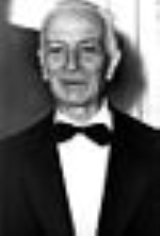
Antonio Segni

Encyclopedia
Antonio Segni was an Italian politician who was the 35th Prime Minister of Italy
(1955–1957, 1959–1960), and the fourth President of the Italian Republic from 1962 to 1964. Adhering to the centrist Christian Democratic
party (Italian: Democrazia Cristiana – DC), he was the first Sardinian ever to become Prime Minister of Italy.
, Sardinia
, he studied to become a lawyer with a degree in agricultural and commercial law. Segni joined the Italian People's Party – the predecessor of the Christian Democratic Party – in 1919. In 1924 he was a member of the party’s national council, until all political organizations were dissolved by Benito Mussolini
two years later in 1926. For the next 17 years Segni taught Agrarian Law for at the Universities of Pavia
, Perugia
, and Cagliari
; he was also rector of Sassari University.
In 1943 Segni was one of the organizers of the new Christian Democratic Party in Sardinia. He held ministerial positions in many Christian Democrat governments from 1944 onward, despite his frail physique. Time Magazine once quoted a friend: "He is like the Colosseum; he looks like a ruin but he'll be around for a long time." In 1946, he was elected to the Constituent Assembly after World War II and then to parliament in 1948.
. He favoured land reform legislation and ordered the expropriation of most of his own estate in Sardinia. He became known as a “white Bolshevik” for his introduction of agrarian reform.
He became Prime Minister in 1955, succeeding Mario Scelba
. During Segni’s government the treaties instituting the European Economic Community
(EEC) were signed on 25 March 1957, and Italy co-founded the community.
In March 1959, he became Prime Minister again, succeeding Amintore Fanfani
, in whose government he had been Minister of Defense.
served as acting president.
Politically, Segni was a moderate conservative opposed to "opening to the centre-left" enabling coalition governments between the Italian Socialist Party
(PSI) and the Christian Democrats. Segni was later accused of having tried to instigate a coup d'état (known as Piano Solo
) along with General Giovanni De Lorenzo during his presidency to frustrate the opening to the left.
Segni was also a professor of law at University of Sassari. Straightforward, witty and courteous, Segni was more at ease in the classroom or the law court than in the back rooms of Italian politics. He died on 1 December 1972, in Rome. The frail, often ailing Segni, was affectionately called malato di ferro—"the invalid with the iron constitution".
Segni's son, Mariotto Segni
, is also a prominent Italian politician.
Prime minister of Italy
The Prime Minister of Italy is the head of government of the Italian Republic...
(1955–1957, 1959–1960), and the fourth President of the Italian Republic from 1962 to 1964. Adhering to the centrist Christian Democratic
Christian Democracy (Italy)
Christian Democracy was a Christian democratic party in Italy. It was founded in 1943 as the ideological successor of the historical Italian People's Party, which had the same symbol, a crossed shield ....
party (Italian: Democrazia Cristiana – DC), he was the first Sardinian ever to become Prime Minister of Italy.
Biography
The son of a Sardinian landowning family, born in SassariSassari
Sassari is an Italian city. It is the second-largest city of Sardinia in terms of population with about 130,000 inhabitants, or about 300,000 including the greater metropolitan area...
, Sardinia
Sardinia
Sardinia is the second-largest island in the Mediterranean Sea . It is an autonomous region of Italy, and the nearest land masses are the French island of Corsica, the Italian Peninsula, Sicily, Tunisia and the Spanish Balearic Islands.The name Sardinia is from the pre-Roman noun *sard[],...
, he studied to become a lawyer with a degree in agricultural and commercial law. Segni joined the Italian People's Party – the predecessor of the Christian Democratic Party – in 1919. In 1924 he was a member of the party’s national council, until all political organizations were dissolved by Benito Mussolini
Benito Mussolini
Benito Amilcare Andrea Mussolini was an Italian politician who led the National Fascist Party and is credited with being one of the key figures in the creation of Fascism....
two years later in 1926. For the next 17 years Segni taught Agrarian Law for at the Universities of Pavia
Pavia
Pavia , the ancient Ticinum, is a town and comune of south-western Lombardy, northern Italy, 35 km south of Milan on the lower Ticino river near its confluence with the Po. It is the capital of the province of Pavia. It has a population of c. 71,000...
, Perugia
Perugia
Perugia is the capital city of the region of Umbria in central Italy, near the River Tiber, and the capital of the province of Perugia. The city is located about north of Rome. It covers a high hilltop and part of the valleys around the area....
, and Cagliari
Cagliari
Cagliari is the capital of the island of Sardinia, a region of Italy. Cagliari's Sardinian name Casteddu literally means castle. It has about 156,000 inhabitants, or about 480,000 including the outlying townships : Elmas, Assemini, Capoterra, Selargius, Sestu, Monserrato, Quartucciu, Quartu...
; he was also rector of Sassari University.
In 1943 Segni was one of the organizers of the new Christian Democratic Party in Sardinia. He held ministerial positions in many Christian Democrat governments from 1944 onward, despite his frail physique. Time Magazine once quoted a friend: "He is like the Colosseum; he looks like a ruin but he'll be around for a long time." In 1946, he was elected to the Constituent Assembly after World War II and then to parliament in 1948.
In Government
Segni made his reputation as Minister of Agriculture (1946–1951) under Alcide de GasperiAlcide De Gasperi
Alcide De Gasperi was an Italian statesman and politician and founder of the Christian Democratic Party. From 1945 to 1953 he was the prime minister of eight successive coalition governments. His eight-year rule remains a landmark of political longevity for a leader in modern Italian politics...
. He favoured land reform legislation and ordered the expropriation of most of his own estate in Sardinia. He became known as a “white Bolshevik” for his introduction of agrarian reform.
He became Prime Minister in 1955, succeeding Mario Scelba
Mario Scelba
Mario Scelba was an Italian Christian Democratic politician who served as the 34th Prime Minister of Italy from February 1954 to July 1955...
. During Segni’s government the treaties instituting the European Economic Community
European Economic Community
The European Economic Community The European Economic Community (EEC) The European Economic Community (EEC) (also known as the Common Market in the English-speaking world, renamed the European Community (EC) in 1993The information in this article primarily covers the EEC's time as an independent...
(EEC) were signed on 25 March 1957, and Italy co-founded the community.
In March 1959, he became Prime Minister again, succeeding Amintore Fanfani
Amintore Fanfani
Amintore Fanfani was an Italian career politician and the 33rd man to serve the office of Prime Minister of the State. He was one of the well-known Italian politicians after the Second World War, and a historical figure of the Christian Democracy .Fanfani and Giovanni Giolitti are still actually...
, in whose government he had been Minister of Defense.
President
Segni was elected President of the Italian Republic on 6 May 1962 (854 to 443 votes). He suffered a serious cerebral hemorrhage while working at the presidential palace on 7 August 1964. At the time he was 73 years old and the first prognosis were not positive. He only partially recovered, and he retired from office on 6 December 1964. In the interim, the President of the Senate Cesare MerzagoraCesare Merzagora
Cesare Merzagora was an Italian politician from Milan. He was President of the Italian Senate from 1953 to 1967, and was also temporarily acting as President of Italy in 1964, in the period between the resignation of Antonio Segni and the election of Giuseppe Saragat...
served as acting president.
Politically, Segni was a moderate conservative opposed to "opening to the centre-left" enabling coalition governments between the Italian Socialist Party
Italian Socialist Party
The Italian Socialist Party was a socialist and later social-democratic political party in Italy founded in Genoa in 1892.Once the dominant leftist party in Italy, it was eclipsed in status by the Italian Communist Party following World War II...
(PSI) and the Christian Democrats. Segni was later accused of having tried to instigate a coup d'état (known as Piano Solo
Piano Solo
Piano Solo was an envisaged plot for an Italian coup in 1964, planned by then director of the military police, Giovanni De Lorenzo.The coup plans were investigated in 1967, when the journalist Eugenio Scalfari and Lino Jannuzzi uncovered the attempt in the Italian news magazine L'Espresso in May 1967...
) along with General Giovanni De Lorenzo during his presidency to frustrate the opening to the left.
Segni was also a professor of law at University of Sassari. Straightforward, witty and courteous, Segni was more at ease in the classroom or the law court than in the back rooms of Italian politics. He died on 1 December 1972, in Rome. The frail, often ailing Segni, was affectionately called malato di ferro—"the invalid with the iron constitution".
Segni's son, Mariotto Segni
Mario Segni
Mariotto Segni, more often known as Mario, is an Italian politician, son of Antonio Segni, one time President of the Republic of Italy....
, is also a prominent Italian politician.
External links
- President Antonio Segni, Italian Chamber of Deputies
- Political factors related to the illness of Italian President Antonio Segni, declassified CIA document dated 14 August 1964
| Succession boxes |
|---|