

Occupational hygiene

Encyclopedia
Occupational hygiene is generally defined as the art and science dedicated to the anticipation, recognition, evaluation, communication and control of environmental stressors in, or arising from, the workplace that may result in injury, illness, impairment, or affect the well being of workers and members of the community. These stressors are divided into the categories biological, chemical, physical
, ergonomic and psychosocial
. The British Occupational Hygiene Society (BOHS) define that "occupational hygiene is about the prevention of ill-health from work, through recognizing, evaluating and controlling the risks". The International Occupational Hygiene Association (IOHA) refers to occupational hygiene as the discipline of anticipating, recognizing, evaluating and controlling health
hazards in the working environment with the objective of protecting worker health and well-being and safeguarding the community at large.
The term "occupational hygiene" (used in the UK and Commonwealth countries as well as much of Europe) is synonymous with industrial hygiene (used in the US, Latin America, and other countries that received initial technical support or training from US sources). The term "industrial hygiene" traditionally stems from industries with construction, mining or manufacturing and "occupational hygiene" refers to all types of industry such as those listed for "industrial hygiene" as well as financial and support services industries and refers to "work
", "workplace" and "place of work" in general. Environmental hygiene addresses similar issues to occupational hygiene, but is likely to be about broad industry or broad issues effecting the local community, broader society, region or country.
The profession of occupational hygiene uses strict and rigorous scientific methodology and often requires professional experience in determining the potential for hazard, exposures or risk in workplace and environmental studies. This aspect of occupational hygiene is often referred to as the "art" of occupational hygiene and is used in a similar sense to the "art" of medicine
. In fact "occupational hygiene" is both an aspect of preventative medicine
, in that its goal is to prevent industrial disease, and risk management
, risk assessment
and industrial safety, in that it also seeks "safe" systems, procedures or methods to be applied in the workplace or to the environment.
exposures that have affected the lives of tens of thousands of people.
More recent issues affecting broader society are, for example in 1976, legionnaires' disease or legionellosis
. More recently again in the 1990s radon
and in the 2000s the effects of mould from indoor air quality situations in the home and at work. In the later part of the 2000s concern has been raised about the health effects of nanoparticle
s.
Many of these issues have required the coordination over a number of years of a number of medical and para professionals in detecting and then characterizing the nature of the issue, both in terms of the hazard and in terms of the risk to the workplace and ultimately to society. This has involved occupational hygienists in research, collection of data and to develop suitable and satisfactory control methodologies.
Various dust sampling methods exist that are internationally recognised. Inhalable dust is determined using the modern equivalent of the Institute of Occupational Medicine
(IOM) MRE 113A monitor (see section on workplace exposure, measurement & modelling). Inhalable dust is considered to be dust of less than 100 micrometers aerodynamic equivalent diameter (AED) that enters through the nose and or mouth. See Lungs
Respirable dust is sampled using a cyclone dust sampler design to sample for a specific fraction of dust AED at a set flow rate. The respirable dust fraction is dust that enters the 'deep lung' and is considered to be less than 10 micrometers AED.
Nuisance, inhalable and respirable dust fractions are all sampled using a constant volumetric pump for a specific sampling period. By knowing the mass of the sample collected and the volume of air sampled a concentration for the fraction sampled can be given in milligrams (mg) per metre cubed (m3). From such samples the amount of inhalable or reespirable dust can be determined and compared to the relevant occupational exposure limit
s.
By use of inhalable, respirable or other suitable sampler (7 hole, 5 hole, et cetera) these dust sampling methods can also used to determine metal exposure in the air. This requires collection of the sample on a methyl-cellulose ester (MCE) filter and acid digestion of the collection media in the laboratory followed by measuring metal concentration though an atomic absorption (or emission) spectrophotometery. Both the UK HSE and NIOSH NMAM have specific methodologies for a broad range of metals in air found in industrial processing (smelting, foundries, et cetera).
A further method exists for the determination of asbestos, fibreglass, synthetic mineral fibre and ceramic mineral fibre dust in air. This is the membrane filter method (MFM) and requires the collection of the dust on a grided filter for estimation of exposure by the counting of 'conforming' fibres in 100 fields through a microscope. Results are quantified on the basis of number of fibres per millilitre of air (f/ml). Many countries strictly regulate the methodology applied to the MFM.
In the last few decades advances have being made in 'passive' badge technology. These samplers can now be purchased to measure one chemical (e.g. formaldehyde) or a chemical type (e.g. ketones) or a broad spectrum of chemicals (e.g. solvents). They are relatively easy to set up and use. However, considerable cost can still be incurred in analysis of the 'badge'. They weigh 20 to 30 grams and workers do not complain about their presence. Unfortunately 'badges' may not exist for all types of workplace sampling that may be required and the charcoal or silica method may sometimes have to be applied.
From the sampling method results are expressed in milligrams per cubic meter (mg/m3) or parts per million (PPM) and compared to the relevant occupational exposure limit
s.
It is a critical part of the exposure determination that the method of sampling for the specific contaminate exposure is directly linked to the exposure standard used. Many countries regulate both the exposure standard, the method used to determine the exposure and the methods to be used for chemical or other analysis of the samples collected.
, chemical
, biological or environmental hazards in the workplace or community that could cause injury
or disease
. Physical hazards may include noise
, temperature extremes, illumination extremes
, ionizing
or non-ionizing radiation
, and ergonomics
. Chemical hazards related to dangerous goods or hazardous substances are frequently investigated by occupational hygienists. Other related areas including indoor air quality
(IAQ) and safety
may also receive the attention of the occupational hygienist. Biological hazards may stem from the potential for legionella exposure at work or the investigation of biological injury or effects at work, such as dermatitis may be investigated.
As part of the investigation process, the occupational hygienist may be called upon to communicate effectively regarding the nature of the hazard, the potential for risk, and the appropriate methods of control. Appropriate controls are selected from the hierarchy of control: by elimination, substitution, engineering, administration and personal protective equipment (PPE) in order to control the hazard or eliminate the risk. Such controls may involve recommendations as simple as appropriate PPE such as a 'basic' particulate dust mask to occasionally designing dust extraction ventilation systems, work places or management systems in order to manage people and programs for the preservation of health and well-being of those who enter a workplace.
However, it is not rote knowledge that identifies a competent occupational hygienist. There is an "art" to applying the technical principles in a manner that provides a reasonable solution for workplace and environmental issues. In effect an experienced "mentor", who has experience in occupational hygiene is required to show a new occupational hygienist how to apply the learned scientific and management knowledge in the workplace and to the environment issue to satisfactorily resolve the problem.
To be a professional occupational hygienist, experience in as wide a practice as possible is required to demonstrate knowledge in areas of occupational hygiene. This is difficult for "specialists" or those who practice in narrow subject areas. Limiting experience to individual subject like asbestos remediation, confined spaces, indoor air quality, or lead abatement, or learning only through a textbook or “review course” can be a disadvantage when required to demonstrate competence in other areas of occupational hygiene.
Information presented in Wikipedia can be considered to be only an outline of the requirements for professional occupational hygiene training. This is because the actual requirements in any country, state or region may vary due to educational resources available, industry demand or regulatory mandated requirements.
During 2010, the Occupational Hygiene Training Association (OHTA) through sponsorship provided by the IOHA initiated a training scheme for those with an interest in or those requiring training in occupational hygiene. These training modules can be downloaded and used freely. The available subject modules (Basic Principles in Occupational Hygiene, Health Effects of Hazardous Substances, Measurement of Hazardous Substances, Thermal Environment, Noise, Asbestos, Control, Ergonomics) are aimed at the ‘foundation’ and ‘intermediate’ levels in Occupational Hygiene. Although the modules can be used freely without supervision attendance at an accredited training course is encouraged. These training modules are available from OH Learning.com
Academic programs offering industrial hygiene Bachelors or Masters degrees in United States may apply to the Accreditation Board for Engineering and Technology
(ABET) to have their program accredited. As of October 1, 2006, 27 institutions have accredited their industrial hygiene programs. Accreditation is not available for Doctoral programs.
National professional societies include the following (in alphabetical order):
Annals of Occupational Hygiene http://annhyg.oxfordjournals.org/ - published since 1958 by the British Occupational Hygiene Society
After the initial certification, the CIH or CAIH maintains their certification by meeting on-going requirements for ethical behavior, education, and professional activities (e.g., active practice, technical committees, publishing, teaching).
ABIH certification examinations are offered during a spring and fall testing window each year at more than 400 locations worldwide.
The CIH designation is the most well known and recognized industrial hygiene designation throughout the world. There are approximately 6600 CIHs in the world making ABIH the largest industrial hygiene certification firm. The CAIH certification program was discontinued in 2006. Those who were certified as a CAIH retain their certification through ongoing certification maintenance. People who are currently certified by the ABIH can be found in a public roster.
The ABIH is a recognized certification board by the International Occupational Hygiene Association (IOHA). The CIH certification has been accredited internationally by the International Organization for Standardization/International Electrotechnical Commission (ISO/IEC 17024) (see ANSI). In the United States, the CIH has been accredited by the Council of Engineering and Scientific Specialty Boards [CESB].
Membership of the Faculty of Occupational Hygiene is confined to BOHS members who hold a recognized professional qualification in occupational hygiene.
There are three grades of Faculty membership:
All Faculty members participate in a Continuous Professional Development (CPD) scheme designed to maintain a high level of current awareness and knowledge in occupational hygiene.
Definitions, Conversions, and Calculations for Occupational Safety and Health Professionals, 3rd Edition, Edward W. Finucane, ISBN 978-1-56670-640-7, 2006, $US97.95
Fundamentals of Industrial Hygiene, 5th Edition, National Safety Council, ISBN 978-0-87912-216-4, 2001, $US191.53
Modern Industrial Hygiene, 2 Volume Set, Jimmy L. Perkins, ISBN 978-1-882417-75-9, 2008 and ISBN 978-1-882417-48-3, 2003, $US179.95
Patty’s Industrial Hygiene, 5th Edition: 4 volume set, Robert Harris (Ed.), ISBN 978-0-471-29784-0, $US1,800.00
Principles of Occupational Hygiene & Health, Tillman C. (Ed), Australian Institute of Occupational Hygienists, Allen & Unwin, 2007, ISBN 978-1-74175-058-4, $A80. Purchase from AIOH at: http://www.aioh.org.au/downloads/documents/OccHealth&HygieneOrderForm.pdf
Casarett and Doull’s Toxicology: The Basic Science of Poisons, 7th Edition, Curtis D. Klaassen (Ed), ISBN 978-0-07-147051-3, 2007, US$115.00
Dorland’s Illustrated Medical Dictionary, 31st Edition, Dorland/ W.B. Saunders, ISBN 978-1-4160-2364-7, 2007, US$49.95
Patty's Toxicology, 5th Edition, 9 Volume Set, Eula Bingham, Barbara Cohrssen, and Charles H. Powell (eds.), ISBN 978-0-471-31943-6, Wiley-Inter-science (publisher), 2001, US$2,915.00
Sax's Dangerous Properties of Industrial Materials, 11th Ed., Three Volume Print Set, Richard J. Lewis, Sr. ISBN 978-0-471-47662-7, 2004, US$650.00
Toxicology on-line tutorials: http://sis.nlm.nih.gov/enviro/toxtutor.html
World health Organization (WHO): http://www.who.int/occupational_health/en/
International Labour Organization, ILO Encyclopaedia of Occupational Health and Safety, 4 Volume set, 4th Edition, 1998, ISBN 92-2-109203-8. Purchase from ILO publications 150 Sw. Frs.; € 100; US$ 120. On line at: http://www.ilocis.org/en/contilo.html Book description at: http://www.ilo.org/public/english/region/ampro/cinterfor/sid/servicio/encyclo/index.htm
UK HSE: http://www.hse.gov.uk/infoserv/hseline.htm (Purchase Only). Check other areas of HSE site for further publicly available information.
Indoor Air Quality on-line educator: http://www.epa.gov/iaq/largebldgs/i-beam/index.html
Descriptive OH&S information:
Canada: http://www.ccohs.ca/ then press ‘OHS Answers’ or ‘MSDS’ link.
MSDS and Chemical Information:
A list of MSDS sites: http://www.ilpi.com/msds/index.html (Partly commercial).
(US) NIOSH Pocket Guide: http://www.cdc.gov/niosh/npg/
(US) Agency for Toxic Substances and Disease Registry: http://www.atsdr.cdc.gov/
(US) National Library of Medicine: http://www.toxnet.nlm.nih.gov/
(US) National Toxicology Program: http://ntp.niehs.nih.gov/
International Agency for Research on Cancer: http://www.iarc.fr/
RTECS: http://ccinfoweb.ccohs.ca/rtecs/search.html (by Subscription only)
Chemfinder: http://www.chemfinder.com/chembiofinder/Forms/Home/ContentArea/Home.aspx
Inchem: http://www.inchem.org/
Also try the manufacturer or suppliers web site. Many larger businesses maintain their own product and chemical information.
There are also many subscription services available (CHEMINFO, OSH, CHEMpendium, Chem Alert, Chemwatch, Infosafe, RightAnswer.com's TOMES® Plus, OSH Update, OSH-ROM®, et cetera).
Pubmed (Medline) site: http://www.ncbi.nlm.nih.gov/pubmed/
US NIOSH/ CDC site: http://www2a.cdc.gov/nioshtic-2/default.asp
(UK - BOHS) Annals of Occupational Hygiene: http://www.bohs.org/indexTemplate.aspx/Home/Publications/Annals
(US – ACGIH/ AIHA): Journal of Occupational and Environmental Hygiene: http://www.acgih.org/products/joeh/
Other educational material: http://siri.uvm.edu/
There is a varying degree of information available from published articles available on-line. In some instances the full article can only be obtained by subscription to the publishing organization.
ISO is at http://www.iso.org/iso/home.htm
ISO 9000 Quality management (set):
ISO 9000:2005 Quality management systems — Fundamentals and vocabulary
ISO 9001:2008 Quality management systems — Requirements
ISO 9001:2008 / Cor 1:2009 Technical Corrigendum 1:2009 to ISO 9001:2008
ISO 9004:2000 Quality management systems — Guidelines for performance improvements
ISO 10001:2007 Quality management — Customer satisfaction — Guidelines for codes of conduct for organizations
ISO 10002:2004 Quality management — Customer satisfaction — Guidelines for complaints handling in organizations
ISO 10003:2007 Quality management — Customer satisfaction — Guidelines for dispute resolution external to organizations
ISO 10005:2005 Quality management systems — Guidelines for quality plans
ISO 10006:2003 Quality management systems — Guidelines for quality management in projects
ISO 10007:2003 Quality management systems — Guidelines for configuration management
ISO 10012:2003 Measurement management systems — Requirements for measurement processes and measuring equipment
ISO/TR 10013:2001 Guidelines for quality management system documentation
ISO 10014:2006 Quality management — Guidelines for realizing financial and economic benefits
ISO 10014:2006 / Cor. 1:2007 Technical Corrigendum 1 to ISO 10014:2006
ISO 10015:1999 Quality management — Guidelines for training
ISO/TR 10017:2003 Guidance on statistical techniques for ISO 9001:2000
ISO 10019:2005 Guidelines for the selection of quality management system consultants and use of their services
ISO 19011:2002 Guidelines for quality and/or environmental management systems auditing
ISO 14000 Environmental Management (Set):
ISO Guide 64:1997 Guide for the inclusion of environmental aspects in product standards
ISO 14001:2004 Environmental management systems — Requirements with guidance for use
ISO 14004:2004 Environmental management systems — General guidelines on principles, systems and support techniques
ISO 14015:2001 Environmental management — Environmental assessment of sites and organizations (EASO)
ISO 14020:2000 Environmental labels and declarations — General principles
ISO 14021:1999 Environmental labels and declarations — Self-declared environmental claims (Type II environmental labeling)
ISO 14024:1999 Environmental labels and declarations — Type I environmental labeling — Principles and procedures
ISO 14025:2006 Environmental labels and declarations — Type III environmental declarations
ISO 14031:1999 Environmental management — Environmental performance evaluation — Guidelines
ISO/TR 14032:1999 Environmental management — Examples of environmental performance evaluation (EPE)
ISO 14040:2006 Environmental management — Life cycle assessment — Principles and framework
ISO 14044:2006 Environmental management — Life cycle assessment — Requirements and guidelines
ISO/TR 14047:2003 Environmental management — Life cycle impact assessment — Examples of application of ISO 14042
ISO/TR 14048:2002 Environmental management — Life cycle assessment — Data documentation format
ISO/TR 14049:2000 Environmental management — Life cycle assessment — Examples of application of ISO 14041 to goal and scope definition and inventory analysis
ISO 14050:2002 Environmental management — Vocabulary
ISO/TR 14062:2002 Environmental management — Integrating environmental aspects into product design and development
ISO 14063:2006 Environmental management — Environmental communication — Guidelines and examples
ISO 14064-1:2006 Greenhouse gases — Part 1: Specification with guidance at the organization level for quantification and reporting of greenhouse gas emissions and removals
ISO 14064-2:2006 Greenhouse gases — Part 2: Specification with guidance at the project level for quantification, monitoring and reporting of greenhouse gas emission reductions or removal enhancements
ISO 14064-3:2006 Greenhouse gases — Part 3: Specification with guidance for the validation and verification of greenhouse gas assertions
ISO 14065:2007 Greenhouse gases — Requirements for greenhouse gas validation and verification bodies for use in accreditation or other forms of recognition
ISO 19011:2002 Guidelines for quality and/or environmental management systems auditing
ISO/IEC 17025:2005 General requirements for the competence of testing and calibration laboratories
ISO 31000:2009 Risk management – Principles and guidelines,
ISO Guide 73:2009 Risk management—Vocabulary,
ISO/IEC 31010:2009 Risk management—Risk assessment techniques.
ISO 15743:2008 Ergonomics of the thermal environment—Cold workplaces—Risk assessment and management
ISO/IEC 16085:2006 Systems and software engineering—Life cycle processes—Risk management
ISO/TS 16732:2005 Fire safety engineering—Guidance on fire risk assessment
Physical hazard
In occupational hygiene, a physical hazard can be a hazard of one of the following types:* Cold* Ergonomics * Heat* Ionising Radiation...
, ergonomic and psychosocial
Psychosocial
For a concept to be psychosocial means it relates to one's psychological development in, and interaction with, a social environment. The individual needs not be fully aware of this relationship with his or her environment. It was first commonly used by psychologist Erik Erikson in his stages of...
. The British Occupational Hygiene Society (BOHS) define that "occupational hygiene is about the prevention of ill-health from work, through recognizing, evaluating and controlling the risks". The International Occupational Hygiene Association (IOHA) refers to occupational hygiene as the discipline of anticipating, recognizing, evaluating and controlling health
Health
Health is the level of functional or metabolic efficiency of a living being. In humans, it is the general condition of a person's mind, body and spirit, usually meaning to be free from illness, injury or pain...
hazards in the working environment with the objective of protecting worker health and well-being and safeguarding the community at large.
The term "occupational hygiene" (used in the UK and Commonwealth countries as well as much of Europe) is synonymous with industrial hygiene (used in the US, Latin America, and other countries that received initial technical support or training from US sources). The term "industrial hygiene" traditionally stems from industries with construction, mining or manufacturing and "occupational hygiene" refers to all types of industry such as those listed for "industrial hygiene" as well as financial and support services industries and refers to "work
Employment
Employment is a contract between two parties, one being the employer and the other being the employee. An employee may be defined as:- Employee :...
", "workplace" and "place of work" in general. Environmental hygiene addresses similar issues to occupational hygiene, but is likely to be about broad industry or broad issues effecting the local community, broader society, region or country.
The profession of occupational hygiene uses strict and rigorous scientific methodology and often requires professional experience in determining the potential for hazard, exposures or risk in workplace and environmental studies. This aspect of occupational hygiene is often referred to as the "art" of occupational hygiene and is used in a similar sense to the "art" of medicine
Medicine
Medicine is the science and art of healing. It encompasses a variety of health care practices evolved to maintain and restore health by the prevention and treatment of illness....
. In fact "occupational hygiene" is both an aspect of preventative medicine
Medicine
Medicine is the science and art of healing. It encompasses a variety of health care practices evolved to maintain and restore health by the prevention and treatment of illness....
, in that its goal is to prevent industrial disease, and risk management
Risk management
Risk management is the identification, assessment, and prioritization of risks followed by coordinated and economical application of resources to minimize, monitor, and control the probability and/or impact of unfortunate events or to maximize the realization of opportunities...
, risk assessment
Risk assessment
Risk assessment is a step in a risk management procedure. Risk assessment is the determination of quantitative or qualitative value of risk related to a concrete situation and a recognized threat...
and industrial safety, in that it also seeks "safe" systems, procedures or methods to be applied in the workplace or to the environment.
The Social Role of Occupational Hygiene
Occupational hygienists have been involved historically with changing the perception of society about the nature and extent of hazards in the workplace. Many occupational hygienists work day-to-day with industrial situations that require control or improvement to the workplace situation however larger social issues affecting whole industries have occurred in the past e.g. since 1900, asbestosAsbestos
Asbestos is a set of six naturally occurring silicate minerals used commercially for their desirable physical properties. They all have in common their eponymous, asbestiform habit: long, thin fibrous crystals...
exposures that have affected the lives of tens of thousands of people.
More recent issues affecting broader society are, for example in 1976, legionnaires' disease or legionellosis
Legionellosis
Legionellosis is a potentially fatal infectious disease caused by gram negative, aerobic bacteria belonging to the genus Legionella. Over 90% of legionellosis cases are caused by Legionella pneumophila, a ubiquitous aquatic organism that thrives in temperatures between , with an optimum temperature...
. More recently again in the 1990s radon
Radon
Radon is a chemical element with symbol Rn and atomic number 86. It is a radioactive, colorless, odorless, tasteless noble gas, occurring naturally as the decay product of uranium or thorium. Its most stable isotope, 222Rn, has a half-life of 3.8 days...
and in the 2000s the effects of mould from indoor air quality situations in the home and at work. In the later part of the 2000s concern has been raised about the health effects of nanoparticle
Nanoparticle
In nanotechnology, a particle is defined as a small object that behaves as a whole unit in terms of its transport and properties. Particles are further classified according to size : in terms of diameter, coarse particles cover a range between 10,000 and 2,500 nanometers. Fine particles are sized...
s.
Many of these issues have required the coordination over a number of years of a number of medical and para professionals in detecting and then characterizing the nature of the issue, both in terms of the hazard and in terms of the risk to the workplace and ultimately to society. This has involved occupational hygienists in research, collection of data and to develop suitable and satisfactory control methodologies.
Workplace Assessment Methods
Although there are many aspects to occupational hygiene work the most known and sought after is in determining or estimating potential or actual exposures to hazards. Several methods can be applied in assessing the workplace or environment for exposure to a known or suspected hazard. Occupational hygienists do not rely on the accuracy of the equipment or method used but in knowing with certainty and precision the limits of the equipment or method being used and the error or variance given by using that particular equipment or method.Walk-through survey
A traditional method applied by occupational hygienists to initially survey a workplace or environment is used to determine both the types and possible exposures from hazards (e.g. noise, chemicals, radiation). The walk-through survey can be targeted or limited to particular hazards such as silica dust, or noise, to focus attention on control of those hazards. A full walk-through survey is frequently used to provide information on establishing a framework for future investigations, prioritizing hazards, determining the requirements for measurement and establishing some immediate control of potential exposures.Electronic Hazard Survey Equipment
An occupational hygienist may use one or a number of commercially available electronic measuring devices to measure noise, vibration, ionizing and non-ionizing radiation, dust, solvents, gases, et cetera. Each device is often specifically designed to measure a specific or particular type of contaminant. Such devices are often subject to multiple interferences. Electronic devices need to be calibrated before and after use to ensure the accuracy of the measurements taken and often require a system of certifying the precision of the instrument.Dust Sampling
Nuisance dust is considered to be the total dust in air including inhalable and respirable fractions.Various dust sampling methods exist that are internationally recognised. Inhalable dust is determined using the modern equivalent of the Institute of Occupational Medicine
Institute of Occupational Medicine
The Institute of Occupational Medicine was founded in 1969 by the National Coal Board as an independent charity. The IOM is a major independent centre of scientific excellence in the fields of occupational health and environmental health, occupational hygiene and occupational safety...
(IOM) MRE 113A monitor (see section on workplace exposure, measurement & modelling). Inhalable dust is considered to be dust of less than 100 micrometers aerodynamic equivalent diameter (AED) that enters through the nose and or mouth. See Lungs
Respirable dust is sampled using a cyclone dust sampler design to sample for a specific fraction of dust AED at a set flow rate. The respirable dust fraction is dust that enters the 'deep lung' and is considered to be less than 10 micrometers AED.
Nuisance, inhalable and respirable dust fractions are all sampled using a constant volumetric pump for a specific sampling period. By knowing the mass of the sample collected and the volume of air sampled a concentration for the fraction sampled can be given in milligrams (mg) per metre cubed (m3). From such samples the amount of inhalable or reespirable dust can be determined and compared to the relevant occupational exposure limit
Occupational exposure limit
An occupational exposure limit is an upper limit on the acceptable concentration of a hazardous substance in workplace air for a particular material or class of materials. It is typically set by competent national authorities and enforced by legislation to protect occupational safety and health...
s.
By use of inhalable, respirable or other suitable sampler (7 hole, 5 hole, et cetera) these dust sampling methods can also used to determine metal exposure in the air. This requires collection of the sample on a methyl-cellulose ester (MCE) filter and acid digestion of the collection media in the laboratory followed by measuring metal concentration though an atomic absorption (or emission) spectrophotometery. Both the UK HSE and NIOSH NMAM have specific methodologies for a broad range of metals in air found in industrial processing (smelting, foundries, et cetera).
A further method exists for the determination of asbestos, fibreglass, synthetic mineral fibre and ceramic mineral fibre dust in air. This is the membrane filter method (MFM) and requires the collection of the dust on a grided filter for estimation of exposure by the counting of 'conforming' fibres in 100 fields through a microscope. Results are quantified on the basis of number of fibres per millilitre of air (f/ml). Many countries strictly regulate the methodology applied to the MFM.
Chemical Sampling
Two types of chemically absorbent tubes are used to sample for a wide range of chemical substances. Traditionally a chemical absorbent 'tube' (a glass or stainless steel tube of between 2 and 10 mm internal diameter) filled with very fine absorbent silica (hydophylic) or carbon, such as coconut charcoal (lypophylic), is used in a sampling line where air is drawn through the absorbent material for between 4 hours (minimum workplace sample) to 24 hours (environmental sample) period. The hydrophylic material readily absorbs water soluble chemical and the lypophylic material absorbs non water soluble materials. The absorbent material is then chemically or physically extracted and measurements performed using various gas chromatograph or mass spectometry methods. These absorbent tube methods have the advantage of being usable for a wide range of potential contaminates. However, they are relatively expensive methods, time consuming and require significant expertise in sampling and chemical analysis. A frequent complaint of workers is in having to wear the sampling pump (up to 1 kg) for several days of work to provide adequate data for the required statistical certainty determination of the exposure.In the last few decades advances have being made in 'passive' badge technology. These samplers can now be purchased to measure one chemical (e.g. formaldehyde) or a chemical type (e.g. ketones) or a broad spectrum of chemicals (e.g. solvents). They are relatively easy to set up and use. However, considerable cost can still be incurred in analysis of the 'badge'. They weigh 20 to 30 grams and workers do not complain about their presence. Unfortunately 'badges' may not exist for all types of workplace sampling that may be required and the charcoal or silica method may sometimes have to be applied.
From the sampling method results are expressed in milligrams per cubic meter (mg/m3) or parts per million (PPM) and compared to the relevant occupational exposure limit
Occupational exposure limit
An occupational exposure limit is an upper limit on the acceptable concentration of a hazardous substance in workplace air for a particular material or class of materials. It is typically set by competent national authorities and enforced by legislation to protect occupational safety and health...
s.
It is a critical part of the exposure determination that the method of sampling for the specific contaminate exposure is directly linked to the exposure standard used. Many countries regulate both the exposure standard, the method used to determine the exposure and the methods to be used for chemical or other analysis of the samples collected.
General Activities
The occupational hygienist may be involved with the assessment and control of physicalPhysical hazard
In occupational hygiene, a physical hazard can be a hazard of one of the following types:* Cold* Ergonomics * Heat* Ionising Radiation...
, chemical
Chemical hazard
A chemical hazard arises from contamination of an area with harmful or potentially harmful chemicals. Possible sources of chemical hazards include the burning of fossils, materials and chemicals used in construction and industry, pollution of the environment and water supply, chemical spillages,...
, biological or environmental hazards in the workplace or community that could cause injury
Injury
-By cause:*Traumatic injury, a body wound or shock produced by sudden physical injury, as from violence or accident*Other injuries from external physical causes, such as radiation injury, burn injury or frostbite*Injury from infection...
or disease
Disease
A disease is an abnormal condition affecting the body of an organism. It is often construed to be a medical condition associated with specific symptoms and signs. It may be caused by external factors, such as infectious disease, or it may be caused by internal dysfunctions, such as autoimmune...
. Physical hazards may include noise
Noise health effects
Noise health effects are the health consequences of elevated sound levels. Elevated workplace or other noise can cause hearing impairment, hypertension, ischemic heart disease, annoyance and sleep disturbance. Changes in the immune system and birth defects have been attributed to noise exposure...
, temperature extremes, illumination extremes
Over-illumination
Over-illumination is the presence of lighting intensity beyond that required for a specified activity. Over-illumination was commonly ignored between 1950 and 1995, especially in office and retail environments; only since then has the interior design community begun to reconsider this practice.The...
, ionizing
Ionizing radiation
Ionizing radiation is radiation composed of particles that individually have sufficient energy to remove an electron from an atom or molecule. This ionization produces free radicals, which are atoms or molecules containing unpaired electrons...
or non-ionizing radiation
Radiation
In physics, radiation is a process in which energetic particles or energetic waves travel through a medium or space. There are two distinct types of radiation; ionizing and non-ionizing...
, and ergonomics
Ergonomics
Ergonomics is the study of designing equipment and devices that fit the human body, its movements, and its cognitive abilities.The International Ergonomics Association defines ergonomics as follows:...
. Chemical hazards related to dangerous goods or hazardous substances are frequently investigated by occupational hygienists. Other related areas including indoor air quality
Indoor air quality
Indoor air quality is a term referring to the air quality within and around buildings and structures, especially as it relates to the health and comfort of building occupants....
(IAQ) and safety
Safety
Safety is the state of being "safe" , the condition of being protected against physical, social, spiritual, financial, political, emotional, occupational, psychological, educational or other types or consequences of failure, damage, error, accidents, harm or any other event which could be...
may also receive the attention of the occupational hygienist. Biological hazards may stem from the potential for legionella exposure at work or the investigation of biological injury or effects at work, such as dermatitis may be investigated.
As part of the investigation process, the occupational hygienist may be called upon to communicate effectively regarding the nature of the hazard, the potential for risk, and the appropriate methods of control. Appropriate controls are selected from the hierarchy of control: by elimination, substitution, engineering, administration and personal protective equipment (PPE) in order to control the hazard or eliminate the risk. Such controls may involve recommendations as simple as appropriate PPE such as a 'basic' particulate dust mask to occasionally designing dust extraction ventilation systems, work places or management systems in order to manage people and programs for the preservation of health and well-being of those who enter a workplace.
Education
The basis of the technical knowledge of occupational hygiene is from competent training in the following areas of science and management.-
- Basic Sciences (Biology, Chemistry, Mathematics (Statistics), Physics);
- Occupational Diseases (Illness, injury and health surveillance (biostatistics, epidemiology, toxicology));
- Health Hazards (Biological, Chemical and Physical hazards, Ergonomics and Human Factors);
- Working Environments (Mining, Industrial, Manufacturing, transport and storage, service industries and offices);
- Programme Management Principles (professional and business ethics, work site and incident investigation methods, exposure guidelines, Occupational exposure limitOccupational exposure limitAn occupational exposure limit is an upper limit on the acceptable concentration of a hazardous substance in workplace air for a particular material or class of materials. It is typically set by competent national authorities and enforced by legislation to protect occupational safety and health...
s, jurisdictional based regulations, hazard identification, risk assessment and risk communication, data management, fire evacuation and other emergency responses); - Sampling, measurement and evaluation practices (instrumentation, sampling protocols, methods or techniques, analytical chemistry);
- Hazard Controls (elimination, substitution, engineering, administrative, PPE and Air Conditioning and Extraction Ventilation);
- Environment (air pollution, hazardous waste).
However, it is not rote knowledge that identifies a competent occupational hygienist. There is an "art" to applying the technical principles in a manner that provides a reasonable solution for workplace and environmental issues. In effect an experienced "mentor", who has experience in occupational hygiene is required to show a new occupational hygienist how to apply the learned scientific and management knowledge in the workplace and to the environment issue to satisfactorily resolve the problem.
To be a professional occupational hygienist, experience in as wide a practice as possible is required to demonstrate knowledge in areas of occupational hygiene. This is difficult for "specialists" or those who practice in narrow subject areas. Limiting experience to individual subject like asbestos remediation, confined spaces, indoor air quality, or lead abatement, or learning only through a textbook or “review course” can be a disadvantage when required to demonstrate competence in other areas of occupational hygiene.
Information presented in Wikipedia can be considered to be only an outline of the requirements for professional occupational hygiene training. This is because the actual requirements in any country, state or region may vary due to educational resources available, industry demand or regulatory mandated requirements.
During 2010, the Occupational Hygiene Training Association (OHTA) through sponsorship provided by the IOHA initiated a training scheme for those with an interest in or those requiring training in occupational hygiene. These training modules can be downloaded and used freely. The available subject modules (Basic Principles in Occupational Hygiene, Health Effects of Hazardous Substances, Measurement of Hazardous Substances, Thermal Environment, Noise, Asbestos, Control, Ergonomics) are aimed at the ‘foundation’ and ‘intermediate’ levels in Occupational Hygiene. Although the modules can be used freely without supervision attendance at an accredited training course is encouraged. These training modules are available from OH Learning.com
Academic programs offering industrial hygiene Bachelors or Masters degrees in United States may apply to the Accreditation Board for Engineering and Technology
Accreditation Board for Engineering and Technology
ABET, Inc., formerly the Accreditation Board for Engineering and Technology, is a non-profit organization that accredits post-secondary education programs in applied science, computing, engineering, and technology...
(ABET) to have their program accredited. As of October 1, 2006, 27 institutions have accredited their industrial hygiene programs. Accreditation is not available for Doctoral programs.
Professional Societies
The International Occupational Hygiene Association was formed in 1987. Its membership are the national professional associations, now numbering more than 20 organizations and representing over 20,000 occupational hygienists worldwide.National professional societies include the following (in alphabetical order):
- American Conference of Governmental Industrial Hygienists (ACGIH)
- Formed in 27 June 1938 as the National Conference of Governmental Industrial Hygienists, renamed ACGIH in 1946. This organization was originally conceived as a gathering of the governmental organizations that employed industrial hygienists and membership was limited to two from each organization. From 1946, all industrial hygiene personnel employed by government agencies and educational institutions were eligible for membership. Today, membership is open to all practitioners in industrial hygiene, occupational health, environmental health, and safety.
- American Industrial Hygiene Association (AIHA)
- Founded in 1939, AIHA has more than 75 local sections and 11,800 members, making it the largest of the national professional associations.
- Australian Institute of Occupational Hygienists(AIOH)
- The AIOH was formed in 1980 as a forum for scientific meetings between scientific officers (now termed occupational hygienists) involved in government work between Commonwealth, State and Territory Governments in Australia. From the outset membership of AIOH was open to all those with an interest in occupational or environmental hygiene or a scientific interest in health and safety. Current membership includes approximately 600 members with Associate, Provisional, Full and Fellow grades of membership. Provisional, full and fellow membership levels required set qualifications and professional experience criteria to be achieved.
- Association of Professional Industrial Hygienists
- The Association of Professional Industrial Hygienists, Inc. (APIH) was established in 1994 to offer credentialing to industrial hygienists who meet the education and experience requirements found in Tennessee Code Annotated, Title 62, Chapter 40. APIH adopted the Tennessee Code as its basis for credentialing because it was the first legal definition in the United States of an industrial hygienist in terms of education and experience. The APIH Registration Committee investigates and verifies, through electronic means or correspondence, both educational and experience accomplishments claimed by each applicant for registration. The Committee determines the appropriate level of registration, Registered Industrial Hygienist or Registered Professional Industrial Hygienist, and then authorizes the registration certificate to be issued.
- Belgian Society for Occupational Hygiene
- Brazilian Association of Occupational Hygienists
- Established in August 1994
- British Occupational Hygiene SocietyBritish Occupational Hygiene SocietyThe British Occupational Hygiene Society , whose vision is a healthy working environment for everyone, was established as a charity in 1953 to reduce work-related ill-health, and makes a distinct and valuable contribution to preventing ill-health in the workplace...
(BOHS)- Founded in 1953, its aim is to help reduce work-related ill-health. With approximately 1300 members, it is the biggest occupational hygiene society in Europe and the voice of occupational hygiene in the UK.
- Canadian Registration Board of Occupational Hygienists (CRBOH)/Conseil canadien d’agrément des hygiénistes du travail (CCAHT)
- It is the national, non-profit organization which sets standards of professional competence for occupational hygienists and occupational hygiene technologists in Canada.
- Colombian Association of Occupational Hygiene
- Colombian Occupational Hygiene Society (ACHO)
- Founded in 1996, divided in 6 chapters around the country.
- Dutch Occupational Hygiene Society
- Established 1983:French Occupational Hygiene Society
- Finnish Occupational Hygiene Society
- Founded 1975
- German Society for Occupational Hygiene
- Hong Kong Institute of Occupational and Environmental Hygiene
- Established 1 July 2000
- Italian Occupational Hygiene Association (AIDII)
- Founded as a non-profit scientific organization in 1969
- Israel Industrial Hygiene Association (IIOSH)
- Established as a non-profit institution in 1954, its main objective is to promote safety and hygiene at the workplace.
- Japan Occupational Hygiene Association
- Japan Association for Working Environment Measurement
- Established 25 September 1979
- Korean Society of Occupational and Environmental Hygiene (KSOEH)
- Founded in 1990.
- Malaysian Industrial Hygiene Association
- Mexican Industrial Hygiene Association
- Founded July 1995
- New Zealand Occupational Hygiene Society
- Founded 1994
- Norwegian Occupational Hygiene Association
- Occupational Hygiene Society of Ireland
- Formed 1986
- Polish Association of Industrial Hygienists
- Registered as a professional and scientific organization in 1992
- Southern African Institute for Occupational Hygiene
- Formed in 2000 as an amalgamation of the Occupational Hygiene Association of Southern Africa and the Institute of Occupational Hygienists of Southern Africa
- Swedish Association of Occupational and Environmental Hygienists
- Swiss Society of Occupational Hygiene
- Founded 24 October 1983 as the Swiss Local Section of the American Industrial Hygiene Association and became an independent organization.
- Taiwan Occupational Hygiene Association
Related Journals
Journal of Occupational and Environmental Hygiene http://www.tandf.co.uk/journals/titles/15459624.asp - published jointly since 2004 by the American Industrial Hygiene Association and the American Conference of Governmental Industrial Hygienists, replacing the American Industrial Hygiene Association Journal and Applied Occupational & Environmental HygieneAnnals of Occupational Hygiene http://annhyg.oxfordjournals.org/ - published since 1958 by the British Occupational Hygiene Society
Australia
In 2005, the Australian Institute of Occupational Hygiene (AIOH) has accredited professional occupational hygienist through a certification scheme. Occupational Hygienists in Australian certified through this scheme are entitled to use the phrase Certified Occupational Hygienist (COH) as part of their qualifications.United States of America
Practitioners who successfully meet specific education and work-experience requirements, and pass a written examination administered by the American Board of Industrial Hygiene (ABIH) are authorized to use the term Certified Industrial Hygienist (CIH) or Certified Associate Industrial Hygienist (CAIH). Both of these terms have been codified into law in many states in the United States in order to identify minimum qualifications of individuals having oversight over certain activities that may affect employee and general public health.After the initial certification, the CIH or CAIH maintains their certification by meeting on-going requirements for ethical behavior, education, and professional activities (e.g., active practice, technical committees, publishing, teaching).
ABIH certification examinations are offered during a spring and fall testing window each year at more than 400 locations worldwide.
The CIH designation is the most well known and recognized industrial hygiene designation throughout the world. There are approximately 6600 CIHs in the world making ABIH the largest industrial hygiene certification firm. The CAIH certification program was discontinued in 2006. Those who were certified as a CAIH retain their certification through ongoing certification maintenance. People who are currently certified by the ABIH can be found in a public roster.
The ABIH is a recognized certification board by the International Occupational Hygiene Association (IOHA). The CIH certification has been accredited internationally by the International Organization for Standardization/International Electrotechnical Commission (ISO/IEC 17024) (see ANSI). In the United States, the CIH has been accredited by the Council of Engineering and Scientific Specialty Boards [CESB].
Canada
In Canada, a practitioner who successfully completes a written and an interview administered by the Canadian Registration Board of Occupational Hygienists can be recognized as a Registered Occupational Hygienist (ROH) or Registered Occupational Hygiene Technician (ROHT). There is also designation to be recognized as a Canadian Registered Safety Professional (CRSP).United Kingdom
The Faculty of Occupational Hygiene, part of the British Occupational Hygiene Society, represents the interests of professional occupational hygienists.Membership of the Faculty of Occupational Hygiene is confined to BOHS members who hold a recognized professional qualification in occupational hygiene.
There are three grades of Faculty membership:
- Licentiate (LFOH) holders will have obtained the BOHS Certificate of Operational Competence in Occupational Hygiene and have at least three years’ practical experience in the field.
- Members (MFOH) are normally holders of the Diploma of Professional Competence in Occupational Hygiene and have at least five years’ experience at a senior level.
- Fellows (FFOH) are senior members of the profession who have made a distinct contribution to the advancement of occupational hygiene.
All Faculty members participate in a Continuous Professional Development (CPD) scheme designed to maintain a high level of current awareness and knowledge in occupational hygiene.
Examples of occupational hygiene
- See the Related Journals listed above for many examples of the science underlying occupational hygiene and its practical application
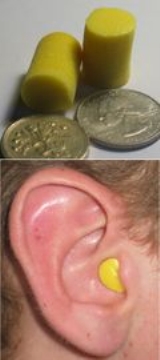
- Analysis of occupational hygiene effects can lead to worker protection plans. For example it is common in high noise environments to use earplugs or earmuffsEarmuffsEarmuffs are objects designed to cover a person's ears for protection. They consist of a thermoplastic or metal head-band, that fits over the top of the head, and a pad at each end, to cover the external ears....
. These are available over a range of applications, effectiveness and quality. - Occupational Hygienists are among the experts planning the controls to protect against exposure in the event of a flu pandemic.
- Occupational/Industrial Hygienists are responsible for monitoring and testing the air for hazardous contaminants that can lead to potential worker illness and sometimes death.
Examples of occupational hygiene careers
- Compliance officer on behalf of regulatory agency
- Professional working on behalf of company for the protection of the workforce
- Consultant working on behalf of companies
- Researcher performing laboratory or field occupational hygiene work
Standard References
It is difficult to create a comprehensive list of references for Occupational Hygiene. Firstly, a list is required for the practices and methodologies involved with the profession of Occupational Hygiene. This list alone can be quite extensive. Secondly, a list of references for each subject area, issue or problem to be resolved from an Occupational Hygiene stand point is required and this information is to be applied to each workplace within each regulatory framework. More importantly the list of references will change due to both changes in technology and changes in requirements for Regulatory compliance. The reference list below may help to get started in self-educating, researching a problem or resolving an issue.Occupational Hygiene Principles
Items below available from ACGIH at: http://www.acgih.org/home.htm (Click on ‘Products’ then ‘Publications’ and select items from the appropriate list)Definitions, Conversions, and Calculations for Occupational Safety and Health Professionals, 3rd Edition, Edward W. Finucane, ISBN 978-1-56670-640-7, 2006, $US97.95
Fundamentals of Industrial Hygiene, 5th Edition, National Safety Council, ISBN 978-0-87912-216-4, 2001, $US191.53
Modern Industrial Hygiene, 2 Volume Set, Jimmy L. Perkins, ISBN 978-1-882417-75-9, 2008 and ISBN 978-1-882417-48-3, 2003, $US179.95
Patty’s Industrial Hygiene, 5th Edition: 4 volume set, Robert Harris (Ed.), ISBN 978-0-471-29784-0, $US1,800.00
Principles of Occupational Hygiene & Health, Tillman C. (Ed), Australian Institute of Occupational Hygienists, Allen & Unwin, 2007, ISBN 978-1-74175-058-4, $A80. Purchase from AIOH at: http://www.aioh.org.au/downloads/documents/OccHealth&HygieneOrderForm.pdf
Toxicology
Also from ACGIH: http://www.acgih.org/home.htmCasarett and Doull’s Toxicology: The Basic Science of Poisons, 7th Edition, Curtis D. Klaassen (Ed), ISBN 978-0-07-147051-3, 2007, US$115.00
Dorland’s Illustrated Medical Dictionary, 31st Edition, Dorland/ W.B. Saunders, ISBN 978-1-4160-2364-7, 2007, US$49.95
Patty's Toxicology, 5th Edition, 9 Volume Set, Eula Bingham, Barbara Cohrssen, and Charles H. Powell (eds.), ISBN 978-0-471-31943-6, Wiley-Inter-science (publisher), 2001, US$2,915.00
Sax's Dangerous Properties of Industrial Materials, 11th Ed., Three Volume Print Set, Richard J. Lewis, Sr. ISBN 978-0-471-47662-7, 2004, US$650.00
Toxicology on-line tutorials: http://sis.nlm.nih.gov/enviro/toxtutor.html
Other Useful web sites
Health, Safety and Occupational Hygiene Issue Search:World health Organization (WHO): http://www.who.int/occupational_health/en/
International Labour Organization, ILO Encyclopaedia of Occupational Health and Safety, 4 Volume set, 4th Edition, 1998, ISBN 92-2-109203-8. Purchase from ILO publications 150 Sw. Frs.; € 100; US$ 120. On line at: http://www.ilocis.org/en/contilo.html Book description at: http://www.ilo.org/public/english/region/ampro/cinterfor/sid/servicio/encyclo/index.htm
UK HSE: http://www.hse.gov.uk/infoserv/hseline.htm (Purchase Only). Check other areas of HSE site for further publicly available information.
Indoor Air Quality on-line educator: http://www.epa.gov/iaq/largebldgs/i-beam/index.html
Descriptive OH&S information:
Canada: http://www.ccohs.ca/ then press ‘OHS Answers’ or ‘MSDS’ link.
MSDS and Chemical Information:
A list of MSDS sites: http://www.ilpi.com/msds/index.html (Partly commercial).
(US) NIOSH Pocket Guide: http://www.cdc.gov/niosh/npg/
(US) Agency for Toxic Substances and Disease Registry: http://www.atsdr.cdc.gov/
(US) National Library of Medicine: http://www.toxnet.nlm.nih.gov/
(US) National Toxicology Program: http://ntp.niehs.nih.gov/
International Agency for Research on Cancer: http://www.iarc.fr/
RTECS: http://ccinfoweb.ccohs.ca/rtecs/search.html (by Subscription only)
Chemfinder: http://www.chemfinder.com/chembiofinder/Forms/Home/ContentArea/Home.aspx
Inchem: http://www.inchem.org/
Also try the manufacturer or suppliers web site. Many larger businesses maintain their own product and chemical information.
There are also many subscription services available (CHEMINFO, OSH, CHEMpendium, Chem Alert, Chemwatch, Infosafe, RightAnswer.com's TOMES® Plus, OSH Update, OSH-ROM®, et cetera).
Journal Articles and Topic searches
ILO CISDOC Site: http://www.ilo.org/safework/info/databases/lang--en/WCMS_112523/index.htmPubmed (Medline) site: http://www.ncbi.nlm.nih.gov/pubmed/
US NIOSH/ CDC site: http://www2a.cdc.gov/nioshtic-2/default.asp
(UK - BOHS) Annals of Occupational Hygiene: http://www.bohs.org/indexTemplate.aspx/Home/Publications/Annals
(US – ACGIH/ AIHA): Journal of Occupational and Environmental Hygiene: http://www.acgih.org/products/joeh/
Other educational material: http://siri.uvm.edu/
There is a varying degree of information available from published articles available on-line. In some instances the full article can only be obtained by subscription to the publishing organization.
International Organization for Standardization
The following is a list of reference material available internationally from the ISO. There may also be significant material available at National, State or local level.ISO is at http://www.iso.org/iso/home.htm
ISO 9000 Quality management (set):
ISO 9000:2005 Quality management systems — Fundamentals and vocabulary
ISO 9001:2008 Quality management systems — Requirements
ISO 9001:2008 / Cor 1:2009 Technical Corrigendum 1:2009 to ISO 9001:2008
ISO 9004:2000 Quality management systems — Guidelines for performance improvements
ISO 10001:2007 Quality management — Customer satisfaction — Guidelines for codes of conduct for organizations
ISO 10002:2004 Quality management — Customer satisfaction — Guidelines for complaints handling in organizations
ISO 10003:2007 Quality management — Customer satisfaction — Guidelines for dispute resolution external to organizations
ISO 10005:2005 Quality management systems — Guidelines for quality plans
ISO 10006:2003 Quality management systems — Guidelines for quality management in projects
ISO 10007:2003 Quality management systems — Guidelines for configuration management
ISO 10012:2003 Measurement management systems — Requirements for measurement processes and measuring equipment
ISO/TR 10013:2001 Guidelines for quality management system documentation
ISO 10014:2006 Quality management — Guidelines for realizing financial and economic benefits
ISO 10014:2006 / Cor. 1:2007 Technical Corrigendum 1 to ISO 10014:2006
ISO 10015:1999 Quality management — Guidelines for training
ISO/TR 10017:2003 Guidance on statistical techniques for ISO 9001:2000
ISO 10019:2005 Guidelines for the selection of quality management system consultants and use of their services
ISO 19011:2002 Guidelines for quality and/or environmental management systems auditing
ISO 14000 Environmental Management (Set):
ISO Guide 64:1997 Guide for the inclusion of environmental aspects in product standards
ISO 14001:2004 Environmental management systems — Requirements with guidance for use
ISO 14004:2004 Environmental management systems — General guidelines on principles, systems and support techniques
ISO 14015:2001 Environmental management — Environmental assessment of sites and organizations (EASO)
ISO 14020:2000 Environmental labels and declarations — General principles
ISO 14021:1999 Environmental labels and declarations — Self-declared environmental claims (Type II environmental labeling)
ISO 14024:1999 Environmental labels and declarations — Type I environmental labeling — Principles and procedures
ISO 14025:2006 Environmental labels and declarations — Type III environmental declarations
ISO 14031:1999 Environmental management — Environmental performance evaluation — Guidelines
ISO/TR 14032:1999 Environmental management — Examples of environmental performance evaluation (EPE)
ISO 14040:2006 Environmental management — Life cycle assessment — Principles and framework
ISO 14044:2006 Environmental management — Life cycle assessment — Requirements and guidelines
ISO/TR 14047:2003 Environmental management — Life cycle impact assessment — Examples of application of ISO 14042
ISO/TR 14048:2002 Environmental management — Life cycle assessment — Data documentation format
ISO/TR 14049:2000 Environmental management — Life cycle assessment — Examples of application of ISO 14041 to goal and scope definition and inventory analysis
ISO 14050:2002 Environmental management — Vocabulary
ISO/TR 14062:2002 Environmental management — Integrating environmental aspects into product design and development
ISO 14063:2006 Environmental management — Environmental communication — Guidelines and examples
ISO 14064-1:2006 Greenhouse gases — Part 1: Specification with guidance at the organization level for quantification and reporting of greenhouse gas emissions and removals
ISO 14064-2:2006 Greenhouse gases — Part 2: Specification with guidance at the project level for quantification, monitoring and reporting of greenhouse gas emission reductions or removal enhancements
ISO 14064-3:2006 Greenhouse gases — Part 3: Specification with guidance for the validation and verification of greenhouse gas assertions
ISO 14065:2007 Greenhouse gases — Requirements for greenhouse gas validation and verification bodies for use in accreditation or other forms of recognition
ISO 19011:2002 Guidelines for quality and/or environmental management systems auditing
ISO/IEC 17025:2005 General requirements for the competence of testing and calibration laboratories
ISO 31000:2009 Risk management – Principles and guidelines,
ISO Guide 73:2009 Risk management—Vocabulary,
ISO/IEC 31010:2009 Risk management—Risk assessment techniques.
ISO 15743:2008 Ergonomics of the thermal environment—Cold workplaces—Risk assessment and management
ISO/IEC 16085:2006 Systems and software engineering—Life cycle processes—Risk management
ISO/TS 16732:2005 Fire safety engineering—Guidance on fire risk assessment
See also
- Astronautical hygieneAstronautical hygieneAstronautical hygiene is the application of science and technology to the recognition and evaluation of hazards, and the prevention or control of risks to health, while working in low-gravity environments....
- ErgonomicsErgonomicsErgonomics is the study of designing equipment and devices that fit the human body, its movements, and its cognitive abilities.The International Ergonomics Association defines ergonomics as follows:...
- Indoor air qualityIndoor air qualityIndoor air quality is a term referring to the air quality within and around buildings and structures, especially as it relates to the health and comfort of building occupants....
- Infection controlInfection controlInfection control is the discipline concerned with preventing nosocomial or healthcare-associated infection, a practical sub-discipline of epidemiology. It is an essential, though often under-recognized and under-supported, part of the infrastructure of health care...
- Noise ControlNoise mitigationNoise mitigation is a set of strategies to reduce noise pollution. The main areas of noise mitigation or abatement are: transportation noise control, architectural design, and occupational noise control...
- Occupational health and safety
- Occupational health psychologyOccupational health psychologyOccupational health psychology emerged out of two distinct applied disciplines within psychology, health psychology and industrial/organizational psychology, and occupational health. OHP is concerned with the psychosocial characteristics of workplaces that contribute to the development of...
- ToxicityToxicityToxicity is the degree to which a substance can damage a living or non-living organisms. Toxicity can refer to the effect on a whole organism, such as an animal, bacterium, or plant, as well as the effect on a substructure of the organism, such as a cell or an organ , such as the liver...
- Institute of Occupational MedicineInstitute of Occupational MedicineThe Institute of Occupational Medicine was founded in 1969 by the National Coal Board as an independent charity. The IOM is a major independent centre of scientific excellence in the fields of occupational health and environmental health, occupational hygiene and occupational safety...
External links
- IH Laboratory Information
- Government of Hong Kong Occupational Safety and Health Council, Air Contaminants in the Workplace
- View a PowerPoint Presentation Explaining What Industrial Hygiene Is - developed and made available by AIHA
- The National Institute of Occupational Safety and Health Manual of Analytical Methods (NMAM)
- UK Health and Safety Executive, Health and Safety Laboratory, Methods for the Determination of Hazardous Substances (MDHS)