

Climb

Encyclopedia
In aviation
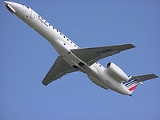
, the term climb refers both to the actual operation of increasing the altitude of an aircraft
and to the logical phase of a typical flight (often called the climb phase or climbout) following take-off and preceding the cruise, during which an increase in altitude to a predetermined level is effected.
s (wings) supporting the aircraft until their lifting force exceeds the weight of the aircraft. Once this occurs, the aircraft will climb to a higher altitude until the lifting force and weight are again in balance. The increase in lift may be accomplished by increasing the angle of attack
of the wings, by increasing the thrust of the engines to increase speed (thereby increasing lift), by increasing the surface area or shape of the wing to produce greater lift, or by some combination of these techniques. In most cases, engine thrust and angle of attack are simultaneously increased to produce a climb.
Because lift diminishes with decreasing air density, a climb, once initiated, will end by itself when the diminishing lift with increasing altitude drops to a point that equals the weight of the aircraft. At that point, the aircraft will return to level flight at a constant altitude.
However, during a constant rate climb at a reasonably steady angle the lift force is generally less than the weight with the engine operating. This is due to the upward fraction of the thrust vector. This in turn causes the load factor to be slightly less than 1. It is only during the radial (constant increase in pitch) or vertical acceleration that the lift vector is larger than the weight vector.
).
If a climb beyond the abilities of the aircraft is attempted, increasing angle of attack in the wings may produce a stall
.
Aircraft also climb by entering a zone of rising air, but since such zones are unpredictable and inconveniently located, and since most are poorly adapted to passive climbs of this type, only gliders
attempt such climbs on a regular basis. A passive climb combined with an active climb can produce a higher climb rate than either method alone.
The opposite of a climb is a descent
.
systems, airspace
s, and instrument procedures
. Normal climbs are simply standardized climb rates achievable by most aircraft under most conditions that are used as conservative guidelines when developing procedures or structures that are partially a function of such rates. For example, a normal climb of 120 feet per nautical mile might be assumed during the development of a navigational procedure or while defining airspace limits in airport terminal areas.
Aviation
Aviation is the design, development, production, operation, and use of aircraft, especially heavier-than-air aircraft. Aviation is derived from avis, the Latin word for bird.-History:...
, the term climb refers both to the actual operation of increasing the altitude of an aircraft
Aircraft
An aircraft is a vehicle that is able to fly by gaining support from the air, or, in general, the atmosphere of a planet. An aircraft counters the force of gravity by using either static lift or by using the dynamic lift of an airfoil, or in a few cases the downward thrust from jet engines.Although...
and to the logical phase of a typical flight (often called the climb phase or climbout) following take-off and preceding the cruise, during which an increase in altitude to a predetermined level is effected.
Climb operation
A climb is carried out by increasing the lift of airfoilAirfoil
An airfoil or aerofoil is the shape of a wing or blade or sail as seen in cross-section....
s (wings) supporting the aircraft until their lifting force exceeds the weight of the aircraft. Once this occurs, the aircraft will climb to a higher altitude until the lifting force and weight are again in balance. The increase in lift may be accomplished by increasing the angle of attack
Angle of attack
Angle of attack is a term used in fluid dynamics to describe the angle between a reference line on a lifting body and the vector representing the relative motion between the lifting body and the fluid through which it is moving...
of the wings, by increasing the thrust of the engines to increase speed (thereby increasing lift), by increasing the surface area or shape of the wing to produce greater lift, or by some combination of these techniques. In most cases, engine thrust and angle of attack are simultaneously increased to produce a climb.
Because lift diminishes with decreasing air density, a climb, once initiated, will end by itself when the diminishing lift with increasing altitude drops to a point that equals the weight of the aircraft. At that point, the aircraft will return to level flight at a constant altitude.
However, during a constant rate climb at a reasonably steady angle the lift force is generally less than the weight with the engine operating. This is due to the upward fraction of the thrust vector. This in turn causes the load factor to be slightly less than 1. It is only during the radial (constant increase in pitch) or vertical acceleration that the lift vector is larger than the weight vector.
Climb phase
The climb phase, also known as climb out, of a typical flight of an aircraft is the period during which the aircraft climbs to a predetermined cruising altitude after take-off. Depending on the aircraft, the altitudes involved, and other factors, this phase may last from a minute or two to half an hour or more. The climb phase immediately follows take-off and precedes the cruise phase of the flight. Although a single climb phase is typical, multiple climb phases may alternate with cruise phases, particularly for very long flights in which altitude is increased as the weight of fuel aboard decreases (see step climbStep climb
A step climb in aviation is a series of altitude gains that improve fuel economy by moving into thinner air as an aircraft becomes lighter and becomes capable of faster, more economical flight.-Description:...
).
If a climb beyond the abilities of the aircraft is attempted, increasing angle of attack in the wings may produce a stall
Stall (flight)
In fluid dynamics, a stall is a reduction in the lift coefficient generated by a foil as angle of attack increases. This occurs when the critical angle of attack of the foil is exceeded...
.
Aircraft also climb by entering a zone of rising air, but since such zones are unpredictable and inconveniently located, and since most are poorly adapted to passive climbs of this type, only gliders
Gliding
Gliding is a recreational activity and competitive air sport in which pilots fly unpowered aircraft known as gliders or sailplanes using naturally occurring currents of rising air in the atmosphere to remain airborne. The word soaring is also used for the sport.Gliding as a sport began in the 1920s...
attempt such climbs on a regular basis. A passive climb combined with an active climb can produce a higher climb rate than either method alone.
The opposite of a climb is a descent
Descent (aircraft)
A descent during air travel is any portion where an aircraft decreases altitude, and is the opposite of an ascent or climb. Descents are an essential component of an approach to landing...
.
“Normal” climb
In some jurisdictions and under some conditions, “normal” climbs are defined by regulations or procedures, and are used to develop airwayAirway (aviation)
In aviation, an airway is a designated route in the air. Airways are laid out between navigational aids such as VORs, NDBs and Intersections ....
systems, airspace
Airspace
Airspace means the portion of the atmosphere controlled by a country above its territory, including its territorial waters or, more generally, any specific three-dimensional portion of the atmosphere....
s, and instrument procedures
Instrument flight rules
Instrument flight rules are one of two sets of regulations governing all aspects of civil aviation aircraft operations; the other are visual flight rules ....
. Normal climbs are simply standardized climb rates achievable by most aircraft under most conditions that are used as conservative guidelines when developing procedures or structures that are partially a function of such rates. For example, a normal climb of 120 feet per nautical mile might be assumed during the development of a navigational procedure or while defining airspace limits in airport terminal areas.