
|
|
|
|
Alchemical symbol
|
| |
|
| |
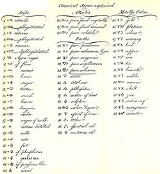
Alchemic symbols, originally devised as part of the protoscience of alchemy, were used to denote some elements and some compounds until the 18th century. Note that while notation like this was mostly standardized, style and symbol varied between alchemists, so this page lists the most common.
Four basic Elements
etary metals were "dominated" or "ruled" by one of the seven planets known by the ancients.

Discussion
Ask a question about 'Alchemical symbol'
Start a new discussion about 'Alchemical symbol'
Answer questions from other users
|
Encyclopedia
Alchemic symbols, originally devised as part of the protoscience of alchemy, were used to denote some elements and some compounds until the 18th century. Note that while notation like this was mostly standardized, style and symbol varied between alchemists, so this page lists the most common.
Three Primes According to Paracelsus, the Three Primes or Tria Prima are:
- Sulfur (omnipresent spirit of life) * Mercury (fluid connection between the High and the Low) * Salt (base matter)
Four basic Elements
Seven Planetary Metals
Planetary metals were "dominated" or "ruled" by one of the seven planets known by the ancients. Although they occasionally have a symbol of their own (denoted by also:), they were usually symbolized by the planet's symbol.
- Gold dominated by Sol ? ¤ ( )
- Silver dominated by Luna ? ( )
- Copper dominated by Venus ? (also: )
- Iron dominated by Mars ? ( )
- Tin dominated by Jupiter ? ( )
- Mercury (quicksilver) dominated by Mercury ? ( )
- Lead dominated by Saturn ? ( )
The planets Uranus and Neptune and the dwarf planet Pluto were discovered after the time alchemy had been largely replaced by chemistry, and are not part of traditional Alchemical symbols. Some modern alchemists consider the symbols for these planets to represent the radioactive metals uranium, neptunium and plutonium, respectively. Also, the Monas Hieroglyphica is an alchemical symbol devised by John Dee as a combination of the plantery metal glyphs.
Mundane Elements
Alchemical Compounds
12 Core Alchemical processes
The 12 Alchemical processes are considered to be the basis of modern chemical processes. Each of these processes is "dominated" or "ruled" by one of the 12 Zodiac signs.
Meaning of the Alchemist Roses
- Red Roses: passion, love; vitality, feeling of being alive; masculine or active energy; creative projects; workshops
- White Roses: purity, innocence; acceptance; unconditional love; feminine or passive energy; initiation of new members, construction projects
- Black (or Withered) Roses: love is gone or over; disaster; depression; death; problem discussions; emergency meetings
- Pink Roses: gentleness; softness; thankfulness; loving and supportive friendship; awards and honors
- Yellow Roses: compassion; camaraderie; free-flowing conversations; joy and security; social affairs; dinners; intellectual lectures
- Orange Roses: enthusiasm; fascination; optimism; planning meetings
- Blue Roses: spiritual longing; promise of a perfect world; group meditations
- Golden (or Gilded) Roses: completion of important project; perfection of oneself; invocation of cosmic energy; invocation of past masters.
External links
|
| |
|
|