


Ultravox

Encyclopedia
Ultravox is a British New Wave
rock band. They were one of the primary exponents of the British electronic pop music movement of the late 1970s/early 1980s. The band was particularly associated with the New Romantic
and New Wave
movements.
The band was led by two different frontmen who never played together in the band at the same time. From 1974 until 1979, John Foxx
was frontman and main driving force behind Ultravox. Foxx left the band to embark on a solo career. Following Foxx's departure, with the three remaining members in hiatus, Midge Ure
took over as lead singer, guitarist, and frontman. Ure revitalized the band and drove it to commercial success lasting until the middle 1980s when the New Romantic
and New Wave
music scenes waned. Ure left the band in 1987 after establishing a solo career and the group disbanded for a while. A new line-up, led by sole original bandmember keyboard player/violinist Billy Currie
, was formed in 1992, but achieved no success.
The band's best-known line-up of Currie, bassist Chris Cross, drummer Warren Cann and Ure reformed in 2008 and have toured together since.
student, and was originally known as Tiger Lily
. An initial but incomplete lineup comprised Leigh plus Chris Allen
(bass guitar) and Stevie Shears
(guitar), with Warren Cann
(drums) and Billy Currie
(violin) joining later in 1974. The group released one single in 1975, Ain't Misbehavin', which contained an eponymous cover of the Fats Waller
song, as A-side. Later, the band went through a series of name changes including The Zips, Fire of London, London Soundtrack, and The Damned, using this last name for a few weeks before discovering that another band had already taken it.
in 1976. The group had still not finalized their band name, wanting to make a good and lasting choice. In 1976, while working on the late stages of their debut album, the band conceived the name "Ultravox!" (the exclamation mark was a reference to krautrock
band Neu!
, produced by Conny Plank
, who later produced two Ultravox albums). At the same time, the singer chose John Foxx
and the bassist chose Chris Cross
to be their respective stage names. In February 1977, Island released their eponymous debut album, Ultravox!
.
Like many other bands that formed Britain's punk
and New Wave
movements, Ultravox! drew inspiration from the art-school side of glam rock
. Musically, Ultravox were heavily influenced by Roxy Music
, The New York Dolls, David Bowie
and Kraftwerk
. Their debut was co-produced by Steve Lillywhite
, and Brian Eno
(who next co-wrote and performed with Bowie on Low). Ultravox!
sales were disappointing, and neither the album nor the associated single "Dangerous Rhythm" managed to enter the UK charts. Relations within the band were on an occasionally tenuous footing during this time as Foxx declared that he intended to live without emotions, a sentiment he wrote into the début album track "I Want to Be a Machine".
Ultravox returned later in 1977 with the punkier Ha!-Ha!-Ha!
. Sales of both the album and its lead single, "ROckWrok
", were poor, both failing to register on the UK charts. "ROckWrok" had a punk-lyric chorus, with the words "Come on, let's tangle in the dark / fuck like a dog, bite like a shark". (Despite this, it got airplay on BBC Radio 1
). Although Ha!-Ha!-Ha!
was dominated by guitars and electric violin, the final track, "Hiroshima Mon Amour", was a prototypical synthpop
song. One of the first tracks by a British band to feature a drum machine (a Roland TR-77 with preset patterns), the song signalled a new direction for Ultravox. The energy, anger, and popular appeal of punk was fading in 1978, and the more creative UK punk-genre talent sought new directions—calling themselves British New Wave
instead of punk rock
artists. "Hiroshima Mon Amour" remains a critic's and fan's favourite from the group's initial period. Ultravox! also performed it on the Old Grey Whistle Test
later in 1978.
in 1980. He was replaced by Robert Simon
(ex-member of Ian North
's Neo
), who during his first days with the band changed his performance-name to Robin Simon. Some time in 1978, the group also dropped the exclamation mark, becoming simply "Ultravox". The new line-up performed live at the Reading Festival
along with Radio Stars
, Penetration
, Sham 69
, The Pirates and The Jam
, playing early versions of "Slow Motion" and "Quiet Men" on 25 August 1978.
Their third album, 1978's Systems of Romance
, was recorded with producer Conny Plank
(the producer of German electronic outfit Kraftwerk
) and engineer Dave Hutchins at Plank's Studio in rural Germany. Musically, the album was markedly different from Ultravox's earlier work, bringing synthesisers to the forefront of the group's sound. Despite praise from some critics, the album was a commercial failure. Since none of the albums to date had generated much income, tensions within the band—particularly between Currie and Foxx—threatened the band's viability.
Island dropped the band after an attempt to market the album in the United States failed to generate sales. That appeared to be the final nail in their coffin, but Ultravox undertook a self-financed US tour at the beginning of 1979. Splitting after their final gig, near San Francisco, Foxx declared his intention to go solo. Simon remained in the US and briefly joined The Futants, an American punk band from New York. He later returned to England and teamed up with Howard Devoto
to replace guitarist John McGeoch
in the band Magazine
. The remaining members made their way back to a Britain in the midst of a "winter of discontent". Island
dropped the three Ultravox albums from its catalogue, and released a compilation of highlights from the group's first three albums in 1980, called Three into One
.
Foxx subsequently signed to Virgin Records and released his album Metamatic
in 1980. Billy Currie, all but broke, was then recruited by the rising star Gary Numan
to do a presentation at the Old Grey Whistle Test show with his band Tubeway Army
and to play on his début solo album, The Pleasure Principle
, and its subsequent tour; he was a hero to Numan who had inwardly digested Ultravox's albums and had seen them play live several times. Currie's awesome ARP Odyssey solo on 'On Broadway
' is a highlight of Currie's participation in Numan's 1979 UK tour. Warren Cann went to work for Zaine Griff, while Chris Cross did some shows with James Honeyman-Scott
(of The Pretenders
) and Barrie Masters, (from Eddie and the Hot Rods). Cann also undertook some session drumming, most notably on The Buggles' number one single 'Video Killed The Radio Star
'
, who joined the band as vocalist, guitarist and keyboardist. He had already achieved minor success with semi-glam outfit Slik
and Glen Matlock
's The Rich Kids
, and in 1979 he was temporarily playing with hard rock band Thin Lizzy
. Ure and Billy Currie had met whilst collaborating on the Visage
project, a studio-based band fronted by New Romantic
icon and nightclub impresario Steve Strange
. Encouraged by Visage drummer and mutual friend Rusty Egan
, Currie asked Ure to join Ultravox. Ure filled both John Foxx's and Robin Simon's posts for Ultravox's next album, Vienna
, which heralded a major change of direction and would become their most successful to date, far surpassing any of the previous Ultravox (or Foxx's) albums, and one of the most important and critically acclaimed albums of 1980. As with Systems of Romance, it was produced in Germany by Conny Plank. Ure knew of Ultravox's past, being a fan of Systems to the point where the new four-piece outfit (Ultravox mk. III, often called "the classic line-up") played songs from that album on tours with Ure singing Foxx's lyrics. Released on Chrysalis Records
in June 1980, the Vienna
album produced the band's first UK Top 40 hit with "Sleepwalk
", whilst the album itself peaked at #14. A second single, "Passing Strangers
", failed to reach the Top 40, but the band achieved a substantial hit with the third single, the album's title track (inspired by Carol Reed
's 1949 film The Third Man
). Accompanied by a highly distinctive video, the single became Ultravox's biggest ever hit, peaking at #2 in early 1981 (famously kept off the top spot by Joe Dolce
's comedy song "Shaddap You Face
"). On the strength of the single, the album then re-entered the chart and reached #3 in early 1981. A fourth single from the album, "All Stood Still
", peaked at #8.
This was soon followed by Rage in Eden
(1981), with the band returning to Conny Plank's studio for what turned out to be a difficult recording session. Whereas the Vienna material had been performed live a great deal prior to a three-week recording process, Rage in Eden took over three months. The album featured a long track in three parts on the second side, leading some critics to decry the band as "the new Genesis". The album was another success for the band and peaked at #4 in the UK, while two singles from the album, "The Thin Wall
" and "The Voice
", both reached the UK Top 20.
Ultravox teamed up with producer George Martin
for 1982's Quartet
, which peaked at #6 in the UK and contained four Top 20 hit singles. It also became their most successful album in the U.S., peaking at #61. The band undertook a major world tour known as the Monument Tour, which was recorded and released as a live LP and video
in 1983 and once again hit the UK top ten.
1984's Lament
continued the band's run of top ten albums and produced three top 40 hit singles, including the international hit "Dancing with Tears in My Eyes
" (UK #3). However, this album was the last to feature the "classic" line-up of the band. Towards the end of 1984, a "greatest hits" compilation spanning the band's 1980s output was released entitled The Collection
. It was preceded by a new single, "Love's Great Adventure
", which enjoyed massive radio airplay that autumn, which saw the single eventually peak at #12 in the UK, and was accompanied by a popular Indiana Jones
-style spoof video. The Collection
went triple Platinum and reached #2 in the UK album chart, the band's highest ever peak.
By that time the band was specialized in delivering electronic, majestic songs as their main asset; far gone were the quirky, hysterical experiments of Foxx times, and also the delicate but energizing Vienna style. Between 1982 and 1986 Ultravox became a factory of machine-made driving electronic tunes with power-melodies and strong delivery, backed by massive live shows.
At this time, Ure also co-wrote and helped produce the 1984 Band Aid
single "Do They Know It's Christmas?
". The group also appeared at Live Aid
the following year and played four of their hit singles ("Vienna", "Reap the Wild Wind", "Dancing with Tears in My Eyes" and "One Small Day
"). Later in 1985, Ure scored a #1 solo hit with "If I Was" and his solo album The Gift reached #2 in the UK.
Ultravox reconvened in 1986, but Warren Cann
was sacked from the band at the beginning of sessions for their U-Vox
album. Cann emigrated to the US and retired from music to become an actor. Big Country
's Mark Brzezicki
took his place. The U-Vox
album is widely regarded as the band's creative low point with even Currie (and later Ure) describing it as "unfocused". Although it continued their string of top ten albums in the UK, the declining performance of its singles prompted both Ure and Cross to leave the band. In 1987 Ultravox decided not to continue, after the U-Vox
tour early that year, and officially split up in 1988. Ure subsequently concentrated on his solo career with varying levels of success, and Cross retired from music altogether and returned to his former career as a psychotherapist. Billy Currie and Robin Simon reunited in 1989 as the short-lived Humania, performing live shows but never making a release until 2006, when Currie released a Humania-recorded album, Sinews of the Soul.
Since 1979, Ure and Currie had also been part of the Visage
ensemble on a part-time basis whilst simultaneously being in Ultravox. During Ure and Currie's tenure, Visage had released two successful albums and had a string of hit singles (the most notable being "Fade to Grey"), but Ure decided to leave in 1982 in order to concentrate solely on Ultravox. Currie remained with Visage for a while longer, but he too had left them by 1984.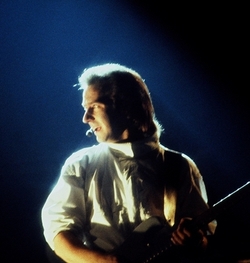
, and later Sam Blue
replaced Fenelle in a new five-piece Ultravox line-up, lending his voice to their final release, Ingenuity
(1994).
in 1985. The tour played at venues across the UK. Since success from touring the UK they have extended the tour to Germany and Belgium.
In September 2008, both Vienna
and Rage in Eden
were released in digitally remastered 2-disc format with the second disc containing previously unreleased material. Quartet
and Monument
were released in February 2009, also in two-disc editions. The second disc in the Monument
package is a DVD containing the concert video that was previously only available on VHS tape. The other Chrysalis-era releases are planned for similar future releases. A live CD and DVD of Ultravox sell-out Roundhouse show was released on 5 April 2010. The DVD features a documentary filmed on the build up to and during the reunion tour, much of it filmed by Midge Ure.
An anthology of unreleased Ultravox material was planned in mid 2008, but has not been scheduled for release. The track-listing is currently being compiled.
Speaking to the Sunday Mail, Midge Ure stated that the reunion was only a one-off, and there would be no new material from the group. He said: "We're not trying to recapture our youth and won't be writing new songs or recording another album. This is about celebrating our music and our anniversary."
On Jonathan Ross's show on BBC's Radio 2 on 21 February 2009, Ure discussed the tour, with all four members of the most successful incarnation of the band on board. He mentioned that this reunion was not planned in light of the previously mentioned events, but rather was spontaneous and happened very quickly with the band members talking and communicating online (using email and Skype). The interview did not reveal whether or not new material would be recorded as a result of the reunion tour. Ultravox returned to performing live with their Return To Eden II tour during the spring and summer of 2010.
On 20 January 2011, via their official website, Ultravox.org.uk, the band announced that a new studio album is nearing completion. The band are to release a fan store exclusive superdeluxe EP on CD and 7 inch single via Townsend Records on 14 March. The EP is to be called Moments From Eden and feature 4 new live tracks.
New Wave music
New Wave is a subgenre of :rock music that emerged in the mid to late 1970s alongside punk rock. The term at first generally was synonymous with punk rock before being considered a genre in its own right that incorporated aspects of electronic and experimental music, mod subculture, disco and 1960s...
rock band. They were one of the primary exponents of the British electronic pop music movement of the late 1970s/early 1980s. The band was particularly associated with the New Romantic
New Romantic
New Romanticism , was a pop culture movement in the United Kingdom that began around 1979 and peaked around 1981. Developing in London nightclubs such as Billy's and The Blitz and spreading to other major cities in the UK, it was based around flamboyant, eccentric fashion and new wave music...
and New Wave
New Wave music
New Wave is a subgenre of :rock music that emerged in the mid to late 1970s alongside punk rock. The term at first generally was synonymous with punk rock before being considered a genre in its own right that incorporated aspects of electronic and experimental music, mod subculture, disco and 1960s...
movements.
The band was led by two different frontmen who never played together in the band at the same time. From 1974 until 1979, John Foxx
John Foxx
John Foxx is an English singer, artist, photographer and teacher. He was the original lead singer of the band Ultravox before being replaced by Midge Ure, when he left to embark on a solo career in 1979...
was frontman and main driving force behind Ultravox. Foxx left the band to embark on a solo career. Following Foxx's departure, with the three remaining members in hiatus, Midge Ure
Midge Ure
James "Midge" Ure, OBE is a Scottish guitarist, singer, keyboard player, and songwriter...
took over as lead singer, guitarist, and frontman. Ure revitalized the band and drove it to commercial success lasting until the middle 1980s when the New Romantic
New Romantic
New Romanticism , was a pop culture movement in the United Kingdom that began around 1979 and peaked around 1981. Developing in London nightclubs such as Billy's and The Blitz and spreading to other major cities in the UK, it was based around flamboyant, eccentric fashion and new wave music...
and New Wave
New Wave music
New Wave is a subgenre of :rock music that emerged in the mid to late 1970s alongside punk rock. The term at first generally was synonymous with punk rock before being considered a genre in its own right that incorporated aspects of electronic and experimental music, mod subculture, disco and 1960s...
music scenes waned. Ure left the band in 1987 after establishing a solo career and the group disbanded for a while. A new line-up, led by sole original bandmember keyboard player/violinist Billy Currie
Billy Currie
Billy Currie is an English violist, violinist, pianist, keyboardist, and songwriter...
, was formed in 1992, but achieved no success.
The band's best-known line-up of Currie, bassist Chris Cross, drummer Warren Cann and Ure reformed in 2008 and have toured together since.
Early years – Tiger Lily: 1974–1975
The band was formed in 1974 on the initiative of vocalist and songwriter Dennis Leigh, a then Royal College of ArtRoyal College of Art
The Royal College of Art is an art school located in London, United Kingdom. It is the world’s only wholly postgraduate university of art and design, offering the degrees of Master of Arts , Master of Philosophy and Doctor of Philosophy...
student, and was originally known as Tiger Lily
Tiger Lily (UK band)
Tiger Lily was a short-lived glam rock band and the seed of Ultravox! . It was founded in London in 1973 by Royal College of Art student Dennis Leigh , who escaped from his northern industrial environment in Lancashire, Chris St...
. An initial but incomplete lineup comprised Leigh plus Chris Allen
Chris Cross
Chris Cross is the bass guitarist in the band Ultravox.-Early years:Cross went to Belmont Secondary Modern School, William Forster Comprehensive...
(bass guitar) and Stevie Shears
Stevie Shears
Stevie Shears is a musician known for playing in english rock bands Tiger Lily and Ultravox! , alongside electronic musician John Foxx.-Tiger Lily and Ultravox!:...
(guitar), with Warren Cann
Warren Cann
Warren Reginald Cann is a drummer and drum machine programmer, best known as a member of the British New Wave band Ultravox.-Early life:...
(drums) and Billy Currie
Billy Currie
Billy Currie is an English violist, violinist, pianist, keyboardist, and songwriter...
(violin) joining later in 1974. The group released one single in 1975, Ain't Misbehavin', which contained an eponymous cover of the Fats Waller
Fats Waller
Fats Waller , born Thomas Wright Waller, was a jazz pianist, organist, composer, singer, and comedic entertainer...
song, as A-side. Later, the band went through a series of name changes including The Zips, Fire of London, London Soundtrack, and The Damned, using this last name for a few weeks before discovering that another band had already taken it.
Ultravox!
On the strength of their live act, the band signed to Island RecordsIsland Records
Island Records is a record label that was founded by Chris Blackwell in Jamaica. It was based in the United Kingdom for many years and is now owned by Universal Music Group...
in 1976. The group had still not finalized their band name, wanting to make a good and lasting choice. In 1976, while working on the late stages of their debut album, the band conceived the name "Ultravox!" (the exclamation mark was a reference to krautrock
Krautrock
Krautrock is a generic name for the experimental music scenes that appeared in Germany in the late 1960s and gained popularity throughout the 1970s, especially in Britain. The term is a result of the English-speaking world's reception of the music at the time and not a reference to any one...
band Neu!
Neu!
Neu! was a German band formed by Klaus Dinger and Michael Rother after their split from Kraftwerk in the early 1970s...
, produced by Conny Plank
Conny Plank
Konrad "Conny" Plank was a German record producer and musician. He was born in Hütschenhausen. His creativity as a sound engineer and producer helped to shape some of the most important and innovative recordings of postwar European popular music, covering a wide range of genres including...
, who later produced two Ultravox albums). At the same time, the singer chose John Foxx
John Foxx
John Foxx is an English singer, artist, photographer and teacher. He was the original lead singer of the band Ultravox before being replaced by Midge Ure, when he left to embark on a solo career in 1979...
and the bassist chose Chris Cross
Chris Cross
Chris Cross is the bass guitarist in the band Ultravox.-Early years:Cross went to Belmont Secondary Modern School, William Forster Comprehensive...
to be their respective stage names. In February 1977, Island released their eponymous debut album, Ultravox!
Ultravox! (album)
Ultravox! is the first studio album from the band Ultravox!, which at the time was properly eponymous before the band dropped the Neu!-inspired exclamation mark from their name...
.
Like many other bands that formed Britain's punk
Punk rock
Punk rock is a rock music genre that developed between 1974 and 1976 in the United States, the United Kingdom, and Australia. Rooted in garage rock and other forms of what is now known as protopunk music, punk rock bands eschewed perceived excesses of mainstream 1970s rock...
and New Wave
New Wave music
New Wave is a subgenre of :rock music that emerged in the mid to late 1970s alongside punk rock. The term at first generally was synonymous with punk rock before being considered a genre in its own right that incorporated aspects of electronic and experimental music, mod subculture, disco and 1960s...
movements, Ultravox! drew inspiration from the art-school side of glam rock
Glam rock
Glam rock is a style of rock and pop music that developed in the UK in the early 1970s, which was performed by singers and musicians who wore outrageous clothes, makeup and hairstyles, particularly platform-soled boots and glitter...
. Musically, Ultravox were heavily influenced by Roxy Music
Roxy Music
Roxy Music was a British art rock band formed in 1971 by Bryan Ferry, who became the group's lead vocalist and chief songwriter, and bassist Graham Simpson. The other members are Phil Manzanera , Andy Mackay and Paul Thompson . Former members include Brian Eno , and Eddie Jobson...
, The New York Dolls, David Bowie
David Bowie
David Bowie is an English musician, actor, record producer and arranger. A major figure for over four decades in the world of popular music, Bowie is widely regarded as an innovator, particularly for his work in the 1970s...
and Kraftwerk
Kraftwerk
Kraftwerk is an influential electronic music band from Düsseldorf, Germany. The group was formed by Ralf Hütter and Florian Schneider in 1970, and was fronted by them until Schneider's departure in 2008...
. Their debut was co-produced by Steve Lillywhite
Steve Lillywhite
Steve Lillywhite is an English Grammy Award winning record producer. Since he began his career in 1977, Lillywhite has been credited for working on over 500 records and has collaborated with a variety of musicians including XTC, Siouxsie and the Banshees, Dave Matthews Band, U2, Peter Gabriel,...
, and Brian Eno
Brian Eno
Brian Peter George St. John le Baptiste de la Salle Eno , commonly known as Brian Eno or simply as Eno , is an English musician, composer, record producer, singer and visual artist, known as one of the principal innovators of ambient music.Eno studied at Colchester Institute art school in Essex,...
(who next co-wrote and performed with Bowie on Low). Ultravox!
Ultravox! (album)
Ultravox! is the first studio album from the band Ultravox!, which at the time was properly eponymous before the band dropped the Neu!-inspired exclamation mark from their name...
sales were disappointing, and neither the album nor the associated single "Dangerous Rhythm" managed to enter the UK charts. Relations within the band were on an occasionally tenuous footing during this time as Foxx declared that he intended to live without emotions, a sentiment he wrote into the début album track "I Want to Be a Machine".
Ultravox returned later in 1977 with the punkier Ha!-Ha!-Ha!
Ha!-Ha!-Ha!
Ha!-Ha!-Ha! was the second album by British pop group Ultravox, at that time formally known as "Ultravox!", with an exclamation mark, as a nod to Neu!...
. Sales of both the album and its lead single, "ROckWrok
ROckWrok
"ROckWrok" is a single by the post-punk band Ultravox!, released on October 7, 1977 by Island Records. It was the last British non-free single released from the Ha! Ha! Ha! album and featuring Stevie Shears as guitarist...
", were poor, both failing to register on the UK charts. "ROckWrok" had a punk-lyric chorus, with the words "Come on, let's tangle in the dark / fuck like a dog, bite like a shark". (Despite this, it got airplay on BBC Radio 1
BBC Radio 1
BBC Radio 1 is a British national radio station operated by the British Broadcasting Corporation which also broadcasts internationally, specialising in current popular music and chart hits throughout the day. Radio 1 provides alternative genres after 7:00pm including electronic dance, hip hop, rock...
). Although Ha!-Ha!-Ha!
Ha!-Ha!-Ha!
Ha!-Ha!-Ha! was the second album by British pop group Ultravox, at that time formally known as "Ultravox!", with an exclamation mark, as a nod to Neu!...
was dominated by guitars and electric violin, the final track, "Hiroshima Mon Amour", was a prototypical synthpop
Synthpop
Synthpop is a genre of popular music that first became prominent in the 1980s, in which the synthesizer is the dominant musical instrument. It was prefigured in the 1960s and early 1970s by the use of synthesizers in progressive rock, electronic art rock, disco and particularly the "Kraut rock" of...
song. One of the first tracks by a British band to feature a drum machine (a Roland TR-77 with preset patterns), the song signalled a new direction for Ultravox. The energy, anger, and popular appeal of punk was fading in 1978, and the more creative UK punk-genre talent sought new directions—calling themselves British New Wave
New Wave music
New Wave is a subgenre of :rock music that emerged in the mid to late 1970s alongside punk rock. The term at first generally was synonymous with punk rock before being considered a genre in its own right that incorporated aspects of electronic and experimental music, mod subculture, disco and 1960s...
instead of punk rock
Punk rock
Punk rock is a rock music genre that developed between 1974 and 1976 in the United States, the United Kingdom, and Australia. Rooted in garage rock and other forms of what is now known as protopunk music, punk rock bands eschewed perceived excesses of mainstream 1970s rock...
artists. "Hiroshima Mon Amour" remains a critic's and fan's favourite from the group's initial period. Ultravox! also performed it on the Old Grey Whistle Test
Old Grey Whistle Test
The Old Grey Whistle Test was an influential BBC2 television music show that ran from 1971 to 1987. It took over the BBC2 late night slot from "Disco Two", which had been running since January 1970, while continuing to feature non-chart music. It was devised by BBC producer Rowan Ayers...
later in 1978.
Becoming Ultravox
In early March 1978, Stevie Shears, whose style of guitar playing was considered a limiting factor, was sacked from the band after they toured England and joined Cowboys InternationalCowboys International
Cowboys International were a New Wave and synthpop band formed by vocalist and songwriter Ken Lockie that put out one album in 1979, the influential The Original Sin, and a handful of 45s before dissolving in 1980...
in 1980. He was replaced by Robert Simon
Robin Simon
For the art historian and critic Robin Simon, editor of , see Robin JH SimonRobin Simon For the art historian and critic Robin Simon, editor of , see Robin JH SimonRobin Simon For the art historian and critic Robin Simon, editor of , see Robin JH SimonRobin Simon (born Robert Simon 12 July 1956,...
(ex-member of Ian North
Ian North
Ian North is an American musician, producer and painter known for being part of the bohemian punk movement in United States with his power pop band Milk 'N' Cookies. A self-taught artist, he was also interested in painting....
's Neo
Neo (UK band)
Neo was an early New Wave band which was part of the Engish musical scene originated by punk in the 1970s. The group was formed by the American-born singer Ian North, who was the frontman and the only continuous member from the band formation in 1977 to the end in 1979.-Early days: Radio:In 1976,...
), who during his first days with the band changed his performance-name to Robin Simon. Some time in 1978, the group also dropped the exclamation mark, becoming simply "Ultravox". The new line-up performed live at the Reading Festival
Reading and Leeds Festivals
The Reading and Leeds Festivals are a pair of annual music festivals that take place in Reading and Leeds in England. The events take place simultaneously on the Friday, Saturday and Sunday of the August bank holiday weekend, sharing the same bill. The Reading Festival is held at Little John's Farm...
along with Radio Stars
Radio Stars
Radio Stars are an English new wave group formed in early 1977. They released three albums and had one UK Top 40 single.-Biography:Radio Stars were formed by ex-John's Children vocalist Andy Ellison, Sparks exile Martin Gordon , and Ian MacLeod in 1977, following the end of their underachieving...
, Penetration
Penetration
Penetration may refer to:* Penetration depth of light or any electromagnetic radiation.* Penetrating trauma* Sexual penetration, a term which may mean**sexual intercourse in general or,...
, Sham 69
Sham 69
Sham 69 is an English punk band that formed in Hersham in 1976.Although not as commercially successful as many of their contemporaries, albeit with a greater number of chart entries, Sham 69 has been a huge musical and lyrical influence on the Oi! and streetpunk genres. The band allegedly derived...
, The Pirates and The Jam
The Jam
The Jam were an English punk rock/New Wave/mod revival band active during the late 1970s and early 1980s. They were formed in Woking, Surrey. While they shared the "angry young men" outlook and fast tempos of their punk rock contemporaries, The Jam wore smartly tailored suits rather than ripped...
, playing early versions of "Slow Motion" and "Quiet Men" on 25 August 1978.
Their third album, 1978's Systems of Romance
Systems of Romance
Systems of Romance, released on 8 September 1978, is the third album by British band Ultravox...
, was recorded with producer Conny Plank
Conny Plank
Konrad "Conny" Plank was a German record producer and musician. He was born in Hütschenhausen. His creativity as a sound engineer and producer helped to shape some of the most important and innovative recordings of postwar European popular music, covering a wide range of genres including...
(the producer of German electronic outfit Kraftwerk
Kraftwerk
Kraftwerk is an influential electronic music band from Düsseldorf, Germany. The group was formed by Ralf Hütter and Florian Schneider in 1970, and was fronted by them until Schneider's departure in 2008...
) and engineer Dave Hutchins at Plank's Studio in rural Germany. Musically, the album was markedly different from Ultravox's earlier work, bringing synthesisers to the forefront of the group's sound. Despite praise from some critics, the album was a commercial failure. Since none of the albums to date had generated much income, tensions within the band—particularly between Currie and Foxx—threatened the band's viability.
Island dropped the band after an attempt to market the album in the United States failed to generate sales. That appeared to be the final nail in their coffin, but Ultravox undertook a self-financed US tour at the beginning of 1979. Splitting after their final gig, near San Francisco, Foxx declared his intention to go solo. Simon remained in the US and briefly joined The Futants, an American punk band from New York. He later returned to England and teamed up with Howard Devoto
Howard Devoto
Howard Devoto is an English rock and roll singer-songwriter, who began his career as the frontman for the punk band Buzzcocks, but then left to form Magazine, one of the first post-punk bands...
to replace guitarist John McGeoch
John McGeoch
John Alexander McGeoch, , was a Scottish guitarist who played with a number of bands of the post-punk era, including Magazine, Siouxsie and the Banshees, Visage and Public Image Ltd....
in the band Magazine
Magazine (band)
Magazine are an English post-punk group active from 1977 to 1981, then reformed in 2009. Their debut single, "Shot by Both Sides", is now acknowledged as a classic and their debut album, Real Life, is still widely admired as one of the greatest albums of all time...
. The remaining members made their way back to a Britain in the midst of a "winter of discontent". Island
Island Records
Island Records is a record label that was founded by Chris Blackwell in Jamaica. It was based in the United Kingdom for many years and is now owned by Universal Music Group...
dropped the three Ultravox albums from its catalogue, and released a compilation of highlights from the group's first three albums in 1980, called Three into One
Three into One
Three into One is the first compilation album from the band Ultravox, released in 1979 in the USA and in June 1980 in the UK. The album is a compilation of songs from their first three albums, Ultravox!, Ha!-Ha!-Ha! and Systems of Romance, and therefore concentrates on the earlier incarnation of...
.
Foxx subsequently signed to Virgin Records and released his album Metamatic
Metamatic
Metamatic is an album by John Foxx, released in 1980. It was his first solo album following his split with Ultravox the previous year. A departure from the textured mix of synthesizers and conventional instruments on Systems of Romance, his last album with the band, Metamatics hard-edged...
in 1980. Billy Currie, all but broke, was then recruited by the rising star Gary Numan
Gary Numan
Gary Numan is an English singer, composer, and musician, most widely known for his chart-topping 1979 hits "Are 'Friends' Electric?" and "Cars". His signature sound consisted of heavy synthesizer hooks fed through guitar effects pedals.Numan is considered a pioneer of commercial electronic music...
to do a presentation at the Old Grey Whistle Test show with his band Tubeway Army
Tubeway Army
Tubeway Army were a London-based punk rock and new wave band led by lead singer Gary Numan. They were the first band of the post-punk era to have a synthesizer-based hit, with their single Are 'Friends' Electric? and its parent album Replicas both topping the UK Album Chart in mid-1979.-Line-up:The...
and to play on his début solo album, The Pleasure Principle
The Pleasure Principle (Gary Numan album)
The Pleasure Principle is the third studio album, and debut album under his own name, by electronic music pioneer Gary Numan, released in 1979...
, and its subsequent tour; he was a hero to Numan who had inwardly digested Ultravox's albums and had seen them play live several times. Currie's awesome ARP Odyssey solo on 'On Broadway
On Broadway
"On Broadway" is a song written by Barry Mann and Cynthia Weil in collaboration with the team of Jerry Leiber and Mike Stoller.-Composition:...
' is a highlight of Currie's participation in Numan's 1979 UK tour. Warren Cann went to work for Zaine Griff, while Chris Cross did some shows with James Honeyman-Scott
James Honeyman-Scott
James Honeyman-Scott , commonly referred to as "Jimmy", was an English rock guitarist, songwriter and founding member of the band The Pretenders....
(of The Pretenders
The Pretenders
The Pretenders are an English rock band formed in Hereford, England in March 1978. The original band consisted of initiator and main songwriter Chrissie Hynde , James Honeyman-Scott , Pete Farndon , and Martin Chambers...
) and Barrie Masters, (from Eddie and the Hot Rods). Cann also undertook some session drumming, most notably on The Buggles' number one single 'Video Killed The Radio Star
Video Killed the Radio Star
"Video Killed the Radio Star" is a song by the British synthpop/New Wave group The Buggles, released as their debut single on 7 September 1979, on Island Records from their debut album The Age of Plastic. It celebrates the golden days of radio, describing a singer whose career is cut short by...
'
The Midge Ure years: 1979–1988
With the band seemingly over, Ultravox were then revitalized by Midge UreMidge Ure
James "Midge" Ure, OBE is a Scottish guitarist, singer, keyboard player, and songwriter...
, who joined the band as vocalist, guitarist and keyboardist. He had already achieved minor success with semi-glam outfit Slik
Slik
Slik were a Scottish pop group of the mid 1970s, most notable for their UK no.1 hit "Forever and Ever" in 1976. Beginning with glam rock and changing their style to soft rock/bubblegum...
and Glen Matlock
Glen Matlock
Glen Matlock is an English bass guitarist most famous for being in the original line-up of the punk rock band the Sex Pistols. Drummer Paul Cook has said that Matlock came up with much of the music for the band's songs and most of the lyrics, while lead singer Johnny Rotten made some adjustments...
's The Rich Kids
The Rich Kids
Rich Kids were a short-lived, seminal new wave band from London, founded in 1977 by Glen Matlock following his departure from The Sex Pistols. The band also included future Ultravox member Midge Ure, and Rusty Egan, who later went to found Visage.-Career:...
, and in 1979 he was temporarily playing with hard rock band Thin Lizzy
Thin Lizzy
Thin Lizzy are an Irish hard rock band formed in Dublin in 1969. Two of the founding members, drummer Brian Downey and bass guitarist/vocalist Phil Lynott met while still in school. Lynott assumed the role of frontman and led them throughout their recording career of thirteen studio albums...
. Ure and Billy Currie had met whilst collaborating on the Visage
Visage
Visage are a British New Wave rock band. Formed in 1978, the band became closely linked to the burgeoning New Romantic fashion movement of the early 1980s, and are best known for their 1980 hit "Fade to Grey".-New Wave years :...
project, a studio-based band fronted by New Romantic
New Romantic
New Romanticism , was a pop culture movement in the United Kingdom that began around 1979 and peaked around 1981. Developing in London nightclubs such as Billy's and The Blitz and spreading to other major cities in the UK, it was based around flamboyant, eccentric fashion and new wave music...
icon and nightclub impresario Steve Strange
Steve Strange
Steve Strange , is a Welsh pop singer, best known as the lead singer and frontman of the 1980s pop group Visage...
. Encouraged by Visage drummer and mutual friend Rusty Egan
Rusty Egan
Rusty Egan was the drummer for the British new wave band, The Rich Kids. They were founded by former Sex Pistol, Glen Matlock, bass guitarist and backing vocals, occasional lead vocals; with Steve New guitarist and backing vocals, occasional lead vocals; and fronted by Midge Ure guitarist, lead...
, Currie asked Ure to join Ultravox. Ure filled both John Foxx's and Robin Simon's posts for Ultravox's next album, Vienna
Vienna (album)
Vienna is the fourth studio LP by the synthpop band Ultravox, first released on 11 July 1980. The album peaked at #3 in the UK charts and was the first Ultravox release to enter the UK top ten. It was certified Platinum in the United Kingdom in July 1981 for 300,000 copies sold...
, which heralded a major change of direction and would become their most successful to date, far surpassing any of the previous Ultravox (or Foxx's) albums, and one of the most important and critically acclaimed albums of 1980. As with Systems of Romance, it was produced in Germany by Conny Plank. Ure knew of Ultravox's past, being a fan of Systems to the point where the new four-piece outfit (Ultravox mk. III, often called "the classic line-up") played songs from that album on tours with Ure singing Foxx's lyrics. Released on Chrysalis Records
Chrysalis Records
Chrysalis Records was a British record label that was created in 1969. The name was both a reference to the pupal stage of a butterfly and a combination of its founders names, Chris Wright and Terry Ellis...
in June 1980, the Vienna
Vienna (album)
Vienna is the fourth studio LP by the synthpop band Ultravox, first released on 11 July 1980. The album peaked at #3 in the UK charts and was the first Ultravox release to enter the UK top ten. It was certified Platinum in the United Kingdom in July 1981 for 300,000 copies sold...
album produced the band's first UK Top 40 hit with "Sleepwalk
Sleepwalk (song)
"Sleepwalk" is Ultravox's first single from the band's fourth album, and the first with Midge Ure as frontman, released by Chrysalis Records on June 16, 1980....
", whilst the album itself peaked at #14. A second single, "Passing Strangers
Passing Strangers
"Passing Strangers" is Ultravox's second single from the band's first album with Midge Ure, released on Chrysalis Records on 15 October 1980....
", failed to reach the Top 40, but the band achieved a substantial hit with the third single, the album's title track (inspired by Carol Reed
Carol Reed
Sir Carol Reed was an English film director best known for Odd Man Out , The Fallen Idol , The Third Man and Oliver!...
's 1949 film The Third Man
The Third Man
The Third Man is a 1949 British film noir, directed by Carol Reed and starring Joseph Cotten, Alida Valli, Orson Welles, and Trevor Howard. Many critics rank it as a masterpiece, particularly remembered for its atmospheric cinematography, performances, and unique musical score...
). Accompanied by a highly distinctive video, the single became Ultravox's biggest ever hit, peaking at #2 in early 1981 (famously kept off the top spot by Joe Dolce
Joe Dolce
Joseph "Joe" Dolce is an American-born, Australian singer/songwriter who achieved fame with his multi-million-selling song, "Shaddap You Face", released under the name of his one-man show, Joe Dolce Music Theatre, in 1980...
's comedy song "Shaddap You Face
Shaddap You Face
"Shaddap You Face" is an Australian novelty song written and performed by Joe Dolce in 1980. It has set a number of sales and longevity records. The song was full of broad Italian humour and included a recognizable chorus.-Sales and chart positions:It went to Number 1 on the Australian pop charts...
"). On the strength of the single, the album then re-entered the chart and reached #3 in early 1981. A fourth single from the album, "All Stood Still
All Stood Still
"All Stood Still" is Ultravox's fourth and final single from Vienna, the band's first album with Midge Ure, released on Chrysalis Records on May 26, 1981....
", peaked at #8.
This was soon followed by Rage in Eden
Rage in Eden
Rage in Eden, released in 1981, is the fifth album by British band Ultravox, and the second of the band's most-recognizable incarnation, fronted by Midge Ure. The album reached #4 in the UK album charts and was certified Gold by the BPI for sales in excess of 100,000 copies...
(1981), with the band returning to Conny Plank's studio for what turned out to be a difficult recording session. Whereas the Vienna material had been performed live a great deal prior to a three-week recording process, Rage in Eden took over three months. The album featured a long track in three parts on the second side, leading some critics to decry the band as "the new Genesis". The album was another success for the band and peaked at #4 in the UK, while two singles from the album, "The Thin Wall
The Thin Wall
-12" vinyl:-Chart performance:...
" and "The Voice
The Voice (Ultravox song)
-12" vinyl:-Videos:There were two different videos made for the single. One has the band miming a performance in a slanted room; the band members appear to be standing at an unnatural angle. The other video is more elaborate, contains war imagery, single-word slogans in knock-out text, features...
", both reached the UK Top 20.
Ultravox teamed up with producer George Martin
George Martin
Sir George Henry Martin CBE is an English record producer, arranger, composer and musician. He is sometimes referred to as "the Fifth Beatle"— a title that he often describes as "nonsense," but the fact remains that he served as producer on all but one of The Beatles' original albums...
for 1982's Quartet
Quartet (Ultravox album)
Quartet, released in 1982, is the sixth LP by British band Ultravox, and the third of the band's most-recognizable incarnation, fronted by Midge Ure. The album peaked at no.6 on the UK album chart and was certified Gold by the BPI in December 1982 for 100,000 copies sold...
, which peaked at #6 in the UK and contained four Top 20 hit singles. It also became their most successful album in the U.S., peaking at #61. The band undertook a major world tour known as the Monument Tour, which was recorded and released as a live LP and video
Monument (Ultravox album)
Monument, released in 1983, is a live album by the British band Ultravox. It is the soundtrack to the live video of the same name, recorded at the London Hammersmith Odeon during the band's 1982 "Monument" tour...
in 1983 and once again hit the UK top ten.
1984's Lament
Lament (Ultravox album)
Lament is an album by Ultravox, released in 1984. This was the seventh full album and the fourth of the band's most-recognisable incarnation, fronted by Midge Ure. It was also the last album featuring original drummer Warren Cann. The album peaked at no.8 on the UK album chart and was certified...
continued the band's run of top ten albums and produced three top 40 hit singles, including the international hit "Dancing with Tears in My Eyes
Dancing with Tears in My Eyes
-12" vinyl :* UK: Chrysalis - UVX 1* Germany: Chrysalis - 601 322-12" vinyl :* US: Chrysalis - 4V9 42783* Canada: Chrysalis - CS 42783-Cover versions:...
" (UK #3). However, this album was the last to feature the "classic" line-up of the band. Towards the end of 1984, a "greatest hits" compilation spanning the band's 1980s output was released entitled The Collection
The Collection (Ultravox album)
The Collection is a compilation album by the British band Ultravox. It was released in November 1984 on the Chrysalis Records label, and was the band's first "greatest hits" collection...
. It was preceded by a new single, "Love's Great Adventure
Love's Great Adventure
"Love's Great Adventure" is a single released by Ultravox on the 12th October 1984, peaking at #12 in the UK Singles Chart. The style of this single is different from any of their preceding Lament singles, aiming for a more lightweight, pop-oriented approach.The music video features the band...
", which enjoyed massive radio airplay that autumn, which saw the single eventually peak at #12 in the UK, and was accompanied by a popular Indiana Jones
Indiana Jones
Colonel Henry Walton "Indiana" Jones, Jr., Ph.D. is a fictional character and the protagonist of the Indiana Jones franchise. George Lucas and Steven Spielberg created the character in homage to the action heroes of 1930s film serials...
-style spoof video. The Collection
The Collection (Ultravox album)
The Collection is a compilation album by the British band Ultravox. It was released in November 1984 on the Chrysalis Records label, and was the band's first "greatest hits" collection...
went triple Platinum and reached #2 in the UK album chart, the band's highest ever peak.
By that time the band was specialized in delivering electronic, majestic songs as their main asset; far gone were the quirky, hysterical experiments of Foxx times, and also the delicate but energizing Vienna style. Between 1982 and 1986 Ultravox became a factory of machine-made driving electronic tunes with power-melodies and strong delivery, backed by massive live shows.
At this time, Ure also co-wrote and helped produce the 1984 Band Aid
Band Aid (band)
Band Aid was a charity supergroup featuring British and Irish musicians and recording artists. It was founded in 1984 by Bob Geldof and Midge Ure to raise money for famine relief in Ethiopia by releasing the song "Do They Know It's Christmas?" for the Christmas market that year. The single...
single "Do They Know It's Christmas?
Do They Know It's Christmas?
"Do They Know It's Christmas?" is a song written by Bob Geldof and Midge Ure in 1984 to raise money for relief of the 1984–1985 famine in Ethiopia. The original version was produced by Midge Ure and released by Band Aid on 29 November 1984....
". The group also appeared at Live Aid
Live Aid
Live Aid was a dual-venue concert that was held on 13 July 1985. The event was organized by Bob Geldof and Midge Ure to raise funds for relief of the ongoing Ethiopian famine. Billed as the "global jukebox", the event was held simultaneously in Wembley Stadium in London, England, United Kingdom ...
the following year and played four of their hit singles ("Vienna", "Reap the Wild Wind", "Dancing with Tears in My Eyes" and "One Small Day
One Small Day
"One Small Day" is the first single from Ultravox's seventh studio album, Lament, released on 26 January 1984. It peaked at #27 in the UK Singles Chart.The song is unusual for Ultravox in that it is mainly guitar rather than synth driven....
"). Later in 1985, Ure scored a #1 solo hit with "If I Was" and his solo album The Gift reached #2 in the UK.
Ultravox reconvened in 1986, but Warren Cann
Warren Cann
Warren Reginald Cann is a drummer and drum machine programmer, best known as a member of the British New Wave band Ultravox.-Early life:...
was sacked from the band at the beginning of sessions for their U-Vox
U-Vox
U-Vox is an album by Ultravox, released in 1986. This was the eighth full album and the fifth of the band's most-recognisable incarnation, fronted by Midge Ure...
album. Cann emigrated to the US and retired from music to become an actor. Big Country
Big Country
Big Country are a Scottish rock band formed in Dunfermline, Fife in 1981. They were most popular in the early to mid-1980s, but they still release material for a cult following...
's Mark Brzezicki
Mark Brzezicki
Mark Brzezicki is a rock drummer, who is primarily known for his work with Big Country, and was a member of the groups The Cult, Ultravox, and Procol Harum. He has also played with Pete Townshend, Roger Daltrey, Midge Ure, Fish, The Pretenders and many others...
took his place. The U-Vox
U-Vox
U-Vox is an album by Ultravox, released in 1986. This was the eighth full album and the fifth of the band's most-recognisable incarnation, fronted by Midge Ure...
album is widely regarded as the band's creative low point with even Currie (and later Ure) describing it as "unfocused". Although it continued their string of top ten albums in the UK, the declining performance of its singles prompted both Ure and Cross to leave the band. In 1987 Ultravox decided not to continue, after the U-Vox
U-Vox
U-Vox is an album by Ultravox, released in 1986. This was the eighth full album and the fifth of the band's most-recognisable incarnation, fronted by Midge Ure...
tour early that year, and officially split up in 1988. Ure subsequently concentrated on his solo career with varying levels of success, and Cross retired from music altogether and returned to his former career as a psychotherapist. Billy Currie and Robin Simon reunited in 1989 as the short-lived Humania, performing live shows but never making a release until 2006, when Currie released a Humania-recorded album, Sinews of the Soul.
Since 1979, Ure and Currie had also been part of the Visage
Visage
Visage are a British New Wave rock band. Formed in 1978, the band became closely linked to the burgeoning New Romantic fashion movement of the early 1980s, and are best known for their 1980 hit "Fade to Grey".-New Wave years :...
ensemble on a part-time basis whilst simultaneously being in Ultravox. During Ure and Currie's tenure, Visage had released two successful albums and had a string of hit singles (the most notable being "Fade to Grey"), but Ure decided to leave in 1982 in order to concentrate solely on Ultravox. Currie remained with Visage for a while longer, but he too had left them by 1984.
First re-formation: 1992–1996
Without any other original members, Currie reformed Ultravox again in 1992 with vocalist Tony Fenelle to record RevelationRevelation (Ultravox album)
Revelation is a studio album by British New Wave rock band Ultravox, released in 1993. The album was issued after the dissolution of the band in 1988 and the reformation of a new five-piece line-up in 1992, with Tony Fenelle as lead vocalist and keyboard player Billy Currie as the only original...
, and later Sam Blue
Sam Blue
Sam Blue is an English hard rock singer, who has been part of the bands Emerson, Axis, L. A. Secrets, Paul Samson's Empire, Ya Ya, Ultravox, GTS, and Burns Blue. He has also worked as an artist manager at Plan C Management with Christian Ulf-Hansen...
replaced Fenelle in a new five-piece Ultravox line-up, lending his voice to their final release, Ingenuity
Ingenuity (Album)
Ingenuity is the last studio album by Ultravox, released in 1994 with Sam Blue as lead vocalist amongst a new five-piece line-up. The album was re-released in 2001 by Puzzle Records with a different cover.-Original CD release: RES 109CD:...
(1994).
Current re-formation: 2008–present
Warren Cann, Chris Cross, Billy Currie and Midge Ure reformed Ultravox again for a UK tour in April 2009, entitled "Return to Eden". This would be the first time the classic line up of the band have performed together since Live AidLive Aid
Live Aid was a dual-venue concert that was held on 13 July 1985. The event was organized by Bob Geldof and Midge Ure to raise funds for relief of the ongoing Ethiopian famine. Billed as the "global jukebox", the event was held simultaneously in Wembley Stadium in London, England, United Kingdom ...
in 1985. The tour played at venues across the UK. Since success from touring the UK they have extended the tour to Germany and Belgium.
In September 2008, both Vienna
Vienna (album)
Vienna is the fourth studio LP by the synthpop band Ultravox, first released on 11 July 1980. The album peaked at #3 in the UK charts and was the first Ultravox release to enter the UK top ten. It was certified Platinum in the United Kingdom in July 1981 for 300,000 copies sold...
and Rage in Eden
Rage in Eden
Rage in Eden, released in 1981, is the fifth album by British band Ultravox, and the second of the band's most-recognizable incarnation, fronted by Midge Ure. The album reached #4 in the UK album charts and was certified Gold by the BPI for sales in excess of 100,000 copies...
were released in digitally remastered 2-disc format with the second disc containing previously unreleased material. Quartet
Quartet (Ultravox album)
Quartet, released in 1982, is the sixth LP by British band Ultravox, and the third of the band's most-recognizable incarnation, fronted by Midge Ure. The album peaked at no.6 on the UK album chart and was certified Gold by the BPI in December 1982 for 100,000 copies sold...
and Monument
Monument (Ultravox album)
Monument, released in 1983, is a live album by the British band Ultravox. It is the soundtrack to the live video of the same name, recorded at the London Hammersmith Odeon during the band's 1982 "Monument" tour...
were released in February 2009, also in two-disc editions. The second disc in the Monument
Monument (Ultravox album)
Monument, released in 1983, is a live album by the British band Ultravox. It is the soundtrack to the live video of the same name, recorded at the London Hammersmith Odeon during the band's 1982 "Monument" tour...
package is a DVD containing the concert video that was previously only available on VHS tape. The other Chrysalis-era releases are planned for similar future releases. A live CD and DVD of Ultravox sell-out Roundhouse show was released on 5 April 2010. The DVD features a documentary filmed on the build up to and during the reunion tour, much of it filmed by Midge Ure.
An anthology of unreleased Ultravox material was planned in mid 2008, but has not been scheduled for release. The track-listing is currently being compiled.
Speaking to the Sunday Mail, Midge Ure stated that the reunion was only a one-off, and there would be no new material from the group. He said: "We're not trying to recapture our youth and won't be writing new songs or recording another album. This is about celebrating our music and our anniversary."
On Jonathan Ross's show on BBC's Radio 2 on 21 February 2009, Ure discussed the tour, with all four members of the most successful incarnation of the band on board. He mentioned that this reunion was not planned in light of the previously mentioned events, but rather was spontaneous and happened very quickly with the band members talking and communicating online (using email and Skype). The interview did not reveal whether or not new material would be recorded as a result of the reunion tour. Ultravox returned to performing live with their Return To Eden II tour during the spring and summer of 2010.
On 20 January 2011, via their official website, Ultravox.org.uk, the band announced that a new studio album is nearing completion. The band are to release a fan store exclusive superdeluxe EP on CD and 7 inch single via Townsend Records on 14 March. The EP is to be called Moments From Eden and feature 4 new live tracks.
Discography
Studio albums- Ultravox!Ultravox! (album)Ultravox! is the first studio album from the band Ultravox!, which at the time was properly eponymous before the band dropped the Neu!-inspired exclamation mark from their name...
(1977) (as Ultravox!) - Ha!-Ha!-Ha!Ha!-Ha!-Ha!Ha!-Ha!-Ha! was the second album by British pop group Ultravox, at that time formally known as "Ultravox!", with an exclamation mark, as a nod to Neu!...
(1977) (as Ultravox!) - Systems of RomanceSystems of RomanceSystems of Romance, released on 8 September 1978, is the third album by British band Ultravox...
(1978) - ViennaVienna (album)Vienna is the fourth studio LP by the synthpop band Ultravox, first released on 11 July 1980. The album peaked at #3 in the UK charts and was the first Ultravox release to enter the UK top ten. It was certified Platinum in the United Kingdom in July 1981 for 300,000 copies sold...
(1980) - Rage in EdenRage in EdenRage in Eden, released in 1981, is the fifth album by British band Ultravox, and the second of the band's most-recognizable incarnation, fronted by Midge Ure. The album reached #4 in the UK album charts and was certified Gold by the BPI for sales in excess of 100,000 copies...
(1981) - QuartetQuartet (Ultravox album)Quartet, released in 1982, is the sixth LP by British band Ultravox, and the third of the band's most-recognizable incarnation, fronted by Midge Ure. The album peaked at no.6 on the UK album chart and was certified Gold by the BPI in December 1982 for 100,000 copies sold...
(1982) - LamentLament (Ultravox album)Lament is an album by Ultravox, released in 1984. This was the seventh full album and the fourth of the band's most-recognisable incarnation, fronted by Midge Ure. It was also the last album featuring original drummer Warren Cann. The album peaked at no.8 on the UK album chart and was certified...
(1984) - U-VoxU-VoxU-Vox is an album by Ultravox, released in 1986. This was the eighth full album and the fifth of the band's most-recognisable incarnation, fronted by Midge Ure...
(1986) - RevelationRevelation (Ultravox album)Revelation is a studio album by British New Wave rock band Ultravox, released in 1993. The album was issued after the dissolution of the band in 1988 and the reformation of a new five-piece line-up in 1992, with Tony Fenelle as lead vocalist and keyboard player Billy Currie as the only original...
(1993) - IngenuityIngenuity (Album)Ingenuity is the last studio album by Ultravox, released in 1994 with Sam Blue as lead vocalist amongst a new five-piece line-up. The album was re-released in 2001 by Puzzle Records with a different cover.-Original CD release: RES 109CD:...
(1994)
Members
| Tiger Lily (1973–1974) "Early incarnation" |
|
|---|---|
| Tiger Lily (early-to-mid 1974 – mid-to-late 1974) "First active line-up" |
Warren Cann Warren Reginald Cann is a drummer and drum machine programmer, best known as a member of the British New Wave band Ultravox.-Early life:... – Drums |
| Tiger Lily (1974 – circa 1975) "Five-member band" |
Chris Cross Chris Cross is the bass guitarist in the band Ultravox.-Early years:Cross went to Belmont Secondary Modern School, William Forster Comprehensive... (previously Chris Allen) – Bass Billy Currie Billy Currie is an English violist, violinist, pianist, keyboardist, and songwriter... – Piano, violin (credited as 'Billy Curry' on Ain't Misbehavin single) |
| Fire Of London, London Soundtrack, The Zips, The Damned, etc. (circa 1975–1976) "Name changings" |
|
| Ultravox (1976–1978) "Ultravox" |
John Foxx John Foxx is an English singer, artist, photographer and teacher. He was the original lead singer of the band Ultravox before being replaced by Midge Ure, when he left to embark on a solo career in 1979... (previously Dennis Leigh) – Vocals Chris Cross Chris Cross is the bass guitarist in the band Ultravox.-Early years:Cross went to Belmont Secondary Modern School, William Forster Comprehensive... (previously Chris St. John) – Bass, vocals |
| Ultravox (1978–1979) "Ultravox and experimentalism era" |
Robin Simon For the art historian and critic Robin Simon, editor of , see Robin JH SimonRobin Simon For the art historian and critic Robin Simon, editor of , see Robin JH SimonRobin Simon For the art historian and critic Robin Simon, editor of , see Robin JH SimonRobin Simon (born Robert Simon 12 July 1956,... – Guitar, vocals |
| Ultravox (1979–1986) "The classic Ultravox line-up" |
Midge Ure James "Midge" Ure, OBE is a Scottish guitarist, singer, keyboard player, and songwriter... – Lead vocals, guitars, synthesizers |
| Ultravox (1986–1987) "U-Vox recording" |
Mark Brzezicki Mark Brzezicki is a rock drummer, who is primarily known for his work with Big Country, and was a member of the groups The Cult, Ultravox, and Procol Harum. He has also played with Pete Townshend, Roger Daltrey, Midge Ure, Fish, The Pretenders and many others... – Drums |
| Ultravox (1992-1993) |
Jeff Thall-Guitar Nobby Styles -guitar
|
| Ultravox (1994) |
Sam Blue Sam Blue is an English hard rock singer, who has been part of the bands Emerson, Axis, L. A. Secrets, Paul Samson's Empire, Ya Ya, Ultravox, GTS, and Burns Blue. He has also worked as an artist manager at Plan C Management with Christian Ulf-Hansen... - lead vocals |
| Ultravox (2009 -) Reformation of the classic Ultravox line-up for the "Return To Eden" tour |
|
External links
- Ultravox at WorldMusicDatabase
- Ultravox at Rolling StoneRolling StoneRolling Stone is a US-based magazine devoted to music, liberal politics, and popular culture that is published every two weeks. Rolling Stone was founded in San Francisco in 1967 by Jann Wenner and music critic Ralph J...
- "The Story." Warren Cann interviewed by Jonas Wårstad. Gives a detailed history of the band. (text)