
All Topics  
Cholesterol


   Email Print
   Bookmark   Link


Cholesterol


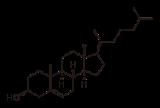
Cholesterol is a lipidic, waxy alcohol found in the cell membrane
Cell membrane

The cell membrane is the interface between the cellular machinery inside the cell and the fluid outside.It is a semipermeable lipid bilayer found in all cell ....
s and transported in the blood plasma
Blood plasma

Blood plasma is the liquid component of blood, in which the blood cells are suspended. It makes up about 55% of total blood volume. It is composed of mostly water , and contains dissolved proteins, glucose, clotting factors, mineral ions, Hormone and carbon dioxide ....
 of all animal
Animal

Animals are a major group of multicellular, eukaryotic organisms of the Kingdom Animalia or Metazoa. Their body plan eventually becomes fixed as they develop, although some undergo a process of metamorphosis later on in their life....
s. It is an essential component of mammalian cell membranes where it is required to establish proper membrane permeability and fluidity
Membrane fluidity

In biology, the membrane fluidity refers to the viscosity of the lipid bilayer of a cell membrane.The membrane phospholipids incorporate fatty acids of varying length and Saturation ....
. Cholesterol is the principal sterol synthesized by animals, but small quantities are synthesized in other eukaryote
Eukaryote

Animals, plants, fungus, and protists are eukaryotes , organisms whose Cell are organized into complex structures enclosed within Cell membrane....
s, such as plant
Plant

Plants are Life organisms belonging to the Kingdom Plantae. They include familiar organisms such as trees, herbs, bushes, grasses, vines, ferns, mosses, and green algae....
s and fungi
Fungus

A fungus is a Eukaryote organism that is a member of the Kingdom Fungi . The fungi are a monophyletic group, also called the Eumycota , that is phylogeny distinct from the morphologically similar slime molds and water molds ....
. It is almost completely absent among prokaryote
Prokaryote

The prokaryotes are a group of organisms that lack a cell nucleus , or any other cell membrane-bound organelles. They differ from the eukaryotes, which have a cell nucleus....
s, which include bacteria.


Discussion
Ask a question about 'Cholesterol'
Start a new discussion about 'Cholesterol'
Answer questions from other users
Full Discussion Forum


Recent Posts


Encyclopedia


Cholesterol is a lipidic, waxy alcohol found in the cell membrane
Cell membrane

The cell membrane is the interface between the cellular machinery inside the cell and the fluid outside.It is a semipermeable lipid bilayer found in all cell ....
s and transported in the blood plasma
Blood plasma

Blood plasma is the liquid component of blood, in which the blood cells are suspended. It makes up about 55% of total blood volume. It is composed of mostly water , and contains dissolved proteins, glucose, clotting factors, mineral ions, Hormone and carbon dioxide ....
 of all animal
Animal

Animals are a major group of multicellular, eukaryotic organisms of the Kingdom Animalia or Metazoa. Their body plan eventually becomes fixed as they develop, although some undergo a process of metamorphosis later on in their life....
s. It is an essential component of mammalian cell membranes where it is required to establish proper membrane permeability and fluidity
Membrane fluidity

In biology, the membrane fluidity refers to the viscosity of the lipid bilayer of a cell membrane.The membrane phospholipids incorporate fatty acids of varying length and Saturation ....
. Cholesterol is the principal sterol synthesized by animals, but small quantities are synthesized in other eukaryote
Eukaryote

Animals, plants, fungus, and protists are eukaryotes , organisms whose Cell are organized into complex structures enclosed within Cell membrane....
s, such as plant
Plant

Plants are Life organisms belonging to the Kingdom Plantae. They include familiar organisms such as trees, herbs, bushes, grasses, vines, ferns, mosses, and green algae....
s and fungi
Fungus

A fungus is a Eukaryote organism that is a member of the Kingdom Fungi . The fungi are a monophyletic group, also called the Eumycota , that is phylogeny distinct from the morphologically similar slime molds and water molds ....
. It is almost completely absent among prokaryote
Prokaryote

The prokaryotes are a group of organisms that lack a cell nucleus , or any other cell membrane-bound organelles. They differ from the eukaryotes, which have a cell nucleus....
s, which include bacteria. Cholesterol is classified as a sterol
Sterol

Sterols are an important class of organic molecules. They occur naturally in plants, animals and fungi, with the most familiar type of animal sterol being cholesterol, which has been shown to contribute to high blood pressure and heart disease....
 (a contraction of steroid
Steroid

A steroid is a terpenoid lipid characterized by a carbon skeleton with four fused rings, generally arranged in a 6-6-6-5 fashion.Steroids vary by the functional groups attached to these rings and the oxidation state of the rings....
 and alcohol
Alcohol

In chemistry, an alcohol is any organic compound in which a hydroxyl Functional group is bound to a carbon atom of an alkyl or substituted alkyl group....
).

Although cholesterol is essential for life, high levels in circulation are associated with atherosclerosis
Atherosclerosis

Atherosclerosis is a syndrome affecting artery blood vessels. It is a chronic inflammatory response in the walls of arteries, in large part due to the accumulation of macrophage white blood cells and promoted by low density lipoproteins without adequate removal of fats and cholesterol from the macrophages by functional high density lipoprot...
. Cholesterol can be ingested in the diet, recycled within the body through reabsorption of bile in the digestive tract, and produced de novo. For a person of about , typical total body cholesterol content is about 35 g, typical daily dietary intake is 200–300 mg in the United States and societies with similar dietary patterns and 1 g per day is synthesized de novo.

The name cholesterol originates from the Greek
Greek language

Greek is an Indo-European languages native to the southern Balkan peninsula, the language of the Greek people. It forms an independent branch within Indo-European....
 chole- (bile
Bile

Bile or gall is a bitter yellow or green fluid secreted by hepatocytes from the liver of most vertebrates. In many species, bile is stored in the gallbladder between meals and upon eating is discharged into the duodenum where the bile aids the process of digestion of lipids....
) and stereos (solid), and the chemical suffix
Suffix

In grammar, a suffix is an affix which is placed after the stem of a word. Common examples are case endings, which indicate the grammatical case of nouns or adjectives, and verb endings, which form the grammatical conjugation of verbs....
 -ol for an alcohol, as François Poulletier de la Salle first identified cholesterol in solid form in gallstone
Gallstone

In medicine, gallstones are crystalline bodies formed within the body by accretion or concretion of normal or abnormal bile component.Gallstones can occur anywhere within the biliary tree, including the gallbladder and the common bile duct....
s, in 1769. However, it was only in 1815 that chemist Eugène Chevreul
Michel Eugène Chevreul

Michel Eug?ne Chevreul was a French chemist whose work with fatty acids led to early applications in the fields of art and science. He is credited with discovering margarine and designing an early form of soap made from animal fats and salt....
 named the compound "cholesterine".

Physiology


Function


Cholesterol is required to build and maintain cell membrane
Cell membrane

The cell membrane is the interface between the cellular machinery inside the cell and the fluid outside.It is a semipermeable lipid bilayer found in all cell ....
s; it regulates membrane fluidity
Membrane fluidity

In biology, the membrane fluidity refers to the viscosity of the lipid bilayer of a cell membrane.The membrane phospholipids incorporate fatty acids of varying length and Saturation ....
 over the range of physiological temperatures. The hydroxyl
Hydroxyl

Hydroxyl in chemistry stands for a molecule consisting of an oxygen atom and a hydrogen atom connected by a covalent bond. The neutral form is a hydroxyl Radical and the hydroxyl anion is called a hydroxide....
 group on cholesterol interacts with the polar head groups of the membrane
Lipid bilayer

A lipid bilayer is a thin membrane made of two layers of lipid molecules. These membranes are flat sheets that form a continuous barrier around cell ....
 phospholipids
Phospholipid

File:Phospholipid.svgFile:phospholipid_structure.pngFile:Phosphatidyl-Choline.svgPhospholipids are a class of lipids and are a major component of all cell membranes....
 and sphingolipid
Sphingolipid

Sphingolipids are a class of lipids derived from the aliphatic amino alcohol sphingosine. These compounds are ubiquitous, playing important roles in signal transmission and cell recognition....
s, while the bulky steroid
Steroid

A steroid is a terpenoid lipid characterized by a carbon skeleton with four fused rings, generally arranged in a 6-6-6-5 fashion.Steroids vary by the functional groups attached to these rings and the oxidation state of the rings....
 and the hydrocarbon
Hydrocarbon

In organic chemistry, a hydrocarbon is an organic compound consisting entirely of hydrogen and carbon. With relation to chemical terminology, aromatic hydrocarbons or arenes, alkanes, alkenes and alkyne-based compounds composed entirely of carbon or hydrogen are referred to as "pure" hydrocarbons, whereas other hydrocarbons with bonded com...
 chain are embedded in the membrane, alongside the nonpolar fatty acid chain
Fatty acid

In chemistry, especially biochemistry, a fatty acid is a carboxylic acid often with a long unbranched aliphatic tail , which is either saturation or Unsaturated compound....
 of the other lipids. In this structural role, cholesterol reduces the permeability of the plasma membrane to protons (positive hydrogen
Hydrogen

Hydrogen is the chemical element with atomic number 1. It is represented by the chemical symbol H. At standard temperature and pressure, hydrogen is a colorless, odorless, nonmetallic, tasteless, highly combustion and explosive Diatomic molecule gas with the molecular formula H2....
 ions) and sodium ions.

Within the cell membrane, cholesterol also functions in intracellular transport, cell signalling and nerve conduction. Cholesterol is essential for the structure and function of invaginated caveolae
Caveolae

In biology, caveolae are small invaginations of the plasma membrane in many vertebrate cell types, especially in endothelium cells and adipocyte....
 and clathrin-coated pits, including caveola-dependent and clathrin-dependent endocytosis
Endocytosis

Endocytosis is the process by which cell s absorb material from outside the cell by engulfing it with their cell membrane. It is used by all cells of the body because most substances important to them are large Chemical polarity molecules that cannot pass through the hydrophobic plasma membrane or cell membrane....
. The role of cholesterol in such endocytosis can be investigated by using methyl beta cyclodextrin (MßCD) to remove cholesterol from the plasma membrane. Recently, cholesterol has also been implicated in cell signaling processes, assisting in the formation of lipid rafts in the plasma membrane. In many neurons a myelin
Myelin

Myelin is an electrically-insulating dielectric material that forms a layer, the myelin sheath. Usually, myelin surrounds only the axon of a neuron....
 sheath, rich in cholesterol since it is derived from compacted layers of Schwann cell
Schwann cell

Named after the Germany physiologist Theodor Schwann, Schwann cells are a variety of glial cell that keep peripheral nerve fibres alive. In myelinated axons, Schwann cells form the myelin sheath ....
 membrane, provides insulation for more efficient conduction of impulses.

Within cells, cholesterol is the precursor molecule in several biochemical pathways. In the liver, cholesterol is converted to bile
Bile

Bile or gall is a bitter yellow or green fluid secreted by hepatocytes from the liver of most vertebrates. In many species, bile is stored in the gallbladder between meals and upon eating is discharged into the duodenum where the bile aids the process of digestion of lipids....
, which is then stored in the gallbladder
Gallbladder

The gallbladder is a small non-vital Organ which aids in the digestive process and concentrates bile produced in the liver....
. Bile contains bile salts, which solubilize fats in the digestive tract and aid in the intestinal absorption of fat molecules as well as the fat soluble vitamins, Vitamin A
Vitamin A

Vitamin A, a bi-polar molecule formed with bi-polar covalent bonds between carbon and hydrogen, is linked to a family of similarly shaped molecules, the retinoids, which complete the remainder of the vitamin sequence....
, Vitamin D
Vitamin D

Vitamin D is a group of fat-soluble prohormones, the two major forms of which are vitamin D2 and vitamin D3 . The term vitamin D also refers to metabolites and other analogues of these substances....
, Vitamin E
Vitamin E

Vitamin E is the collective name for a set of 8 related a-, ?-, ?-, and d-tocopherols and the corresponding four tocotrienols, which are fat-soluble vitamins with antioxidant properties....
 and Vitamin K
Vitamin K

Vitamin K denotes a group of lipophilic, hydrophobic vitamins that are needed for the posttranslational modification of certain proteins, mostly required for blood coagulation....
. Cholesterol is an important precursor molecule for the synthesis of Vitamin D and the steroid hormones, including the adrenal gland
Adrenal gland

In mammals, the adrenal glands are the star-shaped endocrine glands that sit on top of the kidneys; their name indicates that position . They are chiefly responsible for regulating the stress response through the biosynthesis of corticosteroids and catecholamines, including cortisol and adrenaline, respectively....
 hormones cortisol
Cortisol

Cortisol is a corticosteroid hormone or glucocorticoid produced by the adrenal cortex, that is part of the adrenal gland . It is usually referred to as the "stress hormone" as it is involved in response to stress and anxiety, controlled by Corticotropin-releasing hormone....
 and aldosterone
Aldosterone

Aldosterone is a hormone that increases the reabsorption of sodium and water and the release of potassium in the kidneys. This increases the volume of fluid in the body, and drives blood pressure up....
 as well as the sex hormones progesterone
Progesterone

Progesterone is a C-21 steroid hormone involved in the female menstrual cycle, pregnancy and embryogenesis of humans and other species. Progesterone belongs to a class of hormones called progestogens, and is the major naturally occurring human progestogen....
, estrogen
Estrogen

Estrogens are a group of steroid compounds, named for their importance in the estrous cycle, and functioning as the primary female sex hormone....
s, and testosterone
Testosterone

Testosterone is a steroid hormone from the androgen group. In mammals, testosterone is primarily secreted in the testis of males and the ovaries of females, although small amounts are also secreted by the adrenal glands....
 and their derivatives.

Some research indicates that cholesterol may act as an antioxidant
Antioxidant

An antioxidant is a molecule capable of slowing or preventing the Redox of other molecules. Oxidation is a chemical reaction that transfers electrons from a substance to an oxidizing agent....
.

Dietary sources


Animal fat
Animal fat

Animal fats are Rendering tissue fat that can be obtained from a variety of animals....
s are complex mixtures of triglyceride
Triglyceride

is a glyceride in which the glycerol is esterified with three fatty acids. It is the main constituent of vegetable oil and animal fats....
s, with lesser amounts of phospholipid
Phospholipid

File:Phospholipid.svgFile:phospholipid_structure.pngFile:Phosphatidyl-Choline.svgPhospholipids are a class of lipids and are a major component of all cell membranes....
s and cholesterol. Consequently all foods containing animal fat contain cholesterol to varying extents. Major dietary sources of cholesterol include cheese
Cheese

Cheese is a food consisting of proteins and fat from milk, usually the milk of cattle, Water Buffalo, goats, or sheep's milk. It is produced by Coagulation of the milk protein casein....
, egg yolk
Egg yolk

An egg yolk is the part of an Egg which serves as the food source for the developing embryo inside. Prior to fertilization the yolk together with the germinal disc is a single Cell ....
s, beef
Beef

Beef is the culinary name for meat from bovines, especially domestic cattle . Beef is one of the principal meats used in the cuisine of Australia, European cuisine and the Americas, and is also important in Africa, East Asia, and Southeast Asia....
, pork
Pork

Pork is the culinary name for meat from the domestic pig . The word, pork, is often meant to denote specifically the fresh meat of the pig, but it can be used as an all-inclusive term, to include cured, smoked, or processed meats It is one of the most-commonly consumed meats worldwide, with evidence of pig animal husbandry dating back...
, poultry
Poultry

Poultry is the category of domesticated birds which some people keep for the purpose of collecting their egg , or kill for their meat and/or feathers....
, and shrimp
Shrimp

Shrimp are swimming, Decapoda crustaceans classified in the infraorder Caridea, found widely around the world in both fresh water and seawater. Adult shrimp are Filter feeder benthic animals living close to the bottom....
. Human breast milk
Breast milk

Breast milk refers to the milk produced by a mother to feed her baby. It provides the primary source of nutrition for newborns before they are able to eat and digest other foods; older infants and toddlers may continue to be breastfeeding....
 also contains significant quantities of cholesterol. Cholesterol is not present in plant based food sources unless it has been added during the food's preparation. However, plant products such as flax seeds and peanut
Peanut

The peanut, or groundnut , is a species in the legume Fabaceae native to South America, Mexico and Central America. It is an annual plant herbaceous plant growing to 30 to 50 cm tall....
s contain healthy cholesterol-like compounds called phytosterols, which are suggested to help lower serum
Serum

Serum may refer to:*Blood plasma, with clotting factors removed*Antiserum, for transfer of passive immunity*Serous fluid, any clear bodily fluid...
 cholesterol levels.

Total fat intake, especially saturated fat
Saturated fat

Saturated fat is fat that consists of triglycerides containing only Saturation fatty acid radicals. There are several kinds of naturally occurring saturated fatty acids, which differ by the number of carbon atoms - from 1 to 24....
 and trans fat
Trans fat

Trans fat is the common name for a type of unsaturated fat with trans-Cis-trans isomerism fatty acid. Trans fats may be monounsaturated fat or polyunsaturated fat but never saturated fat....
, plays a larger role in blood cholesterol than intake of cholesterol itself. Saturated fat is present in full fat dairy products, animal fats, several types of oil and chocolate. Trans fats are derived from the partial hydrogenation of unsaturated fats, and in contrast to other types of fat, they are not essential for life. It is recommended that trans fats be consumed extremely rarely or not at all as they are said to be more harmful than naturally occurring oils. Trans fat can be found in the commercial food supply including fast food, snack foods, fried food and baked goods.

A change in diet may help reduce blood cholesterol in addition to other lifestyle modifications. Avoiding animal products may decrease the cholesterol levels in the body not through dietary cholesterol reduction alone, but primarily through a reduced saturated fat intake. Those wishing to reduce their cholesterol through a change in diet should aim to consume less than 7% of their daily calorie
Calorie

The calorie is a pre-SI metric system unit of energy. The unit was first defined by Professor Nicolas Cl?ment in 1824 as a unit of heat. This definition entered French and English dictionaries between 1841 and 1867....
s from saturated fat and less than 200mg of cholesterol per day.

Synthesis


About 20–25% of total daily cholesterol production occurs in the liver
Liver

The liver is a vital organ present in vertebrates and some other animals; it has a wide range of functions, a few of which are detoxification, protein synthesis, and production of biochemicals necessary for digestion....
; other sites of high synthesis rates include the intestines, adrenal gland
Adrenal gland

In mammals, the adrenal glands are the star-shaped endocrine glands that sit on top of the kidneys; their name indicates that position . They are chiefly responsible for regulating the stress response through the biosynthesis of corticosteroids and catecholamines, including cortisol and adrenaline, respectively....
s and reproductive organs. Synthesis within the body starts with one molecule of acetyl CoA and one molecule of acetoacetyl-CoA
Acetoacetyl-CoA

Acetoacetyl CoA is the precursor of HMG-CoA in the the Mevalonate pathway which is essential for cholesterol synthesis. It also takes a similar role in the ketone bodies synthesis pathway of the liver....
, which are dehydrated to form 3-hydroxy-3-methylglutaryl CoA (HMG-CoA). This molecule is then reduced to mevalonate by the enzyme HMG-CoA reductase
HMG-CoA reductase

HMG-CoA reductase is the rate controlling enzyme of the mevalonate pathway, the metabolic pathway that produces cholesterol and other isoprenoids....
. This step is an irreversible step in cholesterol synthesis and is the site of action for the statins (HMG-CoA Reductase Inhibitors).

Mevalonate is then converted to 3-isopentenyl pyrophosphate in three reactions which require ATP
ATP

ATP may refer to:...
. This molecule is decarboxylated to isopentenyl pyrophosphate
Isopentenyl pyrophosphate

Isopentenyl pyrophosphate is an intermediate in the classical, HMG-CoA reductase pathway used by organisms in the biosynthesis of terpenes and terpenoids....
, which is a key metabolite for various biological reactions. Three molecules of isopentenyl pyrophosphate condense to form farnesyl pyrophosphate
Farnesyl pyrophosphate

Farnesyl pyrophosphate is an intermediate in the HMG-CoA reductase pathway used by organisms in the biosynthesis of terpenes and terpenoids.It is the immediate precursor of squalene , dehydrodolichol diphosphate , and geranylgeranyl pyrophoshate ....
 through the action of geranyl transferase. Two molecules of farnesyl pyrophosphate then condense to form squalene
Squalene

Squalene is a natural organic compound originally obtained for commercial purposes primarily from shark liver oil, though there are botanic sources as well, including amaranth seed, rice bran, wheat germ, and olives....
 by the action of squalene synthase in the endoplasmic reticulum
Endoplasmic reticulum

The endoplasmic reticulum is a eukaryote organelle that forms an interconnected network of tubules, vesicle , and cisternae within cell . The lacey membranes of the endoplasmic reticulum were first seen by Keith R....
. Oxidosqualene cyclase then cyclizes squalene to form lanosterol
Lanosterol

Lanosterol is a tetracyclic terpene, which is the compound from which all steroids are derived....
. Finally, lanosterol is then converted to cholesterol.

Konrad Bloch and Feodor Lynen shared the Nobel Prize in Physiology or Medicine
Nobel Prize in Physiology or Medicine

The Nobel Prize in Physiology or Medicine is awarded once a year by the Swedish Karolinska Institutet. It is one of the five Nobel Prizes established by the will of Alfred Nobel in 1895, awarded for outstanding contributions in Nobel Prize in Physics, Nobel Prize in Chemistry, Nobel Prize in Literature, Nobel Peace Prize, and Physiology or Medic...
 in 1964 for their discoveries concerning the mechanism and regulation of cholesterol and fatty acid
Fatty acid

In chemistry, especially biochemistry, a fatty acid is a carboxylic acid often with a long unbranched aliphatic tail , which is either saturation or Unsaturated compound....
 metabolism.

Regulation of cholesterol synthesis


Biosynthesis of cholesterol is directly regulated by the cholesterol levels present, though the homeostatic
Homeostasis

Homeostasis is the property of a system, either open system or closed system, that regulates its internal environment and tends to maintain a stable, constant condition....
 mechanisms involved are only partly understood. A higher intake from food leads to a net decrease in endogenous production, while lower intake from food has the opposite effect. The main regulatory mechanism is the sensing of intracellular
Intracellular

Not to be confused with intercellular, meaning "between cells".In cell biology, molecular biology and related fields, the word intracellular means "inside the cell "....
 cholesterol in the endoplasmic reticulum
Endoplasmic reticulum

The endoplasmic reticulum is a eukaryote organelle that forms an interconnected network of tubules, vesicle , and cisternae within cell . The lacey membranes of the endoplasmic reticulum were first seen by Keith R....
 by the protein
Protein

Proteins are organic compounds made of amino acids arranged in a linear chain and joined together by peptide bonds between the carboxyl and amino groups of adjacent amino acid Residue ....
 SREBP
Sterol regulatory element binding protein

Sterol Regulatory Element Binding Proteins are transcription factors that bind to the sterol regulatory element DNA sequence TCACNCCAC. SREBPs belong to the basic-helix-loop-helix leucine zipper class of transcription factors....
 (Sterol Regulatory Element Binding Protein 1 and 2). In the presence of cholesterol, SREBP is bound to two other proteins: SCAP (SREBP-cleavage activating protein) and Insig1
Insig1

INSIG1 is short for insulin-induced gene 1; it is located on chromosome 7 . This human gene encodes for a 277 AA long transmembrane protein with probably 6 transmembrane domains....
. When cholesterol levels fall, Insig-1 dissociates from the SREBP-SCAP complex, allowing the complex to migrate to the Golgi apparatus
Golgi apparatus

The Golgi apparatus is an organelle found in most eukaryote Cell . It was identified in 1898 by the Italian physician Camillo Golgi and was named after him....
, where SREBP is cleaved by S1P and S2P (site-1 and -2 protease), two enzymes that are activated by SCAP when cholesterol levels are low. The cleaved SREBP then migrates to the nucleus and acts as a transcription factor
Transcription factor

In the field of molecular biology, a transcription factor is a protein that binds to specific DNA sequence and thereby controls the transfer of genetic information from DNA to RNA....
 to bind to the SRE (sterol regulatory element) which stimulates the transcription
Transcription (genetics)

Transcription is the synthesis of RNA under the direction of DNA. RNA synthesis, or transcription, is the process of transcribing DNA nucleotide sequence information into RNA sequence information....
 of many genes. Among the these are the LDL receptor
LDL receptor

The Low-Density Lipoprotein Receptor is a mosaic protein that mediates the endocytosis of cholesterol-rich LDL. It is a cell-surface receptor that recognizes the apoprotein B100 which is embedded in the phospholipid outer layer of LDL particles....
 and HMG-CoA reductase
HMG-CoA reductase pathway

The mevalonate pathway or HMG-CoA reductase pathway or mevalonate-dependent route or isprenoid pathway, is an important cell metabolic pathway present in all higher eukaryotes and many bacteria....
. The former scavenges circulating LDL from the bloodstream, whereas HMG-CoA reductase leads to an increase of endogenous production of cholesterol. A large part of this signaling pathway was clarified by Dr. Michael S. Brown and Dr. Joseph L. Goldstein
Joseph L. Goldstein

Joseph L. Goldstein from Kingstree, South Carolina is a Nobel Prize winning biochemist and geneticist, and a pioneer in the study of cholesterol metabolism....
 in the 1970s. In 1985, they received the Nobel Prize in Physiology or Medicine
Nobel Prize in Physiology or Medicine

The Nobel Prize in Physiology or Medicine is awarded once a year by the Swedish Karolinska Institutet. It is one of the five Nobel Prizes established by the will of Alfred Nobel in 1895, awarded for outstanding contributions in Nobel Prize in Physics, Nobel Prize in Chemistry, Nobel Prize in Literature, Nobel Peace Prize, and Physiology or Medic...
 for their work. Their subsequent work shows how the SREBP pathway regulates expression of many genes that control lipid formation and metabolism and body fuel allocation.

Cholesterol synthesis can be turned off when cholesterol levels are high as well. HMG CoA Reductase contains both a cytosolic domain (responsible for its catalytic function) and a membrane domain. The membrane domain functions to sense signals for its degradation. Increasing concentrations of cholesterol (and other sterols) cause a change in this domain's oligomerization state, which makes it more susceptible to destruction by the proteosome. This enzyme's activity can also be reduced by phosphorylation by an AMP activated protein kinase
Kinase

In chemistry and biochemistry, a kinase, alternatively known as a phosphotransferase, is a type of enzyme that transfers phosphate groups from High-energy phosphate donor molecules, such as adenosine triphosphate, to specific target molecules ; the process is termed phosphorylation ...
. Because this kinase is activated by AMP, which is produced when ATP is hydrolyzed, it follows that cholesterol synthesis is halted when ATP levels are low.

Plasma transport and regulation of absorption


Cholesterol is only slightly soluble in water
Water

Water is a common chemical substance that is essential for the survival of all known forms of life. In typical usage, water refers only to its liquid form or States of matter, but the substance also has a solid state, ice, and a gaseous state, water vapor or steam....
; it can dissolve and travel in the water-based bloodstream at exceedingly small concentrations. Since cholesterol is insoluble in blood, it is transported in the circulatory system within lipoprotein
Lipoprotein

A lipoprotein is a biochemistry assembly that contains both proteins and lipids. The lipids or their derivatives may be covalently or non-covalently bound to the proteins....
s, complex spherical particles which have an exterior composed of amphiphilic proteins and lipids whose outward-facing surfaces are water-soluble and inward-facing surfaces are lipid-soluble; triglycerides and cholesterol esters are carried internally. Phospholipids and cholesterol, being amphipathic, are transported in the surface monolayer of the lipoprotein particle.

In addition to providing a soluble means for transporting cholesterol through the blood, lipoproteins have cell-targeting signals which direct the lipids they carry to certain tissues. For this reason, there are many types of lipoproteins within blood, generally called, in order of increasing density: chylomicron
Chylomicron

Chylomicrons are large lipoprotein that transport dietary lipids from the intestines to other locations in the body. Chylomicrons are one of the 5 major groups of lipoproteins which enable fats and cholesterol to move within the water based solution of the blood stream....
s, very low density lipoprotein
Very low density lipoprotein

Very low-density lipoprotein is a type of lipoprotein made by the liver. VLDL is one of the five major groups of lipoproteins which enable fats and cholesterol to move within the water based solution of the blood stream....
 (VLDL), intermediate density lipoprotein
Intermediate density lipoprotein

Intermediate-density lipoproteins belong to the lipoprotein particle family and are formed from the degradation of very low-density lipoproteins....
 (IDL), low density lipoprotein
Low density lipoprotein

Low-density lipoprotein is a type of lipoprotein that transports cholesterol and triglycerides from the liver to peripheral tissues. LDL is one of the five major groups of lipoproteins; these groups include chylomicrons, very low-density lipoprotein , intermediate-density lipoprotein , low-density lipoprotein, and high-density lipoprotein ,...
 (LDL), and high density lipoprotein
High density lipoprotein

High-density lipoproteins is one of the 5 major groups of lipoproteins which enable lipids like cholesterol and triglycerides to be transported within the water based blood stream....
 (HDL). The cholesterol within all the various lipoproteins is identical, although some cholesterol is carried as the "free" alcohol and some is carried as fatty acyl esters referred to as cholesterol esters. However, the different lipoproteins contain apolipoproteins which serve as ligands for specific receptors on cell membranes. In this way, the lipoprotein particles are molecular addresses that determine the start and endpoints for cholesterol transport.

Chylomicrons, the least dense type of cholesterol transport molecules, contain apolipoprotein B-48, apolipoprotein C, and apolipoprotein E
Apolipoprotein E

Apolipoprotein E is an apolipoprotein found in the chylomicron and intermediate density lipoproteins that binds to a specific Receptor on hepatocytes and peripheral cells....
 in their shells. Chylomicrons are the transporters that carry fats from the intestine to muscle and other tissues that need fatty acids for energy or fat production. Cholesterol, which is not used by muscles, remains in more cholesterol-rich chylomicron remnants, which are taken up from the bloodstream by the liver.

VLDL molecules are produced by the liver and contain excess triacylglycerol and cholesterol that is not required by the liver for synthesis of bile acids. These molecules contain apolipoprotein B100 and apolipoprotein E in their shell. During transport in the bloodstream, the blood vessels cleave and absorb more triacylglycerol to leave IDL molecules which contain an even higher percentage of cholesterol. The IDL molecules have two possible fates: half are taken up by the liver for metabolism into other biomolecules and the other half continue to lose triacylglycerols in the bloodstream until they form LDL molecules, which have the highest percentage of cholesterol within them.

LDL molecules, therefore, are the major carriers of cholesterol in the blood, and each one contains approximately 1,500 molecules of cholesterol ester. The shell of the LDL molecule contains just one molecule of apolipoprotein B100, which is recognized by the LDL receptor
LDL receptor

The Low-Density Lipoprotein Receptor is a mosaic protein that mediates the endocytosis of cholesterol-rich LDL. It is a cell-surface receptor that recognizes the apoprotein B100 which is embedded in the phospholipid outer layer of LDL particles....
 in peripheral tissues. Upon binding of apolipoprotein B100, many LDL receptors become localized in clathrin
Clathrin

Clathrin is a protein that is the major constituent of the 'coat' of the clathrin-coated pits and coated vesicles formed during endocytosis of materials at the surface of Cell-surface....
 coated pits. Both the LDL and its receptor are internalized by endocytosis
Endocytosis

Endocytosis is the process by which cell s absorb material from outside the cell by engulfing it with their cell membrane. It is used by all cells of the body because most substances important to them are large Chemical polarity molecules that cannot pass through the hydrophobic plasma membrane or cell membrane....
 to form a vesicle within the cell. The vesicle then fuses with a lysosome
Lysosome

Lysosomes are organelles that contain digestive enzymes . Some biologists say they can only be found in animal cells, but there is new evidence that supports that they may exist in plant cells....
 which has an enzyme called lysosomal acid lipase that hydrolyzes the cholesterol esters. Now within the cell, the cholesterol can be used for membrane biosynthesis or esterified and stored within the cell, so as to not interfere with cell membranes.

Synthesis of the LDL receptor is regulated by SREBP, the same regulatory protein as was used to control synthesis of cholesterol de novo in response to cholesterol presence in the cell. When the cell has abundant cholesterol, LDL receptor synthesis is blocked so that new cholesterol in the form of LDL molecules cannot be taken up. Conversely, more LDL receptors are made when the cell is deficient in cholesterol. When this system is deregulated, many LDL molecules appear in the blood without receptors on the peripheral tissues. These LDL molecules are be oxidized and taken up by macrophages which become engorged and form foam cells. These cells often become trapped in the walls of blood vessels and contribute to artherosclerotic plaque formation. These plaques are the main causes of heart attacks, strokes and other serious medical problems, leading to the association of LDL cholesterol with "bad" cholesterol.

Conversely, HDL particles are thought to transport cholesterol back to the liver for excretion or to other tissues that use cholesterol to synthesize hormones in a process known as reverse cholesterol transport (RCT). Having large numbers of large HDL particles correlates with better health outcomes. In contrast, having small numbers of large HDL particles is independently associated with atheroma
Atheroma

In pathology, an atheroma is an accumulation and swelling in artery walls that is made up of cells , or cell debris, that contain lipids , calcium and a variable amount of fibrous connective tissue....
tous disease progression within the arteries.

Metabolism, recycling and excretion


Cholesterol is oxidized by the liver into a variety of bile acids. These in turn are conjugated
Phase 2 reaction

Phase 2 reactions are metabolic processes aimed at attaching polar and ionizable groups to phase 1 metabolites in order to form water soluble products which are devoid of activity and easily excreted from the body....
 with glycine
Glycine

Glycine is the organic compound with the chemical formula NH2CH2COOH. It is the smallest of the 20 amino acids commonly found in proteins, coded by codons GGU, GGC, GGA and GGG....
, taurine
Taurine

Taurine, or 2-aminoethanesulfonic acid, is an organic acid. It is also a major constituent of bile and can be found in the lower intestine and in small amounts in the tissues of many animals and in humans as well....
, glucuronic acid
Glucuronic acid

Glucuronic acid is a carboxylic acid. Its structure is similar to that of glucose. However, glucuronic acid's sixth carbon is oxidized to a carboxylic acid....
, or sulfate
Sulfate

In inorganic chemistry, a sulfate is a salt of sulfuric acid....
. A mixture of conjugated and non-conjugated bile acids along with cholesterol itself is excreted from the liver
Liver

The liver is a vital organ present in vertebrates and some other animals; it has a wide range of functions, a few of which are detoxification, protein synthesis, and production of biochemicals necessary for digestion....
 into the bile
Bile

Bile or gall is a bitter yellow or green fluid secreted by hepatocytes from the liver of most vertebrates. In many species, bile is stored in the gallbladder between meals and upon eating is discharged into the duodenum where the bile aids the process of digestion of lipids....
. Approximately 95% of the bile acids are reabsorbed from the intestines and the remainder lost in the feces. The excretion and reabsorption of bile acids forms the basis of the enterohepatic circulation
Enterohepatic circulation

Enterohepatic circulation refers to the circulation of bile from the liver, where it is produced, to the small intestine, where it aids in digestion of fats and other substances, back to the liver....
 which is essential for the digestion and absorption of dietary fats. Under certain circumstances, when more concentrated, as in the gallbladder
Gallbladder

The gallbladder is a small non-vital Organ which aids in the digestive process and concentrates bile produced in the liver....
, cholesterol crystallises and is the major constituent of most gallstone
Gallstone

In medicine, gallstones are crystalline bodies formed within the body by accretion or concretion of normal or abnormal bile component.Gallstones can occur anywhere within the biliary tree, including the gallbladder and the common bile duct....
s, although lecithin
Lecithin

Lecithin is any of a group of yellow-brownish fatty substances occurring in animal and plant tissues, and in egg yolk, composed of phosphoric acid, choline, fatty acids, glycerol, glycolipids, triglycerides, and phospholipids ....
 and bilirubin
Bilirubin

Bilirubin is the yellow breakdown product of normal heme catabolism. Heme is formed from hemoglobin, a principal component of red blood cells. Bilirubin is excreted in bile, and its levels are elevated in certain diseases....
 gallstones also occur less frequently.

Clinical significance


Hypercholesterolemia


According to the lipid hypothesis
Lipid hypothesis

The lipid hypothesis was one of two Hypothesis developed in the 1850s to explain the pathogenesis of atherosclerosis. It proposes a connection between plasma cholesterol level and the development of coronary heart disease....
, abnormally high cholesterol levels (hypercholesterolemia
Hypercholesterolemia

Hypercholesterolemia is the presence of high levels of cholesterol in the blood . It is not a disease but a metabolism derangement that can be secondary to many diseases and can contribute to many forms of disease, most notably cardiovascular disease....
), or, more correctly, higher concentrations of LDL and lower concentrations of functional HDL are strongly associated with cardiovascular disease
Cardiovascular disease

Cardiovascular disease or cardiovascular diseases refers to the class of diseases that involve the heart or blood vessels . While the term technically refers to any disease that affects the Circulatory system , it is usually used to refer to those related to atherosclerosis ....
 because these promote atheroma
Atheroma

In pathology, an atheroma is an accumulation and swelling in artery walls that is made up of cells , or cell debris, that contain lipids , calcium and a variable amount of fibrous connective tissue....
 development in arteries (atherosclerosis
Atherosclerosis

Atherosclerosis is a syndrome affecting artery blood vessels. It is a chronic inflammatory response in the walls of arteries, in large part due to the accumulation of macrophage white blood cells and promoted by low density lipoproteins without adequate removal of fats and cholesterol from the macrophages by functional high density lipoprot...
). This disease process leads to myocardial infarction
Myocardial infarction

Myocardial infarction , commonly known as a heart attack, occurs when the Blood flow to part of the heart is interrupted. This is most commonly due to occlusion of a coronary artery following the rupture of a Vulnerable plaque, which is an unstable collection of lipids and white blood cells in the wall of an artery....
 (heart attack), stroke
Stroke

A stroke is the rapidly developing loss of brain function due to a disturbance in the blood supply to the brain. According to the National Stroke Association, a "stroke" occurs when a blood clot blocks and artery or a blood vessel breaks, interrupting blood flow to an area of the brain....
 and peripheral vascular disease. Since higher blood LDL, especially higher LDL particle concentrations and smaller LDL particle size, contribute to this process more than the cholesterol content of the LDL particles, LDL particles are often termed "bad cholesterol" because they have been linked to atheroma formation. On the other hand, high concentrations of functional HDL, which can remove cholesterol from cells and atheroma, offer protection and are sometimes referred to colloquially as "good cholesterol". These balances are mostly genetically determined but can be changed by body build, medication
Medication

A pharmaceutical drug, also referred to as medicine or medicament, can be loosely defined as any substance intended for use in the diagnosis, cure, mitigation, treatment, or prevention of disease....
s, food choices and other factors.

Conditions with elevated concentrations of oxidized LDL particles, especially "small dense LDL" (sdLDL) particles, are associated with atheroma
Atheroma

In pathology, an atheroma is an accumulation and swelling in artery walls that is made up of cells , or cell debris, that contain lipids , calcium and a variable amount of fibrous connective tissue....
 formation in the walls of arteries
Artery

Arteries are blood vessels that carry blood away from the heart. All arteries, with the exception of the pulmonary and umbilical arteries, carry oxygenated blood....
, a condition known as atherosclerosis
Atherosclerosis

Atherosclerosis is a syndrome affecting artery blood vessels. It is a chronic inflammatory response in the walls of arteries, in large part due to the accumulation of macrophage white blood cells and promoted by low density lipoproteins without adequate removal of fats and cholesterol from the macrophages by functional high density lipoprot...
, which is the principal cause of coronary heart disease
Coronary heart disease

Coronary artery disease is the end result of the accumulation of atheroma within the walls of the Coronary circulation that supply the myocardium with oxygen and nutrients....
 and other forms of cardiovascular disease
Cardiovascular disease

Cardiovascular disease or cardiovascular diseases refers to the class of diseases that involve the heart or blood vessels . While the term technically refers to any disease that affects the Circulatory system , it is usually used to refer to those related to atherosclerosis ....
. In contrast, HDL particles (especially large HDL) have been identified as a mechanism by which cholesterol and inflammatory mediators can be removed from atheroma. Increased concentrations of HDL correlate with lower rates of atheroma progressions and even regression. A 2007 study pooling data on almost 900,000 subjects in 61 cohorts demonstrated that blood total cholesterol levels have an exponential effect on cardiovascular and total mortality, with the association more pronounced in younger subjects. Still, because cardiovascular disease is relatively rare in the younger population, the impact of high cholesterol on health is still larger in older people.

Elevated levels of the lipoprotein fractions, LDL, IDL and VLDL are regarded as atherogenic (prone to cause atherosclerosis). Levels of these fractions, rather than the total cholesterol level, correlate with the extent and progress of atherosclerosis. Conversely, the total cholesterol can be within normal limits, yet be made up primarily of small LDL and small HDL particles, under which conditions atheroma growth rates would still be high. In contrast, however, if LDL particle number is low (mostly large particles) and a large percentage of the HDL particles are large, then atheroma growth rates are usually low, even negative, for any given total cholesterol concentration. Recently, a post-hoc analysis of the IDEAL and the EPIC prospective studies found an association between high levels of HDL cholesterol (adjusted for apolipoprotein A-I and apolipoprotein B) and increased risk of cardiovascular disease, casting doubt on the cardioprotective role of "good cholesterol"

Multiple human trials utilizing HMG-CoA reductase inhibitors, known as statins, have repeatedly confirmed that changing lipoprotein transport patterns from unhealthy to healthier patterns significantly lowers cardiovascular disease event rates, even for people with cholesterol values currently considered low for adults. As a result, people with a history of cardiovascular disease may derive benefit from statins irrespective of their cholesterol levels,< and in men without cardiovascular disease there is benefit from lowering abnormally high cholesterol levels ("primary prevention"). Primary prevention in women is practiced only by extension of the findings in studies on men, since in women, none of the large statin trials has shown a reduction in overall mortality or in cardiovascular end points.

The 1987 report of National Cholesterol Education Program
National Cholesterol Education Program

The National Cholesterol Education Program is a program managed by the National Heart, Lung and Blood Institute, a division of the National Institutes of Health....
, Adult Treatment Panels suggest the total blood cholesterol level should be: < 200 mg/dL normal blood cholesterol, 200–239 mg/dL borderline-high, > 240 mg/dL high cholesterol. The American Heart Association
American Heart Association

The American Heart Association is a non-profit organization in the United States that fosters appropriate Heart care in an effort to reduce disability and deaths caused by cardiovascular disease and stroke....
 provides a similar set of guidelines for total (fasting) blood cholesterol levels and risk for heart disease:

Level mg/dL Level mmol
Mole (unit)

The mole is a Units of measurement of amount of substance: it is an SI base unit, and one of the few units used to measure this physical quantity....
/L
Litre

The litre or liter is a unit of volume. There are two official symbols: the Latin letter L in lower and upper case . The lower case L is often written as a cursive l to avoid confusion with the number 1 in antiqua fonts....
Interpretation
< 200 < 5.0 Desirable level corresponding to lower risk for heart disease
200–240 5.2–6.2 Borderline high risk
> 240 > 6.2 High risk


However, as today's testing methods determine LDL ("bad") and HDL ("good") cholesterol separately, this simplistic view has become somewhat outdated. The desirable LDL level is considered to be less than 100 mg/dL (2.6 mmol
Mole (unit)

The mole is a Units of measurement of amount of substance: it is an SI base unit, and one of the few units used to measure this physical quantity....
/L), although a newer target of < 70 mg/dL can be considered in higher risk individuals based on some of the above-mentioned trials. A ratio of total cholesterol to HDL—another useful measure—of far less than 5:1 is thought to be healthier. Of note, typical LDL values for children before fatty streaks begin to develop is 35 mg/dL.

Most testing methods for LDL do not actually measure LDL in their blood, much less particle size. For cost reasons, LDL values have long been estimated using the Friedewald formula: [total cholesterol] - [total HDL] - 20% of the triglyceride
Triglyceride

is a glyceride in which the glycerol is esterified with three fatty acids. It is the main constituent of vegetable oil and animal fats....
 value = estimated LDL. The basis of this is that Total cholesterol is defined as the sum of HDL, LDL, and VLDL. Ordinarily just the total, HDL, and triglycerides are actually measured. The VLDL is estimated as one-fifth of the triglycerides. It is important to fast for at least eight hours before the blood test because the triglyceride level varies significantly with food intake.

Given the well-recognized role of cholesterol in cardiovascular disease, it is surprising that some studies have shown an inverse correlation between cholesterol levels and mortality in subjects over 50 years of age—an 11% increase overall and 14% increase in CVD mortality per 1 mg/dL per year drop in cholesterol levels. In the Framingham Heart Study
Framingham Heart Study

The Framingham Heart Study is a circulatory system study based in Framingham, Massachusetts. The study began in 1948 with 5,209 adult subjects from Framingham, and is now on its third generation of participants....
, the researchers attributed this phenomenon to the fact that people with severe chronic diseases or cancer tend to have below-normal cholesterol levels. This explanation is not supported by the Vorarlberg Health Monitoring and Promotion Programme, in which men of all ages and women over 50 with very low cholesterol were increasingly likely to die of cancer, liver diseases, and mental diseases. This result indicates that the low cholesterol effect occurs even among younger respondents, contradicting the previous assessment among cohorts of older people that this is a proxy or marker for frailty occurring with age.

A small group of scientists, united in The International Network of Cholesterol Skeptics
The International Network of Cholesterol Skeptics

The International Network of Cholesterol Skeptics is a group of scientists, physicians, and other academicians from around the world who dispute the widely accepted lipid hypothesis of atherosclerosis....
, continues to question the link between cholesterol and atherosclerosis. However, the vast majority of doctors and medical scientists accepts the link as fact.

Hypocholesterolemia


Abnormally low levels of cholesterol are termed hypocholesterolemia
Hypocholesterolemia

Hypocholesterolemia is the presence of abnormally low levels of cholesterol in the blood . Although hypercholesterolemia, the presence of high cholesterol, has been linked strongly with cardiovascular disease, a defect in the body's production of cholesterol can lead to adverse consequences as well....
. Research into the causes of this state is relatively limited, but some studies suggest a link with depression
Depression (mood)

In the fields of psychology and psychiatry, the terms depression or depressed refer to sadness and other related emotions and behaviours. It can be thought of as either a disease or a syndrome....
, cancer
Cancer

Cancer is a class of diseases in which a group of cell display uncontrolled growth , invasion , and sometimes metastasis . These three malignant properties of cancers differentiate them from benign tumors, which are self-limited, do not invade or metastasize....
 and cerebral hemorrhage. Generally, the low cholesterol levels seem to be a consequence of an underlying illness, rather than a cause.

Cholesterol testing


It is recommended by the American Heart Association
American Heart Association

The American Heart Association is a non-profit organization in the United States that fosters appropriate Heart care in an effort to reduce disability and deaths caused by cardiovascular disease and stroke....
 to test cholesterol every 5 years for people aged 20 years or older.

A blood sample taken after fasting is taken by a doctor or a home cholesterol monitoring device to determine a lipoprotein profile. This measures total cholesterol, LDL (bad) cholesterol, HDL (good) cholesterol and triglycerides. It is recommended to have cholesterol tested more frequently than 5 years if a person: has total cholesterol of 200 mg/dL or more, if a man over age 45 or a woman over age 50, has HDL (good) cholesterol less than 40 mg/dL, or other risk factors for heart disease and stroke.

Cholesteric liquid crystals


Some cholesterol derivatives, (among other simple cholesteric lipids) are known to generate the liquid crystal
Liquid crystal

Liquid crystals are Chemical substances that exhibit a phase that has properties between those of a conventional liquid, and those of a solid crystal....
line cholesteric phase. The cholesteric phase is in fact a chiral
Chirality (chemistry)

The term chiral is used to describe an object that is non-Superposition on its mirror image.Human hands are perhaps the most universally recognized example of chirality: The left hand is a non-superposable mirror image of the right hand; no matter how the two hands are oriented, it is impossible for all the major features of both hands...
 nematic phase
Liquid crystal

Liquid crystals are Chemical substances that exhibit a phase that has properties between those of a conventional liquid, and those of a solid crystal....
, and changes colour when its temperature changes. Therefore, cholesterol derivatives are commonly used in liquid crystal thermometer
Thermometer

The thermometer is a device that measures temperature or temperature gradient using a variety of different principles; it comes from the Greek language roots thermo, heat, and meter, to measure....
s and temperature-sensitive paints.

See also


  • Triglyceride
    Triglyceride

    is a glyceride in which the glycerol is esterified with three fatty acids. It is the main constituent of vegetable oil and animal fats....
    s
  • Diet and heart disease
    Diet and heart disease

    Diet is a significant contributing factor to the presence of heart disease, an umbrella term describing many heart ailments. For example, some claim a diet high in cholesterol may lead to coronary heart disease, a condition in which a buildup of plaque occurs in the arteries near the heart....
  • Bile salts
  • Lieberman-Burchard test
    Lieberman-Burchard test

    The Lieberman-Burchard or acetic anhydride test is used for the determination of cholesterol. The formation of a green or green-blue colour after a few minutes is positive....
     to detect cholesterol
  • Niemann Pick disease Type C


Additional images


External links


  • US National Institutes of Health Adult Treatment Panel III
  • – "About Cholesterol"