

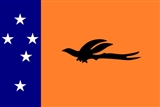
New Ireland

Overview
Provinces of Papua New Guinea
The provinces of Papua New Guinea are the primary administrative divisions of the country. Provincial governments are branches of the national government– Papua New Guinea is not a federation of provinces...
of Papua New Guinea
Papua New Guinea
Papua New Guinea , officially the Independent State of Papua New Guinea, is a country in Oceania, occupying the eastern half of the island of New Guinea and numerous offshore islands...
.
The largest island of the province is New Ireland
New Ireland (island)
New Ireland is a large island in Papua New Guinea, approximately 7,404 km² in area. It is the largest island of the New Ireland Province, lying northeast of the island of New Britain. Both islands are part of the Bismarck Archipelago, named after Otto von Bismarck, and they are separated by...
.
Also part of the province are numerous smaller islands, including Saint Matthias Group (Mussau
Mussau Island
Mussau Island is the largest island of St. Matthias Islands, Papua New Guinea, at . It is one of the northernmost islands of Papua New Guinea....
, Emirau
Emirau Island
Emirau Island, also called Emira, is an island in the Bismarck Archipelago located at . It is currently part of the New Ireland Province of Papua New Guinea. The local language is a dialect of the Mussau-Emira language...
), New Hanover
New Hanover Island
New Hanover Island, , also called Lavongai, is a large volcanic island in New Ireland Province, part of the Bismarck Archipelago of the New Guinea Islands region of Papua New Guinea, at...
, Djaul
Dyaul Island
Dyaul Island is an island in New Ireland Province, Papua New Guinea. Its area is 100 km2. The inhabitants live mainly in seven villages, and frequently visit Kavieng, the capital of the province, for supplies or to sell produce and fish. There are two languages, not counting Tok Pisin, spoken on...
, Tabar Group
Tabar Group
The Tabar Group is an island group in Papua New Guinea, located 40 km north of New Ireland. It is a part of the Bismarck Archipelago. The Tabar group consists of a short chain of three main islands - Tabar Island in the south, Tatau Island in the center, and Simberi Island in the north - as...
(Tabar, Tatau, Simberi
Simberi Island
Simberi Island is a volcanic island in the Tabar Group, in Papua New Guinea's New Ireland Province.-Geography and geology:Simberi is the northern most and smallest of the three islands in the Tabar Group. The island is about 9 km long and 7 km wide and has an area of about 40 square...
), Lihir
Lihir Island
Lihir Island is the largest island in the Lihir group of islands, 22 km long and 14.5 km wide, in Papua New Guinea's New Ireland Province. It consists of a complex of several overlapping basaltic stratovolcanoes rising 700m above sea level. While the volcanoes are not currently active,...
, Tanga Group (Malendok, Boang), Feni Islands
Feni Islands
Feni Islands is an island group in Papua New Guinea, located east of New Ireland, at . It is a part of Bismarck Archipelago. Largest island of the group is Ambitle, other islands include Babase Island....
(Ambitle
Ambitle
Ambitle is a volcanic island which, together with Babase, another volcanic island, is one of the two Feni Islands in the Bismarck Archipelago. The island is located within the Papua New Guinea's New Ireland Province, to the east of the island of New Ireland....
, Babase) and Anir.
The land area of the province is around 9 600 km².
Unanswered Questions

Discussions
