|
|
|
|
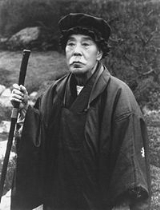
Miura Goro
|
| |
|
| |
Viscount , was a lieutenant general in the early Imperial Japanese Army.
a was born in Choshu domain (modern Yamaguchi Prefecture), to a samurai of the Hagi clan. After studying at the Meirinkan clan military academy, he entered the Kiheitai irregular militia of the Choshu domain and played an active role in the Boshin War to overthrow the Tokugawa bakufu. He later held various posts in Army-Navy Ministry and was commander of the Hiroshima District.

Discussion
Ask a question about 'Miura Goro'
Start a new discussion about 'Miura Goro'
Answer questions from other users
|
Encyclopedia
Viscount , was a lieutenant general in the early Imperial Japanese Army.
Biography
Miura was born in Choshu domain (modern Yamaguchi Prefecture), to a samurai of the Hagi clan. After studying at the Meirinkan clan military academy, he entered the Kiheitai irregular militia of the Choshu domain and played an active role in the Boshin War to overthrow the Tokugawa bakufu. He later held various posts in Army-Navy Ministry and was commander of the Hiroshima District. During the Satsuma Rebellion, he served as commander of the Army's Third Brigade.
In 1884, he accompanied Oyama Iwao on a tour of Europe, to study the military systems in various western countries. In 1888, after coming into conflict with politicians in the Choshu clan clique, he was transferred from active duty to the reserves. In November of the same year, he retired and became president of Gakushuin Peers’ School.
In 1890, Miura was appointed a member of the House of Peers, and elevated in title to shishaku (viscount) under the kazoku peerage system.
In 1895, Miura was appointed Japan’s resident minister extraordinary and plenipotentiary in Korea, succeeding Inoue Kaoru. As the political situation in Korea became increasingly unsettled, Due to the international outrage over the death of Empress Myeongseong. Miura was recalled and put on trial with the involved military personnel at the Hiroshima District Court where they were found not guilty on the grounds of lack of evidence.
Later, after the Japan-Korea Annexation Treaty in 1910, Miura became a privy councilor and focused on mediating talks among the heads of the political parties to protect the Meiji Constitution.
Books
External links
|
| |
|
|