
All Topics  
Antipsychotic


   Email Print
   Bookmark   Link


Antipsychotic


Antipsychotics are a group of psychoactive drug
Psychoactive drug

A psychoactive drug or psychotropic substance is a chemical substance that acts primarily upon the central nervous system where it alters brain function, resulting in temporary changes in perception, mood , consciousness and behaviour....
s commonly but not exclusively used to treat psychosis
Psychosis

Psychosis , with adjective psychotic, literally means abnormal condition of the mind, and is a generic psychiatry term for a mental state often described as involving a "loss of contact with reality"....
, which is typified by schizophrenia
Schizophrenia

Schizophrenia , from the Ancient Greek Root schizein and phren, phren- is a psychiatry diagnosis that describes a mental disorder characterized by abnormalities in the perception or expression of reality....
. Over time a wide range of antipsychotics have been developed. A first generation of antipsychotics, known as typical antipsychotics, was discovered in the 1950s. Most of the drugs in the second generation, known as atypical antipsychotics, have more recently been developed, although the first atypical anti-psychotic, clozapine
Clozapine

Clozapine is an antipsychotic and benzodiazepine medication used in the treatment of schizophrenia. The first of the atypical antipsychotics to be developed, it was first introduced in Europe in 1971, but was voluntarily withdrawn by the manufacturer in 1975 after it was shown to cause agranulocytosis that led to death in some patients....
, was discovered in the 1950s, and introduced clinically in the 1970s.


Discussion
Ask a question about 'Antipsychotic'
Start a new discussion about 'Antipsychotic'
Answer questions from other users
Full Discussion Forum


Recent Posts


Encyclopedia


Antipsychotics are a group of psychoactive drug
Psychoactive drug

A psychoactive drug or psychotropic substance is a chemical substance that acts primarily upon the central nervous system where it alters brain function, resulting in temporary changes in perception, mood , consciousness and behaviour....
s commonly but not exclusively used to treat psychosis
Psychosis

Psychosis , with adjective psychotic, literally means abnormal condition of the mind, and is a generic psychiatry term for a mental state often described as involving a "loss of contact with reality"....
, which is typified by schizophrenia
Schizophrenia

Schizophrenia , from the Ancient Greek Root schizein and phren, phren- is a psychiatry diagnosis that describes a mental disorder characterized by abnormalities in the perception or expression of reality....
. Over time a wide range of antipsychotics have been developed. A first generation of antipsychotics, known as typical antipsychotics, was discovered in the 1950s. Most of the drugs in the second generation, known as atypical antipsychotics, have more recently been developed, although the first atypical anti-psychotic, clozapine
Clozapine

Clozapine is an antipsychotic and benzodiazepine medication used in the treatment of schizophrenia. The first of the atypical antipsychotics to be developed, it was first introduced in Europe in 1971, but was voluntarily withdrawn by the manufacturer in 1975 after it was shown to cause agranulocytosis that led to death in some patients....
, was discovered in the 1950s, and introduced clinically in the 1970s. Both classes of medication tend to block receptors in the brain's dopamine pathways, but antipsychotic drugs encompass a wide range of receptor targets. A number of side effects have been observed in relation to specific medications, including weight gain, agranulocytosis
Agranulocytosis

Agranulocytosis is an acute condition involving a severe and dangerous leukopenia particularly of neutrophils causing a neutropenia in the circulating blood....
, tardive dyskinesia
Tardive dyskinesia

Tardive dyskinesia is a variety of Dyskinesia manifesting as a side effect of long-term or high-dose use of dopamine antagonists, usually antipsychotics....
, tardive akathisia
Akathisia

Akathisia, or acathisia, is a syndrome characterized by unpleasant sensations of "inner" restlessness that manifests itself with an inability to sit still or remain motionless, hence its origin in Ancient Greek a , [without, not] + ????s?? , [sitting]....
, tardive psychoses and tardive dysphrenia
Tardive dysphrenia

The medical expression Tardive Dysphrenia, was proposed by the American neurologist Stanley Fahn, the head of the Division of Movements Disorders of the Neurological Institute of New York, in collaboration with the psychiatrist David V Forrest in the 1970s....
. The development of new antipsychotics, and the relative efficacy of different ones, is an important ongoing field of research. Antipsychotic medication is not generally regarded as a good treatment, just the best available. The most appropriate drug for an individual patient requires careful consideration.

Terminology


Antipsychotics are also referred to as neuroleptic drugs. The word neuroleptic is derived from Greek
Greek language

Greek is an Indo-European languages native to the southern Balkan peninsula, the language of the Greek people. It forms an independent branch within Indo-European....
: "?e????" (originally meaning sinew but today referring to the nerve
Nerve

A nerve is an enclosed, cable-like bundle of Peripheral nervous system axons . A nerve provides a common pathway for the electrochemical nerve impulses that are transmitted along each of the axons....
s) and "?aµß???" (meaning take hold of). Thus, the word means taking hold of one's nerves. This term reflects the drugs' ability to make movement more difficult and sluggish, which clinicians previously believed indicated that a dose was high enough. The lower doses used currently have resulted in reduced incidence of motor side effects and sedation, and the term is less commonly used than in the past.

Antipsychotics are broadly divided into two groups, the typical or first-generation antipsychotics
Typical antipsychotic

Typical antipsychotics are a class of antipsychotic drugs first developed in the 1950s and used to treat psychosis , and are generally being replaced by atypical antipsychotic drugs....
 and the atypical or second-generation antipsychotics
Atypical antipsychotic

The atypical antipsychotics are a group of antipsychotic drugs used to treat psychiatric conditions. Some atypical antipsychotics are Food and Drug Administration approved for use in the treatment of schizophrenia....
. There are also dopamine partial agonists, which are often categorized as atypicals.

Typical antipsychotics are also sometimes referred to as tranquilizer
Tranquilizer

A tranquilizer is a drug that induces tranquillity in an individual.The term "tranquilizer" is imprecise, and is usually qualified, or replaced with more precise terms:...
s
, because some of them can tranquilize
Tranquilizer

A tranquilizer is a drug that induces tranquillity in an individual.The term "tranquilizer" is imprecise, and is usually qualified, or replaced with more precise terms:...
 and sedate. This term is increasingly disused, as the terminology implies a connection with benzodiazepine
Benzodiazepine

The benzodiazepines are a class of psychoactive drugs with varying hypnotic, sedative, anxiolytic , anticonvulsant, muscle relaxant and anterograde amnesia properties, which are mediated by slowing down the central nervous system....
s ("minor" tranquilizers) when none exists.

Usage

Common conditions with which antipsychotics might be used include schizophrenia
Schizophrenia

Schizophrenia , from the Ancient Greek Root schizein and phren, phren- is a psychiatry diagnosis that describes a mental disorder characterized by abnormalities in the perception or expression of reality....
, mania
Mania

Mania is a severe medical condition characterized by extremely elevated mood, energy, unusual thought patterns and sometimes psychosis. There are several possible causes for mania including drug abuse and brain tumours, but it is most often associated with bipolar disorder, where episodes of mania may cyclically alternate with episodes of ma...
, and delusional disorder
Delusional disorder

Delusional disorder is a psychiatric diagnosis denoting a psychosis mental illness that involves holding one or more non-bizarre delusions in the absence of any other significant psychopathology ....
. They might be used to counter psychosis associated with a wide range of other diagnoses, such as psychotic depression
Psychotic depression

Psychotic major depression is a type of depression that can include symptoms and treatments that are different from those of non-psychotic major depressive disorder ....
. In addition, these drugs are used to treat non-psychotic disorders. For example, some antipsychotics (haloperidol
Haloperidol

Haloperidol is a typical antipsychotic. It is in the butyrophenone class of antipsychotic medications and has pharmacology similar to the phenothiazines....
, pimozide
Pimozide

Pimozide is an antipsychotic medication. It was discovered at Janssen Pharmaceutica in 1963. It has a high potency compared to chlorpromazine ....
) are used off-label
Off-label use

Off-label use is the practice of prescribing prescription drug for a purpose outside the scope of a drug's approved label, most often concerning the drug's indication ....
 to treat Tourette syndrome
Tourette syndrome

Tourette syndrome is an heredity Neuropsychiatry disorder with onset in childhood, characterized by the presence of multiple physical tics and at least one vocal tic; these tics characteristically wax and wane....
, whereas Aripiprazole
Aripiprazole

Aripiprazole was approved by the Food and Drug Administration on November 15, 2002 for the treatment of schizophrenia, the sixth atypical antipsychotic medication of its kind....
 is prescribed in some cases of Asperger's syndrome.

History

The original antipsychotic drugs were happened upon largely by chance and were tested empirically for their effectiveness. The first antipsychotic was chlorpromazine
Chlorpromazine

Chlorpromazine is a phenothiazine antipsychotic, and the oldest in the antipsychotic family of drugs. It is a typical antipsychotic. It is principally used in the treatment of schizophrenia, though it has also been used to treat severe manic episodes in people with bipolar disorder....
, which was developed as a surgical anesthetic. It was first used on psychiatric patients because of its powerful calming effect; at the time it was regarded as a "chemical lobotomy
Lobotomy

A lobotomy is a neurosurgical procedure, a form of psychosurgery, also known as a leukotomy or leucotomy . It consists of cutting the connections to and from the prefrontal cortex....
". Lobotomy was used to treat many behavioral disorders, including psychosis, although its "effectiveness" was (from a modern viewpoint) due to its tendency to markedly reduce behavior of all types. However, chlorpromazine quickly proved to reduce the effects of psychosis in a more effective and specific manner than the extreme lobotomy-like sedation it was known for.

The underlying neurochemistry involved has since been studied in detail, and subsequent anti-psychotic drugs have been discovered by an approach that incorporates this sort of information.

Common antipsychotics

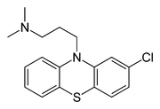
Chlorpromazine 2d Skeletal
Quetiapine
Commonly used antipsychotic medications are listed below by drug group. Trade names appear in parentheses.

First generation antipsychotic
Typical antipsychotic

Typical antipsychotics are a class of antipsychotic drugs first developed in the 1950s and used to treat psychosis , and are generally being replaced by atypical antipsychotic drugs....
s


Butyrophenones
  • Haloperidol
    Haloperidol

    Haloperidol is a typical antipsychotic. It is in the butyrophenone class of antipsychotic medications and has pharmacology similar to the phenothiazines....
     (Haldol)


Phenothiazines
  • Chlorpromazine
    Chlorpromazine

    Chlorpromazine is a phenothiazine antipsychotic, and the oldest in the antipsychotic family of drugs. It is a typical antipsychotic. It is principally used in the treatment of schizophrenia, though it has also been used to treat severe manic episodes in people with bipolar disorder....
     (Thorazine)
  • Fluphenazine
    Fluphenazine

    Fluphenazine is a typical antipsychotic medication used for the treatment of psychosis such as schizophrenia and acute manic phases of bipolar disorder....
     (Prolixin) - Available in decanoate (long-acting) form
  • Perphenazine
    Perphenazine

    Perphenazine is a typical antipsychotic psychoactive drug. Chemically, it is classified as a piperazinyl phenothiazine. It has been in clinical use for decades....
     (Trilafon)
  • Prochlorperazine
    Prochlorperazine

    Prochlorperazine is a drug that belongs to the phenothiazine class of antipsychotic agents that are used for the treatment of nausea and vertigo ....
     (Compazine)
  • Thioridazine
    Thioridazine

    Thioridazine is a piperidine antipsychotic psychoactive drug belonging to the phenothiazine drug group and was previously widely used in the treatment of schizophrenia and psychosis....
     (Mellaril)
  • Trifluoperazine
    Trifluoperazine

    Trifluoperazine is a typical antipsychotic medication of the phenothiazine group. It has a central antiadrenergic, antidopaminergic, and minimal anticholinergic effects....
     (Stelazine)
  • Mesoridazine
    Mesoridazine

    Mesoridazine is a piperidine neuroleptic drug belonging to the class of drugs called phenothiazines, used in the treatment of schizophrenia. It is a metabolite of thioridazine....
  • Promazine
    Promazine

    Promazine is a medication that belongs to the phenothiazine class of antipsychotics. An older medication used to treat schizophrenia, it is still prescribed,alongside newer agents such as olanzapine and quetiapine....
  • Triflupromazine
    Triflupromazine

    Triflupromazine is an antipsychotic medication of the phenothiazine class . Among different effects of triflupromazine indication for use of this drug is severe emesis....
     (Vesprin)
  • Levomepromazine
    Levomepromazine

    Levomepromazine in Germany and Methotrimeprazine in America is an aliphatic phenothiazine neuroleptic medication. It is a low-potency antipsychotic with strong analgesic and antiemetic properties....
     (Nozinan)
  • Promethazine
    Promethazine

    Promethazine is a first-generation histamine H1 receptor antagonist, antihistamine and antiemetic medication. It can also have strong sedative effects although it is rarely used specifically for this....
     (Phenergan)


Thioxanthenes
  • Chlorprothixene
    Chlorprothixene

    Chlorprothixene is a typical antipsychotic drug of the thioxanthene class. It has a low antipsychotic potency . Its principal indications are the treatment of psychotic disorders and of acute mania occurring as part of bipolar disorders....
  • Flupenthixol (Depixol and Fluanxol)
  • Thiothixene
    Thiothixene

    Thiothixene is a thioxanthene Medication used as a typical antipsychotic medication. It is a thioxanthene derivative and is the cis isomer of N,Ndimethyl-...
     (Navane)
  • Zuclopenthixol
    Zuclopenthixol

    Zuclopenthixol is a typical antipsychotic neuroleptic drug of the thioxanthene group. It mainly acts by Receptor antagonist of D1 and D2 dopamine dopamine receptor, though it also has some antihistamine activity....
     (Clopixol & Acuphase)


Second generation antipsychotic
Atypical antipsychotic

The atypical antipsychotics are a group of antipsychotic drugs used to treat psychiatric conditions. Some atypical antipsychotics are Food and Drug Administration approved for use in the treatment of schizophrenia....
s

  • Clozapine
    Clozapine

    Clozapine is an antipsychotic and benzodiazepine medication used in the treatment of schizophrenia. The first of the atypical antipsychotics to be developed, it was first introduced in Europe in 1971, but was voluntarily withdrawn by the manufacturer in 1975 after it was shown to cause agranulocytosis that led to death in some patients....
     (Clozaril) - Requires weekly to biweekly CBC (FBC)
    Complete blood count

    A complete blood count , also known as full blood count or full blood exam or blood panel, is a test requested by a physician or other medical professional that gives information about the cells in a patient's blood....
     because of risk of agranulocytosis
    Agranulocytosis

    Agranulocytosis is an acute condition involving a severe and dangerous leukopenia particularly of neutrophils causing a neutropenia in the circulating blood....
     (a severe decrease of white blood cells).
  • Olanzapine
    Olanzapine

    Olanzapine is an atypical antipsychotic, approved by the Food and Drug Administration for the treatment of: schizophrenia on September 6, 1996; depressive episodes associated with bipolar disorder, as part of the Symbyax formulation, on December 24, 2003; acute manic episodes and maintenance treatment in bipolar disorder on January 14, 2004...
     (Zyprexa) - Used to treat psychotic disorders including schizophrenia, acute manic episodes, and maintenance of bipolar disorder. Dosing 2.5 to 20 mg per day. Comes in a form that quickly dissolves in the mouth (Zyprexa Zydis). May cause appetite increase, weight gain, and altered glucose metabolism leading to an increased risk of diabetes mellitus.
  • Risperidone
    Risperidone

    Risperidone is an atypical antipsychotic developed by Janssen-Cilag....
     (Risperdal) - Dosing 0.25 to 6 mg per day and is titrated upward; divided dosing is recommended until initial titration is completed, at which time the drug can be administered once daily. Available in long-acting form (Risperdal Consta that is administered every 2 weeks; usual dose is 25 mg). Comes in a form that quickly dissovles in the mouth (Risperdal M-Tab). Used off-label to treat Tourette Syndrome
    Tourette syndrome

    Tourette syndrome is an heredity Neuropsychiatry disorder with onset in childhood, characterized by the presence of multiple physical tics and at least one vocal tic; these tics characteristically wax and wane....
     or Anxiety Disorder
    Anxiety disorder

    Anxiety disorder is a blanket term covering several different forms of abnormal and pathological fears and anxieties.Although in casual discourse the words anxiety, fear, and phobia are often used interchangeably, in clinical usage, they have distinct meanings....
    .
  • Quetiapine
    Quetiapine

    Quetiapine , marketed by AstraZeneca as Seroquel and by Orion Pharma as Ketipinor, is an atypical antipsychotic used in the management of schizophrenia and bipolar I disorder, and used off-label use for a variety of other purposes, including insomnia and anxiety disorders....
     (Seroquel) - Used primarily to treat bipolar disorder and schizophrenia, and "off-label" to treat chronic insomnia
    Insomnia

    Insomnia is a symptom of a sleep disorder characterized by persistent difficulty falling sleep or staying asleep despite the opportunity. Insomnia is a symptom, not a stand-alone diagnosis or a disease....
     and restless legs syndrome
    Restless legs syndrome

    Restless legs syndrome is a condition that is characterized by an irresistible urge to move one's body to stop uncomfortable or odd sensations....
    ; it is a powerful sedative (if it is used to treat sleep disorder
    Sleep disorder

    A sleep disorder is a medical disorder of the sleep patterns of a person or animal. Some sleep disorders are serious enough to interfere with normal physical, mental and emotional functioning....
    s and is not effective at 200 mg, it is not going to be effective in this regard). Dosing starts at 25 mg and continues up to 800 mg maximum per day, depending on the severity of the symptom(s) being treated. Users typically take smaller doses during the day for the neuroleptic properties and larger dose at bedtime for the sedative effects, or divided in two equal high doses every 12 hours (75 - 400 mg bid).
  • Ziprasidone
    Ziprasidone

    Ziprasidone was the fifth atypical antipsychotic to gain FDA approval . In the United States, Ziprasidone is Food and Drug Administration approved for the treatment of schizophrenia, and the intramuscular injection form of ziprasidone is approved for acute agitation in schizophrenic patients....
     (Geodon) - Now (2006) approved to treat bipolar disorder. Dosing 20 mg twice daily initially up to 80 mg twice daily. Prolonged QT interval
    QT interval

    In medicine, specifically cardiology, the QT interval is a measure of the time between the start of the Q wave and the end of the T wave in the heart's Electrical conduction system of the heart....
     a concern; watch closely with patients that have heart disease; when used with other drugs that prolong QT interval potentially life-threatening.
  • Amisulpride
    Amisulpride

    Amisulpride , or Sultopride, is an atypical antipsychotic drug sold by Sanofi-Aventis.Amisulpride is a selective dopamine antagonist. It has a high affinity for D2 and D3 dopaminergic receptors....
     (Solian) - Selective dopamine antagonist. Higher doses (greater than 400 mg) act upon post-synaptic dopamine receptors resulting in a reduction in the positive symptoms of schizophrenia, such as psychosis. Lower doses, however, act upon dopamine autoreceptors, resulting in increased dopamine transmission, improving the negative symptoms of schizophrenia. Lower doses of amisulpride have also been shown to have anti-depressant and anxiolytic
    Anxiolytic

    An anxiolytic is a Medication prescribed for the treatment of symptoms of anxiety. Some anxiolytics have been shown to be useful in the treatment of anxiety disorders as have antidepressants such as the class of selective serotonin reuptake inhibitors ....
     effects in non-schizophrenic patients, leading to its use in dysthymia
    Dysthymia

    Dysthymia is a chronic depression mood disorder that falls within the Clinical depression. It is considered a chronic depression, but with less severity than major depressive disorder....
     and social anxiety disorder. In one particular study, amisulpride was found to have greater efficacy than fluoxetine
    Fluoxetine

    Fluoxetine hydrochloride is an antidepressant of the selective serotonin reuptake inhibitor class. Fluoxetine is approved for the treatment of major depressive disorder , obsessive-compulsive disorder , bulimia nervosa, anorexia nervosa, panic disorder and premenstrual dysphoric disorder....
     in decreasing anxiety. At present, amisulpride is approved in Europe, Australia, and other countries for use in schizophrenia, and is approved and marketed in lower dosages in some countries for treating dysthymia
    Dysthymia

    Dysthymia is a chronic depression mood disorder that falls within the Clinical depression. It is considered a chronic depression, but with less severity than major depressive disorder....
     (such as in Italy as Deniban). Amisulpride has not been approved by the FDA for use in the United States.
  • Asenapine
    Asenapine

    Asenapine is a new 5-HT2A receptor and Dopamine receptor D2 Receptor antagonist under development for the treatment of schizophrenia and acute mania associated with bipolar disorder by Schering-Plough after its November 19, 2007 combination with Organon International....
     is a 5-HT2A- and D2-receptor antagonist under development for the treatment of schizophrenia and acute mania associated with bipolar disorder.
  • Paliperidone
    Paliperidone

    Paliperidone is an atypical antipsychotic developed by Janssen Pharmaceutica. Invega is an extended release formulation of paliperidone that uses the OROS extended release system to allow for once-daily dosing....
     (Invega) - Derivative of risperidone. Approved in December 2006.


Third generation antipsychotic
Atypical antipsychotic

The atypical antipsychotics are a group of antipsychotic drugs used to treat psychiatric conditions. Some atypical antipsychotics are Food and Drug Administration approved for use in the treatment of schizophrenia....
s

  • Aripiprazole
    Aripiprazole

    Aripiprazole was approved by the Food and Drug Administration on November 15, 2002 for the treatment of schizophrenia, the sixth atypical antipsychotic medication of its kind....
     (Abilify) - Dosing 1 mg up to maximum of 30 mg has been used. Mechanism of action is thought to reduce susceptibility to metabolic symptoms seen in some other atypical antipsychotics.
  • Dopamine partial agonist
    Partial agonist

    Partial agonists bind and activate a given receptor, but have only partial efficacy#Pharmacology at the receptor relative to a full agonist. They may also be considered ligands which display both agonistic and antagonistic effects - when both a full agonist and partial agonist are present, the partial agonist actually acts as a competitive...
    s:
  • Under clinical development - Bifeprunox
    Bifeprunox

    Bifeprunox is a novel atypical antipsychotic agent which, along with SLV313, aripiprazole and SSR-181507 combines minimal D2 receptor agonism with 5-HT receptor agonism....
    ; norclozapine (ACP-104).


Other options

  • Tetrabenazine
    Tetrabenazine

    Tetrabenazine is a drug for the symptomatical treatment of hyperkinesis movement disorder and is marketed under the trade names Nitoman in Canada and Xenazine in New Zealand and some parts of Europe, and is also available in the USA as an orphan drug....
     (Nitoman in Canada and Xenazine in New Zealand and some parts of Europe) is similar in function to antipsychotic drugs, though is not, in general, considered an antipsychotic itself. This is likely due to its main usefulness being the treatment of hyperkinetic movement disorder
    Movement disorder

    Movement disorders include:* Akathisia* Akinesia * Athetosis * Ataxia* Ballismus ** Hemiballismus * Bradykinesia * Cerebral palsy* Chorea ...
    s such as Huntington's Disease
    Huntington's disease

    Huntington's disease, also called Huntington's Chorea , chorea major, or HD, is a genetics Neurodegenerative disease characterized after onset by uncoordinated, jerky body movements and a decline in some mental abilities....
     and Tourette syndrome
    Tourette syndrome

    Tourette syndrome is an heredity Neuropsychiatry disorder with onset in childhood, characterized by the presence of multiple physical tics and at least one vocal tic; these tics characteristically wax and wane....
    , rather than for conditions such as schizophrenia
    Schizophrenia

    Schizophrenia , from the Ancient Greek Root schizein and phren, phren- is a psychiatry diagnosis that describes a mental disorder characterized by abnormalities in the perception or expression of reality....
    . Also, rather than having the potential to cause tardive dyskinesia
    Tardive dyskinesia

    Tardive dyskinesia is a variety of Dyskinesia manifesting as a side effect of long-term or high-dose use of dopamine antagonists, usually antipsychotics....
    , which most antipsychotics have, tetrabenazine can actually be an effective treatment for the condition.
  • Cannabidiol
    Cannabidiol

    Cannabidiol, also known as CBD, is a Cannabinoids found in Cannabis. It is a major constituent of the plant, representing up to 40% in its extracts....
     One of the main psychoactive components of cannabis
    Cannabis

    Cannabis is a genus of flowering plants that includes three putative species, Cannabis sativa L., Cannabis indica Lam., and Cannabis ruderalis Janisch....
    . A recent study has shown cannabidiol to be as effective as atypical antipsychotics in treating schizophrenia.


The most common typical antipsychotic drugs are now off-patent
Patent

A patent is a set of exclusive rights granted by a state to an inventor or his assignee for a term of patent in exchange for a disclosure of an invention....
, meaning any pharmaceutical company is legally allowed to produce generic
Generic drug

A generic drug is a medication which isproduced and distributed without patent protection. The generic drug may still have a patent on the formulation but not on the active ingredient....
 versions of these medications. While this makes them cheaper than the atypical drugs that are still manufactured under patent constraints, atypical drugs are preferred as a first-line treatment because they are believed to have fewer side effects and seem to have additional benefits for the 'negative symptoms' of schizophrenia
Schizophrenia

Schizophrenia , from the Ancient Greek Root schizein and phren, phren- is a psychiatry diagnosis that describes a mental disorder characterized by abnormalities in the perception or expression of reality....
, a typical condition for which they might be prescribed.

Metabotropic glutamate receptor 2

Glutamate receptor, metabotropic receptor 2, GluR2, also known as GRM2, is a human gene....
 agonism
Agonist

An agonist is a term used to describe a type of Ligand or drug that binds and alters the activity of a Receptor . The ability to alter the activity of a receptor, also known as the agonist's efficacy is a property that distinguishes it from receptor antagonist, a type of receptor ligand which also binds a receptor but which does not alter t...
 has been seen as a promising strategy in the development of novel antipsychotics. When tested in patients, the research substance LY2140023 yielded promising results and had few side effects. The active metabolite
Metabolite

Metabolites are the intermediates and products of metabolism. The term metabolite is usually restricted to small molecules. A primary metabolite is directly involved in normal growth, development, and reproduction....
 of this prodrug
Prodrug

A prodrug is a Pharmacology substance that is administered in an inactive form. Once administered, the prodrug is drug metabolism in vivo into an active metabolite....
 targets the brain glutamate receptor
Glutamate receptor

Glutamate receptors are transmembrane receptors located on neuron membranes. These receptors bind the neurotransmitter glutamate....
s mGluR2/3 rather than dopamine receptor
Dopamine receptor

Dopamine receptors are a class of metabotropic receptor G protein-coupled receptors that are prominent in the vertebrate central nervous system ....
s. It is currently in phase-2
Clinical trial

In health care, clinical trials are conducted to allow safety and efficacy data to be collected for new drugs or devices. These trials can only take place once satisfactory information has been gathered on the quality of the product and its non-clinical safety, and Institutional review board approval is granted in the country where the trial...
 clinical testing (2007).

Drug action

All antipsychotic drugs tend to block D2 receptors
Dopamine receptor

Dopamine receptors are a class of metabotropic receptor G protein-coupled receptors that are prominent in the vertebrate central nervous system ....
 in the dopamine
Dopamine

Dopamine is a neurotransmitter occurring in a wide variety of animals, including both vertebrates and invertebrates. In the human brain, this phenethylamine functions as a neurotransmitter, activating the five types of dopamine receptors ? D1, D2, D3, D4 and D5, and their variants....
 pathways of the brain
Brain

The brain is the center of the nervous system in all vertebrate, and most invertebrate, animals. Some primitive animals such as cnidarian and echinoderm have a decentralized nervous system without a brain, while sponges lack any nervous system at all....
. This means that dopamine released in these pathways has less effect. Excess release of dopamine in the mesolimbic pathway
Mesolimbic pathway

The mesolimbic pathway is one of the dopaminergic pathways in the brain. The pathway begins in the ventral tegmentum of the mesencephalon and connects to the limbic system via the nucleus accumbens, the amygdala, and the hippocampus as well as to the prefrontal cortex....
 has been linked to psychotic experiences. It is the blockade of dopamine receptors in this pathway that is thought to control psychotic experiences.

Typical antipsychotics are not particularly selective and also block Dopamine receptors in the mesocortical pathway
Mesocortical pathway

The mesocortical pathway is a neural pathway that connects the ventral tegmentum to the cerebral cortex, particularly the frontal lobes. It is one of the four major dopamine pathways in the brain....
, tuberoinfundibular pathway
Tuberoinfundibular pathway

The tuberoinfundibular pathway refers to a population of dopamine neurons in the arcuate nucleus of the mediobasal hypothalamus that project to the median eminence ....
, and the nigrostriatal pathway
Nigrostriatal pathway

The nigrostriatal pathway is a neural pathway that connects the substantia nigra with the striatum. It is one of the four major dopamine pathways in the brain, and is particularly involved in the production of movement, as part of a system called the basal ganglia motor loop....
. Blocking D2 receptors in these other pathways is thought to produce some of the unwanted side effects
Adverse effect (medicine)

In medicine, an adverse effect is a harmful and undesired effect resulting from a medication or other intervention such as chemotherapy or surgery....
 that the typical antipsychotics can produce (see below). They were commonly classified on a spectrum of low potency to high potency, where potency referred to the ability of the drug to bind to dopamine receptors, and not to the effectiveness of the drug. High-potency antipsychotics such as haloperidol
Haloperidol

Haloperidol is a typical antipsychotic. It is in the butyrophenone class of antipsychotic medications and has pharmacology similar to the phenothiazines....
, in general, have doses of a few milligrams and cause less sleepiness and calming effects than low-potency antipsychotics such as chlorpromazine
Chlorpromazine

Chlorpromazine is a phenothiazine antipsychotic, and the oldest in the antipsychotic family of drugs. It is a typical antipsychotic. It is principally used in the treatment of schizophrenia, though it has also been used to treat severe manic episodes in people with bipolar disorder....
 and thioridazine
Thioridazine

Thioridazine is a piperidine antipsychotic psychoactive drug belonging to the phenothiazine drug group and was previously widely used in the treatment of schizophrenia and psychosis....
, which have dosages of several hundred milligrams. The latter have a greater degree of anticholinergic and antihistaminergic activity, which can counteract dopamine-related side effects.

Atypical antipsychotic drugs have a similar blocking effect on D2 receptors. Some also block or partially block serotonin
Serotonin

Serotonin is a monoamine neurotransmitter synthesized in serotonergic neurons in the central nervous system and enterochromaffin cells in the gastrointestinal tract of animals including humans....
 receptors (particularly 5HT2A, C and 5HT1A receptors):ranging from risperidone, which acts overwhelmingly on serotonin receptors, to amisulpride, which has no serotonergic activity. The additional effects on serotonin receptors may be why some of them can benefit the 'negative symptoms' of schizophrenia.

Side effects

Antipsychotics are associated with a range of side effects. It is well-recognized that many stop taking them (around two-thirds of people in controlled drug trials) due in part to adverse effects. Extrapyramidal reactions include tardive psychosis
Tardive Psychosis

Tardive Psychosis is a form of psychosis distinct from schizophrenia and induced by the use of current antipsychotics by the depletion of dopamine and related to the known side-effect caused by their long term use, tardive dyskinesia....
, acute dystonia
Dystonia

Dystonia is a neurology movement disorder in which sustained muscle contractions cause twisting and repetitive movements or abnormal postures. The disorder may be Heredity or caused by other factors such as Birth trauma or other physical trauma, infection, poisoning or reaction to Medication....
s, akathisia
Akathisia

Akathisia, or acathisia, is a syndrome characterized by unpleasant sensations of "inner" restlessness that manifests itself with an inability to sit still or remain motionless, hence its origin in Ancient Greek a , [without, not] + ????s?? , [sitting]....
, parkinsonism
Parkinsonism

Parkinsonism is a neurological syndrome characterized by tremor, hypokinesia, spasticity, and balance disorder. The underlying causes of parkinsonism are numerous, and diagnosis can be complex....
 (rigidity and tremor
Tremor

Tremor is an unintentional, somewhat rhythmic, muscle movement involving to-and-fro movements of one or more body parts. It is the most common of all involuntary movements and can affect the hands, arms, head, face, vocal cords, trunk, and legs....
), tardive dyskinesia
Tardive dyskinesia

Tardive dyskinesia is a variety of Dyskinesia manifesting as a side effect of long-term or high-dose use of dopamine antagonists, usually antipsychotics....
, tachycardia
Tachycardia

The word tachycardia comes from the Greek words tachys and kardia .Tachycardia typically refers to a heartrate that exceeds the range of the normal resting heartrate, based upon age:...
, hypotension
Hypotension

In physiology and medicine, hypotension refers to an abnormally low blood pressure. This is best understood as a physiologic state, rather than a disease....
, impotence, lethargy, seizure
Seizure

An epileptic seizure is a transient symptom of abnormal, excessive or synchronous neuronal activity in the brain. It can manifest as an alteration in mental state, tonic or clonic movements, convulsions, and various other psychic symptoms ....
s, intense dreams or nightmares, and hyperprolactinaemia
Hyperprolactinaemia

Hyperprolactinaemia or hyperprolactinemia is the presence of abnormally-high levels of prolactin in the blood. Reference ranges for common blood tests are less than 580 mIU/L for women, and less than 450 mIU/L for men....
.

From a subjective perspective, antipsychotics heavily influence one's perceptions of pleasurable sensations, causing a severe reduction in feelings of desire, motivation, pensive thought, and awe. This does not coincide with the apathy and lack of motivation experienced by the negative symptoms of schizophrenia. Detrimental effects on short term memory, which affect the way one figures and calculates (although this also may be purely subjective), may also be observed on high enough dosages. These are all the reasons why they are thought to affect "creativity". Also, for some individuals with schizophrenia, too much stress may cause "relapse".

Following are details concerning some of the side effects of antipsychotics:

  • Antipsychotics, particularly atypicals, appear to cause diabetes mellitus
    Diabetes mellitus

    Diabetes mellitus , often referred to simply as diabetes , is a syndrome of disordered metabolism, usually due to a combination of genetic disorder and environmental causes, resulting in abnormally high blood sugar levels ....
     and fatal diabetic ketoacidosis
    Diabetic ketoacidosis

    Diabetic ketoacidosis is a life-threatening complication in patients with diabetes mellitus. Near complete deficiency of insulin and elevated levels of certain stress hormones increase the chance of a DKA episode....
    , especially (in US studies) in African Americans.
  • Antipsychotics may cause pancreatitis
    Pancreatitis

    Pancreatitis is the inflammation of the pancreas. See also acute pancreatitis and chronic pancreatitis for more details....
    .
  • The atypical antipsychotics (especially olanzapine
    Olanzapine

    Olanzapine is an atypical antipsychotic, approved by the Food and Drug Administration for the treatment of: schizophrenia on September 6, 1996; depressive episodes associated with bipolar disorder, as part of the Symbyax formulation, on December 24, 2003; acute manic episodes and maintenance treatment in bipolar disorder on January 14, 2004...
    ) seem to cause weight gain more commonly than the typical antipsychotics. The well-documented metabolic side effects associated with weight gain include diabetes, which can be life-threatening.
  • Clozapine
    Clozapine

    Clozapine is an antipsychotic and benzodiazepine medication used in the treatment of schizophrenia. The first of the atypical antipsychotics to be developed, it was first introduced in Europe in 1971, but was voluntarily withdrawn by the manufacturer in 1975 after it was shown to cause agranulocytosis that led to death in some patients....
     also has a risk of inducing agranulocytosis
    Agranulocytosis

    Agranulocytosis is an acute condition involving a severe and dangerous leukopenia particularly of neutrophils causing a neutropenia in the circulating blood....
    , a potentially dangerous reduction in the number of white blood cells in the body. Because of this risk, patients prescribed clozapine may need to have regular blood checks to catch the condition early if it does occur, so the patient is in no danger.
  • One of the more serious of these side effects is tardive dyskinesia
    Tardive dyskinesia

    Tardive dyskinesia is a variety of Dyskinesia manifesting as a side effect of long-term or high-dose use of dopamine antagonists, usually antipsychotics....
    , in which the sufferer may show repetitive, involuntary, purposeless movements often of the lips, face, legs, or torso. It is believed that there is a greater risk of developing tardive dyskinesia with the older, typical antipsychotic drugs, although the newer antipsychotics are now also known to cause this disorder.
  • A potentially serious side effect of many antipsychotics is that they tend to lower an individual's seizure threshold. Chlorpromazine and clozapine, in particular, have a relatively high seizurogenic potential. Fluphenazine, haloperidol, pimozide and risperidone exhibit a relatively low risk. Caution should be exercised in individuals that have a history of seizurogenic conditions such as epilepsy
    Epilepsy

    Epilepsy is a common chronic neurological disorder characterized by recurrent unprovoked seizure s. These seizures are transient signs and/or symptoms of abnormal, excessive or synchronous neuronal activity in the brain....
    , or brain damage
    Brain damage

    Brain damage, or acquired brain injury, is the destruction or degeneration of brain cells....
    .
  • Another antipsychotic side effect is deterioration of teeth due to a lack of saliva.
  • Another serious side effect is neuroleptic malignant syndrome
    Neuroleptic malignant syndrome

    Neuroleptic malignant syndrome is a life-threatening neurological disorder most often caused by an adverse reaction to antipsychotic. It generally presents with muscle rigidity, fever, autonomic instability and cognitive changes such as delirium, and is associated with elevated creatine phosphokinase ....
    , in which the drugs appear to cause the temperature regulation centers to fail, resulting in a medical emergency, as the patient's temperature suddenly increases to dangerous levels.
  • Another problematic side effect of antipsychotics is dysphoria
    Dysphoria

    Dysphoria is generally characterized as an unpleasant or uncomfortable mood, such as sadness , anxiety, irritability, or restlessness. Etymologically, it is the opposite of euphoria ....
    .
  • Following controversy over possible increased mortality (death
    Death

    Death is the permanent termination of the biological functions that define a life organism. It refers to both a particular event and to the condition that results thereby....
    ) related to antipsychotics in indivdiuals with dementia
    Dementia

    Dementia is the progressive decline in cognition due to damage or disease in the body beyond what might be expected from normal aging. Although dementia is far more common in the geriatric population, it may occur in any stage of adulthood....
    , warnings have been added to packaging.


Some people suffer few apparent side effects from taking antipsychotic medication, whereas others may have serious adverse effects. Some side effects, such as subtle cognitive problems, may go unnoticed.

There is a possibility that the risk of tardive dyskinesia can be reduced by combining the anti-psychotics with diphenhydramine
Diphenhydramine

Diphenhydramine hydrochloride , trade name Benadryl as produced by McNeil Laboratories a division of J&J, or Dimedrol outside the U.S....
 or benztropine
Benztropine

Benzatropine mesilate , benztropine mesylate, or benztropine marketed as Cogentin, is an anticholinergic medication principally used for the treatment of:...
, although this remains to be established. Central nervous system
Central nervous system

The central nervous system is the part of the nervous system that functions to coordinate the activity of all parts of the bodies of multicellular organisms....
 damage is also associated with irreversible tardive akathisia
Akathisia

Akathisia, or acathisia, is a syndrome characterized by unpleasant sensations of "inner" restlessness that manifests itself with an inability to sit still or remain motionless, hence its origin in Ancient Greek a , [without, not] + ????s?? , [sitting]....
 and/or tardive dysphrenia
Tardive dysphrenia

The medical expression Tardive Dysphrenia, was proposed by the American neurologist Stanley Fahn, the head of the Division of Movements Disorders of the Neurological Institute of New York, in collaboration with the psychiatrist David V Forrest in the 1970s....
.

Structural effects

Many studies now indicate that chronic treatment with antipsychotics affects the brain at a structural level, for example increasing the volume of the basal ganglia
Basal ganglia

The basal ganglia are a group of Nucleus in the brain interconnected with the cerebral cortex, thalamus and brainstem. Mammalian basal ganglia are associated with a variety of functions: motor control, cognition, emotions, and learning....
 (especially the caudate nucleus
Caudate nucleus

The caudate nucleus is a nucleus located within the basal ganglia of the brains of many animal species. The caudate, originally thought to primarily be involved with control of voluntary movement, is now known to be an important part of the brain's learning and memory system....
), and reducing cortical grey matter
Grey matter

Grey matter is a major component of the central nervous system, consisting of Neuron Soma , neuropil , glial cells and Capillary. Grey matter contains neural cell bodies, in contrast to white matter, which does not and mostly contains myelinated axon tracts....
 volume in different brain areas. The effects may differ for typical versus atypical antipsychotics and may interact with different stages of disorders. Death of neurons in the cerebral cortex
Cerebral cortex

The cerebral cortex is a structure within the brain that plays a key role in memory, attention, perceptual awareness, thought, language, and consciousness....
, especially in women, has been linked to the use of both typical and atypical antipsychotics for individuals with Alzheimers.

Recent studies on macaque
Macaque

The macaques constitute a genus of Old World monkeys of the subfamily Cercopithecinae. Aside from humans , the macaques are the most widespread primate genus, ranging from northern Africa to Japan....
 monkeys have found that administration of haloperidol
Haloperidol

Haloperidol is a typical antipsychotic. It is in the butyrophenone class of antipsychotic medications and has pharmacology similar to the phenothiazines....
 or olanzapine
Olanzapine

Olanzapine is an atypical antipsychotic, approved by the Food and Drug Administration for the treatment of: schizophrenia on September 6, 1996; depressive episodes associated with bipolar disorder, as part of the Symbyax formulation, on December 24, 2003; acute manic episodes and maintenance treatment in bipolar disorder on January 14, 2004...
 for about two years led to a significant overall shrinkage in brain tissue, in both gray and white matter across several brain areas, with lower glial cell
Glial cell

Glial cells, commonly called neuroglia or simply glia , are non-neuronal cell that provide support and nutrition, maintain homeostasis, form myelin, and participate in signal transmission in the nervous system....
 counts, due to a decrease in astrocyte
Astrocyte

Astrocytes are characteristic star-shaped neuroglia cell in the brain and spinal cord. They perform many functions, including biochemical support of endothelial cells which form the blood-brain barrier, the provision of nutrients to the nervous tissue, and a principal role in the repair and scarring process of the brain and spinal cord fol...
s and oligodendrocyte
Oligodendrocyte

Oligodendrocytes , or oligodendroglia , are a variety of neuroglia. Their main function is the insulation of the axons exclusively in the central nervous system of the higher vertebrates, a function performed by Schwann cells in the peripheral nervous system....
s, and increased neuronal density. It has been said that these studies require serious attention and that such effects were not clearly tested for by pharmaceutical companies prior to obtaining approval for placing the drugs on the market.

Efficacy

There have been a large number of studies of the efficacy of typical antipsychotics, and an increasing number on the more recent atypical antipsychotics.

The American Psychiatric Association
American Psychiatric Association

The American Psychiatric Association is the main professional organization of psychiatrists and trainee psychiatrists in the United States, and the most influential world-wide....
 and the UK National Institute for Health and Clinical Excellence
National Institute for Health and Clinical Excellence

The National Institute for Health and Clinical Excellence or NICE is a NHS special health authority of the National Health Service in England and Wales....
 recommend antipsychotics for managing acute psychotic episodes and for preventing relapse. They state that response to any given antipsychotic can be variable so that trials may be necessary, and that lower doses are to be preferred where possible.

Antipsychotic polypharmacy
Polypharmacy

The term polypharmacy generally refers to the use of multiple medications by a patient. The term is used when too many forms of medication are used by a patient, when more medication are prescribed than is clinically warranted, or even when all prescribed medications are clinically indicated but there are too many pills to take ....
—prescribing two or more antipsychotics at the same time for an individual—is said to be a frequent practice but not necessarily evidence-based.

Some doubts have been raised about the long-term effectiveness of antipsychotics because two large international World Health Organization
World Health Organization

The World Health Organization is a specialized agency of the United Nations that acts as a coordinating authority on international public health....
 studies found individuals diagnosed with schizophrenia tend to have better long-term outcomes in developing countries (where there is lower availability and use of antipsychotics) than in developed countries. The reasons for the differences are not clear, however, and various explanations have been suggested.

Some argue that the evidence for antipsychotics from withdrawal-relapse studies may be flawed, because they do not take into account that antipsychotics may sensitize the brain and provoke psychosis if discontinued. Evidence from comparison studies indicates that at least some individuals recover from psychosis without taking antipsychotics, and may do better than those that do take antipsychotics. Some argue that, overall, the evidence suggests that antipsychotics only help if they are used selectively and are gradually withdrawn as soon as possible.

A dose response effect has been found in one study from 1971 between increasing neuroleptic dose and increasing number of psychotic breaks.

Prevalence of use

A large proportion of the population may be prescribed antipsychotic medications. It is estimated that the prevalence of schizophrenia
Schizophrenia

Schizophrenia , from the Ancient Greek Root schizein and phren, phren- is a psychiatry diagnosis that describes a mental disorder characterized by abnormalities in the perception or expression of reality....
 is around 0.55% of the population. Similarly, the prevalence of bipolar disorder
Bipolar disorder

Bipolar disorder is a Classification of mental disorders that describes a category of mood disorders, or mood swings, defined by the presence of one or more episodes of abnormally elevated mood clinically referred to as mania or, if milder, hypomania....
 is estimated at around 2% (and around 8-12% for major depressive disorder).

Typical versus atypical

While the atypical, second-generation medications were marketed as offering greater efficacy in reducing psychotic symptoms while reducing side effects (and extra-pyramidal symptoms in particular) than typical medications, the results showing these effects often lack robustness. To remediate this problem, the NIMH
NIMH

NIMH or NiMH may refer to:*Nickel metal hydride battery, a type of rechargeable battery*National Institute of Mental Health, a part of the United States National Institutes of Health...
 conducted a recent multi-site, double-blind study (the CATIE project), which was published in 2005. This study compared several atypical antipsychotics to an older typical antipsychotic, perphenazine
Perphenazine

Perphenazine is a typical antipsychotic psychoactive drug. Chemically, it is classified as a piperazinyl phenothiazine. It has been in clinical use for decades....
, among 1493 persons with schizophrenia. Perphenazine was chosen because of its lower potency and moderate side effect profile. The study found that only olanzapine
Olanzapine

Olanzapine is an atypical antipsychotic, approved by the Food and Drug Administration for the treatment of: schizophrenia on September 6, 1996; depressive episodes associated with bipolar disorder, as part of the Symbyax formulation, on December 24, 2003; acute manic episodes and maintenance treatment in bipolar disorder on January 14, 2004...
 outperformed perphenazine in the researchers' principal outcome, the discontinuation rate. The authors also noted the apparent superior efficacy of olanzapine to the other drugs for greater reduction in psychopathology, longer duration of successful treatment, and lower rate of hospitalizations for an exacerbation of schizophrenia. In contrast, no other atypical studied (risperidone
Risperidone

Risperidone is an atypical antipsychotic developed by Janssen-Cilag....
, quetiapine
Quetiapine

Quetiapine , marketed by AstraZeneca as Seroquel and by Orion Pharma as Ketipinor, is an atypical antipsychotic used in the management of schizophrenia and bipolar I disorder, and used off-label use for a variety of other purposes, including insomnia and anxiety disorders....
, and ziprasidone
Ziprasidone

Ziprasidone was the fifth atypical antipsychotic to gain FDA approval . In the United States, Ziprasidone is Food and Drug Administration approved for the treatment of schizophrenia, and the intramuscular injection form of ziprasidone is approved for acute agitation in schizophrenic patients....
) did better than the typical perphenazine on those measures. Olanzapine, however, was associated with relatively severe metabolic effects: Subjects with olanzapine showed a major weight gain problem and increases in glucose, cholesterol, and triglycerides. The average weight gain (1.1 kg/month, or 44 pounds for the 18 months that the study lasted) casts serious doubt on the potentiality of long-term use of this drug. Perphenazine did not create more extrapyramidal side effects as measured by rating scales (a result supported by a meta-analysis by Dr. Leucht published in Lancet), although more patients discontinued perphenazine owing to extrapyramidal effects compared to the atypical agents (8 percent vs. 2 percent to 4 percent, P=0.002).

A phase 2 part of this study roughly replicated these findings. This phase consisted of a second randomization of the patients that discontinued taking medication in the first phase. Olanzapine was again the only medication to stand out in the outcome measures, although the results did not always reach statistical significance, due in part to the decrease of power. Perphenazine again did not create more extrapyramidal effects.

A subsequent phase was conducted. This phase allowed clinicians to offer clozapine
Clozapine

Clozapine is an antipsychotic and benzodiazepine medication used in the treatment of schizophrenia. The first of the atypical antipsychotics to be developed, it was first introduced in Europe in 1971, but was voluntarily withdrawn by the manufacturer in 1975 after it was shown to cause agranulocytosis that led to death in some patients....
 which was more effective at reducing medication drop-outs than other neuroleptic agents. However, the potential for clozapine to cause toxic side effects, including agranulocytosis, limits its usefulness.

Over-prescribing


Use of this class drugs has a history of criticism in residential care. As the drugs use can make patients calmer and more compliant, critics claim that the drugs can be overused. Outside doctors can feel under pressure from care home staff.

External links

  • - Public Health Advisory for Antipsychotic Drugs used for Treatment of Behavioral Disorders in Elderly Patients