
All Topics  
Triticale

 
Triticale

   Email Print
   Bookmark   Link


Triticale


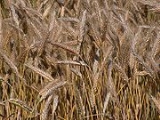
TriticaleTriticosecale) is a hybrid of wheat
Wheat

Wheat , is a worldwide cultivated Poaceae from the Levant region of the Middle East. Globally, after maize, wheat is the second most-produced food among the cereal just above rice....
 (Triticum) and rye
Rye

Rye is a Poaceae grown extensively as a grain and forage crop. It is a member of the wheat tribe and is closely related to barley and wheat. Rye grain is used for flour, rye bread, rye beer, some rye whiskey, some vodkas, and animal fodder....
 (
Se
cale
) first bred
Plant breeding

Plant breeding is the art and science of changing the genetics of plants for the benefit of humankind. Plant breeding can be accomplished through many different techniques ranging from simply selecting plants with desirable characteristics for propagation, to more complex molecular techniques ....
 in laboratories during the late 19th century. The grain was originally bred in Scotland
Scotland

conventional_long_name = ScotlandAlba|common_name= Scotland|image_flag = Flag of Scotland.svg|flag_width = 130px...
 and Sweden
Sweden

Sweden , officially the Kingdom of Sweden , is a Nordic countries on the Scandinavian Peninsula in Northern Europe. Sweden has land borders with Norway to the west and Finland to the northeast, and it is connected to Denmark by the ?resund Bridge in the south....
. Commercially available triticale is almost always a 2nd generation hybrid, i.e. a cross between two kinds of triticale (primary triticales). As a rule, triticale combines the high yield potential and good grain
GRAIN

GRAIN is an international non-governmental organization based in Barcelona, Spain, which works toward sustainable agriculture. It was formed upon the realization that the genetic diversity of the world's food crops are being drastically eliminated....
 quality of wheat
Wheat

Wheat , is a worldwide cultivated Poaceae from the Levant region of the Middle East. Globally, after maize, wheat is the second most-produced food among the cereal just above rice....
 with the disease and environmental tolerance (including soil conditions) of rye
Rye

Rye is a Poaceae grown extensively as a grain and forage crop. It is a member of the wheat tribe and is closely related to barley and wheat. Rye grain is used for flour, rye bread, rye beer, some rye whiskey, some vodkas, and animal fodder....
.


Nutrition Facts


Discussion
Ask a question about 'Triticale'
Start a new discussion about 'Triticale'
Answer questions from other users
Full Discussion Forum


Encyclopedia


TriticaleTriticosecale) is a hybrid of wheat
Wheat

Wheat , is a worldwide cultivated Poaceae from the Levant region of the Middle East. Globally, after maize, wheat is the second most-produced food among the cereal just above rice....
 (Triticum) and rye
Rye

Rye is a Poaceae grown extensively as a grain and forage crop. It is a member of the wheat tribe and is closely related to barley and wheat. Rye grain is used for flour, rye bread, rye beer, some rye whiskey, some vodkas, and animal fodder....
 (
Se
cale
) first bred
Plant breeding

Plant breeding is the art and science of changing the genetics of plants for the benefit of humankind. Plant breeding can be accomplished through many different techniques ranging from simply selecting plants with desirable characteristics for propagation, to more complex molecular techniques ....
 in laboratories during the late 19th century. The grain was originally bred in Scotland
Scotland

conventional_long_name = ScotlandAlba|common_name= Scotland|image_flag = Flag of Scotland.svg|flag_width = 130px...
 and Sweden
Sweden

Sweden , officially the Kingdom of Sweden , is a Nordic countries on the Scandinavian Peninsula in Northern Europe. Sweden has land borders with Norway to the west and Finland to the northeast, and it is connected to Denmark by the ?resund Bridge in the south....
. Commercially available triticale is almost always a 2nd generation hybrid, i.e. a cross between two kinds of triticale (primary triticales). As a rule, triticale combines the high yield potential and good grain
GRAIN

GRAIN is an international non-governmental organization based in Barcelona, Spain, which works toward sustainable agriculture. It was formed upon the realization that the genetic diversity of the world's food crops are being drastically eliminated....
 quality of wheat
Wheat

Wheat , is a worldwide cultivated Poaceae from the Levant region of the Middle East. Globally, after maize, wheat is the second most-produced food among the cereal just above rice....
 with the disease and environmental tolerance (including soil conditions) of rye
Rye

Rye is a Poaceae grown extensively as a grain and forage crop. It is a member of the wheat tribe and is closely related to barley and wheat. Rye grain is used for flour, rye bread, rye beer, some rye whiskey, some vodkas, and animal fodder....
. Only recently has it been developed into a commercially viable crop. Depending on the cultivar
Cultivar

A cultivar is a cultivated plant that has been selected and given a unique name because of its decorative or useful characteristics; it is usually distinct from similar plants and when Plant propagation it retains those characteristics....
, triticale can more or less resemble either of its parents. It is grown mostly for forage
Fodder

In agriculture, fodder or animal feed is any foodstuff that is used specifically to feed domesticated livestock, such as cattle, goats, sheep, horses, chickens and pigs....
 or animal feed
Feed

Feed may refer to:* As a verb, to feed means to give food to, or to eat food. See feeding.* Feed as a noun often refers to animal feed, food given to or meant for livestock ...
 although some triticale-based foods can be purchased at health food
Health food

Health food is a term that has been used in the United States since the 1920s and refers to specific foods claimed to be especially beneficial to health....
 stores or are to be found in some breakfast cereals.

The word 'triticale' is a fusion of the latin
Latin

Latin is an Italic language, historically spoken in Latium and Ancient Rome. Through the Military history of the Roman Empire, Latin spread throughout the Mediterranean and a large part of Europe....
 words triticum (or wheat) and secale (rye). When crossing wheat
Wheat

Wheat , is a worldwide cultivated Poaceae from the Levant region of the Middle East. Globally, after maize, wheat is the second most-produced food among the cereal just above rice....
 and rye
Rye

Rye is a Poaceae grown extensively as a grain and forage crop. It is a member of the wheat tribe and is closely related to barley and wheat. Rye grain is used for flour, rye bread, rye beer, some rye whiskey, some vodkas, and animal fodder....
, wheat
Wheat

Wheat , is a worldwide cultivated Poaceae from the Levant region of the Middle East. Globally, after maize, wheat is the second most-produced food among the cereal just above rice....
 is used as the female parent and rye
Rye

Rye is a Poaceae grown extensively as a grain and forage crop. It is a member of the wheat tribe and is closely related to barley and wheat. Rye grain is used for flour, rye bread, rye beer, some rye whiskey, some vodkas, and animal fodder....
 as the male parent (pollen donor). The resulting hybrid is sterile
Infertility

Infertility primarily refers to the biological inability of a person to contribute to fertilization. Infertility may also refer to the state of a woman who is unable to carry a pregnancy to full term....
 and thus has to be treated with the alkaloid
Alkaloid

Alkaloids are naturally occurring chemical compounds containing base nitrogen atoms. The name derives from the word alkaline and was used to describe any nitrogen-containing base....
 chemical colchicine
Colchicine

Colchicine is a toxic natural product and secondary metabolite, originally extracted from plants of the genus Colchicum . Originally used to treat rheumatic complaints and especially gout, it was also prescribed for its cathartic and emetic effects....
 to make it fertile and thus able to reproduce itself.

The primary producers of triticale are Poland
Poland

Poland , officially the Republic of Poland , is a country in Central Europe. Poland is bordered by Germany to the west; the Czech Republic and Slovakia to the south; Ukraine, Belarus and Lithuania to the east; and the Baltic Sea and Kaliningrad Oblast, a Russian Enclave and exclave, to the north....
, Australia
Australia

Australia, officially the Commonwealth of Australia, is a country in the southern hemisphere comprising the Australia of the world's smallest continent, the major island of Tasmania, and numerous list of islands of Australia in the Indian Ocean and Pacific Oceans....
, Germany
Germany

Germany , officially the Federal Republic of Germany , is a country in Central Europe. It is bordered to the north by the North Sea, Denmark, and the Baltic Sea; to the east by Poland and the Czech Republic; to the south by Austria and Switzerland; and to the west by France, Luxembourg, Belgium, and the Netherlands....
, France
France

France , officially the French Republic , is a country whose Metropolitan France is located in Western Europe and that also comprises various Overseas departments and territories of France....
, China
China

China is a Culture of China, an ancient civilization, and, depending on perspective, a national or multinational entity extending over a large area in East Asia....
 and Belarus
Belarus

Belarus is a landlocked country in Eastern Europe, bordered by Russia to the north and east, Ukraine to the south, Poland to the west, and Lithuania and Latvia to the north....
. In 2005, according to the Food and Agriculture Organization
Food and Agriculture Organization

The Food and Agriculture Organization of the United Nations is a specialised agency of the United Nations that leads international efforts to defeat hunger....
 (FAO), 13.5 million tons were harvested in 28 countries across the world.

The triticale hybrids are all amphidiploid, which means the plant is diploid for two genomes derived from different species
Species

In biology, a species is one of the basic units of biological classification and a taxonomic rank. A species is often defined as a group of organisms capable of interbreeding and producing fertile offspring....
, in other words triticale is an allotetraploid. In earlier years most work was done on octoploid triticale. Different ploidy
Ploidy

Ploidy is the number of complete sets of non-homologous chromosomes in a biological cell. In humans, the somatic cells that comprise the body are diploid , but sex cells are haploid....
 levels have been created and evaluated over time. The tetraploids showed little promise, but hexaploid triticale was successful enough to find commercial application. (Oetler 2005)

The CIMMYT triticale improvement program wanted to improve food production and nutrition in developing countries. According to Villegas (1973) triticale has potential in the production of bread and other food products such as pasta
Pasta

Pasta is a generic term for Italian cuisine variants of noodles, food made from a dough of flour, water and/or Egg , that is Boiling. The word can also denote dishes in which pasta products are the primary ingredient, served with sauce or seasonings....
 and breakfast cereals. The protein
Protein

Proteins are organic compounds made of amino acids arranged in a linear chain and joined together by peptide bonds between the carboxyl and amino groups of adjacent amino acid Residue ....
 content is higher than that of wheat
Wheat

Wheat , is a worldwide cultivated Poaceae from the Levant region of the Middle East. Globally, after maize, wheat is the second most-produced food among the cereal just above rice....
 although the glutenin
Glutenin

Glutenin is the glutelin derived from wheat. Gluteninis a protein best known for its role, along with gliadin, in the creation of gluten with its disulfide inter- and intra-molecule links....
 fraction is less. The grain has also been stated to have higher levels of lysine than wheat. Assuming increased acceptance, the milling
Milling

Milling may refer to:*Grinding grain or other materials in a mill *Cutting and shaping materials into products with milling machines*Part of the leather crusting process...
 industry will have to adapt to triticale, as the milling
Milling

Milling may refer to:*Grinding grain or other materials in a mill *Cutting and shaping materials into products with milling machines*Part of the leather crusting process...
 techniques employed for wheat
Wheat

Wheat , is a worldwide cultivated Poaceae from the Levant region of the Middle East. Globally, after maize, wheat is the second most-produced food among the cereal just above rice....
 are unsuited to triticale. Sell et al. (1962) delivered reports of triticale suitability as a grain
GRAIN

GRAIN is an international non-governmental organization based in Barcelona, Spain, which works toward sustainable agriculture. It was formed upon the realization that the genetic diversity of the world's food crops are being drastically eliminated....
 feed
Feed

Feed may refer to:* As a verb, to feed means to give food to, or to eat food. See feeding.* Feed as a noun often refers to animal feed, food given to or meant for livestock ...
 and it is a better ruminant
Ruminant

Physiologically, a ruminant is a mammal of the order Artiodactyla that digests plant-based food by initially softening it within the animal's first stomach, known as the rumen, then regurgitating the semi-digested mass, now known as cud, and chewing it again....
 feed
Feed

Feed may refer to:* As a verb, to feed means to give food to, or to eat food. See feeding.* Feed as a noun often refers to animal feed, food given to or meant for livestock ...
 than other cereals due to its high starch
Starch

File:Amylose2.svgFile:Amylopektin Sessel.svgStarch or amylum is a polysaccharide carbohydrate consisting of a large number of glucose units joined together by glycosidic bonds....
 digestibility. (Bird et al. 1999) As a feed
Feed

Feed may refer to:* As a verb, to feed means to give food to, or to eat food. See feeding.* Feed as a noun often refers to animal feed, food given to or meant for livestock ...
 grain
GRAIN

GRAIN is an international non-governmental organization based in Barcelona, Spain, which works toward sustainable agriculture. It was formed upon the realization that the genetic diversity of the world's food crops are being drastically eliminated....
, triticale is already well established and of high economic importance. Triticale has received attention as a potential energy crop
Energy crop

An energy crop is a plant grown as a low cost and low maintenance harvest used to make biofuels, or directly exploited for its energy content....
 and research is currently being conducted on the use of the crop's biomass
Biomass

Biomass, as a renewable energy source, refers to living and recently dead biological material that can be used as fuel or for industrial production....
 in bioethanol production.

Biology and genetics

Earlier work with wheat
Wheat

Wheat , is a worldwide cultivated Poaceae from the Levant region of the Middle East. Globally, after maize, wheat is the second most-produced food among the cereal just above rice....
-rye
Rye

Rye is a Poaceae grown extensively as a grain and forage crop. It is a member of the wheat tribe and is closely related to barley and wheat. Rye grain is used for flour, rye bread, rye beer, some rye whiskey, some vodkas, and animal fodder....
 crosses was difficult due to low survival of the resulting hybrid embryo
Embryo

An embryo is a multicellular organism ploidy eukaryote in its earliest stage of development, from the time of first cell division until birth, Egg , or germination....
 and spontaneous chromosome
Chromosome

A chromosome is an organized structure of DNA and protein that is found in Cell . A chromosome is a single piece of DNA that contains many genes, regulatory sequence and other genetic sequence....
 doubling. (Oetler, 2005). These two factors were difficult to predict and control. To improve the viability of the embryo
Embryo

An embryo is a multicellular organism ploidy eukaryote in its earliest stage of development, from the time of first cell division until birth, Egg , or germination....
 and thus avoid its abortion, in vitro
In vitro

In vitro refers to the technique of performing a given procedure in a controlled environment outside of a living organism. Some may argue that in vitro refers to a process that is created in a "test tube"; however, Robert Kail and John Cavanaugh on page 58 in the 4th edition of Human Development: A Life-Span View cite that in fact th...
 culture techniques were developed. (Laibach, 1925) Colchicine
Colchicine

Colchicine is a toxic natural product and secondary metabolite, originally extracted from plants of the genus Colchicum . Originally used to treat rheumatic complaints and especially gout, it was also prescribed for its cathartic and emetic effects....
 was used as a chemical agent to double the chromosomes. (Blakeslee & Avery 1937) After these developments a new era of triticale breeding
Artificial selection

Artificial selection describes intentional breeding for certain traits, or combination of traits. It was defined by Charles Darwin in contrast to natural selection, in which the differential reproduction of organisms with certain traits is attributed to improved survival or reproductive ability ....
 was introduced. Earlier triticale hybrids had four reproductive disorders--namely, meiotic instability, high aneuploid frequency, low fertility
Fertility

Fertility is the natural capability of giving life. As a measure, "fertility rate" is the number of children born per couple, person or population....
 and shriveled seed
Seed

A seed is a small Plant embryogenesis plant enclosed in a covering called the seed coat, usually with some Food storage. It is the product of the ripened ovule of gymnosperm and angiosperm plants which occurs after fertilization and some growth within the mother plant....
. (Muntzing 1939; Krolow 1966). Cytogenetical studies were encouraged and well funded to overcome these problems.

It is especially difficult to see the expression of rye
Rye

Rye is a Poaceae grown extensively as a grain and forage crop. It is a member of the wheat tribe and is closely related to barley and wheat. Rye grain is used for flour, rye bread, rye beer, some rye whiskey, some vodkas, and animal fodder....
 genes
Gênes

G?nes is the name of a d?partement in France of the First French Empire in present Italy. It was named after the city Genoa. It was formed in 1805, when Napoleon Bonaparte occupied the Republic of Genoa....
 in the background of wheat
Wheat

Wheat , is a worldwide cultivated Poaceae from the Levant region of the Middle East. Globally, after maize, wheat is the second most-produced food among the cereal just above rice....
 cytoplasm
Cytoplasm

The cytoplasm is the part of a Cell that is enclosed within the plasma membrane. In eukaryote cells the cytoplasm contains organelles, such as mitochondrion, that are filled with liquid kept separate from the rest of the cytoplasm by biological membranes....
 and the predominant wheat
Wheat

Wheat , is a worldwide cultivated Poaceae from the Levant region of the Middle East. Globally, after maize, wheat is the second most-produced food among the cereal just above rice....
 nuclear genome
Genome

In classical genetics, the genome of a diploid organism including eukarya refers to a full set of chromosomes or genes in a gamete; thereby, a regular somatic cell contains two full sets of genomes....
. This makes it difficult to realise the potential of rye
Rye

Rye is a Poaceae grown extensively as a grain and forage crop. It is a member of the wheat tribe and is closely related to barley and wheat. Rye grain is used for flour, rye bread, rye beer, some rye whiskey, some vodkas, and animal fodder....
 in disease resistance and ecological adaptation. One of the ways to relieve this problem was to produce secalotricum, in which rye
Rye

Rye is a Poaceae grown extensively as a grain and forage crop. It is a member of the wheat tribe and is closely related to barley and wheat. Rye grain is used for flour, rye bread, rye beer, some rye whiskey, some vodkas, and animal fodder....
 cytoplasm
Cytoplasm

The cytoplasm is the part of a Cell that is enclosed within the plasma membrane. In eukaryote cells the cytoplasm contains organelles, such as mitochondrion, that are filled with liquid kept separate from the rest of the cytoplasm by biological membranes....
 was used instead of that from wheat
Wheat

Wheat , is a worldwide cultivated Poaceae from the Levant region of the Middle East. Globally, after maize, wheat is the second most-produced food among the cereal just above rice....
.

Triticale is essentially a self-fertilizing, or naturally inbred, crop. This mode of reproduction results in a more homozygous genome
Genome

In classical genetics, the genome of a diploid organism including eukarya refers to a full set of chromosomes or genes in a gamete; thereby, a regular somatic cell contains two full sets of genomes....
. The crop is, however, adapted to this form of reproduction from an evolutionary point of view. Cross-fertilization is also possible, but it is not the primary form of reproduction.

Conventional breeding approaches


The aim of a triticale breeding
Artificial selection

Artificial selection describes intentional breeding for certain traits, or combination of traits. It was defined by Charles Darwin in contrast to natural selection, in which the differential reproduction of organisms with certain traits is attributed to improved survival or reproductive ability ....
 programme is mainly focused on the improvement of quantitative traits such as grain
GRAIN

GRAIN is an international non-governmental organization based in Barcelona, Spain, which works toward sustainable agriculture. It was formed upon the realization that the genetic diversity of the world's food crops are being drastically eliminated....
 yield, nutritional quality, plant height, as well as traits which are more difficult to improve, such as earlier maturity and improved test weight (a measure of yield). These traits are controlled by more than one gene
Gene

A gene is the basic unit of heredity in a living organism. All living things depend on genes. Genes hold the information to build and maintain their cell and pass genetic trait to offspring....
. (Triticale Production and Utilization Manual 2005) However, problems arise because such polygenic traits involve the integration of several physiological processes in their expression. Thus the lack of single-gene
Gene

A gene is the basic unit of heredity in a living organism. All living things depend on genes. Genes hold the information to build and maintain their cell and pass genetic trait to offspring....
 control (or simple inheritance) results in low trait
Trait

Trait may refer to:* Trait, a characteristic or property of some entity.* Trait , which involve genes and characteristics of organisms.* Trait theory, an approach to the psychological study of personality....
 heritability. (Zumelzú et al. 1998)

Since the induction of the CIMMYT triticale breeding
Artificial selection

Artificial selection describes intentional breeding for certain traits, or combination of traits. It was defined by Charles Darwin in contrast to natural selection, in which the differential reproduction of organisms with certain traits is attributed to improved survival or reproductive ability ....
 programme in 1964, the improvement in realized grain
GRAIN

GRAIN is an international non-governmental organization based in Barcelona, Spain, which works toward sustainable agriculture. It was formed upon the realization that the genetic diversity of the world's food crops are being drastically eliminated....
 yield has been remarkable. In 1968, at Ciudad Obregon, Sonora State in Northwest Mexico
Mexico

The United Mexican States , commonly known as Mexico , is a federalism constitutionalism republic in North America. It is bordered on the north by the United States; on the south and west by the Pacific Ocean; on the southeast by Guatemala, Belize, and the Caribbean Sea; and on the east by the Gulf of Mexico....
, the highest yielding triticale line produced 2.4 t/ha. Today, CIMMYT has released high yielding spring triticale lines (e.g. Pollmer-2) which have surpassed the 10 t/ha yield barrier under optimum production conditions. (Hede 2000)

Based on the commercial success of other hybrid crops, the use of hybrid triticales as a strategy for enhancing yield in favourable as well as marginal environments has proven successful over time. Earlier research conducted by CIMMYT made use of a chemical hybridising agent in order to evaluate heterosis
Heterosis

Heterosis is a term used in genetics and selective breeding. The term heterosis, also known as hybrid vigour or outbreeding enhancement, describes the increased strength of different characteristics in Hybrid ; the possibility to obtain a genetically superior individual by combining the virtues of its parents....
 in hexaploid triticale hybrids. To select the most promising parents for hybrid production, testcrosses conducted in various environments are required. This is because the variance of their specific combining ability (sca) under differing environmental conditions is the most important component in evaluating their potential as parents to produce promising hybrids. The prediction of general combining ability (gca) of any triticale plant from the performance of its parents is only moderate with respect to grain
GRAIN

GRAIN is an international non-governmental organization based in Barcelona, Spain, which works toward sustainable agriculture. It was formed upon the realization that the genetic diversity of the world's food crops are being drastically eliminated....
 yield. Commercially exploitable yield advantages of hybrid triticale cultivars is dependent on improving parent heterosis
Heterosis

Heterosis is a term used in genetics and selective breeding. The term heterosis, also known as hybrid vigour or outbreeding enhancement, describes the increased strength of different characteristics in Hybrid ; the possibility to obtain a genetically superior individual by combining the virtues of its parents....
 and on advances in inbred-line development.

Triticale is useful as an animal feed
Feed

Feed may refer to:* As a verb, to feed means to give food to, or to eat food. See feeding.* Feed as a noun often refers to animal feed, food given to or meant for livestock ...
 grain
GRAIN

GRAIN is an international non-governmental organization based in Barcelona, Spain, which works toward sustainable agriculture. It was formed upon the realization that the genetic diversity of the world's food crops are being drastically eliminated....
. However, it is necessary to improve its milling
Milling

Milling may refer to:*Grinding grain or other materials in a mill *Cutting and shaping materials into products with milling machines*Part of the leather crusting process...
 and bread-making quality aspects in order to increase its potential for human consumption. It was initially noted that the relationship between the constituent wheat
Wheat

Wheat , is a worldwide cultivated Poaceae from the Levant region of the Middle East. Globally, after maize, wheat is the second most-produced food among the cereal just above rice....
 and rye
Rye

Rye is a Poaceae grown extensively as a grain and forage crop. It is a member of the wheat tribe and is closely related to barley and wheat. Rye grain is used for flour, rye bread, rye beer, some rye whiskey, some vodkas, and animal fodder....
 genomes produced meiotic irregularities and that genome
Genome

In classical genetics, the genome of a diploid organism including eukarya refers to a full set of chromosomes or genes in a gamete; thereby, a regular somatic cell contains two full sets of genomes....
 instability and incompatibility presented numerous problems when attempts were made to improve triticale. This led to two alternative methods to study and improve the crops reproductive performance, namely the improvement of the number of grains per floral spikelet and its meiotic behaviour. The number of grains per spikelet has an associated low heritability
Heritability

In genetics, Heritability is the proportion of phenotype in a population that is attributable to genotype among individuals. Variation among individuals may be due to genetic and/or environmental factors....
 value. [de Zumelzú et al. 1998] In improving yield, indirect selection (the selection of correlated/related traits other than that to be improved) is not necessarily as effective as direct selection. (Gallais 1984)

Lodging (the toppling over of the plant stem especially under windy conditions) resistance is a complexly inherited (expression is controlled by many genes
Gênes

G?nes is the name of a d?partement in France of the First French Empire in present Italy. It was named after the city Genoa. It was formed in 1805, when Napoleon Bonaparte occupied the Republic of Genoa....
) trait
Trait

Trait may refer to:* Trait, a characteristic or property of some entity.* Trait , which involve genes and characteristics of organisms.* Trait theory, an approach to the psychological study of personality....
 and has thus been an important breeding
Artificial selection

Artificial selection describes intentional breeding for certain traits, or combination of traits. It was defined by Charles Darwin in contrast to natural selection, in which the differential reproduction of organisms with certain traits is attributed to improved survival or reproductive ability ....
 aim in the past. (Tikhnenko et al. 2002) The use of dwarfing genes
Gênes

G?nes is the name of a d?partement in France of the First French Empire in present Italy. It was named after the city Genoa. It was formed in 1805, when Napoleon Bonaparte occupied the Republic of Genoa....
 known as Rht genes
Gênes

G?nes is the name of a d?partement in France of the First French Empire in present Italy. It was named after the city Genoa. It was formed in 1805, when Napoleon Bonaparte occupied the Republic of Genoa....
, which have been incorporated from both Triticum and Secale, has resulted in a decrease of up to 20cm in plant height without causing any adverse side effects.

Application of newer techniques


Abundant information exists concerning disease resistance (R) genes
Gênes

G?nes is the name of a d?partement in France of the First French Empire in present Italy. It was named after the city Genoa. It was formed in 1805, when Napoleon Bonaparte occupied the Republic of Genoa....
 for wheat
Wheat

Wheat , is a worldwide cultivated Poaceae from the Levant region of the Middle East. Globally, after maize, wheat is the second most-produced food among the cereal just above rice....
 and a continuously updated on-line catalogue, the Catalogue of Gene Symbols, of these genes
Gênes

G?nes is the name of a d?partement in France of the First French Empire in present Italy. It was named after the city Genoa. It was formed in 1805, when Napoleon Bonaparte occupied the Republic of Genoa....
 can be found at http://wheat.pw.usda.gov/ggpages/wgc/98/. Another on-line database of cereal
Cereal

Cereals, or cereal grains, are mostly Poaceae cultivated for their edible brans or fruit seeds . Cereal grains are grown in greater quantities and provide more energy worldwide than any other type of crop; they are therefore staple foods....
 rust resistance genes
Gênes

G?nes is the name of a d?partement in France of the First French Empire in present Italy. It was named after the city Genoa. It was formed in 1805, when Napoleon Bonaparte occupied the Republic of Genoa....
 is available at http://www.cdl.umn.edu/res_gene/res_gene.html. Unfortunately, less is known about rye
Rye

Rye is a Poaceae grown extensively as a grain and forage crop. It is a member of the wheat tribe and is closely related to barley and wheat. Rye grain is used for flour, rye bread, rye beer, some rye whiskey, some vodkas, and animal fodder....
 and particularly triticale R-genes
Gênes

G?nes is the name of a d?partement in France of the First French Empire in present Italy. It was named after the city Genoa. It was formed in 1805, when Napoleon Bonaparte occupied the Republic of Genoa....
. Many R-genes
Gênes

G?nes is the name of a d?partement in France of the First French Empire in present Italy. It was named after the city Genoa. It was formed in 1805, when Napoleon Bonaparte occupied the Republic of Genoa....
 have been transferred to wheat
Wheat

Wheat , is a worldwide cultivated Poaceae from the Levant region of the Middle East. Globally, after maize, wheat is the second most-produced food among the cereal just above rice....
 from its wild relatives and appear in the catalogue, thus making them available to triticale breeding
Artificial selection

Artificial selection describes intentional breeding for certain traits, or combination of traits. It was defined by Charles Darwin in contrast to natural selection, in which the differential reproduction of organisms with certain traits is attributed to improved survival or reproductive ability ....
. The two mentioned databases are significant contributors to improving the genetic variability of the triticale gene pool
Gene pool

In population genetics, a gene pool is the complete set of unique alleles in a species or population....
 through gene
Gene

A gene is the basic unit of heredity in a living organism. All living things depend on genes. Genes hold the information to build and maintain their cell and pass genetic trait to offspring....
 (or more specifically, allele) provision. Genetic variability is essential for progress in breeding
Artificial selection

Artificial selection describes intentional breeding for certain traits, or combination of traits. It was defined by Charles Darwin in contrast to natural selection, in which the differential reproduction of organisms with certain traits is attributed to improved survival or reproductive ability ....
. In addition, genetic variability can also be achieved by producing new primary triticales, which essentially means the reconstitution of triticale, and the development of various hybrids involving triticale such as triticale-rye
Rye

Rye is a Poaceae grown extensively as a grain and forage crop. It is a member of the wheat tribe and is closely related to barley and wheat. Rye grain is used for flour, rye bread, rye beer, some rye whiskey, some vodkas, and animal fodder....
 hybrids. In this way some chromosomes from the R genome
Genome

In classical genetics, the genome of a diploid organism including eukarya refers to a full set of chromosomes or genes in a gamete; thereby, a regular somatic cell contains two full sets of genomes....
 have been replaced by some from the D genome
Genome

In classical genetics, the genome of a diploid organism including eukarya refers to a full set of chromosomes or genes in a gamete; thereby, a regular somatic cell contains two full sets of genomes....
. The resulting so-called substitution and translocation triticale facilitates the transfer of R-genes
Gênes

G?nes is the name of a d?partement in France of the First French Empire in present Italy. It was named after the city Genoa. It was formed in 1805, when Napoleon Bonaparte occupied the Republic of Genoa....
.

Introgression

Introgression involves the crossing of closely related plant relatives and results in the transfer of ‘blocks’ of genes
Gênes

G?nes is the name of a d?partement in France of the First French Empire in present Italy. It was named after the city Genoa. It was formed in 1805, when Napoleon Bonaparte occupied the Republic of Genoa....
, i.e. larger segments of chromosomes compared to single genes
Gênes

G?nes is the name of a d?partement in France of the First French Empire in present Italy. It was named after the city Genoa. It was formed in 1805, when Napoleon Bonaparte occupied the Republic of Genoa....
. R-genes
Gênes

G?nes is the name of a d?partement in France of the First French Empire in present Italy. It was named after the city Genoa. It was formed in 1805, when Napoleon Bonaparte occupied the Republic of Genoa....
 are generally introduced within such blocks, which are usually incorporated/translocated/introgressed into the distal (extreme) regions of chromosomes of the crop being introgressed. Genes
Gênes

G?nes is the name of a d?partement in France of the First French Empire in present Italy. It was named after the city Genoa. It was formed in 1805, when Napoleon Bonaparte occupied the Republic of Genoa....
 located in the proximal areas of chromosomes may be completely linked (very closely spaced) thus preventing or severely hampering genetic recombination
Genetic recombination

Genetic recombination is the process by which a strand of genetic material is broken and then joined to a different DNA molecule. In eukaryotes recombination commonly occurs during meiosis as chromosomal crossover between paired chromosomes....
 which is necessary to incorporate such blocks. (Chelkowski & Tyrka 2004) Molecular markers (small lengths of DNA
DNA

Deoxyribonucleic acid is a nucleic acid that contains the genetics instructions used in the development and functioning of all known living organisms and some viruses....
 of a characterized/known sequence) are used to ‘tag’ and thus track such translocations. A weak colchicine
Colchicine

Colchicine is a toxic natural product and secondary metabolite, originally extracted from plants of the genus Colchicum . Originally used to treat rheumatic complaints and especially gout, it was also prescribed for its cathartic and emetic effects....
 chemical solution has been employed to increase the probability of recombination
Recombination

Recombination may refer to:* Genetic recombination, the process by which genetic material is broken and joined to other genetic material* Carrier generation and recombination, processes by which mobile electrons and electron holes are created and eliminated...
 in the proximal chromosome
Chromosome

A chromosome is an organized structure of DNA and protein that is found in Cell . A chromosome is a single piece of DNA that contains many genes, regulatory sequence and other genetic sequence....
 regions and thus the introduction of the translocation to that region. The resultant translocation of smaller blocks that indeed carry the R-gene
Gene

A gene is the basic unit of heredity in a living organism. All living things depend on genes. Genes hold the information to build and maintain their cell and pass genetic trait to offspring....
/s of interest has decreased the probability of introducing unwanted genes
Gênes

G?nes is the name of a d?partement in France of the First French Empire in present Italy. It was named after the city Genoa. It was formed in 1805, when Napoleon Bonaparte occupied the Republic of Genoa....
. (Lukaszewski 1995)

Production of doubled haploids

Doubled haploid (DH) plants have the potential to save much time in the development of inbred lines. This is achieved in a single generation as opposed to many which would otherwise occupy much physical space/facilities. DHs also express deleterious recessive alleles that are otherwise masked by dominance effects in a genome
Genome

In classical genetics, the genome of a diploid organism including eukarya refers to a full set of chromosomes or genes in a gamete; thereby, a regular somatic cell contains two full sets of genomes....
 containing more than one copy of each chromosome
Chromosome

A chromosome is an organized structure of DNA and protein that is found in Cell . A chromosome is a single piece of DNA that contains many genes, regulatory sequence and other genetic sequence....
. (And thus more than one copy of each gene
Gene

A gene is the basic unit of heredity in a living organism. All living things depend on genes. Genes hold the information to build and maintain their cell and pass genetic trait to offspring....
) Various techniques exist to create DHs. The in-vitro culture of anthers and microspore
Microspore

In biology, a microspore is a small spore as contrasted to the larger megaspore. This combination is found only in heterosperous organisms....
s is most often used in cereals including triticale. (Bernard & Charmet 1984; González and Jouve 2000; González et al. 1997) These two techniques are referred to as androgenesis, which refers to the development of pollen
Pollen

Pollen is a fine to coarse powder consisting of Gametophyte , which produce the male gametes of spermatophyta. A hard coat covering the pollen grain protects the sperm cells during the process of their movement between the stamens of the flower to the pistil of the next flower....
. Many plant species and cultivars within species including triticale are recalcitrant in that the success rate of achieving whole newly generated (diploid) plants is very low. GenotypeXculture medium interaction is responsible for varying success rates, as is a high degree of microspore
Microspore

In biology, a microspore is a small spore as contrasted to the larger megaspore. This combination is found only in heterosperous organisms....
 abortion during culturing. (Gonzalez & Jouve 2005; Johansson et al. 2000) It is known that the response of parental triticale lines to anther culture is correlated (related) to the response of their progeny. (Anderson et al. 1989; Gonzalez et al. 1997; Konzak & Zhou 1992)

Chromosome
Chromosome

A chromosome is an organized structure of DNA and protein that is found in Cell . A chromosome is a single piece of DNA that contains many genes, regulatory sequence and other genetic sequence....
 elimination is another method of producing DHs and involves hybridisation of wheat
Wheat

Wheat , is a worldwide cultivated Poaceae from the Levant region of the Middle East. Globally, after maize, wheat is the second most-produced food among the cereal just above rice....
 with maize
Maize

Maize , known as corn in some countries, is a cereal domesticated in Mesoamerica and subsequently spread throughout the American continents....
 (Zea mays L.) followed by auxin
Auxin

Auxins are a class of plant growth substance . Auxins play an essential role in coordination of many growth and behavioral processes in the plant life cycle, they and the behavior they played in plant growth was first revealed by a Dutch scientist named Fritz Went ....
 treatment and the artificial rescue of the resultant haploid embryos before they naturally abort. This technique is applied rather extensively to wheat
Wheat

Wheat , is a worldwide cultivated Poaceae from the Levant region of the Middle East. Globally, after maize, wheat is the second most-produced food among the cereal just above rice....
. (Bennet et al. 1990) Its success is in large part due to the insensitivity of maize
Maize

Maize , known as corn in some countries, is a cereal domesticated in Mesoamerica and subsequently spread throughout the American continents....
 pollen
Pollen

Pollen is a fine to coarse powder consisting of Gametophyte , which produce the male gametes of spermatophyta. A hard coat covering the pollen grain protects the sperm cells during the process of their movement between the stamens of the flower to the pistil of the next flower....
 to the crossability inhibitor genes
Gênes

G?nes is the name of a d?partement in France of the First French Empire in present Italy. It was named after the city Genoa. It was formed in 1805, when Napoleon Bonaparte occupied the Republic of Genoa....
 known as Kr1 and Kr2 that are expressed in the floral style
Style

selfref|For the Wikipedia style guide, see...
 of many wheat
Wheat

Wheat , is a worldwide cultivated Poaceae from the Levant region of the Middle East. Globally, after maize, wheat is the second most-produced food among the cereal just above rice....
 cultivars. (Bennett & Laurie 1987) The technique is unfortunately less successful in triticale. (Marcinska et al. 1998) However, Imperata cylindrica (a grass) was found to be just as effective as maize
Maize

Maize , known as corn in some countries, is a cereal domesticated in Mesoamerica and subsequently spread throughout the American continents....
 with respect to the production of DHs in both wheat
Wheat

Wheat , is a worldwide cultivated Poaceae from the Levant region of the Middle East. Globally, after maize, wheat is the second most-produced food among the cereal just above rice....
 and triticale. (Chaudhary et al. 2005)

Application of molecular markers

An important advantage of biotechnology
Biotechnology

Biotechnology is technology based on biology, especially when used in agriculture, food science, and medicine. United Nations Convention on Biological Diversity defines biotechnology as:...
 applied to plant breeding
Artificial selection

Artificial selection describes intentional breeding for certain traits, or combination of traits. It was defined by Charles Darwin in contrast to natural selection, in which the differential reproduction of organisms with certain traits is attributed to improved survival or reproductive ability ....
 is the speeding up of cultivar
Cultivar

A cultivar is a cultivated plant that has been selected and given a unique name because of its decorative or useful characteristics; it is usually distinct from similar plants and when Plant propagation it retains those characteristics....
 release that would otherwise take 8-12 years. It is the process of selection
Selection

In the context of evolution, certain traits or alleles of a species may be subject to selection depending on the Pragmatics the user has with the word....
 that is actually enhanced, i.e. retaining that which is desirable or promising and ridding that which is not. This carries with it the aim of changing the genetic
Genetics

Genetics , a discipline of biology, is the science of heredity and Genetic variation in living organisms. The fact that living things inherit traits from their parents has been used since prehistoric times to improve crop plants and animals through selective breeding....
 structure of the plant population. The website http://maswheat.ucdavis.edu/protocols/protocols.htm is a valuable resource for Marker assisted selection
Marker assisted selection

'Marker assisted selection' or 'marker aided selection' is a process whereby a marker is used for indirect selection of a genetic determinant or determinants of a trait of interest ....
 (MAS) protocols relating to R-genes
Gênes

G?nes is the name of a d?partement in France of the First French Empire in present Italy. It was named after the city Genoa. It was formed in 1805, when Napoleon Bonaparte occupied the Republic of Genoa....
 in wheat
Wheat

Wheat , is a worldwide cultivated Poaceae from the Levant region of the Middle East. Globally, after maize, wheat is the second most-produced food among the cereal just above rice....
. MAS is a form of indirect selection
Selection

In the context of evolution, certain traits or alleles of a species may be subject to selection depending on the Pragmatics the user has with the word....
. The Catalogue of Gene
Gene

A gene is the basic unit of heredity in a living organism. All living things depend on genes. Genes hold the information to build and maintain their cell and pass genetic trait to offspring....
 Symbols mentioned earlier is an additional source of molecular and morphological markers. Again, triticale has not been well characterized with respect to molecular markers although an abundance of rye
Rye

Rye is a Poaceae grown extensively as a grain and forage crop. It is a member of the wheat tribe and is closely related to barley and wheat. Rye grain is used for flour, rye bread, rye beer, some rye whiskey, some vodkas, and animal fodder....
 molecular markers makes it possible to track rye
Rye

Rye is a Poaceae grown extensively as a grain and forage crop. It is a member of the wheat tribe and is closely related to barley and wheat. Rye grain is used for flour, rye bread, rye beer, some rye whiskey, some vodkas, and animal fodder....
 chromosomes and segments thereof within a triticale background.

Yield improvements of up to 20% have been achieved in hybrid triticale cultivars due to a phenomenon described as heterosis
Heterosis

Heterosis is a term used in genetics and selective breeding. The term heterosis, also known as hybrid vigour or outbreeding enhancement, describes the increased strength of different characteristics in Hybrid ; the possibility to obtain a genetically superior individual by combining the virtues of its parents....
. (Becker et al. 2001; Burger et al. 2003; Góral 2002; Góral et al. 1999) This raises the question of what inbred lines should be crossed (to produce hybrids) with each other as parents in order to maximize yield in their hybrid progeny. This is termed the ‘combining ability’ of the parental lines. The identification of good combining ability at an early stage in the breeding
Artificial selection

Artificial selection describes intentional breeding for certain traits, or combination of traits. It was defined by Charles Darwin in contrast to natural selection, in which the differential reproduction of organisms with certain traits is attributed to improved survival or reproductive ability ....
 program can reduce the costs associated with ‘carrying’ a large number of plants (literally thousands) through the program and thus forms part of efficient selection
Selection

In the context of evolution, certain traits or alleles of a species may be subject to selection depending on the Pragmatics the user has with the word....
. Combining ability is assessed by taking into consideration all available information on descent
Descent

Descent may refer to:*Genealogy** Common descent, concept in evolutionary biology** Kinship and descent, one of the major concepts of cultural anthropology...
 (genetic
Genetics

Genetics , a discipline of biology, is the science of heredity and Genetic variation in living organisms. The fact that living things inherit traits from their parents has been used since prehistoric times to improve crop plants and animals through selective breeding....
 relatedness), morphology
Morphology (biology)

The term morphology in biology refers to form, structure and configuration of an organism. This includes aspects of the outward appearance as well as the form and structure of the internal parts like bones and organs....
, qualitative (simply inherited) traits and biochemical and molecular markers. There exists exceptionally little information on the use of molecular markers to predict heterosis
Heterosis

Heterosis is a term used in genetics and selective breeding. The term heterosis, also known as hybrid vigour or outbreeding enhancement, describes the increased strength of different characteristics in Hybrid ; the possibility to obtain a genetically superior individual by combining the virtues of its parents....
 in triticale. (Góral et al. 2005) It is generally accepted that molecular markers are better predictors than morphological markers (agronomic
Agronomy

Agronomy is the science and technology of using plants for food, fuel, feed, and fiber. Agronomy encompasses work in the areas of plant genetics, plant physiology, meteorology, and soil science....
 traits) due to their insensitivity to variation in environmental conditions.

A useful molecular marker known as a Simple Sequence Repeat
Short tandem repeat

A short tandem repeat in DNA is a class of polymorphism that occurs when a pattern of two or more nucleotides are repeated and the repeated sequences are directly adjacent to each other....
 (or SSR) is used in breeding
Artificial selection

Artificial selection describes intentional breeding for certain traits, or combination of traits. It was defined by Charles Darwin in contrast to natural selection, in which the differential reproduction of organisms with certain traits is attributed to improved survival or reproductive ability ....
 with respect to selection
Selection

In the context of evolution, certain traits or alleles of a species may be subject to selection depending on the Pragmatics the user has with the word....
. SSRs are segments of a genome
Genome

In classical genetics, the genome of a diploid organism including eukarya refers to a full set of chromosomes or genes in a gamete; thereby, a regular somatic cell contains two full sets of genomes....
 composed of tandem repeats
Variable number tandem repeat

A Variable Number Tandem Repeats is a location in a genome where a short nucleotide sequence is organized as a tandem repeat. These can be found on many chromosomes, and often show Polymorphism in length between individuals....
 of a short sequence of nucleotides, usually 2–6 bp
Base pair

In molecular biology, two nucleotides on opposite complementarity DNA or RNA strands that are connected via hydrogen bonds are called a base pair ....
. They are popular tools in genetics
Genetics

Genetics , a discipline of biology, is the science of heredity and Genetic variation in living organisms. The fact that living things inherit traits from their parents has been used since prehistoric times to improve crop plants and animals through selective breeding....
 and breeding
Artificial selection

Artificial selection describes intentional breeding for certain traits, or combination of traits. It was defined by Charles Darwin in contrast to natural selection, in which the differential reproduction of organisms with certain traits is attributed to improved survival or reproductive ability ....
 because of their relative abundance compared to other molecular marker types, high degree of polymorphism (number of variants), and easy assaying by PCR
Polymerase chain reaction

The polymerase chain reaction is a technique widely used in molecular biology. It derives its name from one of its key components, a DNA polymerase used to amplify a piece of DNA by in vitro enzyme DNA replication....
. However, they are expensive to identify and develop. Comparative genome mapping has revealed a high degree of similarity in terms of sequence co-linearity between closely related crop species
Species

In biology, a species is one of the basic units of biological classification and a taxonomic rank. A species is often defined as a group of organisms capable of interbreeding and producing fertile offspring....
. This allows the exchange of such markers within a group of related species
Species

In biology, a species is one of the basic units of biological classification and a taxonomic rank. A species is often defined as a group of organisms capable of interbreeding and producing fertile offspring....
 such as wheat
Wheat

Wheat , is a worldwide cultivated Poaceae from the Levant region of the Middle East. Globally, after maize, wheat is the second most-produced food among the cereal just above rice....
, rye
Rye

Rye is a Poaceae grown extensively as a grain and forage crop. It is a member of the wheat tribe and is closely related to barley and wheat. Rye grain is used for flour, rye bread, rye beer, some rye whiskey, some vodkas, and animal fodder....
 and triticale. One study established a 58% and 39% transferability rate to triticale from wheat
Wheat

Wheat , is a worldwide cultivated Poaceae from the Levant region of the Middle East. Globally, after maize, wheat is the second most-produced food among the cereal just above rice....
 and rye
Rye

Rye is a Poaceae grown extensively as a grain and forage crop. It is a member of the wheat tribe and is closely related to barley and wheat. Rye grain is used for flour, rye bread, rye beer, some rye whiskey, some vodkas, and animal fodder....
 respectively. (Baenziger et al. 2004) ‘Transferability’ refers to the phenomenon where the sequence of DNA
DNA

Deoxyribonucleic acid is a nucleic acid that contains the genetics instructions used in the development and functioning of all known living organisms and some viruses....
 nucleotides flanking the SSR loci (position on the chromosome
Chromosome

A chromosome is an organized structure of DNA and protein that is found in Cell . A chromosome is a single piece of DNA that contains many genes, regulatory sequence and other genetic sequence....
) is sufficiently homologous (similar) between genomes of closely related species
Species

In biology, a species is one of the basic units of biological classification and a taxonomic rank. A species is often defined as a group of organisms capable of interbreeding and producing fertile offspring....
. Thus DNA
DNA

Deoxyribonucleic acid is a nucleic acid that contains the genetics instructions used in the development and functioning of all known living organisms and some viruses....
 primers (a generally short sequence of nucleotides are used to direct a copying reaction during PCR) designed for one species
Species

In biology, a species is one of the basic units of biological classification and a taxonomic rank. A species is often defined as a group of organisms capable of interbreeding and producing fertile offspring....
 can be used to detect SSRs in related species
Species

In biology, a species is one of the basic units of biological classification and a taxonomic rank. A species is often defined as a group of organisms capable of interbreeding and producing fertile offspring....
. SSR markers are available in wheat
Wheat

Wheat , is a worldwide cultivated Poaceae from the Levant region of the Middle East. Globally, after maize, wheat is the second most-produced food among the cereal just above rice....
 and rye
Rye

Rye is a Poaceae grown extensively as a grain and forage crop. It is a member of the wheat tribe and is closely related to barley and wheat. Rye grain is used for flour, rye bread, rye beer, some rye whiskey, some vodkas, and animal fodder....
 but very few if any are available for triticale. (Baenziger et al. 2004)

Genetic transformation

The genetic transformation of crops involves the incorporation of ‘foreign’ genes
Gênes

G?nes is the name of a d?partement in France of the First French Empire in present Italy. It was named after the city Genoa. It was formed in 1805, when Napoleon Bonaparte occupied the Republic of Genoa....
 or rather, very small DNA
DNA

Deoxyribonucleic acid is a nucleic acid that contains the genetics instructions used in the development and functioning of all known living organisms and some viruses....
 fragments compared to introgression discussed earlier. Amongst other uses transformation is a useful tool to introduce new traits/characteristics into the transformed crop. Two methods are commonly employed, i.e infectious bacteria
Bacteria

The Bacteria are a large group of unicellular microorganisms. Typically a few micrometres in length, bacteria have a wide range of shapes, ranging from spheres to rods and spirals....
 (Agrobacterium
Agrobacterium

Agrobacterium is a genus of Gram-negative bacteria that uses horizontal gene transfer to cause tumors in plants. Agrobacterium tumefaciens is the most commonly studied species in this genus....
) -mediated and biolistics with the last-mentioned being most commonly applied to allopolyploid cereals such as triticale. Agrobacterium
Agrobacterium

Agrobacterium is a genus of Gram-negative bacteria that uses horizontal gene transfer to cause tumors in plants. Agrobacterium tumefaciens is the most commonly studied species in this genus....
-mediated transformation however holds several advantages such as a low level of transgenic DNA
DNA

Deoxyribonucleic acid is a nucleic acid that contains the genetics instructions used in the development and functioning of all known living organisms and some viruses....
 rearrangement, low number of introduced copies of the transforming DNA
DNA

Deoxyribonucleic acid is a nucleic acid that contains the genetics instructions used in the development and functioning of all known living organisms and some viruses....
, stable integration of a priory characterized T-DNA
DNA

Deoxyribonucleic acid is a nucleic acid that contains the genetics instructions used in the development and functioning of all known living organisms and some viruses....
 fragment (containing the DNA
DNA

Deoxyribonucleic acid is a nucleic acid that contains the genetics instructions used in the development and functioning of all known living organisms and some viruses....
 expressing the trait
Trait

Trait may refer to:* Trait, a characteristic or property of some entity.* Trait , which involve genes and characteristics of organisms.* Trait theory, an approach to the psychological study of personality....
 of interest) and an expected higher level of transgene
Transgene

A transgene is a gene or Genetics material that has been transferred naturally or by any of a number of genetic engineering techniques from one organism to another....
 expression. Triticale has until recently only been transformed via biolistics with a 3.3% success rate. (Zimny et al. 1995) Little has been documented on Agrobacterium
Agrobacterium

Agrobacterium is a genus of Gram-negative bacteria that uses horizontal gene transfer to cause tumors in plants. Agrobacterium tumefaciens is the most commonly studied species in this genus....
-mediated transformation of wheat
Wheat

Wheat , is a worldwide cultivated Poaceae from the Levant region of the Middle East. Globally, after maize, wheat is the second most-produced food among the cereal just above rice....
 while nothing exists with respect to triticale until a recent study by Binka et al. (2005) in which the success rate was nevertheless low.

Conclusion


Triticale holds much promise as a commercial crop as it goes a long way toward addressing specific problems within the cereal
Cereal

Cereals, or cereal grains, are mostly Poaceae cultivated for their edible brans or fruit seeds . Cereal grains are grown in greater quantities and provide more energy worldwide than any other type of crop; they are therefore staple foods....
 industry. Research of a high standard is currently being conducted worldwide such as that at Stellenbosch University
Stellenbosch University

Stellenbosch University is an internationally recognised university which is situated in the town of Stellenbosch, South Africa. Other nearby universities are the University of Cape Town and University of the Western Cape....
 in South Africa
South Africa

The Republic of South Africa, also known by Official names of South Africa, is a country located at the southern tip of the continent of Africa....
.

Conventional breeding
Artificial selection

Artificial selection describes intentional breeding for certain traits, or combination of traits. It was defined by Charles Darwin in contrast to natural selection, in which the differential reproduction of organisms with certain traits is attributed to improved survival or reproductive ability ....
 has helped establish triticale as a valuable crop and more particularly where conditions are less favourable for wheat
Wheat

Wheat , is a worldwide cultivated Poaceae from the Levant region of the Middle East. Globally, after maize, wheat is the second most-produced food among the cereal just above rice....
 cultivation. Notwithstanding the fact that triticale is a man-synthesized grain
GRAIN

GRAIN is an international non-governmental organization based in Barcelona, Spain, which works toward sustainable agriculture. It was formed upon the realization that the genetic diversity of the world's food crops are being drastically eliminated....
, many initial limitations such as an inability to reproduce due to infertility
Infertility

Infertility primarily refers to the biological inability of a person to contribute to fertilization. Infertility may also refer to the state of a woman who is unable to carry a pregnancy to full term....
 and seed
Seed

A seed is a small Plant embryogenesis plant enclosed in a covering called the seed coat, usually with some Food storage. It is the product of the ripened ovule of gymnosperm and angiosperm plants which occurs after fertilization and some growth within the mother plant....
 shrivelling, low yield and poor nutritional value have been largely eliminated.

Tissue culture
Tissue culture

Tissue culture is the growth of biological tissue and/or cell separate from the organism. This is typically facilitated via use of a liquid, semi-solid, or solid growth medium, such as broth or agar....
 techniques with respect to wheat
Wheat

Wheat , is a worldwide cultivated Poaceae from the Levant region of the Middle East. Globally, after maize, wheat is the second most-produced food among the cereal just above rice....
 and triticale have seen continuous improvements, but the isolation and culturing of individual microspore
Microspore

In biology, a microspore is a small spore as contrasted to the larger megaspore. This combination is found only in heterosperous organisms....
s seems to hold the most promise. Many molecular markers can be applied to marker-assisted
Mas

Mas may refer to:* Mas , traditional farmhouse in Provence, France.* Mas, village near Ubud, Bali, Indonesia known for their wood carvings.* Mas , Catalan, Occitan, Low German and Dutch surname....
 gene
Gene

A gene is the basic unit of heredity in a living organism. All living things depend on genes. Genes hold the information to build and maintain their cell and pass genetic trait to offspring....
 transfer, but the expression of R-genes
Gênes

G?nes is the name of a d?partement in France of the First French Empire in present Italy. It was named after the city Genoa. It was formed in 1805, when Napoleon Bonaparte occupied the Republic of Genoa....
 in the new genetic
Genetics

Genetics , a discipline of biology, is the science of heredity and Genetic variation in living organisms. The fact that living things inherit traits from their parents has been used since prehistoric times to improve crop plants and animals through selective breeding....
 background of triticale remains to be investigated. (Baenziger et al. 2004) More than 750 wheat
Wheat

Wheat , is a worldwide cultivated Poaceae from the Levant region of the Middle East. Globally, after maize, wheat is the second most-produced food among the cereal just above rice....
 microsatellite
DNA

Deoxyribonucleic acid is a nucleic acid that contains the genetics instructions used in the development and functioning of all known living organisms and some viruses....
 primer pairs are available in public wheat
Wheat

Wheat , is a worldwide cultivated Poaceae from the Levant region of the Middle East. Globally, after maize, wheat is the second most-produced food among the cereal just above rice....
 breeding
Artificial selection

Artificial selection describes intentional breeding for certain traits, or combination of traits. It was defined by Charles Darwin in contrast to natural selection, in which the differential reproduction of organisms with certain traits is attributed to improved survival or reproductive ability ....
 programs and could be exploited in the development of SSRs in triticale. (Baenziger et al. 2004) Another type of molecular marker known as an SNP (Single Nucleotide
Nucleotide

Nucleotides are molecules that comprise the structural units of RNA and DNA. Additionally, nucleotides play central roles in metabolism. In that capacity, they serve as sources of chemical energy , participate in cell signaling , and are incorporated into important cofactors of enzymatic reactions ....
 Polymorphism) is likely to have a significant impact on the future of triticale breeding
Artificial selection

Artificial selection describes intentional breeding for certain traits, or combination of traits. It was defined by Charles Darwin in contrast to natural selection, in which the differential reproduction of organisms with certain traits is attributed to improved survival or reproductive ability ....
.

Triticale in fiction

An episode of the popular TV series Star Trek
Star Trek: The Original Series

Star Trek is a science fiction television series created by Gene Roddenberry that aired from September 8, 1966 to September 2, 1969. Though the original series was titled simply Star Trek, it has acquired the retronym Star Trek: The Original Series to distinguish it from the spinoffs that followed, and from the Star Trek fi...
,
"The Trouble with Tribbles," revolved around the protection of a grain developed from triticale, which writer David Gerrold
David Gerrold

David Gerrold, born Jerrold David Friedman is an American science fiction author who started his career in 1966 while a college student by submitting an unsolicited story outline for the television series Star Trek: The Original Series....
 called "quadro-triticale" at producer Gene Coon's suggestion, and to which he ascribed four distinct lobes per kernel. A later episode titled "More Tribbles, More Troubles," in the animated series that was also written by Gerrold, dealt with "quinto-triticale," an improvement on the original that apparently had five lobes per kernel. These two grains exist only in the realm of Star Trek
Star Trek

Star Trek is an American Science fiction on television entertainment series and media franchise. The Star Trek fictional universe created by Gene Roddenberry is the setting of six television series including the original 1966 Star Trek: The Original Series, in addition to ten feature films with Star Trek to be released on May 8,...
.
In addition, the video game Metroid Prime
Metroid Prime

title = Metroid Prime| image = | caption = North American box art| developer = Retro Studios| publisher = Nintendo| composer = Kenji Yamamoto , Kouichi Kyuma...
 makes a reference to "deca-triticale;" the reference apparently ascribes TEN distinct lobes per kernel to this grain. (There is an inexplicit link within these names to the crops ploidy
Ploidy

Ploidy is the number of complete sets of non-homologous chromosomes in a biological cell. In humans, the somatic cells that comprise the body are diploid , but sex cells are haploid....
 level, i.e. a specific characteristic of the genome
Genome

In classical genetics, the genome of a diploid organism including eukarya refers to a full set of chromosomes or genes in a gamete; thereby, a regular somatic cell contains two full sets of genomes....
.)

External links