
All Topics  
Tocopherol


   Email Print
   Bookmark   Link


Tocopherol


Tocopherol, a class of chemical compounds of which many have vitamin E
Vitamin E

Vitamin E is the collective name for a set of 8 related a-, ?-, ?-, and d-tocopherols and the corresponding four tocotrienols, which are fat-soluble vitamins with antioxidant properties....
 activity, describes a series of organic compounds consisting of various methylated phenols. Because the vitamin activity was first identified in 1936 from a dietary fertility factor in rats, it was given the name "tocopherol" from the Greek words “t????” [birth], and “f??e??”, [to bear or carry] meaning in sum "to carry a pregnancy," with the ending "-ol" signifying its status as a chemical alcohol.

Tocotrienols, which are related compounds, may also have vitamin E activity.


Discussion
Ask a question about 'Tocopherol'
Start a new discussion about 'Tocopherol'
Answer questions from other users
Full Discussion Forum


Encyclopedia


Tocopherol, a class of chemical compounds of which many have vitamin E
Vitamin E

Vitamin E is the collective name for a set of 8 related a-, ?-, ?-, and d-tocopherols and the corresponding four tocotrienols, which are fat-soluble vitamins with antioxidant properties....
 activity, describes a series of organic compounds consisting of various methylated phenols. Because the vitamin activity was first identified in 1936 from a dietary fertility factor in rats, it was given the name "tocopherol" from the Greek words “t????” [birth], and “f??e??”, [to bear or carry] meaning in sum "to carry a pregnancy," with the ending "-ol" signifying its status as a chemical alcohol.

Tocotrienols, which are related compounds, may also have vitamin E activity. All of these various derivatives with vitamin activity may correctly be referred to as "vitamin E." Tocopherols and tocotrienols are fat-soluble antioxidant
Antioxidant

An antioxidant is a molecule capable of slowing or preventing the Redox of other molecules. Oxidation is a chemical reaction that transfers electrons from a substance to an oxidizing agent....
s but also seem to have many other functions in the body.

The compound a-tocopherol, a common form of tocopherol added to food products, is denoted by the E number
E number

E numbers are number codes for food additives and are usually found on food labels throughout the European Union. The numbering scheme follows that of the International Numbering System as determined by the Codex Alimentarius committee....
 E307.

Forms


Vitamin E exists in eight different forms, four tocopherols and four tocotrienol
Tocotrienol

Tocotrienols ? together with tocopherols ? compose the vitamin E family. Natural tocotrienols exist in four different forms or isomers, named alpha-, beta-, gamma- and delta- tocotrienol, each which contain different number of methyl groups on the chromanol ring....
s. All feature a chromanol ring, with a hydroxyl
Hydroxyl

Hydroxyl in chemistry stands for a molecule consisting of an oxygen atom and a hydrogen atom connected by a covalent bond. The neutral form is a hydroxyl Radical and the hydroxyl anion is called a hydroxide....
 group that can donate a hydrogen
Hydrogen

Hydrogen is the chemical element with atomic number 1. It is represented by the chemical symbol H. At standard temperature and pressure, hydrogen is a colorless, odorless, nonmetallic, tasteless, highly combustion and explosive Diatomic molecule gas with the molecular formula H2....
 atom to reduce
Redox

Redox describes all chemical reactions in which atoms have their oxidation number changed.This can be either a simple redox process such as the oxidation of carbon to yield carbon dioxide or the reduction of carbon by hydrogen to yield methane , or it can be a complex process such as the oxidation of sugar in the human body through a ser...
 free radicals and a hydrophobic side chain
Side chain

A side chain in organic chemistry and biochemistry is a part of a molecule that is attached to a core structure. The placeholder R is often used as a generic placeholder for side chains, the R historically being derived from radical or rest....
 which allows for penetration into biological membrane
Biological membrane

A biological membrane or biomembrane is an enclosing or separating amphipathic layer that acts as a barrier within or around a cell . It is, almost invariably, a lipid bilayer, composed of a double layer of lipid-class molecules, specifically phospholipids and cholesterol, with occasional integral membrane protein intertwined, some o...
s. Both the tocopherols and tocotrienols occur in alpha, beta, gamma and delta forms, determined by the number of methyl groups on the chromanol ring. The tocotrienols differ from the analogous tocopherols by the presence of three double bonds in the hydrophobic side chain. Each form has slightly different biological activity
Biological activity

Pharmacological or biological activity is an expression describing the beneficial or adverse effects of a drug on organism. When the drug is a complex chemical mixture, this activity is exerted by the substance's active ingredient or pharmacophore but can be modified by the other constituents....
.

As a food additive
Food additive

Food additives are substances added to food to preserve flavour or improve its taste and appearance.Some additives have been used for centuries; for example, preserving food by pickling , edible salting, as with bacon, preserving sweets or using sulfur dioxide as in some wines....
, tocopherol is labeled with these E number
E number

E numbers are number codes for food additives and are usually found on food labels throughout the European Union. The numbering scheme follows that of the International Numbering System as determined by the Codex Alimentarius committee....
s: E307 (a-tocopherol), E308 (?-tocopherol), and E309 (d-tocopherol).

Alpha-tocopherol


Alpha-tocopherol is the form of vitamin E that is preferentially absorbed and accumulated in humans. The measurement of "vitamin E" activity in international units (IU) was based on fertility enhancement by the prevention of spontaneous abortions in pregnant rats relative to alpha-tocopherol.

There are three stereocenter
Stereocenter

A stereocenter, or stereogenic center, is any point, though not necessarily an atom, in a molecule bearing groups such that an interchanging of any two groups leads to a stereoisomer ....
s in alpha-tocopherol, so this is a chiral
Chirality (chemistry)

The term chiral is used to describe an object that is non-Superposition on its mirror image.Human hands are perhaps the most universally recognized example of chirality: The left hand is a non-superposable mirror image of the right hand; no matter how the two hands are oriented, it is impossible for all the major features of both hands...
 molecule. The eight stereoisomers
Stereoisomerism

Stereoisomers are isomer that have the same molecular formula and sequence of bonded atoms , but which differ in the three dimensional orientations of their atoms in space....
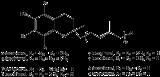
 of alpha-tocopherol differ in the arrangement of groups around these stereocenters. In the image of RRR-alpha-tocopherol below, all three stereocenters are in the R form. However, if the middle of the three stereocenters were changed (so the hydrogen was now pointing down and the methyl group
Methyl group

In chemistry, a methyl group is a hydrophobic alkyl functional group named after methane . It has the chemical formula -3 and is often abbreviated -Me....
 pointing up), this would become the structure of RSR-alpha-tocopherol. RSR-alpha-tocopherol and RRR-alpha-tocopherol are mirror-images of each other. These stereoisomers can also be named in an alternative older nomenclature, where the stereocenters are either in the d or l form.

1 IU of tocopherol is defined as ? milligrams of RRR-alpha-tocopherol (formerly named d-alpha-tocopherol or sometimes ddd-alpha-tocopherol). 1 IU is also defined as 1 milligram of an equal mix of the eight stereoisomers, which is a racemic mixture called all-rac-alpha-tocopheryl acetate
Tocopheryl acetate

Tocopheryl acetate, also known as vitamin E acetate, is a common vitamin supplement with the molecular formula C31H52O3 ....
. This mix of stereoisomers is often called dl-alpha-tocopheryl acetate, even though it is more precisely dl,dl,dl-alpha-tocopheryl acetate). However, 1 IU of this racemic mixture is not now considered equivalent to 1 IU of natural (RRR) a-tocopherol, and the Institute of Medicine
Institute of Medicine

The Institute of Medicine , one of the United States National Academies, is a Non-profit organization, non-governmental United States organization chartered in 1970 as a part of the United States National Academy of Sciences....
 and the USDA now convert IU's of the racemic mixture to milligrams of equivalent RRR using 1 IU racemic mixture = 0.45 "milligrams a-tocopherol".

Other R, R, R tocopherol


The other R, R, R tocopherol vitamins are slowly being recognized as research begins to elucidate their additional roles in the human body. Many naturopathic and orthomolecular medicine
Orthomolecular medicine

Orthomolecular medicine, or megavitamin therapy is a form of complementary and alternative medicine that purports to prevent or treat diseases with nutrients prescribed as dietary supplements or derived from diets....
 advocates suggest that vitamin E supplements contain at least 20% by weight of the other natural vitamin E isomers.

Tocotrienols


Tocotrienol
Tocotrienol

Tocotrienols ? together with tocopherols ? compose the vitamin E family. Natural tocotrienols exist in four different forms or isomers, named alpha-, beta-, gamma- and delta- tocotrienol, each which contain different number of methyl groups on the chromanol ring....
s, with four d- isomers, although less commonly known, also belong to the vitamin E family. The four tocotrienols have structures corresponding to the four tocopherols, except with an unsaturated bond in each of the three isoprene units that form the hydrocarbon tail, whereas Tocopherols have a saturated phytyl tail. Tocotrienol has been subject to fewer clinical studies and seen less research as compared to tocopherol. However there is growing interest in the health effects of these compounds.

History


During feeding experiments with rats Herbert McLean Evans
Herbert McLean Evans

Herbert McLean Evans was a United States of America anatomist and embryologist.He was born in Modesto, California. In 1908, he obtained his medical degree from Johns Hopkins University, eventually becoming its associate professor of anatomy....
 concluded in 1922 that besides vitamins B and C, an unknown vitamin existed. Although every other nutrition was present, the rats were not fertile. This condition could be changed by additional feeding with wheat germ. It took several years until 1936 when the substance was isolated from wheat germ and the formula C29H50O2 was determined. Evans also found that the compound reacted like an alcohol
Alcohol

In chemistry, an alcohol is any organic compound in which a hydroxyl Functional group is bound to a carbon atom of an alkyl or substituted alkyl group....
 and concluded that one of the oxygen atoms was part of an OH (hydroxyl) group. As noted in the introduction, the vitamin was given its name by Evans from Greek words meaning "to bear young" with the addition of the -ol as an alcohol. The structure was determined shortly thereafter in 1938.

Recommended amounts


The U.S. Dietary Reference Intake
Dietary Reference Intake

The Dietary Reference Intake is a system of nutrition recommendations from the Institute of Medicine of the US United States National Academy of Sciences....
 (DRI) Recommended Daily Amount (RDA) for a 25-year old male for Vitamin E is 15 mg/day. The DRI for vitamin E is based on the alpha-tocopherol form because it is the most active form as originally tested. Results of two national surveys, the National Health and Nutrition Examination Survey (NHANES III 1988-91) and the Continuing Survey of Food Intakes of Individuals (1994 CSFII) indicated that the dietary intakes of most Americans do not provide the recommended amounts of vitamin E. However, a 2000 Institute of Medicine
Institute of Medicine

The Institute of Medicine , one of the United States National Academies, is a Non-profit organization, non-governmental United States organization chartered in 1970 as a part of the United States National Academy of Sciences....
 (IOM) report on vitamin E states that intake estimates of vitamin E may be low because energy and fat intake is often underreported in national surveys and because the kind and amount of fat added during cooking is often not known. The IOM states that most North American adults get enough vitamin E from their normal diets to meet current recommendations. However, they do caution individuals who consume low fat diets because vegetable oils are such a good dietary source of vitamin E. "Low-fat diets can substantially decrease vitamin E intakes if food choices are not carefully made to enhance alpha-tocopherol intakes". Vitamin E supplements are absorbed best when taken with meals.

Because vitamin E can act as an anticoagulant
Anticoagulant

An anticoagulant is a substance that prevents blood coagulation; that is, it stops blood from clotting. A group of pharmaceuticals called anticoagulants can be used in vivo as a medication for thrombosis disorders....
 and may increase the risk of bleeding problems, many agencies have set an upper tolerable intake level (UL) for vitamin E at 1,000 mg (1,500 IU) per day.

Sources


In foods, the most abundant sources of vitamin E are vegetable oils such as palm oil
Palm oil

Palm oil is an edible Vegetable fats and oils derived from the fruit of the Arecaceae Elaeis oil palm. Previously the second-most widely produced edible oil, after soybean oil, 28 million tonnes were produced worldwide in 2004....
, sunflower
Sunflower

The sunflower is an annual plant in the family Asteraceae and native to the Americas, with a large flowering head . The stem can grow as high as 3 meters , and the flower head can reach 30 cm in diameter with the "large" seeds....
, corn
Maize

Maize , known as corn in some countries, is a cereal domesticated in Mesoamerica and subsequently spread throughout the American continents....
, soybean
Soybean

The soybean or soya bean is a species of legume native to East Asia. The plant is classed as an oilseed rather than a Pulse . It is an annual plant that has been used in China for 5,000 years as a food and a component of drugs....
, and olive oil
Olive oil

Olive oil is a fruit oil obtained from the olive , a traditional tree crop of the Mediterranean Basin. The wild olive tree originated in Anatolia and spread from there as far as southern Africa, Australia, Japan and China....
. Nuts
Nut (fruit)

Nut is a general term for the large, dry, oily seed or fruit of some plant. While a wide variety of dried seeds and fruits are called nuts, only a certain number of them are considered by biologists to be true nuts....
, sunflower seeds, seabuckthorn berries, kiwifruit
Kiwifruit

The kiwifruit is the edible berry of a cultivar of the woody plant vine Actinidia deliciosa and Hybrid s between this and other species in the genus Actinidia....
, and wheat germ are also good sources. Other sources of vitamin E are whole grains, fish
Fish

A fish is any marine biology vertebrate animal that is typically ectothermic , covered with scale , and equipped with two sets of paired fins and several unpaired fins....
, peanut butter
Peanut butter

Peanut butter is a food paste made primarily from ground roasted peanuts, with or without added oil. It is popular throughout the world and is also manufactured in some emerging markets....
, goats milk, and green leafy vegetables. Fortified breakfast cereal
Breakfast cereal

A breakfast cereal is a Fast moving consumer goods food product intended to be consumed as part of a breakfast. It is usually eaten cold as a ready-to-eat meal and mixed with a liquid, such as milk or water, though occasionally Nut and fruit are also added....
s are also an important source of vitamin E in the United States. Although originally extracted from wheat germ oil, most natural vitamin E supplements are now derived from vegetable oils, usually soybean oil.

The content of Vitamin E for rich sources follows:

Deficiency

Vitamin E deficiency causes neurological problems due to poor nerve conduction. These include neuromuscular problems such as spinocerebellar ataxia
Spinocerebellar ataxia

Spinocerebellar ataxia is a genetic disease with multiple types, each of which could be considered a disease in its own right....
 and myopathies
Myopathy

In medicine, a myopathy is a muscular disease in which the muscle fibers do not function for any one of many reasons, resulting in muscular weakness....
. Deficiency can also cause anemia
Anemia

Anemia or an?mia/anaemia is defined as a qualitative or quantitative deficiency of hemoglobin, a protein found inside red blood cells ....
, due to oxidative damage to red blood cells.

Supplements


Commercial vitamin E supplements can be classified into several distinct categories:
  • Fully synthetic vitamin E, "dl-alpha-tocopherol", the most inexpensive, most commonly sold supplement form usually as the acetate ester;
  • Semi-synthetic "natural source" vitamin E esters, the "natural source" forms used in tablets and multiple vitamins. These are highly fractionated d-alpha tocopherol or its esters, often made by synthetic methylation of gamma and beta d,d,d tocopherol vitamers extracted from plant oils.
  • Less fractionated "natural mixed tocopherols" and high d-gamma-tocopherol fraction supplements


Synthetic all-racemic


Synthetic vitamin E derived from petroleum products is manufactured as all-racemic
Racemic

In chemistry, a racemic mixture, or racemate, is one that has equal Amount of substance of left- and right-handed enantiomer of a Chirality molecule....
 alpha tocopheryl acetate with a mixture of eight stereoisomers. In this mixture, one alpha-tocopherol molecule in eight molecules are in the form of RRR-alpha-tocopherol (12.5% of the total).

The 8-isomer all-rac vitamin E is always marked on labels simply as dl-tocopherol or dl-tocopheryl acetate, even though it is (if fully written out) actually dl,dl,dl-tocopherol. The present largest manufacturers of this type are DSM
DSM (company)

DSM is a multinational company specialized in Life Sciences and Materials Sciences. Its headquarters are in Heerlen, the Netherlands. Originally a state-owned coal mining company , the activities of DSM are now grouped into five clusters:...
 and BASF
BASF

BASF SE is a German chemical company and the largest chemical company in the world. BASF originally stood for Badische Anilin- und Soda-Fabrik ....
.

(An earlier semisynthetic vitamin E actually contained 50% d,d,d-alpha tocopherol moiety and 50% l,d,d-alpha-tocopherol moiety, as synthesized by an earlier process which started with a plant sterol intermediate with the correct chirality in the tail, and thus resulted in a racemic mixture at only one chiral center. This form, known as 2-ambo tocopherol, is no longer made.)

Natural alpha-tocopherol is the RRR-alpha (or ddd-alpha) form. The synthetic dl,dl,dl-alpha ("dl-alpha") form is not as active as the natural ddd-alpha ("d-alpha") tocopherol form. This is mainly due to reduced vitamin activity of the 4 possible stereoisomers which are represented by the l or S enantiomer at the first stereocenter (an S or l configuration between the chromanol ring and the tail, i.e., the SRR, SRS, SSR, and SSS stereoisomers). Unnatural 2R stereoisomers with natural R configuration at this stereocenter, but S at the other centers in the tail (RSR, RRS), appear to retain substantial RRR vitamin activity because they are recognized by the alpha-tocopherol transport protein, and thus maintained in the plasma, where the other four stereoisomers are not. Thus, the synthetic all-rac-a-tocopherol probably has only about half the vitamin activity of RRR-alpha-tocopherol in humans, even though the ratio of activities of the 8 stereoisomer racemic mixture to the natural vitamin is 1 to 1.36 in the rat pregnancy model.

Although it is clear that mixtures of stereoisomers are not as active as the natural RRR-alpha-tocopherol form, in the ratios discussed above, specific information on any side effects of the seven synthetic vitamin E stereoisomers is not readily available.

Esters

Manufacturers also commonly convert the phenol form of the vitamins (with a free hydroxyl
Hydroxyl

Hydroxyl in chemistry stands for a molecule consisting of an oxygen atom and a hydrogen atom connected by a covalent bond. The neutral form is a hydroxyl Radical and the hydroxyl anion is called a hydroxide....
 group) to ester
Ester

An ester is an often Aroma compound organic chemistry or partially organic compound formed by the reaction between an acid and an alcohol or aromatic alcohol with the elimination of water....
s, using acetic or succinic acid. These tocopheryl esters are more stable and are easy to use in vitamin supplements. Alpha tocopheryl esters are de-esterified in the gut and then absorbed as the free tocopherol. Tocopheryl nicotinate and tocopheryl linolate esters are also used in cosmetics and some pharmaceuticals. An initial study in humans saw large variability between different people's absorption of all these forms of vitamin E, with no statistically-significant differences seen between tocopheryl esters and the free tocopherol. Later studies saw no difference between the rate of absorption of these forms of vitamin E and found that tocopheryl esters and free tocopherol had the same bioavailability
Bioavailability

In pharmacology, bioavailability is used to describe the fraction of an administered dose of unchanged drug that reaches the systemic circulation, one of the principal pharmacokinetics properties of medication....
. The esterase
Esterase

An esterase is a hydrolase enzyme that splits esters into an acid and an alcohol in a chemical reaction with water called hydrolysis.A wide range of different esterases exist that differ in their Substrate specificity, their protein structure, and their biological function....
 activity responsible for releasing the free tocopherol may be reduced in children with cystic fibrosis
Cystic fibrosis

Cystic Fibrosis is a Genetic disorder affecting the exocrine glands of the lungs, liver, pancreas, and intestines, causing progressive disability due to multisystem failure....
.

Mixed tocopherols


"Mixed tocopherols" in the US contain at least 20% w/w other natural R, R,R- tocopherols, i.e. R, R,R-alpha-tocopherol content plus at least 25% R, R,R-beta-, R, R,R-gamma-, R, R,R-delta-tocopherols.

Some brands may contain 200% w/w or more of the other tocopherols and measurable tocotrienols. Some mixed tocopherols with higher gamma-tocopherol content are marketed as "High Gamma-Tocopherol". The label should report each component in milligrams, except R, R,R-alpha-tocopherol may still be reported in IU. Mixed tocopherols can also be found in other nutritional supplements.

Other uses


Conventional medical studies on vitamin E, as of 2006 and as below, use either a synthetic all-racemic ("d, l-") alpha tocopheryl ester (acetate or succinate) or a semi-synthetic d-alpha tocopheryl ester (acetate or succinate). Proponents of megavitamin, orthomolecular and naturally based therapies have advocated, for the last two thirds of a century, and have used the natural tocopherols, often mixed tocopherols with an additional 25% - 200% w/w d-beta-, d-gamma-, and d-delta-tocopherol. Based on various clinical, experimental, patent, and individual data, natural health proponents have long held that the other poorly studied tocopherols, especially the abundant d-gamma-tocopherol, in combination with other antioxidants such as selenium, coQ10, vitamin C, vitamin K2, mixed carotenoids, and lipoic acid, provide unique biochemical benefits. The methodology, interpretation and reporting of conventional vitamin E studies have even become contentious within conventional medicine circles.

Safety

"Megadoses" of Vitamin E are not recommended by many government agencies, due to a possible increased risk of bleeding. A 2005 meta-analysis by Miller found that high-dosage vitamin E supplements may increase all-cause mortality. "High dose" vitamin E esters (>400 units/day) were also associated with an increased risk in all-cause mortality of 39 per 10,000 persons, and a statistically significant relation existed between dose and mortality, with increased risk at doses exceeding 150 units per day. These trials included synthetic beta-carotene and other confounders.

The Miller study was criticised in the Journal of the American Nutraceutical Association. Acute toxicity
Acute toxicity

Acute toxicity describes the adverse effects of a substance which result either from a single exposure or from multiple exposures in a short space of time ....
 seems to be low with one author concluding that "toxicity symptoms have not been reported even at intakes of 800 IU per kilogram of body weight daily for 5 months" according to the Food and Nutrition Board (Rosenberg, et al), an amount that corresponds to 60,000 IU per day for a 75 kg adult.

A review of a number of randomized controlled trials in the scientific literature by the Cochrane Collaboration
Cochrane Collaboration

The Cochrane Collaboration is a group of over 15,000 volunteers in more than 90 countries who apply a rigorous, systematic process to review the effects of health care interventions tested in biomedical randomized controlled trials....
 published in JAMA
Journal of the American Medical Association

JAMA: The Journal of the American Medical Association is an international peer-reviewed general medical journal, published 48 times per year by the American Medical Association....
 in 2007 also found an increase in mortality, of 4% (Relative Risk 1.04, 95% confidence interval 1.01-1.07), or 400 per 10,000 persons.

Topical use

Vitamin E is widely used in industry as an inexpensive antioxidant (namely for cosmetics and foods). Vitamin E containing products are commonly used in the belief that vitamin E is good for the skin; many cosmetics include it, often labeled as tocopherol acetate, tocopheryl linoleate or tocopheryl nicotinate. Individuals can still experience allergic reactions to some tocopheryl esters or develop a rash and hives that may spread over the entire body from the use of topical products with alpha tocopheryl esters.

Reduce scarring

Topical
Topical

In medicine, a topical medication is applied to body surface area such as the skin or mucous membranes, for example the vagina, anus, pharynx, eyes and ears....
 use of Vitamin E is often claimed by manufacturers of skin creams and lotions to play a role in encouraging skin healing and reducing scarring after injuries such as burns on the basis of limited research, but the weak evidence of a benefit of silicon gel sheeting with or without added Vitamin E is limited by the poor quality of the research. Indeed one study found that it did not improve or worsen the cosmetic appearance in 90% of patients, with a third developing contact dermatitis
Contact dermatitis

Contact dermatitis or Irritant dermatitis is a term for a skin reaction resulting from exposure to allergens or Irritation . Phototoxic dermatitis occurs when the allergen or irritant is activated by sunlight....
.

During pregnancy


Recent studies into the use of both vitamin C
Vitamin C

Vitamin C or ascorbic acid is an essential nutrient for humans, a large number of simian species, a small number of other mammalian species , a few species of birds, and some fish....
 and the single isomer vitamin E esters as possible help in preventing oxidative stress leading to pre-eclampsia
Pre-eclampsia

Pre-eclampsia is a medical condition where hypertension arises in pregnancy in association with significant amounts of protein in the urine. Because pre-eclampsia refers to a set of symptoms rather than any causative factor, it is established that there are many different causes for the syndrome....
 has failed to show significant benefits, but did increase the rate of babies born with a low birthweight
Birth weight

Birth mass is the mass of a infant at its childbirth. It has direct links with the gestational age at which the child was born and can be estimated during the pregnancy by measuring fundal height....
 in one study.

Heart disease


Preliminary research has led to a widely held belief that vitamin E may help prevent or delay coronary heart disease
Coronary heart disease

Coronary artery disease is the end result of the accumulation of atheroma within the walls of the Coronary circulation that supply the myocardium with oxygen and nutrients....
, but larger controlled studies have not shown any benefit. Many researchers advance the belief that oxidative modification of LDL-cholesterol (sometimes called "bad" cholesterol) promotes blockages in coronary arteries that may lead to atherosclerosis
Atherosclerosis

Atherosclerosis is a syndrome affecting artery blood vessels. It is a chronic inflammatory response in the walls of arteries, in large part due to the accumulation of macrophage white blood cells and promoted by low density lipoproteins without adequate removal of fats and cholesterol from the macrophages by functional high density lipoprot...
 and heart attacks
Myocardial infarction

Myocardial infarction , commonly known as a heart attack, occurs when the Blood flow to part of the heart is interrupted. This is most commonly due to occlusion of a coronary artery following the rupture of a Vulnerable plaque, which is an unstable collection of lipids and white blood cells in the wall of an artery....
. Vitamin E may help prevent or delay coronary heart disease by limiting the oxidation of LDL-cholesterol. Vitamin E also may help prevent the formation of blood clots, which could lead to a heart attack. Observational studies have associated lower rates of heart disease with higher vitamin E intake. A study of approximately 90,000 nurses suggested that the incidence of heart disease was 30% to 40% lower among nurses with the highest intake of vitamin E from diet and supplements. The range of intakes from both diet and supplements in this group was 21.6 to 1,000 IU (32 to 1,500 mg), with the median intake being 208 IU (139 mg). A 1994 review of 5,133 Finnish men and women aged 30 - 69 years suggested that increased dietary intake of vitamin E was associated with decreased mortality (death) from heart disease.

But even though these observations are promising, randomized clinical trials have consistently shown lack of benefit to the role of vitamin E supplements in heart disease. The Heart Outcomes Prevention Evaluation (HOPE) Study followed almost 10,000 patients for 4.5 years who were at high risk for heart attack or stroke. In this intervention study the subjects who received 265 mg (400) IU of vitamin E daily did not experience significantly fewer cardiovascular events or hospitalizations for heart failure or chest pain when compared to those who received a sugar pill. The researchers suggested that it is unlikely that the vitamin E supplement provided any protection against cardiovascular disease in the HOPE study. This study is continuing, to determine whether a longer duration of intervention with vitamin E supplements will provide any protection against cardiovascular disease.

Furthermore, meta analysis of several trials of antioxidants, including vitamin E, have not shown any benefit to vitamin E supplementation for preventing coronary heart disease. One study suggested that Vitamin E (as alpha-tocopherol only) supplementation may increase the risk for heart failure. Supplementing alpha-tocopherol without gamma-tocopherol is known to lead to reduced serum gamma- and delta-tocopherol concentrations.

On September 10, 2007, the American Heart Association
American Heart Association

The American Heart Association is a non-profit organization in the United States that fosters appropriate Heart care in an effort to reduce disability and deaths caused by cardiovascular disease and stroke....
 (in its journal
Journal

__FORCETOC__A journal has several related meanings:* a daily record of events or business; a private journal is usually referred to as a diary....
 Circulation
Circulation

Circulation may refer to:*Circulatory system, a biological organ system whose primary function is to move substances to and from cells*Circulation , the path integral of the fluid velocity around a closed curve...
) stated that women taking regular doses of vitamin E or Tocopherol were 21% less likely to suffer a blood clot. Dr. Robert Glynn of Harvard Medical School
Harvard Medical School

Harvard Medical School is one of the graduate schools of Harvard University and currently the #1 medical school in America, as ranked by U.S. News and World Report....
 said (it was an interesting finding but not yet proven and) further research
Research

Research is defined as human activity based on intellectual application in the investigation of matter. The primary purpose for applied research is discovery , interpretation , and the development of methods and systems for the advancement of human knowledge on a wide variety of scientific matters of our world and the universe....
 must confirm the link in the prevention of venous thromboembolism, and patients must not stop taking prescribed blood thinners.

Cancer


Antioxidants such as vitamin E help protect against the damaging effects of free radicals, which may contribute to the development of chronic diseases such as cancer. Vitamin E also may block the formation of nitrosamine
Nitrosamine

Nitrosamines are chemical compounds of the chemical structure R1N-N=O, some of which are cancer....
s, which are carcinogen
Carcinogen

The term carcinogen refers to any substance, radionuclide or radiation that is an agent directly involved in the promotion of cancer or in the increase of its propagation....
s formed in the stomach from nitrite
Nitrite

The nitrite ion is NO2-. The anion is bent, being isoelectronic with ozone. More generally, a nitrite compound is either a Salt or an ester of nitrous acid....
s consumed in the diet. It also may protect against the development of cancers by enhancing immune function. To date, human trials and surveys that have tried to associate vitamin E with incidence of cancer remain generally inconclusive.

Some evidence associates higher intake of vitamin E with a decreased incidence of prostate cancer
Prostate cancer

Prostate cancer is a disease in which cancer develops in the prostate, a gland in the male reproductive system. It occurs when cell s of the prostate Mutation and begin to multiply out of control....
 (see ATBC study) and breast cancer
Breast cancer

Breast cancer is a cancer that starts in the Cell of the breast in women and men. Worldwide, breast cancer is the second most common type of cancer after lung cancer and the fifth most common cause of cancer death....
. Some studies correlate additional cofactors, such as specific vitamin E isomers, e.g. gamma-tocopherol, and other nutrients, e.g. selenium
Selenium

Selenium is a chemical element with the atomic number 34, represented by the chemical symbol Se, an atomic mass of 78.96. It is a nonmetal, chemically related to sulfur and tellurium, and rarely occurs in its elemental state in nature....
, with dramatic risk reductions in prostate cancer. However, an examination of the effect of dietary factors, including vitamin E, on incidence of postmenopausal breast cancer in over 18,000 women from New York State did not associate a greater vitamin E intake with a reduced risk of developing breast cancer. A study of the effect on lung cancer
Lung cancer

Lung cancer is a disease of uncontrolled cell growth in tissue of the lung. This growth may lead to metastasis, which is the invasion of adjacent tissue and infiltration beyond the lungs....
 in smokers also showed no benefit.

Recent studies have found that increased intake of vitamin E, especially among smokers may be responsible for an increase in the incidence of lung cancer, with one study finding an increase in the incidence of lung cancer by 7% for each 100IU of vitamin E taken daily.

Cataracts


A cataract
Cataract

A cataract is a clouding that develops in the lens of the eye or in its envelope, varying in degree from slight to complete Opacity and obstructing the passage of light....
 is a condition of clouding of the tissue of the lens of the eye. They increase the risk of disability and blindness in aging adults. Antioxidants are being studied to determine whether they can help prevent or delay cataract growth. Observational studies have found that lens clarity, which is used to diagnose cataracts, was better in regular users of vitamin E supplements and in persons with higher blood levels of vitamin E. A controlled trial of high doses of vitamins C and E and beta carotene found no effect on the risk of developing cataracts. Similarly, a trial using vitamin E alone found that vitamin E supplementation produced no change in the risk of developing cataracts or the rate of progression of existing cataracts.

Age-related macular degeneration (AMD)


Age-related macular degeneration
Macular degeneration

File:Human eye cross-sectional view grayscale.pngFile:Human eyesight two children and ball normal vision.jpgFile:Human eyesight two children and ball with age-related macular degeneration.jpg...
 (AMD) is the leading cause of visual impairment and blindness in the United States and the developed world among people 65 years and older. It has been shown that vitamin E alone does not attenuate the development or progression of AMD.

However, studies focusing on efficacy of Vitamin E combined with other antioxidants, like zinc and vitamin C, indicate a protective effect against the onset and progression of AMD

Glaucoma


A 2007 study published in the European Journal of Ophthalmology found that, along with other treatments for glaucoma
Glaucoma

Glaucoma is a group of diseases of the optic nerve involving loss of ganglion cell in a characteristic pattern of optic atrophy. Raised intraocular pressure is a significant risk factor for developing glaucoma ....
, adding alpha-tocopherol appeared to help protect the retina
Retina

The vertebrate retina is a light sensitive tissue lining the inner surface of the eye. The optics of the eye create an image of the visual world on the retina, which serves much the same function as the film in a camera....
 from glaucomatous damage. Groups receiving 300 mg and 600 mg per day of alpha-tocopherol, delivered orally, showed statistically significant decreases in the resistivity index in the posterior ciliary arteries and in the pulsatility index in the ophthalmic arteries, after six and twelve months of therapy. Alpha-tocopherol-treated patients also had significantly lower differences in mean visual field deviations."

Alzheimer's disease


Alzheimer's disease
Alzheimer's disease

Alzheimer's disease , also called Alzheimer disease, Senile Dementia of the Alzheimer Type or simply Alzheimer's, is the most common form of dementia....
 is a wasting disease of the brain. As oxidative stress
Oxidative stress

Oxidative stress is caused by an imbalance between the production of reactive oxygen species and a biological system's ability to readily detoxify the reactive intermediates or easily repair the resulting damage....
 may be involved in the pathogenesis
Pathogenesis

The term pathogenesis means step by step development of a disease and the chain of events leading to that disease due to a series of changes in the structure and /or function of a cell/tissue/organ being caused by a microbial , chemical or physical agent....
 of Alzheimer's, tocopherols have been tested as both a means of preventing and treating this disease. The results of these studies have been mixed, with some research suggesting that high levels of vitamin E in the diet may reduce the risk of Alzheimer's, while other studies found no such link. Similarly, studies on if tocopherols could slow the progression of Alzheimer's have also been contradictory, with the Alzheimer’s Disease Cooperative Study suggesting that vitamin E supplementation might be beneficial, but a later trial finding no clinical benefit. Due to this contradictory and confusing evidence, vitamin E or tocopherol supplements are not currently recommended for treating or preventing Alzheimer's disease.

Parkinson's disease

In May 2005, The Lancet
The Lancet

The Lancet is a peer-reviewed general medical journal, published weekly by Elsevier, part of Reed Elsevier.One of the world's best-known and most respected general medical journals, with editorial offices in London and New York, The Lancet was founded in 1823 by Thomas Wakley, who named it after the surgical instrument called a lanc...
 Neurology
published a study suggesting that vitamin E may help protect against Parkinson's disease
Parkinson's disease

Parkinson's disease is a degenerative disorder of the central nervous system that often impairs the sufferer's motor skills and speech, as well as other functions....
. Individuals with moderate to high intakes of dietary vitamin E were found to have a lower risk of Parkinson's. No conclusion could be made from this trial about whether supplemental vitamin E has the same effect, however. Other trials have tested if giving vitamin E supplements reduce the risk of Parkinson's disease, or if they can slow the progression of the disease. In a 1998 study, vitamin E supplements had no effect on the rate of progression of this disease

See also

  • Alkylresorcinols
    Alkylresorcinols

    Alkylresorcinols are phenols lipids present in high amounts in the bran layer of wheat and rye . They are not present in the endosperm , which means that alkylresorcinols can be used as 'biomarkers' for people who eat foods containing wholegrain wheat and rye, rather than cereal products based on white flour....


External links

  • , Expert Group on Vitamins and Minerals, UK Food Standards Agency
    Food Standards Agency

    The Food Standards Agency is a non-ministerial government department of the Her Majesty's Government. It is responsible for protecting public health in relation to food throughout the United Kingdom and is led by an appointed board that is intended to act in the public interest....
    , 2003