


Statin

Encyclopedia
Statins are a class of drugs
used to lower cholesterol
levels by inhibiting the enzyme HMG-CoA reductase
, which plays a central role in the production of cholesterol in the liver
. Increased cholesterol levels have been associated with cardiovascular disease
s, and statins are therefore used in the prevention
of these diseases. Evidence has found that they are most effective in those with cardiovascular disease (secondary prevention), with questionable benefit in those without previous CVD but with elevated cholesterol levels. Statins have rare but severe adverse effects, particularly muscle damage, and some doctors believe they are overprescribed.
The best-selling of the statins is atorvastatin
, marketed as Lipitor and manufactured by Pfizer
. By 2003 it had become the best-selling pharmaceutical in history, with Pfizer reporting sales of US$12.4 billion in 2008. As of 2010, a number of statins are on the market: atorvastatin (Lipitor and Torvast), fluvastatin
(Lescol), lovastatin
(Mevacor, Altocor, Altoprev), pitavastatin
(Livalo, Pitava), pravastatin
(Pravachol, Selektine, Lipostat), rosuvastatin
(Crestor) and simvastatin
(Zocor, Lipex). Several combination preparations of a statin and another agent—such as ezetimibe/simvastatin
are available.
, before statin use is considered; statins or other pharmacologic agents may then be recommended for those who do not meet their lipid-lowering goals through diet and lifestyle approaches.
but no other health problems. One review did not find a mortality benefit in those at high-risk but without prior cardiovascular disease. Other reviews concluded that there is a mortality and morbidity benefit but there was concerns regarding the quality of the evidence. With respect to quality of life
there is limited evidence of improvement when statins are used for primary prevention. No studies as of 2010 show improved clinical outcomes in children with high cholesterol even though statins decrease cholesterol levels.
. They are also currently advocated for use in patients at high risk of developing heart disease. On average, statins can lower LDL cholesterol by 1.8 mmol/l (70 mg/dl), which translates into a 60% decrease in the number of cardiac events (heart attack, sudden cardiac death) and a 17% reduced risk of stroke
after long-term treatment. They have less effect than the fibrate
s or niacin
in reducing triglyceride
s and raising HDL-cholesterol ("good cholesterol").
A comparison of atorvastatin, pravastatin and simvastatin, based on their effectiveness against placebo
s, found that, at commonly prescribed doses, there are no statistically significant
differences among agents in reducing cardiovascular morbidity and mortality.
s 1.4); two-thirds of these were myalgia or raised liver enzymes with serious adverse effects similar to placebo. However, reliance on clinical trials can be misleading indications of real-world adverse effects – for example, the statin cerivastatin
was withdrawn from the market in 2001 due to cases of rhabdomyolysis
(muscle breakdown), although rhabdomyolysis did not occur in a meta-analysis of cerivastatin clinical trials. Other possible adverse effects include cognitive loss, neuropathy, pancreatic and hepatic dysfunction, and sexual dysfunction.
Some patients on statin therapy report myalgia
s, muscle cramps, or, less frequently, gastrointestinal or other symptoms. Liver enzyme derangements may also occur, typically in about 0.5%, are also seen at similar rates with placebo use and repeated enzyme testing, and generally return to normal either without discontinuance over time or after briefly discontinuing the drug. Multiple other side-effects occur rarely; typically also at similar rates with only placebo in the large statin safety/efficacy trials. Two randomized clinical trials found cognitive issues while two did not; recurrence upon reintroduction suggests that these are causally related to statins in some individuals. A Danish case-control study published in 2002 suggested a relation between long term statin use and increased risk of nerve damage or polyneuropathy
but suggested this side effect is "rare, but it does occur"; other researchers have pointed to studies of the effectiveness of statins in trials involving 50,000 people which have not shown nerve damage as a significant side effect.
Rare reactions include myositis
and myopathy
, with the potential for rhabdomyolysis
(the pathological breakdown of skeletal muscle
) leading to acute renal failure
. Coenzyme Q10 (ubiquinone) levels are decreased in statin use; Q10 supplements are sometimes used to treat statin-associated myopathy, though there was no evidence of their effectiveness . A common variation in the SLCO1B1
gene, which participates in the absorption of statins, has been shown to significantly increase the risk of myopathy.
Graham et al. (2004) reviewed records of over 250,000 patients treated from 1998 to 2001 with the statin drugs atorvastatin, cerivastatin, fluvastatin, lovastatin, pravastatin, and simvastatin. The incidence of rhabdomyolyis was 0.44 per 10,000 patients treated with statins other than cerivastatin. However, the risk was over tenfold greater if cerivastatin was used, or if the standard statins (atorvastatin, fluvastatin, lovastatin, pravastatin, simvastatin) were combined with fibrate (fenofibrate or gemfibrozil) treatment. Cerivastatin was withdrawn by its manufacturer in 2001.
All commonly used statins show somewhat similar results, however the newer statins, characterized by longer pharmacological half-lives and more cellular specificity, have had a better ratio of efficacy
to lower adverse effect rates. Some researchers have suggested that hydrophilic statins such as fluvastatin, rosuvastatin, and pravastatin are less toxic than lipophilic statins such as atorvastatin, lovastatin, and simvastatin, but other studies have not found a connection; it is suggested that the risk of myopathy is lowest with pravastatin
and fluvastatin
probably because they are more hydrophillic and as a result have less muscle penetration. Lovastatin
induces the expression of gene atrogin-1, which is believed to be responsible in promoting muscle fiber damage.
Although there have been concerns that statins might increase cancer, several meta-analyses
have found no relationship to cancer, the largest of which as of 2006 included nearly 87,000 participants. However, in 2007 a meta-analysis of 23 statin treatment arms with 309,506 person-years of follow-up found that the risk of cancer was significantly associated with lower achieved LDL-C levels; the authors say that this requires further investigation.
Several case-control
studies have found that statins reduce cancer incidence, including one which showed that patients taking statins for over 5 years reduced their risk of colorectal cancer
by 50%; this effect was not exhibited by fibrate
s although the trialists warned that the number needed to treat
would approximate 5000, making statins unlikely tools for primary prevention.
or niacin, another category of lipid-lowering drugs, increases the risks for rhabdomyolysis
to almost 6.0 per 10,000 person-years. Most physicians have now abandoned routine monitoring of liver enzymes and creatine kinase
, although they still consider this prudent in those on high-dose statins or in those on statin/fibrate combinations, and mandatory in the case of muscle cramps or of deterioration in renal function
.
Consumption of grapefruit
or grapefruit juice
inhibits the metabolism of statins. Bitter orange
s may have a similar effect. Furanocoumarins in grapefruit juice (i.e. bergamottin
and dihydroxybergamottin) inhibit the cytochrome P450
enzyme CYP3A4
, which is involved in the metabolism of most statins (however it is a major inhibitor of only lovastatin, simvastatin and to a lesser degree atorvastatin) and some other medications (it had been thought that flavonoids (i.e. naringin
) were responsible). This increases the levels of the statin, increasing the risk of dose-related adverse effects (including myopathy
/rhabdomyolysis
). An alternative, somewhat risky, approach is that some users take grapefruit juice to enhance the effect of lower (hence cheaper) doses of statins; this increases risk and the potential for statin toxicity.
 Statins act by competitively inhibiting HMG-CoA reductase
, the first committed enzyme
of the HMG-CoA reductase pathway
. Because statins are similar to HMG-CoA on a molecular level they take the place of HMG-CoA in the enzyme and reduce the rate by which it is able to produce mevalonate, the next molecule in the cascade that eventually produces cholesterol, as well as a number of other compounds. This ultimately reduces cholesterol via several mechanisms.
are usually taken at night to maximize their effect. Studies have shown greater LDL and total cholesterol reductions in the short-acting simvastatin taken at night rather than the morning, but have shown no difference in the long-acting atorvastatin.
sense the reduced levels of liver cholesterol and seek to compensate by synthesizing LDL receptor
s to draw cholesterol out of the circulation. This is accomplished via protease
enzymes that cleave a protein called "membrane-bound sterol regulatory element binding protein
", which migrates to the nucleus
and causes increased production of various other proteins and enzymes, including the LDL receptor
. The LDL receptor then relocates to the liver cell membrane
and binds to passing LDL
and VLDL
particles (the "bad cholesterol" linked to disease). LDL and VLDL are drawn out of circulation into the liver where the cholesterol is reprocessed into bile salts. These are excreted, and subsequently recycled mostly by an internal bile salt circulation.
. The ASTEROID trial
showed direct ultrasound
evidence of atheroma
regression during statin therapy. Researchers hypothesize that statins prevent cardiovascular disease
via four proposed mechanisms (all subjects of a large body of biomedical research):
Statins may even benefit those without high cholesterol. In 2008 the JUPITER study showed fewer stroke, heart attacks, and surgeries even for patients who had no history of high cholesterol
or heart disease, but only elevated C-reactive protein
levels. There were also 20% fewer deaths (mainly from reduction in cancer deaths) though deaths from cardiovascular causes were not reduced.
gene were less responsive to statins. A 2008 study showed that carriers of the KIF6 genetic mutation were more responsive to statin treatment.
Likewise, a 2008 study demonstrated a link between an increased risk of myopathy
at higher doses of statins (40 – 80 mg) and a SNP in SLCO1B1, a gene encoding for the organic anion transporter peptide OADP1B1.
. Endo and his team reasoned that certain microorganisms may produce inhibitors of the enzyme to defend themselves against other organisms, as mevalonate is a precursor of many substances required by organisms for the maintenance of their cell wall (ergosterol
) or cytoskeleton
(isoprenoids). The first agent they identified was mevastatin
(ML-236B), a molecule produced by the fungus Penicillium citrinum.
Mevastatin was never marketed, because of its adverse effects of tumors, muscle deterioration, and sometimes death in laboratory dogs. P. Roy Vagelos
, chief scientist and later CEO of Merck & Co, was interested, and made several trips to Japan starting in 1975. By 1978, Merck had isolated lovastatin
(mevinolin, MK803) from the fungus Aspergillus terreus
, first marketed in 1987 as Mevacor.
A link between cholesterol and cardiovascular disease, known as the lipid hypothesis
, had already been suggested. Cholesterol is the main constituent of atheroma
, the fatty lumps in the wall of arteries
that occur in atherosclerosis
and, when ruptured, cause the vast majority of heart attacks
. Treatment consisted mainly of dietary measures
such as a low-fat diet
, and poorly tolerated medicines such as clofibrate
, cholestyramine
and nicotinic acid. Cholesterol researcher Daniel Steinberg writes that while the Coronary Primary Prevention Trial of 1984 demonstrated that cholesterol lowering could significantly reduce the risk of heart attacks and angina, physicians, including cardiologists, remained largely unconvinced.
To market statins effectively, Merck had to convince the public about the dangers of high cholesterol, and doctors that statins were safe and would extend lives. As a result of public campaigns, people became familiar with their cholesterol numbers and the difference between "good" and "bad" cholesterol, and rival pharmaceutical companies began producing their own statins, such as pravastatin (Pravachol), manufactured by Sankyo and Bristol-Myers Squibb
. In April 1994, the results of a Merck-sponsored study, the Scandinavian Simvastatin Survival Study
or "4S", were announced. Researchers tested simvastatin
, later sold by Merck as Zocor, on 4,444 patients with high cholesterol and heart disease. After five years, the study concluded that patients saw a 35-percent reduction in their cholesterol, and their chances of dying of a heart attack were reduced by 42 percent. In 1995, Zocor and Mevacor both made Merck over US$1 billion. Endo was awarded the 2006 Japan Prize
, and the Lasker-DeBakey Clinical Medical Research Award in 2008.
-derived and synthetic
. They include, along with brand names, which may vary between countries:
LDL
-lowering potency varies between agents. Cerivastatin is the most potent, (withdrawn from the market in August, 2001 due to risk of serious Rhabdomyolysis) followed by (in order of decreasing potency), rosuvastatin, atorvastatin, simvastatin, lovastatin, pravastatin, and fluvastatin. The relative potency of pitavastatin has not yet been fully established.
 Some types of statins are naturally occurring, and can be found in such foods as oyster mushrooms and red yeast rice. Randomized controlled trials found them to be effective, but the quality of the trials was low.
Most of the block-buster branded statins will be generic by 2012,including atorvastatin, the largest selling branded drug.
, lung cancer
,nuclear cataracts, hypertension
, prostate cancer
A smaller group of scientists, The International Network of Cholesterol Skeptics
, question the lipid hypothesis
and argue that elevated cholesterol has not been adequately linked to heart disease. These organizations maintain that statins are not as beneficial or safe as suggested.
DRUGS
Destroy Rebuild Until God Shows are an American post-hardcore band formed in 2010. They released their debut self-titled album on February 22, 2011.- Formation :...
used to lower cholesterol
Cholesterol
Cholesterol is a complex isoprenoid. Specifically, it is a waxy steroid of fat that is produced in the liver or intestines. It is used to produce hormones and cell membranes and is transported in the blood plasma of all mammals. It is an essential structural component of mammalian cell membranes...
levels by inhibiting the enzyme HMG-CoA reductase
HMG-CoA reductase
HMG-CoA reductase is the rate-controlling enzyme of the mevalonate pathway, the metabolic pathway that produces cholesterol and other isoprenoids...
, which plays a central role in the production of cholesterol in the liver
Liver
The liver is a vital organ present in vertebrates and some other animals. It has a wide range of functions, including detoxification, protein synthesis, and production of biochemicals necessary for digestion...
. Increased cholesterol levels have been associated with cardiovascular disease
Cardiovascular disease
Heart disease or cardiovascular disease are the class of diseases that involve the heart or blood vessels . While the term technically refers to any disease that affects the cardiovascular system , it is usually used to refer to those related to atherosclerosis...
s, and statins are therefore used in the prevention
Preventive medicine
Preventive medicine or preventive care refers to measures taken to prevent diseases, rather than curing them or treating their symptoms...
of these diseases. Evidence has found that they are most effective in those with cardiovascular disease (secondary prevention), with questionable benefit in those without previous CVD but with elevated cholesterol levels. Statins have rare but severe adverse effects, particularly muscle damage, and some doctors believe they are overprescribed.
The best-selling of the statins is atorvastatin
Atorvastatin
Atorvastatin , sold by Pfizer under the trade name Lipitor, is a member of the drug class known as statins, used for lowering blood cholesterol. It also stabilizes plaque and prevents strokes through anti-inflammatory and other mechanisms...
, marketed as Lipitor and manufactured by Pfizer
Pfizer
Pfizer, Inc. is an American multinational pharmaceutical corporation. The company is based in New York City, New York with its research headquarters in Groton, Connecticut, United States...
. By 2003 it had become the best-selling pharmaceutical in history, with Pfizer reporting sales of US$12.4 billion in 2008. As of 2010, a number of statins are on the market: atorvastatin (Lipitor and Torvast), fluvastatin
Fluvastatin
Fluvastatin is a member of the drug class of statins, used to treat hypercholesterolemia and to prevent cardiovascular disease....
(Lescol), lovastatin
Lovastatin
Lovastatin is a member of the drug class of statins, used for lowering cholesterol in those with hypercholesterolemia and so preventing cardiovascular disease...
(Mevacor, Altocor, Altoprev), pitavastatin
Pitavastatin
Pitavastatin is a member of the medication class of statins, marketed in the United States under the trade name Livalo. Like other statins, it is an inhibitor of HMG-CoA reductase, the enzyme that catalyses the first step of cholesterol synthesis. It has been available in Japan since 2003, and is...
(Livalo, Pitava), pravastatin
Pravastatin
Pravastatin is a member of the drug class of statins, used for lowering cholesterol and preventing cardiovascular disease. Initially known as CS-514, it was originally identified in a bacterium called Nocardia autotrophica by researchers of the Sankyo Pharma Inc....
(Pravachol, Selektine, Lipostat), rosuvastatin
Rosuvastatin
Rosuvastatin is a member of the drug class of statins, used to treat high cholesterol and related conditions, and to prevent cardiovascular disease. It was developed by Shionogi.-Medical uses:The primary uses of rosuvastatin is for the treatment of dyslipidemia...
(Crestor) and simvastatin
Simvastatin
Simvastatin is a hypolipidemic drug used to control elevated cholesterol, or hypercholesterolemia. Simvastatin is a member of the statin class of pharmaceuticals, is a synthetic derivate of a fermentation product of Aspergillus terreus.-Medical uses:The primary uses of simvastatin is for the...
(Zocor, Lipex). Several combination preparations of a statin and another agent—such as ezetimibe/simvastatin
Ezetimibe/simvastatin
Ezetimibe/simvastatin is a drug combination used for the treatment of dyslipidemia. It is a combination of ezetimibe and the statin drug simvastatin...
are available.
Medical uses
Clinical practice guidelines generally recommend that the people have tried "lifestyle modification", including a cholesterol-lowering diet and physical exercisePhysical exercise
Physical exercise is any bodily activity that enhances or maintains physical fitness and overall health and wellness. It is performed for various reasons including strengthening muscles and the cardiovascular system, honing athletic skills, weight loss or maintenance, as well as for the purpose of...
, before statin use is considered; statins or other pharmacologic agents may then be recommended for those who do not meet their lipid-lowering goals through diet and lifestyle approaches.
Primary prevention
There is debate over whether or not statins are effective in those with high cholesterolHypercholesterolemia
Hypercholesterolemia is the presence of high levels of cholesterol in the blood. It is not a disease but a metabolic derangement that can be caused by many diseases, notably cardiovascular disease...
but no other health problems. One review did not find a mortality benefit in those at high-risk but without prior cardiovascular disease. Other reviews concluded that there is a mortality and morbidity benefit but there was concerns regarding the quality of the evidence. With respect to quality of life
Quality of life
The term quality of life is used to evaluate the general well-being of individuals and societies. The term is used in a wide range of contexts, including the fields of international development, healthcare, and politics. Quality of life should not be confused with the concept of standard of...
there is limited evidence of improvement when statins are used for primary prevention. No studies as of 2010 show improved clinical outcomes in children with high cholesterol even though statins decrease cholesterol levels.
Secondary prevention
Statins are effective in decreasing mortality in people with preexisting cardiovascular diseaseCardiovascular disease
Heart disease or cardiovascular disease are the class of diseases that involve the heart or blood vessels . While the term technically refers to any disease that affects the cardiovascular system , it is usually used to refer to those related to atherosclerosis...
. They are also currently advocated for use in patients at high risk of developing heart disease. On average, statins can lower LDL cholesterol by 1.8 mmol/l (70 mg/dl), which translates into a 60% decrease in the number of cardiac events (heart attack, sudden cardiac death) and a 17% reduced risk of stroke
Stroke
A stroke, previously known medically as a cerebrovascular accident , is the rapidly developing loss of brain function due to disturbance in the blood supply to the brain. This can be due to ischemia caused by blockage , or a hemorrhage...
after long-term treatment. They have less effect than the fibrate
Fibrate
In pharmacology, the fibrates are a class of amphipathic carboxylic acids. They are used for a range of metabolic disorders, mainly hypercholesterolemia , and are therefore hypolipidemic agents.- Members :...
s or niacin
Niacin
"Niacin" redirects here. For the neo-fusion band, see Niacin .Niacin is an organic compound with the formula and, depending on the definition used, one of the forty to eighty essential human nutrients.Niacin is one of five vitamins associated with a pandemic deficiency disease: niacin deficiency...
in reducing triglyceride
Triglyceride
A triglyceride is an ester derived from glycerol and three fatty acids. There are many triglycerides, depending on the oil source, some are highly unsaturated, some less so....
s and raising HDL-cholesterol ("good cholesterol").
Comparative effectiveness
While no direct comparison exists all statins appear equally effects regardless of potency or degree of cholesterol reduction.A comparison of atorvastatin, pravastatin and simvastatin, based on their effectiveness against placebo
Placebo
A placebo is a simulated or otherwise medically ineffectual treatment for a disease or other medical condition intended to deceive the recipient...
s, found that, at commonly prescribed doses, there are no statistically significant
Statistical significance
In statistics, a result is called statistically significant if it is unlikely to have occurred by chance. The phrase test of significance was coined by Ronald Fisher....
differences among agents in reducing cardiovascular morbidity and mortality.
Adverse effects
The most common adverse side effects are raised liver enzymes and muscle problems. In randomized clinical trials, reported adverse effects are low; but they are "higher in studies of real world use", and more varied. In randomized trials statins increased the risk of an adverse effect by 39% compared to placebo (odds ratioOdds ratio
The odds ratio is a measure of effect size, describing the strength of association or non-independence between two binary data values. It is used as a descriptive statistic, and plays an important role in logistic regression...
s 1.4); two-thirds of these were myalgia or raised liver enzymes with serious adverse effects similar to placebo. However, reliance on clinical trials can be misleading indications of real-world adverse effects – for example, the statin cerivastatin
Cerivastatin
Cerivastatin is a synthetic member of the class of statins used to lower cholesterol and prevent cardiovascular disease. It was marketed by the pharmaceutical company Bayer A.G. in the late 1990s, competing with Pfizer's highly successful atorvastatin...
was withdrawn from the market in 2001 due to cases of rhabdomyolysis
Rhabdomyolysis
Rhabdomyolysis is a condition in which damaged skeletal muscle tissue breaks down rapidly. Breakdown products of damaged muscle cells are released into the bloodstream; some of these, such as the protein myoglobin, are harmful to the kidneys and may lead to kidney failure...
(muscle breakdown), although rhabdomyolysis did not occur in a meta-analysis of cerivastatin clinical trials. Other possible adverse effects include cognitive loss, neuropathy, pancreatic and hepatic dysfunction, and sexual dysfunction.
Some patients on statin therapy report myalgia
Myalgia
Myalgia means "muscle pain" and is a symptom of many diseases and disorders. The most common causes are the overuse or over-stretching of a muscle or group of muscles. Myalgia without a traumatic history is often due to viral infections...
s, muscle cramps, or, less frequently, gastrointestinal or other symptoms. Liver enzyme derangements may also occur, typically in about 0.5%, are also seen at similar rates with placebo use and repeated enzyme testing, and generally return to normal either without discontinuance over time or after briefly discontinuing the drug. Multiple other side-effects occur rarely; typically also at similar rates with only placebo in the large statin safety/efficacy trials. Two randomized clinical trials found cognitive issues while two did not; recurrence upon reintroduction suggests that these are causally related to statins in some individuals. A Danish case-control study published in 2002 suggested a relation between long term statin use and increased risk of nerve damage or polyneuropathy
Polyneuropathy
Polyneuropathy is a neurological disorder that occurs when many peripheral nerves throughout the body malfunction simultaneously. It may be acute and appear without warning, or chronic and develop gradually over a longer period of time. Many polyneuropathies have both motor and sensory...
but suggested this side effect is "rare, but it does occur"; other researchers have pointed to studies of the effectiveness of statins in trials involving 50,000 people which have not shown nerve damage as a significant side effect.
Rare reactions include myositis
Myositis
Myositis is a general term for inflammation of the muscles. Many such conditions are considered likely to be caused by autoimmune conditions, rather than directly due to infection It is also a documented side effect of the lipid-lowering drugs statins and fibrates.Elevation of creatine kinase in...
and myopathy
Myopathy
In medicine, a myopathy is a muscular disease in which the muscle fibers do not function for any one of many reasons, resulting in muscular weakness. "Myopathy" simply means muscle disease...
, with the potential for rhabdomyolysis
Rhabdomyolysis
Rhabdomyolysis is a condition in which damaged skeletal muscle tissue breaks down rapidly. Breakdown products of damaged muscle cells are released into the bloodstream; some of these, such as the protein myoglobin, are harmful to the kidneys and may lead to kidney failure...
(the pathological breakdown of skeletal muscle
Skeletal muscle
Skeletal muscle is a form of striated muscle tissue existing under control of the somatic nervous system- i.e. it is voluntarily controlled. It is one of three major muscle types, the others being cardiac and smooth muscle...
) leading to acute renal failure
Acute renal failure
Acute kidney injury , previously called acute renal failure , is a rapid loss of kidney function. Its causes are numerous and include low blood volume from any cause, exposure to substances harmful to the kidney, and obstruction of the urinary tract...
. Coenzyme Q10 (ubiquinone) levels are decreased in statin use; Q10 supplements are sometimes used to treat statin-associated myopathy, though there was no evidence of their effectiveness . A common variation in the SLCO1B1
SLCO1B1
Solute carrier organic anion transporter family member 1B1 is a protein that in humans is encoded by the SLCO1B1 gene.-Further reading:...
gene, which participates in the absorption of statins, has been shown to significantly increase the risk of myopathy.
Graham et al. (2004) reviewed records of over 250,000 patients treated from 1998 to 2001 with the statin drugs atorvastatin, cerivastatin, fluvastatin, lovastatin, pravastatin, and simvastatin. The incidence of rhabdomyolyis was 0.44 per 10,000 patients treated with statins other than cerivastatin. However, the risk was over tenfold greater if cerivastatin was used, or if the standard statins (atorvastatin, fluvastatin, lovastatin, pravastatin, simvastatin) were combined with fibrate (fenofibrate or gemfibrozil) treatment. Cerivastatin was withdrawn by its manufacturer in 2001.
All commonly used statins show somewhat similar results, however the newer statins, characterized by longer pharmacological half-lives and more cellular specificity, have had a better ratio of efficacy
Efficacy
Efficacy is the capacity to produce an effect. It has different specific meanings in different fields. In medicine, it is the ability of an intervention or drug to reproduce a desired effect in expert hands and under ideal circumstances.- Healthcare :...
to lower adverse effect rates. Some researchers have suggested that hydrophilic statins such as fluvastatin, rosuvastatin, and pravastatin are less toxic than lipophilic statins such as atorvastatin, lovastatin, and simvastatin, but other studies have not found a connection; it is suggested that the risk of myopathy is lowest with pravastatin
Pravastatin
Pravastatin is a member of the drug class of statins, used for lowering cholesterol and preventing cardiovascular disease. Initially known as CS-514, it was originally identified in a bacterium called Nocardia autotrophica by researchers of the Sankyo Pharma Inc....
and fluvastatin
Fluvastatin
Fluvastatin is a member of the drug class of statins, used to treat hypercholesterolemia and to prevent cardiovascular disease....
probably because they are more hydrophillic and as a result have less muscle penetration. Lovastatin
Lovastatin
Lovastatin is a member of the drug class of statins, used for lowering cholesterol in those with hypercholesterolemia and so preventing cardiovascular disease...
induces the expression of gene atrogin-1, which is believed to be responsible in promoting muscle fiber damage.
Although there have been concerns that statins might increase cancer, several meta-analyses
Meta-analysis
In statistics, a meta-analysis combines the results of several studies that address a set of related research hypotheses. In its simplest form, this is normally by identification of a common measure of effect size, for which a weighted average might be the output of a meta-analyses. Here the...
have found no relationship to cancer, the largest of which as of 2006 included nearly 87,000 participants. However, in 2007 a meta-analysis of 23 statin treatment arms with 309,506 person-years of follow-up found that the risk of cancer was significantly associated with lower achieved LDL-C levels; the authors say that this requires further investigation.
Several case-control
Case-control
A case-control study is a type of study design in epidemiology. Case-control studies are used to identify factors that may contribute to a medical condition by comparing subjects who have that condition with patients who do not have the condition but are otherwise similar .Case-control studies are...
studies have found that statins reduce cancer incidence, including one which showed that patients taking statins for over 5 years reduced their risk of colorectal cancer
Colorectal cancer
Colorectal cancer, commonly known as bowel cancer, is a cancer caused by uncontrolled cell growth , in the colon, rectum, or vermiform appendix. Colorectal cancer is clinically distinct from anal cancer, which affects the anus....
by 50%; this effect was not exhibited by fibrate
Fibrate
In pharmacology, the fibrates are a class of amphipathic carboxylic acids. They are used for a range of metabolic disorders, mainly hypercholesterolemia , and are therefore hypolipidemic agents.- Members :...
s although the trialists warned that the number needed to treat
Number needed to treat
The number needed to treat is an epidemiological measure used in assessing the effectiveness of a health-care intervention, typically a treatment with medication. The NNT is the average number of patients who need to be treated to prevent one additional bad outcome...
would approximate 5000, making statins unlikely tools for primary prevention.
Drug interactions
Combining any statin with a fibrateFibrate
In pharmacology, the fibrates are a class of amphipathic carboxylic acids. They are used for a range of metabolic disorders, mainly hypercholesterolemia , and are therefore hypolipidemic agents.- Members :...
or niacin, another category of lipid-lowering drugs, increases the risks for rhabdomyolysis
Rhabdomyolysis
Rhabdomyolysis is a condition in which damaged skeletal muscle tissue breaks down rapidly. Breakdown products of damaged muscle cells are released into the bloodstream; some of these, such as the protein myoglobin, are harmful to the kidneys and may lead to kidney failure...
to almost 6.0 per 10,000 person-years. Most physicians have now abandoned routine monitoring of liver enzymes and creatine kinase
Creatine kinase
Creatine kinase , also known as creatine phosphokinase or phospho-creatine kinase , is an enzyme expressed by various tissues and cell types. CK catalyses the conversion of creatine and consumes adenosine triphosphate to create phosphocreatine and adenosine diphosphate...
, although they still consider this prudent in those on high-dose statins or in those on statin/fibrate combinations, and mandatory in the case of muscle cramps or of deterioration in renal function
Renal function
Renal function, in nephrology, is an indication of the state of the kidney and its role in renal physiology. Glomerular filtration rate describes the flow rate of filtered fluid through the kidney...
.
Consumption of grapefruit
Grapefruit
The grapefruit , is a subtropical citrus tree known for its sour fruit, an 18th-century hybrid first bred in Barbados. When found, it was named the "forbidden fruit"; it has also been misidentified with the pomelo or shaddock , one of the parents of this hybrid, the other being sweet orange The...
or grapefruit juice
Grapefruit juice
Grapefruit juice is the fruit juice from grapefruits. It is rich in Vitamin C and ranges from sweet-tart to very sour. It is considered by some cultures to be a mystical tonic which promotes health and vigor. Certain civilizations have had holy men who live on Grapefruit juice alone...
inhibits the metabolism of statins. Bitter orange
Bitter orange
The name "bitter orange", also known as Seville orange, sour orange, bigarade orange, and marmalade orange, refers to a citrus tree and its fruit. Many varieties of bitter orange are used for their essential oil, which is used in perfume and as a flavoring...
s may have a similar effect. Furanocoumarins in grapefruit juice (i.e. bergamottin
Bergamottin
Bergamottin is a natural furanocoumarin found principally in grapefruit juice. It is also found in the oil of bergamot, from which it was first isolated and from which its name is derived. To a lesser extent, bergamottin is also present in the essential oils of other citrus fruits...
and dihydroxybergamottin) inhibit the cytochrome P450
Cytochrome P450 oxidase
The cytochrome P450 superfamily is a large and diverse group of enzymes. The function of most CYP enzymes is to catalyze the oxidation of organic substances. The substrates of CYP enzymes include metabolic intermediates such as lipids and steroidal hormones, as well as xenobiotic substances...
enzyme CYP3A4
CYP3A4
Cytochrome P450 3A4 , a member of the cytochrome P450 mixed-function oxidase system, is one of the most important enzymes involved in the metabolism of xenobiotics in the body. CYP3A4 is involved in the oxidation of the largest range of substrates of all the CYPs. As a result, CYP3A4 is present in...
, which is involved in the metabolism of most statins (however it is a major inhibitor of only lovastatin, simvastatin and to a lesser degree atorvastatin) and some other medications (it had been thought that flavonoids (i.e. naringin
Naringin
Naringin is a flavanone glycoside. It is a major flavonoid in grapefruit and gives the grapefruit juice its bitter taste. It is metabolized to the flavanone naringenin in humans...
) were responsible). This increases the levels of the statin, increasing the risk of dose-related adverse effects (including myopathy
Myopathy
In medicine, a myopathy is a muscular disease in which the muscle fibers do not function for any one of many reasons, resulting in muscular weakness. "Myopathy" simply means muscle disease...
/rhabdomyolysis
Rhabdomyolysis
Rhabdomyolysis is a condition in which damaged skeletal muscle tissue breaks down rapidly. Breakdown products of damaged muscle cells are released into the bloodstream; some of these, such as the protein myoglobin, are harmful to the kidneys and may lead to kidney failure...
). An alternative, somewhat risky, approach is that some users take grapefruit juice to enhance the effect of lower (hence cheaper) doses of statins; this increases risk and the potential for statin toxicity.
Mechanism of action
HMG-CoA reductase
HMG-CoA reductase is the rate-controlling enzyme of the mevalonate pathway, the metabolic pathway that produces cholesterol and other isoprenoids...
, the first committed enzyme
Enzyme
Enzymes are proteins that catalyze chemical reactions. In enzymatic reactions, the molecules at the beginning of the process, called substrates, are converted into different molecules, called products. Almost all chemical reactions in a biological cell need enzymes in order to occur at rates...
of the HMG-CoA reductase pathway
HMG-CoA reductase pathway
The mevalonate pathway or HMG-CoA reductase pathway or mevalonate-dependent route or isoprenoid pathway, is an important cellular metabolic pathway present in all higher eukaryotes and many bacteria...
. Because statins are similar to HMG-CoA on a molecular level they take the place of HMG-CoA in the enzyme and reduce the rate by which it is able to produce mevalonate, the next molecule in the cascade that eventually produces cholesterol, as well as a number of other compounds. This ultimately reduces cholesterol via several mechanisms.
Inhibiting cholesterol synthesis
By inhibiting HMG-CoA reductase, statins block the pathway for synthesizing cholesterol in the liver. This is significant because most circulating cholesterol comes from internal manufacture rather than the diet. When the liver can no longer produce cholesterol, levels of cholesterol in the blood will fall. Cholesterol synthesis appears to occur mostly at night, so statins with short half-livesHalf-life
Half-life, abbreviated t½, is the period of time it takes for the amount of a substance undergoing decay to decrease by half. The name was originally used to describe a characteristic of unstable atoms , but it may apply to any quantity which follows a set-rate decay.The original term, dating to...
are usually taken at night to maximize their effect. Studies have shown greater LDL and total cholesterol reductions in the short-acting simvastatin taken at night rather than the morning, but have shown no difference in the long-acting atorvastatin.
Increasing LDL uptake
Liver cellsHepatocyte
A hepatocyte is a cell of the main tissue of the liver. Hepatocytes make up 70-80% of the liver's cytoplasmic mass.These cells are involved in:* Protein synthesis* Protein storage* Transformation of carbohydrates...
sense the reduced levels of liver cholesterol and seek to compensate by synthesizing LDL receptor
LDL receptor
The Low-Density Lipoprotein Receptor is a mosaic protein of ~840 amino acids that mediates the endocytosis of cholesterol-rich LDL. It is a cell-surface receptor that recognizes the apoprotein B100 which is embedded in the phospholipid outer layer of LDL particles...
s to draw cholesterol out of the circulation. This is accomplished via protease
Protease
A protease is any enzyme that conducts proteolysis, that is, begins protein catabolism by hydrolysis of the peptide bonds that link amino acids together in the polypeptide chain forming the protein....
enzymes that cleave a protein called "membrane-bound sterol regulatory element binding protein
Sterol regulatory element binding protein
Sterol Regulatory Element-Binding Proteins are transcription factors that bind to the sterol regulatory element DNA sequence TCACNCCAC. Mammalian SREBPs are encoded by the genes SREBF1 and SREBF2. SREBPs belong to the basic-helix-loop-helix leucine zipper class of transcription factors...
", which migrates to the nucleus
Cell nucleus
In cell biology, the nucleus is a membrane-enclosed organelle found in eukaryotic cells. It contains most of the cell's genetic material, organized as multiple long linear DNA molecules in complex with a large variety of proteins, such as histones, to form chromosomes. The genes within these...
and causes increased production of various other proteins and enzymes, including the LDL receptor
LDL receptor
The Low-Density Lipoprotein Receptor is a mosaic protein of ~840 amino acids that mediates the endocytosis of cholesterol-rich LDL. It is a cell-surface receptor that recognizes the apoprotein B100 which is embedded in the phospholipid outer layer of LDL particles...
. The LDL receptor then relocates to the liver cell membrane
Cell membrane
The cell membrane or plasma membrane is a biological membrane that separates the interior of all cells from the outside environment. The cell membrane is selectively permeable to ions and organic molecules and controls the movement of substances in and out of cells. It basically protects the cell...
and binds to passing LDL
Low density lipoprotein
Low-density lipoprotein is one of the five major groups of lipoproteins, which in order of size, largest to smallest, are chylomicrons, VLDL, IDL, LDL, and HDL, that enable transport of cholesterol within the water-based bloodstream...
and VLDL
Very low density lipoprotein
Very-low-density lipoprotein is a type of lipoprotein made by the liver. VLDL is one of the five major groups of lipoproteins that enable fats and cholesterol to move within the water-based solution of the bloodstream...
particles (the "bad cholesterol" linked to disease). LDL and VLDL are drawn out of circulation into the liver where the cholesterol is reprocessed into bile salts. These are excreted, and subsequently recycled mostly by an internal bile salt circulation.
Other effects
Statins exhibit action beyond lipid-lowering activity in the prevention of atherosclerosisAtherosclerosis
Atherosclerosis is a condition in which an artery wall thickens as a result of the accumulation of fatty materials such as cholesterol...
. The ASTEROID trial
ASTEROID trial
The ASTEROID trial was a clinical trial published in 2006 that shows the effects of statins on atherosclerosis. Employing intravascular ultrasound , they showed regression of the atherosclerotic plaques in response to a high dose of rosuvastatin...
showed direct ultrasound
Intravascular ultrasound
Intravascular ultrasound is a medical imaging methodology using a specially designed catheter with a miniaturized ultrasound probe attached to the distal end of the catheter. The proximal end of the catheter is attached to computerized ultrasound equipment...
evidence of atheroma
Atheroma
In pathology, an atheroma is an accumulation and swelling in artery walls that is made up of macrophage cells, or debris, that contain lipids , calcium and a variable amount of fibrous connective tissue...
regression during statin therapy. Researchers hypothesize that statins prevent cardiovascular disease
Cardiovascular disease
Heart disease or cardiovascular disease are the class of diseases that involve the heart or blood vessels . While the term technically refers to any disease that affects the cardiovascular system , it is usually used to refer to those related to atherosclerosis...
via four proposed mechanisms (all subjects of a large body of biomedical research):
- Improve endothelialEndotheliumThe endothelium is the thin layer of cells that lines the interior surface of blood vessels, forming an interface between circulating blood in the lumen and the rest of the vessel wall. These cells are called endothelial cells. Endothelial cells line the entire circulatory system, from the heart...
function - Modulate inflammatoryInflammationInflammation is part of the complex biological response of vascular tissues to harmful stimuli, such as pathogens, damaged cells, or irritants. Inflammation is a protective attempt by the organism to remove the injurious stimuli and to initiate the healing process...
responses - Maintain plaqueAtherosclerosisAtherosclerosis is a condition in which an artery wall thickens as a result of the accumulation of fatty materials such as cholesterol...
stability - Prevent thrombusThrombosisThrombosis is the formation of a blood clot inside a blood vessel, obstructing the flow of blood through the circulatory system. When a blood vessel is injured, the body uses platelets and fibrin to form a blood clot to prevent blood loss...
formation
Statins may even benefit those without high cholesterol. In 2008 the JUPITER study showed fewer stroke, heart attacks, and surgeries even for patients who had no history of high cholesterol
Hyperlipidemia
Hyperlipidemia, hyperlipoproteinemia, or hyperlipidaemia is the condition of abnormally elevated levels of any or all lipids and/or lipoproteins in the blood...
or heart disease, but only elevated C-reactive protein
C-reactive protein
C-reactive protein is a protein found in the blood, the levels of which rise in response to inflammation...
levels. There were also 20% fewer deaths (mainly from reduction in cancer deaths) though deaths from cardiovascular causes were not reduced.
Pharmacogenomics
A 2004 study showed that patients with one of two common single-nucleotide polymorphisms (SNP) (small genetic variations) in the HMG-CoA reductaseHMG-CoA reductase
HMG-CoA reductase is the rate-controlling enzyme of the mevalonate pathway, the metabolic pathway that produces cholesterol and other isoprenoids...
gene were less responsive to statins. A 2008 study showed that carriers of the KIF6 genetic mutation were more responsive to statin treatment.
Likewise, a 2008 study demonstrated a link between an increased risk of myopathy
Myopathy
In medicine, a myopathy is a muscular disease in which the muscle fibers do not function for any one of many reasons, resulting in muscular weakness. "Myopathy" simply means muscle disease...
at higher doses of statins (40 – 80 mg) and a SNP in SLCO1B1, a gene encoding for the organic anion transporter peptide OADP1B1.
History
In 1971, Akira Endo, a Japanese biochemist working for the drug company Sankyo, began the search for a cholesterol-lowering drug. Research had already shown that cholesterol is mostly manufactured by the body in the liver, using an enzyme known as HMG-CoA reductaseHMG-CoA reductase
HMG-CoA reductase is the rate-controlling enzyme of the mevalonate pathway, the metabolic pathway that produces cholesterol and other isoprenoids...
. Endo and his team reasoned that certain microorganisms may produce inhibitors of the enzyme to defend themselves against other organisms, as mevalonate is a precursor of many substances required by organisms for the maintenance of their cell wall (ergosterol
Ergosterol
Ergosterol is a sterol found in fungi, and named for ergot, a common name for the members of the fungal genus Claviceps from which ergosterol was first isolated. Ergosterol does not occur in plant or animal cells...
) or cytoskeleton
Cytoskeleton
The cytoskeleton is a cellular "scaffolding" or "skeleton" contained within a cell's cytoplasm and is made out of protein. The cytoskeleton is present in all cells; it was once thought to be unique to eukaryotes, but recent research has identified the prokaryotic cytoskeleton...
(isoprenoids). The first agent they identified was mevastatin
Mevastatin
Mevastatin, compactin, ML-236B is a hypolipidemic agent that belongs to the statins class.It was isolated from the mold Penicillium citrinum by Akira Endo in the 1970s and he identified it as a HMG-CoA reductase inhibitor, i.e.; a statin...
(ML-236B), a molecule produced by the fungus Penicillium citrinum.
Mevastatin was never marketed, because of its adverse effects of tumors, muscle deterioration, and sometimes death in laboratory dogs. P. Roy Vagelos
P. Roy Vagelos
Pindaros Roy Vagelos, better known as P. Roy Vagelos or Roy Vagelos , was president and chief executive officer and chairman of the multinational pharmaceutical company Merck. He attracted research scientists who developed many major new drugs...
, chief scientist and later CEO of Merck & Co, was interested, and made several trips to Japan starting in 1975. By 1978, Merck had isolated lovastatin
Lovastatin
Lovastatin is a member of the drug class of statins, used for lowering cholesterol in those with hypercholesterolemia and so preventing cardiovascular disease...
(mevinolin, MK803) from the fungus Aspergillus terreus
Aspergillus terreus
Aspergillus terreus is a fungus commonly used in industry to produce important organic acids, such as itaconic acid and cis-aconitic acid. It was also the initial source for the drug mevinolin , a drug for lowering serum cholesterol. A. terreus may cause opportunistic infection in people with...
, first marketed in 1987 as Mevacor.
A link between cholesterol and cardiovascular disease, known as the lipid hypothesis
Lipid hypothesis
The lipid hypothesis was one of two hypotheses developed in the 1850s to explain the pathogenesis of atherosclerosis...
, had already been suggested. Cholesterol is the main constituent of atheroma
Atheroma
In pathology, an atheroma is an accumulation and swelling in artery walls that is made up of macrophage cells, or debris, that contain lipids , calcium and a variable amount of fibrous connective tissue...
, the fatty lumps in the wall of arteries
Artery
Arteries are blood vessels that carry blood away from the heart. This blood is normally oxygenated, exceptions made for the pulmonary and umbilical arteries....
that occur in atherosclerosis
Atherosclerosis
Atherosclerosis is a condition in which an artery wall thickens as a result of the accumulation of fatty materials such as cholesterol...
and, when ruptured, cause the vast majority of heart attacks
Myocardial infarction
Myocardial infarction or acute myocardial infarction , commonly known as a heart attack, results from the interruption of blood supply to a part of the heart, causing heart cells to die...
. Treatment consisted mainly of dietary measures
Diet (nutrition)
In nutrition, diet is the sum of food consumed by a person or other organism. Dietary habits are the habitual decisions an individual or culture makes when choosing what foods to eat. With the word diet, it is often implied the use of specific intake of nutrition for health or weight-management...
such as a low-fat diet
Low-fat diet
According to the USDA, a low-fat diet as the name implies is a diet that consists of little fat, especially saturated fat and cholesterol, which are thought to lead to increased blood cholesterol levels and heart attack...
, and poorly tolerated medicines such as clofibrate
Clofibrate
Clofibrate is a fibrate. It is a lipid lowering agent used for controlling the high cholesterol and triacylglyceride level in the blood. It increases lipoprotein lipase activity to promote the conversion of VLDL to LDL, and hence reduce the level of VLDL...
, cholestyramine
Cholestyramine
Cholestyramine or colestyramine is a bile acid sequestrant, which binds bile in the gastrointestinal tract to prevent its reabsorption. It is a strong ion exchange resin, which means that it can exchange its chloride anions with anionic bile acids in the gastrointestinal tract and bind them...
and nicotinic acid. Cholesterol researcher Daniel Steinberg writes that while the Coronary Primary Prevention Trial of 1984 demonstrated that cholesterol lowering could significantly reduce the risk of heart attacks and angina, physicians, including cardiologists, remained largely unconvinced.
To market statins effectively, Merck had to convince the public about the dangers of high cholesterol, and doctors that statins were safe and would extend lives. As a result of public campaigns, people became familiar with their cholesterol numbers and the difference between "good" and "bad" cholesterol, and rival pharmaceutical companies began producing their own statins, such as pravastatin (Pravachol), manufactured by Sankyo and Bristol-Myers Squibb
Bristol-Myers Squibb
Bristol-Myers Squibb , often referred to as BMS, is a pharmaceutical company, headquartered in New York City. The company was formed in 1989, following the merger of its predecessors Bristol-Myers and the Squibb Corporation...
. In April 1994, the results of a Merck-sponsored study, the Scandinavian Simvastatin Survival Study
Scandinavian Simvastatin Survival Study
The Scandinavian Simvastatin Survival Study is a multicenter clinical trial that was performed in 1990s in Scandinavia....
or "4S", were announced. Researchers tested simvastatin
Simvastatin
Simvastatin is a hypolipidemic drug used to control elevated cholesterol, or hypercholesterolemia. Simvastatin is a member of the statin class of pharmaceuticals, is a synthetic derivate of a fermentation product of Aspergillus terreus.-Medical uses:The primary uses of simvastatin is for the...
, later sold by Merck as Zocor, on 4,444 patients with high cholesterol and heart disease. After five years, the study concluded that patients saw a 35-percent reduction in their cholesterol, and their chances of dying of a heart attack were reduced by 42 percent. In 1995, Zocor and Mevacor both made Merck over US$1 billion. Endo was awarded the 2006 Japan Prize
Japan Prize
is awarded to people from all parts of the world whose "original and outstanding achievements in science and technology are recognized as having advanced the frontiers of knowledge and served the cause of peace and prosperity for mankind."- Explanation :...
, and the Lasker-DeBakey Clinical Medical Research Award in 2008.
Available forms
The statins are divided into two groups: fermentationFermentation (biochemistry)
Fermentation is the process of extracting energy from the oxidation of organic compounds, such as carbohydrates, using an endogenous electron acceptor, which is usually an organic compound. In contrast, respiration is where electrons are donated to an exogenous electron acceptor, such as oxygen,...
-derived and synthetic
Chemical synthesis
In chemistry, chemical synthesis is purposeful execution of chemical reactions to get a product, or several products. This happens by physical and chemical manipulations usually involving one or more reactions...
. They include, along with brand names, which may vary between countries:
| Statin | Image | Brand name | Derivation | Metabolism |- | Atorvastatin Atorvastatin Atorvastatin , sold by Pfizer under the trade name Lipitor, is a member of the drug class known as statins, used for lowering blood cholesterol. It also stabilizes plaque and prevents strokes through anti-inflammatory and other mechanisms... |
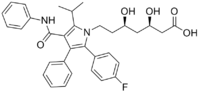 |
Lipitor, Torvast | Synthetic | CYP3A4 CYP3A4 Cytochrome P450 3A4 , a member of the cytochrome P450 mixed-function oxidase system, is one of the most important enzymes involved in the metabolism of xenobiotics in the body. CYP3A4 is involved in the oxidation of the largest range of substrates of all the CYPs. As a result, CYP3A4 is present in... >- | Cerivastatin Cerivastatin Cerivastatin is a synthetic member of the class of statins used to lower cholesterol and prevent cardiovascular disease. It was marketed by the pharmaceutical company Bayer A.G. in the late 1990s, competing with Pfizer's highly successful atorvastatin... |
Lipobay, Baycol. (Withdrawn from the market in August, 2001 due to risk of serious Rhabdomyolysis) | Synthetic | CYP3A CYP3A Cytochrome P450, family 3, subfamily A, also known as CYP3A, is a human gene.The CYP3A locus includes all the known members of the 3A subfamily of the cytochrome P450 superfamily of genes. These genes encode monooxygenases which catalyze many reactions involved in drug metabolism and synthesis of... isoforms >- | Fluvastatin Fluvastatin Fluvastatin is a member of the drug class of statins, used to treat hypercholesterolemia and to prevent cardiovascular disease.... |
Lescol, Lescol XL | Synthetic | CYP2C9 CYP2C9 Cytochrome P450 2C9 is a protein that in humans is encoded by the CYP2C9 gene.- Function :CYP2C9 is an important cytochrome P450 enzyme with a major role in the oxidation of both xenobiotic and endogenous compounds. CYP2C9 makes up about 18% of the cytochrome P450 protein in liver microsomes... >- | Lovastatin Lovastatin Lovastatin is a member of the drug class of statins, used for lowering cholesterol in those with hypercholesterolemia and so preventing cardiovascular disease... |
 |
Mevacor, Altocor, Altoprev | Fermentation-derived. Naturally-occurring compound. Found in oyster mushrooms and red yeast rice. | CYP3A4 CYP3A4 Cytochrome P450 3A4 , a member of the cytochrome P450 mixed-function oxidase system, is one of the most important enzymes involved in the metabolism of xenobiotics in the body. CYP3A4 is involved in the oxidation of the largest range of substrates of all the CYPs. As a result, CYP3A4 is present in... >- | Mevastatin Mevastatin Mevastatin, compactin, ML-236B is a hypolipidemic agent that belongs to the statins class.It was isolated from the mold Penicillium citrinum by Akira Endo in the 1970s and he identified it as a HMG-CoA reductase inhibitor, i.e.; a statin... |
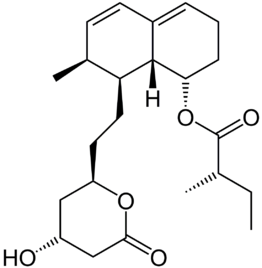 |
Compactin | Naturally-occurring compound. Found in red yeast rice. | CYP3A4 CYP3A4 Cytochrome P450 3A4 , a member of the cytochrome P450 mixed-function oxidase system, is one of the most important enzymes involved in the metabolism of xenobiotics in the body. CYP3A4 is involved in the oxidation of the largest range of substrates of all the CYPs. As a result, CYP3A4 is present in... >- | Pitavastatin Pitavastatin Pitavastatin is a member of the medication class of statins, marketed in the United States under the trade name Livalo. Like other statins, it is an inhibitor of HMG-CoA reductase, the enzyme that catalyses the first step of cholesterol synthesis. It has been available in Japan since 2003, and is... |
Livalo, Pitava | Synthetic | >- | Pravachol, Selektine, Lipostat | Fermentation-derived. (A fermentation product of bacterium Nocardia autotrophica). | >- | 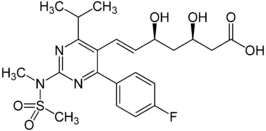 |
Crestor | Synthetic | CYP2C9 CYP2C9 Cytochrome P450 2C9 is a protein that in humans is encoded by the CYP2C9 gene.- Function :CYP2C9 is an important cytochrome P450 enzyme with a major role in the oxidation of both xenobiotic and endogenous compounds. CYP2C9 makes up about 18% of the cytochrome P450 protein in liver microsomes... and CYP2C19 CYP2C19 Cytochrome P450 2C19 , a member of the cytochrome P450 mixed-function oxidase system, is involved in the metabolism of xenobiotics in the body. It is involved in the metabolism of several... >- | Simvastatin Simvastatin Simvastatin is a hypolipidemic drug used to control elevated cholesterol, or hypercholesterolemia. Simvastatin is a member of the statin class of pharmaceuticals, is a synthetic derivate of a fermentation product of Aspergillus terreus.-Medical uses:The primary uses of simvastatin is for the... |
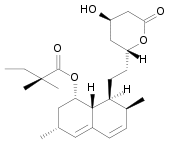 |
Zocor, Lipex | Fermentation-derived. (Simvastatin is a synthetic derivate of a fermentation product ofAspergillus terreus Aspergillus terreus Aspergillus terreus is a fungus commonly used in industry to produce important organic acids, such as itaconic acid and cis-aconitic acid. It was also the initial source for the drug mevinolin , a drug for lowering serum cholesterol. A. terreus may cause opportunistic infection in people with... .) |
CYP3A4 CYP3A4 Cytochrome P450 3A4 , a member of the cytochrome P450 mixed-function oxidase system, is one of the most important enzymes involved in the metabolism of xenobiotics in the body. CYP3A4 is involved in the oxidation of the largest range of substrates of all the CYPs. As a result, CYP3A4 is present in... >- | Simvastatin Simvastatin Simvastatin is a hypolipidemic drug used to control elevated cholesterol, or hypercholesterolemia. Simvastatin is a member of the statin class of pharmaceuticals, is a synthetic derivate of a fermentation product of Aspergillus terreus.-Medical uses:The primary uses of simvastatin is for the... +Ezetimibe Ezetimibe Ezetimibe is a drug that lowers cholesterol. It acts by decreasing cholesterol absorption in the intestine. It may be used alone , when other cholesterol-lowering medications are not tolerated, or together with statins when statins alone do not control cholesterol.Even though ezetimibe decreases... |
Vytorin | Combination therapy | >- | Advicor | Combination therapy | >- | Caduet Caduet The drug combination atorvastatin/amlodipine is a medication approved by the Food and Drug Administration for the treatment of high cholesterol and high blood pressure. It is a fixed dose combination drug containing the calcium channel blocker amlodipine and the statin atorvastatin... |
Combination therapy - Cholesterol+Blood Pressure | >- | Simcor | Combination therapy |
|---|
LDL
Low density lipoprotein
Low-density lipoprotein is one of the five major groups of lipoproteins, which in order of size, largest to smallest, are chylomicrons, VLDL, IDL, LDL, and HDL, that enable transport of cholesterol within the water-based bloodstream...
-lowering potency varies between agents. Cerivastatin is the most potent, (withdrawn from the market in August, 2001 due to risk of serious Rhabdomyolysis) followed by (in order of decreasing potency), rosuvastatin, atorvastatin, simvastatin, lovastatin, pravastatin, and fluvastatin. The relative potency of pitavastatin has not yet been fully established.
Most of the block-buster branded statins will be generic by 2012,including atorvastatin, the largest selling branded drug.
| Statin Equivalent Dosages | ||||||
|---|---|---|---|---|---|---|
| % LDL Reduction (approx.) | Atorvastatin | Fluvastatin | Lovastatin | Pravastatin | Rosuvastatin | Simvastatin |
| 10-20% | -- | 20 mg | 10 mg | 10 mg | -- | 5 mg |
| 20-30% | -- | 40 mg | 20 mg | 20 mg | -- | 10 mg |
| 30-40% | 10 mg | 80 mg | 40 mg | 40 mg | 5 mg | 20 mg |
| 40-45% | 20 mg | -- | 80 mg | 80 mg | 5–10 mg | 40 mg |
| 46-50% | 40 mg | -- | -- | -- | 10–20 mg | 80 mg* |
| 50-55% | 80 mg | -- | -- | -- | 20 mg | -- |
| 56-60% | -- | -- | -- | -- | 40 mg | -- |
| * 80mg dose no longer recommended due to increased risk of rhabdomyolysis | ||||||
| Starting dose | ||||||
| Starting dose | 10–20 mg | 20 mg | 10–20 mg | 40 mg | 10 mg; 5 mg if hypothyroid, >65 yo, Asian | 20 mg |
| If higher LDL reduction goal | 40 mg if >45% | 40 mg if >25% | 20 mg if >20% | |||
| 20 mg if LDL >190 mg/dL (4.87 mmol/L) | 40 mg if >45% | |||||
| Optimal timing | Anytime | Evening | With evening meals | Anytime | Anytime | Evening |
Research
Research continues into other areas where statins also appear to have a favorable effect, including dementiaDementia
Dementia is a serious loss of cognitive ability in a previously unimpaired person, beyond what might be expected from normal aging...
, lung cancer
Lung cancer
Lung cancer is a disease characterized by uncontrolled cell growth in tissues of the lung. If left untreated, this growth can spread beyond the lung in a process called metastasis into nearby tissue and, eventually, into other parts of the body. Most cancers that start in lung, known as primary...
,nuclear cataracts, hypertension
Hypertension
Hypertension or high blood pressure is a cardiac chronic medical condition in which the systemic arterial blood pressure is elevated. What that means is that the heart is having to work harder than it should to pump the blood around the body. Blood pressure involves two measurements, systolic and...
, prostate cancer
Prostate cancer
Prostate cancer is a form of cancer that develops in the prostate, a gland in the male reproductive system. Most prostate cancers are slow growing; however, there are cases of aggressive prostate cancers. The cancer cells may metastasize from the prostate to other parts of the body, particularly...
Controversy
Some scientists believe that statins are overused. Their use has expanded into groups with lesser benefit, and lesser evidence of benefit. The lower the risk of cardiovascular events, the lower the ratio is of benefits to costs.A smaller group of scientists, The International Network of Cholesterol Skeptics
The International Network of Cholesterol Skeptics
The International Network of Cholesterol Skeptics is a group of scientists, physicians, and other academicians from around the world who dispute the widely accepted lipid hypothesis of atherosclerosis...
, question the lipid hypothesis
Lipid hypothesis
The lipid hypothesis was one of two hypotheses developed in the 1850s to explain the pathogenesis of atherosclerosis...
and argue that elevated cholesterol has not been adequately linked to heart disease. These organizations maintain that statins are not as beneficial or safe as suggested.
External links
- Statin page at BandolierBandolier (journal)Bandolier is an independent online electronic journal about evidence-based healthcare, written by Oxford University scientists. It was started in 1994 and the National Health Service paid for its distribution to all doctors in the UK until 2002. Publication of the printed version ceased in 2007 and...
, an evidence-based medicineEvidence-based medicineEvidence-based medicine or evidence-based practice aims to apply the best available evidence gained from the scientific method to clinical decision making. It seeks to assess the strength of evidence of the risks and benefits of treatments and diagnostic tests...
journal (little content after 2004)