


Records of Prime Ministers of the United Kingdom

Encyclopedia
Records of Prime Ministers of Great Britain and Prime Ministers of the United Kingdom
:
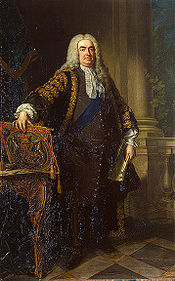 The Prime Minister with the longest single term was Sir Robert Walpole
, lasting 20 years and 314 days from 4 April 1721 until 11 February 1742. This is also longer than the accumulated terms of any other Prime Minister.
 The shortest period in office is more confused, depending on the criteria.
The shortest ever period was only two days, a record held by the Earl of Bath
, from 10 February to 12 February 1746, who was asked to form a government but was unable to find more than one person who would agree to serve in his cabinet. A satirist of the time wrote: "the minister to the astonishment of all wise men never transacted one rash thing; and, what is more marvellous, left as much money in the Treasury as he found in it." The 2nd Earl Waldegrave
was prime minister for four days, from 8 June to 12 June 1757. However, since neither of these Earls actually formed an effective government, there are other contenders for the record of shortest term of office among those who actually governed the country.
In November 1834, Arthur Wellesley, 1st Duke of Wellington
declined to become Prime Minister in favour of Sir Robert Peel
but formed a "caretaker" administration for 25 days (17 November 1834 – 9 December 1834) while Peel returned from Europe. However, as a caretaker administration this might not necessarily be considered a term of office in its own right.
Therefore of those with clear and effective terms, the Prime Minister with the shortest single one was Charles Watson-Wentworth, 2nd Marquess of Rockingham
, whose second term lasted 96 days from 27 March 1782 until his death on 1 July 1782. However, combined with his first term (13 July 1765 – 30 July 1766) his total time in office was 1 year and 113 days, which exceeds the total periods of several other Prime Ministers. (The Duke of Wellington had also served as prime minister between 1828 and 1830.)
Consequently, the Prime Minister with the total shortest period in office was George Canning
, whose sole term lasted 119 days from 10 April 1827 until his death on 8 August 1827.
, whose first term began on 2 April 1783 and his second and final term ended on 4 October 1809.
Portland also holds the record for the longest period between terms—his first term ended on 19 December 1783 and his second term did not start until 31 March 1807.
 A Prime Minister's "term" is traditionally regarded as the period between their appointment and resignation (or dismissal), with the number of general elections taking place in the intervening period making no difference.
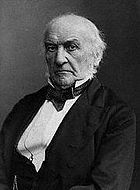
The only Prime Minister to serve four terms was William Ewart Gladstone
(3 December 1868 – 20 February 1874, 23 April 1880 – 23 June 1885, 1 February 1886 – 25 July 1886 and 15 August 1892 – 5 March 1894).
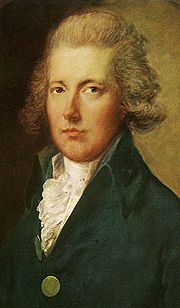 The youngest Prime Minister to be appointed was William Pitt the Younger
on 19 December 1783 at the age of 24 years, 6 months and 21 days.
The oldest Prime Minister to be appointed for the first time was Henry John Temple, 3rd Viscount Palmerston on 6 February 1855 at the age of 71 years, 3 months and 17 days. Palmerston was also the last Prime Minister to die in office in 1865.
The oldest Prime Minister to be appointed overall was William Ewart Gladstone
, who was born on 29 December 1809 and appointed for the final time on 15 August 1892 at the age of 82 years, 7 months and 3 days.
, who retired in 1770, aged 34.
, Lord Callaghan of Cardiff, who was born on 27 March 1912 and who died on 26 March 2005 at the age of 92 years 364 days. Prior to this the longest living Prime Minister was Harold Macmillan
, Earl of Stockton, who was born on 10 February 1894 and died on 29 December 1986 (aged 92 years 322 days).
Of the four former Prime Ministers currently alive, the oldest is Margaret Thatcher
, Baroness Thatcher, who was born on 13 October 1925 and is 86 years old. If she is still alive on 13 October 2018, her 93rd birthday, she will surpass Callaghan's record and become the longest-lived Prime Minister.
, who was born on 8 May 1720 and died on 2 October 1764 at the age of 44 years and 147 days.
, who left office on 28 January 1770 and died on 14 March 1811, a total of 41 years, 1 month and 17 days.
 In recent years, the Prime Minister who lived the longest after leaving office was Sir Edward Heath
, whose term ended on 4 March 1974; he died on 17 July 2005, 31 years and 135 days later.
, who resigned on 3 April 1908 and died just nineteen days later on 22 April 1908, while still resident in 10 Downing Street
.
Spencer Perceval is the only Prime Minister to have been assassinated.
, who died on 26 March 2005. His wife, Audrey Callaghan
, died on 15 March 2005, only 11 days before him.
, who fathered 17 children.
The tallest Prime Minister is believed to be Lord Salisbury
, who was around 6 in 4 in (1.93 m) in height, although Downing Street's own website lists 6 in 1 in (1.85 m) James Callaghan
as the tallest.
The shortest period between entering Parliament and being appointed Prime Minister was William Pitt the Younger
who became Prime Minister two years after first becoming an MP. The longest period of service as an MP before becoming Prime Minister was 47 years for Lord Palmerston.
The longest period of service for a Prime Minister in the House of Commons was Sir Winston Churchill
who spent 63 years as an MP.
Prime Minister of the United Kingdom
The Prime Minister of the United Kingdom of Great Britain and Northern Ireland is the Head of Her Majesty's Government in the United Kingdom. The Prime Minister and Cabinet are collectively accountable for their policies and actions to the Sovereign, to Parliament, to their political party and...
:
Period of service
Robert Walpole
Robert Walpole, 1st Earl of Orford, KG, KB, PC , known before 1742 as Sir Robert Walpole, was a British statesman who is generally regarded as having been the first Prime Minister of Great Britain....
, lasting 20 years and 314 days from 4 April 1721 until 11 February 1742. This is also longer than the accumulated terms of any other Prime Minister.
The shortest ever period was only two days, a record held by the Earl of Bath
William Pulteney, 1st Earl of Bath
William Pulteney, 1st Earl of Bath, PC was an English politician, a Whig, created the first Earl of Bath in 1742 by King George II; he is sometimes stated to have been Prime Minister, for the shortest term ever , though most modern sources reckon that he cannot be considered to have held the...
, from 10 February to 12 February 1746, who was asked to form a government but was unable to find more than one person who would agree to serve in his cabinet. A satirist of the time wrote: "the minister to the astonishment of all wise men never transacted one rash thing; and, what is more marvellous, left as much money in the Treasury as he found in it." The 2nd Earl Waldegrave
James Waldegrave, 2nd Earl Waldegrave
James Waldegrave, 2nd Earl Waldegrave KG PC FRS was a British statesman.The eldest son of the 1st Earl Waldegrave, Waldegrave was educated at Westminster and Eton and he inherited his father's titles in 1741...
was prime minister for four days, from 8 June to 12 June 1757. However, since neither of these Earls actually formed an effective government, there are other contenders for the record of shortest term of office among those who actually governed the country.
In November 1834, Arthur Wellesley, 1st Duke of Wellington
Arthur Wellesley, 1st Duke of Wellington
Field Marshal Arthur Wellesley, 1st Duke of Wellington, KG, GCB, GCH, PC, FRS , was an Irish-born British soldier and statesman, and one of the leading military and political figures of the 19th century...
declined to become Prime Minister in favour of Sir Robert Peel
Robert Peel
Sir Robert Peel, 2nd Baronet was a British Conservative statesman who served as Prime Minister of the United Kingdom from 10 December 1834 to 8 April 1835, and again from 30 August 1841 to 29 June 1846...
but formed a "caretaker" administration for 25 days (17 November 1834 – 9 December 1834) while Peel returned from Europe. However, as a caretaker administration this might not necessarily be considered a term of office in its own right.
Therefore of those with clear and effective terms, the Prime Minister with the shortest single one was Charles Watson-Wentworth, 2nd Marquess of Rockingham
Charles Watson-Wentworth, 2nd Marquess of Rockingham
Charles Watson-Wentworth, 2nd Marquess of Rockingham, KG, PC , styled The Hon. Charles Watson-Wentworth before 1733, Viscount Higham between 1733 and 1746, Earl of Malton between 1746 and 1750 and The Earl Malton in 1750, was a British Whig statesman, most notable for his two terms as Prime...
, whose second term lasted 96 days from 27 March 1782 until his death on 1 July 1782. However, combined with his first term (13 July 1765 – 30 July 1766) his total time in office was 1 year and 113 days, which exceeds the total periods of several other Prime Ministers. (The Duke of Wellington had also served as prime minister between 1828 and 1830.)
Consequently, the Prime Minister with the total shortest period in office was George Canning
George Canning
George Canning PC, FRS was a British statesman and politician who served as Foreign Secretary and briefly Prime Minister.-Early life: 1770–1793:...
, whose sole term lasted 119 days from 10 April 1827 until his death on 8 August 1827.
Other notables
The Prime Minister with the longest period between the start of their first appointment and the end of their final term was William Cavendish-Bentinck, 3rd Duke of PortlandWilliam Cavendish-Bentinck, 3rd Duke of Portland
William Henry Cavendish-Bentinck, 3rd Duke of Portland, KG, PC was a British Whig and Tory statesman, Chancellor of the University of Oxford and Prime Minister. He was known before 1762 by the courtesy title Marquess of Titchfield. He held a title of every degree of British nobility—Duke,...
, whose first term began on 2 April 1783 and his second and final term ended on 4 October 1809.
Portland also holds the record for the longest period between terms—his first term ended on 19 December 1783 and his second term did not start until 31 March 1807.
Number of terms
The only Prime Minister to serve four terms was William Ewart Gladstone
William Ewart Gladstone
William Ewart Gladstone FRS FSS was a British Liberal statesman. In a career lasting over sixty years, he served as Prime Minister four separate times , more than any other person. Gladstone was also Britain's oldest Prime Minister, 84 years old when he resigned for the last time...
(3 December 1868 – 20 February 1874, 23 April 1880 – 23 June 1885, 1 February 1886 – 25 July 1886 and 15 August 1892 – 5 March 1894).
Age at appointment
William Pitt the Younger
William Pitt the Younger was a British politician of the late 18th and early 19th centuries. He became the youngest Prime Minister in 1783 at the age of 24 . He left office in 1801, but was Prime Minister again from 1804 until his death in 1806...
on 19 December 1783 at the age of 24 years, 6 months and 21 days.
The oldest Prime Minister to be appointed for the first time was Henry John Temple, 3rd Viscount Palmerston on 6 February 1855 at the age of 71 years, 3 months and 17 days. Palmerston was also the last Prime Minister to die in office in 1865.
The oldest Prime Minister to be appointed overall was William Ewart Gladstone
William Ewart Gladstone
William Ewart Gladstone FRS FSS was a British Liberal statesman. In a career lasting over sixty years, he served as Prime Minister four separate times , more than any other person. Gladstone was also Britain's oldest Prime Minister, 84 years old when he resigned for the last time...
, who was born on 29 December 1809 and appointed for the final time on 15 August 1892 at the age of 82 years, 7 months and 3 days.
Age on leaving office
The youngest Prime Minister to leave office was Augustus FitzRoy, 3rd Duke of GraftonAugustus FitzRoy, 3rd Duke of Grafton
Augustus Henry FitzRoy, 3rd Duke of Grafton, KG, PC , styled Earl of Euston between 1747 and 1757, was a British Whig statesman of the Georgian era...
, who retired in 1770, aged 34.
Longest lived
The longest-lived Prime Minister was James CallaghanJames Callaghan
Leonard James Callaghan, Baron Callaghan of Cardiff, KG, PC , was a British Labour politician, who was Prime Minister of the United Kingdom from 1976 to 1979 and Leader of the Labour Party from 1976 to 1980...
, Lord Callaghan of Cardiff, who was born on 27 March 1912 and who died on 26 March 2005 at the age of 92 years 364 days. Prior to this the longest living Prime Minister was Harold Macmillan
Harold Macmillan
Maurice Harold Macmillan, 1st Earl of Stockton, OM, PC was Conservative Prime Minister of the United Kingdom from 10 January 1957 to 18 October 1963....
, Earl of Stockton, who was born on 10 February 1894 and died on 29 December 1986 (aged 92 years 322 days).
Of the four former Prime Ministers currently alive, the oldest is Margaret Thatcher
Margaret Thatcher
Margaret Hilda Thatcher, Baroness Thatcher, was Prime Minister of the United Kingdom from 1979 to 1990...
, Baroness Thatcher, who was born on 13 October 1925 and is 86 years old. If she is still alive on 13 October 2018, her 93rd birthday, she will surpass Callaghan's record and become the longest-lived Prime Minister.
Shortest lived
The shortest-lived Prime Minister was William Cavendish, 4th Duke of DevonshireWilliam Cavendish, 4th Duke of Devonshire
William Cavendish, 4th Duke of Devonshire, KG, PC , styled Lord Cavendish before 1729 and Marquess of Hartington between 1729 and 1755, was a British Whig statesman who was briefly nominal Prime Minister of Great Britain...
, who was born on 8 May 1720 and died on 2 October 1764 at the age of 44 years and 147 days.
Longest lived after office
The Prime Minister who lived the longest after leaving office for the final time was Augustus FitzRoy, 3rd Duke of GraftonAugustus FitzRoy, 3rd Duke of Grafton
Augustus Henry FitzRoy, 3rd Duke of Grafton, KG, PC , styled Earl of Euston between 1747 and 1757, was a British Whig statesman of the Georgian era...
, who left office on 28 January 1770 and died on 14 March 1811, a total of 41 years, 1 month and 17 days.
Edward Heath
Sir Edward Richard George "Ted" Heath, KG, MBE, PC was a British Conservative politician who served as Prime Minister of the United Kingdom and as Leader of the Conservative Party ....
, whose term ended on 4 March 1974; he died on 17 July 2005, 31 years and 135 days later.
Shortest lived after office
The Prime Minister who lived the shortest period after leaving office (excluding those who died in office) was Sir Henry Campbell-BannermanHenry Campbell-Bannerman
Sir Henry Campbell-Bannerman GCB was a British Liberal Party politician who served as Prime Minister of the United Kingdom from 1905 to 1908 and Leader of the Liberal Party from 1899 to 1908. He also served as Secretary of State for War twice, in the Cabinets of Gladstone and Rosebery...
, who resigned on 3 April 1908 and died just nineteen days later on 22 April 1908, while still resident in 10 Downing Street
10 Downing Street
10 Downing Street, colloquially known in the United Kingdom as "Number 10", is the headquarters of Her Majesty's Government and the official residence and office of the First Lord of the Treasury, who is now always the Prime Minister....
.
Died in office
Seven Prime Ministers have died in office:- Spencer Compton, 1st Earl of WilmingtonSpencer Compton, 1st Earl of WilmingtonSpencer Compton, 1st Earl of Wilmington KG, KB, PC was a British Whig statesman who served continuously in government from 1715 until his death. He served as the nominal head of government from 1742 until his death in 1743, but was merely a figurehead for the true leader of the government, Lord...
, who died on 2 July 1743. - Henry PelhamHenry PelhamHenry Pelham was a British Whig statesman, who served as Prime Minister of Great Britain from 27 August 1743 until his death in 1754...
, who died on 6 March 1754. - Charles Watson-Wentworth, 2nd Marquess of RockinghamCharles Watson-Wentworth, 2nd Marquess of RockinghamCharles Watson-Wentworth, 2nd Marquess of Rockingham, KG, PC , styled The Hon. Charles Watson-Wentworth before 1733, Viscount Higham between 1733 and 1746, Earl of Malton between 1746 and 1750 and The Earl Malton in 1750, was a British Whig statesman, most notable for his two terms as Prime...
, who died on 1 July 1782. - William Pitt the YoungerWilliam Pitt the YoungerWilliam Pitt the Younger was a British politician of the late 18th and early 19th centuries. He became the youngest Prime Minister in 1783 at the age of 24 . He left office in 1801, but was Prime Minister again from 1804 until his death in 1806...
, who died on 23 January 1806. - Spencer PercevalSpencer PercevalSpencer Perceval, KC was a British statesman and First Lord of the Treasury, making him de facto Prime Minister. He is the only British Prime Minister to have been assassinated...
, who was shot by John BellinghamJohn BellinghamJohn Bellingham was the assassin of British Prime Minister Spencer Perceval. This murder was the only successful attempt on the life of a British Prime Minister...
on 11 May 1812. - George CanningGeorge CanningGeorge Canning PC, FRS was a British statesman and politician who served as Foreign Secretary and briefly Prime Minister.-Early life: 1770–1793:...
, who died on 8 August 1827. - Henry Temple, 3rd Viscount PalmerstonHenry Temple, 3rd Viscount PalmerstonHenry John Temple, 3rd Viscount Palmerston, KG, GCB, PC , known popularly as Lord Palmerston, was a British statesman who served twice as Prime Minister in the mid-19th century...
, who died on 18 October 1865.
Spencer Perceval is the only Prime Minister to have been assassinated.
Widowed the longest
- The British Prime Minister widowed the longest is Archibald Primrose, 5th Earl of RoseberyArchibald Primrose, 5th Earl of RoseberyArchibald Philip Primrose, 5th Earl of Rosebery, KG, PC was a British Liberal statesman and Prime Minister. Between the death of his father, in 1851, and the death of his grandfather, the 4th Earl, in 1868, he was known by the courtesy title of Lord Dalmeny.Rosebery was a Liberal Imperialist who...
who died more than 38 years after his wife. - Recently, the British Prime Minister widower the longest is Harold MacmillanHarold MacmillanMaurice Harold Macmillan, 1st Earl of Stockton, OM, PC was Conservative Prime Minister of the United Kingdom from 10 January 1957 to 18 October 1963....
, who was widowed from 21 May 1966 to his death on 29 December 1986, a total of over 20 years.
Widowed the shortest
The British Prime Minister widowed the shortest is James CallaghanJames Callaghan
Leonard James Callaghan, Baron Callaghan of Cardiff, KG, PC , was a British Labour politician, who was Prime Minister of the United Kingdom from 1976 to 1979 and Leader of the Labour Party from 1976 to 1980...
, who died on 26 March 2005. His wife, Audrey Callaghan
Audrey Callaghan
Audrey Elizabeth Callaghan, Lady Callaghan of Cardiff was the wife of British Prime Minister James Callaghan and was herself a politician and campaigner and fundraiser for children's health and welfare....
, died on 15 March 2005, only 11 days before him.
Other widowed Prime Ministers
- Sir Robert Walpole
- Clement AttleeClement AttleeClement Richard Attlee, 1st Earl Attlee, KG, OM, CH, PC, FRS was a British Labour politician who served as the Prime Minister of the United Kingdom from 1945 to 1951, and as the Leader of the Labour Party from 1935 to 1955...
- Alec Douglas-HomeAlec Douglas-HomeAlexander Frederick Douglas-Home, Baron Home of the Hirsel, KT, PC , known as The Earl of Home from 1951 to 1963 and as Sir Alec Douglas-Home from 1963 to 1974, was a British Conservative politician who served as Prime Minister of the United Kingdom from October 1963 to October 1964.He is the last...
- Margaret ThatcherMargaret ThatcherMargaret Hilda Thatcher, Baroness Thatcher, was Prime Minister of the United Kingdom from 1979 to 1990...
Miscellaneous
The Prime Minister who had the most children is Charles Grey, 2nd Earl GreyCharles Grey, 2nd Earl Grey
Charles Grey, 2nd Earl Grey, KG, PC , known as Viscount Howick between 1806 and 1807, was Prime Minister of the United Kingdom of Great Britain and Ireland from 22 November 1830 to 16 July 1834. A member of the Whig Party, he backed significant reform of the British government and was among the...
, who fathered 17 children.
The tallest Prime Minister is believed to be Lord Salisbury
Robert Gascoyne-Cecil, 3rd Marquess of Salisbury
Robert Arthur Talbot Gascoyne-Cecil, 3rd Marquess of Salisbury, KG, GCVO, PC , styled Lord Robert Cecil before 1865 and Viscount Cranborne from June 1865 until April 1868, was a British Conservative statesman and thrice Prime Minister, serving for a total of over 13 years...
, who was around 6 in 4 in (1.93 m) in height, although Downing Street's own website lists 6 in 1 in (1.85 m) James Callaghan
James Callaghan
Leonard James Callaghan, Baron Callaghan of Cardiff, KG, PC , was a British Labour politician, who was Prime Minister of the United Kingdom from 1976 to 1979 and Leader of the Labour Party from 1976 to 1980...
as the tallest.
The shortest period between entering Parliament and being appointed Prime Minister was William Pitt the Younger
William Pitt the Younger
William Pitt the Younger was a British politician of the late 18th and early 19th centuries. He became the youngest Prime Minister in 1783 at the age of 24 . He left office in 1801, but was Prime Minister again from 1804 until his death in 1806...
who became Prime Minister two years after first becoming an MP. The longest period of service as an MP before becoming Prime Minister was 47 years for Lord Palmerston.
The longest period of service for a Prime Minister in the House of Commons was Sir Winston Churchill
Winston Churchill
Sir Winston Leonard Spencer-Churchill, was a predominantly Conservative British politician and statesman known for his leadership of the United Kingdom during the Second World War. He is widely regarded as one of the greatest wartime leaders of the century and served as Prime Minister twice...
who spent 63 years as an MP.