

Quackery

Encyclopedia
Quackery is a derogatory term used to describe the promotion of unproven or fraudulent medical practices
. Random House Dictionary describes a "quack" as a "fraudulent or ignorant pretender to medical skill" or "a person who pretends, professionally or publicly, to have skill
, knowledge
, or qualifications
he or she does not possess; a charlatan
."
The word "quack" derives from the archaic word "quacksalver," of Dutch
origin (spelled kwakzalver in contemporary Dutch), literally meaning "hawker of salve
". In the Middle Ages the word quack meant "shouting". The quacksalvers sold their wares on the market shouting in a loud voice.
"Health fraud" is often used as a synonym for quackery, but quackery's salient characteristic is aggressive promotion ("quacks quack!") rather than fraud, greed or misinformation.
"Pseudo-medicine" is a term for treatments known to be ineffective, regardless of whether their advocates themselves believe in their effectiveness.
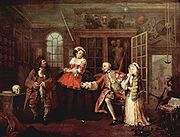 Since there is no exact standard for what constitutes quackery, and how to differentiate it from experimental medicine, protoscience
, religious and spiritual beliefs, etc., accusations of quackery are often part of polemics against one party or other, and sometimes in polemic exchanges.
In determining whether a person is committing quackery, the central question is what is acceptable evidence for the efficacy and safety of whatever treatments, cures, regimens, or procedures the alleged quack advocates. Because there is some level of uncertainty with all medical treatments, it is common ethical practice (and in some cases, a legal requirement) for pharmaceutical companies and many medical practitioners to explicitly state the promise, risks, and limitations of a medical choice.
Since it is difficult to distinguish between those who knowingly promote unproven medical therapies and those who are mistaken as to their effectiveness, U.S.
courts have ruled in defamation cases that accusing someone of quackery or calling a practitioner a quack is not equivalent to accusing that person of committing medical fraud. To be both quackery and fraud, the quack must know they are misrepresenting the benefits and risks of the medical services offered (instead of, for example, promoting an ineffective product they honestly believe is effective).
In addition to the ethical problems of promising benefits that can not reasonably be expected to occur, quackery also includes the risk that patients may choose to forego treatments that are more likely to help them, in favor of ineffective treatments given by the "quack".
Stephen Barrett
, who runs the alternative medicine watchdog
website, Quackwatch
, a consumer information organization with several websites dedicated to exposing quackery, defines the practice this way:

was advertised as having extraordinary restorative virtues as an empirical diet for invalids; despite its impressive name and many glowing testimonials it was in truth only ordinary lentil
flour, sold to the gullible at many times the true cost.
Even where no fraud was intended, quack remedies often contained no effective ingredients whatsoever. Some remedies contained substances such as opium
, alcohol and honey, which would have given symptomatic relief but had no curative properties. The few effective remedies sold by quacks included emetics, laxatives and diuretics. Some ingredients did have medicinal effects: mercury
, silver
and arsenic
compounds may have helped some infections and infestations; willow
bark
contained salicylic acid
, chemically closely related to aspirin
; and the quinine
contained in Jesuit's bark
was an effective treatment for malaria
and other fevers. However, knowledge of appropriate uses and dosages was limited.
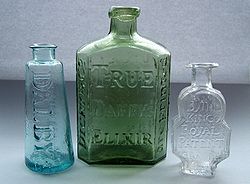
s, first came to prominence during the 17th and 18th centuries in Britain and the British colonies, including those in North America. Daffy's Elixir
and Turlington's Balsam were among the first products that used branding (e.g., using highly distinctive containers) and mass marketing to create and maintain markets. A similar process occurred in other countries of Europe around the same time, for example with the marketing of Eau de Cologne
as a cure-all medicine by Johann Maria Farina and his imitators. Patent medicines often contained alcohol
or opium
.
The number of internationally marketed quack medicines increased in the later 18th century; the majority of them originated in Britain and were exported throughout the British Empire. These treatments were so popular that by 1830, British parliamentary records list over 1,300 different "proprietary medicines," the majority of which were "quack" cures by modern standards.
 In 1909, in an attempt to stop the sale of such medicines, the British Medical Association
published Secret Remedies, What They Cost And What They Contain. The publication was composed of 20 chapters, organising the work by sections according to the ailments the medicines claimed to treat. Each remedy was tested thoroughly, the preface stated: “Of the accuracy of the analytical data there can be no question; the investigation has been carried out with great care by a skilled analytical chemist.” The book did lead to the end of some of the quack cures, but some survived the book by several decades. For example, Beecham's Pills
(identified as containing only aloes, ginger and soap, but claiming to cure 31 medical conditions) were still on sale in 1997.
British patent medicines started to lose their dominance in the United States when they were denied access to the American market during the American Revolution
, and lost further ground for the same reason during the War of 1812
. From the early 19th century "home-grown" American brands started to fill the gap, reaching their peak in the years after the American Civil War
. British medicines never regained their previous dominance in North America, and the subsequent era of mass marketing of American patent medicine
s is usually considered to have been a "golden age" of quackery in the United States. This was mirrored by similar growth in marketing of quack medicines elsewhere in the world.
The Dutch Society Against Quackery was established in 1880. Within a short time the Society grew to more than 1,100 members. Initially, quackery mainly consisted of the unauthorized practice of medicine and the peddling of "secret remedies". By the 1950s, their energy mostly shifted to magnetizers. Since the 1980s the society has fought against so-called alternative medicine. Their primary targets are Chinese acupuncture, homeopathy, manipulative therapy, anthroposophical medicine, and naturopathy.
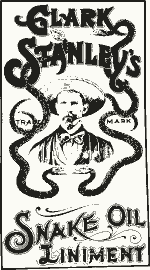 In the United States, false medicines in this era were often denoted by the slang term snake oil
, a reference to sales pitches for the false medicines that claimed exotic ingredients provided the supposed benefits. Those who sold them were called "snake oil salesmen," and usually sold their medicines with a fervent pitch similar to a fire and brimstone
religious sermon. They often accompanied other theatrical and entertainment productions that traveled as a road show from town to town, leaving quickly before the falseness of their medicine was discovered. Not all quacks were restricted to such small-time businesses however, and a number, especially in the United States, became enormously wealthy through national and international sales of their products.
One among many examples is that of William Radam, a German immigrant to the USA who, in the 1880s, started to sell his "Microbe Killer" throughout the United States and, soon afterwards, in Britain and throughout the British colonies. His concoction was widely advertised as being able to "Cure All Diseases" (W. Radam, 1890) and this phrase was even embossed on the glass bottles the medicine was sold in. In fact, Radam's medicine was a therapeutically useless (and in large quantities actively poisonous) dilute solution of sulfuric acid
, coloured with a little red wine
. Radam's publicity material, particularly his books (see for example Radam, 1890), provide an insight into the role that pseudo-science played in the development and marketing of "quack" medicines towards the end of the 19th century.
Similar advertising claims to those of Radam can be found throughout the 18th, 19th, 20th and 21st centuries. "Dr." Sibley, an English patent medicine seller of the late 18th and early 19th centuries, even went so far as to claim that his Reanimating Solar Tincture would, as the name implies, "restore life in the event of sudden death". Another English quack, "Dr. Solomon" claimed that his Cordial Balm of Gilead cured almost anything, but was particularly effective against all venereal complaints, from gonorrhoea to onanism. Although it was basically just brandy flavoured with herbs, it retailed widely at 33 shillings a bottle in the period of the Napoleonic wars
, the equivalent of over $100 per bottle today.
Not all patent medicines were without merit. Turlingtons Balsam of Life, first marketed in the mid-18th century, did have genuinely beneficial properties. This medicine continued to be sold under the original name into the early 20th century, and can still be found in the British and American Pharmacopoeia
s as "Compound tincture of benzoin
". It can be argued that for some of these medicines this is an example of the infinite monkey theorem
in action.
The end of the road for the quack medicines now considered grossly fraudulent in the nations of North America and Europe came in the early 20th century. February 21, 1906 saw the passage into law of the Pure Food and Drug Act
in the United States. This was the result of decades of campaigning by both government departments and the medical establishment, supported by a number of publishers and journalists (one of the most effective of whom was Samuel Hopkins Adams
, whose series "The Great American Fraud" was published in Colliers Weekly starting in late 1905). This American Act was followed three years later by similar legislation in Britain, and in other European nations. Between them, these laws began to remove the more outrageously dangerous contents from patent and proprietary medicines, and to force quack medicine proprietors to stop making some of their more blatantly dishonest claims.
Medical quackery and promotion of nostrums and worthless drugs were among the most prominent abuses that led to formal self-regulation in business and, in turn, to the creation of the NBBB
.
account have experienced the marketing tactics of spamming—in which modern forms of quackery are touted as miraculous remedies for "weight-loss" and "sexual enhancement," as well as outlets for unprescribed medicines of unknown quality.
While quackery is often aimed at the aged or chronically ill, it can be aimed at all age groups, including teens, and the FDA has mentioned some areas where potential quackery may be a problem: breast developers, weight loss, steroids and growth hormones, tanning and tanning pills, hair removal and growth, and look-alike drugs.
In a 1992 article in the journal Clinical Chemistry, then president of The National Council Against Health Fraud
, William T. Jarvis, wrote:
For those in the practice of any medicine, to allege quackery is to level a serious objection to a particular form of practice. Most developed countries have a governmental agency, such as the Food and Drug Administration
(FDA) in the US, whose purpose is to monitor and regulate the safety of medications as well as the claims made by the manufacturers of new and existing products, including drugs and nutritional supplements or vitamins. The Federal Trade Commission
(FTC) also participates in some of these efforts. To better address less regulated products, in 2000, US President Clinton signed Executive Order 13147 that created the White House Commission on Complementary and Alternative Medicine. In 2002, the commission's final report made several suggestions regarding education, research, implementation, and reimbursement as ways to evaluate the risks and benefits of each. As a direct result, more public dollars have been allocated for research into some of these methods.
Individuals and non-governmental agencies are active in attempts to expose quackery. According to Norcross et al. (2006) several authors have attempted to identify quack psychotherapies; (e.g., Carroll, 2003; Della Sala, 1999; Eisner, 2000; Lilienfeld, Lynn, & Rohr 2003; Singer and Lalich 1996). The evidence based practice
(EBP) movement in mental health emphasizes the consensus in psychology that psychological practice should rely on empirical research. There are also "anti-quackery" web sites, such as Quackwatch
, which help consumers evaluate particular claims. Quackwatch's information is relevant to both consumers and medical professionals.
in the People's Republic of China
, based his operation on representations that raw eggplant and mung beans were a general cure-all. Zhang, who has escaped legal liability as he portrayed himself as a nutritionist, not a doctor, appeared on television in China and authored a best-selling book, Eat Away the Diseases You Get from Eating. Zhang, who charged the equivalent of $450 for a 10 minute examination, had a two-year waiting list when he was exposed. Investigations, launched after the popularity of his theories resulted in a run on mung beans, revealed that, contrary to his representations, he did not come from a family of accomplished traditional practitioners (中医世家) and never had the medical degree from Beijing Medical University he claimed to have. His only education was a brief correspondence course completed, or night school course, after he was laid off from a textile factory. Zhang, despite negative publicity on the national level, continues to practice, but has committed himself to finding a cheaper cure-all than mung beans. His clinic, Wuben Hall, adjacent to Beijing National Stadium
, was torn down as an illegal structure. Much of Zhang Wuben's success was due to the efforts of Chinese entrepreneurs, including one government-owned company, who promoted him.
Hu Wanlin
, who did hold himself out as a doctor, was exposed in 2000 and sentenced to 15 years in prison. He adulterated his concoctions with sodium sulphate, Glauber's salt, a poison in large doses. That case resulted in creating a system of licensing medical doctors in China.
Medicine
Medicine is the science and art of healing. It encompasses a variety of health care practices evolved to maintain and restore health by the prevention and treatment of illness....
. Random House Dictionary describes a "quack" as a "fraudulent or ignorant pretender to medical skill" or "a person who pretends, professionally or publicly, to have skill
Skill
A skill is the learned capacity to carry out pre-determined results often with the minimum outlay of time, energy, or both. Skills can often be divided into domain-general and domain-specific skills...
, knowledge
Knowledge
Knowledge is a familiarity with someone or something unknown, which can include information, facts, descriptions, or skills acquired through experience or education. It can refer to the theoretical or practical understanding of a subject...
, or qualifications
Professional certification
Professional certification, trade certification, or professional designation, often called simply certification or qualification, is a designation earned by a person to assure qualification to perform a job or task...
he or she does not possess; a charlatan
Charlatan
A charlatan is a person practicing quackery or some similar confidence trick in order to obtain money, fame or other advantages via some form of pretense or deception....
."
The word "quack" derives from the archaic word "quacksalver," of Dutch
Dutch language
Dutch is a West Germanic language and the native language of the majority of the population of the Netherlands, Belgium, and Suriname, the three member states of the Dutch Language Union. Most speakers live in the European Union, where it is a first language for about 23 million and a second...
origin (spelled kwakzalver in contemporary Dutch), literally meaning "hawker of salve
Salve
A salve is a medical ointment used to soothe the head or other body surface. A popular eye medicine known as "Phrygian powder" was one of Laodicea's sources of wealth...
". In the Middle Ages the word quack meant "shouting". The quacksalvers sold their wares on the market shouting in a loud voice.
"Health fraud" is often used as a synonym for quackery, but quackery's salient characteristic is aggressive promotion ("quacks quack!") rather than fraud, greed or misinformation.
"Pseudo-medicine" is a term for treatments known to be ineffective, regardless of whether their advocates themselves believe in their effectiveness.
Definition
Protoscience
In the philosophy of science, a protoscience is an area of scientific endeavor that is in the process of becoming established. Protoscience is distinguished from pseudoscience by its standard practices of good science, such as a willingness to be disproven by new evidence, or to be replaced by a...
, religious and spiritual beliefs, etc., accusations of quackery are often part of polemics against one party or other, and sometimes in polemic exchanges.
In determining whether a person is committing quackery, the central question is what is acceptable evidence for the efficacy and safety of whatever treatments, cures, regimens, or procedures the alleged quack advocates. Because there is some level of uncertainty with all medical treatments, it is common ethical practice (and in some cases, a legal requirement) for pharmaceutical companies and many medical practitioners to explicitly state the promise, risks, and limitations of a medical choice.
Since it is difficult to distinguish between those who knowingly promote unproven medical therapies and those who are mistaken as to their effectiveness, U.S.
United States
The United States of America is a federal constitutional republic comprising fifty states and a federal district...
courts have ruled in defamation cases that accusing someone of quackery or calling a practitioner a quack is not equivalent to accusing that person of committing medical fraud. To be both quackery and fraud, the quack must know they are misrepresenting the benefits and risks of the medical services offered (instead of, for example, promoting an ineffective product they honestly believe is effective).
In addition to the ethical problems of promising benefits that can not reasonably be expected to occur, quackery also includes the risk that patients may choose to forego treatments that are more likely to help them, in favor of ineffective treatments given by the "quack".
Stephen Barrett
Stephen Barrett
Stephen Joel Barrett is a retired American psychiatrist, author, co-founder of the National Council Against Health Fraud , and the webmaster of Quackwatch. He runs a number of websites dealing with quackery and health fraud. He focuses on consumer protection, medical ethics, and scientific...
, who runs the alternative medicine watchdog
Watchdog journalism
Watchdog journalism aims to hold accountable public personalities and institutions, whose functions impact social and political life. The term "lapdog journalism", for journalism biased in favour of personalities and institutions, is sometimes used as a conceptual opposite to watchdog...
website, Quackwatch
Quackwatch
Quackwatch is an American non-profit organization founded by Stephen Barrett with the stated aim being to "combat health-related frauds, myths, fads, fallacies, and misconduct" and with a primary focus on providing "quackery-related information that is difficult or impossible to get elsewhere."...
, a consumer information organization with several websites dedicated to exposing quackery, defines the practice this way:
- To avoid semantic problems, quackery could be broadly defined as "anything involving overpromotion in the field of health." This definition would include questionable ideas as well as questionable products and services, regardless of the sincerity of their promoters. In line with this definition, the word "fraud" would be reserved only for situations in which deliberate deception is involved.
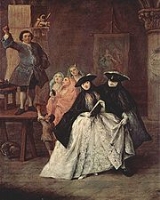
The quacksalver
Unproven, usually ineffective, and sometimes dangerous medicines and treatments have been peddled throughout human history. Theatrical performances were sometimes given to enhance the credibility of purported medicines. Grandiose claims were made for what could be humble materials indeed: for example, in the mid-19th century Revalenta ArabicaRevalenta arabica
Revalenta Arabica is a name given to a preparation which was sold in the 18th century as an empirical diet for invalids, extraordinary restorative virtues being attributed to it. It was, in reality, only a preparation of the common lentil, its first name being formed for disguise by the...
was advertised as having extraordinary restorative virtues as an empirical diet for invalids; despite its impressive name and many glowing testimonials it was in truth only ordinary lentil
Lentil
The lentil is an edible pulse. It is a bushy annual plant of the legume family, grown for its lens-shaped seeds...
flour, sold to the gullible at many times the true cost.
Even where no fraud was intended, quack remedies often contained no effective ingredients whatsoever. Some remedies contained substances such as opium
Opium
Opium is the dried latex obtained from the opium poppy . Opium contains up to 12% morphine, an alkaloid, which is frequently processed chemically to produce heroin for the illegal drug trade. The latex also includes codeine and non-narcotic alkaloids such as papaverine, thebaine and noscapine...
, alcohol and honey, which would have given symptomatic relief but had no curative properties. The few effective remedies sold by quacks included emetics, laxatives and diuretics. Some ingredients did have medicinal effects: mercury
Mercury (element)
Mercury is a chemical element with the symbol Hg and atomic number 80. It is also known as quicksilver or hydrargyrum...
, silver
Silver
Silver is a metallic chemical element with the chemical symbol Ag and atomic number 47. A soft, white, lustrous transition metal, it has the highest electrical conductivity of any element and the highest thermal conductivity of any metal...
and arsenic
Arsenic
Arsenic is a chemical element with the symbol As, atomic number 33 and relative atomic mass 74.92. Arsenic occurs in many minerals, usually in conjunction with sulfur and metals, and also as a pure elemental crystal. It was first documented by Albertus Magnus in 1250.Arsenic is a metalloid...
compounds may have helped some infections and infestations; willow
Willow
Willows, sallows, and osiers form the genus Salix, around 400 species of deciduous trees and shrubs, found primarily on moist soils in cold and temperate regions of the Northern Hemisphere...
bark
Bark
Bark is the outermost layers of stems and roots of woody plants. Plants with bark include trees, woody vines and shrubs. Bark refers to all the tissues outside of the vascular cambium and is a nontechnical term. It overlays the wood and consists of the inner bark and the outer bark. The inner...
contained salicylic acid
Salicylic acid
Salicylic acid is a monohydroxybenzoic acid, a type of phenolic acid and a beta hydroxy acid. This colorless crystalline organic acid is widely used in organic synthesis and functions as a plant hormone. It is derived from the metabolism of salicin...
, chemically closely related to aspirin
Aspirin
Aspirin , also known as acetylsalicylic acid , is a salicylate drug, often used as an analgesic to relieve minor aches and pains, as an antipyretic to reduce fever, and as an anti-inflammatory medication. It was discovered by Arthur Eichengrun, a chemist with the German company Bayer...
; and the quinine
Quinine
Quinine is a natural white crystalline alkaloid having antipyretic , antimalarial, analgesic , anti-inflammatory properties and a bitter taste. It is a stereoisomer of quinidine which, unlike quinine, is an anti-arrhythmic...
contained in Jesuit's bark
Jesuit's bark
Jesuit's Bark, also called Peruvian Bark, is the historical name of the most celebrated specific remedy for all forms of malaria. It is so named because it was obtained from the bark of several species of the genus Cinchona, of the order Rubiaceae, that have been discovered at different times and...
was an effective treatment for malaria
Malaria
Malaria is a mosquito-borne infectious disease of humans and other animals caused by eukaryotic protists of the genus Plasmodium. The disease results from the multiplication of Plasmodium parasites within red blood cells, causing symptoms that typically include fever and headache, in severe cases...
and other fevers. However, knowledge of appropriate uses and dosages was limited.
History of quackery in Europe and the United States
With little understanding of the causes and mechanisms of illnesses, widely marketed "cures" (as opposed to locally produced and locally used remedies), often referred to as patent medicinePatent medicine
Patent medicine refers to medical compounds of questionable effectiveness sold under a variety of names and labels. The term "patent medicine" is somewhat of a misnomer because, in most cases, although many of the products were trademarked, they were never patented...
s, first came to prominence during the 17th and 18th centuries in Britain and the British colonies, including those in North America. Daffy's Elixir
Daffy's Elixir
Daffy's Elixir is a name that has been used by several patent medicines over the years. It was originally designed for diseases of the stomach, but was later marketed as a universal cure...
and Turlington's Balsam were among the first products that used branding (e.g., using highly distinctive containers) and mass marketing to create and maintain markets. A similar process occurred in other countries of Europe around the same time, for example with the marketing of Eau de Cologne
Eau de Cologne
Eau de Cologne or simply Cologne is a toiletry, a perfume in a style that originated from Cologne, Germany. It is nowadays a generic term for scented formulations in typical concentration of 2-5% essential oils. However as of today cologne is a blend of extracts, alcohol, and water...
as a cure-all medicine by Johann Maria Farina and his imitators. Patent medicines often contained alcohol
Alcohol
In chemistry, an alcohol is an organic compound in which the hydroxy functional group is bound to a carbon atom. In particular, this carbon center should be saturated, having single bonds to three other atoms....
or opium
Opium
Opium is the dried latex obtained from the opium poppy . Opium contains up to 12% morphine, an alkaloid, which is frequently processed chemically to produce heroin for the illegal drug trade. The latex also includes codeine and non-narcotic alkaloids such as papaverine, thebaine and noscapine...
.
The number of internationally marketed quack medicines increased in the later 18th century; the majority of them originated in Britain and were exported throughout the British Empire. These treatments were so popular that by 1830, British parliamentary records list over 1,300 different "proprietary medicines," the majority of which were "quack" cures by modern standards.
British Medical Association
The British Medical Association is the professional association and registered trade union for doctors in the United Kingdom. The association does not regulate or certify doctors, a responsibility which lies with the General Medical Council. The association’s headquarters are located in BMA House,...
published Secret Remedies, What They Cost And What They Contain. The publication was composed of 20 chapters, organising the work by sections according to the ailments the medicines claimed to treat. Each remedy was tested thoroughly, the preface stated: “Of the accuracy of the analytical data there can be no question; the investigation has been carried out with great care by a skilled analytical chemist.” The book did lead to the end of some of the quack cures, but some survived the book by several decades. For example, Beecham's Pills
Beecham's Pills
Beecham's Pills were a laxative first marketed around 1842 in St Helens, Lancashire. They were invented by Thomas Beecham , grandfather of Thomas Beecham ....
(identified as containing only aloes, ginger and soap, but claiming to cure 31 medical conditions) were still on sale in 1997.
British patent medicines started to lose their dominance in the United States when they were denied access to the American market during the American Revolution
American Revolution
The American Revolution was the political upheaval during the last half of the 18th century in which thirteen colonies in North America joined together to break free from the British Empire, combining to become the United States of America...
, and lost further ground for the same reason during the War of 1812
War of 1812
The War of 1812 was a military conflict fought between the forces of the United States of America and those of the British Empire. The Americans declared war in 1812 for several reasons, including trade restrictions because of Britain's ongoing war with France, impressment of American merchant...
. From the early 19th century "home-grown" American brands started to fill the gap, reaching their peak in the years after the American Civil War
American Civil War
The American Civil War was a civil war fought in the United States of America. In response to the election of Abraham Lincoln as President of the United States, 11 southern slave states declared their secession from the United States and formed the Confederate States of America ; the other 25...
. British medicines never regained their previous dominance in North America, and the subsequent era of mass marketing of American patent medicine
Patent medicine
Patent medicine refers to medical compounds of questionable effectiveness sold under a variety of names and labels. The term "patent medicine" is somewhat of a misnomer because, in most cases, although many of the products were trademarked, they were never patented...
s is usually considered to have been a "golden age" of quackery in the United States. This was mirrored by similar growth in marketing of quack medicines elsewhere in the world.
The Dutch Society Against Quackery was established in 1880. Within a short time the Society grew to more than 1,100 members. Initially, quackery mainly consisted of the unauthorized practice of medicine and the peddling of "secret remedies". By the 1950s, their energy mostly shifted to magnetizers. Since the 1980s the society has fought against so-called alternative medicine. Their primary targets are Chinese acupuncture, homeopathy, manipulative therapy, anthroposophical medicine, and naturopathy.
Snake oil
Snake oil is a topical preparation made from the Chinese Water Snake , which is used to treat joint pain. However, the most common usage of the phrase is as a derogatory term for quack medicine...
, a reference to sales pitches for the false medicines that claimed exotic ingredients provided the supposed benefits. Those who sold them were called "snake oil salesmen," and usually sold their medicines with a fervent pitch similar to a fire and brimstone
Fire and brimstone
Fire and brimstone is an idiomatic expression of signs of God's wrath in the Hebrew Bible and the New Testament. In the Bible, they often appear in reference to the fate of the unfaithful. "Brimstone," possibly the ancient name for sulfur, evokes the acrid odor of volcanic activity...
religious sermon. They often accompanied other theatrical and entertainment productions that traveled as a road show from town to town, leaving quickly before the falseness of their medicine was discovered. Not all quacks were restricted to such small-time businesses however, and a number, especially in the United States, became enormously wealthy through national and international sales of their products.
One among many examples is that of William Radam, a German immigrant to the USA who, in the 1880s, started to sell his "Microbe Killer" throughout the United States and, soon afterwards, in Britain and throughout the British colonies. His concoction was widely advertised as being able to "Cure All Diseases" (W. Radam, 1890) and this phrase was even embossed on the glass bottles the medicine was sold in. In fact, Radam's medicine was a therapeutically useless (and in large quantities actively poisonous) dilute solution of sulfuric acid
Sulfuric acid
Sulfuric acid is a strong mineral acid with the molecular formula . Its historical name is oil of vitriol. Pure sulfuric acid is a highly corrosive, colorless, viscous liquid. The salts of sulfuric acid are called sulfates...
, coloured with a little red wine
Wine
Wine is an alcoholic beverage, made of fermented fruit juice, usually from grapes. The natural chemical balance of grapes lets them ferment without the addition of sugars, acids, enzymes, or other nutrients. Grape wine is produced by fermenting crushed grapes using various types of yeast. Yeast...
. Radam's publicity material, particularly his books (see for example Radam, 1890), provide an insight into the role that pseudo-science played in the development and marketing of "quack" medicines towards the end of the 19th century.
Similar advertising claims to those of Radam can be found throughout the 18th, 19th, 20th and 21st centuries. "Dr." Sibley, an English patent medicine seller of the late 18th and early 19th centuries, even went so far as to claim that his Reanimating Solar Tincture would, as the name implies, "restore life in the event of sudden death". Another English quack, "Dr. Solomon" claimed that his Cordial Balm of Gilead cured almost anything, but was particularly effective against all venereal complaints, from gonorrhoea to onanism. Although it was basically just brandy flavoured with herbs, it retailed widely at 33 shillings a bottle in the period of the Napoleonic wars
Napoleonic Wars
The Napoleonic Wars were a series of wars declared against Napoleon's French Empire by opposing coalitions that ran from 1803 to 1815. As a continuation of the wars sparked by the French Revolution of 1789, they revolutionised European armies and played out on an unprecedented scale, mainly due to...
, the equivalent of over $100 per bottle today.
Not all patent medicines were without merit. Turlingtons Balsam of Life, first marketed in the mid-18th century, did have genuinely beneficial properties. This medicine continued to be sold under the original name into the early 20th century, and can still be found in the British and American Pharmacopoeia
Pharmacopoeia
Pharmacopoeia, pharmacopeia, or pharmacopoea, , in its modern technical sense, is a book containing directions for the identification of samples and the preparation of compound medicines, and published by the authority of a government or a medical or pharmaceutical society.In a broader sense it is...
s as "Compound tincture of benzoin
Tincture of benzoin
Tincture of benzoin is a pungent solution of benzoin resin in alcohol. A similar preparation called Friar's Balsam or Compound Benzoin Tincture contains, in addition, Cape aloes and storax .-Medical uses:Tincture of benzoin has two main medical uses: as a treatment for damaged skin in the...
". It can be argued that for some of these medicines this is an example of the infinite monkey theorem
Infinite monkey theorem
The infinite monkey theorem states that a monkey hitting keys at random on a typewriter keyboard for an infinite amount of time will almost surely type a given text, such as the complete works of William Shakespeare....
in action.
The end of the road for the quack medicines now considered grossly fraudulent in the nations of North America and Europe came in the early 20th century. February 21, 1906 saw the passage into law of the Pure Food and Drug Act
Pure Food and Drug Act
The Pure Food and Drug Act of June 30, 1906, is a United States federal law that provided federal inspection of meat products and forbade the manufacture, sale, or transportation of adulterated food products and poisonous patent medicines...
in the United States. This was the result of decades of campaigning by both government departments and the medical establishment, supported by a number of publishers and journalists (one of the most effective of whom was Samuel Hopkins Adams
Samuel Hopkins Adams
Samuel Hopkins Adams was an American writer, best known for his investigative journalism.-Biography:Adams was born in Dunkirk, New York...
, whose series "The Great American Fraud" was published in Colliers Weekly starting in late 1905). This American Act was followed three years later by similar legislation in Britain, and in other European nations. Between them, these laws began to remove the more outrageously dangerous contents from patent and proprietary medicines, and to force quack medicine proprietors to stop making some of their more blatantly dishonest claims.
Medical quackery and promotion of nostrums and worthless drugs were among the most prominent abuses that led to formal self-regulation in business and, in turn, to the creation of the NBBB
Better Business Bureau
The Better Business Bureau , founded in 1912, is a corporation consisting of several private business franchises of local BBB organizations based in the United States and Canada, which work through their parent corporation, the Council of Better Business Bureaus .The Better Business Bureau, through...
.
Quackery in contemporary culture
"Quackery is the promotion of false and unproven health schemes for a profit. It is rooted in the traditions of the marketplace", with "commercialism overwhelming professionalism in the marketing of alternative medicine". Considered by many an archaic term, quackery is most often used to denote the peddling of the "cure-alls" described above. Quackery continues even today; it can be found in any culture and in every medical tradition. Unlike other advertising mediums, rapid advancements in communication through the Internet have opened doors for an unregulated market of quack cures and marketing campaigns rivaling the early 1900s. Most people with an e-mailE-mail
Electronic mail, commonly known as email or e-mail, is a method of exchanging digital messages from an author to one or more recipients. Modern email operates across the Internet or other computer networks. Some early email systems required that the author and the recipient both be online at the...
account have experienced the marketing tactics of spamming—in which modern forms of quackery are touted as miraculous remedies for "weight-loss" and "sexual enhancement," as well as outlets for unprescribed medicines of unknown quality.
While quackery is often aimed at the aged or chronically ill, it can be aimed at all age groups, including teens, and the FDA has mentioned some areas where potential quackery may be a problem: breast developers, weight loss, steroids and growth hormones, tanning and tanning pills, hair removal and growth, and look-alike drugs.
In a 1992 article in the journal Clinical Chemistry, then president of The National Council Against Health Fraud
The National Council Against Health Fraud
The National Council Against Health Fraud is a 501 non-profit, US-based organization registered in California, that describes itself as a "private nonprofit, voluntary health agency that focuses upon health misinformation, fraud, and quackery as public health problems." The NCAHF has been...
, William T. Jarvis, wrote:
- "The U.S. Congress determined quackery to be the most harmful consumer fraud against elderly people. Americans waste $27 billion annually on questionable health care, exceeding the amount spent on biomedical research. Quackery is characterized by the promotion of false and unproven health schemes for profit and does not necessarily involve imposture, fraud, or greed. The real issues in the war against quackery are the principles, including scientific rationale, encoded into consumer protection laws, primarily the U.S. Food, Drug, and Cosmetic Act. More such laws are badly needed. Regulators are failing the public by enforcing laws inadequately, applying double standards, and accrediting pseudomedicine. Non-scientific health care (e.g., acupuncture, ayurvedic medicine, chiropractic, homeopathy, naturopathy) is licensed by individual states. Practitioners use unscientific practices and deception on a public who, lacking complex health-care knowledge, must rely upon the trustworthiness of providers. Quackery not only harms people, it undermines the scientific enterprise and should be actively opposed by every scientist."
For those in the practice of any medicine, to allege quackery is to level a serious objection to a particular form of practice. Most developed countries have a governmental agency, such as the Food and Drug Administration
Food and Drug Administration
The Food and Drug Administration is an agency of the United States Department of Health and Human Services, one of the United States federal executive departments...
(FDA) in the US, whose purpose is to monitor and regulate the safety of medications as well as the claims made by the manufacturers of new and existing products, including drugs and nutritional supplements or vitamins. The Federal Trade Commission
Federal Trade Commission
The Federal Trade Commission is an independent agency of the United States government, established in 1914 by the Federal Trade Commission Act...
(FTC) also participates in some of these efforts. To better address less regulated products, in 2000, US President Clinton signed Executive Order 13147 that created the White House Commission on Complementary and Alternative Medicine. In 2002, the commission's final report made several suggestions regarding education, research, implementation, and reimbursement as ways to evaluate the risks and benefits of each. As a direct result, more public dollars have been allocated for research into some of these methods.
Individuals and non-governmental agencies are active in attempts to expose quackery. According to Norcross et al. (2006) several authors have attempted to identify quack psychotherapies; (e.g., Carroll, 2003; Della Sala, 1999; Eisner, 2000; Lilienfeld, Lynn, & Rohr 2003; Singer and Lalich 1996). The evidence based practice
Evidence based practice
Evidence-based practice is an interdisciplinary approach gaining ground after 1992. It started in medicine as evidence-based medicine and spread to other fields such as nursing, psychology, education, library and information science and other fields...
(EBP) movement in mental health emphasizes the consensus in psychology that psychological practice should rely on empirical research. There are also "anti-quackery" web sites, such as Quackwatch
Quackwatch
Quackwatch is an American non-profit organization founded by Stephen Barrett with the stated aim being to "combat health-related frauds, myths, fads, fallacies, and misconduct" and with a primary focus on providing "quackery-related information that is difficult or impossible to get elsewhere."...
, which help consumers evaluate particular claims. Quackwatch's information is relevant to both consumers and medical professionals.
People's Republic of China
Zhang Wuben, a quack who posed as skilled in traditional Chinese medicineTraditional Chinese medicine
Traditional Chinese Medicine refers to a broad range of medicine practices sharing common theoretical concepts which have been developed in China and are based on a tradition of more than 2,000 years, including various forms of herbal medicine, acupuncture, massage , exercise , and dietary therapy...
in the People's Republic of China
People's Republic of China
China , officially the People's Republic of China , is the most populous country in the world, with over 1.3 billion citizens. Located in East Asia, the country covers approximately 9.6 million square kilometres...
, based his operation on representations that raw eggplant and mung beans were a general cure-all. Zhang, who has escaped legal liability as he portrayed himself as a nutritionist, not a doctor, appeared on television in China and authored a best-selling book, Eat Away the Diseases You Get from Eating. Zhang, who charged the equivalent of $450 for a 10 minute examination, had a two-year waiting list when he was exposed. Investigations, launched after the popularity of his theories resulted in a run on mung beans, revealed that, contrary to his representations, he did not come from a family of accomplished traditional practitioners (中医世家) and never had the medical degree from Beijing Medical University he claimed to have. His only education was a brief correspondence course completed, or night school course, after he was laid off from a textile factory. Zhang, despite negative publicity on the national level, continues to practice, but has committed himself to finding a cheaper cure-all than mung beans. His clinic, Wuben Hall, adjacent to Beijing National Stadium
Beijing National Stadium
Beijing National Stadium, also known officially as the National Stadium, or colloquially as the Bird's Nest , is a stadium in Beijing, China. The stadium was designed for use throughout the 2008 Summer Olympics and Paralympics.-History:...
, was torn down as an illegal structure. Much of Zhang Wuben's success was due to the efforts of Chinese entrepreneurs, including one government-owned company, who promoted him.
Hu Wanlin
Hu Wanlin
Hu Wanlin was thought to be one of the world's most prolific medical serial killers. He was arrested for killing 146 people. -Background :Hu Wanlin was born in the city of Mianyang, Sichuan Province and only completed primary education. He was imprisoned for homicide in the 1980s as well as...
, who did hold himself out as a doctor, was exposed in 2000 and sentenced to 15 years in prison. He adulterated his concoctions with sodium sulphate, Glauber's salt, a poison in large doses. That case resulted in creating a system of licensing medical doctors in China.
Presence and acceptance
Opponents of quackery have suggested several reasons why quackery is accepted by patients in spite of its lack of effectiveness:- Ignorance: Those who perpetuate quackery may do so to take advantage of ignorance about conventional medical treatments versus alternative treatments, or may themselves be ignorant regarding their own claims. Mainstream medicine has produced many remarkable advances, so people may tend to also believe groundless claims.
- The placebo effectPlacebo effectPlacebo effect may refer to:* Placebo effect, the tendency of any medication or treatment, even an inert or ineffective one, to exhibit results simply because the recipient believes that it will work...
: Medicines or treatments known to have no pharmacological effect on a disease can still affect a person's perception of their illness, and this belief in its turn does indeed sometimes have a therapeutic effect, causing the patient's condition to improve. This is not to say that no real cure of biological illness is effected—though we might describe a placebo effect as being "all in the mind"", we now know that there is a genuine neurobiological basis to this phenomenon. People report reduced pain, increased well-being, improvement, or even total alleviation of symptoms. For some, the presence of a caring practitioner and the dispensation of medicine is curative in itself. - The regression fallacyRegression fallacyThe regression fallacy is an informal fallacy. It ascribes cause where none exists. The flaw is failing to account for natural fluctuations. It is frequently a special kind of the post hoc fallacy.-Explanation:...
: Certain "self-limiting conditions", such as warts and the common coldCommon coldThe common cold is a viral infectious disease of the upper respiratory system, caused primarily by rhinoviruses and coronaviruses. Common symptoms include a cough, sore throat, runny nose, and fever...
, almost always improve, in the latter case in a rather predictable amount of time. A patient may associate the usage of alternative treatments with recovering, when recovery was inevitable. - Distrust of conventional medicine: Many people, for various reasons including the risk of side effects, have a distrust of conventional medicines (or of the regulating organizations themselves such as the Food and Drug AdministrationFood and Drug AdministrationThe Food and Drug Administration is an agency of the United States Department of Health and Human Services, one of the United States federal executive departments...
(FDA) or the major drug corporations). - Conspiracy theoriesConspiracy theoryA conspiracy theory explains an event as being the result of an alleged plot by a covert group or organization or, more broadly, the idea that important political, social or economic events are the products of secret plots that are largely unknown to the general public.-Usage:The term "conspiracy...
: Anti-quackery activists ("quackbusters") are accused of being part of a huge "conspiracy" to suppress "unconventional" and/or "natural" therapies, as well as those who promote them. It is alleged that this conspiracy is backed and funded by the pharmaceutical industry and the established medical care system – represented by the AMAAmerican Medical AssociationThe American Medical Association , founded in 1847 and incorporated in 1897, is the largest association of medical doctors and medical students in the United States.-Scope and operations:...
, FDAFood and Drug AdministrationThe Food and Drug Administration is an agency of the United States Department of Health and Human Services, one of the United States federal executive departments...
, ADAAmerican Dental AssociationThe American Dental Association is an American professional association established in 1859 which has more than 155,000 members. Based in Chicago, the ADA is the world's largest and oldest national dental association and promotes good oral health to the public while representing the dental...
, CDC, WHOWorld Health OrganizationThe World Health Organization is a specialized agency of the United Nations that acts as a coordinating authority on international public health. Established on 7 April 1948, with headquarters in Geneva, Switzerland, the agency inherited the mandate and resources of its predecessor, the Health...
, etc. – for the purpose of preserving their power and increasing their profits. In the case of chiropracticChiropracticChiropractic is a health care profession concerned with the diagnosis, treatment and prevention of disorders of the neuromusculoskeletal system and the effects of these disorders on general health. It is generally categorized as complementary and alternative medicine...
, the case for a conspiracy was supported by a court decision, ruling that the AMA had engaged in an unlawful conspiracy in restraint of trade "to contain and eliminate the chiropractic profession." - Fear of side effectsAdverse effectIn medicine, an adverse effect is a harmful and undesired effect resulting from a medication or other intervention such as surgery.An adverse effect may be termed a "side effect", when judged to be secondary to a main or therapeutic effect. If it results from an unsuitable or incorrect dosage or...
: A great variety of pharmaceutical medications can have very distressing side effects, and many people fear surgerySurgerySurgery is an ancient medical specialty that uses operative manual and instrumental techniques on a patient to investigate and/or treat a pathological condition such as disease or injury, or to help improve bodily function or appearance.An act of performing surgery may be called a surgical...
and its consequences, so they may opt to shy away from these mainstream treatments. - Cost: There are some people who simply cannot afford conventional treatment, and seek out a cheaper alternative. Nonconventional practitioners can often dispense treatment at a much lower cost.
- Desperation: People with a serious or terminal disease, or who have been told by their practitioner that their condition is "untreatable," may react by seeking out treatment, disregarding the lack of scientific proof for its effectiveness, or even the existence of evidence that the method is ineffective or even dangerous.
- Pride: Once a person has endorsed or defended a cure, or invested time and money in it, they may be reluctant to admit its ineffectiveness, and therefore recommend the cure that did not work for them to others.
- Fraud: Some practitioners, fully aware of the ineffectiveness of their medicine, may intentionally produce fraudulent scientific studies and medical test results, thereby confusing any potential consumers as to the effectiveness of the medical treatment.
Notable historical persons accused of quackery
- Franz Anton Mesmer (1734–1815), born Friedrich Anton Mesmer, was a German physician and astrologist, who invented what he called magnétisme animal.
- Thomas AllinsonThomas AllinsonThomas Richard Allinson was a British doctor, dietetic reformer, business man and journalist. He was a proponent of whole grain bread consumption. His name is still used today for a bread popular in Europe, Allinson bread....
(1858–1918), founder of naturopathy. His views often brought him into conflict with the Royal College of PhysiciansRoyal College of PhysiciansThe Royal College of Physicians of London was founded in 1518 as the College of Physicians by royal charter of King Henry VIII in 1518 - the first medical institution in England to receive a royal charter...
of Edinburgh and the General Medical CouncilGeneral Medical CouncilThe General Medical Council registers and regulates doctors practising in the United Kingdom. It has the power to revoke or restrict a doctor's registration if it deems them unfit to practise...
, particularly his opposition to doctors' frequent use of drugs, his opposition to vaccination and his self promotion in the press. His views and publication of them led to him being labeled a quack and being struck off by the General Medical CouncilGeneral Medical CouncilThe General Medical Council registers and regulates doctors practising in the United Kingdom. It has the power to revoke or restrict a doctor's registration if it deems them unfit to practise...
for infamous conduct in a professional respect.
- Lovisa Åhrberg (1803–1866), the first Swedish female doctor. Åhrberg was met with strong resistance from male doctors and was accused of quackery. During the formal examination she was acquitted of all charges and allowed to practice medicine in Stockholm even though it was forbidden for women in the 1820s. She later received a medal for her work.
- Johanna BrandtJohanna BrandtJohanna Brandt was a South African propagandist of Afrikaner nationalism, spy during the Boer War, prophet and writer on controversial health subjects.- Biography :...
(1876–1964), a South African naturopath who advocated the "Grape Cure" as a cure for cancer.
- Hulda Regehr ClarkHulda Regehr ClarkHulda Regehr Clark was a naturopath, author, and practitioner of alternative medicine. Clark claimed that all human disease was related to parasitic infection, and also claimed to be able to cure all diseases, including cancer and HIV/AIDS, by destroying these parasites by "zapping" them with...
(1928–2009), was a controversial naturopath, author, and practitioner of alternative medicineAlternative medicineAlternative medicine is any healing practice, "that does not fall within the realm of conventional medicine." It is based on historical or cultural traditions, rather than on scientific evidence....
who claimed to be able to cure all diseases and advocated methods that have no scientific validity.
- Samuel HahnemannSamuel HahnemannChristian Friedrich Samuel Hahnemann was a German physician, known for creating an alternative form of medicine called homeopathy.- Early life :Christian Friedrich Samuel Hahnemann was born in Meissen, Saxony near Dresden...
(1755–1843), founder of homeopathyHomeopathyHomeopathy is a form of alternative medicine in which practitioners claim to treat patients using highly diluted preparations that are believed to cause healthy people to exhibit symptoms that are similar to those exhibited by the patient...
. Hahnemann believed that all diseases were caused by "miasms," which he defined as irregularities in the patient's vital forceVitalismVitalism, as defined by the Merriam-Webster dictionary, is#a doctrine that the functions of a living organism are due to a vital principle distinct from biochemical reactions...
. He also said that illnesses could be treated by substances that in a healthy person produced similar symptoms to the illness, in extremely low concentrations, with the therapeutic effect increasing with dilution and repeated shaking.
- Lawrence B. HamlinHamlin's Wizard OilHamlin's Wizard Oil was an American patent medicine sold as a cure-all under the slogan "There is no Sore it will Not Heal, No Pain it will not Subdue." First produced in 1861 in Chicago by former magician John Austen Hamlin and his brother Lysander B...
(in 1916), was fined under the 1906 Pure Food and Drug ActPure Food and Drug ActThe Pure Food and Drug Act of June 30, 1906, is a United States federal law that provided federal inspection of meat products and forbade the manufacture, sale, or transportation of adulterated food products and poisonous patent medicines...
for advertising that his Wizard Oil could kill cancer.
- L. Ron HubbardL. Ron HubbardLafayette Ronald Hubbard , better known as L. Ron Hubbard , was an American pulp fiction author and religious leader who founded the Church of Scientology...
(1911–1986), was the founder of the Church of ScientologyChurch of ScientologyThe Church of Scientology is an organization devoted to the practice and the promotion of the Scientology belief system. The Church of Scientology International is the Church of Scientology's parent organization, and is responsible for the overall ecclesiastical management, dissemination and...
. He was an AmericanUnited StatesThe United States of America is a federal constitutional republic comprising fifty states and a federal district...
science fictionScience fictionScience fiction is a genre of fiction dealing with imaginary but more or less plausible content such as future settings, futuristic science and technology, space travel, aliens, and paranormal abilities...
writer, former United States NavyUnited States NavyThe United States Navy is the naval warfare service branch of the United States Armed Forces and one of the seven uniformed services of the United States. The U.S. Navy is the largest in the world; its battle fleet tonnage is greater than that of the next 13 largest navies combined. The U.S...
officer, and creator of DianeticsDianeticsDianetics is a set of ideas and practices regarding the metaphysical relationship between the mind and body that was invented by the science fiction author L. Ron Hubbard and is practiced by followers of Scientology...
.
- John Harvey KelloggJohn Harvey KelloggJohn Harvey Kellogg was an American medical doctor in Battle Creek, Michigan, who ran a sanitarium using holistic methods, with a particular focus on nutrition, enemas and exercise. Kellogg was an advocate of vegetarianism and is best known for the invention of the corn flakes breakfast cereal...
(1852–1943), was a medical doctor in Battle Creek, MichiganBattle Creek, MichiganBattle Creek is a city in the U.S. state of Michigan, in northwest Calhoun County, at the confluence of the Kalamazoo and Battle Creek Rivers. It is the principal city of the Battle Creek, Michigan Metropolitan Statistical Area , which encompasses all of Calhoun county...
, USA who ran a sanitariumSanatoriumA sanatorium is a medical facility for long-term illness, most typically associated with treatment of tuberculosis before antibiotics...
using holistic methods, with a particular focus on nutritionNutritionNutrition is the provision, to cells and organisms, of the materials necessary to support life. Many common health problems can be prevented or alleviated with a healthy diet....
, enemaEnemaAn enema is the procedure of introducing liquids into the rectum and colon via the anus. The increasing volume of the liquid causes rapid expansion of the lower intestinal tract, often resulting in very uncomfortable bloating, cramping, powerful peristalsis, a feeling of extreme urgency and...
s and exercise. Kellogg was an advocate of vegetarianismVegetarianismVegetarianism encompasses the practice of following plant-based diets , with or without the inclusion of dairy products or eggs, and with the exclusion of meat...
, and is best known for the invention of the corn flake breakfast cerealBreakfast cerealA breakfast cereal is a food made from processed grains that is often, but not always, eaten with the first meal of the day. It is often eaten cold, usually mixed with milk , water, or yogurt, and sometimes fruit but sometimes eaten dry. Some cereals, such as oatmeal, may be served hot as porridge...
with his brother, Will Keith KelloggWill Keith KelloggWill Keith Kellogg, generally referred to as W.K. Kellogg was an American industrialist in food manufacturing, best known as the founder of the Kellogg Company, which to this day produces a wide variety of popular breakfast cereals...
.
- D.D. Palmer (1845–1913), was a grocery storeGrocery storeA grocery store is a store that retails food. A grocer, the owner of a grocery store, stocks different kinds of foods from assorted places and cultures, and sells these "groceries" to customers. Large grocery stores that stock products other than food, such as clothing or household items, are...
owner that claimed to have healed a janitor of deafness after adjusting the alignment of his back. He founded the field of chiropracticChiropracticChiropractic is a health care profession concerned with the diagnosis, treatment and prevention of disorders of the neuromusculoskeletal system and the effects of these disorders on general health. It is generally categorized as complementary and alternative medicine...
based on the principle that all diseaseDiseaseA disease is an abnormal condition affecting the body of an organism. It is often construed to be a medical condition associated with specific symptoms and signs. It may be caused by external factors, such as infectious disease, or it may be caused by internal dysfunctions, such as autoimmune...
and ailments could be fixed by adjusting the alignment of someone's back. His hypothesis was disregarded by medical professionals at the time and despite a considerable following has yet to be scientifically proven. D.D. Palmer established a magnetic healing facility in Davenport, Iowa, styling himself ‘doctor’. Not everyone was convinced, as a local paper in 1894 wrote about him: "A crank on magnetism has a crazy notion that he can cure the sick and crippled with his magnetic hands. His victims are the weak-minded, ignorant and superstitious, those foolish people who have been sick for years and have become tired of the regular physician and want health by the short-cut method…he has certainly profited by the ignorance of his victims…His increase in business shows what can be done in Davenport, even by a quack."
- Ignac Semmelweis (1818–1865), was a HungarianHungaryHungary , officially the Republic of Hungary , is a landlocked country in Central Europe. It is situated in the Carpathian Basin and is bordered by Slovakia to the north, Ukraine and Romania to the east, Serbia and Croatia to the south, Slovenia to the southwest and Austria to the west. The...
physicianPhysicianA physician is a health care provider who practices the profession of medicine, which is concerned with promoting, maintaining or restoring human health through the study, diagnosis, and treatment of disease, injury and other physical and mental impairments...
described as the "savior of mothers". Despite discovering the importance of what later became hand disinfectionDisinfectionDisinfectants are substances that are applied to non-living objects to destroy microorganisms that are living on the objects. Disinfection does not necessarily kill all microorganisms, especially nonresistant bacterial spores; it is less effective than sterilisation, which is an extreme physical...
thus reducing the incidence of puerperal feverPuerperal feverPuerperal fever or childbed fever, is a bacterial infection contracted by women during childbirth or miscarriage. It can develop into puerperal sepsis, which is a serious form of septicaemia. If untreated, it is often fatal....
, his theory was regarded with suspicion by many fellow scientists, including his supervisor in the Vienna General HospitalVienna General HospitalThe Vienna General Hospital is the University medical center of the city of Vienna, Austria. The AKH is the largest hospital of Austria and Europe, the second largest hospital in the world, and at 85-m high is one of the tallest hospital buildings in the world...
and later his peers in BudapestBudapestBudapest is the capital of Hungary. As the largest city of Hungary, it is the country's principal political, cultural, commercial, industrial, and transportation centre. In 2011, Budapest had 1,733,685 inhabitants, down from its 1989 peak of 2,113,645 due to suburbanization. The Budapest Commuter...
as well. Since it happened several decades before the explanation of the germ theory of diseaseGerm theory of diseaseThe germ theory of disease, also called the pathogenic theory of medicine, is a theory that proposes that microorganisms are the cause of many diseases...
, many of Semmelweis' contemporaries viewed his theories as unscientific, baseless speculation not unlike of those of earlier decades. He did not gain recognition in his life (for which he became rather bitter) nor his death: hardly any medical periodicals took note of his death, only a few people attended his funeral and the Hungarian Association of Physicians and Natural Scientist has failed to even mention his death. He was vindicated only after the confirmation of the germ theory of diseaseGerm theory of diseaseThe germ theory of disease, also called the pathogenic theory of medicine, is a theory that proposes that microorganisms are the cause of many diseases...
by Pasteur and others.
- Louis PasteurLouis PasteurLouis Pasteur was a French chemist and microbiologist born in Dole. He is remembered for his remarkable breakthroughs in the causes and preventions of diseases. His discoveries reduced mortality from puerperal fever, and he created the first vaccine for rabies and anthrax. His experiments...
(1822–1895), was a FrenchFranceThe French Republic , The French Republic , The French Republic , (commonly known as France , is a unitary semi-presidential republic in Western Europe with several overseas territories and islands located on other continents and in the Indian, Pacific, and Atlantic oceans. Metropolitan France...
chemistChemistA chemist is a scientist trained in the study of chemistry. Chemists study the composition of matter and its properties such as density and acidity. Chemists carefully describe the properties they study in terms of quantities, with detail on the level of molecules and their component atoms...
best known for his remarkable breakthroughs in microbiologyMicrobiologyMicrobiology is the study of microorganisms, which are defined as any microscopic organism that comprises either a single cell , cell clusters or no cell at all . This includes eukaryotes, such as fungi and protists, and prokaryotes...
. His experiments confirmed the germ theory of diseaseGerm theory of diseaseThe germ theory of disease, also called the pathogenic theory of medicine, is a theory that proposes that microorganisms are the cause of many diseases...
, also reducing mortality from puerperal feverPuerperal feverPuerperal fever or childbed fever, is a bacterial infection contracted by women during childbirth or miscarriage. It can develop into puerperal sepsis, which is a serious form of septicaemia. If untreated, it is often fatal....
(childbed), and he created the first vaccineVaccineA vaccine is a biological preparation that improves immunity to a particular disease. A vaccine typically contains an agent that resembles a disease-causing microorganism, and is often made from weakened or killed forms of the microbe or its toxins...
for rabiesRabiesRabies is a viral disease that causes acute encephalitis in warm-blooded animals. It is zoonotic , most commonly by a bite from an infected animal. For a human, rabies is almost invariably fatal if post-exposure prophylaxis is not administered prior to the onset of severe symptoms...
. He is best known to the general public for showing how to stop milk and wine from going sour – this process came to be called pasteurizationPasteurizationPasteurization is a process of heating a food, usually liquid, to a specific temperature for a definite length of time, and then cooling it immediately. This process slows microbial growth in food...
. His hypotheses initially met with much hostility, and he was accused of quackery on multiple occasions. However, he is now regarded as one of the three main founders of microbiologyMicrobiologyMicrobiology is the study of microorganisms, which are defined as any microscopic organism that comprises either a single cell , cell clusters or no cell at all . This includes eukaryotes, such as fungi and protists, and prokaryotes...
, together with Ferdinand CohnFerdinand CohnFerdinand Julius Cohn was a German biologist.Cohn was born in Breslau in the Prussian Province of Silesia. At the age of 10 he suffered hearing impairment. He received a degree in botany in 1847 at the age of nineteen at the University of Berlin. He was a teacher and researcher at University of...
and Robert KochRobert KochHeinrich Hermann Robert Koch was a German physician. He became famous for isolating Bacillus anthracis , the Tuberculosis bacillus and the Vibrio cholerae and for his development of Koch's postulates....
.
- Linus PaulingLinus PaulingLinus Carl Pauling was an American chemist, biochemist, peace activist, author, and educator. He was one of the most influential chemists in history and ranks among the most important scientists of the 20th century...
(1901–1994), a Nobel PrizeNobel PrizeThe Nobel Prizes are annual international awards bestowed by Scandinavian committees in recognition of cultural and scientific advances. The will of the Swedish chemist Alfred Nobel, the inventor of dynamite, established the prizes in 1895...
winner in chemistryChemistryChemistry is the science of matter, especially its chemical reactions, but also its composition, structure and properties. Chemistry is concerned with atoms and their interactions with other atoms, and particularly with the properties of chemical bonds....
, Pauling spent much of his later career arguing for the treatment of somatic and psychological diseases with orthomolecular medicineOrthomolecular medicineOrthomolecular medicine is a form of complementary and alternative medicine that seeks to maintain health and prevent or treat diseases by optimizing nutritional intake and/or prescribing supplements...
. One of his most famous claims was that the common coldCommon coldThe common cold is a viral infectious disease of the upper respiratory system, caused primarily by rhinoviruses and coronaviruses. Common symptoms include a cough, sore throat, runny nose, and fever...
could be cured with massive doses of vitamin CVitamin CVitamin C or L-ascorbic acid or L-ascorbate is an essential nutrient for humans and certain other animal species. In living organisms ascorbate acts as an antioxidant by protecting the body against oxidative stress...
. Together with Ewan Cameron he wrote the 1979 book "Cancer and Vitamin C", which was again more popular with the public than the medical profession, which continued to regard claims about the effectiveness of vitamin C in treating or preventing cancer as quackery." A biographer has discussed how controversial his views on megadoses of Vitamin CVitamin C megadosageVitamin C megadosage is the consumption of vitamin C in doses comparable to the amounts produced by the livers of most other mammals and well beyond the current Dietary Reference Intake...
have been and that he was "still being called a 'fraud' and a 'quack' by opponents of his 'orthomolecular medicine'".
- Wilhelm ReichWilhelm ReichWilhelm Reich was an Austrian-American psychiatrist and psychoanalyst, known as one of the most radical figures in the history of psychiatry...
(1897-1957), Austrian-American Psychoanalyst. Claimed that he had discovered a primordial cosmic energy called OrgoneOrgoneOrgone energy is a theory originally proposed in the 1930s by Wilhelm Reich. Reich, originally part of Sigmund Freud's Vienna circle, extrapolated the Freudian concept of libido first as a biophysical and later as a universal life force...
. He developed several devices, including the Cloudbuster and the Orgone Accumulator, that he believed could use orgone to manipulate the weather, battle space aliens and cure diseases, including cancer. After an investigation, the FDAFood and Drug AdministrationThe Food and Drug Administration is an agency of the United States Department of Health and Human Services, one of the United States federal executive departments...
concluded that they were dealing with a "fraud of the first magnitude". On February 10, 1954, the U.S. Attorney for Maine filed a complaint seeking a permanent injunction under Sections 301 and 302 of the Federal Food, Drug, and Cosmetic Act, to prevent interstate shipment of orgone accumulators and to ban some of Reich's writing promoting and advertising the devices. Reich refused to appear in court, arguing that no court was in a position to evaluate his work. Reich was arrested for contempt of courtContempt of courtContempt of court is a court order which, in the context of a court trial or hearing, declares a person or organization to have disobeyed or been disrespectful of the court's authority...
, and convicted to 2 years in jail, a $10,000 fine, and his Orgone Accumulators and work on Orgone were ordered destroyed. On August 23, 1956, six tons of his books, journals, and papers were burned in the 25th Street public incinerator in New York. On March 12, 1957 he was sent to Danbury Federal Prison, where Richard C. Hubbard, a psychiatrist who admired Reich, examined him, recording paranoiaParanoiaParanoia [] is a thought process believed to be heavily influenced by anxiety or fear, often to the point of irrationality and delusion. Paranoid thinking typically includes persecutory beliefs, or beliefs of conspiracy concerning a perceived threat towards oneself...
manifested by delusions of grandiosity, persecution, and ideas of reference. On November 18, 1957 Reich died of a heart attack 9 months later while he was in the federal penitentiary in Lewisburg, PennsylvaniaLewisburg, PennsylvaniaLewisburg is a borough in Union County, Pennsylvania, United States, south by southeast of Williamsport and north of Harrisburg. In the past, it was the commercial center for a fertile grain and general farming region. The population was 5,620 at the 2000 census. It is the county seat of Union...
.
See also
- CharlatanCharlatanA charlatan is a person practicing quackery or some similar confidence trick in order to obtain money, fame or other advantages via some form of pretense or deception....
- Chelation therapyChelation therapyChelation therapy is the administration of chelating agents to remove heavy metals from the body. For the most common forms of heavy metal intoxication—those involving lead, arsenic or mercury—the standard of care in the United States dictates the use of dimercaptosuccinic acid...
- HomeopathyHomeopathyHomeopathy is a form of alternative medicine in which practitioners claim to treat patients using highly diluted preparations that are believed to cause healthy people to exhibit symptoms that are similar to those exhibited by the patient...
- Consumer protectionConsumer protectionConsumer protection laws designed to ensure fair trade competition and the free flow of truthful information in the marketplace. The laws are designed to prevent businesses that engage in fraud or specified unfair practices from gaining an advantage over competitors and may provide additional...
- Dental amalgam controversyDental amalgam controversyThe dental amalgam controversy refers to the conflicting views over the use of amalgam as a filling material mainly because it contains the element mercury...
- False advertisingFalse advertisingFalse advertising or deceptive advertising is the use of false or misleading statements in advertising. As advertising has the potential to persuade people into commercial transactions that they might otherwise avoid, many governments around the world use regulations to control false, deceptive or...
in health careHealth careHealth care is the diagnosis, treatment, and prevention of disease, illness, injury, and other physical and mental impairments in humans. Health care is delivered by practitioners in medicine, chiropractic, dentistry, nursing, pharmacy, allied health, and other care providers... - FraudFraudIn criminal law, a fraud is an intentional deception made for personal gain or to damage another individual; the related adjective is fraudulent. The specific legal definition varies by legal jurisdiction. Fraud is a crime, and also a civil law violation...
- Liquid OxygenLiquid Oxygen (supplement)Liquid Oxygen is the name of a product that is a solution of hydrogen peroxide and other compounds including sodium chloride that claims to help with "jet lag, fatigue, altitude sickness, headaches, hangovers, youthful skin, energy, and insomnia"...
- Medical ethicsMedical ethicsMedical ethics is a system of moral principles that apply values and judgments to the practice of medicine. As a scholarly discipline, medical ethics encompasses its practical application in clinical settings as well as work on its history, philosophy, theology, and sociology.-History:Historically,...
- Mountebank
- Patent medicinePatent medicinePatent medicine refers to medical compounds of questionable effectiveness sold under a variety of names and labels. The term "patent medicine" is somewhat of a misnomer because, in most cases, although many of the products were trademarked, they were never patented...
- Poseur
- PseudosciencePseudosciencePseudoscience is a claim, belief, or practice which is presented as scientific, but which does not adhere to a valid scientific method, lacks supporting evidence or plausibility, cannot be reliably tested, or otherwise lacks scientific status...
- Radioactive quackeryRadioactive quackeryRadioactive quackery refers to various products sold during the early 20th century, after the discovery of radioactivity, which promised radioactivity as a cure for various illnesses...
- Snake oilSnake oilSnake oil is a topical preparation made from the Chinese Water Snake , which is used to treat joint pain. However, the most common usage of the phrase is as a derogatory term for quack medicine...
- Health care fraudHealth care fraudHealth Care Fraud includes health insurance fraud, drug fraud, and medical fraud.Health insurance fraud occurs when a company or an individual defrauds an insurer or government health care program, such as Medicare or equivalent State programs. The manner in which this is done varies, and persons...
Regulatory organizations
- Federal Trade CommissionFederal Trade CommissionThe Federal Trade Commission is an independent agency of the United States government, established in 1914 by the Federal Trade Commission Act...
- Food and Drug AdministrationFood and Drug AdministrationThe Food and Drug Administration is an agency of the United States Department of Health and Human Services, one of the United States federal executive departments...
- Medicines and Healthcare products Regulatory AgencyMedicines and Healthcare products Regulatory AgencyThe Medicines and Healthcare products Regulatory Agency is the UK government agency which is responsible for ensuring that medicines and medical devices work and are acceptably safe....
- AP Paramedical board.Andhra Pradesh.India
External links
- Medline Plus – entry on Health Fraud
- How to Spot Health Fraud Article from the Food and Drug Administration
- 'Miracle' Health Claims: Add a Dose of Skepticism Article at the Federal Trade Comiision
- Museum of Questionable Medical Devices – Science Museum of MinnesotaScience Museum of MinnesotaThe Science Museum of Minnesota is an American museum focused on topics in technology, natural history, physical science and mathematics education. Founded in 1907 and located in Saint Paul, Minnesota, the 501 nonprofit institution is staffed by over 500 employees and over 1,600 volunteers...
- "Quackery." Handbook of TexasHandbook of TexasThe Handbook of Texas is a comprehensive encyclopedia of Texas geography, history, and historical persons published by the Texas State Historical Association .-History:...
.