

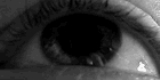
Nystagmus

Encyclopedia
Nystagmus nɪˈstæɡməs is a condition of involuntary eye movement, acquired in infancy or later in life, that may result in reduced or limited vision
.
There are two key forms of Nystagmus: pathological and physiological, with variations within each type. Nystagmus may be caused by congenital disorder
s, acquired
or central nervous system
disorders, toxicity
, pharmaceutical drugs or alcohol
. Previously considered untreatable, in recent years several pharmaceutical drugs have been identified for treatment of Nystagmus.
, in which one external auditory meatus
is irrigated with warm or cold water or air. The temperature gradient provokes the stimulation of the horizontal semicircular canal
and the consequent nystagmus.
The resulting movement of the eyes may be recorded and quantified by special devices called electronystagmograph (ENG), a form of electrooculography
(an electrical method of measuring eye movements using external electrodes), or even less invasive devices called videonystagmograph
(VNG), a form of video-oculography (VOG) (a video-based method of measuring eye movements using external small cameras built into head masks) by an audiologist. Special swinging chairs with electrical controls can be used to induce rotatory nystagmus.
Over the past forty years objective eye movement recording techniques have been applied to the study of nystagmus, and the results have led to a greater accuracy and understanding of the condition.
Orthoptists may also use an optokinetic drum
, or Electrooculography
to assess their eye movements.
Nystagmus can be caused by subsequent foveation
of moving objects, pathology
, sustained rotation or substance use. Nystagmus is not to be confused with other superficially similar-appearing disorders of eye movements (saccadic
oscillations) such as opsoclonus
or ocular flutter
that are composed purely of fast-phase (saccadic) eye movements, while nystagmus is characterised by the combination of a smooth pursuit, which usually acts to take the eye off the point of regard, interspersed with the saccadic movement that serves to bring the eye back on target. Without the use of objective recording techniques, it may be very difficult to distinguish between these conditions.
In medicine
, the presence of nystagmus can be benign
, or it can indicate an underlying visual or neurological problem
.
When nystagmus occurs without fulfilling its normal function, it is pathologic (deviating from the healthy or normal condition). Pathological nystagmus is the result of damage to one or more components of the vestibular system
, including the semicircular canals, otolith
organs, and the vestibulocerebellum
.
Pathological nystagmus generally causes a degree of vision impairment, although the severity of such impairment varies widely. Also, many blind
people have nystagmus, which is one reason that some wear dark glasses.
Variations
(VOR), characterized by alternating smooth pursuit in one direction and saccadic movement in the other direction.
Variations
The direction of nystagmus is defined by the direction of its quick phase (e.g. a right-beating nystagmus is characterized by a rightward-moving quick phase, and a left-beating nystagmus by a leftward-moving quick phase). The oscillations may occur in the vertical, horizontal or torsional planes, or in any combination. The resulting nystagmus is often named as a gross description of the movement, e.g. downbeat nystagmus, upbeat nystagmus, seesaw nystagmus, periodic alternating nystagmus.
These descriptive names can be misleading however, as many were assigned historically, solely on the basis of subjective clinical examination, which is not sufficient to determine the eyes' true trajectory.
, or secondary to a pre-existing neurological disorder
. It also may be induced temporarily by disorientation (such as on roller coaster rides) or by certain drug
s (alcohol
and other central nervous system
depressants, inhalant drugs, and the dissociative anesthetics [PCP]).
Congenital nystagmus occurs more frequently than acquired nystagmus. It can be insular or accompany other disorders (such as micro-ophthalmic anomalies or Down Syndrome
). Congenital nystagmus itself is usually mild and non-progressive. The affected persons are not normally aware of their spontaneous eye movements, but vision can be impaired depending on the severity of the movements.
Types of congenital nystagmus include the following:
X-linked infantile nystagmus is associated with mutations of the gene FRMD7
, which is located on the X chromosome
.
Congenital nystagmus is also associated with two X-linked eye diseases known as complete congenital stationary night blindness (CSNB) and incomplete CSNB (iCSNB or CSNB-2), which are caused by mutations of one of two genes located on the X chromosome. In CSNB, mutations are found in NYX (nyctalopin). CSNB-2 involves mutations of CACNA1F, a voltage-gated calcium channel that, when mutated, does not conduct ions.
Acquired Nystagmus may be acquired from:
could effectively stop periodic alternating nystagmus. Subsequently, gabapentin
, an anticonvulsant, was found to cause improvement in about half the patients who received it to relieve symptoms of nystagmus. Other drugs found to be effective against nystagmus in some patients include memantine, levetiracetam, 3,4-diaminopyridine, 4-aminopyridine
, and acetazolamide
. Several therapeutic approaches, such as contact lenses, drugs, surgery
, and low vision
rehabilitation
have also been proposed.
Clinical trials of a surgery to treat nystagmus (known as tenotomy) concluded in 2001. Tenotomy is being performed regularly at the University of Pittsburgh Children's Hospital and by a handful of surgeons around the world. The surgery developed by Louis F. Dell'Osso Ph.D. aims to reduce the eye shaking (oscillations), which in turn tends to improve visual acuity.
work, testing for horizontal gaze nystagmus is one of a battery of field sobriety tests used by officers to determine whether a suspect is driving under the influence
of alcohol
. The test involves observation of the suspect's pupil
as it follows a moving object, noting
The field sobriety test studies published by the National Highway Traffic Safety Administration have never been peer reviewed and attempts to duplicate the study results have been unsuccessful.
The horizontal gaze nystagmus test has been highly criticized and major errors in the testing methodology and analysis found. However, the validity of the horizontal gaze nystagmus test for use as a field sobriety test for persons with a blood alcohol level between 0.04-0.08 is supported by peer reviewed studies and has been found to be a more accurate indication of BAC than other standard field sobriety tests.
Visual impairment
Visual impairment is vision loss to such a degree as to qualify as an additional support need through a significant limitation of visual capability resulting from either disease, trauma, or congenital or degenerative conditions that cannot be corrected by conventional means, such as refractive...
.
There are two key forms of Nystagmus: pathological and physiological, with variations within each type. Nystagmus may be caused by congenital disorder
Congenital disorder
A congenital disorder, or congenital disease, is a condition existing at birth and often before birth, or that develops during the first month of life , regardless of causation...
s, acquired
Acquired disorder
An acquired disorder is a medical condition which develops post-fetally; in contrast with a congenital disorder, which is present at birth. A congenital disorder may be antecedent to an acquired disorder ....
or central nervous system
Central nervous system
The central nervous system is the part of the nervous system that integrates the information that it receives from, and coordinates the activity of, all parts of the bodies of bilaterian animals—that is, all multicellular animals except sponges and radially symmetric animals such as jellyfish...
disorders, toxicity
Toxicity
Toxicity is the degree to which a substance can damage a living or non-living organisms. Toxicity can refer to the effect on a whole organism, such as an animal, bacterium, or plant, as well as the effect on a substructure of the organism, such as a cell or an organ , such as the liver...
, pharmaceutical drugs or alcohol
Alcohol
In chemistry, an alcohol is an organic compound in which the hydroxy functional group is bound to a carbon atom. In particular, this carbon center should be saturated, having single bonds to three other atoms....
. Previously considered untreatable, in recent years several pharmaceutical drugs have been identified for treatment of Nystagmus.
Prevalence
Nystagmus is a relatively common clinical condition, affecting one in several thousand people. A survey conducted in Oxfordshire, United Kingdom found that by the age of two, one in every 670 children had manifested nystagmus. Authors of another study in the United Kingdom estimated an incidence of 24 in 10,000 (~0.240 %), noting an apparently higher rate amongst white Europeans than in individuals of Asian origin.Diagnosis
Nystagmus is very noticeable but little recognized. Nystagmus can be clinically investigated by using a number of non-invasive standard tests. The simplest one is Caloric reflex testCaloric reflex test
In medicine, the caloric reflex test is a test of the vestibulo-ocular reflex that involves irrigating cold or warm water or air into the external auditory canal.-Utility:...
, in which one external auditory meatus
Ear
The ear is the organ that detects sound. It not only receives sound, but also aids in balance and body position. The ear is part of the auditory system....
is irrigated with warm or cold water or air. The temperature gradient provokes the stimulation of the horizontal semicircular canal
Horizontal semicircular canal
The lateral or horizontal canal is the shortest of the three canals. Movement of fluid within this canal corresponds to rotation of the head around a vertical axis The lateral or horizontal canal (external semicircular canal) is the shortest of the three canals. Movement of fluid within this canal...
and the consequent nystagmus.
The resulting movement of the eyes may be recorded and quantified by special devices called electronystagmograph (ENG), a form of electrooculography
Electrooculography
Electrooculography is a technique for measuring the resting potential of the retina. The resulting signal is called the electrooculogram. The main applications are in ophthalmological diagnosis and in recording eye movements...
(an electrical method of measuring eye movements using external electrodes), or even less invasive devices called videonystagmograph
Videonystagmography
Videonystagmography is a technology for testing inner ear and central motor functions, a process known as vestibular assessment. It involves the use of infrared goggles to trace eye movements during visual stimulation and positional changes...
(VNG), a form of video-oculography (VOG) (a video-based method of measuring eye movements using external small cameras built into head masks) by an audiologist. Special swinging chairs with electrical controls can be used to induce rotatory nystagmus.
Over the past forty years objective eye movement recording techniques have been applied to the study of nystagmus, and the results have led to a greater accuracy and understanding of the condition.
Orthoptists may also use an optokinetic drum
Optokinetic drum
An optokinetic drum is a rotating instrument to test vision in which individuals are seated facing the wall of the drum. The interior surface of the drum is normally striped; thus, as the drum rotates, the subject's eyes are subject to a moving visual field while the subject remains stationary. ...
, or Electrooculography
Electrooculography
Electrooculography is a technique for measuring the resting potential of the retina. The resulting signal is called the electrooculogram. The main applications are in ophthalmological diagnosis and in recording eye movements...
to assess their eye movements.
Nystagmus can be caused by subsequent foveation
Foveal
The foveal system of the human eye is the only part of the retina that permits 100% visual acuity. The line-of-sight is a virtual line connecting the fovea with a fixation point in the outside world....
of moving objects, pathology
Pathology
Pathology is the precise study and diagnosis of disease. The word pathology is from Ancient Greek , pathos, "feeling, suffering"; and , -logia, "the study of". Pathologization, to pathologize, refers to the process of defining a condition or behavior as pathological, e.g. pathological gambling....
, sustained rotation or substance use. Nystagmus is not to be confused with other superficially similar-appearing disorders of eye movements (saccadic
Saccade
A saccade is a fast movement of an eye, head or other part of an animal's body or device. It can also be a fast shift in frequency of an emitted signal or other quick change. Saccades are quick, simultaneous movements of both eyes in the same direction...
oscillations) such as opsoclonus
Opsoclonus
Opsoclonus refers to uncontrolled eye movement. Opsoclonus consists of rapid, involuntary, multivectorial , unpredictable, conjugate fast eye movements without intersaccadic intervals. It is also referred to as saccadomania or reflexive saccade...
or ocular flutter
Ocular flutter
Ocular flutter is an opsoclonic disorder in which the eyes incontinuously saccadically move around the point of fixation in the field of vision....
that are composed purely of fast-phase (saccadic) eye movements, while nystagmus is characterised by the combination of a smooth pursuit, which usually acts to take the eye off the point of regard, interspersed with the saccadic movement that serves to bring the eye back on target. Without the use of objective recording techniques, it may be very difficult to distinguish between these conditions.
In medicine
Medicine
Medicine is the science and art of healing. It encompasses a variety of health care practices evolved to maintain and restore health by the prevention and treatment of illness....
, the presence of nystagmus can be benign
Benign
A benign tumor is a tumor that lacks the ability to metastasize. Common examples of benign tumors include moles and uterine fibroids.The term "benign" implies a mild and nonprogressive disease. Indeed, many kinds of benign tumors are harmless to human health...
, or it can indicate an underlying visual or neurological problem
Neurology
Neurology is a medical specialty dealing with disorders of the nervous system. Specifically, it deals with the diagnosis and treatment of all categories of disease involving the central, peripheral, and autonomic nervous systems, including their coverings, blood vessels, and all effector tissue,...
.
Pathologic nystagmus
Pathologic nystagmus is characterized by a biphasic ocular oscillation alternating a slow eye movement, or smooth pursuit, in one direction and a fast eye movement, or saccadic movement, in the other direction. The velocity of the slow phase eye movement (SPEV) and the fast phase eyes velocity (FPEV) are related to each other and can be considered as a measurement of the efficiency of the system stimulus/response.When nystagmus occurs without fulfilling its normal function, it is pathologic (deviating from the healthy or normal condition). Pathological nystagmus is the result of damage to one or more components of the vestibular system
Vestibular system
The vestibular system, which contributes to balance in most mammals and to the sense of spatial orientation, is the sensory system that provides the leading contribution about movement and sense of balance. Together with the cochlea, a part of the auditory system, it constitutes the labyrinth of...
, including the semicircular canals, otolith
Otolith
An otolith, , also called statoconium or otoconium is a structure in the saccule or utricle of the inner ear, specifically in the vestibular labyrinth of vertebrates. The saccule and utricle, in turn, together make the otolith organs. They are sensitive to gravity and linear acceleration...
organs, and the vestibulocerebellum
Cerebellum
The cerebellum is a region of the brain that plays an important role in motor control. It may also be involved in some cognitive functions such as attention and language, and in regulating fear and pleasure responses, but its movement-related functions are the most solidly established...
.
Pathological nystagmus generally causes a degree of vision impairment, although the severity of such impairment varies widely. Also, many blind
Blindness
Blindness is the condition of lacking visual perception due to physiological or neurological factors.Various scales have been developed to describe the extent of vision loss and define blindness...
people have nystagmus, which is one reason that some wear dark glasses.
Variations
- Central nystagmus occurs as a result of either normal or abnormal processes not related to the vestibular organ. For example, lesions of the midbrain or cerebellum can result in up- and down-beat nystagmus.
- Peripheral nystagmus occurs as a result of either normal or diseased functional states of the vestibular system and may combine a rotational component with vertical or horizontal eye movements and may be spontaneous, positional, or evoked.
- Gaze Induced nystagmus occurs or is exacerbated as a result of changing one's gaze toward or away from a particular side which has an affected vestibular apparatus.
- Positional nystagmus occurs when a person's head is in a specific position. An example of disease state in which this occurs is Benign paroxysmal positional vertigoBenign paroxysmal positional vertigoBenign paroxysmal positional vertigo is a disorder caused by problems in the inner ear. Its symptoms are repeated episodes of positional vertigo, that is, of a spinning sensation caused by changes in the position of the head.-Classification:...
(BPPV). - Post rotational nystagmus occurs after an imbalance is created between a normal side and a diseased side by stimulation of the vestibular system by rapid shaking or rotation of the head.
- Spontaneous nystagmus is nystagmus that occurs randomly, regardless of the position of the patient's head.
Physiologic nystagmus
Physiologic nystagmus is a form of involuntary eye movement that is part of the vestibulo-ocular reflexVestibulo-ocular reflex
The vestibulo-ocular reflex is a reflex eye movement that stabilizes images on the retina during head movement by producing an eye movement in the direction opposite to head movement, thus preserving the image on the center of the visual field. For example, when the head moves to the right, the...
(VOR), characterized by alternating smooth pursuit in one direction and saccadic movement in the other direction.
Variations
The direction of nystagmus is defined by the direction of its quick phase (e.g. a right-beating nystagmus is characterized by a rightward-moving quick phase, and a left-beating nystagmus by a leftward-moving quick phase). The oscillations may occur in the vertical, horizontal or torsional planes, or in any combination. The resulting nystagmus is often named as a gross description of the movement, e.g. downbeat nystagmus, upbeat nystagmus, seesaw nystagmus, periodic alternating nystagmus.
These descriptive names can be misleading however, as many were assigned historically, solely on the basis of subjective clinical examination, which is not sufficient to determine the eyes' true trajectory.
- Opticokinetic nystagmus. A nystagmus induced by looking at moving visual stimuli, such as moving horizontal or vertical lines, and/or stripes. For example, if one fixates on a stripe of a rotating drum with alternating black and white, the gaze retreats to fixate on a new stripe as the drum moves. This is first a rotation with the same angular velocity, then returns in a saccadeSaccadeA saccade is a fast movement of an eye, head or other part of an animal's body or device. It can also be a fast shift in frequency of an emitted signal or other quick change. Saccades are quick, simultaneous movements of both eyes in the same direction...
in the opposite direction. The process proceeds indefinitely. This is optokinetic nystagmus, and is a source for understanding the fixation reflexFixation reflexThe fixation reflex is that concerned with attracting the eye on a peripheral object. For example, when a light shines in the periphery, the eyes shift gaze on it...
.
- Postrotatory nystagmus. If one spins in a chair continuously and stops suddenly, the fast phase of nystagmus is in the opposite direction of rotation, known as the "post-rotatory nystagmus," while slow phase is in the direction of rotation.
Causes
The cause for pathological nystagmus may be congenital, idiopathicIdiopathic
Idiopathic is an adjective used primarily in medicine meaning arising spontaneously or from an obscure or unknown cause. From Greek ἴδιος, idios + πάθος, pathos , it means approximately "a disease of its own kind". It is technically a term from nosology, the classification of disease...
, or secondary to a pre-existing neurological disorder
Neurological disorder
A neurological disorder is a disorder of the body's nervous system. Structural, biochemical or electrical abnormalities in the brain, spinal cord, or in the nerves leading to or from them, can result in symptoms such as paralysis, muscle weakness, poor coordination, loss of sensation, seizures,...
. It also may be induced temporarily by disorientation (such as on roller coaster rides) or by certain drug
Psychoactive drug
A psychoactive drug, psychopharmaceutical, or psychotropic is a chemical substance that crosses the blood–brain barrier and acts primarily upon the central nervous system where it affects brain function, resulting in changes in perception, mood, consciousness, cognition, and behavior...
s (alcohol
Alcohol
In chemistry, an alcohol is an organic compound in which the hydroxy functional group is bound to a carbon atom. In particular, this carbon center should be saturated, having single bonds to three other atoms....
and other central nervous system
Central nervous system
The central nervous system is the part of the nervous system that integrates the information that it receives from, and coordinates the activity of, all parts of the bodies of bilaterian animals—that is, all multicellular animals except sponges and radially symmetric animals such as jellyfish...
depressants, inhalant drugs, and the dissociative anesthetics [PCP]).
Congenital nystagmus occurs more frequently than acquired nystagmus. It can be insular or accompany other disorders (such as micro-ophthalmic anomalies or Down Syndrome
Down syndrome
Down syndrome, or Down's syndrome, trisomy 21, is a chromosomal condition caused by the presence of all or part of an extra 21st chromosome. It is named after John Langdon Down, the British physician who described the syndrome in 1866. The condition was clinically described earlier in the 19th...
). Congenital nystagmus itself is usually mild and non-progressive. The affected persons are not normally aware of their spontaneous eye movements, but vision can be impaired depending on the severity of the movements.
Types of congenital nystagmus include the following:
- Infantile:
- AlbinismAlbinismAlbinism is a congenital disorder characterized by the complete or partial absence of pigment in the skin, hair and eyes due to absence or defect of an enzyme involved in the production of melanin...
- AniridiaAniridiaAniridia is the absence of the iris. Aniridia usually involves both eyes. It can be congenital or caused by a penetrant injury. Isolated aniridia is a congenital disorder which is not limited to a defect in iris development, but is a panocular condition with macular and optic nerve hypoplasia,...
- Bilateral congenital cataracts
- Bilateral optic nerve hypoplasiaOptic nerve hypoplasiaOptic nerve hypoplasia is a medical condition arising from the underdevelopment of the optic nerve. This condition is the most common congenital optic nerve anomaly. The optic disc appears abnormally small, because not all the optic nerve axons have developed properly...
- IdiopathicIdiopathicIdiopathic is an adjective used primarily in medicine meaning arising spontaneously or from an obscure or unknown cause. From Greek ἴδιος, idios + πάθος, pathos , it means approximately "a disease of its own kind". It is technically a term from nosology, the classification of disease...
- Leber's congenital amaurosisLeber's congenital amaurosisLeber's congenital amaurosis is a rare inherited eye disease that appears at birth or in the first few months of life, and affects around 1 in 80,000 of the population.It was first described by Theodor Leber in the 19th century...
- Optic nerveOptic nerveThe optic nerve, also called cranial nerve 2, transmits visual information from the retina to the brain. Derived from the embryonic retinal ganglion cell, a diverticulum located in the diencephalon, the optic nerve doesn't regenerate after transection.-Anatomy:The optic nerve is the second of...
or maculaMaculaThe macula or macula lutea is an oval-shaped highly pigmented yellow spot near the center of the retina of the human eye. It has a diameter of around 5 mm and is often histologically defined as having two or more layers of ganglion cells...
r disease - Persistent tunica vasculosa lentisPersistent tunica vasculosa lentisPersistent tunica vasculosa lentis is a congenital ocular anomaly. It is a form of persistent hyperplastic primary vitreous .* It is a developmental disorder of the vitreous.* Usually unilateral and first noticed in the neonatal period....
- Rod monochromatism
- Visual-motor syndrome of functional monophthalmos
- Albinism
- Latent nystagmus
- Noonan syndromeNoonan syndromeNoonan Syndrome is a relatively common autosomal dominant congenital disorder considered to be a type of dwarfism, that affects both males and females equally. It used to be referred to as the male version of Turner's syndrome ; however, the genetic causes of Noonan syndrome and Turner syndrome...
- Nystagmus blockage syndrome
X-linked infantile nystagmus is associated with mutations of the gene FRMD7
FRMD7
FERM domain-containing protein 7 is a protein that in humans is encoded by the FRMD7 gene.-External links:*-Further reading:...
, which is located on the X chromosome
X chromosome
The X chromosome is one of the two sex-determining chromosomes in many animal species, including mammals and is common in both males and females. It is a part of the XY sex-determination system and X0 sex-determination system...
.
Congenital nystagmus is also associated with two X-linked eye diseases known as complete congenital stationary night blindness (CSNB) and incomplete CSNB (iCSNB or CSNB-2), which are caused by mutations of one of two genes located on the X chromosome. In CSNB, mutations are found in NYX (nyctalopin). CSNB-2 involves mutations of CACNA1F, a voltage-gated calcium channel that, when mutated, does not conduct ions.
Acquired Nystagmus may be acquired from:
- Diseases. Some of the diseases that present nystagmus as a pathological sign:
- AlbinismAlbinismAlbinism is a congenital disorder characterized by the complete or partial absence of pigment in the skin, hair and eyes due to absence or defect of an enzyme involved in the production of melanin...
- AniridiaAniridiaAniridia is the absence of the iris. Aniridia usually involves both eyes. It can be congenital or caused by a penetrant injury. Isolated aniridia is a congenital disorder which is not limited to a defect in iris development, but is a panocular condition with macular and optic nerve hypoplasia,...
- Benign Paroxysmal Positional VertigoBenign paroxysmal positional vertigoBenign paroxysmal positional vertigo is a disorder caused by problems in the inner ear. Its symptoms are repeated episodes of positional vertigo, that is, of a spinning sensation caused by changes in the position of the head.-Classification:...
- Brain tumorBrain tumorA brain tumor is an intracranial solid neoplasm, a tumor within the brain or the central spinal canal.Brain tumors include all tumors inside the cranium or in the central spinal canal...
s (MedulloblastomaMedulloblastomaMedulloblastoma is a highly malignant primary brain tumor that originates in the cerebellum or posterior fossa.Previously, medulloblastomas were thought to represent a subset of primitive neuroectodermal tumor of the posterior fossa...
, AstrocytomaAstrocytomaAstrocytomas are a type of neoplasm of the brain. They originate in a particular kind of glial-cells, star-shaped brain cells in the cerebrum called astrocytes. This type of tumor does not usually spread outside the brain and spinal cord and it does not usually affect other organs...
, or other tumors in the posterior fossaPosterior fossaPosterior fossa may refer to:* Posterior cranial fossa* Posterior intercondyloid fossa...
. - Head trauma
- Lateral medullary syndromeLateral medullary syndromeLateral medullary syndrome is a disease in which the patient has a constellation of neurologic symptoms due to injury to the lateral part of the medulla in the brain, resulting in tissue ischemia and necrosis.-Signs and symptoms:This syndrome is characterized by sensory deficits affecting...
- Ménière's diseaseMénière's diseaseMénière's disease is a disorder of the inner ear that can affect hearing and balance to a varying degree. It is characterized by episodes of vertigo and tinnitus and progressive hearing loss, usually in one ear. It is named after the French physician Prosper Ménière, who, in an article published...
and other balance disorderBalance disorderA balance disorder is a disturbance that causes an individual to feel unsteady, for example when standing or walking. It may be accompanied by feelings of giddiness or wooziness, or having a sensation of movement, spinning, or floating...
s - Multiple sclerosisMultiple sclerosisMultiple sclerosis is an inflammatory disease in which the fatty myelin sheaths around the axons of the brain and spinal cord are damaged, leading to demyelination and scarring as well as a broad spectrum of signs and symptoms...
- Optic nerve hypoplasiaOptic nerve hypoplasiaOptic nerve hypoplasia is a medical condition arising from the underdevelopment of the optic nerve. This condition is the most common congenital optic nerve anomaly. The optic disc appears abnormally small, because not all the optic nerve axons have developed properly...
- Pelizaeus-Merzbacher diseasePelizaeus-Merzbacher diseasePelizaeus–Merzbacher disease is a rare central nervous system disorder in which coordination, motor abilities, and intellectual function are delayed to variable extents.-Classification:...
- Superior canal dehiscence syndromeSuperior canal dehiscence syndromeSuperior canal dehiscence syndrome is a rare medical condition of the inner ear, first described in 1998 by Dr. Lloyd B. Minor of Johns Hopkins University, Baltimore, USA, leading to hearing and balance disorders in those affected....
- StrokeStrokeA stroke, previously known medically as a cerebrovascular accident , is the rapidly developing loss of brain function due to disturbance in the blood supply to the brain. This can be due to ischemia caused by blockage , or a hemorrhage...
(the most common cause in older people) - Tullio phenomenonTullio phenomenonTullio phenomenon, sound-induced vertigo, dizziness, nausea or eye movement was first described in 1929 by the Italian biologist Prof. Pietro Tullio...
- Wernicke-Korsakoff syndromeWernicke-Korsakoff syndromeWernicke–Korsakoff syndrome is a manifestation of thiamine deficiency, or beriberi. This is usually secondary to alcohol abuse...
- Whipple's diseaseWhipple's diseaseWhipple's disease is a rare, systemic infectious disease caused by the bacterium Tropheryma whipplei. First described by George Hoyt Whipple in 1907 and commonly considered a gastrointestinal disorder, Whipple's disease primarily causes malabsorption but may affect any part of the body including...
- Toxic/metabolic reasons could be the result of the following:
- Alcohol intoxication
- Barbiturates
- Benzodiazepines
- KetamineKetamineKetamine is a drug used in human and veterinary medicine. Its hydrochloride salt is sold as Ketanest, Ketaset, and Ketalar. Pharmacologically, ketamine is classified as an NMDA receptor antagonist...
- LithiumLithium pharmacologyLithium pharmacology refers to use of the lithium ion, Li+, as a drug. A number of chemical salts of lithium are used medically as a mood stabilizing drug, primarily in the treatment of bipolar disorder, where they have a role in the treatment of depression and particularly of mania, both acutely...
- Lysergic acid diethylamide (LSD)
- MethylenedioxymethamphetamineMethylenedioxymethamphetamineMDMA is an entactogenic drug of the phenethylamine and amphetamine class of drugs. In popular culture, MDMA has become widely known as "ecstasy" , usually referring to its street pill form, although this term may also include the presence of possible adulterants...
(MDMA) - Methylenedioxyamphetamine (MDA)
- Other anticonvulsants or sedatives
- PhencyclidinePhencyclidinePhencyclidine , commonly initialized as PCP and known colloquially as angel dust, is a recreational dissociative drug...
(PCP) - PhenytoinPhenytoinPhenytoin sodium is a commonly used antiepileptic. Phenytoin acts to suppress the abnormal brain activity seen in seizure by reducing electrical conductance among brain cells by stabilizing the inactive state of voltage-gated sodium channels...
(Dilantin) - Salicylates
- SSRIsSelective serotonin reuptake inhibitorSelective serotonin re-uptake inhibitors or serotonin-specific reuptake inhibitor are a class of compounds typically used as antidepressants in the treatment of depression, anxiety disorders, and some personality disorders. The efficacy of SSRIs is disputed...
- ThiamineThiamineThiamine or thiamin or vitamin B1 , named as the "thio-vitamine" is a water-soluble vitamin of the B complex. First named aneurin for the detrimental neurological effects if not present in the diet, it was eventually assigned the generic descriptor name vitamin B1. Its phosphate derivatives are...
deficiency - Wernicke's encephalopathyWernicke's encephalopathyWernicke encephalopathy is a syndrome characterised by ataxia, ophthalmoplegia, confusion, and impairment of short-term memory.It is caused by lesions in the medial thalamic nuclei, mammillary bodies, periaqueductal and periventricular brainstem nuclei, and superior cerebellar vermis, often...
- Central nervous systemCentral nervous systemThe central nervous system is the part of the nervous system that integrates the information that it receives from, and coordinates the activity of, all parts of the bodies of bilaterian animals—that is, all multicellular animals except sponges and radially symmetric animals such as jellyfish...
(CNS) disorders, such as with a cerebellarCerebellumThe cerebellum is a region of the brain that plays an important role in motor control. It may also be involved in some cognitive functions such as attention and language, and in regulating fear and pleasure responses, but its movement-related functions are the most solidly established...
problem, the nystagmus can be in any direction including horizontal. Purely vertical nystagmus is usually central in origin, but it is also a frequent adverse effect of high phenytoinPhenytoinPhenytoin sodium is a commonly used antiepileptic. Phenytoin acts to suppress the abnormal brain activity seen in seizure by reducing electrical conductance among brain cells by stabilizing the inactive state of voltage-gated sodium channels...
toxicity. Causes include: - Cerebellar ataxiaCerebellar ataxiaCerebellar ataxia is a form of ataxia originating in the cerebellum.-References:...
- Chiari Malformation
- Multiple sclerosisMultiple sclerosisMultiple sclerosis is an inflammatory disease in which the fatty myelin sheaths around the axons of the brain and spinal cord are damaged, leading to demyelination and scarring as well as a broad spectrum of signs and symptoms...
- StrokeStrokeA stroke, previously known medically as a cerebrovascular accident , is the rapidly developing loss of brain function due to disturbance in the blood supply to the brain. This can be due to ischemia caused by blockage , or a hemorrhage...
- ThalamicThalamusThe thalamus is a midline paired symmetrical structure within the brains of vertebrates, including humans. It is situated between the cerebral cortex and midbrain, both in terms of location and neurological connections...
hemorrhage - Trauma
- TumorTumorA tumor or tumour is commonly used as a synonym for a neoplasm that appears enlarged in size. Tumor is not synonymous with cancer...
- Other causes
- Non-physiologic
- Trochlear nerveTrochlear nerveThe trochlear nerve is a motor nerve that innervates a single muscle: the superior oblique muscle of the eye....
malfunction - Vestibular Pathology (Ménière's diseaseMénière's diseaseMénière's disease is a disorder of the inner ear that can affect hearing and balance to a varying degree. It is characterized by episodes of vertigo and tinnitus and progressive hearing loss, usually in one ear. It is named after the French physician Prosper Ménière, who, in an article published...
, SCDS (superior canal dehiscence syndromeSuperior canal dehiscence syndromeSuperior canal dehiscence syndrome is a rare medical condition of the inner ear, first described in 1998 by Dr. Lloyd B. Minor of Johns Hopkins University, Baltimore, USA, leading to hearing and balance disorders in those affected....
), BPPV, LabyrinthitisLabyrinthitisLabyrinthitis is an inflammation of the inner ear, and a form of unilateral vestibular dysfunction. It derives its name from the labyrinths that house the vestibular system . Labyrinthitis can cause balance disorders....
)
Treatment
Congenital nystagmus has traditionally been viewed as non-treatable, but medications have been discovered in recent years that show promise in some patients. In 1980, researchers discovered that a drug called baclofenBaclofen
Baclofen is a derivative of gamma-aminobutyric acid . It is primarily used to treat spasticity and is under investigation for the treatment of alcoholism....
could effectively stop periodic alternating nystagmus. Subsequently, gabapentin
Gabapentin
Gabapentin is a pharmaceutical drug, specifically a GABA analogue. It was originally developed for the treatment of epilepsy, and currently is also used to relieve neuropathic pain...
, an anticonvulsant, was found to cause improvement in about half the patients who received it to relieve symptoms of nystagmus. Other drugs found to be effective against nystagmus in some patients include memantine, levetiracetam, 3,4-diaminopyridine, 4-aminopyridine
4-Aminopyridine
4-Aminopyridine is an organic compound with the chemical formula C5H4N–NH2. The molecule is one of the three isomeric amines of pyridine...
, and acetazolamide
Acetazolamide
Acetazolamide, sold under the trade name Diamox, is a carbonic anhydrase inhibitor that is used to treat glaucoma, epileptic seizures, Idiopathic intracranial hypertension , altitude sickness, cystinuria, and dural ectasia...
. Several therapeutic approaches, such as contact lenses, drugs, surgery
Surgery
Surgery is an ancient medical specialty that uses operative manual and instrumental techniques on a patient to investigate and/or treat a pathological condition such as disease or injury, or to help improve bodily function or appearance.An act of performing surgery may be called a surgical...
, and low vision
Low vision
Low vision is a subspecialty within the professions of optometry and ophthalmology dealing with individuals who have reduced vision even when using the best possible spectacle or contact lens correction available. It can be a result of either congenital disease Low vision is a subspecialty within...
rehabilitation
Rehabilitation (neuropsychology)
Rehabilitation of sensory and cognitive function typically involves methods for retraining neural pathways or training new neural pathways to regain or improve neurocognitive functioning that has been diminished by disease or traumatic injury....
have also been proposed.
Clinical trials of a surgery to treat nystagmus (known as tenotomy) concluded in 2001. Tenotomy is being performed regularly at the University of Pittsburgh Children's Hospital and by a handful of surgeons around the world. The surgery developed by Louis F. Dell'Osso Ph.D. aims to reduce the eye shaking (oscillations), which in turn tends to improve visual acuity.
Nystagmus and alcohol
In policePolice
The police is a personification of the state designated to put in practice the enforced law, protect property and reduce civil disorder in civilian matters. Their powers include the legitimized use of force...
work, testing for horizontal gaze nystagmus is one of a battery of field sobriety tests used by officers to determine whether a suspect is driving under the influence
Driving under the influence
Driving under the influence is the act of driving a motor vehicle with blood levels of alcohol in excess of a legal limit...
of alcohol
Alcohol
In chemistry, an alcohol is an organic compound in which the hydroxy functional group is bound to a carbon atom. In particular, this carbon center should be saturated, having single bonds to three other atoms....
. The test involves observation of the suspect's pupil
Pupil
The pupil is a hole located in the center of the iris of the eye that allows light to enter the retina. It appears black because most of the light entering the pupil is absorbed by the tissues inside the eye. In humans the pupil is round, but other species, such as some cats, have slit pupils. In...
as it follows a moving object, noting
- lack of smooth pursuit,
- distinct and sustained nystagmus at maximum deviation, and
- the onset of nystagmus prior to 45 degrees.
The field sobriety test studies published by the National Highway Traffic Safety Administration have never been peer reviewed and attempts to duplicate the study results have been unsuccessful.
The horizontal gaze nystagmus test has been highly criticized and major errors in the testing methodology and analysis found. However, the validity of the horizontal gaze nystagmus test for use as a field sobriety test for persons with a blood alcohol level between 0.04-0.08 is supported by peer reviewed studies and has been found to be a more accurate indication of BAC than other standard field sobriety tests.
Research
Several universities are researching nystagmus and are looking for volunteers to take part in research activities.See also
- Eye care professionalEye care professionalAn eye care professional is an individual who provides a service related to the eyes or vision. It is a general term that can refer to any healthcare worker involved in eye care, from one with a small amount of post-secondary training to practitioners with a doctoral level of education.-Current...
- OpsoclonusOpsoclonusOpsoclonus refers to uncontrolled eye movement. Opsoclonus consists of rapid, involuntary, multivectorial , unpredictable, conjugate fast eye movements without intersaccadic intervals. It is also referred to as saccadomania or reflexive saccade...
- Optokinetic nystagmus
- Orthoptist
- Visual impairmentVisual impairmentVisual impairment is vision loss to such a degree as to qualify as an additional support need through a significant limitation of visual capability resulting from either disease, trauma, or congenital or degenerative conditions that cannot be corrected by conventional means, such as refractive...
External links
- American Nystagmus Network — US-based support organization
- Nystagmus Network UK — UK-based support organisation
- nystagmus.co.uk — a teenager's experiences of nystagmus and a friendly forum
- The Shifty Eyes Blog — a blog about life with nystagmus
- Nystagmus Blog — A blog about nystagmus, A parent’s perspective
- GeneReview/NIH/UW entry on FRMD7-Related Infantile Nystagmus
- Current UK Research Projects