

Muscle relaxant

Encyclopedia
A muscle relaxant is a drug which affects skeletal muscle
function and decreases the muscle tone
. It may be used to alleviate symptoms such as muscle spasm
s, pain, and hyperreflexia
. The term "muscle relaxant" is used to refer to two major therapeutic groups: neuromuscular blockers
and spasmolytics
. Neuromuscular blockers act by interfering with transmission at the neuromuscular end plate and have no central nervous system
(CNS) activity. They are often used during surgical procedures and in intensive care and emergency medicine
to cause paralysis
. Spasmolytics, also known as "centrally-acting" muscle relaxants, are used to alleviate musculoskeletal pain and spasms and to reduce spasticity
in a variety of neurological conditions. While both neuromuscular blockers and spasmolytics are often grouped together as muscle relaxants, the term is commonly used to refer to spasmolytics only.
in South America
using poison
-tipped arrow
s that produced death by skeletal muscle paralysis. This poison, known today as curare
, led to some of the earliest scientific studies in pharmacology
. Its active ingredient, tubocurarine
, as well as many synthetic derivatives, played a significant role in scientific experiments to determine the function of acetylcholine
in neuromuscular transmission. By 1943, neuromuscular blocking drugs became established as muscle relaxants in the practice of anesthesia
and surgery
.
The U.S. Food and Drug Administration
(FDA) approved the use of Carisoprodol
in 1959, the use of Metaxalone
on August 13, 1962, while the use of Cyclobenzaprine
was approved on August 26, 1977.
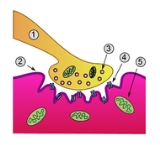
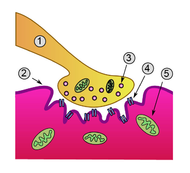 Muscle relaxation and paralysis can theoretically occur by interrupting function at several sites, including the central nervous system
, myelin
ated somatic nerves, unmyelinated motor nerve terminals, nicotinic acetylcholine receptor
s, the motor end plate, and the muscle membrane or contractile apparatus. Most neuromuscular blockers function by blocking transmission at the end plate of the neuromuscular junction
. Normally, a nerve impulse arrives at the motor nerve terminal, initiating an influx of calcium
ions which causes the exocytosis
of synaptic vesicles
containing acetylcholine
. Acetylcholine then diffuses across the synaptic cleft. It may be hydrolysed by Acetylcholine esterase (AchE) or bind to the nicotinic receptors located on the motor end plate. The binding of two acetylcholine molecules results in a conformational change in the receptor that opens the sodium-potassium channel of the nicotinic receptor. This allows Na+ and Ca2+ ions to enter the cell and K+ ions to leave the cell causing a depolarization of the end plate, resulting in muscle contraction. Following depolarization, the acetylcholine molecules are then removed from the end plate region and enzymatically hydrolysed by acetylcholinesterase.
Normal end plate function can be blocked by two mechanisms. Nondepolarizing agents like tubocurarine
block the agonist
, acetylcholine, from binding nicotinic receptors and activating them, thereby preventing depolarization. Alternatively, depolarizing agents such as succinylcholine are nicotinic receptor agonist
s which mimic Ach, block muscle contraction by depolarizing to such an extent that it desensitizes the receptor and it can no longer initiate an action potential
and cause muscle contraction. These neuromuscular blocking drugs are structurally similar to acetylcholine, the endogenous ligand, in many cases containing two acetylcholine molecules linked end-to-end by a rigid carbon ring system, as in pancuronium
.

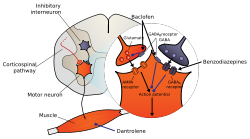 The generation of the neuronal signals
in motor neurons that cause muscle contractions are dependent on the balance of synaptic excitation and inhibition that the motor neuron receives. Spasmolytic agents generally work by either enhancing the level of inhibition, or reducing the level of excitation. Inhibition is enhanced by mimicking or enhancing the actions of endogenous inhibitory substances, such as GABA
.
), so this name is inaccurate.
Most sources still use the term "centrally acting muscle relaxant". According to MeSH
, dantrolene
is usually classified as a centrally acting muscle relaxant. The World Health Organization
, in its ATC
, uses the term "centrally acting agents", but adds a distinct category of "directly acting agents", for dantrolene. Use of this terminology dates back to at least 1973.
The term "spasmolytic" is also considered a synonym for antispasmodic
.
, cyclobenzaprine
, metaxalone
, and methocarbamol
are commonly prescribed for low back pain
or neck pain
, fibromyalgia
, tension headaches and myofascial pain syndrome
. However, they are not recommended as first-line agents; in acute low back pain, they are not more effective than paracetamol
or non-steroidal anti-inflammatory drug
s (NSAIDs), and in fibromyalgia they are not more effective than antidepressants. Nevertheless, there is some (low quality) evidence suggesting that muscle relaxants can add benefit to treatment with NSAIDs. In general, there is no high quality evidence
to support their use. No drug has been shown to be better than another, and all of them have adverse effects, particularly dizziness
and drowsiness. Concerns about possible abuse and interaction
with other drugs, especially if increased sedation is a risk, further limit their use. A muscle relaxant is chosen based on its adverse-effect profile, tolerability, and cost.
Muscle relaxants (According to one study) were not advised for orthopedic conditions, but rather for neurological conditions such as spasticity in cerebral palsy
and multiple sclerosis
. Dantrolene, although thought of primarily as a peripherally acting agent, is associated with CNS effects, whereas baclofen activity is strictly associated with the CNS.
Muscle relaxants are thought to be useful in painful disorders based on the theory that pain induces spasm and spasm causes pain. However, there is considerable evidence to contradict this theory.
In general, muscle relaxers are not approved by FDA for long term use. However, rheumatologists often prescribe cyclobenzaprine
nightly on a daily basis in order to increase stage 4 sleep. By increasing this sleep stage patients feel more refreshed in the morning. Improving sleep is also beneficial for patients who have fibromyalgia.
Muscle relaxants such as tizanidine are prescribed in the treatment of tension headaches.
Diazepam
and carisoprodol
are not recommended for older adults, pregnant women, or people who suffer depression or for those with a history of drug or alcohol addiction
.
The benzodiazepine
s, such as diazepam
, interact with the GABAA receptor in the central nervous system. While it can be used in patients with muscle spasm of almost any origin, it produces sedation in most individuals at the doses required to reduce muscle tone.
Baclofen
is considered to be at least as effective as diazepam in reducing spasticity, and causes much less sedation. It acts as a GABA agonist
at GABAB receptors in the brain and spinal cord, resulting in hyperpolarization of neurons expressing this receptor, most likely due to increased potassium ion conductance. Baclofen also inhibits neural function presynaptically, by reducing calcium ion influx, and thereby reducing the release of excitatory neurotransmitters in both the brain and spinal cord. It may also reduce pain in patients by inhibiting the release of substance P
in the spinal cord as well.
Clonidine
and other imidazoline compounds have also been shown to reduce muscle spasms by their central nervous system activity. Tizanidine
is perhaps the most thoroughly studied clonidine analog, and is an agonist at α2-adrenergic receptors
, but reduces spasticity at doses that result in significantly less hypotension
than clonidine. Neurophysiologic studies show that it depresses excitatory feedback from muscles that would normally increase muscle tone, therefore minimizing spasticity. Furthermore, several clinical trials indicate that tizanidine has a similar efficacy to other spasmolytic agents, such as diazepam and baclofen, with a different spectrum of adverse effects.
The hydantoin
-derivative dantrolene
is a spasmolytic agent with a unique mechanism of action outside of the CNS. Dantrolene reduces skeletal muscle strength by inhibiting the excitation-contraction coupling in the muscle fiber. In normal muscle contraction, calcium is released from the sarcoplasmic reticulum through the ryanodine receptor
channel, which causes the tension-generating interaction of actin
and myosin
. Dantrolene interferes with the release of calcium by binding to the ryanodine receptor and blocking the endogenous ligand ryanodine by competitive inhibition
. Muscle that contracts more rapidly is more sensitive to dantrolene than muscle that contracts slowly, although cardiac muscle
and smooth muscle
are depressed only slightly, most likely because the release of calcium by their sarcoplasmic reticulum involves a slightly different process. Major adverse effects of dantrolene include general muscle weakness, sedation, and occasionally hepatitis
.
Other common spasmolytic agents include: methocarbamol
, carisoprodol
, chlorzoxazone, cyclobenzaprine
, gabapentin
, metaxalone
, and orphenadrine
.
. Patients most commonly report sedation
as the main adverse effect of muscle relaxants. Usually people become less alert when they are under the effects of muscle relaxant drugs. People are normally advised to not drive vehicles or operate heavy machinery while under muscle relaxants' effects.
Cyclobenzaprine produces confusion, lethargy, as well as anticholinergic
side effects. When taken in excess or in combination with other substances it may also be toxic. While the body adjusts to this medication, it is possible for patients to experience dry mouth, fatigue, lightheadedness, constipation
or blurred vision
. There are also some serious but unlikely side effects that may be experienced that include mental or mood change, this includes possible confusion and hallucinations, and difficulty urinating. In a very few cases the following very serious but rare side effects may be experienced: irregular heartbeat, yellowing of eyes or skin, fainting, abdominal
pain including stomachache, nausea
or vomiting
, lack of appetite, seizures, dark urine, or loss of coordination.
Patients taking Carisoprodol for a prolonged period of time have reported dependence
, withdrawal
and abuse although most of these cases were reported by patients who had had a history of addiction. These effects were also reported by patients who took Carisoprodol in combination with other drugs with abuse potential and in fewer cases there were reports of Carisoprodol-associated abuse when used without other drugs with abuse potential.
Common side effects eventually caused by metaxalone include dizziness, headache
, drowsiness, nausea, irritability
, nervousness
, upset stomach and vomiting
. There are other severe side effects that may be experienced when consuming metaxalone that require immediate medical attention. They include: severe allergic reactions which include rash
, hives, itching, difficulty breathing, tightness in the chest, swelling of the mouth, face, lips, or tongue; chills, fever
, and sore throat
. Other severe side effects include unusual or severe tiredness or weakness as well as yellowing of the skin or the eyes.
When baclofen is administered intrathecally it may cause CNS depression accompanied with cardiovascular collapse and respiratory failure
.
Tizanidine may lower blood pressure
. This effect can be controlled by administering a low dose at the beginning and increasing it gradually.
Skeletal muscle
Skeletal muscle is a form of striated muscle tissue existing under control of the somatic nervous system- i.e. it is voluntarily controlled. It is one of three major muscle types, the others being cardiac and smooth muscle...
function and decreases the muscle tone
Muscle tone
In physiology, medicine, and anatomy, muscle tone is the continuous and passive partial contraction of the muscles, or the muscle’s resistance to passive stretch during resting state. It helps maintain posture, and it declines during REM sleep.-Purpose:Unconscious nerve impulses maintain the...
. It may be used to alleviate symptoms such as muscle spasm
Spasm
In medicine a spasm is a sudden, involuntary contraction of a muscle, a group of muscles, or a hollow organ, or a similarly sudden contraction of an orifice. It is sometimes accompanied by a sudden burst of pain, but is usually harmless and ceases after a few minutes...
s, pain, and hyperreflexia
Hyperreflexia
Hyperreflexia is defined as overactive or overresponsive reflexes. Examples of this can include twitching or spastic tendencies, which are indicative of upper motor neuron disease as well as the lessening or loss of control ordinarily exerted by higher brain centers of lower neural pathways...
. The term "muscle relaxant" is used to refer to two major therapeutic groups: neuromuscular blockers
Neuromuscular-blocking drugs
Neuromuscular-blocking drugs block neuromuscular transmission at the neuromuscular junction, causing paralysis of the affected skeletal muscles. This is accomplished either by acting presynaptically via the inhibition of acetylcholine synthesis or release or by acting postsynaptically at the...
and spasmolytics
Antispasmodic
An antispasmodic is a drug or a herb that suppresses muscle spasms.-Smooth muscle spasm:One type of antispasmodics is used for smooth muscle contraction, especially in tubular organs of the gastrointestinal tract...
. Neuromuscular blockers act by interfering with transmission at the neuromuscular end plate and have no central nervous system
Central nervous system
The central nervous system is the part of the nervous system that integrates the information that it receives from, and coordinates the activity of, all parts of the bodies of bilaterian animals—that is, all multicellular animals except sponges and radially symmetric animals such as jellyfish...
(CNS) activity. They are often used during surgical procedures and in intensive care and emergency medicine
Emergency medicine
Emergency medicine is a medical specialty in which physicians care for patients with acute illnesses or injuries which require immediate medical attention. While not usually providing long-term or continuing care, emergency medicine physicians diagnose a variety of illnesses and undertake acute...
to cause paralysis
Paralysis
Paralysis is loss of muscle function for one or more muscles. Paralysis can be accompanied by a loss of feeling in the affected area if there is sensory damage as well as motor. A study conducted by the Christopher & Dana Reeve Foundation, suggests that about 1 in 50 people have been diagnosed...
. Spasmolytics, also known as "centrally-acting" muscle relaxants, are used to alleviate musculoskeletal pain and spasms and to reduce spasticity
Spasticity
Spasticity is a feature of altered skeletal muscle performance in muscle tone involving hypertonia, which is also referred to as an unusual "tightness" of muscles...
in a variety of neurological conditions. While both neuromuscular blockers and spasmolytics are often grouped together as muscle relaxants, the term is commonly used to refer to spasmolytics only.
History
The earliest known use of muscle relaxant drugs dates back to the 16th century, when European explorers encountered natives of the Amazon BasinAmazon Basin
The Amazon Basin is the part of South America drained by the Amazon River and its tributaries that drains an area of about , or roughly 40 percent of South America. The basin is located in the countries of Bolivia, Brazil, Colombia, Ecuador, Guyana, Peru, and Venezuela...
in South America
South America
South America is a continent situated in the Western Hemisphere, mostly in the Southern Hemisphere, with a relatively small portion in the Northern Hemisphere. The continent is also considered a subcontinent of the Americas. It is bordered on the west by the Pacific Ocean and on the north and east...
using poison
Poison
In the context of biology, poisons are substances that can cause disturbances to organisms, usually by chemical reaction or other activity on the molecular scale, when a sufficient quantity is absorbed by an organism....
-tipped arrow
Arrow
An arrow is a shafted projectile that is shot with a bow. It predates recorded history and is common to most cultures.An arrow usually consists of a shaft with an arrowhead attached to the front end, with fletchings and a nock at the other.- History:...
s that produced death by skeletal muscle paralysis. This poison, known today as curare
Curare
Curare is a common name for various arrow poisons originating from South America. The three main types of curare are:* tubocurare...
, led to some of the earliest scientific studies in pharmacology
Pharmacology
Pharmacology is the branch of medicine and biology concerned with the study of drug action. More specifically, it is the study of the interactions that occur between a living organism and chemicals that affect normal or abnormal biochemical function...
. Its active ingredient, tubocurarine
Tubocurarine
Tubocurarine is a neuromuscular-blocking drug or skeletal muscle relaxant in the category of non-depolarizing neuromuscular-blocking drugs, used adjunctively in anesthesia to provide skeletal muscle relaxation during surgery or mechanical ventilation...
, as well as many synthetic derivatives, played a significant role in scientific experiments to determine the function of acetylcholine
Acetylcholine
The chemical compound acetylcholine is a neurotransmitter in both the peripheral nervous system and central nervous system in many organisms including humans...
in neuromuscular transmission. By 1943, neuromuscular blocking drugs became established as muscle relaxants in the practice of anesthesia
Anesthesia
Anesthesia, or anaesthesia , traditionally meant the condition of having sensation blocked or temporarily taken away...
and surgery
Surgery
Surgery is an ancient medical specialty that uses operative manual and instrumental techniques on a patient to investigate and/or treat a pathological condition such as disease or injury, or to help improve bodily function or appearance.An act of performing surgery may be called a surgical...
.
The U.S. Food and Drug Administration
Food and Drug Administration
The Food and Drug Administration is an agency of the United States Department of Health and Human Services, one of the United States federal executive departments...
(FDA) approved the use of Carisoprodol
Carisoprodol
Carisoprodol is a centrally-acting skeletal muscle relaxant. Carisoprodol is slightly soluble in water and freely soluble in alcohol, chloroform and acetone. The drug's solubility is practically independent of pH. Carisoprodol is manufactured and marketed in the United States by Meda Pharmaceuticals...
in 1959, the use of Metaxalone
Metaxalone
Metaxalone is a muscle relaxant used to relax muscles and relieve pain caused by strains, sprains, and other musculoskeletal conditions. Its exact mechanism of action is not known, but it may be due to general central nervous system depression...
on August 13, 1962, while the use of Cyclobenzaprine
Cyclobenzaprine
Cyclobenzaprine is a muscle relaxant medication used to relieve skeletal muscle spasms and associated pain in acute musculoskeletal conditions. It is the most well-studied drug for this application, and it also has been used off-label for fibromyalgia treatment.- Mechanism of action :The mechanism...
was approved on August 26, 1977.
Neuromuscular-blockers
Central nervous system
The central nervous system is the part of the nervous system that integrates the information that it receives from, and coordinates the activity of, all parts of the bodies of bilaterian animals—that is, all multicellular animals except sponges and radially symmetric animals such as jellyfish...
, myelin
Myelin
Myelin is a dielectric material that forms a layer, the myelin sheath, usually around only the axon of a neuron. It is essential for the proper functioning of the nervous system. Myelin is an outgrowth of a type of glial cell. The production of the myelin sheath is called myelination...
ated somatic nerves, unmyelinated motor nerve terminals, nicotinic acetylcholine receptor
Nicotinic acetylcholine receptor
Nicotinic acetylcholine receptors, or nAChRs, are cholinergic receptors that form ligand-gated ion channels in the plasma membranes of certain neurons and on the postsynaptic side of the neuromuscular junction...
s, the motor end plate, and the muscle membrane or contractile apparatus. Most neuromuscular blockers function by blocking transmission at the end plate of the neuromuscular junction
Neuromuscular junction
A neuromuscular junction is the synapse or junction of the axon terminal of a motor neuron with the motor end plate, the highly-excitable region of muscle fiber plasma membrane responsible for initiation of action potentials across the muscle's surface, ultimately causing the muscle to contract...
. Normally, a nerve impulse arrives at the motor nerve terminal, initiating an influx of calcium
Calcium
Calcium is the chemical element with the symbol Ca and atomic number 20. It has an atomic mass of 40.078 amu. Calcium is a soft gray alkaline earth metal, and is the fifth-most-abundant element by mass in the Earth's crust...
ions which causes the exocytosis
Exocytosis
Exocytosis , also known as 'The peni-cytosis', is the durable process by which a cell directs the contents of secretory vesicles out of the cell membrane...
of synaptic vesicles
Vesicle (biology)
A vesicle is a bubble of liquid within another liquid, a supramolecular assembly made up of many different molecules. More technically, a vesicle is a small membrane-enclosed sack that can store or transport substances. Vesicles can form naturally because of the properties of lipid membranes , or...
containing acetylcholine
Acetylcholine
The chemical compound acetylcholine is a neurotransmitter in both the peripheral nervous system and central nervous system in many organisms including humans...
. Acetylcholine then diffuses across the synaptic cleft. It may be hydrolysed by Acetylcholine esterase (AchE) or bind to the nicotinic receptors located on the motor end plate. The binding of two acetylcholine molecules results in a conformational change in the receptor that opens the sodium-potassium channel of the nicotinic receptor. This allows Na+ and Ca2+ ions to enter the cell and K+ ions to leave the cell causing a depolarization of the end plate, resulting in muscle contraction. Following depolarization, the acetylcholine molecules are then removed from the end plate region and enzymatically hydrolysed by acetylcholinesterase.
Normal end plate function can be blocked by two mechanisms. Nondepolarizing agents like tubocurarine
Tubocurarine
Tubocurarine is a neuromuscular-blocking drug or skeletal muscle relaxant in the category of non-depolarizing neuromuscular-blocking drugs, used adjunctively in anesthesia to provide skeletal muscle relaxation during surgery or mechanical ventilation...
block the agonist
Agonist
An agonist is a chemical that binds to a receptor of a cell and triggers a response by that cell. Agonists often mimic the action of a naturally occurring substance...
, acetylcholine, from binding nicotinic receptors and activating them, thereby preventing depolarization. Alternatively, depolarizing agents such as succinylcholine are nicotinic receptor agonist
Agonist
An agonist is a chemical that binds to a receptor of a cell and triggers a response by that cell. Agonists often mimic the action of a naturally occurring substance...
s which mimic Ach, block muscle contraction by depolarizing to such an extent that it desensitizes the receptor and it can no longer initiate an action potential
Action potential
In physiology, an action potential is a short-lasting event in which the electrical membrane potential of a cell rapidly rises and falls, following a consistent trajectory. Action potentials occur in several types of animal cells, called excitable cells, which include neurons, muscle cells, and...
and cause muscle contraction. These neuromuscular blocking drugs are structurally similar to acetylcholine, the endogenous ligand, in many cases containing two acetylcholine molecules linked end-to-end by a rigid carbon ring system, as in pancuronium
Pancuronium
Pancuronium is a muscle relaxant with various purposes. It is the second of three drugs administered during most lethal injections in the United States.- Mode of action :...
.
Spasmolytics
Action potential
In physiology, an action potential is a short-lasting event in which the electrical membrane potential of a cell rapidly rises and falls, following a consistent trajectory. Action potentials occur in several types of animal cells, called excitable cells, which include neurons, muscle cells, and...
in motor neurons that cause muscle contractions are dependent on the balance of synaptic excitation and inhibition that the motor neuron receives. Spasmolytic agents generally work by either enhancing the level of inhibition, or reducing the level of excitation. Inhibition is enhanced by mimicking or enhancing the actions of endogenous inhibitory substances, such as GABA
Gabâ
Gabâ or gabaa, for the people in many parts of the Philippines), is the concept of a non-human and non-divine, imminent retribution. A sort of negative karma, it is generally seen as an evil effect on a person because of their wrongdoings or transgressions...
.
Terminology
Because they may act at the level of the cortex, brain stem or spinal cord, or all three areas, they have traditionally been referred to as "centrally-acting" muscle relaxants. However, it is now known that not every agent in this class has CNS activity (e.g. dantroleneDantrolene
Dantrolene sodium is a muscle relaxant that acts by abolishing excitation-contraction coupling in muscle cells, probably by action on the ryanodine receptor. It is the only specific and effective treatment for malignant hyperthermia, a rare, life-threatening disorder triggered by general anesthesia...
), so this name is inaccurate.
Most sources still use the term "centrally acting muscle relaxant". According to MeSH
Medical Subject Headings
Medical Subject Headings is a comprehensive controlled vocabulary for the purpose of indexing journal articles and books in the life sciences; it can also serve as a thesaurus that facilitates searching...
, dantrolene
Dantrolene
Dantrolene sodium is a muscle relaxant that acts by abolishing excitation-contraction coupling in muscle cells, probably by action on the ryanodine receptor. It is the only specific and effective treatment for malignant hyperthermia, a rare, life-threatening disorder triggered by general anesthesia...
is usually classified as a centrally acting muscle relaxant. The World Health Organization
World Health Organization
The World Health Organization is a specialized agency of the United Nations that acts as a coordinating authority on international public health. Established on 7 April 1948, with headquarters in Geneva, Switzerland, the agency inherited the mandate and resources of its predecessor, the Health...
, in its ATC
Anatomical Therapeutic Chemical Classification System
The Anatomical Therapeutic Chemical Classification System is used for the classification of drugs. It is controlled by the WHO Collaborating Centre for Drug Statistics Methodology , and was first published in 1976....
, uses the term "centrally acting agents", but adds a distinct category of "directly acting agents", for dantrolene. Use of this terminology dates back to at least 1973.
The term "spasmolytic" is also considered a synonym for antispasmodic
Antispasmodic
An antispasmodic is a drug or a herb that suppresses muscle spasms.-Smooth muscle spasm:One type of antispasmodics is used for smooth muscle contraction, especially in tubular organs of the gastrointestinal tract...
.
Clinical use
Spasmolytics like carisoprodolCarisoprodol
Carisoprodol is a centrally-acting skeletal muscle relaxant. Carisoprodol is slightly soluble in water and freely soluble in alcohol, chloroform and acetone. The drug's solubility is practically independent of pH. Carisoprodol is manufactured and marketed in the United States by Meda Pharmaceuticals...
, cyclobenzaprine
Cyclobenzaprine
Cyclobenzaprine is a muscle relaxant medication used to relieve skeletal muscle spasms and associated pain in acute musculoskeletal conditions. It is the most well-studied drug for this application, and it also has been used off-label for fibromyalgia treatment.- Mechanism of action :The mechanism...
, metaxalone
Metaxalone
Metaxalone is a muscle relaxant used to relax muscles and relieve pain caused by strains, sprains, and other musculoskeletal conditions. Its exact mechanism of action is not known, but it may be due to general central nervous system depression...
, and methocarbamol
Methocarbamol
Methocarbamol is a central muscle relaxant used to treat skeletal muscle spasms...
are commonly prescribed for low back pain
Low back pain
Low back pain or lumbago is a common musculoskeletal disorder affecting 80% of people at some point in their lives. In the United States it is the most common cause of job-related disability, a leading contributor to missed work, and the second most common neurological ailment — only headache is...
or neck pain
Neck pain
Neck pain is a common problem, with two-thirds of the population having neck pain at some point in their lives.Neck pain, although felt in the neck, can be caused by numerous other spinal problems. Neck pain may arise due to muscular tightness in both the neck and upper back, or pinching of the...
, fibromyalgia
Fibromyalgia
Fibromyalgia is a medical disorder characterized by chronic widespread pain and allodynia, a heightened and painful response to pressure. It is an example of a diagnosis of exclusion...
, tension headaches and myofascial pain syndrome
Myofascial pain syndrome
Myofascial pain syndrome , also known as chronic myofascial pain , is a syndrome characterized by chronic pain caused by multiple trigger points and fascial constrictions...
. However, they are not recommended as first-line agents; in acute low back pain, they are not more effective than paracetamol
Paracetamol
Paracetamol INN , or acetaminophen USAN , is a widely used over-the-counter analgesic and antipyretic . It is commonly used for the relief of headaches and other minor aches and pains and is a major ingredient in numerous cold and flu remedies...
or non-steroidal anti-inflammatory drug
Non-steroidal anti-inflammatory drug
Nonsteroidal anti-inflammatory drugs, usually abbreviated to NSAIDs or NAIDs, but also referred to as nonsteroidal anti-inflammatory agents/analgesics or nonsteroidal Anti-inflammatory medicines , are drugs with analgesic and antipyretic effects and which have, in higher doses, anti-inflammatory...
s (NSAIDs), and in fibromyalgia they are not more effective than antidepressants. Nevertheless, there is some (low quality) evidence suggesting that muscle relaxants can add benefit to treatment with NSAIDs. In general, there is no high quality evidence
Evidence-based medicine
Evidence-based medicine or evidence-based practice aims to apply the best available evidence gained from the scientific method to clinical decision making. It seeks to assess the strength of evidence of the risks and benefits of treatments and diagnostic tests...
to support their use. No drug has been shown to be better than another, and all of them have adverse effects, particularly dizziness
Dizziness
Dizziness refers to an impairment in spatial perception and stability. The term is somewhat imprecise. It can be used to mean vertigo, presyncope, disequilibrium, or a non-specific feeling such as giddiness or foolishness....
and drowsiness. Concerns about possible abuse and interaction
Drug interaction
A drug interaction is a situation in which a substance affects the activity of a drug, i.e. the effects are increased or decreased, or they produce a new effect that neither produces on its own. Typically, interaction between drugs come to mind...
with other drugs, especially if increased sedation is a risk, further limit their use. A muscle relaxant is chosen based on its adverse-effect profile, tolerability, and cost.
Muscle relaxants (According to one study) were not advised for orthopedic conditions, but rather for neurological conditions such as spasticity in cerebral palsy
Cerebral palsy
Cerebral palsy is an umbrella term encompassing a group of non-progressive, non-contagious motor conditions that cause physical disability in human development, chiefly in the various areas of body movement....
and multiple sclerosis
Multiple sclerosis
Multiple sclerosis is an inflammatory disease in which the fatty myelin sheaths around the axons of the brain and spinal cord are damaged, leading to demyelination and scarring as well as a broad spectrum of signs and symptoms...
. Dantrolene, although thought of primarily as a peripherally acting agent, is associated with CNS effects, whereas baclofen activity is strictly associated with the CNS.
Muscle relaxants are thought to be useful in painful disorders based on the theory that pain induces spasm and spasm causes pain. However, there is considerable evidence to contradict this theory.
In general, muscle relaxers are not approved by FDA for long term use. However, rheumatologists often prescribe cyclobenzaprine
Cyclobenzaprine
Cyclobenzaprine is a muscle relaxant medication used to relieve skeletal muscle spasms and associated pain in acute musculoskeletal conditions. It is the most well-studied drug for this application, and it also has been used off-label for fibromyalgia treatment.- Mechanism of action :The mechanism...
nightly on a daily basis in order to increase stage 4 sleep. By increasing this sleep stage patients feel more refreshed in the morning. Improving sleep is also beneficial for patients who have fibromyalgia.
Muscle relaxants such as tizanidine are prescribed in the treatment of tension headaches.
Diazepam
Diazepam
Diazepam , first marketed as Valium by Hoffmann-La Roche is a benzodiazepine drug. Diazepam is also marketed in Australia as Antenex. It is commonly used for treating anxiety, insomnia, seizures including status epilepticus, muscle spasms , restless legs syndrome, alcohol withdrawal,...
and carisoprodol
Carisoprodol
Carisoprodol is a centrally-acting skeletal muscle relaxant. Carisoprodol is slightly soluble in water and freely soluble in alcohol, chloroform and acetone. The drug's solubility is practically independent of pH. Carisoprodol is manufactured and marketed in the United States by Meda Pharmaceuticals...
are not recommended for older adults, pregnant women, or people who suffer depression or for those with a history of drug or alcohol addiction
Addiction
Historically, addiction has been defined as physical and psychological dependence on psychoactive substances which cross the blood-brain barrier once ingested, temporarily altering the chemical milieu of the brain.Addiction can also be viewed as a continued involvement with a substance or activity...
.
Mechanism
Because of the enhancement of inhibition in the CNS, most spasmolytic agents have the side-effects of sedation, drowsiness and may cause dependence with long term use. Several of these agents also have abuse potential, and their prescription is strictly controlled.The benzodiazepine
Benzodiazepine
A benzodiazepine is a psychoactive drug whose core chemical structure is the fusion of a benzene ring and a diazepine ring...
s, such as diazepam
Diazepam
Diazepam , first marketed as Valium by Hoffmann-La Roche is a benzodiazepine drug. Diazepam is also marketed in Australia as Antenex. It is commonly used for treating anxiety, insomnia, seizures including status epilepticus, muscle spasms , restless legs syndrome, alcohol withdrawal,...
, interact with the GABAA receptor in the central nervous system. While it can be used in patients with muscle spasm of almost any origin, it produces sedation in most individuals at the doses required to reduce muscle tone.
Baclofen
Baclofen
Baclofen is a derivative of gamma-aminobutyric acid . It is primarily used to treat spasticity and is under investigation for the treatment of alcoholism....
is considered to be at least as effective as diazepam in reducing spasticity, and causes much less sedation. It acts as a GABA agonist
Agonist
An agonist is a chemical that binds to a receptor of a cell and triggers a response by that cell. Agonists often mimic the action of a naturally occurring substance...
at GABAB receptors in the brain and spinal cord, resulting in hyperpolarization of neurons expressing this receptor, most likely due to increased potassium ion conductance. Baclofen also inhibits neural function presynaptically, by reducing calcium ion influx, and thereby reducing the release of excitatory neurotransmitters in both the brain and spinal cord. It may also reduce pain in patients by inhibiting the release of substance P
Substance P
In the field of neuroscience, substance P is a neuropeptide: an undecapeptide that functions as a neurotransmitter and as a neuromodulator. It belongs to the tachykinin neuropeptide family. Substance P and its closely related neuropeptide neurokinin A are produced from a polyprotein precursor...
in the spinal cord as well.
Clonidine
Clonidine
Clonidine is a sympatholytic medication used to treat medical conditions, such as high blood pressure, some pain conditions, ADHD and anxiety/panic disorder...
and other imidazoline compounds have also been shown to reduce muscle spasms by their central nervous system activity. Tizanidine
Tizanidine
Tizanidine is a drug that is used as a muscle relaxant. It is a centrally acting α2 adrenergic agonist. It is used to treat the spasms, cramping, and tightness of muscles caused by medical problems such as multiple sclerosis, spastic diplegia, back pain, or certain other injuries to the spine or...
is perhaps the most thoroughly studied clonidine analog, and is an agonist at α2-adrenergic receptors
Adrenergic receptor
The adrenergic receptors are a class of metabotropic G protein-coupled receptors that are targets of the catecholamines, especially noradrenaline and adrenaline ....
, but reduces spasticity at doses that result in significantly less hypotension
Hypotension
In physiology and medicine, hypotension is abnormally low blood pressure, especially in the arteries of the systemic circulation. It is best understood as a physiologic state, rather than a disease. It is often associated with shock, though not necessarily indicative of it. Hypotension is the...
than clonidine. Neurophysiologic studies show that it depresses excitatory feedback from muscles that would normally increase muscle tone, therefore minimizing spasticity. Furthermore, several clinical trials indicate that tizanidine has a similar efficacy to other spasmolytic agents, such as diazepam and baclofen, with a different spectrum of adverse effects.
The hydantoin
Hydantoin
Hydantoin, which is also known as glycolylurea, is a heterocyclic organic compound that can be thought of as a cyclic "double-condensation reaction" product of glycolic acid and urea...
-derivative dantrolene
Dantrolene
Dantrolene sodium is a muscle relaxant that acts by abolishing excitation-contraction coupling in muscle cells, probably by action on the ryanodine receptor. It is the only specific and effective treatment for malignant hyperthermia, a rare, life-threatening disorder triggered by general anesthesia...
is a spasmolytic agent with a unique mechanism of action outside of the CNS. Dantrolene reduces skeletal muscle strength by inhibiting the excitation-contraction coupling in the muscle fiber. In normal muscle contraction, calcium is released from the sarcoplasmic reticulum through the ryanodine receptor
Ryanodine receptor
Ryanodine receptors form a class of intracellular calcium channels in various forms of excitable animal tissue like muscles and neurons...
channel, which causes the tension-generating interaction of actin
Actin
Actin is a globular, roughly 42-kDa moonlighting protein found in all eukaryotic cells where it may be present at concentrations of over 100 μM. It is also one of the most highly-conserved proteins, differing by no more than 20% in species as diverse as algae and humans...
and myosin
Myosin
Myosins comprise a family of ATP-dependent motor proteins and are best known for their role in muscle contraction and their involvement in a wide range of other eukaryotic motility processes. They are responsible for actin-based motility. The term was originally used to describe a group of similar...
. Dantrolene interferes with the release of calcium by binding to the ryanodine receptor and blocking the endogenous ligand ryanodine by competitive inhibition
Competitive inhibition
Competitive inhibition is a form of enzyme inhibition where binding of the inhibitor to the active site on the enzyme prevents binding of the substrate and vice versa.-Mechanism:...
. Muscle that contracts more rapidly is more sensitive to dantrolene than muscle that contracts slowly, although cardiac muscle
Cardiac muscle
Cardiac muscle is a type of involuntary striated muscle found in the walls and histologic foundation of the heart, specifically the myocardium. Cardiac muscle is one of three major types of muscle, the others being skeletal and smooth muscle...
and smooth muscle
Smooth muscle
Smooth muscle is an involuntary non-striated muscle. It is divided into two sub-groups; the single-unit and multiunit smooth muscle. Within single-unit smooth muscle tissues, the autonomic nervous system innervates a single cell within a sheet or bundle and the action potential is propagated by...
are depressed only slightly, most likely because the release of calcium by their sarcoplasmic reticulum involves a slightly different process. Major adverse effects of dantrolene include general muscle weakness, sedation, and occasionally hepatitis
Hepatitis
Hepatitis is a medical condition defined by the inflammation of the liver and characterized by the presence of inflammatory cells in the tissue of the organ. The name is from the Greek hepar , the root being hepat- , meaning liver, and suffix -itis, meaning "inflammation"...
.
Other common spasmolytic agents include: methocarbamol
Methocarbamol
Methocarbamol is a central muscle relaxant used to treat skeletal muscle spasms...
, carisoprodol
Carisoprodol
Carisoprodol is a centrally-acting skeletal muscle relaxant. Carisoprodol is slightly soluble in water and freely soluble in alcohol, chloroform and acetone. The drug's solubility is practically independent of pH. Carisoprodol is manufactured and marketed in the United States by Meda Pharmaceuticals...
, chlorzoxazone, cyclobenzaprine
Cyclobenzaprine
Cyclobenzaprine is a muscle relaxant medication used to relieve skeletal muscle spasms and associated pain in acute musculoskeletal conditions. It is the most well-studied drug for this application, and it also has been used off-label for fibromyalgia treatment.- Mechanism of action :The mechanism...
, gabapentin
Gabapentin
Gabapentin is a pharmaceutical drug, specifically a GABA analogue. It was originally developed for the treatment of epilepsy, and currently is also used to relieve neuropathic pain...
, metaxalone
Metaxalone
Metaxalone is a muscle relaxant used to relax muscles and relieve pain caused by strains, sprains, and other musculoskeletal conditions. Its exact mechanism of action is not known, but it may be due to general central nervous system depression...
, and orphenadrine
Orphenadrine
Orphenadrine is an anticholinergic drug of the ethanolamine antihistamine class with prominent CNS and peripheral actions used to treat painful muscle spasms, other similar conditions, as well as the treatment...
.
Side effects
Muscle relaxants are very powerful drugs which may produce negative effects that include heart failure and paralysisParalysis
Paralysis is loss of muscle function for one or more muscles. Paralysis can be accompanied by a loss of feeling in the affected area if there is sensory damage as well as motor. A study conducted by the Christopher & Dana Reeve Foundation, suggests that about 1 in 50 people have been diagnosed...
. Patients most commonly report sedation
Sedation
Sedation is the reduction of irritability or agitation by administration of sedative drugs, generally to facilitate a medical procedure or diagnostic procedure...
as the main adverse effect of muscle relaxants. Usually people become less alert when they are under the effects of muscle relaxant drugs. People are normally advised to not drive vehicles or operate heavy machinery while under muscle relaxants' effects.
Cyclobenzaprine produces confusion, lethargy, as well as anticholinergic
Anticholinergic
An anticholinergic agent is a substance that blocks the neurotransmitter acetylcholine in the central and the peripheral nervous system. An example of an anticholinergic is dicycloverine, and the classic example is atropine....
side effects. When taken in excess or in combination with other substances it may also be toxic. While the body adjusts to this medication, it is possible for patients to experience dry mouth, fatigue, lightheadedness, constipation
Constipation
Constipation refers to bowel movements that are infrequent or hard to pass. Constipation is a common cause of painful defecation...
or blurred vision
Blurred vision
-Causes:There are many causes of blurred vision:* Use of atropine or other anticholinergics* Presbyopia -- Difficulty focusing on objects that are close. The elderly are common victims....
. There are also some serious but unlikely side effects that may be experienced that include mental or mood change, this includes possible confusion and hallucinations, and difficulty urinating. In a very few cases the following very serious but rare side effects may be experienced: irregular heartbeat, yellowing of eyes or skin, fainting, abdominal
Abdominal pain
Abdominal pain can be one of the symptoms associated with transient disorders or serious disease. Making a definitive diagnosis of the cause of abdominal pain can be difficult, because many diseases can result in this symptom. Abdominal pain is a common problem...
pain including stomachache, nausea
Nausea
Nausea , is a sensation of unease and discomfort in the upper stomach with an involuntary urge to vomit. It often, but not always, precedes vomiting...
or vomiting
Vomiting
Vomiting is the forceful expulsion of the contents of one's stomach through the mouth and sometimes the nose...
, lack of appetite, seizures, dark urine, or loss of coordination.
Patients taking Carisoprodol for a prolonged period of time have reported dependence
Substance dependence
The section about substance dependence in the Diagnostic and Statistical Manual of Mental Disorders does not use the word addiction at all. It explains:...
, withdrawal
Withdrawal
Withdrawal can refer to any sort of separation, but is most commonly used to describe the group of symptoms that occurs upon the abrupt discontinuation/separation or a decrease in dosage of the intake of medications, recreational drugs, and alcohol...
and abuse although most of these cases were reported by patients who had had a history of addiction. These effects were also reported by patients who took Carisoprodol in combination with other drugs with abuse potential and in fewer cases there were reports of Carisoprodol-associated abuse when used without other drugs with abuse potential.
Common side effects eventually caused by metaxalone include dizziness, headache
Headache
A headache or cephalalgia is pain anywhere in the region of the head or neck. It can be a symptom of a number of different conditions of the head and neck. The brain tissue itself is not sensitive to pain because it lacks pain receptors. Rather, the pain is caused by disturbance of the...
, drowsiness, nausea, irritability
Irritability
Irritability is an excessive response to stimuli. The term is used for both the physiological reaction to stimuli and for the pathological, abnormal or excessive sensitivity to stimuli; It is usually used to refer to anger or frustration....
, nervousness
Anxiety
Anxiety is a psychological and physiological state characterized by somatic, emotional, cognitive, and behavioral components. The root meaning of the word anxiety is 'to vex or trouble'; in either presence or absence of psychological stress, anxiety can create feelings of fear, worry, uneasiness,...
, upset stomach and vomiting
Vomiting
Vomiting is the forceful expulsion of the contents of one's stomach through the mouth and sometimes the nose...
. There are other severe side effects that may be experienced when consuming metaxalone that require immediate medical attention. They include: severe allergic reactions which include rash
Rash
A rash is a change of the skin which affects its color, appearance or texture. A rash may be localized in one part of the body, or affect all the skin. Rashes may cause the skin to change color, itch, become warm, bumpy, chapped, dry, cracked or blistered, swell and may be painful. The causes, and...
, hives, itching, difficulty breathing, tightness in the chest, swelling of the mouth, face, lips, or tongue; chills, fever
Fever
Fever is a common medical sign characterized by an elevation of temperature above the normal range of due to an increase in the body temperature regulatory set-point. This increase in set-point triggers increased muscle tone and shivering.As a person's temperature increases, there is, in...
, and sore throat
Sore throat
A sore throat or throat pain is a common physical symptom usually caused by acute pharyngitis, or throat inflammation, though it also occurs in a number of other situations, such as post trauma and in diphtheria. It can cause mild to extreme pain....
. Other severe side effects include unusual or severe tiredness or weakness as well as yellowing of the skin or the eyes.
When baclofen is administered intrathecally it may cause CNS depression accompanied with cardiovascular collapse and respiratory failure
Respiratory failure
The term respiratory failure, in medicine, is used to describe inadequate gas exchange by the respiratory system, with the result that arterial oxygen and/or carbon dioxide levels cannot be maintained within their normal ranges. A drop in blood oxygenation is known as hypoxemia; a rise in arterial...
.
Tizanidine may lower blood pressure
Blood pressure
Blood pressure is the pressure exerted by circulating blood upon the walls of blood vessels, and is one of the principal vital signs. When used without further specification, "blood pressure" usually refers to the arterial pressure of the systemic circulation. During each heartbeat, BP varies...
. This effect can be controlled by administering a low dose at the beginning and increasing it gradually.