

Lamarckism

Encyclopedia
Lamarckism is the idea
that an organism
can pass on characteristics that it acquired during its lifetime to its offspring
(also known as heritability of acquired characteristics
or soft inheritance
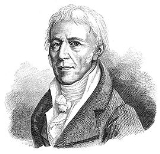
). It is named after the French biologist Jean-Baptiste Lamarck
(1744–1829), who incorporated the action of soft inheritance into his evolutionary theories. He is often incorrectly cited as the founder of soft inheritance, which proposes that individual efforts during the lifetime of the organisms were the main mechanism driving species to adaptation
, as they supposedly would acquire adaptive changes and pass them on to offspring.
After publication of Charles Darwin
's theory of natural selection
, the importance of individual efforts in the generation of adaptation was considerably diminished. Later, Mendelian genetics supplanted the notion of inheritance of acquired traits, eventually leading to the development of the modern evolutionary synthesis
, and the general abandonment of the Lamarckian theory of evolution in biology. Despite this abandonment, interest in Lamarckism has recently increased, as several studies in the field of epigenetics
have highlighted the possible inheritance of behavioral traits acquired by the previous generation. In a wider context, soft inheritance is of use when examining the evolution of cultures and ideas, and is related to the theory of memetics
.
 Between 1794 and 1796 Erasmus Darwin
wrote Zoonomia
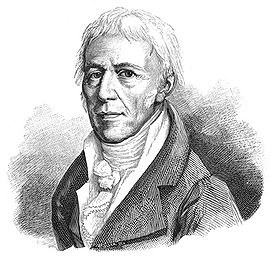
suggesting "that all warm-blooded animals have arisen from one living filament... with the power of acquiring new parts" in response to stimuli, with each round of "improvements" being inherited by successive generations. Subsequently Jean-Baptiste Lamarck
repeated in his Philosophie Zoologique of 1809 the folk wisdom that characteristics which were "needed" were acquired (or diminished) during the lifetime of an organism then passed on to the offspring. He incorporated this mechanism into his thoughts on evolution, seeing it as resulting in the adaptation of life to local environments.
Lamarck founded a school of French Transformationism which included Étienne Geoffroy Saint-Hilaire
, and which corresponded with a radical British school of anatomy based in the extramural anatomy schools in Edinburgh
which included the surgeon Robert Knox
and the comparative anatomist Robert Edmund Grant. In addition, the Regius Professor of Natural History, Robert Jameson
, was the probable author of an anonymous paper in 1826 praising "Mr. Lamarck" for explaining how the higher animals had "evolved" from the "simplest worms" – this was the first use of the word "evolved" in a modern sense. As a young student
, Charles Darwin
was tutored by Grant, and worked with him on marine creatures.
The Vestiges of the Natural History of Creation
, authored by Robert Chambers in St Andrews
and published anonymously in England in 1844, proposed a theory which combined radical phrenology with Lamarckism, causing political controversy for its radicalism
and unorthodoxy, but exciting popular interest and preparing a huge and prosperous audience for Darwin.
Darwin's Origin of Species proposed natural selection
as the main mechanism for development of species, but did not rule out a variant of Lamarckism as a supplementary mechanism. Darwin called his Lamarckian hypothesis Pangenesis
, and explained it in the final chapter of his book Variation in Plants and Animals under Domestication, after describing numerous examples to demonstrate what he considered to be the inheritance of acquired characteristics. Pangenesis, which he emphasised was a hypothesis, was based on the idea that somatic cell
s would, in response to environmental stimulation (use and disuse), throw off 'gemmules
' or 'pangenes' which travelled around the body (though not necessarily in the bloodstream). These pangenes were microscopic particles that supposedly contained information about the characteristics of their parent cell, and Darwin believed that they eventually accumulated in the germ cells where they could pass on to the next generation the newly acquired characteristics of the parents. Darwin's half-cousin, Francis Galton
carried out experiments on rabbits, with Darwin's cooperation, in which he transfused the blood of one variety of rabbit into another variety in the expectation that its offspring would show some characteristics of the first. They did not, and Galton declared that he had disproved Darwin's hypothesis of Pangenesis, but Darwin objected, in a letter to Nature
, that he had done nothing of the sort, since he had never mentioned blood in his writings. He pointed out that he regarded Pangenesis as occurring in Protozoa and plants, which have no blood.
between Darwin's death in the 1880s and the foundation of population genetics
in the 1920s, and the beginnings of the modern evolutionary synthesis
in the 1930s is sometimes called the eclipse of Darwinism by some historians of science, because during that time many scientists and philosophers accepted the reality of evolution but doubted whether natural selection
was the main evolutionary mechanism. Theories involving the inheritance of acquired characteristics were among the most popular alternatives to natural selection, and scientists who felt that such Lamarckian mechanisms were the key to evolution were called neo-Lamarckians. Proponents included the British botanist George Henslow who studied the effects of environmental stress on the growth of plants in the belief that such environmentally induced variation might explain much of plant evolution, and the American entomologist Alpheus Packard
who studied blind animals living in caves and wrote a book in 1901 about Lamarck and his work. Also included were a number of paleontologists like Edward Drinker Cope
and Alpheus Hyatt
who felt that the fossil record showed orderly, almost linear, patterns of development that they felt were better explained by Lamarckian mechanisms than by natural selection. Some people including Cope and Darwin critic Samuel Butler
felt that inheritance of acquired characteristics would let organisms shape their own evolution, since organisms that acquired new habits would change the use patterns of their organs, which would kick-start Lamarckian evolution. They considered this philosophically superior to Darwin's mechanism of random variation acted on by selective pressures. Lamarckism also appealed to those, like the philosopher Herbert Spencer
and the German anatomist Ernst Haeckel
, who saw evolution as an inherently progressive process. The German zoologist Theodor Eimer
combined Larmarckism with ideas about orthogenesis
. With the development of the modern synthesis of the theory of evolution
and a lack of evidence for either a mechanism or even the heritability of acquired characteristics, Lamarckism largely fell from favor.
In the 1920s, experiments by Paul Kammerer
on amphibian
s, particularly the midwife toad
, appeared to find evidence supporting Lamarckism, but his specimens with supposedly acquired black foot-pads were found to have been tampered with. In The Case of the Midwife Toad Arthur Koestler
surmised that the tampering had been done by a Nazi sympathiser to discredit Kammerer for his political views, and that his research might actually have been valid. However most biologists believe that Kammerer was a fraud and even among those who believe he was not dishonest most believe that he misinterpreted the results of his experiments.
of the 1930s when Trofim Lysenko
promoted Lysenkoism
which suited the ideological opposition of Joseph Stalin
to genetics
. This ideologically driven research influenced Soviet agricultural policy which in turn was later blamed for crop failures.
Since 1988 certain scientists have produced work proposing that Lamarckism could apply to single celled organisms. A version of Lamarckian acquisition in higher order animals is still posited in certain branches of psychology
, as, for example, in the Jungian racial memory.
Neo-Lamarckism is a theory of inheritance based on a modification and extension of Lamarckism, essentially maintaining the principle that genetic changes can be influenced and directed by environmental factors.
 The identification of Lamarckism with the inheritance of acquired characteristics is regarded by some as an artifact of the subsequent history of evolutionary thought, repeated in textbooks without analysis. Stephen Jay Gould
wrote that late 19th century evolutionists "re-read Lamarck, cast aside the guts of it ... and elevated one aspect of the mechanics - inheritance of acquired characters - to a central focus it never had for Lamarck himself." He argued that "the restriction of "Lamarckism" to this relatively small and non-distinctive corner of Lamarck's thought must be labelled as more than a misnomer, and truly a discredit to the memory of a man and his much more comprehensive system". Gould advocated defining "Lamarckism" more broadly, in line with Lamarck's overall evolutionary theory.
Lamarck incorporated two ideas into his theory of evolution, in his day considered to be generally true:
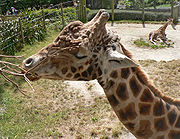
Examples of what is traditionally called "Lamarckism" would include:
With this in mind, Lamarck has been credited in some textbooks and popular culture with developing two laws:
In essence, a change in the environment brings about change in "needs" (besoins), resulting in change in behavior, bringing change in organ usage and development, bringing change in form over time — and thus the gradual transmutation
of the species
.
However, as historians of science such as Michael Ghiselin
and Stephen Jay Gould
have pointed out, none of these views were original to Lamarck. On the contrary, Lamarck's contribution was a systematic theoretical framework for understanding evolution. He saw evolution as comprising two processes;
have highlighted the possible inheritance of behavioral traits acquired by the previous generation. A recent such study examined foraging behavior in chickens as a function of stress, concluding:
The evolution of acquired characteristics has also been shown in human populations who have experienced starvation, resulting in altered gene function in both the starved population and their offspring. The process of DNA methylation
is thought to be behind such changes.
In October 2010, further evidence linking food intake to traits inherited by the offspring were shown in a study of rats conducted by several Australian universities. The study strongly suggested that fathers can transfer a propensity for obesity to their daughters as a result of the fathers' food intake, and not their genetics (or specific genes), prior to the conception of the daughter. A "paternal high-fat diet" was shown to cause cell dysfunction in the daughter, which in turn led to obesity for the daughter.
Several historians have argued that Lamarck's name is linked somewhat unfairly to the theory that has come to bear his name, and that Lamarck deserves credit for being an influential early proponent of the concept of biological evolution, far more than for the mechanism of evolution, in which he simply followed the accepted wisdom of his time. Lamarck died 30 years before the first publication of Charles Darwin
's Origin of Species. According to Stephen Jay Gould
, if Lamarck had been aware of Darwin's proposed mechanism of natural selection, there is no reason to assume he would not have accepted it as a more likely alternative to his own mechanism. Note also that Darwin, like Lamarck, lacked a plausible alternative mechanism of inheritance - the particulate nature of inheritance
was only observed by Gregor Mendel
somewhat later, and published in 1866. Its full significance was not appreciated until the Modern evolutionary synthesis
in the early 1920s. An important point in its favour at the time was that Lamarck's theory contained a mechanism describing how variation is maintained, which Darwin’s own theory lacked.
Several recent studies, one conducted by researchers at MIT and another by researchers at the Tufts University School of Medicine, have rekindled the debate once again. As reported in MIT's Technology Review in February 2009, "The effects of an animal's environment during adolescence can be passed down to future offspring ... The findings provide support for a 200-year-old theory of evolution that has been largely dismissed: Lamarckian evolution, which states that acquired characteristics can be passed on to offspring."
, the term neo-Lamarckism refers more to a loose grouping of largely heterodox theories and mechanisms that emerged after Lamarck's time, than to any coherent body of theoretical work.
In the 1920s, Harvard University researcher William McDougall
studied the abilities of rats to correctly solve mazes. He found that offspring of rats that had learned the maze were able to run it faster. The first rats would get it wrong 165 times before being able to run it perfectly each time, but after a few generations it was down to 20. McDougall attributed this to some sort of Lamarckian evolutionary process.
Oscar Werner Tiegs
and Wilfred Eade Agar
later showed McDougall's results to be incorrect, caused by poor experimental controls.
At around the same time, Ivan Pavlov
, who was also a Lamarckist, claimed to have observed a similar phenomenon in animals being subject to conditioned reflex experiments. He claimed that with each generation, the animals became easier to condition. However, Pavlov never suggested a mechanism to explain these observations.
Two supporters of Neo-Lamarckism were George Bernard Shaw
and Arthur Koestler
who both claimed Lamarckism is more humane, and optimistic than Darwinism.
Soma to germ-line feedback
In the 1970s the immunologist Ted Steele
, formerly of the University of Wollongong
, and colleagues, proposed a neo-Lamarckian mechanism to try to explain why homologous DNA sequences from the VDJ gene regions of parent mice were found in their germ cells and seemed to persist in the offspring for a few generations. The mechanism involved the somatic selection and clonal amplification of newly acquired antibody
gene sequences that were generated via somatic hyper-mutation in B-cells. The mRNA products of these somatically novel genes were captured by retroviruses endogenous to the B-cells and were then transported through the blood stream where they could breach the soma-germ barrier
and retrofect (reverse transcribe) the newly acquired genes into the cells of the germ line. Although Steele was advocating this theory for the better part of two decades, little more than indirect evidence was ever acquired to support it. An interesting attribute of this idea is that it strongly resembles Darwin's own theory of pangenesis, except in the soma to germ line feedback theory, pangenes are replaced with realistic retroviruses.
Epigenetic inheritance
Forms of 'soft' or epigenetic inheritance within organisms have been suggested as neo-Lamarckian in nature by such scientists as Eva Jablonka
and Marion J. Lamb
. In addition to 'hard' or genetic inheritance, involving the duplication of genetic material and its segregation during meiosis
, there are other hereditary elements that pass into the germ cells also. These include things like methylation
patterns in DNA and chromatin
marks, both of which regulate the activity of genes. These are considered "Lamarckian" in the sense that they are responsive to environmental stimuli and can differentially affect gene expression adaptively, with phenotypic results that can persist for many generations in certain organisms. Although the reality of epigenetic inheritance is not doubted (as many experiments have validated it), its significance to the evolutionary process is uncertain. Most neo-Darwinians consider epigenetic inheritance mechanisms to be little more than a specialized form of phenotypic plasticity
, with no potential to introduce evolutionary novelty into a species lineage.
)
In 1988, John Cairns
at the Radcliffe Infirmary
in Oxford
, England
, and a group of other scientists renewed the Lamarckian controversy (which at that point had been a dead debate for many years). The group took a mutated strain of E. coli that was unable to consume the sugar lactose
and placed it in an environment where lactose was the only food source. They observed over time that mutations occurred within the colony at a rate that suggested the bacteria were overcoming their handicap by altering their own genes. Cairns, among others, dubbed the process adaptive mutation
.
If bacteria that had overcome their own inability to consume lactose passed on this "learned" trait to future generations, it could be argued as a form of Lamarckism; though Cairns later chose to distance himself from such a position. More typically, it might be viewed as a form of ontogenic evolution.
There has been some research into Lamarckism and prion
s. A group of researchers, for example, discovered that in yeast cells
containing a specific prion protein Sup35, the yeast were able to gain new genetic material, some of which gave them new abilities such as resistance
to a particular herbicide
. When the researchers crossed the yeast cells with cells not containing the prion, the trait reappeared in some of the resulting offspring
, indicating that some information indeed was passed down, though whether or not the information is genetic is debatable: trace prion amounts in the cells may be passed to their offspring, giving the appearance of a new genetic trait where there is none.
Finally, there is growing evidence that cells can activate low-fidelity DNA polymerase
s in times of stress to induce mutations. While this does not directly confer advantage to the organism on the organismal level, it makes sense at the gene-evolution level. While the acquisition of new genetic traits is random, and selection remains Darwinian, the active process of identifying the necessity to mutate is considered to be Lamarckian.
(2000) has proposed that Lamarckian evolution may be accurately applied to cultural evolution. This was also previously suggested by Peter Medawar
(1959) and Conrad Waddington (1961). K. N. Laland and colleagues have recently suggested that human culture can be looked upon as an ecological niche
like phenomena, where the effects of cultural niche construction
are transmissible from one generation to the next. One interpretation of the Meme
theory is that memes are both Darwinian and Lamarckian in nature, as in addition to being subject to selection pressures based on their ability to differentially influence Human minds, memes can be modified and the effects of that modification passed on. Richard Dawkins
notes (in Blackmore 2000: The Meme machine, page 13), that Memes can be copied in a Lamarckian way (copying of the product) or in a Weismann
-type evolutionary way (copying of the instruction) which is much more resistant against changes.
Idea
In the most narrow sense, an idea is just whatever is before the mind when one thinks. Very often, ideas are construed as representational images; i.e. images of some object. In other contexts, ideas are taken to be concepts, although abstract concepts do not necessarily appear as images...
that an organism
Organism
In biology, an organism is any contiguous living system . In at least some form, all organisms are capable of response to stimuli, reproduction, growth and development, and maintenance of homoeostasis as a stable whole.An organism may either be unicellular or, as in the case of humans, comprise...
can pass on characteristics that it acquired during its lifetime to its offspring
Offspring
In biology, offspring is the product of reproduction, of a new organism produced by one or more parents.Collective offspring may be known as a brood or progeny in a more general way...
(also known as heritability of acquired characteristics
Inheritance of acquired characters
The inheritance of acquired characteristics is a hypothesis that physiological changes acquired over the life of an organism may be transmitted to offspring...
or soft inheritance
Soft inheritance
Soft inheritance is the term coined by Ernst Mayr to include such ideas as Lamarckism, that an organism can pass on characteristics that it acquired during its lifetime to its offspring. It contrasts with modern ideas of inheritance, which Mayr called hard inheritance...
). It is named after the French biologist Jean-Baptiste Lamarck
Jean-Baptiste Lamarck
Jean-Baptiste Pierre Antoine de Monet, Chevalier de la Marck , often known simply as Lamarck, was a French naturalist...
(1744–1829), who incorporated the action of soft inheritance into his evolutionary theories. He is often incorrectly cited as the founder of soft inheritance, which proposes that individual efforts during the lifetime of the organisms were the main mechanism driving species to adaptation
Adaptation
An adaptation in biology is a trait with a current functional role in the life history of an organism that is maintained and evolved by means of natural selection. An adaptation refers to both the current state of being adapted and to the dynamic evolutionary process that leads to the adaptation....
, as they supposedly would acquire adaptive changes and pass them on to offspring.
After publication of Charles Darwin
Charles Darwin
Charles Robert Darwin FRS was an English naturalist. He established that all species of life have descended over time from common ancestry, and proposed the scientific theory that this branching pattern of evolution resulted from a process that he called natural selection.He published his theory...
's theory of natural selection
Natural selection
Natural selection is the nonrandom process by which biologic traits become either more or less common in a population as a function of differential reproduction of their bearers. It is a key mechanism of evolution....
, the importance of individual efforts in the generation of adaptation was considerably diminished. Later, Mendelian genetics supplanted the notion of inheritance of acquired traits, eventually leading to the development of the modern evolutionary synthesis
Modern evolutionary synthesis
The modern evolutionary synthesis is a union of ideas from several biological specialties which provides a widely accepted account of evolution...
, and the general abandonment of the Lamarckian theory of evolution in biology. Despite this abandonment, interest in Lamarckism has recently increased, as several studies in the field of epigenetics
Epigenetics
In biology, and specifically genetics, epigenetics is the study of heritable changes in gene expression or cellular phenotype caused by mechanisms other than changes in the underlying DNA sequence – hence the name epi- -genetics...
have highlighted the possible inheritance of behavioral traits acquired by the previous generation. In a wider context, soft inheritance is of use when examining the evolution of cultures and ideas, and is related to the theory of memetics
Memetics
Memetics is a theory of mental content based on an analogy with Darwinian evolution, originating from Richard Dawkins' 1976 book The Selfish Gene. It purports to be an approach to evolutionary models of cultural information transfer. A meme, analogous to a gene, is essentially a "unit of...
.
History
Erasmus Darwin
Erasmus Darwin was an English physician who turned down George III's invitation to be a physician to the King. One of the key thinkers of the Midlands Enlightenment, he was also a natural philosopher, physiologist, slave trade abolitionist,inventor and poet...
wrote Zoonomia
Zoönomia
Zoonomia; or the Laws of Organic Life is a two-volume medical work by Erasmus Darwin dealing with pathology, anatomy, psychology, and the functioning of the body...
suggesting "that all warm-blooded animals have arisen from one living filament... with the power of acquiring new parts" in response to stimuli, with each round of "improvements" being inherited by successive generations. Subsequently Jean-Baptiste Lamarck
Jean-Baptiste Lamarck
Jean-Baptiste Pierre Antoine de Monet, Chevalier de la Marck , often known simply as Lamarck, was a French naturalist...
repeated in his Philosophie Zoologique of 1809 the folk wisdom that characteristics which were "needed" were acquired (or diminished) during the lifetime of an organism then passed on to the offspring. He incorporated this mechanism into his thoughts on evolution, seeing it as resulting in the adaptation of life to local environments.
Lamarck founded a school of French Transformationism which included Étienne Geoffroy Saint-Hilaire
Étienne Geoffroy Saint-Hilaire
Étienne Geoffroy Saint-Hilaire was a French naturalist who established the principle of "unity of composition". He was a colleague of Jean-Baptiste Lamarck and expanded and defended Lamarck's evolutionary theories...
, and which corresponded with a radical British school of anatomy based in the extramural anatomy schools in Edinburgh
Edinburgh
Edinburgh is the capital city of Scotland, the second largest city in Scotland, and the eighth most populous in the United Kingdom. The City of Edinburgh Council governs one of Scotland's 32 local government council areas. The council area includes urban Edinburgh and a rural area...
which included the surgeon Robert Knox
Robert Knox
Robert Knox was a Scottish surgeon, anatomist and zoologist. He was the most popular lecturer in anatomy in Edinburgh before his involvement in the Burke and Hare body-snatching case. This ruined his career, and a later move to London did not improve matters...
and the comparative anatomist Robert Edmund Grant. In addition, the Regius Professor of Natural History, Robert Jameson
Robert Jameson
thumb|Robert JamesonProfessor Robert Jameson, FRS FRSE was a Scottish naturalist and mineralogist.As Regius Professor at the University of Edinburgh for fifty years, Jameson is notable for his advanced scholarship in natural history, his superb museum collection, and for his tuition of Charles...
, was the probable author of an anonymous paper in 1826 praising "Mr. Lamarck" for explaining how the higher animals had "evolved" from the "simplest worms" – this was the first use of the word "evolved" in a modern sense. As a young student
Charles Darwin's education
Charles Darwin's education gave him a foundation in the doctrine of Creation prevalent throughout the West at the time, as well as knowledge of medicine and theology. More significantly, it led to his interest in natural history, which culminated in his taking part in the second voyage of the...
, Charles Darwin
Charles Darwin
Charles Robert Darwin FRS was an English naturalist. He established that all species of life have descended over time from common ancestry, and proposed the scientific theory that this branching pattern of evolution resulted from a process that he called natural selection.He published his theory...
was tutored by Grant, and worked with him on marine creatures.
The Vestiges of the Natural History of Creation
Vestiges of the Natural History of Creation
Vestiges of the Natural History of Creation is a unique work of speculative natural history published anonymously in England in 1844. It brought together various ideas of stellar evolution with the progressive transmutation of species in an accessible narrative which tied together numerous...
, authored by Robert Chambers in St Andrews
St Andrews
St Andrews is a university town and former royal burgh on the east coast of Fife in Scotland. The town is named after Saint Andrew the Apostle.St Andrews has a population of 16,680, making this the fifth largest settlement in Fife....
and published anonymously in England in 1844, proposed a theory which combined radical phrenology with Lamarckism, causing political controversy for its radicalism
Extremism
Extremism is any ideology or political act far outside the perceived political center of a society; or otherwise claimed to violate common moral standards...
and unorthodoxy, but exciting popular interest and preparing a huge and prosperous audience for Darwin.
Darwin's Origin of Species proposed natural selection
Natural selection
Natural selection is the nonrandom process by which biologic traits become either more or less common in a population as a function of differential reproduction of their bearers. It is a key mechanism of evolution....
as the main mechanism for development of species, but did not rule out a variant of Lamarckism as a supplementary mechanism. Darwin called his Lamarckian hypothesis Pangenesis
Pangenesis
Pangenesis was Charles Darwin's hypothetical mechanism for heredity. He presented this 'provisional hypothesis' in his 1868 work The Variation of Animals and Plants under Domestication and felt that it brought 'together a multitude of facts which are at present left disconnected by any efficient...
, and explained it in the final chapter of his book Variation in Plants and Animals under Domestication, after describing numerous examples to demonstrate what he considered to be the inheritance of acquired characteristics. Pangenesis, which he emphasised was a hypothesis, was based on the idea that somatic cell
Somatic cell
A somatic cell is any biological cell forming the body of an organism; that is, in a multicellular organism, any cell other than a gamete, germ cell, gametocyte or undifferentiated stem cell...
s would, in response to environmental stimulation (use and disuse), throw off 'gemmules
Gemmules
Gemmules were imagined particles of inheritance proposed byCharles Darwin as part of his Pangenesis theory. This appeared in his book The Variation of Animals and Plants under Domestication, published in 1868, nine years after the publication of his famous book On the Origin of Species.Gemmules,...
' or 'pangenes' which travelled around the body (though not necessarily in the bloodstream). These pangenes were microscopic particles that supposedly contained information about the characteristics of their parent cell, and Darwin believed that they eventually accumulated in the germ cells where they could pass on to the next generation the newly acquired characteristics of the parents. Darwin's half-cousin, Francis Galton
Francis Galton
Sir Francis Galton /ˈfrɑːnsɪs ˈgɔːltn̩/ FRS , cousin of Douglas Strutt Galton, half-cousin of Charles Darwin, was an English Victorian polymath: anthropologist, eugenicist, tropical explorer, geographer, inventor, meteorologist, proto-geneticist, psychometrician, and statistician...
carried out experiments on rabbits, with Darwin's cooperation, in which he transfused the blood of one variety of rabbit into another variety in the expectation that its offspring would show some characteristics of the first. They did not, and Galton declared that he had disproved Darwin's hypothesis of Pangenesis, but Darwin objected, in a letter to Nature
Nature (journal)
Nature, first published on 4 November 1869, is ranked the world's most cited interdisciplinary scientific journal by the Science Edition of the 2010 Journal Citation Reports...
, that he had done nothing of the sort, since he had never mentioned blood in his writings. He pointed out that he regarded Pangenesis as occurring in Protozoa and plants, which have no blood.
1880 to 1930
The period of the history of evolutionary thoughtHistory of evolutionary thought
Evolutionary thought, the conception that species change over time, has roots in antiquity, in the ideas of the ancient Greeks, Romans, and Chinese as well as in medieval Islamic science...
between Darwin's death in the 1880s and the foundation of population genetics
Population genetics
Population genetics is the study of allele frequency distribution and change under the influence of the four main evolutionary processes: natural selection, genetic drift, mutation and gene flow. It also takes into account the factors of recombination, population subdivision and population...
in the 1920s, and the beginnings of the modern evolutionary synthesis
Modern evolutionary synthesis
The modern evolutionary synthesis is a union of ideas from several biological specialties which provides a widely accepted account of evolution...
in the 1930s is sometimes called the eclipse of Darwinism by some historians of science, because during that time many scientists and philosophers accepted the reality of evolution but doubted whether natural selection
Natural selection
Natural selection is the nonrandom process by which biologic traits become either more or less common in a population as a function of differential reproduction of their bearers. It is a key mechanism of evolution....
was the main evolutionary mechanism. Theories involving the inheritance of acquired characteristics were among the most popular alternatives to natural selection, and scientists who felt that such Lamarckian mechanisms were the key to evolution were called neo-Lamarckians. Proponents included the British botanist George Henslow who studied the effects of environmental stress on the growth of plants in the belief that such environmentally induced variation might explain much of plant evolution, and the American entomologist Alpheus Packard
Alpheus S. Packard
Alpheus Spring Packard, Sr. was an American who may be the longest serving faculty member to any American college through his 65 years of dedication to Bowdoin College, "in this particular I acknowledge, without reserve, my allegiance to Brunswick, Maine."...
who studied blind animals living in caves and wrote a book in 1901 about Lamarck and his work. Also included were a number of paleontologists like Edward Drinker Cope
Edward Drinker Cope
Edward Drinker Cope was an American paleontologist and comparative anatomist, as well as a noted herpetologist and ichthyologist. Born to a wealthy Quaker family, Cope distinguished himself as a child prodigy interested in science; he published his first scientific paper at the age of nineteen...
and Alpheus Hyatt
Alpheus Hyatt
Alpheus Hyatt was an American zoologist and palaeontologist.- Biography :Alpheus Hyatt II was born in Washington, D.C. to Alpheus Hyatt and Harriet Randolph Hyatt...
who felt that the fossil record showed orderly, almost linear, patterns of development that they felt were better explained by Lamarckian mechanisms than by natural selection. Some people including Cope and Darwin critic Samuel Butler
Samuel Butler (novelist)
Samuel Butler was an iconoclastic Victorian author who published a variety of works. Two of his most famous pieces are the Utopian satire Erewhon and a semi-autobiographical novel published posthumously, The Way of All Flesh...
felt that inheritance of acquired characteristics would let organisms shape their own evolution, since organisms that acquired new habits would change the use patterns of their organs, which would kick-start Lamarckian evolution. They considered this philosophically superior to Darwin's mechanism of random variation acted on by selective pressures. Lamarckism also appealed to those, like the philosopher Herbert Spencer
Herbert Spencer
Herbert Spencer was an English philosopher, biologist, sociologist, and prominent classical liberal political theorist of the Victorian era....
and the German anatomist Ernst Haeckel
Ernst Haeckel
The "European War" became known as "The Great War", and it was not until 1920, in the book "The First World War 1914-1918" by Charles à Court Repington, that the term "First World War" was used as the official name for the conflict.-Research:...
, who saw evolution as an inherently progressive process. The German zoologist Theodor Eimer
Theodor Eimer
Gustav Heinrich Theodor Eimer was a German zoologist.Eimer was born in Zurich. After spending his junior faculty years as prosector at Julius-Maximillian's University in Würzburg, he became in 1875 a professor of zoology and comparative anatomy at the University of Tübingen.He is credited with...
combined Larmarckism with ideas about orthogenesis
Orthogenesis
Orthogenesis, orthogenetic evolution, progressive evolution or autogenesis, is the hypothesis that life has an innate tendency to evolve in a unilinear fashion due to some internal or external "driving force". The hypothesis is based on essentialism and cosmic teleology and proposes an intrinsic...
. With the development of the modern synthesis of the theory of evolution
Evolution
Evolution is any change across successive generations in the heritable characteristics of biological populations. Evolutionary processes give rise to diversity at every level of biological organisation, including species, individual organisms and molecules such as DNA and proteins.Life on Earth...
and a lack of evidence for either a mechanism or even the heritability of acquired characteristics, Lamarckism largely fell from favor.
In the 1920s, experiments by Paul Kammerer
Paul Kammerer
Paul Kammerer was an Austrian biologist who studied and advocated the now abandoned Lamarckian theory of inheritance – the notion that organisms may pass to their offspring characteristics they have acquired in their lifetime...
on amphibian
Amphibian
Amphibians , are a class of vertebrate animals including animals such as toads, frogs, caecilians, and salamanders. They are characterized as non-amniote ectothermic tetrapods...
s, particularly the midwife toad
Midwife toad
Midwife toads are a genus of frogs in the Discoglossidae family, and are found in most of Europe and northwestern Africa. Characteristic of these toad-like frogs is their parental care: the males carry a string of fertilised eggs on their back, hence the name "midwife". The female expels a strand...
, appeared to find evidence supporting Lamarckism, but his specimens with supposedly acquired black foot-pads were found to have been tampered with. In The Case of the Midwife Toad Arthur Koestler
Arthur Koestler
Arthur Koestler CBE was a Hungarian author and journalist. Koestler was born in Budapest and, apart from his early school years, was educated in Austria...
surmised that the tampering had been done by a Nazi sympathiser to discredit Kammerer for his political views, and that his research might actually have been valid. However most biologists believe that Kammerer was a fraud and even among those who believe he was not dishonest most believe that he misinterpreted the results of his experiments.
After 1930
A form of Lamarckism was revived in the Soviet UnionSoviet Union
The Soviet Union , officially the Union of Soviet Socialist Republics , was a constitutionally socialist state that existed in Eurasia between 1922 and 1991....
of the 1930s when Trofim Lysenko
Trofim Lysenko
Trofim Denisovich Lysenko was a Soviet agronomist of Ukrainian origin, who was director of Soviet biology under Joseph Stalin. Lysenko rejected Mendelian genetics in favor of the hybridization theories of Russian horticulturist Ivan Vladimirovich Michurin, and adopted them into a powerful...
promoted Lysenkoism
Lysenkoism
Lysenkoism, or Lysenko-Michurinism, also denotes the biological inheritance principle which Trofim Lysenko subscribed to and which derive from theories of the heritability of acquired characteristics, a body of biological inheritance theory which departs from Mendelism and that Lysenko named...
which suited the ideological opposition of Joseph Stalin
Joseph Stalin
Joseph Vissarionovich Stalin was the Premier of the Soviet Union from 6 May 1941 to 5 March 1953. He was among the Bolshevik revolutionaries who brought about the October Revolution and had held the position of first General Secretary of the Communist Party of the Soviet Union's Central Committee...
to genetics
Genetics
Genetics , a discipline of biology, is the science of genes, heredity, and variation in living organisms....
. This ideologically driven research influenced Soviet agricultural policy which in turn was later blamed for crop failures.
Since 1988 certain scientists have produced work proposing that Lamarckism could apply to single celled organisms. A version of Lamarckian acquisition in higher order animals is still posited in certain branches of psychology
Psychology
Psychology is the study of the mind and behavior. Its immediate goal is to understand individuals and groups by both establishing general principles and researching specific cases. For many, the ultimate goal of psychology is to benefit society...
, as, for example, in the Jungian racial memory.
Neo-Lamarckism is a theory of inheritance based on a modification and extension of Lamarckism, essentially maintaining the principle that genetic changes can be influenced and directed by environmental factors.
Lamarck's theory
Stephen Jay Gould
Stephen Jay Gould was an American paleontologist, evolutionary biologist, and historian of science. He was also one of the most influential and widely read writers of popular science of his generation....
wrote that late 19th century evolutionists "re-read Lamarck, cast aside the guts of it ... and elevated one aspect of the mechanics - inheritance of acquired characters - to a central focus it never had for Lamarck himself." He argued that "the restriction of "Lamarckism" to this relatively small and non-distinctive corner of Lamarck's thought must be labelled as more than a misnomer, and truly a discredit to the memory of a man and his much more comprehensive system". Gould advocated defining "Lamarckism" more broadly, in line with Lamarck's overall evolutionary theory.
Lamarck incorporated two ideas into his theory of evolution, in his day considered to be generally true:
- Use and disuse – Individuals lose characteristics they do not require (or use) and develop characteristics that are useful.
- Inheritance of acquired traits – Individuals inherit the traits of their ancestors.
Examples of what is traditionally called "Lamarckism" would include:
- GiraffeGiraffeThe giraffe is an African even-toed ungulate mammal, the tallest of all extant land-living animal species, and the largest ruminant...
s stretching their necks to reach leaves high in trees (especially AcaciaAcaciaAcacia is a genus of shrubs and trees belonging to the subfamily Mimosoideae of the family Fabaceae, first described in Africa by the Swedish botanist Carl Linnaeus in 1773. Many non-Australian species tend to be thorny, whereas the majority of Australian acacias are not...
s), strengthen and gradually lengthen their necks. These giraffes have offspring with slightly longer necks (also known as "soft inheritance"). - A blacksmithBlacksmithA blacksmith is a person who creates objects from wrought iron or steel by forging the metal; that is, by using tools to hammer, bend, and cut...
, through his work, strengthens the muscles in his arms. His sons will have similar muscular development when they mature.
With this in mind, Lamarck has been credited in some textbooks and popular culture with developing two laws:
- In every animal which has not passed the limit of its development, a more frequent and continuous use of any organ gradually strengthens, develops and enlarges that organ, and gives it a power proportional to the length of time it has been so used; while the permanent disuse of any organ imperceptibly weakens and deteriorates it, and progressively diminishes its functional capacity, until it finally disappears.
- All the acquisitions or losses wrought by nature on individuals, through the influence of the environment in which their race has long been placed, and hence through the influence of the predominant use or permanent disuse of any organ; all these are preserved by reproduction to the new individuals which arise, provided that the acquired modifications are common to both sexes, or at least to the individuals which produce the young.
In essence, a change in the environment brings about change in "needs" (besoins), resulting in change in behavior, bringing change in organ usage and development, bringing change in form over time — and thus the gradual transmutation
Transmutation of species
Transmutation of species was a term used by Jean Baptiste Lamarck in 1809 for his theory that described the altering of one species into another, and the term is often used to describe 19th century evolutionary ideas that preceded Charles Darwin's theory of natural selection...
of the species
Species
In biology, a species is one of the basic units of biological classification and a taxonomic rank. A species is often defined as a group of organisms capable of interbreeding and producing fertile offspring. While in many cases this definition is adequate, more precise or differing measures are...
.
However, as historians of science such as Michael Ghiselin
Michael Ghiselin
Michael T. Ghiselin is an American biologist, philosopher/historian of biology currently at the California Academy of Sciences.B.A., University of Utah ; Ph.D., Stanford University ; Postdoctoral Fellow, Harvard University ; Postdoctoral Fellow, Marine Biological Laboratory ; Assistant Professor of...
and Stephen Jay Gould
Stephen Jay Gould
Stephen Jay Gould was an American paleontologist, evolutionary biologist, and historian of science. He was also one of the most influential and widely read writers of popular science of his generation....
have pointed out, none of these views were original to Lamarck. On the contrary, Lamarck's contribution was a systematic theoretical framework for understanding evolution. He saw evolution as comprising two processes;
- Le pouvoir de la vie (a complexifying force) - in which the natural, alchemical movements of fluids would etch out organs from tissues, leading to ever more complex construction regardless of the organ's use or disuse. This would drive organisms from simple to complex forms.
- L'influence des circonstances (an adaptive force) - in which the use and disuse of characters led organisms to become more adapted to their environment. This would take organisms sideways off the path from simple to complex, specialising them for their environment.
Current views
Interest in Lamarckism has recently increased, as several studies in the field of epigeneticsEpigenetics
In biology, and specifically genetics, epigenetics is the study of heritable changes in gene expression or cellular phenotype caused by mechanisms other than changes in the underlying DNA sequence – hence the name epi- -genetics...
have highlighted the possible inheritance of behavioral traits acquired by the previous generation. A recent such study examined foraging behavior in chickens as a function of stress, concluding:
Our findings suggest that unpredictable food access caused seemingly adaptive responses in feeding behavior, which may have been transmitted to the offspring by means of epigenetic mechanisms, including regulation of immune genes. This may have prepared the offspring for coping with an unpredictable environment.... Transmissions of information across generations which does not involve traditional inheritance of DNA-sequence alleles is often referred to as soft inheritance or 'Lamarckian inheritance'.
The evolution of acquired characteristics has also been shown in human populations who have experienced starvation, resulting in altered gene function in both the starved population and their offspring. The process of DNA methylation
DNA methylation
DNA methylation is a biochemical process that is important for normal development in higher organisms. It involves the addition of a methyl group to the 5 position of the cytosine pyrimidine ring or the number 6 nitrogen of the adenine purine ring...
is thought to be behind such changes.
In October 2010, further evidence linking food intake to traits inherited by the offspring were shown in a study of rats conducted by several Australian universities. The study strongly suggested that fathers can transfer a propensity for obesity to their daughters as a result of the fathers' food intake, and not their genetics (or specific genes), prior to the conception of the daughter. A "paternal high-fat diet" was shown to cause cell dysfunction in the daughter, which in turn led to obesity for the daughter.
Several historians have argued that Lamarck's name is linked somewhat unfairly to the theory that has come to bear his name, and that Lamarck deserves credit for being an influential early proponent of the concept of biological evolution, far more than for the mechanism of evolution, in which he simply followed the accepted wisdom of his time. Lamarck died 30 years before the first publication of Charles Darwin
Charles Darwin
Charles Robert Darwin FRS was an English naturalist. He established that all species of life have descended over time from common ancestry, and proposed the scientific theory that this branching pattern of evolution resulted from a process that he called natural selection.He published his theory...
's Origin of Species. According to Stephen Jay Gould
Stephen Jay Gould
Stephen Jay Gould was an American paleontologist, evolutionary biologist, and historian of science. He was also one of the most influential and widely read writers of popular science of his generation....
, if Lamarck had been aware of Darwin's proposed mechanism of natural selection, there is no reason to assume he would not have accepted it as a more likely alternative to his own mechanism. Note also that Darwin, like Lamarck, lacked a plausible alternative mechanism of inheritance - the particulate nature of inheritance
Particulate inheritance theory
Particulate inheritance is a pattern of inheritance discovered by Mendelian theorists showing that characteristics can be passed from generation to generation through "discrete particles"...
was only observed by Gregor Mendel
Gregor Mendel
Gregor Johann Mendel was an Austrian scientist and Augustinian friar who gained posthumous fame as the founder of the new science of genetics. Mendel demonstrated that the inheritance of certain traits in pea plants follows particular patterns, now referred to as the laws of Mendelian inheritance...
somewhat later, and published in 1866. Its full significance was not appreciated until the Modern evolutionary synthesis
Modern evolutionary synthesis
The modern evolutionary synthesis is a union of ideas from several biological specialties which provides a widely accepted account of evolution...
in the early 1920s. An important point in its favour at the time was that Lamarck's theory contained a mechanism describing how variation is maintained, which Darwin’s own theory lacked.
Several recent studies, one conducted by researchers at MIT and another by researchers at the Tufts University School of Medicine, have rekindled the debate once again. As reported in MIT's Technology Review in February 2009, "The effects of an animal's environment during adolescence can be passed down to future offspring ... The findings provide support for a 200-year-old theory of evolution that has been largely dismissed: Lamarckian evolution, which states that acquired characteristics can be passed on to offspring."
Neo-Lamarckism
Unlike neo-DarwinismNeo-Darwinism
Neo-Darwinism is the 'modern synthesis' of Darwinian evolution through natural selection with Mendelian genetics, the latter being a set of primary tenets specifying that evolution involves the transmission of characteristics from parent to child through the mechanism of genetic transfer, rather...
, the term neo-Lamarckism refers more to a loose grouping of largely heterodox theories and mechanisms that emerged after Lamarck's time, than to any coherent body of theoretical work.
In the 1920s, Harvard University researcher William McDougall
William McDougall (psychologist)
William McDougall FRS was an early twentieth century psychologist who spent the first part of his career in the United Kingdom and the latter part in the United States...
studied the abilities of rats to correctly solve mazes. He found that offspring of rats that had learned the maze were able to run it faster. The first rats would get it wrong 165 times before being able to run it perfectly each time, but after a few generations it was down to 20. McDougall attributed this to some sort of Lamarckian evolutionary process.
Oscar Werner Tiegs
Oscar Werner Tiegs
Oscar Werner Tiegs was an Australian zoologist whose career spanned the first half of the 20th century.Oscar Tiegs was born on 12 March 1897, and died on 5 November 1956....
and Wilfred Eade Agar
Wilfred Eade Agar
Wilfred Eade Agar was an Anglo-Australian zoologist.Agar was born in Wimbledon, England. He was educated at Sedbergh School, Yorkshire, and at King's College, Cambridge, where he read zoology...
later showed McDougall's results to be incorrect, caused by poor experimental controls.
At around the same time, Ivan Pavlov
Ivan Pavlov
Ivan Petrovich Pavlov was a famous Russian physiologist. Although he made significant contributions to psychology, he was not in fact a psychologist himself but was a mathematician and actually had strong distaste for the field....
, who was also a Lamarckist, claimed to have observed a similar phenomenon in animals being subject to conditioned reflex experiments. He claimed that with each generation, the animals became easier to condition. However, Pavlov never suggested a mechanism to explain these observations.
Two supporters of Neo-Lamarckism were George Bernard Shaw
George Bernard Shaw
George Bernard Shaw was an Irish playwright and a co-founder of the London School of Economics. Although his first profitable writing was music and literary criticism, in which capacity he wrote many highly articulate pieces of journalism, his main talent was for drama, and he wrote more than 60...
and Arthur Koestler
Arthur Koestler
Arthur Koestler CBE was a Hungarian author and journalist. Koestler was born in Budapest and, apart from his early school years, was educated in Austria...
who both claimed Lamarckism is more humane, and optimistic than Darwinism.
Soma to germ-line feedback
In the 1970s the immunologist Ted Steele
Edward J. Steele
Edward J. Steele is an Australian molecular immunologist formerly with the University of Wollongong, now listed as a visiting fellow at the Murdoch University. Steele's research has led a resurgent interest in the French scientist Jean-Baptiste de Lamarck, the man who developed the first theory of...
, formerly of the University of Wollongong
University of Wollongong
The University of Wollongong is a public university located in the coastal city of Wollongong, New South Wales, Australia, approximately 80 kilometres south of Sydney...
, and colleagues, proposed a neo-Lamarckian mechanism to try to explain why homologous DNA sequences from the VDJ gene regions of parent mice were found in their germ cells and seemed to persist in the offspring for a few generations. The mechanism involved the somatic selection and clonal amplification of newly acquired antibody
Antibody
An antibody, also known as an immunoglobulin, is a large Y-shaped protein used by the immune system to identify and neutralize foreign objects such as bacteria and viruses. The antibody recognizes a unique part of the foreign target, termed an antigen...
gene sequences that were generated via somatic hyper-mutation in B-cells. The mRNA products of these somatically novel genes were captured by retroviruses endogenous to the B-cells and were then transported through the blood stream where they could breach the soma-germ barrier
Weismann barrier
The Weismann barrier is the principle that hereditary information moves only from genes to body cells, and never in reverse. In more precise terminology hereditary information moves only from germline cells to somatic cells .This does not refer to the central dogma of molecular biology which...
and retrofect (reverse transcribe) the newly acquired genes into the cells of the germ line. Although Steele was advocating this theory for the better part of two decades, little more than indirect evidence was ever acquired to support it. An interesting attribute of this idea is that it strongly resembles Darwin's own theory of pangenesis, except in the soma to germ line feedback theory, pangenes are replaced with realistic retroviruses.
Epigenetic inheritance
Forms of 'soft' or epigenetic inheritance within organisms have been suggested as neo-Lamarckian in nature by such scientists as Eva Jablonka
Eva Jablonka
Eva Jablonka is a theorist and geneticist, known especially for her interest in epigenetic inheritance. Born in 1952 in Poland, she emigrated to Israel in 1957. She is a professor at the Cohn Institute for the History of Philosophy of Science and Ideas at Tel Aviv University...
and Marion J. Lamb
Marion J. Lamb
Marion J. Lamb was Senior Lecturer at Birkbeck, University of London, before her retirement. She studied the effect of environmental conditions such as heat, radiation and pollution on metabolic activity and genetic mutability in the fruit fly Drosophila...
. In addition to 'hard' or genetic inheritance, involving the duplication of genetic material and its segregation during meiosis
Meiosis
Meiosis is a special type of cell division necessary for sexual reproduction. The cells produced by meiosis are gametes or spores. The animals' gametes are called sperm and egg cells....
, there are other hereditary elements that pass into the germ cells also. These include things like methylation
DNA methylation
DNA methylation is a biochemical process that is important for normal development in higher organisms. It involves the addition of a methyl group to the 5 position of the cytosine pyrimidine ring or the number 6 nitrogen of the adenine purine ring...
patterns in DNA and chromatin
Chromatin
Chromatin is the combination of DNA and proteins that make up the contents of the nucleus of a cell. The primary functions of chromatin are; to package DNA into a smaller volume to fit in the cell, to strengthen the DNA to allow mitosis and meiosis and prevent DNA damage, and to control gene...
marks, both of which regulate the activity of genes. These are considered "Lamarckian" in the sense that they are responsive to environmental stimuli and can differentially affect gene expression adaptively, with phenotypic results that can persist for many generations in certain organisms. Although the reality of epigenetic inheritance is not doubted (as many experiments have validated it), its significance to the evolutionary process is uncertain. Most neo-Darwinians consider epigenetic inheritance mechanisms to be little more than a specialized form of phenotypic plasticity
Phenotypic plasticity
Phenotypic plasticity is the ability of an organism to change its phenotype in response to changes in the environment. Such plasticity in some cases expresses as several highly morphologically distinct results; in other cases, a continuous norm of reaction describes the functional interrelationship...
, with no potential to introduce evolutionary novelty into a species lineage.
Lamarckism and single-celled organisms
While Lamarckism has been discredited as an evolutionary influence for larger lifeforms, some scientists controversially argue that it can be observed among microorganisms. Whether such mutations are directed or not also remains in contention. (see Horizontal Gene TransferHorizontal gene transfer
Horizontal gene transfer , also lateral gene transfer , is any process in which an organism incorporates genetic material from another organism without being the offspring of that organism...
)
In 1988, John Cairns
John Cairns (biochemist)
John Forster Cairns FRS is a British physician and molecular biologist who made significant contributions to molecular genetics, cancer research, and public health....
at the Radcliffe Infirmary
Radcliffe Infirmary
The Radcliffe Infirmary was a hospital in central Oxford, England, located at the southern end of Woodstock Road on the western side, backing onto Walton Street. The Radcliffe Infirmary, named after physician John Radcliffe, opened in 1770 and was Oxford's first hospital...
in Oxford
Oxford
The city of Oxford is the county town of Oxfordshire, England. The city, made prominent by its medieval university, has a population of just under 165,000, with 153,900 living within the district boundary. It lies about 50 miles north-west of London. The rivers Cherwell and Thames run through...
, England
England
England is a country that is part of the United Kingdom. It shares land borders with Scotland to the north and Wales to the west; the Irish Sea is to the north west, the Celtic Sea to the south west, with the North Sea to the east and the English Channel to the south separating it from continental...
, and a group of other scientists renewed the Lamarckian controversy (which at that point had been a dead debate for many years). The group took a mutated strain of E. coli that was unable to consume the sugar lactose
Lactose
Lactose is a disaccharide sugar that is found most notably in milk and is formed from galactose and glucose. Lactose makes up around 2~8% of milk , although the amount varies among species and individuals. It is extracted from sweet or sour whey. The name comes from or , the Latin word for milk,...
and placed it in an environment where lactose was the only food source. They observed over time that mutations occurred within the colony at a rate that suggested the bacteria were overcoming their handicap by altering their own genes. Cairns, among others, dubbed the process adaptive mutation
Adaptive mutation
Evolutionary theory describes that mutagenesis occurs randomly, regardless of the utility of a genetic mutation to the organism. If it is beneficial or neutral, the organism will survive to reproduce and pass on the mutation...
.
If bacteria that had overcome their own inability to consume lactose passed on this "learned" trait to future generations, it could be argued as a form of Lamarckism; though Cairns later chose to distance himself from such a position. More typically, it might be viewed as a form of ontogenic evolution.
There has been some research into Lamarckism and prion
Prion
A prion is an infectious agent composed of protein in a misfolded form. This is in contrast to all other known infectious agents which must contain nucleic acids . The word prion, coined in 1982 by Stanley B. Prusiner, is a portmanteau derived from the words protein and infection...
s. A group of researchers, for example, discovered that in yeast cells
Yeast
Yeasts are eukaryotic micro-organisms classified in the kingdom Fungi, with 1,500 species currently described estimated to be only 1% of all fungal species. Most reproduce asexually by mitosis, and many do so by an asymmetric division process called budding...
containing a specific prion protein Sup35, the yeast were able to gain new genetic material, some of which gave them new abilities such as resistance
Antibiotic resistance
Antibiotic resistance is a type of drug resistance where a microorganism is able to survive exposure to an antibiotic. While a spontaneous or induced genetic mutation in bacteria may confer resistance to antimicrobial drugs, genes that confer resistance can be transferred between bacteria in a...
to a particular herbicide
Herbicide
Herbicides, also commonly known as weedkillers, are pesticides used to kill unwanted plants. Selective herbicides kill specific targets while leaving the desired crop relatively unharmed. Some of these act by interfering with the growth of the weed and are often synthetic "imitations" of plant...
. When the researchers crossed the yeast cells with cells not containing the prion, the trait reappeared in some of the resulting offspring
Offspring
In biology, offspring is the product of reproduction, of a new organism produced by one or more parents.Collective offspring may be known as a brood or progeny in a more general way...
, indicating that some information indeed was passed down, though whether or not the information is genetic is debatable: trace prion amounts in the cells may be passed to their offspring, giving the appearance of a new genetic trait where there is none.
Finally, there is growing evidence that cells can activate low-fidelity DNA polymerase
DNA polymerase
A DNA polymerase is an enzyme that helps catalyze in the polymerization of deoxyribonucleotides into a DNA strand. DNA polymerases are best known for their feedback role in DNA replication, in which the polymerase "reads" an intact DNA strand as a template and uses it to synthesize the new strand....
s in times of stress to induce mutations. While this does not directly confer advantage to the organism on the organismal level, it makes sense at the gene-evolution level. While the acquisition of new genetic traits is random, and selection remains Darwinian, the active process of identifying the necessity to mutate is considered to be Lamarckian.
Lamarckism and societal change
Jean MolinoJean Molino
Jean Molino is professeur ordinaire at the University of Lausanne and a semiologist. His students include Jean-Jacques Nattiez.-Bibliography:*Musical Fact and the Semiology of Music, trans. J. A. Underwood, Music Analysis 9/2 : 113-156....
(2000) has proposed that Lamarckian evolution may be accurately applied to cultural evolution. This was also previously suggested by Peter Medawar
Peter Medawar
Sir Peter Brian Medawar OM CBE FRS was a British biologist, whose work on graft rejection and the discovery of acquired immune tolerance was fundamental to the practice of tissue and organ transplants...
(1959) and Conrad Waddington (1961). K. N. Laland and colleagues have recently suggested that human culture can be looked upon as an ecological niche
Ecological niche
In ecology, a niche is a term describing the relational position of a species or population in its ecosystem to each other; e.g. a dolphin could potentially be in another ecological niche from one that travels in a different pod if the members of these pods utilize significantly different food...
like phenomena, where the effects of cultural niche construction
Niche construction
Niche construction is the process in which an organism alters its own environment, often but not always in a manner that increases its chances of survival...
are transmissible from one generation to the next. One interpretation of the Meme
Meme
A meme is "an idea, behaviour or style that spreads from person to person within a culture."A meme acts as a unit for carrying cultural ideas, symbols or practices, which can be transmitted from one mind to another through writing, speech, gestures, rituals or other imitable phenomena...
theory is that memes are both Darwinian and Lamarckian in nature, as in addition to being subject to selection pressures based on their ability to differentially influence Human minds, memes can be modified and the effects of that modification passed on. Richard Dawkins
Richard Dawkins
Clinton Richard Dawkins, FRS, FRSL , known as Richard Dawkins, is a British ethologist, evolutionary biologist and author...
notes (in Blackmore 2000: The Meme machine, page 13), that Memes can be copied in a Lamarckian way (copying of the product) or in a Weismann
August Weismann
Friedrich Leopold August Weismann was a German evolutionary biologist. Ernst Mayr ranked him the second most notable evolutionary theorist of the 19th century, after Charles Darwin...
-type evolutionary way (copying of the instruction) which is much more resistant against changes.
See also
- Jean-Baptiste LamarckJean-Baptiste LamarckJean-Baptiste Pierre Antoine de Monet, Chevalier de la Marck , often known simply as Lamarck, was a French naturalist...
- Baldwinian evolution
- DarwinismDarwinismDarwinism is a set of movements and concepts related to ideas of transmutation of species or of evolution, including some ideas with no connection to the work of Charles Darwin....
- EpigeneticsEpigeneticsIn biology, and specifically genetics, epigenetics is the study of heritable changes in gene expression or cellular phenotype caused by mechanisms other than changes in the underlying DNA sequence – hence the name epi- -genetics...
- EvolutionEvolutionEvolution is any change across successive generations in the heritable characteristics of biological populations. Evolutionary processes give rise to diversity at every level of biological organisation, including species, individual organisms and molecules such as DNA and proteins.Life on Earth...
- Inheritance of acquired charactersInheritance of acquired charactersThe inheritance of acquired characteristics is a hypothesis that physiological changes acquired over the life of an organism may be transmitted to offspring...
- LysenkoismLysenkoismLysenkoism, or Lysenko-Michurinism, also denotes the biological inheritance principle which Trofim Lysenko subscribed to and which derive from theories of the heritability of acquired characteristics, a body of biological inheritance theory which departs from Mendelism and that Lysenko named...
- MemeticsMemeticsMemetics is a theory of mental content based on an analogy with Darwinian evolution, originating from Richard Dawkins' 1976 book The Selfish Gene. It purports to be an approach to evolutionary models of cultural information transfer. A meme, analogous to a gene, is essentially a "unit of...
- Obsolete scientific theories
- OrthogenesisOrthogenesisOrthogenesis, orthogenetic evolution, progressive evolution or autogenesis, is the hypothesis that life has an innate tendency to evolve in a unilinear fashion due to some internal or external "driving force". The hypothesis is based on essentialism and cosmic teleology and proposes an intrinsic...
- Marcus PembreyMarcus PembreyThis article is about the living geneticist, not physiologist Marcus Seymour PembreyMarcus Pembrey is a clinical geneticist at the Institute of Child Health in London with a particular interest in epigenetics and the possible inheritance of acquired characteristics...
- Racial memory
- Ted SteeleEdward J. SteeleEdward J. Steele is an Australian molecular immunologist formerly with the University of Wollongong, now listed as a visiting fellow at the Murdoch University. Steele's research has led a resurgent interest in the French scientist Jean-Baptiste de Lamarck, the man who developed the first theory of...
- History of evolutionary thoughtHistory of evolutionary thoughtEvolutionary thought, the conception that species change over time, has roots in antiquity, in the ideas of the ancient Greeks, Romans, and Chinese as well as in medieval Islamic science...
- Eclipse of Darwinism
Further reading
- Burkeman, Oliver. Why everything you've been told about evolution is wrong, The Guardian, March 19, 2010.
- Medawar, Peter (1959). "The threat and the glory". BBC Reith Lectures No. 6.
- Molino, Jean (2000). "Toward an Evolutionary Theory of Music and Language". In Brown, Merker & Wallin (Eds.), The Origins of Music, ISBN 0-262-23206-5.
- Waddington, Conrad (1961). "The human evolutionary system". In: Michael Banton (Ed.), Darwinism and the Study of Society. London: Tavistock.
- Honeywill, Ross (2008). "Lamarck's Evolution: two centuries of genius and jealousy". Murdoch Books, Sydney See website
- Cairns, J., J. Overbaugh, and S. Miller. 1988. Nature 335: 142-145
- Culotta, Elizabeth; "A Boost for 'Adaptive' Mutation", Science, 265:318, 1994.
- Vetsigian K, Woese C, Goldenfeld N. 2006. "Collective Evolution and the Genetic Code." PNAS 103: 10696-10701.
- Hall Barry G., Adaptive Evolution That Requires Multiple Spontaneous Mutations. I. Mutations Involving an Insertion Sequence
- http://www.scientificamerican.com/article.cfm?id=longevity-inheritance-epigenetics
External links
- Nonsense in Schoolbooks - The Imaginary Lamarck:Michael T. Ghiselin recounts Lamarck's times and writings.
- Jean-Baptiste Lamarck : works and heritage: an English/French web site edited by Pietro Corsi (Oxford Univ.) and realised by CNRS (France - IT team of CRHST). This web site contents all books, texts, manuscripts and the lamarck's herbarium.
- The Sins of the Fathers, Take 2: "At tributes to Darwin, Lamarckism — inheritance of acquired traits — will be the skunk at the party." By Sharon Begley, Newsweek. From the magazine issue dated January 26, 2009.
- Essay on Meta-Lamarckism